Hours at an average pace
Showing 70 books
About 537 hours for 67 of 70 books with measured lengths. Estimates use 250 words a minute, adjusted for each book's difficulty. At 2 hours a day, about 269 days for those books.
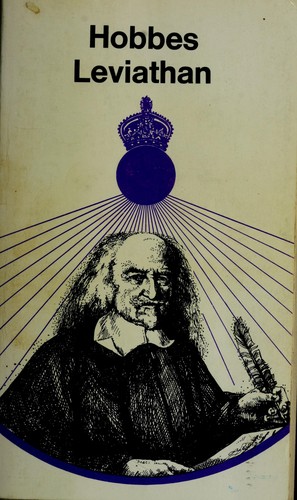
No. 1 on this list. Leviathan
Thomas Hobbes · 1651
Challenging20 hours
Included in: Great Books of the Western World
Leviathan is a core text of political philosophy, taught in nearly every course on the history of political thought and included in Britannica's Great Books of the Western World. Its picture of life without government as 'solitary, poor, nasty, brutish, and short' is among the most quoted lines in English prose.
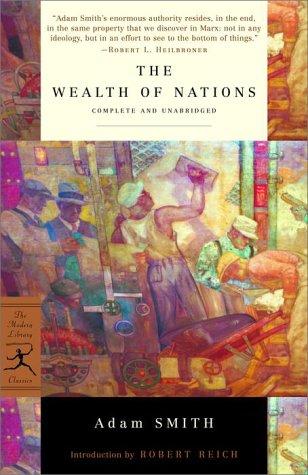
An Inquiry into the Nature and Causes of the Wealth of Nations (1776) is the founding text of modern economics and a fixture of courses in economics, political philosophy and the history of ideas. It has never been out of print.
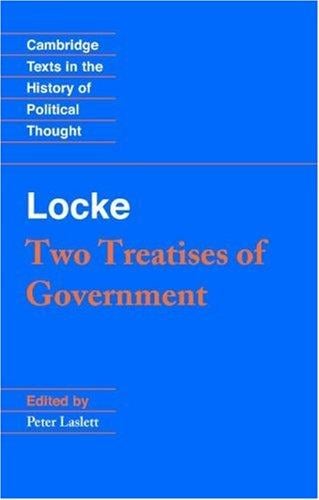
Two Treatises of Government is a standard text in political philosophy and the history of political thought, assigned alongside Hobbes's Leviathan and Rousseau's Social Contract on courses worldwide. The Second Treatise in particular is treated as essential reading on consent, property and the right of revolution.
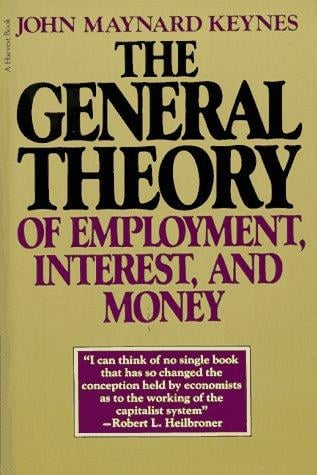
No. 4 on this list. The General Theory of Employment, Interest and Money
John Maynard Keynes · 1936
Challenging12 hours
The founding text of macroeconomics, the General Theory is standard reading in economics and history of economic thought courses and is assigned in politics and history courses on the Depression and the postwar settlement. It appears on most lists of the most important books of the twentieth century.
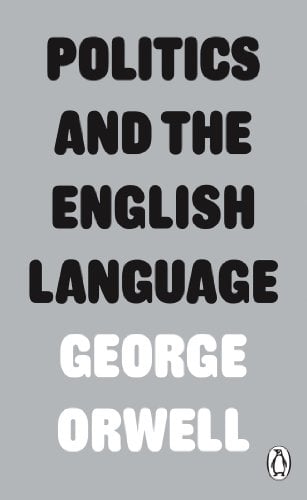
One of the most anthologized and assigned essays in the English language, a fixture of first-year composition, rhetoric, and journalism curricula worldwide. Its six rules and the phrase 'political language' recur in countless style guides and writing handbooks. No syllabus or Wikipedia-language data was available in our database, but its teaching presence rivals the most-taught novels.
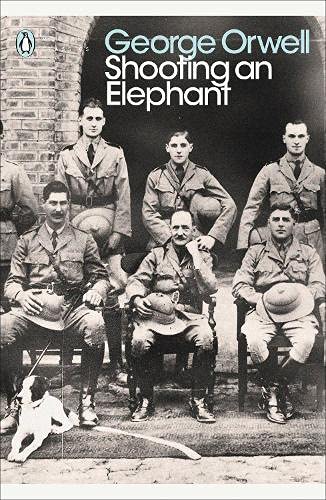
Orwell's essays are standard fixtures in English literature and university composition courses worldwide. 'Shooting an Elephant' and 'Politics and the English Language' rank among the most-assigned essays in undergraduate curricula, appearing across literature, political science, and writing programs. Individual essays have been continuously reprinted since their first collection in the late 1940s.
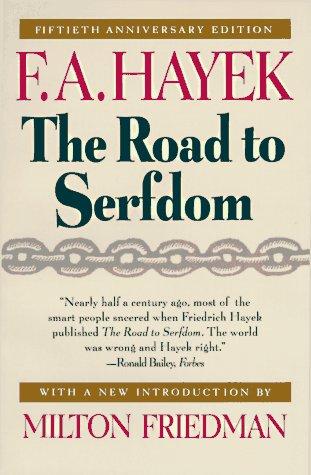
Standard required reading in political philosophy, economics, and liberal theory courses at universities worldwide. Consistently appears on lists of the most influential non-fiction of the 20th century, including TIME's 100 Best Nonfiction list and the Modern Library's reader list. The Wikipedia article exists in over 40 languages, and the book has never gone out of print since 1944.
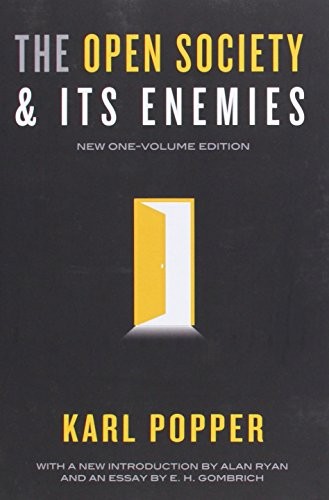
Karl Popper wrote The Open Society and Its Enemies in New Zealand during World War II, watching fascism spread across Europe and wondering how philosophy had helped it along. His answer runs to two thick volumes: Plato built the first blueprint for totalitarianism; Hegel dressed it in mystical abstraction; Marx gave it pseudo-scientific prophecy. The 'enemies' of the title are not politicians but ideas — historicism (the belief that history follows iron laws), essentialism (the belief that social entities have fixed natures), and utopianism (the belief that a perfect state can be designed and implemented whole). Popper dismantles each in turn with patient, numbered argument. He finds Plato's philosopher-kings to be authoritarians by design, their wisdom indistinguishable from the claim that power justifies itself. He finds Hegel's prose to be deliberate obscurantism in service of Prussian power — 'supreme only in his outstanding lack of originality.' He finds Marx's economic prophecies unfalsifiable, and therefore not science but mythology with a scientific costume. What survives the demolition is a defense of the open society: one that tolerates criticism, reforms institutions incrementally, and resists the tribal pull toward certainty. The arguments about why intellectuals are drawn to closed societies — and what makes free societies structurally fragile — read as if written for any decade that has produced one.
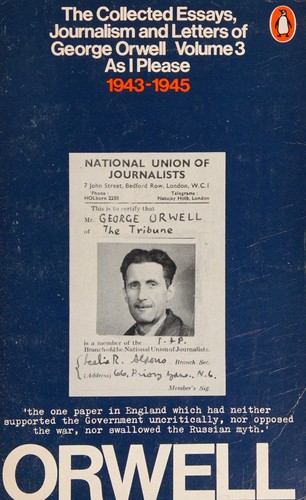
No. 9 on this list. The Collected Essays, Journalism and Letters of George Orwell
George Orwell · 1968
Easy
Essays like 'Politics and the English Language', 'Shooting an Elephant' and 'Why I Write' are taught widely in composition and literature courses. The full four-volume set is more a scholar's and enthusiast's resource than a syllabus text, though it anchors Orwell studies.
Three Guineas opens with a letter — one of three — asking Virginia Woolf to donate money to a society dedicated to preventing war. She has left it unanswered for three years. Her answer, when it comes, takes 180 pages and two additional letters to deliver, and it is not the answer the barrister expected. Woolf argues that men in professional life — lawyers, bishops, professors, politicians — have spent centuries constructing the institutions they now ask women to help defend. The same educational system that trained men to value hierarchy and pageantry over liberty, she shows, also produced the conditions for fascism. To give money to defend those institutions is to underwrite the system that built them. Her method is documentary: she quotes from men's biographies, from parliamentary debates, from newspaper reports of women barred from professions, from Sophocles. Each quotation is a piece of evidence. The three guineas — one to a women's college, one to a professional women's society, one to the anti-war fund — are dispensed on conditions that enact her argument rather than concede to convention. Published in 1938 as Europe moved toward war, Three Guineas is a work of controlled anger and elaborate rhetorical irony. Woolf performs deference with precision; every courtesy conceals a charge.
No. 11 on this list. The Bloody Chamber · Angela Carter · 1979
Taught in schools: OCR GCSE and A-level English Literature (UK)
The Bloody Chamber is among the most-taught works of feminist fiction in British and American university literature programs, appearing on A-level and undergraduate syllabi across the English-speaking world for over four decades. It anchors feminist fairy tale criticism as a field and appears on most 20th-century fiction retrospective lists. Its canonical standing exceeds Infinite Jest (78) in terms of institutional adoption.
Difficult7.2 hours
Start this bookNo. 12 on this list. Thomas Paine: Collected Writings (Loa #76): Common Sense / The American Crisis / Rights of Man / The Age of Reason / Pamphlets, Articles, and Letters · Thomas Paine
Common Sense and Rights of Man are foundational texts in American and political-thought courses, and the Library of America volume places Paine in its national canon of authors. The collection itself is a standard scholarly edition rather than a syllabus staple on its own.
Moderate15 hours
Start this bookNo. 13 on this list. The Silmarillion · J. R. R. Tolkien · 1977
The Silmarillion is widely read within fantasy literature and Tolkien studies, and it appears in courses on mythology, world-building, and fantasy as a genre. It lacks the universal curriculum presence of The Lord of the Rings or The Hobbit, but its Wikipedia article exists in 40+ languages and it remains the foundational text for understanding Tolkien's legendarium.
Moderate17 hours
Start this bookNo. 14 on this list. Modernity and Self-Identity · Anthony Giddens · 1991
No syllabus or Wikipedia-language data was returned for this record, but Modernity and Self-Identity is a fixture of graduate sociology, cultural studies, and media studies curricula worldwide, regularly paired with Giddens' The Consequences of Modernity and Beck's Risk Society on 'theories of modernity' reading lists. It is one of the most frequently assigned entries in Giddens' bibliography outside his introductory textbook Sociology.
Moderate6.1 hours
Start this bookNo. 15 on this list. The Way We Live Now · Anthony Trollope · 1875
Widely taught in Victorian literature courses at universities worldwide and consistently included in lists of the greatest 19th-century English novels. Routinely called Trollope's masterpiece and the finest Victorian satire of money and society. While no formal database entry is available here, the novel's presence on undergraduate syllabi is extensive, placing it solidly in the upper tier of Victorian canonical texts, though below the very highest (Dickens, George Eliot, Hardy).
Moderate23 hours
Start this bookNo. 16 on this list. On Liberty · John Stuart Mill · 1859
On Liberty appears on virtually every Political Philosophy, Liberal Theory, and Ethics syllabus at the undergraduate and graduate level worldwide. It is the foundational text of classical liberalism, required in philosophy, politics, law, and social theory programs globally. It is one of a handful of 19th-century philosophical works that has never left active university teaching.
Moderate3.3 hours
Read nowNo. 17 on this list. The Age of Reason · Thomas Paine
A staple of Enlightenment, deism and American religious-history courses, and a standard text on freethought. It is less central than the major philosophical canon.
Easy2.8 hours
Start this bookNo. 18 on this list. Wives and Daughters · Elizabeth Gaskell · 1866
Wives and Daughters is a fixture of Victorian literature curricula at universities worldwide, consistently ranked among the great English novels of the nineteenth century. Although the Open Syllabus database shows limited entries, the novel regularly appears on 'best Victorian novel' lists and in British literature survey courses. Martin Amis named it one of the supreme English novels; it is published in every major prestige edition including Penguin Classics, Oxford World's Classics, and Everyman's Library.
Moderate19 hours
Start this bookNo. 19 on this list. Epistemic Injustice: Power and the Ethics of Knowing · Miranda Fricker · 2007
Standard reading across epistemology, ethics and political philosophy.
Challenging5.1 hours
Start this bookNo. 20 on this list. Barchester Towers · Anthony Trollope · 1857
Barchester Towers is a fixture in Victorian literature courses, particularly in the UK and Commonwealth, and the Barchester Chronicles are frequently cited as essential Trollope reading. It lacks the global syllabi presence of Dickens or Eliot but commands a firm place in any survey of 19th-century English fiction. Its Wikipedia article exists in numerous languages, reflecting durable international recognition.
Easy12 hours
Start this book
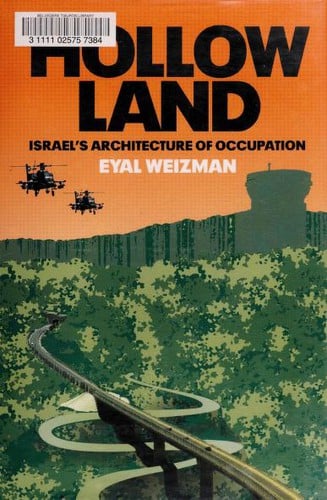
No. 21 on this list. Hollow Land: Israel's Architecture of Occupation · Eyal Weizman · 2007
Widely taught in architecture, geography, political theory and Middle East studies, and a standard reference for spatial analysis of occupation. It has not reached the general literary canon.
Challenging6.8 hours
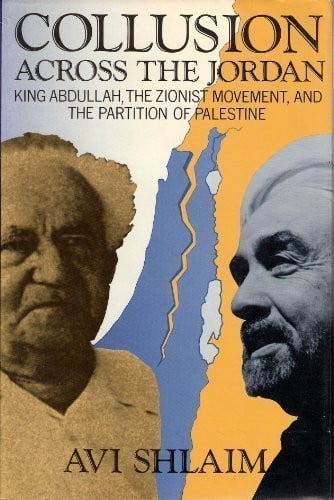
Start this bookNo. 22 on this list. Collusion Across the Jordan: King Abdullah, the Zionist Movement, and the Partition of Palestine · Avi Shlaim · 1988
It is a standard text in Middle East history courses and is cited constantly in the study of 1948, though it is a specialist monograph rather than general canon.
Easy11 hours
Start this bookNo. 23 on this list. Cranford · Elizabeth Gaskell · 1853
Cranford is a staple of Victorian literature courses and appears in most university syllabi covering the period, though it sits below the first tier occupied by Dickens, the Brontës, and George Eliot. It is widely available in prestige editions (Oxford World's Classics, Penguin Classics) and has a Wikipedia article in more than 40 languages, reflecting substantial global recognition.
Easy4.1 hours
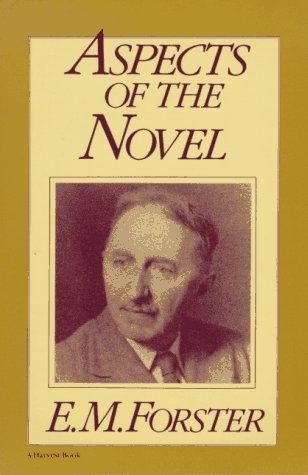
Start this bookNo. 24 on this list. Aspects of the Novel · E.M. Forster · 1927
Forster's Clark Lectures at Cambridge—delivered when he was already the author of A Passage to India—remain the most readable introduction to the craft of fiction. He distinguishes between story ('The king died and then the queen died') and plot ('The king died and then the queen died of grief'), between flat characters (who can be summed up in a sentence) and round characters (who surprise convincingly), and between prophecy and fantasy. The distinction between flat and round characters has become so widely used that most readers encounter it without knowing its source. Forster writes with a novelist's wit and informality—he treats the great novelists as colleagues, not monuments—and his opinions are refreshingly direct: he considers Scott clumsy, Meredith pretentious, and James too concerned with pattern at the expense of life. The lectures are held together by his conviction that the novel's great virtue is its ability to show us the inner life of other people.
Easy2.6 hours
Read nowNo. 25 on this list. Mary Barton · Elizabeth Gaskell · 1848
Mary Barton appears regularly on university syllabi in Victorian literature, social fiction, and labor history courses in both British and American universities. While no syllabus count data is available, it holds a recognized place in the Victorian canon alongside Dickens and George Eliot, particularly as a foundational text of the industrial novel.
Moderate10 hours
Start this bookNo. 26 on this list. The Dawn of Everything · David Wengrow · 2021
A 2021 New York Times bestseller that is already widely assigned and debated in anthropology, archaeology and political theory courses. It is too recent to count as a settled canonical text.
Moderate13 hours
Start this bookNo. 27 on this list. Small Is Beautiful · E.F. Schumacher · 1973
Small Is Beautiful is a classic of environmental and alternative economics, still assigned in courses on development, sustainability and ecological economics. It is less read in mainstream economics, where it sits outside the core.
Easy3.9 hours
Start this bookNo. 28 on this list. Geschichte eines Deutschen · Sebastian Haffner · 2000
It is widely read and cited in German schools and in discussions of the Nazi era, though not a long-standing classic. Its status grows as a standard first-hand account of 1930s Germany.
Easy4.5 hours
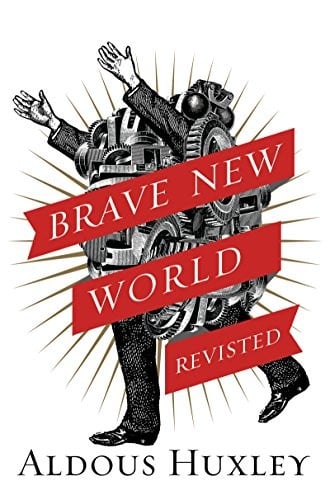
Start this bookNo. 29 on this list. Brave New World Revisited · Aldous Huxley · 1958
Read as a companion to Brave New World and a key document in dystopian studies. Less widely known than the novel it revisits.
Moderate2.5 hours
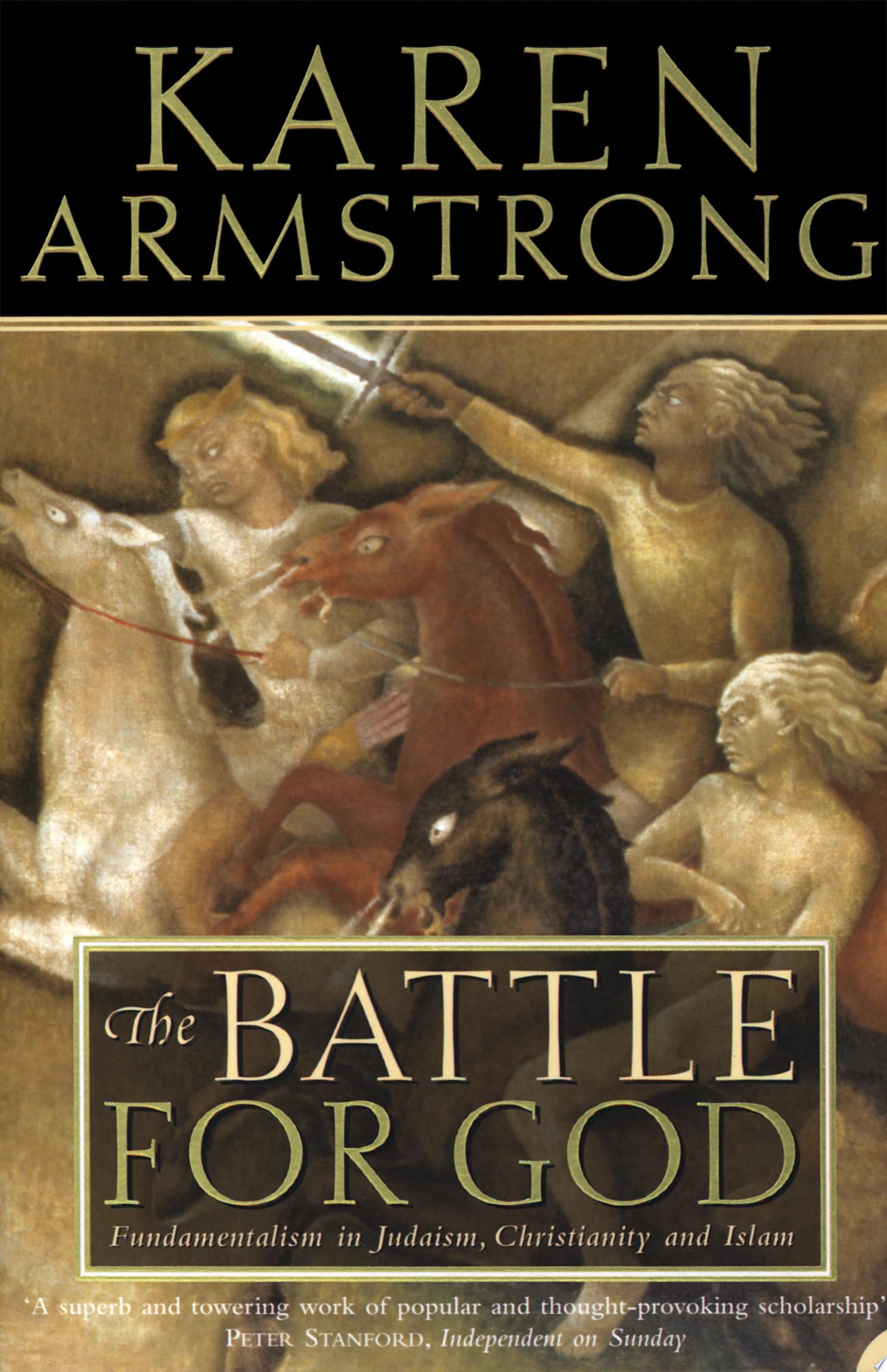
Start this bookNo. 30 on this list. The Battle for God · Karen Armstrong · 2001
It is widely read and assigned in religious studies and politics courses on fundamentalism, but is a modern popular history rather than a canonical text.
Moderate12 hours
Start this book
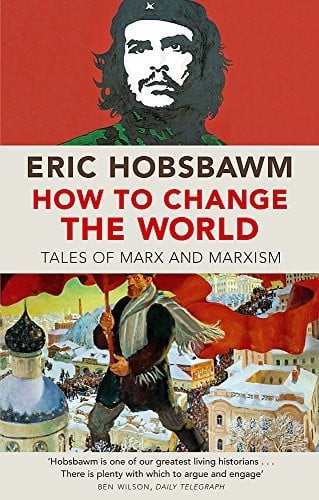
No. 31 on this list. Como Mudar o Mundo
Eric J. Hobsbawm · 2011
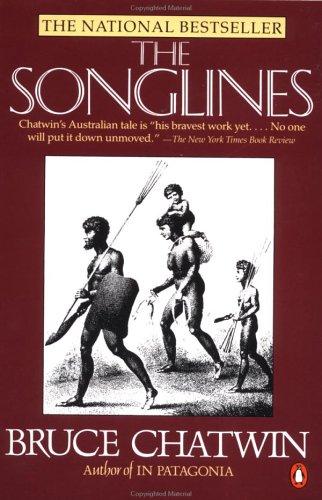
No. 32 on this list. The Songlines
Bruce Chatwin · 1987
No. 33 on this list. The Politics of Life Itself: Biomedicine, Power, and Subjectivity in the Twenty-First Century
Nikolas Rose · 2007
No. 34 on this list. The Ethnic Cleansing of Palestine
Ilan Pappé · 2006
No. 35 on this list. A History of Modern Palestine: One Land, Two Peoples
Ilan Pappé · 2004
No. 36 on this list. Where Angels Fear to Tread
E.M. Forster · 1905
No. 37 on this list. Why I'm No Longer Talking to White People About Race
Reni Eddo-Lodge · 2017
No. 38 on this list. Summerhill
A.S. Neill · 1960
No. 39 on this list. Invisible Women: Data Bias in a World Designed for Men
Caroline Criado Pérez · 2019
No. 40 on this list. Putins Netz

No. 41 on this list. Outliers: The Story of Success
Malcolm Gladwell · 2008
No. 42 on this list. The Tipping Point: How Little Things Can Make a Big Difference
Malcolm Gladwell · 2000
No. 43 on this list. Holy War
Karen Armstrong · 1992
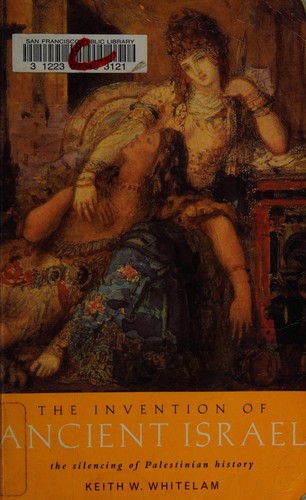
No. 44 on this list. The Invention of Ancient Israel: The Silencing of Palestinian History
Keith W. Whitelam · 2000
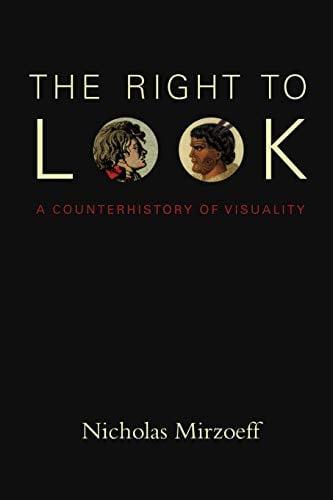
No. 45 on this list. The Right to Look: A Counterhistory of Visuality
Nicholas Mirzoeff · 2011
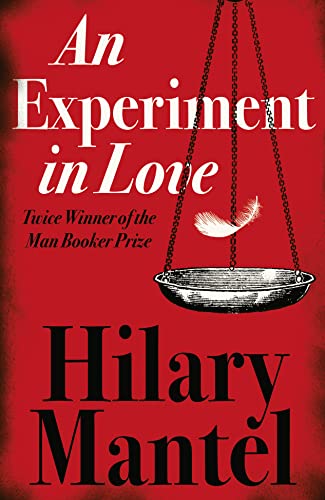
No. 46 on this list. An Experiment in Love
Hilary Mantel · 1996
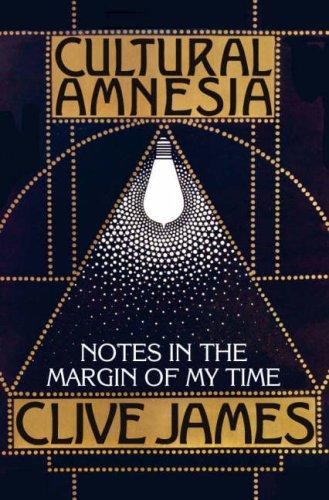
No. 47 on this list. Cultural Amnesia
Clive James · 2007
No. 48 on this list. The Transgender Issue: Trans Justice Is Justice for All
Shon Faye · 2021
No. 49 on this list. How the World Made the West: A 4,000-Year History
Josephine Quinn · 2024
No. 50 on this list. Why War?
Richard Overy · 2024

No. 51 on this list. The Big Necessity: The Unmentionable World of Human Waste and Why It Matters
Rose George · 2008
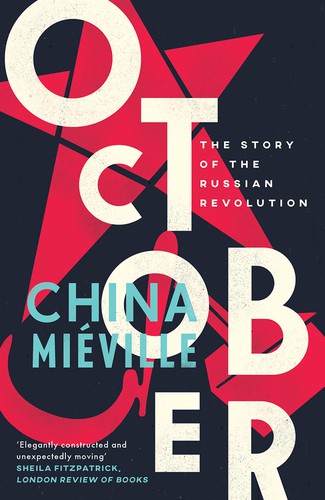
No. 52 on this list. October: The Story of the Russian Revolution
China Miéville · 2017
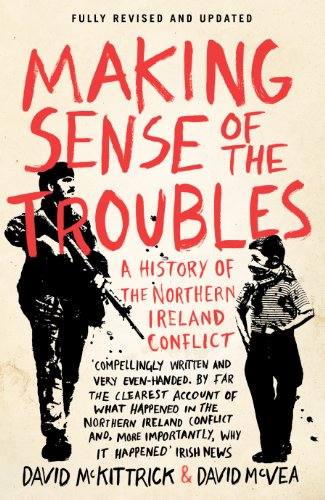
No. 53 on this list. Making Sense of the Troubles: a History of the Northern Ireland Conflict
David McKittrick · 2012
No. 54 on this list. A Genealogy of Queer Theory
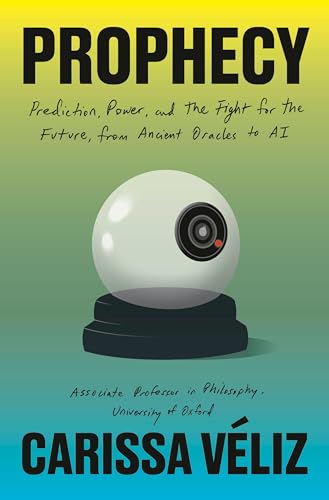
No. 55 on this list. Prophecy: Prediction, Power, and the Fight for the Future, from Ancient Oracles to AI
Carissa Véliz · 2026
No. 56 on this list. David and Goliath: Underdogs, Misfits, and the Art of Battling Giants
Malcolm Gladwell · 2013
No. 57 on this list. Prisoners of Geography
Tim Marshall · 2015
No. 58 on this list. Call Me Ishmaelle
Xiaolu Guo · 2026
No. 59 on this list. Creative Schools
Ken Robinson · 2015
No. 60 on this list. A Queer Romance
Paul Burston · 2005
No. 61 on this list. The Secret History of the Five Eyes
Richard Kerbaj · 2023
No. 62 on this list. Against the Machine: On the Unmaking of Humanity
Paul Kingsnorth · 2025
No. 63 on this list. The Data Detective: Ten Easy Rules to Make Sense of Statistics
Tim Harford · 2021
No. 64 on this list. The New Age of Sexism: How AI and Emerging Technologies Are Reinventing Misogyny
Laura Bates · 2025
No. 65 on this list. Bad Taste: Or the Politics of Ugliness
Nathalie Olah · 2023
No. 66 on this list. The Hounding
Xenobe Purvis · 2025
No. 67 on this list. Leaders Eat Last
Simon Sinek · 2017
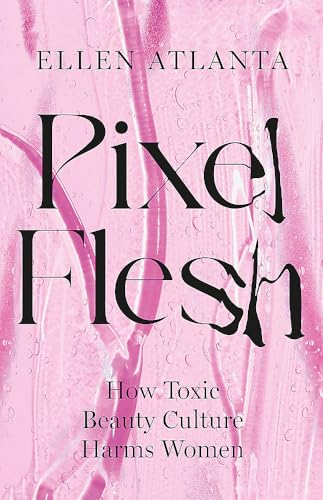
No. 68 on this list. Pixel Flesh: How Toxic Beauty Culture Harms Women
Ellen Atlanta · 2024
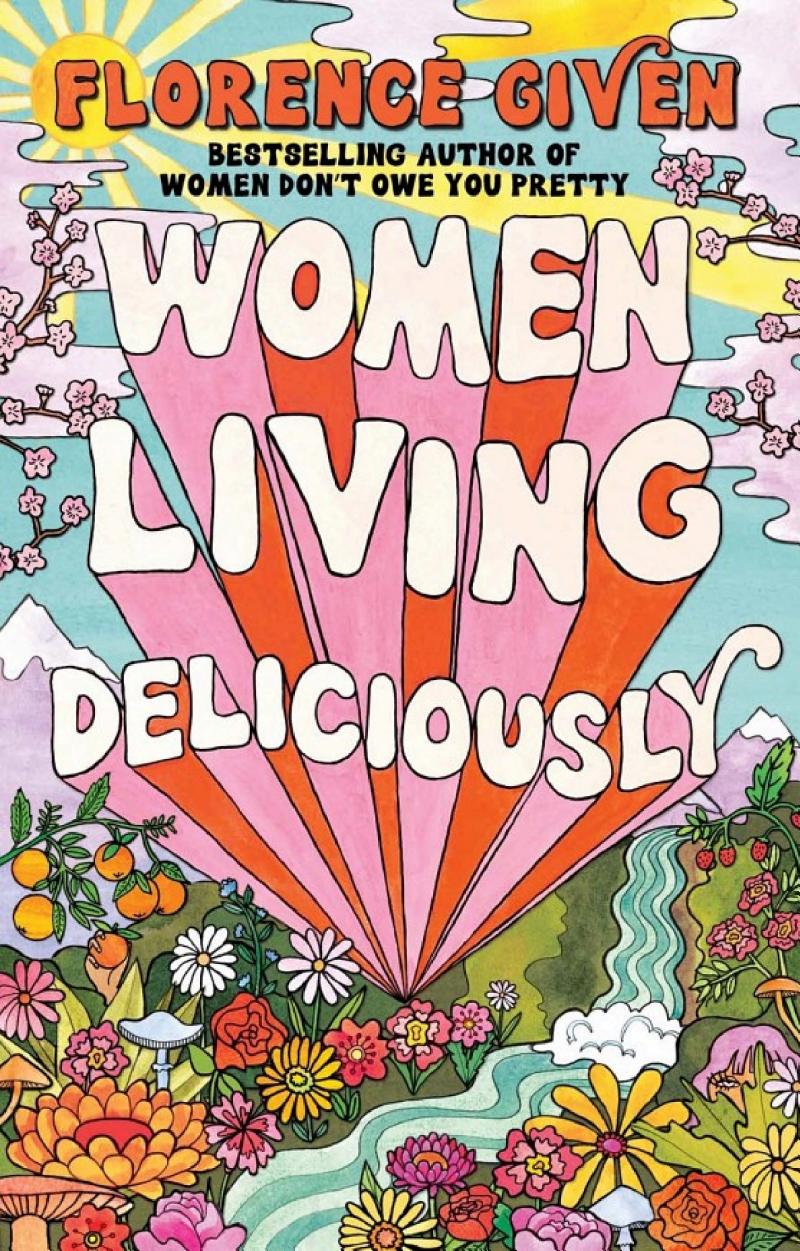
No. 69 on this list. Women Living Deliciously
Florence Given · 2024
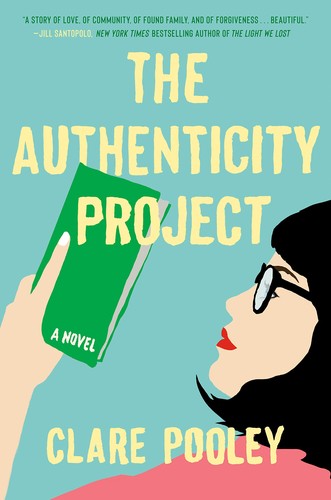
No. 70 on this list. The Authenticity Project
Clare Pooley · 2020
About this list
These 70 books are the highest-scoring eligible books on politics and society from Britain currently in the catalogue. About 537 hours of reading in all, for the 67 with measured lengths. Difficulty runs from 32 to 53 out of 100 for the middle half of the list; the summit is The Bloody Chamber at 77.
This list is ranked by literary regard, with a consistent order for equal scores. Membership follows authors and co-authors, not translators or editors. Catalogue coverage and the historical canon both limit what this list can represent, and genre labels are the catalogue’s own, gathered into broader kinds.
When we matched the Canons dataset to our catalogue in October 2026, our canonical-status scores rose with the number of school curricula, publisher series and lists in it that cite a work: the median score was 72 for books one such source cites, 84 at two, 88 at three, 92 at four and 93 at five or more. Prizes are left out of that count. Outside the state curricula, the dataset’s sources choose mostly from what has been translated into English or French, so it is a weaker check on other literatures. Source: Canons (Andrew Piper), CC BY 4.0
Questions people actually ask
- What are the best books on politics and society from Britain?
- By literary regard, which weighs canonical status, critical standing and influence: Leviathan by Thomas Hobbes, The Wealth of Nations by Adam Smith, Two Treatises of Government by John Locke, The General Theory of Employment, Interest and Money by John Maynard Keynes and Politics and the English Language by George Orwell. ReadingRate ranks 70 such books, each with a difficulty score and a reading-time estimate.
- Which books on politics and society from Britain should I read first?
- Start from difficulty, not from rank. The most approachable books on this list that still carry top literary regard are Politics and the English Language by George Orwell (about 16 min), The Collected Essays, Journalism and Letters of George Orwell by George Orwell and Shooting an Elephant and Other Essays by George Orwell.
- What are the shortest of the best books on politics and society from Britain?
- Among the top 25, the shortest are Politics and the English Language by George Orwell (about 16 min), Aspects of the Novel by E.M. Forster (about 2.6 hours) and On Liberty by John Stuart Mill (about 3.3 hours), at an average pace of 250 words a minute adjusted for each book's difficulty.
- Which of the best books on politics and society from Britain are the established classics?
- By canonical status, how firmly a book sits in curricula, anthologies and the canon: Leviathan by Thomas Hobbes, The Wealth of Nations by Adam Smith, Two Treatises of Government by John Locke, Politics and the English Language by George Orwell and Shooting an Elephant and Other Essays by George Orwell.
- Can I read any of these books on politics and society from Britain for free?
- 5 of the 70 open in ReadingRate's reader with a free account, from public-domain editions: Leviathan, The Wealth of Nations, Two Treatises of Government, On Liberty and Aspects of the Novel.
- How long would it take to read the top ten?
- About 120 hours for the 9 with measured lengths, at an average pace of 250 words a minute adjusted for each book's difficulty: 60 days at two hours a day. Set your own pace on the page and the list's reading times change to it.
- How hard are books on politics and society from Britain to read?
- Most of this list sits between 32 and 53 on ReadingRate's 100-point difficulty scale, where 40 to 55 is moderate. The summit is The Bloody Chamber at 77. Every entry carries its own score, so a reader can pick a great book at a difficulty they will finish.
- How is this list ranked?
- On literary-regard data: how canonically established a work is, its critical standing, and its influence on later writing. It is not a readers’ poll, which is why recent bestsellers rarely appear. Membership follows authors and co-authors, not translators or editors. Lists by country, author, period, theme or difficulty keep to literature: fiction, poetry and drama, with no philosophy, criticism or theory. A list of a kind of book, such as philosophy, memoir or criticism, keeps every book of that kind. Every list holds at most three works by one author.