Hours at an average pace
Showing 96 books
About 831 hours for 96 of 96 books with measured lengths. Estimates use 250 words a minute, adjusted for each book's difficulty. At 2 hours a day, about 416 days for those books.
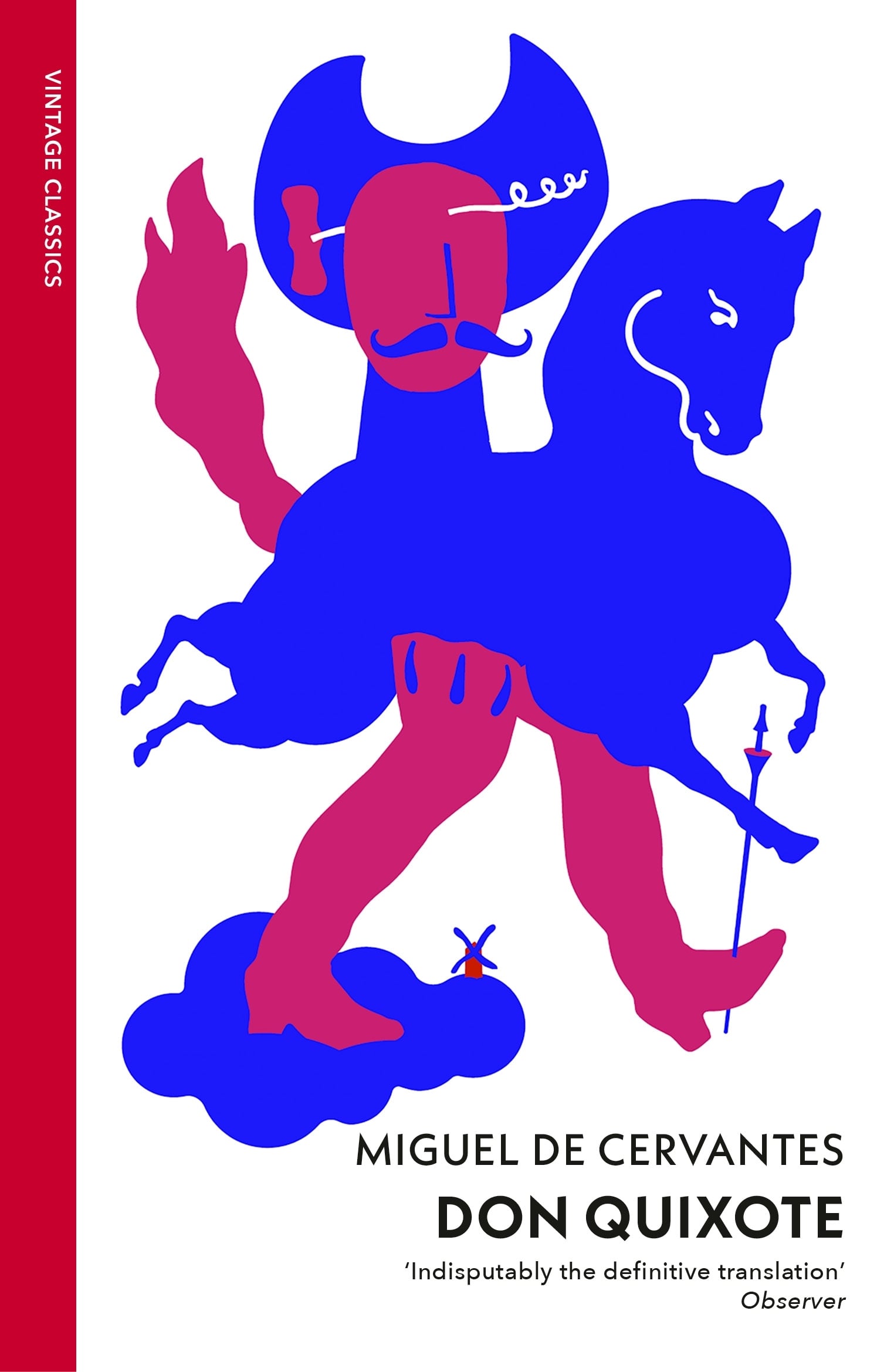
No. 1 on this list. Don Quixote
Miguel de Cervantes · 1605
Challenging32 hours
Taught in schools: Hungarian literature curriculum (magyar nyelv és irodalom) (Hungary), Literatura, Diseño Curricular – Provincia de Buenos Aires (Argentina), Montenegrin literature curriculum (crnogorski jezik i književnost) (Montenegro)
Included in: Bokklubben World Library, Great Books of the Western World
271 syllabus appearances (60.8th percentile) undersells its actual canonical weight. Don Quixote appears on virtually every Western canon list ever compiled, from Harold Bloom's to university core curricula worldwide. It is routinely called the first modern novel and the foundational work of Western fiction. Its relatively lower syllabus count likely reflects the novel's 900+ page length making it harder to assign in survey courses.
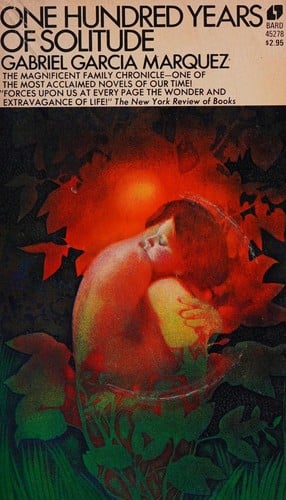
No. 2 on this list. One Hundred Years of Solitude
Gabriel García Márquez · 1967
Challenging10 hours
Taught in schools: Literatura, Diseño Curricular – Provincia de Buenos Aires (Argentina)
Included in: Bokklubben World Library
García Márquez wove a century of Latin American history into one family's story where the miraculous and the mundane coexist without explanation — ice is as wondrous as levitation. The book proved that the novel could channel an entire continent's experience in a voice that had no European precedent.
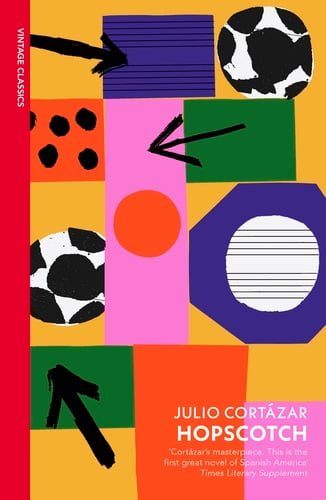
Rayuela is one of the core novels of the Latin American Boom, taught in Spanish and world literature courses across the Americas and Europe. It appears on most lists of the great Spanish-language novels of the century.
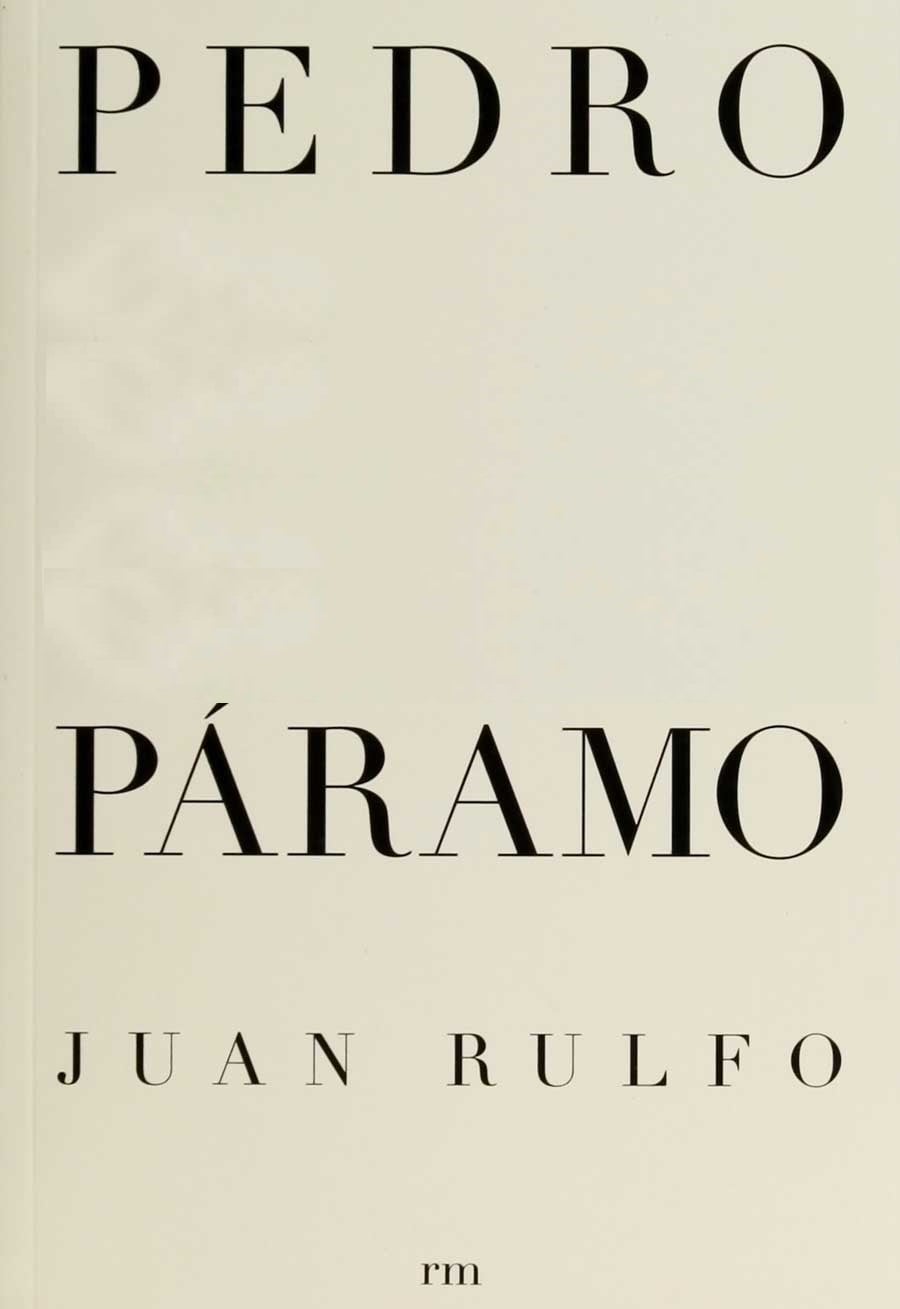
No. 4 on this list. Pedro Páramo
Juan Rulfo · 1955
Difficult3.6 hours
Taught in schools: Literatura, Diseño Curricular – Provincia de Buenos Aires (Argentina), UNAM Escuela Nacional Preparatoria – programas de Literatura (Mexico)
Included in: Bokklubben World Library
Pedro Páramo is the foundational text of Latin American modernism, present in nearly every world literature curriculum globally. Its Wikipedia article spans 26 languages. García Márquez credited it with teaching him how to write One Hundred Years of Solitude — a direct line of influence that alone ensures canonical permanence. Penguin Modern Classics published it in 1961.
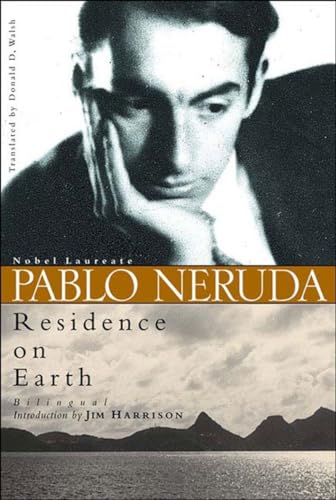
Pablo Neruda wrote the poems of 'Residence on Earth' during his years as a Chilean consul in Burma, Ceylon, and Java — postings that left him profoundly isolated, surrounded by unfamiliar languages and dissolving heat. What came out was a poetry of radical disorientation: rain that rots wood, flesh that smells of brine, clocks that leak time like a wound. The opening poem, 'Galope Muerto,' begins mid-sensation: 'Like ashes, like oceans populating themselves, in the submerged slowness, in the shapeless.' There is no speaker announced, no situation established. The collection works entirely through image — blood, sea, bone, stone — stacked without logical mortar until the pressure of accumulated sensation becomes its own argument. 'Walking Around' describes a man so disgusted by modern life he wants to throw everything away, the umbrellas and the accountants and the stockings. 'Ode with a Lament' addresses an unnamed woman through images of shipwrecks and salt. The later sections shift toward political fury — odes to Madrid under bombardment, to Stalingrad, to Spain's dead — but even the political poems work through elemental image rather than rhetoric. This is poetry that does not explain itself. Readers who need a narrative thread or an argument will find none. Those willing to receive sensation as meaning will encounter one of the most physically intense bodies of verse written in the 20th century.
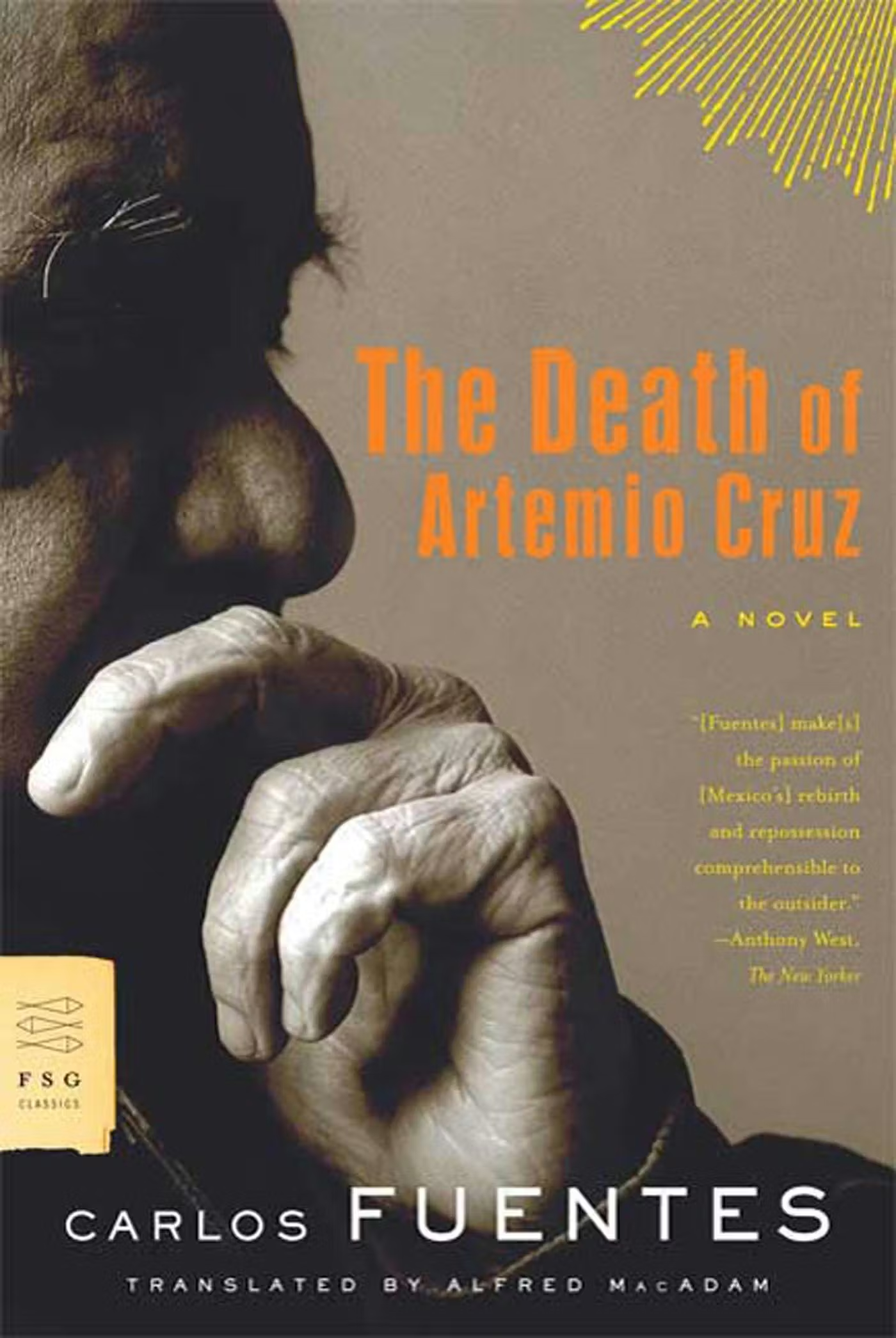
The Death of Artemio Cruz occupies a central position in the Latin American Boom canon and appears regularly in world literature curricula alongside works by García Márquez, Vargas Llosa, and Cortázar. It is widely considered Fuentes's masterpiece and a defining text of mid-20th-century experimental fiction. The novel remains in continuous print in multiple languages and features prominently in scholarly studies of modernist narrative technique.
No. 7 on this list. Noli Me Tangere
José Rizal · 1887
Challenging13 hours
Included in: Biblioteca Ayacucho, UNESCO Collection of Representative Works
Required reading in all Philippine schools by law, Noli Me Tangere holds a uniquely institutionalized canonical status — one of the few novels anywhere in the world with a legal mandate for teaching. It appears on world literature and postcolonial studies syllabi globally, and its Wikipedia article exists in dozens of languages reflecting its reach across Southeast Asia and the broader diaspora.
No. 8 on this list. The Burning Plain and Other Stories
Juan Rulfo · 1953
Challenging3.4 hours
Taught in schools: UNAM Escuela Nacional Preparatoria – programas de Literatura (Mexico)
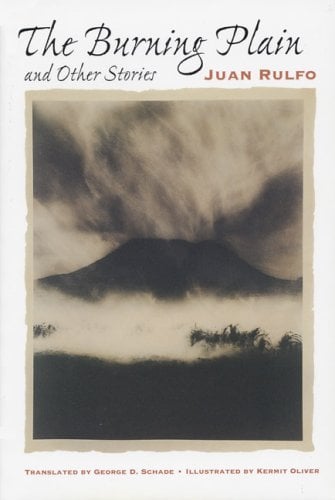
In seventeen stories set across the parched hills of Jalisco, Mexico, Rulfo's peasants carry their dead with them — sometimes literally. A man hauls his father's corpse on his back through the mountains. An old woman refuses to believe her son is a murderer. Soldiers and sharecroppers and abandoned wives speak in short, exact sentences, and the landscape answers with dust and silence. The dead narrate their own stories without announcing they are dead; readers piece it together from the wrong temperature of the prose. Rulfo strips everything from his fiction — backstory, explanation, transitions — until only the essential pressure remains. The Burning Plain was published in 1953, two years before Pedro Páramo, and it shares that novel's method: grief without sentimentality, violence without drama, the supernatural arriving with the matter-of-fact normalness of weather. Gabriel García Márquez said he memorized the entire book and recited it to friends. That is the correct response. These stories end before they explain themselves, in the way that real catastrophe does.
Required across Spanish-language education and the single most quoted body of modern Spanish poetry.
The central text of the Spanish Baroque and a required reference point in any account of European poetry's difficulty.
No. 11 on this list. Love in the Time of Cholera · Gabriel García Márquez · 1985
Included in: Bokklubben World Library
Widely taught in world literature and Latin American literature courses, second only to One Hundred Years of Solitude among Garcia Marquez's works. Regularly appears on 'greatest novels' lists and has become a touchstone for discussions of love in literature.
Challenging11 hours
Start this bookNo. 12 on this list. Fortunata and Jacinta · Benito Pérez Galdós · 1887
Universally recognized as the masterpiece of Spanish realism and one of the great European novels of the nineteenth century.
Easy20 hours
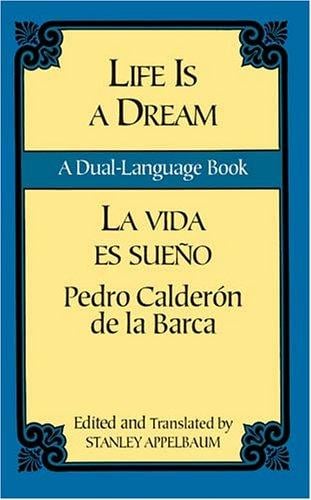
Start this bookNo. 13 on this list. Life Is a Dream · Pedro Calderon de la Barca · 1635
The central play of the Spanish Golden Age, standard in world-drama and Hispanic-studies curricula, and reprinted continuously since 1636.
Challenging2 hours
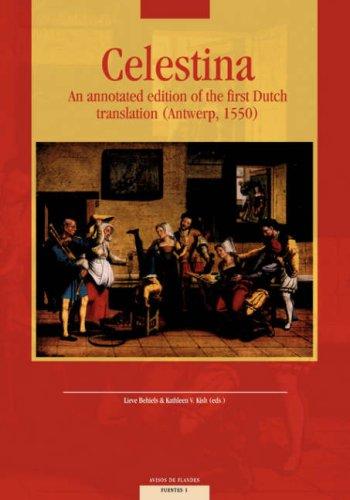
Start this bookNo. 14 on this list. Celestina · Fernando de Rojas · 1499
Ranked immediately after Don Quixote in the Spanish canon, required reading in Spanish education and standard in medieval and Renaissance literature courses worldwide.
Difficult9.8 hours
Start this bookNo. 15 on this list. Selected Poems of Garcilaso de la Vega · Garcilaso de la Vega · 1543
The foundational poet of Spanish Renaissance verse, required in every Spanish literature curriculum and standard in European Renaissance courses.
Challenging1.2 hours
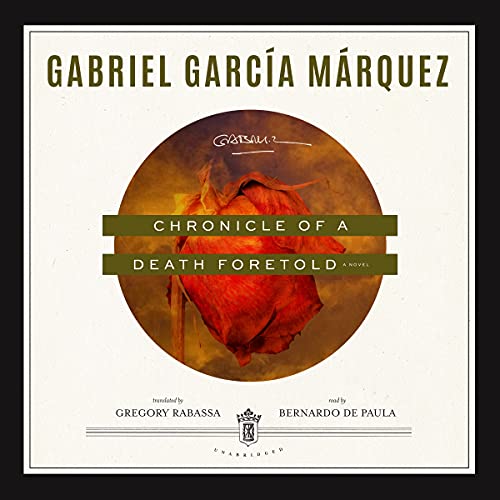
Start this bookNo. 16 on this list. Chronicle of a Death Foretold · Gabriel García Márquez · 1981
Taught in schools: Montenegrin literature curriculum (crnogorski jezik i književnost) (Montenegro)
Widely taught in world literature and Latin American studies courses. Considered essential García Márquez alongside One Hundred Years of Solitude. The novella appears consistently on major reading lists and is recognized as a masterpiece of compression and moral inquiry. Its examination of honor culture has made it a touchstone text.
Moderate2 hours
Start this bookNo. 17 on this list. Bohemian Lights · Ramón del Valle-Inclán · 1924
Required reading in Spanish secondary education and the defining text of the esperpento in every account of modern Spanish theatre.
Difficult2.8 hours
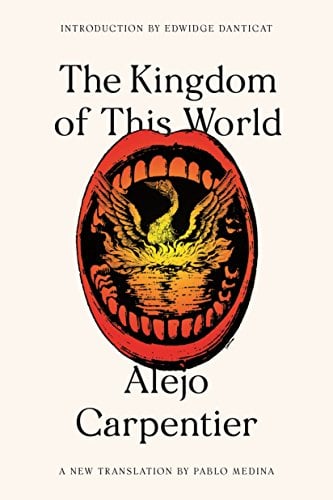
Start this bookNo. 18 on this list. The Kingdom of This World · Alejo Carpentier · 1949
Taught in schools: Literatura, Diseño Curricular – Provincia de Buenos Aires (Argentina)
The Kingdom of This World is widely taught in Latin American literature courses and postcolonial studies programs worldwide. The novel launched the concept of 'lo real maravilloso' (the marvelous real), which Carpentier articulated in its famous prologue — making it a required theoretical as well as literary text. No specific syllabus count data is available, but its presence on comparative literature and world fiction syllabi is consistent and decades-long.
Challenging2.7 hours
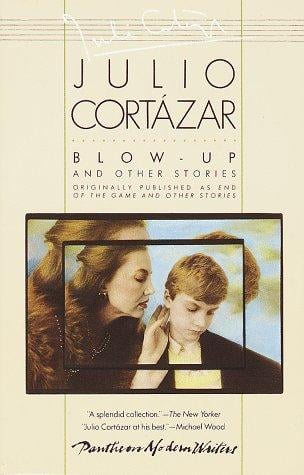
Start this bookNo. 19 on this list. Blow-Up and Other Stories · Julio Cortázar · 1967
A landmark collection in Latin American literature and Cortázar's most widely read short fiction in English. The title story is anthologized constantly.
Moderate5.8 hours
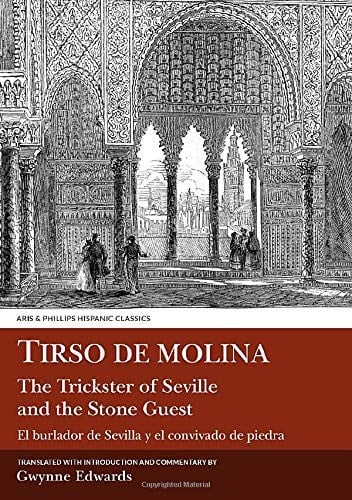
Start this bookNo. 20 on this list. The Trickster of Seville and the Stone Guest · Tirso de Molina · 1630
The source play for one of the four or five most durable characters in European literature, standard in world-drama and comparative-literature syllabi.
Moderate1.3 hours
Start this book
No. 21 on this list. Marks of Identity · Juan Goytisolo · 1966
Marks of Identity is the opening volume of Goytisolo's Mendiola Trilogy, widely recognized as the most important work of experimental Spanish fiction produced under Francoism. It holds a secure position in world literature syllabi as a landmark text of anti-Francoist dissent written in a formal language learned from Faulkner, Sartre, and the nouveau roman.
Difficult20 hours
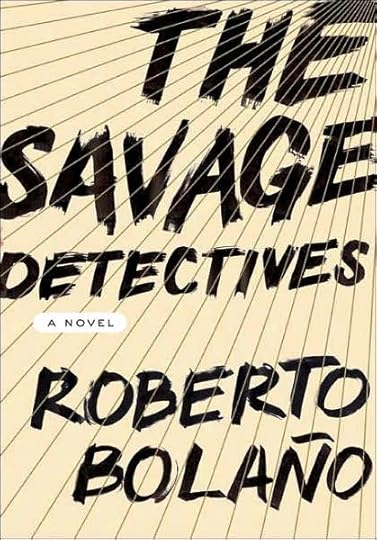
Start this bookNo. 22 on this list. The Savage Detectives · Roberto Bolaño · 1998
Taught in schools: UNAM Escuela Nacional Preparatoria – programas de Literatura (Mexico)
Wikipedia records the novel in 8 languages and includes a dedicated reception section, indicating meaningful international critical attention. The book appears in world literature courses but lacks the syllabus saturation of García Márquez or Borges. It is a canonical text within post-boom Latin American literature without having achieved the broad pedagogical adoption of the century's founding works.
Challenging26 hours
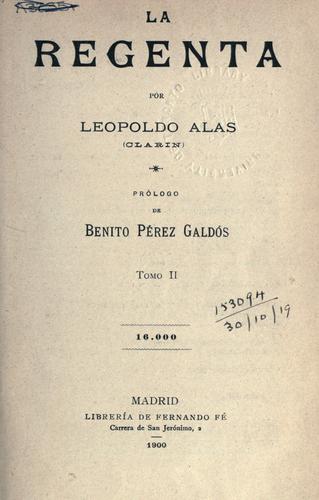
Start this bookNo. 23 on this list. La Regenta · Leopoldo Alas "Clarín" · 1885
Ranked in Spain as the greatest nineteenth-century Spanish novel and the country's answer to Madame Bovary, standard on Hispanic-studies syllabi worldwide.
Challenging36 hours
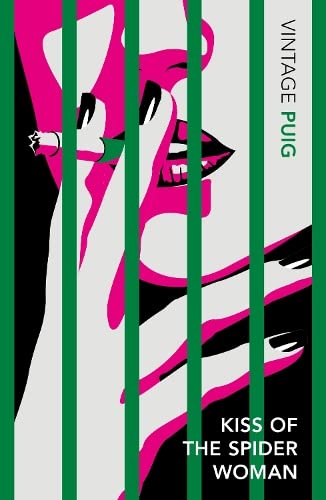
Start this bookNo. 24 on this list. Kiss of the Spider Woman · Manuel Puig · 1976
Luis Molina shares a prison cell with Valentín Arregui, a Marxist guerrilla. To pass the time, Molina tells films — old Hollywood pictures about panther women in Manhattan, zombies in the Caribbean, a Nazi chanteuse in occupied Paris, a blind pianist in an enchanted forest. Valentín argues, interrupts, accuses them of being bourgeois escapism, then asks for more. Interspersed among their exchanges, academic footnotes cite Freud, Marcuse, and West on the origins of homosexuality, in a scholarly voice that grows increasingly unreliable as the chapters proceed. Puig wrote the entire novel as dialogue — no narration except what slips through the two men's competing descriptions and imaginings. The films Molina chooses are not arbitrary: each one mirrors the relationship forming in the cell, the compromises being made, the deals struck with power. The Spider Woman of the title never appears directly. She is the figure who traps men in her web — which, by the novel's devastating final chapters, could describe almost anyone in the book. The 1985 film adaptation won William Hurt the Academy Award, but the novel does something no film can: it forces the reader to reconstruct meaning from two voices talking in the dark, one trying to lose himself in stories, one trying to hold onto politics. Both fail, in the most human way possible. The final chapter delivers Molina's fate through a police surveillance report — facts without feeling, the cruelest possible form of narration.
Challenging9.3 hours
Start this bookNo. 25 on this list. Mist · Miguel de Unamuno · 1914
Standard in Spanish literature and modern-European-novel syllabi as the founding text of Hispanic metafiction.
Difficult6.8 hours
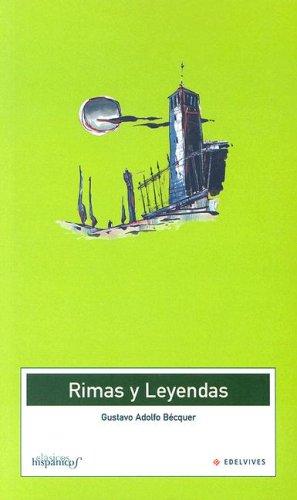
Start this bookNo. 26 on this list. Rhymes and Legends · Gustavo Adolfo Bécquer · 1871
The most memorised body of poetry in Spanish after the Coplas, required across Spanish-language secondary education.
Moderate4.1 hours
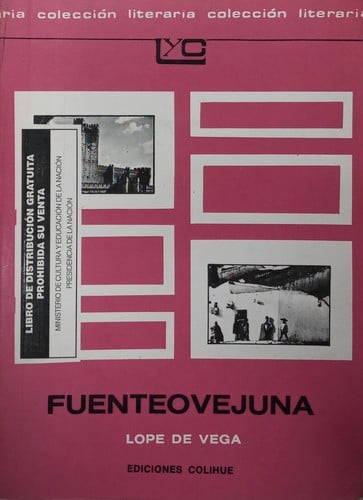
Start this bookNo. 27 on this list. Fuenteovejuna · Lope de Vega · 1619
The most performed and most taught play of the Spanish Golden Age after Life Is a Dream, standard in Hispanic and world-theatre curricula.
Moderate1.2 hours
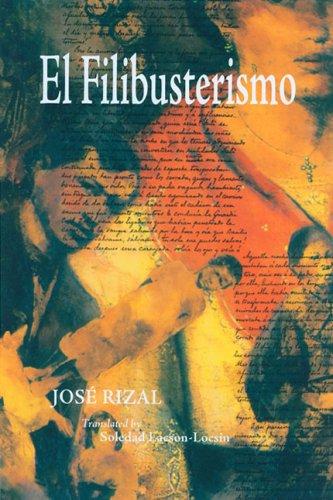
Start this bookNo. 28 on this list. El Filibusterismo · José Rizal · 1891
Included in: UNESCO Collection of Representative Works
El Filibusterismo holds canonical status as the Philippine national novel alongside Noli Me Tangere—required by law in Philippine schools—and is recognized globally as a foundational postcolonial text written before the term existed. Rizal was executed by Spanish colonial authorities partly on the basis of having written it, cementing its status as literature that changed history.
Challenging8.9 hours
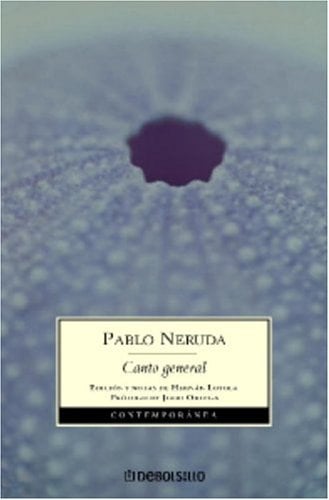
Start this bookNo. 29 on this list. Canto General · Pablo Neruda · 1950
Taught in schools: Literatura, Diseño Curricular – Provincia de Buenos Aires (Argentina), UNAM Escuela Nacional Preparatoria – programas de Literatura (Mexico)
Comprising 15 sections and over 300 separate poems, Neruda's epic masterwork traces the history of Spanish America from pre-Colombian innocence to modern corruption. This edition includes a comprehensive introduction and numerous photos of Neruda.
Moderate5.5 hours
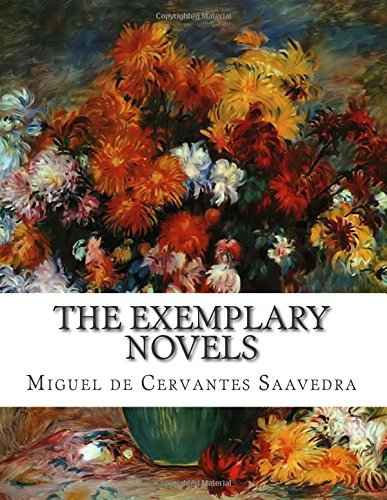
Start this bookNo. 30 on this list. Exemplary Novels · Miguel de Cervantes · 1613
The foundational collection of original short fiction in Spanish and a major work by the author of Don Quixote.
Moderate7.9 hours
Read now
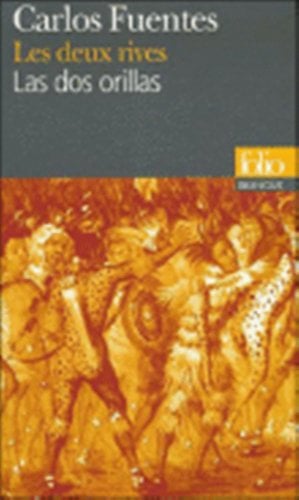
No. 31 on this list. Aura
Carlos Fuentes · 1962
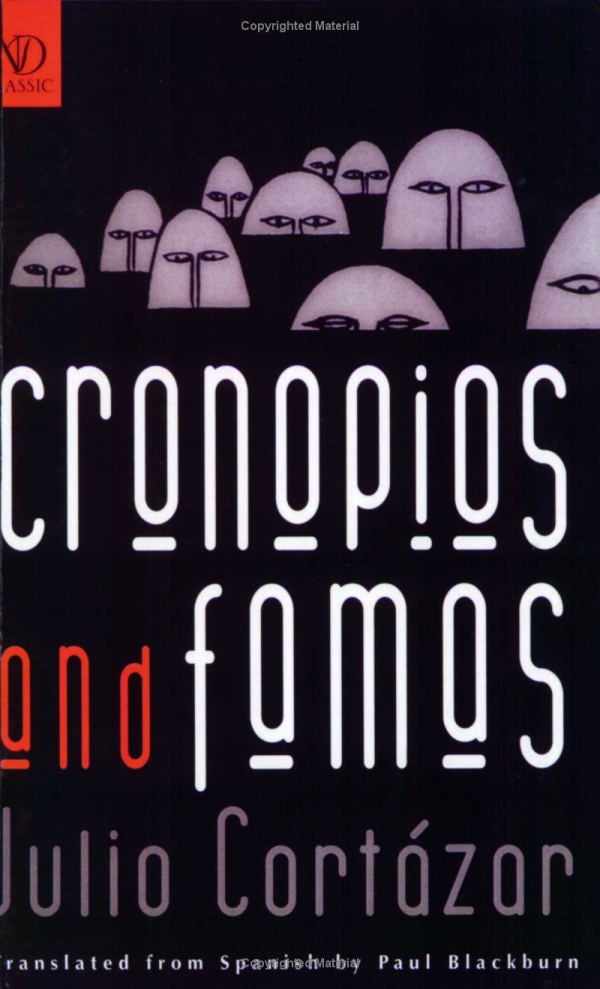
No. 32 on this list. Cronopios and Famas
Julio Cortázar · 1962
Taught in schools: Literatura, Diseño Curricular – Provincia de Buenos Aires (Argentina), UNAM Escuela Nacional Preparatoria – programas de Literatura (Mexico)
No. 33 on this list. Reality and Desire
Luis Cernuda · 1936
Taught in schools: EBAU Lengua Castellana y Literatura II (Andalucía) (Spain)
No. 34 on this list. Verses on the Death of His Father
Jorge Manrique · 1476
No. 35 on this list. Tyrant Banderas
Ramón del Valle-Inclán · 1926
No. 36 on this list. Solitudes, Galleries and Other Poems
Antonio Machado · 1907
No. 37 on this list. Terra Nostra
Carlos Fuentes · 1975
No. 38 on this list. The Unending Lightning
Miguel Hernández · 1936
No. 39 on this list. The Tragic Sense of Life
Miguel de Unamuno · 1913
No. 40 on this list. Time of Silence
Luis Martín-Santos · 1962
No. 41 on this list. Saint Manuel Bueno, Martyr
Miguel de Unamuno · 1931
No. 42 on this list. By Night in Chile
Roberto Bolaño · 2000
No. 43 on this list. The Swindler
Francisco de Quevedo · 1626
No. 44 on this list. The Lost Steps
Alejo Carpentier · 1953
No. 45 on this list. Five Hours with Mario
Miguel Delibes · 1966
No. 46 on this list. The Obscene Bird of Night
José Donoso · 1970
No. 47 on this list. Deep Rivers
José María Arguedas · 1958
Taught in schools: UNAM Escuela Nacional Preparatoria – programas de Literatura (Mexico)
No. 48 on this list. Distant Star
Roberto Bolaño · 1996
Taught in schools: UNAM Escuela Nacional Preparatoria – programas de Literatura (Mexico)
No. 49 on this list. The Tree of Knowledge
Pío Baroja · 1911
Taught in schools: EBAU Lengua Castellana y Literatura II (Andalucía) (Spain)
No. 50 on this list. The Holy Innocents
Miguel Delibes · 1981
No. 51 on this list. The Mayor of Zalamea
Pedro Calderon de la Barca · 1636
No. 52 on this list. Betrayed by Rita Hayworth
Manuel Puig · 1968
No. 53 on this list. The River
Rafael Sánchez Ferlosio · 1955
No. 54 on this list. The Art of Worldly Wisdom
Baltasar Gracián · 1647
No. 55 on this list. Compassion
Benito Pérez Galdós · 1897
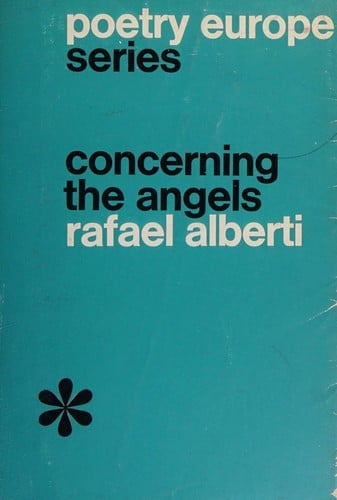
No. 56 on this list. Concerning the Angels
Rafael Alberti · 1929
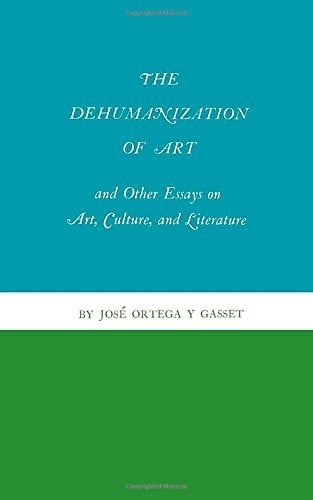
No. 57 on this list. The Dehumanization of Art
José Ortega y Gasset · 1925
No. 58 on this list. The Truth about the Savolta Case
Eduardo Mendoza · 1975
No. 59 on this list. Explosion in a Cathedral
Alejo Carpentier · 1962
No. 60 on this list. Nazarín
Benito Pérez Galdós · 1895
No. 61 on this list. Dreams and Discourses
Francisco de Quevedo · 1627
No. 62 on this list. Return to Región
Juan Benet · 1967
No. 63 on this list. My Voice Because of You
Pedro Salinas · 1933
Included in: UNESCO Collection of Representative Works
No. 64 on this list. Last Evenings with Teresa
Juan Marsé · 1966
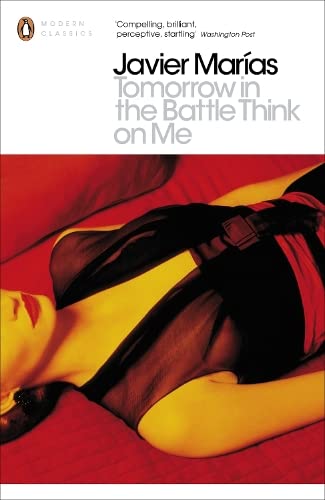
No. 65 on this list. Tomorrow in the Battle Think on Me
Javier Marías · 1994
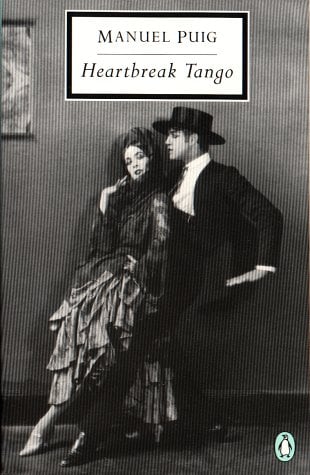
No. 66 on this list. Heartbreak Tango
Manuel Puig · 1969
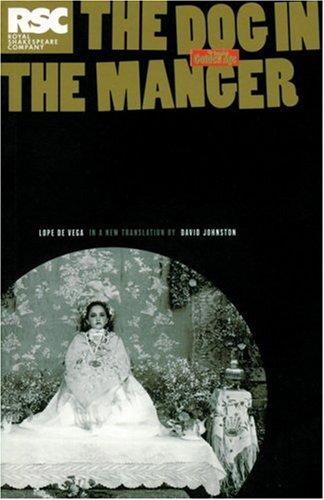
No. 67 on this list. The Dog in the Manger
Lope de Vega · 1618
No. 68 on this list. Sepharad
Antonio Muñoz Molina · 2001
No. 69 on this list. The Quest
Pío Baroja · 1904
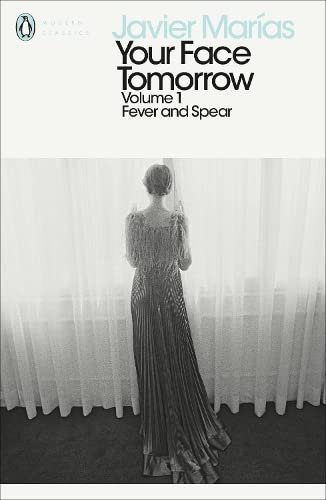
No. 70 on this list. Your Face Tomorrow: Fever and Spear
Javier Marías · 2002
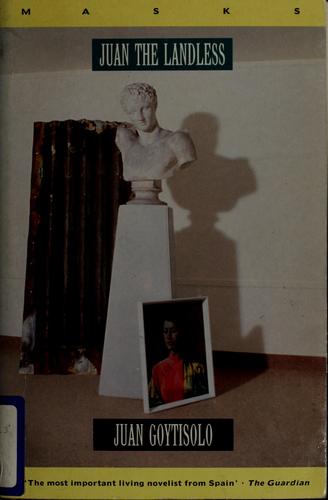
No. 71 on this list. Juan the Landless
Juan Goytisolo · 1975
No. 72 on this list. The City of Marvels
Eduardo Mendoza · 1986
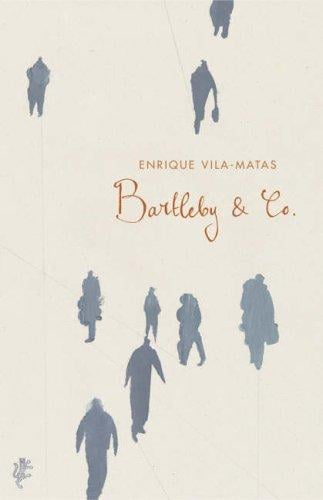
No. 73 on this list. Bartleby & Co.
Enrique Vila-Matas · 2000
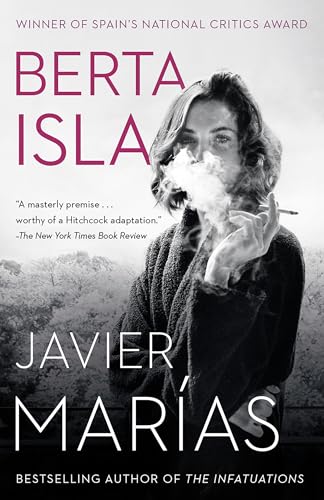
No. 74 on this list. Berta Isla
Javier Marías · 2018
No. 75 on this list. The Path
Miguel Delibes · 1950
No. 76 on this list. Never Any End to Paris
Enrique Vila-Matas · 2003
No. 77 on this list. A Manuscript of Ashes
Antonio Muñoz Molina · 1986
No. 78 on this list. Soldiers of Salamis
Javier Cercas · 2001
No. 79 on this list. An Episode in the Life of a Landscape Painter
César Aira · 2000
No. 80 on this list. The Tunnel
Ernesto Sabato · 1948
Taught in schools: UNAM Escuela Nacional Preparatoria – programas de Literatura (Mexico)
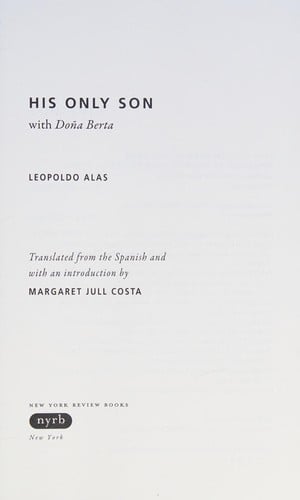
No. 81 on this list. His Only Son
Leopoldo Alas "Clarín" · 1891
No. 82 on this list. Homeland
Fernando Aramburu · 2016
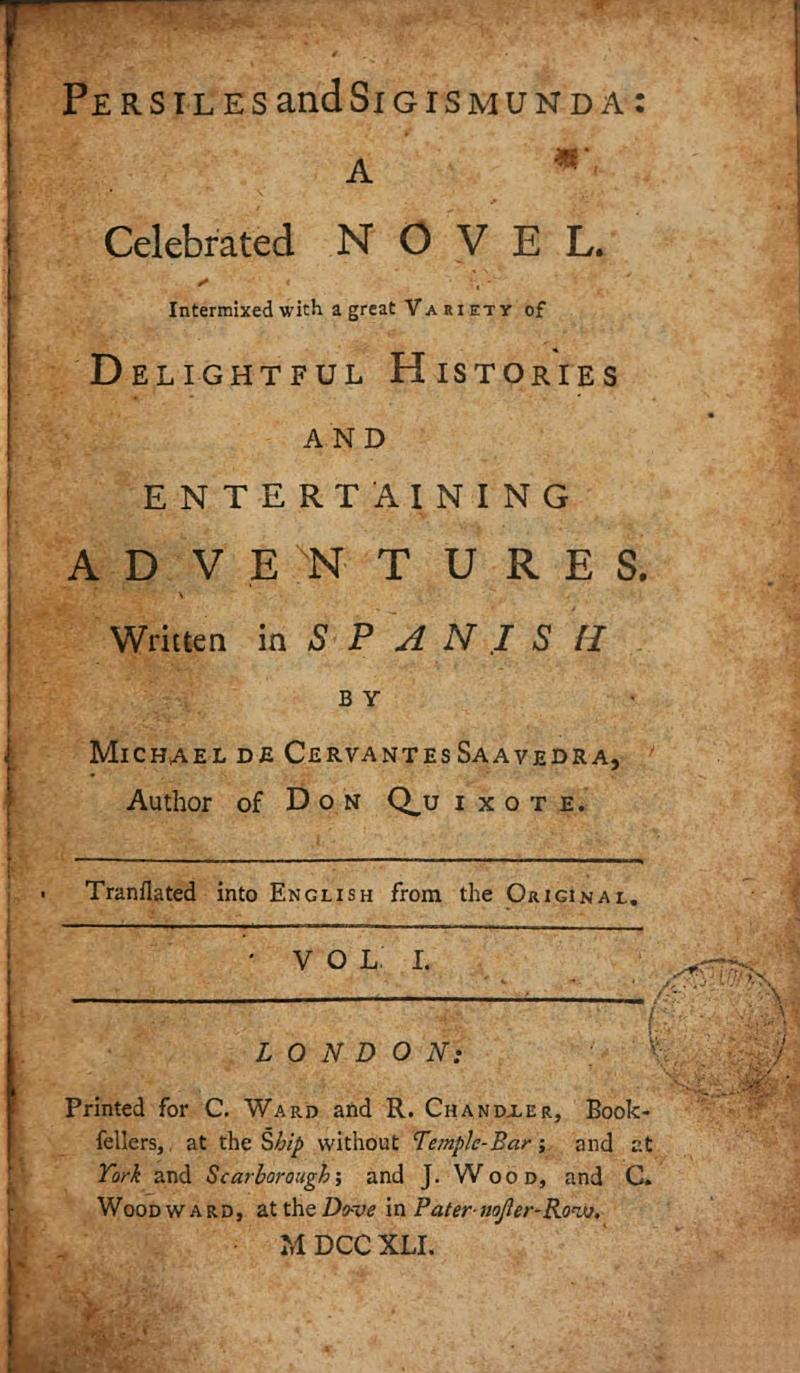
No. 83 on this list. The Travails of Persiles and Sigismunda
Miguel de Cervantes · 1617
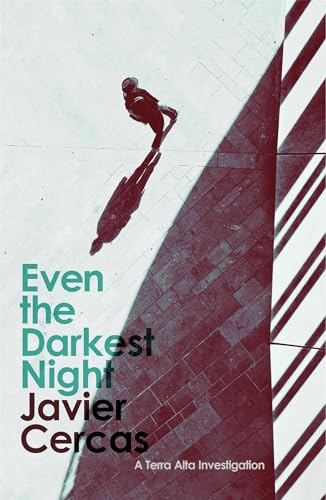
No. 84 on this list. Terra Alta
Javier Cercas · 2023
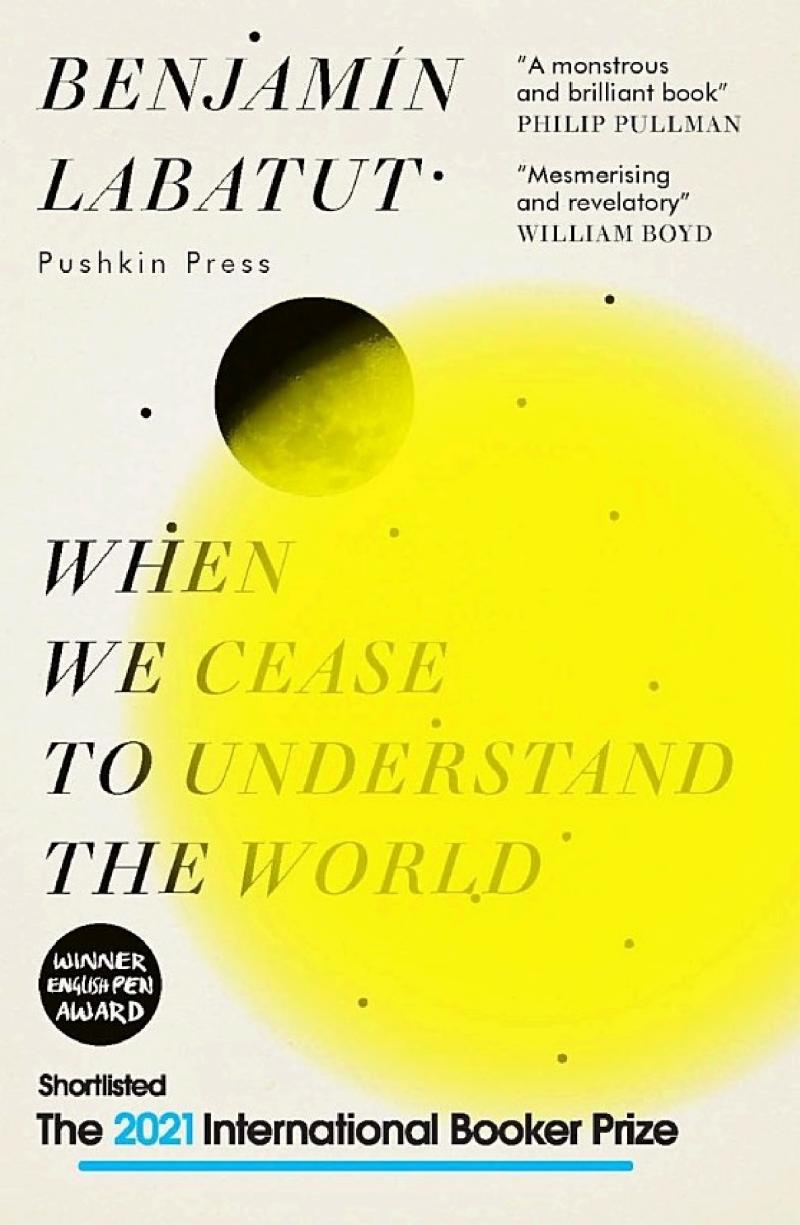
No. 85 on this list. When We Cease to Understand the World
Benjamin Labatut · 2021
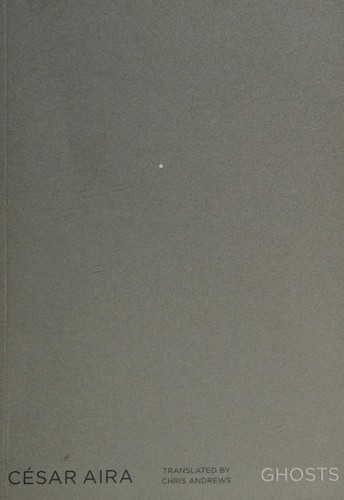
No. 86 on this list. Ghosts
César Aira · 1990
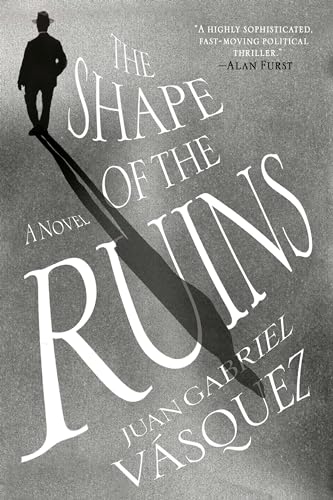
No. 87 on this list. The Shape of the Ruins
Juan Gabriel Vásquez · 2019
No. 88 on this list. The Club Dumas
Arturo Pérez-Reverte · 1993
No. 89 on this list. The Fencing Master
Arturo Pérez-Reverte · 1988
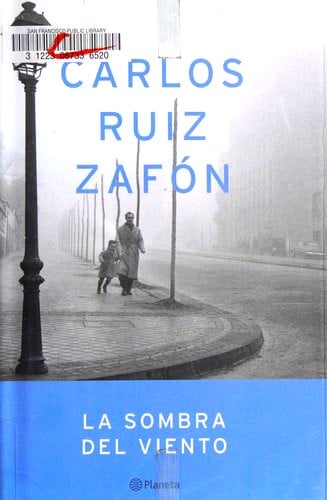
No. 90 on this list. The Shadow of the Wind
Carlos Ruiz Zafón · 2001
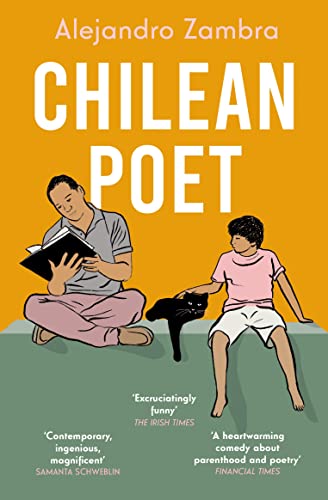
No. 91 on this list. Chilean Poet
Alejandro Zambra · 2020
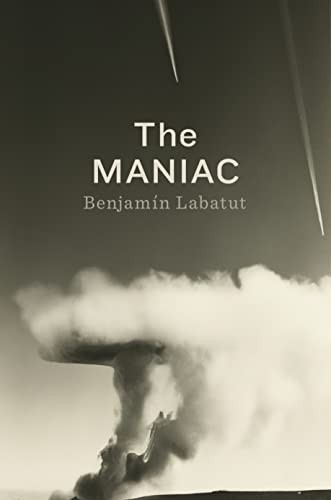
No. 92 on this list. The Maniac
Benjamin Labatut · 2023
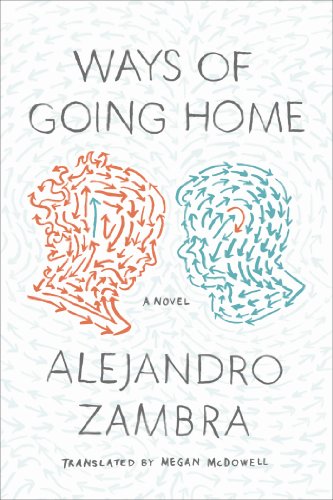
No. 93 on this list. Ways of Going Home
Alejandro Zambra · 2011
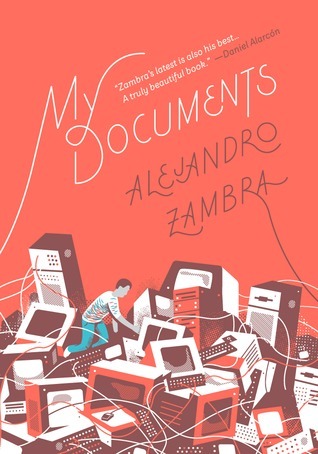
No. 94 on this list. My Documents
Alejandro Zambra · 2013
No. 95 on this list. The Literary Conference
César Aira · 2006
No. 96 on this list. Count Julian
Juan Goytisolo · 1970
About this list
These 96 books are the highest-scoring eligible books by men in Spanish currently in the catalogue. By literary regard, it opens with Don Quixote, One Hundred Years of Solitude and Hopscotch. About 831 hours of reading in all. Difficulty runs from 57 to 71 out of 100 for the middle half of the list; the summit is Juan the Landless at 88.
This list is ranked by literary regard, with a consistent order for equal scores. Membership follows authors and co-authors, not translators or editors. Catalogue coverage and the historical canon both limit what this list can represent.
When we matched the Canons dataset to our catalogue in October 2026, our canonical-status scores rose with the number of school curricula, publisher series and lists in it that cite a work: the median score was 72 for books one such source cites, 84 at two, 88 at three, 92 at four and 93 at five or more. Prizes are left out of that count. Outside the state curricula, the dataset’s sources choose mostly from what has been translated into English or French, so it is a weaker check on other literatures. Source: Canons (Andrew Piper), CC BY 4.0
Questions people actually ask
- What are the best books by men in Spanish?
- By literary regard, which weighs canonical status, critical standing and influence, Don Quixote, One Hundred Years of Solitude, Hopscotch, Pedro Páramo and Residence on Earth lead. ReadingRate ranks 96 such books, each with a difficulty score and a reading-time estimate.
- Where should I start with books by men in Spanish?
- Start from difficulty, not from rank. The most approachable books on this list that still carry top literary regard are Fortunata and Jacinta by Benito Pérez Galdós (about 20 hours), Exemplary Novels by Miguel de Cervantes and Fuenteovejuna by Lope de Vega.
- How hard are books by men in Spanish to read?
- Most of this list sits between 57 and 71 on ReadingRate's 100-point difficulty scale, where 40 to 55 is moderate. The summit is Juan the Landless at 88. Every entry carries its own score, so a reader can pick a great book at a difficulty they will finish.
- How is this list ranked?
- On literary-regard data: how canonically established a work is, its critical standing, and its influence on later writing. It is not a readers’ poll, which is why recent bestsellers rarely appear. Membership follows authors and co-authors, not translators or editors. A list that is not a genre list keeps to literature (fiction, poetry, drama and philosophy), with philosophy taking no more than one slot in five while there is literature left to rank; every list holds at most three works by one author.