Hours at an average pace
Showing 52 books
About 160 hours for 52 of 52 books with measured lengths. Estimates use 250 words a minute, adjusted for each book's difficulty. At 2 hours a day, about 81 days for those books.
No. 1 on this list. The Birds
Aristophanes · c. 414 BCE
Moderate1.3 hours
Included in: Great Books of the Western World
The Birds is universally recognized as one of Aristophanes' finest comedies and a canonical text of ancient Greek literature, appearing on syllabi for classical literature, comparative literature, and Western civilization courses globally. Slightly less commonly assigned as an entry point than Lysistrata or The Clouds, it is nonetheless required reading in classics programs. The absence of database records reflects a data gap, not genuine obscurity.
No. 2 on this list. Lysistrata
Aristophanes · c. 411 BCE
Easy50 min
Taught in schools: Hungarian literature curriculum (magyar nyelv és irodalom) (Hungary)
Included in: Great Books of the Western World
Lysistrata appears on university syllabi worldwide in classics, theatre, women's studies, and political science courses. It is one of the most-performed ancient Greek comedies and features in virtually every survey of world literature and Western drama. Its 2,400-year continuous performance history makes it one of the most durably canonical texts in any language.
No. 3 on this list. Bérénice
Jean Racine · 1670
Moderate50 min
Included in: Great Books of the Western World
Bérénice is a cornerstone of French classical literature, taught in virtually every French lycée and featured in world literature and drama curricula internationally. Alongside Phèdre and Andromaque, it is one of the three works most associated with Racine's genius and is considered essential reading for anyone studying French neoclassical theatre.
No. 4 on this list. Of Mice and Men
John Steinbeck · 1937
Easy1.7 hours
Taught in schools: Pacific Senior Secondary Certificate – English, Turkish edebiyat curriculum (Turkey)
One of the most taught works in American secondary and post-secondary education, with 548 syllabus appearances placing it in the top tier of assigned literature. Included in Library of America, Penguin Classics, Everyman's Library, and Penguin Modern Classics. Appears on the BBC Big Read Top 100 and 1001 Books You Must Read Before You Die. Its status as core American literary reading is unquestioned.
No. 5 on this list. The Miser
Molière · 1668
Moderate1.4 hours
Taught in schools: Lektury obowiązkowe – Polish national reading list (Poland), UNAM Escuela Nacional Preparatoria – programas de Literatura (Mexico)
Included in: Great Books of the Western World
The Miser is a staple of French literature and world theater curricula across universities globally, ranking among the most performed and studied comedies of the Western canon. While no syllabus count is in the database, it appears consistently on comparative literature, French studies, and drama course lists. Its presence in world literature anthologies across dozens of languages reflects its canonical standing.
Andromaque, widowed queen of Troy, has one goal: protect her son Astyanax, the last living heir of Hector. Standing between her son's life and his death is Pyrrhus, the Greek king who killed her husband and now holds them both captive — and who, inconveniently, is in love with her. Pyrrhus will spare the boy if she marries him. She refuses. He turns back to his betrothed, Hermione. Then he returns to Andromaque again. This chain of unrequited desire — Oreste loves Hermione, Hermione loves Pyrrhus, Pyrrhus loves Andromaque, Andromaque loves only the dead Hector — is the entire engine of the play. Racine wrote Andromaque in 1667, when he was thirty, and it made him famous overnight. The alexandrine verse is strict and relentless, each character arguing their case with the precision of a lawyer and the desperation of someone who knows they are losing. What distinguishes this from other tragedies is how little pity Racine allows anyone: every character is both victim and tormentor. By the final act, Pyrrhus is dead, Hermione has killed herself, and Oreste has gone mad. Andromaque survives, which in context feels like its own punishment.
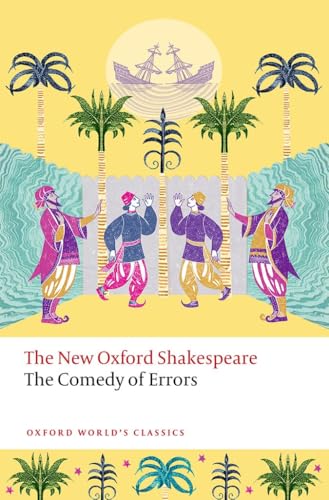
No. 7 on this list. The Comedy of Errors
William Shakespeare · 1594
Moderate1 hours
Included in: Great Books of the Western World
The Comedy of Errors appears on English literature syllabi worldwide as a fixture in Shakespeare survey courses. Among Shakespeare's 37 plays it ranks below the major tragedies in teaching frequency, but as the shortest play in the canon and the foundational English stage farce it maintains consistent academic presence across drama and literature programmes.
No. 8 on this list. Phèdre
Jean Racine · 1677
Moderate52 min
Included in: Great Books of the Western World
Phedre is the acknowledged masterpiece of French neoclassical drama and a permanent fixture of French lycee and university curricula worldwide. Wikipedia articles exist in 26 languages with a dedicated Reception section, reflecting sustained international scholarly attention. Though the database records no syllabus appearances, this reflects a data gap — the play is core curriculum in French literature courses across Europe and North America.
No. 9 on this list. The Importance of Being Earnest and Other Plays
Oscar Wilde · 1898
Moderate6.9 hours
No syllabus or Wikipedia-language data turned up in this database pass, but The Importance of Being Earnest is a fixture of English-language secondary and university curricula worldwide and one of the most frequently produced plays in the English repertoire, with multiple film adaptations (1952, 1992, 2002) keeping it in general circulation. That level of sustained institutional presence puts it near To Kill a Mockingbird's curriculum-fixture status, even without syllabus counts to confirm it directly.
No. 10 on this list. Titus Andronicus
William Shakespeare · 1594
Easy1.3 hours
Included in: Great Books of the Western World
Titus Andronicus appears on Shakespeare survey syllabi at major universities worldwide. It is a standard entry in collected Shakespeare editions and is routinely taught alongside the major tragedies in courses covering Elizabethan revenge tragedy. While less central than Hamlet or King Lear, it holds canonical status as Shakespeare's earliest surviving tragedy and a foundational text in the revenge tragedy genre.
No. 11 on this list. King John · William Shakespeare · 1596
Included in: Great Books of the Western World
Philip Faulconbridge knows exactly who he is: the illegitimate son of Richard Coeur-de-lion, raised as a Faulconbridge, legitimized by his own choice. King John knows what he wants: the English throne his brother's son Arthur has the better legal claim to. What neither man can control is the play's central force — commodity, Shakespeare's word for self-interest dressed as principle. Around them, King Philip of France swears sacred oaths and breaks them within an act. Cardinal Pandulph maneuvers the papacy's interests through excommunication and alliance. Constance, Arthur's mother, rails at every betrayal with an intensity that makes her grief both righteous and inconvenient. The play traces the political machinery of the Plantagenet world with cold precision: marriage negotiations dissolve wars, papal legates redirect armies, and a child's claim to a throne becomes a reason to have the child killed. Shakespeare sets the Bastard at the center not as hero but as observer — his asides running alongside the action like a mordant commentary on how kings behave when they think no one is watching. The verse shifts register constantly, from formal diplomatic address to earthy soliloquy to Constance's raw lament. King John is among the least-produced of Shakespeare's histories, which has left it free of the interpretive weight that settles on Hamlet or Richard II. Reading it now, the question of who has the right to rule — by birth, by force, by divine sanction, by popular consent — has not become less urgent.
Easy6.4 hours
Read nowNo. 12 on this list. The School for Wives · Molière · 1662
Included in: Great Books of the Western World
A major Molière comedy, regularly performed and studied. Marks the beginning of his mature period and the great querelle it provoked.
Easy1.2 hours
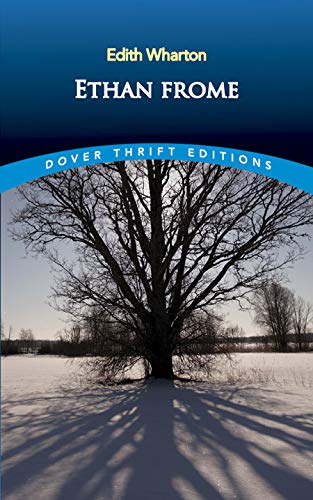
Start this bookNo. 13 on this list. Ethan Frome · Edith Wharton · 1911
One of the most widely assigned American novels, a staple of high school and college curricula. A central text of American literary realism.
Easy1.7 hours
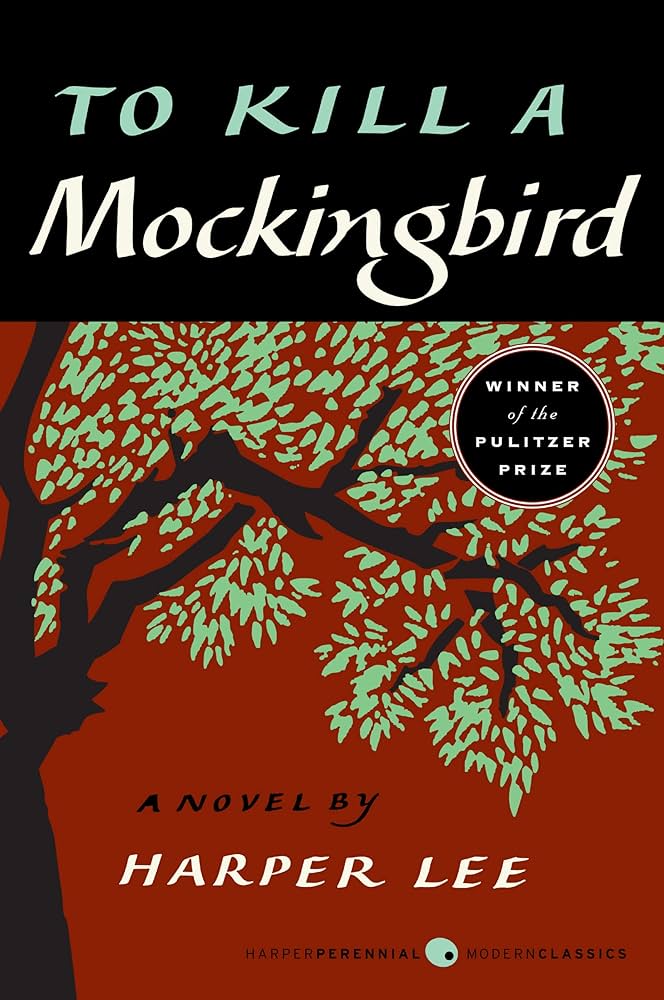
Start this bookNo. 14 on this list. To Kill a Mockingbird · Harper Lee · 1961
Taught in schools: Cambridge IGCSE Literature in English (0475), Common Core text exemplars (Appendix B) (US), CSEC English B – Caribbean Examinations Council
Appears on 1,674 university syllabi (80.6th percentile, Open Syllabus Project) and is a fixture of American high school and university English curricula. Wikipedia articles exist in 58 languages with dedicated reception and adaptations sections. Published by four prestige houses — Library of America, Everyman's Library, Penguin Classics, and Penguin Modern Classics — confirming its standing in the Western canon.
Moderate6.3 hours
Start this bookNo. 15 on this list. Sizwe Bansi Is Dead · Athol Fugard · 1972
One of the most important plays in South African theatrical history and a central work of anti-apartheid literature. Widely performed and taught internationally.
Easy1.1 hours
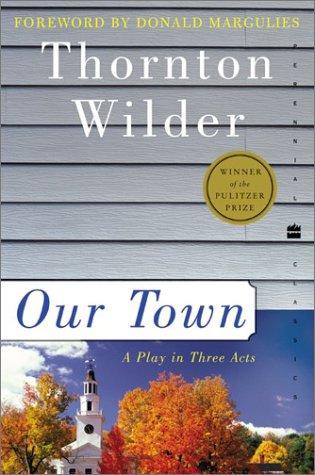
Start this bookNo. 16 on this list. Our Town · Thornton Wilder · 1938
Taught in schools: Common Core text exemplars (Appendix B) (US), CSEC English B – Caribbean Examinations Council
Our Town is among the most-produced American plays, a staple of high school and college drama and American literature courses. It won the 1938 Pulitzer Prize for Drama and is widely taught as a landmark of twentieth-century American theater.
Easy2.8 hours
Start this bookNo. 17 on this list. Blasted · Sarah Kane · 1995
Now recognized as one of the most important British plays of the late twentieth century. A landmark of in-yer-face theater and a standard text in contemporary drama courses.
Moderate46 min
Start this bookNo. 18 on this list. Manon Lescaut · Abbé Prévost · 1731
Taught in schools: Programme de français, lycée général et technologique (France)
A cornerstone of the French novel and one of the great love stories of European literature. Widely read and studied.
Easy2.9 hours
Start this bookNo. 19 on this list. Mandragola · Niccolò Machiavelli · 1524
The greatest Italian Renaissance comedy and Machiavelli's most performed work, standard in courses on European drama and Renaissance literature.
Easy1.1 hours
Read nowNo. 20 on this list. The Learned Ladies · Molière · 1672
A significant Molière play, regularly included in collected editions and periodically revived. Less universally performed than Tartuffe or The Misanthrope.
Easy1.2 hours
Start this book
No. 21 on this list. Dirty Hands · Jean-Paul Sartre · 1948
One of the most performed French plays of the twentieth century and a staple of political theater. Widely taught in philosophy and literature courses.
Easy2.4 hours
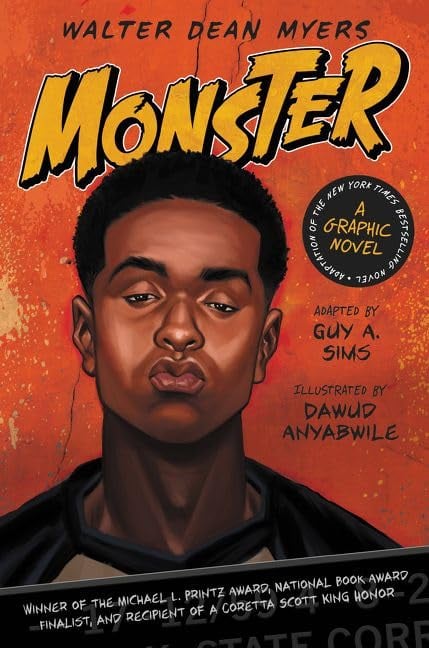
Start this bookNo. 22 on this list. Monster · Walter Dean Myers · 1999
Steve Harmon is sixteen years old and on trial for felony murder. He may have acted as a lookout for a Harlem drugstore robbery that left the owner dead — or he may not have. The question hangs over Walter Dean Myers's 1999 novel, which Steve narrates in the only form that makes sense to him: a screenplay. He writes himself as the protagonist, titles the film Monster — the word the prosecutor used to describe him — and cuts between courtroom scenes and flashback journal entries while his mother cries in the gallery and his lawyer calculates the odds. The form is not a gimmick. A screenplay externalizes action and dialogue while burying interiority in stage directions, and that gap is exactly where Myers puts the book's central problem: we watch Steve perform innocence without ever being certain whether we are watching performance or truth. The trial exposes Harlem's carceral machinery — the way young Black men get classified, processed, and destroyed — but Monster refuses to let that machinery fully explain Steve. He asks, on the last page, who he is. Myers doesn't answer. Readers will spend time after the last page deciding whether that's evasion or honesty, and what it says about how they read a defendant's face.
Easy1.7 hours
Start this bookNo. 23 on this list. Devdas · Sarat Chandra Chattopadhyay · 1917
A staple of Bengali and Hindi literature syllabi and one of the most culturally saturated stories in South Asia.
Moderate2.6 hours
Start this bookNo. 24 on this list. Three Tall Women · Edward Albee · 1991
Pulitzer Prize winner and widely regarded as Albee's late masterpiece. A standard text in American drama courses and regularly revived in major productions.
Moderate1.1 hours
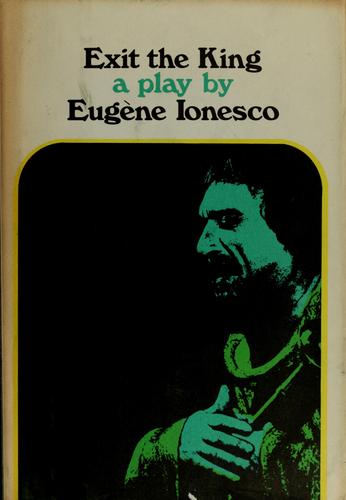
Start this bookNo. 25 on this list. Exit the King · Eugène Ionesco · 1962
Ionesco's most widely performed play and one of the central works of the Theater of the Absurd. Regularly revived in major productions worldwide.
Easy1.1 hours
Start this bookNo. 26 on this list. The Flies · Jean-Paul Sartre · 1943
Taught in schools: UNAM Escuela Nacional Preparatoria – programas de Literatura (Mexico)
A major work of existentialist theater and an important document of intellectual resistance during the occupation. Regularly taught and performed.
Easy1.8 hours
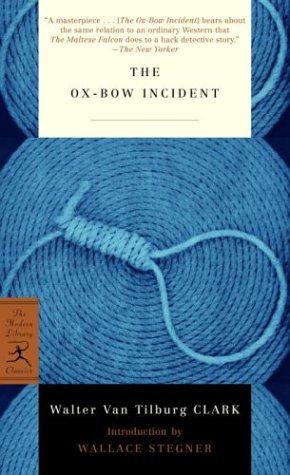
Start this bookNo. 27 on this list. The Ox-Bow Incident · Walter Van Tilburg Clark · 1940
A staple of American high school and college curricula and a landmark of the Western as serious literature, though below the very top rank of the canon.
Easy3.8 hours
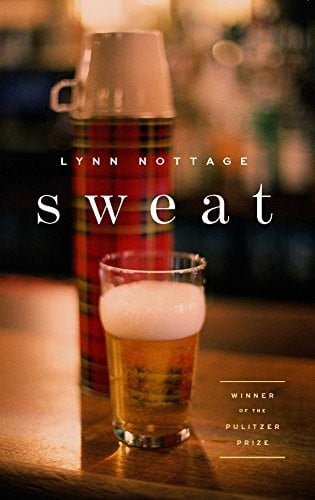
Start this bookNo. 28 on this list. Sweat · Emma Healey · 2017
It won the 2017 Pulitzer Prize for Drama and is quickly entering contemporary American drama courses. It has had too little time to reach the canon of Gatsby or Mockingbird.
Easy1.9 hours
Start this bookNo. 29 on this list. Ti-Jean and His Brothers · Derek Walcott · 1958
A foundational work of Caribbean drama, widely taught in postcolonial literature courses. Less known outside that context than Walcott's poetry.
Easy1.4 hours
Start this bookNo. 30 on this list. In the Blood · Suzan-Lori Parks · 1999
Widely taught in American drama and African American literature courses. Recognized as one of Parks's major works and a significant contemporary American play.
Moderate1.3 hours
Start this book
No. 31 on this list. Baby Doll [Carroll Baker Movie Tie-In]
Tennessee Williams · 1956
No. 32 on this list. The Moon Is Down
No. 33 on this list. Pulp Fiction: A Quentin Tarantino Screenplay
Quentin Tarantino · 1994
No. 34 on this list. Please Look After Mom
Shin Kyung-sook · 2008
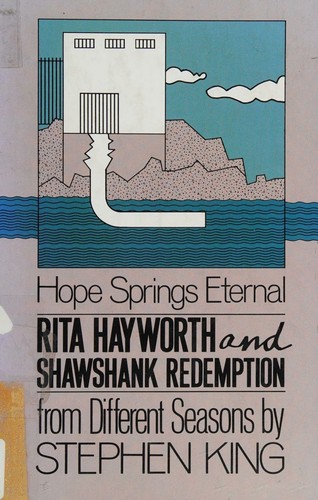
No. 35 on this list. Rita Hayworth and Shawshank Redemption
Stephen King · 1982
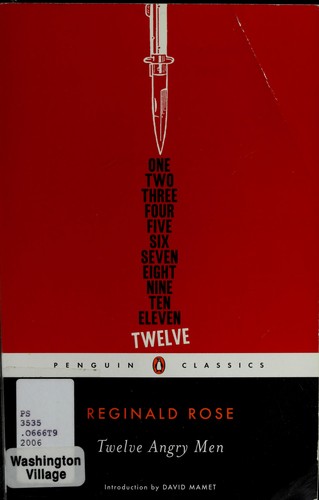
No. 36 on this list. Twelve Angry Men
Reginald Rose · 2006
No. 37 on this list. The Blue Bird
Maurice Maeterlinck · 1908
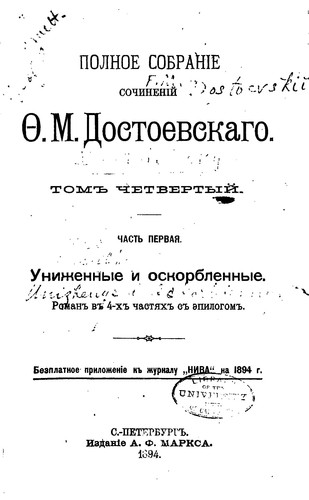
No. 38 on this list. The Insulted and Humiliated
Fyodor Dostoevsky · 1861
No. 39 on this list. The Mirror for Magistrates
William Baldwin · 1559
No. 40 on this list. Fargo
Joel Coen · 1996
No. 41 on this list. The Green Mile
Stephen King · 1996
No. 42 on this list. The Big Lebowski
Ethan Coen · 1998
No. 43 on this list. Three Films of Woody Allen: Zelig/Broadway Danny Rose/The Purple Rose of Cairo
Woody Allen · 1990
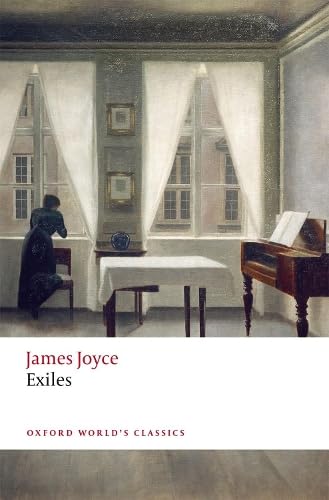
No. 44 on this list. Exiles
James Joyce · 1918
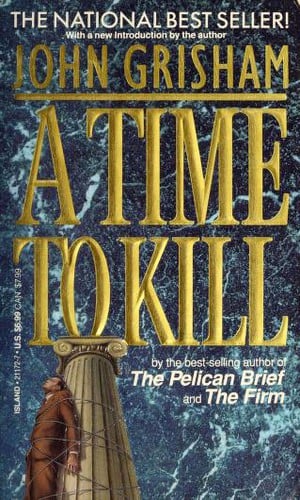
No. 45 on this list. A Time to Kill
John Grisham · 1989
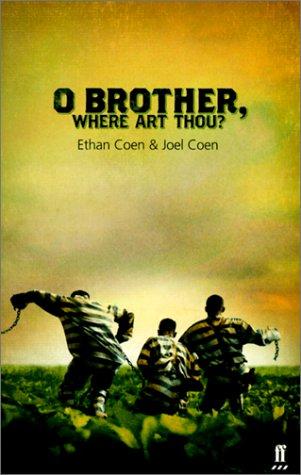
No. 46 on this list. O Brother, Where Art Thou?
Ethan Coen · 2000
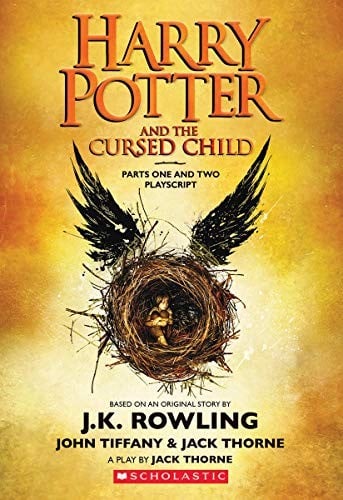
No. 47 on this list. Harry Potter and the Cursed Child
J.K. Rowling · 2016
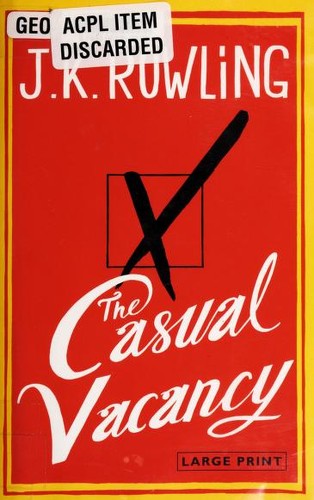
No. 48 on this list. The Casual Vacancy
J.K. Rowling · 2012
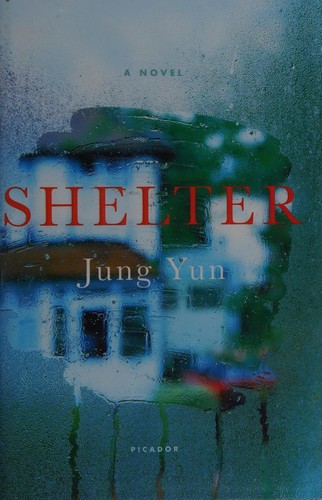
No. 49 on this list. Shelter
Jung Yun · 2016
No. 50 on this list. Cujo
Stephen King · 1981


About this list
These 52 books are the highest-scoring eligible easy plays currently in the catalogue. By literary regard, it opens with The Birds, Lysistrata and Bérénice. About 160 hours of reading in all. Difficulty runs from 33 to 42 out of 100 for the middle half of the list; the summit is Devdas at 45.
This list is ranked by literary regard, with a consistent order for equal scores. Membership follows authors and co-authors, not translators or editors. Catalogue coverage and the historical canon both limit what this list can represent, and genre labels are the catalogue’s own, gathered into broader kinds.
When we matched the Canons dataset to our catalogue in October 2026, our canonical-status scores rose with the number of school curricula, publisher series and lists in it that cite a work: the median score was 72 for books one such source cites, 84 at two, 88 at three, 92 at four and 93 at five or more. Prizes are left out of that count. Outside the state curricula, the dataset’s sources choose mostly from what has been translated into English or French, so it is a weaker check on other literatures. Source: Canons (Andrew Piper), CC BY 4.0
Questions people actually ask
- What are the best easy plays?
- By literary regard, which weighs canonical status, critical standing and influence, The Birds, Lysistrata, Bérénice, Of Mice and Men and The Miser lead. ReadingRate ranks 52 such books, each with a difficulty score and a reading-time estimate.
- Where should I start with easy plays?
- Start from difficulty, not from rank. The most approachable books on this list that still carry top literary regard are The School for Wives by Molière (about 1.2 hours), Ethan Frome by Edith Wharton and Of Mice and Men by John Steinbeck.
- How hard are easy plays to read?
- Most of this list sits between 33 and 42 on ReadingRate's 100-point difficulty scale, where 40 to 55 is moderate. The summit is Devdas at 45. Every entry carries its own score, so a reader can pick a great book at a difficulty they will finish.
- How is this list ranked?
- On literary-regard data: how canonically established a work is, its critical standing, and its influence on later writing. It is not a readers’ poll, which is why recent bestsellers rarely appear. Membership follows authors and co-authors, not translators or editors. A list that is not a genre list keeps to literature (fiction, poetry, drama and philosophy), with philosophy taking no more than one slot in five while there is literature left to rank; every list holds at most three works by one author.