Hours at an average pace
Showing 40 books
About 410 hours for 40 of 40 books with measured lengths. Estimates use 250 words a minute, adjusted for each book's difficulty. At 2 hours a day, about 206 days for those books.
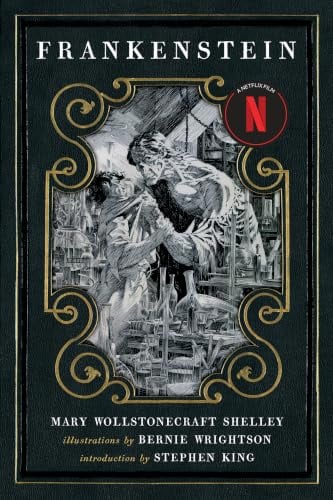
No. 1 on this list. Frankenstein
Mary Shelley · 1818
Challenging8.8 hours
Taught in schools: AQA GCSE and A-level English Literature (UK), CSEC English B – Caribbean Examinations Council, Pearson Edexcel GCSE and A-level English Literature (UK)
Included in: Bibliothèque de la Pléiade
Frankenstein appears on 6,955 university syllabi according to the Open Syllabus Project, placing it in the 96th percentile of all tracked works. Wikipedia articles exist in 74 languages, with a 79,000-character article carrying dedicated Reception and Adaptations sections. It is taught not only in literature courses but in philosophy, bioethics, and technology studies worldwide.
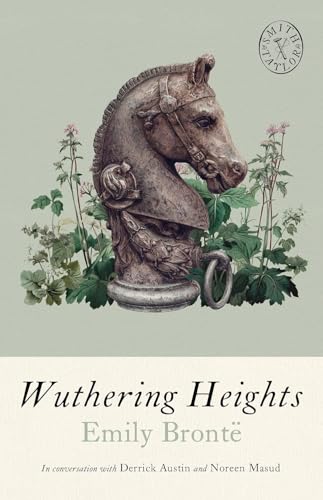
No. 2 on this list. Wuthering Heights
Emily Brontë · 1847
Difficult14 hours
Taught in schools: AQA GCSE and A-level English Literature (UK), CAPE Literatures in English – Caribbean Examinations Council, CSEC English B – Caribbean Examinations Council
Included in: Bokklubben World Library
Appears on 4,582 university syllabi (91.5th percentile per Open Syllabus), placing it above most Victorian novels. Wikipedia coverage in 61 languages with dedicated reception and adaptations sections signals global canonical standing. Listed in 1001 Books You Must Read Before You Die and the BBC Big Read Top 100.
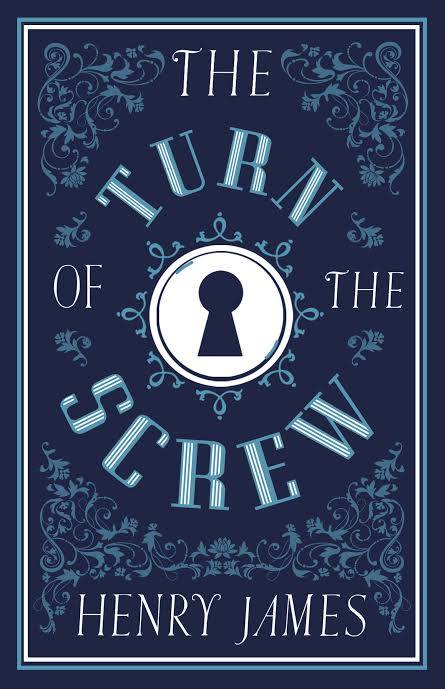
No. 3 on this list. The Turn of the Screw
Henry James · 1898
Difficult5.5 hours
Taught in schools: CSEC English B – Caribbean Examinations Council
Essential Gothic literature and James studies text; widely taught in ghost story, Victorian, and modernist courses; definitive example of narrative ambiguity and unreliable narration.
No. 4 on this list. Pedro Páramo
Juan Rulfo · 1955
Difficult3.6 hours
Taught in schools: Literatura, Diseño Curricular – Provincia de Buenos Aires (Argentina), UNAM Escuela Nacional Preparatoria – programas de Literatura (Mexico)
Included in: Bokklubben World Library
Pedro Páramo is the foundational text of Latin American modernism, present in nearly every world literature curriculum globally. Its Wikipedia article spans 26 languages. García Márquez credited it with teaching him how to write One Hundred Years of Solitude — a direct line of influence that alone ensures canonical permanence. Penguin Modern Classics published it in 1961.
No. 5 on this list. The Picture of Dorian Gray
Challenging8 hours
Taught in schools: AQA GCSE and A-level English Literature (UK), Pearson Edexcel GCSE and A-level English Literature (UK)
Included in: Oxford World's Classics
The Picture of Dorian Gray is standard reading in Victorian literature and aesthetic movement curricula worldwide. Though the database shows only 16 syllabus appearances due to limited data collection, the novel appears on virtually every canonical survey of English literature and has been in continuous print since 1890. It anchors discussions of aestheticism, decadence, and Victorian moral philosophy in university courses across the globe.
The Sandman is canonical in German literature courses, Romantic literature surveys, Gothic fiction studies, and psychoanalytic literary criticism worldwide. Freud's 1919 essay 'The Uncanny' uses it as the central specimen, ensuring its presence on psychoanalysis and literary theory syllabi for over a century. While it lacks the broad English-language curriculum presence of Frankenstein or Great Expectations, it is effectively required reading in any serious study of German Romanticism, the Gothic tradition, or the history of uncanny fiction.
Aura is assigned in Latin American literature courses across universities globally and anthologized alongside Pedro Paramo and One Hundred Years of Solitude as a defining text of the Latin American Boom. Its brevity makes it a frequent entry point for students encountering Fuentes or magical realism. It does not appear on as many syllabi as García Márquez's major novels but is among the most-taught works in comparative world literature curricula.
Winner of the Women's Prize for Fiction (2021), with a Wikipedia presence in 39 languages — strong recognition for a novel published in 2020. Clarke's second novel after the celebrated Jonathan Strange & Mr Norrell, it arrived with significant literary anticipation and met it. Not yet in syllabi, which reflects recency rather than lack of merit.
The Obscene Bird of Night is recognized as a masterwork of the Latin American Boom and appears regularly on world literature syllabi, though it has not achieved the mass canonical presence of García Márquez or Borges. It is frequently included in comparative literature courses focused on Latin American fiction and postmodern narrative, and is mentioned in most serious surveys of twentieth-century Spanish-language fiction. The data signals show no recorded syllabus appearances, but this likely reflects data gaps rather than absence from university teaching.
No. 10 on this list. Rebecca
Daphne du Maurier · 1938
Challenging15 hours
Taught in schools: AQA GCSE and A-level English Literature (UK)
Appears on 337 university syllabi (63rd percentile in Open Syllabus) and on the BBC Big Read Top 100 and 1001 Books You Must Read Before You Die. It is a standard text in courses on the gothic and on women's writing, and has been in print continuously since 1938.
No. 11 on this list. The Member of the Wedding · Carson McCullers · 1946
Frankie Addams is twelve years old and has been excluded from everything — every club, every game, every sense of belonging. The summer her brother gets married, she seizes on a plan: she will join the wedding, travel with the newlyweds, become part of something larger than herself. She renames herself F. Jasmine Addams and tells everyone in town she is about to leave forever. McCullers sets almost the entire novel in a kitchen: Frankie, her six-year-old cousin John Henry, and the family's cook Berenice Sadie Brown, talking through a summer afternoon that feels both eternal and vanishing. What gets said — about loneliness, about being caught in your own skin, about the desperate wish to belong to a 'we' — makes the kitchen feel like the whole world. The wedding turns out exactly as badly as the reader suspects it will. Frankie's grand illusions collapse in a matter of hours. But the collapse is the point. McCullers writes adolescence not as a phase but as a philosophical condition: the agony of being a self that doesn't yet fit anywhere. The prose moves between Frankie's feverish interior monologues and Berenice's steady, unsentimental wisdom. The novel ends in early autumn with everything changed and nothing resolved — a shape that feels less like failure than like honesty.
Challenging5.5 hours
Start this bookNo. 12 on this list. The Sundial · Shirley Jackson · 1958
The Sundial is among Jackson's least-known novels — overshadowed by The Haunting of Hill House (1959) and We Have Always Lived in the Castle (1962), which have achieved genuine canonical status. It appears in Jackson retrospectives and feminist gothic syllabi but is not widely assigned independently. The recent Jackson revival, spurred by new editions and biographical attention, has increased its academic visibility, though it remains a cult text rather than a fixture of core curricula.
Difficult9.4 hours
Start this bookNo. 13 on this list. The Call of Cthulhu and Other Stories · H.P. Lovecraft · 1928
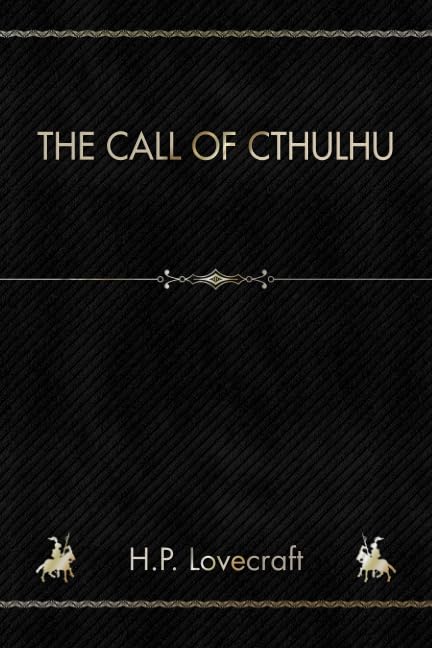
Francis Wayland Thurston inherits his granduncle's papers and finds himself assembling, from scattered notes and newspaper clippings, evidence of something vast and ancient stirring beneath the Pacific. That is the structure of 'The Call of Cthulhu': not a story told but a dossier accumulated, each document pushing the narrator — and the reader — one step closer to a conclusion that cannot be survived with sanity intact. H.P. Lovecraft wrote most of these stories in the 1920s from a boarding house in Providence, Rhode Island, and they read like dispatches from a man genuinely convinced of humanity's cosmic irrelevance. His narrators are professors, antiquarians, and artists — educated men whose reason becomes the instrument of their undoing. The more they understand, the worse it gets. What makes Lovecraft distinctive is what he refuses to show. Cthulhu is never described so precisely that you can picture it. The horror lives in the gap between what the narrator can report and what the reader's imagination fills in. Sentences spiral into qualifications; adjectives pile up ('eldritch,' 'non-Euclidean,' 'cyclopean') because no single word will do. This collection gathers the core Mythos stories — 'The Dunwich Horror,' 'The Shadow over Innsmouth,' 'The Outsider' — that established a template for supernatural dread that horror writers still work against or within. Read them at night, alone.
Difficult17 hours
Start this bookNo. 14 on this list. The Tenant of Wildfell Hall · Anne Brontë · 1848
Taught in schools: AQA GCSE and A-level English Literature (UK), Leaving Certificate English – NCCA / State Examinations Commission (Ireland)
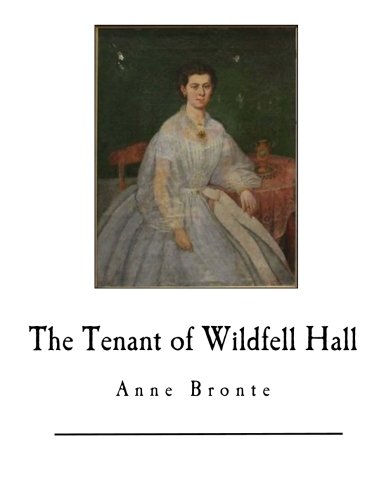
The Tenant of Wildfell Hall is a fixture in Victorian literature and women's writing curricula worldwide, regularly taught alongside Jane Eyre and Wuthering Heights. Its Wikipedia article exists in over 30 languages and it has been the subject of sustained academic attention, particularly following feminist recovery of Anne Brontë's work in the late 20th century. It appears frequently on Victorian fiction syllabi at universities in the UK, US, and beyond.
Challenging18 hours
Start this bookNo. 15 on this list. The Manuscript Found in Saragossa · Jan Potocki · 1815
A standard text in comparative-literature and Gothic-fiction courses, with a growing curricular presence since the 1990s reconstructions.
Difficult32 hours
Start this bookNo. 16 on this list. Poor Things · Alasdair Gray · 1992
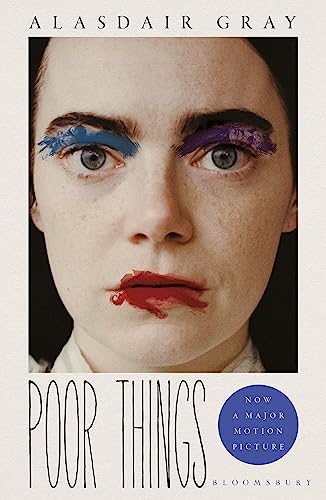
Poor Things appears on 203 university syllabi (57th percentile in the Open Syllabus Project), placing it firmly on Scottish literature and postmodern fiction courses. Wikipedia covers it in only 10 languages, indicating limited global reach outside English-language literary culture. It sits below the universally canonical but well above genre fiction in academic attention.
Difficult8.1 hours
Start this bookNo. 17 on this list. Pierre · Herman Melville · 1852
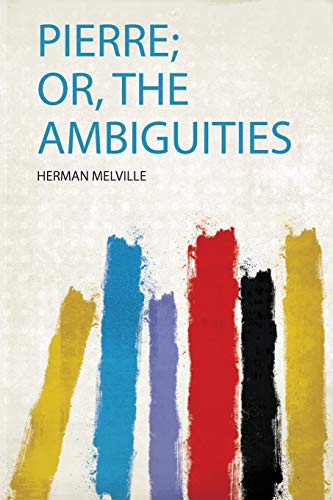
Pierre is a fixture of graduate and upper-level American Renaissance and Melville seminars but not an undergraduate survey staple the way Moby-Dick or Bartleby, the Scrivener are. Its canonical standing rests on the Melville Revival of the 1920s onward, which rehabilitated it as a serious, if difficult, companion piece to Moby-Dick.
Difficult19 hours
Start this bookNo. 18 on this list. The Great God Pan · Arthur Machen · 1894
Occupies an unusual canonical position: firmly established as a foundational text in horror and weird fiction, widely anthologized in that tradition, and cited by major authors from Lovecraft to Stephen King as formative. Less visible in mainstream literary canons and university syllabi, but within its genre it is as canonical as the tradition gets.
Difficult2.3 hours
Start this bookNo. 19 on this list. Outer Dark · Cormac McCarthy · 1968
Outer Dark occupies an early, less-studied position in McCarthy's bibliography. It appears on few syllabi compared to Blood Meridian, The Road, or the Border Trilogy, and lacks the critical infrastructure that surrounds those works. It functions more as a specialist text for McCarthy scholars than as a standalone canonical entry.
Challenging5.7 hours
Start this bookNo. 20 on this list. Her Body and Other Parties · Carmen Maria Machado · 2017
Appears on 235 university syllabi according to Open Syllabus, placing it in the 59th percentile—strong for a 2017 debut collection. Taught primarily in contemporary fiction, queer literature, and creative writing courses. Wikipedia article exists with a dedicated Reception section. Too recent to have achieved canonical status, but its syllabi trajectory suggests staying power in the short story and gender studies curricula.
Challenging6.5 hours
Start this book
No. 21 on this list. Revenge: Eleven Dark Tales · Yoko Ogawa · 1998
Widely assigned in contemporary world-literature and short-story courses since the 2013 translation, in print from Picador and Harvill Secker.
Challenging4.4 hours
Start this bookNo. 22 on this list. Annihilation · Jeff VanderMeer · 2014
No syllabus appearances or Wikipedia data appear in the database, but Annihilation occupies a significant position in contemporary genre-literary crossover fiction. It is taught in speculative fiction and ecocriticism courses and has generated genuine critical discourse, though it has not yet entered the mainstream literary curriculum. Its canonical status is rising rather than established.
Challenging5.3 hours
Start this bookNo. 23 on this list. I Am Legend · Richard Matheson · 1954
I Am Legend appears on TIME's All-TIME 100 Novels list and is a fixture on genre best-of lists (Locus, World Fantasy), but rarely appears on university English-literature syllabi. Its canonical status is strong within science fiction and horror but has not crossed into mainstream literary curricula the way contemporaries like Invisible Man or On the Road have.
Challenging4.5 hours
Start this bookNo. 24 on this list. Lady Audley's Secret · Mary Elizabeth Braddon · 1862
Taught in schools: Pearson Edexcel GCSE and A-level English Literature (UK)
Lady Audley's Secret is regularly taught in Victorian literature courses and sensation fiction studies, appearing on a moderate number of university syllabi focused on 19th-century fiction and women's writing. It has a Wikipedia article in over 20 languages, indicating solid global recognition, though it sits outside the core canonical texts of the Victorian era.
Challenging15 hours
Start this bookNo. 25 on this list. Zone One · Colson Whitehead · 2011
Zone One has no measurable Wikipedia presence or syllabus data in the signals, and no academic citations were returned. It is a well-regarded literary novel but has not entered the teaching canon — it sits in the space of respected contemporary fiction that critics admire but universities have not yet institutionalized.
Difficult12 hours
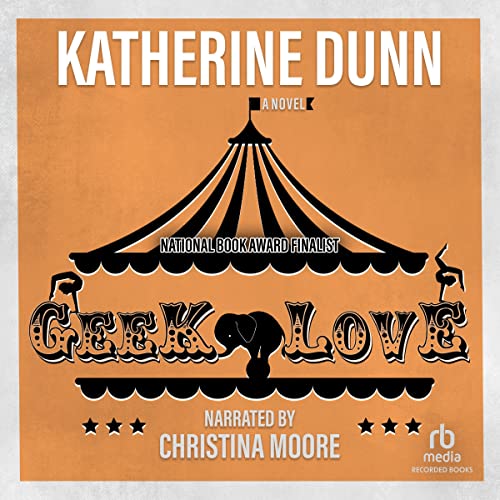
Start this bookNo. 26 on this list. Geek Love · Katherine Dunn · 1989
Appears on 187 university syllabi according to the Open Syllabus Project, placing it in the 57th percentile. Geek Love holds cult-classic status and appears in American literature, body politics, and contemporary fiction courses, but has not achieved the broad curricular presence of mainstream canonical works. Its Wikipedia article includes a dedicated reception section, though it exists in few other languages.
Difficult19 hours
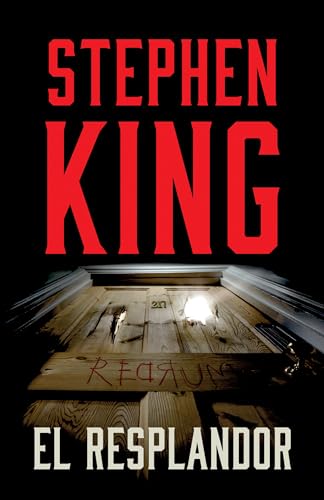
Start this bookNo. 27 on this list. The Shining · Stephen King · 1977
The Shining is widely recognized as one of the defining works of American horror fiction and appears on genre best-of lists, but it lacks the university syllabi presence of canonical literary fiction. It is occasionally taught in popular fiction, horror studies, or American literature courses, placing it firmly in the cultural canon without reaching the academic fixture status of works like Beloved or The Great Gatsby.
Challenging15 hours
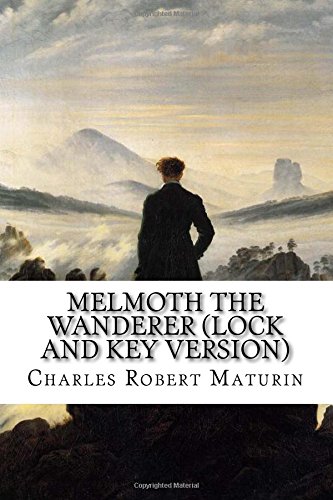
Start this bookNo. 28 on this list. Melmoth the Wanderer · Charles Maturin · 1820
Melmoth the Wanderer occupies a secure position in the Gothic literary canon and is widely referenced as the genre's culminating achievement before Victorian fiction, influencing Balzac, Poe, Baudelaire, and Wilde (who adopted the pseudonym 'Sebastian Melmoth'). However, it appears rarely on undergraduate syllabi and has limited general readership despite its critical reputation, placing it in a zone of canonical acknowledgement without widespread institutional presence.
Difficult29 hours
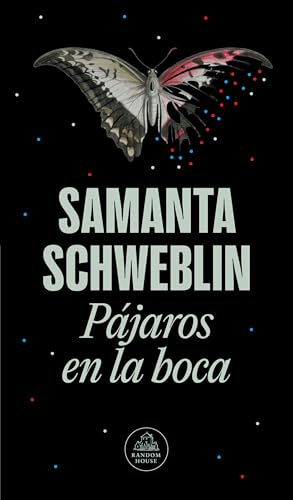
Start this bookNo. 29 on this list. Mouthful of Birds · Samanta Schweblin · 2009
No syllabus data is available and no Wikipedia article has been identified for this specific collection. Schweblin is a significant presence in contemporary Latin American literature, but Mouthful of Birds (2009 in Spanish, 2019 in English translation) has not yet entered university curricula widely. Her novel Fever Dream has stronger institutional recognition than this collection.
Challenging4.9 hours
Start this bookNo. 30 on this list. Dark Tales · Shirley Jackson
No syllabus data or Wikipedia page was found for this specific collection. Individual Jackson stories — particularly 'The Lottery' — appear extensively on university syllabi, but this Penguin Modern Classics compilation of darker tales is secondary material. It is primarily read by those already drawn to Jackson's work rather than assigned as foundational reading.
Difficult7.9 hours
Start this book
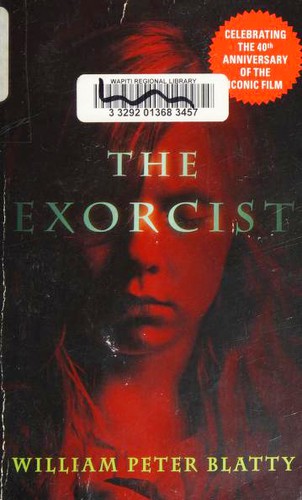
No. 31 on this list. The Exorcist
William Peter Blatty · 1971
No. 32 on this list. The House on the Borderland
William Hope Hodgson · 1908
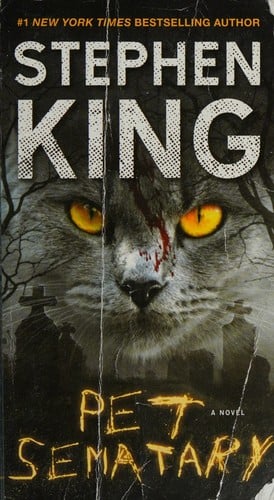
No. 33 on this list. Pet Sematary
Stephen King · 1983
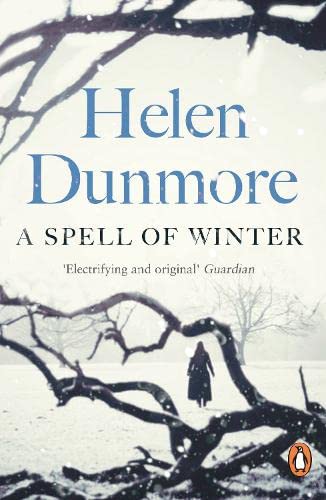
No. 34 on this list. A Spell of Winter
Helen Dunmore · 1997
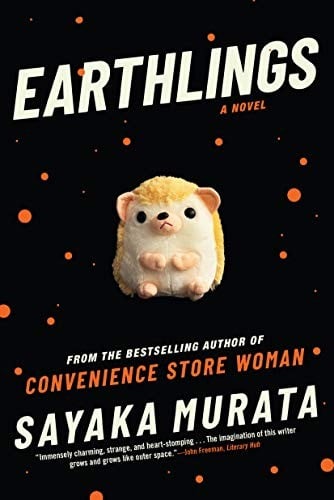
No. 35 on this list. Earthlings
Sayaka Murata · 2018
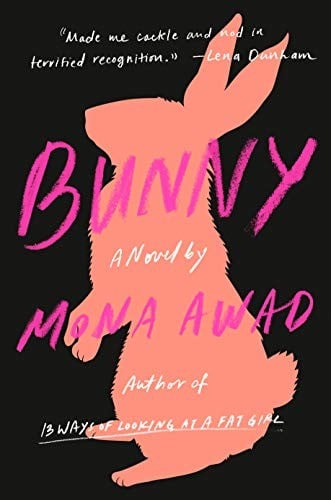
No. 36 on this list. Bunny
Mona Awad · 2019
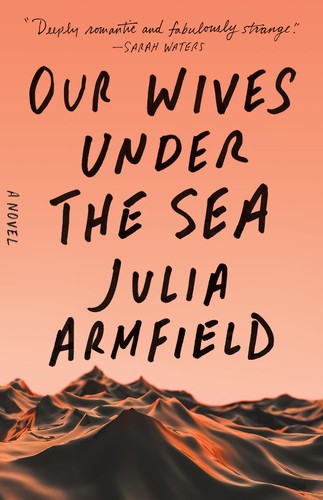
No. 37 on this list. Our Wives Under the Sea
Julia Armfield · 2022
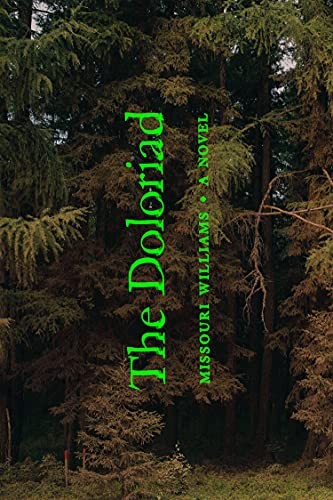
No. 38 on this list. The Doloriad
Missouri Williams · 2022
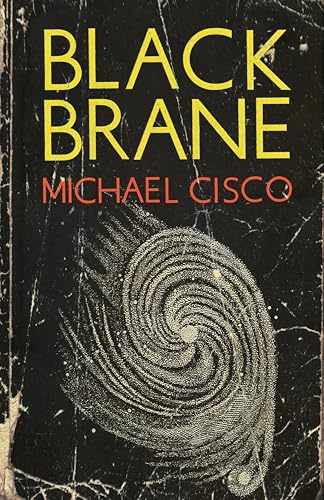
No. 39 on this list. Black Brane
Michael Cisco · 2025
No. 40 on this list. Dreams of Amputation
Gary J. Shipley · 2013
About this list
These 40 books are the highest-scoring eligible challenging horror novels currently in the catalogue. By literary regard, it opens with Frankenstein, Wuthering Heights and The Turn of the Screw. About 410 hours of reading in all. Difficulty runs from 66 to 73 out of 100 for the middle half of the list; the summit is The Obscene Bird of Night at 82.
This list is ranked by literary regard, with a consistent order for equal scores. Membership follows authors and co-authors, not translators or editors. Catalogue coverage and the historical canon both limit what this list can represent, and genre labels are the catalogue’s own, gathered into broader kinds.
When we matched the Canons dataset to our catalogue in October 2026, our canonical-status scores rose with the number of school curricula, publisher series and lists in it that cite a work: the median score was 72 for books one such source cites, 84 at two, 88 at three, 92 at four and 93 at five or more. Prizes are left out of that count. Outside the state curricula, the dataset’s sources choose mostly from what has been translated into English or French, so it is a weaker check on other literatures. Source: Canons (Andrew Piper), CC BY 4.0
Questions people actually ask
- What are the best challenging horror novels?
- By literary regard, which weighs canonical status, critical standing and influence, Frankenstein, Wuthering Heights, The Turn of the Screw, Pedro Páramo and The Picture of Dorian Gray lead. ReadingRate ranks 40 such books, each with a difficulty score and a reading-time estimate.
- Where should I start with challenging horror novels?
- Start from difficulty, not from rank. The most approachable books on this list that still carry top literary regard are The Member of the Wedding by Carson McCullers (about 5.5 hours), Rebecca by Daphne du Maurier and Pedro Páramo by Juan Rulfo.
- How hard are challenging horror novels to read?
- Most of this list sits between 66 and 73 on ReadingRate's 100-point difficulty scale, where 40 to 55 is moderate. The summit is The Obscene Bird of Night at 82. Every entry carries its own score, so a reader can pick a great book at a difficulty they will finish.
- How is this list ranked?
- On literary-regard data: how canonically established a work is, its critical standing, and its influence on later writing. It is not a readers’ poll, which is why recent bestsellers rarely appear. Membership follows authors and co-authors, not translators or editors. A list that is not a genre list keeps to literature (fiction, poetry, drama and philosophy), with philosophy taking no more than one slot in five while there is literature left to rank; every list holds at most three works by one author.