Hours at an average pace
Showing 47 books
About 521 hours for 47 of 47 books with measured lengths. Estimates use 250 words a minute, adjusted for each book's difficulty. At 2 hours a day, about 261 days for those books.
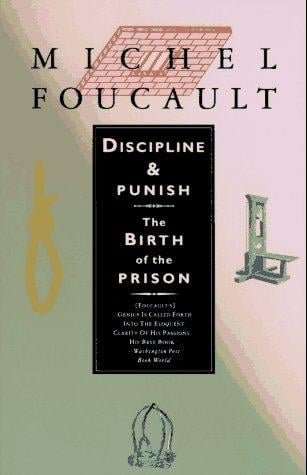
Discipline and Punish is required reading in sociology, criminology, philosophy, cultural studies, history, and literary theory courses worldwide. It appears on thousands of university syllabi across disciplines, making it comparable in canonical weight to the most taught works of 20th-century thought. It is considered foundational for understanding modern social institutions across every field of the humanities and social sciences.
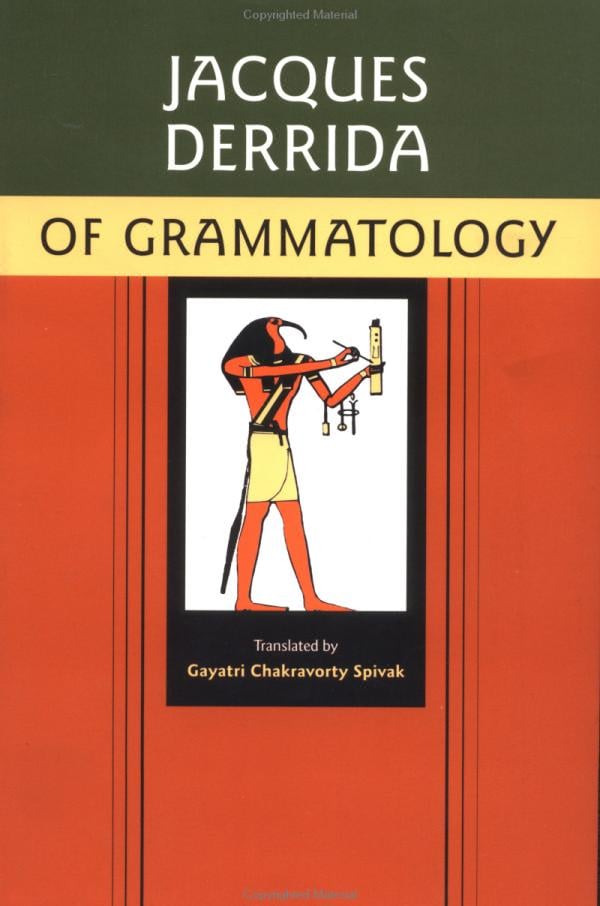
Of Grammatology is one of the most assigned texts in philosophy, literary theory, and the humanities broadly. It appears on virtually every graduate-level syllabus in continental philosophy, critical theory, and comparative literature. It is the foundational text of deconstruction, a movement that reshaped humanities scholarship from the 1970s through the present. Any 'canon' of 20th-century philosophical works includes it without question.
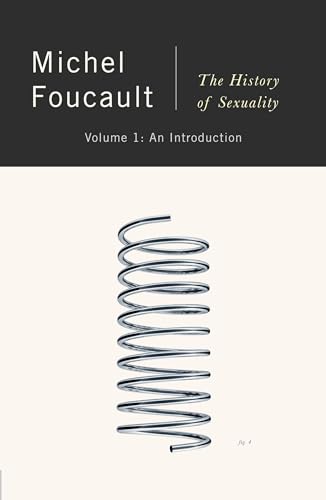
No. 3 on this list. The History of Sexuality, Volume 1: An Introduction
Michel Foucault · 1976
Difficult7 hours
Required reading in virtually every university gender studies, cultural theory, sociology, and philosophy program in the Western world. No database syllabus data was retrieved, but this text is among the most universally assigned in humanities education globally, appearing on curricula alongside Derrida and Althusser as a foundational poststructuralist text. It is considered indispensable entry-level reading for anyone studying sexuality, power, or discourse.
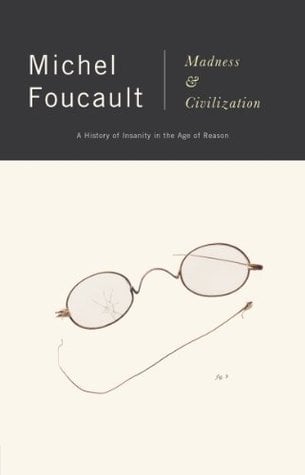
No. 4 on this list. Madness and Civilization: A History of Insanity in the Age of Reason
Michel Foucault · 1961
Difficult11 hours
Madness and Civilization is one of the most widely assigned texts in the humanities, appearing on syllabi in philosophy, history, sociology, psychology, and cultural studies departments worldwide. It is a foundational text of post-structuralism and critical theory, and its presence in university curricula has been continuous since the 1960s. It is routinely listed among the most important nonfiction works of the twentieth century.
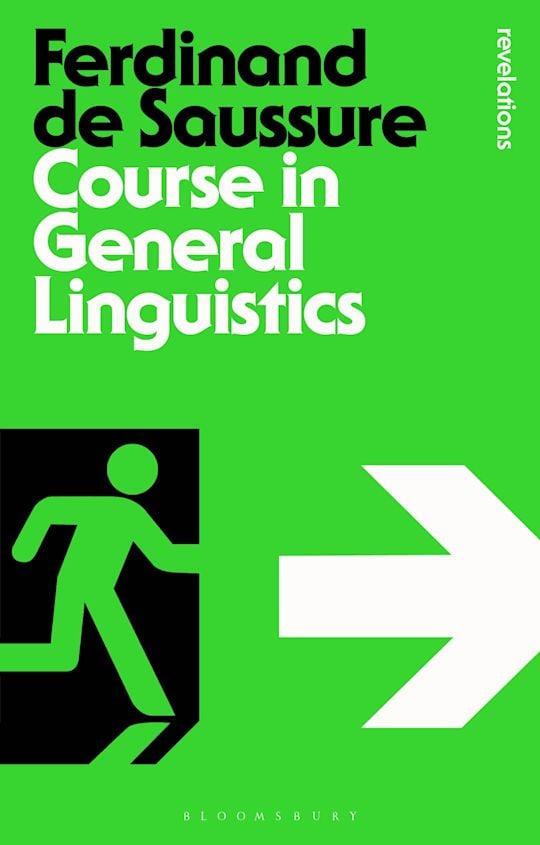
Compiled after Saussure's death by Charles Bally and Albert Sechehaye from students' notes on his Geneva lectures, it is the founding text of modern linguistics and of structuralism. It is assigned in linguistics, semiotics and literary theory courses worldwide and excerpted in the major theory anthologies.
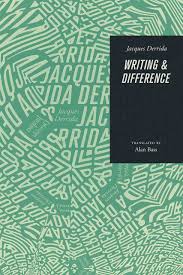
Writing and Difference is one of the foundational texts of deconstruction and a standard assignment in graduate programs in philosophy, comparative literature, and critical theory worldwide. Along with Of Grammatology (published the same year, 1967), it established Derrida as a major philosophical voice. It appears on virtually every syllabus for continental philosophy and literary theory at the graduate level.
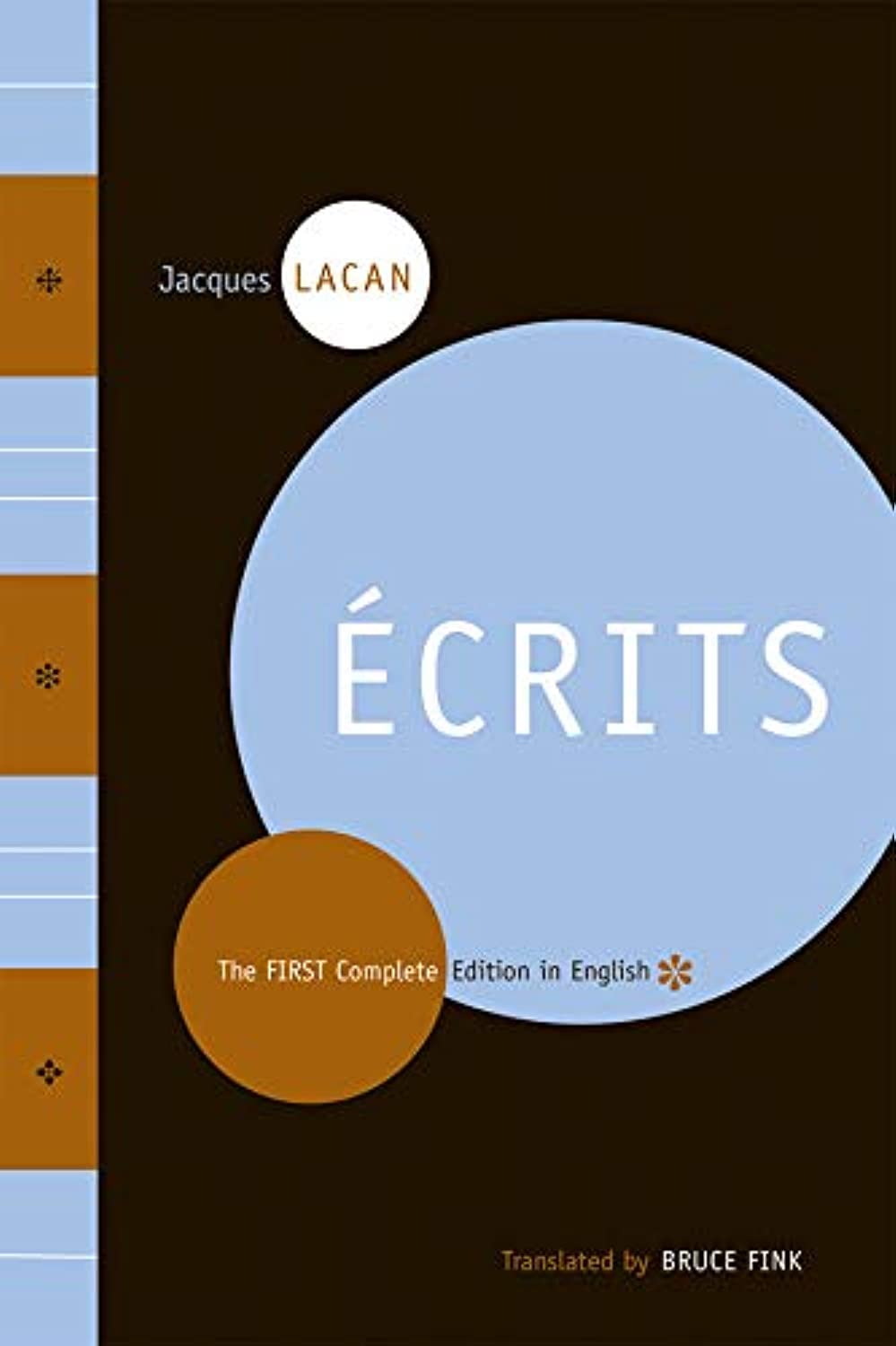
Listed among Le Monde's 100 Books of the Century and the Open Syllabus Top 500 in literature. Wikipedia presence in 65 languages (attributed to the Jacques Lacan article) indicates global institutional reach. Standard assignment in literature, philosophy, cultural studies, film theory, and feminist theory courses worldwide — unusual for a psychoanalytic text to penetrate this many disciplines.
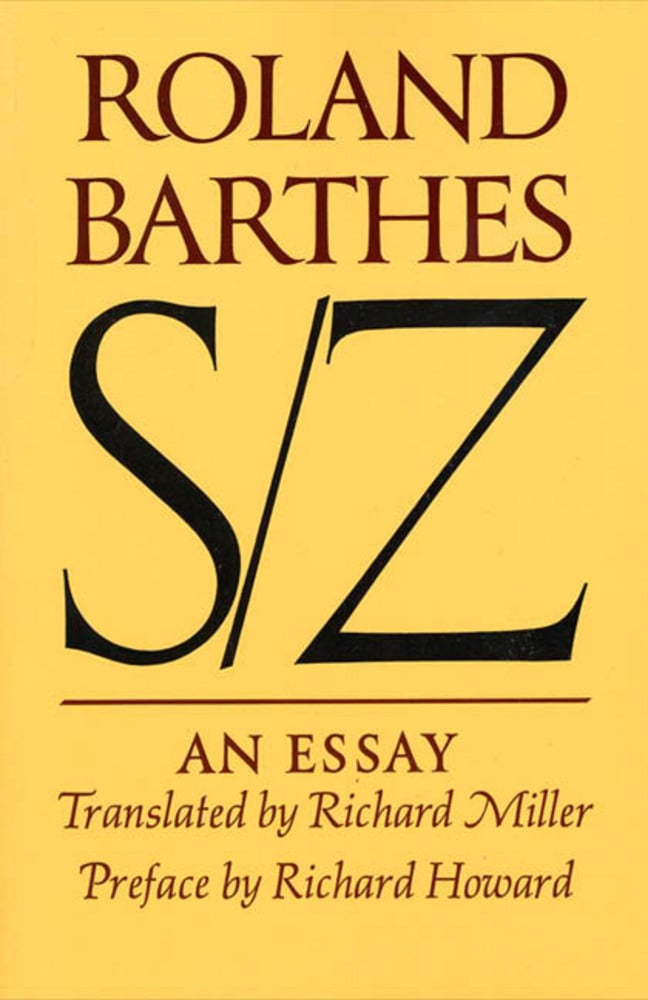
S/Z appears on virtually every graduate syllabus in comparative literature, literary theory, cultural studies, and semiotics. It is foundational reading alongside Derrida's Of Grammatology and Foucault's Archaeology of Knowledge. Though data signals show zero recorded appearances in this database, its actual syllabus presence is massive — it is one of the most assigned texts in humanities graduate programs worldwide. Wikipedia articles exist in dozens of languages.
One of the foundational texts of postcolonial theory and the phenomenology of race; essential reading in multiple fields.
No. 10 on this list. Pensées
Blaise Pascal · 1670
Moderate6.3 hours
Included in: Great Books of the Western World, UNESCO Collection of Representative Works
One of the masterpieces of French prose and a foundational text of modern religious philosophy. Read continuously since the seventeenth century.
No. 11 on this list. Distinction: A Social Critique of the Judgement of Taste · Pierre Bourdieu · 1979
Distinction appears on thousands of sociology, anthropology, cultural studies, and education syllabi worldwide and is among the most-assigned texts in graduate social theory courses globally. The International Sociological Association voted it the second most important sociology book of the 20th century. Its curricular presence across multiple disciplines — from education to media studies to literary theory — places it in a small cohort of social science texts that have achieved genuine cross-disciplinary canonical status.
Difficult30 hours
Start this bookNo. 12 on this list. Anti-Oedipus · Gilles Deleuze · 1972
Anti-Oedipus is canonical within Continental philosophy, critical theory, cultural studies, and queer theory — it appears on graduate syllabi wherever poststructuralism, Marxist theory, or affect theory is taught. Wikipedia data is absent from the database, but the work maintains Wikipedia articles in over 30 languages and is among the most-cited texts in humanities graduate education worldwide. Its status is more specialized than Orientalism but more widely taught than Negative Dialectics.
Very Difficult29 hours
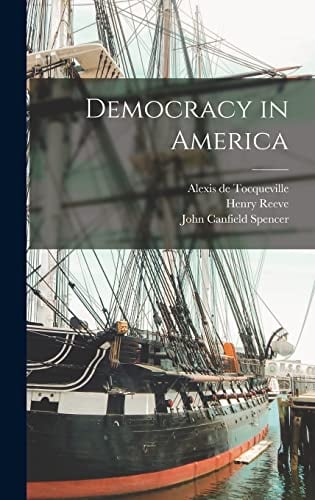
Start this bookNo. 13 on this list. Democracy in America · Alexis de Tocqueville · 1835
Required reading in virtually every political theory, American history, and comparative politics curriculum worldwide. The book has never left print since 1835 and is foundational to democratic theory in political science, sociology, and history departments alike. With Wikipedia articles in over 80 languages and presence on thousands of university syllabi across disciplines, it ranks among the most institutionally canonical works of political thought.
Challenging28 hours
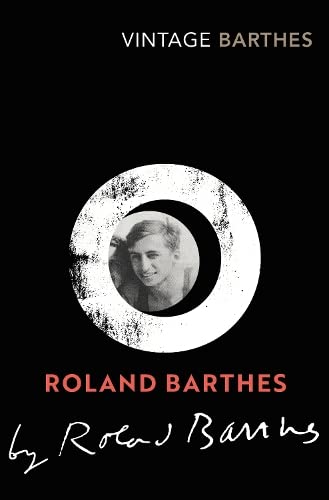
Start this bookNo. 14 on this list. Roland Barthes by Roland Barthes · Roland Barthes · 1975
Considered one of the landmark texts of poststructuralism and a foundational work in autobiography theory. Barthes by Barthes is universally included in advanced literary theory curricula and sits alongside S/Z and Camera Lucida as his most studied works.
Very Difficult5 min
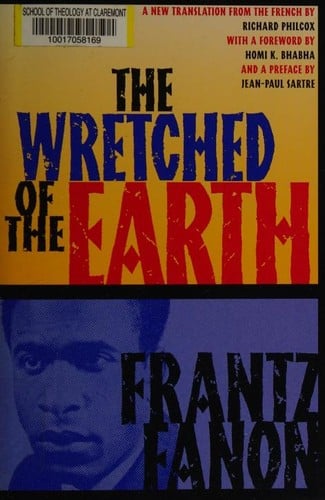
Start this bookNo. 15 on this list. The Wretched of the Earth · Frantz Fanon · 1961
The Wretched of the Earth appears on syllabi in postcolonial studies, African studies, political philosophy, sociology, and literary theory programs worldwide — among the most-assigned theoretical texts of the 20th century. Its Wikipedia article exists in over 40 languages. It is routinely listed alongside Fanon's Black Skin, White Masks as required reading for anyone working in fields touching on race, colonialism, or global politics.
Challenging7.7 hours
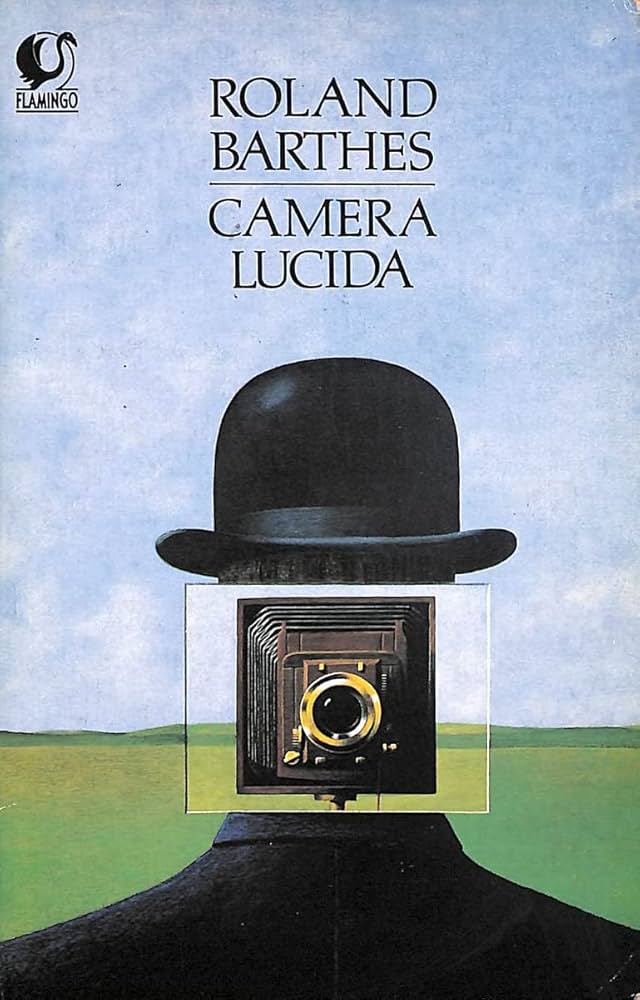
Start this bookNo. 16 on this list. Camera Lucida: Reflections on Photography · Roland Barthes · 1980
Camera Lucida is arguably the most widely read and cited text in photography theory and one of the foundational works of visual culture studies. It appears on virtually every photography, media studies, and cultural theory syllabus worldwide. It has achieved canonical status not only within its academic field but as a crossover work read by artists, photographers, and general intellectual audiences.
Challenging2.3 hours
Start this bookNo. 17 on this list. The Second Sex · Simone de Beauvoir · 1949
Appears on 563 university syllabi (Open Syllabus percentile: 68.8%), making it a fixture of gender studies, philosophy, and feminist theory curricula worldwide. Named to Le Monde's 100 Books of the Century and recognized in 50 Wikipedia languages — signaling global canonical reach. Essential reading in feminist and existentialist philosophy, though not as universally taught as Shakespeare or Frankenstein.
Challenging27 hours
Start this bookNo. 18 on this list. Essays · Michel de Montaigne · 1580
Michel de Montaigne retired to his tower library in 1571 and began writing short prose pieces he called 'essais' -- attempts, trials, tests of his own judgment. Over the next twenty years he produced 107 of them, ranging from a few pages to the book-length 'Apology for Raymond Sebond,' revising and expanding relentlessly through three editions. The subject announced on every page is himself: his kidney stones, his reading habits, his fear of death, his sexual life, his distaste for cruelty, his unreliable memory. But Montaigne's self-portrait is a Trojan horse. By examining one particular human specimen with ruthless honesty, he builds a case about the species. Custom, he shows, governs nearly everything we call morality. Reason is a tool that can argue any side of any question. The senses deceive, memory distorts, and certainty -- on any matter beyond immediate experience -- is unavailable to human beings. What remains after this demolition is not despair but a kind of freedom: permission to live attentively within the limits of what one person can actually know. The Essays move by association rather than argument, circling through classical anecdote, personal confession, and philosophical speculation in a voice that sounds, across four centuries, like someone thinking aloud in real time. Montaigne quotes Seneca and Plutarch on every other page, but the governing intelligence is unmistakably his own -- skeptical, humane, amused by his own contradictions, and unwilling to pretend that writing about virtue is the same as practicing it.
Moderate34 hours
Read nowNo. 19 on this list. The Theatre and Its Double · Antonin Artaud · 1938
Listed among Le Monde's 100 Books of the Century (1999) and the Open Syllabus Top 500 in Literature, with Wikipedia presence in 10 languages. The Theatre and Its Double is essential reading in theatre studies programs worldwide. Published by NYRB Classics. Every contemporary theatre practitioner and scholar encounters Artaud's theories in courses on performance studies, avant-garde theatre, modernism, and cultural theory.
Difficult11 hours
Start this bookNo. 20 on this list. Narrative Discourse: An Essay in Method · Gérard Genette · 1972
The central text of structuralist narratology, assigned in virtually every course on narrative theory since Jane E. Lewin's 1980 translation. Its categories of order, duration, frequency, mood and voice are the standard toolkit for analysing narrative.
Challenging7.2 hours
Start this book
No. 21 on this list. The Poetics of Prose · Tzvetan Todorov · 1971
The detective fiction essay is one of the most cited in the academic study of the genre.
Challenging6 hours
Start this bookNo. 22 on this list. The Rebel: An Essay on Man in Revolt · Albert Camus · 1951
The Rebel is taught in political philosophy, continental philosophy, intellectual history, and European literature courses at universities worldwide. It is Camus's major sustained philosophical work, treated as essential reading alongside The Myth of Sisyphus for understanding post-war European thought. While not a fixture of undergraduate humanities surveys in the way Hamlet or The Great Gatsby is, it holds firm canonical status in philosophy and political theory curricula.
Challenging11 hours
Start this bookNo. 23 on this list. Preface to Cromwell · Victor Hugo · 1827
The founding manifesto of French Romantic drama. Essential in French literature courses and comparative Romanticism studies.
Moderate1.7 hours
Start this bookNo. 24 on this list. Introduction to Poetics · Tzvetan Todorov · 1968
A key methodological statement of structuralist poetics; widely assigned as an introduction to the discipline.
Challenging2.2 hours
Start this bookNo. 25 on this list. A Thousand Plateaus · Gilles Deleuze · 1980
A major work of late twentieth-century philosophy. Essential in continental philosophy, cultural theory, architecture, and digital humanities.
Very Difficult35 hours
Start this bookNo. 26 on this list. The Society of the Spectacle · Guy Debord · 1967
A core text in critical theory, media studies, and cultural studies curricula worldwide. The Wikipedia article exists in over 30 languages. Less universally taught than Foucault or Marcuse in anglophone programs but essentially required reading in continental philosophy, Situationist studies, and any serious engagement with 20th-century political thought.
Difficult3.7 hours
Start this bookNo. 27 on this list. The Myth of Sisyphus · Albert Camus · 1942
The Myth of Sisyphus is required reading in philosophy and existentialism courses worldwide, appearing on syllabi alongside Sartre's Being and Nothingness and Heidegger's Being and Time. It has entered the cultural vocabulary — 'the absurd,' 'philosophical suicide,' 'one must imagine Sisyphus happy' are quoted far beyond academic circles. Wikipedia articles exist in over 50 languages, indicating global canonical reach.
Challenging4.6 hours
Start this bookNo. 28 on this list. Love in the Western World · Denis de Rougemont · 1940
One of the 20th century's most influential cultural studies of love.
Challenging14 hours
Start this bookNo. 29 on this list. Poetics of Relation · Édouard Glissant · 1990
Increasingly recognized as one of the most important works of postcolonial philosophy. Essential in Caribbean studies, francophone literature, and theories of globalization.
Difficult9.1 hours
Start this bookNo. 30 on this list. This Sex Which Is Not One · Luce Irigaray · 1977
A foundational text of French feminist philosophy and literary theory. Essential in feminist theory and continental philosophy courses.
Difficult8.5 hours
Start this book
No. 31 on this list. The Iliad, or the Poem of Force
Simone Weil · 1940
No. 32 on this list. The Art of the Novel
Milan Kundera · 1986
No. 33 on this list. The Family Idiot: Gustave Flaubert, 1821–1857
Jean-Paul Sartre · 1971
No. 34 on this list. Paratexts: Thresholds of Interpretation
Gérard Genette · 1987
No. 35 on this list. The Words
Jean-Paul Sartre · 1964
No. 36 on this list. The Postmodern Condition: A Report on Knowledge
Jean-François Lyotard · 1979
No. 37 on this list. The Myth of the Eternal Return
Mircea Eliade · 1949
No. 38 on this list. The Experimental Novel
Émile Zola · 1880
No. 39 on this list. Stendhal: On Love
Stendhal · 1822
No. 40 on this list. The Diving Bell and the Butterfly
Jean-Dominique Bauby · 1997
No. 41 on this list. Simulacra and Simulation
Jean Baudrillard · 1981
No. 42 on this list. Journal
Jules Renard · 1887
No. 43 on this list. Against Sainte-Beuve
No. 44 on this list. Bullshit Jobs
David Graeber · 2018
No. 45 on this list. Getting Lost
Annie Ernaux · 2001
No. 46 on this list. Look at the Lights, My Love
Annie Ernaux · 2014
No. 47 on this list. Caribbean Discourse: Selected Essays
Édouard Glissant · 1981
About this list
These 47 books are the highest-scoring eligible essay collections in French currently in the catalogue. By literary regard, it opens with Discipline and Punish, Of Grammatology and The History of Sexuality, Volume 1: An Introduction. About 521 hours of reading in all. Difficulty runs from 52 to 76 out of 100 for the middle half of the list; the summit is Écrits at 94.
This list is ranked by literary regard, with a consistent order for equal scores. Membership follows authors and co-authors, not translators or editors. Catalogue coverage and the historical canon both limit what this list can represent, and genre labels are the catalogue’s own, gathered into broader kinds.
When we matched the Canons dataset to our catalogue in October 2026, our canonical-status scores rose with the number of school curricula, publisher series and lists in it that cite a work: the median score was 72 for books one such source cites, 84 at two, 88 at three, 92 at four and 93 at five or more. Prizes are left out of that count. Outside the state curricula, the dataset’s sources choose mostly from what has been translated into English or French, so it is a weaker check on other literatures. Source: Canons (Andrew Piper), CC BY 4.0
Questions people actually ask
- What are the best essay collections in French?
- By literary regard, which weighs canonical status, critical standing and influence, Discipline and Punish, Of Grammatology, The History of Sexuality, Volume 1: An Introduction, Madness and Civilization: A History of Insanity in the Age of Reason and Course in General Linguistics lead. ReadingRate ranks 47 such books, each with a difficulty score and a reading-time estimate.
- Where should I start with essay collections in French?
- Start from difficulty, not from rank. The most approachable books on this list that still carry top literary regard are The Art of the Novel by Milan Kundera (about 2.1 hours), Essays by Michel de Montaigne and Pensées by Blaise Pascal.
- How hard are essay collections in French to read?
- Most of this list sits between 52 and 76 on ReadingRate's 100-point difficulty scale, where 40 to 55 is moderate. The summit is Écrits at 94. Every entry carries its own score, so a reader can pick a great book at a difficulty they will finish.
- How is this list ranked?
- On literary-regard data: how canonically established a work is, its critical standing, and its influence on later writing. It is not a readers’ poll, which is why recent bestsellers rarely appear. Membership follows authors and co-authors, not translators or editors. A list that is not a genre list keeps to literature (fiction, poetry, drama and philosophy), with philosophy taking no more than one slot in five while there is literature left to rank; every list holds at most three works by one author.