Hours at an average pace
Showing 32 books
About 234 hours for 31 of 32 books with measured lengths. Estimates use 250 words a minute, adjusted for each book's difficulty. At 2 hours a day, about 118 days for those books.
World literature's most famous story collection; shaped global narrative imagination.
In sixteenth-century Istanbul, the Sultan commissions a secret book to celebrate his magnificence, but the assignment to create illuminations in the European style triggers a theological crisis and a murder. Master Elegant Effendi speaks from a well where his killer has abandoned his corpse, demanding that his death be avenged and properly buried. Black returns to the city after twelve years abroad, drawn by nostalgia and loss, only to become entangled in the mystery and in his childhood devotion to Shekure, Enishte Effendi's ravishing daughter. The dead man, the bereaved family, the competing miniaturists Osman and Butterfly, and the household itself—each voice emerges from the narrative to confess secrets and suspicions. What begins as a hunt for a murderer expands into an interrogation of art itself, specifically whether the depiction of human figures violates Islamic law and destroys the soul. The conflict between Ottoman miniature tradition, with its rejection of perspective and realism, and the infiltrating European techniques of representation gives the mystery its metaphysical weight. Pamuk employs an architectural narrative that shifts perspective constantly, allowing a dog, the color red, and a gold coin to testify alongside human characters, creating a polyphonic structure where each voice exposes a different layer of religious anxiety, artistic ambition, and personal desire. The novel moves toward its resolution with gathering momentum despite this apparent fragmentation, tightening around questions of identity, authenticity, and the costs of aesthetic choice.
No. 3 on this list. Midaq Alley
Naguib Mahfouz · 1947
Challenging7.8 hours
Taught in schools: Moroccan secondary Arabic literature (Morocco)
Midaq Alley is taught widely in world literature and postcolonial studies courses across Europe, North America, and the Arab world. It has Wikipedia articles in more than 30 languages and appears on numerous syllabi as the standard entry point into Naguib Mahfouz's fiction and into Arabic literature more broadly. Its status as required reading in Arab world literature courses is essentially settled.
Snow represents Pamuk's major work and has secured prominent recognition in the global literary canon, winning major prizes and securing translation into dozens of languages. Its status as a significant contemporary political allegory rivals Beloved or Infinite Jest, though it lacks the historical depth of canonical nineteenth-century masterworks.
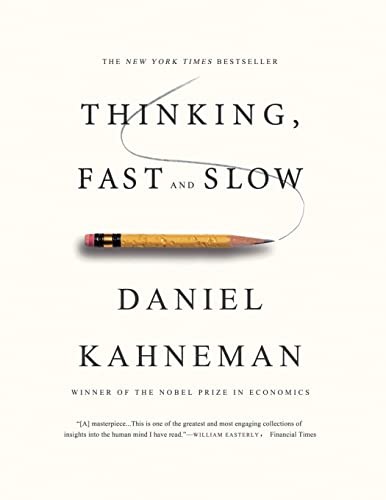
Thinking, Fast and Slow has become a foundational text in popular behavioral science, widely assigned in university courses across psychology, economics, business, and public policy. Within a decade of publication it achieved near-canonical status in the popular nonfiction genre, comparable to works like Guns, Germs, and Steel or The Selfish Gene in its field-defining influence.
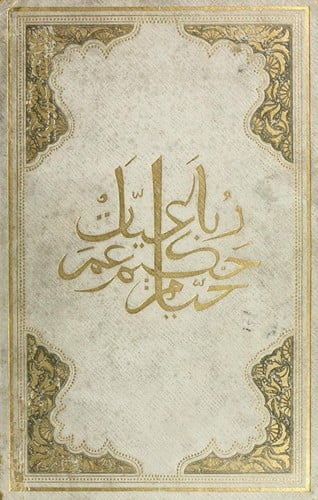
No. 6 on this list. Rubaiyat of Omar Khayyam
Omar Khayyam · 1120
Moderate46 min
Taught in schools: Armenian secondary literature
Included in: UNESCO Collection of Representative Works
Victorian classic; part of English literary heritage; the Persian original is canonical.
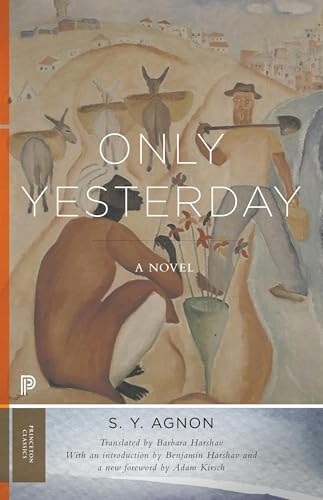
Appears on 232 university syllabi according to Open Syllabus data, primarily in Hebrew literature, Jewish studies, and comparative literature courses. Wikipedia articles exist in only 3 languages, reflecting the novel's limited penetration beyond Hebrew-reading audiences. A core text in Israeli literary studies and recognized as Agnon's masterpiece, but not widely taught in general world literature surveys outside Israel.
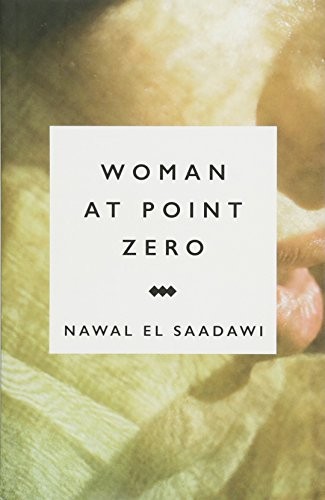
Firdaus sits on death row in a Cairo prison, waiting to be executed for the murder of a man. She has refused all appeals and refuses to see anyone — until she agrees to speak to a psychiatrist. What follows is her life told in her own voice: a childhood of poverty and violation in a Nile Delta village, an uncle who used her and married her off to an old man, escape to Cairo and the streets, a moment of grace with a woman named Sharifa, and then the long education of a woman who sold her body because every other option had already been sold without her consent. El Saadawi based this novel on a real woman she met while working as a prison psychiatrist. The result reads like testimony — spare, flat, ferocious. Firdaus does not ask for sympathy. She has arrived at a place beyond it. The killing is not a breakdown; it is the one act in her life that belonged entirely to her. The novel is short — under 150 pages — and moves fast, but its structure doubles back: what begins as a case study ends as a reversal, with the psychiatrist shaken and the condemned woman serene. It belongs to the same tradition as Toni Morrison and Frantz Fanon: the examination of what violence and power do to a self, written from inside that experience.
The Harafish is widely read in the Arab world and studied on courses in modern Arabic literature, often ranked by critics beside the Cairo Trilogy. In English-language teaching it remains less common than the Trilogy or Midaq Alley.
A Simple Story appears on 30 university syllabi according to Open Syllabus (36.9th percentile), placing it in the taught-but-not-widely-taught category. Its Wikipedia article is minimal at 652 characters. The novel circulates primarily in Jewish literature and Modern Hebrew literature courses rather than general fiction surveys. Its canonical status is real but narrow — essential within Agnon scholarship and Hebrew literature curricula, largely unknown outside them.
No. 11 on this list. The Bridal Canopy · Shmuel Yosef Agnon · 1931
A wealthy man travels across early 20th-century Palestine, dispensing charity and encountering a panorama of Jewish life. Agnon's picaresque novel, rich with rabbinic learning and Hasidic tales, is a portrait of a vanished world.
Challenging7.5 hours
Start this bookNo. 12 on this list. The Island of Missing Trees · Elif Shafak · 2022
A fig tree connects Cyprus and London across decades of history, displacement, and ecological loss. Shafak's novel interweaves human and botanical stories to explore memory, migration, and our relationship with nature.
Challenging6.7 hours
Start this bookNo. 13 on this list. A Strangeness in My Mind · Orhan Pamuk · 2016
A Strangeness in My Mind received a Booker International shortlist in 2016 and was well-reviewed internationally, but it has not achieved the canonical foothold of Pamuk's earlier novels such as My Name Is Red or Snow. It appears on some world literature reading lists but lacks the broad academic adoption that would signal true canonical status. The Nobel Prize attached to Pamuk's name elevates its profile significantly beyond what the book's own reception would warrant.
Moderate14 hours
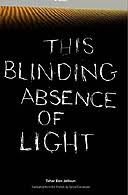
Start this bookNo. 14 on this list. This Blinding Absence of Light · Tahar Ben Jelloun · 2004
A Moroccan man, imprisoned for eighteen years in darkness, survives through memory and imagination. Ben Jelloun's novel, based on a true story, explores endurance and the persistence of the human spirit.
Challenging4 hours
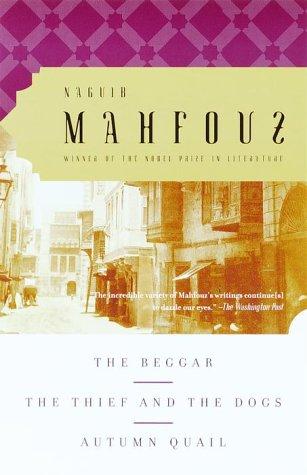
Start this bookNo. 15 on this list. The Beggar · Naguib Mahfouz · 1965
No syllabus data or Wikipedia language count was returned in the database, but The Beggar is taught in comparative literature and Middle Eastern literature courses as a representative Mahfouz novella from his existentialist period. It appears on fewer syllabi than the Cairo Trilogy or Midaq Alley and is less globally recognized than his Nobel-cited masterworks. Anchor Books inclusion in its Mahfouz library series confirms prestige-publisher standing.
Challenging6.9 hours
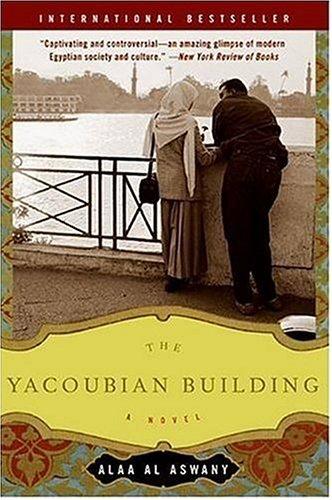
Start this bookNo. 16 on this list. The Yacoubian Building · Alaa Al Aswany · 2002
The Yacoubian Building appears on world literature and Middle Eastern literature syllabi internationally, particularly in comparative and postcolonial literature courses. No syllabus data was available in the database, but it is one of the most widely assigned contemporary Arabic novels in Western universities. It does not yet hold a position in the core Western canon, keeping it well below fixtures like Beloved or The Great Gatsby.
Moderate6 hours
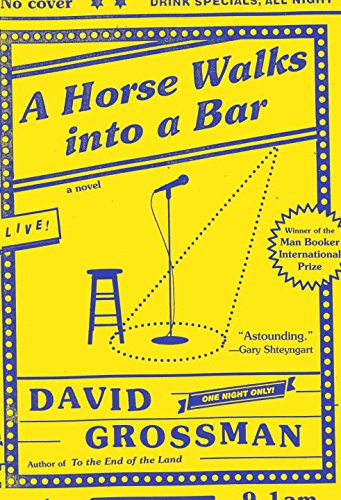
Start this bookNo. 17 on this list. A Horse Walks into a Bar · David Grossman · 2017
Appears on 17 university syllabi according to Open Syllabus data (30.7th percentile), taught primarily in world literature, contemporary Israeli fiction, and translated literature courses. Wikipedia articles exist in only 2 languages, indicating limited global canonical footprint. The book is respected but not yet widely absorbed into standard literary curricula outside its specialized contexts.
Moderate4.2 hours
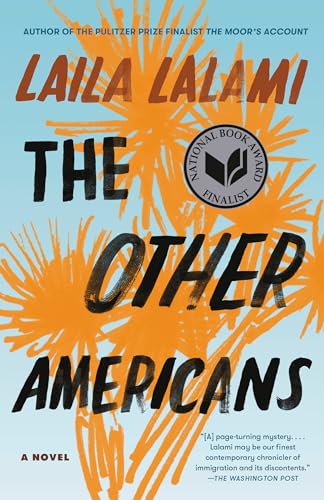
Start this bookNo. 18 on this list. The Other Americans · Laila Lalami · 2019
Immigrants navigate the tensions between their Moroccan origins and American present. Lalami's Booker-shortlisted novel explores identity and belonging through multiple perspectives.
Moderate5.2 hours
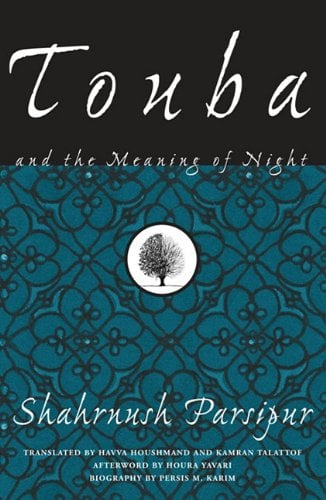
Start this bookNo. 19 on this list. Women Without Men: A Novel of Modern Iran · Shahrnush Parsipur · 2004
It is a landmark of modern Persian women's writing, banned in Iran and widely taught in postcolonial and feminist courses in translation. It is less established than the major Western canon.
Moderate2 hours
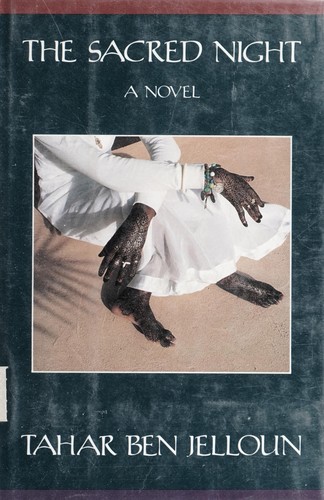
Start this bookNo. 20 on this list. The Sacred Night · Tahar Ben Jelloun · 1987
Ahmed, raised as a boy by his father despite being born female, takes on a masculine identity in Moroccan society. In this sequel to The Sand Child, his story continues as he struggles between genders and identities. Ben Jelloun's Prix Goncourt-winning novel of transformation and constraint.
Challenging3.8 hours
Start this book


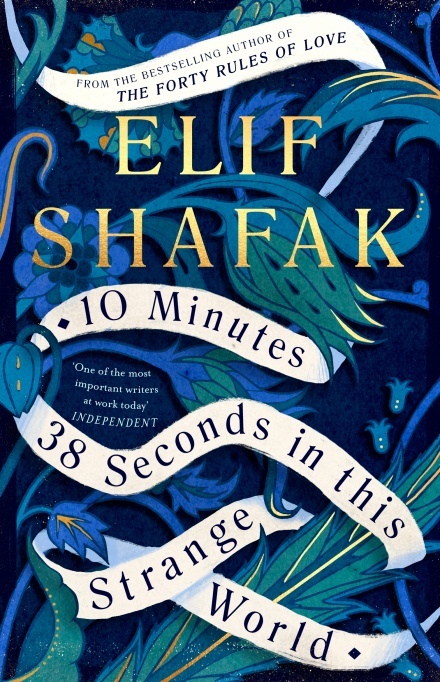
No. 21 on this list. 10 Minutes 38 Seconds in This Strange World · Elif Shafak · 2019
In the pulsing heart of Istanbul, a sex worker named Tequila Leila lies dead in a dumpster, her consciousness fading through ten minutes and thirty-eight seconds of memories. As her mind replays pivotal moments from her life—from a conservative childhood in Van to her migration to the city—five loyal friends who became her chosen family set out to give her a proper burial. A meditation on friendship, marginalization, and the resilience of those society discards.
Moderate5.5 hours
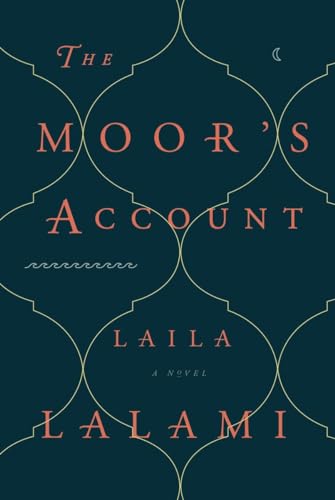
Start this bookNo. 22 on this list. The Moor's Account · Laila Lalami · 2013
Published in 2014, The Moor's Account has not yet entered the Western literary canon but is gaining footholds in postcolonial and American literature syllabi. It appears in university courses on migration, slavery, and counter-narrative fiction, though its syllabus presence remains limited compared to established canonical works. Its Pulitzer finalist status and growing academic attention suggest a trajectory toward broader institutional recognition.
Challenging10 hours
Start this bookNo. 23 on this list. Women Without Men · Shahrnush Parsipur · 1989
Women Without Men is widely taught in postcolonial, Middle Eastern, and women's literature courses at Western universities, where it functions as a gateway text to Iranian literary modernism. No syllabus data was returned from the database, but the work's sustained presence in Anglophone academic curricula since its 1992 English-language publication places it well above genre fiction in canonical standing.
Challenging2.5 hours
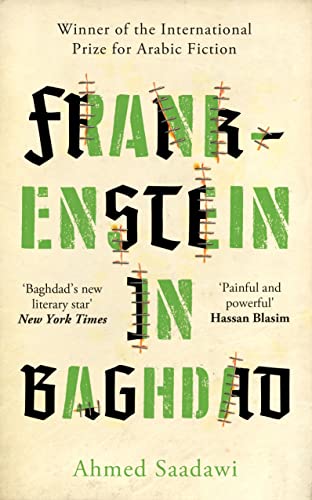
Start this bookNo. 24 on this list. Frankenstein in Baghdad · Ahmed Saadawi · 2018
Appears on 94 university syllabi according to Open Syllabus, concentrated in world literature, Middle Eastern studies, and translation courses. International Booker shortlist in 2018 and inclusion in Penguin Classics signal growing institutional recognition, but the novel remains far from required-reading status outside specialized programs.
Challenging6 hours
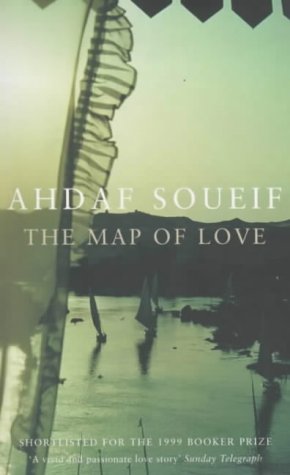
Start this bookNo. 25 on this list. The Map of Love · Ahdaf Soueif · 1999
The Map of Love (1999) is taught in courses on postcolonial and Arab Anglophone fiction. It is well known in those fields but not a general syllabus staple.
Challenging9.6 hours
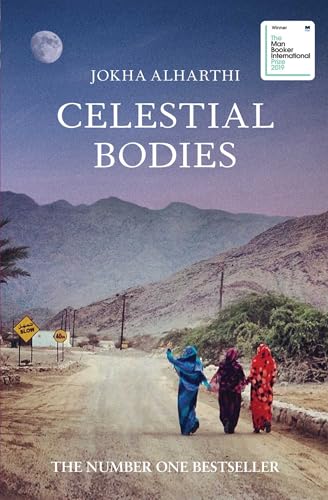
Start this bookNo. 26 on this list. Celestial Bodies · Jokha Alharthi · 2019
Appears on 28 university syllabi according to Open Syllabus, placing it at the 36th percentile — modest but growing presence. Wikipedia articles exist in only 2 languages. As the first Arabic novel to win the International Booker Prize (2019), it holds a gateway position in world literature courses but has not yet become a curriculum staple.
Challenging5.1 hours
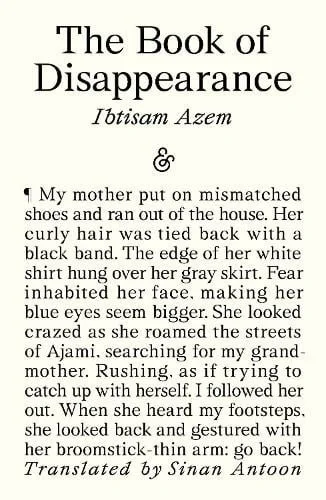
Start this bookNo. 27 on this list. The Book of Disappearance · Adania Shibli · 2025
In the sweltering summer of 2000, a real estate agent in Jaffa begins to notice a disturbing trend: Palestinian residents are vanishing, leaving behind only empty homes and unanswered questions. As the agent meticulously documents these disappearances, a haunting portrait of occupation and erasure emerges. Through the agent's observations, Adania Shibli's novella, The Book of Disappearance, probes the intersection of property, identity, and absence. With a spare, elegant prose, Shibli excavates the complex web of relationships between people, place, and power. The result is a nuanced exploration of the human cost of occupation, one that lingers long after the final page is turned. Readers of literary fiction who appreciate subtle, thought-provoking storytelling will find The Book of Disappearance a compelling, if unsettling, read. Be prepared for a narrative that is both poignant and unflinching in its examination of the Israeli-Palestinian conflict. With its shortlisting for the 2025 Intl Booker, this novella has already garnered international recognition for its innovative and powerful storytelling. As a work of contemporary literature, The Book of Disappearance offers a unique perspective on the ongoing struggles of the Middle East, one that is both deeply personal and universally relatable. While the author's background may be unknown, their writing speaks to a profound understanding of the human experience, making this novella an essential read for anyone interested in exploring the complexities of identity, community, and social justice.
Challenging4.7 hours
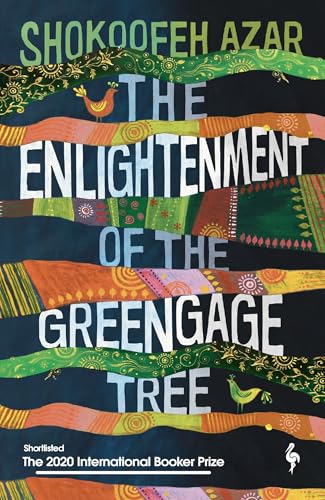
Start this bookNo. 28 on this list. The Enlightenment of the Greengage Tree · Shokoofeh Azar · 2020
The Enlightenment of the Greengage Tree appears on recommended lists of contemporary Iranian and translated fiction. It is a recent novel and has not yet settled into teaching canons.
Challenging5.3 hours
Start this bookNo. 29 on this list. Symphonie der Toten · Abbas Maroufi · 1998
No syllabus presence is shown. It is a translated exile-literature novel known mainly through a German edition, so it is niche.
Challenging7 hours
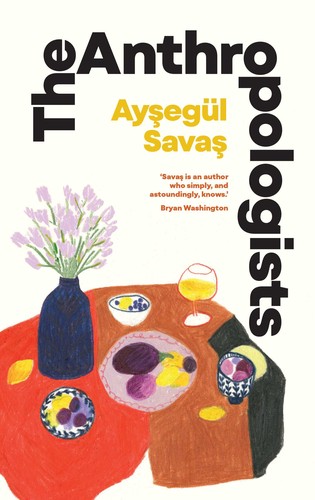
Start this bookNo. 30 on this list. The Anthropologists · Ayşegül Savaş · 2024
Ranked by literary regard among eligible works in the current catalogue. This position reflects the available catalogue evidence.
Moderate
Start this book

About this list
These 32 books are the highest-scoring eligible moderately difficult books from the Middle East currently in the catalogue. About 234 hours of reading in all, for the 31 with measured lengths. Difficulty runs from 52 to 59 out of 100 for the middle half of the list; the summit is The Harafish at 64.
This list is ranked by literary regard, with a consistent order for equal scores. Membership follows authors and co-authors, not translators or editors. A book is here when ReadingRate files it under Middle Eastern Literature as one of its primary reading domains. Catalogue coverage and the historical canon both limit what this list can represent.
When we matched the Canons dataset to our catalogue in October 2026, our canonical-status scores rose with the number of school curricula, publisher series and lists in it that cite a work: the median score was 72 for books one such source cites, 84 at two, 88 at three, 92 at four and 93 at five or more. Prizes are left out of that count. Outside the state curricula, the dataset’s sources choose mostly from what has been translated into English or French, so it is a weaker check on other literatures. Source: Canons (Andrew Piper), CC BY 4.0
Questions people actually ask
- What are the best moderately difficult books from the Middle East?
- By literary regard, which weighs canonical status, critical standing and influence: One Thousand and One Nights by Anonymous, My Name Is Red by Orhan Pamuk, Midaq Alley by Naguib Mahfouz, Snow by Orhan Pamuk and Thinking, Fast and Slow by Daniel Kahneman. ReadingRate ranks 32 such books, each with a difficulty score and a reading-time estimate.
- Which moderately difficult books from the Middle East should I read first?
- Start from difficulty, not from rank. The most approachable books on this list that still carry top literary regard are One Thousand and One Nights by Anonymous (about 16 hours), Midaq Alley by Naguib Mahfouz and My Name Is Red by Orhan Pamuk.
- What are the shortest of the best moderately difficult books from the Middle East?
- Among the top 25, the shortest are Rubaiyat of Omar Khayyam by Omar Khayyam (about 46 min), Women Without Men: A Novel of Modern Iran by Shahrnush Parsipur (about 2 hours) and Women Without Men by Shahrnush Parsipur (about 2.5 hours), at an average pace of 250 words a minute adjusted for each book's difficulty.
- Which of the best moderately difficult books from the Middle East are the established classics?
- By canonical status, how firmly a book sits in curricula, anthologies and the canon: One Thousand and One Nights by Anonymous, Rubaiyat of Omar Khayyam by Omar Khayyam, My Name Is Red by Orhan Pamuk, Midaq Alley by Naguib Mahfouz and Snow by Orhan Pamuk.
- Can I read any of these moderately difficult books from the Middle East for free?
- 1 of the 32 opens in ReadingRate's reader with a free account, from public-domain editions: Rubaiyat of Omar Khayyam.
- How long would it take to read the top ten?
- About 103 hours, at an average pace of 250 words a minute adjusted for each book's difficulty: 52 days at two hours a day. Set your own pace on the page and the list's reading times change to it.
- How hard are moderately difficult books from the Middle East to read?
- Most of this list sits between 52 and 59 on ReadingRate's 100-point difficulty scale, where 40 to 55 is moderate. The summit is The Harafish at 64. Every entry carries its own score, so a reader can pick a great book at a difficulty they will finish.
- How is this list ranked?
- On literary-regard data: how canonically established a work is, its critical standing, and its influence on later writing. It is not a readers’ poll, which is why recent bestsellers rarely appear. Membership follows authors and co-authors, not translators or editors. Lists by country, author, period, theme or difficulty keep to literature (fiction, poetry, drama and philosophy), their novels, poems and plays first and their philosophy after them; a list of a kind of book, such as memoir or criticism, keeps every book of that kind. Every list holds at most three works by one author. A book is here when ReadingRate files it under Middle Eastern Literature as one of its primary reading domains.