Hours at an average pace
Showing 93 books
About 473 hours for 91 of 93 books with measured lengths. Estimates use 250 words a minute, adjusted for each book's difficulty. At 2 hours a day, about 237 days for those books.
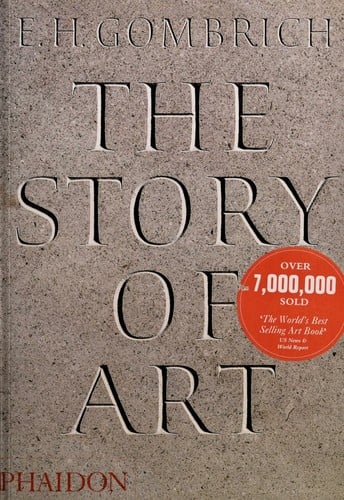
One of the most assigned art history textbooks globally, continuously in print since 1950 and translated into more than 30 languages. A fixture in introductory art history courses at universities worldwide, it has sold millions of copies and remains the default entry point for the discipline.
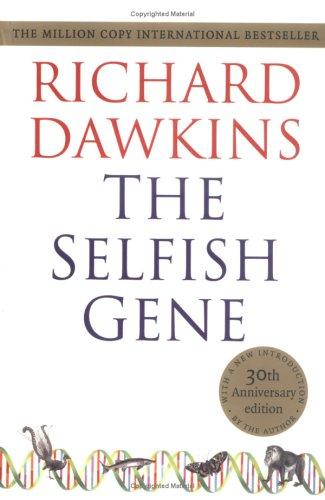
Four billion years ago, a molecule capable of copying itself appeared in the primordial soup. Everything since — every bacterium, beetle, and human being — is a machine built by those replicators to carry them forward. Richard Dawkins published this argument in 1976, and it reorganized how biologists, philosophers, and general readers think about evolution. The unit of selection, Dawkins argues, is not the species, not the group, not even the individual organism. It is the gene. Organisms are temporary coalitions built by genes competing for spots in the next generation. Altruism, cooperation, parent-offspring conflict, and sex ratios all follow from this single reorientation of perspective. Dawkins builds his case through thirteen chapters of escalating clarity, anchoring every theoretical claim in concrete animal behavior: penguins refusing to be the first in the water, praying mantises eating their mates mid-copulation, worker bees dying to protect the hive. The book's penultimate chapter introduces the meme — a unit of cultural replication analogous to the gene — as a second kind of replicator that has emerged in human minds. Written for the general reader who has no specialized knowledge but is unwilling to be patronized, The Selfish Gene remains the most precise and readable account of Darwinian logic ever written for a non-specialist audience.
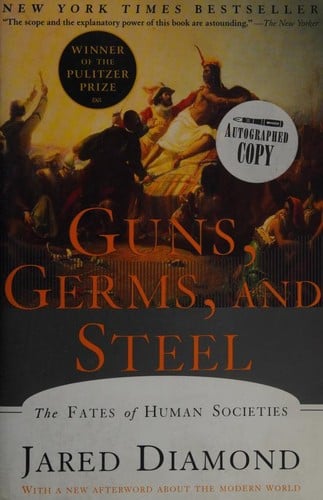
The verified data signals show no syllabus or Wikipedia entries on file for this title, but Guns, Germs, and Steel has been a fixture of introductory world-history, geography, and anthropology courses since the late 1990s and was adapted into a three-part PBS/National Geographic documentary in 2005. It sits below a literary classic like The Great Gatsby in curricular ubiquity but comfortably ahead of a work with only cult-course status.
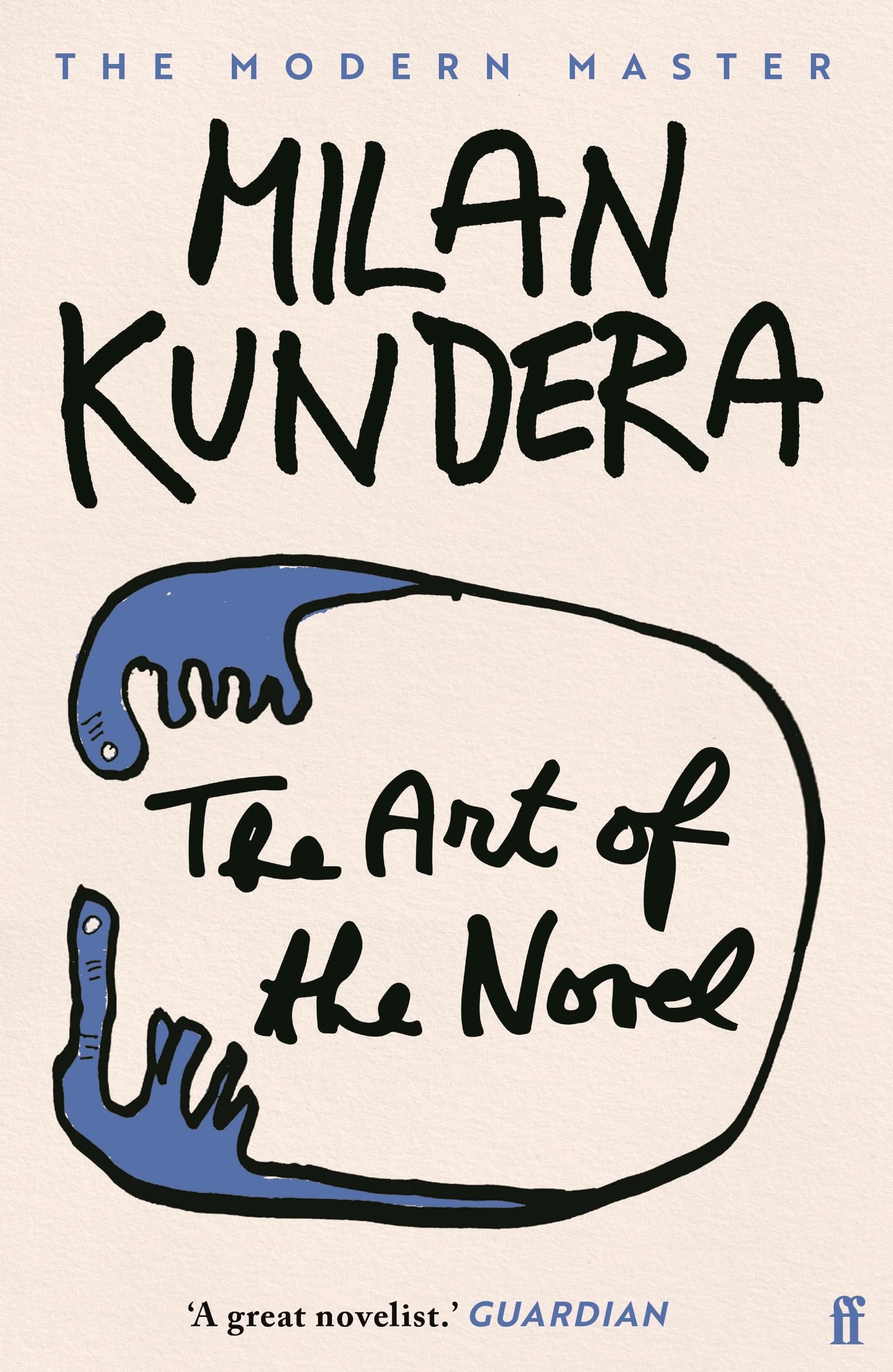
"The world of theories is not my world," Kundera announces on the first page — and then builds one of the most precise theories of the novel written by a practicing novelist. Across seven formally distinct sections — historical essay, interview, critical notes, alphabetical dictionary, prize address — he traces a counter-history of European fiction from Cervantes to Kafka, arguing that the novel exists to preserve what no other form can: the knowledge that human existence is irreducibly ambiguous. Kundera reads literary history like a composer analyzing a score. He tracks how Balzac's social institutions replaced Cervantes' open road, how Kafka stripped away all reasonable motivation to leave pure irrational force, how Hasek's comedy of the First World War revealed that nobody believed the propaganda anymore. His own aesthetic emerges from the dialogues with Christian Salmon: radical divestment, architectonic clarity, the novel as counterpoint of multiple registers held in tension. The book's boldest claim is also its simplest: the novel is 'the echo of God's laughter,' a space where certainty dissolves and uncertainty is not a weakness but the highest form of knowledge. Against totalitarian thinking — which Kundera knew firsthand from Czechoslovakia — the novel stands as the last form that refuses the 'either-or.' The sixty-three words section is the strangest and most useful: a personal dictionary of terms like kitsch, lightness, the agélaste, the Kafkan. Demanding without being difficult, this is a book for readers who love novels and want to understand what they are for.
A staple of world adventure and science fiction, widely taught and abridged for school readers in many languages. It is a fixture of Verne's Voyages Extraordinaires, though less central to university literature courses than the major realist novels.
The Demon-Haunted World is widely assigned in critical thinking, philosophy of science, and introductory science courses at universities across the English-speaking world. Its 'baloney detection kit' chapter is excerpted in dozens of textbooks and anthologies, and the book appears on most 'essential reading' lists for scientific literacy.
The Innocents Abroad appears frequently on university syllabi for 19th-century American literature and travel writing courses, though it is assigned less universally than Huckleberry Finn. It features on most canonical lists of American humor and is recognized as a founding document of the American travel narrative — a position that keeps it in academic circulation without making it a high school curriculum fixture.
Babel-17 won the 1966 Nebula Award for Best Novel (tied with Flowers for Algernon) and appears on most SF core reading lists and New Wave SF curricula. It has limited presence on general literature university syllabi but is widely taught in SF-specific academic courses. Its canonical status is high within the genre and modest outside it.
One of the most important science memoirs ever written. Required reading in history of science courses.
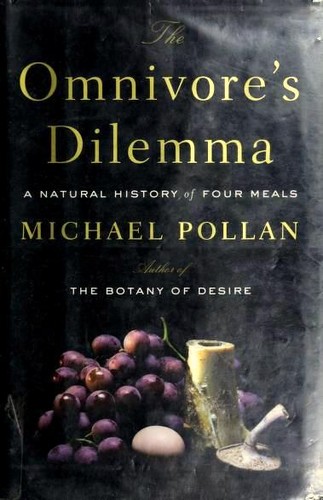
The Omnivore's Dilemma is widely assigned in environmental studies, food studies, journalism, and American studies courses across universities. It has become the default text for understanding the industrial food system and appears on numerous college reading lists. For nonfiction, its curricular penetration is strong, though it does not reach the ubiquity of literary canon staples.
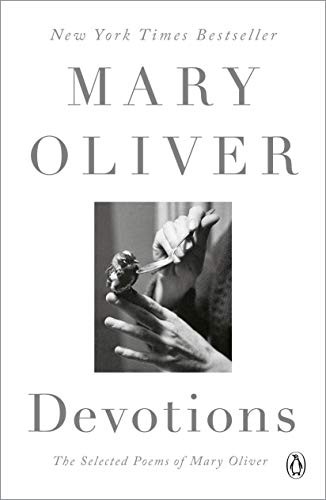
No. 11 on this list. Devotions · Mary Oliver · 2017
Mary Oliver appears regularly on undergraduate syllabi in American poetry surveys, creative writing programs, and environmental humanities courses. She is not a high school curriculum fixture at the level of Frost or Whitman, but Devotions is a standard course text. No syllabus data was returned from the database, but her presence in higher education is well documented.
Easy2.2 hours
Start this bookNo. 12 on this list. Binti · Nnedi Okofor · 2015
Hugo and Nebula Award winner. A significant work of Africanfuturist fiction, increasingly taught in university courses.
Very Easy1.2 hours
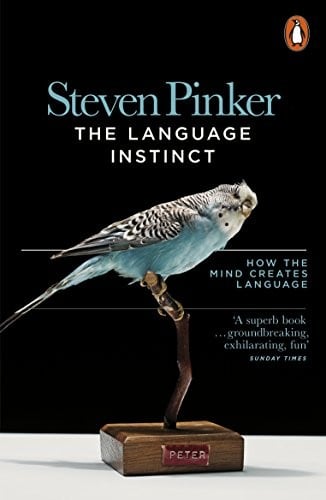
Start this bookNo. 13 on this list. The Language Instinct · Steven Pinker · 1994
The most influential popular linguistics book since Chomsky. Widely assigned in universities.
Moderate9.3 hours
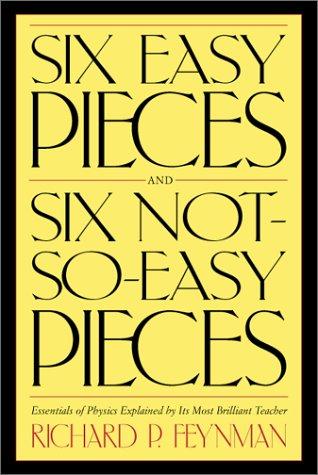
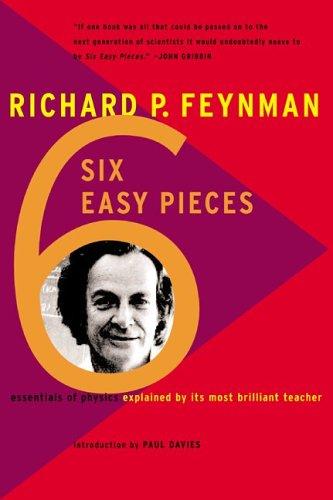
Start this bookNo. 14 on this list. Six Easy Pieces / Six Not-So-Easy Pieces · Richard P. Feynman · 2001
The Feynman Lectures are among the best-known physics texts, and these selections are widely read as popular introductions. They are read as science classics and less as literary curriculum.
Easy6.2 hours
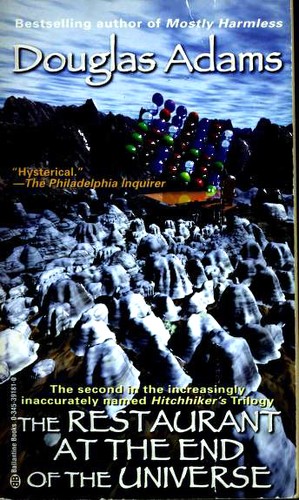
Start this bookNo. 15 on this list. The Restaurant at the End of the Universe · Douglas Adams · 1980
A beloved classic of comic science fiction, widely read and referenced. Slightly less iconic than the first Hitchhiker's book but firmly established.
Easy4.1 hours
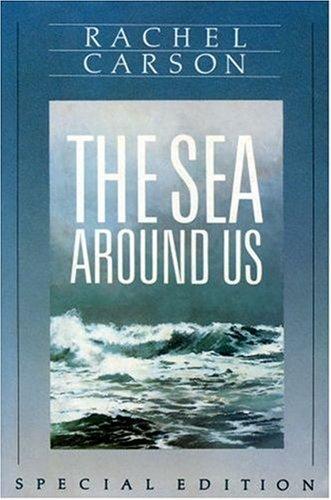
Start this bookNo. 16 on this list. The Sea Around Us · Rachel Carson · 1951
Carson's lyrical exploration of the ocean predates her more famous Silent Spring by a decade, but it established her reputation as a prose stylist of the highest order. She describes the formation of the oceans, the life of the deep sea floor, the mechanics of tides and currents, the migration of eels, and the geological history of island formation with a combination of scientific precision and literary beauty that had no precedent in nature writing. Carson makes the reader feel the immensity of geological time—continents forming and breaking apart, species evolving and vanishing over millions of years—while keeping the prose intimate and human-scaled. The book won the National Book Award and became a bestseller, introducing millions of readers to marine biology. Reading it now, knowing what Carson would go on to write about pesticides and what has since happened to the oceans, adds a layer of melancholy to her celebration of the sea's vast, indifferent beauty.
Easy3.5 hours
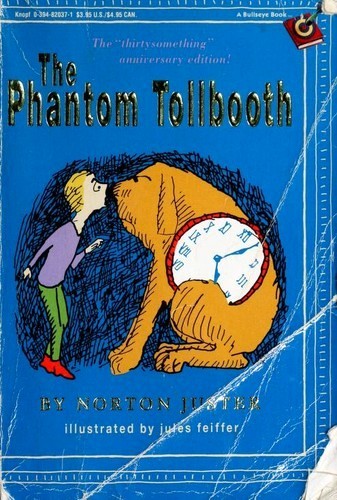
Start this bookNo. 17 on this list. The Phantom Tollbooth · Norton Juster · 1961
The Phantom Tollbooth is a standard text on US elementary and middle school reading lists and appears on the Modern Library's 100 Best Young Adult Novels. It has been continuously in print since 1961, a span of 65 years, and is regarded as one of the defining works of American children's literature. It does not appear on university literature syllabi in the way that adult canonical texts do, which constrains its institutional footprint.
Easy2.1 hours
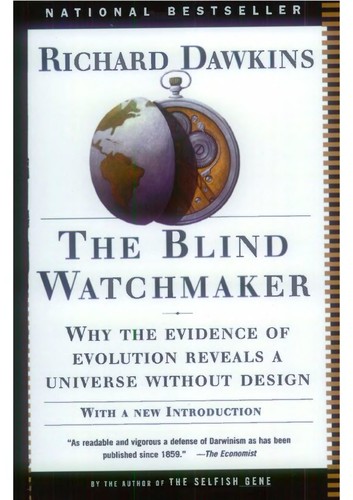
Start this bookNo. 18 on this list. The Blind Watchmaker · Richard Dawkins · 1986
One of the most important popular science books. Foundational to evolution communication.
Easy6.6 hours
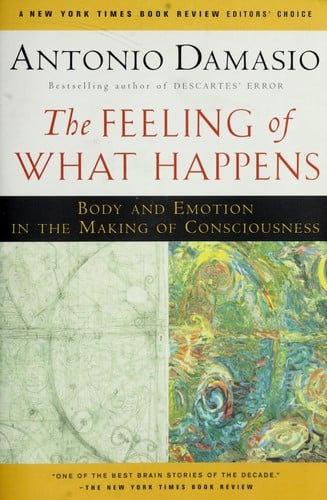
Start this bookNo. 19 on this list. The Feeling of What Happens · Antonio Damasio · 1999
The Feeling of What Happens (1999) is a standard reference in courses on consciousness, emotion and philosophy of mind. It is a key work of popular neuroscience rather than a literary classic.
Easy7.2 hours
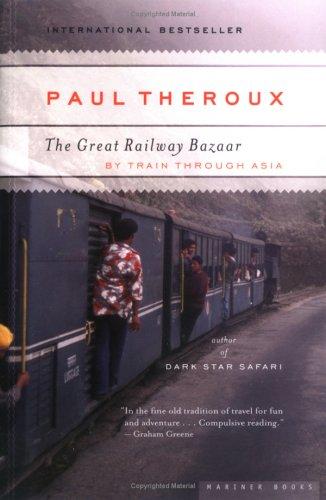
Start this bookNo. 20 on this list. The Great Railway Bazaar · Paul Theroux · 1975
The Great Railway Bazaar (1975) is one of the best-known modern travel books in English and appears on most lists of essential travel writing. It is taught occasionally in courses on travel literature but is not a fixture of general literary syllabuses.
Very Easy3.9 hours
Start this book
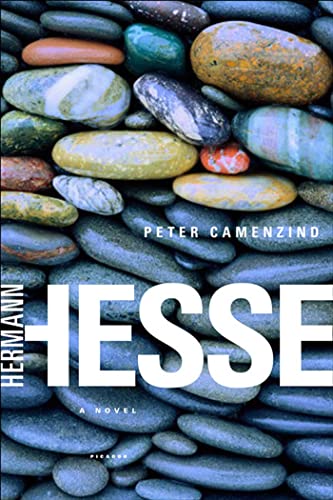
No. 21 on this list. Peter Camenzind · Hermann Hesse · 1904
A young man leaves his Swiss village for the city, where bohemian life and romantic disappointment lead him back to nature and art. Hesse's early novel already displays his themes of self-discovery, artistic vocation, and the conflict between society and the individual spirit.
Moderate3 hours
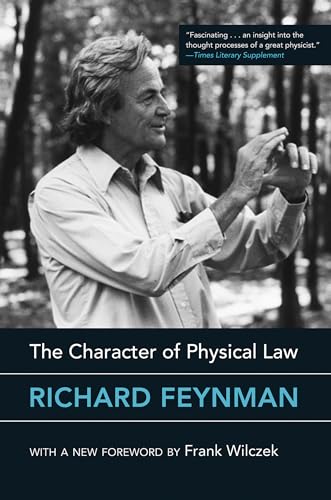
Read nowNo. 22 on this list. The Character of Physical Law · Richard Feynman · 1965
A classic of science communication. The Messenger Lectures are legendary.
Easy2.7 hours
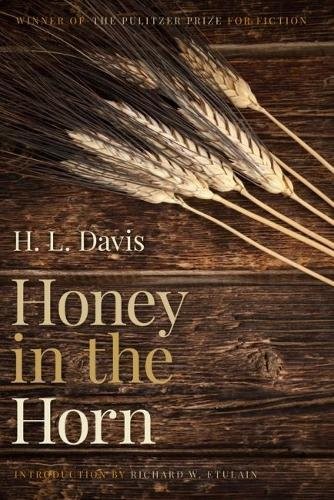
Start this bookNo. 23 on this list. Honey in the Horn · H.L. Davis · 1936
The novel won the 1936 Pulitzer Prize for Fiction and remains in print through Oregon State University Press's Northwest Reprints series, securing its place in regional American literature. It appears regularly in discussions of Western fiction and Pacific Northwest writing, though it lacks the broad recognition of other 1930s Pulitzers like The Grapes of Wrath. Academic attention focuses primarily on regional specialists rather than mainstream literary scholarship.
Moderate9.9 hours
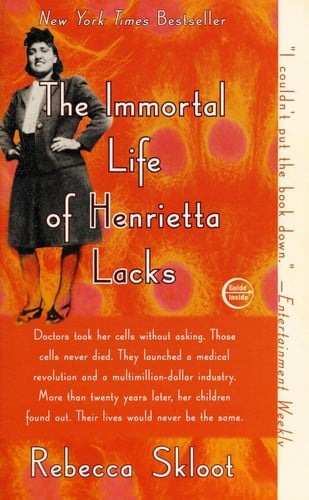
Start this bookNo. 24 on this list. The Immortal Life of Henrietta Lacks · Rebecca Skloot · 2010
Widely taught in universities and high schools. A defining work of narrative nonfiction in the 21st century.
Easy6.4 hours
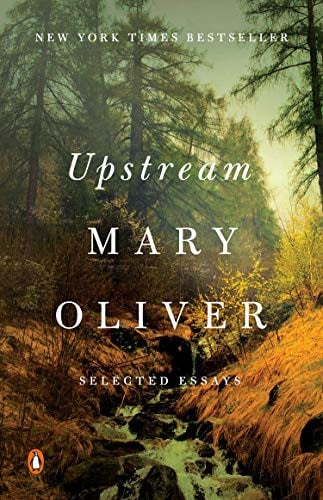
Start this bookNo. 25 on this list. Upstream · Mary Oliver · 2016
Well-known among Oliver's readers and nature writing enthusiasts. Less widely taught or critically discussed than her poetry.
Very Easy2.1 hours
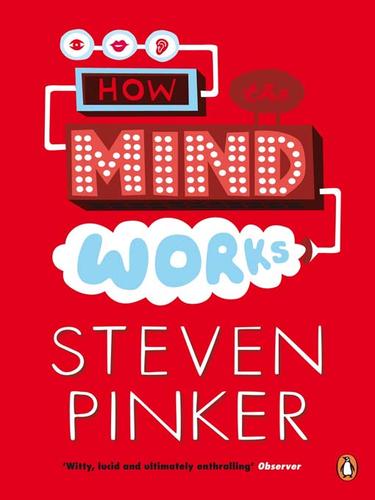
Start this bookNo. 26 on this list. How the Mind Works · Steven Pinker · 1997
One of the defining works of evolutionary psychology and popular cognitive science.
Easy12 hours
Start this bookNo. 27 on this list. Six Easy Pieces · Richard Feynman · 1994
Extracted from the legendary Feynman Lectures. A gateway to physics.
Very Easy2 hours
Start this bookNo. 28 on this list. Contact · Carl Sagan · 1985
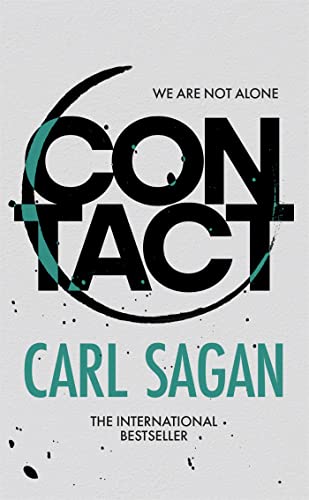
Contact is not a fixture of university literature syllabi but appears regularly in science fiction courses, science communication courses, and astronomy programs. The 1997 film adaptation kept the novel in cultural circulation. It occupies a recognized position in the science fiction canon without approaching the canonical status of a Great Gatsby or Beloved in literary curricula.
Moderate8 hours
Start this bookNo. 29 on this list. Entangled Life · Merlin Sheldrake · 2020
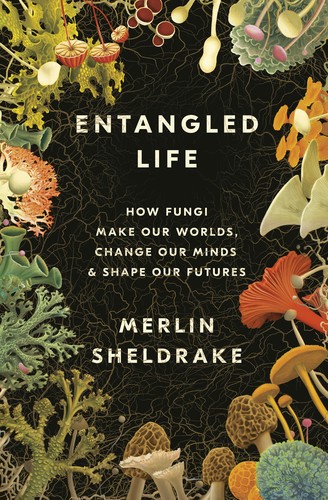
No syllabus appearances or Wikipedia language data are on file for this title, and being published in 2020 it hasn't had time to enter university curricula. It circulates heavily on general 'best nature writing' and popular-science lists rather than academic ones, well behind established syllabus fixtures like The Selfish Gene or Silent Spring.
Moderate5.7 hours
Start this bookNo. 30 on this list. A Tramp Abroad · Mark Twain · 1880
A Tramp Abroad is a minor work in Twain's catalogue, far less taught than Adventures of Huckleberry Finn or The Adventures of Tom Sawyer. It appears on some American literature syllabi as supplementary reading for Twain specialists but lacks significant syllabus presence on its own. It remains in print through prestige imprints largely on the strength of Twain's name.
Moderate9.9 hours
Read now
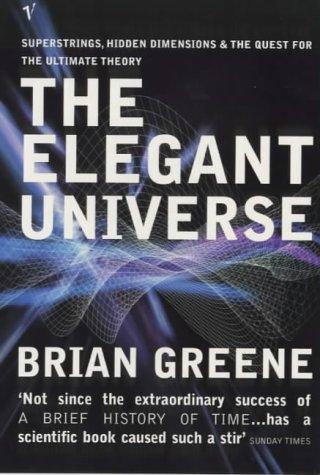
No. 31 on this list. The Elegant Universe
Brian Greene · 1999
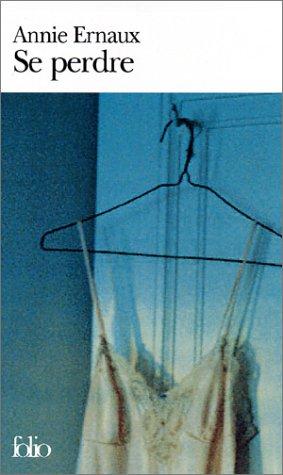
No. 32 on this list. Getting Lost
Annie Ernaux · 2001
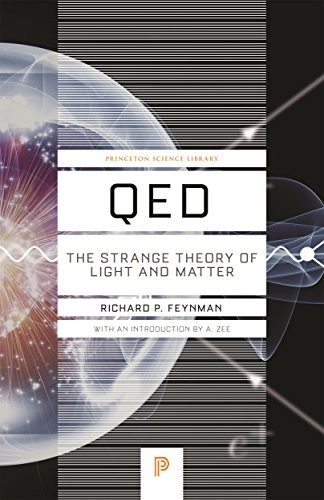
No. 33 on this list. QED
Richard Feynman · 1985
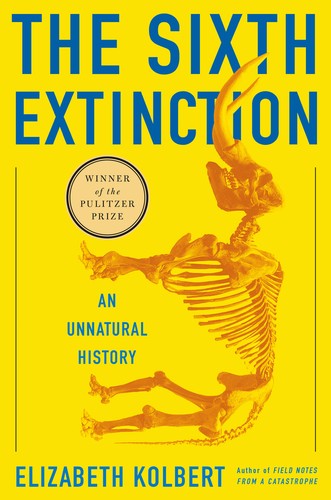
No. 34 on this list. The Sixth Extinction
Elizabeth Kolbert · 2014
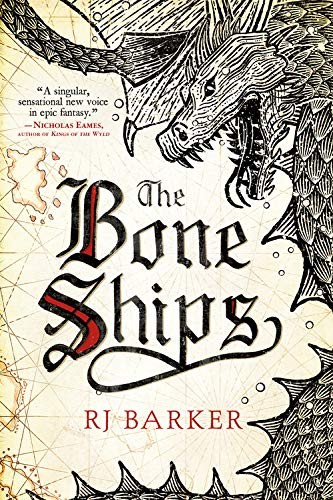
No. 35 on this list. The Bone Ships
R. J. Barker · 2019
No. 36 on this list. Look at the Lights, My Love
Annie Ernaux · 2014
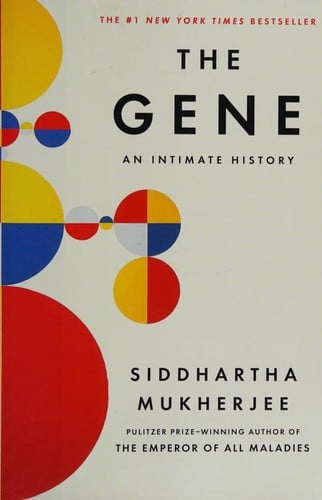
No. 37 on this list. The Gene
Siddhartha Mukherjee · 2016
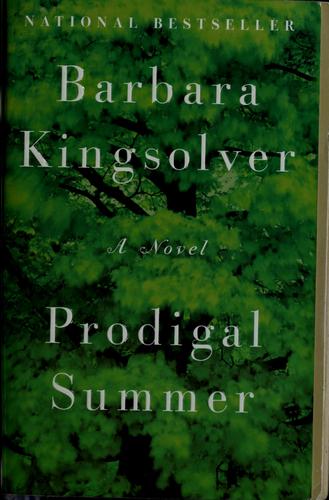
No. 38 on this list. Prodigal Summer
Barbara Kingsolver · 2000
No. 39 on this list. State of Wonder / The Song of Achilles / Painter of Silence
Ann Patchett · 2012
No. 40 on this list. Einstein: His Life and Universe
Walter Isaacson · 2007

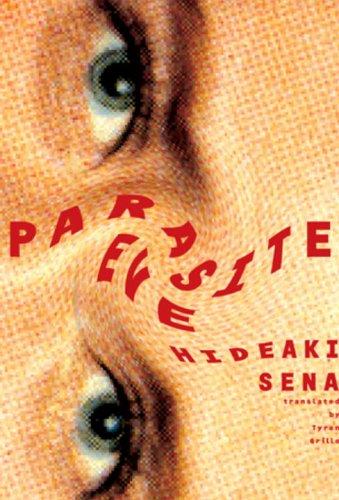
No. 41 on this list. Parasite Eve
Hideaki Sena · 1995
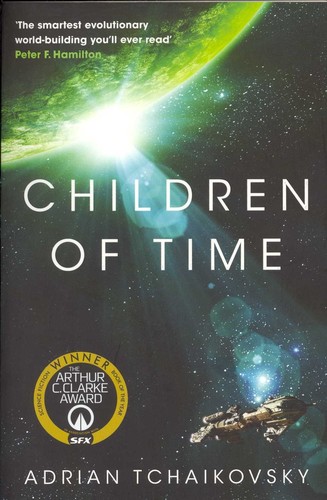
No. 42 on this list. Children of Time
Adrian Tchaikovsky · 2015
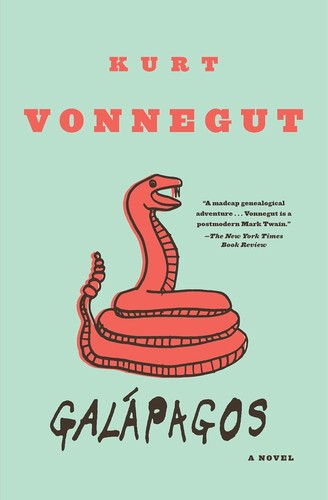
No. 43 on this list. Galapagos
Kurt Vonnegut · 1985
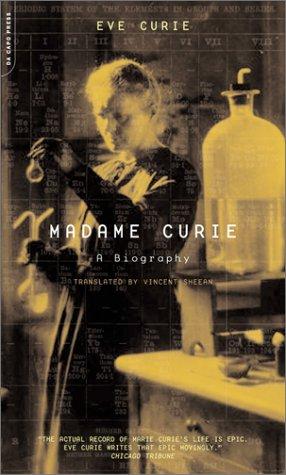
No. 44 on this list. Madame Curie: A Biography
Ève Curie · 2001
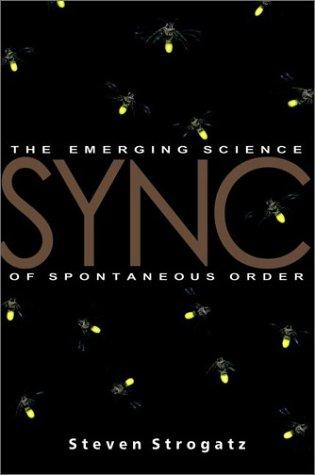
No. 45 on this list. Sync
Steven H. Strogatz · 2003
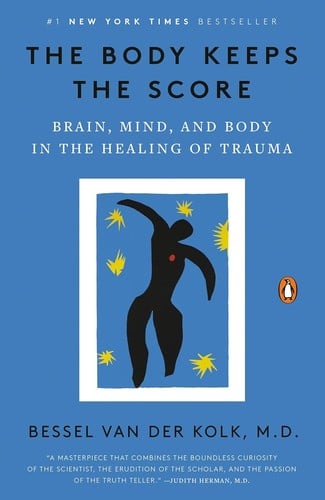
No. 46 on this list. The Body Keeps the Score
Bessel van der Kolk · 2014
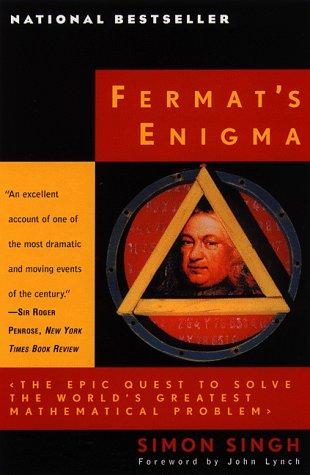
No. 47 on this list. Fermat's Enigma
Simon Singh · 1997
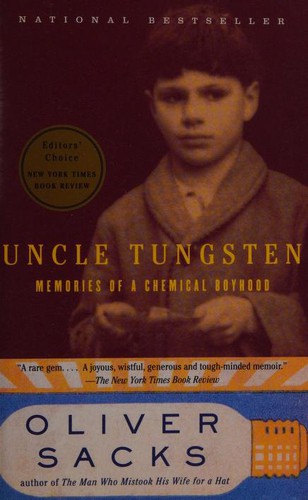
No. 48 on this list. Uncle Tungsten
Oliver Sacks · 2001
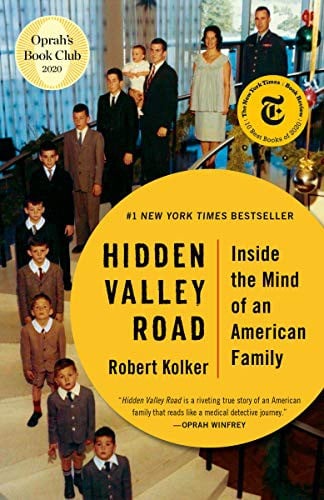
No. 49 on this list. Hidden Valley Road
Robert Kolker · 2020
No. 50 on this list. Jar City
Arnaldur Indriðason · 2000
No. 51 on this list. Why Children Need Nature: Movement, Play, and Outdoor Play
Richard Louv · 2005
No. 52 on this list. Airborn
Kenneth Oppel · 2004
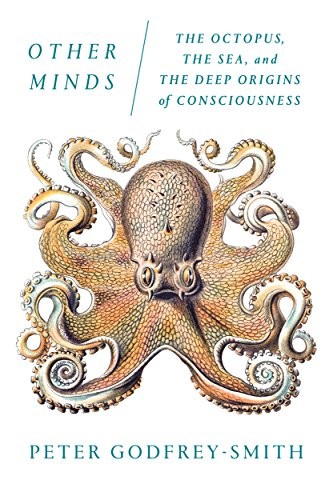
No. 53 on this list. Other Minds
Peter Godfrey-Smith · 2016
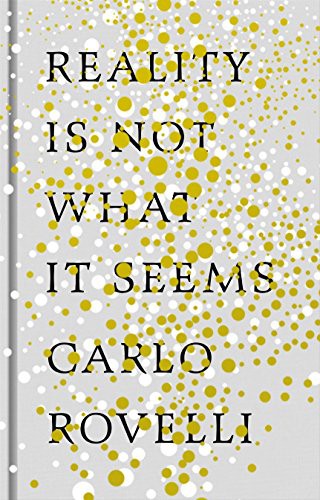
No. 54 on this list. Reality Is Not What It Seems
Carlo Rovelli · 2014
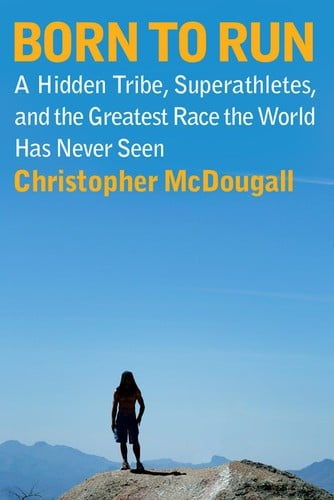
No. 55 on this list. Born to Run
Christopher McDougall · 2009
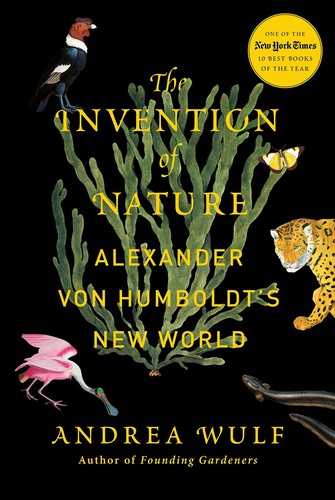
No. 56 on this list. The Invention of Nature
Andrea Wulf · 2015
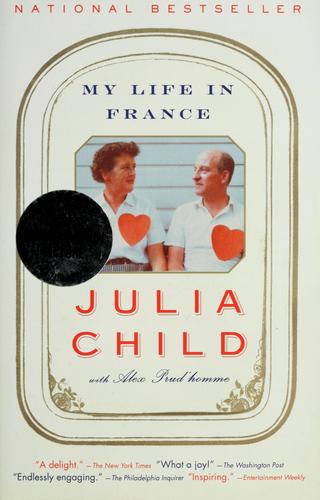
No. 57 on this list. My Life in France
Julia Child · 2006
No. 58 on this list. The Fabric of the Cosmos
Brian Greene · 2004
No. 59 on this list. Project Hail Mary
Andy Weir · 2021
No. 60 on this list. The Hot Zone
Richard Preston · 1994
No. 61 on this list. Complexity
Melanie Mitchell · 2011
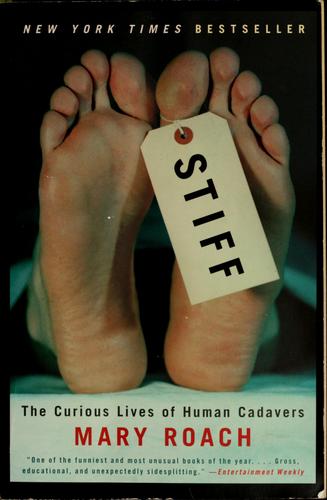
No. 62 on this list. Stiff
Mary Roach · 2003
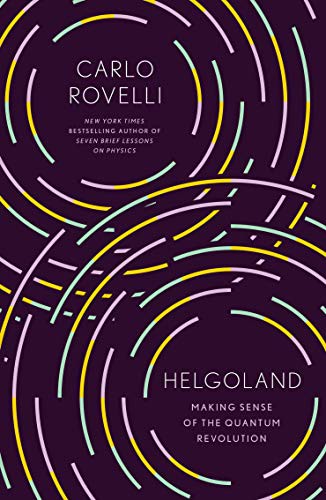
No. 63 on this list. Helgoland
Carlo Rovelli · 2020
No. 64 on this list. Seven Brief Lessons on Physics
Carlo Rovelli · 2014
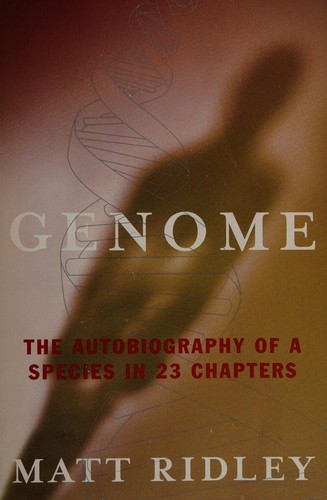
No. 65 on this list. Genome
Matt Ridley · 1999
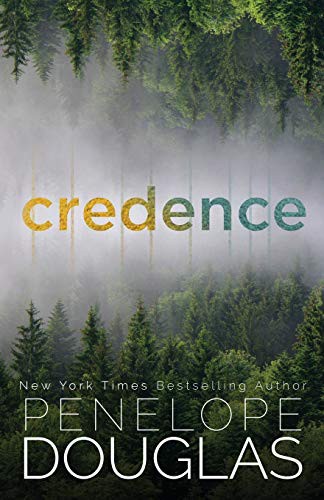
No. 66 on this list. Credence
Penelope Douglas · 2020
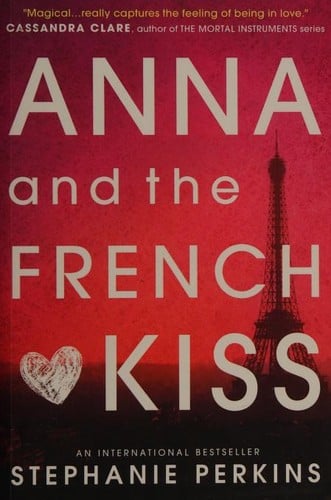
No. 67 on this list. Anna and the French Kiss
Stephanie Perkins · 2010
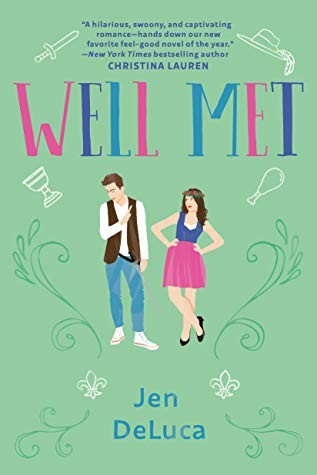
No. 68 on this list. Well Met
Jen DeLuca · 2019
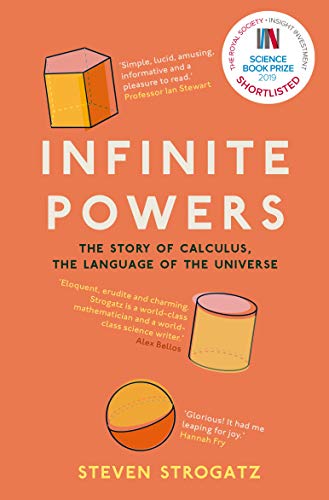
No. 69 on this list. Infinite Powers: The Story of Calculus - The Language of the Universe
Steven H. Strogatz · 2020
No. 70 on this list. The Body
Bill Bryson · 2019
No. 71 on this list. Two on a Tower
Thomas Hardy · 1882
No. 72 on this list. The Uninhabitable Earth
David Wallace-Wells · 2019
No. 73 on this list. The Ghost Map
Steven Johnson · 2006
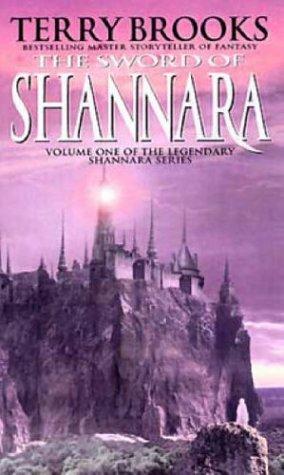
No. 74 on this list. The Sword of Shannara
Terry Brooks · 1977
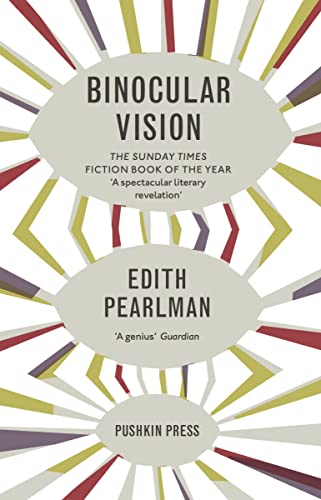
No. 75 on this list. Binocular Vision
Edith Pearlman · 2011
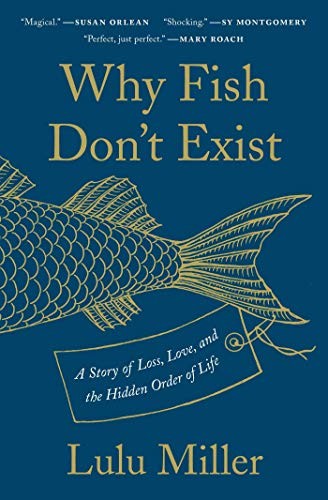
No. 76 on this list. Why Fish Don't Exist: A Story of Loss, Love, and the Hidden Order of Life
Lulu Miller · 2021
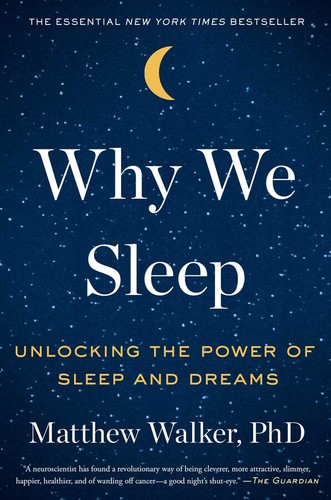
No. 77 on this list. Why We Sleep
Matthew Walker · 2017
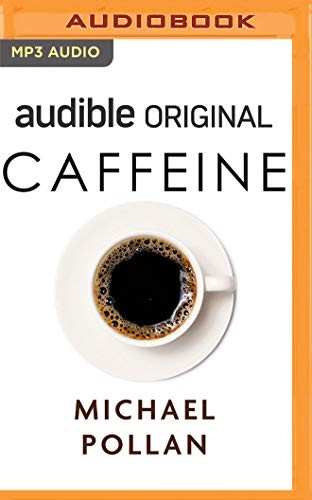
No. 78 on this list. Caffeine: How Caffeine Created the Modern World
Michael Pollan · 2020
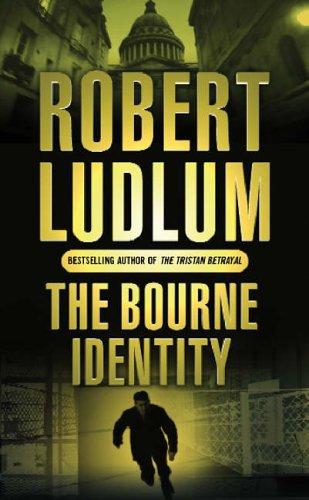
No. 79 on this list. The Bourne Identity
Robert Ludlum · 1980
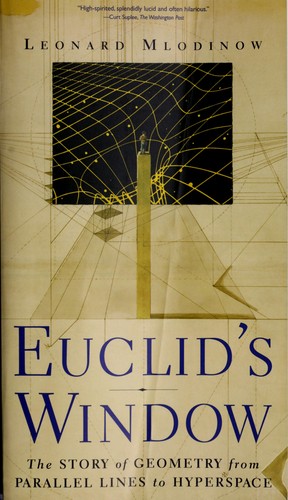
No. 80 on this list. Euclid's Window: The Story of Geometry from Parallel Lines to Hyperspace
Leonard Modinow · 2007
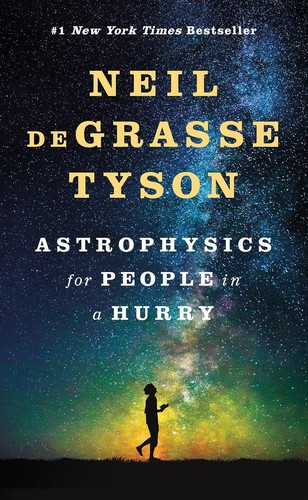
No. 81 on this list. Astrophysics for People in a Hurry
Neil deGrasse Tyson · 2017
No. 82 on this list. Beating Back the Devil: On the Front Lines with the Disease Detectives of the Epidemic Intelligence Service
Maryn McKenna · 2004
No. 83 on this list. The Disappearing Spoon
Sam Kean · 2010
No. 84 on this list. Since You've Been Gone
Morgan Matson · 2014
No. 85 on this list. The Village Effect: How Face-to-Face Contact Can Make Us Healthier, Happier, and Smarter
Susan Pinker · 2014
No. 86 on this list. Ms Ice Sandwich
Mieko Kawakami · 2013
No. 87 on this list. On the Art and Craft of Doing Science
Kenneth Catania · 2025
No. 88 on this list. Notes on Complexity: A Scientific Theory of Connection, Consciousness, and Being
Neil Theise · 2023
No. 89 on this list. Dark And Magical Places: The Neuroscience of Navigation
Christopher Kemp · 2022
No. 90 on this list. The Prince of Mathematics: Carl Friedrich Gauss
M.B.W. Tent · 2006
About this list
These 93 books are the highest-scoring eligible easy books about science and discovery currently in the catalogue. About 473 hours of reading in all, for the 91 with measured lengths. Difficulty runs from 25 to 38 out of 100 for the middle half of the list; the summit is Peter Camenzind at 45.
This list is ranked by literary regard, with a consistent order for equal scores. Membership follows authors and co-authors, not translators or editors. A book is here when ReadingRate files it under Science & Discovery as one of its primary reading domains, at a confidence of 0.8 or more. Catalogue coverage and the historical canon both limit what this list can represent.
When we matched the Canons dataset to our catalogue in October 2026, our canonical-status scores rose with the number of school curricula, publisher series and lists in it that cite a work: the median score was 72 for books one such source cites, 84 at two, 88 at three, 92 at four and 93 at five or more. Prizes are left out of that count. Outside the state curricula, the dataset’s sources choose mostly from what has been translated into English or French, so it is a weaker check on other literatures. Source: Canons (Andrew Piper), CC BY 4.0
Questions people actually ask
- What are the best easy books about science and discovery?
- By literary regard, which weighs canonical status, critical standing and influence: The Story of Art by E.H. Gombrich, The Selfish Gene by Richard Dawkins, Guns, Germs, and Steel by Jared Diamond, The Art of the Novel by Milan Kundera and Twenty Thousand Leagues Under the Sea by Jules Verne. ReadingRate ranks 93 such books, each with a difficulty score and a reading-time estimate.
- Which easy books about science and discovery should I read first?
- Start from difficulty, not from rank. The most approachable books on this list that still carry top literary regard are The Selfish Gene by Richard Dawkins (about 6.4 hours), The Art of the Novel by Milan Kundera and Guns, Germs, and Steel by Jared Diamond.
- What are the shortest of the best easy books about science and discovery?
- Among the top 25, the shortest are Binti by Nnedi Okofor (about 1.2 hours), The Art of the Novel by Milan Kundera (about 2.1 hours) and Devotions by Mary Oliver (about 2.2 hours), at an average pace of 250 words a minute adjusted for each book's difficulty.
- Which of the best easy books about science and discovery are the established classics?
- By canonical status, how firmly a book sits in curricula, anthologies and the canon: The Story of Art by E.H. Gombrich, The Selfish Gene by Richard Dawkins, Guns, Germs, and Steel by Jared Diamond, The Demon-Haunted World by Carl Sagan and The Double Helix by James D. Watson.
- Can I read any of these easy books about science and discovery for free?
- 3 of the 93 open in ReadingRate's reader with a free account, from public-domain editions: The Innocents Abroad, Peter Camenzind and A Tramp Abroad.
- How long would it take to read the top ten?
- About 67 hours, at an average pace of 250 words a minute adjusted for each book's difficulty: 34 days at two hours a day. Set your own pace on the page and the list's reading times change to it.
- How hard are easy books about science and discovery to read?
- Most of this list sits between 25 and 38 on ReadingRate's 100-point difficulty scale, where 40 to 55 is moderate. The summit is Peter Camenzind at 45. Every entry carries its own score, so a reader can pick a great book at a difficulty they will finish.
- How is this list ranked?
- On literary-regard data: how canonically established a work is, its critical standing, and its influence on later writing. It is not a readers’ poll, which is why recent bestsellers rarely appear. Membership follows authors and co-authors, not translators or editors. Lists by country, author, period, theme or difficulty keep to literature (fiction, poetry, drama and philosophy), their novels, poems and plays first and their philosophy after them; a list of a kind of book, such as memoir or criticism, keeps every book of that kind. Every list holds at most three works by one author. A book is here when ReadingRate files it under Science & Discovery as one of its primary reading domains, at a confidence of 0.8 or more.