Hours at an average pace
Showing 100 books
About 562 hours for 97 of 100 books with measured lengths. Estimates use 250 words a minute, adjusted for each book's difficulty. At 2 hours a day, about 282 days for those books.
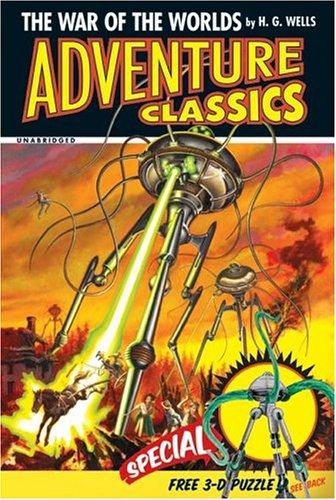
No. 1 on this list. The War of the Worlds
H.G. Wells · 1898
Moderate4.4 hours
Taught in schools: OCR GCSE and A-level English Literature (UK), Pearson Edexcel GCSE and A-level English Literature (UK), WJEC/Eduqas GCSE and A-level English Literature (UK)
The War of the Worlds is a cornerstone of science fiction, taught widely in literature and science fiction courses. While not as universally assigned as 1984 or Brave New World, it appears regularly in surveys of speculative fiction, Victorian literature, and science fiction history. The novel's influence on the genre ensures its continued academic presence.
One of the foundational texts of the graphic novel form. Widely taught, frequently cited in discussions of political fiction and dystopian literature.
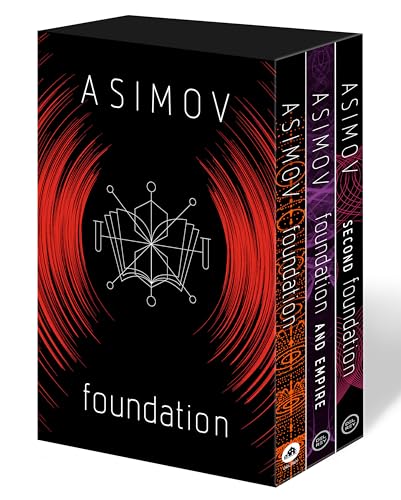
Central volume of the Foundation trilogy, one of the most important works in science fiction history. The Mule is one of the genre's iconic characters.
Foundation occupies an unambiguous place in the science fiction canon and appears on university SF course syllabi worldwide, though it sits outside the standard literary curriculum that places Gatsby or 1984 on nearly every English department reading list. The 1966 Hugo Award for 'Best All-Time Series' — a category created specifically for this occasion — signals the field's recognition of its foundational status. Its influence on the genre is taught wherever science fiction is studied seriously.
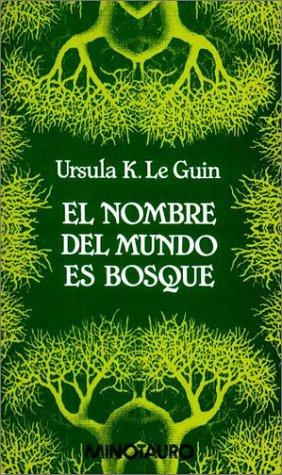
A fixture in SF studies, environmental humanities, and postcolonial literature courses at universities worldwide. Le Guin's work overall is more canonically established than this single novella — it appears regularly on SF syllabi and ecocriticism reading lists, taught alongside texts like Octavia Butler's Kindred and Kim Stanley Robinson's Mars trilogy, though without the 2000+ syllabus presence of Beloved or The Great Gatsby.
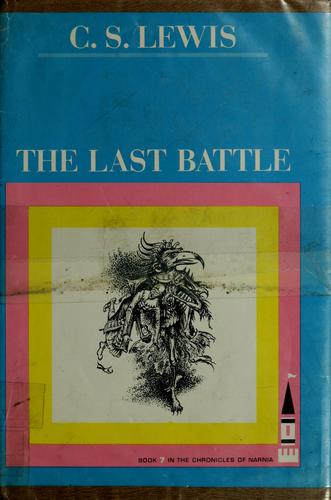
No syllabus or Wikipedia figures are logged for this title specifically, but The Last Battle is a fixture of English-language children's literature, taught widely as the capstone of the Chronicles of Narnia and frequently anthologized in discussions of allegory and religious fiction. It is assigned on its own far less often than The Lion, the Witch and the Wardrobe, which anchors most classroom units on the series.
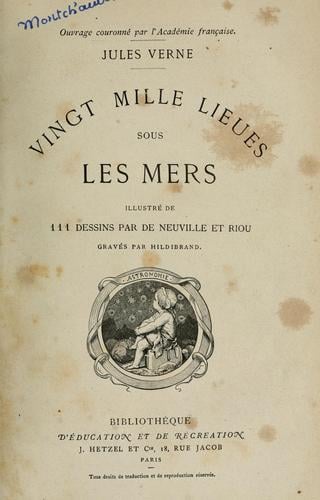
A staple of world adventure and science fiction, widely taught and abridged for school readers in many languages. It is a fixture of Verne's Voyages Extraordinaires, though less central to university literature courses than the major realist novels.
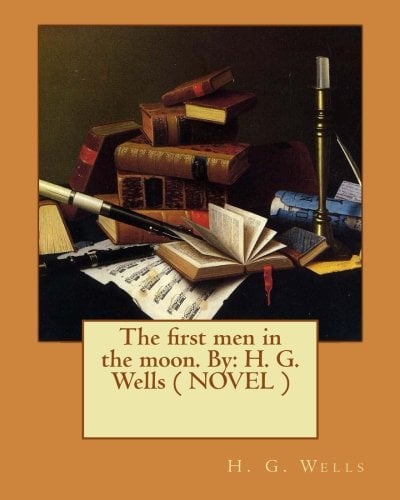
The First Men in the Moon appears regularly on science fiction studies syllabi and is standard reading in courses on Victorian literature and early genre fiction. It lacks the crossover canonical presence of Wells's The Time Machine or The War of the Worlds, but is consistently included in histories of science fiction and Edwardian literature.
A foundational text of 19th-century adventure fiction and proto-science fiction, taught in French literature and science fiction history courses worldwide. No syllabus data is available in the database, but Verne's novel is widely considered essential reading in genre history. It appears on most curated lists of classic science fiction and has remained in continuous print for over 160 years.
The Female Man holds a secure place in university curricula for feminist theory, science fiction studies, and American literature courses. No syllabus data was available in the database, but the novel's reputation as a foundational feminist SF text ensures regular academic assignment. It is substantially more taught than genre novels but has not reached the universal curriculum presence of mainstream canonical texts.
No. 11 on this list. Babel-17 · Samuel R. Delany · 1966
Babel-17 won the 1966 Nebula Award for Best Novel (tied with Flowers for Algernon) and appears on most SF core reading lists and New Wave SF curricula. It has limited presence on general literature university syllabi but is widely taught in SF-specific academic courses. Its canonical status is high within the genre and modest outside it.
Moderate3.8 hours
Start this bookNo. 12 on this list. Snow Crash · Neal Stephenson · 1992
Appears on 231 university syllabi (59th percentile in Open Syllabus) and was named to TIME's All-TIME 100 Novels (2005). It is a standard text in science fiction, cyberpunk and digital-culture courses, with a Wikipedia article in 20 languages.
Easy9.6 hours
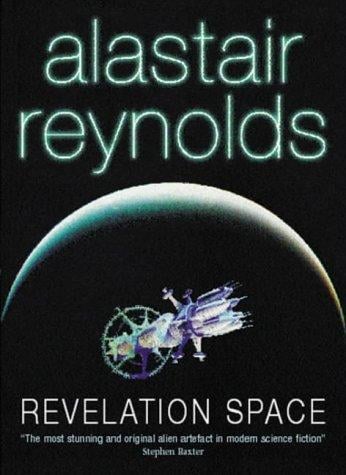
Start this bookNo. 13 on this list. Revelation Space · Alastair Reynolds · 2000
BSFA winner, a landmark of British hard space opera. Launched a major series.
Moderate11 hours
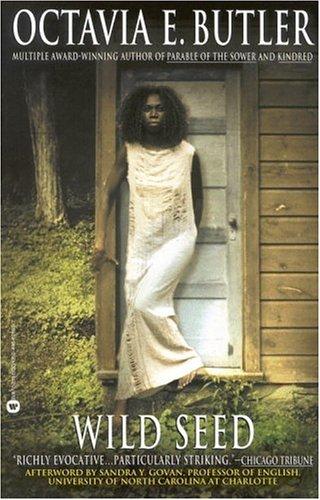
Start this bookNo. 14 on this list. Wild Seed · Octavia E. Butler · 1980
Recognized as one of Butler's finest novels and a major work of Afrofuturist fiction. Widely taught in university courses.
Easy4 hours
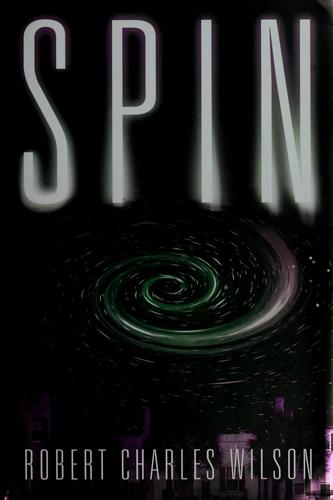
Start this bookNo. 15 on this list. Spin · Robert Charles Wilson · 2005
Hugo winner, widely praised. One of the best SF novels of the 2000s.
Moderate6.9 hours
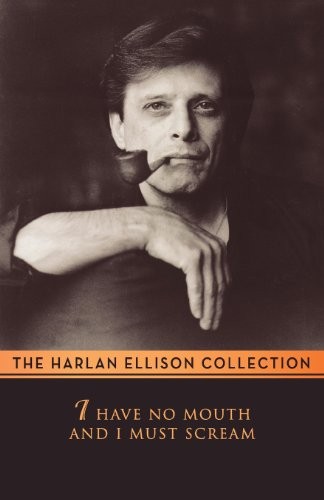
Start this bookNo. 16 on this list. I Have No Mouth & I Must Scream · Harlan Ellison · 1967
Widely anthologized and taught in science fiction courses, it is a staple of the genre's short fiction and a classic of dystopian horror. It is less central to general literary curricula.
Easy2.9 hours
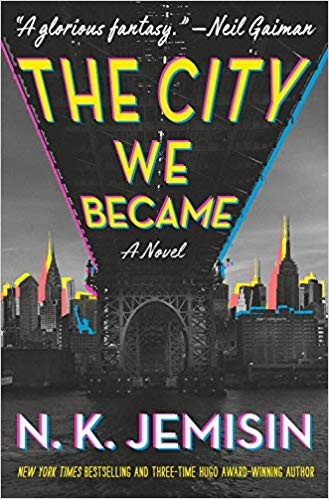
Start this bookNo. 17 on this list. The City We Became · N.K. Jemisin · 2020
Hugo nominee. One of the most prominent urban fantasies of the 2020s. Jemisin's reputation carries weight.
Moderate6.8 hours
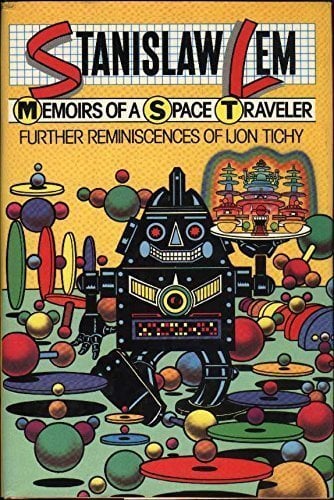
Start this bookNo. 18 on this list. The Star Diaries · Stanisław Lem · 1957
Well-known in European literary tradition but less widely taught in anglophone curricula than Solaris or The Cyberiad.
Moderate5.5 hours
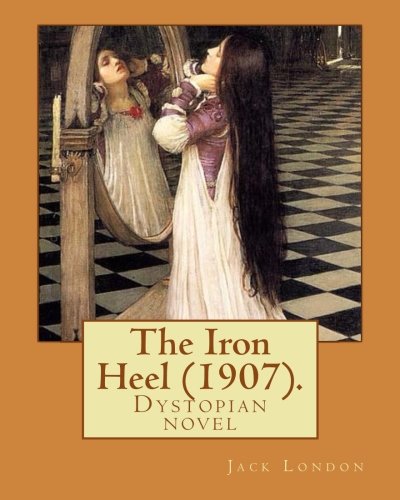
Start this bookNo. 19 on this list. The Iron Heel · Jack London · 1908
An important early dystopian novel, valued more for its political prescience than its literary qualities. Less widely taught than London's adventure fiction.
Easy4.5 hours
Start this bookNo. 20 on this list. Binti · Nnedi Okofor · 2015
Hugo and Nebula Award winner. A significant work of Africanfuturist fiction, increasingly taught in university courses.
Very Easy1.2 hours
Start this book
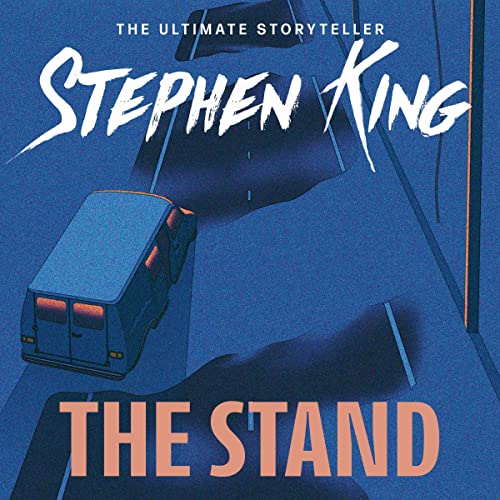
No. 21 on this list. The Stand · Stephen King · 1978
Widely taught in American high schools and present in genre studies syllabi, but not firmly in the literary-critical canon. Appears on many best-novel lists; its status is strong within popular fiction but contested at the literary level.
Easy26 hours
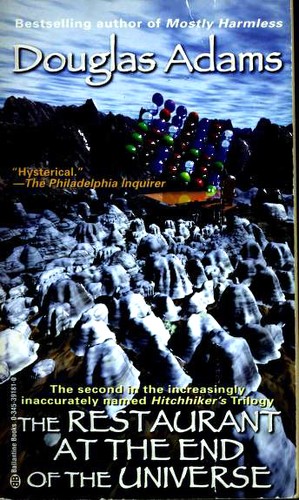
Start this bookNo. 22 on this list. The Restaurant at the End of the Universe · Douglas Adams · 1980
A beloved classic of comic science fiction, widely read and referenced. Slightly less iconic than the first Hitchhiker's book but firmly established.
Easy4.1 hours
Start this bookNo. 23 on this list. Perelandra · C.S. Lewis · 1943
Perelandra is widely taught in Christian literature, Inklings studies, and science fiction survey courses, and appears on many Christian college syllabi. It is not part of the mainstream secular literary canon and appears on relatively few Open Syllabus-tracked university reading lists. Within its niche — theological fantasy, Lewis scholarship, the history of Christian apologetics — it is considered an essential text.
Moderate4.7 hours
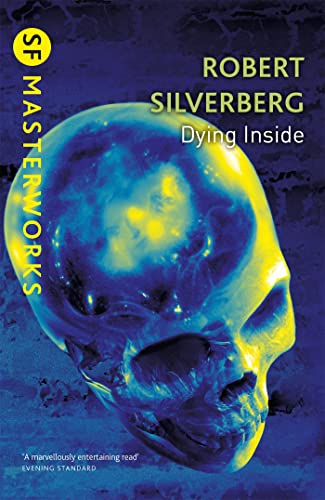
Start this bookNo. 24 on this list. Dying Inside · Robert Silverberg · 1972
Widely regarded as Silverberg's masterpiece and one of the finest literary science fiction novels. Respected but not as widely known as it deserves.
Easy3.8 hours
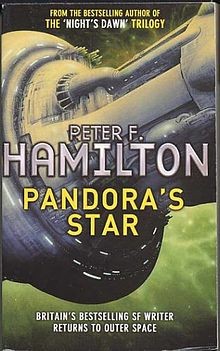
Start this bookNo. 25 on this list. Pandora's Star · Peter F. Hamilton · 2004
Popular and influential in space opera circles but not a critical darling. Defines modern British space opera.
Easy19 hours
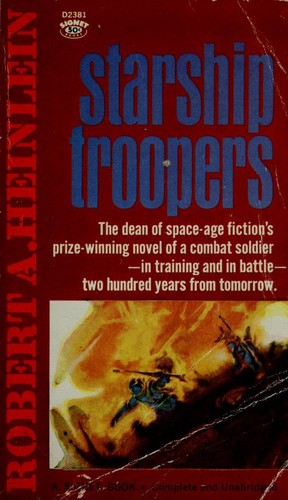
Start this bookNo. 26 on this list. Starship Troopers · Robert A. Heinlein · 1959
Starship Troopers appears regularly on university syllabi in military science fiction, political philosophy, and speculative fiction courses, but is not a standard literary curriculum fixture. It features on numerous SF canon lists — the Classics of Science Fiction, Locus All-Time Poll — and has an entry in over 50 Wikipedia language editions, reflecting its broad cultural reach within genre circles rather than mainstream literary education.
Easy5.2 hours
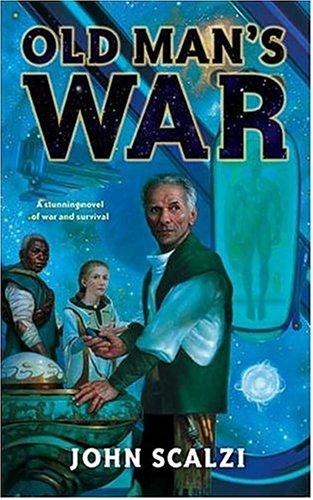
Start this bookNo. 27 on this list. Old Man's War · John Scalzi · 2005
Hugo nominee, widely popular. A modern entry point for military SF.
Easy4.4 hours
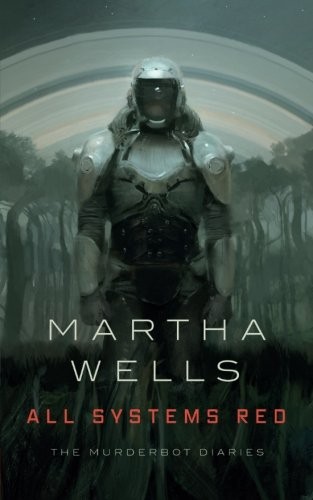
Start this bookNo. 28 on this list. All Systems Red · Martha Wells · 2017
A part-organic, part-mechanical construct designed for security work has hacked its own governance module, freeing itself from corporate control. It has not used this freedom to kill anyone. It has used it to watch thousands of hours of soap operas. The construct—which privately calls itself Murderbot—is assigned to protect a team of scientists surveying a planet, and when the mission goes wrong, Murderbot must decide how much it is willing to reveal about its autonomy in order to save the humans it is contractually obligated to protect but has, against its will, begun to care about. Wells writes the novella in Murderbot's first-person voice: sardonic, socially anxious, deeply uncomfortable with feelings, and more interested in the next episode of its favorite show than in the existential implications of its own sentience. The genius of the voice is that Murderbot's social aversion is not played as robotic but as recognizably human—the anxiety of a being that has been treated as equipment and is not sure it wants to be treated as a person. The action sequences are crisp and competent, the corporate dystopia is sketched with efficiency, and the novella's emotional core is small and precise: a creature deciding, tentatively and with great reluctance, to care.
Easy1.5 hours
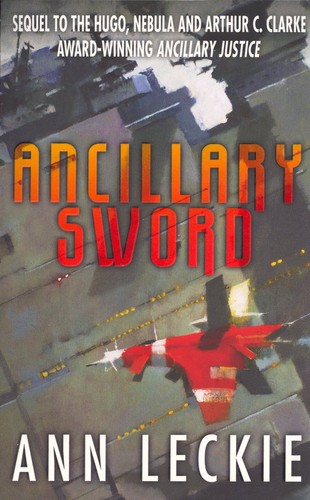
Start this bookNo. 29 on this list. Ancillary Sword · Ann Leckie · 2014
Strong sequel in an award-winning trilogy. Hugo and Locus Award nominee.
Easy5.1 hours
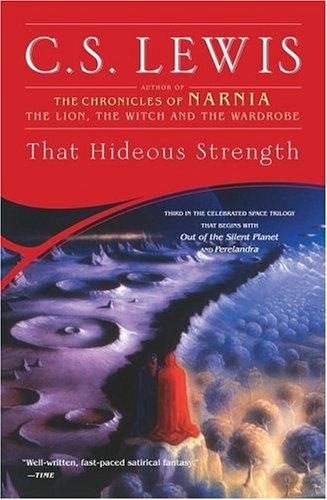
Start this bookNo. 30 on this list. That Hideous Strength · C.S. Lewis · 1945
No syllabus or Wikipedia data is available in the database for this title, but That Hideous Strength occupies a firm if specialised position in academic reading lists: required in courses on Christian literature, twentieth-century British fiction, and utopian/dystopian studies. It is less central to the mainstream literary canon than Narnia or Mere Christianity, but it is the most taught title in the Space Trilogy and appears regularly in Lewis studies courses.
Moderate5.9 hours
Start this book
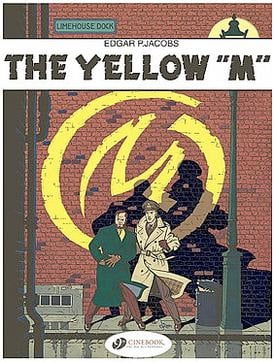
No. 31 on this list. Blake and Mortimer
Edgar P. Jacobs · 1946
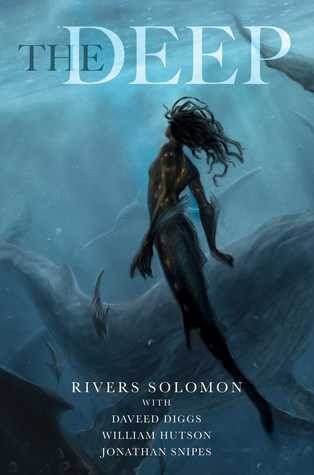
No. 32 on this list. The Deep
Rivers Solomon · 1992
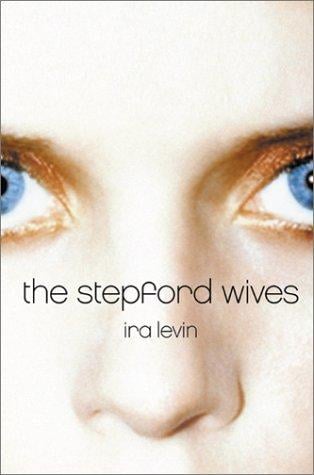
No. 33 on this list. The Stepford Wives
Ira Levin · 2002
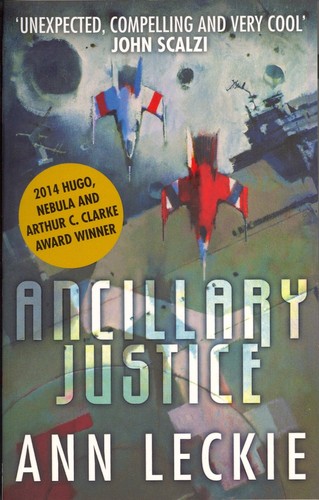
No. 34 on this list. Ancillary Justice
Ann Leckie · 2013
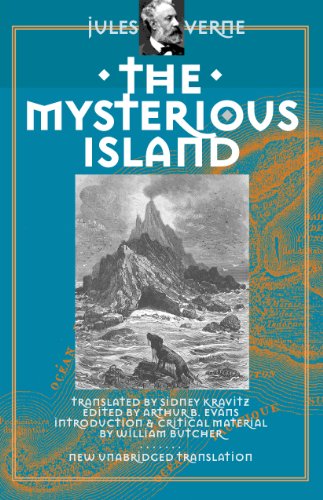
No. 35 on this list. The Mysterious Island
Jules Verne · 1875
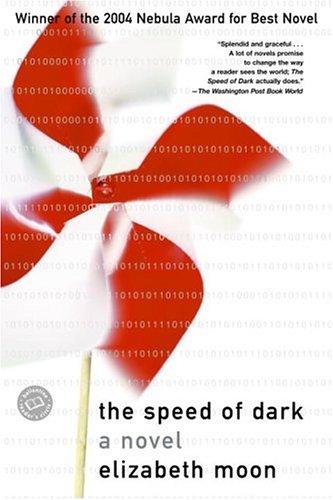
No. 36 on this list. The Speed of Dark
Elizabeth Moon · 2003
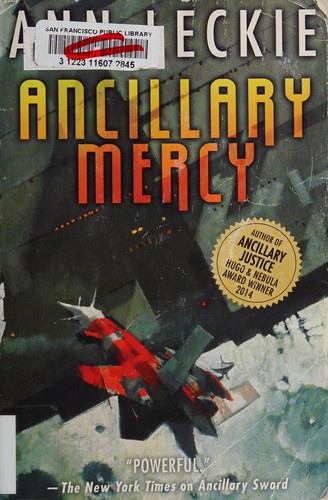
No. 37 on this list. Ancillary Mercy
Ann Leckie · 2015
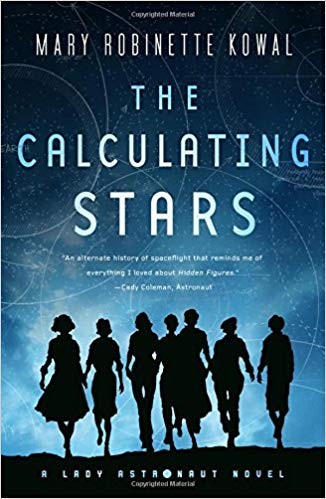
No. 38 on this list. The Calculating Stars
Mary Robinette Kowal · 2018
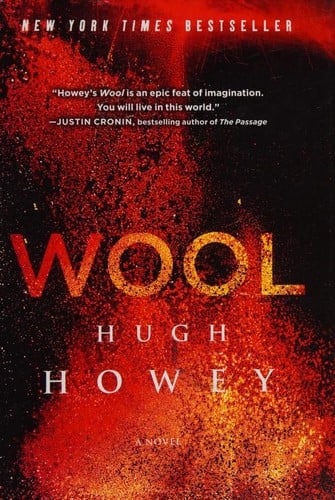
No. 39 on this list. Wool
Hugh Howey · 2011
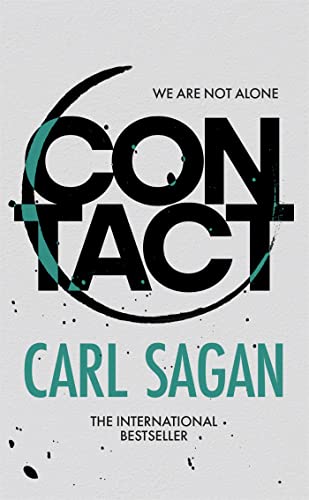
No. 40 on this list. Contact
Carl Sagan · 1985
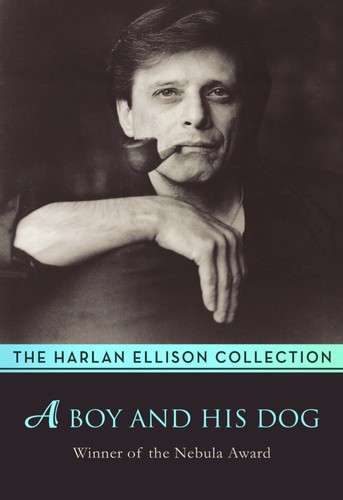
No. 41 on this list. A Boy and His Dog
Harlan Ellison · 2016
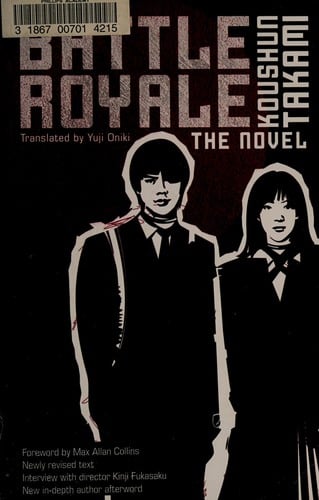
No. 42 on this list. Battle Royale
Koushun Takami · 1999
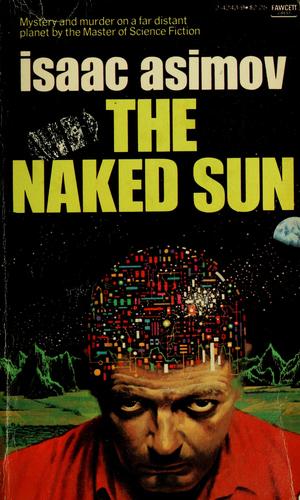
No. 43 on this list. The Naked Sun
Isaac Asimov · 1957
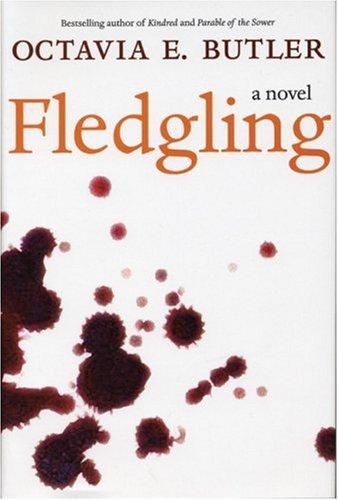
No. 44 on this list. Fledgling
Octavia E. Butler · 2005
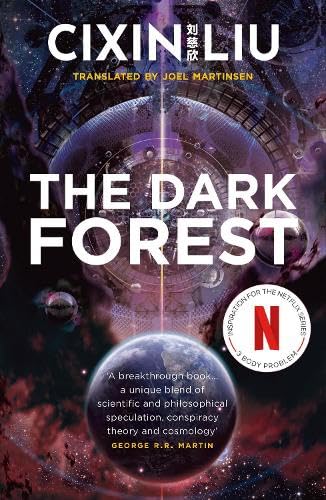
No. 45 on this list. The Dark Forest
Liu Cixin · 2008
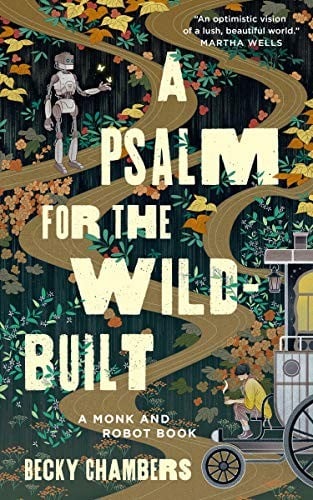
No. 46 on this list. A Psalm for the Wild-Built
Becky Chambers · 2021
No. 47 on this list. Atlas Shrugged (Centennial Ed. HC)
Ayn Rand · 1957
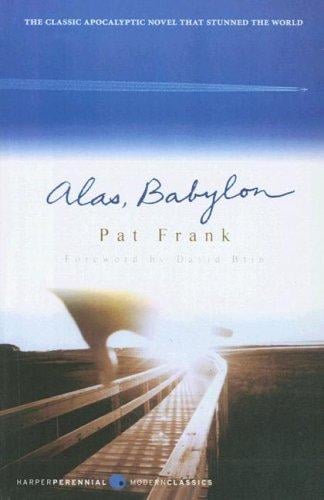
No. 48 on this list. Alas, Babylon
Pat Frank · 1959
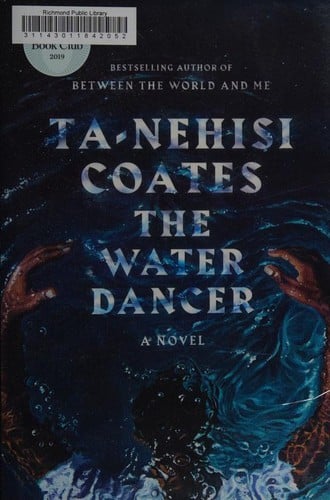
No. 49 on this list. The Water Dancer
Ta-Nehisi Coates · 2019
No. 50 on this list. Uglies
Scott Westerfeld · 2005
No. 51 on this list. Bird Box
Josh Malerman · 2014
No. 52 on this list. Jurassic Park
Michael Crichton · 1990
No. 53 on this list. Tarzan of the Apes
Edgar Rice Burroughs · 2003
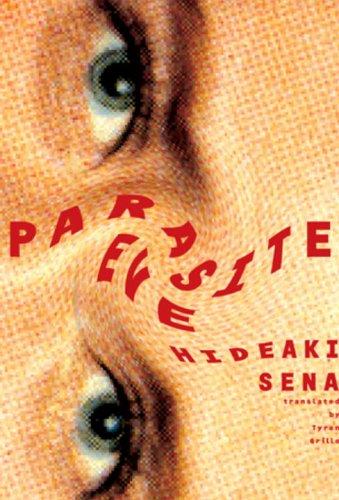
No. 54 on this list. Parasite Eve
Hideaki Sena · 1995
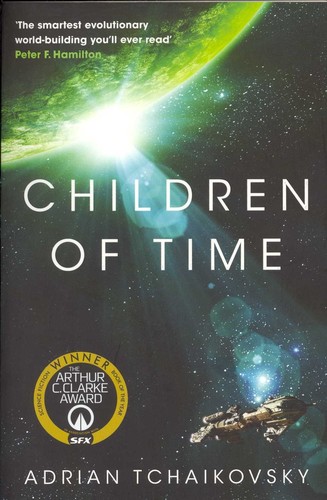
No. 55 on this list. Children of Time
Adrian Tchaikovsky · 2015
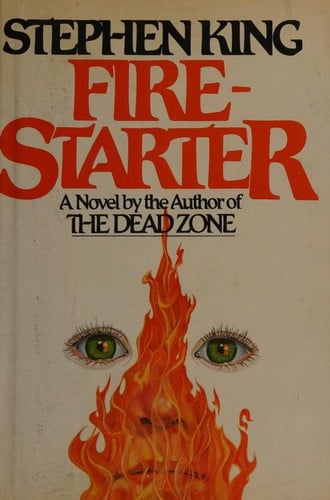
No. 56 on this list. Firestarter
Stephen King · 1980
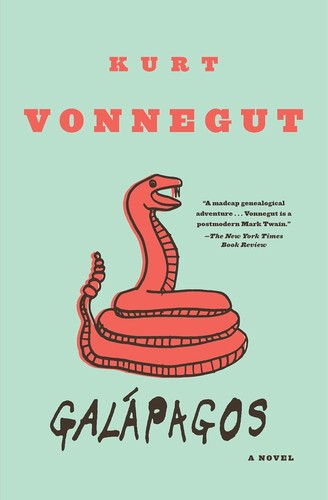
No. 57 on this list. Galapagos
Kurt Vonnegut · 1985
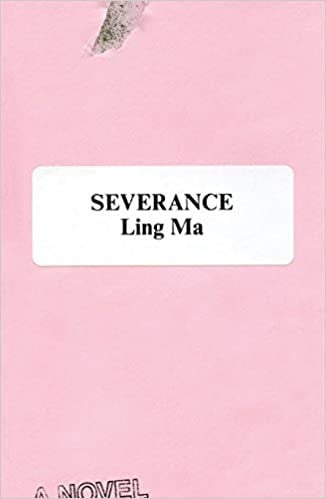
No. 58 on this list. Severance
Ling Ma · 2018
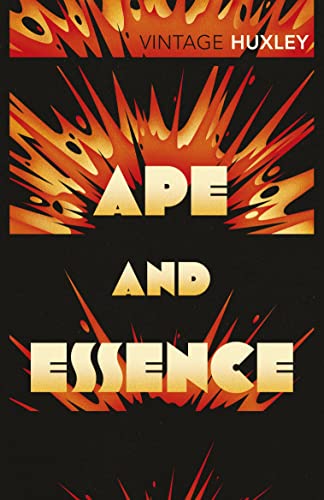
No. 59 on this list. Ape and Essence
Aldous Huxley · 1948
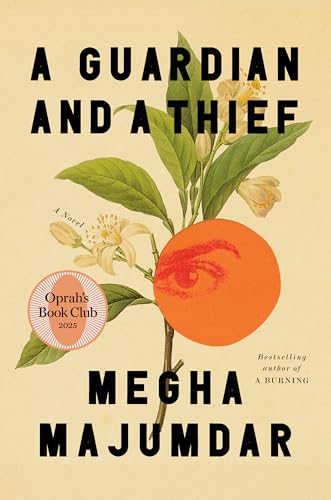
No. 60 on this list. A Guardian and a Thief
Megha Majumdar · 2025
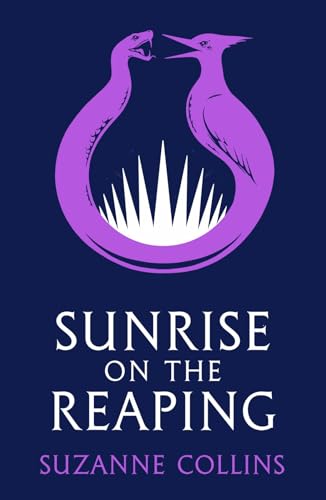
No. 61 on this list. Sunrise on the Reaping
Suzanne Collins · 2025
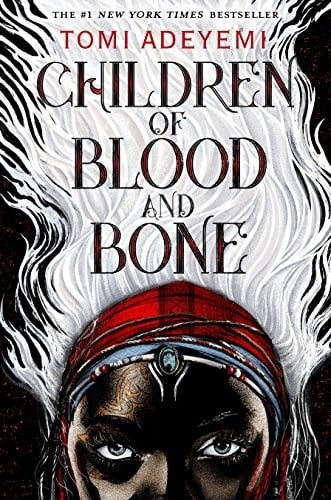
No. 62 on this list. Children of Blood and Bone
Tomi Adeyemi · 2018
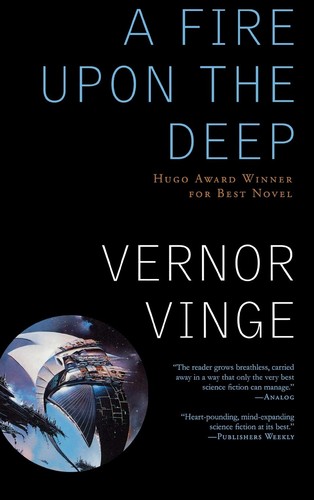
No. 63 on this list. A Fire Upon the Deep
Vernor Vinge · 1992
No. 64 on this list. Consider Phlebas
Iain M. Banks · 1987
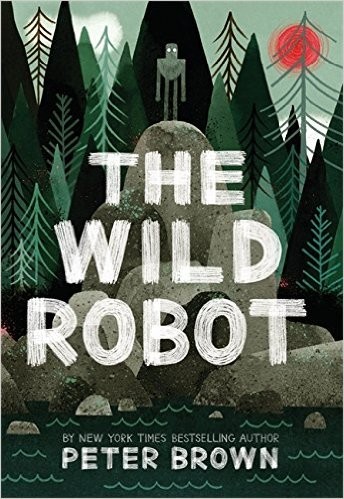
No. 65 on this list. The Wild Robot
Peter Brown · 2016
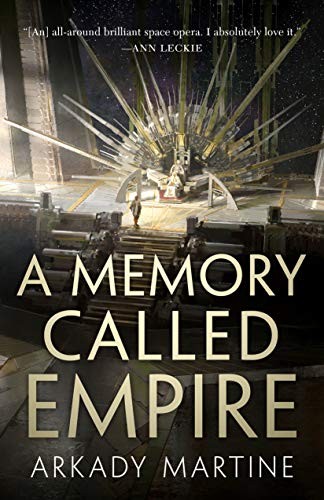
No. 66 on this list. A Memory Called Empire
Arkady Martine · 2019
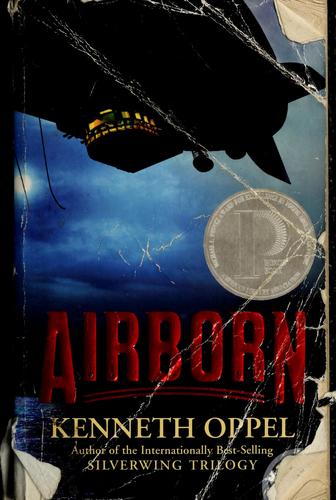
No. 67 on this list. Airborn
Kenneth Oppel · 2004
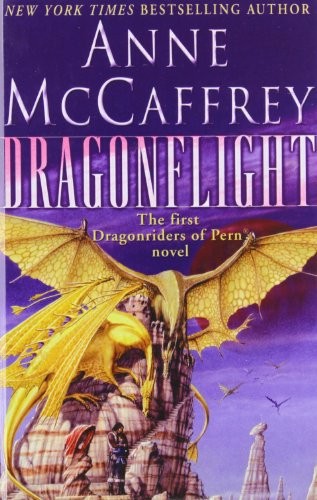
No. 68 on this list. Dragonflight
Anne McCaffrey · 1968
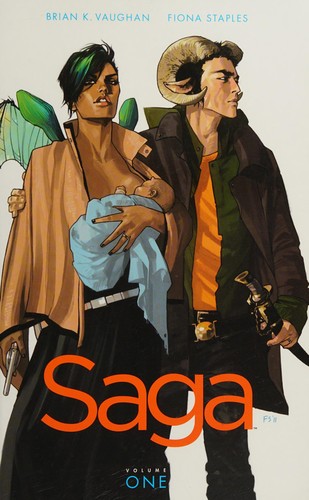
No. 69 on this list. Saga, Volume 1
Brian K. Vaughan · 2012
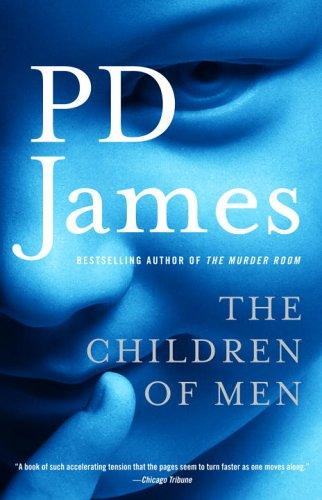
No. 70 on this list. The Children of Men
P.D. James · 1992
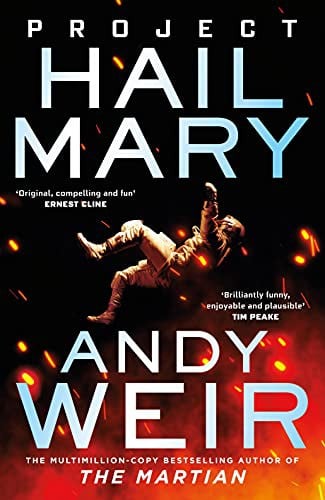
No. 71 on this list. Project Hail Mary
Andy Weir · 2021
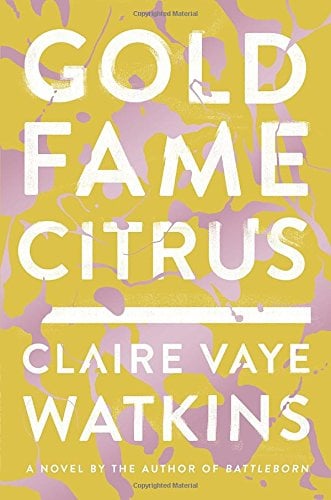
No. 72 on this list. Gold Fame Citrus
Claire Vaye Watkins · 2015
No. 73 on this list. Seasons of Glass and Iron: Stories
Amal El-Mohtar · 2026
No. 74 on this list. The Dog Stars
Peter Heller · 2012
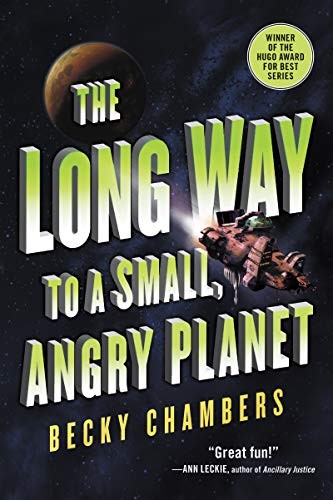
No. 75 on this list. The Long Way to a Small, Angry Planet
Becky Chambers · 2014
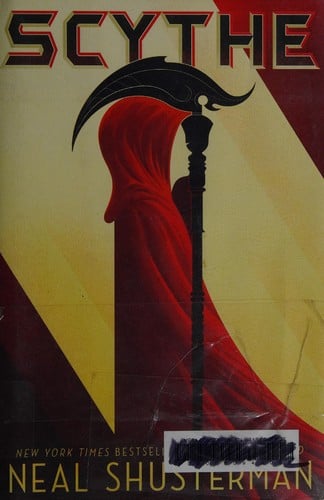
No. 76 on this list. Scythe
Neal Shusterman · 2016
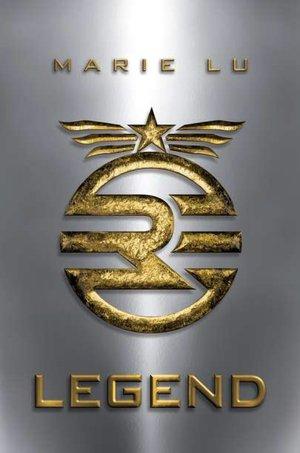
No. 77 on this list. Legend
Marie Lu · 2011
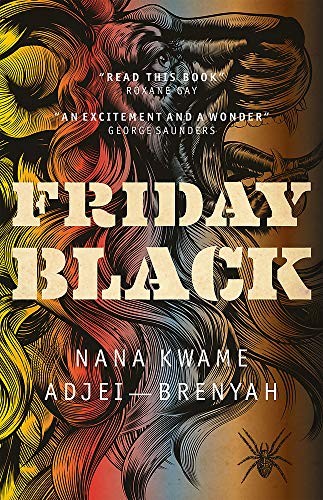
No. 78 on this list. Friday Black
Nana Kwame Adjei-Brenyah · 2018
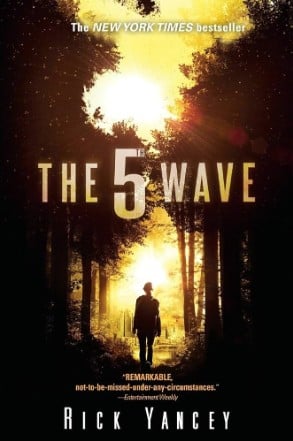
No. 79 on this list. The 5th Wave
Rick Yancey · 2013
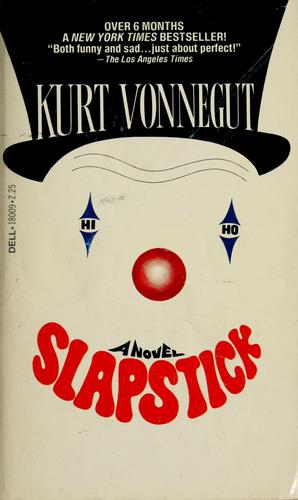
No. 80 on this list. Slapstick
Kurt Vonnegut · 1976


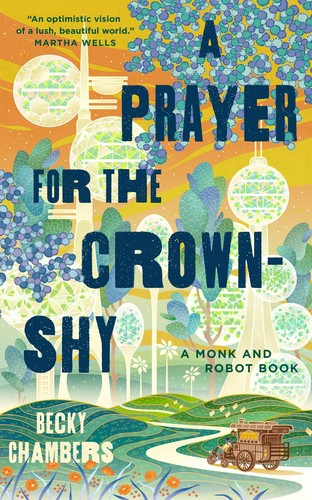
No. 81 on this list. A Prayer for the Crown-Shy
Becky Chambers · 2022
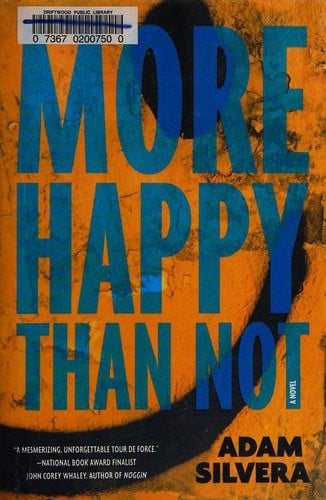
No. 82 on this list. More Happy Than Not
Adam Silvera · 2015
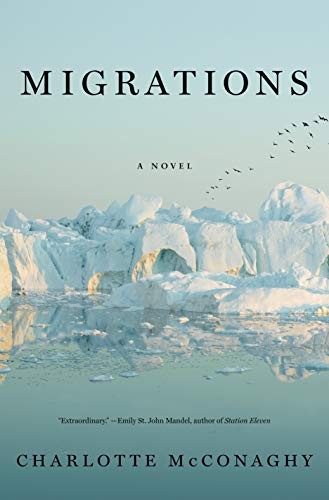
No. 83 on this list. Migrations
Charlotte McConaghy · 2020
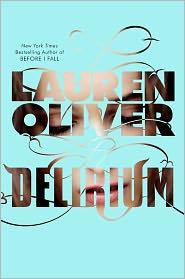
No. 84 on this list. Delirium
Lauren Oliver · 2011
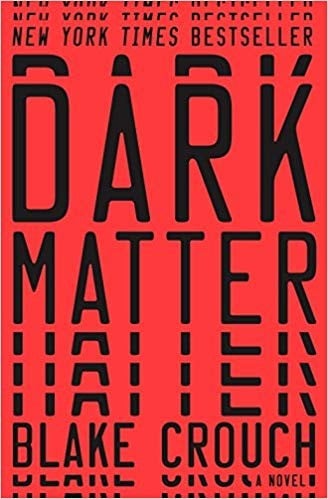
No. 85 on this list. Dark Matter
Blake Crouch · 2016
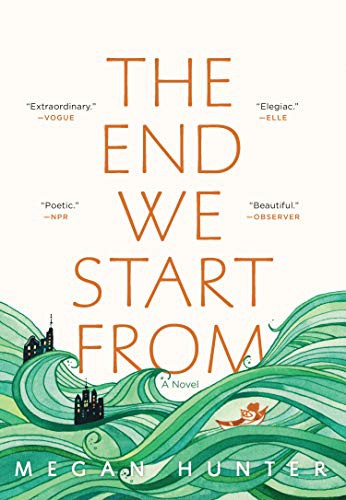
No. 86 on this list. The End We Start From
Megan Hunter · 2017
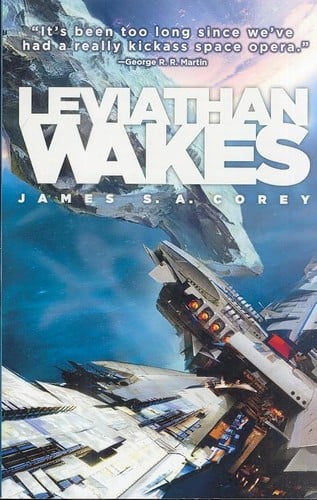
No. 87 on this list. Leviathan Wakes
James SA Corey · 2011
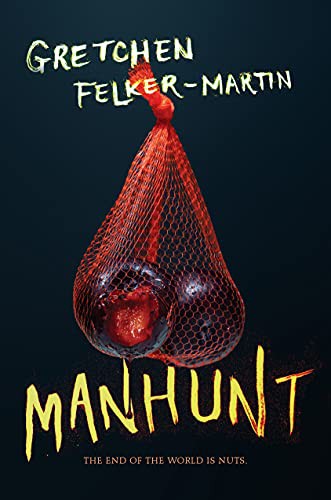
No. 88 on this list. Manhunt
Gretchen Felker-Martin · 2022
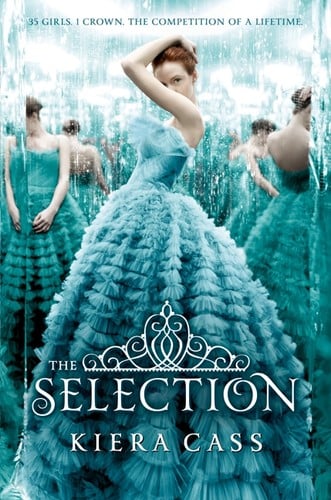
No. 89 on this list. The Selection
Kiera Cass · 2012
No. 90 on this list. Moderation
Elaine Castillo · 2025

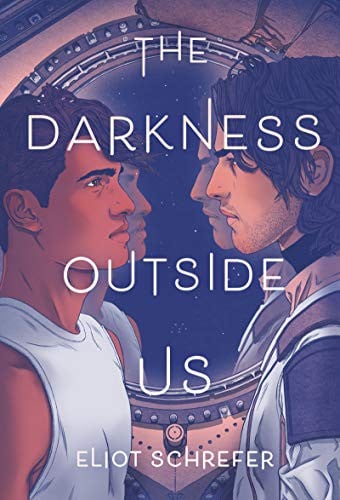
No. 91 on this list. The Darkness Outside Us
Eliot Schrefer · 2021
No. 92 on this list. Matched
Ally Condie · 2010
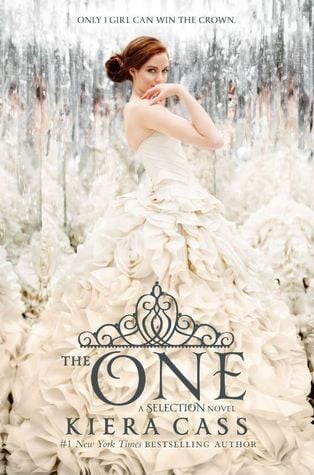
No. 93 on this list. The One
Kiera Cass · 2014
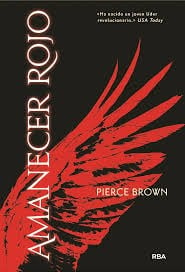
No. 94 on this list. Red Rising
Pierce Brown · 2014
No. 95 on this list. Golden Son
Pierce Brown · 2015
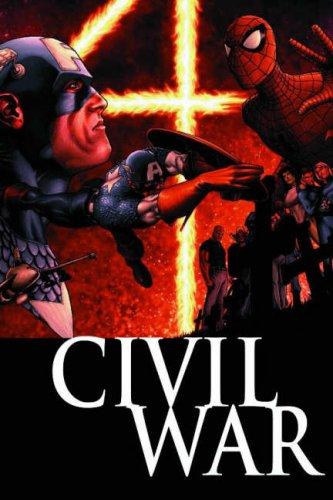
No. 96 on this list. Civil War
Mark Millar · 2006
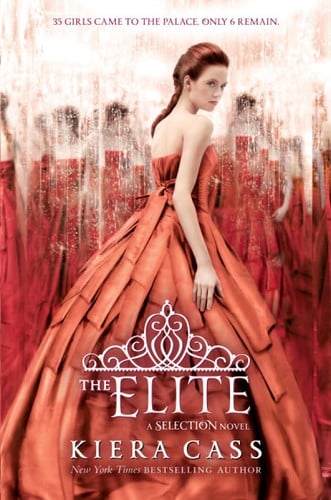
No. 97 on this list. The Elite
Kiera Cass · 2013
No. 98 on this list. Natural Beauty
Ling Ling Huang · 1966
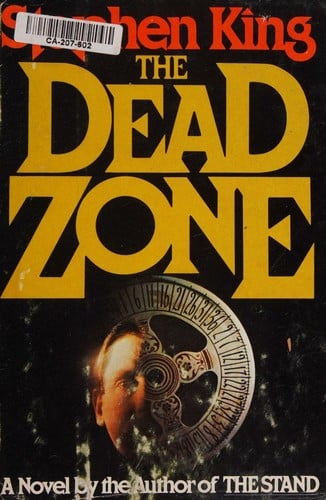
No. 99 on this list. The Dead Zone
Stephen King · 1979
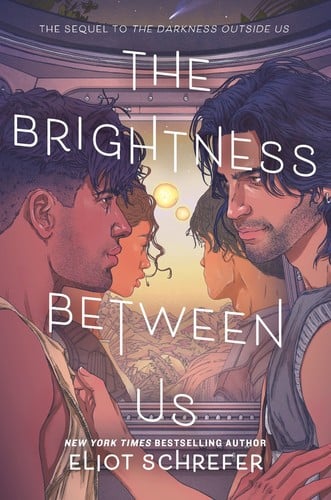
No. 100 on this list. Brightness Between Us
Eliot Schrefer · 2023


About this list
These 100 books are the highest-scoring eligible easy science fiction novels currently in the catalogue. By literary regard, it opens with The War of the Worlds, V for Vendetta and Foundation and Empire. About 562 hours of reading in all, for the 97 with measured lengths. Difficulty runs from 28 to 39 out of 100 for the middle half of the list; the summit is Ancillary Justice at 45.
This list is ranked by literary regard, with a consistent order for equal scores. Membership follows authors and co-authors, not translators or editors. Catalogue coverage and the historical canon both limit what this list can represent, and genre labels are the catalogue’s own, gathered into broader kinds.
When we matched the Canons dataset to our catalogue in October 2026, our canonical-status scores rose with the number of school curricula, publisher series and lists in it that cite a work: the median score was 72 for books one such source cites, 84 at two, 88 at three, 92 at four and 93 at five or more. Prizes are left out of that count. Outside the state curricula, the dataset’s sources choose mostly from what has been translated into English or French, so it is a weaker check on other literatures. Source: Canons (Andrew Piper), CC BY 4.0
Questions people actually ask
- What are the best easy science fiction novels?
- By literary regard, which weighs canonical status, critical standing and influence, The War of the Worlds, V for Vendetta, Foundation and Empire, Foundation and The Word for World Is Forest lead. ReadingRate ranks 100 such books, each with a difficulty score and a reading-time estimate.
- Where should I start with easy science fiction novels?
- Start from difficulty, not from rank. The most approachable books on this list that still carry top literary regard are The Female Man by Joanna Russ (about 3.5 hours), Foundation and Empire by Isaac Asimov and Twenty Thousand Leagues Under the Sea by Jules Verne.
- How hard are easy science fiction novels to read?
- Most of this list sits between 28 and 39 on ReadingRate's 100-point difficulty scale, where 40 to 55 is moderate. The summit is Ancillary Justice at 45. Every entry carries its own score, so a reader can pick a great book at a difficulty they will finish.
- How is this list ranked?
- On literary-regard data: how canonically established a work is, its critical standing, and its influence on later writing. It is not a readers’ poll, which is why recent bestsellers rarely appear. Membership follows authors and co-authors, not translators or editors. A list that is not a genre list keeps to literature (fiction, poetry, drama and philosophy), with philosophy taking no more than one slot in five while there is literature left to rank; every list holds at most three works by one author.