Hours at an average pace
Showing 100 books
About 632 hours for 100 of 100 books with measured lengths. Estimates use 250 words a minute, adjusted for each book's difficulty. At 2 hours a day, about 317 days for those books.
One of the most anthologised short stories in English and a standard school text.
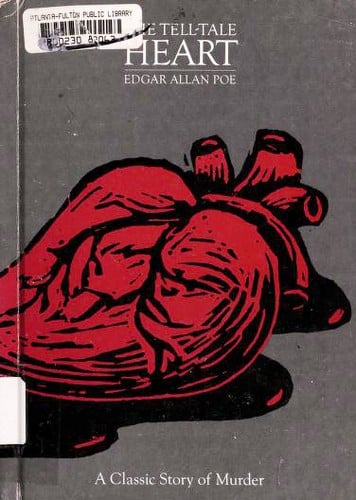
No. 2 on this list. The Tell-Tale Heart
Edgar Allan Poe · 1843
Moderate33 min
Taught in schools: Pacific Senior Secondary Certificate – English
One of the most taught short stories in the English-speaking world.
One of the most important short story collections in American literature. The title story alone is among the most widely taught and analyzed works of American fiction.
Ranked by literary regard among eligible works in the current catalogue. This position reflects the available catalogue evidence.
No. 5 on this list. The Turn of the Screw
Henry James · 1898
Difficult5.5 hours
Taught in schools: CSEC English B – Caribbean Examinations Council
Essential Gothic literature and James studies text; widely taught in ghost story, Victorian, and modernist courses; definitive example of narrative ambiguity and unreliable narration.
A landmark of Southern Gothic fiction and American literature, widely taught and critically analyzed. One of the defining novels of postwar American fiction.
The Haunting of Hill House is widely recognized as the definitive American haunted-house novel and one of the finest works of Gothic fiction in the English language. It has been continuously in print since 1959 and is regularly taught in university courses on American literature, Gothic studies, and the horror genre. Stephen King called its opening paragraph the finest in the history of horror fiction. It appears on virtually every serious list of essential horror and Gothic novels and has been adapted for film (twice) and television (the acclaimed 2018 Netflix series).
It is a fixture of American literature and women's studies courses and widely anthologized. Its place sits just below the great canon, and the Open Library record lists it among open syllabus project works.
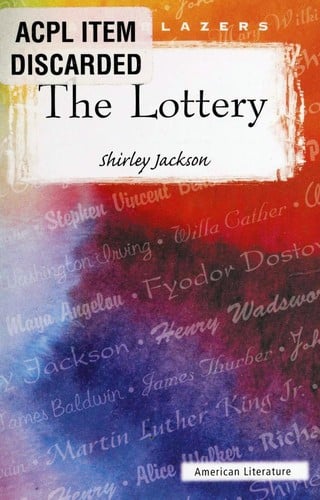
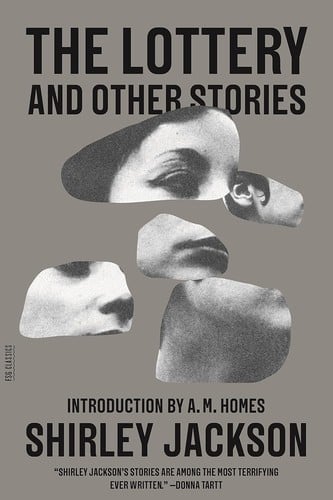
The title story 'The Lottery' is one of the most anthologized and taught short stories in the American canon, appearing in virtually every introduction-to-fiction textbook. The collection itself appears regularly on American short-story syllabi. Jackson's work has experienced a major critical reassessment since the 2010s, elevating her from genre curiosity to recognized American master.
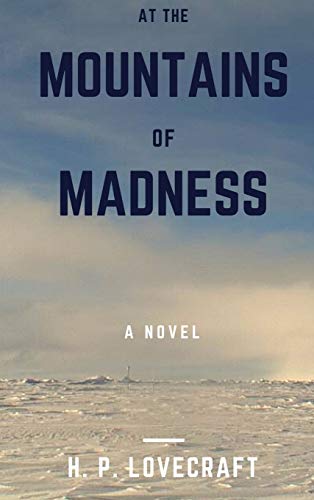
A cornerstone of weird fiction and cosmic horror, widely taught in genre studies and horror literature courses. No verified syllabus data was found in the database, but the work is considered essential reading within its genre and is referenced in virtually every discussion of Lovecraft's legacy and the horror tradition he established.
No. 11 on this list. Something Wicked This Way Comes · Ray Bradbury · 1962
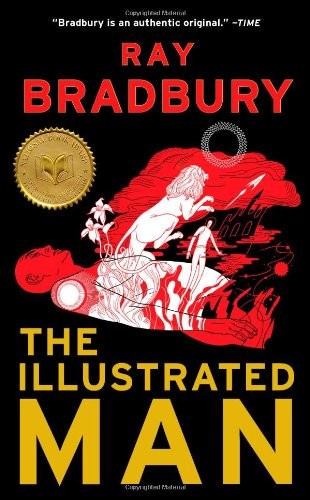
Widely taught in American high school and university courses, particularly in science fiction and American literature surveys. It appears on numerous authoritative lists — including the Modern Library's reader poll — and is frequently cited as essential Bradbury alongside 'Fahrenheit 451.' No syllabus data was captured, but its classroom presence is well-documented.
Challenging5.7 hours
Start this bookNo. 12 on this list. The Marble Faun · Nathaniel Hawthorne · 1860
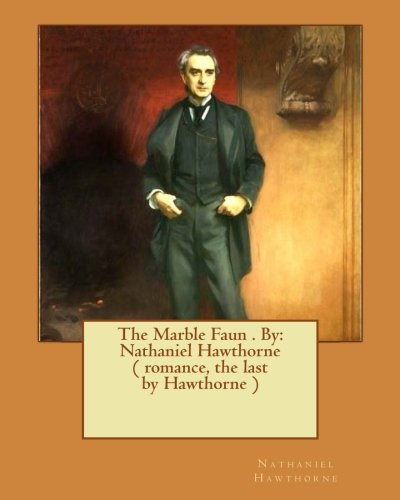
The Marble Faun is a fixture on American Renaissance syllabi and 19th-century American literature courses, though it occupies a secondary position behind The Scarlet Letter and The House of the Seven Gables in Hawthorne's own canon. It is widely available in scholarly editions and appears regularly in studies of American Romanticism and the expatriate literary tradition. While no syllabus data is available in this database, its place in the American literary canon is secure as Hawthorne's final major novel.
Challenging13 hours
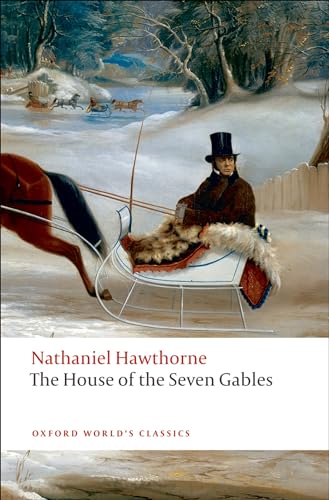
Start this bookNo. 13 on this list. The House of the Seven Gables · Nathaniel Hawthorne · 1851
A major work of the American Renaissance, widely taught alongside The Scarlet Letter though less frequently read outside academic settings.
Moderate6.5 hours
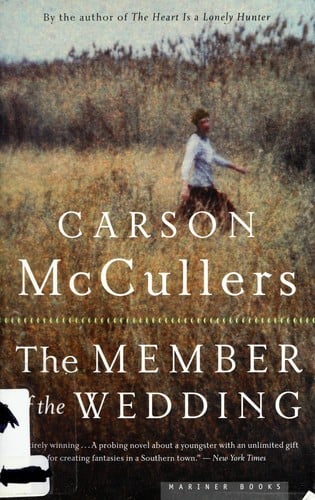
Start this bookNo. 14 on this list. The Member of the Wedding · Carson McCullers · 1946
Frankie Addams is twelve years old and has been excluded from everything — every club, every game, every sense of belonging. The summer her brother gets married, she seizes on a plan: she will join the wedding, travel with the newlyweds, become part of something larger than herself. She renames herself F. Jasmine Addams and tells everyone in town she is about to leave forever. McCullers sets almost the entire novel in a kitchen: Frankie, her six-year-old cousin John Henry, and the family's cook Berenice Sadie Brown, talking through a summer afternoon that feels both eternal and vanishing. What gets said — about loneliness, about being caught in your own skin, about the desperate wish to belong to a 'we' — makes the kitchen feel like the whole world. The wedding turns out exactly as badly as the reader suspects it will. Frankie's grand illusions collapse in a matter of hours. But the collapse is the point. McCullers writes adolescence not as a phase but as a philosophical condition: the agony of being a self that doesn't yet fit anywhere. The prose moves between Frankie's feverish interior monologues and Berenice's steady, unsentimental wisdom. The novel ends in early autumn with everything changed and nothing resolved — a shape that feels less like failure than like honesty.
Challenging5.5 hours
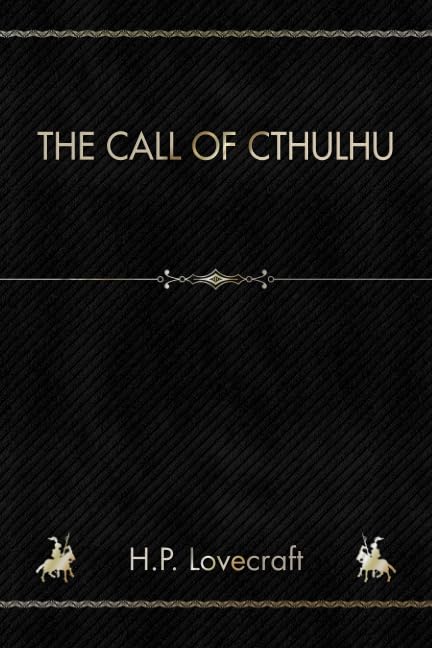
Start this bookNo. 15 on this list. The Call of Cthulhu and Other Stories · H.P. Lovecraft · 1928
Francis Wayland Thurston inherits his granduncle's papers and finds himself assembling, from scattered notes and newspaper clippings, evidence of something vast and ancient stirring beneath the Pacific. That is the structure of 'The Call of Cthulhu': not a story told but a dossier accumulated, each document pushing the narrator — and the reader — one step closer to a conclusion that cannot be survived with sanity intact. H.P. Lovecraft wrote most of these stories in the 1920s from a boarding house in Providence, Rhode Island, and they read like dispatches from a man genuinely convinced of humanity's cosmic irrelevance. His narrators are professors, antiquarians, and artists — educated men whose reason becomes the instrument of their undoing. The more they understand, the worse it gets. What makes Lovecraft distinctive is what he refuses to show. Cthulhu is never described so precisely that you can picture it. The horror lives in the gap between what the narrator can report and what the reader's imagination fills in. Sentences spiral into qualifications; adjectives pile up ('eldritch,' 'non-Euclidean,' 'cyclopean') because no single word will do. This collection gathers the core Mythos stories — 'The Dunwich Horror,' 'The Shadow over Innsmouth,' 'The Outsider' — that established a template for supernatural dread that horror writers still work against or within. Read them at night, alone.
Difficult17 hours
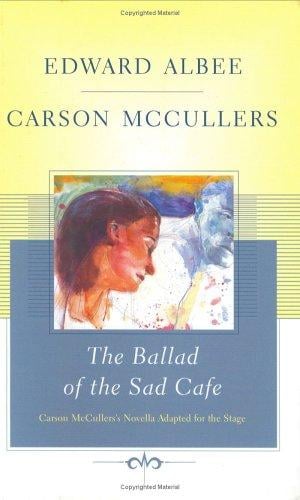
Start this bookNo. 16 on this list. The Ballad of the Sad Café · Carson McCullers · 1951
Miss Amelia Evans runs the general store in a nameless Georgia mill town: six feet two inches tall, with bones and muscles like a man, a medical skill she deploys without a license, and a decade-old marriage she annulled after ten days by throwing her husband Marvin Macy out the front door. Then one April evening a hunchbacked dwarf named Cousin Lymon arrives, claims kinship, and Miss Amelia does something no one has ever seen her do — she opens a room, sets out chairs, and pours her whiskey. The café lasts six years. Carson McCullers frames the whole story as a meditation on the nature of love, delivered by an omniscient narrator who stops the plot to lecture us directly: the lover and the beloved are never, in any real sense, the same person. One gives; the other merely consents to be loved. Marvin Macy, released from prison, walks back into town, and Cousin Lymon falls for him immediately and completely. Everything that follows is as inevitable as a Greek tragedy, and as inexplicable. The novella ends where it begins — the café boarded up, Miss Amelia alone upstairs, her face pressed to a crack in the shutters. McCullers writes Southern Gothic without blood and salvation — just loneliness, desire, and the strange temporary grace of a room where people are allowed to linger.
Challenging4.1 hours
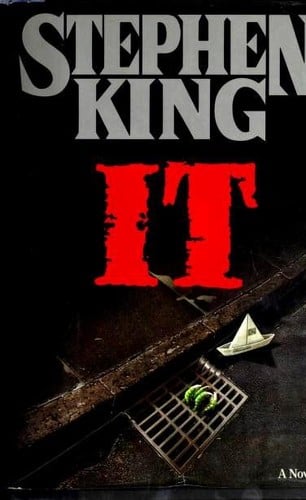
Start this bookNo. 17 on this list. It · Stephen King · 1986
Stephen King's It appears on relatively few university syllabi — it sits outside the traditional literary canon — but it features in popular culture, horror studies, and genre fiction courses. Wikipedia articles exist in over 40 languages, and the novel consistently appears on lists of the greatest horror novels. Its cultural footprint far exceeds its academic presence.
Challenging9.1 hours
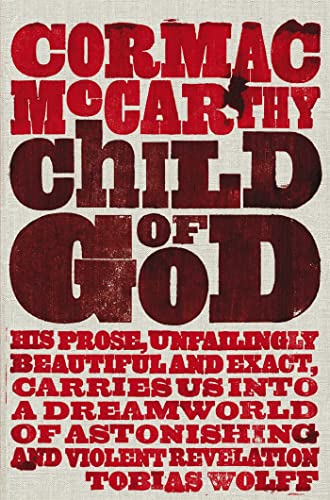
Start this bookNo. 18 on this list. Child of God · Cormac McCarthy · 1973
Lester Ballard loses his family farm at a county auction and retreats into the mountains of Sevier County, Tennessee. What follows is one of American fiction's most unsettling descents — not into madness exactly, but into a state so stripped of social connection that ordinary moral categories stop applying. McCarthy tracks Ballard's passage from petty trespassing and theft to murder to necrophilia with the same flat, attentive prose he uses for the texture of frost on a barn door or the behavior of a rifle at a shooting gallery. The novel's title comes from the narrator's direct address to the reader: 'A child of God much like yourself perhaps.' That 'perhaps' does its work. McCarthy offers no psychological explanation, no sociological accounting, no redemption arc. Ballard is described with the same precision as the landscape — Saxon and Celtic bloods, unclean, moving through the chaff in slants of light — and the landscape is described as if it too had crimes in it. The novel runs under two hundred pages and is organized as fragments, many only a paragraph long, interspersed with community voices who remember Ballard in passing. What accumulates is a portrait of dispossession so complete it has nowhere to go but underground. McCarthy asks readers to consider what it means that this man is also a child of God. He declines to answer.
Moderate2 hours
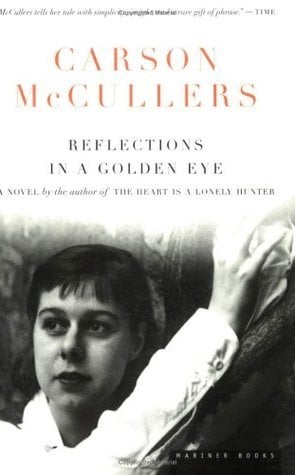
Start this bookNo. 19 on this list. Reflections in a Golden Eye · Carson McCullers · 1941
Taught in American Gothic and Southern literature courses but not the universal curriculum staple McCullers's longer works occupy. Appears in college anthologies of 20th-century American fiction and on 'essential McCullers' reading lists. John Huston adapted it into a 1967 film with Marlon Brando and Elizabeth Taylor, cementing its cultural presence beyond academia.
Challenging2.6 hours
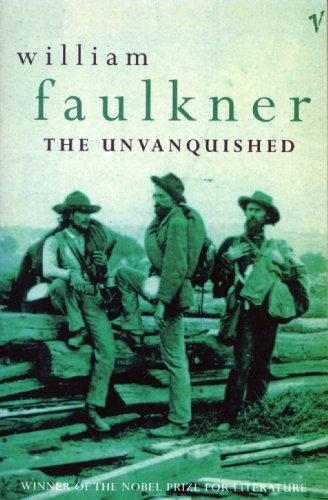
Start this bookNo. 20 on this list. The Unvanquished · William Faulkner · 1938
The Unvanquished is a recognized part of Faulkner's Yoknapatawpha cycle, taught in American literature courses as an accessible entry point into Faulkner's work and as a study of Civil War-era Southern society. It is less canonically prominent than The Sound and the Fury, As I Lay Dying, or Absalom, Absalom!, and the database shows 0 Open Syllabus appearances, suggesting its current academic footprint is modest. Still, as a work by a Nobel Prize winner with an enduring place in the Faulkner corpus, it sits comfortably in the 60–70 range.
Moderate4.4 hours
Start this book
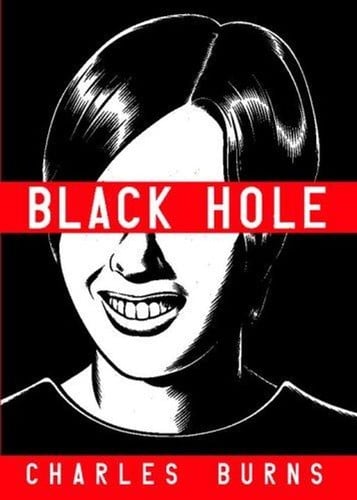
No. 21 on this list. Black Hole · Charles Burns · 2005
Black Hole is canonical within comics studies and alternative/literary comics curricula, appearing regularly on university graphic novel syllabi and on major critical lists including TIME and Entertainment Weekly's best graphic novels. Outside comics-specific contexts it is less commonly taught, placing it below literary fiction fixtures but well above genre commercial work.
Challenging4.4 hours
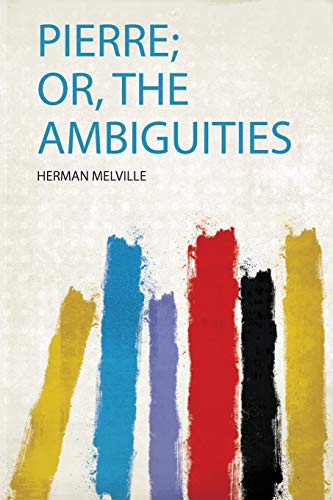
Start this bookNo. 22 on this list. Pierre · Herman Melville · 1852
Pierre is a fixture of graduate and upper-level American Renaissance and Melville seminars but not an undergraduate survey staple the way Moby-Dick or Bartleby, the Scrivener are. Its canonical standing rests on the Melville Revival of the 1920s onward, which rehabilitated it as a serious, if difficult, companion piece to Moby-Dick.
Difficult19 hours
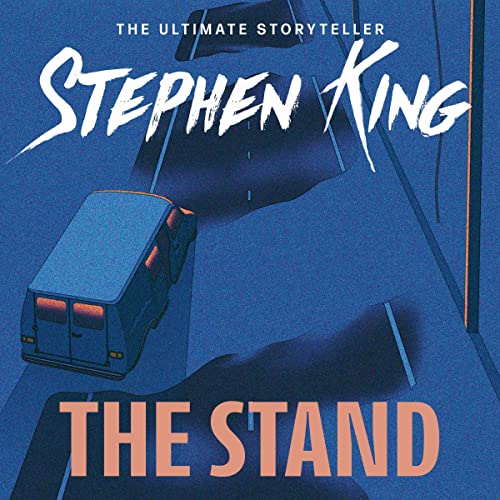
Start this bookNo. 23 on this list. The Stand · Stephen King · 1978
Widely taught in American high schools and present in genre studies syllabi, but not firmly in the literary-critical canon. Appears on many best-novel lists; its status is strong within popular fiction but contested at the literary level.
Easy26 hours
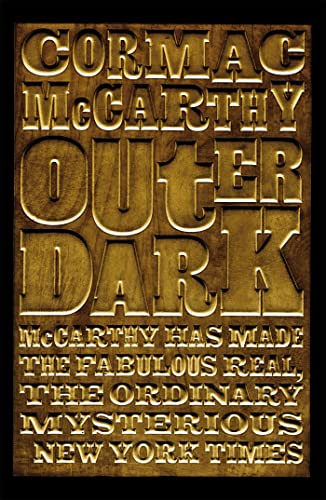
Start this bookNo. 24 on this list. Outer Dark · Cormac McCarthy · 1968
Outer Dark occupies an early, less-studied position in McCarthy's bibliography. It appears on few syllabi compared to Blood Meridian, The Road, or the Border Trilogy, and lacks the critical infrastructure that surrounds those works. It functions more as a specialist text for McCarthy scholars than as a standalone canonical entry.
Challenging5.7 hours
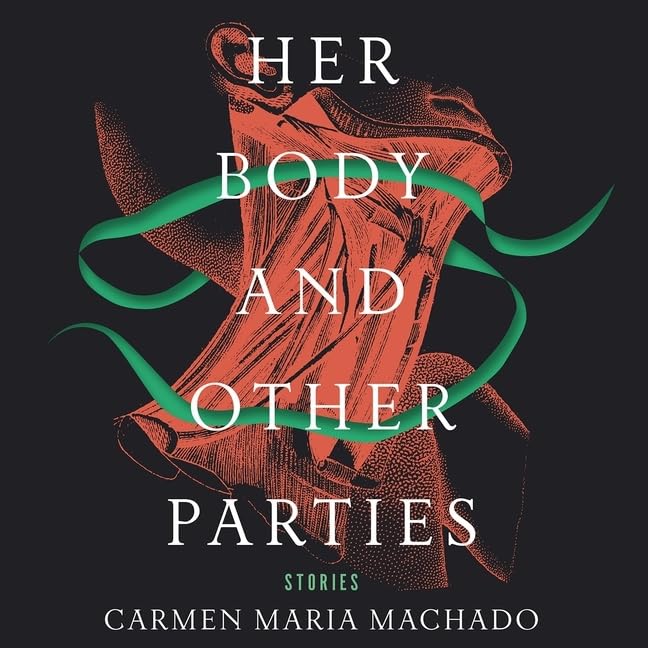
Start this bookNo. 25 on this list. Her Body and Other Parties · Carmen Maria Machado · 2017
Appears on 235 university syllabi according to Open Syllabus, placing it in the 59th percentile—strong for a 2017 debut collection. Taught primarily in contemporary fiction, queer literature, and creative writing courses. Wikipedia article exists with a dedicated Reception section. Too recent to have achieved canonical status, but its syllabi trajectory suggests staying power in the short story and gender studies curricula.
Challenging6.5 hours
Start this bookNo. 26 on this list. The King in Yellow · Robert W. Chambers · 1895
A foundational text of weird fiction, read in horror studies and cited by Lovecraft, but not a staple of general literature syllabi. Its place is established in the genre rather than the broader canon.
Challenging5.6 hours
Read nowNo. 27 on this list. Angel Down · Daniel Kraus · 2025
No syllabus or Wikipedia-language data is available for this title, and as a 2026 Pulitzer winner it is too recent to have entered curricula. A Pulitzer win typically starts building canonical momentum quickly, but that status is provisional until the book accumulates the syllabus and reference-work presence that mark settled canon status.
Moderate5.7 hours
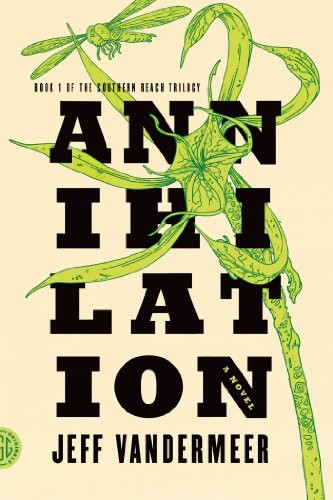
Start this bookNo. 28 on this list. Annihilation · Jeff VanderMeer · 2014
No syllabus appearances or Wikipedia data appear in the database, but Annihilation occupies a significant position in contemporary genre-literary crossover fiction. It is taught in speculative fiction and ecocriticism courses and has generated genuine critical discourse, though it has not yet entered the mainstream literary curriculum. Its canonical status is rising rather than established.
Challenging5.3 hours
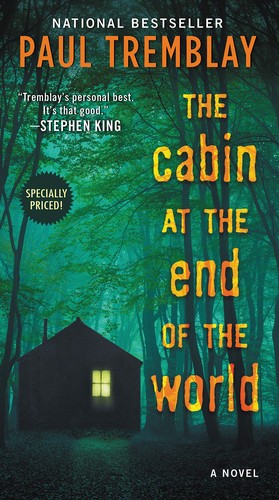
Start this bookNo. 29 on this list. The Cabin at the End of the World · Paul Tremblay · 2018
One of the defining literary horror novels of the 2010s. Adapted by M. Night Shyamalan, though the film resolved the ambiguity Tremblay preserved.
Moderate4.4 hours
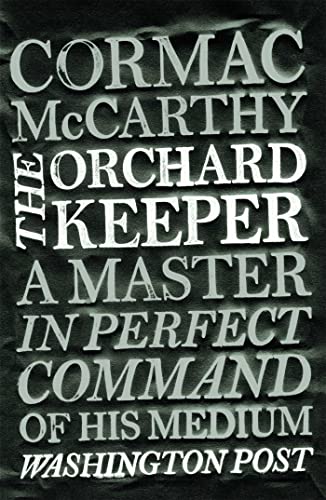
Start this bookNo. 30 on this list. The Orchard Keeper · Cormac McCarthy · 1965
Recognized as an accomplished debut but overshadowed by McCarthy's later masterworks. Studied primarily by McCarthy specialists.
Challenging4.3 hours
Start this book
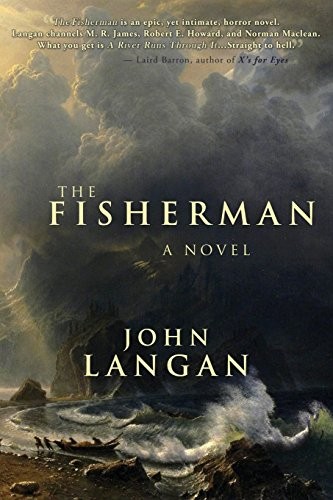
No. 31 on this list. The Fisherman
John Langan · 2016
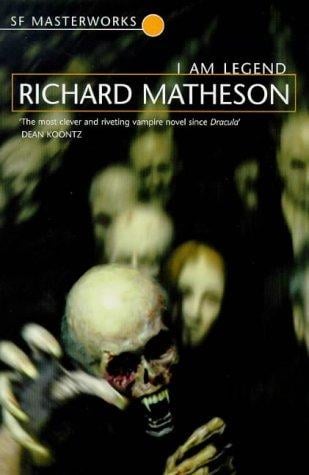
No. 32 on this list. I Am Legend
Richard Matheson · 1954
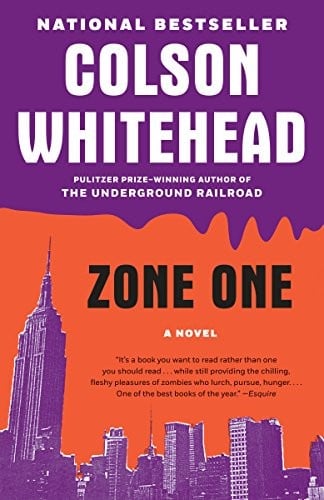
No. 33 on this list. Zone One
Colson Whitehead · 2011
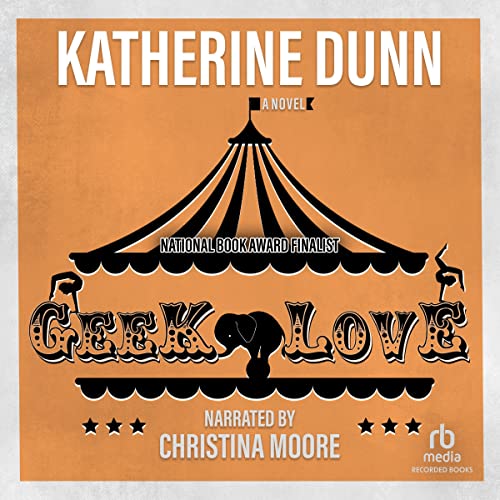
No. 34 on this list. Geek Love
Katherine Dunn · 1989
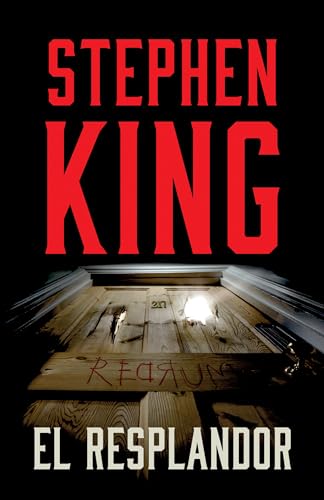
No. 35 on this list. The Shining
Stephen King · 1977
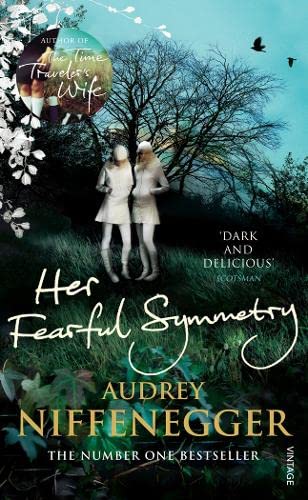
No. 36 on this list. Her Fearful Symmetry
Audrey Niffenegger · 2010
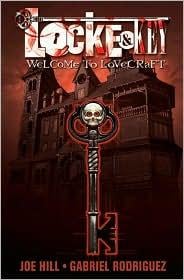
No. 37 on this list. Locke & Key
Joe Hill · 2008
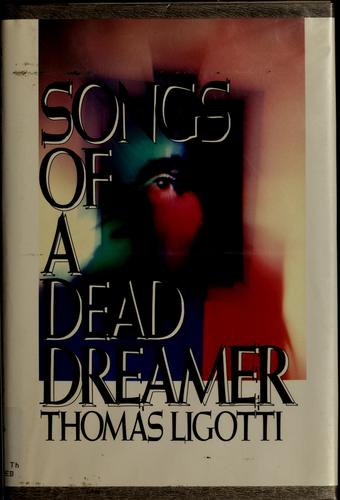
No. 38 on this list. Songs of a Dead Dreamer
Thomas Ligotti · 1986
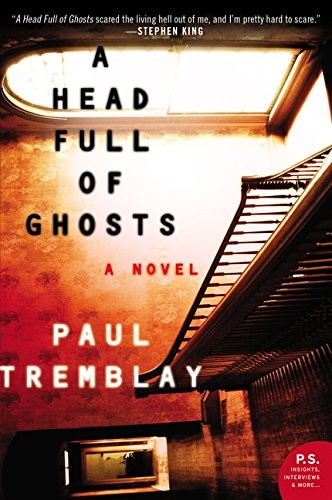
No. 39 on this list. A Head Full of Ghosts
Paul Tremblay · 2015
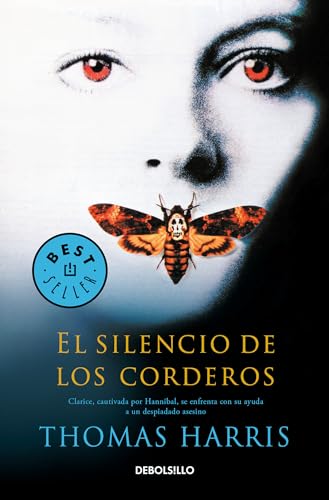
No. 40 on this list. The Silence of the Lambs
Thomas Harris · 1988
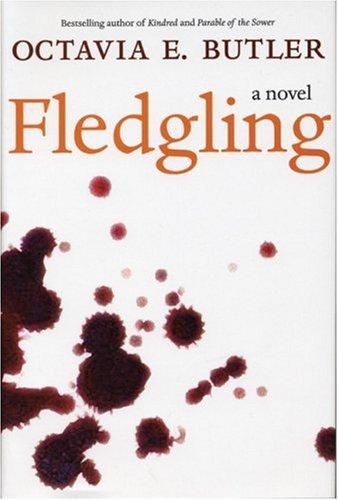
No. 41 on this list. Fledgling
Octavia E. Butler · 2005
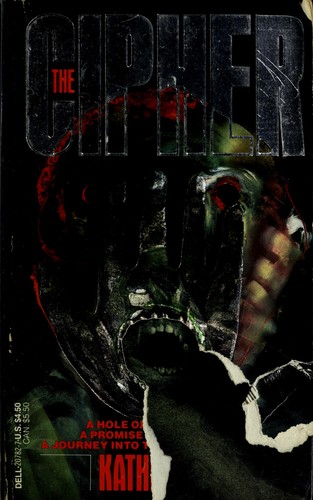
No. 42 on this list. The Cipher
Kathe Koja · 1991
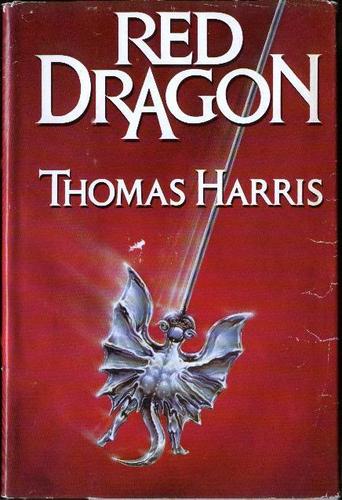
No. 43 on this list. Red Dragon
Thomas Harris · 1981
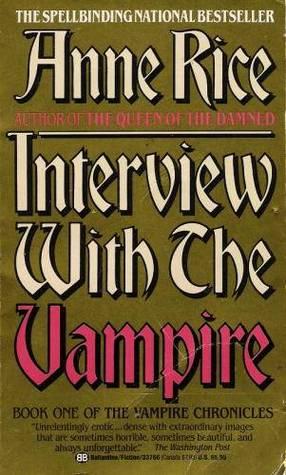
No. 44 on this list. Interview with the Vampire
Anne Rice · 1976
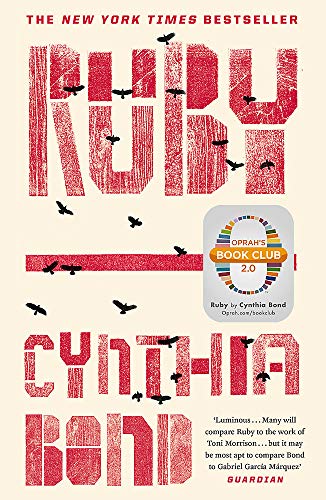
No. 45 on this list. Ruby
Cynthia Bond · 2016
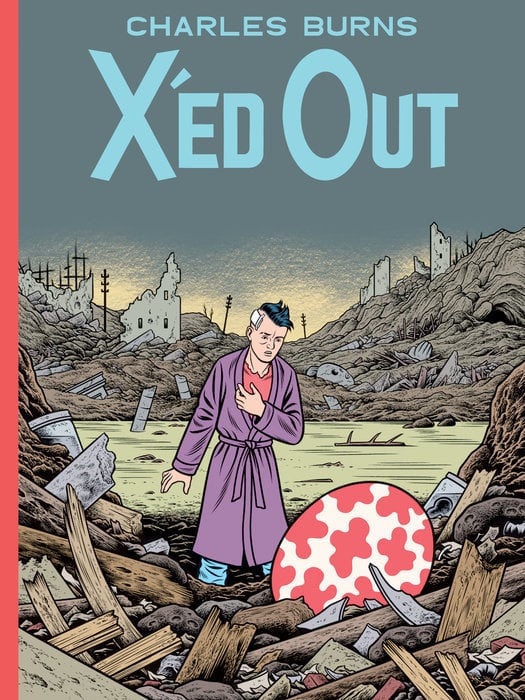
No. 46 on this list. X'ed Out (Pantheon Graphic Library)
Charles Burns · 2010
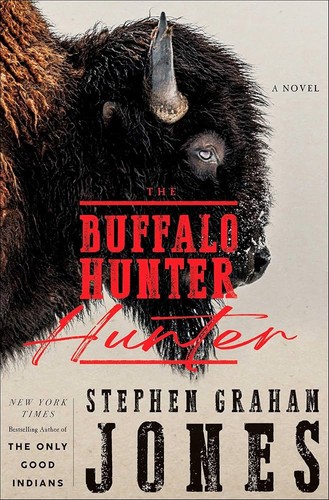
No. 47 on this list. The Buffalo Hunter Hunter
Stephen Graham Jones · 2025
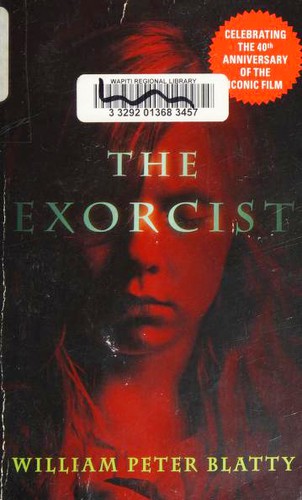
No. 48 on this list. The Exorcist
William Peter Blatty · 1971
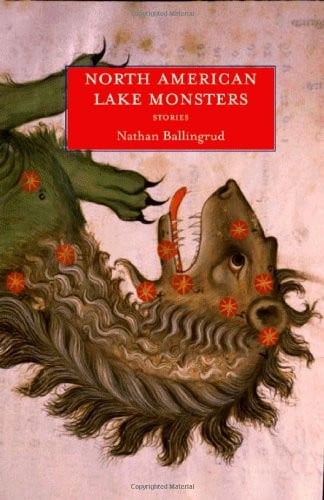
No. 49 on this list. North American Lake Monsters
Nathan Ballingrud · 2013
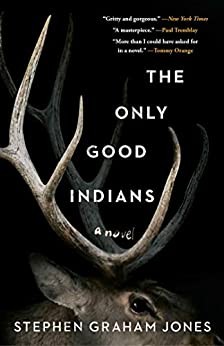
No. 50 on this list. The Only Good Indians
Stephen Graham Jones · 2020
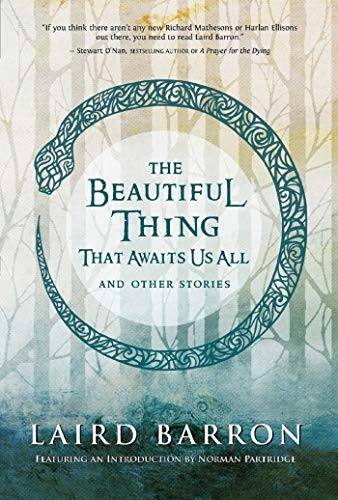
No. 51 on this list. The Beautiful Thing That Awaits Us All
Laird Barron · 2013
No. 52 on this list. The Elementals
Michael McDowell · 1981
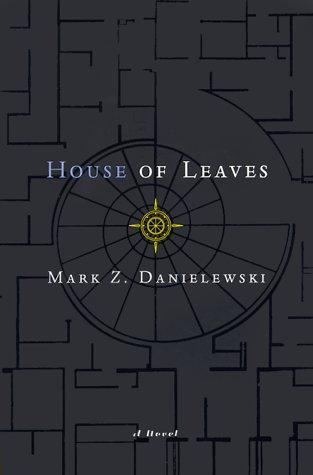
No. 53 on this list. House of Leaves
Mark Z. Danielewski · 2000
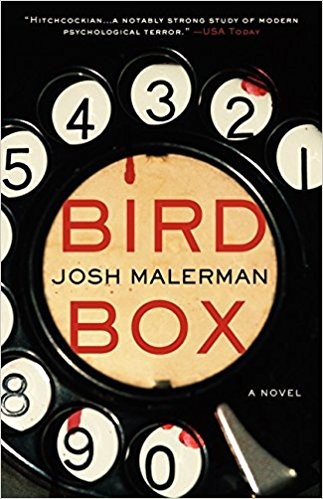
No. 54 on this list. Bird Box
Josh Malerman · 2014
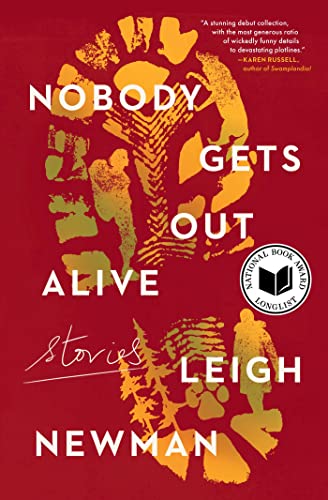
No. 55 on this list. Nobody Gets Out Alive
Leigh Newman · 2022
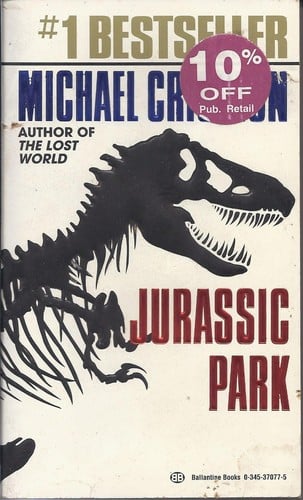
No. 56 on this list. Jurassic Park
Michael Crichton · 1990
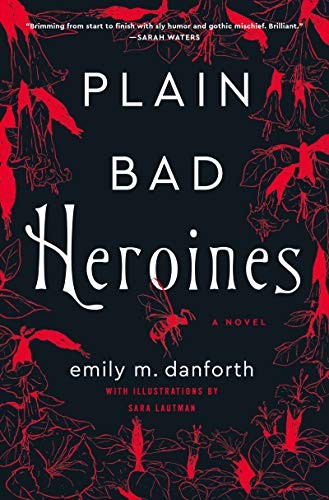
No. 57 on this list. Plain Bad Heroines
Emily M. Danforth · 2020
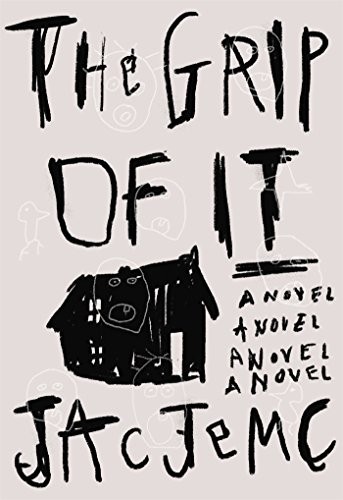
No. 58 on this list. The Grip of It
Jac Jemc · 2017
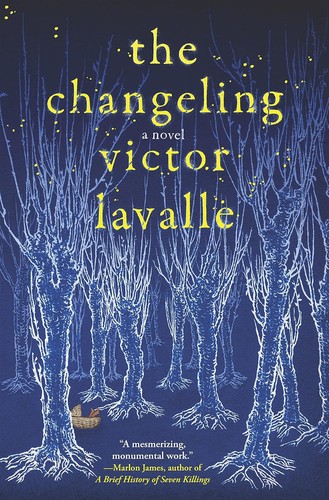
No. 59 on this list. The Changeling
Victor LaValle · 2017
No. 60 on this list. The Croning
Laird Barron · 2012
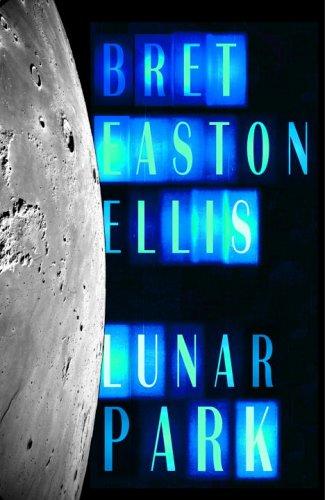
No. 61 on this list. Lunar Park
Bret Easton Ellis · 2005
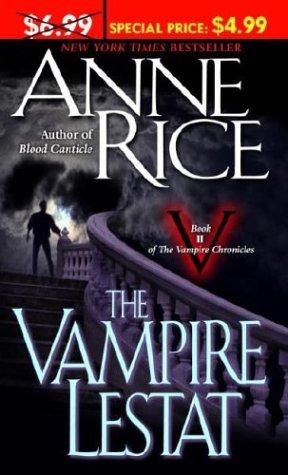
No. 62 on this list. The Vampire Lestat
Anne Rice · 1985
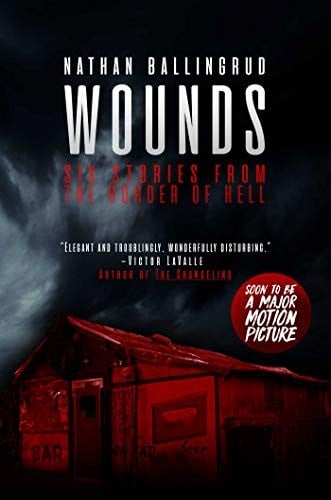
No. 63 on this list. Wounds: Six Stories from the Border of Hell
Nathan Ballingrud · 2019
No. 64 on this list. The Ruins
Scott Smith · 2006
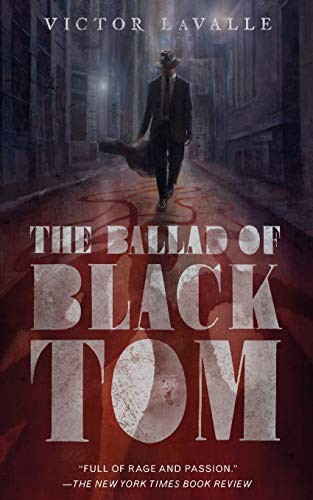
No. 65 on this list. The Ballad of Black Tom
Victor LaValle · 2016
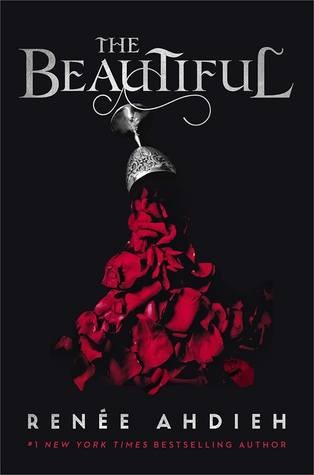
No. 66 on this list. The Beautiful
Renee Ahdieh · 2019
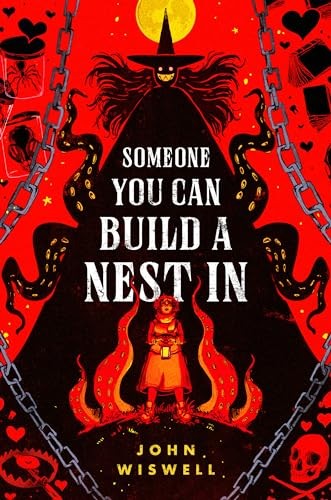
No. 67 on this list. Someone You Can Build a Nest In
John Wiswell · 2024
No. 68 on this list. The Terror
Dan Simmons · 2007
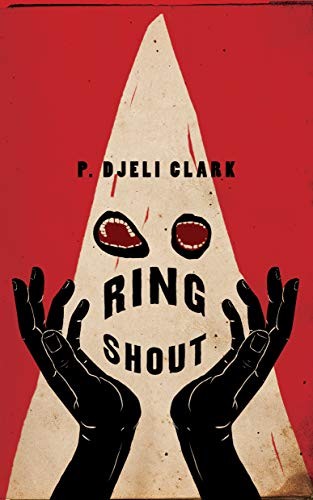
No. 69 on this list. Ring Shout
P. Djèlí Clark · 2020
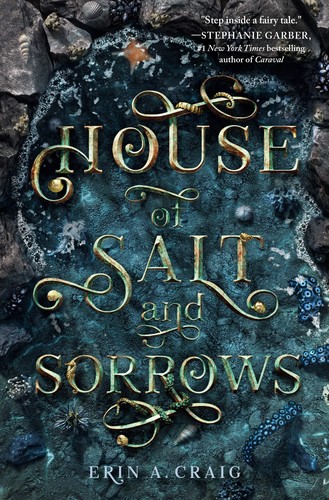
No. 70 on this list. House of Salt and Sorrows
Erin A. Craig · 2019

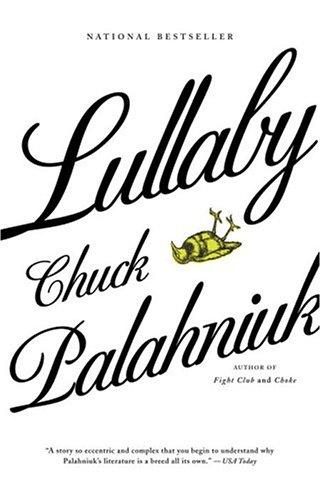
No. 71 on this list. Lullaby
Chuck Palahniuk · 2002
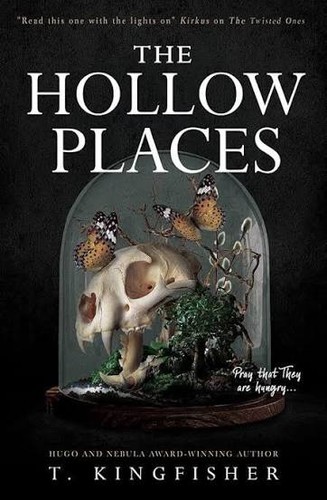
No. 72 on this list. The Hollow Places
T. Kingfisher · 2020
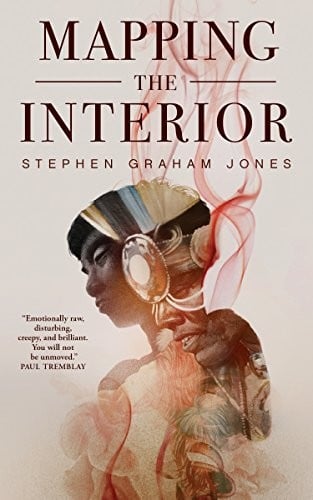
No. 73 on this list. Mapping the Interior
Stephen Graham Jones · 2017
No. 74 on this list. Come Closer
Sara Gran · 2003
No. 75 on this list. Dominion
Addie E. Citchens · 2025
No. 76 on this list. Exquisite Corpse
Poppy Z. Brite · 1996
No. 77 on this list. The Red Tree
Caitlín R. Kiernan · 2000
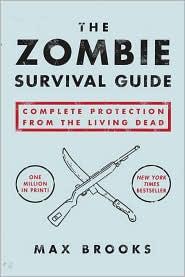
No. 78 on this list. The Zombie Survival Guide: Complete Protection from the Living Dead
Max Brooks · 2003
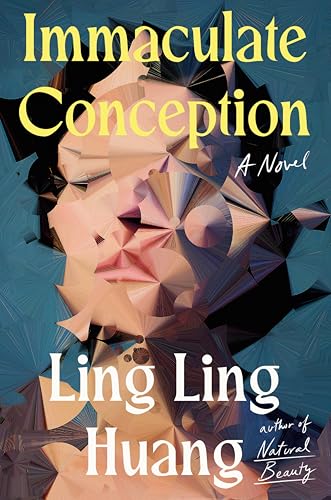
No. 79 on this list. Immaculate Conception
Ling Ling Huang · 2025
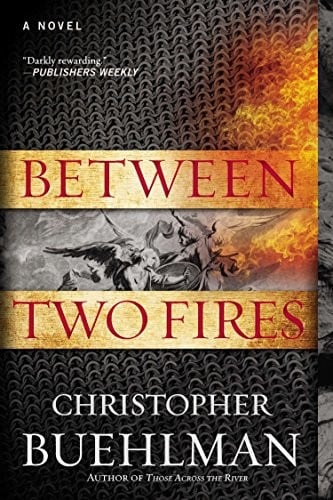
No. 80 on this list. Between Two Fires
Christopher Buehlman · 2012
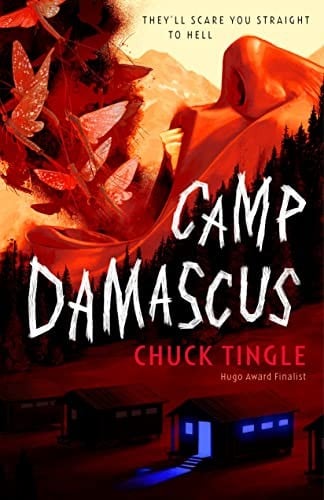
No. 81 on this list. Camp Damascus
Chuck Tingle · 2023
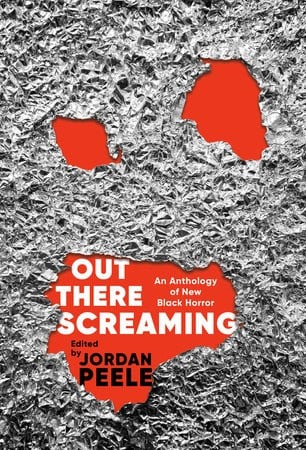
No. 82 on this list. Out There Screaming
Jordan Peele · 2023
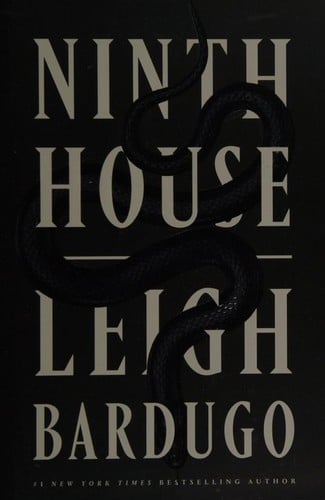
No. 83 on this list. Ninth House
Leigh Bardugo · 2019
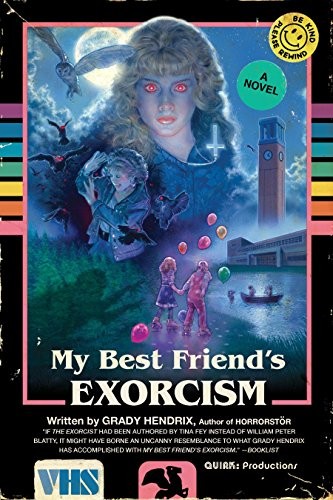
No. 84 on this list. My Best Friend's Exorcism
Grady Hendrix · 2016
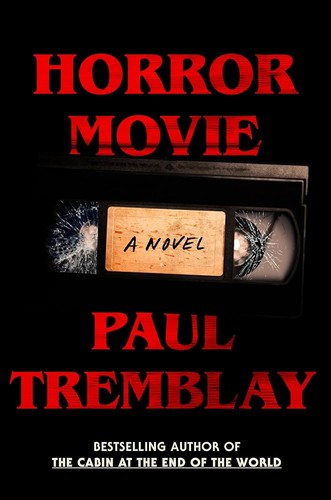
No. 85 on this list. Horror Movie
Paul Tremblay · 2024
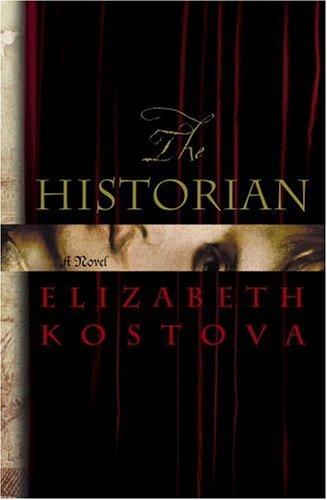
No. 86 on this list. The Historian
Elizabeth Kostova · 2005
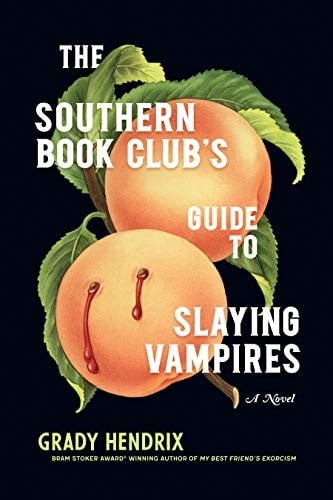
No. 87 on this list. The Southern Book Club's Guide to Slaying Vampires
Grady Hendrix · 2020
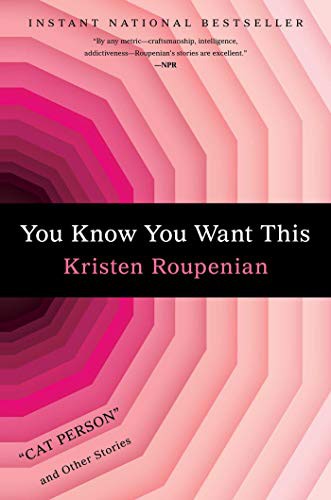
No. 88 on this list. You Know You Want This
Kristen Roupenian · 2019
No. 89 on this list. What Moves the Dead
T. Kingfisher · 2022
No. 90 on this list. Summer Sons
Lee Mandelo · 2021
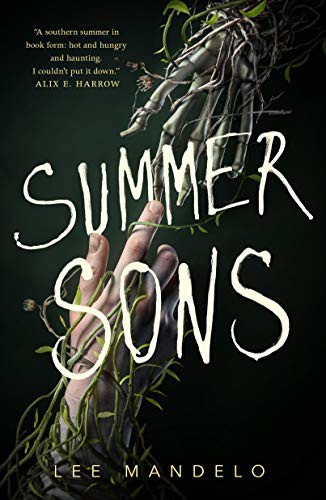
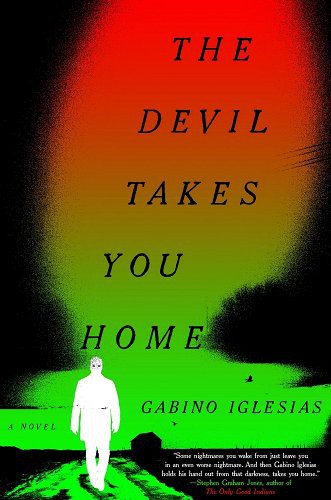
No. 91 on this list. The Devil Takes You Home
Gabino Iglesias · 2022
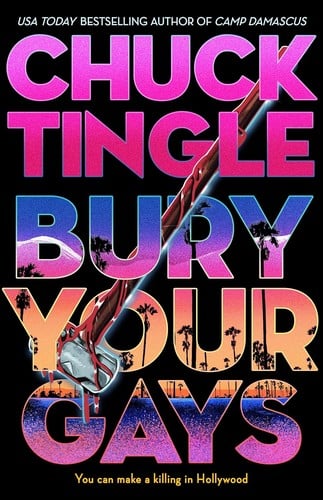
No. 92 on this list. Bury Your Gays
Chuck Tingle · 2024
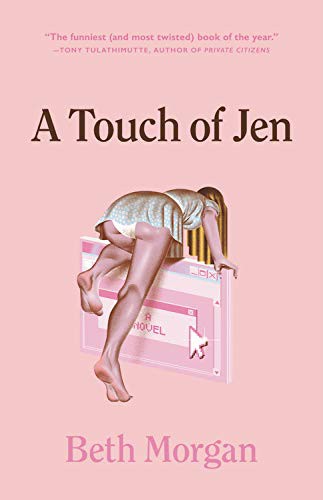
No. 93 on this list. A Touch of Jen
Beth Morgan · 2021
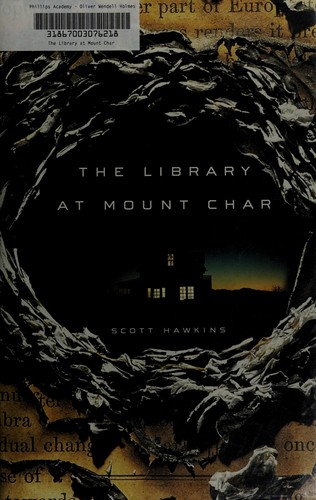
No. 94 on this list. The Library at Mount Char
Scott Hawkins · 2015
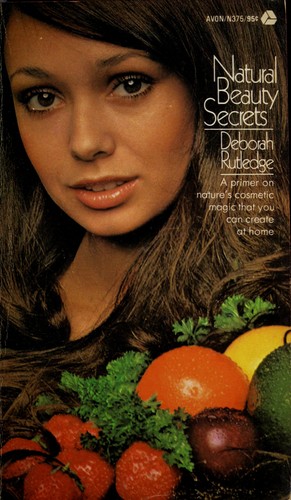
No. 95 on this list. Natural Beauty
Ling Ling Huang · 1966
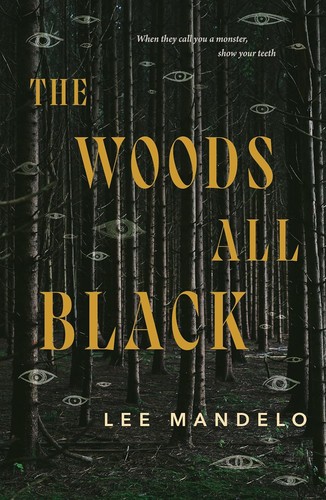
No. 96 on this list. The Woods All Black
Lee Mandelo · 2024
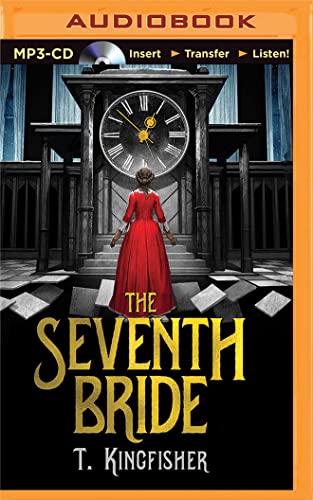
No. 97 on this list. The Seventh Bride
T. Kingfisher · 2015
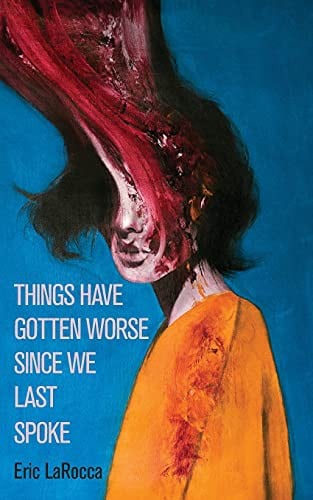
No. 98 on this list. Things Have Gotten Worse Since We Last Spoke
Eric LaRocca · 2021
No. 99 on this list. Starling House
Alix E. Harrow · 2023
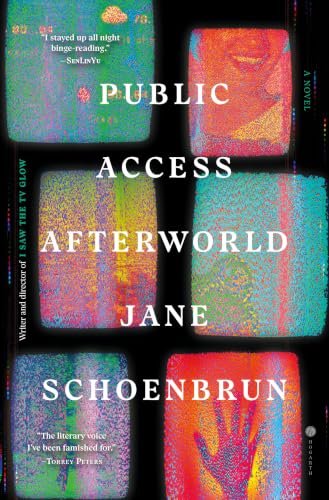
No. 100 on this list. Public Access Afterworld
Jane Schoenbrun · 2026

About this list
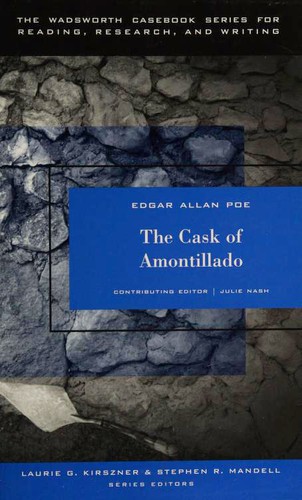
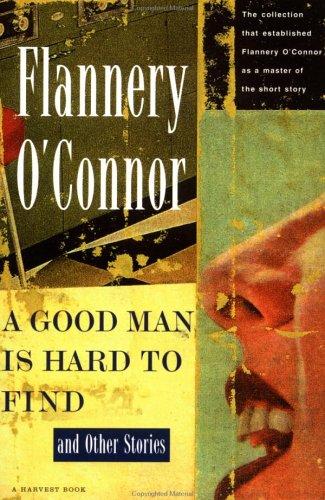
These 100 books are the highest-scoring eligible horror novels from the United States currently in the catalogue. By literary regard, it opens with The Cask of Amontillado, The Tell-Tale Heart and A Good Man Is Hard to Find. About 632 hours of reading in all. Difficulty runs from 41 to 57 out of 100 for the middle half of the list; the summit is Geek Love at 79.
This list is ranked by literary regard, with a consistent order for equal scores. Membership follows authors and co-authors, not translators or editors. Catalogue coverage and the historical canon both limit what this list can represent, and genre labels are the catalogue’s own, gathered into broader kinds.
When we matched the Canons dataset to our catalogue in October 2026, our canonical-status scores rose with the number of school curricula, publisher series and lists in it that cite a work: the median score was 72 for books one such source cites, 84 at two, 88 at three, 92 at four and 93 at five or more. Prizes are left out of that count. Outside the state curricula, the dataset’s sources choose mostly from what has been translated into English or French, so it is a weaker check on other literatures. Source: Canons (Andrew Piper), CC BY 4.0
Questions people actually ask
- What are the best horror novels from the United States?
- By literary regard, which weighs canonical status, critical standing and influence, The Cask of Amontillado, The Tell-Tale Heart, A Good Man Is Hard to Find, The Lottery and The Turn of the Screw lead. ReadingRate ranks 100 such books, each with a difficulty score and a reading-time estimate.
- Where should I start with horror novels from the United States?
- Start from difficulty, not from rank. The most approachable books on this list that still carry top literary regard are A Good Man Is Hard to Find by Flannery O'Connor (about 2.8 hours), Wise Blood by Flannery O'Connor and The Lottery and Other Stories by Shirley Jackson.
- How hard are horror novels from the United States to read?
- Most of this list sits between 41 and 57 on ReadingRate's 100-point difficulty scale, where 40 to 55 is moderate. The summit is Geek Love at 79. Every entry carries its own score, so a reader can pick a great book at a difficulty they will finish.
- How is this list ranked?
- On literary-regard data: how canonically established a work is, its critical standing, and its influence on later writing. It is not a readers’ poll, which is why recent bestsellers rarely appear. Membership follows authors and co-authors, not translators or editors. A list that is not a genre list keeps to literature (fiction, poetry, drama and philosophy), with philosophy taking no more than one slot in five while there is literature left to rank; every list holds at most three works by one author.