Hours at an average pace
Showing 100 books
About 1,333 hours for 100 of 100 books with measured lengths. Estimates use 250 words a minute, adjusted for each book's difficulty. At 2 hours a day, about 667 days for those books.
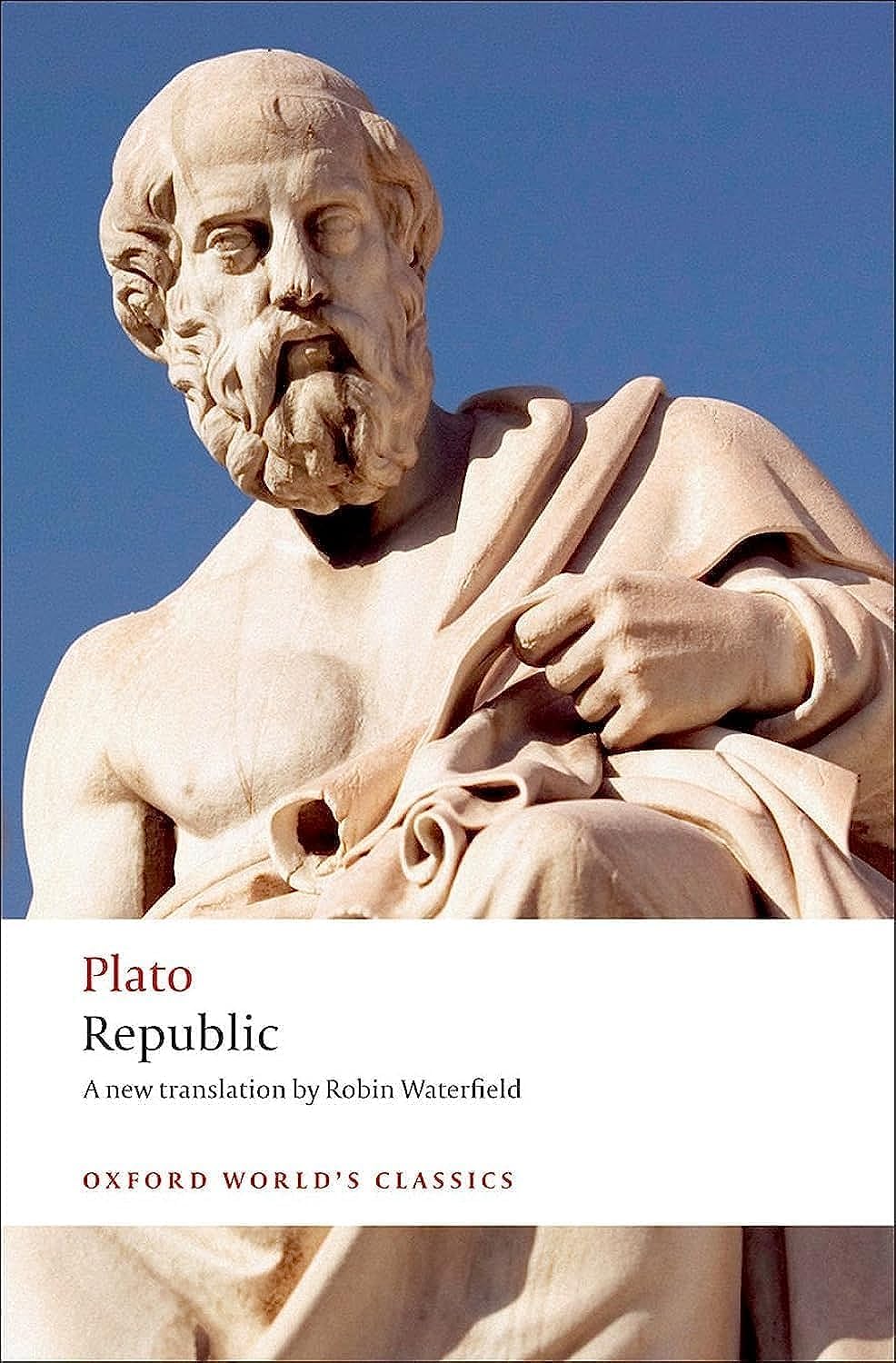
No. 1 on this list. Republic
Plato · c. 375 BCE
Challenging20 hours
Taught in schools: Lektury obowiązkowe – Polish national reading list (Poland), Turkish edebiyat curriculum (Turkey)
Included in: Great Books of the Western World
The Republic stands among the handful of most influential philosophical texts in Western history. It appears on every list of great books, anchors philosophy curricula worldwide, and defines the Western philosophical tradition alongside Aristotle's works.
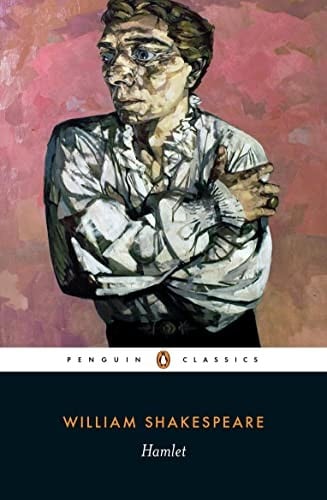
No. 2 on this list. Hamlet
William Shakespeare · 1601
Challenging3.1 hours
Taught in schools: Uzbek adabiyot curriculum (Uzbekistan)
Included in: Bokklubben World Library, Great Books of the Western World, UNESCO Collection of Representative Works
Shakespeare invented the modern soliloquy here: a mind watching itself think, stalling, doubting, performing. Every fictional character who hesitates before acting is Hamlet's descendant.
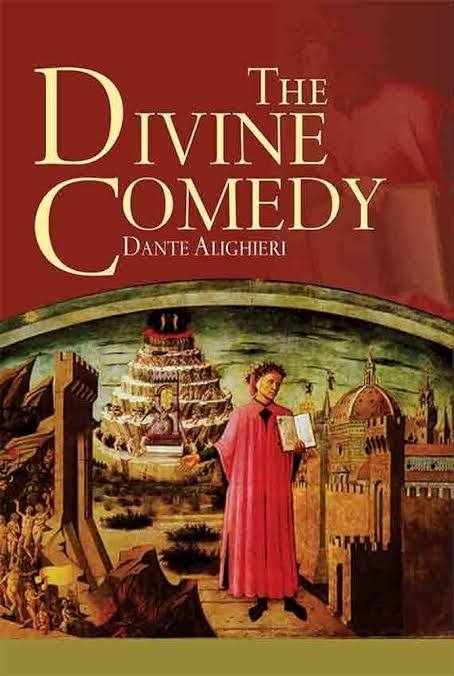
No. 3 on this list. Divine Comedy
Dante Alighieri · 1320
Challenging11 hours
Taught in schools: Armenian secondary literature, Lektury obowiązkowe – Polish national reading list (Poland), UNAM Escuela Nacional Preparatoria – programas de Literatura (Mexico)
Included in: Bokklubben World Library, Great Books of the Western World, UNESCO Collection of Representative Works
Dante built a complete architecture of the afterlife so precise you can map it, then populated it with real people he knew. The result fused theology, politics, and autobiography into a single narrative structure that no poem has matched in ambition or execution.
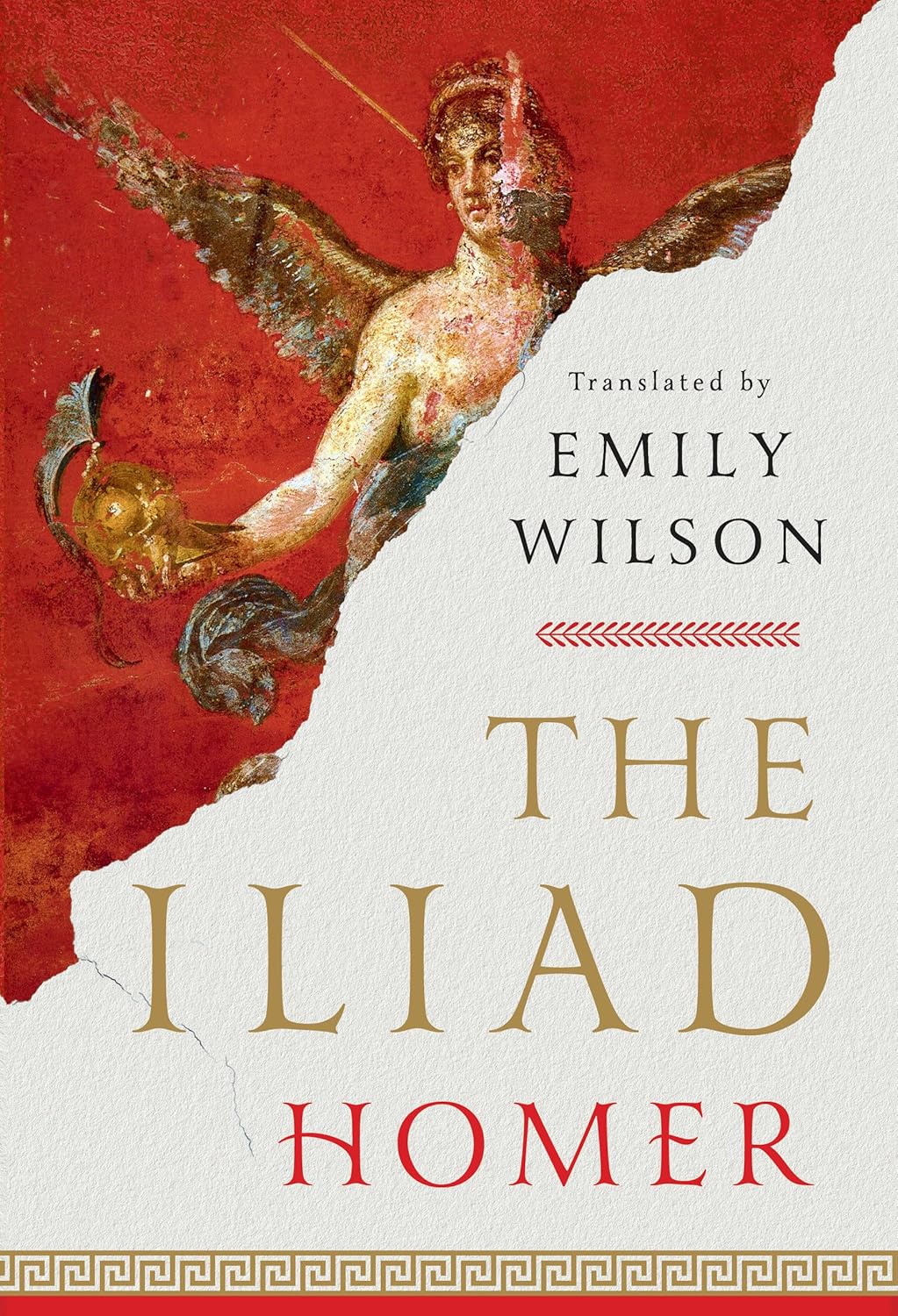
No. 4 on this list. Iliad
Homer · c. 750 BCE
Challenging13 hours
Taught in schools: Montenegrin literature curriculum (crnogorski jezik i književnost) (Montenegro)
Included in: Bokklubben World Library, Great Books of the Western World
The foundational war poem of Western civilization, and still the most unflinching. Homer gives Achilles' rage the same weight as Hector's tenderness with his son, refusing to let either side own the meaning of the slaughter.
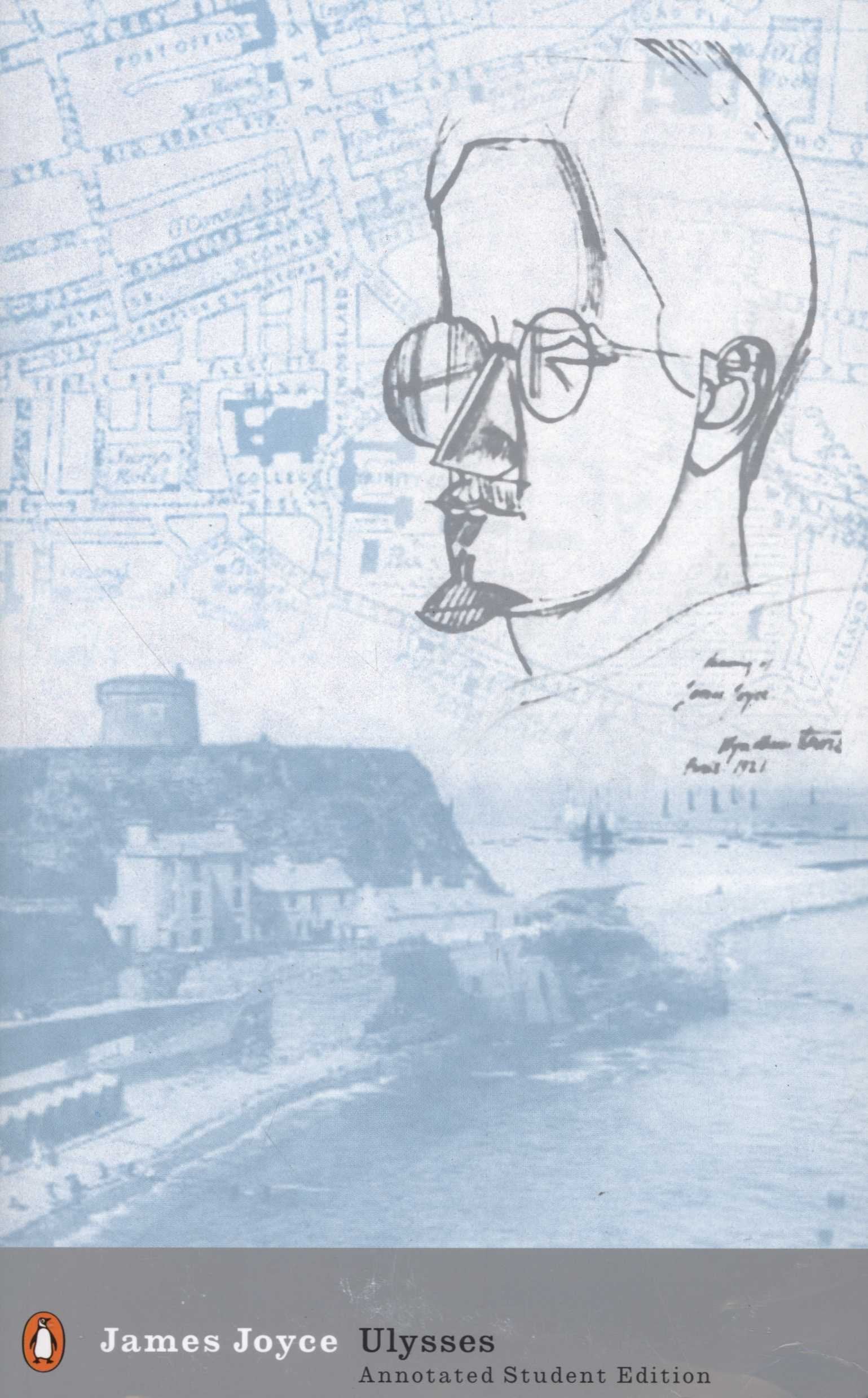
No. 5 on this list. Ulysses
James Joyce · 1922
Very Difficult47 hours
Included in: Bokklubben World Library
Ulysses appears on 1,017 university syllabi (75th percentile, Open Syllabus Project) and features on the Modern Library's #1 Best Novels list, Le Monde's 100 Books of the Century, TIME's All-TIME 100 Novels, and the BBC Big Read. Wikipedia covers it in 36 languages. Published in Everyman's Library and Penguin Classics, it has maintained continuous academic circulation since its 1934 US publication.
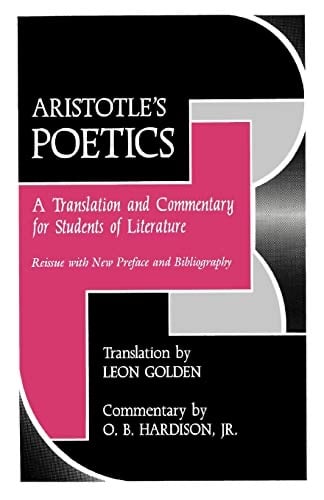
The Poetics is required reading in virtually every university curriculum touching literature, classics, philosophy, rhetoric, or dramatic theory worldwide. It appears on syllabi across disciplines in every major educational system. No other single work in Western literary culture has maintained this breadth of curricular presence across two and a half millennia.
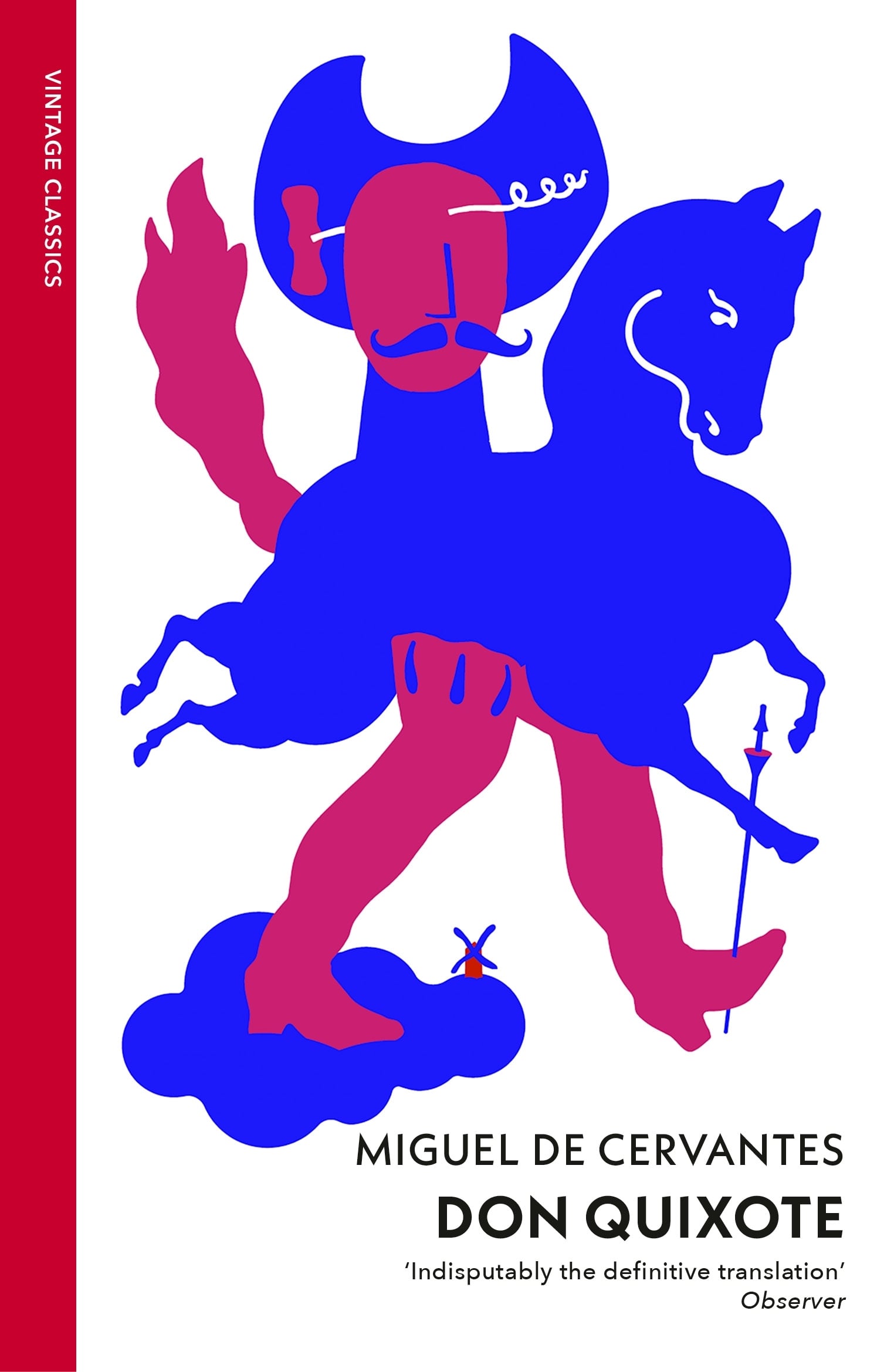
No. 7 on this list. Don Quixote
Miguel de Cervantes · 1605
Challenging32 hours
Taught in schools: Hungarian literature curriculum (magyar nyelv és irodalom) (Hungary), Literatura, Diseño Curricular – Provincia de Buenos Aires (Argentina), Montenegrin literature curriculum (crnogorski jezik i književnost) (Montenegro)
Included in: Bokklubben World Library, Great Books of the Western World
271 syllabus appearances (60.8th percentile) undersells its actual canonical weight. Don Quixote appears on virtually every Western canon list ever compiled, from Harold Bloom's to university core curricula worldwide. It is routinely called the first modern novel and the foundational work of Western fiction. Its relatively lower syllabus count likely reflects the novel's 900+ page length making it harder to assign in survey courses.
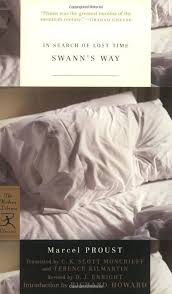
No. 8 on this list. In Search of Lost Time
Marcel Proust · 1913
Difficult25 hours
Included in: Bokklubben World Library, Great Books of the Western World
In Search of Lost Time appears on 223 university syllabi and registers at the 58.7th percentile in the Open Syllabus Project — a significant presence for a seven-volume novel typically taught in translation and only in specialized courses. It appears on virtually every 'greatest novels' list (Modern Library, Le Monde, Time), and is treated as the central work of French modernism in comparative literature programs worldwide.
No. 9 on this list. Eclogues
Virgil · c. 37 BCE
Challenging58 min
Included in: Great Books of the Western World
The Eclogues are required reading in classical studies curricula worldwide, appearing on thousands of university syllabi in Latin, comparative literature, and humanities courses. They are among the most translated and discussed poems from antiquity, with Wikipedia articles in over 50 languages and continuous scholarly attention spanning two millennia. Eclogue IV alone has generated centuries of theological and literary debate.
No. 10 on this list. King Lear
William Shakespeare · 1606
Difficult12 hours
Taught in schools: AQA GCSE and A-level English Literature (UK), WJEC/Eduqas GCSE and A-level English Literature (UK)
Included in: Bokklubben World Library, Great Books of the Western World, UNESCO Collection of Representative Works
King Lear appears on 2,254 university syllabi per Open Syllabus — placing it in the 84th percentile of all works — and has Wikipedia articles in 71 languages. It appears in virtually every anthology of English literature and every Shakespeare course worldwide. Most critics rank it alongside Hamlet as Shakespeare's greatest achievement; Harold Bloom called it the summit of the Western literary canon.
No. 11 on this list. Symposium · Plato · c. 385 BCE
The Symposium is required reading in virtually every philosophy, classics, and great books curriculum worldwide. It appears on syllabi for philosophy of love, Platonic metaphysics, ancient literature, gender studies, and queer theory courses. Its influence has extended beyond the academy — the concept of 'Platonic love' and Aristophanes' myth of the divided self have entered everyday language. No significant Western education omits it.
Moderate2.2 hours
Read nowNo. 12 on this list. Odes · Horace · c. 23 BCE
Horace's Odes have been required reading in classical curricula for over two thousand years without interruption — studied in Rome, medieval monasteries, Renaissance courts, and modern universities alike. The phrase 'carpe diem' originates in Odes I.11 and has entered every major world language. The Wikipedia article appears in only 1 language in the current database, but this reflects a data gap: the Odes are among the most-taught texts in any Western classics or humanities program, with presence on thousands of university syllabi globally.
Moderate1.9 hours
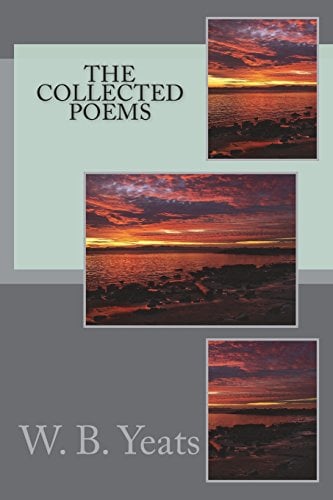
Start this bookNo. 13 on this list. Collected Poems of W.B. Yeats · William Butler Yeats · 1933
Yeats is on virtually every Anglophone university literature syllabus. 'The Second Coming,' 'Easter 1916,' 'Sailing to Byzantium,' and 'The Lake Isle of Innisfree' are among the most widely anthologized and taught poems in the English language. The Collected Poems is treated as an essential text in Irish, British, and American literary curricula alike, with sustained presence in over a century of anthologies.
Challenging10 hours
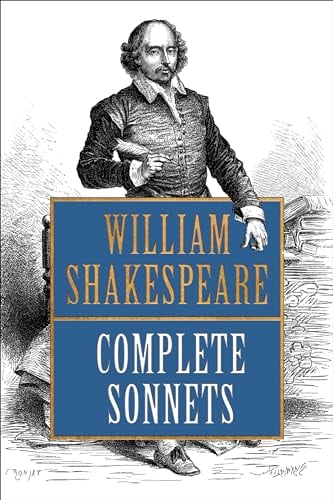
Start this bookNo. 14 on this list. Sonnets · William Shakespeare · 1609
The single most important sonnet sequence in English and among the most celebrated poems ever written.
Challenging1.4 hours
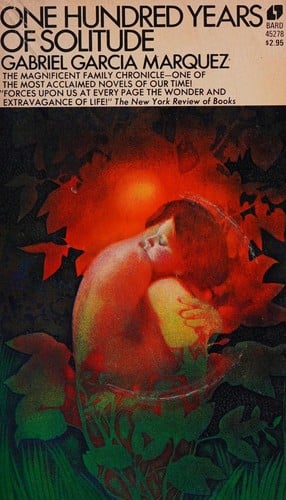
Read nowNo. 15 on this list. One Hundred Years of Solitude · Gabriel García Márquez · 1967
Taught in schools: Literatura, Diseño Curricular – Provincia de Buenos Aires (Argentina)
Included in: Bokklubben World Library
García Márquez wove a century of Latin American history into one family's story where the miraculous and the mundane coexist without explanation — ice is as wondrous as levitation. The book proved that the novel could channel an entire continent's experience in a voice that had no European precedent.
Challenging10 hours
Start this bookNo. 16 on this list. Critique of Judgment · Immanuel Kant · 1790
The Critique of Judgment is core curriculum in every philosophy department worldwide, foundational to the discipline of aesthetics, and required reading in the history of modern philosophy. While structured literary-syllabus data is unavailable in the database, its status as one of Kant's three Critiques—alongside the Critique of Pure Reason and Critique of Practical Reason—places it among the canonical texts of Western philosophy. It appears across thousands of university syllabi globally.
Difficult17 hours
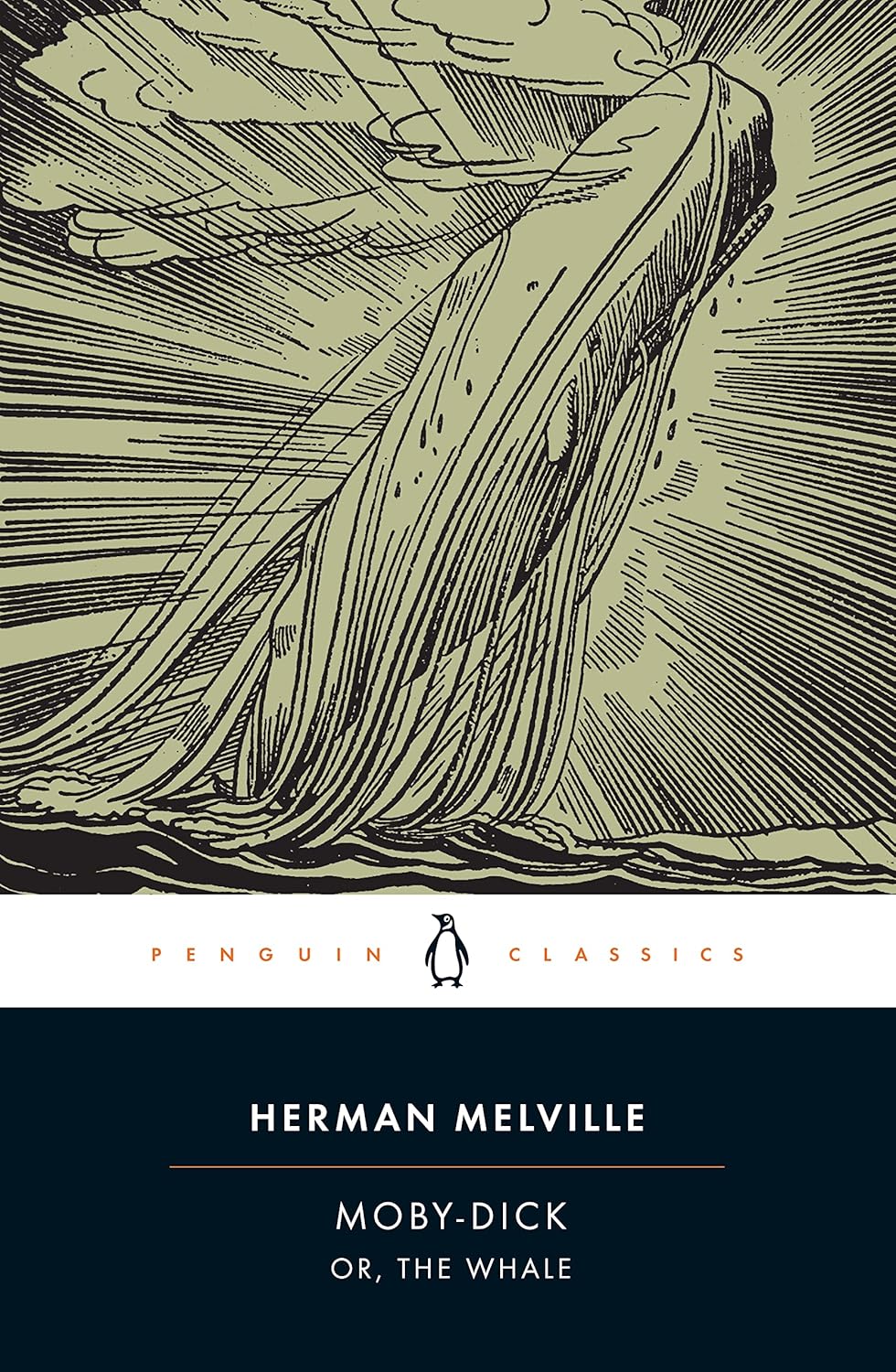
Start this bookNo. 17 on this list. Moby-Dick · Herman Melville · 1851
Included in: Bokklubben World Library, Great Books of the Western World
Melville poured cetology, Shakespearean soliloquy, sermon, sea shanty, and metaphysical dread into one whaling voyage, creating a book that operates simultaneously as adventure novel, encyclopedia, and prose poem about obsession. Nothing in American literature before or since has this range of register in a single work.
Difficult26 hours
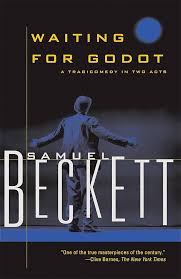
Read nowNo. 18 on this list. Waiting for Godot · Samuel Beckett · 1953
Included in: Great Books of the Western World
Waiting for Godot appears on virtually every comparative literature, modern drama, and theater studies syllabus worldwide, and is listed in Open Syllabus's Top 500 Literature titles. The Wikipedia article exists in 68 languages, and the play has been continuously performed since its 1953 Paris premiere. Le Monde named it among the 100 Books of the Century. It is as canonical as any play written after Shakespeare.
Difficult2.4 hours
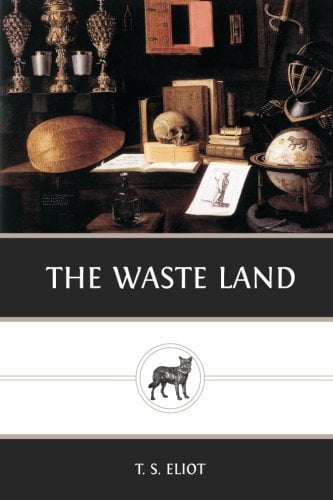
Start this bookNo. 19 on this list. The Waste Land · T. S. Eliot · 1922
Taught in schools: Pacific Senior Secondary Certificate – English
Included in: Great Books of the Western World
Eliot shattered the conventions of English-language poetry by splicing together fragments of six languages, Grail legend, and London pub talk into a single 434-line collage that made modernism unavoidable. No poem before it had turned cultural disintegration itself into a formal principle.
Very Difficult1.4 hours
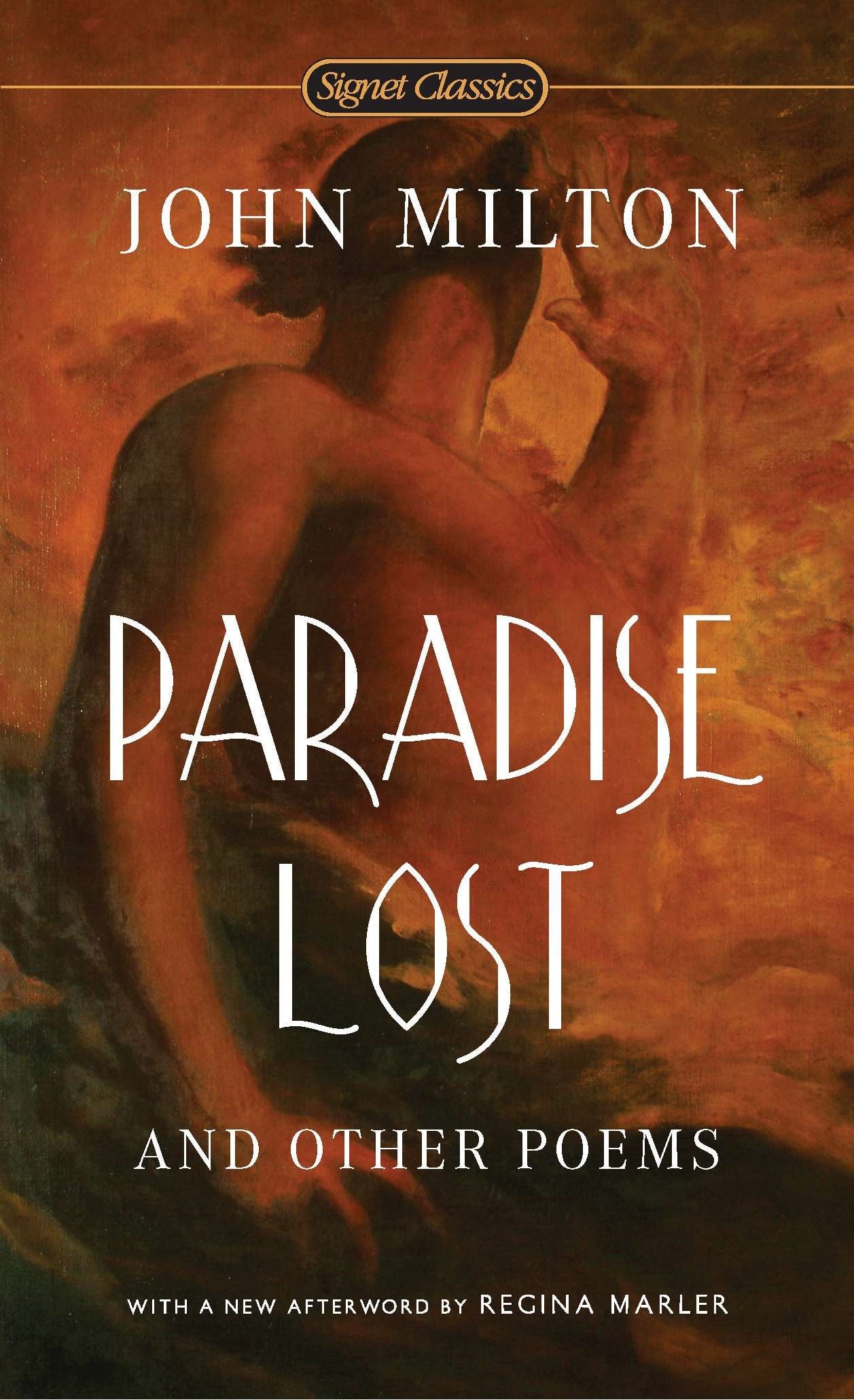
Read nowNo. 20 on this list. Paradise Lost · John Milton · 1667
Taught in schools: AQA GCSE and A-level English Literature (UK), WJEC/Eduqas GCSE and A-level English Literature (UK)
Included in: Great Books of the Western World
Milton retold the fall of man in blank verse of such muscular grandeur that Satan became the most charismatic figure in English poetry — not because Milton failed, but because he understood that rebellion requires eloquence. The poem reshaped the English language's sense of what a long sentence could do.
Challenging8.4 hours
Read now
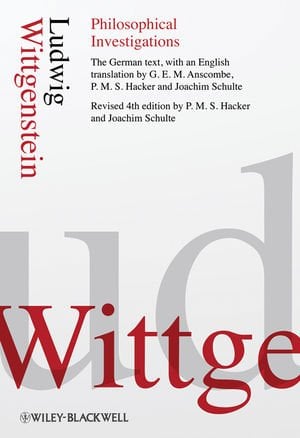
No. 21 on this list. Philosophical Investigations · Ludwig Wittgenstein · 1953
Philosophical Investigations is required reading in virtually every anglophone philosophy department and appears on syllabi for philosophy of language, philosophy of mind, and analytic philosophy courses worldwide. Wikipedia carries a detailed article available in over 50 languages. It is consistently listed among the most important books of the 20th century across disciplinary surveys.
Challenging18 hours
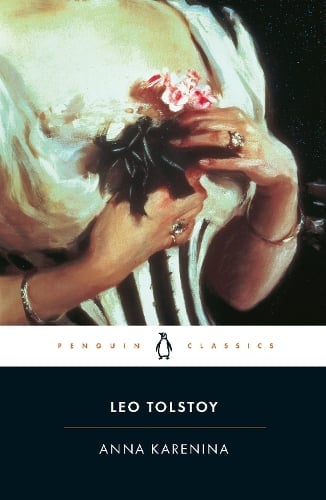
Start this bookNo. 22 on this list. Anna Karenina · Leo Tolstoy · 1877
Taught in schools: Hungarian literature curriculum (magyar nyelv és irodalom) (Hungary), Lithuanian literature curriculum (lietuvių kalba ir literatūra), Russian FGOS literature standard
Included in: Bokklubben World Library
Appears on 334 university syllabi and has a Wikipedia article in 82 languages, placing it among the most globally recognized novels ever written. Consistently named to lists of the greatest novels—TIME All-TIME 100 Novels (2005) and Le Monde's 100 Books of the Century (1999)—and taught wherever world literature courses exist. Its status as a masterpiece of the novel form is essentially uncontested across literary traditions.
Challenging26 hours
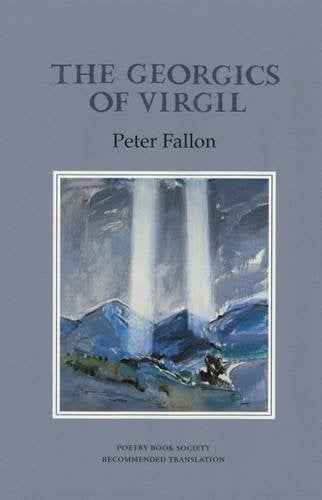
Read nowNo. 23 on this list. Georgics · Virgil · c. 29 BCE
Included in: Great Books of the Western World
The Georgics is a cornerstone of Western classical education, appearing on university syllabi worldwide wherever Latin literature, pastoral poetry, or the history of agriculture is taught. It stands alongside the Aeneid and Eclogues as the essential Virgilian triad; no serious study of Latin poetry omits it. Its influence on English poets from Dryden through Seamus Heaney has kept it continuously present in anglophone literary education as well.
Moderate1.6 hours
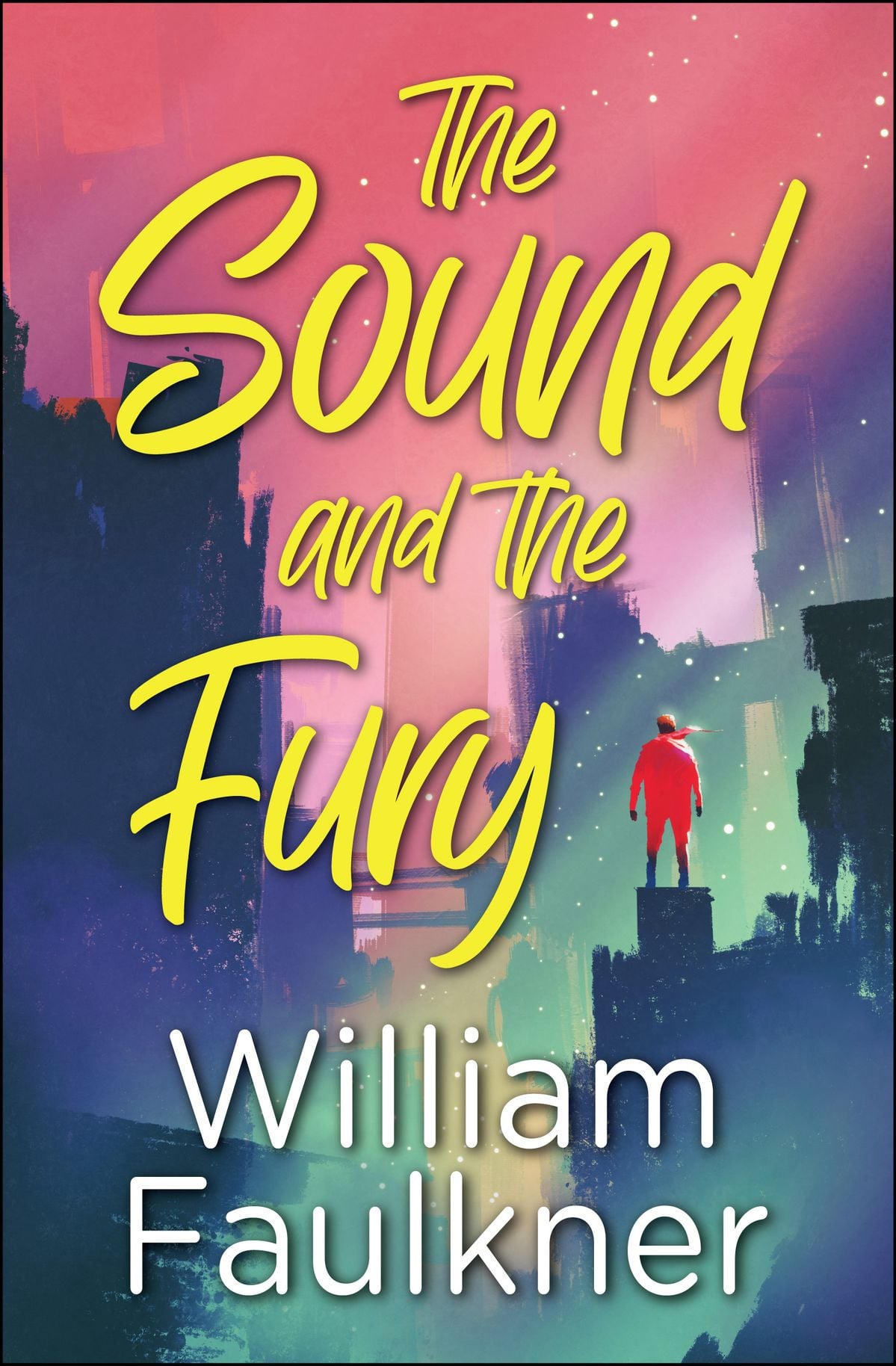
Start this bookNo. 24 on this list. The Sound and the Fury · William Faulkner · 1929
Taught in schools: Turkish edebiyat curriculum (Turkey)
Included in: Bokklubben World Library
Listed on Modern Library 100 Best Novels, TIME All-TIME 100 Novels, Le Monde's 100 Books of the Century, and Open Syllabus Top 500 Literature. Wikipedia article exists in 35 languages with dedicated Reception and Adaptations sections and 57,976 characters of editorial content. A fixture of American literature courses and universally regarded as one of the defining works of American modernism — canonical weight comparable to or exceeding The Great Gatsby.
Difficult15 hours
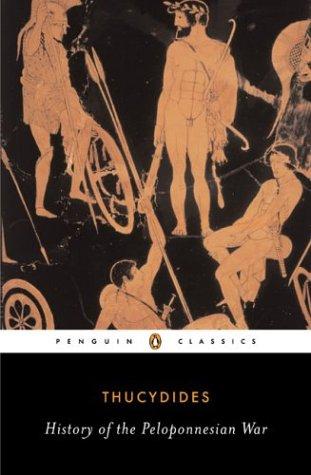
Start this bookNo. 25 on this list. The Peloponnesian War · Thucydides · c. 411 BCE
A foundation text of Western thought, assigned across classics, history, political science and international relations, and a fixture of Great Books programs. The U.S. Naval War College has built its strategy teaching around it since the 1970s.
Easy12 hours
Read nowNo. 26 on this list. Summa Theologica · Thomas Aquinas
The Summa Theologica is required reading in virtually every Catholic seminary and philosophy of religion program globally, and is foundational in scholastic philosophy curricula. Pope Leo XIII's encyclical Aeterni Patris (1879) formally designated it the basis for Catholic philosophical and theological education worldwide. It is among the most cited texts in Western intellectual history.
Very Difficult119 hours
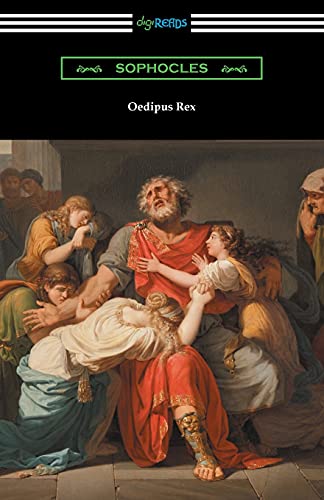
Start this bookNo. 27 on this list. Oedipus Rex · Sophocles · c. 429 BCE
Included in: Bokklubben World Library, Great Books of the Western World
Sophocles built the perfect dramatic machine: a man investigating a crime who discovers he is the criminal, with every revelation tightening the trap his own competence has set. Aristotle used it as his model of tragedy, and twenty-four centuries of dramatists have not improved on its architecture.
Challenging1.8 hours
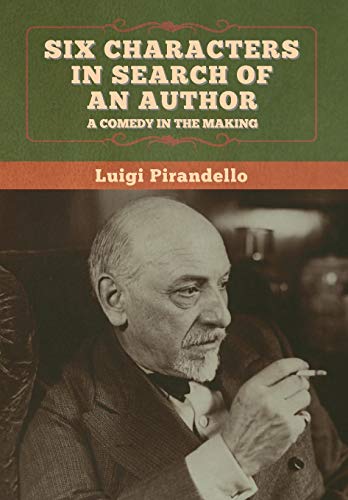
Read nowNo. 28 on this list. Six Characters in Search of an Author · Luigi Pirandello · 1921
Taught in schools: UNAM Escuela Nacional Preparatoria – programas de Literatura (Mexico)
Included in: Great Books of the Western World
Pirandello sent six fictional characters onto a stage to confront the actors rehearsing their story, detonating the boundary between author, character, and performer decades before anyone used the word "metafiction." The play asked who owns a story — the person who wrote it or the person who lives it — and left the question permanently unresolved.
Challenging1.9 hours
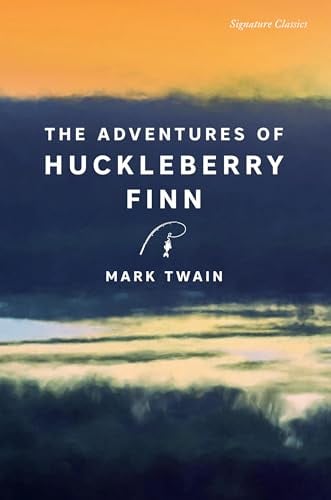
Read nowNo. 29 on this list. Adventures of Huckleberry Finn · Mark Twain · 1884
Taught in schools: Pearson Edexcel GCSE and A-level English Literature (UK)
Included in: Bokklubben World Library, Great Books of the Western World
Adventures of Huckleberry Finn is taught in virtually every American high school and university American literature course, and is among the most debated and analyzed works in the American canon. Its Wikipedia article spans 62 languages with a dedicated reception section, reflecting global critical discourse sustained for over 140 years. Ernest Hemingway's declaration that all modern American literature comes from this one book cemented its place as the foundational American novel.
Moderate7.5 hours
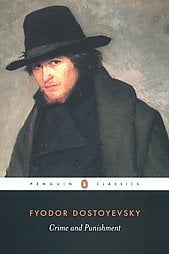
Read nowNo. 30 on this list. Crime and Punishment · Fyodor Dostoevsky · 1866
Taught in schools: Common Core text exemplars (Appendix B) (US), Lektury obowiązkowe – Polish national reading list (Poland), Lithuanian literature curriculum (lietuvių kalba ir literatūra)
Included in: Bokklubben World Library
Crime and Punishment is required reading in virtually every world literature curriculum and Russian literature course. It appears on 711 university syllabi (Open Syllabus) and is available in 82 Wikipedia languages, placing it among the most globally recognized novels ever written. It consistently appears on canonical 'greatest novels' lists, including TIME's All-TIME 100 Novels.
Difficult24 hours
Read now
No. 31 on this list. Discipline and Punish
Michel Foucault · 1975
No. 32 on this list. Selected Stories
Anton Chekhov · 1899
No. 33 on this list. On the Nature of Things
Lucretius · c. 55 BCE
Included in: Great Books of the Western World
No. 34 on this list. Theogony
Hesiod · c. 700 BCE
Taught in schools: Hungarian literature curriculum (magyar nyelv és irodalom) (Hungary)
No. 35 on this list. The Great Gatsby
F. Scott Fitzgerald · 1925
Taught in schools: AQA GCSE and A-level English Literature (UK), CAPE Literatures in English – Caribbean Examinations Council, Common Core text exemplars (Appendix B) (US)
Included in: Great Books of the Western World
No. 36 on this list. Being and Time
Martin Heidegger · 1927
No. 37 on this list. Faust
Johann Wolfgang von Goethe · 1832
Taught in schools: Turkish edebiyat curriculum (Turkey)
Included in: Bokklubben World Library, Great Books of the Western World
No. 38 on this list. Aeneid
Virgil · c. 19 BCE
Included in: Bokklubben World Library, Great Books of the Western World
No. 39 on this list. War and Peace
Leo Tolstoy · 1869
Taught in schools: Russian FGOS literature standard, Turkish edebiyat curriculum (Turkey)
Included in: Bibliothèque de la Pléiade, Bokklubben World Library, Great Books of the Western World
No. 40 on this list. Finnegans Wake
James Joyce · 1939
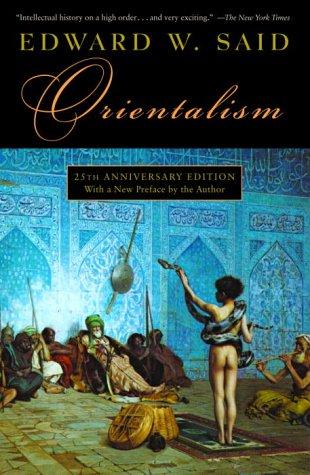
No. 41 on this list. Orientalism
Edward W. Said · 1978
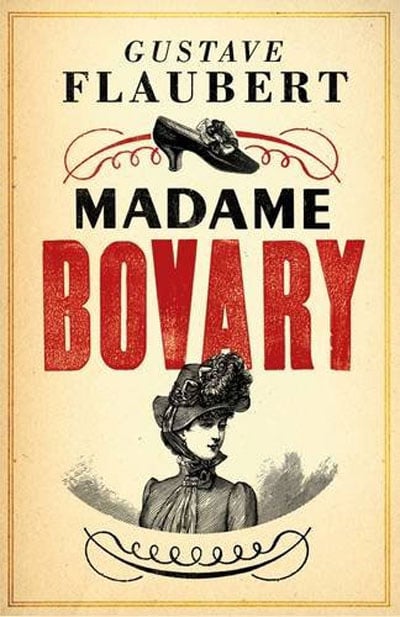
No. 42 on this list. Madame Bovary
Gustave Flaubert · 1857
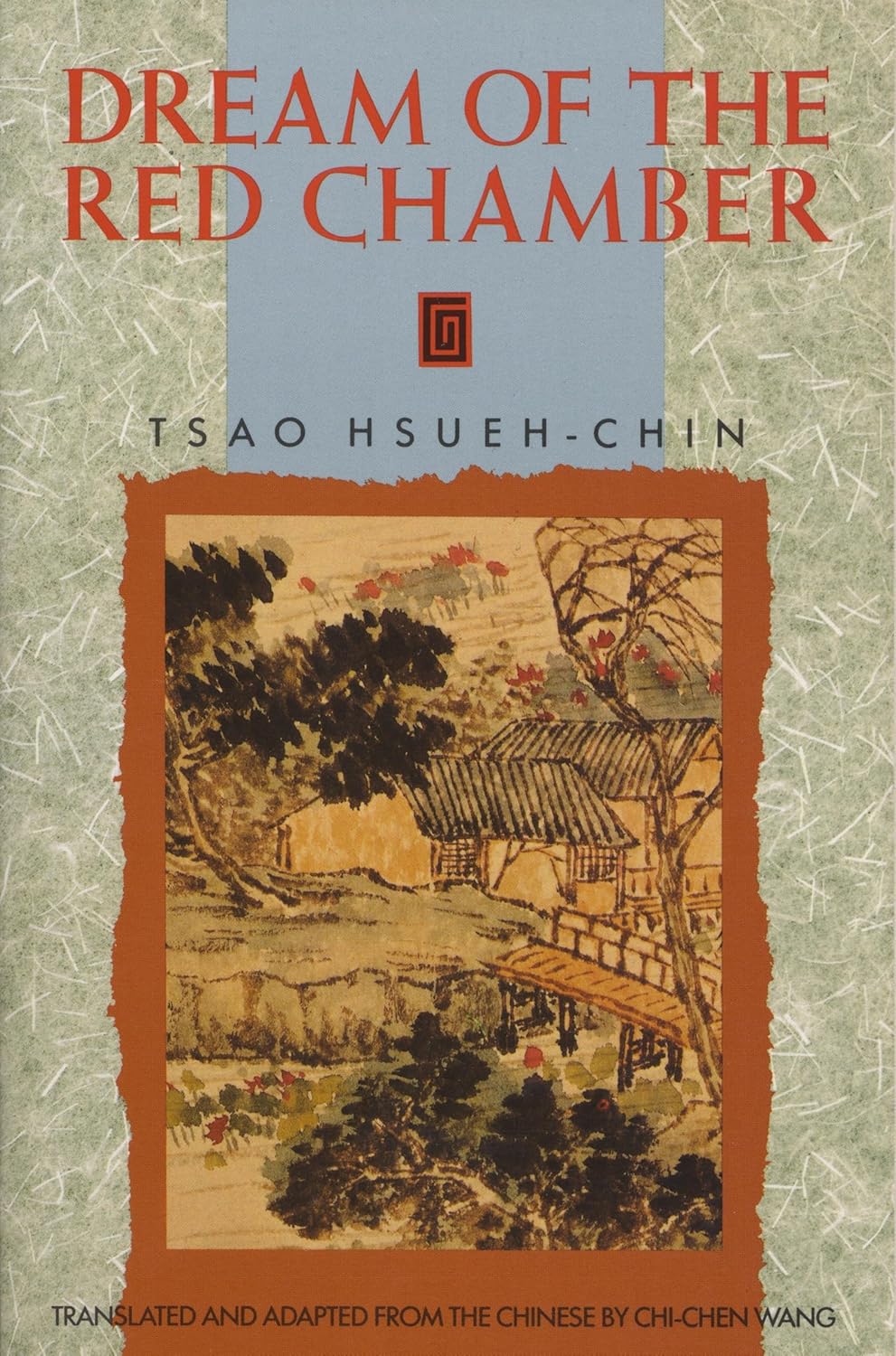
No. 43 on this list. Dream of the Red Chamber
Cao Xueqin · 1791
Included in: UNESCO Collection of Representative Works
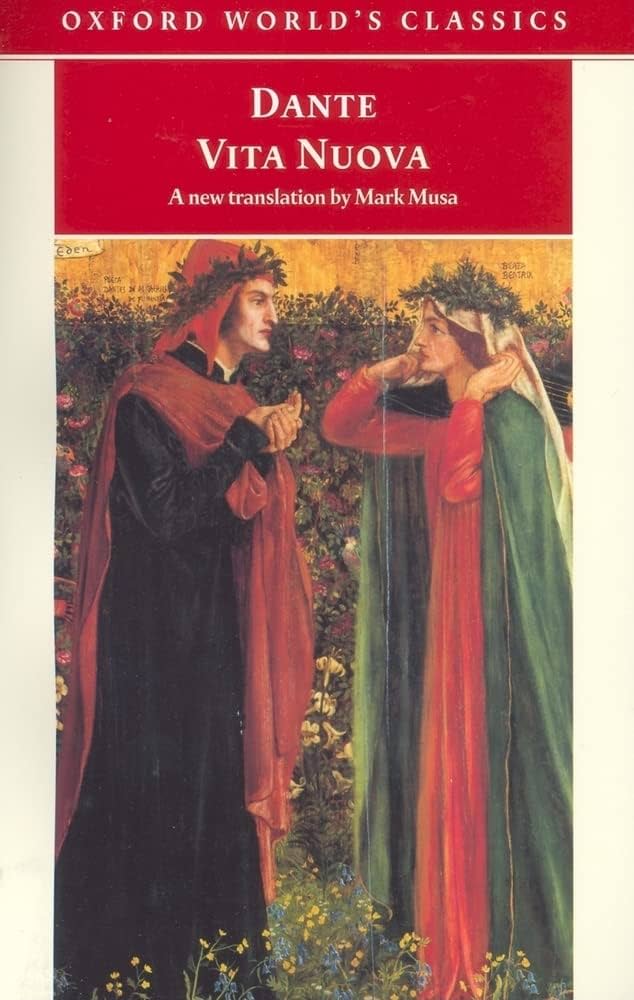
No. 44 on this list. Vita Nuova
Dante Alighieri · 1294
No. 45 on this list. The Stranger
Albert Camus · 1942
Included in: Bokklubben World Library
No. 46 on this list. The Prince
Niccolò Machiavelli · 1532
No. 47 on this list. The Love Song of J. Alfred Prufrock
T. S. Eliot · 1915
Taught in schools: Common Core text exemplars (Appendix B) (US)
No. 48 on this list. The Canterbury Tales
Geoffrey Chaucer · 1400
Taught in schools: UNAM Escuela Nacional Preparatoria – programas de Literatura (Mexico)
Included in: Bokklubben World Library, Great Books of the Western World
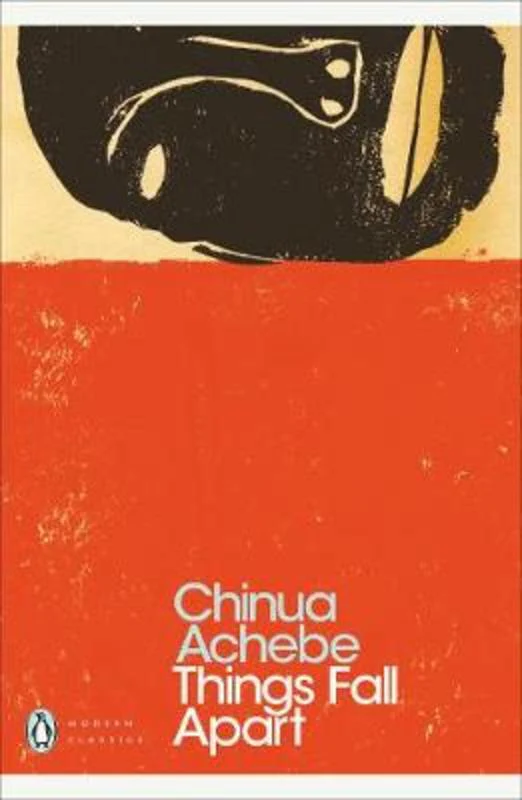
No. 49 on this list. Things Fall Apart
Chinua Achebe · 1958
Taught in schools: Cambridge IGCSE Literature in English (0475), Common Core text exemplars (Appendix B) (US), CSEC English B – Caribbean Examinations Council
Included in: Bokklubben World Library, Heinemann African Writers Series
No. 50 on this list. Records of the Grand Historian
Sima Qian · c. 94 BCE
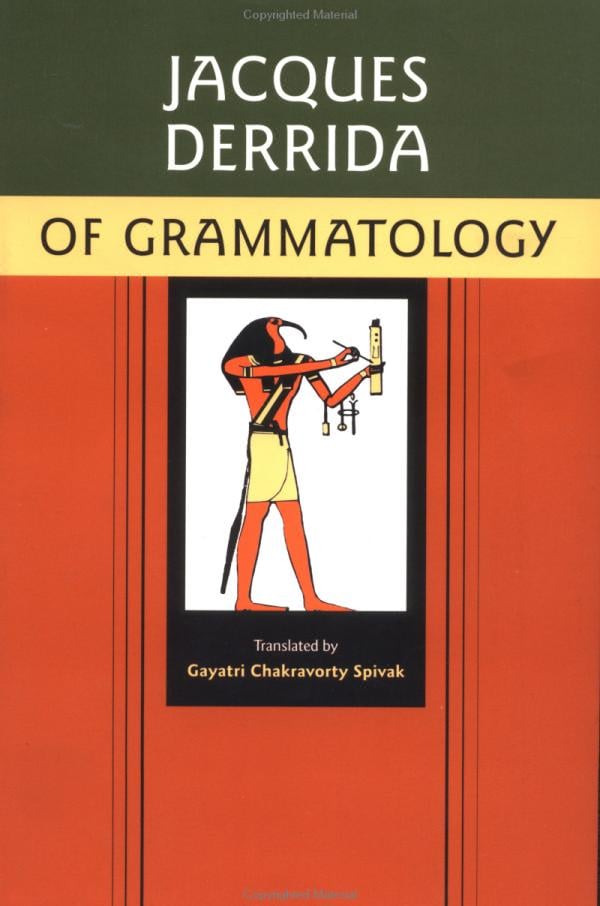
No. 51 on this list. Of Grammatology
Jacques Derrida · 1967
No. 52 on this list. David Copperfield
Charles Dickens · 1850
Taught in schools: WJEC/Eduqas GCSE and A-level English Literature (UK)
No. 53 on this list. The Cantos
Ezra Pound · 1970
No. 54 on this list. Canzoniere
Petrarch · 1374
Taught in schools: Montenegrin literature curriculum (crnogorski jezik i književnost) (Montenegro)
No. 55 on this list. Les Misérables
Victor Hugo · 1862
Taught in schools: Turkish edebiyat curriculum (Turkey)
No. 56 on this list. The History of Sexuality, Volume 1: An Introduction
Michel Foucault · 1976
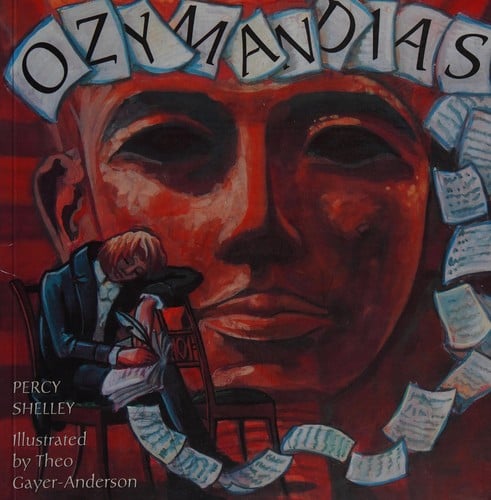
No. 57 on this list. Ozymandias
Percy Bysshe Shelley · 1818
No. 58 on this list. Utopia
Thomas More · 1516
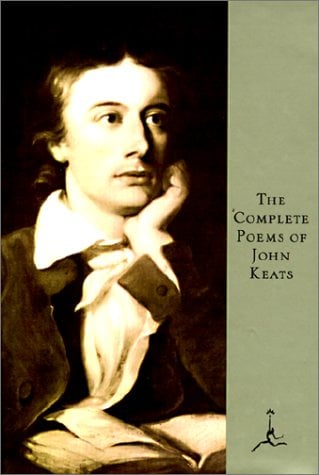
No. 59 on this list. Complete Poems
John Keats · 1820
No. 60 on this list. Life Studies
Robert Lowell · 1959
No. 61 on this list. Phaedrus
Plato · c. 370 BCE
No. 62 on this list. Great Expectations
Charles Dickens · 1861
Taught in schools: AQA GCSE and A-level English Literature (UK), OCR GCSE and A-level English Literature (UK), Pearson Edexcel GCSE and A-level English Literature (UK)
Included in: Bokklubben World Library
No. 63 on this list. Masnavi
Rumi · 1273
Included in: Bokklubben World Library, UNESCO Collection of Representative Works
No. 64 on this list. The Cherry Orchard
Anton Chekhov · 1904
Taught in schools: Armenian secondary literature, CSEC English B – Caribbean Examinations Council, Russian FGOS literature standard
No. 65 on this list. Gargantua and Pantagruel
François Rabelais · 1532
Taught in schools: Lektury obowiązkowe – Polish national reading list (Poland)
Included in: Bokklubben World Library, Great Books of the Western World
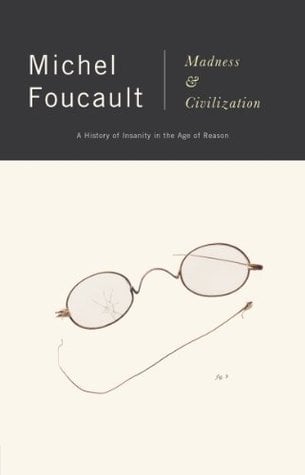
No. 66 on this list. Madness and Civilization: A History of Insanity in the Age of Reason
Michel Foucault · 1961
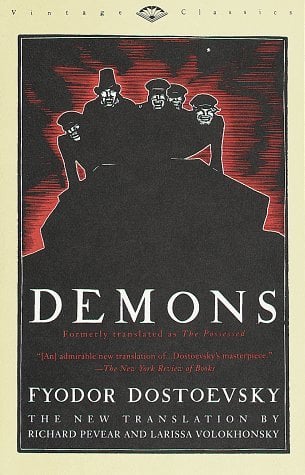
No. 67 on this list. Demons
Fyodor Dostoevsky · 1872
Included in: Bokklubben World Library
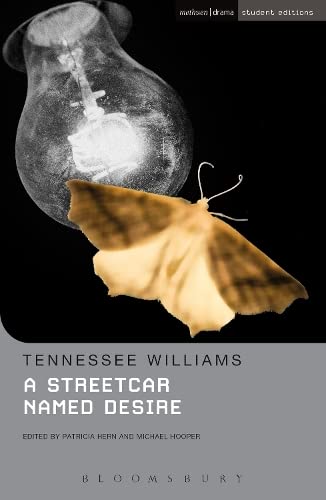
No. 68 on this list. A Streetcar Named Desire
Tennessee Williams · 1947
Taught in schools: AQA GCSE and A-level English Literature (UK), Cambridge IGCSE Literature in English (0475), UNAM Escuela Nacional Preparatoria – programas de Literatura (Mexico)
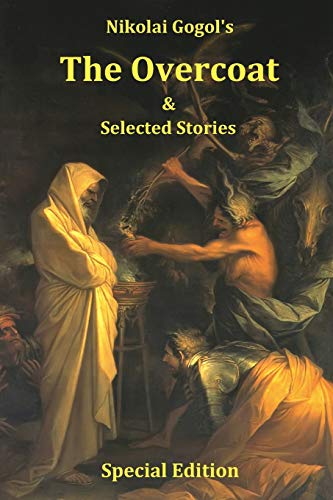
No. 69 on this list. The Overcoat
Nikolai Gogol · 1842
Taught in schools: Kazakh literature curriculum (Kazakhstan), Montenegrin literature curriculum (crnogorski jezik i književnost) (Montenegro), Russian FGOS literature standard
No. 70 on this list. The Life and Opinions of Tristram Shandy, Gentleman
Laurence Sterne · 1759
Included in: Bokklubben World Library, Great Books of the Western World

No. 71 on this list. Beyond Good and Evil
Friedrich Nietzsche · 1886
No. 72 on this list. Collected Poems
Robert Frost · 1930
No. 73 on this list. Works and Days
Hesiod · c. 700 BCE
Taught in schools: Hungarian literature curriculum (magyar nyelv és irodalom) (Hungary)
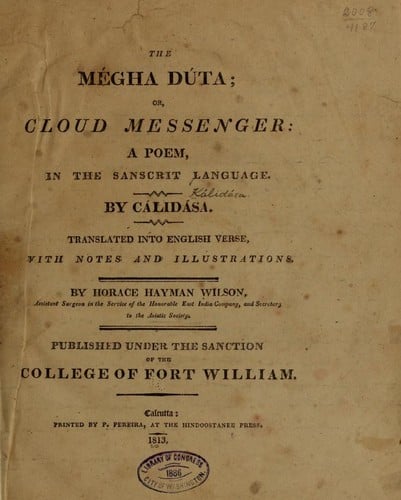
No. 74 on this list. Meghaduta
Kalidasa · 400
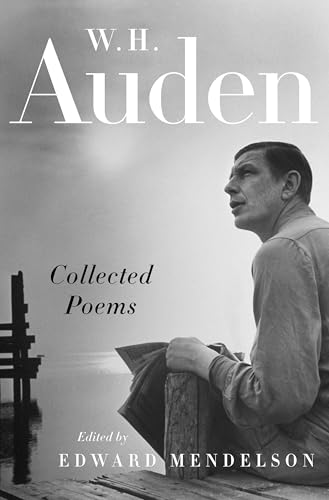
No. 75 on this list. Collected Poems of W.H. Auden
W.H. Auden · 1976
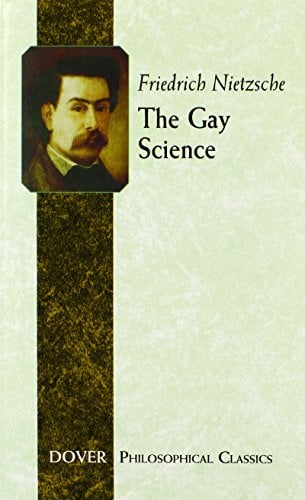
No. 76 on this list. The Gay Science
Friedrich Nietzsche · 1882
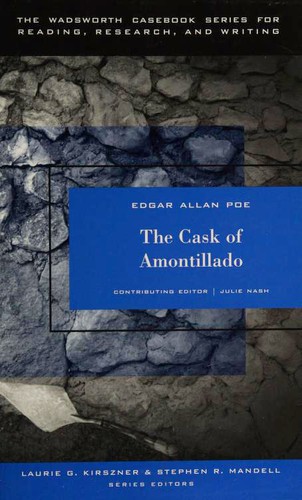
No. 77 on this list. The Cask of Amontillado
Edgar Allan Poe · 1846
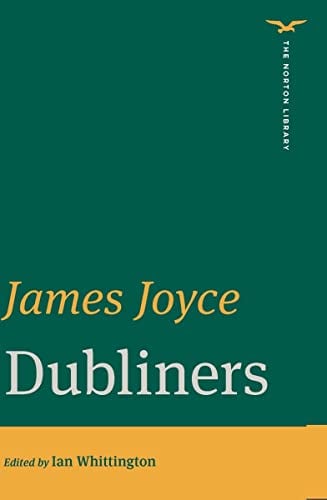
No. 78 on this list. Dubliners
James Joyce · 1914
Taught in schools: CSEC English B – Caribbean Examinations Council
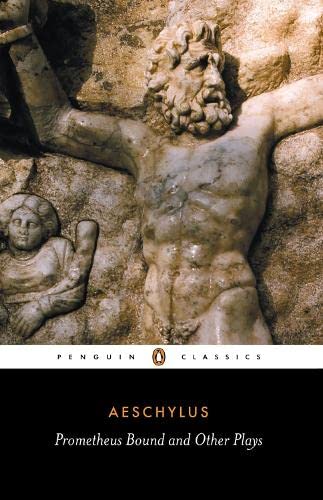
No. 79 on this list. Prometheus Bound
Aeschylus · c. 430 BCE
Included in: Great Books of the Western World
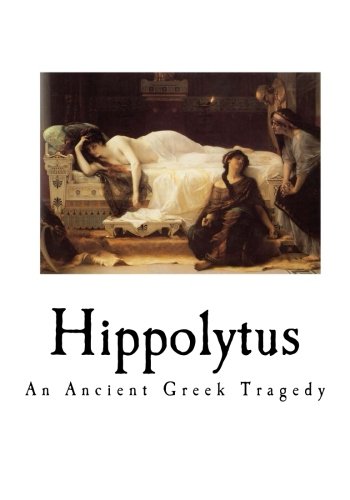
No. 80 on this list. Hippolytus
Euripides · c. 428 BCE
Included in: Great Books of the Western World
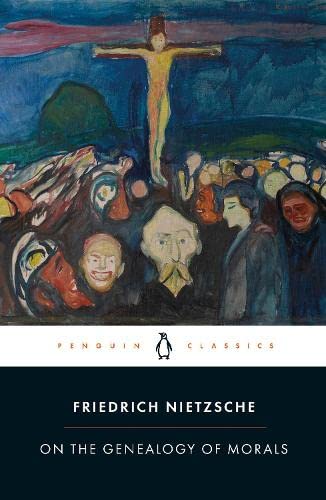
No. 81 on this list. On the Genealogy of Morality
Friedrich Nietzsche · 1887
No. 82 on this list. The Metamorphosis
Franz Kafka · 1915
Taught in schools: Common Core text exemplars (Appendix B) (US), Lithuanian literature curriculum (lietuvių kalba ir literatūra)
Included in: Great Books of the Western World
No. 83 on this list. The Tell-Tale Heart
Edgar Allan Poe · 1843
Taught in schools: Pacific Senior Secondary Certificate – English
No. 84 on this list. Tao Te Ching
No. 85 on this list. Ajax
Sophocles · c. 450 BCE
Included in: Great Books of the Western World
No. 86 on this list. Writing and Difference
Jacques Derrida · 1967
No. 87 on this list. The Birds
Aristophanes · c. 414 BCE
Included in: Great Books of the Western World
No. 88 on this list. Four Quartets
T. S. Eliot · 1943
No. 89 on this list. Tartuffe
Molière · 1669
Taught in schools: Hungarian literature curriculum (magyar nyelv és irodalom) (Hungary)
Included in: Great Books of the Western World
No. 90 on this list. A Hunger Artist
Franz Kafka · 1924
No. 91 on this list. City of God
Augustine of Hippo · 426
Included in: Great Books of the Western World
No. 92 on this list. The Trojan Women
Euripides · c. 415 BCE
Included in: Great Books of the Western World
No. 93 on this list. Death of a Salesman
Arthur Miller · 1949
Taught in schools: AQA GCSE and A-level English Literature (UK), Common Core text exemplars (Appendix B) (US), CSEC English B – Caribbean Examinations Council
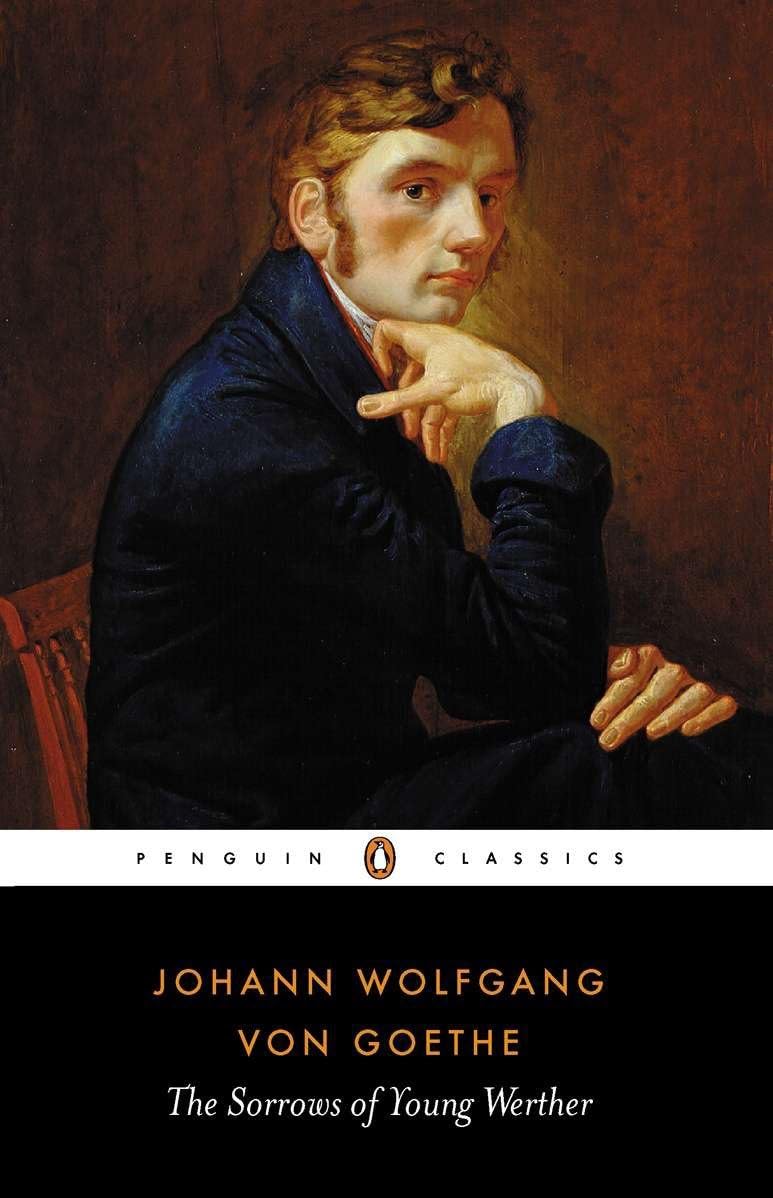
No. 94 on this list. The Sorrows of Young Werther
Johann Wolfgang von Goethe · 1774
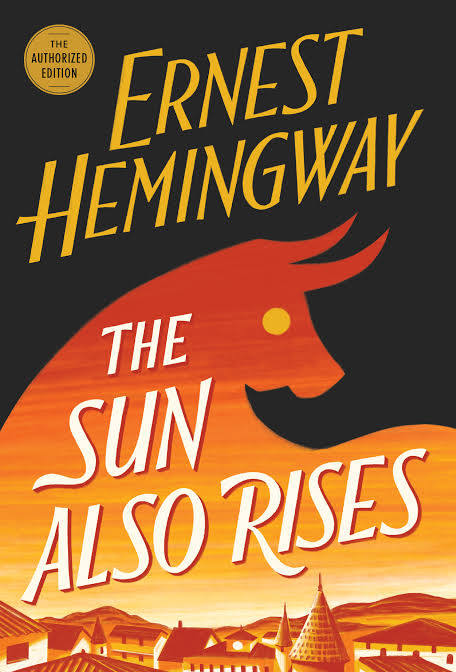
No. 95 on this list. The Sun Also Rises
Ernest Hemingway · 1926
No. 96 on this list. Utilitarianism
John Stuart Mill · 1863
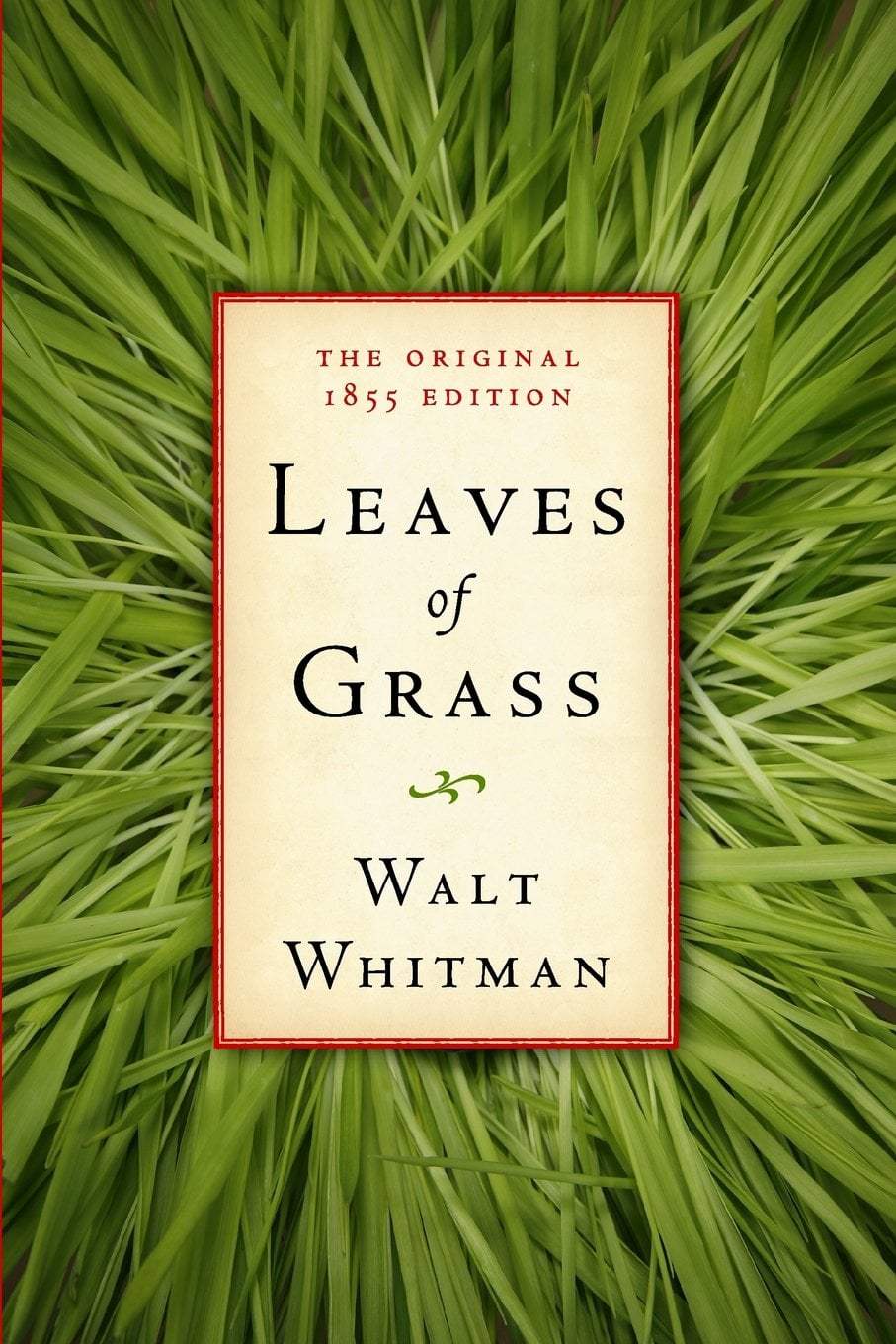
No. 97 on this list. Leaves of Grass
Walt Whitman · 1855
Included in: Bokklubben World Library
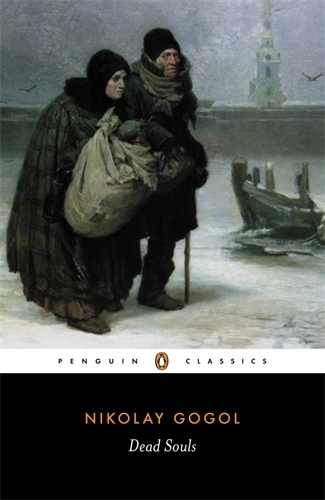
No. 98 on this list. Dead Souls
Nikolai Gogol · 1842
Taught in schools: Kazakh literature curriculum (Kazakhstan), Russian FGOS literature standard, Turkish edebiyat curriculum (Turkey)
Included in: Bokklubben World Library
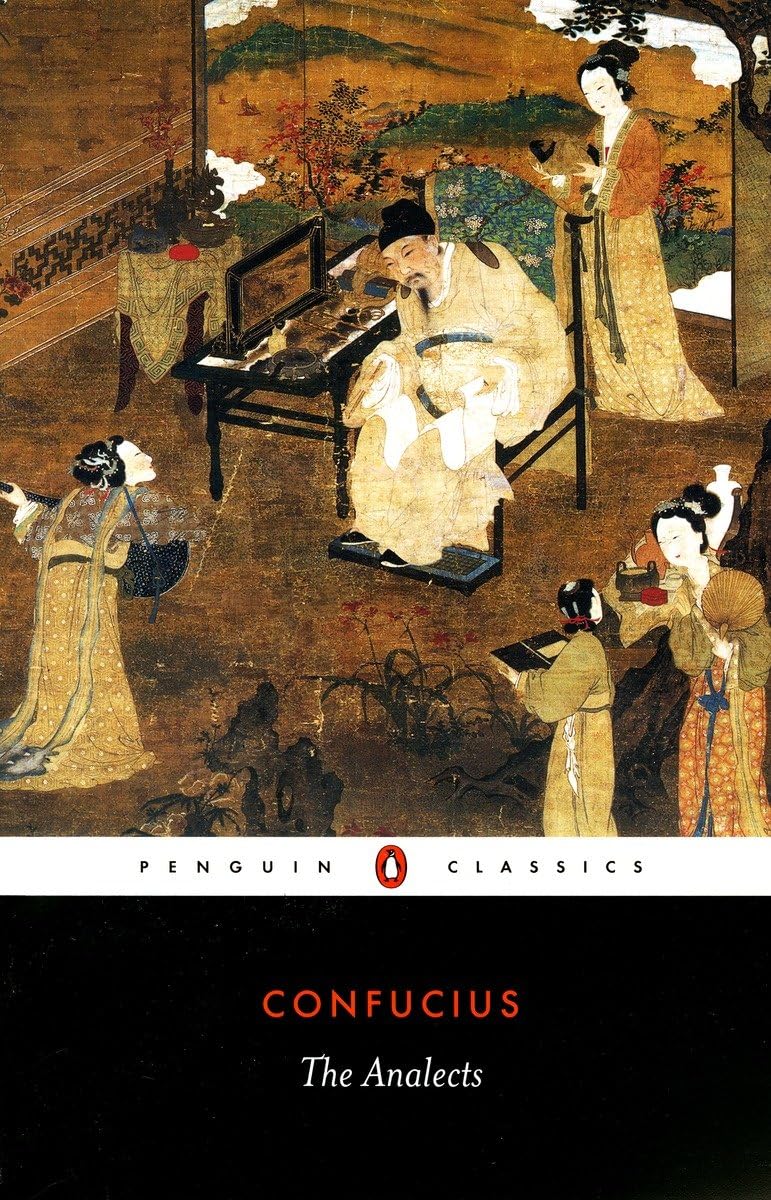
No. 99 on this list. Analects
Confucius · c. 479 BCE
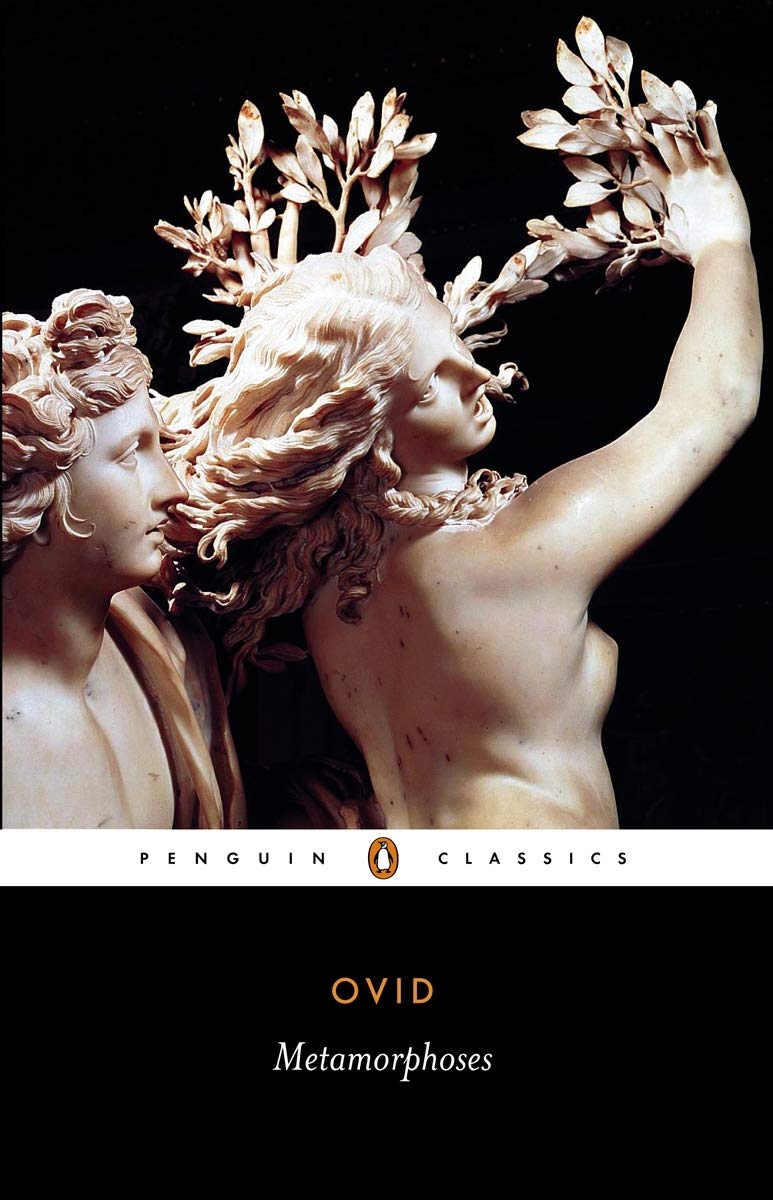
No. 100 on this list. Metamorphoses
Ovid · 8
Taught in schools: Hungarian literature curriculum (magyar nyelv és irodalom) (Hungary)
Included in: Bokklubben World Library
About this list
These 100 books are the highest-scoring eligible books by men currently in the catalogue. By literary regard, it opens with Republic, Hamlet and Divine Comedy. About 1,333 hours of reading in all. Difficulty runs from 53 to 71 out of 100 for the middle half of the list; the summit is Finnegans Wake at 94.
This list is ranked by literary regard, with a consistent order for equal scores. Membership follows authors and co-authors, not translators or editors. Catalogue coverage and the historical canon both limit what this list can represent.
When we matched the Canons dataset to our catalogue in October 2026, our canonical-status scores rose with the number of school curricula, publisher series and lists in it that cite a work: the median score was 72 for books one such source cites, 84 at two, 88 at three, 92 at four and 93 at five or more. Prizes are left out of that count. Outside the state curricula, the dataset’s sources choose mostly from what has been translated into English or French, so it is a weaker check on other literatures. Source: Canons (Andrew Piper), CC BY 4.0
Questions people actually ask
- What are the best books by men?
- By literary regard, which weighs canonical status, critical standing and influence, Republic, Hamlet, Divine Comedy, Iliad and Ulysses lead. ReadingRate ranks 100 such books, each with a difficulty score and a reading-time estimate.
- Where should I start with books by men?
- Start from difficulty, not from rank. The most approachable books on this list that still carry top literary regard are The Peloponnesian War by Thucydides (about 12 hours), The Prince by Niccolò Machiavelli and Life Studies by Robert Lowell.
- How hard are books by men to read?
- Most of this list sits between 53 and 71 on ReadingRate's 100-point difficulty scale, where 40 to 55 is moderate. The summit is Finnegans Wake at 94. Every entry carries its own score, so a reader can pick a great book at a difficulty they will finish.
- How is this list ranked?
- On literary-regard data: how canonically established a work is, its critical standing, and its influence on later writing. It is not a readers’ poll, which is why recent bestsellers rarely appear. Membership follows authors and co-authors, not translators or editors. A list that is not a genre list keeps to literature (fiction, poetry, drama and philosophy), with philosophy taking no more than one slot in five while there is literature left to rank; every list holds at most three works by one author.