Hours at an average pace
Showing 39 books
About 353 hours for 39 of 39 books with measured lengths. Estimates use 250 words a minute, adjusted for each book's difficulty. At 2 hours a day, about 177 days for those books.
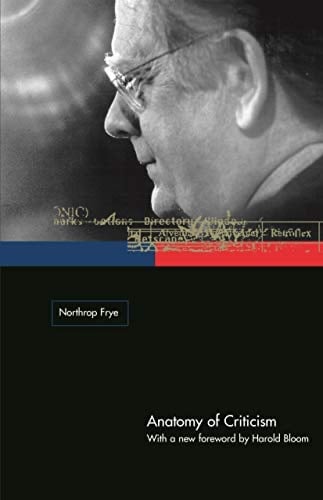
Anatomy of Criticism is standard required reading in graduate English programs throughout the anglophone world and has been since its publication in 1957. It appears on nearly every foundational course in literary theory and criticism alongside Barthes, Derrida, and Said. No formal syllabus data was retrieved, but its presence in the curriculum is comparable to Beloved (85) or stronger — it is the foundational text of archetypal criticism.
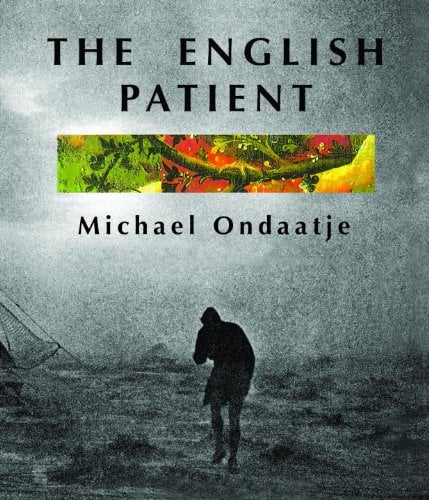
Winner of the Booker Prize in 1992; widely anthologized in university curricula worldwide. Adapted into a major 1996 film directed by Anthony Minghella, broadening its cultural footprint. Literary canon inclusion remains secure with significant critical examination in scholarship on postmodern war fiction.
Fifth Business is widely regarded as the foundational text of modern Canadian literature and a fixture on university English syllabi across Canada and internationally. Its place at the head of the Deptford Trilogy and its sustained presence in academic course lists — from Canadian literature surveys to courses on the psychological novel — cement its canonical standing well beyond its national origin.
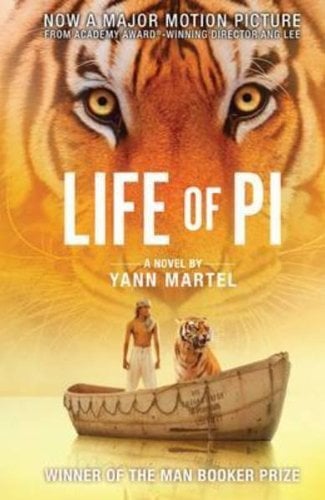
The novel that made Booker winners into blockbusters. Pi Patel's 227 days with a Bengal tiger became a meditation on faith, survival, and storytelling itself. The 2012 Ang Lee film won four Academy Awards and brought the story to global audiences.
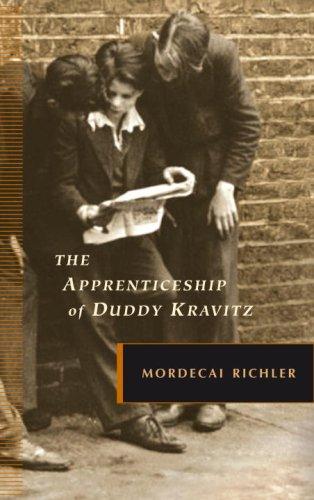
One of the defining Canadian novels, central to the canon of both Canadian and Jewish-American-adjacent literature. Required reading in Canadian schools and universities.
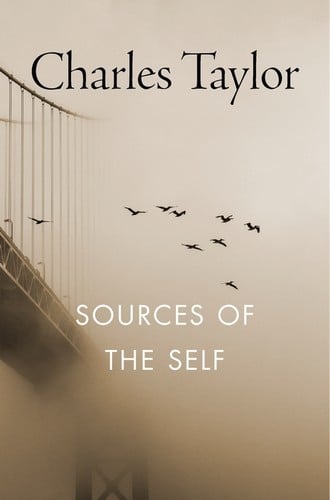
No. 6 on this list. Sources of the Self: The Making of the Modern Identity
Charles Taylor · 1989
Challenging21 hours
Charles Taylor argues that modern identity is not self-evident but has a history — one that can be traced from Plato through Augustine, Descartes, Locke, and Romanticism to the present. The modern sense of self involves a distinctive combination: an inner depth (the self as something to be discovered within), a commitment to ordinary life as morally significant, and an expressive individualism that equates authenticity with self-realization. Taylor's central concern is the 'moral ontology' that underlies modern identity — the implicit framework of goods and obligations within which we make sense of our lives. Without acknowledging this framework, modern moral philosophy cannot understand what it is actually doing. The book is a major work of philosophical anthropology and intellectual history, tracing how the self became a problem — something that requires explanation, exploration, and justification rather than simply acceptance.
No. 7 on this list. Black Water: The Anthology of Fantastic Literature
Alberto Manguel · 1983
Moderate12 hours
A landmark anthology that defined 'fantastic literature' as a category for English-language readers. Continuously in print and widely referenced.
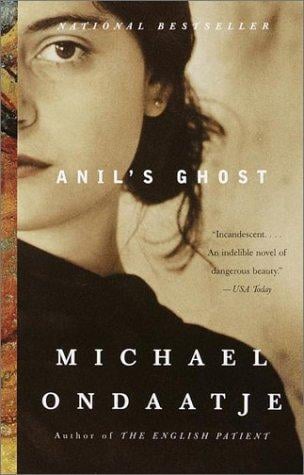
Regularly taught in postcolonial literature, world fiction, and trauma studies courses at universities in North America, the UK, and Australia. Less canonical than The English Patient but consistently included on syllabi covering Sri Lankan literature and political violence in fiction. The novel has maintained sustained critical presence in postcolonial studies since its 2000 publication, though it lacks the high-school curriculum fixture status of Ondaatje's earlier novel.
In the Skin of a Lion is widely taught in Canadian literature courses and appears on most CanLit reading lists as a foundational text of Toronto's literary mythology. It has strong presence in postcolonial and working-class literature curricula internationally. Less universally canonical than Ondaatje's Booker-winning The English Patient (1992), but firmly established as a significant work in Canadian and immigrant fiction.
Hugo winner, widely praised. One of the best SF novels of the 2000s.
No. 11 on this list. World of Wonders · Robertson Davies · 1975
The concluding volume of a trilogy widely regarded as the pinnacle of Canadian literary fiction. Less read independently but essential to the Deptford Trilogy's achievement.
Moderate6.1 hours
Start this bookNo. 12 on this list. What's Bred in the Bone · Robertson Davies · 1986
Ranked by literary regard among eligible works in the current catalogue. This position reflects the available catalogue evidence.
Challenging9.1 hours
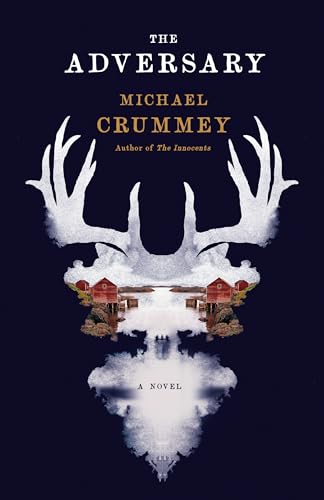
Start this bookNo. 13 on this list. The Adversary · Michael Crummey · 2025
In the rugged landscape of Newfoundland, a man's journey to confront his past becomes a poignant exploration of identity and legacy. As winter's darkness gathers, he must face the complexities of his relationship with his difficult father, and the weight of masculine inheritance that has shaped his life. Through Crummey's nuanced and evocative writing, the harsh beauty of the North Atlantic coast becomes a character in its own right, influencing the narrative with its unforgiving power and majestic beauty. The story delves into the fragility of memory and the ways in which our past experiences continue to shape us. Readers who appreciate character-driven fiction and are drawn to explorations of family, identity, and the human condition will find "The Adversary" a compelling and thought-provoking read. The novel's themes and atmospheric setting may appeal to fans of literary fiction, particularly those who enjoy authors who weave together elements of place, memory, and personal history. As the winner of the Dublin award in 2025, "The Adversary" has already garnered significant recognition for its literary merit. With its richly detailed setting and introspective narrative, this novel is sure to resonate with readers seeking a contemplative and immersive reading experience.
Challenging2.8 hours
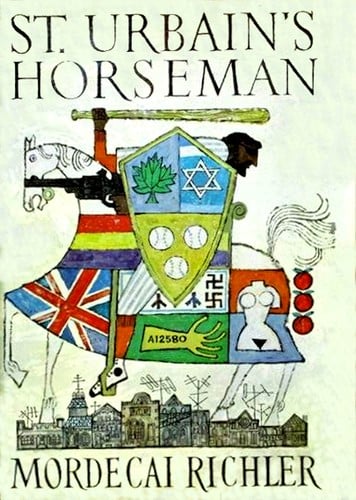
Start this bookNo. 14 on this list. St. Urbain's Horseman · Mordecai Richler · 1971
Jake Hersh, a successful Montreal screenwriter, is haunted by guilt, memory, and the legacy of his Jewish heritage. Richler's darkly comic novel examines the anxieties of assimilation and the impossibility of escaping the past.
Challenging8.7 hours
Start this bookNo. 15 on this list. The Gutenberg Galaxy · Marshall McLuhan · 1962
McLuhan's first major work argues that the invention of movable type in the fifteenth century created the modern Western mind. Print culture produced linear thinking, individualism, nationalism, the scientific method, and the Protestant Reformation—all consequences of the shift from oral/tribal culture to literate/visual culture. McLuhan writes in a deliberately non-linear, 'mosaic' style that mirrors the oral culture he describes, juxtaposing ideas from Shakespeare, Pope, Blake, Joyce, and dozens of other sources without conventional argumentative transitions. The book coined the term 'global village' and laid the groundwork for Understanding Media, published two years later. Academic critics found the method maddening—McLuhan makes sweeping claims without systematic evidence—but his core insight, that communication technologies reshape consciousness, has been confirmed by every subsequent technological revolution.
Easy3.9 hours
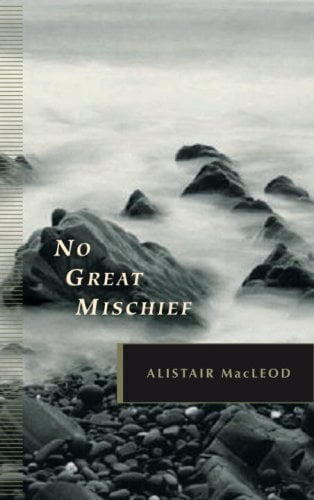
Start this bookNo. 16 on this list. No Great Mischief · Alistair MacLeod · 2001
Historical novel/family saga. The narrator Alexander MacDonald guides us through his family's mythic past as he recollects the heroic stories of his people: loggers, miners, drinkers, adventurers; men forever in exile, forever linked to their clan. There is the legendary patriarch who left the Scottish Highlands in 1779 and resettled in "the land of trees," where his descendants became a separate Nova Scotia clan. There is the team of brothers and cousins, expert miners in demand around the world for their dangerous skills. And there is Alexander and his twin sister, who have left Cape Breton and prospered, yet are haunted by the past. Elegiac, hypnotic, by turns joyful and sad, No Great Mischief is a spellbinding story of family, loyalty, and of the blood ties that bind us to the land from which our ancestors came.
Moderate5 hours
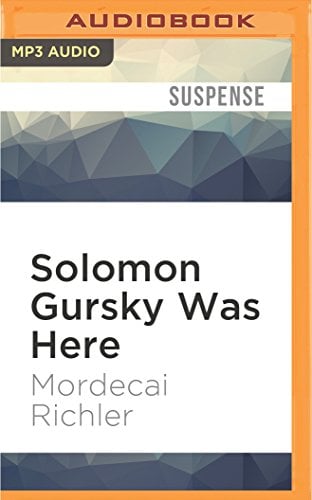
Start this bookNo. 17 on this list. Solomon Gursky Was Here · Mordecai Richler · 1990
The Gursky family saga sprawls across a century of Canadian history, from Arctic exploration to Montreal's Jewish community to international intrigue. Richler's wild, ambitious novel mixes fact and fiction, tragedy and farce, in a portrait of Jewish experience in the New World.
Challenging14 hours
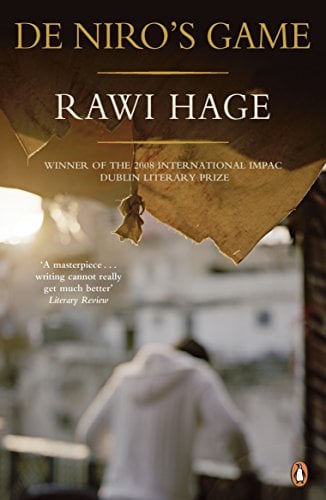
Start this bookNo. 18 on this list. De Niro's Game · Rawi Hage · 2008
De Niro's Game appears in 30 syllabi, indicating moderate but meaningful curricular presence, particularly in courses on postcolonial literature, war fiction, and Middle Eastern diaspora writing. It has not achieved the broad canonical footprint of established 20th-century war novels (All Quiet on the Western Front, The Things They Carried), but it holds a firm position in contemporary world literature and Canadian literature curricula.
Moderate4.6 hours
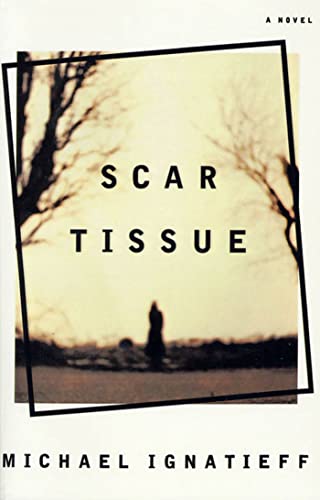
Start this bookNo. 19 on this list. Scar Tissue · Michael Ignatieff · 1993
In "Scar Tissue", Michael Ignatieff weaves a complex narrative that delves into the intricacies of human relationships and the fragility of the self. The story revolves around a family's struggles with illness, identity, and the blurred lines between love and responsibility. As the narrative unfolds, Ignatieff skillfully exposes the fault lines that exist within the family's dynamics, revealing the scars that bind them together. Through lyrical prose, Ignatieff explores themes of mortality, loyalty, and the search for meaning in a chaotic world. His writing is characterized by a nuanced sensitivity, rendering the characters' emotions and experiences with unflinching honesty. The tone is contemplative, inviting readers to reflect on the fragility and beauty of human connection. Readers who appreciate literary fiction that probes the depths of human experience will find "Scar Tissue" a compelling and thought-provoking read. The novel's shortlisting for the 1993 Booker Prize is a testament to its literary merit, and Ignatieff's masterful storytelling will resonate with those who enjoy character-driven narratives. With its exploration of universal themes and its beautifully crafted prose, "Scar Tissue" is a novel that will appeal to readers seeking a nuanced and emotionally resonant story.
Challenging3.7 hours
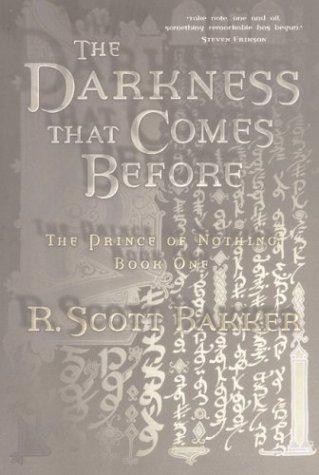
Start this bookNo. 20 on this list. The Darkness That Comes Before · R. Scott Bakker · 2003
Cult classic. Polarizing—revered by some as the most intellectually ambitious fantasy ever written, rejected by others.
Moderate13 hours
Start this book
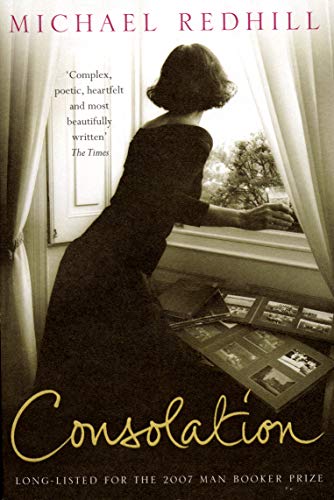
No. 21 on this list. Consolation · Michael Redhill · 2007
In 1856, a surveyor photographs a vanishing Toronto shoreline; in the present, his descendants discover artifacts that rewrite family history. Shifting between Victorian Toronto and the contemporary city, Redhill's novel explores how the past persists beneath the surface of the present, and how we construct identity from fragments of history.
Moderate8 hours
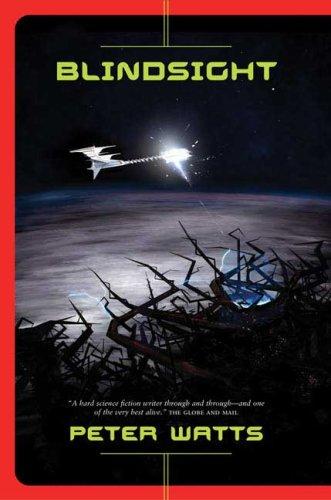
Start this bookNo. 22 on this list. Blindsight · Peter Watts · 2006
A cult classic of hard SF. Widely discussed in both SF and philosophy-of-mind circles.
Moderate6.9 hours
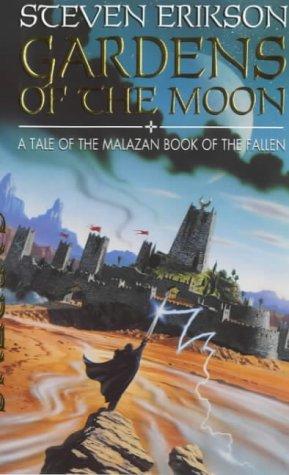
Start this bookNo. 23 on this list. Gardens of the Moon · Steven Erikson · 1999
Considered a masterwork within epic fantasy, with a devoted following. Less widely read than peers due to difficulty.
Challenging17 hours
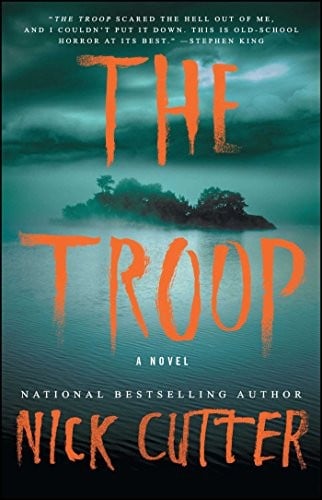
Start this bookNo. 24 on this list. The Troop · Nick Cutter · 2014
A popular horror novel that earned strong genre recognition. Not yet canonical but frequently recommended in horror circles.
Easy4.9 hours
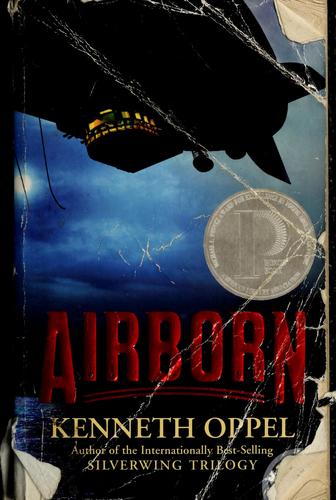
Start this bookNo. 25 on this list. Airborn · Kenneth Oppel · 2004
A Printz Honor book and Governor General's Award winner. A standout in YA steampunk adventure.
Very Easy3.4 hours
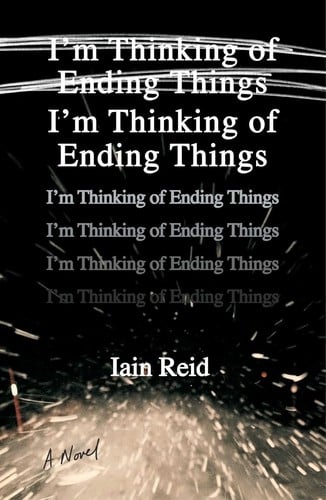
Start this bookNo. 26 on this list. I'm Thinking of Ending Things · Iain Reid · 2016
Bestseller with a major film adaptation. Establishing its place in contemporary horror but too recent for canonical certainty.
Challenging4 hours
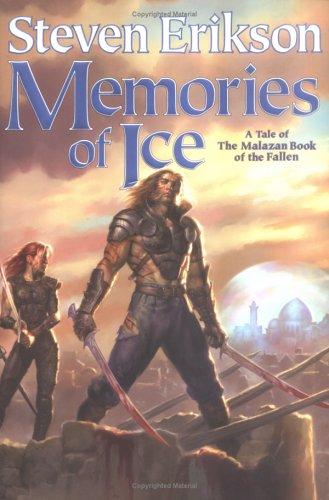
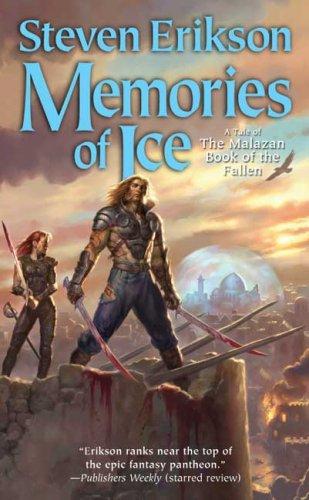
Start this bookNo. 27 on this list. Memories of Ice · Steven Erikson · 2001
Beloved by fantasy readers and a standard in the Malazan series, but absent from literary curricula. It lives within genre fandom rather than syllabi.
Challenging27 hours
Start this bookNo. 28 on this list. The Living Realm · Jordan Tannahill · 2026
A 2026 release has no syllabi record yet. A starred Publishers Weekly review and praise from Douglas Stuart and Garth Greenwell place it among notable new literary fiction, not the established canon.
Moderate1.6 hours
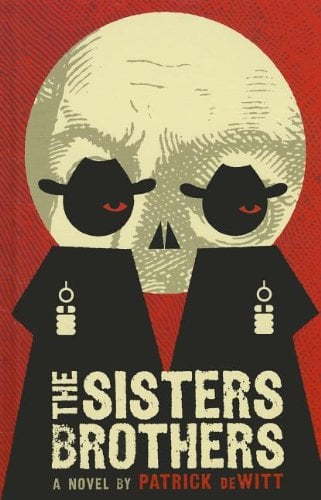
Start this bookNo. 29 on this list. The Sisters Brothers · Patrick deWitt · 2012
The Sisters Brothers does not appear on university syllabi in any meaningful numbers and lacks a Wikipedia entry with cross-language presence. It is a well-regarded contemporary novel but has not entered the teaching canon or earned the 'essential reading' consensus that defines high canonical status.
Moderate6.3 hours
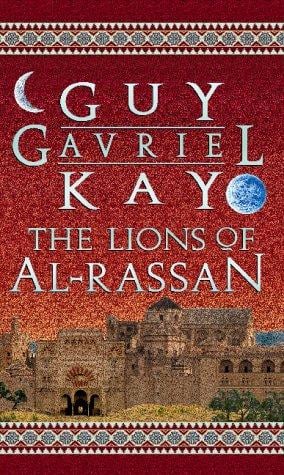
Start this bookNo. 30 on this list. The Lions of Al-Rassan · Guy Gavriel Kay · 1995
No database records show syllabus appearances or Wikipedia language editions for this title. The Lions of Al-Rassan is well-regarded within the fantasy genre but sits outside mainstream literary syllabi and canonical reading lists. It does not appear on Modern Library, TIME All-TIME 100, or similar cross-genre lists.
Challenging14 hours
Start this book
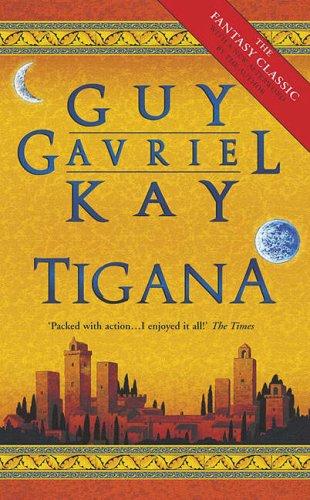
No. 31 on this list. Tigana
Guy Gavriel Kay · 1990
No. 32 on this list. Days of Feasting and Rejoicing
David Bergen · 2026
No. 33 on this list. Deadhouse Gates
Steven Erikson · 2000
No. 34 on this list. The Summer Tree
Guy Gavriel Kay · 1984
No. 35 on this list. Helpmeet
Naben Ruthnum · 2022
No. 36 on this list. We Spread
Iain Reid · 2022
No. 37 on this list. Little Heaven
Nick Cutter · 2017
No. 38 on this list. The Creep
Michael LaPointe · 2021
No. 39 on this list. Son of Nobody
Yann Martel · 2026
About this list
These 39 books are the highest-scoring eligible books by men from Canada currently in the catalogue. By literary regard, it opens with Anatomy of Criticism: Four Essays, The English Patient and Fifth Business. About 353 hours of reading in all. Difficulty runs from 47 to 60 out of 100 for the middle half of the list; the summit is Fifth Business at 77.
This list is ranked by literary regard, with a consistent order for equal scores. Membership follows authors and co-authors, not translators or editors. Catalogue coverage and the historical canon both limit what this list can represent.
When we matched the Canons dataset to our catalogue in October 2026, our canonical-status scores rose with the number of school curricula, publisher series and lists in it that cite a work: the median score was 72 for books one such source cites, 84 at two, 88 at three, 92 at four and 93 at five or more. Prizes are left out of that count. Outside the state curricula, the dataset’s sources choose mostly from what has been translated into English or French, so it is a weaker check on other literatures. Source: Canons (Andrew Piper), CC BY 4.0
Questions people actually ask
- What are the best books by men from Canada?
- By literary regard, which weighs canonical status, critical standing and influence, Anatomy of Criticism: Four Essays, The English Patient, Fifth Business, Life of Pi and The Apprenticeship of Duddy Kravitz lead. ReadingRate ranks 39 such books, each with a difficulty score and a reading-time estimate.
- Where should I start with books by men from Canada?
- Start from difficulty, not from rank. The most approachable books on this list that still carry top literary regard are The Apprenticeship of Duddy Kravitz by Mordecai Richler (about 4.7 hours), Black Water: The Anthology of Fantastic Literature by Alberto Manguel and Life of Pi by Yann Martel.
- How hard are books by men from Canada to read?
- Most of this list sits between 47 and 60 on ReadingRate's 100-point difficulty scale, where 40 to 55 is moderate. The summit is Fifth Business at 77. Every entry carries its own score, so a reader can pick a great book at a difficulty they will finish.
- How is this list ranked?
- On literary-regard data: how canonically established a work is, its critical standing, and its influence on later writing. It is not a readers’ poll, which is why recent bestsellers rarely appear. Membership follows authors and co-authors, not translators or editors. A list that is not a genre list keeps to literature (fiction, poetry, drama and philosophy), with philosophy taking no more than one slot in five while there is literature left to rank; every list holds at most three works by one author.