Hours at an average pace
Showing 30 books
About 319 hours for 30 of 30 books with measured lengths. Estimates use 250 words a minute, adjusted for each book's difficulty. At 2 hours a day, about 160 days for those books.
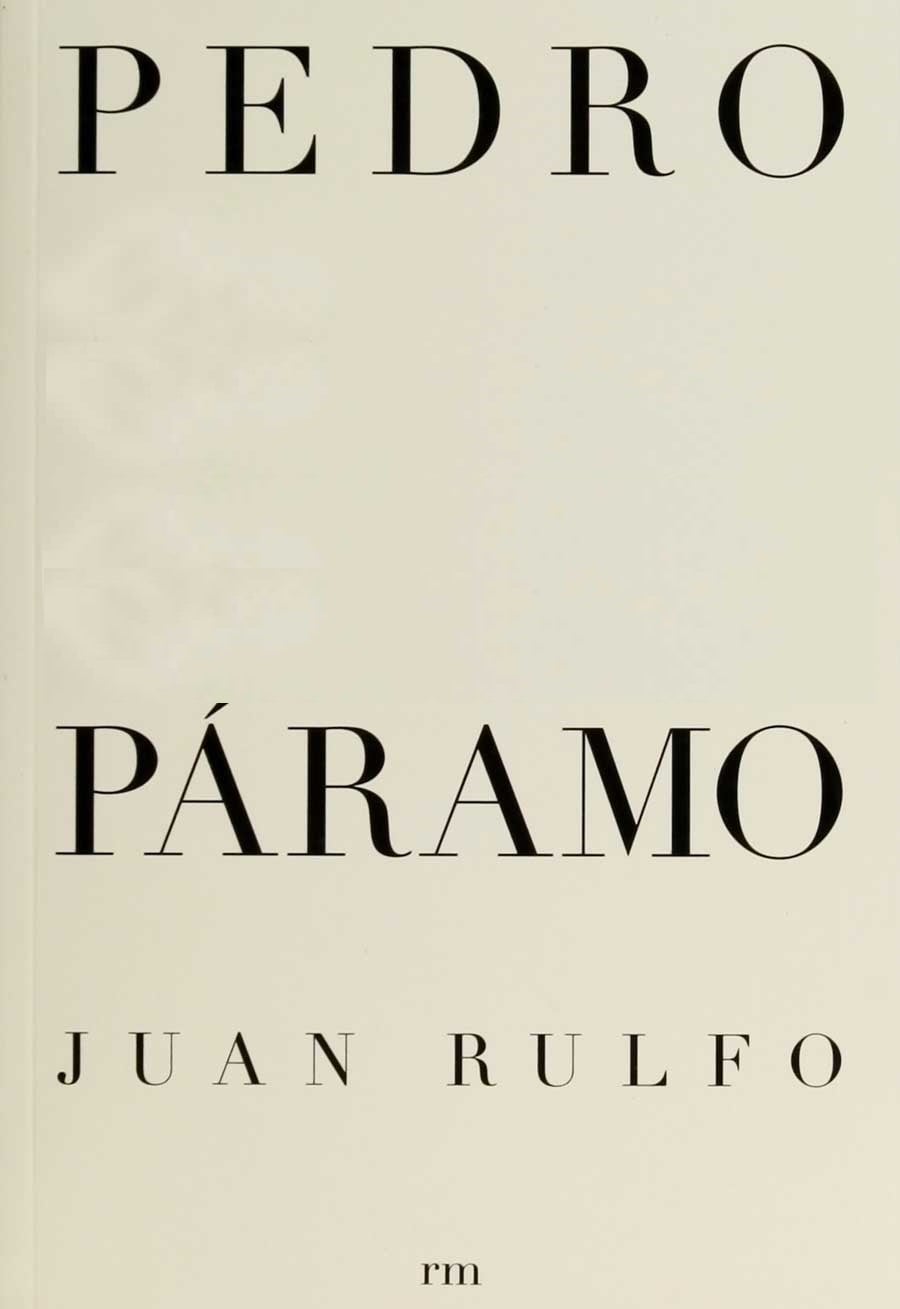
No. 1 on this list. Pedro Páramo
Juan Rulfo · 1955
Difficult3.6 hours
Taught in schools: Literatura, Diseño Curricular – Provincia de Buenos Aires (Argentina), UNAM Escuela Nacional Preparatoria – programas de Literatura (Mexico)
Included in: Bokklubben World Library
Pedro Páramo is the foundational text of Latin American modernism, present in nearly every world literature curriculum globally. Its Wikipedia article spans 26 languages. García Márquez credited it with teaching him how to write One Hundred Years of Solitude — a direct line of influence that alone ensures canonical permanence. Penguin Modern Classics published it in 1961.
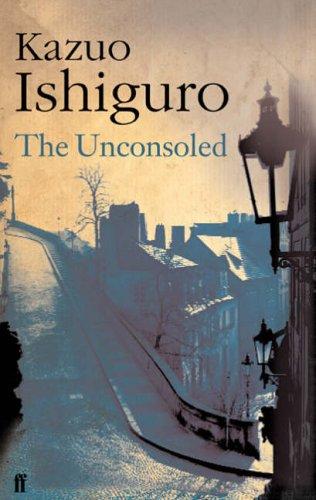
A central text in Ishiguro's oeuvre and in post-1990 British literary fiction, widely taught at graduate level and consistently included in critical assessments of late-twentieth-century psychological realism. Its reputation was initially polarised but has grown substantially since Ishiguro's Nobel Prize.
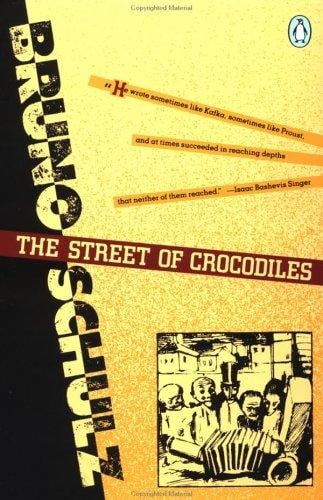
No. 3 on this list. The Street of Crocodiles
Bruno Schulz · 1934
Difficult7.1 hours
Taught in schools: Lektury obowiązkowe – Polish national reading list (Poland)
A standard text in world-literature and modernism syllabi and the central work of Polish literary modernism after Gombrowicz.
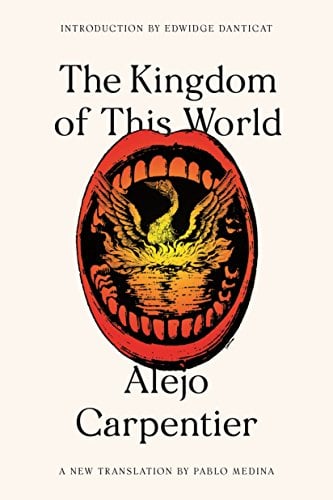
No. 4 on this list. The Kingdom of This World
Alejo Carpentier · 1949
Challenging2.7 hours
Taught in schools: Literatura, Diseño Curricular – Provincia de Buenos Aires (Argentina)
The Kingdom of This World is widely taught in Latin American literature courses and postcolonial studies programs worldwide. The novel launched the concept of 'lo real maravilloso' (the marvelous real), which Carpentier articulated in its famous prologue — making it a required theoretical as well as literary text. No specific syllabus count data is available, but its presence on comparative literature and world fiction syllabi is consistent and decades-long.
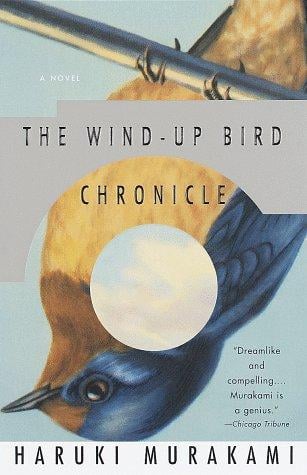
Toru Okada is making spaghetti when an anonymous woman calls to say they need ten minutes to understand each other. Then his cat vanishes. Then his wife Kumiko disappears entirely, leaving only a letter about her brother and a request not to look for her. This is how The Wind-Up Bird Chronicle begins: with domestic life dissolving from the inside, one ordinary item at a time. Murakami keeps Toru's voice flat and patient throughout — he irons shirts when upset, counts stages, watches his garden — while everything around him tilts into the surreal. He descends into a dry well in a neighbor's yard and emerges changed, a blue-black mark spreading across his cheek. He encounters Malta and Creta Kano, psychic sisters whose names are Mediterranean islands. He sits across a table from a television personality who may be the novel's primary evil. Threaded through the present is Lt. Mamiya's account of the Mongolian desert in 1939 — atrocity reported in the same matter-of-fact voice Toru uses to describe boiling water. The novel operates on the logic of a dream that refuses to dissolve on waking: causality suspended, meaning promised and withheld simultaneously. Murakami never explains his machinery. By the end, what remains is a portrait of a man in a long wait — for his wife, for answers, for the world to wind itself back up.
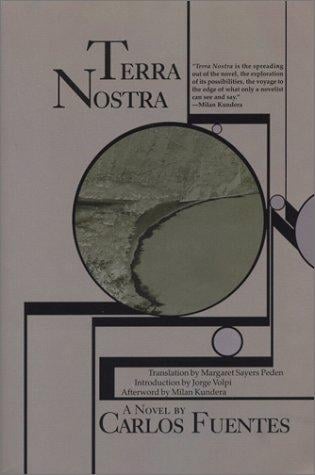
Terra Nostra is widely recognized as a canonical work of postmodern historical fiction and is regularly assigned in Latin American literature graduate courses and world literature programs. It appears consistently on critical lists of the greatest novels of the 20th century (including Harold Bloom's Western Canon), though it remains less universally assigned than One Hundred Years of Solitude. The novel's standing is secure in academic literary culture but requires significant dedication from general readers, limiting its reach beyond specialist contexts.
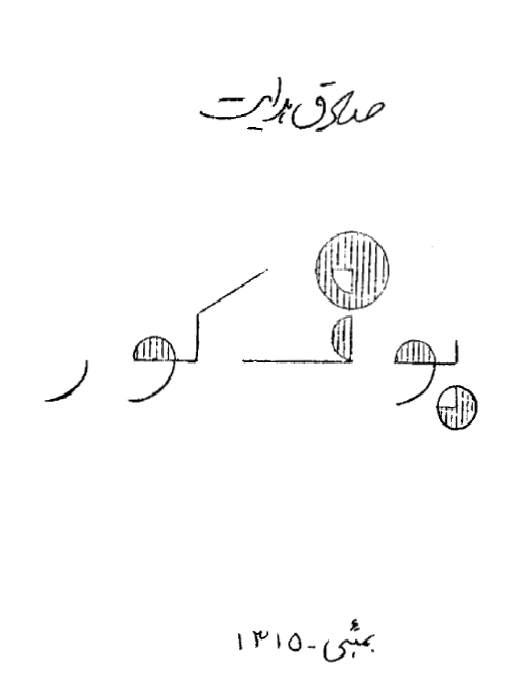
The Blind Owl is the most celebrated Persian-language novel of the twentieth century and the foundational text of Iranian modernist fiction, required reading in Iranian high schools and universities for generations. Its Wikipedia article exists in over 30 languages. In Western academic contexts it appears regularly on world literature syllabi, though with nothing like the penetration of canonical European modernist texts.
No. 8 on this list. The Little Prince
Antoine de Saint-Exupéry · 1943
Easy60 min
Taught in schools: Common Core text exemplars (Appendix B) (US)
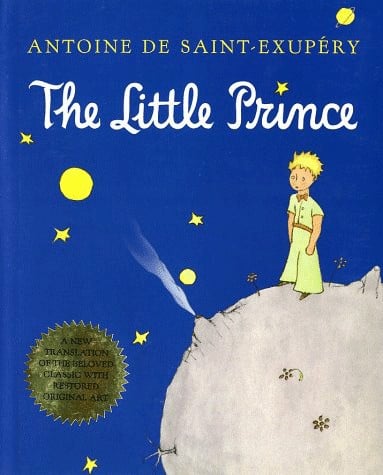
One of the most translated books in history with over 300 language editions, making it among the most widely read works of French literature. A staple of French school curricula and taught globally in world literature, philosophy, and children's literature courses. Wikipedia articles exist in well over 100 languages, reflecting universal cultural penetration.
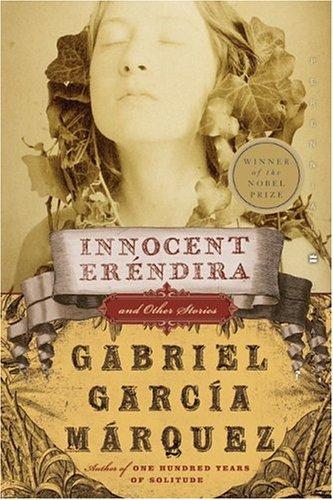
No. 9 on this list. Innocent Erendira and Other Stories
Gabriel García Márquez · 2005
Moderate3.4 hours
García Márquez is a staple of world literature courses and the stories 'A Very Old Man with Enormous Wings' and 'The Handsomest Drowned Man in the World' are widely anthologized. The collection itself is less central than One Hundred Years of Solitude.
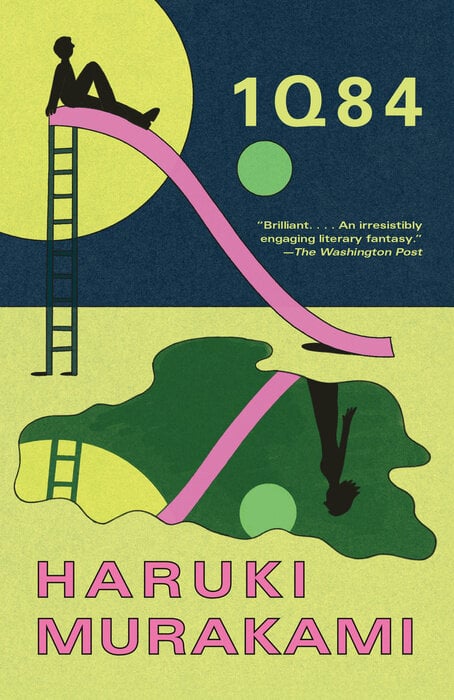
1Q84 is considered Murakami's most ambitious work and appears on contemporary world literature syllabi and essential Murakami reading lists globally. No syllabus data was available in the database, but the novel's scope, its explicit engagement with Orwell, and its place in Murakami's career place it above mid-tier literary fiction. It is not at the level of canonical anchors like Ulysses or Beloved, but it is required reading for anyone studying contemporary Japanese literary fiction.
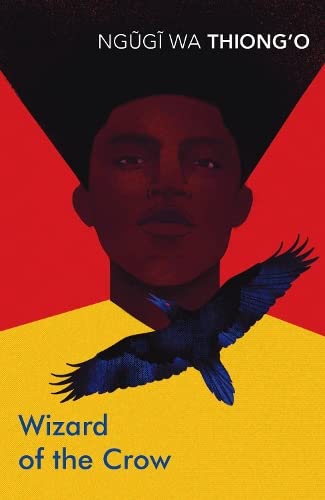
No. 11 on this list. Wizard of the Crow · Ngugi wa Thiong'o · 2004
No syllabus data available from the database, but Wizard of the Crow is widely taught in African literature and postcolonial studies courses globally. It is Ngugi's most ambitious work, recognized as his magnum opus across critical literature. Taught less ubiquitously than Achebe's Things Fall Apart but firmly positioned in world literature curricula.
Challenging25 hours
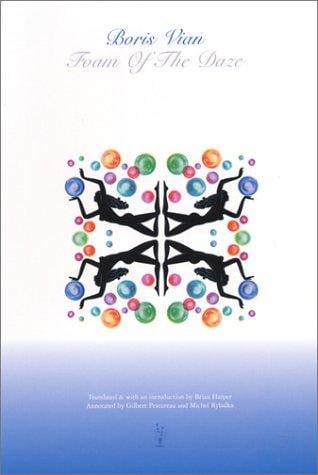
Start this bookNo. 12 on this list. Froth on the Daydream · Boris Vian · 1947
Ranked tenth on Le Monde's 100 Books of the Century as L'Écume des jours and a staple of French secondary-school reading, with a Wikipedia article in 24 languages. Outside France it is better known through Michel Gondry's 2013 film Mood Indigo than through university syllabi.
Moderate3 hours
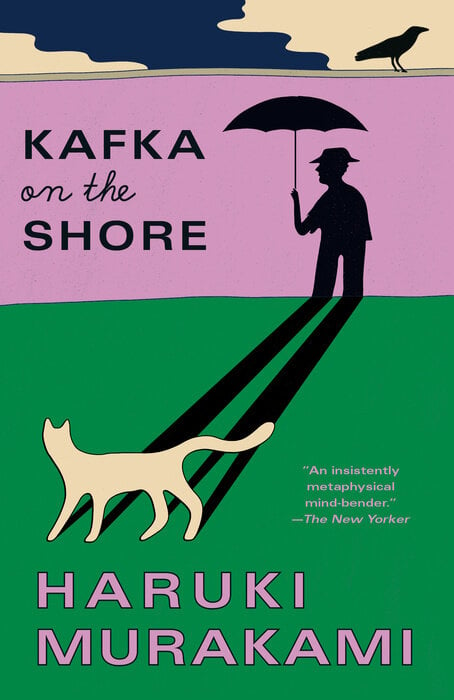
Start this bookNo. 13 on this list. Kafka on the Shore · Haruki Murakami · 2001
Wikipedia covers the novel in 36 languages with a dedicated Reception section, indicating substantial global critical discourse. It appears in contemporary world fiction and Japanese literature courses but is not a curriculum fixture — the Open Syllabus data shows minimal formal academic presence. It occupies the 'Established' band: recognized importance without universal inclusion, and below Infinite Jest (78) or 2666 (65) in canonical reach.
Challenging14 hours
Start this bookNo. 14 on this list. Bomarzo · Manuel Mujica Lainez · 1988
It is a central novel of Argentine and Latin American historical fiction, with an opera adaptation by Ginastera. It is taught mainly in Hispanic literature courses rather than widely in world curricula.
Challenging16 hours
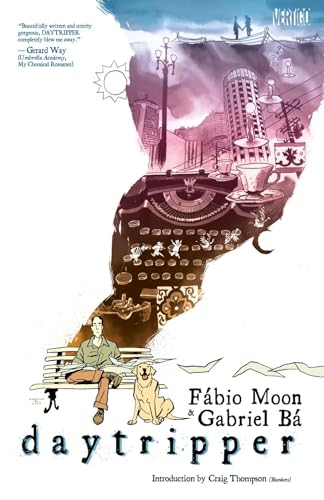
Start this bookNo. 15 on this list. Daytripper · Fábio Moon · 2011
Highly regarded in the graphic novel world and increasingly taught in university courses. Not yet as widely known as older canonical graphic novels.
Easy2.4 hours
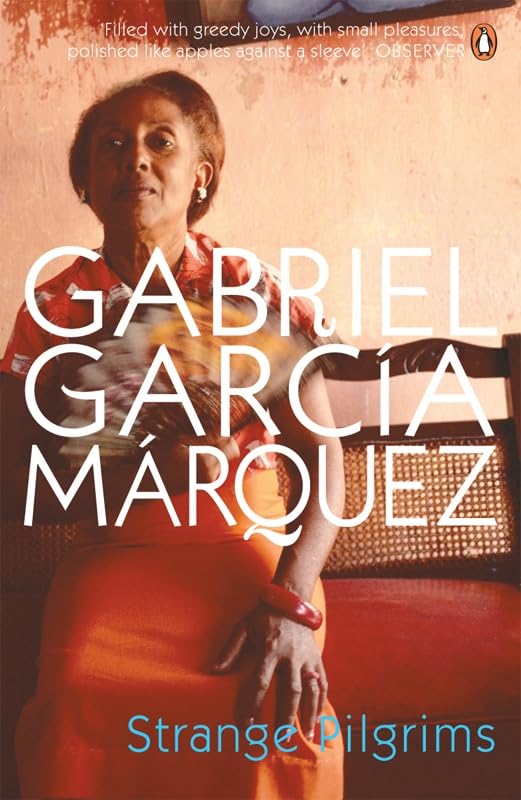
Start this bookNo. 16 on this list. Strange Pilgrims · Gabriel García Márquez · 1992
A respected collection from a Nobel laureate, though not among his most celebrated works.
Moderate3.4 hours
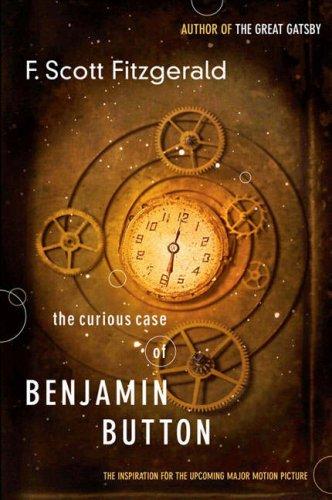
Start this bookNo. 17 on this list. The Curious Case of Benjamin Button · F. Scott Fitzgerald · 1922
A well-known Fitzgerald short story, widely anthologized and adapted into a 2008 film, but taught far less than Gatsby.
Easy56 min
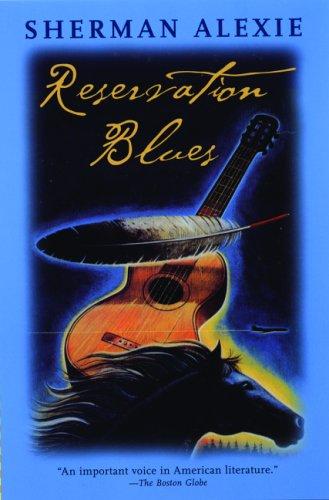
Start this bookNo. 18 on this list. Reservation Blues · Sherman Alexie · 1995
Important Native American novel. Widely taught in college courses.
Easy4.1 hours
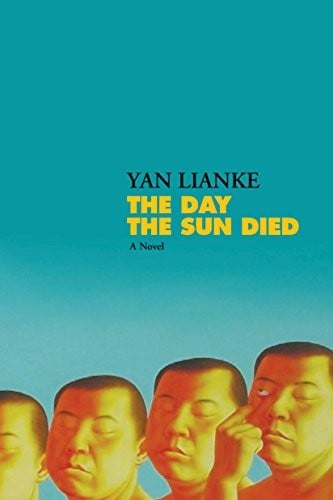
Start this bookNo. 19 on this list. The Day the Sun Died · Yan Lianke · 2015
No database records show syllabus appearances or Wikipedia presence for this specific title. 'The Day the Sun Died' (2018 in English translation) is not yet established on university syllabi and lacks the wide-language Wikipedia presence of canonical works. It remains in the literary discovery phase rather than the curriculum fixture phase, despite strong critical reception.
Challenging11 hours
Start this bookNo. 20 on this list. Requiem: A Hallucination · Antonio Tabucchi · 2002
It is regarded in Italian and Portuguese-language literary circles as one of Tabucchi's key works and sits alongside his Pessoa-related writing. It is taught more in specialist courses on European and Lusophone literature than in general canons.
Moderate2.1 hours
Start this book


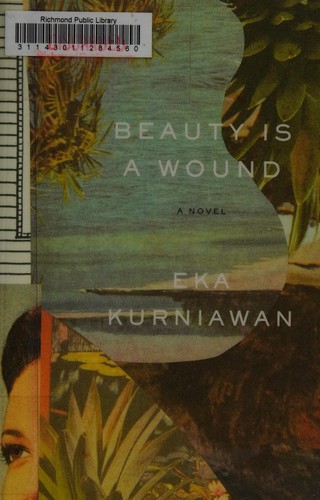
No. 21 on this list. Beauty Is a Wound · Eka Kurniawan · 2002
Beauty Is a Wound (2002) is a key modern Indonesian novel and has been taught in world-literature and Southeast Asian studies courses since its 2015 English translation by Annie Tucker. It is widely regarded as essential reading for modern Indonesian fiction.
Challenging14 hours
Start this bookNo. 22 on this list. Transparent City · Ondjaki · 2021
A 2018 English translation of a contemporary novel with no syllabus data yet; it earned a Best Translated Book Award nomination and World Literature Today recognition. It reads as emerging within world literature and postcolonial studies.
Challenging9.3 hours
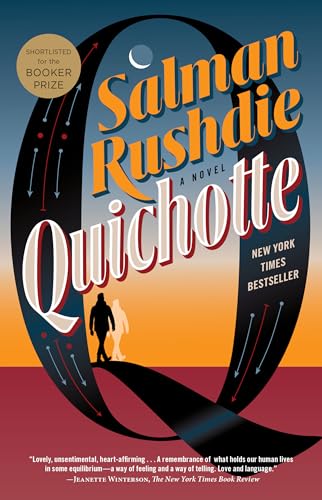
Start this bookNo. 23 on this list. Quichotte · Salman Rushdie · 2019
Quichotte (2019), a reworking of Don Quixote set in contemporary America, appears on some courses on Rushdie and on contemporary novels in dialogue with the classics, but it is not a standard text. It sits far below Midnight's Children in Rushdie's body of work.
Challenging13 hours
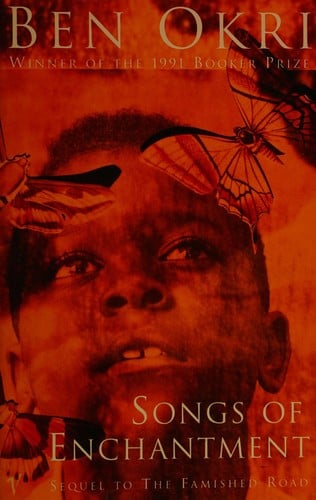
Start this bookNo. 24 on this list. Songs of Enchantment · Ben Okri · 1993
Songs of Enchantment is read mainly as the sequel to The Famished Road, which is the Okri novel that appears on courses in African and postcolonial literature. On its own it is rarely set or listed.
Difficult11 hours
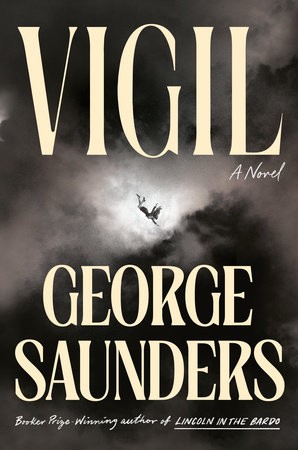
Start this bookNo. 25 on this list. Vigil · George Saunders · 2026
The book was published in 2026 and has no syllabus history yet. Its link to Saunders, whose Lincoln in the Bardo is already taught, gives it some prospect, similar to other very recent literary novels.
Moderate3.2 hours
Start this bookNo. 26 on this list. The Living Realm · Jordan Tannahill · 2026
A 2026 release has no syllabi record yet. A starred Publishers Weekly review and praise from Douglas Stuart and Garth Greenwell place it among notable new literary fiction, not the established canon.
Moderate1.6 hours
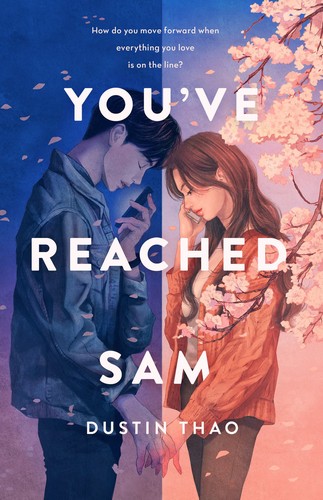
Start this bookNo. 27 on this list. You've Reached Sam · Dustin Thao · 2021
BookTok bestseller. Popular with YA audiences but too recent and genre-adjacent for canonical status.
Very Easy2.9 hours
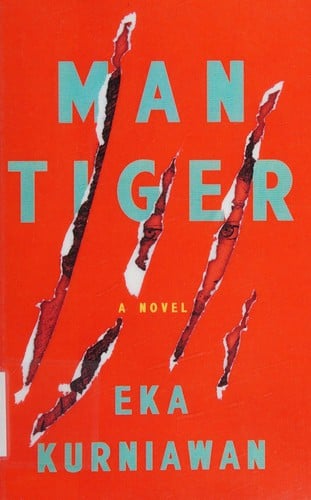
Start this bookNo. 28 on this list. Man Tiger · Eka Kurniawan · 2004
No syllabus data or Wikipedia presence was found in the database for this title. Man Tiger is respected within world literature and Southeast Asian literary circles but has not entered the global teaching canon — it is not consistently placed on university course lists outside specialist contexts. It is more likely encountered in translation studies or comparative postcolonial literature courses than in core syllabi.
Moderate3.8 hours
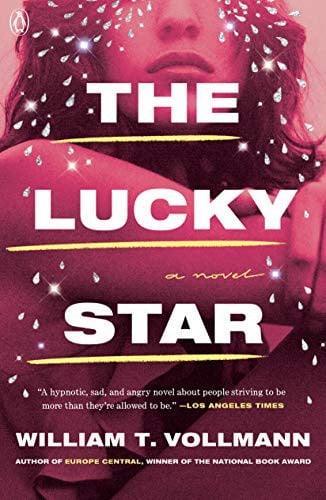
Start this bookNo. 29 on this list. The Lucky Star · William T. Vollmann · 2020
The Lucky Star is a late, very long novel that has not entered courses or reading lists. Readers and scholars of Vollmann still turn first to Europe Central, You Bright and Risen Angels and the Seven Dreams cycle.
Challenging19 hours
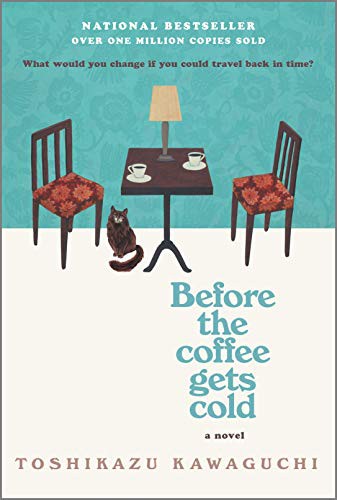
Start this bookNo. 30 on this list. Before the Coffee Gets Cold · Toshikazu Kawaguchi · 2015
A recent international bestseller with no syllabi presence recorded, comparable to a commercial phenomenon rather than a curriculum text.
Easy2.9 hours
Start this book


About this list
These 30 books are the highest-scoring eligible books of magical realism by men currently in the catalogue. About 319 hours of reading in all. Difficulty runs from 42 to 67 out of 100 for the middle half of the list; the summit is Terra Nostra at 82.
This list is ranked by literary regard, with a consistent order for equal scores. Membership follows authors and co-authors, not translators or editors. A book is here when ReadingRate files it under Magical Realism as one of its primary reading domains. Catalogue coverage and the historical canon both limit what this list can represent.
When we matched the Canons dataset to our catalogue in October 2026, our canonical-status scores rose with the number of school curricula, publisher series and lists in it that cite a work: the median score was 72 for books one such source cites, 84 at two, 88 at three, 92 at four and 93 at five or more. Prizes are left out of that count. Outside the state curricula, the dataset’s sources choose mostly from what has been translated into English or French, so it is a weaker check on other literatures. Source: Canons (Andrew Piper), CC BY 4.0
Questions people actually ask
- What are the best books of magical realism by men?
- By literary regard, which weighs canonical status, critical standing and influence: Pedro Páramo by Juan Rulfo, The Unconsoled by Kazuo Ishiguro, The Street of Crocodiles by Bruno Schulz, The Kingdom of This World by Alejo Carpentier and The Wind-Up Bird Chronicle by Haruki Murakami. ReadingRate ranks 30 such books, each with a difficulty score and a reading-time estimate.
- Which books of magical realism by men should I read first?
- Start from difficulty, not from rank. The most approachable books on this list that still carry top literary regard are The Wind-Up Bird Chronicle by Haruki Murakami (about 14 hours), Pedro Páramo by Juan Rulfo and The Unconsoled by Kazuo Ishiguro.
- What are the shortest of the best books of magical realism by men?
- Among the top 25, the shortest are The Curious Case of Benjamin Button by F. Scott Fitzgerald (about 56 min), The Little Prince by Antoine de Saint-Exupéry (about 60 min) and The Kingdom of This World by Alejo Carpentier (about 2.7 hours), at an average pace of 250 words a minute adjusted for each book's difficulty.
- Which of the best books of magical realism by men are the established classics?
- By canonical status, how firmly a book sits in curricula, anthologies and the canon: Pedro Páramo by Juan Rulfo, The Little Prince by Antoine de Saint-Exupéry, The Unconsoled by Kazuo Ishiguro, The Street of Crocodiles by Bruno Schulz and The Kingdom of This World by Alejo Carpentier.
- How long would it take to read the top ten?
- About 155 hours, at an average pace of 250 words a minute adjusted for each book's difficulty: 78 days at two hours a day. Set your own pace on the page and the list's reading times change to it.
- How hard are books of magical realism by men to read?
- Most of this list sits between 42 and 67 on ReadingRate's 100-point difficulty scale, where 40 to 55 is moderate. The summit is Terra Nostra at 82. Every entry carries its own score, so a reader can pick a great book at a difficulty they will finish.
- How is this list ranked?
- On literary-regard data: how canonically established a work is, its critical standing, and its influence on later writing. It is not a readers’ poll, which is why recent bestsellers rarely appear. Membership follows authors and co-authors, not translators or editors. Lists by country, author, period, theme or difficulty keep to literature (fiction, poetry, drama and philosophy), their novels, poems and plays first and their philosophy after them; a list of a kind of book, such as memoir or criticism, keeps every book of that kind. Every list holds at most three works by one author. A book is here when ReadingRate files it under Magical Realism as one of its primary reading domains.