Hours at an average pace
Showing 50 books
About 410 hours for 50 of 50 books with measured lengths. Estimates use 250 words a minute, adjusted for each book's difficulty. At 2 hours a day, about 206 days for those books.
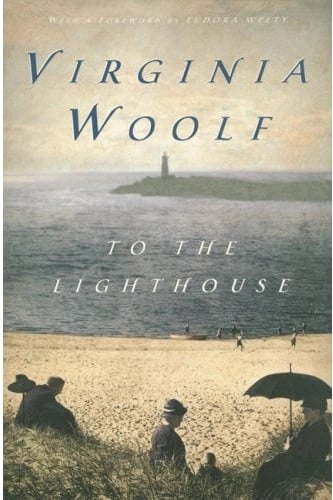
No. 1 on this list. To the Lighthouse
Virginia Woolf · 1927
Difficult7.4 hours
Included in: Bokklubben World Library, Great Books of the Western World
To the Lighthouse appears on 2,429 university syllabi according to Open Syllabus (84.6th percentile), placing it in the same tier as Beloved (85th). It holds places on the Modern Library 100 Best Novels (1998), TIME's All-TIME 100 Novels (2005), 1001 Books You Must Read Before You Die (2006), and is published by both Everyman's Library and Penguin Modern Classics. Wikipedia articles exist in 35 languages.
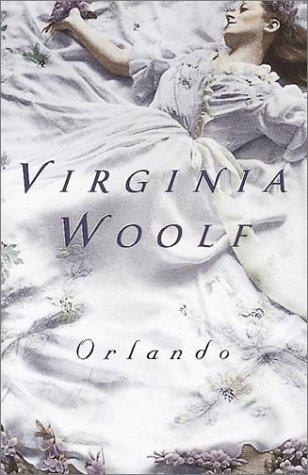
No. 2 on this list. Orlando
Virginia Woolf · 1928
Moderate5.2 hours
Taught in schools: UNAM Escuela Nacional Preparatoria – programas de Literatura (Mexico)
Orlando appears on university syllabi worldwide in modernist literature, gender studies, feminist theory, and LGBTQ+ studies courses — one of the few novels to anchor multiple disciplines simultaneously. It features on Modern Library's 100 Best Novels list and is discussed in virtually every survey of 20th-century British fiction. Woolf's stature guarantees its place in the canon regardless of pedagogical fashion.
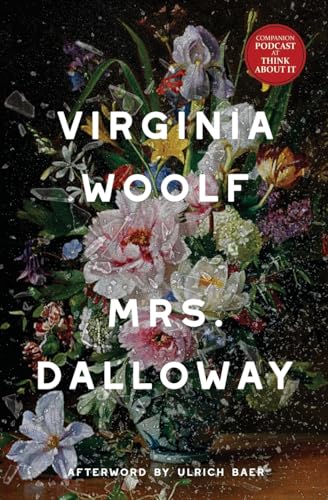
No. 3 on this list. Mrs. Dalloway
Virginia Woolf · 1925
Challenging7.1 hours
Taught in schools: OCR GCSE and A-level English Literature (UK), Pearson Edexcel GCSE and A-level English Literature (UK)
Included in: Bokklubben World Library
Appears on 4,254 university syllabi according to the Open Syllabus Project, placing it at the 90.7th percentile of all taught texts — above Beloved's range and approaching The Great Gatsby's 3,500+ appearances. Listed on TIME's All-TIME 100 Novels (2005) and in 1001 Books You Must Read Before You Die. Wikipedia articles in 35 languages with an adaptations section confirm broad global reach.
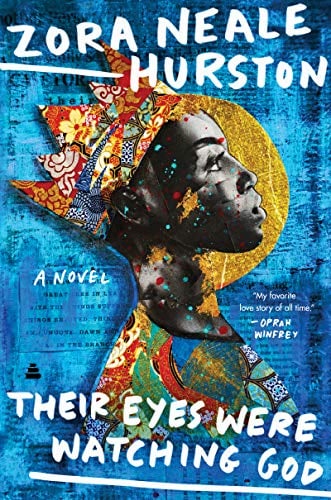
No. 4 on this list. Their Eyes Were Watching God
Zora Neale Hurston · 1937
Challenging5.3 hours
Taught in schools: Common Core text exemplars (Appendix B) (US)
Appears on 3,011 university syllabi according to the Open Syllabus Project (86.97th percentile), placing it among the most-taught American novels. Featured on TIME's All-TIME 100 Novels list and published in prestigious Library of America and Everyman's Library editions — markers of sustained institutional recognition. Available in 9 Wikipedia languages, reflecting global reach in academic and literary circles.
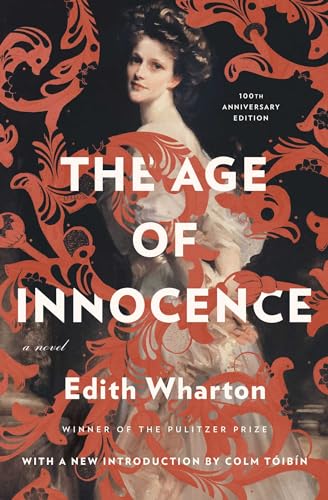
The Age of Innocence is a cornerstone of American literature curricula, taught extensively in courses on American Realism, the Gilded Age, and women's writing. It appears on virtually every list of essential American novels and is a standard text in both high school AP courses and university seminars.
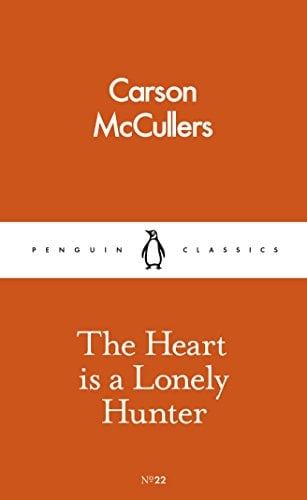
A staple of American literature curricula and frequently anthologized. The novel appears consistently in college surveys of 20th-century fiction and Southern Gothic literature. Academic recognition centers on its inaugural treatment of diverse characters and psychological depth rather than universal canonicity.
After Randall Jarrell's landmark 1965 introduction rescued it from obscurity, the novel achieved masterpiece status, appearing on TIME's 100 Best English-language Novels 1923-2005. It remains continuously in print and features prominently in Women's Studies curricula. However, it lacks the universal recognition of Fitzgerald, Joyce, or Faulkner, occupying a tier below absolute canonical dominance despite critical consensus on its brilliance.
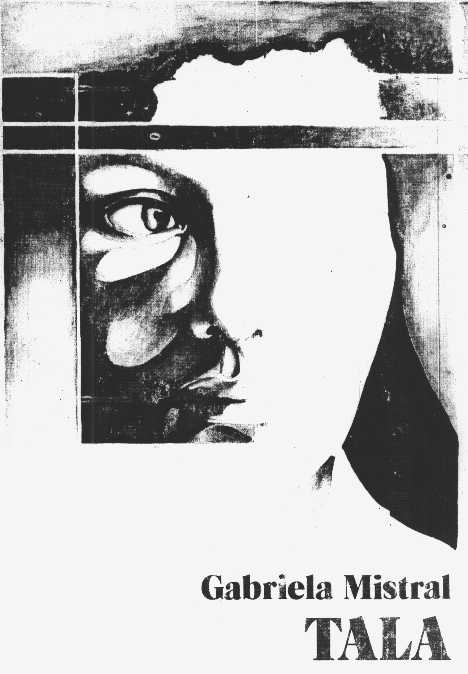
Gabriela Mistral published Tala in 1938, donating the Chilean royalties to Basque refugee children. The book begins with her mother's death and never fully recovers from it. The speaker travels from that private grief outward — through the Andes, across indigenous cosmologies, into devotional prayer — without finding a resting place. The poems name things from the Andean and Pacific world with the precision of someone recording what might disappear: the chirimoya, the quetzal, the salt flats, the bones of the desert. Mistral fuses Catholic liturgical language with Quechua and Nahuatl mythological figures, treating the Virgin Mary and Coatlicue as companions in the same devotional space. The effect is a religious poetry unlike any European model — the grief is too large for any single tradition to hold. Reading Tala requires tolerance for the lyric's essential withholding: these poems don't explain themselves, and the grief doesn't resolve. What accumulates is a voice of extraordinary authority, grieving in several languages at once, in exile from a country she would not return to for years. Mistral won the Nobel Prize in 1945 — the first Latin American to do so — and Tala is the collection that most fully earns it.
One of the most widely assigned American novels, a staple of high school and college curricula. A central text of American literary realism.
It is on the Modern Library 100 Best Novels list and on 928 university syllabi, placing it in the 74th percentile. It is a standard text in American literature and Gilded Age courses.
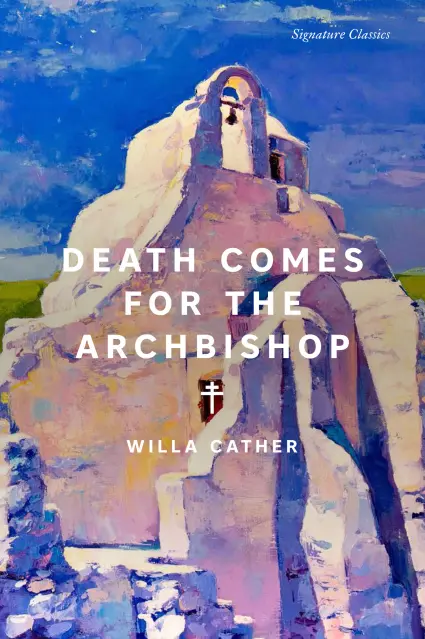
No. 11 on this list. Death Comes for the Archbishop · Willa Cather · 1927
The great American novel of Southwestern landscape and faith. Bishop Latour's decades in New Mexico became meditation on vocation, place, and mortality. Core text in American literature courses.
Moderate4.5 hours
Read nowNo. 12 on this list. My Antonia · Willa Cather · 1918
My Antonia appears on thousands of university syllabi across American literature, women's literature, and immigrant experience courses. It is included on the Modern Library's 100 Best Novels list and is a fixture in American high school and university curricula, representing the prairie immigrant experience as few other novels do.
Challenging8.4 hours
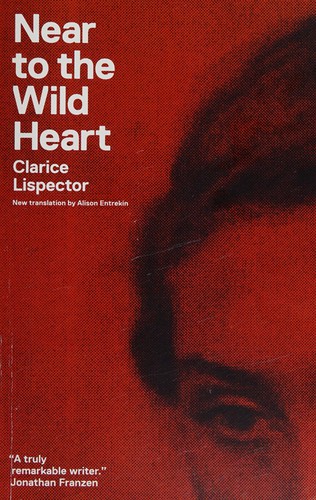
Read nowNo. 13 on this list. Near to the Wild Heart · Clarice Lispector · 1943
Lispector is taught in Latin American and comparative literature programs globally, and this debut novel appears on world literature syllabi at major universities — though less frequently than her later 'The Passion According to G.H.' Wikipedia articles exist in over 40 languages. The book's canonical status is growing with each New Directions reprinting and translation into new languages, placing it between 2666 (65) and Beloved (85).
Difficult6.8 hours
Start this bookNo. 14 on this list. A Lost Lady · Willa Cather · 1923
Included in: Great Books of the Western World
One of Cather's most celebrated novels, widely anthologized and taught. F. Scott Fitzgerald admired it greatly.
Easy2.2 hours
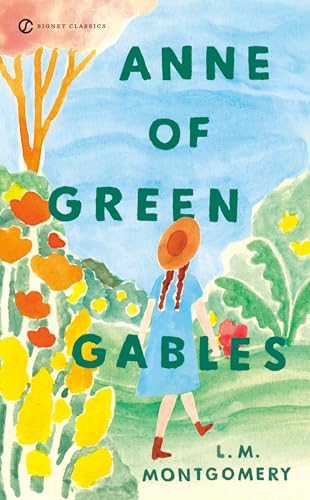
Start this bookNo. 15 on this list. Anne of Green Gables · L.M. Montgomery · 1908
Anne of Green Gables holds a secure place in the literary canon as one of the most enduring works of children's and young adult fiction. First published in 1908, it has never gone out of print, has been translated into over 36 languages, and has sold more than 50 million copies worldwide. It is widely taught in schools across Canada and globally, and its protagonist Anne Shirley has become a mythic icon of Canadian culture — a figure of comparable recognizability to Alice in Wonderland. While it sits firmly in the popular/children's classics tier rather than the prestige 'Great Books' canon, its canonical standing within its genre and cultural sphere is unassailable.
Easy5.7 hours
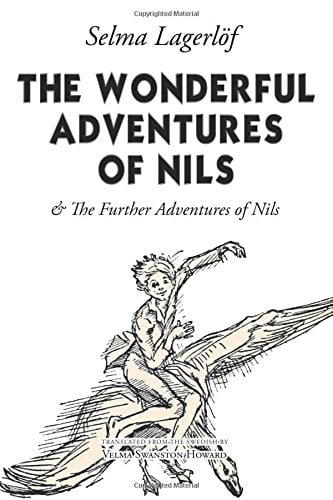
Start this bookNo. 16 on this list. The Wonderful Adventures of Nils · Selma Lagerlöf · 1906
On Le Monde's 100 Books of the Century, with a Wikipedia article in 39 languages. Commissioned as a geography reader for Swedish schools, it is a national classic in Sweden and a children's classic worldwide, though rarely on university syllabi.
Easy9.2 hours
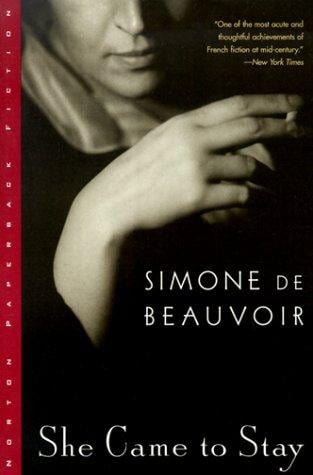
Read nowNo. 17 on this list. She Came to Stay · Simone de Beauvoir · 1943
She Came to Stay is regularly taught in existentialist literature courses, feminist literary theory courses, and French literature curricula worldwide. It holds a firm position in the de Beauvoir canon alongside The Second Sex and The Mandarins. No database syllabus data was returned, but its presence in standard existentialism syllabi — typically paired with Sartre's Nausea or Camus's The Outsider — establishes it as institutionally canonical.
Challenging11 hours
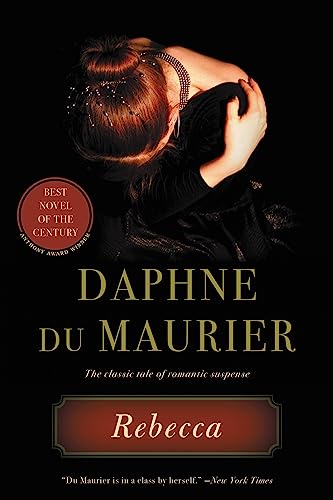
Start this bookNo. 18 on this list. Rebecca · Daphne du Maurier · 1938
Taught in schools: AQA GCSE and A-level English Literature (UK)
Appears on 337 university syllabi (63rd percentile in Open Syllabus) and on the BBC Big Read Top 100 and 1001 Books You Must Read Before You Die. It is a standard text in courses on the gothic and on women's writing, and has been in print continuously since 1938.
Challenging15 hours
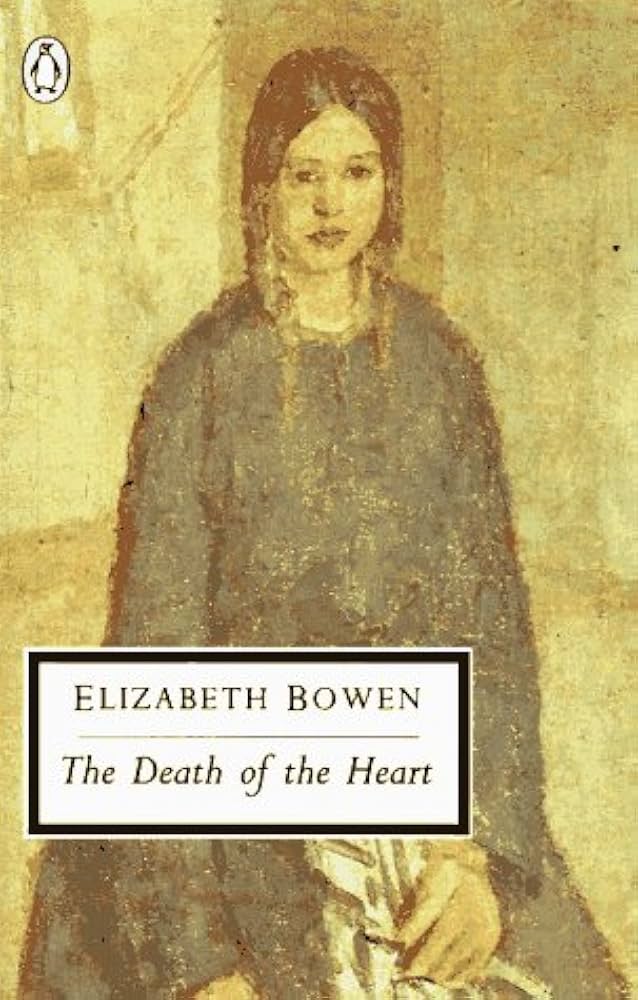
Start this bookNo. 19 on this list. The Death of the Heart · Elizabeth Bowen · 1938
Ranked 84th on the Modern Library 100 Best Novels and included on TIME's All-TIME 100 Novels, with Wikipedia articles in 7 languages. It is the Bowen novel most often taught in courses on British and Irish fiction between the wars.
Difficult13 hours
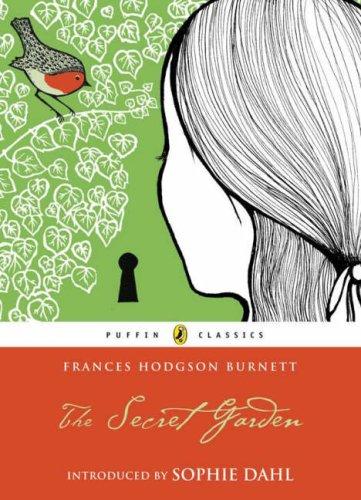
Start this bookNo. 20 on this list. The Secret Garden · Frances Hodgson Burnett · 1911
Taught in schools: Common Core text exemplars (Appendix B) (US)
The Secret Garden has stayed in print since 1911 and remains a staple of children's classics lists and school reading across the English-speaking world. The Common Core State Standards (2010) name it among their text exemplars for upper-elementary grades, and it is regularly set in children's literature courses.
Easy4.6 hours
Start this book
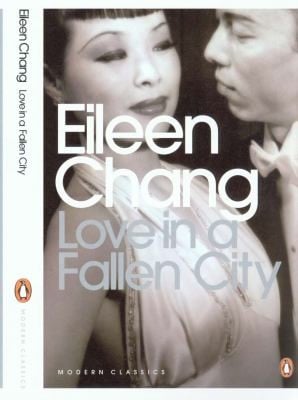
No. 21 on this list. Love in a Fallen City · Eileen Chang · 1943
Chang is recognized as a major figure in modern Chinese literature and is regularly taught in Chinese literature, Asian studies, and world literature courses. This Penguin Modern Classics edition and inclusion in the Columbia Anthology of Modern Chinese Literature signal canonical standing. Her syllabi presence in Western universities remains more limited than in Chinese-speaking academic institutions, where she is a curriculum staple.
Easy6.2 hours
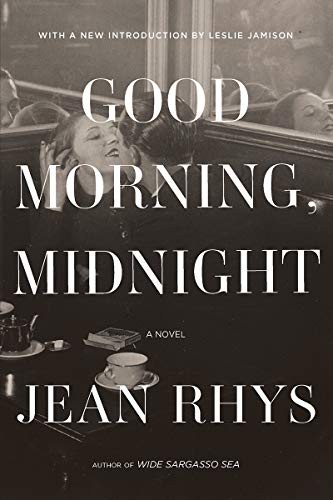
Start this bookNo. 22 on this list. Good Morning, Midnight · Jean Rhys · 1939
Recognized as Rhys's finest novel alongside Wide Sargasso Sea. Central to discussions of modernist women's writing and the literature of exile.
Moderate2.8 hours
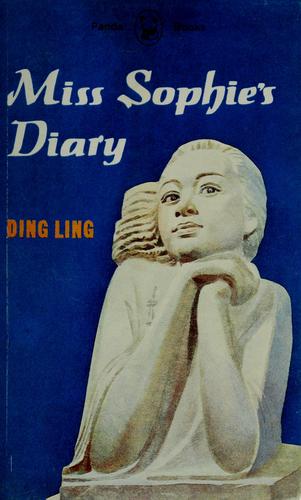
Start this bookNo. 23 on this list. Miss Sophia's Diary · Ding Ling · 1928
It is the founding text of modern Chinese women's writing and is central in Chinese literature and feminist courses. It is less taught in general world literature curricula than the major canon.
Moderate1.1 hours
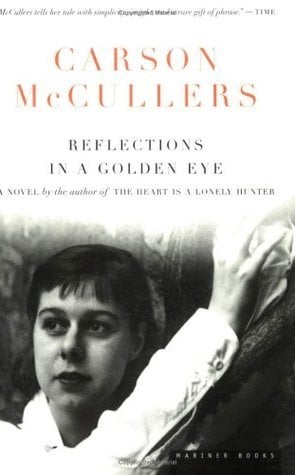
Start this bookNo. 24 on this list. Reflections in a Golden Eye · Carson McCullers · 1941
Taught in American Gothic and Southern literature courses but not the universal curriculum staple McCullers's longer works occupy. Appears in college anthologies of 20th-century American fiction and on 'essential McCullers' reading lists. John Huston adapted it into a 1967 film with Marlon Brando and Elizabeth Taylor, cementing its cultural presence beyond academia.
Challenging2.6 hours
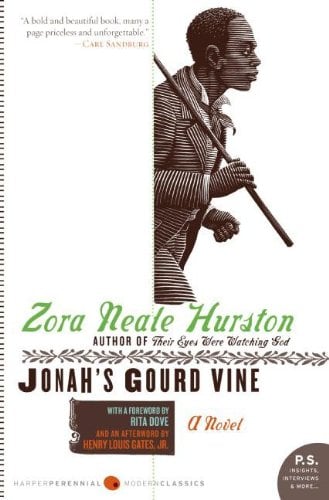
Start this bookNo. 25 on this list. Jonah's Gourd Vine · Zora Neale Hurston · 1934
Jonah's Gourd Vine appears in Hurston courses and Harlem Renaissance curricula but is significantly less taught than Their Eyes Were Watching God, which overshadows it in the canon. The Library of America publishes Hurston's collected works, lending institutional validation. The novel's standing improved substantially after Alice Walker's 1970s rediscovery of Hurston, but it remains in the second tier of her own output.
Moderate4 hours
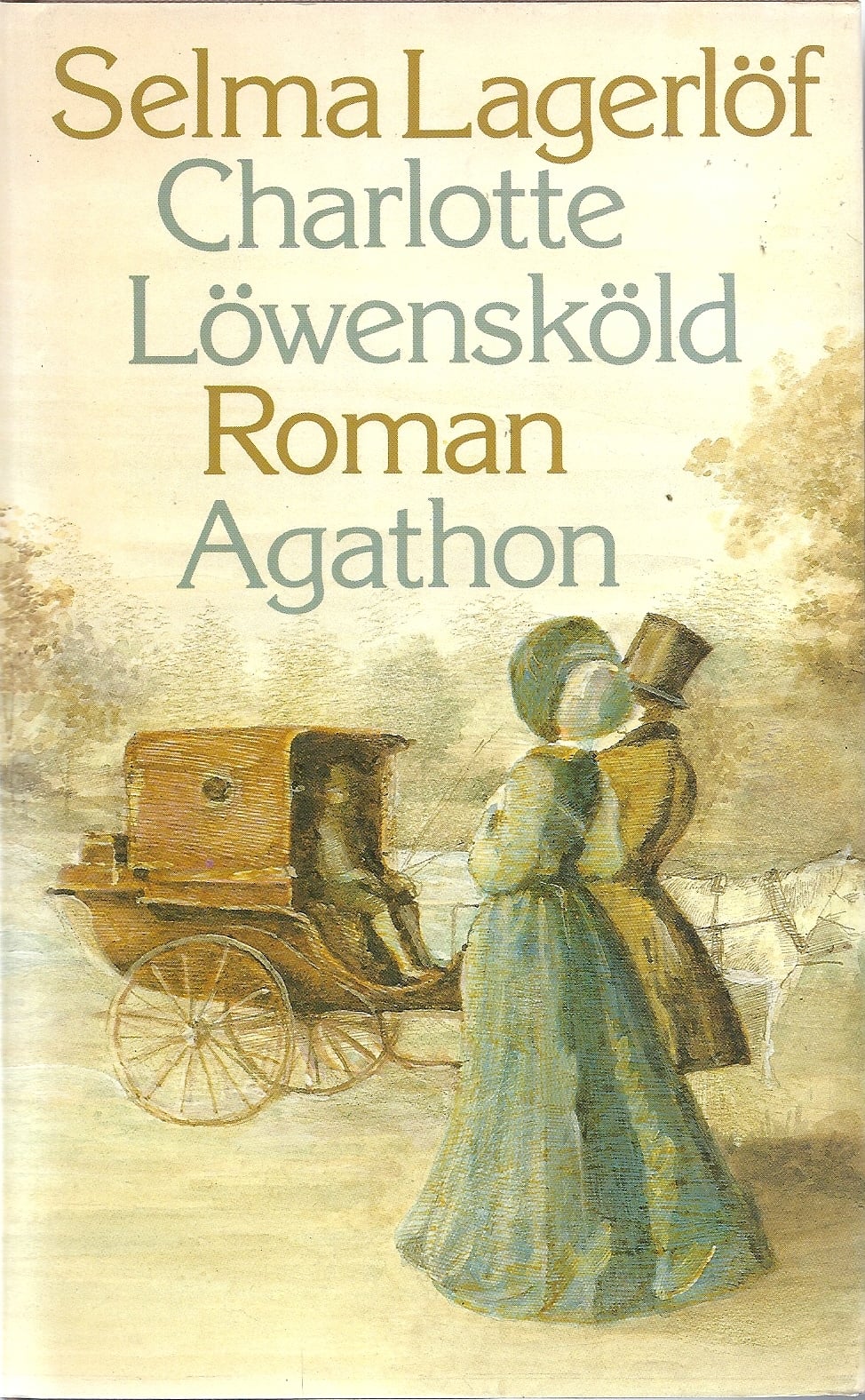
Start this bookNo. 26 on this list. Löwensköld Trilogy · Selma Lagerlöf · 1925
Three generations of Swedish women are shaped by a curse and a ring in 18th-century Sweden. Lagerlöf's trilogy combines historical fiction with supernatural elements in her characteristically vivid storytelling.
Moderate13 hours
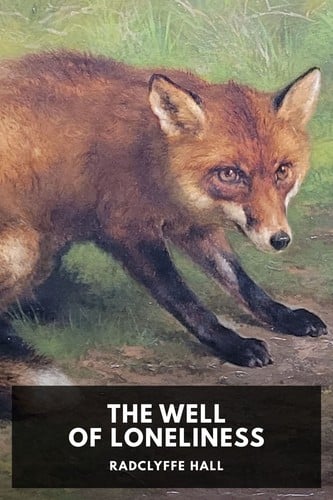
Start this bookNo. 27 on this list. The Well of Loneliness · Radclyffe Hall · 1928
The Well of Loneliness is a foundational text in LGBTQ+ literary history and is widely taught in gender studies, queer theory, and English literature courses. Its 1928 obscenity trial in Britain and continued cultural resonance ensures substantial presence in syllabi and scholarship, though it occupies an unusual canonical position — more significant for what it represents historically than for its formal literary achievements.
Moderate11 hours
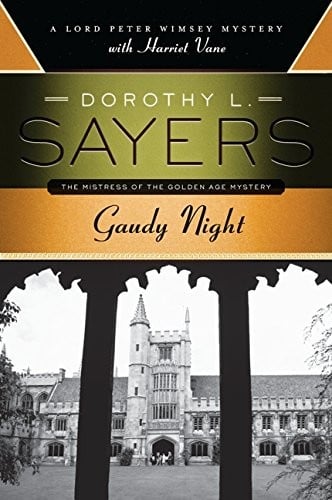
Start this bookNo. 28 on this list. Gaudy Night · Dorothy L. Sayers · 1935
Harriet Vane returns to Shrewsbury College, Oxford, for a gaudy — the alumni reunion — and finds herself drawn back into a place she has both loved and fled. She is a detective novelist, a woman with a murder trial in her past, and someone who has spent years refusing to marry Lord Peter Wimsey. Oxford offers what she cannot find elsewhere: the life of the mind, clean and governed by evidence. But someone at Shrewsbury is sending poison-pen letters, defacing manuscripts, and leaving threatening notes in the quad at night. The attacks are petty, then vicious. They target the scholars themselves — the women who gave their lives to this place. Sayers wrote the most intellectually serious detective novel of the golden age. The mystery is real, but the book is actually about what it costs to choose work over love, or love over work, and whether the two can coexist. Harriet debates this question with Wimsey across formal dinners and long walks along the Cherwell while the college unravels around them. The Oxford setting is rendered with the precision of someone who knew it from inside: the stone corridors, the subfusc gowns, the rituals of a world built for men that women had only recently been allowed to enter. By the end, the culprit's motive turns out to be exactly what the book has been arguing about all along.
Challenging14 hours
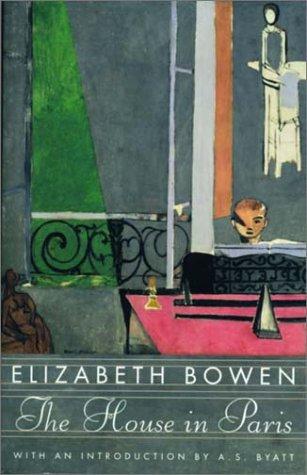
Start this bookNo. 29 on this list. The House in Paris · Elizabeth Bowen · 1935
The House in Paris is consistently taught in British and Irish modernism courses and appears on most serious curricula covering the period between the wars. No data signals were returned from the database, but Bowen's critical standing keeps this novel in circulation as her finest work alongside The Death of the Heart. Less institutionally central than Woolf or Forster but a reliable modernist syllabus presence.
Challenging7.7 hours
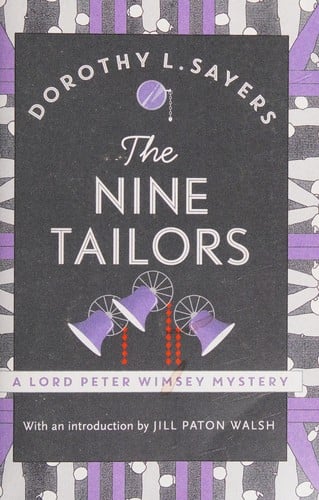
Start this bookNo. 30 on this list. The Nine Tailors · Dorothy L. Sayers · 1934
On New Year's Eve, Lord Peter Wimsey's car breaks down in the Fenland village of Fenchurch St. Paul, and he passes the night by standing in for an ailing ringer in a nine-hour change-ringing peal. Months later, a mutilated corpse turns up in the churchyard — no face, no hands, no identity. Wimsey returns to find out who the man was and how he died, and the investigation reaches back into a wartime jewel theft, a decade of buried secrets, and the obsessive, rain-soaked life of a fen community organized around its bells. Dorothy L. Sayers gives the bells names — Tailor Paul, John, Jericho — and the ringing sequences real structural weight; each section of the novel is titled after a bell-ringing method, and the rhythms of the peal pattern the prose throughout. The murder method, when it finally emerges, is one of the most audacious in detective fiction: not a weapon anyone could have anticipated, entirely consistent with every fact laid out from the first page. Wimsey himself is at his least flippant here, something about the flat landscape and the ancient church pressing the comedy out of him. Sayers brings the same scholarly seriousness she brought to her Dante translations — this is a detective novel that knows exactly what it is doing, and does it with complete conviction.
Moderate7.1 hours
Start this book
No. 31 on this list. Voyage in the Dark
Jean Rhys · 1934
No. 32 on this list. Lud-in-the-Mist
Hope Mirrlees · 1926
No. 33 on this list. So Big
Edna Ferber · 1925
No. 34 on this list. Jerusalem
Selma Lagerlöf · 1901
No. 35 on this list. Ashes
Grazia Deledda · 1904
No. 36 on this list. Reeds in the Wind
Grazia Deledda · 1913
No. 37 on this list. The Mother
Grazia Deledda · 1920
No. 38 on this list. A Tree Grows in Brooklyn
Betty Smith · 1943
No. 39 on this list. Cold Comfort Farm
Stella Gibbons · 1932
No. 40 on this list. Strong Poison
Dorothy L. Sayers · 1930
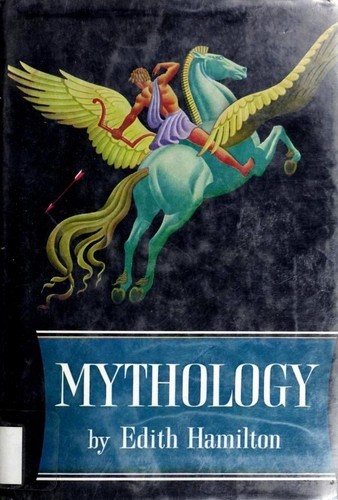
No. 41 on this list. Mythology
Edith Hamilton · 1942
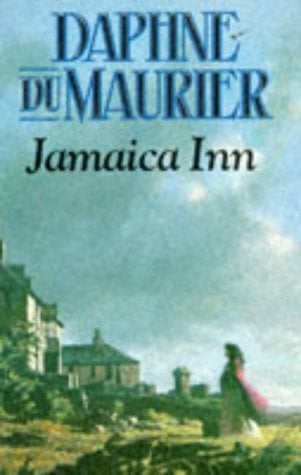
No. 42 on this list. Jamaica Inn
Daphne du Maurier · 1936
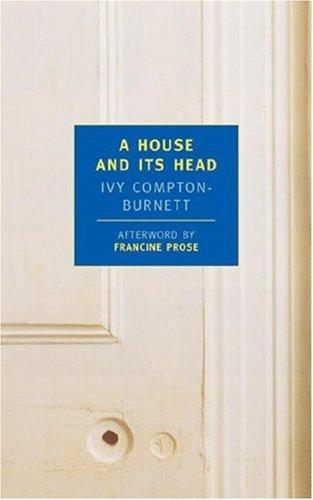
No. 43 on this list. A House and Its Head
Ivy Compton-Burnett · 1935
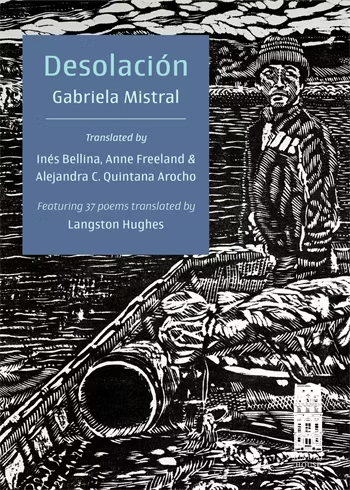
No. 44 on this list. Desolation
Gabriela Mistral · 1936
No. 45 on this list. West with the Night
Beryl Markham · 1942
No. 46 on this list. The Fountainhead
Ayn Rand · 1943
No. 47 on this list. Forever Amber
Kathleen Winsor · 1944
No. 48 on this list. Dusty Answer
Rosamond Lehmann · 1927
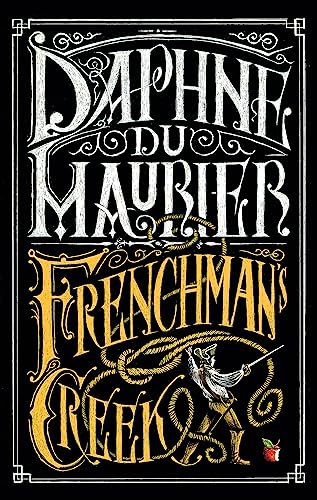
No. 49 on this list. Frenchman's Creek
Daphne du Maurier · 1941
No. 50 on this list. Black Lamb and Grey Falcon
Rebecca West · 1941
About this list
These 50 books are the highest-scoring eligible modernist books by women currently in the catalogue. About 410 hours of reading in all. Difficulty runs from 39 to 59 out of 100 for the middle half of the list; the summit is Near to the Wild Heart at 73.
This list is ranked by literary regard, with a consistent order for equal scores. Membership follows authors and co-authors, not translators or editors. A book is here when ReadingRate files it under Modernist Literature as one of its primary reading domains, and only when its author’s lifetime places it in the period. Catalogue coverage and the historical canon both limit what this list can represent.
When we matched the Canons dataset to our catalogue in October 2026, our canonical-status scores rose with the number of school curricula, publisher series and lists in it that cite a work: the median score was 72 for books one such source cites, 84 at two, 88 at three, 92 at four and 93 at five or more. Prizes are left out of that count. Outside the state curricula, the dataset’s sources choose mostly from what has been translated into English or French, so it is a weaker check on other literatures. Source: Canons (Andrew Piper), CC BY 4.0
Questions people actually ask
- What are the best modernist books by women?
- By literary regard, which weighs canonical status, critical standing and influence: To the Lighthouse by Virginia Woolf, Orlando by Virginia Woolf, Mrs. Dalloway by Virginia Woolf, Their Eyes Were Watching God by Zora Neale Hurston and The Age of Innocence by Edith Wharton. ReadingRate ranks 50 such books, each with a difficulty score and a reading-time estimate.
- Which modernist books by women should I read first?
- Start from difficulty, not from rank. The most approachable books on this list that still carry top literary regard are Ethan Frome by Edith Wharton (about 1.7 hours), Orlando by Virginia Woolf and The House of Mirth by Edith Wharton.
- What are the shortest of the best modernist books by women?
- Among the top 25, the shortest are Miss Sophia's Diary by Ding Ling (about 1.1 hours), Ethan Frome by Edith Wharton (about 1.7 hours) and Reflections in a Golden Eye by Carson McCullers (about 2.6 hours), at an average pace of 250 words a minute adjusted for each book's difficulty.
- Which of the best modernist books by women are the established classics?
- By canonical status, how firmly a book sits in curricula, anthologies and the canon: To the Lighthouse by Virginia Woolf, Orlando by Virginia Woolf, Mrs. Dalloway by Virginia Woolf, Their Eyes Were Watching God by Zora Neale Hurston and The Age of Innocence by Edith Wharton.
- Can I read any of these modernist books by women for free?
- 12 of the 50 open in ReadingRate's reader with a free account, from public-domain editions: To the Lighthouse, Mrs. Dalloway, The Age of Innocence, The House of Mirth, Death Comes for the Archbishop and 7 more.
- How long would it take to read the top ten?
- About 71 hours, at an average pace of 250 words a minute adjusted for each book's difficulty: 36 days at two hours a day. Set your own pace on the page and the list's reading times change to it.
- How hard are modernist books by women to read?
- Most of this list sits between 39 and 59 on ReadingRate's 100-point difficulty scale, where 40 to 55 is moderate. The summit is Near to the Wild Heart at 73. Every entry carries its own score, so a reader can pick a great book at a difficulty they will finish.
- How is this list ranked?
- On literary-regard data: how canonically established a work is, its critical standing, and its influence on later writing. It is not a readers’ poll, which is why recent bestsellers rarely appear. Membership follows authors and co-authors, not translators or editors. Lists by country, author, period, theme or difficulty keep to literature (fiction, poetry, drama and philosophy), their novels, poems and plays first and their philosophy after them; a list of a kind of book, such as memoir or criticism, keeps every book of that kind. Every list holds at most three works by one author. A book is here when ReadingRate files it under Modernist Literature as one of its primary reading domains, and only when its author’s lifetime places it in the period.