Hours at an average pace
Showing 86 books
About 612 hours for 84 of 86 books with measured lengths. Estimates use 250 words a minute, adjusted for each book's difficulty. At 2 hours a day, about 306 days for those books.
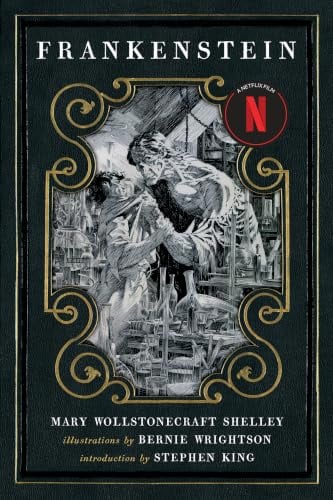
No. 1 on this list. Frankenstein
Mary Shelley · 1818
Challenging8.8 hours
Taught in schools: AQA GCSE and A-level English Literature (UK), CSEC English B – Caribbean Examinations Council, Pearson Edexcel GCSE and A-level English Literature (UK)
Included in: Bibliothèque de la Pléiade
Frankenstein appears on 6,955 university syllabi according to the Open Syllabus Project, placing it in the 96th percentile of all tracked works. Wikipedia articles exist in 74 languages, with a 79,000-character article carrying dedicated Reception and Adaptations sections. It is taught not only in literature courses but in philosophy, bioethics, and technology studies worldwide.
Widely taught in university courses on science fiction and postcolonial literature. A central text of Afrofuturism.
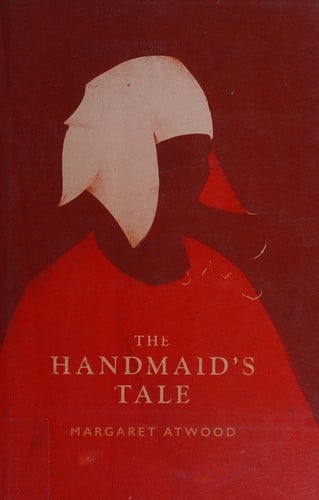
No. 3 on this list. The Handmaid's Tale
Margaret Atwood · 2017
Challenging7.7 hours
Taught in schools: AQA GCSE and A-level English Literature (UK), OCR GCSE and A-level English Literature (UK), Pearson Edexcel GCSE and A-level English Literature (UK)
The novel is a staple of high school and university courses on dystopia and feminist literature. It was shortlisted for the Booker Prize, appears on the 1001 Books list, and is published as a Penguin Modern Classic.
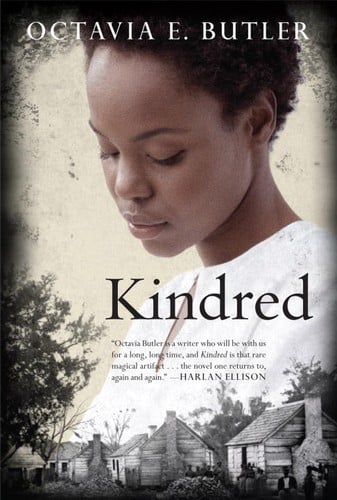
No. 4 on this list. Kindred
Octavia E. Butler · 1979
Challenging9.1 hours
Taught in schools: CSEC English B – Caribbean Examinations Council
Kindred is required reading in African American literature, American history, and science fiction courses at universities across the United States and internationally. It appears on the Modern Library's reader list of the 100 best novels and is frequently paired with primary sources on American slavery. Octavia Butler is the first science fiction writer to receive a MacArthur Fellowship, and Kindred is her most assigned work.
Genly Ai, a human envoy from a galactic coalition called the Ekumen, arrives on the planet Gethen to invite its people into interstellar fellowship. The planet is locked in an ice age, and its inhabitants possess a biology that would reshape how any visitor understands human nature: Gethenians have no fixed sex, spending most of each month in a neuter state before entering 'kemmer,' a brief fertile period during which they become randomly male or female. Genly must navigate the treacherous politics of two rival nations, Karhide and Orgoreyn, while struggling against his own deeply ingrained assumptions about gender. His most important relationship is with Estraven, a disgraced Karhidish politician whose motives Genly cannot read through the fog of his own gendered expectations. Their harrowing journey across an arctic ice sheet strips away politics, culture, and prejudice, forcing a communion between two beings who must learn to see each other without the categories that have shaped their perceptions. Le Guin constructs the novel as a mosaic of voices: Genly's diplomatic report, Estraven's spare journal, Gethenian myths and legends, and anthropological field notes, each offering a partial and unreliable perspective on a world that resists totalizing description. The prose is crystalline and unhurried, moving between political intrigue, philosophical reflection, and passages of extraordinary landscape writing as the two travelers cross the Gobrin Ice. The embedded myths refract the novel's central concerns with duality, betrayal, and the inseparability of light and darkness.
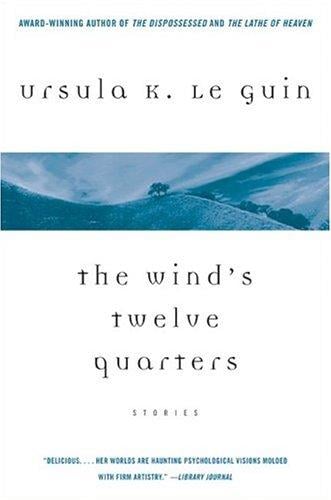
Widely taught in philosophy, ethics, and literature courses globally. Anthologized in hundreds of collections and featured on virtually every 'essential short fiction' list. Its presence in academic syllabi rivals Borges and Kafka in ethics curricula, where it functions as a standard thought-experiment text.
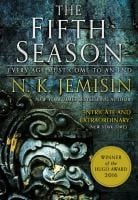
The Fifth Season won the Hugo Award for Best Novel in 2016, the first book in what became an unprecedented trilogy of consecutive Hugo wins for Jemisin—a feat unmatched in the award's history. It appears on contemporary science fiction and fantasy syllabi and in critical discussions of the genre's formal and political possibilities. Its position in the canon is still consolidating, but its influence on subsequent speculative fiction is already evident.
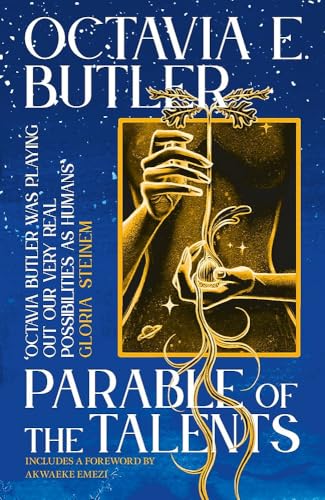
Winner of the Nebula Award for Best Novel (1999). Widely taught in speculative fiction, Afrofuturism, and American dystopia courses. The Parable duology is among the most assigned works in contemporary SF syllabi and is firmly canonical within the genre; its canonical standing in broader American literary culture continues to grow.
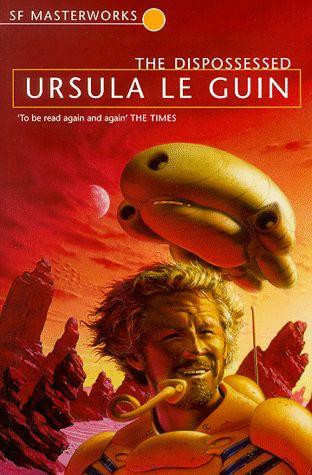
Widely taught in science fiction, gender studies, political theory, and world literature courses; regularly appears on 'best SF novels' lists and is considered essential Le Guin. Not yet in the general literary canon alongside Beloved or Fitzgerald, but solidly established in its field and in university curricula.
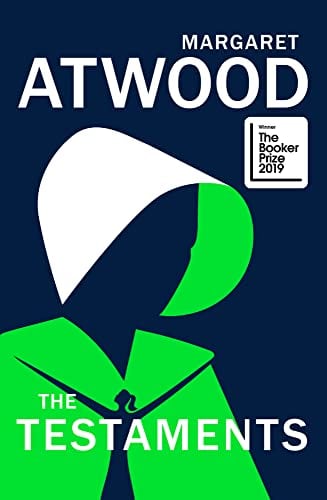
Co-winner of the Booker Prize in 2019 and a sequel to one of the most taught novels in the English-speaking world. Syllabus adoption is moderate — it appears in some university courses, particularly feminist literature and dystopian fiction, but less frequently than its predecessor. Its canonical status derives substantially from the cultural weight of The Handmaid's Tale rather than independent standing.
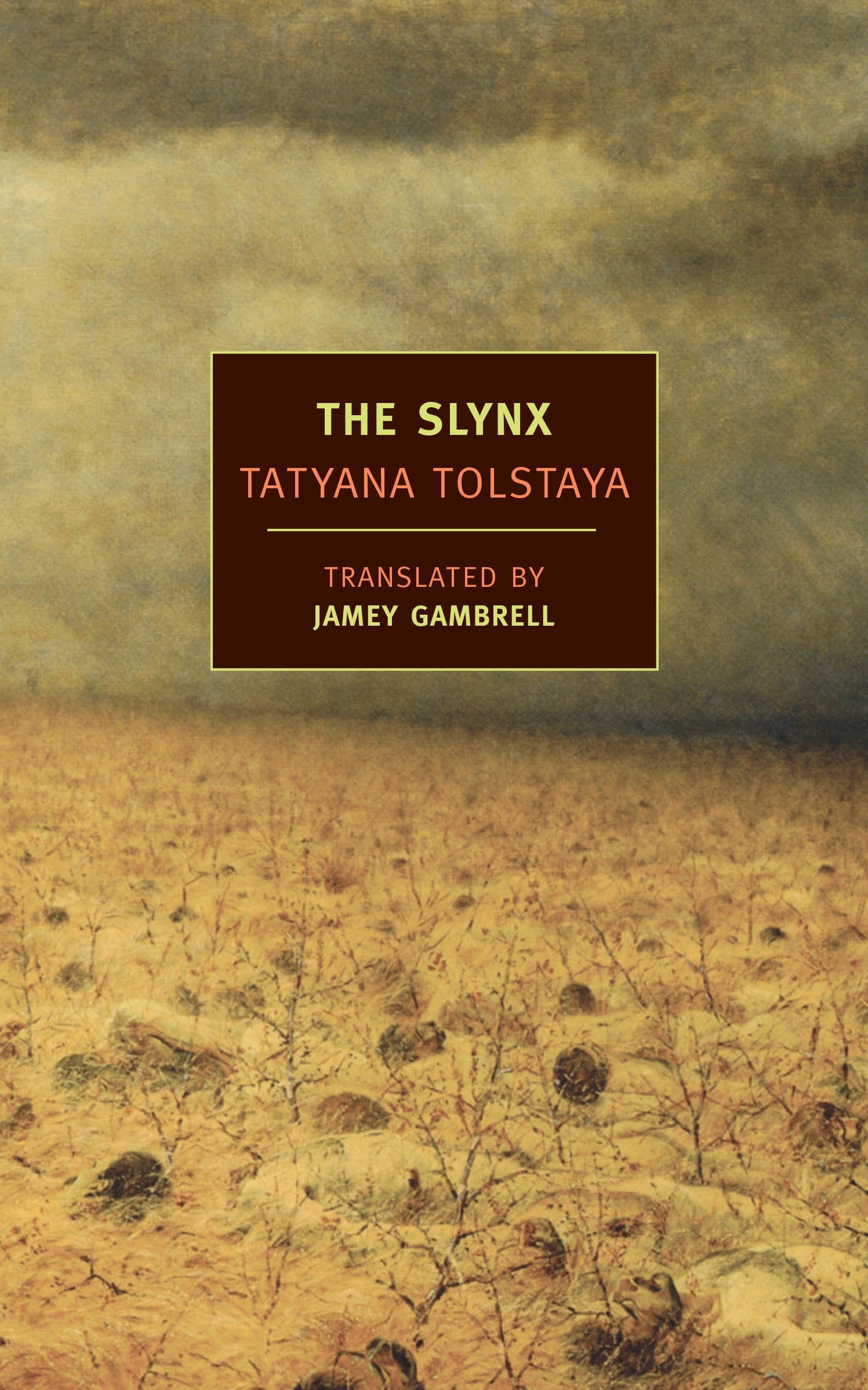
No. 11 on this list. The Slynx · Tatyana Tolstaya · 2000
The Slynx is a significant work in contemporary Russian literature and has been translated into over a dozen languages. It appears in courses on post-Soviet fiction, Russian satire, and dystopian literature but has not achieved the wide curricular presence of classics. In Russia, its reception has been mixed — praised by some as the most important Russian novel of the post-Soviet era, critiqued by others as too familiar in its anti-utopian framework. Its canonical status is still consolidating two decades after publication.
Very Difficult16 hours
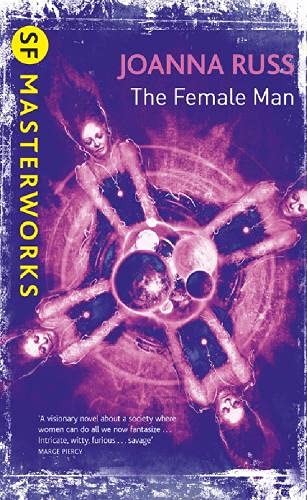
Start this bookNo. 12 on this list. The Female Man · Joanna Russ · 1975
The Female Man holds a secure place in university curricula for feminist theory, science fiction studies, and American literature courses. No syllabus data was available in the database, but the novel's reputation as a foundational feminist SF text ensures regular academic assignment. It is substantially more taught than genre novels but has not reached the universal curriculum presence of mainstream canonical texts.
Easy3.5 hours
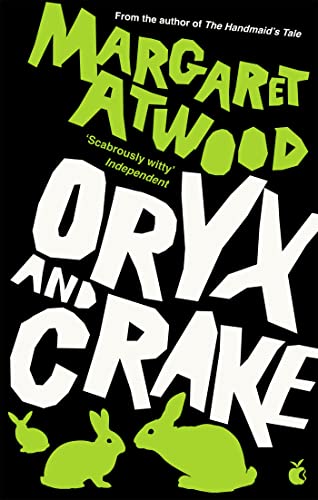
Start this bookNo. 13 on this list. Oryx and Crake · Margaret Atwood · 2003
Appears on 699 university syllabi (71st percentile in the Open Syllabus Project), placing it firmly in regular academic use across contemporary fiction, speculative fiction, and environmental humanities courses. Its Wikipedia article exists in 15 languages with dedicated reception and adaptations sections, indicating modest but real global reach. It ranks well below foundational canonical texts but well above most genre fiction.
Difficult14 hours
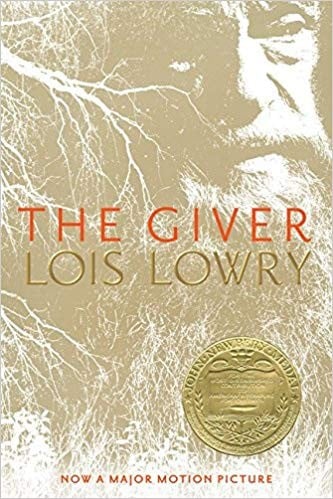
Start this bookNo. 14 on this list. The Giver · Lois Lowry · 1993
The Giver is among the most frequently assigned novels in American middle and high school curricula, appearing on required reading lists across the country for three decades. Its Wikipedia article exists in dozens of languages and it has sold over 12 million copies, reflecting sustained educational and cultural presence far beyond typical children's novels.
Challenging3.4 hours
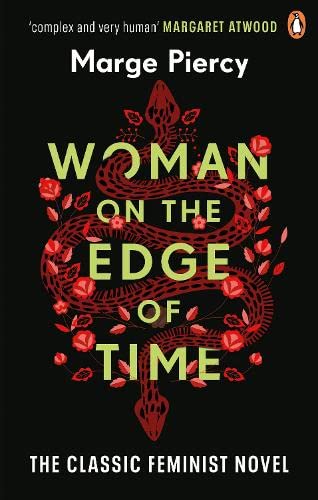
Start this bookNo. 15 on this list. Woman on the Edge of Time · Marge Piercy · 1976
Widely taught in feminist literary studies, utopian fiction, and American literature courses since its 1976 publication, the novel holds a firm place in academic syllabi as a landmark of feminist science fiction. No syllabus count data is available, but its sustained presence across women's studies and speculative fiction curricula for five decades marks it as canonical within those fields, comparable in reach to other key feminist texts of the second wave.
Difficult18 hours
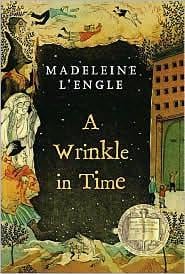
Start this bookNo. 16 on this list. A Wrinkle in Time · Madeleine L'Engle · 1962
Taught in schools: Common Core text exemplars (Appendix B) (US), CSEC English B – Caribbean Examinations Council
A standard text in American elementary and middle school curricula for decades, consistently appearing on required reading lists and library recommendation lists nationwide. Won the Newbery Medal in 1963, the most prestigious prize in American children's literature. Its place in the canon of children's science fantasy is secure, though it sits below the level of high school or university syllabi staples.
Challenging12 hours
Start this bookNo. 17 on this list. The City We Became · N.K. Jemisin · 2020
Hugo nominee. One of the most prominent urban fantasies of the 2020s. Jemisin's reputation carries weight.
Moderate6.8 hours
Start this bookNo. 18 on this list. Binti · Nnedi Okofor · 2015
Hugo and Nebula Award winner. A significant work of Africanfuturist fiction, increasingly taught in university courses.
Very Easy1.2 hours
Start this bookNo. 19 on this list. Harrow · Joy Williams · 2021
Khristen was named Lamb by her mother, who believed the infant had died and come back — a conviction that haunts the girl's entire childhood and sends her west to a peculiar school in a dying forest, where students are made to memorize Nietzsche and the mountains have swallowed the faculty. When the world outside begins to unravel in earnest, Khristen finds herself walking through a landscape of fires and stopped trains toward a derelict lakeside resort presided over by Lola, an elderly woman with terminal cancer and a loose confederation of geriatric eco-saboteurs who have given up on protest and taken up holy havoc. There is also Jeffrey, age ten, who speaks only in legal citations and may or may not be presiding over an afterlife court somewhere in Book Three. Joy Williams wrote her first novel in twenty years as an act of ecological fury and metaphysical comedy simultaneously. Harrow is structured like a dream that changes genre at the chapter break — bildungsroman, dark pastoral, eschatological fable — and it refuses to explain what holds the pieces together. What does hold them together is Williams's prose: flat, aphoristic, suddenly devastating, as when a dying man in a purple room pulls a bag over his head while thinking of the animals he could not save.
Difficult7.4 hours
Start this bookNo. 20 on this list. The Sirian Experiments · Doris Lessing · 1981
The Canopus in Argos series represents Lessing's ambitious turn toward philosophical science fiction, securing her reputation as a formally innovative writer willing to abandon realism. 'The Sirian Experiments' appears in discussions of feminist science fiction and postcolonial allegory, though it remains less studied than her earlier realist novels or 'The Golden Notebook.' The 2007 Nobel Prize citation acknowledged her as 'that epicist of the female experience, who with skepticism, fire and visionary power has subjected a divided civilization to scrutiny,' implicitly validating her experimental later work.
Challenging17 hours
Start this book
No. 21 on this list. All Systems Red · Martha Wells · 2017
A part-organic, part-mechanical construct designed for security work has hacked its own governance module, freeing itself from corporate control. It has not used this freedom to kill anyone. It has used it to watch thousands of hours of soap operas. The construct—which privately calls itself Murderbot—is assigned to protect a team of scientists surveying a planet, and when the mission goes wrong, Murderbot must decide how much it is willing to reveal about its autonomy in order to save the humans it is contractually obligated to protect but has, against its will, begun to care about. Wells writes the novella in Murderbot's first-person voice: sardonic, socially anxious, deeply uncomfortable with feelings, and more interested in the next episode of its favorite show than in the existential implications of its own sentience. The genius of the voice is that Murderbot's social aversion is not played as robotic but as recognizably human—the anxiety of a being that has been treated as equipment and is not sure it wants to be treated as a person. The action sequences are crisp and competent, the corporate dystopia is sketched with efficiency, and the novella's emotional core is small and precise: a creature deciding, tentatively and with great reluctance, to care.
Easy1.5 hours
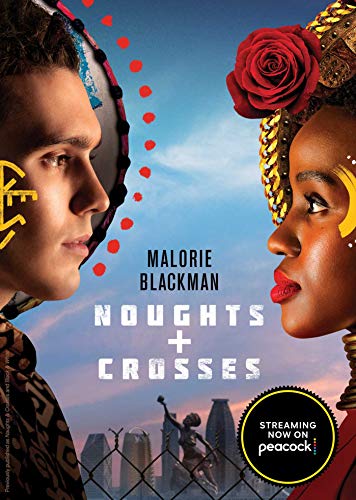
Start this bookNo. 22 on this list. Noughts & Crosses · Malorie Blackman · 2010
Callum is a Nought - an inferior white citizen in a society controlled by the black Crosses. Sephy is a Cross - and the daughter of one of the most powerful, ruthless men in the country. In their hostile, violent world, noughts and Crosses simply don't mix. But when Sephy and Callum's childhood friendship grows into passionate love, they're determined to find a way to be together. And then the bomb explodes...
Moderate6.8 hours
Start this bookNo. 23 on this list. Ancillary Sword · Ann Leckie · 2014
Strong sequel in an award-winning trilogy. Hugo and Locus Award nominee.
Easy5.1 hours
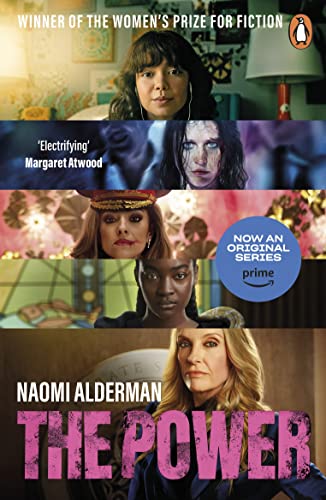
Start this bookNo. 24 on this list. The Power · Naomi Alderman · 2017
In a world where the balance of power is suddenly and profoundly shifted, Naomi Alderman's thought-provoking novel, The Power, explores a reality where women develop the ability to release electrical jolts from their fingertips, allowing them to dominate and control society. This newfound power upends the existing social order, leading to a radical transformation of governments, relationships, and individual lives. As the story unfolds, Alderman delves into themes of oppression, resistance, and the corrupting influence of power. Her writing is nuanced and evocative, weaving together multiple narrative threads to create a rich and immersive world. The tone is both unsettling and mesmerizing, inviting readers to confront the darker aspects of human nature. Readers of speculative fiction and those interested in feminist theory will find The Power to be a compelling and timely exploration of a world turned upside down. With its complex characters, thought-provoking themes, and page-turning plot, this novel is suitable for readers who enjoy intellectually stimulating fiction. Winner of the 2017 Women's Prize, The Power has garnered significant attention for its bold and unflinching examination of a world where traditional power dynamics are reversed. Alderman's unique vision and masterful storytelling make this novel a must-read for anyone interested in exploring the complexities of power, oppression, and social change.
Challenging6.3 hours
Start this bookNo. 25 on this list. The Leavers · Lisa Ko · 2017
Ranked by literary regard among eligible works in the current catalogue. This position reflects the available catalogue evidence.
Moderate6.1 hours
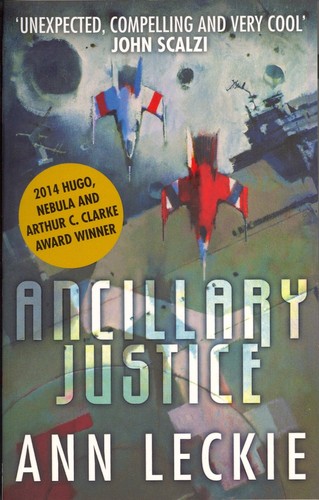
Start this bookNo. 26 on this list. Ancillary Justice · Ann Leckie · 2013
Won the Hugo, Nebula, and Arthur C. Clarke Awards — the first novel to sweep all three.
Moderate6.4 hours
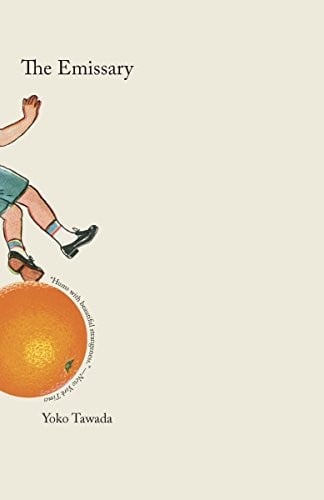
Start this bookNo. 27 on this list. The Emissary · Yoko Tawada · 2014
National Book Award for Translated Literature. A significant work of contemporary Japanese fiction.
Moderate2.3 hours
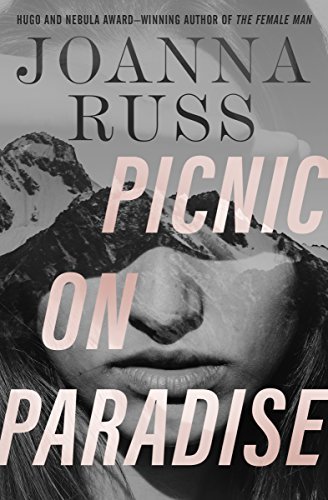
Start this bookNo. 28 on this list. Picnic on Paradise · Joanna Russ · 1968
No syllabus data was found in the database for this specific work. Within feminist science fiction, Picnic on Paradise is considered a founding text—it introduced the character Alyx, who would anchor Russ's most celebrated later work. It appears on specialist SF and feminist literature reading lists but is not widely taught in general American literature courses.
Moderate2.7 hours
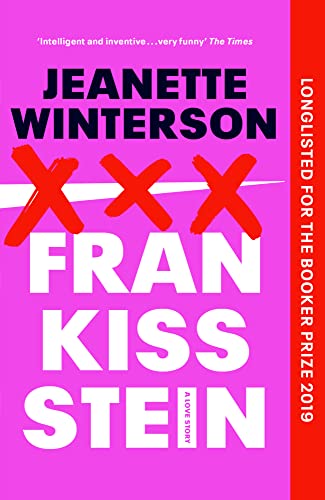
Start this bookNo. 29 on this list. Frankissstein · Jeanette Winterson · 2019
Winterson reimagines Mary Shelley's creation myth for the age of artificial intelligence. Two timelines alternate: Mary with Percy and Byron in 1816, birthing Frankenstein during the famous summer; and Ry, a transgender doctor in contemporary Britain, involved with a scientist building sex robots. The prose is playful and serious, Winterson finding in Shelley's monster a template for all the bodies we build and abandon. The novel asks what makes us human, whether consciousness can be created, whether love is possible between creatures and their makers.
Challenging6.4 hours
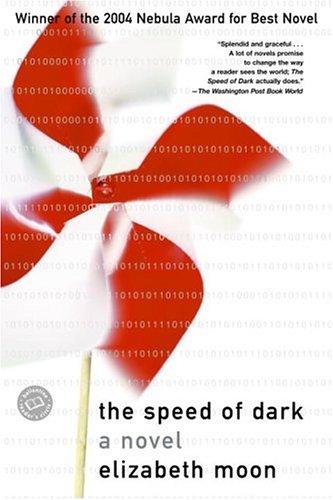
Start this bookNo. 30 on this list. The Speed of Dark · Elizabeth Moon · 2003
Nebula Award winner. An important novel in both science fiction and disability literature.
Easy6 hours
Start this book
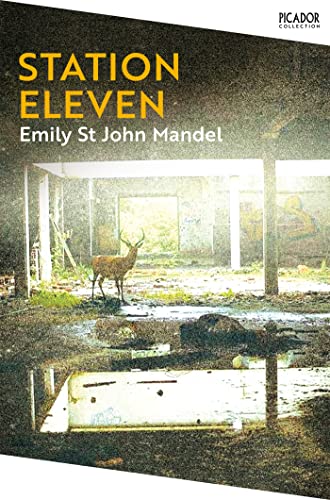
No. 31 on this list. Station Eleven
Emily St. John Mandel · 2014
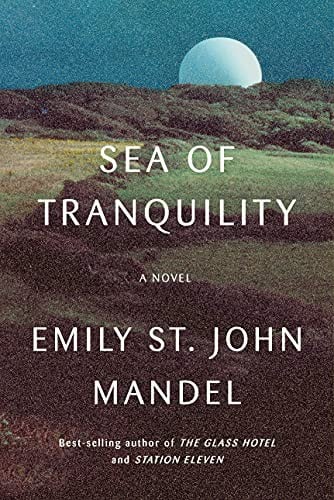
No. 32 on this list. Sea of Tranquility
Emily St. John Mandel · 2022
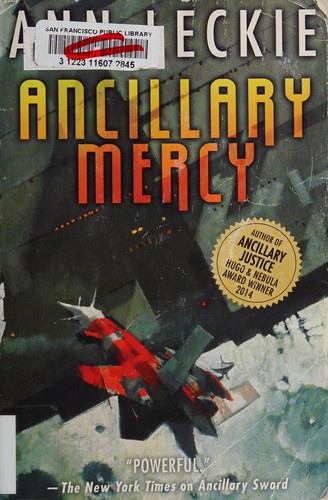
No. 33 on this list. Ancillary Mercy
Ann Leckie · 2015
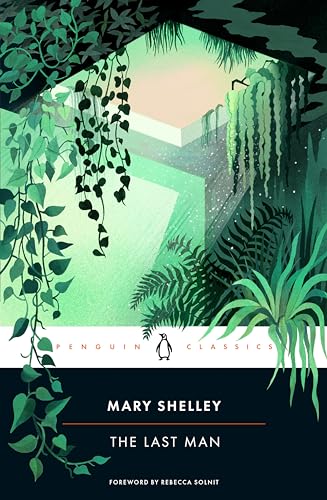
No. 34 on this list. The Last Man
Mary Shelley · 1826
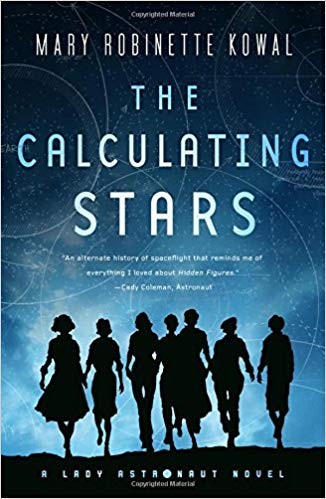
No. 35 on this list. The Calculating Stars
Mary Robinette Kowal · 2018
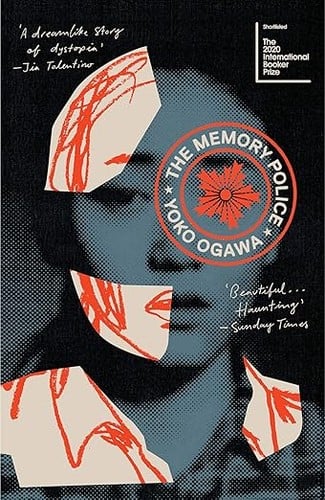
No. 36 on this list. The Memory Police
Yoko Ogawa · 2020
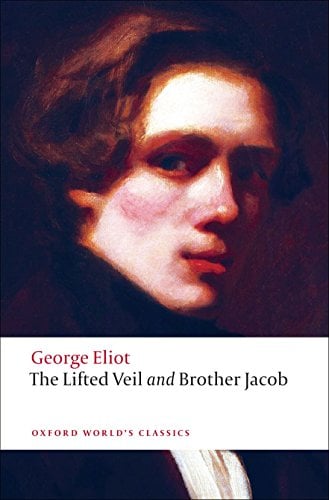
No. 37 on this list. The Lifted Veil and Brother Jacob
George Eliot · 1864
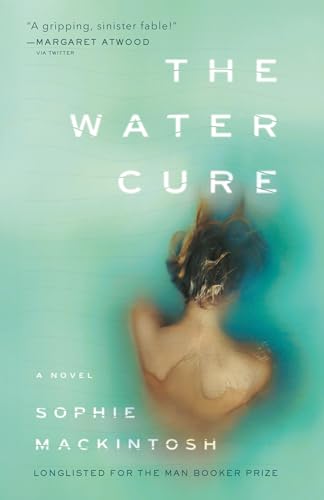
No. 38 on this list. The Water Cure
Sophie Mackintosh · 2018
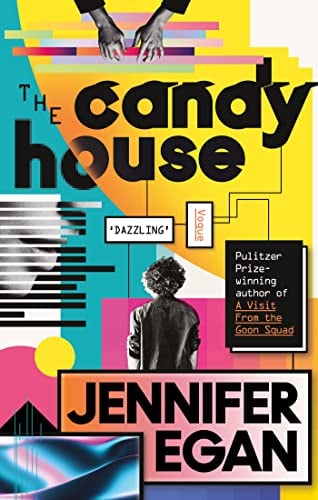
No. 39 on this list. The Candy House
Jennifer Egan · 2022
No. 40 on this list. Gliff
Ali Smith · 2024
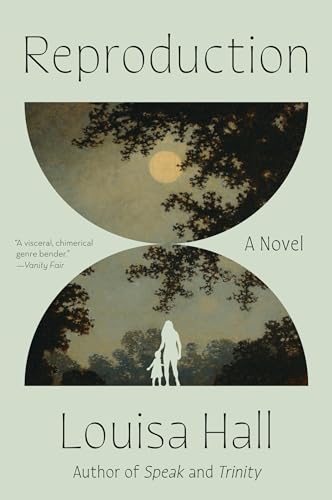
No. 41 on this list. Reproduction
Louisa Hall · 2022
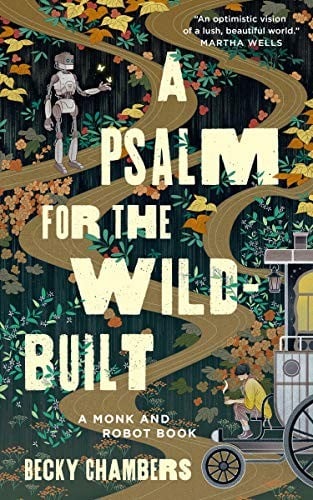
No. 42 on this list. A Psalm for the Wild-Built
Becky Chambers · 2021
No. 43 on this list. Atlas Shrugged (Centennial Ed. HC)
Ayn Rand · 1957
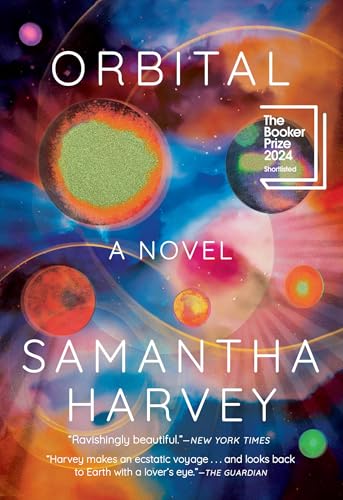
No. 44 on this list. Orbital
Samantha Harvey · 2024
No. 45 on this list. The Complete Murderbot Diaries
Martha Wells · 2020
No. 46 on this list. The Sparrow
Mary Doria Russell · 1996
No. 47 on this list. Stag Dance
Torrey Peters · 2025
No. 48 on this list. A Desolation Called Peace
Arkady Martine · 2021
No. 49 on this list. Record of a Spaceborn Few
Becky Chambers · 2018
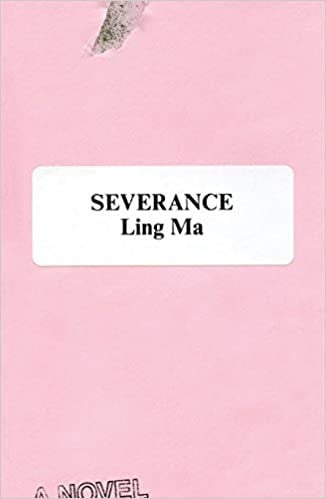
No. 50 on this list. Severance
Ling Ma · 2018
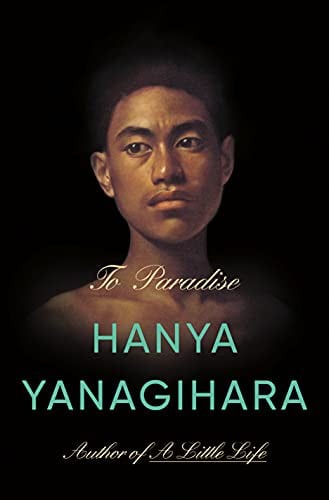
No. 51 on this list. To Paradise
Hanya Yanagihara · 2022
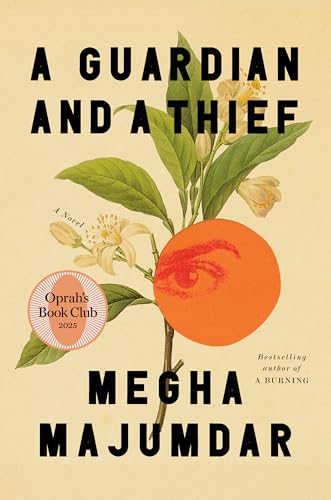
No. 52 on this list. A Guardian and a Thief
Megha Majumdar · 2025
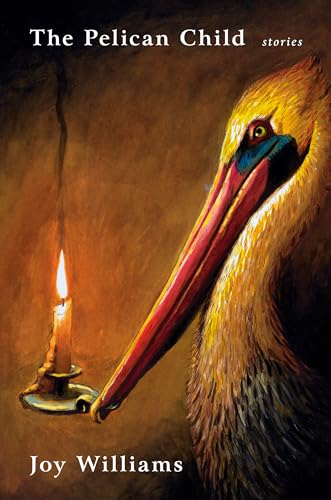
No. 53 on this list. The Pelican Child
Joy Williams · 2025
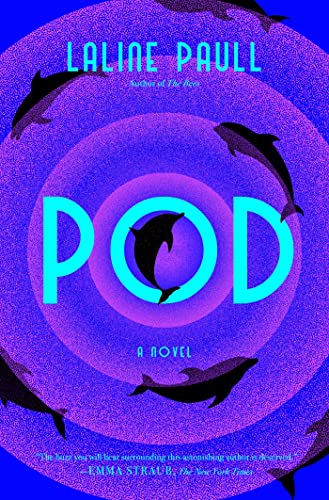
No. 54 on this list. Pod
Laline Paull · 2023
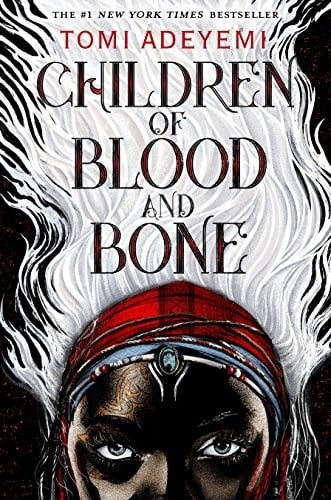
No. 55 on this list. Children of Blood and Bone
Tomi Adeyemi · 2018
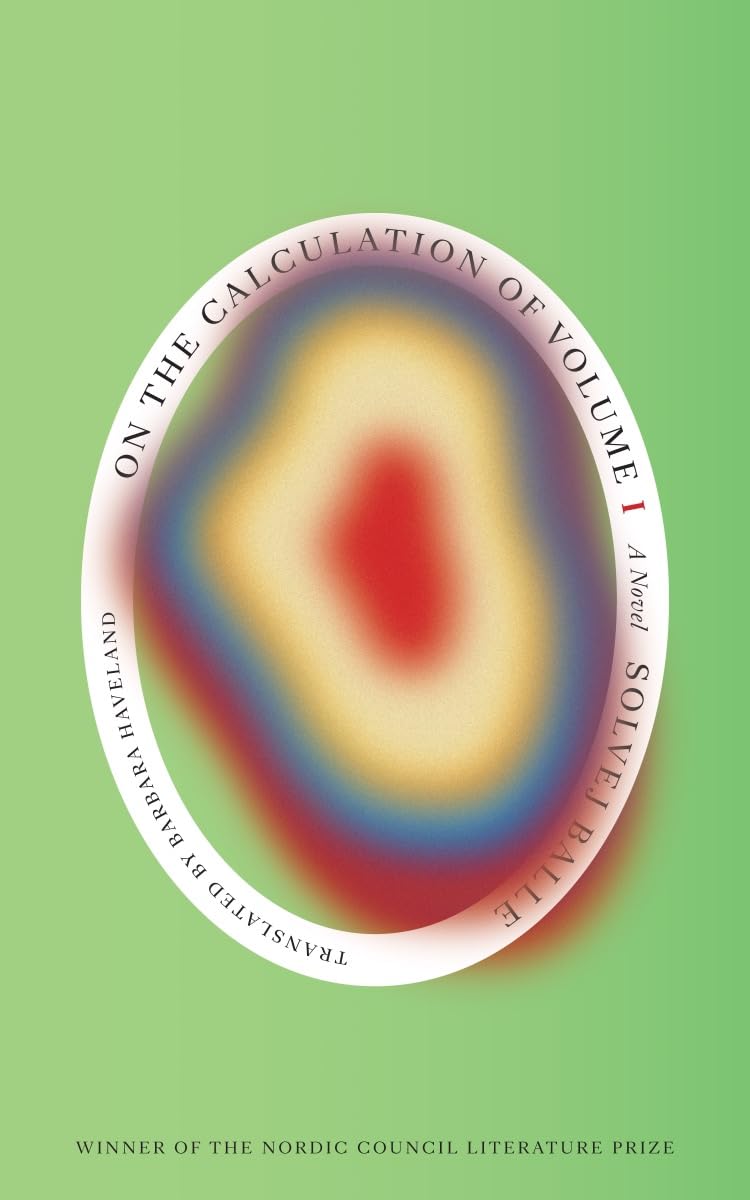
No. 56 on this list. On the Calculation of Volume I
Solvej Balle · 2025
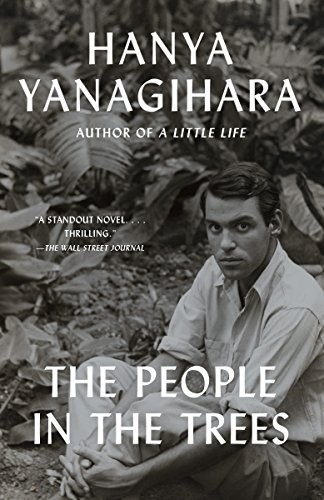
No. 57 on this list. The People in the Trees
Hanya Yanagihara · 2013
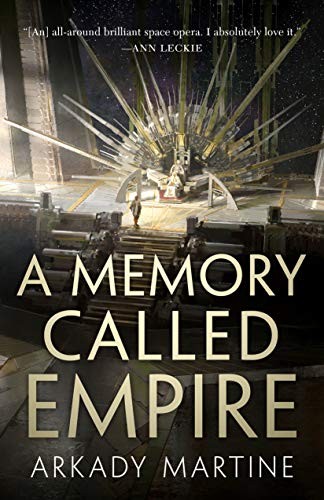
No. 58 on this list. A Memory Called Empire
Arkady Martine · 2019
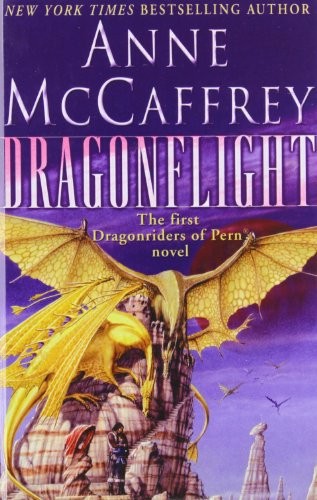
No. 59 on this list. Dragonflight
Anne McCaffrey · 1968
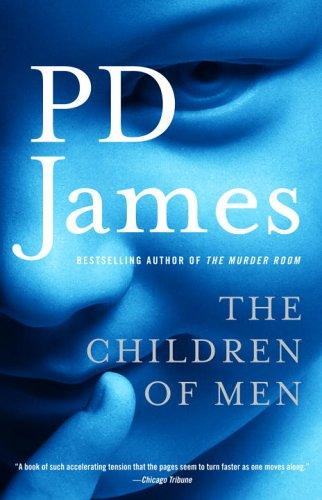
No. 60 on this list. The Children of Men
P.D. James · 1992
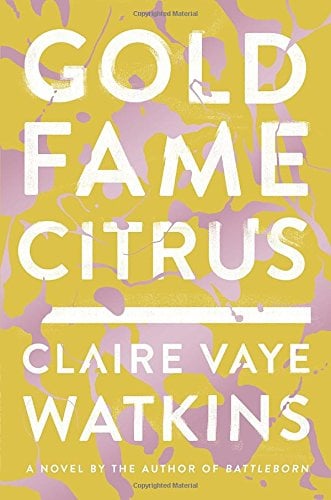
No. 61 on this list. Gold Fame Citrus
Claire Vaye Watkins · 2015
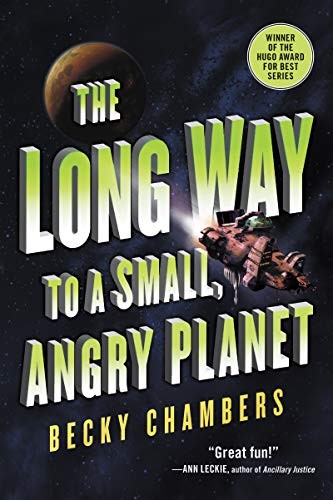
No. 62 on this list. The Long Way to a Small, Angry Planet
Becky Chambers · 2014
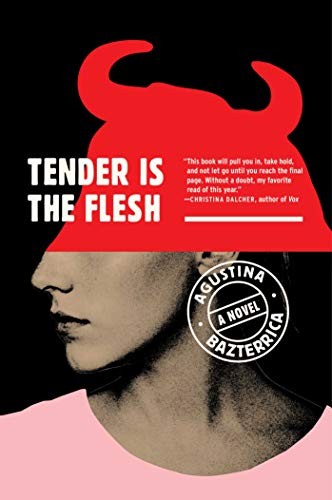
No. 63 on this list. Tender Is the Flesh
Agustina Bazterrica · 2017
No. 64 on this list. Legend
Marie Lu · 2011
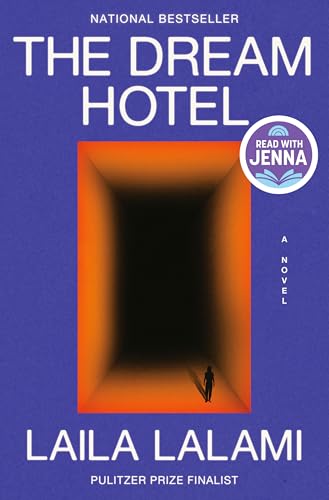
No. 65 on this list. The Dream Hotel
Laila Lalami · 2025
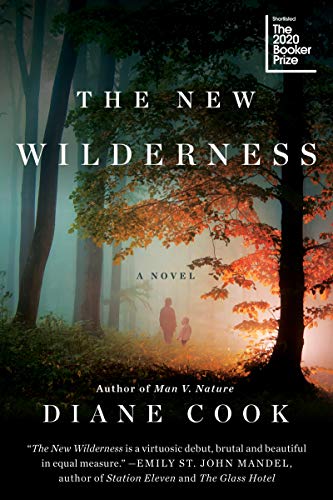
No. 66 on this list. The New Wilderness
Diane Cook · 2020
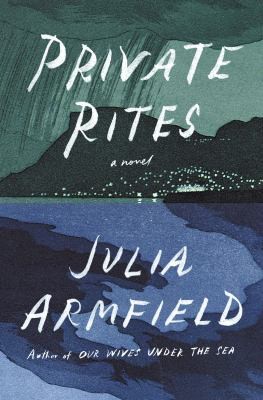
No. 67 on this list. Private Rites
Julia Armfield · 2024
No. 68 on this list. Delirium
Lauren Oliver · 2011
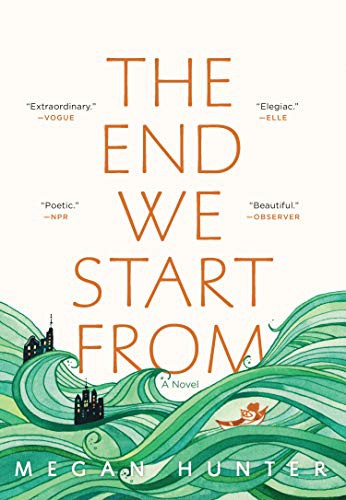
No. 69 on this list. The End We Start From
Megan Hunter · 2017
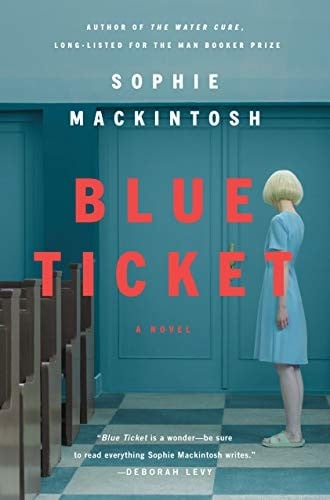
No. 70 on this list. Blue Ticket
Sophie Mackintosh · 2020
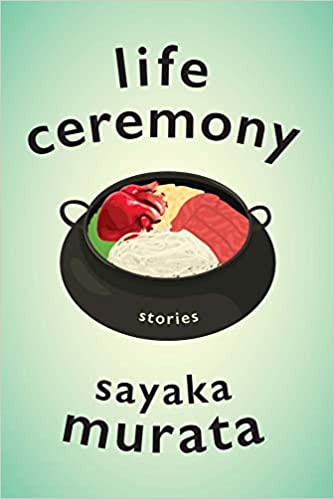
No. 71 on this list. Life Ceremony
Sayaka Murata · 2019
No. 72 on this list. Matched
Ally Condie · 2010
No. 73 on this list. The Doloriad
Missouri Williams · 2022
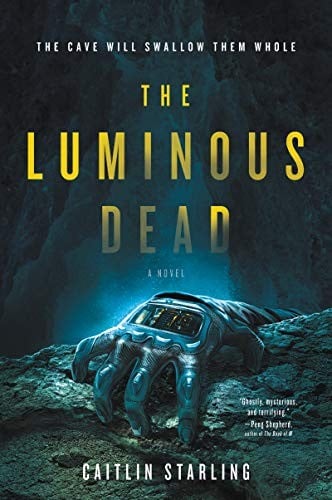
No. 74 on this list. The Luminous Dead
Caitlin Starling · 2019
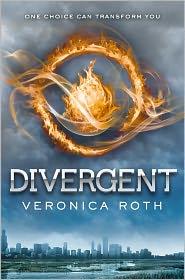
No. 75 on this list. Divergent
Veronica Roth · 2011
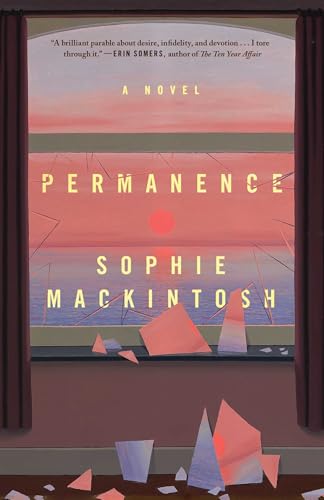
No. 76 on this list. Permanence: A Novel
Sophie Mackintosh · 2026
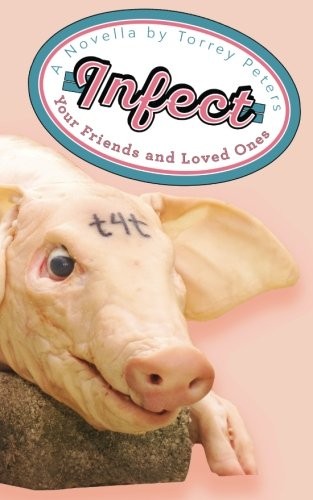
No. 77 on this list. Infect Your Friends and Loved Ones
Torrey Peters · 2016
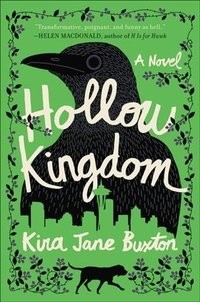
No. 78 on this list. Hollow Kingdom
Kira Jane Buxton · 2019
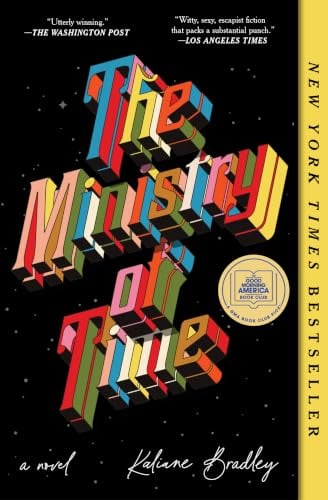
No. 79 on this list. The Ministry of Time
Kaliane Bradley · 2024
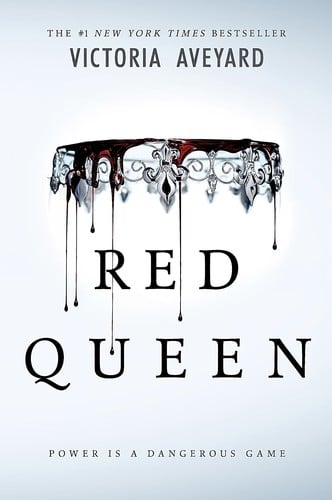
No. 80 on this list. Red Queen
Victoria Aveyard · 2015
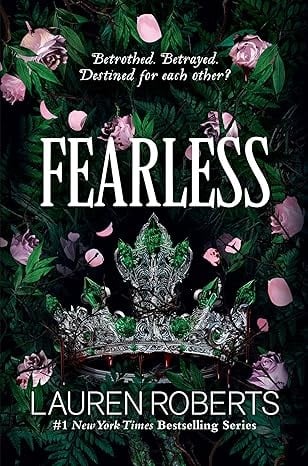
No. 81 on this list. Fearless
Lauren Roberts · 2025
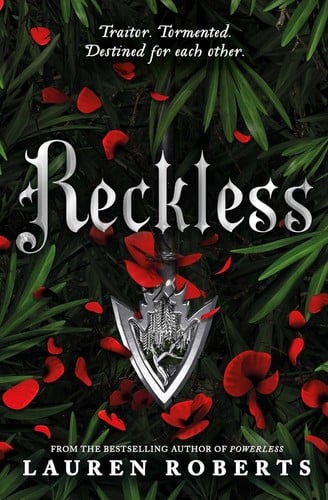
No. 82 on this list. Reckless
Lauren Roberts · 2024
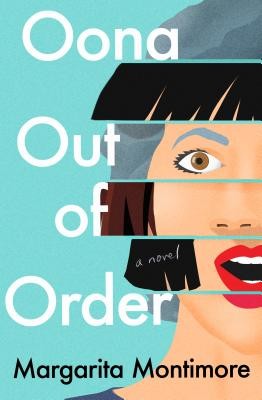
No. 83 on this list. Oona Out of Order
Margarita Montimore · 2020
No. 84 on this list. Deathball
W.H. Lockwood · 2026
No. 85 on this list. Doppelbänger
W.H. Lockwood · 2026
No. 86 on this list. Deathwish
W.H. Lockwood · 2027
About this list
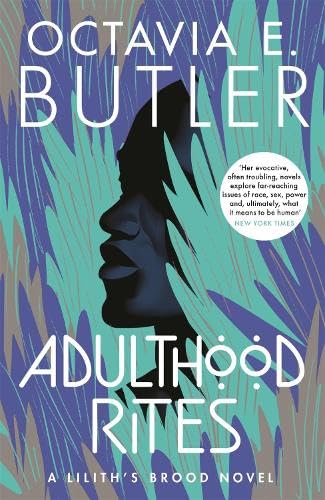
These 86 books are the highest-scoring eligible science fiction novels by women currently in the catalogue. By literary regard, it opens with Frankenstein, Lilith's Brood and The Handmaid's Tale. About 612 hours of reading in all, for the 84 with measured lengths. Difficulty runs from 33 to 59 out of 100 for the middle half of the list; the summit is The Slynx at 85.
This list is ranked by literary regard, with a consistent order for equal scores. Membership follows authors and co-authors, not translators or editors. Catalogue coverage and the historical canon both limit what this list can represent, and genre labels are the catalogue’s own, gathered into broader kinds.
When we matched the Canons dataset to our catalogue in October 2026, our canonical-status scores rose with the number of school curricula, publisher series and lists in it that cite a work: the median score was 72 for books one such source cites, 84 at two, 88 at three, 92 at four and 93 at five or more. Prizes are left out of that count. Outside the state curricula, the dataset’s sources choose mostly from what has been translated into English or French, so it is a weaker check on other literatures. Source: Canons (Andrew Piper), CC BY 4.0
Questions people actually ask
- What are the best science fiction novels by women?
- By literary regard, which weighs canonical status, critical standing and influence, Frankenstein, Lilith's Brood, The Handmaid's Tale, Kindred and The Left Hand of Darkness lead. ReadingRate ranks 86 such books, each with a difficulty score and a reading-time estimate.
- Where should I start with science fiction novels by women?
- Start from difficulty, not from rank. The most approachable books on this list that still carry top literary regard are The Left Hand of Darkness by Ursula K Le Guin (about 7.4 hours), The Handmaid's Tale by Margaret Atwood and Kindred by Octavia E. Butler.
- How hard are science fiction novels by women to read?
- Most of this list sits between 33 and 59 on ReadingRate's 100-point difficulty scale, where 40 to 55 is moderate. The summit is The Slynx at 85. Every entry carries its own score, so a reader can pick a great book at a difficulty they will finish.
- How is this list ranked?
- On literary-regard data: how canonically established a work is, its critical standing, and its influence on later writing. It is not a readers’ poll, which is why recent bestsellers rarely appear. Membership follows authors and co-authors, not translators or editors. A list that is not a genre list keeps to literature (fiction, poetry, drama and philosophy), with philosophy taking no more than one slot in five while there is literature left to rank; every list holds at most three works by one author.