Hours at an average pace
Showing 33 books
About 241 hours for 33 of 33 books with measured lengths. Estimates use 250 words a minute, adjusted for each book's difficulty. At 2 hours a day, about 121 days for those books.
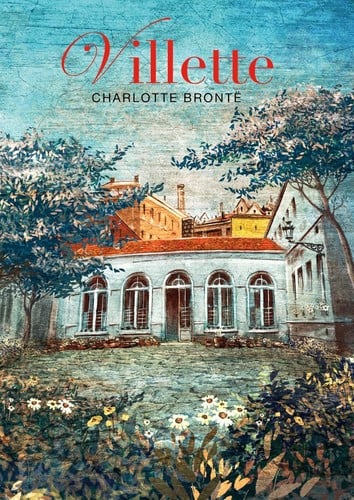
Widely taught in advanced 19th-century literature courses and Victorian fiction seminars, though less ubiquitous than Jane Eyre. Contemporary scholarship increasingly positions Villette as Brontë's most sophisticated novel; it appears regularly on university syllabi in feminist literary criticism and psychological realism tracks.
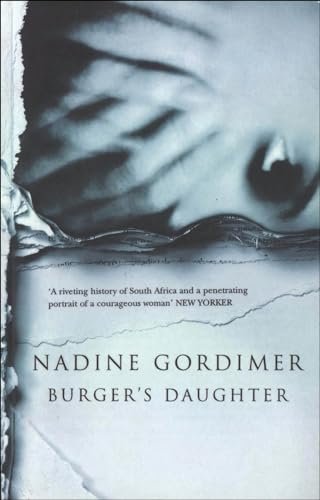
Burger's Daughter appears on 68 university syllabi (Open Syllabus Project, 45.8th percentile), placing it firmly in postcolonial and African literature courses though not in the top tier of globally canonical texts. Wikipedia articles exist in 7 languages — modest compared to landmark novels — but the article runs to over 61,000 characters and includes a dedicated reception section, indicating sustained critical discourse.
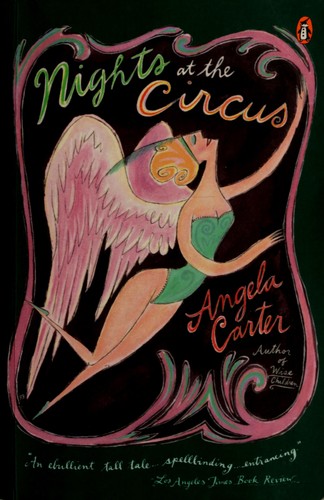
Nights at the Circus is a regular text in university courses on postmodern, feminist and magical-realist fiction, and probably Angela Carter's most studied novel. It is usually set alongside The Bloody Chamber as the core of her work.
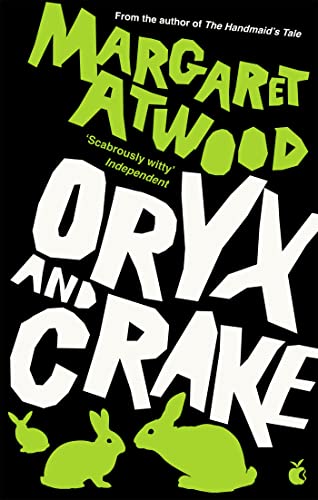
Appears on 699 university syllabi (71st percentile in the Open Syllabus Project), placing it firmly in regular academic use across contemporary fiction, speculative fiction, and environmental humanities courses. Its Wikipedia article exists in 15 languages with dedicated reception and adaptations sections, indicating modest but real global reach. It ranks well below foundational canonical texts but well above most genre fiction.
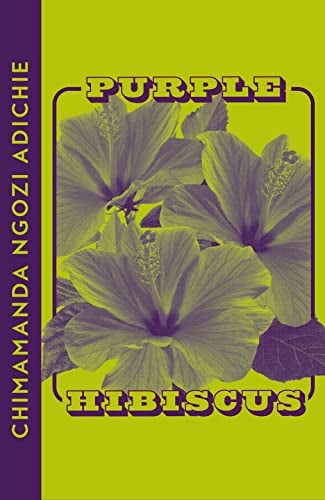
No. 5 on this list. Purple Hibiscus
Chimamanda Ngozi Adichie · 2004
Challenging7.1 hours
Taught in schools: Leaving Certificate English – NCCA / State Examinations Commission (Ireland)
Appears on 255 university syllabi according to the Open Syllabus Project, placing it in the 60th percentile of taught works. Wikipedia articles exist in 13 languages with a dedicated reception section. The novel is a fixture in postcolonial literature and African fiction courses, though it has not yet reached the ubiquity of authors like Achebe or Morrison in broader curricula.
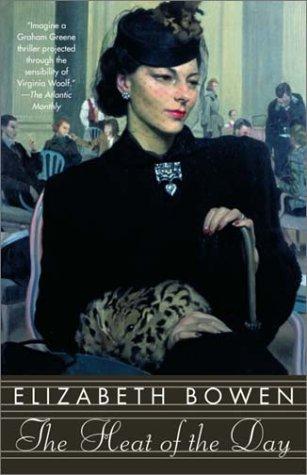
Stella Rodney works for British intelligence in wartime London, living with the particular alertness of a city that may be bombed tonight and probably will not be bombed tonight. Then a man named Harrison appears at a concert and offers her a deal: he will suppress evidence that her lover, Robert Kelway, is passing secrets to the Germans—if Stella sleeps with Harrison instead. What follows is not a thriller. Elizabeth Bowen uses the architecture of espionage to examine something harder to name: how people maintain the fiction of knowing who they love, and why, when the bombs have already stripped so much else away. The prose is Jamesian in its density—sentences that circle their subjects, speakers who say precisely what they do not mean—and the bomb-damaged London streets carry the weight of a social order losing its grip. Robert's guilt or innocence remains genuinely uncertain; what Bowen illuminates instead is the grammar of complicity, the way loyalty and self-deception share a syntax. A novel that rewards rereading more than reading, and reading more than most novels do.
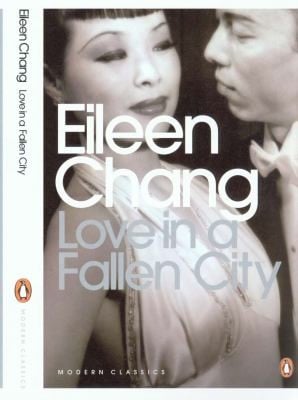
Chang is recognized as a major figure in modern Chinese literature and is regularly taught in Chinese literature, Asian studies, and world literature courses. This Penguin Modern Classics edition and inclusion in the Columbia Anthology of Modern Chinese Literature signal canonical standing. Her syllabi presence in Western universities remains more limited than in Chinese-speaking academic institutions, where she is a curriculum staple.
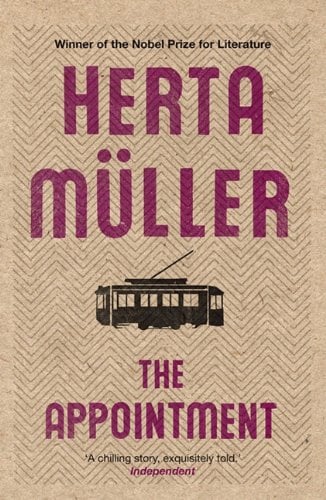
The Appointment is among Müller's secondary works — recognized within world literature courses and Eastern European studies but not as widely taught as a canonical anchor. Herta Müller's Nobel Prize in 2009 elevated awareness of her entire output, and this novel appears on graduate syllabi for German literature and comparative totalitarianism studies, though syllabus data shows limited presence.
Already established as one of Churchill's major works and widely studied in drama programs. Its innovative structure has made it a frequent subject of academic analysis.
Appears on 22 university syllabi (33rd percentile in Open Syllabus), with Wikipedia articles in 5 languages. Not yet a fixture of world literature courses, though its visibility has increased steadily since Tokarczuk's 2018 Nobel Prize brought her backlist into English-language classrooms.
No. 11 on this list. Mary Barton · Elizabeth Gaskell · 1848
Mary Barton appears regularly on university syllabi in Victorian literature, social fiction, and labor history courses in both British and American universities. While no syllabus count data is available, it holds a recognized place in the Victorian canon alongside Dickens and George Eliot, particularly as a foundational text of the industrial novel.
Moderate10 hours
Start this bookNo. 12 on this list. The Inheritance of Loss · Kiran Desai · 2006
Winner of the 2006 Booker Prize, The Inheritance of Loss has secured a firm place in contemporary postcolonial literature and appears widely on university syllabi (328 appearances). Its canonical standing is growing but not yet settled into the long-term durability of older twentieth-century classics.
Difficult13 hours
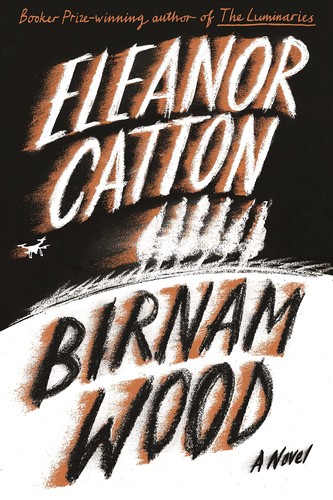
Start this bookNo. 13 on this list. Birnam Wood · Eleanor Catton · 2023
Too recent for syllabi. The Luminaries—Catton's Booker winner—is more likely to be taught. Birnam Wood is her follow-up, not yet established independently in academic contexts.
Moderate8.5 hours
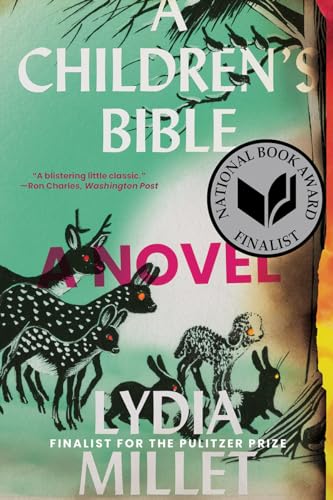
Start this bookNo. 14 on this list. A Children's Bible · Lydia Millet · 2020
When a hurricane approaches, a group of children and their dysfunctional parents retreat to a summer house. As the adults descend into drunkenness and chaos, the children discover an old illustrated Bible and begin reenacting its stories, finding in scripture a framework for understanding the environmental and moral collapse around them. A darkly comic allegory about parental failure, climate crisis, and the search for meaning.
Moderate3.8 hours
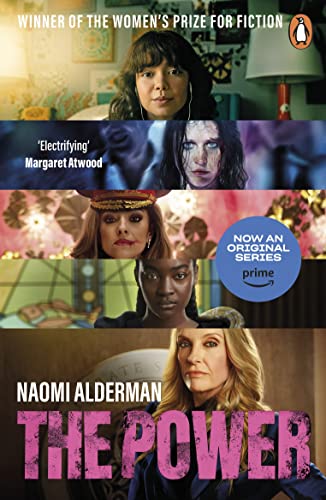
Start this bookNo. 15 on this list. The Power · Naomi Alderman · 2017
In a world where the balance of power is suddenly and profoundly shifted, Naomi Alderman's thought-provoking novel, The Power, explores a reality where women develop the ability to release electrical jolts from their fingertips, allowing them to dominate and control society. This newfound power upends the existing social order, leading to a radical transformation of governments, relationships, and individual lives. As the story unfolds, Alderman delves into themes of oppression, resistance, and the corrupting influence of power. Her writing is nuanced and evocative, weaving together multiple narrative threads to create a rich and immersive world. The tone is both unsettling and mesmerizing, inviting readers to confront the darker aspects of human nature. Readers of speculative fiction and those interested in feminist theory will find The Power to be a compelling and timely exploration of a world turned upside down. With its complex characters, thought-provoking themes, and page-turning plot, this novel is suitable for readers who enjoy intellectually stimulating fiction. Winner of the 2017 Women's Prize, The Power has garnered significant attention for its bold and unflinching examination of a world where traditional power dynamics are reversed. Alderman's unique vision and masterful storytelling make this novel a must-read for anyone interested in exploring the complexities of power, oppression, and social change.
Challenging6.3 hours
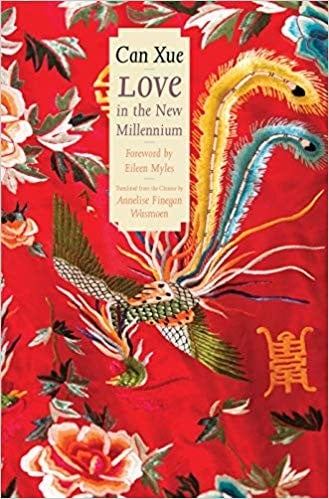
Start this bookNo. 16 on this list. Love in the New Millennium · Can Xue · 2013
Highly regarded in avant-garde circles. Less widely known than more accessible Chinese novelists.
Moderate5.7 hours
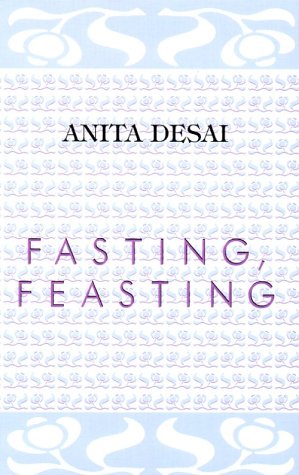
Start this bookNo. 17 on this list. Fasting, Feasting · Anita Desai · 1999
Shortlisted for the Booker Prize (1999) and the Women's Prize for Fiction (2000), establishing it as a recognized work of literary fiction. With 56 syllabus appearances (43rd percentile), it has moderate but not dominant academic presence, taught primarily in postcolonial and South Asian literature courses rather than across broad survey syllabi.
Challenging6.5 hours
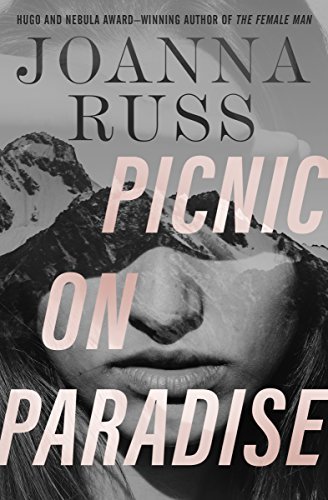
Start this bookNo. 18 on this list. Picnic on Paradise · Joanna Russ · 1968
No syllabus data was found in the database for this specific work. Within feminist science fiction, Picnic on Paradise is considered a founding text—it introduced the character Alyx, who would anchor Russ's most celebrated later work. It appears on specialist SF and feminist literature reading lists but is not widely taught in general American literature courses.
Moderate2.7 hours
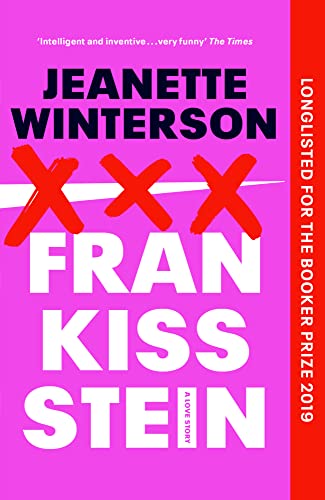
Start this bookNo. 19 on this list. Frankissstein · Jeanette Winterson · 2019
Winterson reimagines Mary Shelley's creation myth for the age of artificial intelligence. Two timelines alternate: Mary with Percy and Byron in 1816, birthing Frankenstein during the famous summer; and Ry, a transgender doctor in contemporary Britain, involved with a scientist building sex robots. The prose is playful and serious, Winterson finding in Shelley's monster a template for all the bodies we build and abandon. The novel asks what makes us human, whether consciousness can be created, whether love is possible between creatures and their makers.
Challenging6.4 hours
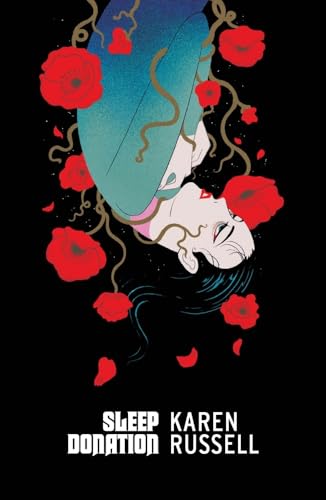
Start this bookNo. 20 on this list. Sleep Donation · Karen Russell · 2022
In a near-future plagued by a sleep epidemic, a new treatment raises ethical questions about consent and exploitation. Russell's novella combines speculative fiction with moral complexity in her characteristic inventive style.
Challenging2.9 hours
Start this book
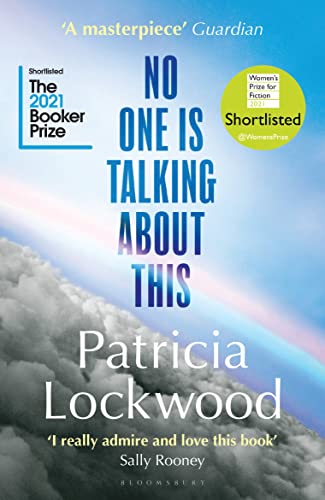
No. 21 on this list. No One Is Talking About This · Patricia Lockwood · 2021
Published 2021, too recent for canonical status, but already anthologized in contemporary fiction syllabi and 'internet literature' discussions. Booker Prize longlist and Women's Prize shortlist signal institutional recognition. Its cultural moment (Trump era, social media saturation) may date it, or it may endure as the definitive novel of early-2020s online consciousness. Time will determine whether 'the portal' remains legible.
Challenging3.3 hours
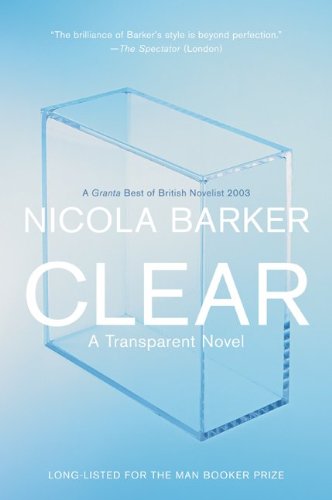
Start this bookNo. 22 on this list. Clear: A Transparent Novel · Nicola Barker · 2004
On September 5, 2003, illusionist David Blaine entered a small Perspex box adjacent to London's Thames River and began starving himself. Forty-four days later, on October 19, he left the box, fifty pounds lighter. That much, at least, is clear. And the rest? The crowds? The chaos? The hype? The rage? The fights? The lust? The filth? The bullshit? The hypocrisy?Nicola Barker fearlessly crams all that and more into this ribald and outrageous peep show of a novel, her most irreverent, caustic, up-to-the-minute work yet, laying bare the heart of our contemporary world, a world of illusion, delusion, celebrity, and hunger.
Challenging7.1 hours
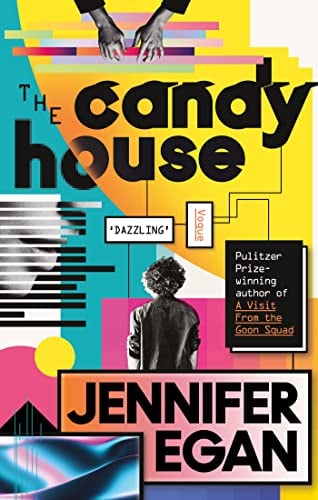
Start this bookNo. 23 on this list. The Candy House · Jennifer Egan · 2022
The Candy House (2022) is a companion to A Visit from the Goon Squad, returning to many of its characters. It is too recent to be established on reading lists, though its predecessor is widely taught.
Challenging7.6 hours
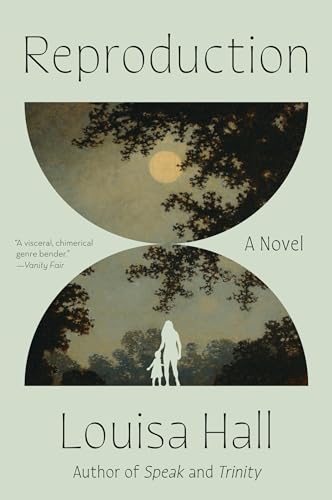
Start this bookNo. 24 on this list. Reproduction · Louisa Hall · 2022
In "Reproduction", Louisa Hall delves into the intricate dance between human and machine, raising fundamental questions about the nature of consciousness and creation. The novel weaves together multiple narratives, spanning different eras, to explore the blurred lines between artificial intelligence and human experience. Through a nuanced and introspective lens, Hall examines the complexities of existence, probing the essence of life and what it means to bring new beings into the world. Her writing is characterized by a contemplative tone, inviting readers to ponder the implications of emerging technologies on our understanding of self and existence. Readers of philosophical and psychologically complex fiction will find "Reproduction" a thought-provoking and hauntingly relevant exploration. With its multiple perspectives and non-linear narrative, the book may appeal to those who enjoy intellectually stimulating and atmospheric novels. Be prepared for a slow-burning, introspective journey that challenges assumptions about the human condition. Longlisted for the National Book Award in 2022, "Reproduction" has already garnered attention for its innovative and timely exploration of artificial intelligence and consciousness. While Hall's background may be less well-known, her writing has clearly resonated with critics and readers alike, making "Reproduction" a notable addition to the literary landscape.
Moderate4 hours
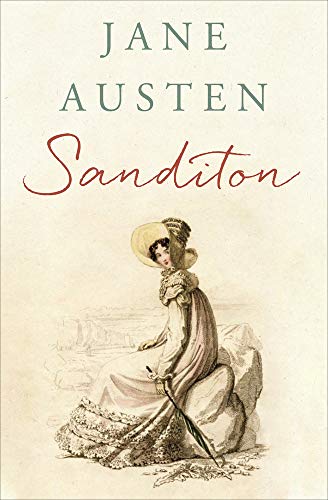
Start this bookNo. 25 on this list. Sanditon · Jane Austen
A fragment, valued for what it reveals about Austen's late development. Read primarily by Austen devotees and scholars.
Moderate1.6 hours
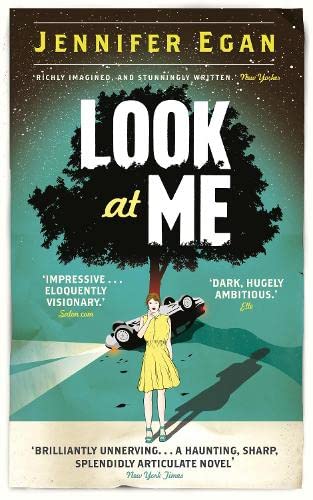
Start this bookNo. 26 on this list. Look at Me · Jennifer Egan · 2001
In her first novel since her widely praised debut, The Invisible Circus, Jennifer Egan demonstrates once again her virtuosity at weaving a spellbinding story with language that dazzles. In this boldly ambitious and symphonic novel, she captures the tenor of our times and offers an unsettling glimpse of the future.Fashion model Charlotte Swenson returns to Manhattan, having just recovered from a catastrophic car accident in her hometown of Rockford, Illinois. The skin of her face is perfect, but behind it lie eighty titanium screws that hold together the bones that were shattered when she hit the unbreakable windscreen of her car.Unrecognizable to her peers and colleagues, Charlotte finds it impossible to resume her former life. Instead, she floats invisibly through a world of fashion nightclubs and edgy Internet projects, where image and reality are indistinguishable.During her recovery in Rockford, she had met another Charlotte, the plain-looking teenage daughter of her former best friend. Young Charlotte, alienated from parents and friends, has come under the sway of two men: her uncle, a mentally unstable scholar of the Industrial Revolution, and an enigmatic high school teacher whom she seduces.In following these tales to their eerie convergence, Look at Me is both a send-up of image culture in America and a mystery of human identity. Egan illuminates the difficulties of shaping an inner life in a culture obsessed with surfaces and asks whether "truth" can have any meaning in an era when reality itself has become a style. Written with powerful intelligence and grace, Look at Me clearly establishes Jennifer Egan as one of the most daring and gifted novelists of her generation.From the Hardcover edition.
Moderate8 hours
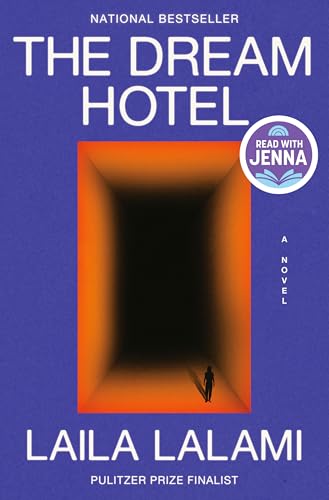
Start this bookNo. 27 on this list. The Dream Hotel · Laila Lalami · 2025
Ranked by literary regard among eligible works in the current catalogue. This position reflects the available catalogue evidence.
Challenging6.8 hours
Start this bookNo. 28 on this list. A Closed and Common Orbit · Becky Chambers · 2016
No syllabus appearances or Wikipedia data found in the database. This is a beloved genre novel with a devoted readership but no significant presence in academic curricula. It circulates primarily within science fiction fandom rather than university literature courses.
Challenging8.7 hours
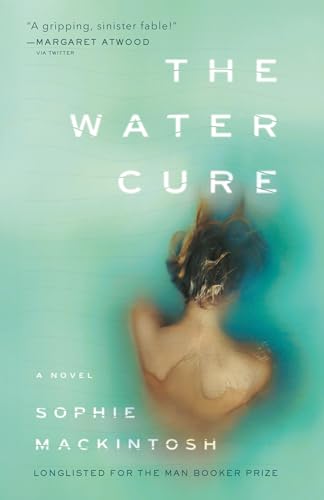
Start this bookNo. 29 on this list. The Water Cure · Sophie Mackintosh · 2018
The Water Cure is a recent debut, read as part of a wave of feminist dystopian fiction rather than set as a standard text. It comes up in discussions of contemporary women's writing but not on reading lists.
Challenging7.1 hours
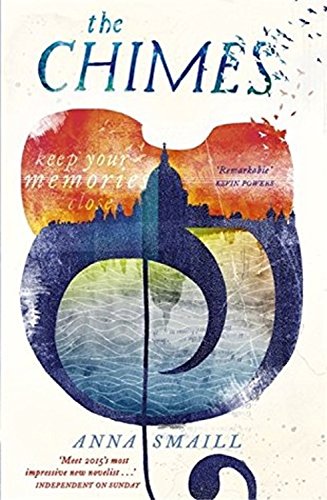
Start this bookNo. 30 on this list. The Chimes · Anna Smaill · 2015
The Chimes (2015) is a recent dystopian novel by a New Zealand poet and appears on few courses. It is known mainly through its prize recognition.
Challenging5.3 hours
Start this book


About this list
These 33 books are the highest-scoring eligible books about technology and modernity by women currently in the catalogue. About 241 hours of reading in all. Difficulty runs from 51 to 62 out of 100 for the middle half of the list; the summit is Oryx and Crake at 79.
This list is ranked by literary regard, with a consistent order for equal scores. Membership follows authors and co-authors, not translators or editors. A book is here when ReadingRate files it under Technology & Modernity as one of its primary reading domains, at a confidence of 0.8 or more. Catalogue coverage and the historical canon both limit what this list can represent.
When we matched the Canons dataset to our catalogue in October 2026, our canonical-status scores rose with the number of school curricula, publisher series and lists in it that cite a work: the median score was 72 for books one such source cites, 84 at two, 88 at three, 92 at four and 93 at five or more. Prizes are left out of that count. Outside the state curricula, the dataset’s sources choose mostly from what has been translated into English or French, so it is a weaker check on other literatures. Source: Canons (Andrew Piper), CC BY 4.0
Questions people actually ask
- What are the best books about technology and modernity by women?
- By literary regard, which weighs canonical status, critical standing and influence: Villette by Charlotte Brontë, Burger's Daughter by Nadine Gordimer, Nights at the Circus by Angela Carter, Oryx and Crake by Margaret Atwood and Purple Hibiscus by Chimamanda Ngozi Adichie. ReadingRate ranks 33 such books, each with a difficulty score and a reading-time estimate.
- Which books about technology and modernity by women should I read first?
- Start from difficulty, not from rank. The most approachable books on this list that still carry top literary regard are Four: A Divergent Collection (Divergent Series Story) by Veronica Roth (about 3 hours), I Am Watching You by Lisa Jewell and Love in a Fallen City by Eileen Chang.
- What are the shortest of the best books about technology and modernity by women?
- Among the top 25, the shortest are Love and Information by Caryl Churchill (about 53 min), Sanditon by Jane Austen (about 1.6 hours) and Sleep Donation by Karen Russell (about 2.9 hours), at an average pace of 250 words a minute adjusted for each book's difficulty.
- Which of the best books about technology and modernity by women are the established classics?
- By canonical status, how firmly a book sits in curricula, anthologies and the canon: Villette by Charlotte Brontë, Purple Hibiscus by Chimamanda Ngozi Adichie, Nights at the Circus by Angela Carter, The Heat of the Day by Elizabeth Bowen and Mary Barton by Elizabeth Gaskell.
- Can I read any of these books about technology and modernity by women for free?
- 1 of the 33 opens in ReadingRate's reader with a free account, from public-domain editions: Villette.
- How long would it take to read the top ten?
- About 96 hours, at an average pace of 250 words a minute adjusted for each book's difficulty: 48 days at two hours a day. Set your own pace on the page and the list's reading times change to it.
- How hard are books about technology and modernity by women to read?
- Most of this list sits between 51 and 62 on ReadingRate's 100-point difficulty scale, where 40 to 55 is moderate. The summit is Oryx and Crake at 79. Every entry carries its own score, so a reader can pick a great book at a difficulty they will finish.
- How is this list ranked?
- On literary-regard data: how canonically established a work is, its critical standing, and its influence on later writing. It is not a readers’ poll, which is why recent bestsellers rarely appear. Membership follows authors and co-authors, not translators or editors. Lists by country, author, period, theme or difficulty keep to literature (fiction, poetry, drama and philosophy), their novels, poems and plays first and their philosophy after them; a list of a kind of book, such as memoir or criticism, keeps every book of that kind. Every list holds at most three works by one author. A book is here when ReadingRate files it under Technology & Modernity as one of its primary reading domains, at a confidence of 0.8 or more.