
Hours at an average pace
Showing 39 books
About 476 hours for 39 of 39 books with measured lengths. Estimates use 250 words a minute, adjusted for each book's difficulty. At 2 hours a day, about 239 days for those books.
No. 1 on this list. Gargantua and Pantagruel
François Rabelais · 1532
Challenging33 hours
Taught in schools: Lektury obowiązkowe – Polish national reading list (Poland)
Included in: Bokklubben World Library, Great Books of the Western World
Gargantua and Pantagruel appears on virtually every Western literary canon list and is required reading in Renaissance literature courses at universities worldwide. The work has Wikipedia articles in more than 60 languages and has maintained continuous scholarly attention since the 16th century. It appears on Harold Bloom's Western Canon and the Great Books curricula as a founding text of European prose fiction.
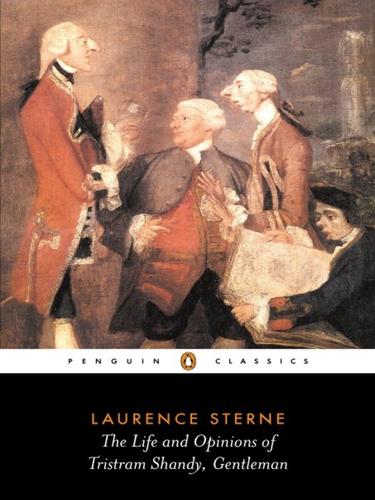
No. 2 on this list. The Life and Opinions of Tristram Shandy, Gentleman
Laurence Sterne · 1759
Difficult27 hours
Included in: Bokklubben World Library, Great Books of the Western World
Tristram Shandy is one of the most taught 18th-century English novels in university literature programs worldwide, appearing on virtually every course covering the development of the novel form, postmodernism avant la lettre, and experimental fiction. It consistently appears on lists of the greatest novels in the English language — Modern Library, Penguin Classics, academic consensus lists — and is the foundational text for any discussion of metafiction and narrative self-consciousness. Its canonical status is second only to Fielding's Tom Jones among 18th-century English prose fiction.
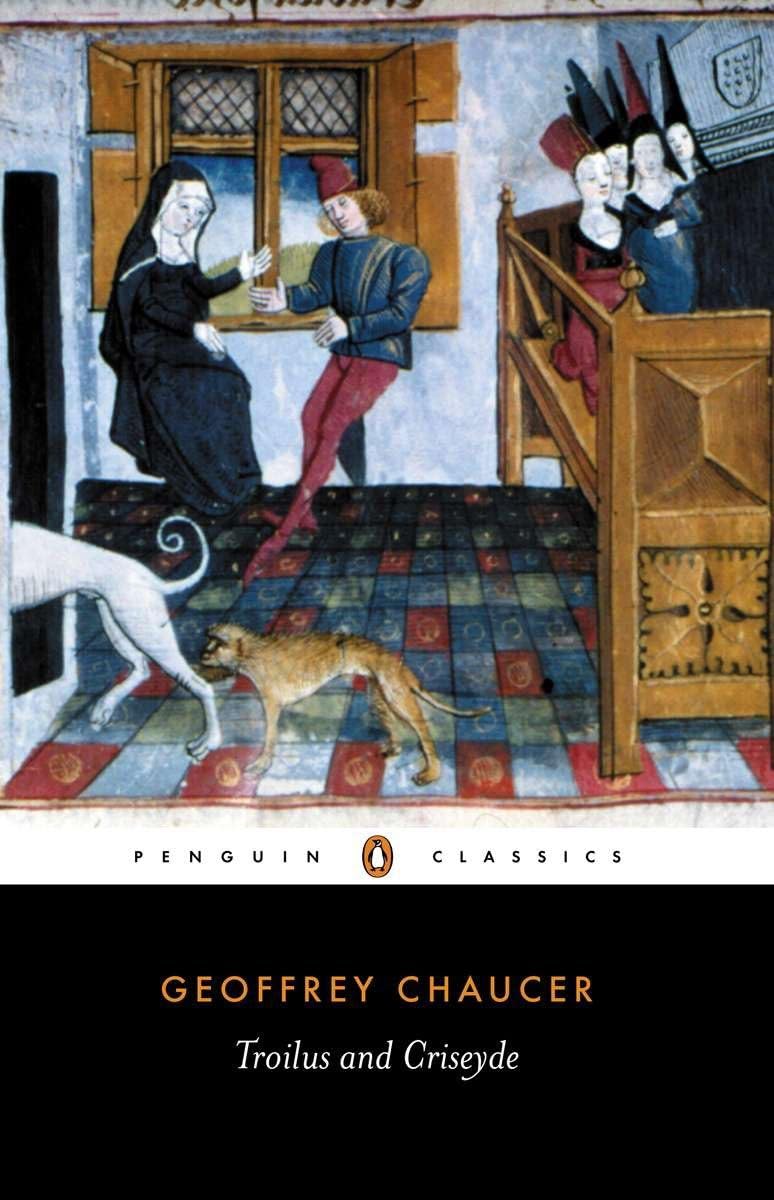
No. 3 on this list. Troilus and Criseyde
Geoffrey Chaucer · 1385
Difficult9.3 hours
Included in: Great Books of the Western World
Required reading in virtually every medieval English literature curriculum, taught across English, Comparative Literature, and Medieval Studies programs at universities worldwide. Though Open Syllabus data is unavailable here, Chaucer courses built around this text are standard at every major university with an English department. It holds a place among the most-studied long poems in the English language.
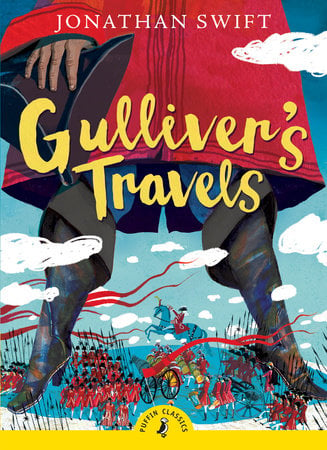
No. 4 on this list. Gulliver's Travels
Jonathan Swift · 1726
Challenging10 hours
Taught in schools: CSEC English B – Caribbean Examinations Council, Hungarian literature curriculum (magyar nyelv és irodalom) (Hungary)
Included in: Bokklubben World Library, Great Books of the Western World
Swift shrinks his protagonist to six inches in Lilliput, inflates him to a giant in Brobdingnag, then deposits him among rational horses who regard humans as vermin. No other satire in English has so thoroughly weaponized scale and perspective to indict politics, science, and the species itself.
No. 5 on this list. Vanity Fair
William Makepeace Thackeray · 1848
Difficult41 hours
Taught in schools: AQA GCSE and A-level English Literature (UK)
Vanity Fair is a cornerstone of Victorian literature curricula worldwide, appearing on roughly 2,000–3,000 university syllabi across English literature, European novel, and 19th-century studies courses. It sits on the Modern Library's 100 Best Novels list and appears in every major survey of the Victorian novel. Wikipedia articles exist in over 70 languages, and the title itself has passed into common usage as a byword for social ambition and display.
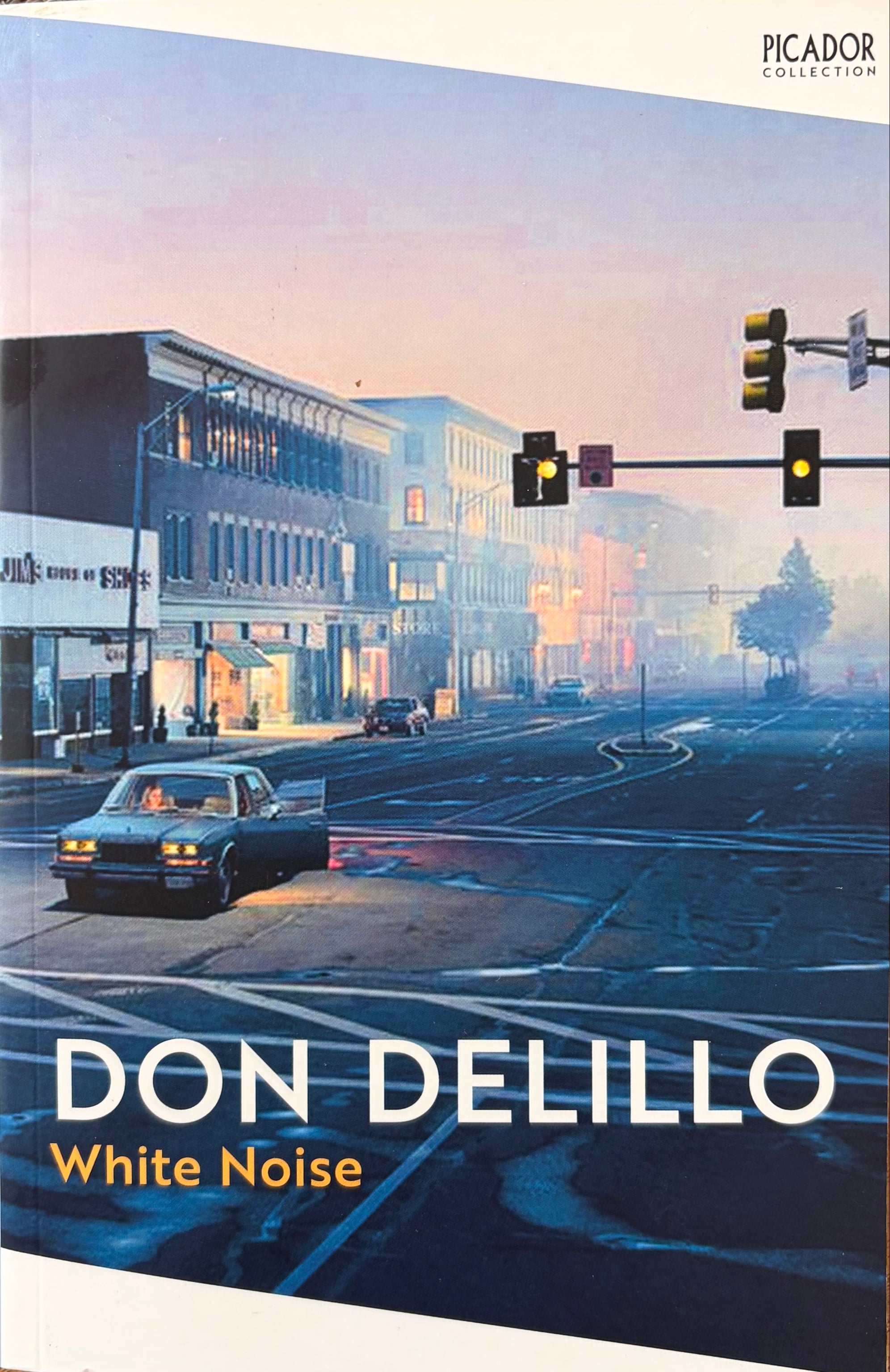
The definitive novel of American postmodern anxiety. The Airborne Toxic Event, the supermarket as cathedral, the fear of death—DeLillo captured how Americans live among systems they cannot understand.
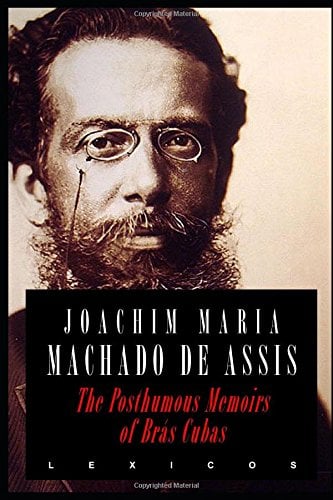
Widely taught in Latin American literature courses at universities across the Americas and Europe, Memórias Póstumas is the foundational text of Brazilian literary realism and a required landmark in any serious survey of world fiction. Although its Wikipedia presence is strong across dozens of languages, it remains less universally assigned than García Márquez or Borges in Anglophone syllabi, placing it below the 85-percentile canonical tier while well above the midpoint.
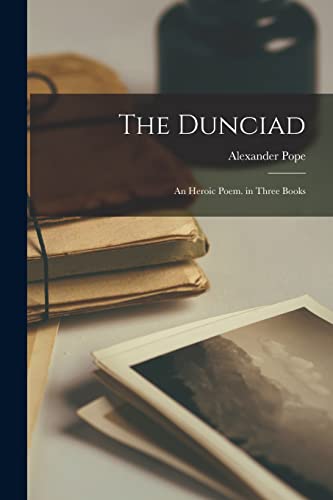
No. 8 on this list. The Dunciad
Alexander Pope · 1728
Challenging1.7 hours
Included in: Oxford World's Classics
The Dunciad is a standard text in courses on eighteenth-century literature and satire, and is excerpted in major anthologies of English literature. Its closing lines on universal darkness are among the most quoted in Augustan poetry.
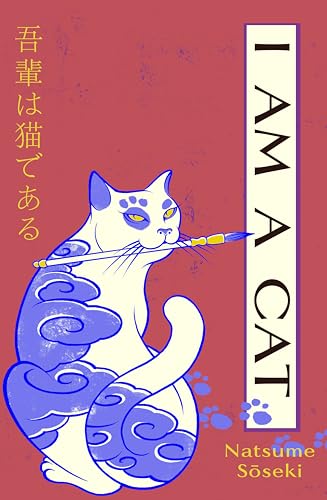
No. 9 on this list. I Am a Cat
Natsume Sōseki · 1905
Difficult25 hours
Included in: UNESCO Collection of Representative Works
A cornerstone of modern Japanese literature, 'I Am a Cat' is taught across Japanese universities and regularly appears in world literature curricula internationally. Soseki's debut launched one of the most celebrated literary careers in Japanese history, and the novel remains required reading in discussions of Meiji-era fiction and the development of the modern Japanese novel form.
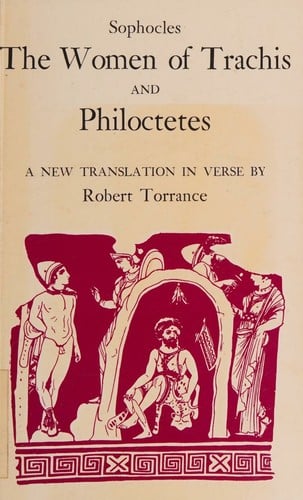
No. 10 on this list. The Women of Trachis
Sophocles · c. 450 BCE
Challenging7.2 hours
Included in: Great Books of the Western World
Deianira waits in Trachis. Her husband Heracles has been gone fifteen months, fighting a war for reasons she suspects are not honorable, and she has heard nothing. When he finally sends word—along with a captive woman, Iole—Deianira understands what her husband has not bothered to say. She has one weapon left: a robe smeared with what the centaur Nessus told her, as he died from Heracles' arrow, was a love charm. She sends it. The robe, of course, is poison. Sophocles builds the tragedy not through deception but through sincerity: Deianira acts out of love, not malice, and destroys the man she was trying to keep. The Women of Trachis is the starkest of the surviving Sophocles plays—no redemption, no divine rescue, just Heracles screaming in agony and his son Hyllus forced to light his father's funeral pyre. The chorus of Trachinian women watches and mourns but cannot intervene. What makes this play unsettling is how ordinary Deianira's reasoning is. She is not catastrophically wrong; she simply cannot know. The gods know, and say nothing. Ezra Pound's 1954 translation, Trachiniae, turned the choral odes into American vernacular and introduced the play to modernist readers. Sophocles leaves Heracles' fate unresolved—death or apotheosis—and refuses to explain why the innocent suffer.
No. 11 on this list. Lust · Elfriede Jelinek · 1989
Jelinek is a Nobel Prize winner (2004), and Lust is among her most-discussed novels, central to courses in feminist literature, Austrian literature, and avant-garde fiction. The Wikipedia article on Lust exists in 58 languages, indicating significant global recognition. However, the novel is not a fixture of general literary survey courses in the way that Jelinek's work as a whole is taught — it is a specialist text, assigned where Jelinek is the focus or feminist radical fiction is the subject. Its explicit content limits its classroom reach. Canonical within feminist literary studies; less so in general world literature curricula.
Difficult9.3 hours
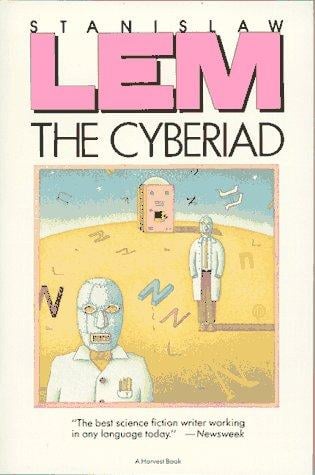
Start this bookNo. 12 on this list. The Cyberiad · Stanisław Lem · 1965
Trurl and Klapaucius are constructors — engineers of impossible things — who travel the universe building machines that write poetry, create dragons out of probability, and kidnap kings using algorithms. In the opening story, Trurl builds a machine that can make anything starting with the letter N. When it begins making Nothing — not ordinary nothing, but dynamic, aggressive Nothingness — it starts erasing the world one item at a time: the gruncheons go, then the pritons, then the zits, and the sky acquires holes that have never healed. Stanisław Lem writes fairy tales about robots, but the fairy tales are philosophical arguments in disguise. Each of the fifteen linked adventures runs a thought experiment: what happens when collective intelligence exceeds the scale at which militarism makes sense? Can a machine write great poetry if civilization wrote the poet? What does it mean to exist inside a simulation you cannot distinguish from reality? The deadpan fable narrator treats catastrophe and cosmic comedy with identical gravity, and the gap between that voice and what is actually happening is where all the meaning lives. The Cyberiad reads as slapstick adventure on the surface — Trurl escaping dungeon after dungeon with improbable ingenuity — and as philosophy underneath, where questions about consciousness, creation, and the purpose of intelligence are never resolved. Lem gives you both pleasures at once, and the math jokes are genuine.
Challenging8.4 hours
Start this bookNo. 13 on this list. Erasure · Percival Everett · 2001
Increasingly recognized as a major American novel, especially after the film adaptation American Fiction and Everett's Pulitzer Prize win for James.
Difficult12 hours
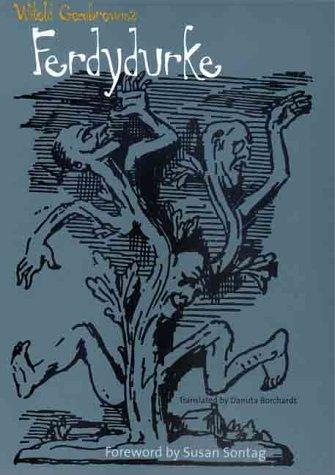
Start this bookNo. 14 on this list. Ferdydurke · Witold Gombrowicz · 1937
Taught in schools: Lektury obowiązkowe – Polish national reading list (Poland)
Ferdydurke is essential reading in Polish literature curricula and widely included in European modernism and world literature survey courses. Its English-language standing was significantly elevated by the 2000 Yale University Press translation with Susan Sontag's foreword. Less universally taught than Kafka or Borges in Anglophone institutions, but its canonical status in Eastern European and comparative literature contexts is strong.
Difficult13 hours
Start this bookNo. 15 on this list. A Tale of a Tub · Jonathan Swift · 1704
A Tale of a Tub (1704) is a standard text in university courses on Augustan satire and eighteenth-century literature, usually read with The Battle of the Books, and its Digression on Madness is widely anthologised. Outside the classroom it is far less read than Gulliver's Travels or A Modest Proposal.
Difficult5.9 hours
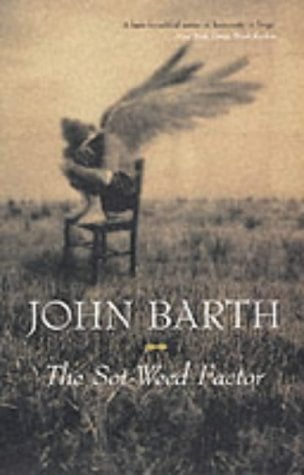
Start this bookNo. 16 on this list. The Sot-Weed Factor · John Barth · 1960
Listed on TIME's All-TIME 100 Novels (2005) and Open Syllabus Top 500 Literature, with only 7 recorded syllabus appearances (21st percentile) and a Wikipedia article in a single language with a 325-character stub. The novel has the reputation of a landmark without the institutional footprint of one — revered by postmodern fiction specialists but not broadly taught. Its canonical status is specialist rather than general, comparable to Infinite Jest (78) in cult standing but without that book's syllabus presence.
Difficult39 hours
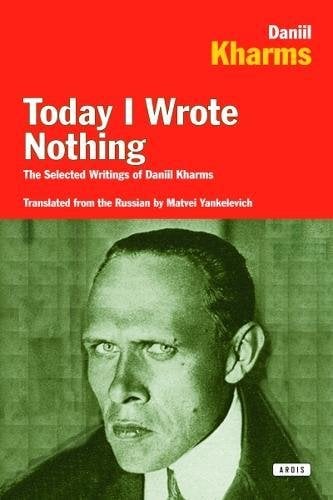
Start this bookNo. 17 on this list. Today I Wrote Nothing · Daniil Kharms
Kharms appears on university syllabi in Russian literature, 20th-century avant-garde, and experimental fiction courses, though not as widely as canonical Soviet-era figures. No syllabus data was returned for this specific anthology. His work has entered secondary anthologies of world literature and avant-garde studies, securing a specialized but not mainstream canonical position.
Difficult6.6 hours
Start this bookNo. 18 on this list. Bouvard and Pécuchet · Gustave Flaubert · 1881
Bouvard and Pécuchet are two copy-clerks who meet by chance on a Paris boulevard in 1838, discover they have written their names in their hats, and become instant friends. When Bouvard inherits a small fortune from his natural father, they retire to Normandy and resolve to apply the full weight of human knowledge to their farm. Over the next twenty years they take up agriculture, chemistry, archaeology, history, medicine, philosophy, education, and occultism in turn — consulting authoritative volumes, following instructions scrupulously, and failing with spectacular consistency every time. Flaubert wrote his last novel as a systematic comedy of bourgeois rationalism: the joke is not that Bouvard and Pécuchet are stupid but that the disciplines themselves contradict each other, the experts disagree, and the confident application of book-learning to the world produces only confusion. Free indirect discourse does the work — Flaubert inhabits his characters' current enthusiasm so completely that readers must maintain their own ironic distance while the pair remains cheerfully oblivious. The novel was unfinished when Flaubert died in 1880 and ends mid-momentum, the two men briefly moved by a Christmas mass and still undaunted. What makes it durable is not the comedy of failure but the portrait of human knowledge-hunger as both absurd and indestructible.
Challenging7.5 hours
Read nowNo. 19 on this list. Nazi Literature in the Americas · Roberto Bolaño · 1996
Nazi Literature in the Americas is taught in Latin American literature and world literature courses at the university level, but it is not a curriculum fixture in the way Bolaño's later 2666 and The Savage Detectives are becoming. No syllabus data was available in the database, but the book's reputation as Bolaño's first major work—and the structural precursor to his later encyclopedic ambitions—ensures its presence in Bolaño studies and comparative fascism-and-literature courses. Less canonical than 2666, more canonical than most of his short fiction collections.
Difficult5.8 hours
Start this bookNo. 20 on this list. The Girls of Slender Means · Muriel Spark · 1963
The Girls of Slender Means (1963) is regularly placed among Muriel Spark's finest novels alongside The Prime of Miss Jean Brodie, and is taught on British literature courses throughout the English-speaking world. Though the database returned no syllabus counts or Wikipedia data, Spark is a fixture in 20th-century fiction curricula, and this novel appears consistently on lists of essential post-war British fiction. It has not reached the curriculum saturation of Gatsby or Mockingbird but commands genuine canonical respect in literary studies.
Challenging3.3 hours
Start this book
No. 21 on this list. The Mysterious Stranger · Mark Twain · 1916
In 1590, in the drowsy Austrian village of Eseldorf, three boys meet a charming young stranger who lights a pipe with his breath and conjures fruit from their pockets. He tells them his name is Philip Traum. He tells them he is an angel — specifically, Satan's nephew, untouched by the Fall and therefore without any Moral Sense. He is delightful company. The stranger makes miniature humans out of clay, watches them develop a civilization, then casually crushes them. He manipulates fate so that Nikolaus, Theodor's closest friend, drowns saving a girl rather than live sixty-two years as a paralyzed invalid. He considers this kindness. Theodor, narrating from old age, agrees with him throughout — and the reader must decide whether to follow. Mark Twain wrote The Mysterious Stranger between 1898 and 1908 without finishing it. Editors completed the manuscript after his death, location of the seam undisclosed. The novella is the culmination of Twain's late period: God is indicted directly in Satan's closing monologue ('mouths mercy and invented hell'), and the final revelation — that the universe, history, and the narrator himself are a dream inside a vagrant thought — is delivered without apology. The Moral Sense, which separates humans from animals, is the cruelest gift ever given: it allows suffering to be recognized, then does nothing to prevent it. This is Twain at his furthest from Hannibal.
Challenging3.5 hours
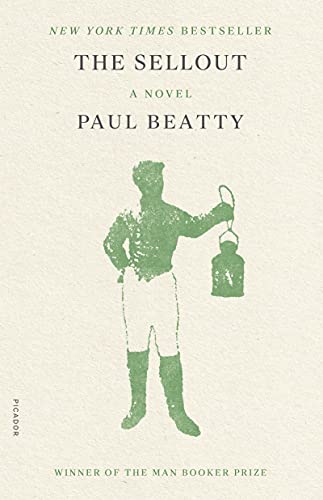
Read nowNo. 22 on this list. The Sellout · Paul Beatty · 2016
The Sellout (2016) won the Booker Prize — the first American novel to do so — which immediately positioned it as a landmark. It appears on 254 syllabi at the 60th percentile across academic disciplines. Despite recent publication, it has entered the contemporary canon of American racial satire rapidly, alongside Invisible Man and Native Son, though it is still building the long-term institutional presence of older works.
Very Difficult13 hours
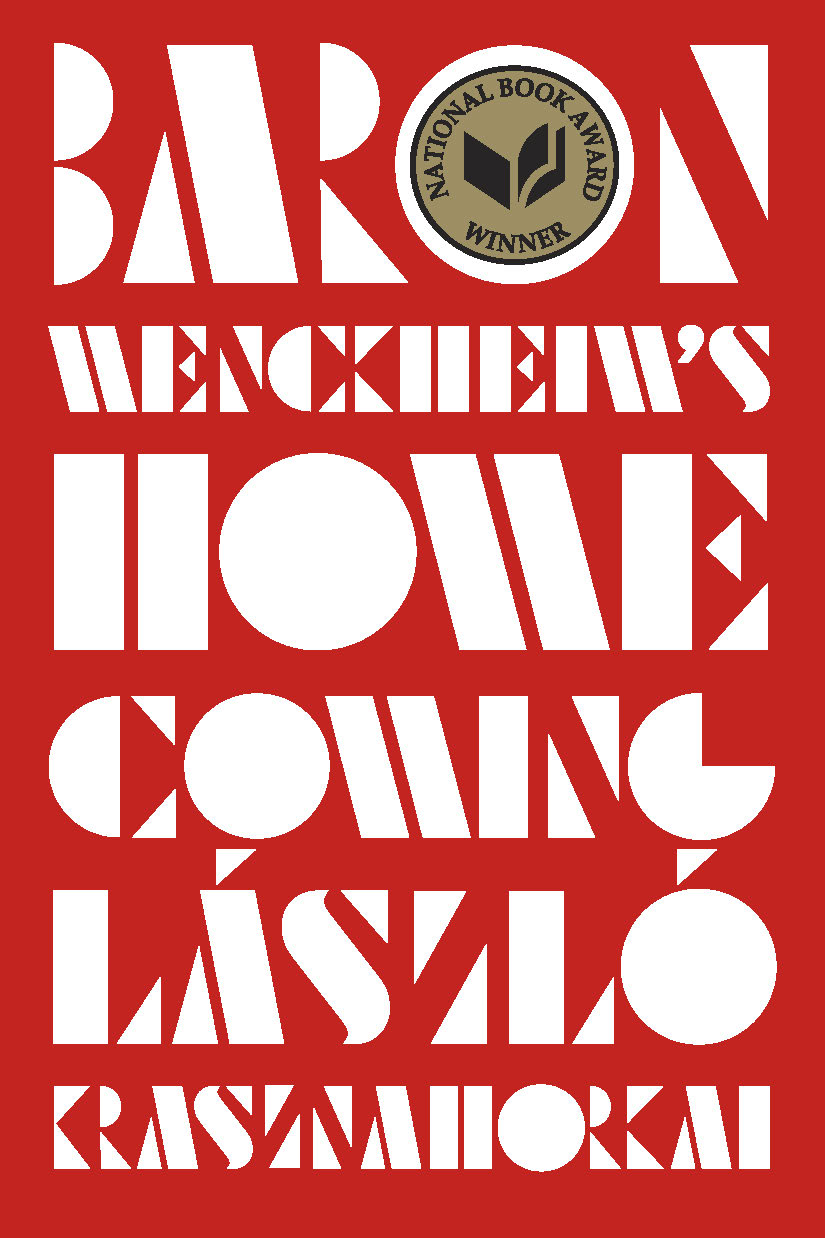
Start this bookNo. 23 on this list. Baron Wenckheim's Homecoming · László Krasznahorkai · 2016
Baron Wenckheim's Homecoming has not yet achieved wide syllabus presence and remains a niche text even within contemporary world literature courses. It is Krasznahorkai's final novel in a tetralogy, and while respected, it does not appear on standard reading lists. Its canonical potential rises with Krasznahorkai's 2025 Nobel Prize, but institutional adoption lags behind critical recognition.
Difficult28 hours
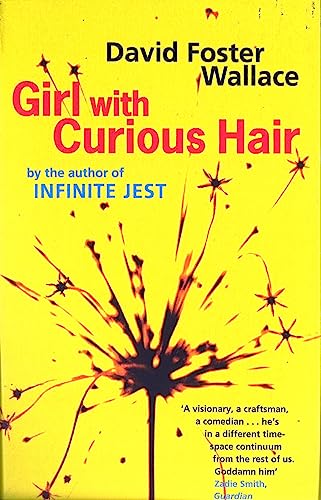
Start this bookNo. 24 on this list. Girl with Curious Hair · David Foster Wallace · 1989
Girl with Curious Hair is not widely assigned on undergraduate syllabi but is considered essential within the Wallace scholarly conversation and postmodern American fiction courses at the graduate level. It occupies a specific canonical niche — the difficult first collection of a canonical author — that gives it standing without broad institutional reach.
Difficult17 hours
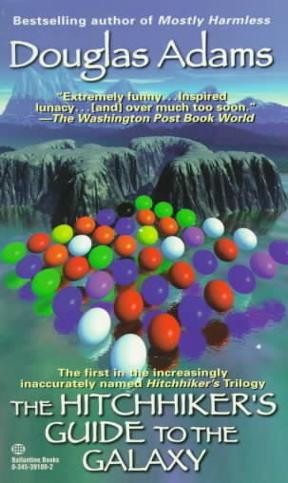
Start this bookNo. 25 on this list. The Hitchhiker's Guide to the Galaxy · Douglas Adams · 1979
Taught in schools: CSEC English B – Caribbean Examinations Council
Found on 151 university syllabi (54th percentile) with Wikipedia articles in 36 languages, and voted fourth in the BBC's Big Read in 2003. It is the most taught comic science fiction novel.
Challenging4.5 hours
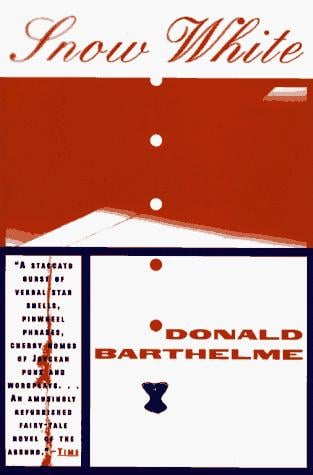
Start this bookNo. 26 on this list. Snow White · Donald Barthelme · 1967
Snow White appears regularly on university syllabi in American postmodern fiction and 20th-century American literature courses, typically alongside Pynchon, Barth, and Coover. It has been included in major postmodern fiction anthologies and appears in most academic treatments of American postmodernism as a landmark text. Its canonical status is solid within literary-academic circles but does not approach the mass curriculum presence of The Great Gatsby or To Kill a Mockingbird.
Difficult3.9 hours
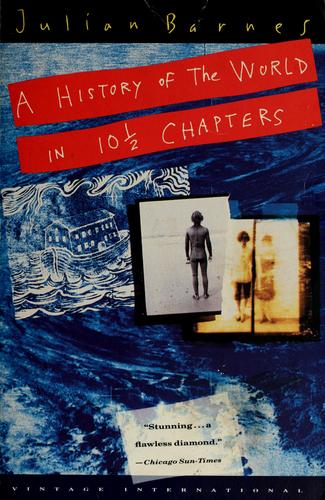
Start this bookNo. 27 on this list. A History of the World in 10½ Chapters · Julian Barnes · 1989
Widely taught in contemporary British fiction and postmodern courses, and a standard example of the fragmented novel. It lacks the broad curricular reach of the major canon.
Challenging11 hours
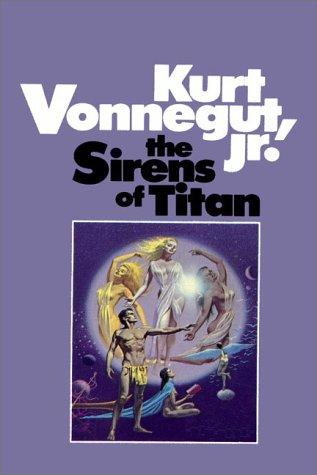
Start this bookNo. 28 on this list. The Sirens of Titan · Kurt Vonnegut · 1959
Appears on TIME's All-TIME 100 Novels list and is taught in American literature and science fiction courses at the university level, though not with the frequency of Slaughterhouse-Five. It has a devoted readership and appears on most 'essential Vonnegut' lists, but has not achieved the curriculum-fixture status of his most famous work.
Difficult9 hours
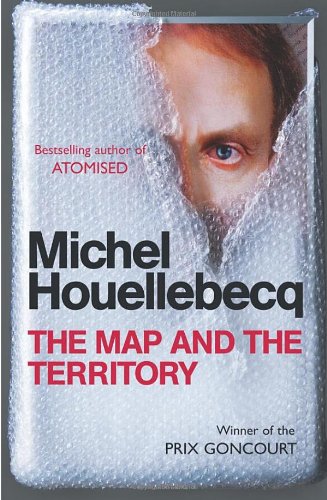
Start this bookNo. 29 on this list. The Map and the Territory · Michel Houellebecq · 2010
Published in 2010, The Map and the Territory is too recent to have achieved canonical status in the traditional sense. However, it won the Prix Goncourt—France's most prestigious literary award—and is widely studied in French literature courses. It is considered one of Houellebecq's finest works and has entered the broader conversation about contemporary European literary fiction, though it has not yet had the decades of critical consolidation that would place it among established canonical works.
Difficult10 hours
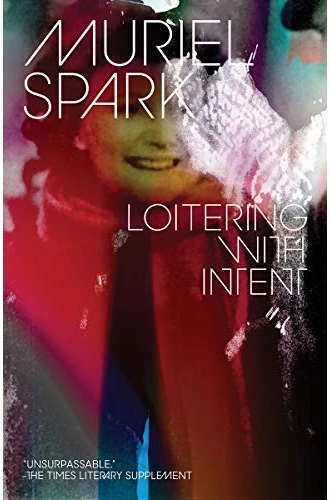
Start this bookNo. 30 on this list. Loitering with Intent · Muriel Spark · 1981
Appears on 13 university syllabi according to Open Syllabus (27.85th percentile), indicating a respected but not widely-taught presence in academia. Wikipedia coverage spans only 2 languages with a short article of 3,012 characters, suggesting limited international canonical reach. Within British fiction studies, it surfaces as a secondary Spark text rather than a primary curriculum anchor.
Difficult5.7 hours
Start this book
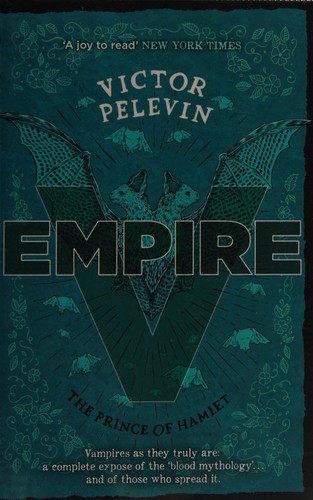
No. 31 on this list. Empire V
Viktor Pelevin · 2006
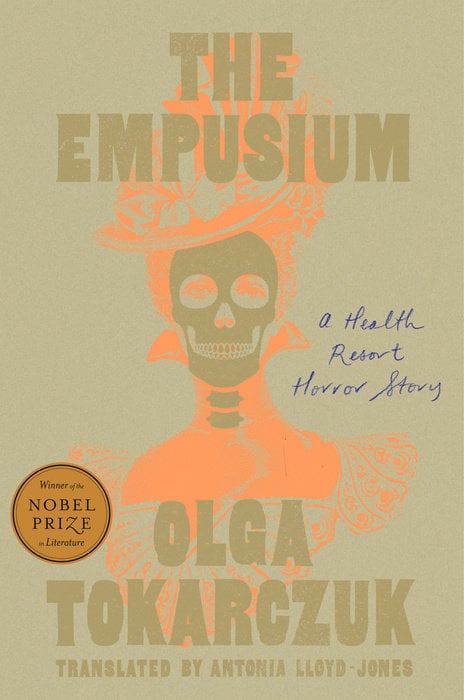
No. 32 on this list. The Empusium
Olga Tokarczuk · 2022
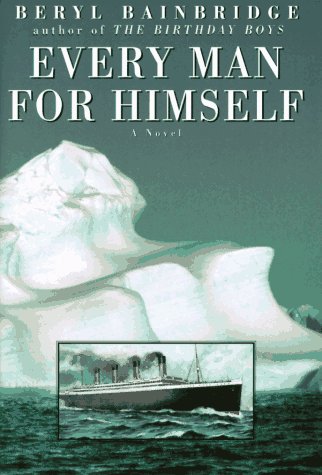
No. 33 on this list. Every Man for Himself
Beryl Bainbridge · 1996
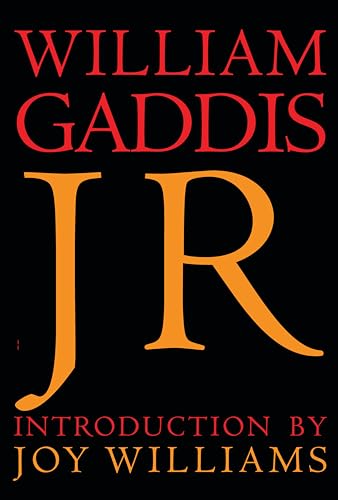
No. 34 on this list. JR
William Gaddis · 1976
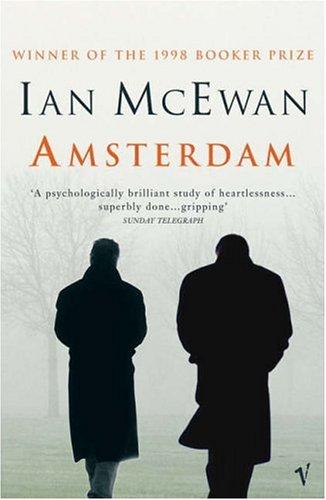
No. 35 on this list. Amsterdam
Ian McEwan · 1998
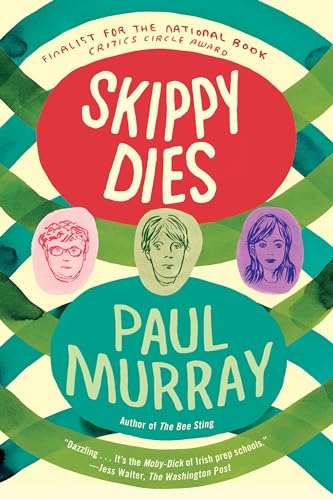
No. 36 on this list. Skippy Dies
Paul Murray · 2010
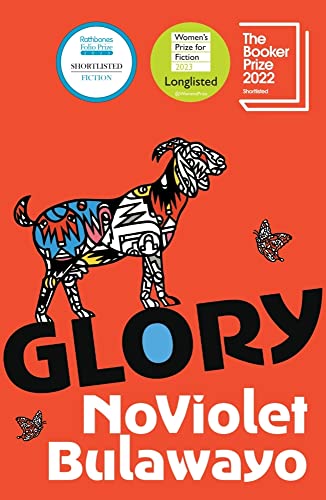
No. 37 on this list. Glory
NoViolet Bulawayo · 2022
No. 38 on this list. The Literary Conference
César Aira · 2006
No. 39 on this list. Tarantula
Bob Dylan · 1971

About this list
These 39 books are the highest-scoring eligible challenging funny and satirical books currently in the catalogue. About 476 hours of reading in all. Difficulty runs from 68 to 77 out of 100 for the middle half of the list; the summit is The Sellout at 85.
This list is ranked by literary regard, with a consistent order for equal scores. Membership follows authors and co-authors, not translators or editors. A book is here when ReadingRate files it under Humor & Satire as one of its primary reading domains, at a confidence of 0.8 or more. Catalogue coverage and the historical canon both limit what this list can represent.
When we matched the Canons dataset to our catalogue in October 2026, our canonical-status scores rose with the number of school curricula, publisher series and lists in it that cite a work: the median score was 72 for books one such source cites, 84 at two, 88 at three, 92 at four and 93 at five or more. Prizes are left out of that count. Outside the state curricula, the dataset’s sources choose mostly from what has been translated into English or French, so it is a weaker check on other literatures. Source: Canons (Andrew Piper), CC BY 4.0
Questions people actually ask
- What are the best challenging funny and satirical books?
- By literary regard, which weighs canonical status, critical standing and influence: Gargantua and Pantagruel by François Rabelais, The Life and Opinions of Tristram Shandy, Gentleman by Laurence Sterne, Troilus and Criseyde by Geoffrey Chaucer, Gulliver's Travels by Jonathan Swift and Vanity Fair by William Makepeace Thackeray. ReadingRate ranks 39 such books, each with a difficulty score and a reading-time estimate.
- Which challenging funny and satirical books should I read first?
- Start from difficulty, not from rank. The most approachable books on this list that still carry top literary regard are The Mysterious Stranger by Mark Twain (about 3.5 hours), Gulliver's Travels by Jonathan Swift and The Posthumous Memoirs of Brás Cubas by Machado de Assis.
- What are the shortest of the best challenging funny and satirical books?
- Among the top 25, the shortest are The Dunciad by Alexander Pope (about 1.7 hours), The Girls of Slender Means by Muriel Spark (about 3.3 hours) and The Mysterious Stranger by Mark Twain (about 3.5 hours), at an average pace of 250 words a minute adjusted for each book's difficulty.
- Which of the best challenging funny and satirical books are the established classics?
- By canonical status, how firmly a book sits in curricula, anthologies and the canon: Gulliver's Travels by Jonathan Swift, Gargantua and Pantagruel by François Rabelais, The Life and Opinions of Tristram Shandy, Gentleman by Laurence Sterne, Troilus and Criseyde by Geoffrey Chaucer and Vanity Fair by William Makepeace Thackeray.
- Can I read any of these challenging funny and satirical books for free?
- 4 of the 39 open in ReadingRate's reader with a free account, from public-domain editions: Troilus and Criseyde, Gulliver's Travels, Bouvard and Pécuchet and The Mysterious Stranger.
- How long would it take to read the top ten?
- About 172 hours, at an average pace of 250 words a minute adjusted for each book's difficulty: 87 days at two hours a day. Set your own pace on the page and the list's reading times change to it.
- How hard are challenging funny and satirical books to read?
- Most of this list sits between 68 and 77 on ReadingRate's 100-point difficulty scale, where 40 to 55 is moderate. The summit is The Sellout at 85. Every entry carries its own score, so a reader can pick a great book at a difficulty they will finish.
- How is this list ranked?
- On literary-regard data: how canonically established a work is, its critical standing, and its influence on later writing. It is not a readers’ poll, which is why recent bestsellers rarely appear. Membership follows authors and co-authors, not translators or editors. Lists by country, author, period, theme or difficulty keep to literature (fiction, poetry, drama and philosophy), their novels, poems and plays first and their philosophy after them; a list of a kind of book, such as memoir or criticism, keeps every book of that kind. Every list holds at most three works by one author. A book is here when ReadingRate files it under Humor & Satire as one of its primary reading domains, at a confidence of 0.8 or more.