Hours at an average pace
Showing 41 books
About 213 hours for 41 of 41 books with measured lengths. Estimates use 250 words a minute, adjusted for each book's difficulty. At 2 hours a day, about 107 days for those books.
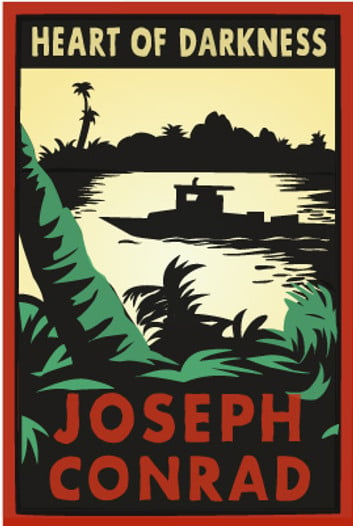
No. 1 on this list. Heart of Darkness
Joseph Conrad · 1899
Challenging4 hours
Taught in schools: Pacific Senior Secondary Certificate – English, Pearson Edexcel GCSE and A-level English Literature (UK)
Included in: Great Books of the Western World
Appears on 5,515 university syllabi according to Open Syllabus (93.5th percentile), placing it above The Great Gatsby in teaching frequency. Listed on the Modern Library 100 Best Novels (1998) and consistently featured on 'essential reading' lists. Wikipedia articles exist in 49 languages, reflecting global canonical reach.
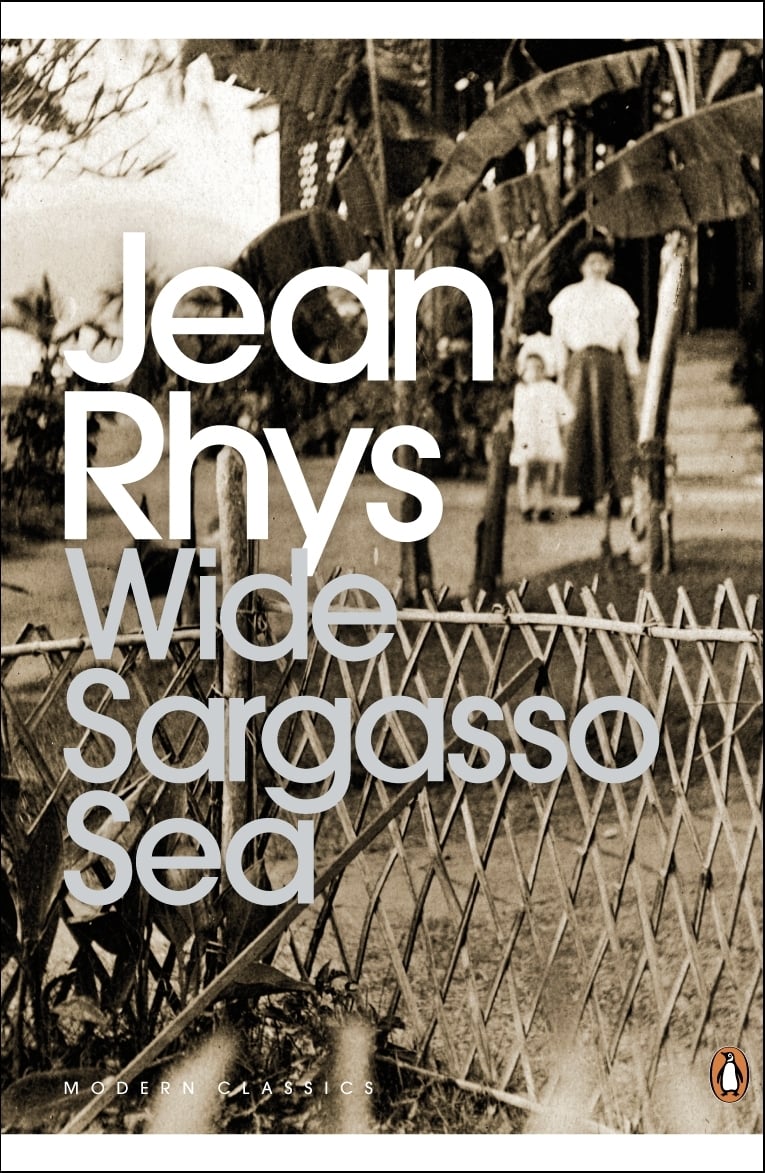
No. 2 on this list. Wide Sargasso Sea
Jean Rhys · 1966
Challenging4.3 hours
Taught in schools: CSEC English B – Caribbean Examinations Council, WJEC/Eduqas GCSE and A-level English Literature (UK)
The postcolonial revision that changed how we read Jane Eyre. Antoinette/Bertha's story—the madwoman in the attic given voice—became essential feminist and postcolonial criticism. Core text in Caribbean literature and courses on literary rewriting.
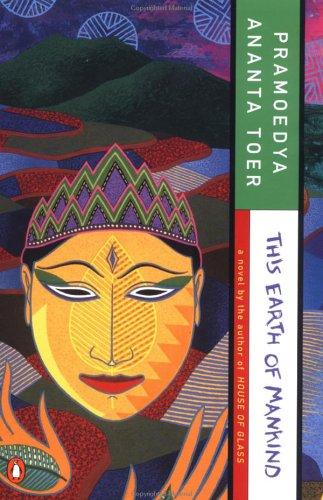
No. 3 on this list. This Earth of Mankind
Pramoedya Ananta Toer · 1980
Easy6.4 hours
Taught in schools: Indonesian sastra curriculum
The most important work of Indonesian literature. Perennial Nobel candidate.
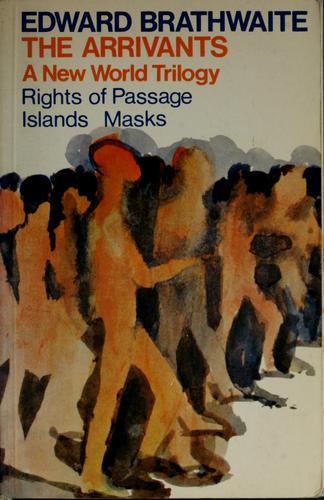
No. 4 on this list. The Arrivants
Kamau Brathwaite · 1973
Moderate2.7 hours
Taught in schools: CSEC English B – Caribbean Examinations Council
A foundational text of Caribbean poetry and postcolonial literature. Widely taught and cited in discussions of Caribbean identity and the politics of language.
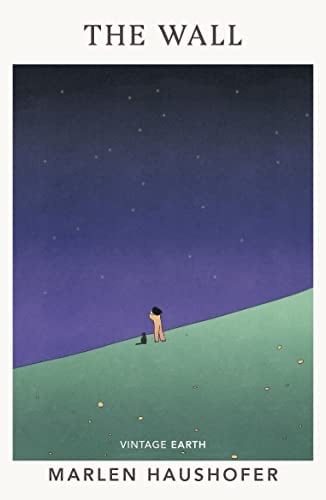
Recognized as a masterpiece of Austrian literature and feminist writing, taught in German literature courses and increasingly included in world literature curricula as an essential post-war text.
No. 6 on this list. The River Between
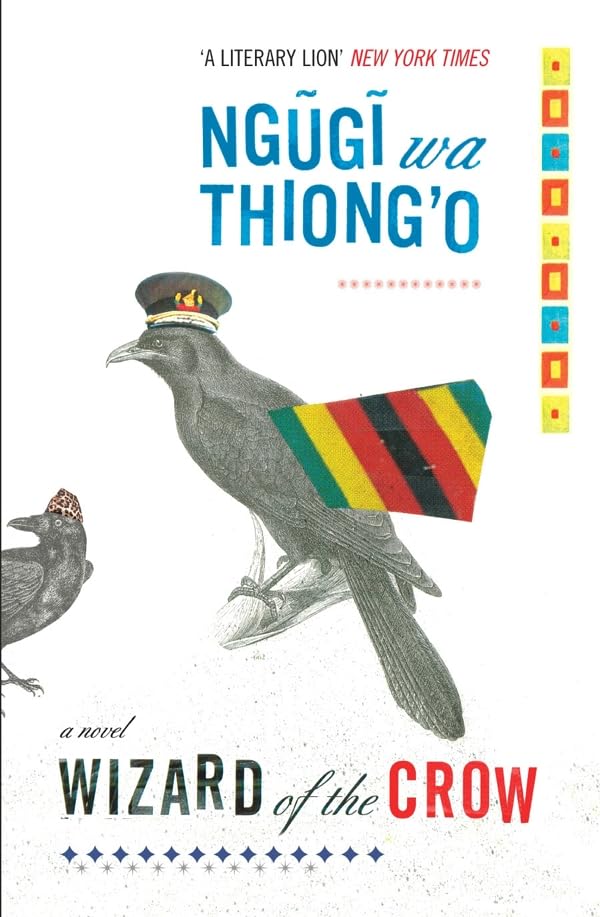
Ngugi wa Thiong'o · 1965
Challenging4.2 hours
Taught in schools: CSEC English B – Caribbean Examinations Council
Included in: Heinemann African Writers Series
A foundational text of African literature, The River Between appears regularly on postcolonial literature syllabi across universities in Africa, Europe, and North America. Written while Ngugi was still a student at Makerere University, it has accumulated canonical status as one of the earliest East African novels to address colonialism's cultural violence directly. It is consistently paired with Things Fall Apart in survey courses as a defining document of the African literary tradition.
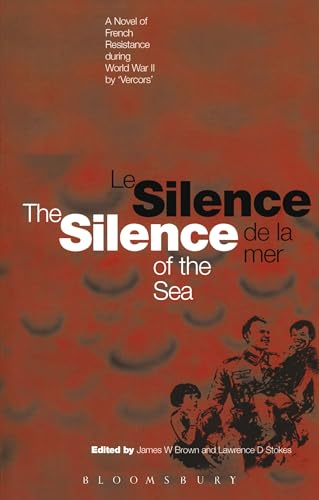
A German officer, Werner von Ebrennac, is billeted in a French household—an old man and his niece. They refuse to speak to him. Every night he speaks to them of his love for France, his hope for Franco-German culture, his belief the occupation will lead to understanding. They remain silent. He goes on speaking. Eventually he learns the truth about Nazi intentions and requests transfer to the Eastern Front. Vercors wrote this novella in 1941 and published it clandestinely in 1942 through Éditions de Minuit, which he founded. It circulated through the Resistance as a symbol of dignified refusal. The silence is the weapon of the occupied. The German's humanity makes the political point sharper—he is wrong precisely because he believes. The prose is spare, the situation archetypal, the effect devastating. After the war, every Frenchman claimed to have been as silent and as brave.
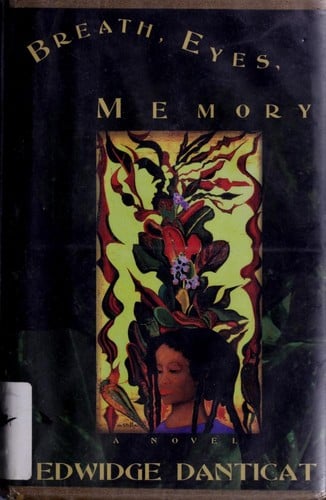
Widely assigned in Caribbean literature, diaspora studies, and postcolonial fiction courses at American universities. Oprah's Book Club selection in 1998 cemented its classroom presence, and it appears consistently on syllabi focused on Haitian-American experience and the literature of trauma. Its reach falls below Nobel-era Caribbean writers like Derek Walcott but well above works with only genre-course placement.
Prix Goncourt winner. Central to contemporary French-language fiction.
Quicksand is a standard text in Harlem Renaissance and African American literature courses, and a Penguin Twentieth Century Classics edition keeps it in print. It sits below the universal canon but is widely taught.
No. 11 on this list. The Beautyful Ones Are Not Yet Born · Ayi Kwei Armah · 1968
Included in: Heinemann African Writers Series
A founding text of postcolonial African fiction. Widely taught.
Moderate3.8 hours
Start this bookNo. 12 on this list. Annie John · Jamaica Kincaid · 1985
Taught in schools: CSEC English B – Caribbean Examinations Council
Annie John grows up in Antigua in the 1950s, the only child of parents who love her completely and whom she watches with total absorption. Her mother is the center of the world: they wear matching dresses, share a bed, move through the same space in practiced harmony. Then one afternoon, standing in a fabric shop, her mother says it is time Annie dressed differently from her. The sentence lands like a physical blow, and the novel is the account of what follows. Kincaid writes in long, incantatory sentences that accumulate the way childhood memory accumulates — the same images returning, the same resentments, the same devotions worn smooth by repetition. Annie watches her classmates, befriends the rule-breaking Gwen, acquires a rebel friend called the Red Girl, and falls into a depression so total she lies in bed for months while her grandmother Ma Chess sleeps on the floor beside her. The colonial schoolroom is always present: Miss Edward circles with the dunce crown, pupils recite English history about Columbus and Carib Indians, the map of the empire hangs on the wall. Kincaid does not editorialize. She lets Annie describe it all with the clear-eyed acceptance of someone who does not yet know she should be furious. The novel ends with a departure. Annie boards a boat for England and does not look back — or rather, she does, once, and sees her mother's hand waving until it is indistinguishable from everything else.
Moderate2.7 hours
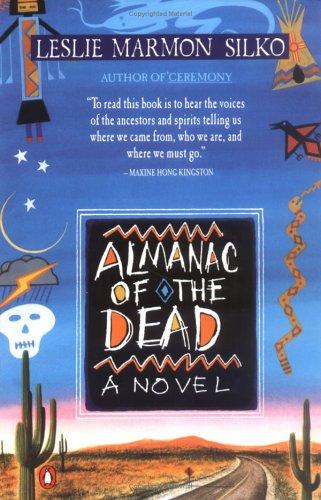
Start this bookNo. 13 on this list. Almanac of the Dead · Leslie Marmon Silko · 1991
It is widely taught in Native American, postcolonial and borderlands literature courses and a major text of the field, though less universal than Beloved. Silko's work anchors Native American literary studies.
Challenging18 hours
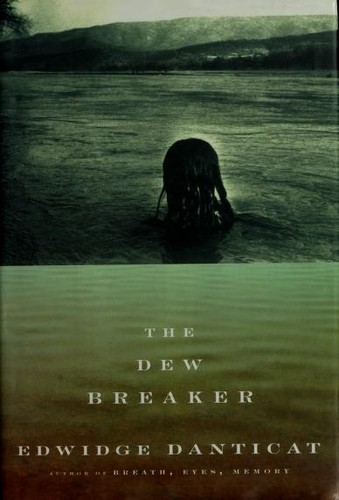
Start this bookNo. 14 on this list. The Dew Breaker · Edwidge Danticat · 2004
The Dew Breaker is regularly assigned in Caribbean diaspora literature, postcolonial studies, and Haitian literature courses at the university level, but it has not achieved the broad adoption of Morrison or Achebe in mainstream American literature curricula. It is a fixture in courses focused on the African diaspora and on immigrant experience in the United States, without reaching the near-universal syllabi presence of canonical anchors like Beloved (85).
Difficult6.6 hours
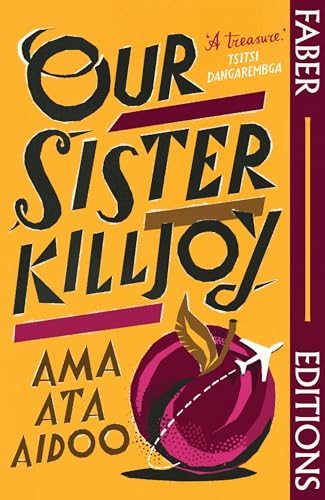
Start this bookNo. 15 on this list. Our Sister Killjoy · Ama Ata Aidoo · 1977
A core text in African literature, postcolonial studies, and feminist literary criticism courses. Less widely assigned than Achebe's Things Fall Apart in general world literature surveys, but essential in any dedicated African women's writing or postcolonial theory course. The Open Syllabus database shows no tracked appearances, but the book's presence in specialized curricula is well-documented in critical literature.
Challenging3.1 hours
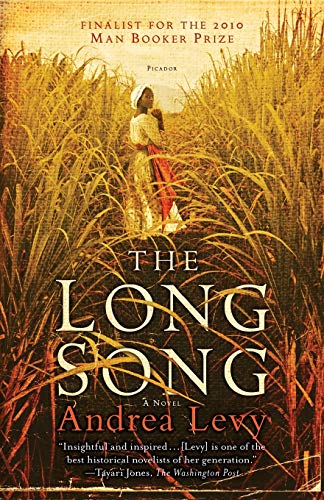
Start this bookNo. 16 on this list. The Long Song · Andrea Levy · 2010
It is a Booker Prize shortlisted novel by a widely taught British Caribbean author and a core text of recent Black British and slavery fiction. Syllabus presence is growing but not established beside Beloved.
Moderate6.6 hours
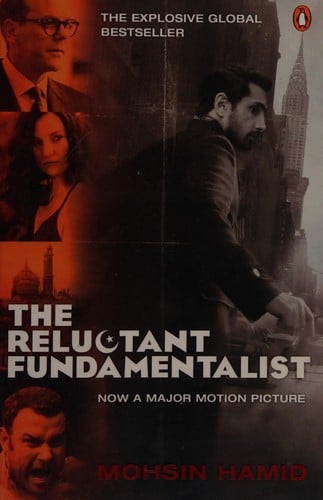
Start this bookNo. 17 on this list. The Reluctant Fundamentalist · Mohsin Hamid · 2007
Taught in schools: OCR GCSE and A-level English Literature (UK)
The Reluctant Fundamentalist appears on 977 university syllabi, placing it in the 74.7th percentile by the Open Syllabus Project — a strong showing for a 2007 novella, reflecting its consistent adoption in postcolonial literature, South Asian diaspora, and post-9/11 fiction courses. Its Wikipedia article exists in only 4 languages, suggesting limited reach outside Anglophone literary culture. It is taught regularly but not a curriculum fixture in the way of Beloved or Things Fall Apart.
Challenging3.7 hours
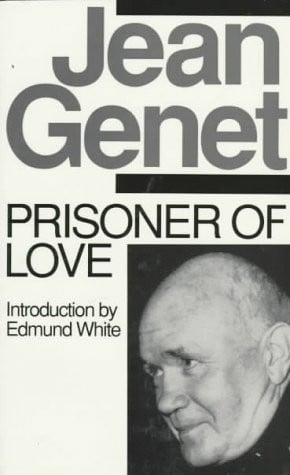
Start this bookNo. 18 on this list. Prisoner of Love · Jean Genet · 1986
Ranked by literary regard among eligible works in the current catalogue. This position reflects the available catalogue evidence.
Difficult12 hours
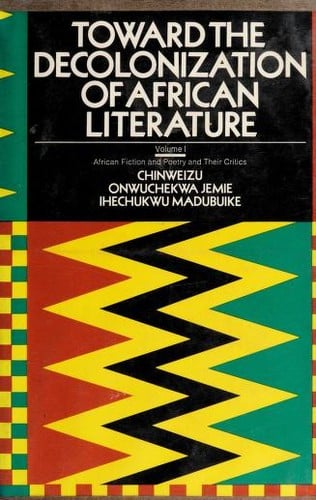
Start this bookNo. 19 on this list. Toward the Decolonization of African Literature · Chinweizu · 1980
It is a standard text in postcolonial and African literary studies and a frequent reference in debates on decolonizing criticism. It is not a general curriculum staple.
Moderate6.8 hours
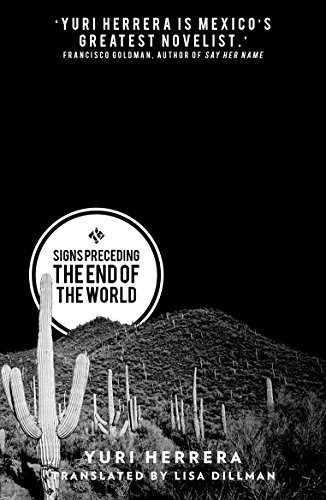
Start this bookNo. 20 on this list. Signs Preceding the End of the World · Yuri Herrera · 2009
It is a recent translated novella of the 2010s, assigned in contemporary and Latin American literature courses, and a favourite for border and migration studies. It has not yet become a fixture the way One Hundred Years of Solitude is, though its short length makes it easy to teach.
Moderate2.1 hours
Start this book
No. 21 on this list. Freshwater · Akwaeke Emezi · 2018
As a 2018 debut it is taught in contemporary, postcolonial and queer literature courses, but its curricular presence is still emerging. It sits well below the established canon of Beloved.
Moderate4.4 hours
Start this bookNo. 22 on this list. Women Without Men: A Novel of Modern Iran · Shahrnush Parsipur · 2004
It is a landmark of modern Persian women's writing, banned in Iran and widely taught in postcolonial and feminist courses in translation. It is less established than the major Western canon.
Moderate2 hours
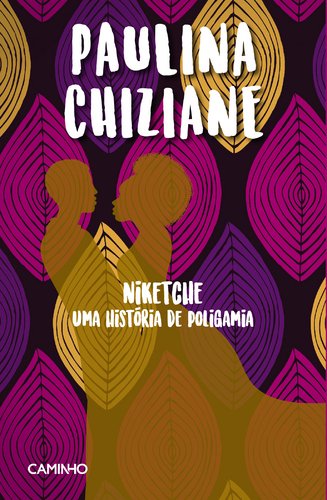
Start this bookNo. 23 on this list. Niketche: Uma História de Poligamia · Paulina Chiziane · 2016
Niketche is Paulina Chiziane's best-known novel and is studied in courses on Lusophone African literature and on gender. Its English translation, The First Wife, has given it a modest place in world-literature teaching.
Moderate6 hours
Start this bookNo. 24 on this list. Tokyo Ueno Station · 柳美里 · 2014
A recent translated work with a prominent award in English, it is increasingly taught in world and Japanese literature courses. It is not yet established as a core canonical text.
Moderate3 hours
Start this bookNo. 25 on this list. Die Lücken · Shida Bazyar · 2026
The book was published in 2026 and has not yet entered syllabi. Its German Book Prize and Wilhelm Raabe Literature Prize give it strong standing in contemporary German literature.
Moderate9.3 hours
Start this bookNo. 26 on this list. Hullabaloo in the Guava Orchard · Kiran Desai · 1999
It is a well-known debut by a major contemporary novelist and appears in postcolonial and South Asian literature discussions. It is not yet a staple of core curricula.
Easy3.7 hours
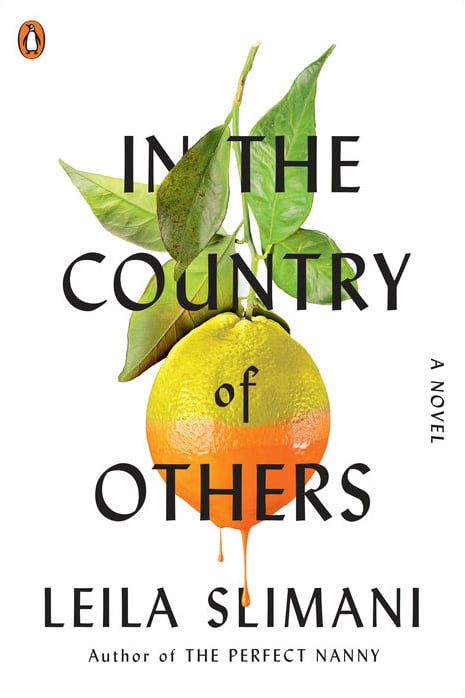
Start this bookNo. 27 on this list. In the Country of Others · Leïla Slimani · 2020
A recent novel by a Goncourt-winning author, with growing but still limited place in curricula. It is more a contemporary francophone fixture than a canon text.
Easy4.8 hours
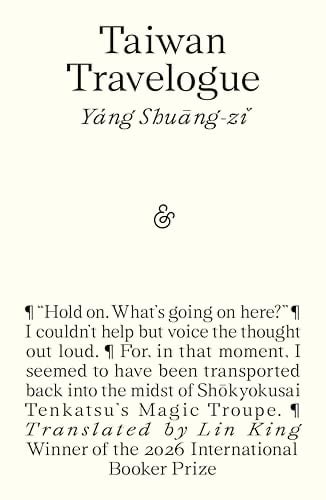
Start this bookNo. 28 on this list. Taiwan Travelogue · Shuang-zi Yang · 2020
Too new for syllabus data -- Open Syllabus won't yet reflect a 2024 English release -- but the double win of the National Book Award for Translated Literature and the 2026 International Booker Prize is fast-tracking it onto contemporary postcolonial and queer-lit reading lists. It's building canonical momentum rather than already holding it.
Challenging6.5 hours
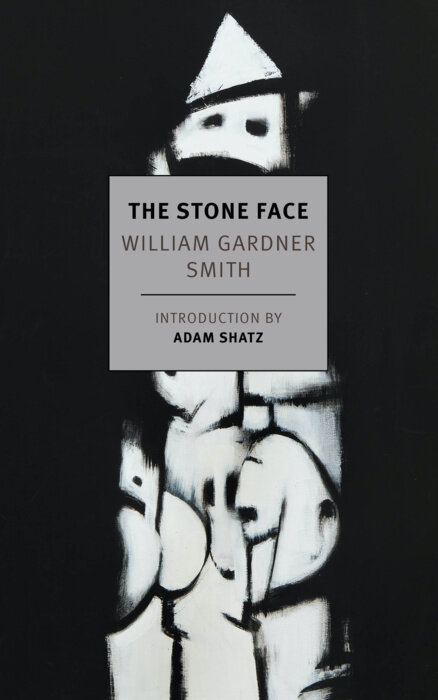
Start this bookNo. 29 on this list. The Stone Face · William Gardner Smith · 1975
NYRB Classics reissued the novel in 2021 with an introduction by Adam Shatz, which signals rediscovery. It is not yet widely taught and sits in niche African American and postcolonial reading.
Easy3.4 hours
Start this bookNo. 30 on this list. The Quiet Violence of Dreams · K. Sello Duiker · 2001
Ranked by literary regard among eligible works in the current catalogue. This position reflects the available catalogue evidence.
Challenging10 hours
Start this book





No. 31 on this list. The African Novel in English: An Introduction
M. Keith Booker · 1998
No. 32 on this list. This Wound Is a World
Billy-Ray Belcourt · 2017
No. 33 on this list. The Road to Wanting
Wendy Law-Yone · 2011
No. 34 on this list. Scary Monsters
Michelle de Kretser · 2022
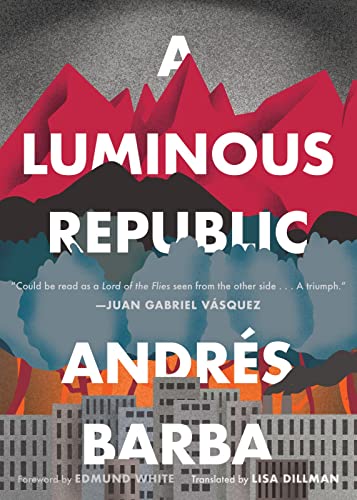
No. 35 on this list. A Luminous Republic
Andrés Barba · 2017
No. 36 on this list. Symphonie der Toten
Abbas Maroufi · 1998
No. 37 on this list. The Seers
Sulaiman Addonia · 2024
No. 38 on this list. Rivage de la Colère
Caroline Laurent · 2020
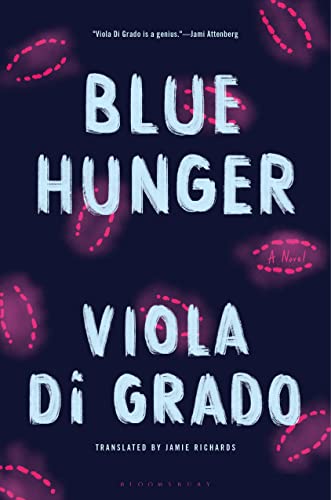
No. 39 on this list. Blue Hunger
Viola Di Grado · 2023
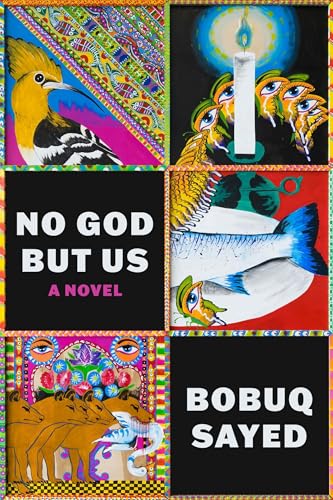
No. 40 on this list. No God But Us
Bobuq Sayed · 2026



About this list
These 41 books are the highest-scoring eligible postcolonial books currently in the catalogue. About 213 hours of reading in all. Difficulty runs from 44 to 59 out of 100 for the middle half of the list; the summit is Prisoner of Love at 72.
This list is ranked by literary regard, with a consistent order for equal scores. Membership follows authors and co-authors, not translators or editors. A book is here when ReadingRate files it under Postcolonial Literature as one of its primary reading domains. Catalogue coverage and the historical canon both limit what this list can represent.
When we matched the Canons dataset to our catalogue in October 2026, our canonical-status scores rose with the number of school curricula, publisher series and lists in it that cite a work: the median score was 72 for books one such source cites, 84 at two, 88 at three, 92 at four and 93 at five or more. Prizes are left out of that count. Outside the state curricula, the dataset’s sources choose mostly from what has been translated into English or French, so it is a weaker check on other literatures. Source: Canons (Andrew Piper), CC BY 4.0
Questions people actually ask
- What are the best postcolonial books?
- By literary regard, which weighs canonical status, critical standing and influence: Heart of Darkness by Joseph Conrad, Wide Sargasso Sea by Jean Rhys, This Earth of Mankind by Pramoedya Ananta Toer, The Arrivants by Kamau Brathwaite and The Wall by Marlen Haushofer. ReadingRate ranks 41 such books, each with a difficulty score and a reading-time estimate.
- Which postcolonial books should I read first?
- Start from difficulty, not from rank. The most approachable books on this list that still carry top literary regard are This Earth of Mankind by Pramoedya Ananta Toer (about 6.4 hours), The Beautyful Ones Are Not Yet Born by Ayi Kwei Armah and Three Strong Women by Marie NDiaye.
- What are the shortest of the best postcolonial books?
- Among the top 25, the shortest are The Silence of the Sea by Vercors (about 49 min), Women Without Men: A Novel of Modern Iran by Shahrnush Parsipur (about 2 hours) and Our Sister Killjoy by Ama Ata Aidoo (about 3.1 hours), at an average pace of 250 words a minute adjusted for each book's difficulty.
- Which of the best postcolonial books are the established classics?
- By canonical status, how firmly a book sits in curricula, anthologies and the canon: Heart of Darkness by Joseph Conrad, Wide Sargasso Sea by Jean Rhys, This Earth of Mankind by Pramoedya Ananta Toer, The Wall by Marlen Haushofer and The Beautyful Ones Are Not Yet Born by Ayi Kwei Armah.
- Can I read any of these postcolonial books for free?
- 1 of the 41 opens in ReadingRate's reader with a free account, from public-domain editions: Heart of Darkness.
- How long would it take to read the top ten?
- About 43 hours, at an average pace of 250 words a minute adjusted for each book's difficulty: 22 days at two hours a day. Set your own pace on the page and the list's reading times change to it.
- How hard are postcolonial books to read?
- Most of this list sits between 44 and 59 on ReadingRate's 100-point difficulty scale, where 40 to 55 is moderate. The summit is Prisoner of Love at 72. Every entry carries its own score, so a reader can pick a great book at a difficulty they will finish.
- How is this list ranked?
- On literary-regard data: how canonically established a work is, its critical standing, and its influence on later writing. It is not a readers’ poll, which is why recent bestsellers rarely appear. Membership follows authors and co-authors, not translators or editors. Lists by country, author, period, theme or difficulty keep to literature (fiction, poetry, drama and philosophy), their novels, poems and plays first and their philosophy after them; a list of a kind of book, such as memoir or criticism, keeps every book of that kind. Every list holds at most three works by one author. A book is here when ReadingRate files it under Postcolonial Literature as one of its primary reading domains.