Hours at an average pace
Showing 41 books
About 327 hours for 41 of 41 books with measured lengths. Estimates use 250 words a minute, adjusted for each book's difficulty. At 2 hours a day, about 164 days for those books.
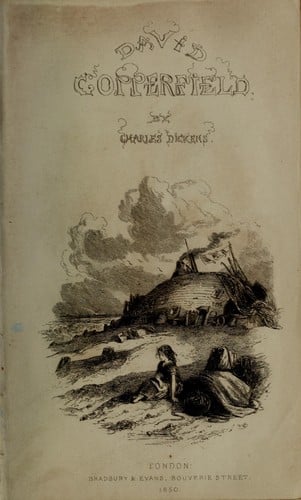
No. 1 on this list. David Copperfield
Charles Dickens · 1850
Moderate24 hours
Taught in schools: WJEC/Eduqas GCSE and A-level English Literature (UK)
David Copperfield is firmly established in the Western literary canon as one of Dickens's supreme achievements and a defining example of the Victorian Bildungsroman. It remains widely taught, studied, and adapted across cultures.
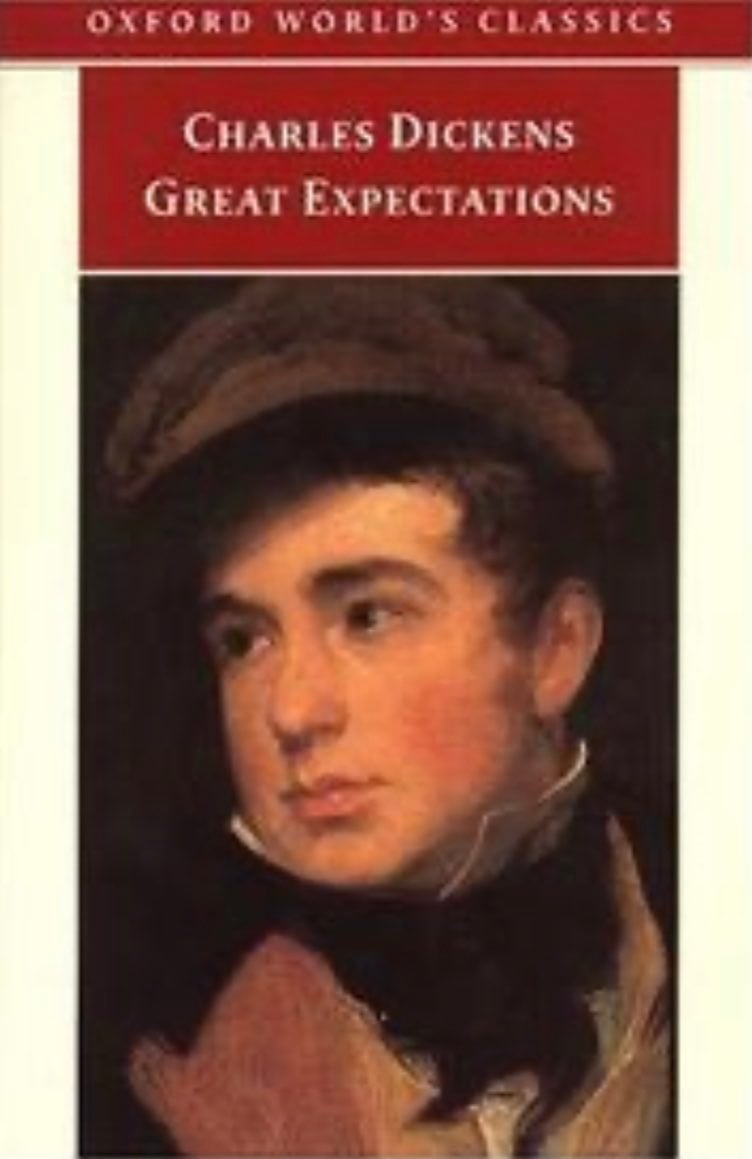
No. 2 on this list. Great Expectations
Charles Dickens · 1861
Moderate12 hours
Taught in schools: AQA GCSE and A-level English Literature (UK), OCR GCSE and A-level English Literature (UK), Pearson Edexcel GCSE and A-level English Literature (UK)
Included in: Bokklubben World Library
Dickens tracked Pip's journey from a Kent forge to London's moneyed drawing rooms to expose the way class aspiration corrodes character — then made the reader complicit in Pip's snobbery before pulling back the curtain on who his true benefactor was. It is his most psychologically honest novel, and the one where his plotting matches his moral intelligence.
No. 3 on this list. Jane Eyre
Charlotte Brontë · 1847
Moderate13 hours
Taught in schools: AQA GCSE and A-level English Literature (UK), Common Core text exemplars (Appendix B) (US), CSEC English B – Caribbean Examinations Council
Appears on 6,194 university syllabi according to Open Syllabus — placing it at the 94.8th percentile — and its Wikipedia article spans 59 languages with dedicated Reception and Adaptations sections. Jane Eyre is a fixture of Victorian literature courses worldwide and features on both the Open Syllabus Top 500 Literature list and the BBC Big Read Top 100.
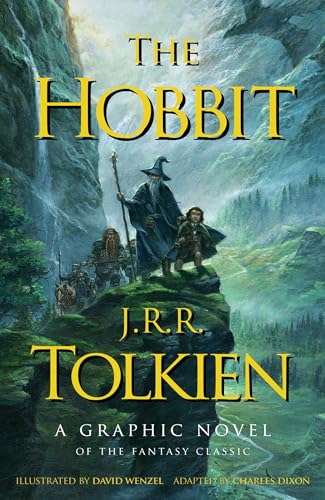
No. 4 on this list. The Hobbit, or There and Back Again
J.R.R. Tolkien · 2002
Easy5 hours
Taught in schools: CSEC English B – Caribbean Examinations Council, Kazakh literature curriculum (Kazakhstan)
One of the most-read fantasy books in English, widely taught in schools and in studies of fantasy, though it sits below the central literary canon and ahead of commercial fantasy.
No. 5 on this list. Treasure Island
Robert Louis Stevenson · 1883
Easy4 hours
Taught in schools: Pacific Senior Secondary Certificate – English
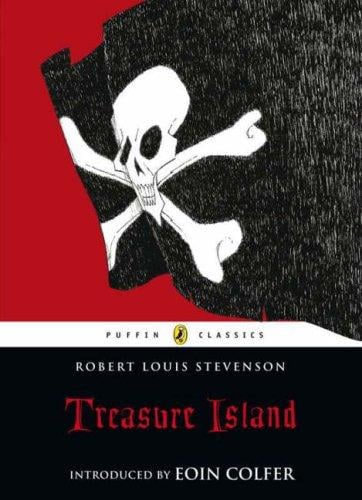
Treasure Island is the defining pirate novel in English literature, anthologized and taught to children across the globe since its 1883 publication. Adapted for film, stage, and television dozens of times, it occupies a foundational position in English-language adventure fiction. Though the data signals returned empty, its cultural ubiquity—Black Spot, treasure maps, parrots, Long John Silver—places it firmly in the literary canon.
Kim ranks among Kipling's most celebrated novels and remains canonical in postcolonial studies, children's literature, and Victorian fiction surveys. It occupies significant position in the English literary canon, though less universally studied than Ulysses, Great Gatsby, or Beloved.
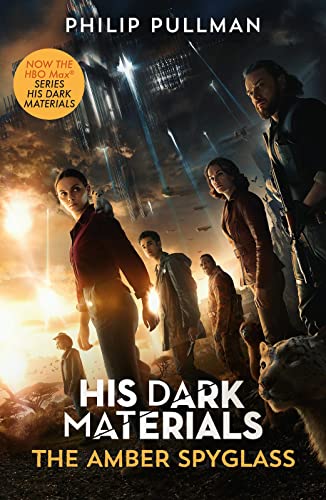
His Dark Materials has become central to children's literature and fantasy canons, studied in schools and frequently referenced in contemporary fantasy discourse. The trilogy's influence on subsequent young adult fiction ensures sustained discussion, though it lacks the foundational status of works like Harry Potter in terms of market dominance.
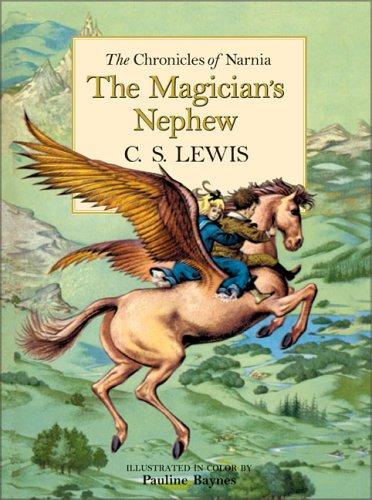
The Chronicles of Narnia rank among the most widely read children's series of the 20th century, with over 100 million copies sold globally. The Magician's Nephew appears on virtually every major 'best children's books' list and is taught in primary schools worldwide. No syllabus data available in the database, but its foundational place in children's literature curricula — particularly in English-speaking countries — establishes strong canonical status within its sphere.
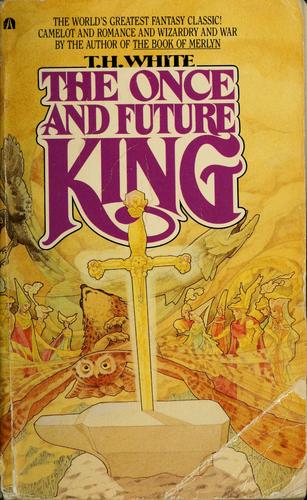
No. 9 on this list. The Once and Future King (The Once and Future King, #1–5)
T.H. White · 1987
Moderate16 hours
White's Arthurian cycle is a standard of modern fantasy and a staple of school reading lists, adapted into Disney's The Sword in the Stone, Camelot and more. It is canonical in fantasy and children's literature but less so in university literature courses.
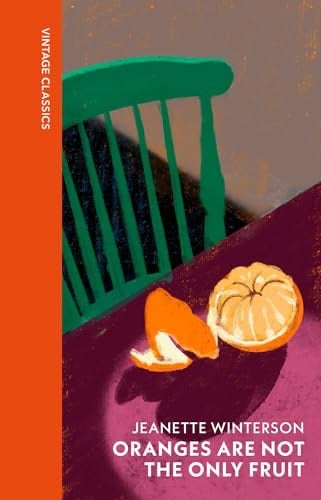
No. 10 on this list. Oranges Are Not the Only Fruit
Jeanette Winterson · 1985
Difficult6.6 hours
Taught in schools: AQA GCSE and A-level English Literature (UK), WJEC/Eduqas GCSE and A-level English Literature (UK)
Taught widely in UK university literature courses and increasingly present in American women's literature and queer studies syllabi. Considered a landmark of LGBTQ+ fiction and British autofiction, and consistently appears on lists of the best British novels of the 20th century, though it has not achieved the universal curriculum presence of the major Anglophone classics.
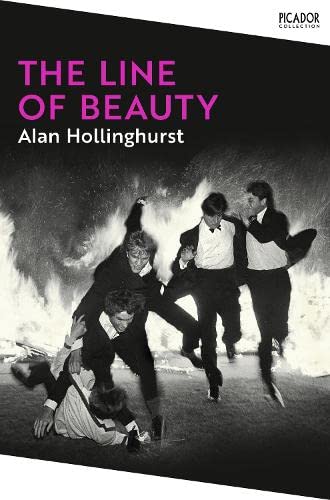
No. 11 on this list. The Line of Beauty · Alan Hollinghurst · 2004
Appears on 251 university syllabi (Open Syllabus Project, 59th percentile), placing it solidly in postcolonial and contemporary British literature courses but not in the mass-assigned stratum of Gatsby or Beloved. Wikipedia articles in 14 languages indicate moderate global reach. It is a standard text in courses on late twentieth-century British fiction and queer literature.
Challenging13 hours
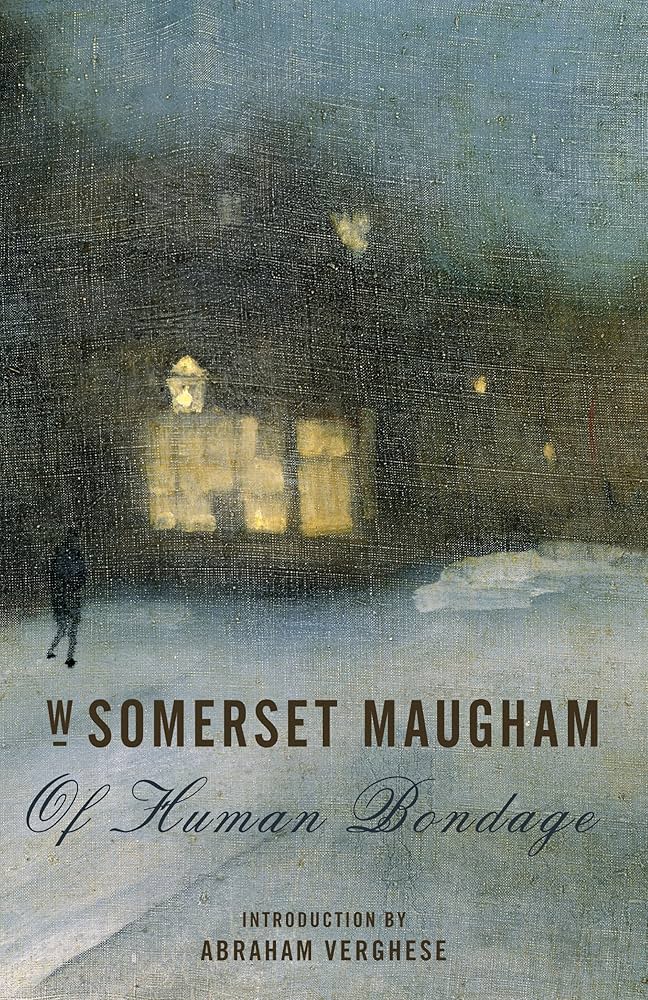
Start this bookNo. 12 on this list. Of Human Bondage · W. Somerset Maugham · 1915
On the Modern Library's 100 Best Novels and widely read as a classic bildungsroman, though it is taught less often today than the modernist novels of its era. It has stayed in print for more than a century and appears on many lists of essential twentieth-century fiction.
Moderate17 hours
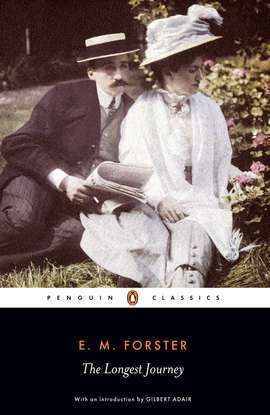
Read nowNo. 13 on this list. The Longest Journey · E.M. Forster · 1907
The Longest Journey is the least-read and least-taught of Forster's five novels, absent from most general curricula but a fixture in Forster specialist courses and British modernism seminars. Forster himself named it his favourite novel, and it appears on university syllabi focused on Edwardian fiction, though without the mass adoption of Howards End or A Passage to India. Its presence in Modern Library and similar canonical lists is a footnote rather than a headline.
Challenging7.6 hours
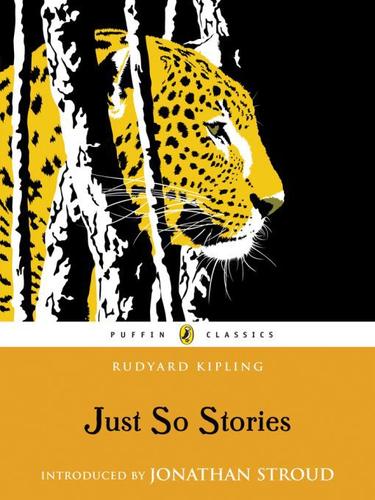
Start this bookNo. 14 on this list. Just So Stories · Rudyard Kipling · 1902
Just So Stories appears on 79 university syllabi, placing it at the 47th percentile of the Open Syllabus dataset — solid but not dominant. It is a recognized classic of children's literature that appears on curated reading lists, but it is rarely assigned in university literary studies courses. Its Wikipedia article exists in 12 languages, reflecting moderate global reach compared to the most canonical texts.
Easy1.9 hours
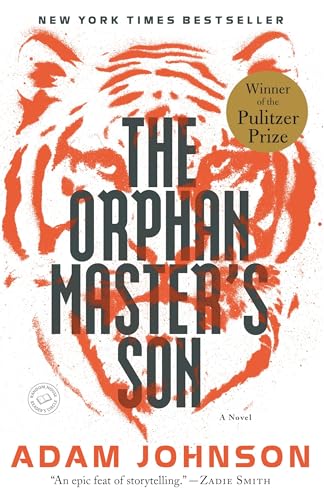
Read nowNo. 15 on this list. The Orphan Master's Son · Adam Johnson · 2013
The Orphan Master's Son won the 2013 Pulitzer Prize for Fiction, which guarantees it a place in American literary discussions for decades. Wikipedia articles exist in 6 languages, indicating moderate global reach. The novel has not yet achieved deep syllabus penetration -- it is too recent and too specifically focused on North Korea to appear in standard survey courses -- but it turns up in contemporary fiction and Asian-American literature courses. Its canonical trajectory is upward but still early.
Challenging14 hours
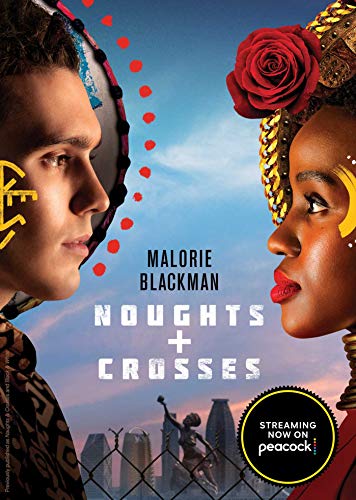
Start this bookNo. 16 on this list. Noughts & Crosses · Malorie Blackman · 2010
Callum is a Nought - an inferior white citizen in a society controlled by the black Crosses. Sephy is a Cross - and the daughter of one of the most powerful, ruthless men in the country. In their hostile, violent world, noughts and Crosses simply don't mix. But when Sephy and Callum's childhood friendship grows into passionate love, they're determined to find a way to be together. And then the bomb explodes...
Moderate6.8 hours
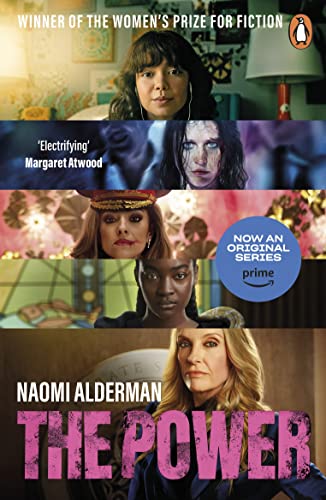
Start this bookNo. 17 on this list. The Power · Naomi Alderman · 2017
In a world where the balance of power is suddenly and profoundly shifted, Naomi Alderman's thought-provoking novel, The Power, explores a reality where women develop the ability to release electrical jolts from their fingertips, allowing them to dominate and control society. This newfound power upends the existing social order, leading to a radical transformation of governments, relationships, and individual lives. As the story unfolds, Alderman delves into themes of oppression, resistance, and the corrupting influence of power. Her writing is nuanced and evocative, weaving together multiple narrative threads to create a rich and immersive world. The tone is both unsettling and mesmerizing, inviting readers to confront the darker aspects of human nature. Readers of speculative fiction and those interested in feminist theory will find The Power to be a compelling and timely exploration of a world turned upside down. With its complex characters, thought-provoking themes, and page-turning plot, this novel is suitable for readers who enjoy intellectually stimulating fiction. Winner of the 2017 Women's Prize, The Power has garnered significant attention for its bold and unflinching examination of a world where traditional power dynamics are reversed. Alderman's unique vision and masterful storytelling make this novel a must-read for anyone interested in exploring the complexities of power, oppression, and social change.
Challenging6.3 hours
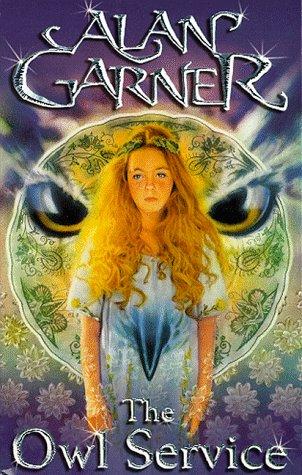
Start this bookNo. 18 on this list. The Owl Service · Alan Garner · 1967
Winner of both the Carnegie Medal (1967) and the Guardian Children's Fiction Prize — the two most significant British children's literature awards of the period. Regularly cited on lists of essential British children's fiction and assigned in UK schools. Its canonical status is secure in British children's literature scholarship though less established in broader literary or international curricula.
Moderate2.8 hours
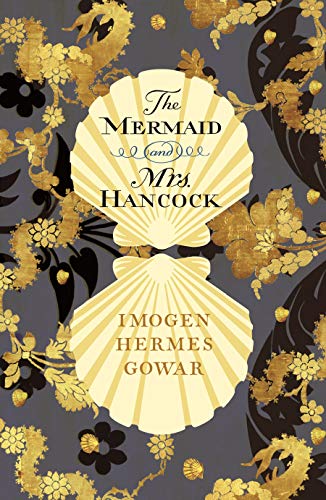
Start this bookNo. 19 on this list. The Mermaid and Mrs Hancock · Imogen Hermes Gowar · 2018
This voyage is special. It will change everything ... One September evening in 1785, the merchant Jonah Hancock hears urgent knocking on his front door. One of his captains is waiting eagerly on the step. He has sold Jonah's ship for what appears to be a mermaid. As gossip spreads through the docks, coffee shops, parlours and brothels, everyone wants to see Mr Hancock's marvel. Its arrival spins him out of his ordinary existence and through the doors of high society. At an opulent party, he makes the acquaintance of Angelica Neal, the most desirable woman he has ever laid eyes on ... and a courtesan of great accomplishment. This meeting will steer both their lives onto a dangerous new course, on which they will learn that priceless things come at the greatest cost. Where will their ambitions lead? And will they be able to escape the destructive power mermaids are said to possess?
Challenging9 hours
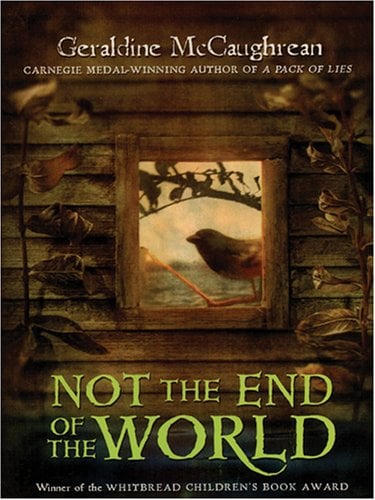
Start this bookNo. 20 on this list. Not the End of the World · Geraldine McCaughrean · 2004
In "Not the End of the World", Geraldine McCaughrean reimagines the biblical tale of Noah's Ark from a unique and intimate perspective. The story is told through the voices of Noah's family members and the animals on board, offering a personal and poignant account of the catastrophic flood that devastated the earth. As the floodwaters rise, the characters must come to terms with the destruction of their world and the salvation of their own. Through their narratives, the book explores themes of faith, family, and survival, raising questions about the nature of morality and the human condition. McCaughrean's writing is lyrical and evocative, conjuring the sights, sounds, and emotions of the ark's inhabitants as they navigate their extraordinary circumstances. The tone is contemplative and often humorous, making for a compelling and thought-provoking read. Readers who appreciate character-driven stories and are interested in exploring the human side of a well-known myth will find "Not the End of the World" to be a captivating and moving experience. The book's multiple narrative voices and introspective tone may appeal to fans of literary fiction and those looking for a fresh perspective on a classic tale. Winner of the Costa Award in 2004, "Not the End of the World" is a notable work of fiction that offers a nuanced and imaginative retelling of a timeless story. With its rich characters, vivid storytelling, and exploration of universal themes, this book is sure to resonate with readers looking for a compelling and unforgettable read.
Moderate4.2 hours
Start this book
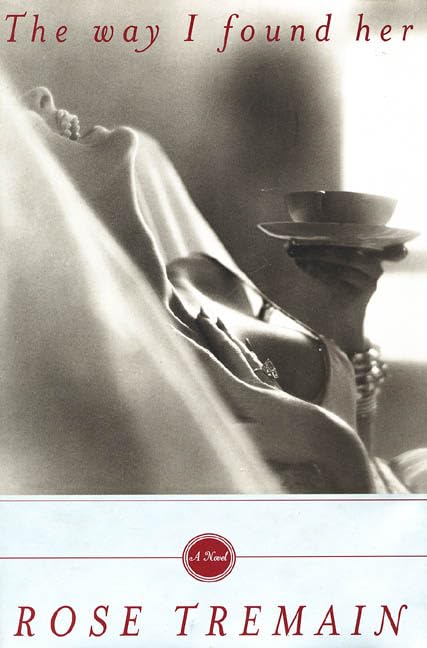
No. 21 on this list. The Way I Found Her · Rose Tremain · 1998
Lewis Little is a thirteen-year-old boy spending the summer in Paris with his mother, Alice, who is translating the latest medieval romance by Valentina Gavrilovich, the best-selling novelist and exotic Russian emigree. But from the moment Valentina, golden-skinned and exquisitely scented, beckons from a spindly sofa, Lewis floats on a ribbon of Russian cigarette smoke into a delicious new world of passion and intrigue. At first, the mysteries are of the charming, everyday sort: the origins of saffron sauce, the tastes and names of lipstick. Lewis discusses philosophy with Didier, the existentialist roofer, eats cakes with Valentina's mother, drinks Orangina with Babba, Valentina's maid from Benin, and takes long walks with Valentina's aristocratic dog, Sergei. Most of all, he dreams of Valentina: her delicious laugh, her intoxicating perfume, her silk negligees. But when Valentina mysteriously disappears and Lewis takes it upon himself to find her, glorious secrets turn ominous.
Challenging6.6 hours
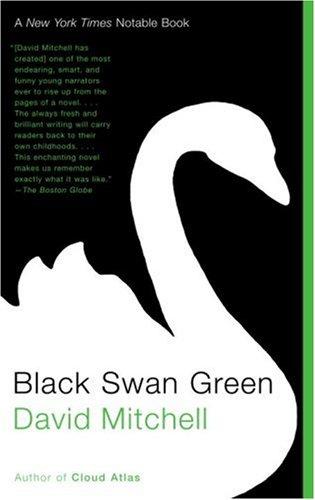
Start this bookNo. 22 on this list. Black Swan Green · David Mitchell · 2006
Ranked by literary regard among eligible works in the current catalogue. This position reflects the available catalogue evidence.
Moderate7 hours
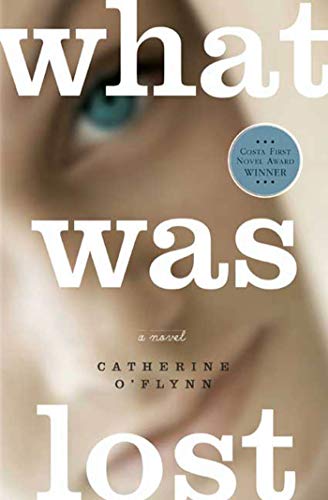
Start this bookNo. 23 on this list. What Was Lost · Catherine O'Flynn · 2007
In the heart of Birmingham, a young girl's disappearance sparks a poignant exploration of family, identity, and the disillusioning effects of consumer culture. Catherine O'Flynn's debut novel, What Was Lost, delves into the fascinating and often eerie world of a shopping mall, where the boundaries between reality and fantasy blur. Through a unique narrative voice, O'Flynn masterfully weaves together themes of disconnection, memory, and the search for meaning in a society driven by materialism. The writing is evocative and atmospheric, conjuring the sterile yet mesmerizing environment of the mall, where the protagonist becomes lost in more ways than one. Readers who appreciate character-driven fiction and are interested in explorations of contemporary society will find What Was Lost a compelling and thought-provoking read. The novel's pace is contemplative, allowing for a deep dive into the complexities of human relationships and the psychological effects of urbanization. Longlisted for the 2007 Booker Prize, What Was Lost has garnered recognition for its innovative storytelling and nuanced portrayal of modern life. With its haunting and introspective tone, this novel is suitable for readers who enjoy literary fiction and are willing to immerse themselves in a rich, psychological narrative.
Moderate4.3 hours
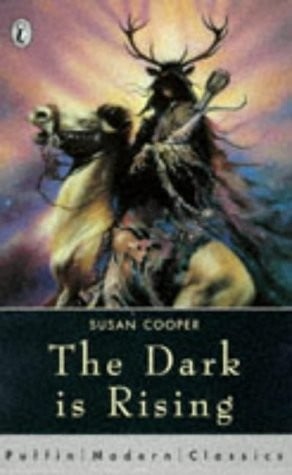
Start this bookNo. 24 on this list. The Dark Is Rising · Susan Cooper · 1973
Taught in schools: Common Core text exemplars (Appendix B) (US)
On his eleventh birthday, Will Stanton wakes to find the world transformed. Snow has swallowed the Buckinghamshire countryside, animals are behaving strangely, and a farm hand presses an iron ornament into his hand with a warning: "The Walker is abroad." By nightfall, Will discovers he is the last of the Old Ones — immortal guardians of the Light — and must collect six Signs before Midwinter Day or the Dark will rise to swallow the world. Cooper sets this cosmic struggle in a thoroughly ordinary English village, where the manor house holds time corridors and the vicar's Christmas party exists one floor above a gathering of ancient powers. The tension comes not from whether Will will succeed but from watching a boy absorb an impossible inheritance — the weight of centuries pressing down on an eleven-year-old who still wants his mother's cooking. Cooper braids the Arthurian cycle, Anglo-Saxon verse, and Celtic myth into plot mechanics that actually work: the Signs must be found, the verses decoded, the betrayer unmasked. The result is fantasy grounded in landscape and season, where midwinter cold carries genuine menace and the shortest day of the year feels like the end of something.
Moderate5.7 hours
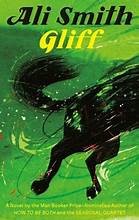
Start this bookNo. 25 on this list. Gliff · Ali Smith · 2024
Too recent to have entered university syllabi — Open Syllabus shows no appearances yet — but its author's back catalogue is already a curriculum fixture, giving Gliff a head start toward canonization that a debut novel wouldn't have.
Moderate3.7 hours
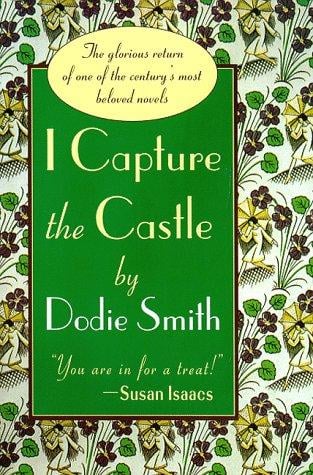
Start this bookNo. 26 on this list. I Capture the Castle · Dodie Smith · 1948
It is a well-loved twentieth-century English coming-of-age classic, often cited in lists of favourite novels, though taught less often than the major canon. Its standing is established in popular and genre circles rather than on every syllabus.
Easy6.2 hours
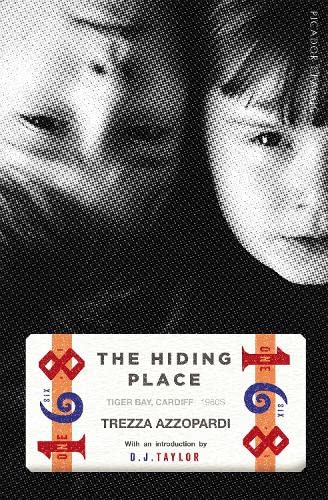
Start this bookNo. 27 on this list. The Hiding Place · Trezza Azzopardi · 2000
In "The Hiding Place", Trezza Azzopardi weaves a haunting narrative that delves into the intricacies of family secrets and the power of silence. The story revolves around a young girl's journey to unravel the mysteries of her family's past, navigating a complex web of relationships and untold truths. Through lyrical prose, Azzopardi explores themes of identity, memory, and the fragility of human connections. Her writing is evocative and nuanced, conjuring a sense of atmosphere that draws the reader into the world of the story. As the narrative unfolds, the lines between truth and fiction blur, creating a sense of tension that propels the reader forward. This book is suited for readers who appreciate character-driven fiction and are willing to immerse themselves in a rich, introspective narrative. The writing is dense and layered, requiring attention and patience, but yielding a deeply rewarding reading experience. With its shortlisting for the Booker and Women's Prize, "The Hiding Place" has garnered critical acclaim for its thoughtful exploration of the human experience. Published in 2000, "The Hiding Place" has established itself as a notable work of contemporary literature, with Azzopardi's unique voice and perspective earning her a place among esteemed authors. Despite the lack of information about the author's background, the book stands on its own merit, inviting readers to step into its haunting and introspective world.
Moderate4.7 hours
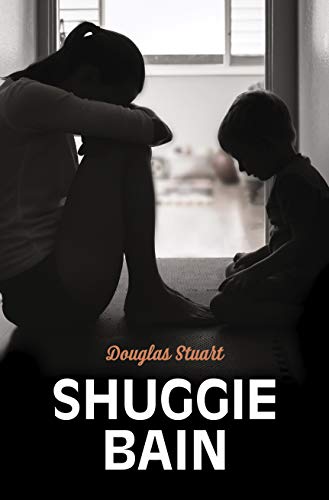
Start this bookNo. 28 on this list. Shuggie Bain · Douglas Stuart · 2020
Shuggie Bain won the 2020 Booker Prize and was a National Book Award finalist the same year, cementing its place in the recent prize canon. With only 1 recorded syllabus appearance it has not yet entered standard university curricula, reflecting its recent publication as a 2020 debut. As the years pass and Douglas Stuart's reputation grows, its canonical standing is likely to increase.
Moderate11 hours
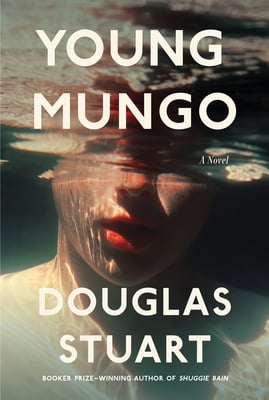
Start this bookNo. 29 on this list. Young Mungo · Douglas Stuart · 2022
Young Mungo (2022) is too recent to appear widely on university syllabi, though its author's reputation and Booker Prize-winning debut Shuggie Bain ensure it is beginning to enter contemporary literature courses. No syllabus data is available in the database, and Wikipedia presence has not yet been verified, reflecting its early canonical trajectory rather than established status.
Difficult14 hours
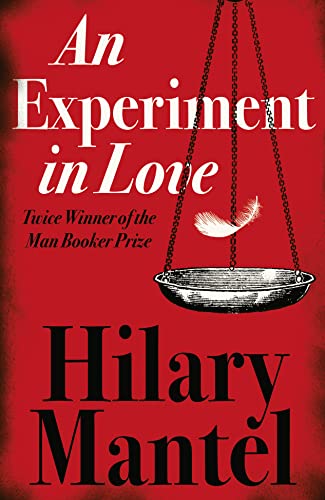
Start this bookNo. 30 on this list. An Experiment in Love · Hilary Mantel · 1996
Appears on 56 university syllabi according to the Open Syllabus Project, placing it in the 43rd percentile. Wikipedia coverage exists in only 1 language. This is a minor entry in Mantel's body of work, largely eclipsed by the Wolf Hall trilogy, and has not achieved widespread curricular adoption.
Difficult9.2 hours
Start this book
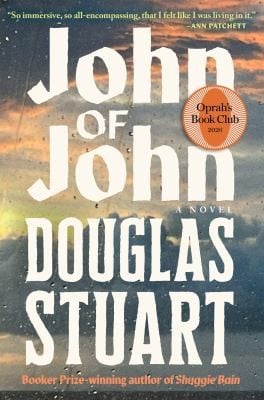
No. 31 on this list. John of John
Douglas Stuart · 2026
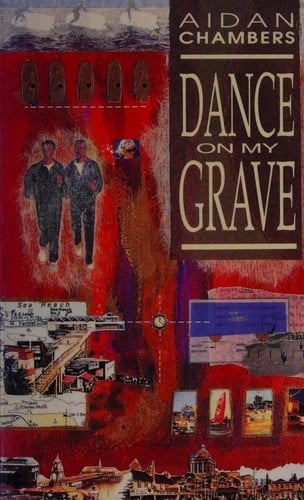
No. 32 on this list. Dance on My Grave
Aidan Chambers · 1982
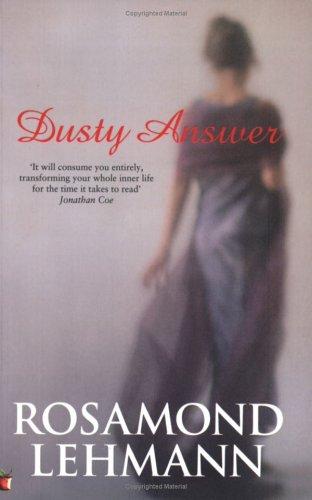
No. 33 on this list. Dusty Answer
Rosamond Lehmann · 1927
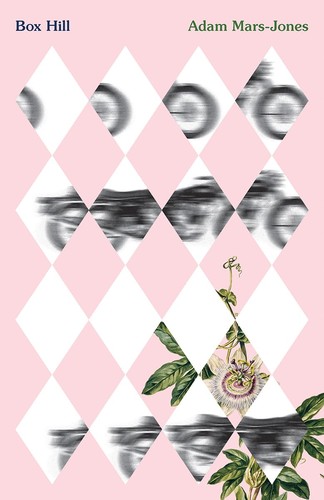
No. 34 on this list. Box Hill
Adam Mars-Jones · 2005
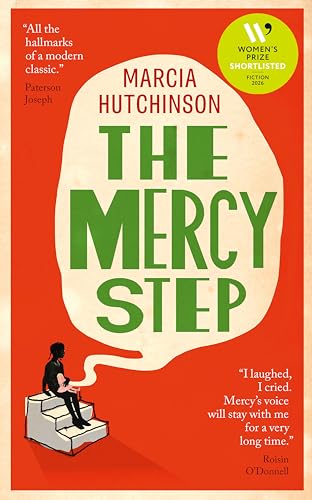
No. 35 on this list. The Mercy Step
Marcia Hutchinson · 2026
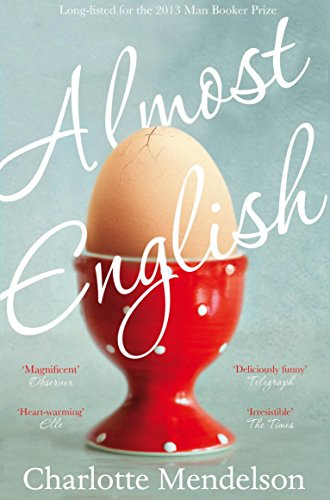
No. 36 on this list. Almost English
Charlotte Mendelson · 2013
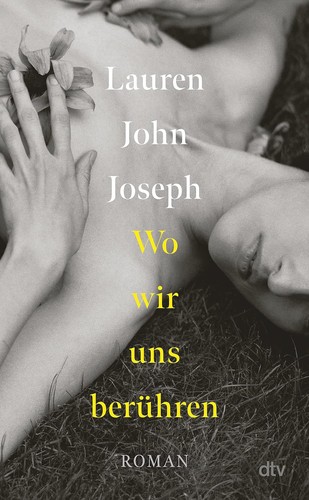
No. 37 on this list. At Certain Points We Touch
Lauren J. Joseph · 2022
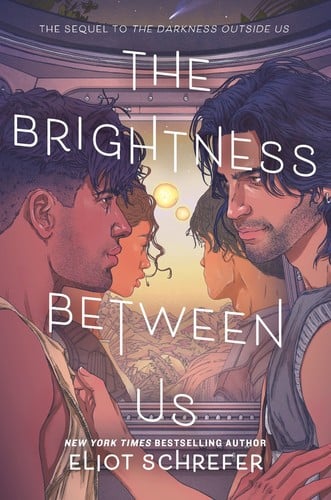
No. 38 on this list. Brightness Between Us
Eliot Schrefer · 2023
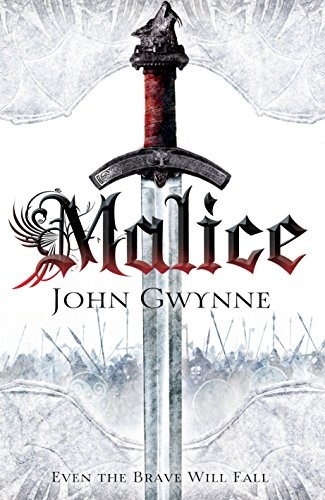
No. 39 on this list. Malice
John Gwynne · 2012
No. 40 on this list. Really Good, Actually
Monica Heisey · 2023
About this list
These 41 books are the highest-scoring eligible coming-of-age novels from Britain currently in the catalogue. By literary regard, it opens with David Copperfield, Great Expectations and Jane Eyre. About 327 hours of reading in all. Difficulty runs from 44 to 55 out of 100 for the middle half of the list; the summit is An Experiment in Love at 77.
This list is ranked by literary regard, with a consistent order for equal scores. Membership follows authors and co-authors, not translators or editors. Catalogue coverage and the historical canon both limit what this list can represent, and genre labels are the catalogue’s own, gathered into broader kinds.
When we matched the Canons dataset to our catalogue in October 2026, our canonical-status scores rose with the number of school curricula, publisher series and lists in it that cite a work: the median score was 72 for books one such source cites, 84 at two, 88 at three, 92 at four and 93 at five or more. Prizes are left out of that count. Outside the state curricula, the dataset’s sources choose mostly from what has been translated into English or French, so it is a weaker check on other literatures. Source: Canons (Andrew Piper), CC BY 4.0
Questions people actually ask
- What are the best coming-of-age novels from Britain?
- By literary regard, which weighs canonical status, critical standing and influence, David Copperfield, Great Expectations, Jane Eyre, The Hobbit, or There and Back Again and Treasure Island lead. ReadingRate ranks 41 such books, each with a difficulty score and a reading-time estimate.
- Where should I start with coming-of-age novels from Britain?
- Start from difficulty, not from rank. The most approachable books on this list that still carry top literary regard are The Hobbit, or There and Back Again by J.R.R. Tolkien (about 5 hours), Treasure Island by Robert Louis Stevenson and David Copperfield by Charles Dickens.
- How hard are coming-of-age novels from Britain to read?
- Most of this list sits between 44 and 55 on ReadingRate's 100-point difficulty scale, where 40 to 55 is moderate. The summit is An Experiment in Love at 77. Every entry carries its own score, so a reader can pick a great book at a difficulty they will finish.
- How is this list ranked?
- On literary-regard data: how canonically established a work is, its critical standing, and its influence on later writing. It is not a readers’ poll, which is why recent bestsellers rarely appear. Membership follows authors and co-authors, not translators or editors. A list that is not a genre list keeps to literature (fiction, poetry, drama and philosophy), with philosophy taking no more than one slot in five while there is literature left to rank; every list holds at most three works by one author.