Hours at an average pace
Showing 44 books
About 536 hours for 44 of 44 books with measured lengths. Estimates use 250 words a minute, adjusted for each book's difficulty. At 2 hours a day, about 268 days for those books.
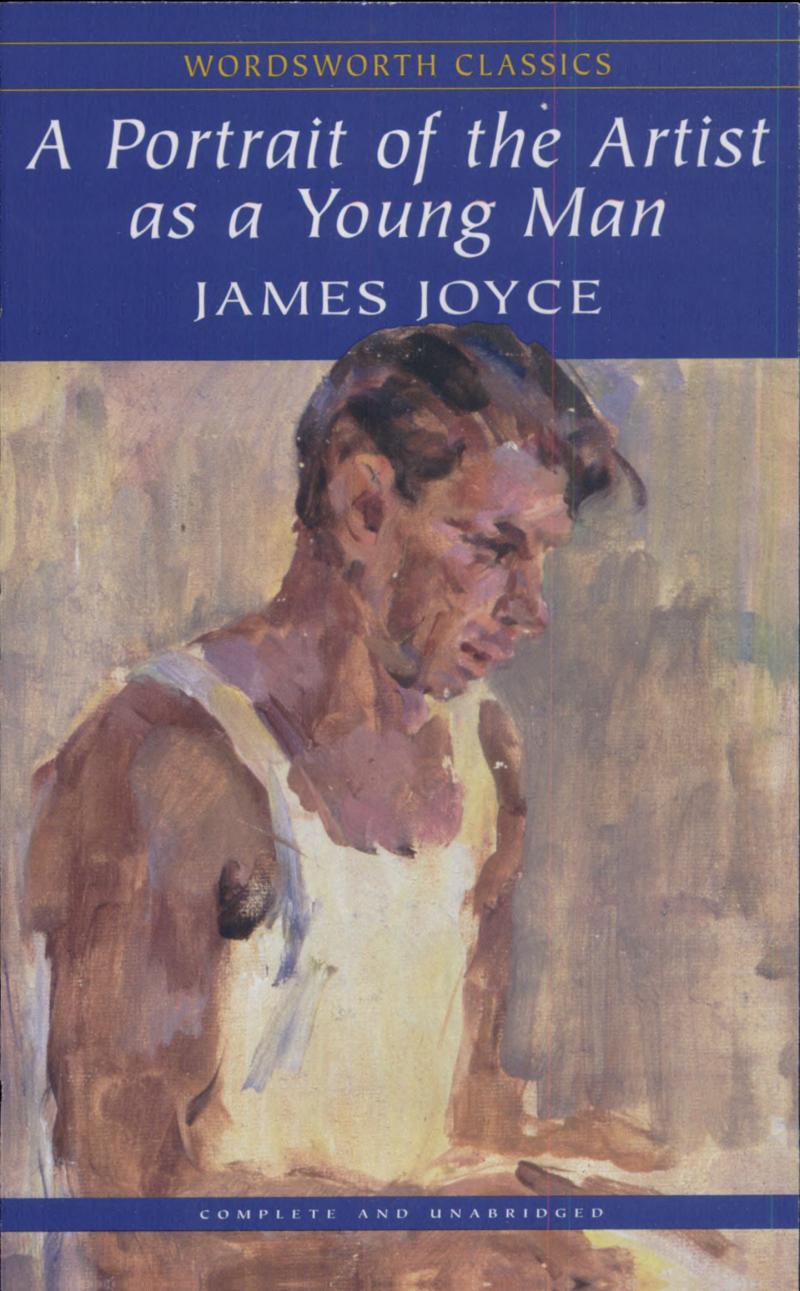
No. 1 on this list. A Portrait of the Artist as a Young Man
James Joyce · 1916
Difficult11 hours
Included in: Great Books of the Western World
Appears on 3,243 university syllabi according to the Open Syllabus Project (87.8th percentile), placing it in the company of the most-taught literary novels in English. Featured on the Modern Library 100 Best Novels, 1001 Books You Must Read Before You Die, and available in 40 Wikipedia languages — a global footprint that confirms its standing as a fixture of the Anglo-Irish modernist curriculum.
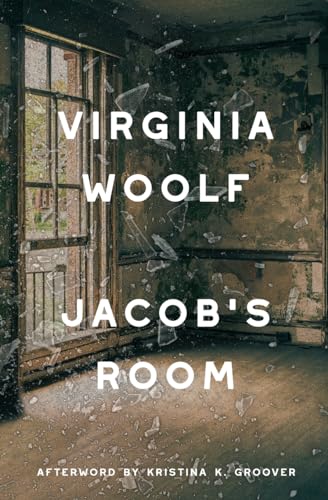
Jacob's Room appears on virtually every university syllabus covering modernist British literature, Woolf's work, or the literature of WWI. As Woolf's first fully experimental novel, it holds a foundational position in the modernist canon — taught alongside Mrs. Dalloway and To the Lighthouse in most Woolf courses. Its canonical status is somewhat lower than Woolf's later masterworks, which overshadow it in general survey courses.
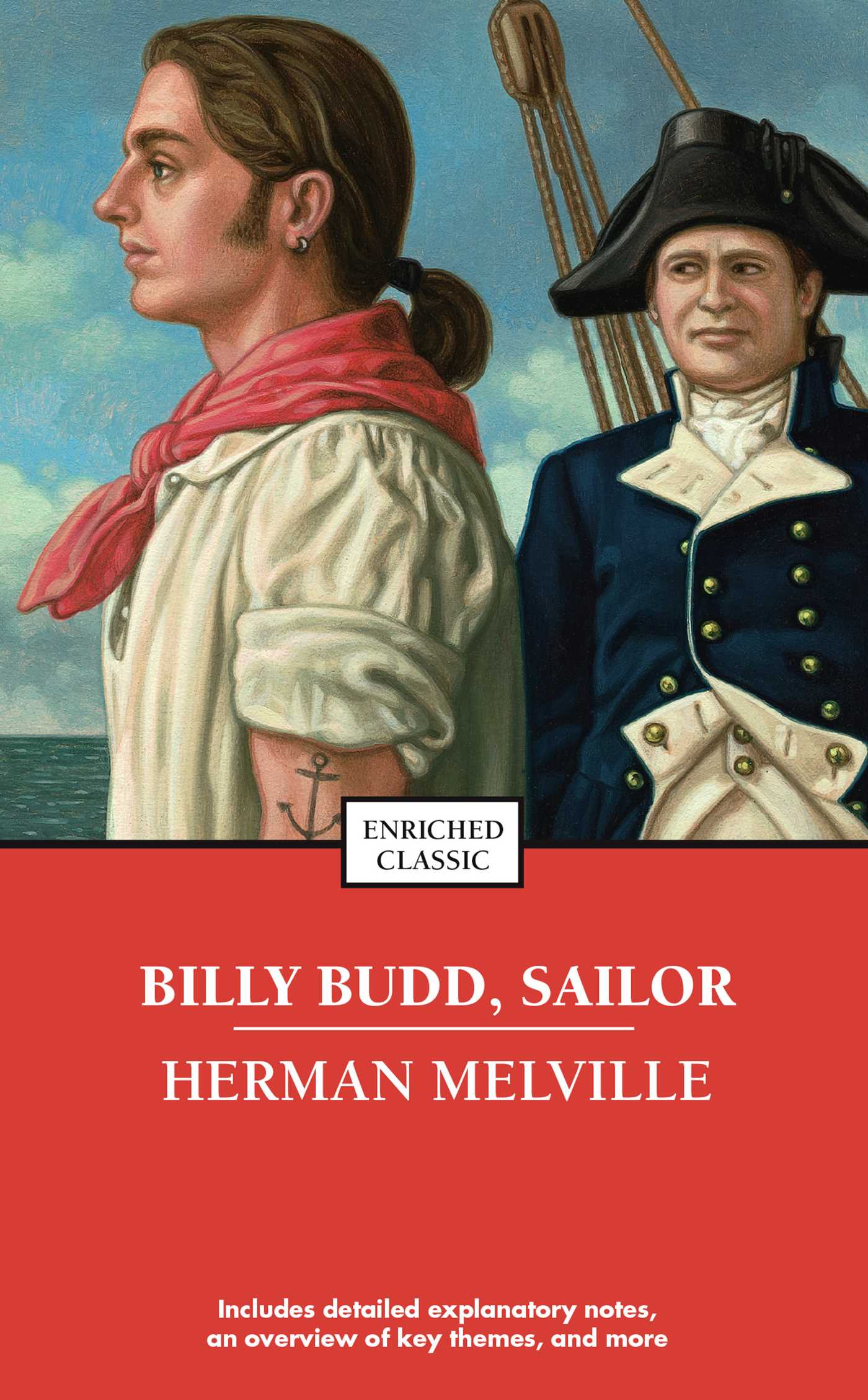
No. 3 on this list. Billy Budd, Sailor
Difficult3.3 hours
Taught in schools: Common Core text exemplars (Appendix B) (US)
Billy Budd is a fixture in American literature courses, canonized alongside Moby-Dick as one of Melville's essential works and one of the foundational American novellas. Although the data signals show no tracked syllabus entries in this database, the text has been continuously taught at university level since its rediscovery in the 1920s and appears on virtually every American literature syllabus covering the 19th century. It is frequently included on lists of great American fiction.
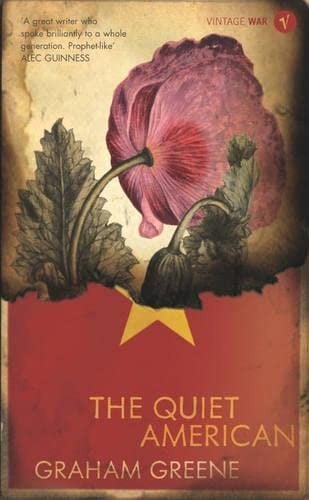
The Quiet American appears on the Modern Library 100 Best Novels and TIME's All-TIME 100 Novels lists and is taught regularly in postcolonial literature, Cold War fiction, and 20th-century British novel courses worldwide. Its prophetic critique of American intervention in Vietnam has made it a fixture in both literary and political science curricula. No syllabus or Wikipedia data was returned from the database, but its standing as a canonical text in world literature is established by critical consensus.
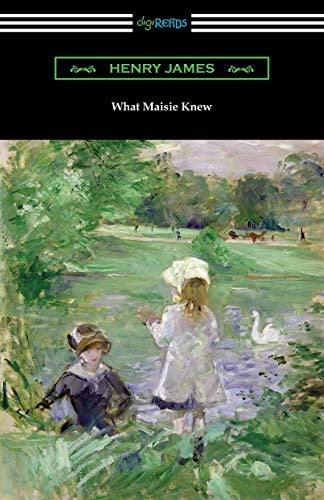
No. 5 on this list. What Maisie Knew
Henry James · 1897
Challenging8.9 hours
Taught in schools: Pearson Edexcel GCSE and A-level English Literature (UK)
Ranked by literary regard among eligible works in the current catalogue. This position reflects the available catalogue evidence.
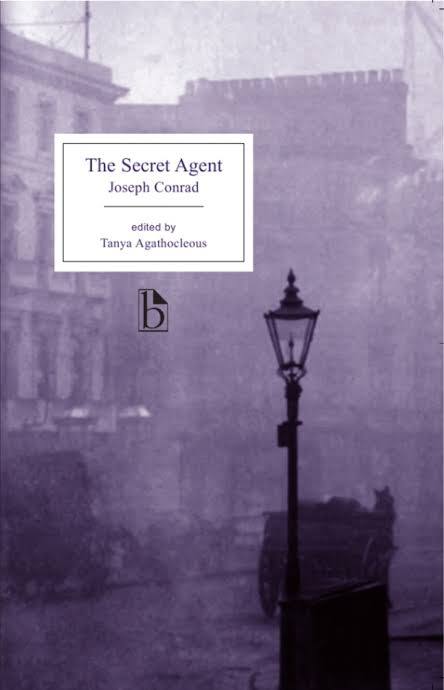
No. 6 on this list. The Secret Agent
Joseph Conrad · 1907
Difficult11 hours
Taught in schools: WJEC/Eduqas GCSE and A-level English Literature (UK)
The Secret Agent appears on the Modern Library 100 Best Novels list (1998) and has a Wikipedia article available in 17 languages with a dedicated reception section, indicating sustained critical discourse. It is regularly taught in university courses on modernism, political fiction, and the novel of ideas, though it occupies a secondary position in Conrad's own canon behind Heart of Darkness.
Winner of the Premio Strega in 1957, Italy's most prestigious literary prize, Arturo's Island is firmly established in the Italian literary canon and taught extensively in Italian schools and universities. It appears regularly on international world-literature lists and is considered one of the defining Italian novels of the twentieth century, alongside works by Pavese and Calvino.
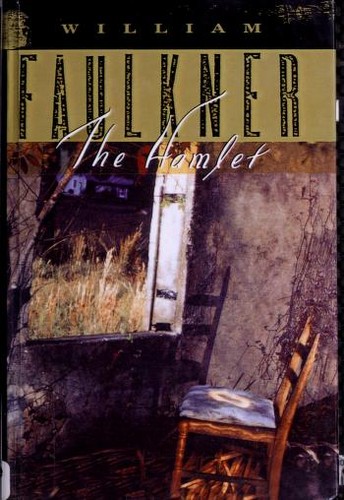
The Hamlet is consistently taught in American modernism and Southern literature courses as a key Faulkner text, though it receives less curriculum attention than The Sound and the Fury or As I Lay Dying. The Snopes trilogy as a whole is recognized as one of American literature's major long-form projects, and The Hamlet is its foundation. It appears on syllabi focused on Faulkner, Southern Gothic, and American regionalism, but has not achieved the broad high-school penetration of Faulkner's most canonical works.
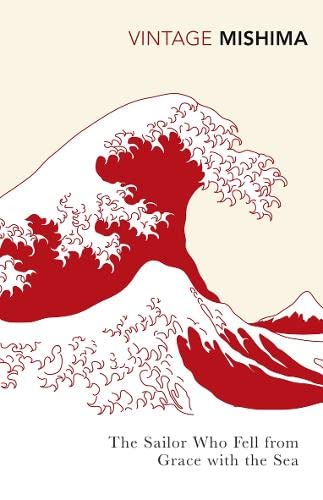
No. 9 on this list. The Sailor Who Fell from Grace with the Sea
Yukio Mishima · 1963
Challenging3.8 hours
Taught regularly in university world literature and Japanese literature courses globally. Appears on syllabi alongside Kawabata and Abe as an entry point to postwar Japanese fiction. Not in the ubiquitous tier of Kafka or Fitzgerald, but firmly established in academic curricula across Europe, North America, and East Asia.
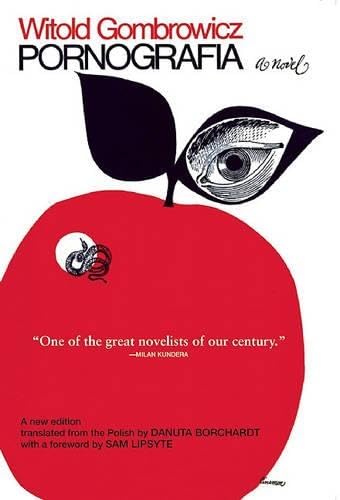
Pornografia is widely taught in European and Latin American literature courses and appears on world literature syllabi, though its presence in English-language curricula is more limited than Gombrowicz's Ferdydurke. No syllabus data was available in the database, and no Wikipedia article was indexed, but the novel is broadly recognized as a major work of 20th-century European fiction and appears on multiple 'greatest novels' lists.
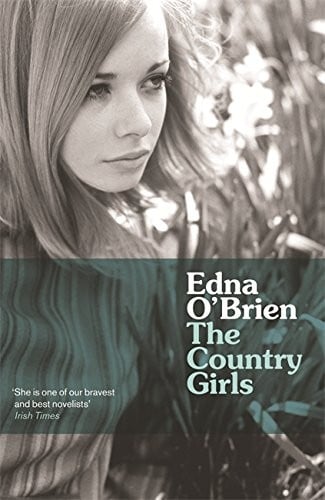
No. 11 on this list. The Country Girls · Edna O'Brien · 1960
A landmark of Irish literature and a foundational text for the frank depiction of women's experience. Widely taught and discussed.
Difficult5.9 hours
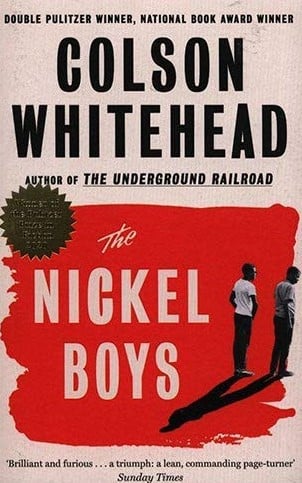
Start this bookNo. 12 on this list. The Nickel Boys · Colson Whitehead · 2019
Published in 2019, the novel won the Pulitzer Prize for Fiction in 2020 and appears on 33 college syllabi, placing it in the upper third of taught contemporary fiction. Its canonical trajectory is steep: based on a documented historical atrocity, adapted for film, and widely assigned in American literature courses. It lacks the decades of institutional embedding that would push the score higher.
Difficult6.3 hours
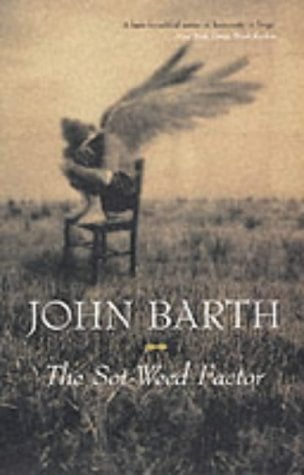
Start this bookNo. 13 on this list. The Sot-Weed Factor · John Barth · 1960
Listed on TIME's All-TIME 100 Novels (2005) and Open Syllabus Top 500 Literature, with only 7 recorded syllabus appearances (21st percentile) and a Wikipedia article in a single language with a 325-character stub. The novel has the reputation of a landmark without the institutional footprint of one — revered by postmodern fiction specialists but not broadly taught. Its canonical status is specialist rather than general, comparable to Infinite Jest (78) in cult standing but without that book's syllabus presence.
Difficult39 hours
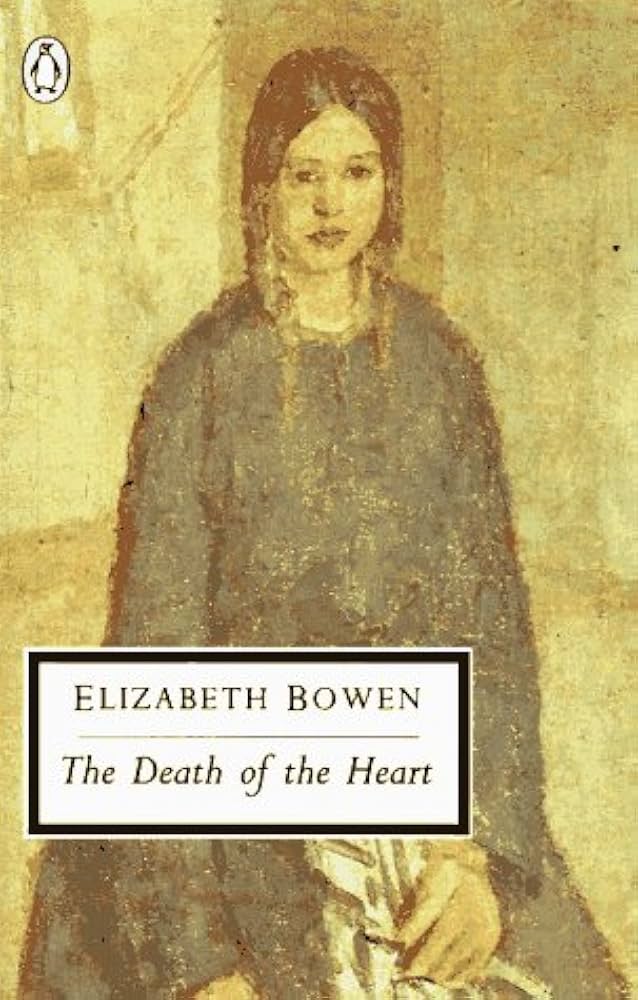
Start this bookNo. 14 on this list. The Death of the Heart · Elizabeth Bowen · 1938
Ranked 84th on the Modern Library 100 Best Novels and included on TIME's All-TIME 100 Novels, with Wikipedia articles in 7 languages. It is the Bowen novel most often taught in courses on British and Irish fiction between the wars.
Difficult13 hours
Start this bookNo. 15 on this list. Ninety-Three · Victor Hugo · 1874
Ninety-Three is taught in French literature courses focused on the nineteenth century and in history courses on the French Revolution, but it occupies a secondary position behind Les Misérables and Notre-Dame de Paris in the Hugo canon. It is recognized as a major novel of the period but is not the fixture on broad world literature syllabi that Hugo's earlier masterworks are.
Difficult13 hours
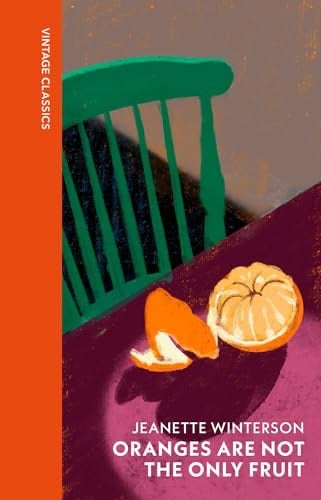
Read nowNo. 16 on this list. Oranges Are Not the Only Fruit · Jeanette Winterson · 1985
Taught in schools: AQA GCSE and A-level English Literature (UK), WJEC/Eduqas GCSE and A-level English Literature (UK)
Taught widely in UK university literature courses and increasingly present in American women's literature and queer studies syllabi. Considered a landmark of LGBTQ+ fiction and British autofiction, and consistently appears on lists of the best British novels of the 20th century, though it has not achieved the universal curriculum presence of the major Anglophone classics.
Difficult6.6 hours
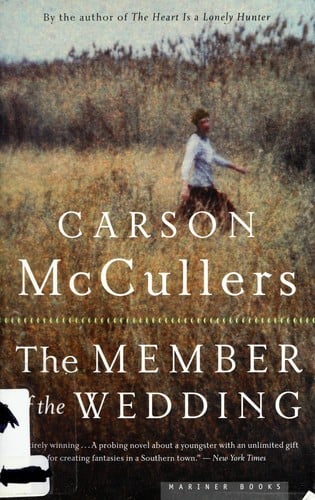
Start this bookNo. 17 on this list. The Member of the Wedding · Carson McCullers · 1946
Frankie Addams is twelve years old and has been excluded from everything — every club, every game, every sense of belonging. The summer her brother gets married, she seizes on a plan: she will join the wedding, travel with the newlyweds, become part of something larger than herself. She renames herself F. Jasmine Addams and tells everyone in town she is about to leave forever. McCullers sets almost the entire novel in a kitchen: Frankie, her six-year-old cousin John Henry, and the family's cook Berenice Sadie Brown, talking through a summer afternoon that feels both eternal and vanishing. What gets said — about loneliness, about being caught in your own skin, about the desperate wish to belong to a 'we' — makes the kitchen feel like the whole world. The wedding turns out exactly as badly as the reader suspects it will. Frankie's grand illusions collapse in a matter of hours. But the collapse is the point. McCullers writes adolescence not as a phase but as a philosophical condition: the agony of being a self that doesn't yet fit anywhere. The prose moves between Frankie's feverish interior monologues and Berenice's steady, unsentimental wisdom. The novel ends in early autumn with everything changed and nothing resolved — a shape that feels less like failure than like honesty.
Challenging5.5 hours
Start this bookNo. 18 on this list. The Mysterious Stranger · Mark Twain · 1916
In 1590, in the drowsy Austrian village of Eseldorf, three boys meet a charming young stranger who lights a pipe with his breath and conjures fruit from their pockets. He tells them his name is Philip Traum. He tells them he is an angel — specifically, Satan's nephew, untouched by the Fall and therefore without any Moral Sense. He is delightful company. The stranger makes miniature humans out of clay, watches them develop a civilization, then casually crushes them. He manipulates fate so that Nikolaus, Theodor's closest friend, drowns saving a girl rather than live sixty-two years as a paralyzed invalid. He considers this kindness. Theodor, narrating from old age, agrees with him throughout — and the reader must decide whether to follow. Mark Twain wrote The Mysterious Stranger between 1898 and 1908 without finishing it. Editors completed the manuscript after his death, location of the seam undisclosed. The novella is the culmination of Twain's late period: God is indicted directly in Satan's closing monologue ('mouths mercy and invented hell'), and the final revelation — that the universe, history, and the narrator himself are a dream inside a vagrant thought — is delivered without apology. The Moral Sense, which separates humans from animals, is the cruelest gift ever given: it allows suffering to be recognized, then does nothing to prevent it. This is Twain at his furthest from Hannibal.
Challenging3.5 hours
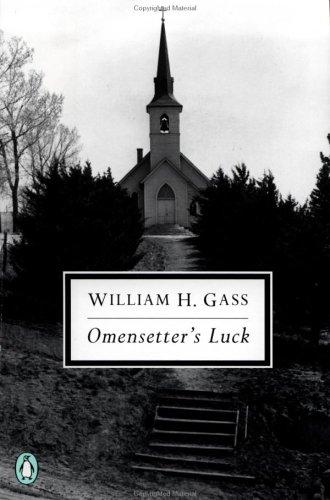
Read nowNo. 19 on this list. Omensetter's Luck · William Gass · 1966
Omensetter's Luck appears consistently on advanced university reading lists for postmodern American fiction and is cited in every major critical survey of the period. It is not mass-market curriculum material but occupies a firm place in specialized American literature courses alongside Pynchon, Barth, and Coover. No Wikipedia language data was available in the database, but the novel maintains continuous critical attention since its 1966 publication.
Difficult14 hours
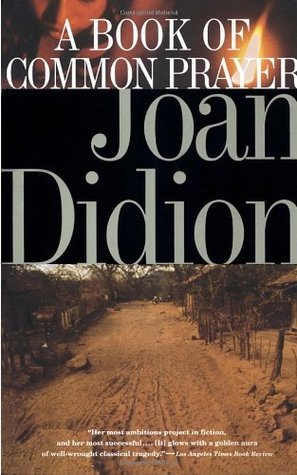
Start this bookNo. 20 on this list. A Book of Common Prayer · Joan Didion · 1977
A Book of Common Prayer is regularly assigned in American literature, postcolonial fiction, and women's writing courses. No structured syllabus data was retrieved from the database, but Didion's status as one of the defining prose stylists of the late twentieth century ensures the novel's sustained academic presence. It appears on Time's All-TIME 100 Novels list and is treated in critical surveys of postmodern American fiction alongside Pynchon and DeLillo, though it does not reach the fixture-status of The Great Gatsby or Beloved.
Challenging5.8 hours
Start this book
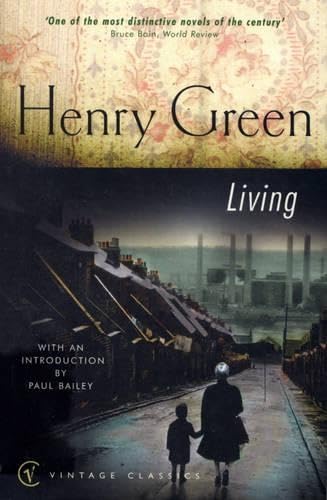
No. 21 on this list. Living · Henry Green · 1929
Living is a fixture of British modernism syllabi and is in continuous print in Vintage Classics and NYRB Classics editions. Isherwood's 'best proletarian novel ever written' has become a standard citation. W.H. Auden, Eudora Welty, and John Updike all wrote admiringly of Green's work. However, Green sits at the cult rather than the canonical center — he does not appear in general literary curricula with the regularity of Woolf or Joyce, and his Wikipedia presence is modest relative to his critical reputation.
Difficult9.3 hours
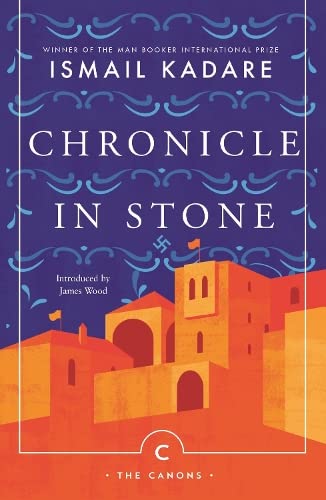
Start this bookNo. 22 on this list. Chronicle in Stone · Ismail Kadare · 1971
Chronicle in Stone is not a fixture of Western university curricula, but it holds a significant place in world literature courses focused on Eastern Europe, the Balkans, and post-colonial narratives. No syllabus data was found in the database, and its Wikipedia presence is limited, reflecting its status as an important but regionally specialized text rather than a universal curriculum staple. It is far better known in Albanian, French, and broader European literary circles than in English-language academia.
Difficult8.3 hours
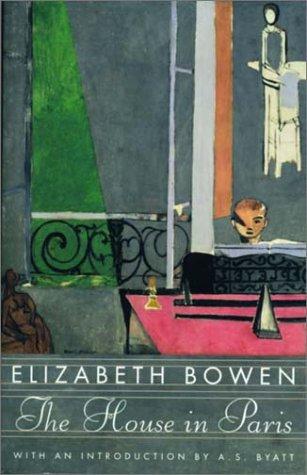
Start this bookNo. 23 on this list. The House in Paris · Elizabeth Bowen · 1935
The House in Paris is consistently taught in British and Irish modernism courses and appears on most serious curricula covering the period between the wars. No data signals were returned from the database, but Bowen's critical standing keeps this novel in circulation as her finest work alongside The Death of the Heart. Less institutionally central than Woolf or Forster but a reliable modernist syllabus presence.
Challenging7.7 hours
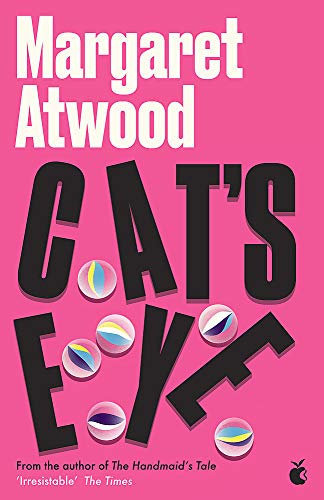
Start this bookNo. 24 on this list. Cat's Eye · Margaret Atwood · 1989
Appears on 78 university syllabi according to Open Syllabus (47th percentile), indicating a moderate but not dominant academic presence. Wikipedia coverage spans only 8 languages — Atwood's most canonical work, The Handmaid's Tale, appears far more widely. Cat's Eye is taught in Canadian literature and women's fiction courses but is not a universal curriculum fixture.
Difficult15 hours
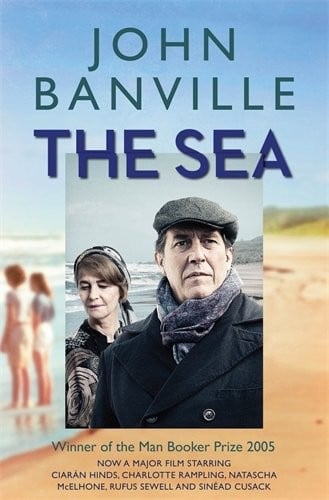
Start this bookNo. 25 on this list. The Sea · John Banville · 2005
As a Booker winner, The Sea is widely read and features in courses on contemporary Irish fiction, though it is not a general syllabus staple. It is the most widely known of John Banville's novels.
Difficult3 hours
Start this bookNo. 26 on this list. Jerusalem · Selma Lagerlöf · 1901
Published in 2016, Jerusalem remains too recent for canonical assessment, though its ambition and scale invite comparison to modernist landmarks. Academic attention has been limited, partly due to Moore's primary reputation in comics. The novel circulates more among devoted Moore readers than in general literary discourse.
Difficult19 hours
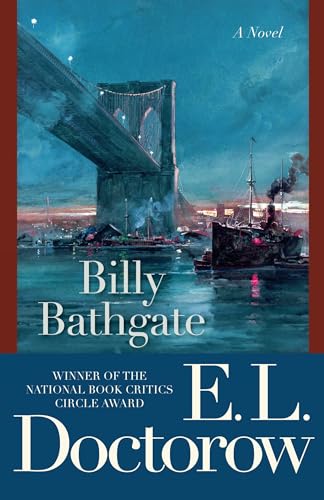
Read nowNo. 27 on this list. Billy Bathgate · E.L. Doctorow · 1990
Billy Bathgate appears on only 4 university syllabi in the Open Syllabus Project, placing it in the 15th percentile of taught works. Wikipedia coverage extends to just 5 languages. While respected as a strong entry in Doctorow's body of work, it has not achieved the 'essential reading' status of his earlier Ragtime, and is rarely treated as a curriculum fixture.
Difficult13 hours
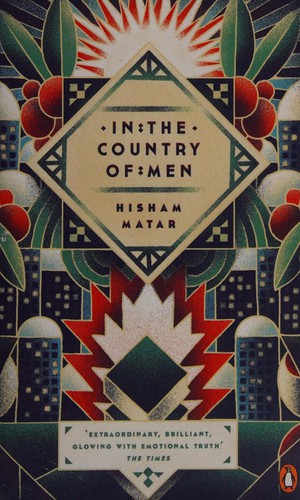
Start this bookNo. 28 on this list. In the Country of Men · Hisham Matar · 2006
Appears on 54 university syllabi, primarily in postcolonial and Middle Eastern literature courses. The novel has not reached the broad curricular penetration of established canonical works, but its consistent presence in specialized courses signals growing institutional recognition, particularly in programs focused on Arab and African writing in English.
Difficult7.4 hours
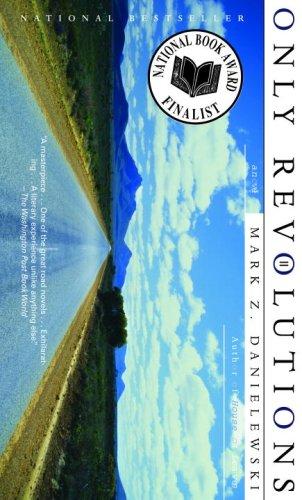
Start this bookNo. 29 on this list. Only Revolutions · Mark Z. Danielewski · 2006
Two teenagers, Sam and Hailey, drive across America in opposite directions through 200 years of history. The book is printed so you can read it from either end, flipping it upside down to follow the other character. Each page mirrors the other, the same events seen from different angles. Danielewski's second novel pushes further than House of Leaves into experimental typography—the text spirals and fragments, each line exactly the same length. The lovers never age; America changes around them. The novel is an impossible love story, or possibly a requiem for a country.
Difficult8.7 hours
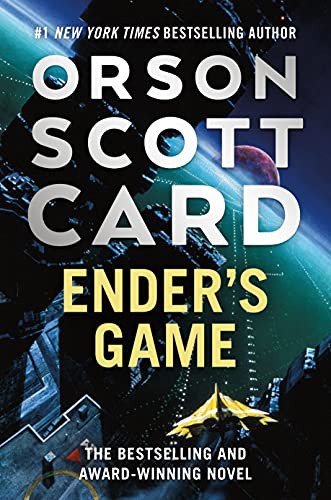
Start this bookNo. 30 on this list. Ender's Game · Orson Scott Card · 1985
Ender's Game won both the Hugo and Nebula Awards for Best Novel in 1985-86, the top honors in science fiction, and is consistently listed on essential SF reading lists. It is widely taught in middle school, high school, and university science fiction courses, and is embedded in SF canon. However, it sits outside the mainstream literary canon where Hamlet or Beloved hold their positions.
Challenging9.9 hours
Start this book
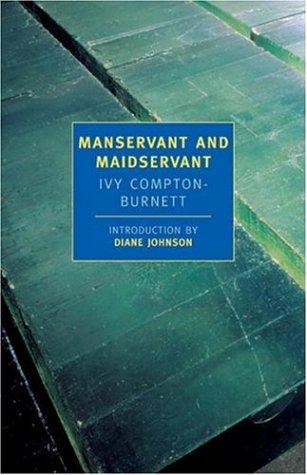
No. 31 on this list. Manservant and Maidservant
Ivy Compton-Burnett · 1947
No. 32 on this list. JR
William Gaddis · 1976
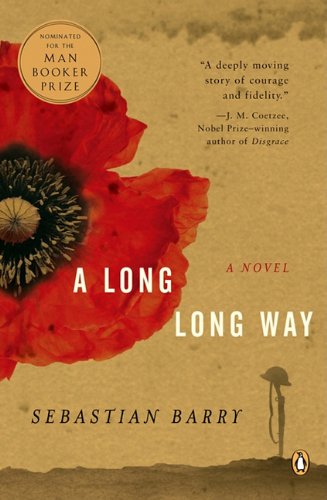
No. 33 on this list. A Long Long Way
Sebastian Barry · 2005
Taught in schools: AQA GCSE and A-level English Literature (UK)
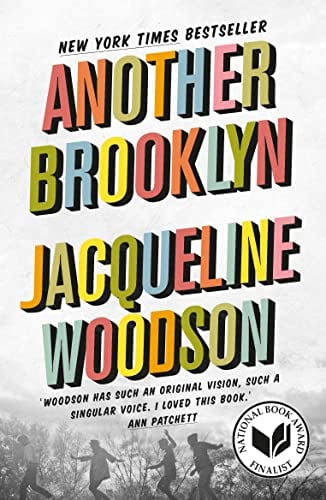
No. 34 on this list. Another Brooklyn
Jacqueline Woodson · 2016
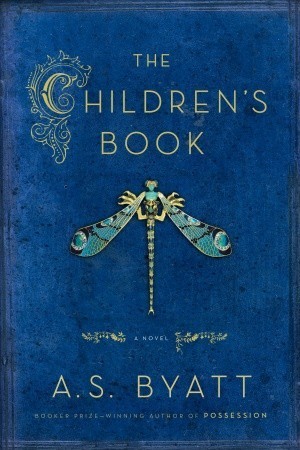
No. 35 on this list. The Children's Book
A.S. Byatt · 2009
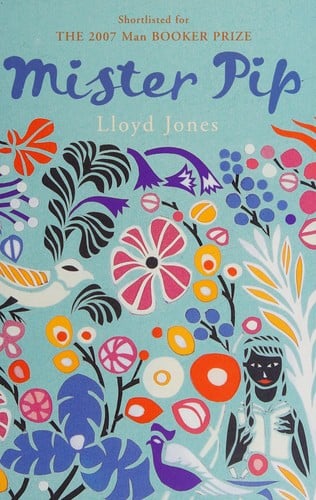
No. 36 on this list. Mister Pip
Lloyd Jones · 2007
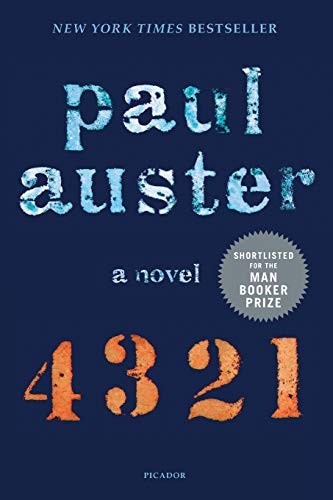
No. 37 on this list. 4 3 2 1
Paul Auster · 2017
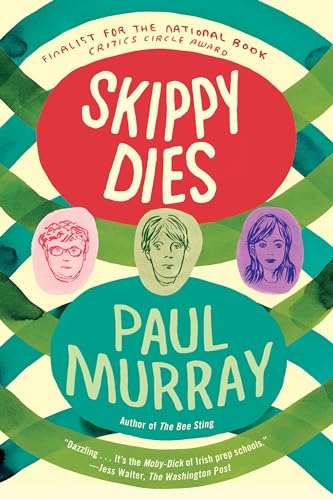
No. 38 on this list. Skippy Dies
Paul Murray · 2010
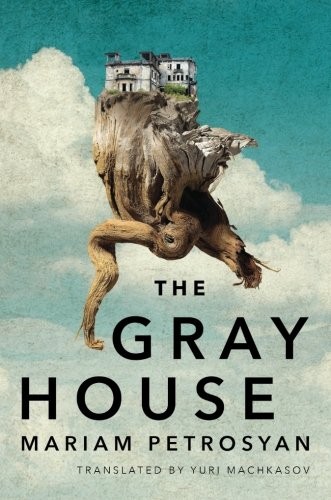
No. 39 on this list. Дом в котором
Mariam Petrosyan · 2009
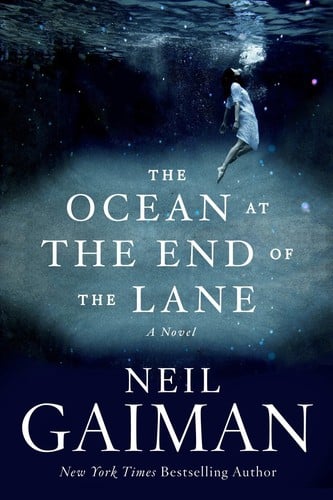
No. 40 on this list. The Ocean at the End of the Lane
Neil Gaiman · 2013
About this list
These 44 books are the highest-scoring eligible challenging books about youth and innocence currently in the catalogue. About 536 hours of reading in all. Difficulty runs from 68 to 73 out of 100 for the middle half of the list; the summit is Omensetter's Luck at 81.
This list is ranked by literary regard, with a consistent order for equal scores. Membership follows authors and co-authors, not translators or editors. A book is here when ReadingRate files it under Youth & Innocence as one of its primary reading domains, at a confidence of 0.8 or more. Catalogue coverage and the historical canon both limit what this list can represent.
When we matched the Canons dataset to our catalogue in October 2026, our canonical-status scores rose with the number of school curricula, publisher series and lists in it that cite a work: the median score was 72 for books one such source cites, 84 at two, 88 at three, 92 at four and 93 at five or more. Prizes are left out of that count. Outside the state curricula, the dataset’s sources choose mostly from what has been translated into English or French, so it is a weaker check on other literatures. Source: Canons (Andrew Piper), CC BY 4.0
Questions people actually ask
- What are the best challenging books about youth and innocence?
- By literary regard, which weighs canonical status, critical standing and influence: A Portrait of the Artist as a Young Man by James Joyce, Jacob's Room by Virginia Woolf, Billy Budd, Sailor by Herman Melville, The Quiet American by Graham Greene and What Maisie Knew by Henry James. ReadingRate ranks 44 such books, each with a difficulty score and a reading-time estimate.
- Which challenging books about youth and innocence should I read first?
- Start from difficulty, not from rank. The most approachable books on this list that still carry top literary regard are The Sailor Who Fell from Grace with the Sea by Yukio Mishima (about 3.8 hours), The Member of the Wedding by Carson McCullers and The Mysterious Stranger by Mark Twain.
- What are the shortest of the best challenging books about youth and innocence?
- Among the top 25, the shortest are The Sea by John Banville (about 3 hours), Billy Budd, Sailor by Herman Melville (about 3.3 hours) and The Mysterious Stranger by Mark Twain (about 3.5 hours), at an average pace of 250 words a minute adjusted for each book's difficulty.
- Which of the best challenging books about youth and innocence are the established classics?
- By canonical status, how firmly a book sits in curricula, anthologies and the canon: A Portrait of the Artist as a Young Man by James Joyce, Billy Budd, Sailor by Herman Melville, The Quiet American by Graham Greene, Arturo's Island by Elsa Morante and Jacob's Room by Virginia Woolf.
- Can I read any of these challenging books about youth and innocence for free?
- 7 of the 44 open in ReadingRate's reader with a free account, from public-domain editions: A Portrait of the Artist as a Young Man, Jacob's Room, Billy Budd, Sailor, The Secret Agent, Ninety-Three and 2 more.
- How long would it take to read the top ten?
- About 116 hours, at an average pace of 250 words a minute adjusted for each book's difficulty: 58 days at two hours a day. Set your own pace on the page and the list's reading times change to it.
- How hard are challenging books about youth and innocence to read?
- Most of this list sits between 68 and 73 on ReadingRate's 100-point difficulty scale, where 40 to 55 is moderate. The summit is Omensetter's Luck at 81. Every entry carries its own score, so a reader can pick a great book at a difficulty they will finish.
- How is this list ranked?
- On literary-regard data: how canonically established a work is, its critical standing, and its influence on later writing. It is not a readers’ poll, which is why recent bestsellers rarely appear. Membership follows authors and co-authors, not translators or editors. Lists by country, author, period, theme or difficulty keep to literature (fiction, poetry, drama and philosophy), their novels, poems and plays first and their philosophy after them; a list of a kind of book, such as memoir or criticism, keeps every book of that kind. Every list holds at most three works by one author. A book is here when ReadingRate files it under Youth & Innocence as one of its primary reading domains, at a confidence of 0.8 or more.