Hours at an average pace
Showing 100 books
About 709 hours for 100 of 100 books with measured lengths. Estimates use 250 words a minute, adjusted for each book's difficulty. At 2 hours a day, about 355 days for those books.
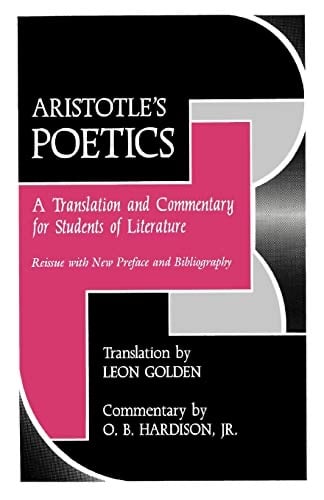
The Poetics is required reading in virtually every university curriculum touching literature, classics, philosophy, rhetoric, or dramatic theory worldwide. It appears on syllabi across disciplines in every major educational system. No other single work in Western literary culture has maintained this breadth of curricular presence across two and a half millennia.
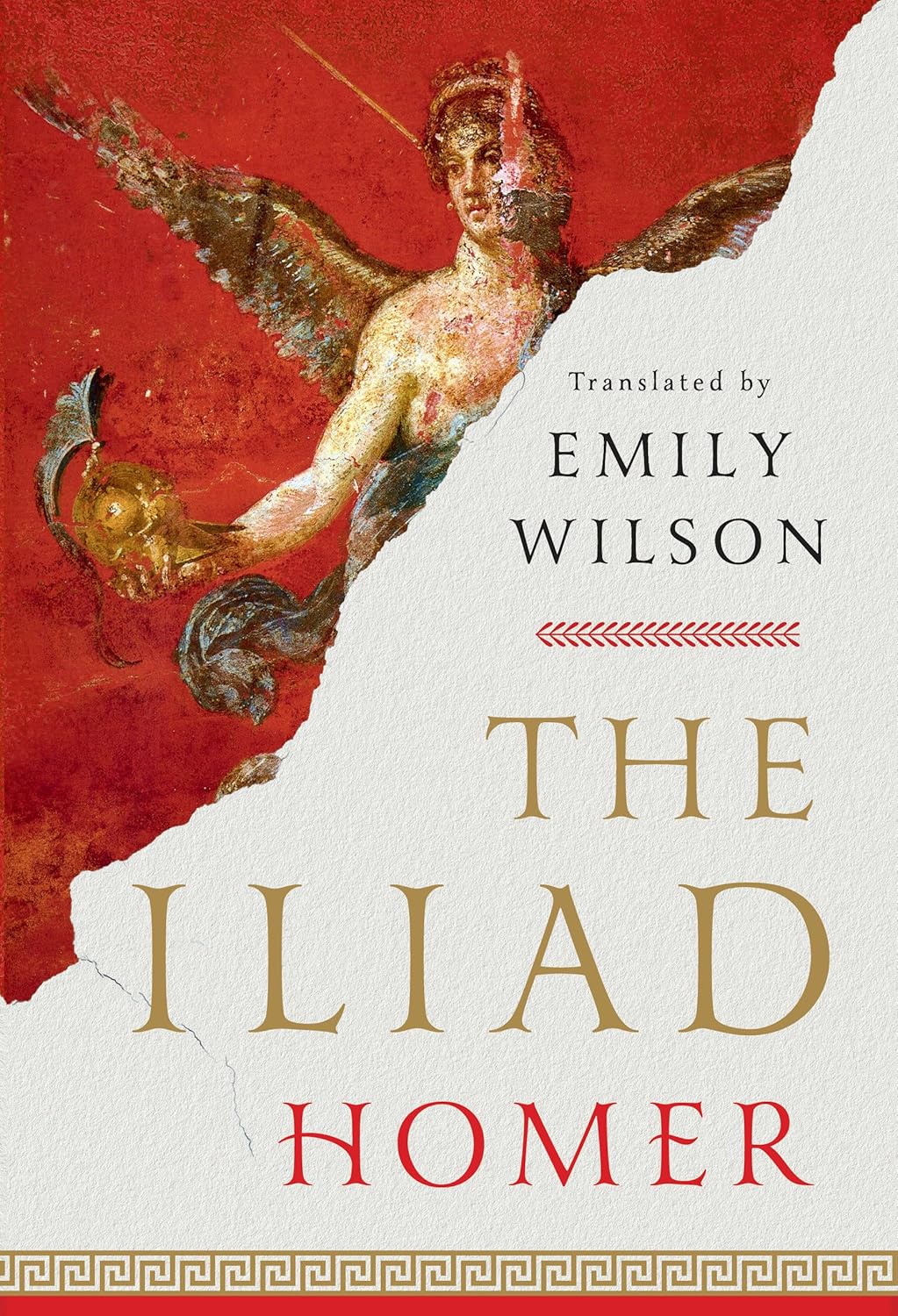
No. 2 on this list. Iliad
Homer · c. 750 BCE
Challenging13 hours
Taught in schools: Montenegrin literature curriculum (crnogorski jezik i književnost) (Montenegro)
Included in: Bokklubben World Library, Great Books of the Western World
The foundational war poem of Western civilization, and still the most unflinching. Homer gives Achilles' rage the same weight as Hector's tenderness with his son, refusing to let either side own the meaning of the slaughter.
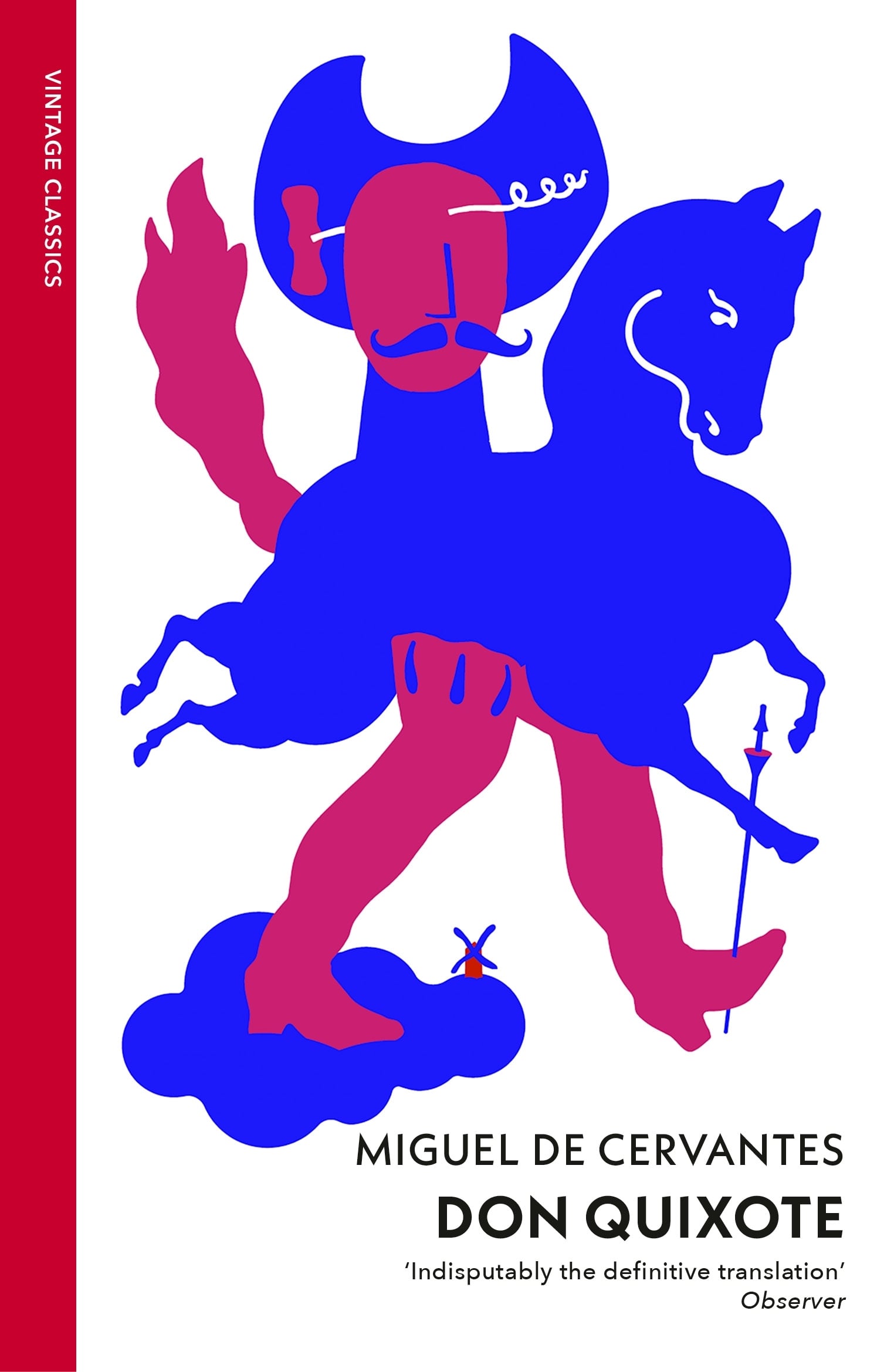
No. 3 on this list. Don Quixote
Miguel de Cervantes · 1605
Challenging32 hours
Taught in schools: Hungarian literature curriculum (magyar nyelv és irodalom) (Hungary), Literatura, Diseño Curricular – Provincia de Buenos Aires (Argentina), Montenegrin literature curriculum (crnogorski jezik i književnost) (Montenegro)
Included in: Bokklubben World Library, Great Books of the Western World
271 syllabus appearances (60.8th percentile) undersells its actual canonical weight. Don Quixote appears on virtually every Western canon list ever compiled, from Harold Bloom's to university core curricula worldwide. It is routinely called the first modern novel and the foundational work of Western fiction. Its relatively lower syllabus count likely reflects the novel's 900+ page length making it harder to assign in survey courses.
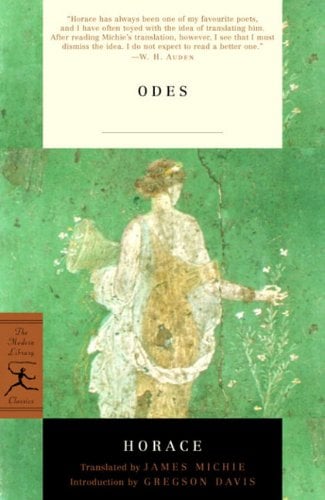
Horace's Odes have been required reading in classical curricula for over two thousand years without interruption — studied in Rome, medieval monasteries, Renaissance courts, and modern universities alike. The phrase 'carpe diem' originates in Odes I.11 and has entered every major world language. The Wikipedia article appears in only 1 language in the current database, but this reflects a data gap: the Odes are among the most-taught texts in any Western classics or humanities program, with presence on thousands of university syllabi globally.
The single most important sonnet sequence in English and among the most celebrated poems ever written.
The Symposium is required reading in virtually every philosophy, classics, and great books curriculum worldwide. It appears on syllabi for philosophy of love, Platonic metaphysics, ancient literature, gender studies, and queer theory courses. Its influence has extended beyond the academy — the concept of 'Platonic love' and Aristophanes' myth of the divided self have entered everyday language. No significant Western education omits it.
No. 7 on this list. One Hundred Years of Solitude
Gabriel García Márquez · 1967
Challenging10 hours
Taught in schools: Literatura, Diseño Curricular – Provincia de Buenos Aires (Argentina)
Included in: Bokklubben World Library
García Márquez wove a century of Latin American history into one family's story where the miraculous and the mundane coexist without explanation — ice is as wondrous as levitation. The book proved that the novel could channel an entire continent's experience in a voice that had no European precedent.
No. 8 on this list. Anna Karenina
Leo Tolstoy · 1877
Challenging26 hours
Taught in schools: Hungarian literature curriculum (magyar nyelv és irodalom) (Hungary), Lithuanian literature curriculum (lietuvių kalba ir literatūra), Russian FGOS literature standard
Included in: Bokklubben World Library
Appears on 334 university syllabi and has a Wikipedia article in 82 languages, placing it among the most globally recognized novels ever written. Consistently named to lists of the greatest novels—TIME All-TIME 100 Novels (2005) and Le Monde's 100 Books of the Century (1999)—and taught wherever world literature courses exist. Its status as a masterpiece of the novel form is essentially uncontested across literary traditions.
No. 9 on this list. Georgics
Virgil · c. 29 BCE
Moderate1.6 hours
Included in: Great Books of the Western World
The Georgics is a cornerstone of Western classical education, appearing on university syllabi worldwide wherever Latin literature, pastoral poetry, or the history of agriculture is taught. It stands alongside the Aeneid and Eclogues as the essential Virgilian triad; no serious study of Latin poetry omits it. Its influence on English poets from Dryden through Seamus Heaney has kept it continuously present in anglophone literary education as well.
No. 10 on this list. Oedipus Rex
Sophocles · c. 429 BCE
Challenging1.8 hours
Included in: Bokklubben World Library, Great Books of the Western World
Sophocles built the perfect dramatic machine: a man investigating a crime who discovers he is the criminal, with every revelation tightening the trap his own competence has set. Aristotle used it as his model of tragedy, and twenty-four centuries of dramatists have not improved on its architecture.
No. 11 on this list. Orientalism · Edward W. Said · 1978
Orientalism is required reading in postcolonial studies, comparative literature, cultural studies, history, and Middle Eastern studies curricula worldwide. It appears on thousands of university syllabi across disciplines and is considered foundational to the field of postcolonial criticism. No academic in the humanities can avoid engagement with Said's argument, making it one of the most canonical critical texts of the late 20th century.
Challenging13 hours
Start this bookNo. 12 on this list. Six Characters in Search of an Author · Luigi Pirandello · 1921
Taught in schools: UNAM Escuela Nacional Preparatoria – programas de Literatura (Mexico)
Included in: Great Books of the Western World
Pirandello sent six fictional characters onto a stage to confront the actors rehearsing their story, detonating the boundary between author, character, and performer decades before anyone used the word "metafiction." The play asked who owns a story — the person who wrote it or the person who lives it — and left the question permanently unresolved.
Challenging1.9 hours
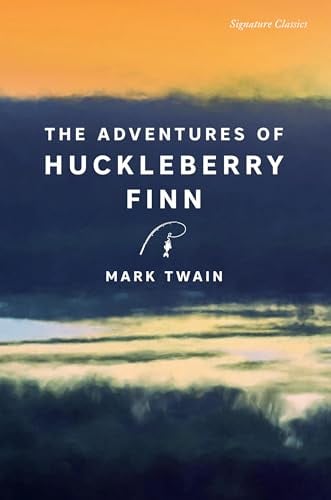
Read nowNo. 13 on this list. Adventures of Huckleberry Finn · Mark Twain · 1884
Taught in schools: Pearson Edexcel GCSE and A-level English Literature (UK)
Included in: Bokklubben World Library, Great Books of the Western World
Adventures of Huckleberry Finn is taught in virtually every American high school and university American literature course, and is among the most debated and analyzed works in the American canon. Its Wikipedia article spans 62 languages with a dedicated reception section, reflecting global critical discourse sustained for over 140 years. Ernest Hemingway's declaration that all modern American literature comes from this one book cemented its place as the foundational American novel.
Moderate7.5 hours
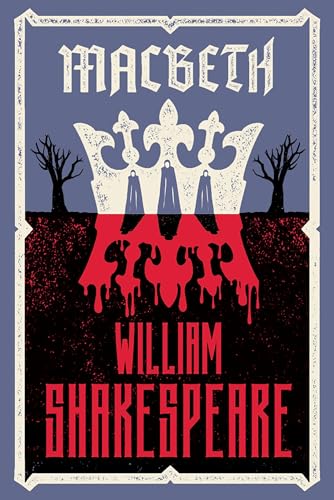
Read nowNo. 14 on this list. Macbeth · William Shakespeare · 1606
Taught in schools: WBCHSE English and Alternative English syllabuses (India)
Included in: Great Books of the Western World
Shakespeare compressed an entire arc of political ambition, guilt, and psychological disintegration into his shortest tragedy, giving English its most visceral portrait of how a single murderous act can unravel a mind. Lady Macbeth's sleepwalking and Macbeth's "tomorrow and tomorrow" soliloquy remain the benchmarks for dramatizing a conscience that cannot escape itself.
Challenging1.4 hours
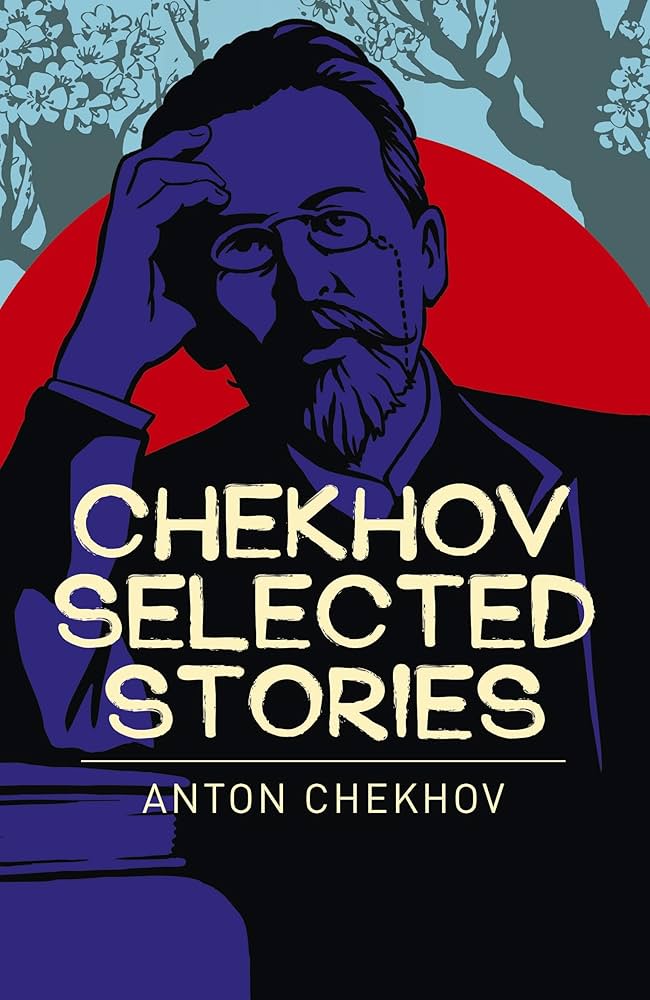
Read nowNo. 15 on this list. Selected Stories · Anton Chekhov · 1899
Chekhov anchors the short-story unit of virtually every world-literature and creative-writing syllabus in the English-speaking world, and "The Lady with the Dog," "Gooseberries," and "Ward No. 6" are among the most frequently anthologized stories in any language. Our database has no syllabus or Wikipedia-language data recorded against this specific collection entry, but that reflects the absence of one fixed "Selected Stories" edition to track rather than any gap in his standing.
Moderate9.9 hours
Start this bookNo. 16 on this list. On the Nature of Things · Lucretius · c. 55 BCE
Included in: Great Books of the Western World
De Rerum Natura is one of the most significant surviving texts from antiquity, taught in classics, philosophy, and history of science programs at universities worldwide. It represents the fullest extant exposition of Epicurean atomism in any language and appears on virtually every list of essential classical works. Its rediscovery by Poggio Bracciolini in 1417 is credited with catalyzing Renaissance intellectual culture.
Moderate5.5 hours
Start this bookNo. 17 on this list. Phaedrus · Plato · c. 370 BCE
Plato's Phaedrus is a foundational text in Western philosophy, taught in virtually every philosophy curriculum worldwide from undergraduate ethics to graduate seminars on rhetoric and metaphysics. The dialogue has maintained continuous scholarly presence for 2,400 years, appearing on Open Syllabus lists for philosophy, rhetoric, and classical studies courses across hundreds of institutions. Its Wikipedia article spans over 50 languages for the work as a whole.
Challenging3.1 hours
Start this bookNo. 18 on this list. The Great Gatsby · F. Scott Fitzgerald · 1925
Taught in schools: AQA GCSE and A-level English Literature (UK), CAPE Literatures in English – Caribbean Examinations Council, Common Core text exemplars (Appendix B) (US)
Included in: Great Books of the Western World
Fitzgerald distilled the self-invention at the core of American life into 180 pages of lapidary prose, centering it on a man whose dream is so vivid it becomes indistinguishable from delusion. The green light at the end of Daisy's dock entered the language as shorthand for desire that is more beautiful for being unreachable.
Moderate3.4 hours
Read nowNo. 19 on this list. Aeneid · Virgil · c. 19 BCE
Included in: Bokklubben World Library, Great Books of the Western World
Virgil reverse-engineered Homer to give Rome a founding myth that justified empire, pietas, and destiny — and in the process invented the idea that a national epic could be a deliberate literary construction rather than an inherited oral tradition. Dante, Milton, and every poet who tried to write a civilization into existence started here.
Challenging9.4 hours
Read nowNo. 20 on this list. War and Peace · Leo Tolstoy · 1869
Taught in schools: Russian FGOS literature standard, Turkish edebiyat curriculum (Turkey)
Included in: Bibliothèque de la Pléiade, Bokklubben World Library, Great Books of the Western World
War and Peace appears on 120 university syllabi (Open Syllabus) and has Wikipedia articles in 80 languages, placing it among the most globally recognized novels ever written. It features on the BBC Big Read Top 100, the 1001 Books You Must Read Before You Die list, and the Open Syllabus Top 500 Literature canon, with a prestige NYRB Classics edition. The book is referenced universally as the archetype of the sweeping Russian novel.
Moderate39 hours
Read now
No. 21 on this list. Vita Nuova · Dante Alighieri · 1294
Vita Nuova is taught in virtually every medieval Italian literature program worldwide and appears in most comparative literature and Romance philology curricula. It is the foundational text of the dolce stil novo movement and the biographical prologue to the Divine Comedy, one of the most studied works in Western literary history. Wikipedia entries exist in more than 80 languages, and the work has been continuously in print and commentary since Boccaccio's 14th-century biography of Dante.
Moderate1.7 hours
Read nowNo. 22 on this list. The Stranger · Albert Camus · 1942
Included in: Bokklubben World Library
The Stranger appears on Le Monde's 100 Books of the Century, the Open Syllabus Top 500 Literature list, and 1001 Books You Must Read Before You Die. Published in prestige editions by both NYRB Classics and Penguin Modern Classics, it is one of the most assigned existentialist texts in university world literature courses across Europe, North America, and beyond.
Challenging3 hours
Start this bookNo. 23 on this list. The Love Song of J. Alfred Prufrock · T. S. Eliot · 1915
Taught in schools: Common Core text exemplars (Appendix B) (US)
One of the most taught poems in English, standard in introductory poetry courses, modernism surveys and the major anthologies. First printed in Poetry magazine in 1915 at Ezra Pound's urging, it is usually treated as the start of modernist verse in English.
Challenging14 min
Start this bookNo. 24 on this list. The Canterbury Tales · Geoffrey Chaucer · 1400
Taught in schools: UNAM Escuela Nacional Preparatoria – programas de Literatura (Mexico)
Included in: Bokklubben World Library, Great Books of the Western World
Chaucer assembled a cross-section of fourteenth-century English society — knight, pardoner, wife, miller — and let each tell a tale in a voice so particular that the frame story became a laboratory for vernacular English prose and poetry. He proved that the language of London could carry the literary weight that had belonged to Latin and French.
Challenging22 hours
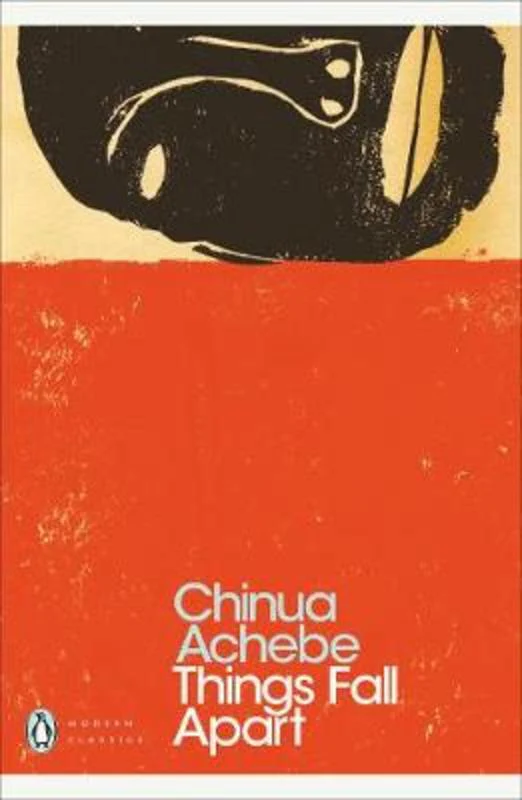
Read nowNo. 25 on this list. Things Fall Apart · Chinua Achebe · 1958
Taught in schools: Cambridge IGCSE Literature in English (0475), Common Core text exemplars (Appendix B) (US), CSEC English B – Caribbean Examinations Council
Included in: Bokklubben World Library, Heinemann African Writers Series
Achebe told the story of colonialism from the inside of an Igbo village rather than from a European ship, and in doing so dismantled a century of Western fiction that had treated Africa as scenery. The novel created the template for postcolonial literature in English.
Moderate3.3 hours
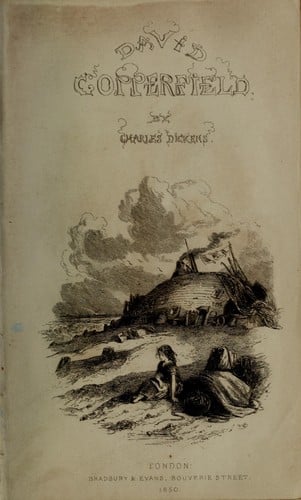
Start this bookNo. 26 on this list. David Copperfield · Charles Dickens · 1850
Taught in schools: WJEC/Eduqas GCSE and A-level English Literature (UK)
David Copperfield is firmly established in the Western literary canon as one of Dickens's supreme achievements and a defining example of the Victorian Bildungsroman. It remains widely taught, studied, and adapted across cultures.
Moderate24 hours
Read nowNo. 27 on this list. Julius Caesar · William Shakespeare · 1599
Included in: Great Books of the Western World
Julius Caesar is among the most widely taught Shakespeare plays in the English-speaking world, a staple of secondary school curricula alongside Macbeth and Romeo and Juliet. It appears on thousands of university syllabi in courses on Renaissance drama, political thought, and oratory. Its speeches — particularly Antony's 'Friends, Romans, countrymen' — are among the most memorized passages in the English language.
Challenging1.8 hours
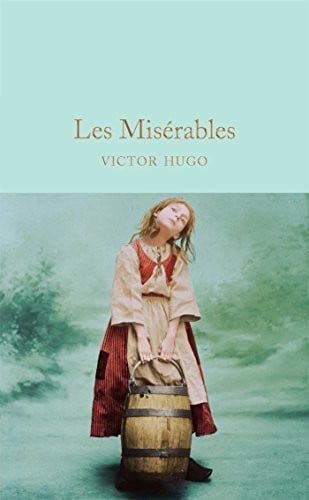
Read nowNo. 28 on this list. Les Misérables · Victor Hugo · 1862
Taught in schools: Turkish edebiyat curriculum (Turkey)
Les Misérables has a Wikipedia article available in 71 languages and a 73,000-character article with dedicated reception and adaptations sections — indicators of global cultural reach matched by few 19th-century novels. It is treated as a foundational text in French literature courses worldwide and appears on most lists of essential world fiction. Its canonical status in francophone secondary and university education is comparable to Hamlet's in English curricula.
Challenging51 hours
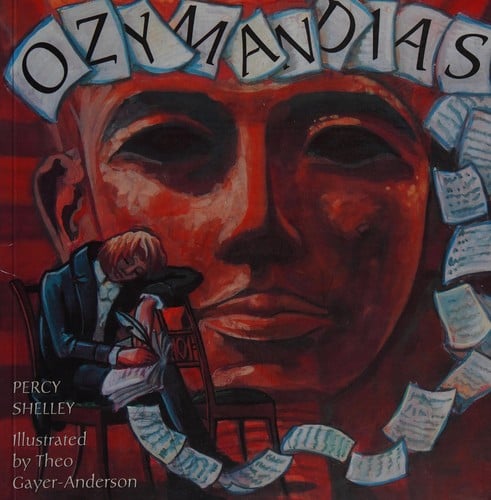
Read nowNo. 29 on this list. Ozymandias · Percy Bysshe Shelley · 1818
Ozymandias is among the most anthologized poems in the English language, a fixture of high school and university poetry units on Romanticism. No syllabus or Wikipedia-language data was available in ReadingRate's database for this entry, but its presence in virtually every major poetry anthology and British Romanticism syllabus puts it near the top of the canon regardless.
Challenging1 min
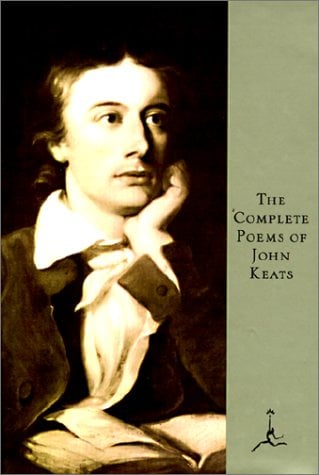
Start this bookNo. 30 on this list. Complete Poems · John Keats · 1820
No modern syllabus or award-tracking data applies to a poet who died in 1821, but Keats's odes are among the most anthologized and taught poems in the English language, a fixture of every survey of Romantic and British literature. His Wikipedia presence is extensive and translated into dozens of languages, on par with the other major Romantics.
Challenging6 hours
Start this book
No. 31 on this list. Utilitarianism
John Stuart Mill · 1863
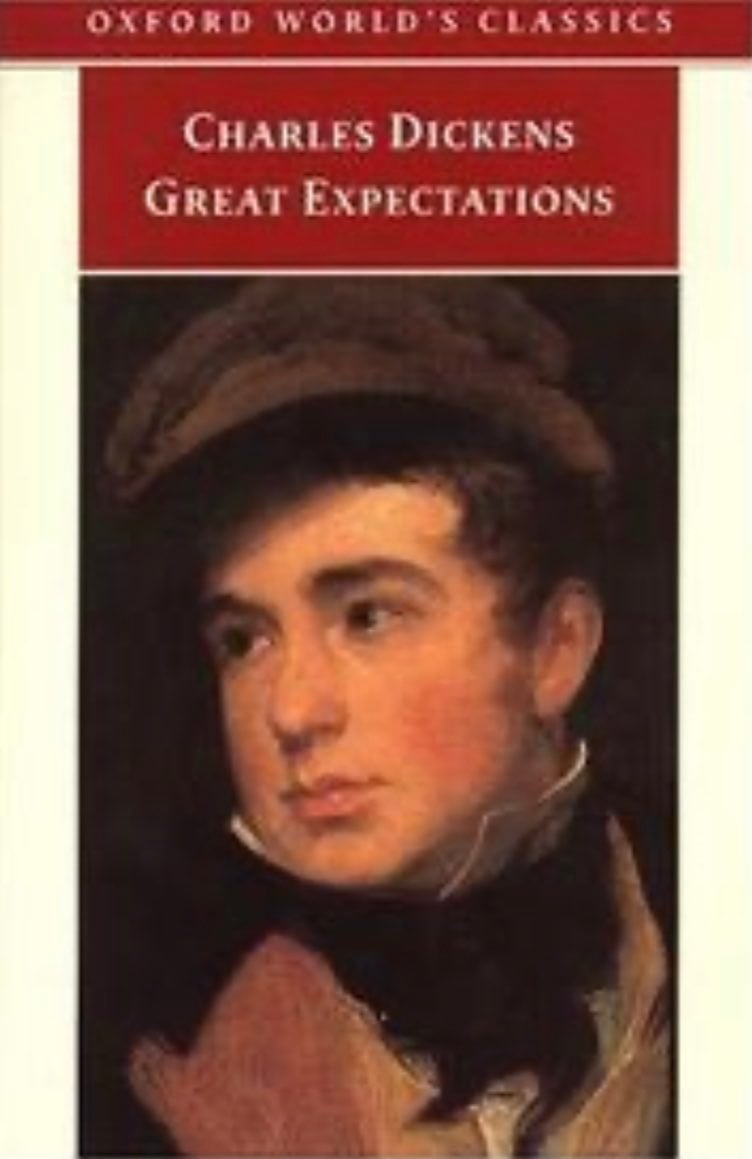
No. 32 on this list. Great Expectations
Charles Dickens · 1861
Taught in schools: AQA GCSE and A-level English Literature (UK), OCR GCSE and A-level English Literature (UK), Pearson Edexcel GCSE and A-level English Literature (UK)
Included in: Bokklubben World Library
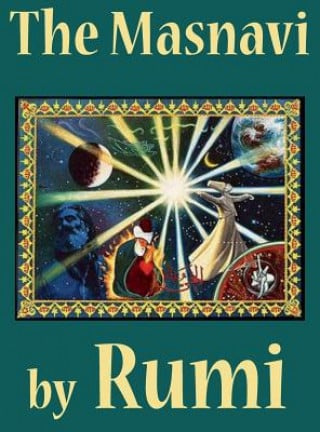
No. 33 on this list. Masnavi
Rumi · 1273
Included in: Bokklubben World Library, UNESCO Collection of Representative Works
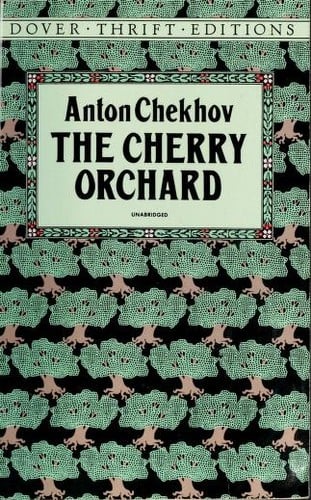
No. 34 on this list. The Cherry Orchard
Anton Chekhov · 1904
Taught in schools: Armenian secondary literature, CSEC English B – Caribbean Examinations Council, Russian FGOS literature standard
No. 35 on this list. Discourse on the Method
René Descartes · 1637
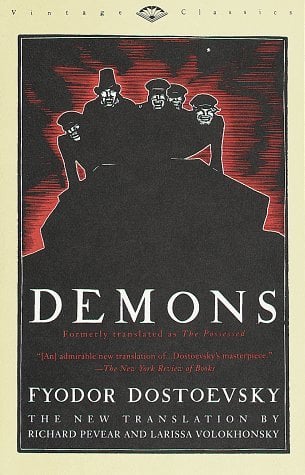
No. 36 on this list. Demons
Fyodor Dostoevsky · 1872
Included in: Bokklubben World Library
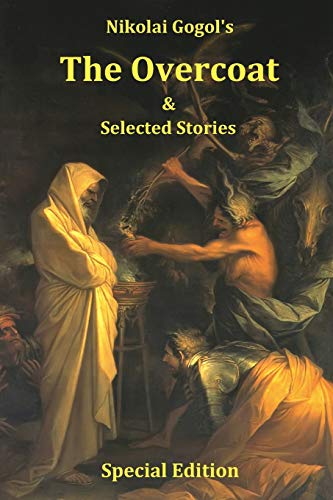
No. 37 on this list. The Overcoat
Nikolai Gogol · 1842
Taught in schools: Kazakh literature curriculum (Kazakhstan), Montenegrin literature curriculum (crnogorski jezik i književnost) (Montenegro), Russian FGOS literature standard
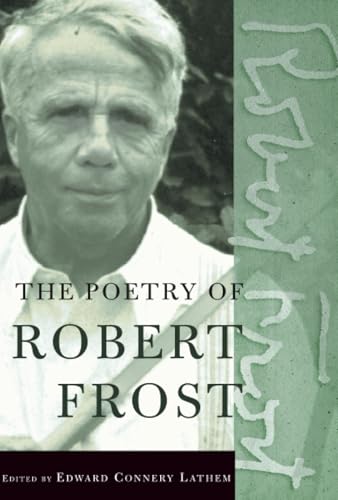
No. 38 on this list. Collected Poems
Robert Frost · 1930
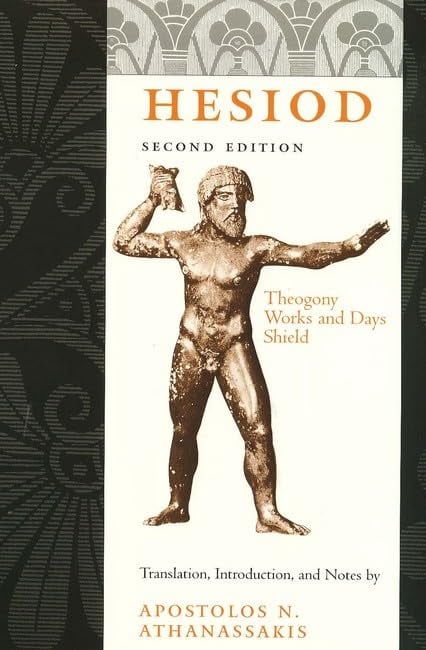
No. 39 on this list. Works and Days
Hesiod · c. 700 BCE
Taught in schools: Hungarian literature curriculum (magyar nyelv és irodalom) (Hungary)
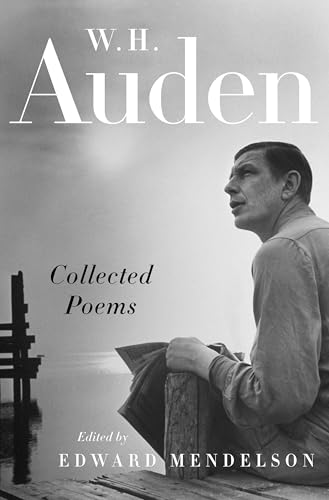
No. 40 on this list. Collected Poems of W.H. Auden
W.H. Auden · 1976
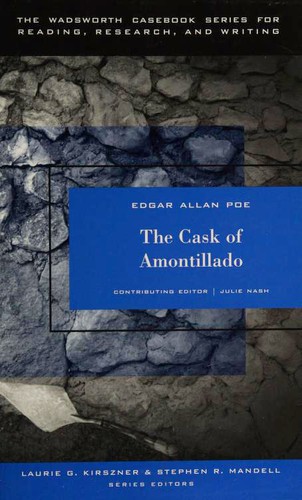
No. 41 on this list. The Cask of Amontillado
Edgar Allan Poe · 1846
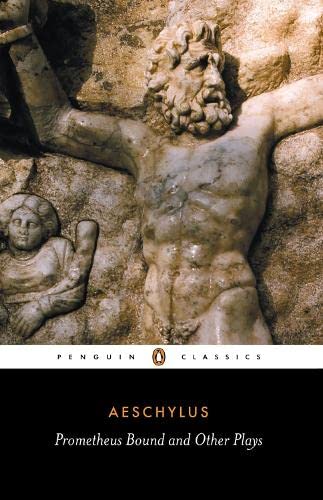
No. 42 on this list. Prometheus Bound
Aeschylus · c. 430 BCE
Included in: Great Books of the Western World
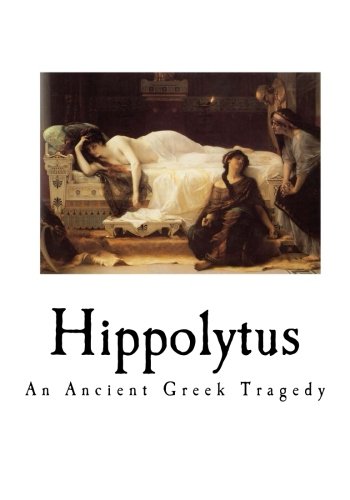
No. 43 on this list. Hippolytus
Euripides · c. 428 BCE
Included in: Great Books of the Western World
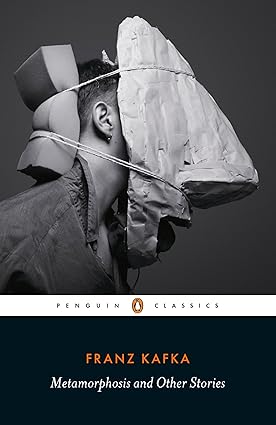
No. 44 on this list. The Metamorphosis
Franz Kafka · 1915
Taught in schools: Common Core text exemplars (Appendix B) (US), Lithuanian literature curriculum (lietuvių kalba ir literatūra)
Included in: Great Books of the Western World
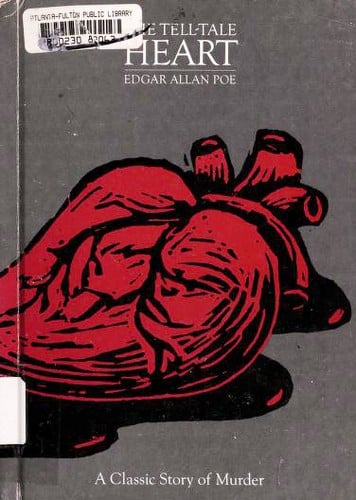
No. 45 on this list. The Tell-Tale Heart
Edgar Allan Poe · 1843
Taught in schools: Pacific Senior Secondary Certificate – English
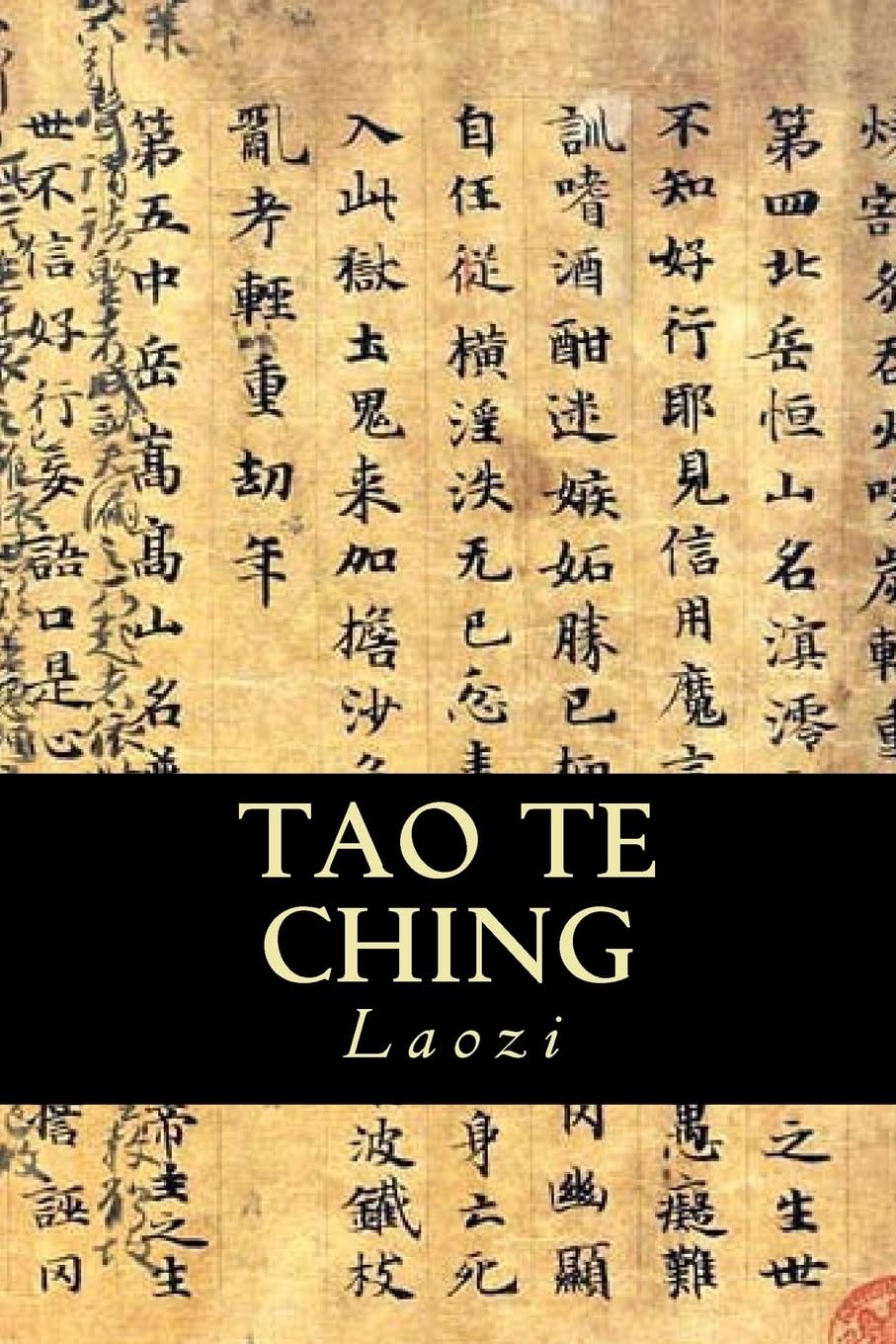
No. 46 on this list. Tao Te Ching
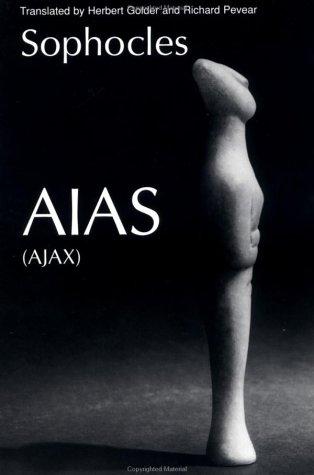
No. 47 on this list. Ajax
Sophocles · c. 450 BCE
Included in: Great Books of the Western World
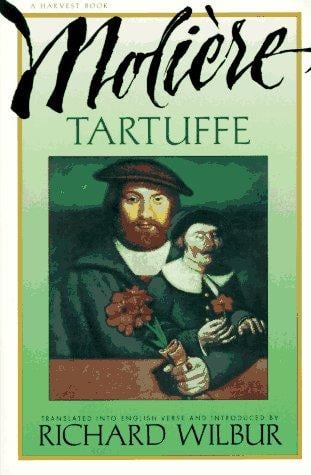
No. 48 on this list. Tartuffe
Molière · 1669
Taught in schools: Hungarian literature curriculum (magyar nyelv és irodalom) (Hungary)
Included in: Great Books of the Western World
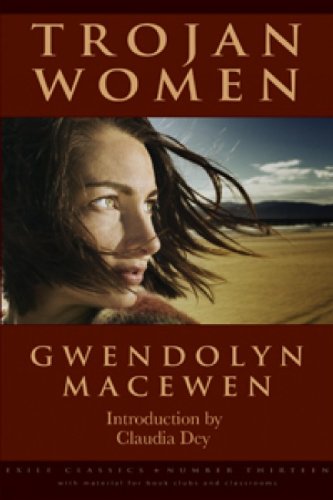
No. 49 on this list. The Trojan Women
Euripides · c. 415 BCE
Included in: Great Books of the Western World
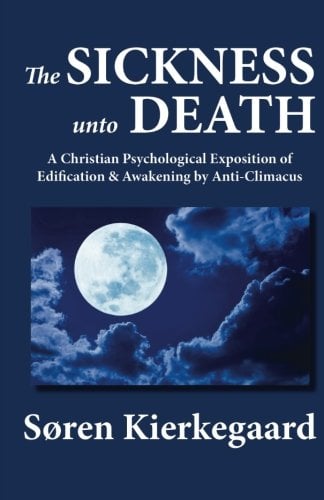
No. 50 on this list. The Sickness Unto Death
Søren Kierkegaard · 1849
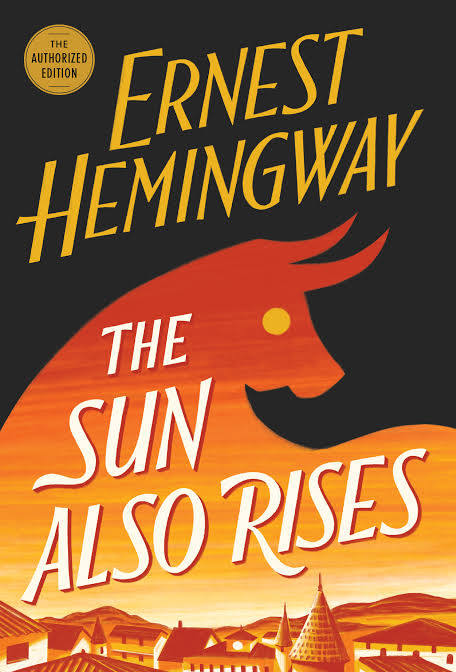
No. 51 on this list. The Sun Also Rises
Ernest Hemingway · 1926
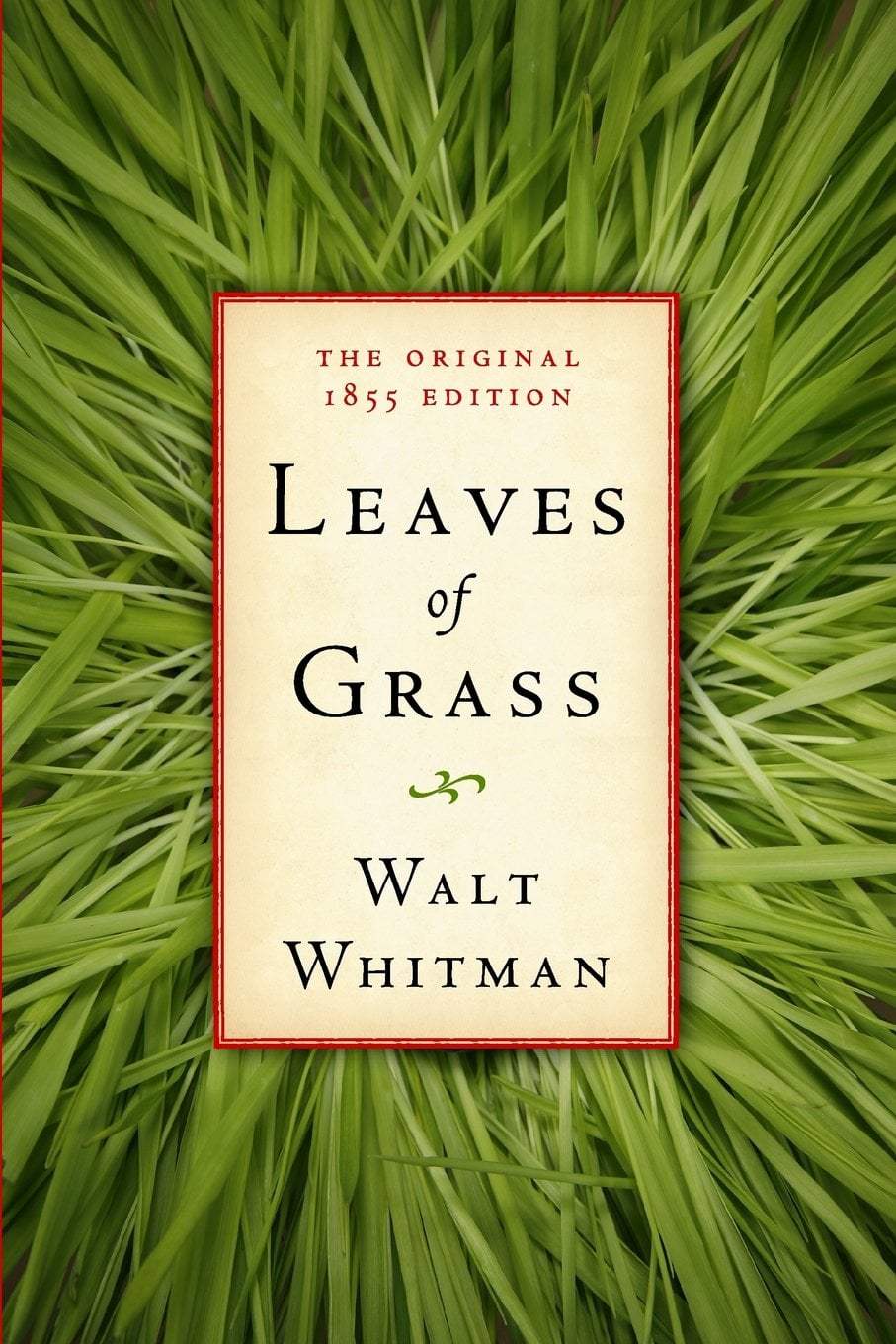
No. 52 on this list. Leaves of Grass
Walt Whitman · 1855
Included in: Bokklubben World Library
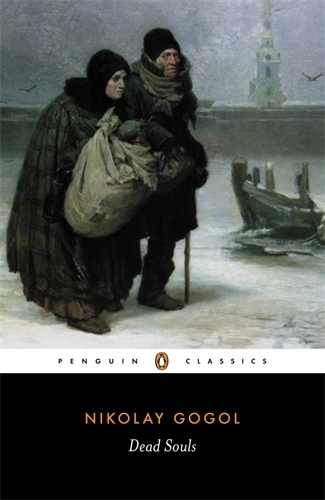
No. 53 on this list. Dead Souls
Nikolai Gogol · 1842
Taught in schools: Kazakh literature curriculum (Kazakhstan), Russian FGOS literature standard, Turkish edebiyat curriculum (Turkey)
Included in: Bokklubben World Library
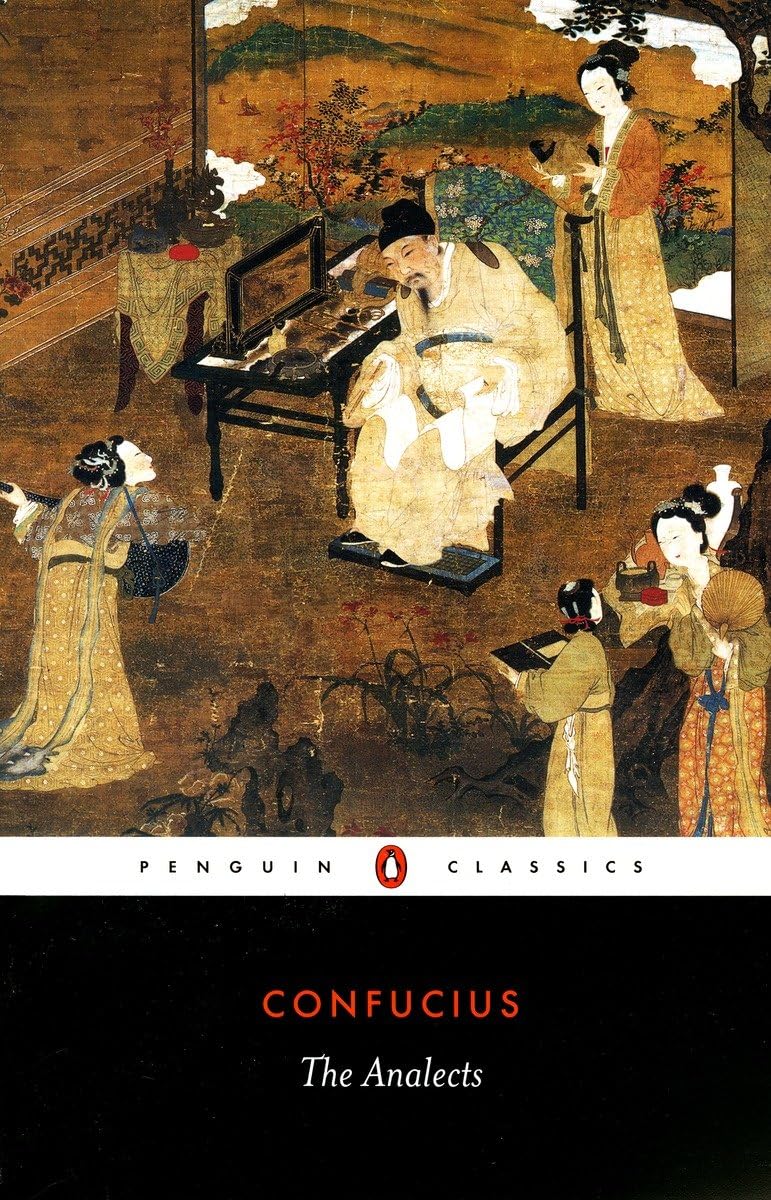
No. 54 on this list. Analects
Confucius · c. 479 BCE
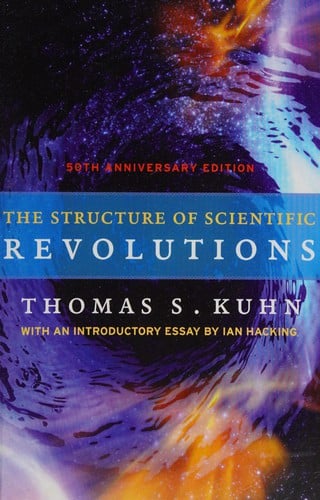
No. 55 on this list. The Structure of Scientific Revolutions
Thomas S. Kuhn · 1962
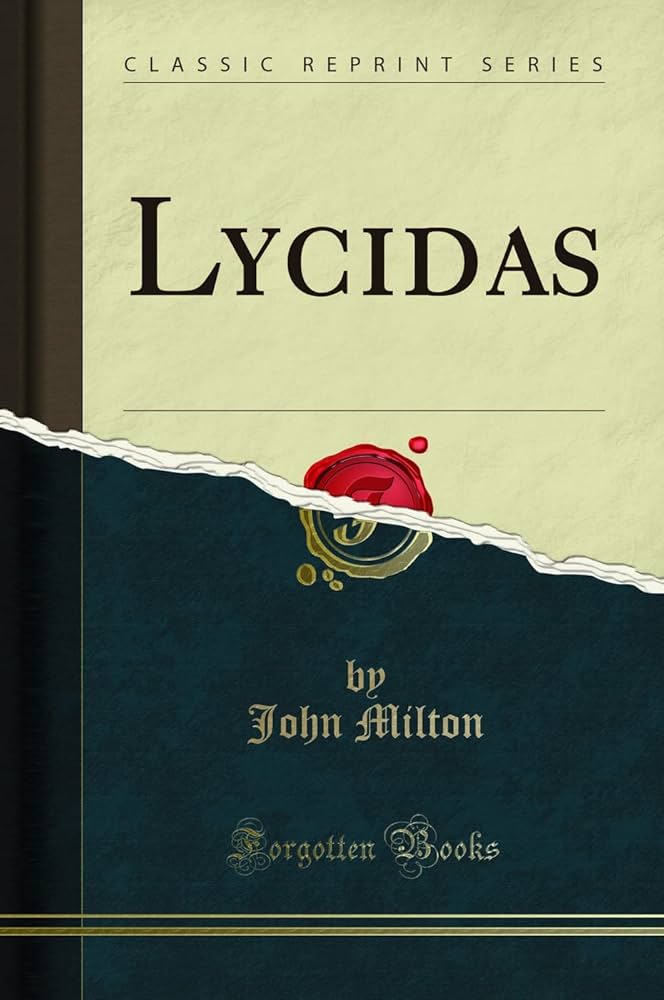
No. 56 on this list. Lycidas
John Milton · 1638
Included in: Great Books of the Western World
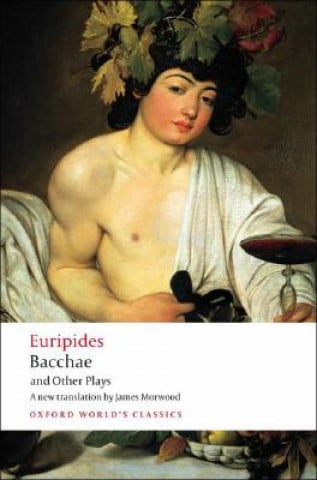
No. 57 on this list. The Bacchae
Euripides · c. 405 BCE
Included in: Great Books of the Western World, Oxford World's Classics
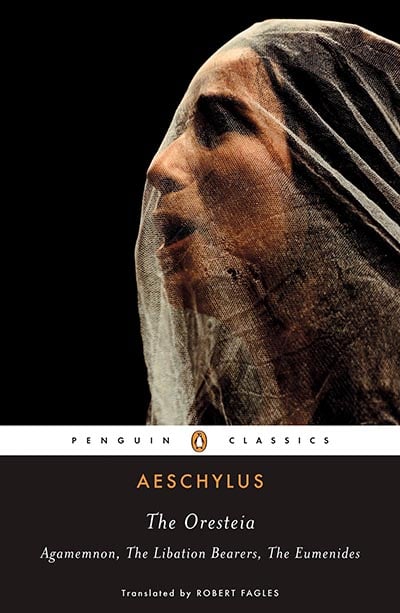
No. 58 on this list. Oresteia
Aeschylus · c. 458 BCE
Included in: Great Books of the Western World
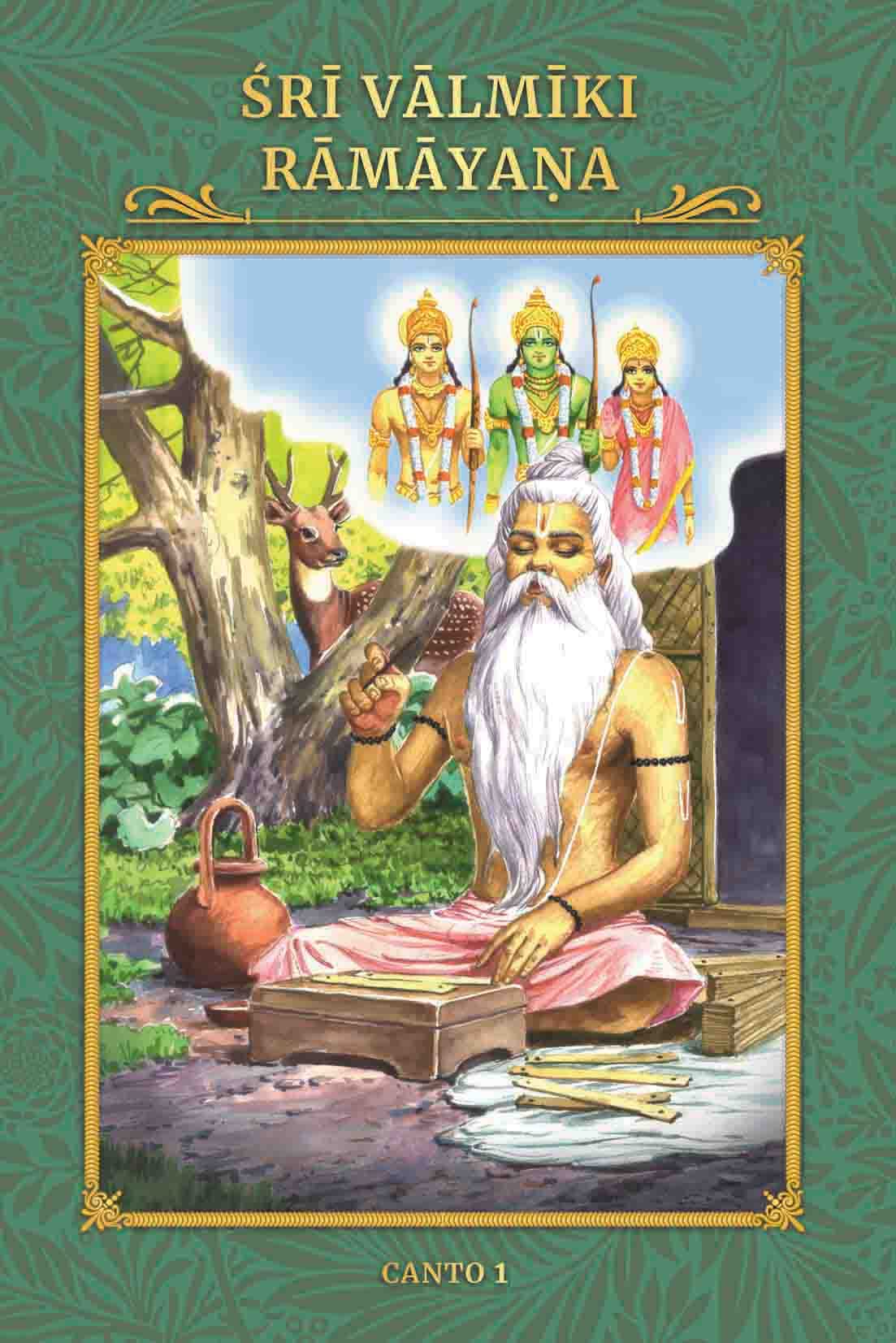
No. 59 on this list. Ramayana
Valmiki · c. 500 BCE
No. 60 on this list. 1984
George Orwell · 1949
Taught in schools: Hungarian literature curriculum (magyar nyelv és irodalom) (Hungary), Lektury obowiązkowe – Polish national reading list (Poland), OCR GCSE and A-level English Literature (UK)
Included in: Bokklubben World Library
No. 61 on this list. The Bourgeois Gentleman
Molière · 1670
Included in: Great Books of the Western World
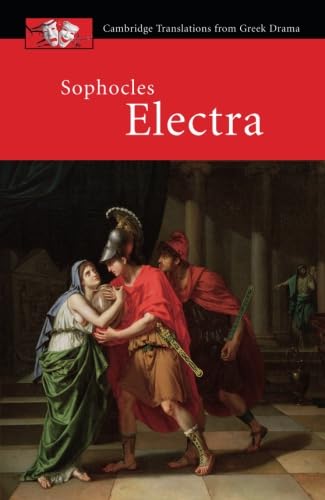
No. 62 on this list. Electra
Sophocles · c. 410 BCE
Included in: Great Books of the Western World
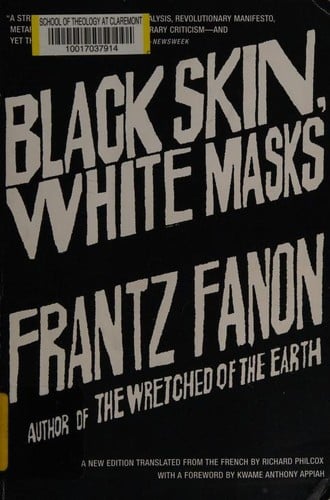
No. 63 on this list. Black Skin, White Masks
Frantz Fanon · 1952
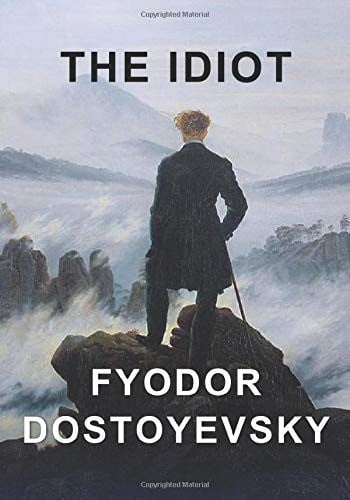
No. 64 on this list. The Idiot
Fyodor Dostoevsky · 1869
Taught in schools: Russian FGOS literature standard
Included in: Bokklubben World Library
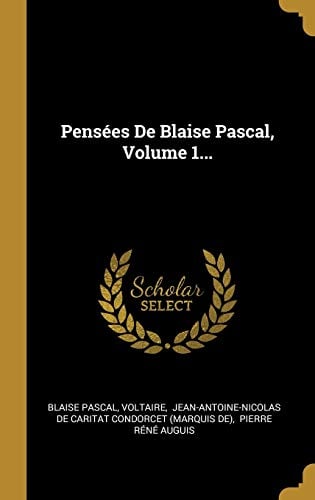
No. 65 on this list. Pensées
Blaise Pascal · 1670
Included in: Great Books of the Western World, UNESCO Collection of Representative Works
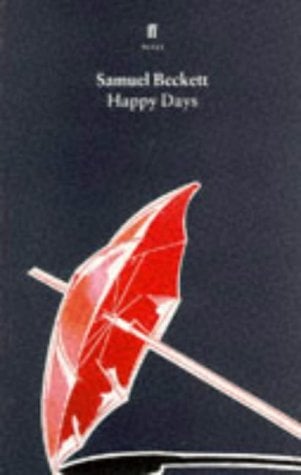
No. 66 on this list. Happy Days
Samuel Beckett · 1961
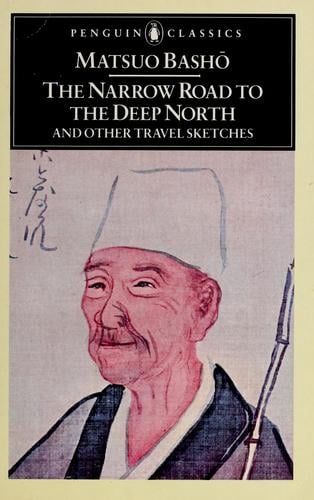
No. 67 on this list. The Narrow Road to the Deep North and Other Travel Sketches
Matsuo Bashō · 1702
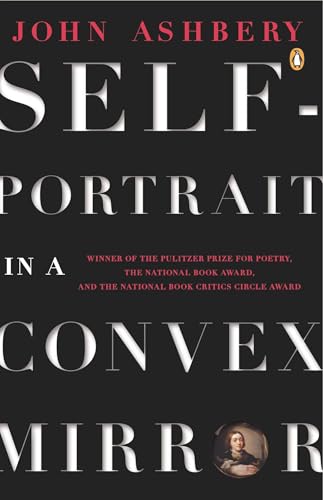
No. 68 on this list. Self-Portrait in a Convex Mirror
John Ashbery · 1975
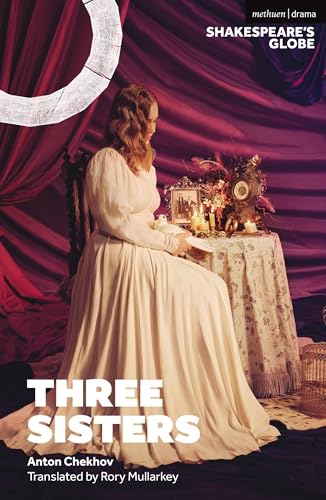
No. 69 on this list. Three Sisters
Anton Chekhov · 1901
Taught in schools: Hungarian literature curriculum (magyar nyelv és irodalom) (Hungary), Russian FGOS literature standard
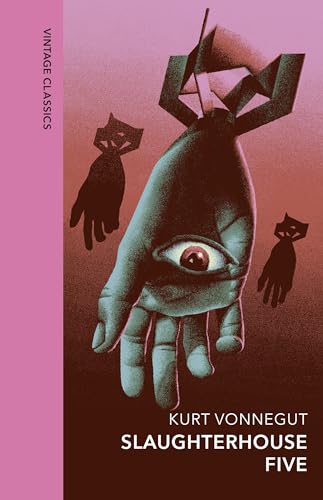
No. 70 on this list. Slaughterhouse-Five
Kurt Vonnegut · 1969
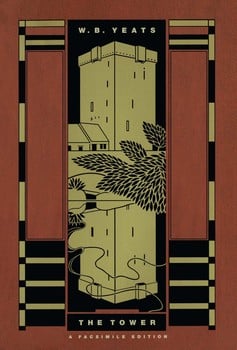
No. 71 on this list. The Tower
William Butler Yeats · 1928
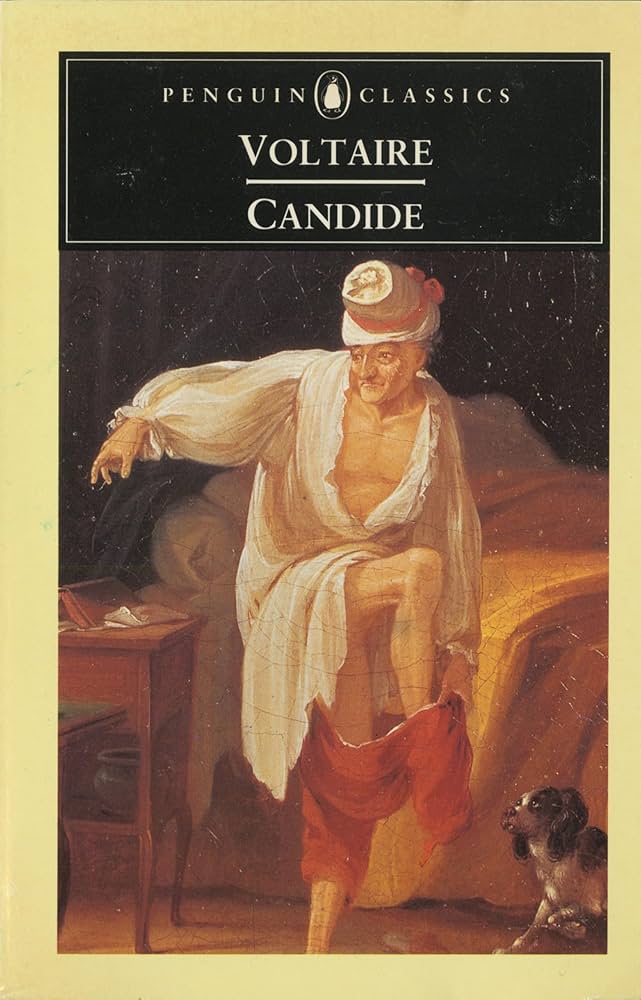
No. 72 on this list. Candide
Voltaire · 1759
Taught in schools: Hungarian literature curriculum (magyar nyelv és irodalom) (Hungary)
Included in: Great Books of the Western World
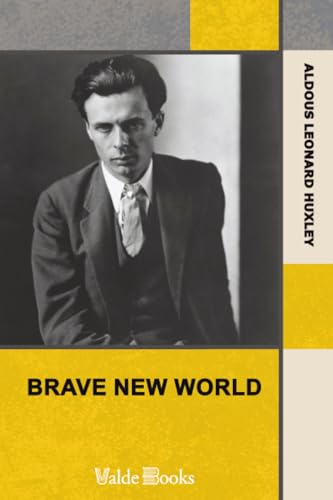
No. 73 on this list. Brave New World
Aldous Huxley · 1932
Taught in schools: UNAM Escuela Nacional Preparatoria – programas de Literatura (Mexico)
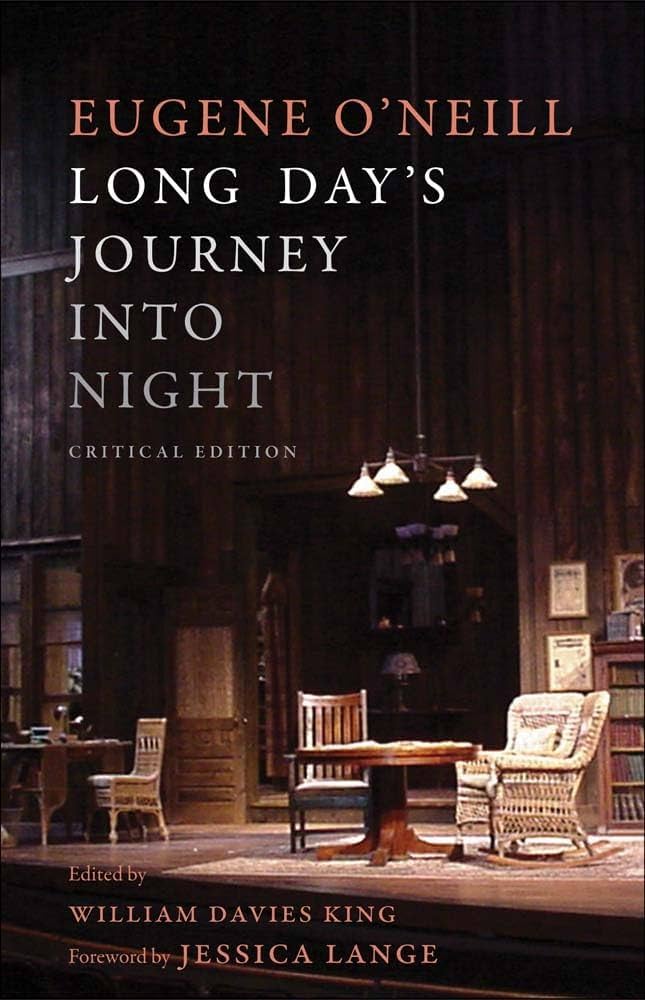
No. 74 on this list. Long Day's Journey into Night
Eugene O'Neill · 1956
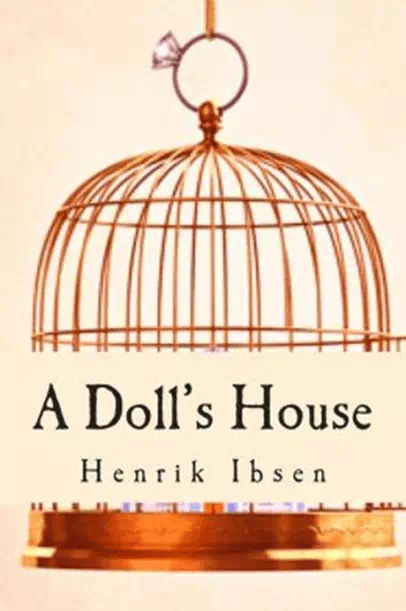
No. 75 on this list. A Doll's House
Henrik Ibsen · 1879
Taught in schools: AQA GCSE and A-level English Literature (UK), Common Core text exemplars (Appendix B) (US), Leaving Certificate English – NCCA / State Examinations Commission (Ireland)
Included in: Bokklubben World Library, Great Books of the Western World
No. 76 on this list. On the Road
Jack Kerouac · 1957
No. 77 on this list. Journey to the West
Wu Cheng'en · 1592
No. 78 on this list. The Importance of Being Earnest
Oscar Wilde · 1893
Taught in schools: AQA GCSE and A-level English Literature (UK), Common Core text exemplars (Appendix B) (US), CSEC English B – Caribbean Examinations Council
No. 79 on this list. The Decameron
Giovanni Boccaccio · 1353
Included in: Bokklubben World Library
No. 80 on this list. The Hunchback of Notre-Dame
Victor Hugo · 1831
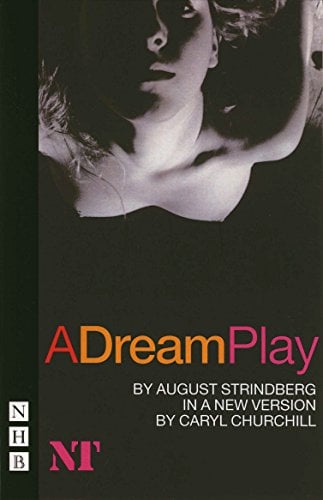
No. 81 on this list. A Dream Play
August Strindberg · 1902
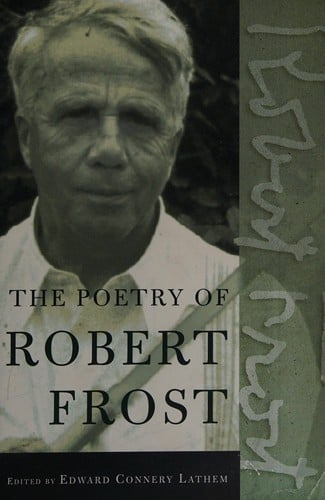
No. 82 on this list. The Poetry of Robert Frost
Robert Frost · 1979
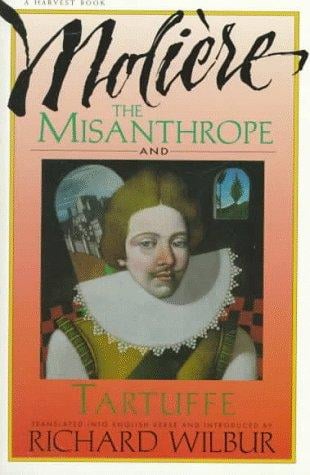
No. 83 on this list. The Misanthrope
Molière · 1666
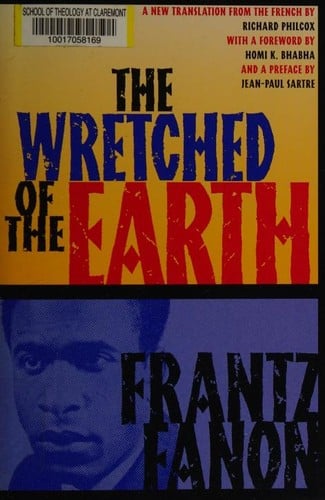
No. 84 on this list. The Wretched of the Earth
Frantz Fanon · 1961
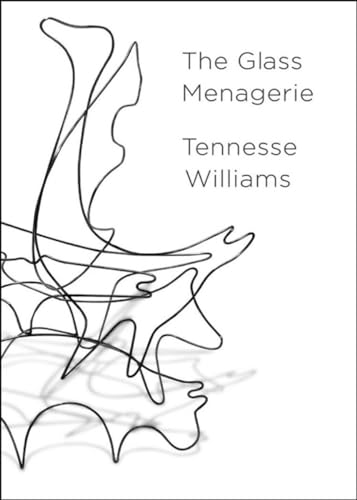
No. 85 on this list. The Glass Menagerie
Tennessee Williams · 1944
Taught in schools: Common Core text exemplars (Appendix B) (US), CSEC English B – Caribbean Examinations Council
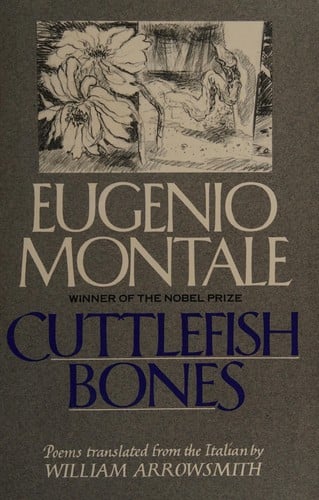
No. 86 on this list. Cuttlefish Bones
Eugenio Montale · 1925
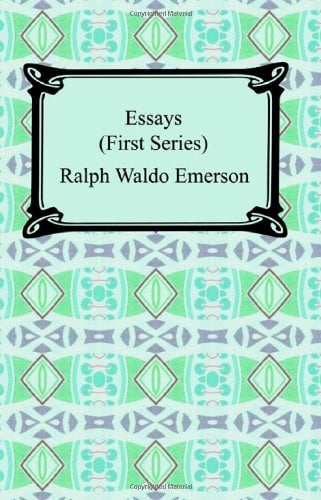
No. 87 on this list. Essays: First and Second Series
Ralph Waldo Emerson · 1844
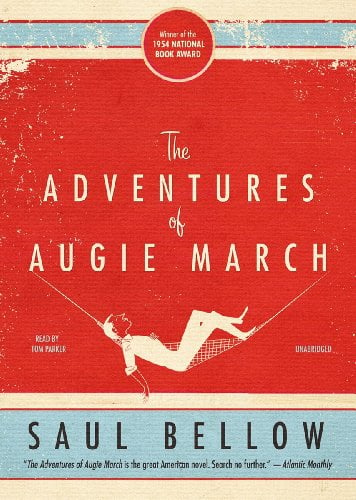
No. 88 on this list. The Adventures of Augie March
Saul Bellow · 1954
Taught in schools: Common Core text exemplars (Appendix B) (US)
No. 89 on this list. A House for Mr. Biswas
V.S. Naipaul · 1961
Taught in schools: CSEC English B – Caribbean Examinations Council
No. 90 on this list. The Clouds
Aristophanes · c. 423 BCE
Taught in schools: Lektury obowiązkowe – Polish national reading list (Poland)
Included in: Great Books of the Western World
No. 91 on this list. Essays
Michel de Montaigne · 1580
No. 92 on this list. A Passage to India
E.M. Forster · 1924
No. 93 on this list. A Clockwork Orange
Anthony Burgess · 1962
No. 94 on this list. Walden
Henry David Thoreau · 1854
No. 95 on this list. The Return of the Native
Thomas Hardy · 1878
No. 96 on this list. Bartleby, the Scrivener
Herman Melville · 1853
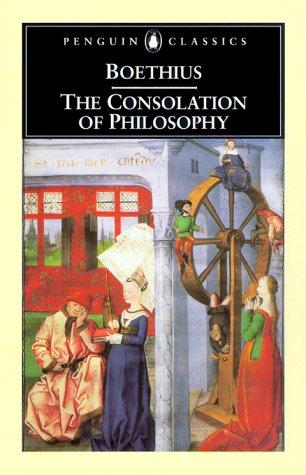
No. 97 on this list. The Consolation of Philosophy
Boethius · 524
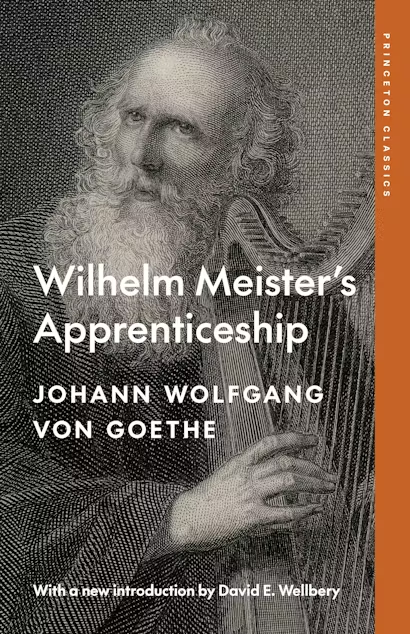
No. 98 on this list. Wilhelm Meister's Apprenticeship
Johann Wolfgang von Goethe · 1796
No. 99 on this list. The Plague
Albert Camus · 1947
Taught in schools: Lektury obowiązkowe – Polish national reading list (Poland)
Included in: UNESCO Collection of Representative Works
No. 100 on this list. The Fall
Albert Camus · 1956
About this list
These 100 books are the highest-scoring eligible moderately difficult books by men currently in the catalogue. By literary regard, it opens with Poetics, Iliad and Don Quixote. About 709 hours of reading in all. Difficulty runs from 51 to 60 out of 100 for the middle half of the list; the summit is Orientalism at 65.
This list is ranked by literary regard, with a consistent order for equal scores. Membership follows authors and co-authors, not translators or editors. Catalogue coverage and the historical canon both limit what this list can represent.
When we matched the Canons dataset to our catalogue in October 2026, our canonical-status scores rose with the number of school curricula, publisher series and lists in it that cite a work: the median score was 72 for books one such source cites, 84 at two, 88 at three, 92 at four and 93 at five or more. Prizes are left out of that count. Outside the state curricula, the dataset’s sources choose mostly from what has been translated into English or French, so it is a weaker check on other literatures. Source: Canons (Andrew Piper), CC BY 4.0
Questions people actually ask
- What are the best moderately difficult books by men?
- By literary regard, which weighs canonical status, critical standing and influence, Poetics, Iliad, Don Quixote, Odes and Sonnets lead. ReadingRate ranks 100 such books, each with a difficulty score and a reading-time estimate.
- Where should I start with moderately difficult books by men?
- Start from difficulty, not from rank. The most approachable books on this list that still carry top literary regard are Things Fall Apart by Chinua Achebe (about 3.3 hours), A House for Mr. Biswas by V.S. Naipaul and 1984 by George Orwell.
- How hard are moderately difficult books by men to read?
- Most of this list sits between 51 and 60 on ReadingRate's 100-point difficulty scale, where 40 to 55 is moderate. The summit is Orientalism at 65. Every entry carries its own score, so a reader can pick a great book at a difficulty they will finish.
- How is this list ranked?
- On literary-regard data: how canonically established a work is, its critical standing, and its influence on later writing. It is not a readers’ poll, which is why recent bestsellers rarely appear. Membership follows authors and co-authors, not translators or editors. A list that is not a genre list keeps to literature (fiction, poetry, drama and philosophy), with philosophy taking no more than one slot in five while there is literature left to rank; every list holds at most three works by one author.