Hours at an average pace
Showing 52 books
About 431 hours for 52 of 52 books with measured lengths. Estimates use 250 words a minute, adjusted for each book's difficulty. At 2 hours a day, about 216 days for those books.
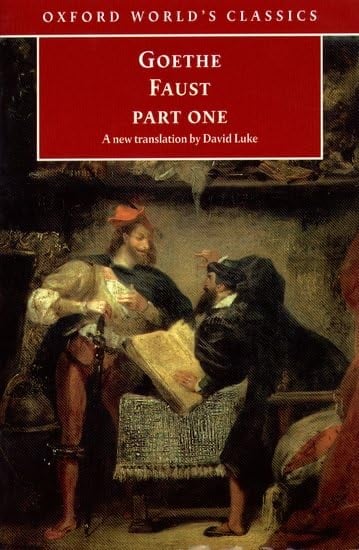
No. 1 on this list. Faust
Johann Wolfgang von Goethe · 1832
Challenging3.9 hours
Taught in schools: Turkish edebiyat curriculum (Turkey)
Included in: Bokklubben World Library, Great Books of the Western World
Goethe spent sixty years building a dramatic poem in which a scholar sells his soul not for pleasure but for the experience of a moment worth stopping time for. The work became the central myth of modernity: the idea that striving itself, not arrival, is what redeems a human life.
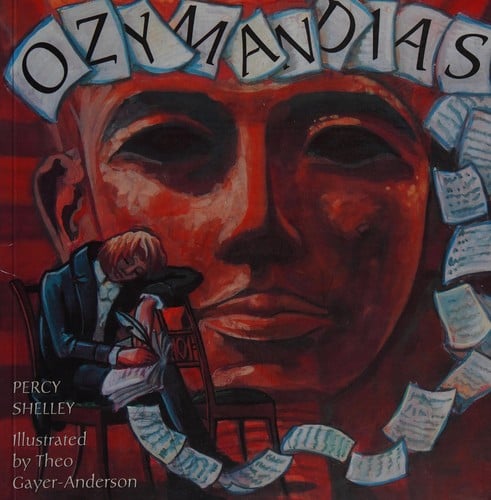
Ozymandias is among the most anthologized poems in the English language, a fixture of high school and university poetry units on Romanticism. No syllabus or Wikipedia-language data was available in ReadingRate's database for this entry, but its presence in virtually every major poetry anthology and British Romanticism syllabus puts it near the top of the canon regardless.
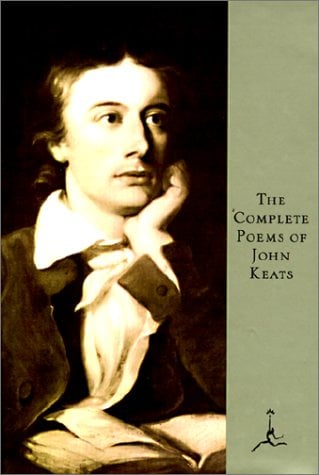
No modern syllabus or award-tracking data applies to a poet who died in 1821, but Keats's odes are among the most anthologized and taught poems in the English language, a fixture of every survey of Romantic and British literature. His Wikipedia presence is extensive and translated into dozens of languages, on par with the other major Romantics.
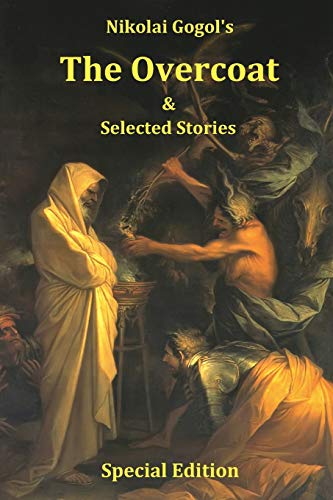
No. 4 on this list. The Overcoat
Nikolai Gogol · 1842
Challenging59 min
Taught in schools: Kazakh literature curriculum (Kazakhstan), Montenegrin literature curriculum (crnogorski jezik i književnost) (Montenegro), Russian FGOS literature standard
"The Overcoat" is one of the most canonical short works in world literature, with a Wikipedia article available in 36 languages. It is standard reading in Russian literature courses and world literature surveys at universities globally. Dostoevsky's declaration that all Russian literature emerged from Gogol's overcoat has enshrined it as a foundational text for nearly two centuries.
One of the most anthologised short stories in English and a standard school text.
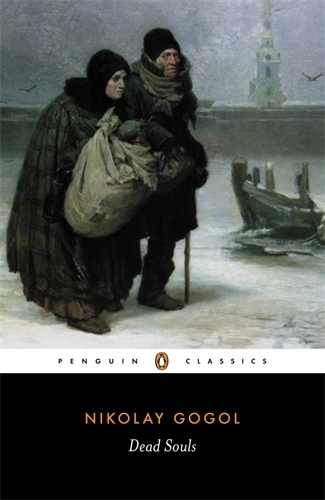
No. 6 on this list. Dead Souls
Nikolai Gogol · 1842
Challenging10 hours
Taught in schools: Kazakh literature curriculum (Kazakhstan), Russian FGOS literature standard, Turkish edebiyat curriculum (Turkey)
Included in: Bokklubben World Library
Gogol invented a con man who travels provincial Russia buying the legal titles to dead serfs, and the scheme becomes a lens that reveals an entire civilization running on fraud, vanity, and paperwork. The novel created Russian satirical prose and gave the language its first great comic voice — simultaneously grotesque, lyrical, and furious.
Among Hugo most famous novels. Sparked Gothic Revival and cathedral preservation movement.
Lost Illusions is the centrepiece of Balzac's La Comédie humaine and a standard text in French literature and in courses on the nineteenth-century European novel. Xavier Giannoli's 2021 film adaptation brought it new readers.
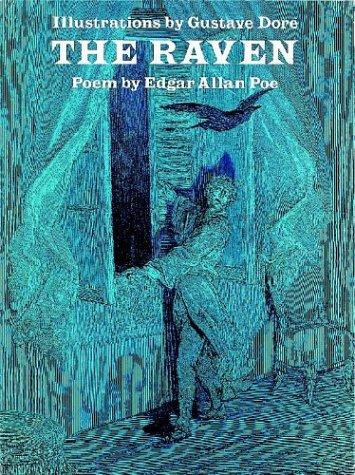
No. 9 on this list. The Raven
Edgar Allan Poe · 1845
Moderate1.1 hours
Taught in schools: Common Core text exemplars (Appendix B) (US)
It is among the most anthologized American poems and a staple of school and college literature courses. It is widely taught alongside Poe's tales.
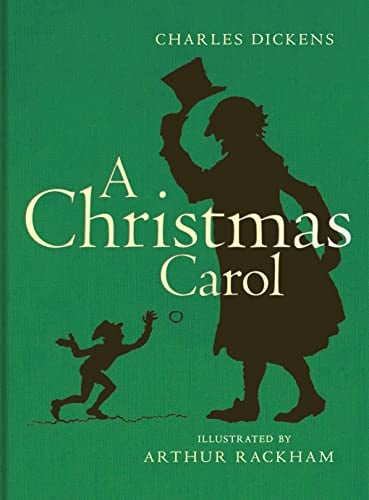
No. 10 on this list. A Christmas Carol
Charles Dickens · 1843
Easy1.7 hours
Taught in schools: AQA GCSE and A-level English Literature (UK), CSEC English B – Caribbean Examinations Council, OCR GCSE and A-level English Literature (UK)
A Christmas Carol is among the most widely taught Victorian texts in the English-speaking world, a fixture on secondary and university literature curricula in the UK, US, and Commonwealth nations. Its Wikipedia article exists in over 60 languages, and it appears on virtually every canonical list of Victorian prose. No other work of comparable length has achieved the same degree of curricular permanence.
No. 11 on this list. Boris Godunov · Alexander Pushkin · 1831
Boris Godunov is a core text in Russian literature curricula worldwide and appears in Slavic literature and world drama courses at major universities. The play's Wikipedia article exists in over 50 languages, reflecting its global recognition. It is consistently anthologized alongside the foundational works of 19th-century European drama.
Moderate1.1 hours
Start this bookNo. 12 on this list. Père Goriot · Honoré de Balzac · 1835
Included in: Bokklubben World Library
Père Goriot is a fixture in world literature curricula, appearing in French literature surveys, comparative literature courses, and 19th-century fiction seminars across the globe. Wikipedia articles in 47 languages signal its reach far beyond the French-speaking world. It holds a central position in La Comédie humaine, Balzac's linked series of nearly 100 novels, and is typically the first text assigned to readers of Balzac.
Challenging7.7 hours
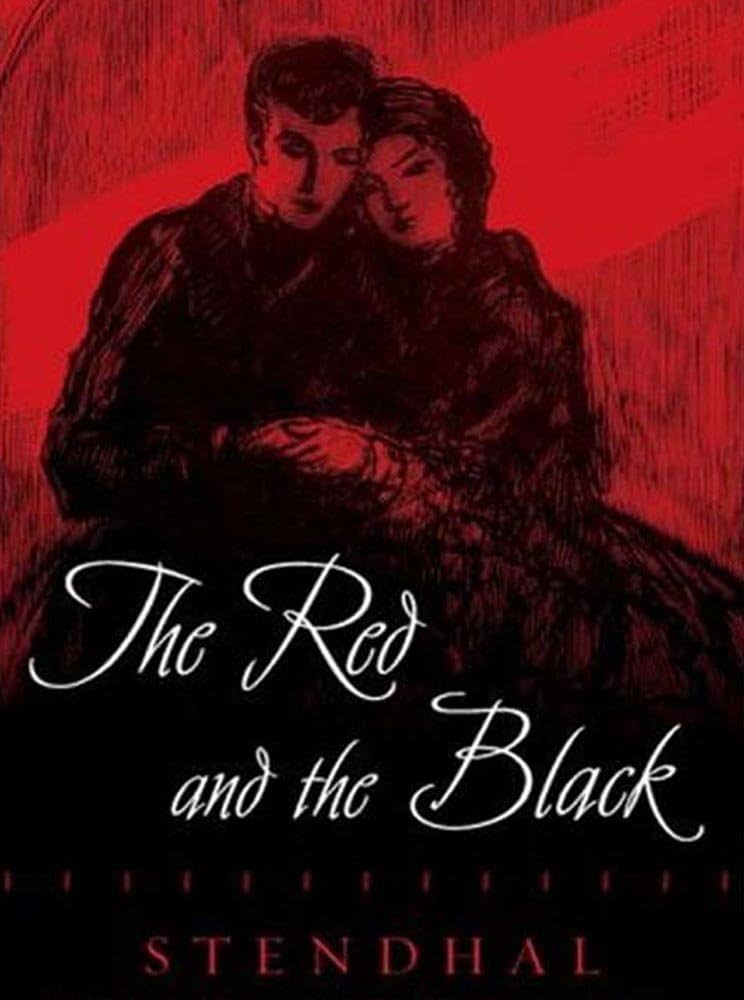
Start this bookNo. 13 on this list. The Red and the Black · Stendhal · 1830
Taught in schools: Hungarian literature curriculum (magyar nyelv és irodalom) (Hungary)
Included in: Bibliothèque de la Pléiade, Bokklubben World Library
The Red and the Black is a foundational text of the realist novel, taught in French literature and world literature courses globally. Its Wikipedia article appears in 44 languages, indicating substantial global reach, and it regularly features on canonical lists such as the Modern Library 100 and TIME's All-TIME 100 novels.
Challenging17 hours
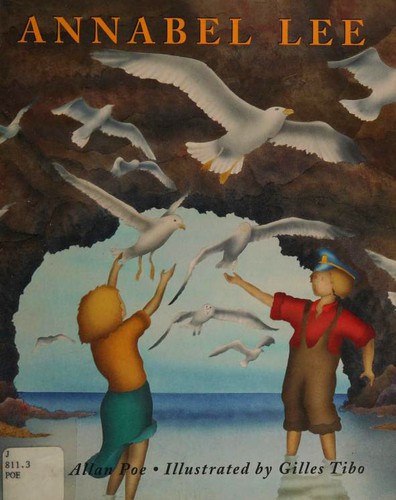
Read nowNo. 14 on this list. Annabel Lee · Edgar Allan Poe · 1849
One of the most anthologised poems in American literature and a standard school text.
Moderate24 min
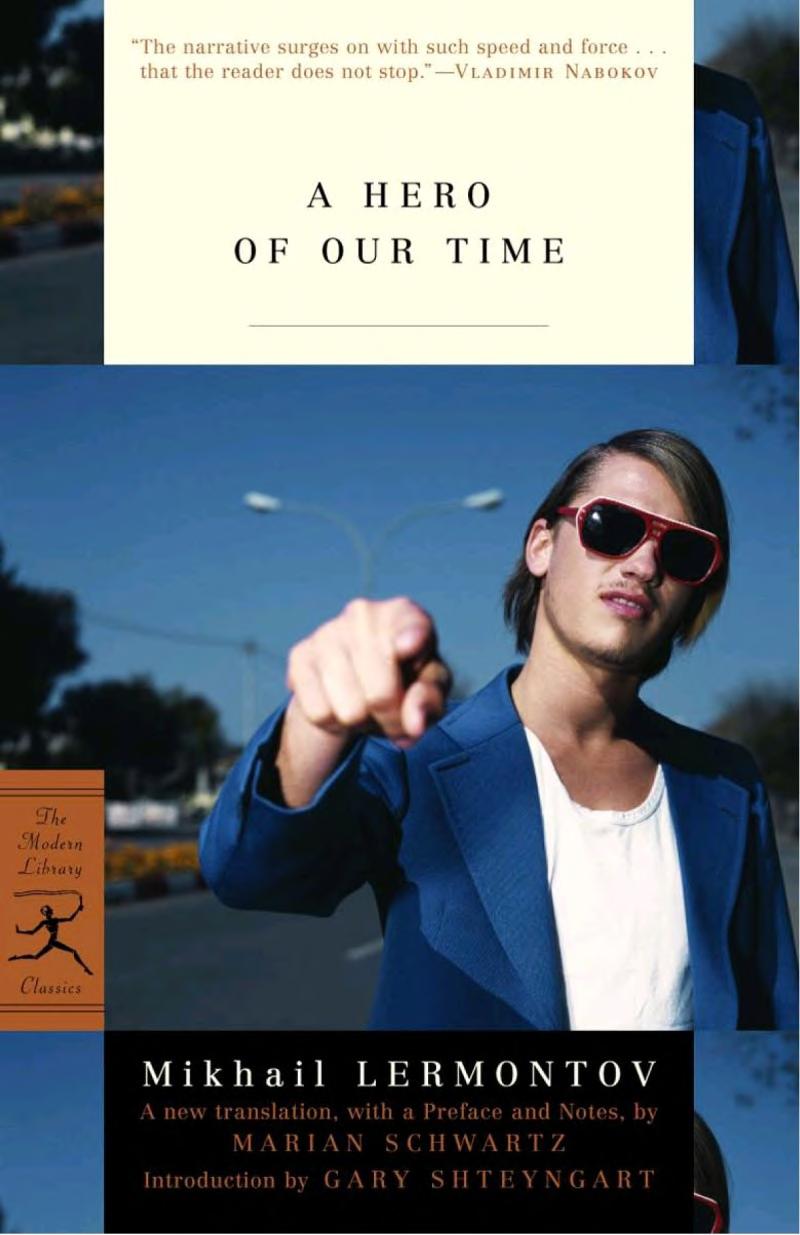
Start this bookNo. 15 on this list. A Hero of Our Time · Mikhail Lermontov · 1840
A Hero of Our Time is the foundational text of Russian psychological prose and is taught in virtually every Russian literature survey course worldwide. The database shows no Open Syllabus data, but the novel's position in the Russian literary canon — alongside Pushkin, Tolstoy, and Dostoevsky — is unambiguous; it is typically included in world literature curricula and is required reading in Russian secondary and university education. Wikipedia covers the work extensively in dozens of languages. Its canonical status in Russian literature is comparable to The Great Gatsby's position in American literature.
Moderate3.7 hours
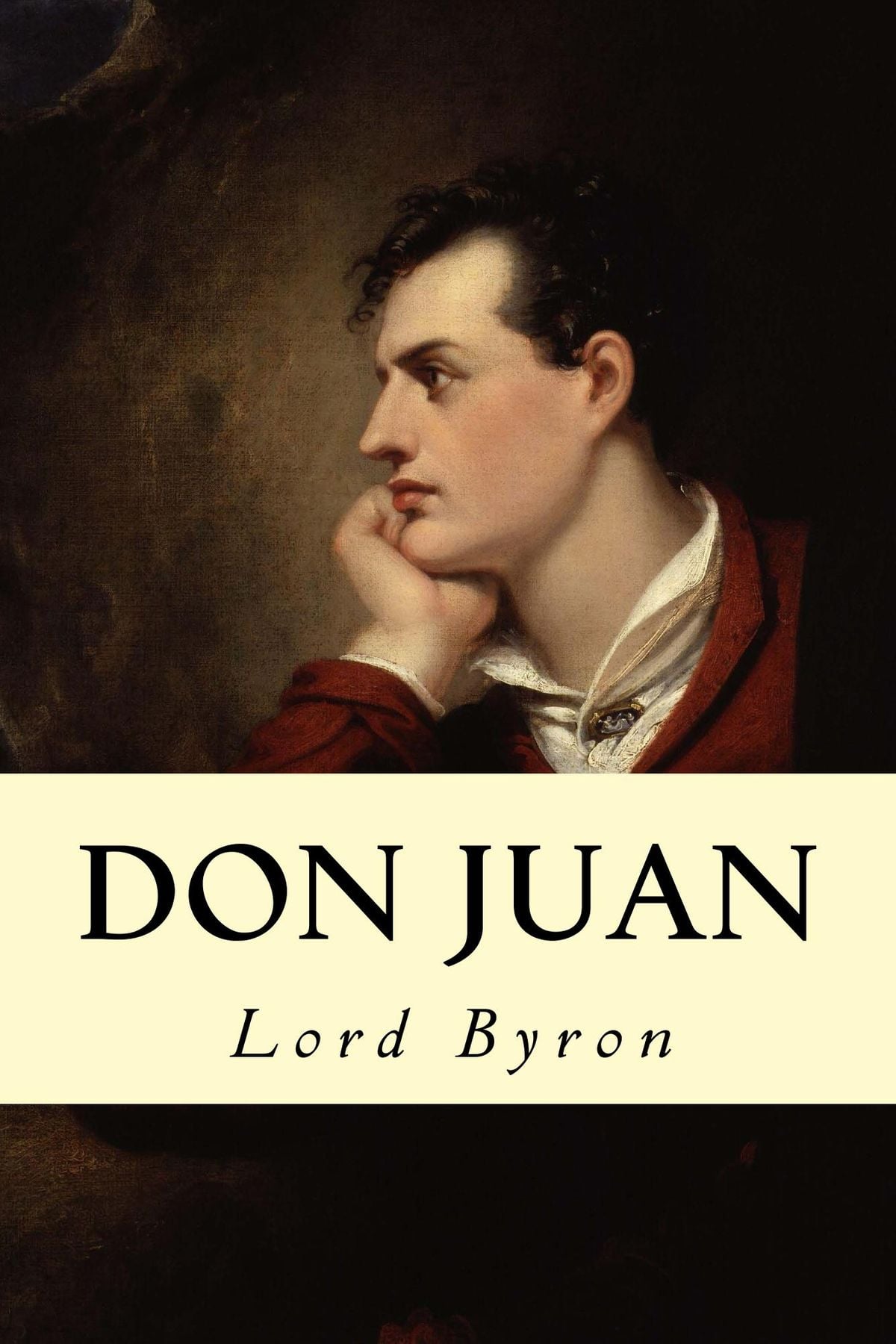
Start this bookNo. 16 on this list. Don Juan · Lord Byron · 1824
Byron's sixteen-thousand-line ottava rima epic turns the legendary seducer into a passive, charming boy buffeted across Europe by women, wars, and shipwrecks. The digressions—on English hypocrisy, the nature of fame, the stupidity of war—are the point, making it the first great poem that reads like a novel.
Challenging11 hours
Read nowNo. 17 on this list. Grimm's Fairy Tales · Brothers Grimm · 1812
Jacob and Wilhelm Grimm collected Cinderella, Rapunzel, Hansel and Gretel, Snow White, and Rumpelstiltskin from oral sources and fixed them in print, giving Western childhood its permanent mythology. The collection launched the discipline of folklore studies and remains the most influential story anthology ever published.
Easy5.9 hours
Start this bookNo. 18 on this list. Oliver Twist · Charles Dickens · 1838
Taught in schools: AQA GCSE and A-level English Literature (UK), Hungarian literature curriculum (magyar nyelv és irodalom) (Hungary)
One of Dickens's most famous novels; established his reputation as a social critic.
Moderate11 hours
Read nowNo. 19 on this list. The Pickwick Papers · Charles Dickens · 1837
A standard fixture in Victorian literature surveys and 19th-century English literature courses, though overshadowed in syllabi by Dickens's later works such as Great Expectations and A Tale of Two Cities. Its status as Dickens's first novel and as the text that established serialized fiction as a mass-market form gives it a firm place in the canon, even if it is read less frequently than his mature novels.
Moderate19 hours
Read nowNo. 20 on this list. The Sandman · E.T.A. Hoffmann · 1816
The Sandman is canonical in German literature courses, Romantic literature surveys, Gothic fiction studies, and psychoanalytic literary criticism worldwide. Freud's 1919 essay 'The Uncanny' uses it as the central specimen, ensuring its presence on psychoanalysis and literary theory syllabi for over a century. While it lacks the broad English-language curriculum presence of Frankenstein or Great Expectations, it is effectively required reading in any serious study of German Romanticism, the Gothic tradition, or the history of uncanny fiction.
Difficult1.8 hours
Start this book
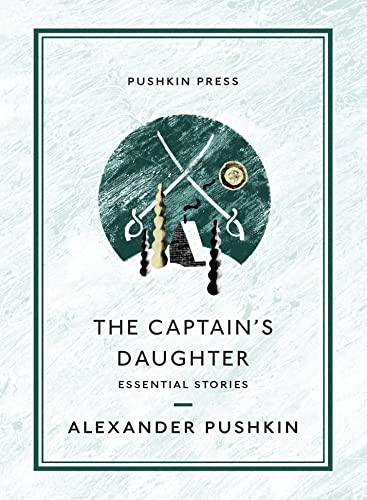
No. 21 on this list. The Captain's Daughter · Alexander Pushkin · 1836
The Captain's Daughter anchors the Russian literary canon alongside Eugene Onegin. It appears in virtually every Russian literature survey course worldwide, is part of the secondary school curriculum in Russia, and has been continuously in print since 1836. No syllabus data was returned from the database, but its foundational status in Slavic studies is unambiguous.
Easy2.5 hours
Start this bookNo. 22 on this list. Vanity Fair · William Makepeace Thackeray · 1848
Taught in schools: AQA GCSE and A-level English Literature (UK)
Vanity Fair is a cornerstone of Victorian literature curricula worldwide, appearing on roughly 2,000–3,000 university syllabi across English literature, European novel, and 19th-century studies courses. It sits on the Modern Library's 100 Best Novels list and appears in every major survey of the Victorian novel. Wikipedia articles exist in over 70 languages, and the title itself has passed into common usage as a byword for social ambition and display.
Difficult41 hours
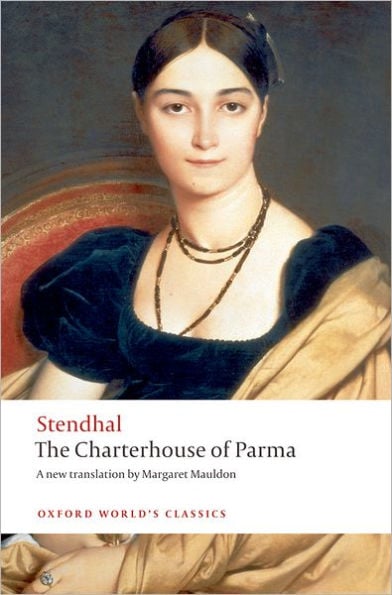
Start this bookNo. 23 on this list. The Charterhouse of Parma · Stendhal · 1839
A cornerstone of the 19th-century European novel, regularly taught in French literature and comparative literature courses. The novel exemplifies early psychological realism and remains essential reading for understanding the development of the modern novel.
Challenging17 hours
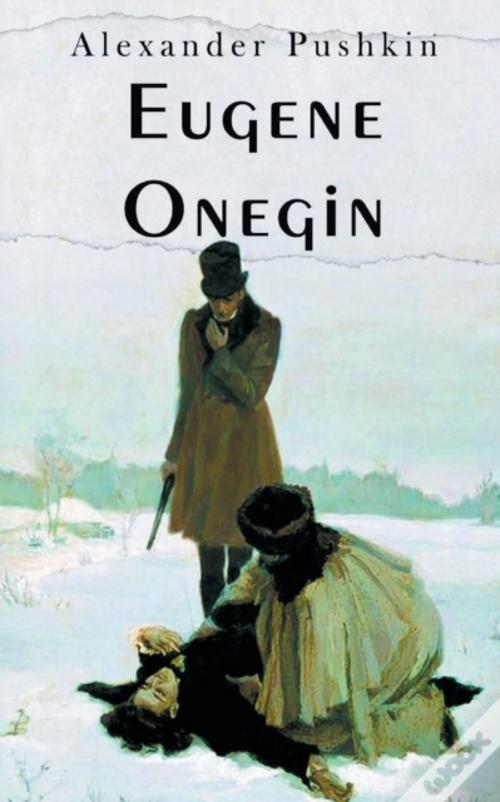
Read nowNo. 24 on this list. Eugene Onegin · Alexander Pushkin · 1833
Taught in schools: Hungarian literature curriculum (magyar nyelv és irodalom) (Hungary), Russian FGOS literature standard
Foundation of Russian literary tradition, taught universally in Russian literature courses worldwide. Pushkin's masterpiece anchors the curriculum; canonical status unquestioned since publication, marking the emergence of Russian literature as a major European force.
Challenging4.7 hours
Read nowNo. 25 on this list. The Inspector General · Nikolai Gogol · 1836
The Inspector General is a cornerstone of Russian dramatic literature and world theatre, widely taught in university courses on Russian literature, European drama, and satirical fiction globally. Though the database shows no syllabus records, the play's near-200-year presence in academic curricula — alongside its adaptation into opera, film, and stage productions across dozens of countries — confirms its canonical position. It appears in Wikipedia editions across 50+ languages.
Moderate2 hours
Start this bookNo. 26 on this list. The Betrothed · Alessandro Manzoni · 1827
I Promessi Sposi is the foundational novel of Italian literature, required reading in every Italian school for over 150 years. It appears on syllabi worldwide in Italian literature, European Romanticism, and world literature courses. Wikipedia articles exist in over 60 languages, and it is consistently cited as the single most important work of Italian prose fiction.
Challenging13 hours
Start this bookNo. 27 on this list. Ivanhoe · Walter Scott · 1819
Ivanhoe is a fixture of British Romantic literature curricula and appears on virtually every survey of the historical novel as the genre's foundational text in English. While syllabus data was not captured in the database, the novel's Wikipedia article spans well over 50 languages and it remains one of the most recognized works of 19th-century British fiction. It gave the English language the cultural template for medieval chivalry — the Crusades, Normans vs. Saxons, Robin Hood — that persists in popular imagination today.
Easy11 hours
Start this bookNo. 28 on this list. Elective Affinities · Johann Wolfgang von Goethe · 1809
A fixture in German literature curricula worldwide and central to comparative literature courses treating the European novel of ideas. Available in Penguin Classics, Oxford World's Classics, and numerous scholarly editions. Considered alongside Faust and The Sorrows of Young Werther as Goethe's essential prose fiction, though less taught at secondary level than those more accessible works.
Challenging9.2 hours
Start this bookNo. 29 on this list. Eugénie Grandet · Honoré de Balzac · 1833
Eugénie Grandet stands as a cornerstone of French literary realism and a key work in Balzac's vast Comédie humaine. It appears regularly in French literature curricula, realist novel courses, and 19th-century European literature surveys. The novel's dissection of provincial avarice and its portrait of female suffering under patriarchal capitalism have made it essential reading for understanding the realist tradition.
Moderate5 hours
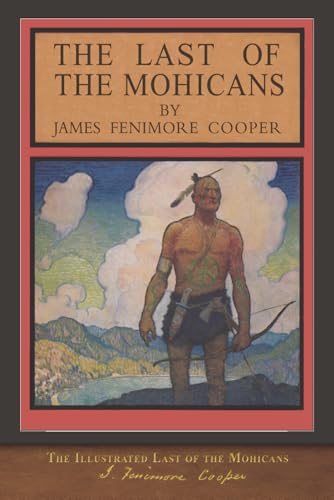
Read nowNo. 30 on this list. The Last of the Mohicans · James Fenimore Cooper · 1826
Taught widely in American literature courses as the founding frontier romance, though its racial attitudes complicate its classroom status. It stands slightly below the staples such as Gatsby.
Moderate9.1 hours
Start this book
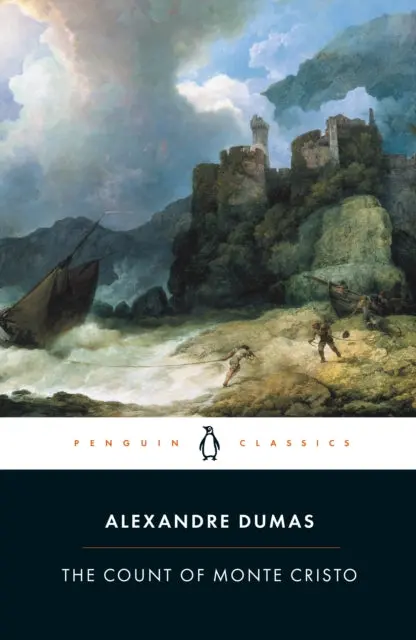
No. 31 on this list. The Count of Monte Cristo
Alexandre Dumas · 1844
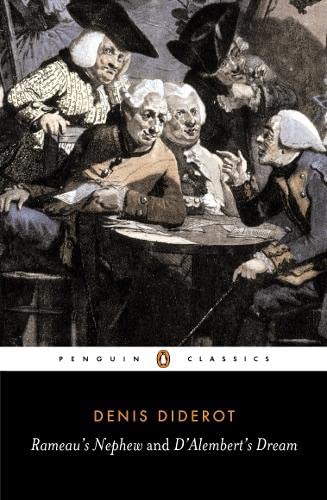
No. 32 on this list. Rameau's Nephew
Denis Diderot · 1805
Included in: Great Books of the Western World
No. 33 on this list. The Last Day of a Condemned Man
Victor Hugo · 1829
No. 34 on this list. Poor Folk
Fyodor Dostoevsky · 1846
Taught in schools: Kazakh literature curriculum (Kazakhstan)
No. 35 on this list. Prometheus Unbound
Percy Bysshe Shelley · 1820
No. 36 on this list. The Golden Pot
E.T.A. Hoffmann · 1814
No. 37 on this list. Waverley
Walter Scott · 1814
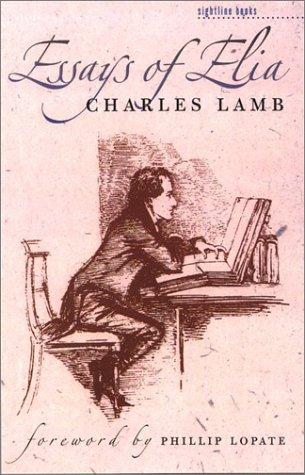
No. 38 on this list. Essays of Elia
Charles Lamb · 1823
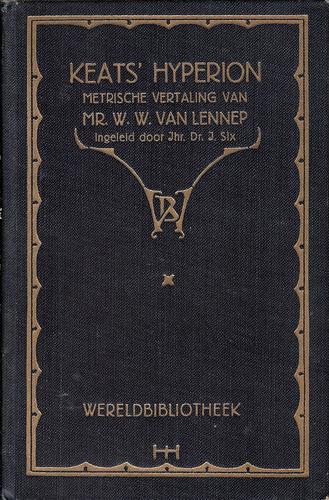
No. 39 on this list. Hyperion
John Keats · 1818
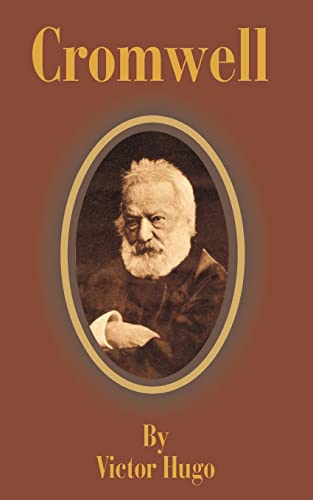
No. 40 on this list. Cromwell
Victor Hugo · 1827
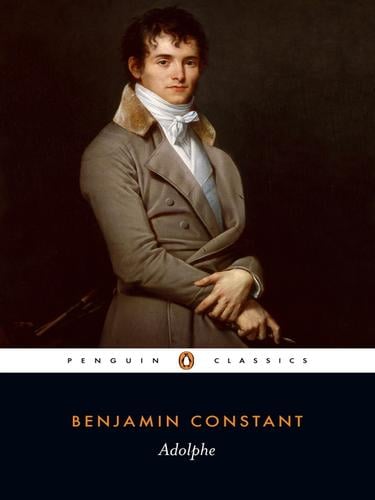
No. 41 on this list. Adolphe
Benjamin Constant · 1816
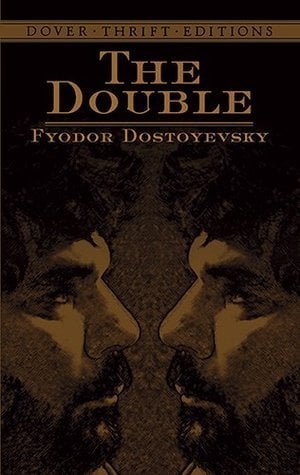
No. 42 on this list. The Double
Fyodor Dostoevsky · 1846
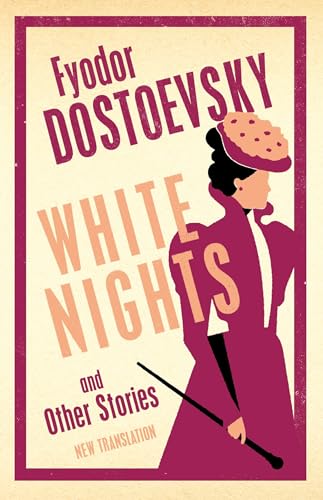
No. 43 on this list. White Nights
Fyodor Dostoevsky · 1848
No. 44 on this list. Wilhelm Meister's Journeyman Years
Johann Wolfgang von Goethe · 1821
No. 45 on this list. La Reine Margot
Alexandre Dumas · 1845
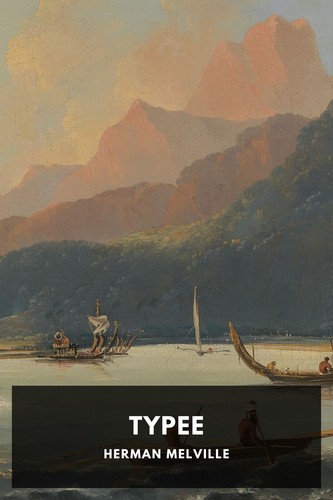
No. 46 on this list. Typee
Herman Melville · 1846
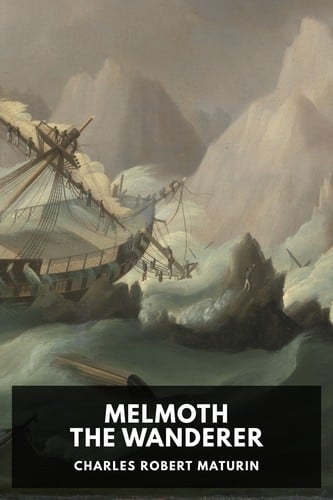
No. 47 on this list. Melmoth the Wanderer
Charles Maturin · 1820
No. 48 on this list. Redburn
Herman Melville · 1849
No. 49 on this list. The Vicomte de Bragelonne
Alexandre Dumas · 1847
No. 50 on this list. Omoo
Herman Melville · 1847
About this list
These 52 books are the highest-scoring eligible books of the Romantic era by men currently in the catalogue. About 431 hours of reading in all. Difficulty runs from 42 to 60 out of 100 for the middle half of the list; the summit is Vanity Fair at 77.
This list is ranked by literary regard, with a consistent order for equal scores. Membership follows authors and co-authors, not translators or editors. A book is here when ReadingRate files it under Romantic Era Literature as one of its primary reading domains, and only when its author’s lifetime places it in the period. Catalogue coverage and the historical canon both limit what this list can represent.
When we matched the Canons dataset to our catalogue in October 2026, our canonical-status scores rose with the number of school curricula, publisher series and lists in it that cite a work: the median score was 72 for books one such source cites, 84 at two, 88 at three, 92 at four and 93 at five or more. Prizes are left out of that count. Outside the state curricula, the dataset’s sources choose mostly from what has been translated into English or French, so it is a weaker check on other literatures. Source: Canons (Andrew Piper), CC BY 4.0
Questions people actually ask
- What are the best books of the Romantic era by men?
- By literary regard, which weighs canonical status, critical standing and influence: Faust by Johann Wolfgang von Goethe, Ozymandias by Percy Bysshe Shelley, Complete Poems by John Keats, The Overcoat by Nikolai Gogol and The Cask of Amontillado by Edgar Allan Poe. ReadingRate ranks 52 such books, each with a difficulty score and a reading-time estimate.
- Which books of the Romantic era by men should I read first?
- Start from difficulty, not from rank. The most approachable books on this list that still carry top literary regard are The Captain's Daughter by Alexander Pushkin (about 2.5 hours), Grimm's Fairy Tales by Brothers Grimm and A Christmas Carol by Charles Dickens.
- What are the shortest of the best books of the Romantic era by men?
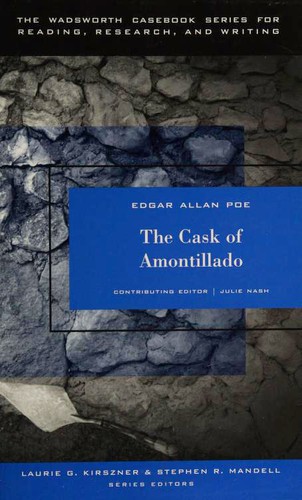
- Among the top 25, the shortest are Ozymandias by Percy Bysshe Shelley (about 1 min), Annabel Lee by Edgar Allan Poe (about 24 min) and The Cask of Amontillado by Edgar Allan Poe (about 34 min), at an average pace of 250 words a minute adjusted for each book's difficulty.
- Which of the best books of the Romantic era by men are the established classics?
- By canonical status, how firmly a book sits in curricula, anthologies and the canon: Faust by Johann Wolfgang von Goethe, Ozymandias by Percy Bysshe Shelley, Complete Poems by John Keats, The Cask of Amontillado by Edgar Allan Poe and The Hunchback of Notre-Dame by Victor Hugo.
- Can I read any of these books of the Romantic era by men for free?
- 15 of the 52 open in ReadingRate's reader with a free account, from public-domain editions: Faust, Dead Souls, Lost Illusions, A Christmas Carol, The Red and the Black and 10 more.
- How long would it take to read the top ten?
- About 59 hours, at an average pace of 250 words a minute adjusted for each book's difficulty: 30 days at two hours a day. Set your own pace on the page and the list's reading times change to it.
- How hard are books of the Romantic era by men to read?
- Most of this list sits between 42 and 60 on ReadingRate's 100-point difficulty scale, where 40 to 55 is moderate. The summit is Vanity Fair at 77. Every entry carries its own score, so a reader can pick a great book at a difficulty they will finish.
- How is this list ranked?
- On literary-regard data: how canonically established a work is, its critical standing, and its influence on later writing. It is not a readers’ poll, which is why recent bestsellers rarely appear. Membership follows authors and co-authors, not translators or editors. Lists by country, author, period, theme or difficulty keep to literature (fiction, poetry, drama and philosophy), their novels, poems and plays first and their philosophy after them; a list of a kind of book, such as memoir or criticism, keeps every book of that kind. Every list holds at most three works by one author. A book is here when ReadingRate files it under Romantic Era Literature as one of its primary reading domains, and only when its author’s lifetime places it in the period.