Hours at an average pace
Showing 39 books
About 296 hours for 39 of 39 books with measured lengths. Estimates use 250 words a minute, adjusted for each book's difficulty. At 2 hours a day, about 149 days for those books.
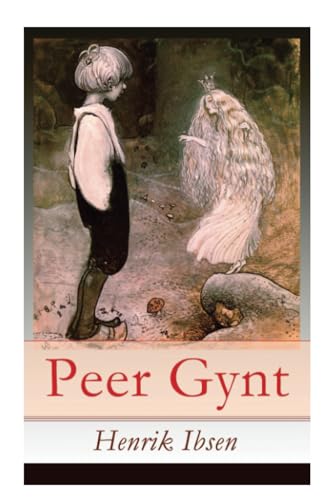
Peer Gynt is a cornerstone of the Scandinavian theatrical canon and is regularly staged worldwide, from the National Theatre to major European opera houses. Edvard Grieg's 1876 incidental music gave the work cultural reach extending far beyond theatre audiences. It appears on world drama syllabi internationally and is central to any survey of 19th-century European literature.
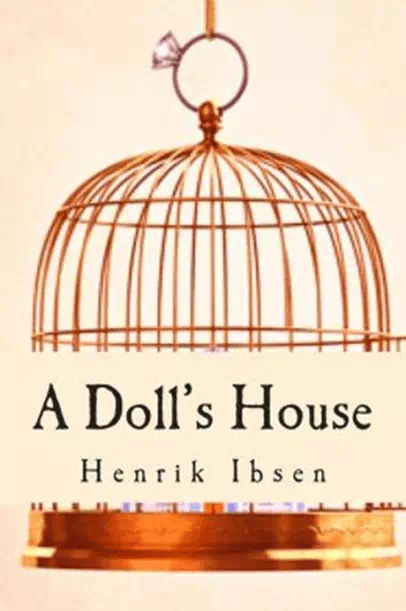
No. 2 on this list. A Doll's House
Henrik Ibsen · 1879
Moderate1.8 hours
Taught in schools: AQA GCSE and A-level English Literature (UK), Common Core text exemplars (Appendix B) (US), Leaving Certificate English – NCCA / State Examinations Commission (Ireland)
Included in: Bokklubben World Library, Great Books of the Western World
Ibsen made a wife walk out on her husband and children in the final scene, and the sound of that door slamming ricocheted across Europe, igniting debates about marriage, autonomy, and women's legal personhood that reshaped law and culture for the next century. The play invented modern social drama by treating a domestic argument as a political event.
Recognized as one of the most important and innovative plays in Western drama. A foundational text of expressionism and the avant-garde theatre.
No. 4 on this list. The Wild Duck
Henrik Ibsen · 1884
Moderate2.2 hours
Taught in schools: Hungarian literature curriculum (magyar nyelv és irodalom) (Hungary)
Included in: Great Books of the Western World
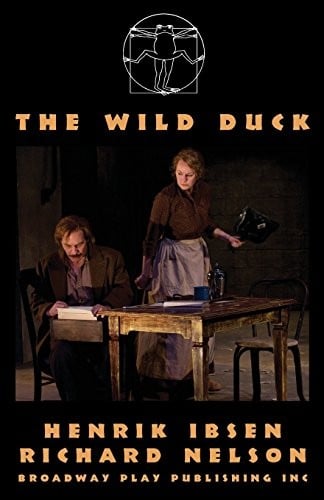
The Wild Duck is a cornerstone of the Western dramatic canon, taught in virtually every university drama program and included in all standard collections of world theater. Though the database returns no syllabus count, Ibsen is the most taught non-English-language playwright in English-speaking universities, and this play—alongside Hedda Gabler and A Doll's House—appears on every major drama syllabus. It is consistently ranked among Ibsen's finest works and among the ten most important plays of the nineteenth century.
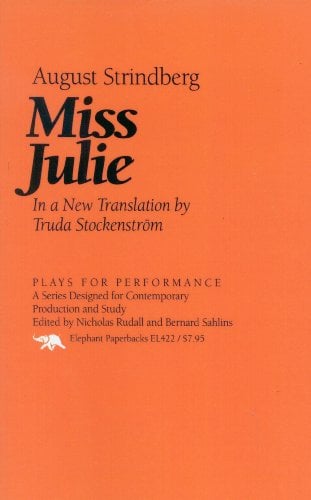
Miss Julie is required reading in virtually every drama curriculum globally and taught widely in comparative literature and theatre history courses. It is one of a handful of nineteenth-century plays — alongside works by Ibsen and Chekhov — that appear on nearly every list of essential modern drama. No syllabus data was available in the database, but its presence in world theatre canons is unambiguous.
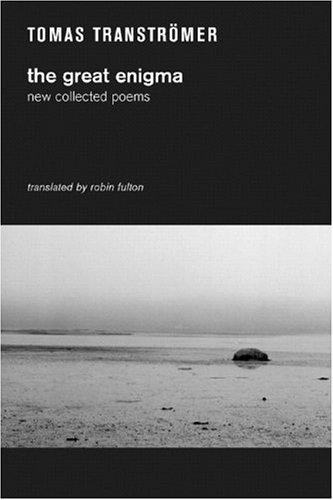
Nobel Prize-winning collected poems. The defining Swedish poet of the twentieth century.
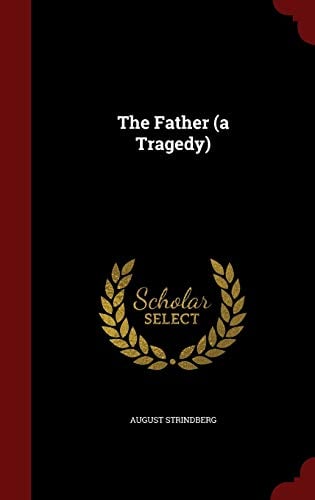
No syllabus or Wikipedia data was returned by automated signals, but 'The Father' is widely anthologized in world drama collections and taught in comparative literature and theatre history courses alongside Ibsen. It is one of Strindberg's two most canonical plays, a fixture of naturalist drama curricula internationally.
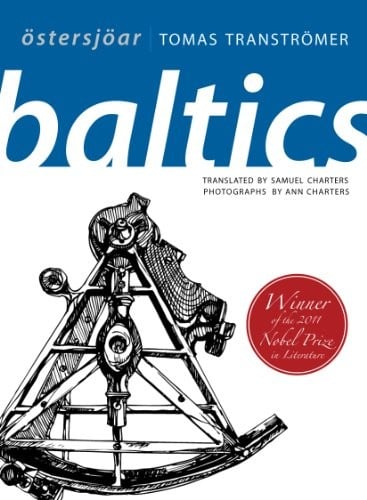
Tranströmer's long poem moves between his childhood memories of the Baltic Sea and the sea itself, timeless and changing. The verse is spare and exact, each image precise as a photograph: a ferry crossing, military maneuvers, the sound of water on stone. Tranströmer was a psychologist who wrote slowly, publishing only a few dozen poems in his lifetime. His work translates remarkably well—the clarity survives—and his influence on American poetry has been immense. This poem is his longest meditation on place and memory.
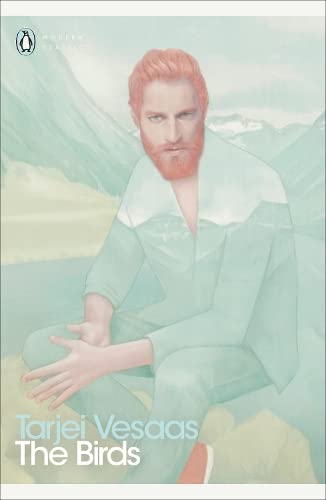
No. 9 on this list. The Birds
Tarjei Vesaas · 1957
Challenging4.4 hours
Included in: UNESCO Collection of Representative Works
Considered Vesaas's masterwork and one of the towering achievements of twentieth-century Scandinavian literature, widely taught in Norwegian schools and universities. Less canonical in anglophone curricula but regularly appears on world-literature reading lists and is championed by writers including Ursula K. Le Guin.
Widely regarded as one of the finest Scandinavian novels of the late twentieth century. An international bestseller and a staple of Swedish literary culture.
No. 11 on this list. Septology · Jon Fosse · 2019
Septology is too recent (2019-2021 in Norwegian, English translation completed 2022) to have established deep curricular presence. It appears on some contemporary European literature syllabi and has received significant attention in Scandinavian studies programs. The Nobel Prize win in 2023 will accelerate its canonization, but it has not yet achieved the widespread teaching presence of established Nobel-winning works like One Hundred Years of Solitude or Beloved.
Challenging12 hours
Start this bookNo. 12 on this list. The Charles Men · Verner von Heidenstam · 1897
The Charles Men stands as a cornerstone of Swedish national literature and romantic historical fiction. It secured Heidenstam's reputation as a leading figure in Swedish letters and contributed significantly to his 1916 Nobel Prize. Within Scandinavian literary history, the work holds secure canonical status, though it remains less known internationally than Swedish authors like Strindberg or Lagerlöf.
Moderate5.4 hours
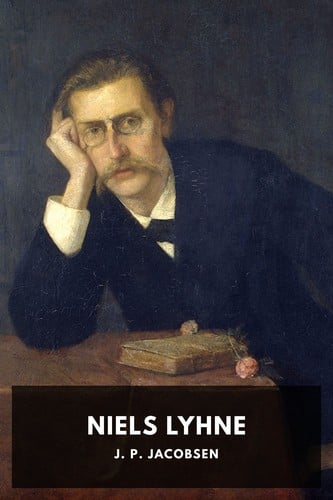
Start this bookNo. 13 on this list. Niels Lyhne · Jens Peter Jacobsen · 1880
Niels Lyhne is canonical within Scandinavian and European world literature courses, where it is recognized as the defining novel of the Danish modern breakthrough of the 1870s-80s. It lacks the broad curriculum presence of Ibsen or Strindberg in English-speaking universities, but holds a secure place in any serious survey of 19th-century European fiction and is widely anthologized in Scandinavian literary studies. No syllabus data was found in the database, which likely reflects its niche status outside Scandinavia rather than genuine neglect in specialist courses.
Challenging7.1 hours
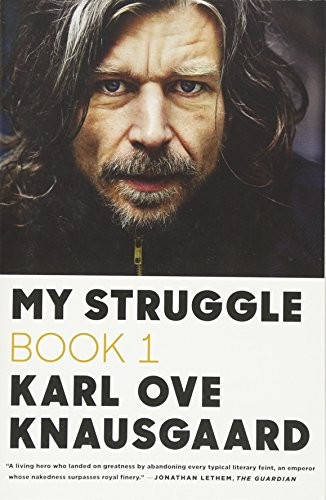
Start this bookNo. 14 on this list. My Struggle: Book 1 · Karl Ove Knausgaard · 2009
My Struggle: Book 1 has not yet penetrated the academic teaching canon — published in Norwegian in 2009 and in English translation in 2012, it is too recent to appear widely on syllabi and shows zero appearances in the Open Syllabus data. It is taught in some contemporary literature and autofiction courses, but has not achieved the settled curriculum presence of canonical novels.
Difficult52 hours
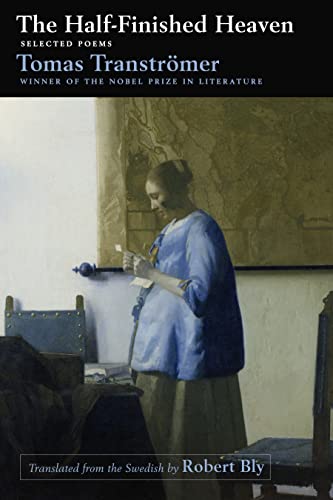
Start this bookNo. 15 on this list. The Half-Finished Heaven · Tomas Tranströmer · 1962
The Half-Finished Heaven is Robert Bly's selection of Tranströmer's poems for Graywolf Press, titled after the Swedish collection Den halvfärdiga himlen (1962), and a common introduction to the poet in English. Tranströmer is more often taught through collected editions than through this selection.
Challenging18 min
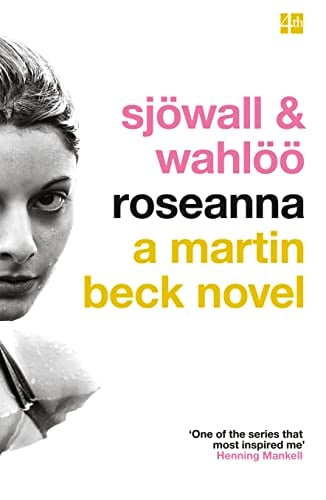
Start this bookNo. 16 on this list. Roseanna · Per Wahlöö · 1965
Roseanna is canonical within crime fiction and Scandinavian literature — widely cited as the genre-founding text of Nordic noir — but does not appear in general university literature curricula. No syllabus data was found in the database, reflecting its primary home in genre studies and Scandinavian literature courses rather than broad literary canons.
Moderate4.3 hours
Start this bookNo. 17 on this list. Melancholy · Jon Fosse · 1995
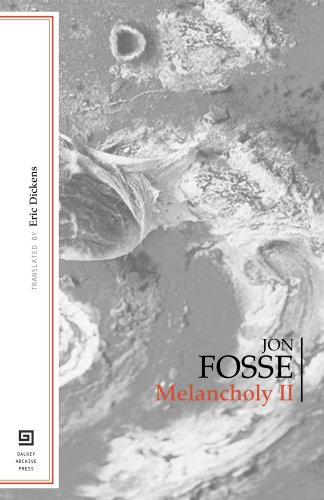
A man looks back on his life—his marriages, his work, his approaching death—in long, meditative sentences that drift between present and past. Fosse's characteristically spare novel explores memory, loss, and the slow accumulation of a life.
Challenging11 hours
Start this bookNo. 18 on this list. The Ice Palace · Tarjei Vesaas · 1963
Included in: UNESCO Collection of Representative Works
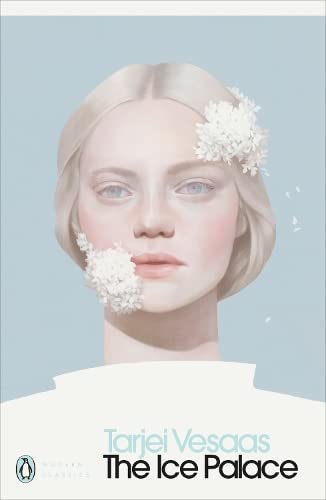
The Ice Palace won the Nordic Council Prize — Scandinavia's most prestigious literary award — in 1963 and is widely regarded as Vesaas's masterwork. It appears on world literature syllabi in Scandinavian studies programs and European modernism courses, but its reach is limited compared to Norwegian-language titles translated into 70+ languages. The database shows no syllabus appearances or Wikipedia data, likely reflecting gaps in English-language academic digitization rather than absence of European canonical standing.
Challenging2.9 hours
Start this bookNo. 19 on this list. Pelle the Conqueror · Martin Andersen Nexø · 1910
Canonical within Scandinavian literature and the global tradition of working-class fiction, where it stands alongside Gorky's The Lower Depths and Zola's Germinal. Less taught in English-language curricula than those Continental peers, but routinely included in world literature courses on realism and labor writing. No syllabus data was available in the database for this work.
Easy25 hours
Start this bookNo. 20 on this list. Fridolin's Songs · Erik Axel Karlfeldt · 1891
Karlfeldt's poetry celebrates the Swedish countryside of his childhood—the rhythms of farm work, the village festivals, the old beliefs that Christianity never quite displaced. Fridolin is his alter ego, a romantic figure wandering through this landscape, in love with its beauty and aware of its passing. The verse is formal and musical, rooted in folk tradition while remaining distinctly modern. Karlfeldt won the Nobel Prize posthumously in 1931, having declined it while alive. His work is little known outside Sweden, untranslatable in its deep locality.
Moderate1 hours
Start this book

No. 21 on this list. Smilla's Sense of Snow · Peter Høeg · 1992
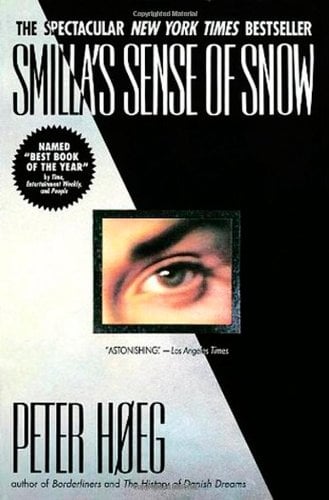
Smilla's Sense of Snow remains one of the best-known Danish novels of the late twentieth century and appears on lists of essential crime fiction. It is read more widely than it is taught, turning up mainly in courses on Scandinavian literature and the literary thriller.
Moderate9.7 hours
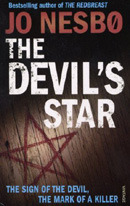
Start this bookNo. 22 on this list. The Devil's Star · Jo Nesbø · 2011
Detective Harry Hole: an angry and off-the-rails detective who wants to play the game by his own rules. A young woman is murdered in her Oslo flat. One finger has been severed from her left hand, and behind her eyelid is secreted a tiny red diamond in the shape of a five-pointed star – a pentagram, the devil's star. Detective Harry Hole is assigned to the case with his long-time adversary Tom Waaler and initially wants no part in it. But Harry is already on notice to quit the force and is left with little alternative but to drag himself out of his alcoholic stupor and get to work.A wave of similar murders is on the horizon. An emerging pattern suggests that Oslo has a serial killer on its hands, and the five-pointed devil's star is key to solving the riddle.
Moderate9.1 hours
Start this bookNo. 23 on this list. The Pilgrim Kamanita · Karl Adolph Gjellerup · 1906
Gjellerup's novel follows an Indian merchant who encounters the Buddha and is transformed. The story moves between realism and vision, earthly love and spiritual quest, culminating in a journey through Buddhist cosmology. Gjellerup was Danish but wrote in German, fascinated by Eastern philosophy at a time when Buddhism was exotic. He won the Nobel Prize in 1917, shared with his compatriot Pontoppidan. The novel is dated now, its Orientalism problematic, but its ambition remains: to give Western readers access to another way of seeing.
Challenging5.6 hours
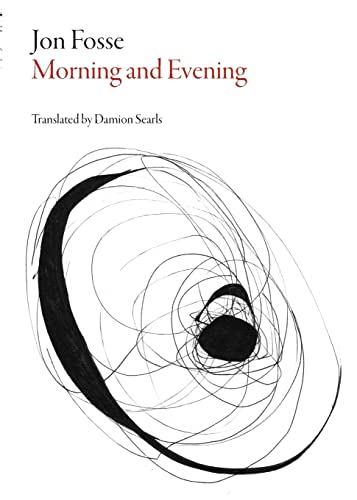
Read nowNo. 24 on this list. Morning and Evening · Jon Fosse · 2000
In "Morning and Evening", two men convene at dawn on the Norwegian coast, their fishing trip unfolding against the backdrop of a singular, fateful day. As the hours pass, the narrative distills the essence of human experience, illuminating the intricate web of love, memory, and mortality that underlies their lives. Fosse's writing style is characterized by a spare, lyrical precision, evoking the stark beauty of the coastal landscape while plumbing the depths of the human heart. The novel's themes of impermanence, longing, and the search for connection are woven throughout the narrative, creating a sense of quiet urgency that propels the reader toward the book's poignant conclusion. Readers who appreciate contemplative, character-driven fiction will find "Morning and Evening" a haunting and introspective companion. The novel's concise, nuanced prose makes it an accessible and thought-provoking read, suitable for those interested in exploring the complexities of human relationships and the passage of time. Written by Norwegian author Jon Fosse in 2000, "Morning and Evening" is a distinctive and affecting work of literary fiction, one that lingers in the mind long after the final page is turned. With its unique blend of simplicity and depth, this compact novel offers a powerful meditation on the human experience, inviting readers to immerse themselves in its haunting, elegiac world.
Moderate17 hours
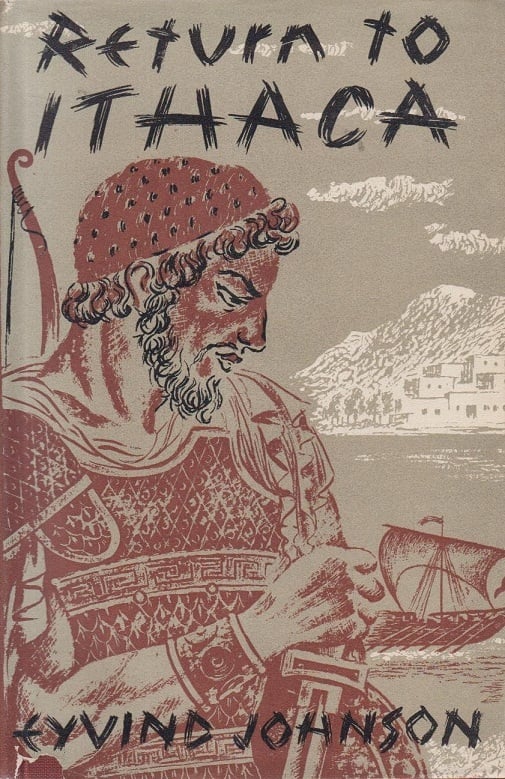
Start this bookNo. 25 on this list. Return to Ithaca · Eyvind Johnson · 1946
ReadingRate's data shows no university-syllabus footprint and no indexed Wikipedia presence for this specific title, despite its author's Nobel Prize — it's read far more within Scandinavian-studies and comparative-literature curricula than in the Anglophone survey course. Closer to 2666's 'limited syllabi, world-lit courses' band than to a fixture like Beloved.
Challenging8.3 hours
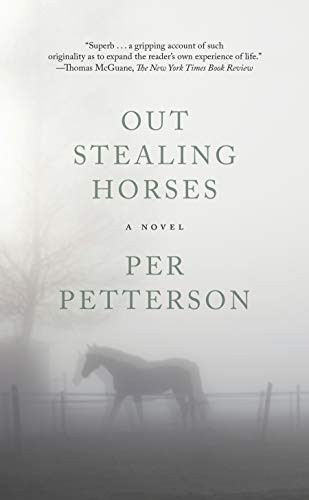
Start this bookNo. 26 on this list. Out Stealing Horses · Per Petterson · 2007
Appears on 41 university syllabi (40th percentile in Open Syllabus), primarily in Scandinavian literature and world literature courses. Wikipedia articles exist in only 2 languages, indicating limited global canonical reach. Well-regarded but far from the 'essential reading' tier occupied by Anglophone classics.
Difficult8.4 hours
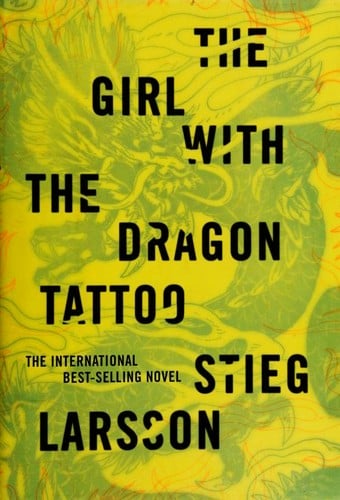
Start this bookNo. 27 on this list. The Girl with the Dragon Tattoo · Stieg Larsson · 2005
A global publishing phenomenon and the definitive Scandinavian crime novel of the 21st century.
Easy8.4 hours
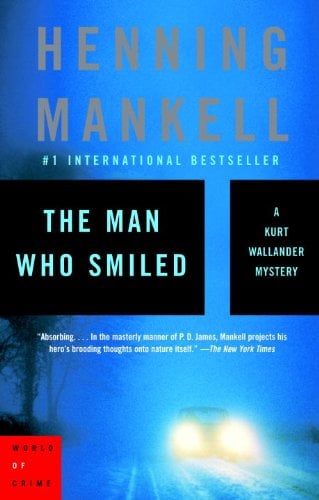
Start this bookNo. 28 on this list. The Man Who Smiled · Henning Mankell · 1994
A popular entry in the Wallander series but rarely appears on academic syllabi or canonical literary lists; it is a genre crime novel rather than an established literary text.
Moderate7.6 hours
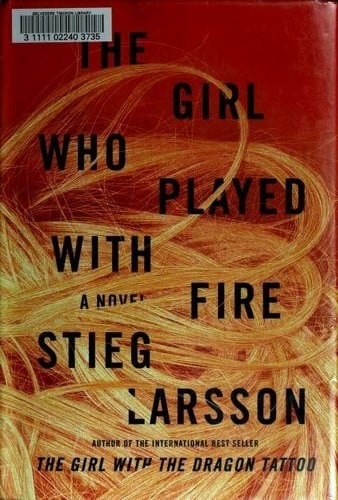
Start this bookNo. 29 on this list. The Girl Who Played with Fire · Stieg Larsson · 2009
A bestselling crime novel rarely taught as literature, though the Millennium trilogy appears in genre and Scandinavian crime studies. It sits near Gone Girl in canonical standing.
Easy7.7 hours
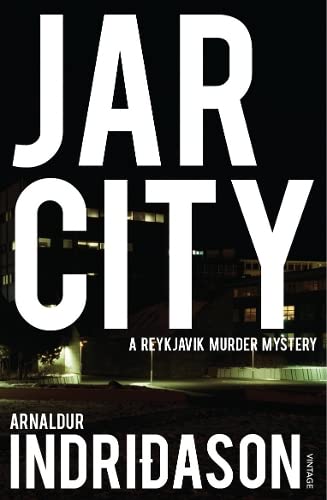
Start this bookNo. 30 on this list. Jar City · Arnaldur Indriðason · 2000
Jar City is the best-known novel in Arnaldur Indriðason's Erlendur series and the first to reach many English-language readers. It is read widely as crime fiction but taught mainly in courses on Nordic noir.
Easy4.2 hours
Start this book

No. 31 on this list. Faceless Killers
Henning Mankell · 1991
No. 32 on this list. The Snowman
Jo Nesbø · 2007
No. 33 on this list. The Girl Who Kicked the Hornet’s Nest
Stieg Larsson · 2010
No. 34 on this list. The Unseen
Roy Jacobsen · 2017
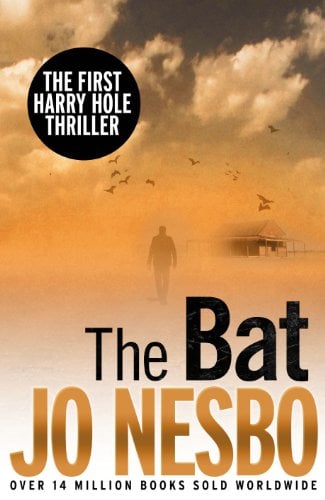
No. 35 on this list. The Bat
Jo Nesbø · 1997
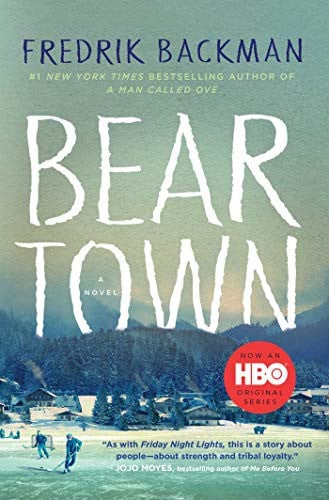
No. 36 on this list. Beartown
Fredrik Backman · 2022
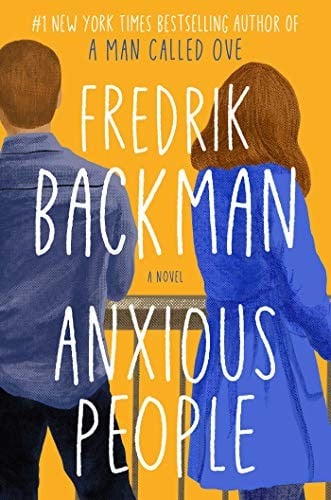
No. 37 on this list. Anxious People
Fredrik Backman · 2019
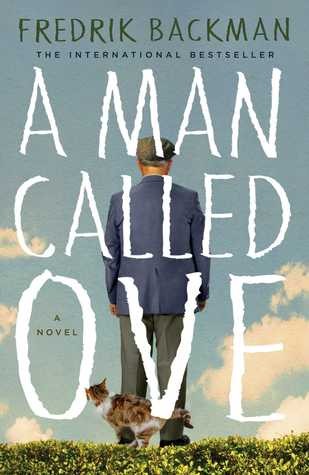
No. 38 on this list. A Man Called Ove
Fredrik Backman · 2012
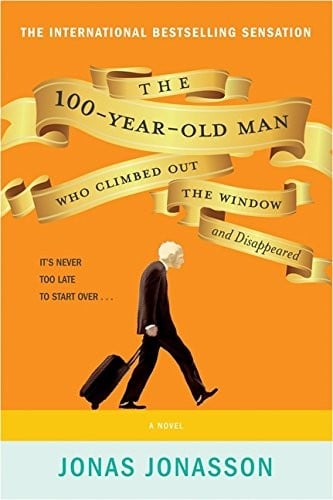
No. 39 on this list. The 100-Year-Old Man Who Climbed Out the Window and Disappeared
Jonas Jonasson · 2009
About this list
These 39 books are the highest-scoring eligible books from Scandinavia by men currently in the catalogue. About 296 hours of reading in all. Difficulty runs from 42 to 58 out of 100 for the middle half of the list; the summit is My Struggle: Book 1 at 73.
This list is ranked by literary regard, with a consistent order for equal scores. Membership follows authors and co-authors, not translators or editors. A book is here when ReadingRate files it under Scandinavian Literature as one of its primary reading domains. Catalogue coverage and the historical canon both limit what this list can represent.
When we matched the Canons dataset to our catalogue in October 2026, our canonical-status scores rose with the number of school curricula, publisher series and lists in it that cite a work: the median score was 72 for books one such source cites, 84 at two, 88 at three, 92 at four and 93 at five or more. Prizes are left out of that count. Outside the state curricula, the dataset’s sources choose mostly from what has been translated into English or French, so it is a weaker check on other literatures. Source: Canons (Andrew Piper), CC BY 4.0
Questions people actually ask
- What are the best books from Scandinavia by men?
- By literary regard, which weighs canonical status, critical standing and influence: Peer Gynt by Henrik Ibsen, A Doll's House by Henrik Ibsen, A Dream Play by August Strindberg, The Wild Duck by Henrik Ibsen and Miss Julie by August Strindberg. ReadingRate ranks 39 such books, each with a difficulty score and a reading-time estimate.
- Which books from Scandinavia by men should I read first?
- Start from difficulty, not from rank. The most approachable books on this list that still carry top literary regard are The Great Enigma: New Collected Poems by Tomas Tranströmer (about 1.1 hours), A Doll's House by Henrik Ibsen and The Wild Duck by Henrik Ibsen.
- What are the shortest of the best books from Scandinavia by men?
- Among the top 25, the shortest are The Half-Finished Heaven by Tomas Tranströmer (about 18 min), Fridolin's Songs by Erik Axel Karlfeldt (about 1 hours) and The Great Enigma: New Collected Poems by Tomas Tranströmer (about 1.1 hours), at an average pace of 250 words a minute adjusted for each book's difficulty.
- Which of the best books from Scandinavia by men are the established classics?
- By canonical status, how firmly a book sits in curricula, anthologies and the canon: A Doll's House by Henrik Ibsen, Peer Gynt by Henrik Ibsen, A Dream Play by August Strindberg, The Great Enigma: New Collected Poems by Tomas Tranströmer and The Wild Duck by Henrik Ibsen.
- Can I read any of these books from Scandinavia by men for free?
- 2 of the 39 open in ReadingRate's reader with a free account, from public-domain editions: A Doll's House and The Pilgrim Kamanita.
- How long would it take to read the top ten?
- About 33 hours, at an average pace of 250 words a minute adjusted for each book's difficulty: 17 days at two hours a day. Set your own pace on the page and the list's reading times change to it.
- How hard are books from Scandinavia by men to read?
- Most of this list sits between 42 and 58 on ReadingRate's 100-point difficulty scale, where 40 to 55 is moderate. The summit is My Struggle: Book 1 at 73. Every entry carries its own score, so a reader can pick a great book at a difficulty they will finish.
- How is this list ranked?
- On literary-regard data: how canonically established a work is, its critical standing, and its influence on later writing. It is not a readers’ poll, which is why recent bestsellers rarely appear. Membership follows authors and co-authors, not translators or editors. Lists by country, author, period, theme or difficulty keep to literature (fiction, poetry, drama and philosophy), their novels, poems and plays first and their philosophy after them; a list of a kind of book, such as memoir or criticism, keeps every book of that kind. Every list holds at most three works by one author. A book is here when ReadingRate files it under Scandinavian Literature as one of its primary reading domains.