Hours at an average pace
Showing 37 books
About 323 hours for 37 of 37 books with measured lengths. Estimates use 250 words a minute, adjusted for each book's difficulty. At 2 hours a day, about 162 days for those books.
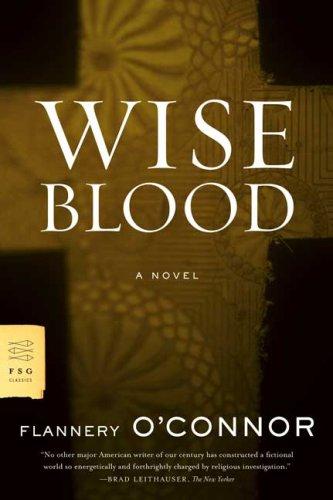
A landmark of Southern Gothic fiction and American literature, widely taught and critically analyzed. One of the defining novels of postwar American fiction.
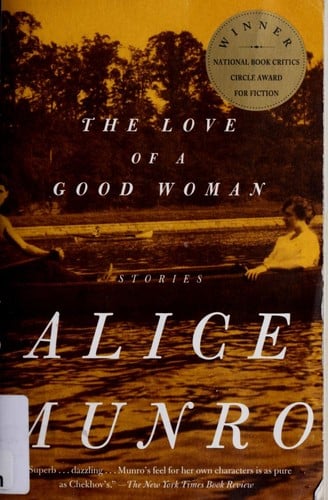
One of Munro's most celebrated collections, winner of the Giller Prize and the National Book Critics Circle Award. The title story is often cited as her finest single work.
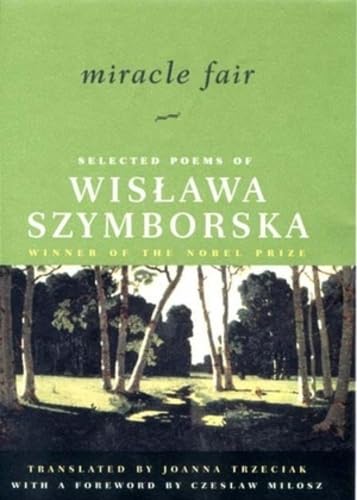
Szymborska is a staple of world poetry courses and a Nobel laureate, and this collection is the standard English edition of her work. Its place is secure, though below Hamlet or Gatsby in universal syllabus presence.
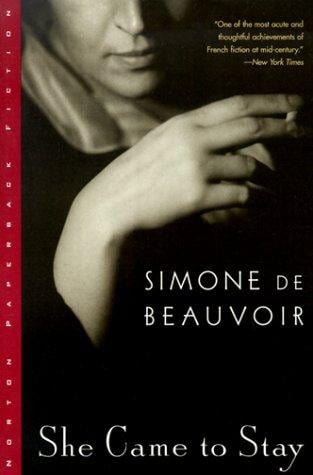
She Came to Stay is regularly taught in existentialist literature courses, feminist literary theory courses, and French literature curricula worldwide. It holds a firm position in the de Beauvoir canon alongside The Second Sex and The Mandarins. No database syllabus data was returned, but its presence in standard existentialism syllabi — typically paired with Sartre's Nausea or Camus's The Outsider — establishes it as institutionally canonical.
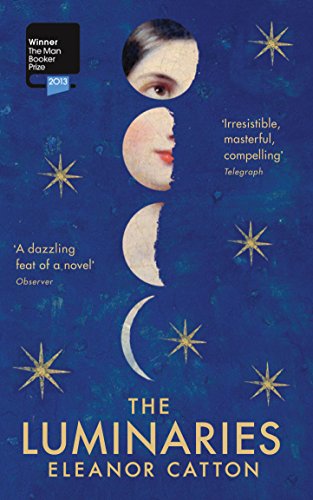
The Luminaries is a 2013 Booker Prize winner with 9 Wikipedia language editions and documented critical reception and adaptation sections. It is widely reviewed and taught in contemporary fiction courses, particularly in New Zealand and postcolonial literary contexts. However, its canonical standing remains early-stage: scholar citation counts are negligible, syllabus presence is limited compared to mid-20th-century Booker winners, and it has not yet accumulated the critical apparatus of fully canonical works. The Booker win places it above most contemporary literary fiction but its 2013 publication date means academic canonization is ongoing.
Jack (2020) is the fourth novel in Robinson's Gilead series, which is increasingly taught in American literature and contemporary fiction courses. As a standalone it is more recent and less independently canonical than Gilead, but the series is considered among the defining American literary sequences of the 21st century. No syllabus data was captured in the database for this edition.
The Mandarins is Simone de Beauvoir's best-known novel and is read in courses on postwar French literature and on existentialism, though far less widely than The Second Sex. It is a standard reference for the Paris intellectual left after the Liberation.
No. 8 on this list. From the Mixed-Up Files of Mrs. Basil E. Frankweiler
E.L. Konigsburg · 1967
Challenging2.8 hours
A fixture in American elementary and middle school curricula since its 1967 publication, taught for over five decades in classrooms across the country. The book appears on numerous recommended reading lists and has sold millions of copies, though it sits within children's literature rather than the adult literary canon taught at university level. Its institutional presence in K-8 education is substantial and sustained.
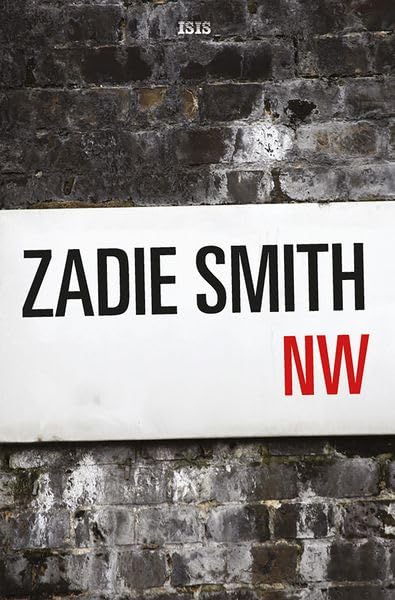
NW is a respected experimental novel by one of Britain's foremost literary voices, but it is not yet canonized. Published in 2012, it received strong reviews and a Women's Prize shortlist, yet it remains overshadowed by White Teeth in Smith's own oeuvre and has not entered standard curricula.
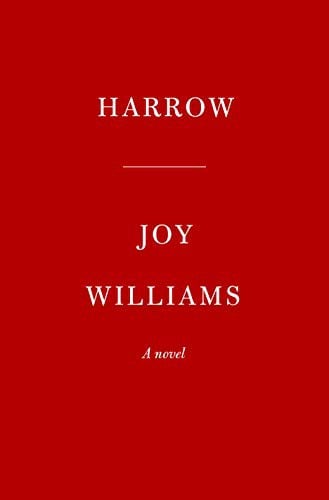
Khristen was named Lamb by her mother, who believed the infant had died and come back — a conviction that haunts the girl's entire childhood and sends her west to a peculiar school in a dying forest, where students are made to memorize Nietzsche and the mountains have swallowed the faculty. When the world outside begins to unravel in earnest, Khristen finds herself walking through a landscape of fires and stopped trains toward a derelict lakeside resort presided over by Lola, an elderly woman with terminal cancer and a loose confederation of geriatric eco-saboteurs who have given up on protest and taken up holy havoc. There is also Jeffrey, age ten, who speaks only in legal citations and may or may not be presiding over an afterlife court somewhere in Book Three. Joy Williams wrote her first novel in twenty years as an act of ecological fury and metaphysical comedy simultaneously. Harrow is structured like a dream that changes genre at the chapter break — bildungsroman, dark pastoral, eschatological fable — and it refuses to explain what holds the pieces together. What does hold them together is Williams's prose: flat, aphoristic, suddenly devastating, as when a dying man in a purple room pulls a bag over his head while thinking of the animals he could not save.
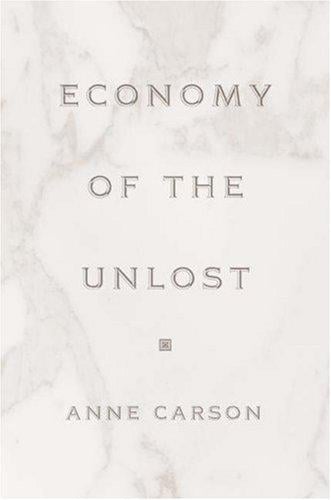
No. 11 on this list. Economy of the Unlost · Anne Carson · 1999
As a specialist study in comparative literature, it is taught in classics and poetics courses rather than as a general text. Its standing grows with Carson's reputation, including a Nobel Prize in Literature in 2026.
Challenging3.8 hours
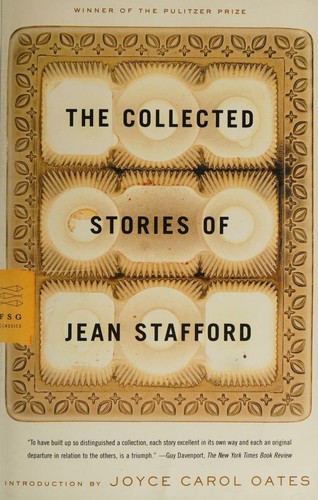
Start this bookNo. 12 on this list. The Collected Stories of Jean Stafford · Jean Stafford · 1970
Won the 1970 Pulitzer Prize for Fiction, and Stafford's stories have since been collected by the Library of America. Individual stories such as 'In the Zoo' are anthologized more often than the collection is assigned.
Difficult19 hours
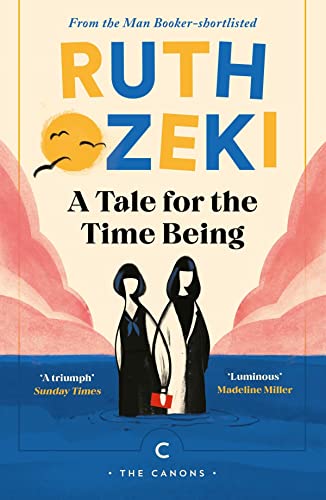
Start this bookNo. 13 on this list. A Tale for the Time Being · Ruth Ozeki · 2013
Ranked by literary regard among eligible works in the current catalogue. This position reflects the available catalogue evidence.
Moderate12 hours
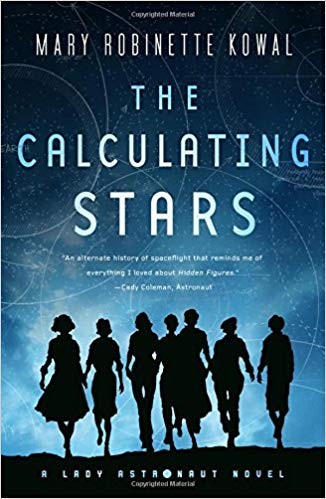
Start this bookNo. 14 on this list. The Calculating Stars · Mary Robinette Kowal · 2018
Hugo, Nebula, and Locus Award winner. A defining work of alternate-history SF.
Very Easy5.2 hours
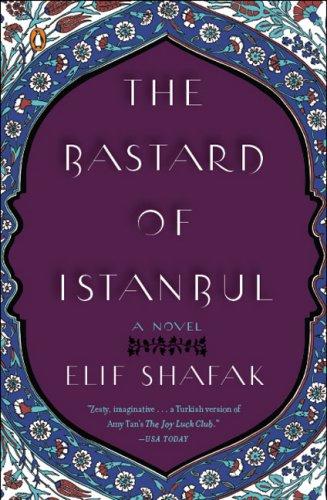
Start this bookNo. 15 on this list. The Bastard of Istanbul · Elif Shafak · 2006
The Bastard of Istanbul appears on university syllabi in world literature, comparative literature, and Middle Eastern studies courses, though it has not reached the saturation of canonical texts. Wikipedia articles exist in approximately 15 languages. The novel is widely read in Turkey and among diaspora communities but has not yet entered the broader Western canon of required reading.
Difficult14 hours
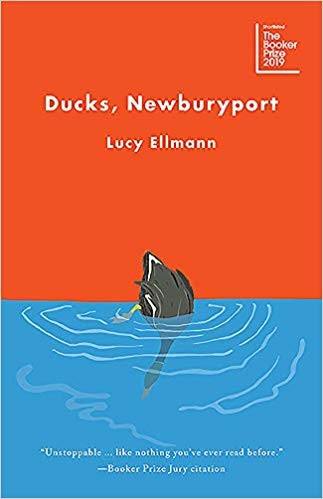
Start this bookNo. 16 on this list. Ducks, Newburyport · Lucy Ellmann · 2019
Ranked by literary regard among eligible works in the current catalogue. This position reflects the available catalogue evidence.
Challenging21 hours
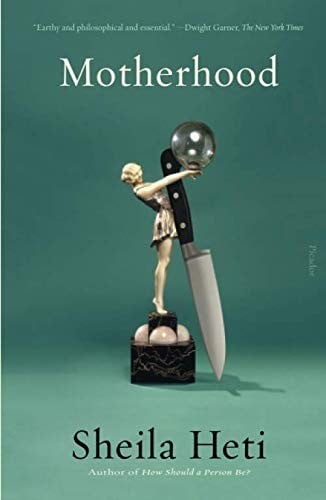
Start this bookNo. 17 on this list. Motherhood · Sheila Heti · 2018
Published in 2018, too recent for firm canonical status. Shortlisted for the Scotiabank Giller Prize. Widely discussed in serious literary culture as part of the autofiction wave, but not yet an assigned university text at scale. Heti's earlier 'How Should a Person Be?' arguably holds more discussion traction in syllabi.
Challenging5.3 hours
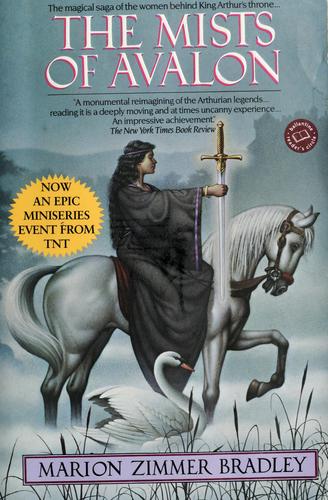
Start this bookNo. 18 on this list. The Mists of Avalon · Marion Zimmer Bradley · 1983
The Mists of Avalon is the best-known modern feminist retelling of the Arthurian legend and is read in courses on Arthurian literature, fantasy and women's writing. It is a fixture of fantasy reading lists, though not of general literary canons.
Moderate29 hours
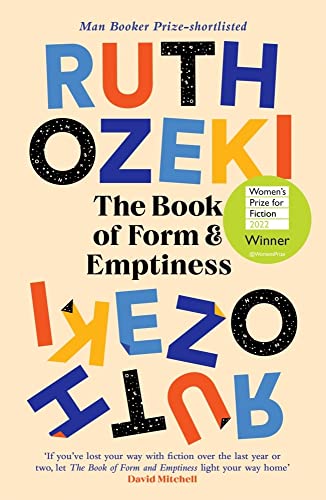
Start this bookNo. 19 on this list. The Book of Form and Emptiness · Ruth Ozeki · 2022
A teenage boy hears the voice of a Book, leading his mother through hoarding, grief, and the search for meaning. Ozeki's novel explores our relationship with objects, stories, and the voices that guide us.
Challenging11 hours
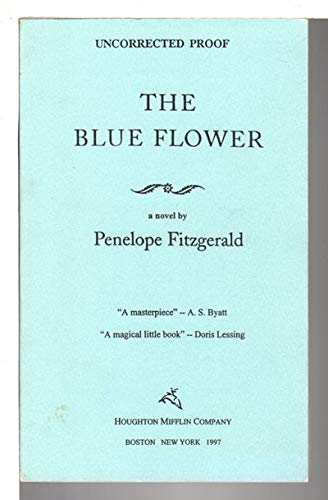
Start this bookNo. 20 on this list. The Blue Flower · Penelope Fitzgerald · 1998
The Blue Flower appears on 46 university syllabi (41.6th percentile in the Open Syllabus Project) and has a Wikipedia presence in 4 languages. It is not widely taught in core curricula and lacks the broad institutional presence of canonical texts, placing it as a respected but specialist title.
Challenging6.2 hours
Start this book
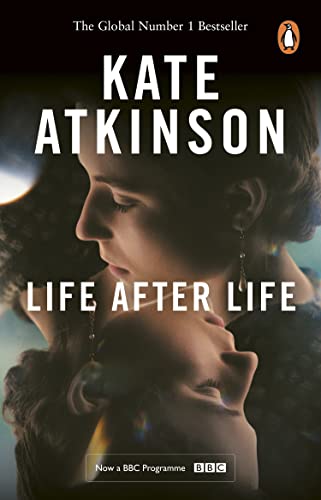
No. 21 on this list. Life After Life · Kate Atkinson · 2013
Life After Life appears on 74 university syllabi (46th percentile by Open Syllabus data), primarily in contemporary British fiction and women's writing courses. Its Wikipedia entry exists in only 4 languages with a short article, indicating limited global critical infrastructure. The book is seriously taught but not yet a curriculum fixture in the way that Beloved or Remains of the Day are.
Challenging14 hours
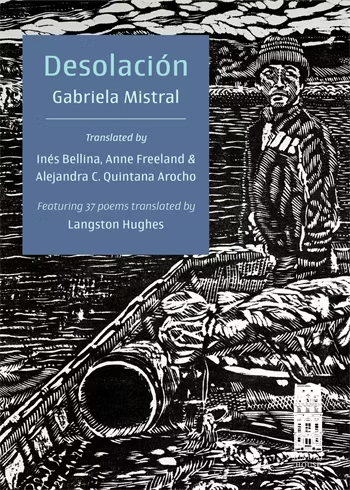
Start this bookNo. 22 on this list. Desolation · Gabriela Mistral · 1936
Ranked by literary regard among eligible works in the current catalogue. This position reflects the available catalogue evidence.
Moderate4.5 hours
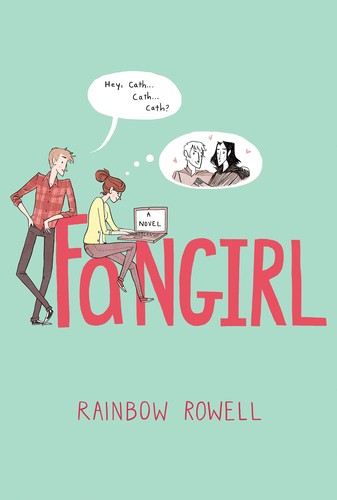
Start this bookNo. 23 on this list. Fangirl · Rainbow Rowell · 2013
A defining novel of internet fandom culture and a YA bestseller. The Simon Snow spin-off became its own series.
Very Easy5.1 hours
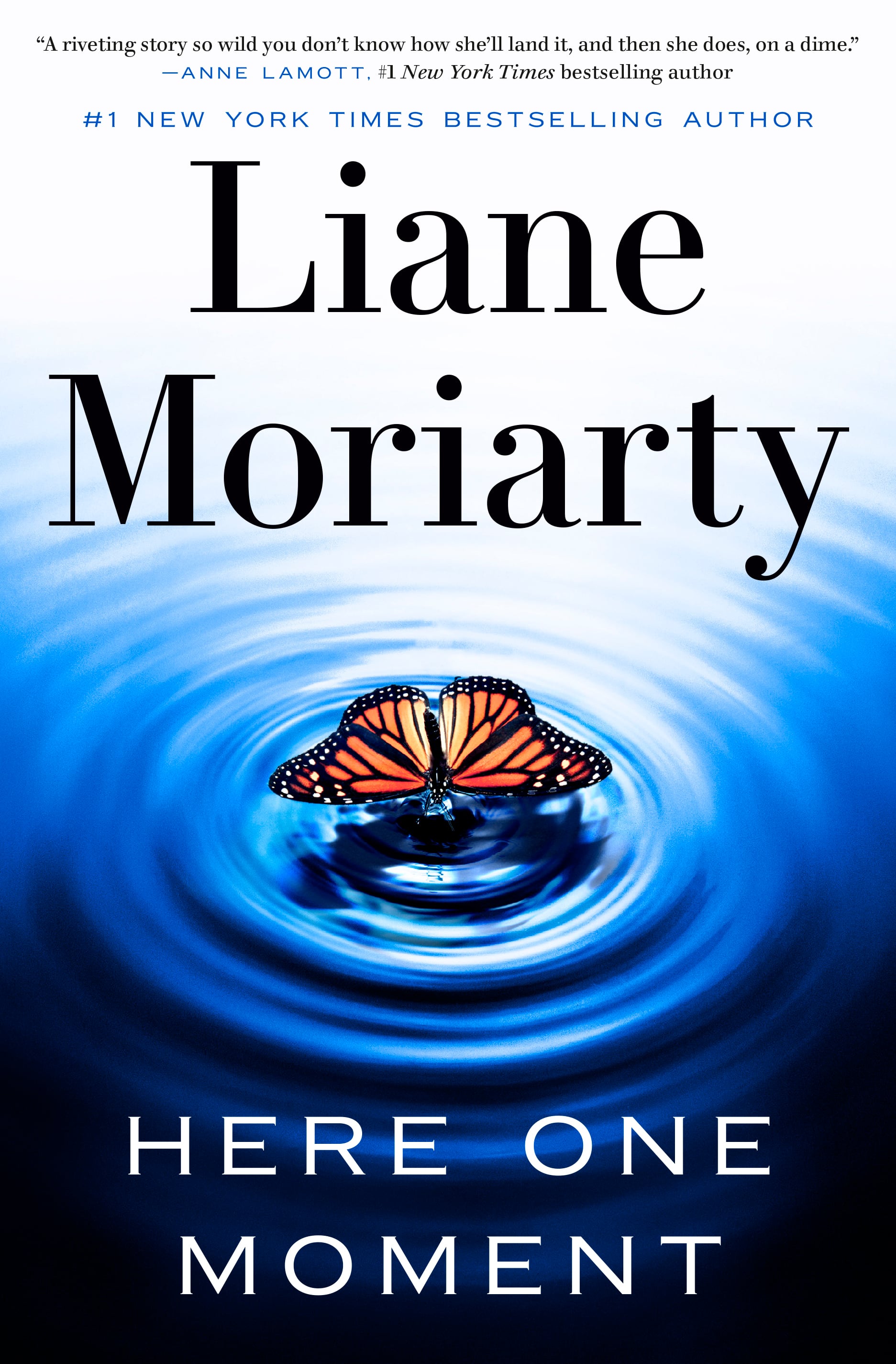
Start this bookNo. 24 on this list. Here One Moment · Liane Moriarty · 2024
Commercial fiction positioning. Moriarty is a phenomenon, not a canonical figure. Unlikely to be taught.
Moderate8.3 hours
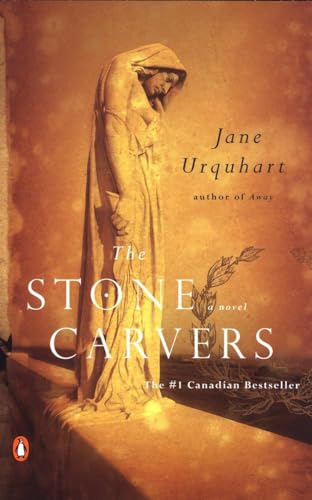
Start this bookNo. 25 on this list. The Stone Carvers · Jane Urquhart · 2001
The Stone Carvers (2001) is sometimes taught in courses on Canadian fiction and the First World War. It is well known in Canada but little read elsewhere.
Difficult11 hours
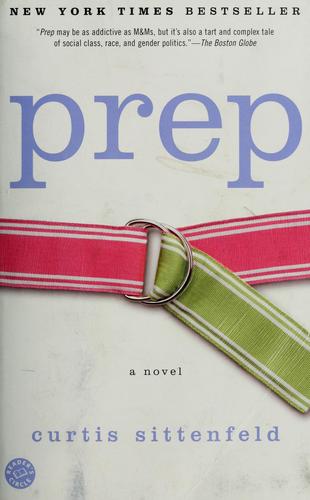
Start this bookNo. 26 on this list. Prep · Curtis Sittenfeld · 2005
Bestselling debut. Important in the class-conscious campus fiction tradition.
Very Easy5.5 hours
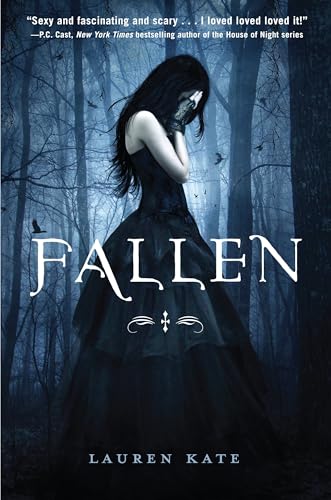
Start this bookNo. 27 on this list. Fallen · Lauren Kate · 2009
Major YA bestseller in the post-Twilight paranormal romance wave. Film adaptation. Cultural impact within its niche.
Very Easy4.8 hours
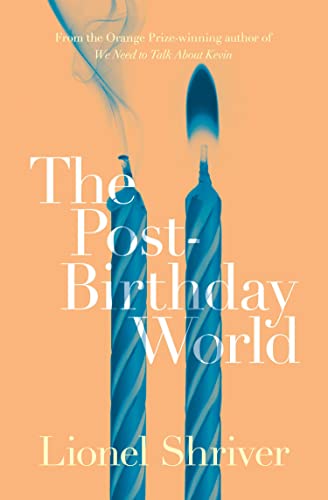
Start this bookNo. 28 on this list. The Post-Birthday World · Lionel Shriver · 2007
The Post-Birthday World (2007), Shriver's follow-up to We Need to Talk About Kevin, is read and discussed but seldom taught. It is not on the standard lists of essential contemporary fiction.
Challenging10 hours
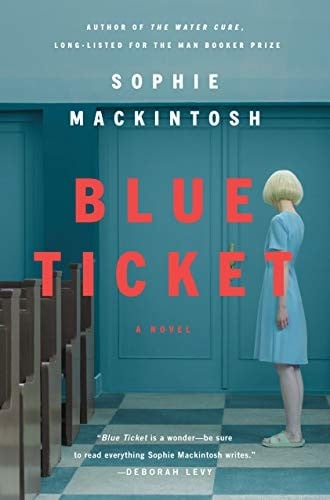
Start this bookNo. 29 on this list. Blue Ticket · Sophie Mackintosh · 2020
No syllabus data or Wikipedia article was found in the database for Blue Ticket. Published in 2020, the novel is too recent to have entered academic curricula broadly. It may appear occasionally in contemporary British fiction or feminist speculative fiction modules, but it has not achieved the kind of widespread taught status that marks canonicity.
Challenging5.2 hours
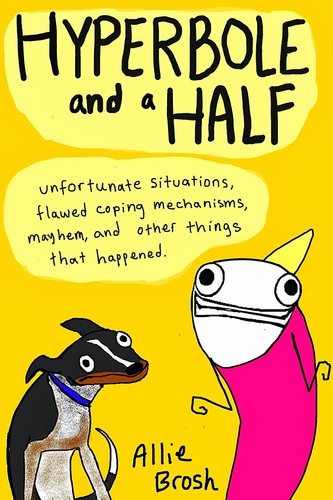
Start this bookNo. 30 on this list. Hyperbole and a Half · Allie Brosh · 2013
Brosh adapted her enormously popular blog into a book that combines crudely drawn illustrations—stick figures with enormous eyes rendered in Microsoft Paint—with essays of startling emotional precision. The two chapters on depression became the most widely shared descriptions of the condition on the internet, not because they offered hope or advice but because they captured the experience with ruthless accuracy: the slide from sadness into numbness, the absurdity of well-meaning people telling you to appreciate sunsets, the moment she found a kernel of corn under the refrigerator and laughed for the first time in months and knew, arbitrarily, that she was coming back. Other essays are purely comic: her childhood attempt to eat an entire cake before her parents noticed, her dog's magnificent stupidity, the shame spiral of returning overdue library books. Brosh's drawings, which look like a child made them, carry enormous emotional weight precisely because of their crudeness—the simplified faces express states of feeling that photorealistic art would blunt. The book is funny, devastating, and unlike anything else in contemporary humor writing.
Very Easy1.7 hours
Start this book
No. 31 on this list. Matched
Ally Condie · 2010
No. 32 on this list. The Next Big Thing
Anita Brookner · 2002
No. 33 on this list. Hello Beautiful
Ann Napolitano · 2023
No. 34 on this list. The Woman in Cabin 10
Ruth Ware · 2016
No. 35 on this list. If I Stay
Gayle Forman · 2009
No. 36 on this list. The Light We Lost
Jill Santopolo · 2017
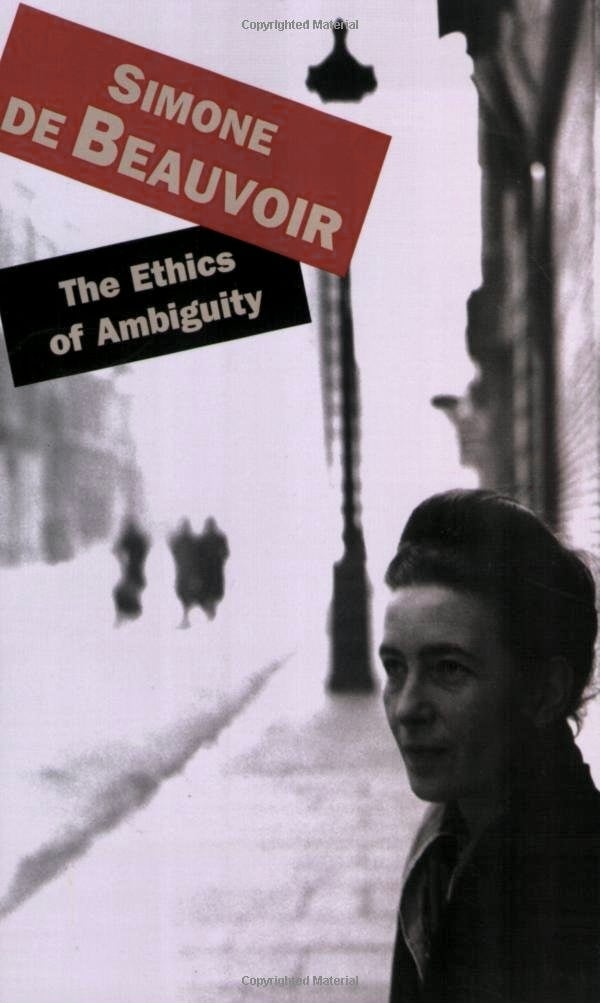
No. 37 on this list. The Ethics of Ambiguity
Simone de Beauvoir · 1947
About this list
These 37 books are the highest-scoring eligible absurdist and existentialist books by women currently in the catalogue. About 323 hours of reading in all. Difficulty runs from 40 to 66 out of 100 for the middle half of the list; the summit is NW at 78.
This list is ranked by literary regard, with a consistent order for equal scores. Membership follows authors and co-authors, not translators or editors. A book is here when ReadingRate files it under Absurdism & Existentialism as one of its primary reading domains, at a confidence of 0.8 or more. Catalogue coverage and the historical canon both limit what this list can represent.
When we matched the Canons dataset to our catalogue in October 2026, our canonical-status scores rose with the number of school curricula, publisher series and lists in it that cite a work: the median score was 72 for books one such source cites, 84 at two, 88 at three, 92 at four and 93 at five or more. Prizes are left out of that count. Outside the state curricula, the dataset’s sources choose mostly from what has been translated into English or French, so it is a weaker check on other literatures. Source: Canons (Andrew Piper), CC BY 4.0
Questions people actually ask
- What are the best absurdist and existentialist books by women?
- By literary regard, which weighs canonical status, critical standing and influence: Wise Blood by Flannery O'Connor, The Love of a Good Woman by Alice Munro, Selected Poems of Wisława Szymborska by Wisława Szymborska, She Came to Stay by Simone de Beauvoir and The Luminaries by Eleanor Catton. ReadingRate ranks 37 such books, each with a difficulty score and a reading-time estimate.
- Which absurdist and existentialist books by women should I read first?
- Start from difficulty, not from rank. The most approachable books on this list that still carry top literary regard are Wise Blood by Flannery O'Connor (about 3.5 hours), The Love of a Good Woman by Alice Munro and Selected Poems of Wisława Szymborska by Wisława Szymborska.
- What are the shortest of the best absurdist and existentialist books by women?
- Among the top 25, the shortest are From the Mixed-Up Files of Mrs. Basil E. Frankweiler by E.L. Konigsburg (about 2.8 hours), Selected Poems of Wisława Szymborska by Wisława Szymborska (about 2.4 hours) and Economy of the Unlost by Anne Carson (about 3.8 hours), at an average pace of 250 words a minute adjusted for each book's difficulty.
- Which of the best absurdist and existentialist books by women are the established classics?
- By canonical status, how firmly a book sits in curricula, anthologies and the canon: Wise Blood by Flannery O'Connor, The Ethics of Ambiguity by Simone de Beauvoir, The Love of a Good Woman by Alice Munro, Selected Poems of Wisława Szymborska by Wisława Szymborska and The Luminaries by Eleanor Catton.
- How long would it take to read the top ten?
- About 97 hours, at an average pace of 250 words a minute adjusted for each book's difficulty: 49 days at two hours a day. Set your own pace on the page and the list's reading times change to it.
- How hard are absurdist and existentialist books by women to read?
- Most of this list sits between 40 and 66 on ReadingRate's 100-point difficulty scale, where 40 to 55 is moderate. The summit is NW at 78. Every entry carries its own score, so a reader can pick a great book at a difficulty they will finish.
- How is this list ranked?
- On literary-regard data: how canonically established a work is, its critical standing, and its influence on later writing. It is not a readers’ poll, which is why recent bestsellers rarely appear. Membership follows authors and co-authors, not translators or editors. Lists by country, author, period, theme or difficulty keep to literature (fiction, poetry, drama and philosophy), their novels, poems and plays first and their philosophy after them; a list of a kind of book, such as memoir or criticism, keeps every book of that kind. Every list holds at most three works by one author. A book is here when ReadingRate files it under Absurdism & Existentialism as one of its primary reading domains, at a confidence of 0.8 or more.