Hours at an average pace
Showing 82 books
About 607 hours for 82 of 82 books with measured lengths. Estimates use 250 words a minute, adjusted for each book's difficulty. At 2 hours a day, about 304 days for those books.
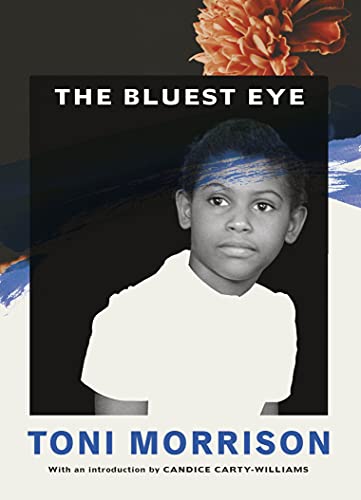
No. 1 on this list. The Bluest Eye
Toni Morrison · 1970
Challenging4.2 hours
Taught in schools: Common Core text exemplars (Appendix B) (US)
While not as universally canonical as Beloved, The Bluest Eye is firmly established in the American literary canon, widely taught in universities, and recognized as a landmark debut that announced a major voice in American letters.
Tsvetaeva is firmly established as one of the four great Russian poets of the twentieth century, alongside Akhmatova, Mandelstam, and Pasternak.
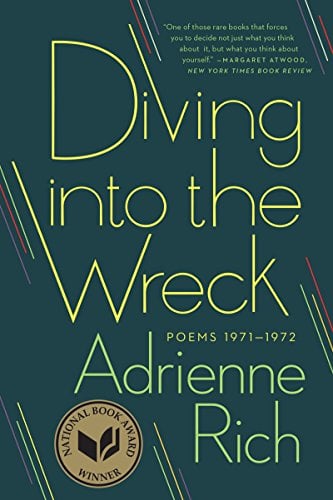
The title poem appears in virtually every major American poetry anthology and is standard reading in feminist literature, American poetry, and contemporary poetry courses. The collection sits firmly in the literary canon, comparable to Beloved (85) in academic reach if not in the broadest syllabi. No database data was returned, but Rich's place in American poetry curricula is well established.
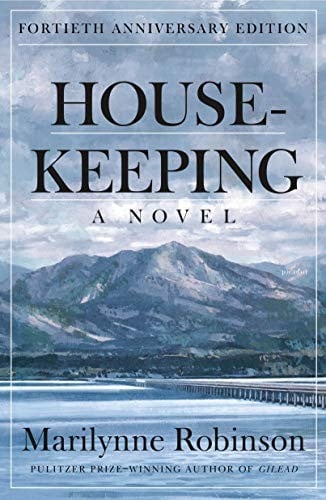
The most beautiful first novel of its generation. Ruth and Lucille's lives in Fingerbone, Idaho, Sylvie's transient existence—Robinson wrote prose like no one else. Core text in American literature courses. The novel launched a major career.
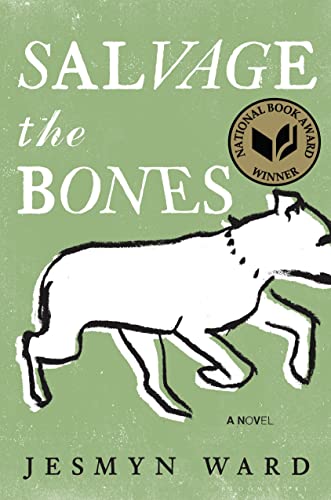
Salvage the Bones is widely taught in contemporary American literature, African American literature, and Southern literature courses. Its National Book Award win brought it immediate and sustained academic attention, and Ward's subsequent acclaim has only reinforced the book's position on university reading lists. With 400 syllabus appearances it sits in the mid-canonical tier — solidly established but not yet at the frequency of works like Beloved or Their Eyes Were Watching God.
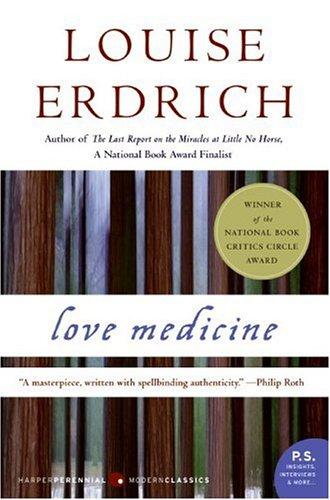
Love Medicine appears on hundreds of university syllabi in American literature, Native American literature, and multicultural fiction courses, making it one of the most-taught works of Indigenous American fiction. It is frequently included in survey courses covering post-1960s American literature, and Erdrich's debut has maintained continuous academic attention for four decades. Its canonical standing falls below that of Morrison's Beloved but well above cult literary works.
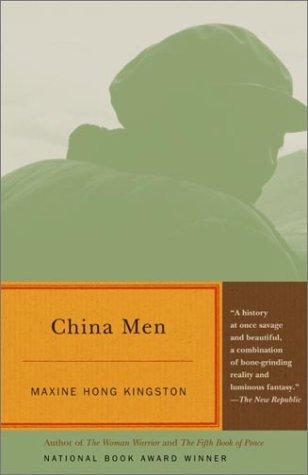
China Men appears regularly on syllabi in Asian-American literature, women's literature, and American studies courses. It is one of the two books — alongside The Woman Warrior — that established Kingston as the field's foundational figure. The book lacks the universal high school assignment status of Beloved or To Kill a Mockingbird but is a standard text in its academic subfields.
Widely taught in contemporary poetry and classics-reception courses.
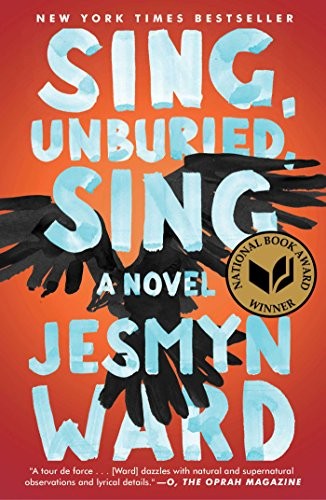
Sing, Unburied, Sing appears on 71 university syllabi — a solid midrange presence, placing it in the 46th percentile of works in the database. It is widely taught in contemporary American literature, Southern literature, and African American literature courses, though it has not yet achieved the deep canonical entrenchment of Morrison or Faulkner. Its teaching presence reflects a novel still being absorbed into the curriculum in the decade since its 2017 publication, with significant room for that footprint to grow.
Virgie Rainey swallowed a button the day King MacLain came back to Morgana and then fled his own front porch before knocking. That's where Eudora Welty's sequence of seven stories begins—with a gossipy neighbor churning butter and narrating what she barely witnessed. The Golden Apples spans fifty years of life in Morgana, Mississippi: King's twin sons growing up without him, the German piano teacher Miss Eckhart pouring Beethoven into children who will barely remember her, a girl nearly drowning at a summer camp while a boy scout named Loch Morrison watches from the bank with the calculating dispassion of someone taking notes. Welty writes in multiple voices, each distinct—the vernacular monologue of 'Shower of Gold,' the double-stranded telescope-and-memory narration of 'June Recital,' the hallucinatory street-walking of 'Music from Spain'—and all of them circle the same problem: what we owe one another across the distance of separate selves. The book's mythological scaffolding (Perseus, Orpheus, Zeus's golden shower, Yeats's wandering Aengus) operates beneath the surface, surfacing only in charged moments. The final image—Virgie on a courthouse stile in October rain, hearing through it 'the running of the horse and bear, the stroke of the leopard, the dragon's crusty slither'—earns its strangeness. This is literary fiction that demands full attention and rewards rereading.

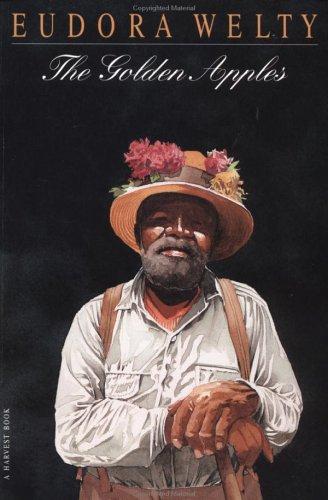
No. 11 on this list. Penelopiad · Margaret Atwood · 2005
The Penelopiad appears regularly on feminist literature syllabi, myth-retelling courses, and contemporary women's fiction reading lists, benefiting from its position in the Canongate Myths series and Atwood's towering reputation. It has not achieved the universal curricular penetration of Atwood's The Handmaid's Tale, placing it in established rather than major canon territory.
Challenging2.5 hours
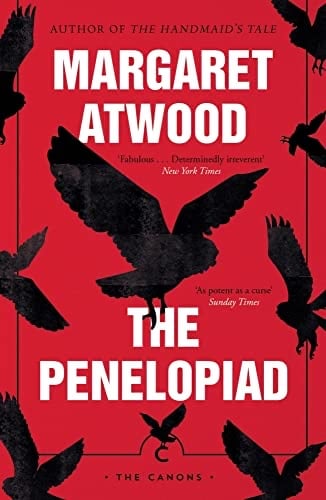
Start this bookNo. 12 on this list. Always Coming Home · Ursula K Le Guin · 1985
Always Coming Home appears on 72 university syllabi according to Open Syllabus Project data (46th percentile), primarily in science fiction, utopian literature, and feminist studies courses. Its Wikipedia article exists in only 4 languages — modest global reach for a book of this ambition. The book is well-known within Le Guin scholarship and SF studies but has not achieved the broad canonical presence of Le Guin's The Left Hand of Darkness or The Dispossessed. It was a National Book Award finalist in 1985 and is included in the Library of America's Le Guin edition, which confirms critical recognition without mass adoption.
Challenging14 hours
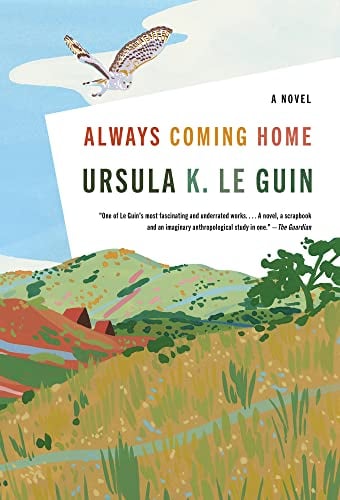
Start this bookNo. 13 on this list. Circe · Madeline Miller · 2019
Ranked by literary regard among eligible works in the current catalogue. This position reflects the available catalogue evidence.
Moderate7.7 hours
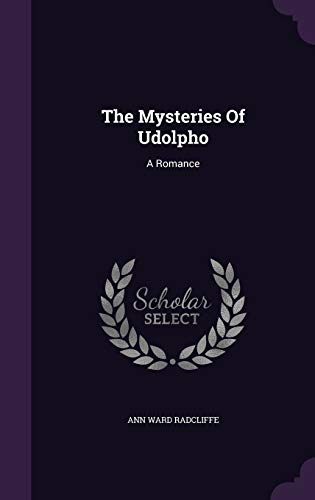
Start this bookNo. 14 on this list. The Mysteries of Udolpho · Ann Radcliffe · 1794
The Mysteries of Udolpho is a foundational text taught in 18th-century literature, Gothic studies, and women's writing courses in universities worldwide. Its Wikipedia article spans over 40 languages. Jane Austen's parody in Northanger Abbey has guaranteed it a permanent place in the British literary canon—any reader of Austen eventually encounters Udolpho. It sits at the center of every Gothic fiction course.
Challenging21 hours
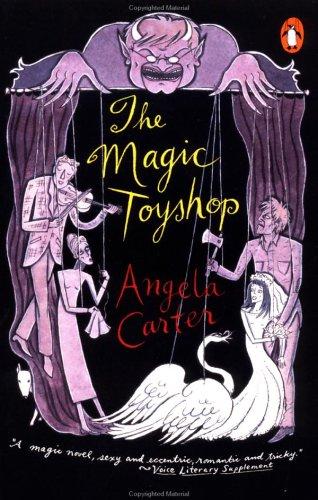
Start this bookNo. 15 on this list. The Magic Toyshop · Angela Carter · 1967
The Magic Toyshop is taught regularly in British postmodern and feminist literature courses as Carter's first major novel and an early exemplar of feminist Gothic fiction. It is less ubiquitous on syllabi than The Bloody Chamber or Nights at the Circus but occupies a secure place in courses on women's writing and postmodern British fiction. No data signals found in database; score based on established literary reputation.
Challenging5.7 hours
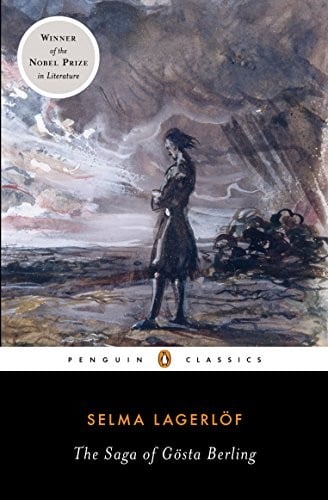
Start this bookNo. 16 on this list. The Saga of Gosta Berling · Selma Lagerlöf · 1891
Gösta Berling, a defrocked priest, joins a company of cavaliers on an estate in rural Sweden, where he embarks on a series of romantic adventures. Lagerlöf's debut novel, rich in folklore and Romanticism, established her as a major voice and paved the way for her Nobel Prize.
Moderate6.2 hours
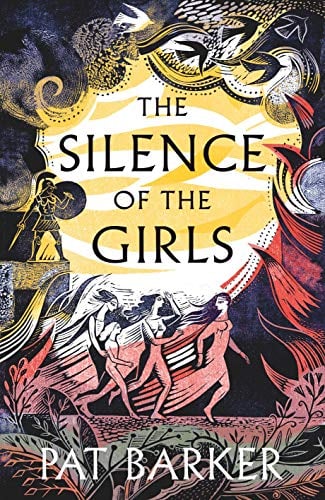
Start this bookNo. 17 on this list. The Silence of the Girls · Pat Barker · 2019
Taught in schools: Leaving Certificate English – NCCA / State Examinations Commission (Ireland)
Briseis is a queen captured by Achilles when he sacks her city. She becomes his slave, his prize, the woman over whom he and Agamemnon quarrel. Barker retells the Iliad from her perspective, giving voice to the women Homer left silent. The prose is direct and modern, the ancient world rendered without nostalgia, the heroes seen from the tents where women wait. The novel asks whose stories survive, whose suffering counts, and what it means to speak for those who were never allowed to speak.
Challenging7 hours
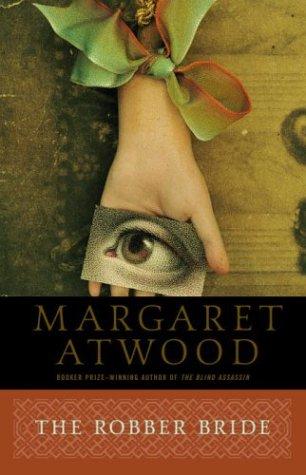
Start this bookNo. 18 on this list. The Robber Bride · Margaret Atwood · 1993
The Robber Bride is firmly established in the Atwood canon and is regularly taught in Canadian literature, women's literature, and postmodern fiction courses, though it occupies a secondary position behind The Handmaid's Tale and The Blind Assassin. It is included in multiple major syllabi but is not universally assigned the way Atwood's most iconic works are.
Challenging19 hours
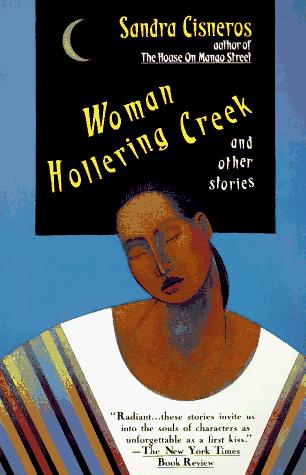
Start this bookNo. 19 on this list. Woman Hollering Creek and Other Stories · Sandra Cisneros · 1991
Widely taught alongside The House on Mango Street. A touchstone of Chicana literature and a landmark of American short fiction.
Easy3.6 hours
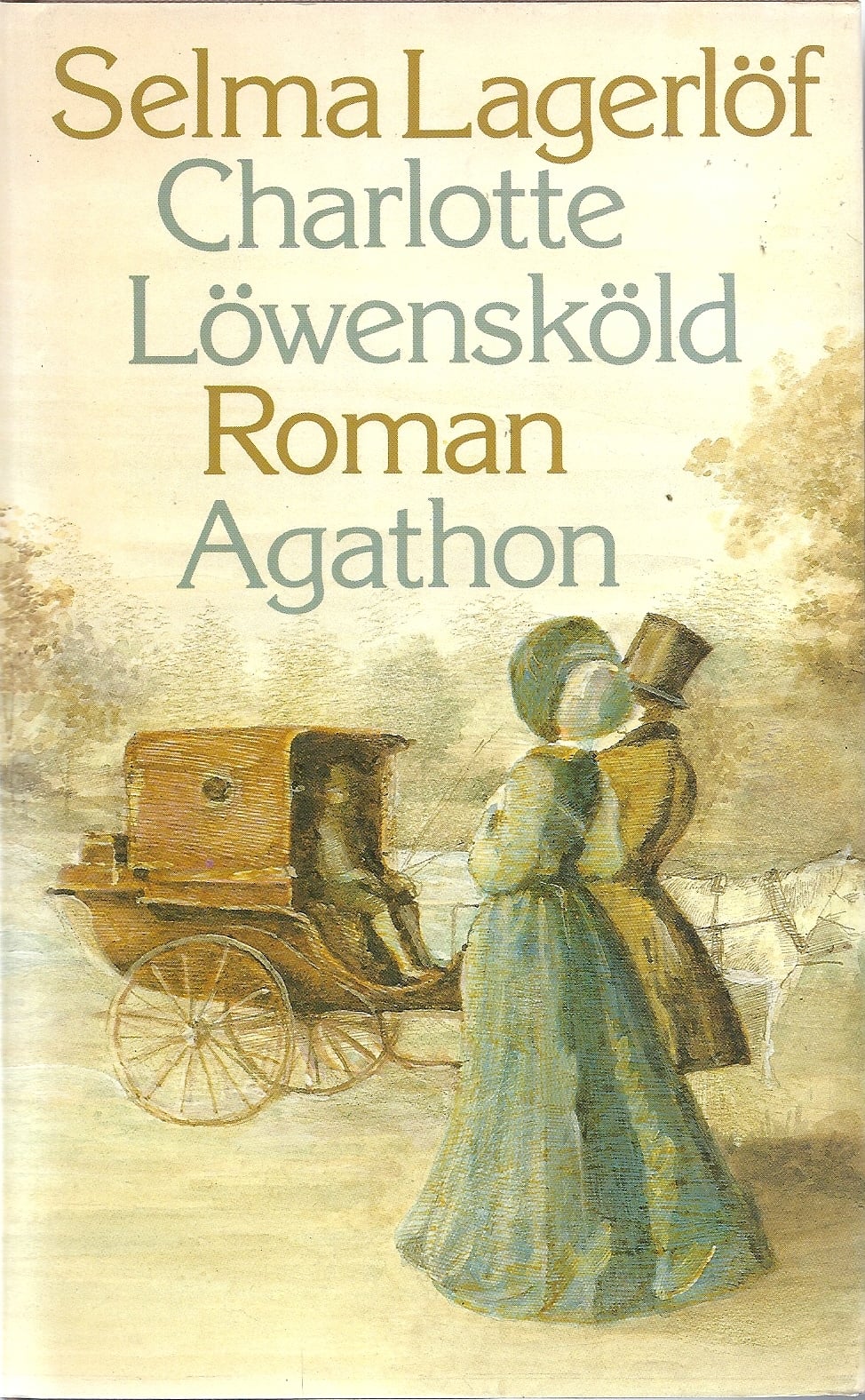
Start this bookNo. 20 on this list. Löwensköld Trilogy · Selma Lagerlöf · 1925
Three generations of Swedish women are shaped by a curse and a ring in 18th-century Sweden. Lagerlöf's trilogy combines historical fiction with supernatural elements in her characteristically vivid storytelling.
Moderate13 hours
Start this book
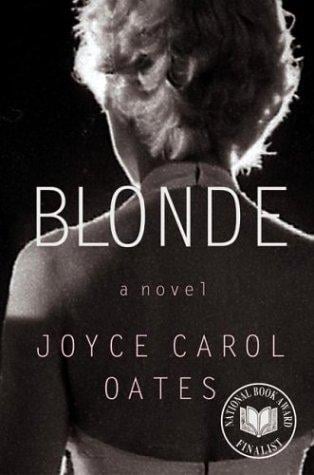
No. 21 on this list. Blonde · Joyce Carol Oates · 2000
Blonde occupies a significant position in contemporary American literature, taught in courses on Oates, postmodern fiction, and biographical novels. While not yet a fixture in the traditional literary canon, it appears regularly in syllabi on late 20th-century fiction and feminist rewritings of cultural mythology. Its length and formal ambition mark it as a major work, though canonical status remains emerging rather than entrenched.
Moderate20 hours
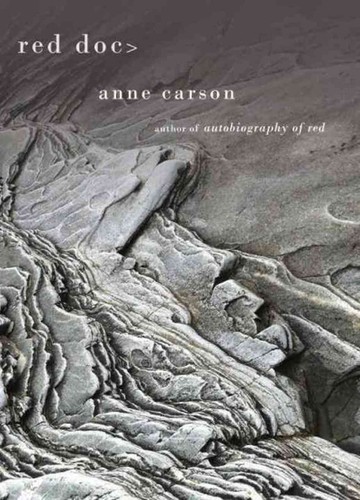
Start this bookNo. 22 on this list. Red Doc> · Anne Carson · 2013
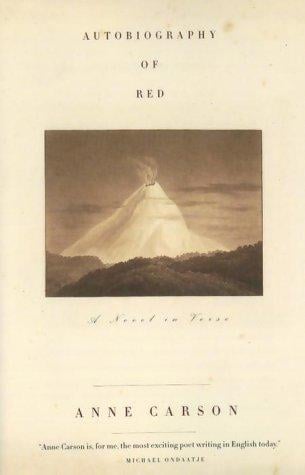
Carson is a major teaching poet, and this book is a sequel to a widely taught verse novel; the author's Nobel Prize in Literature (2026) raises its profile. It is less taught than Autobiography of Red.
Difficult1.6 hours
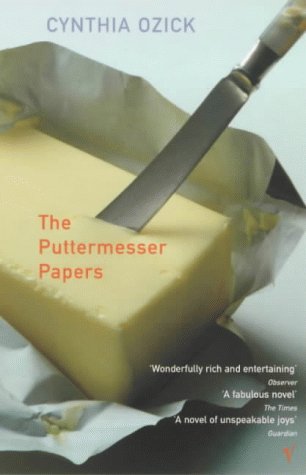
Start this bookNo. 23 on this list. The Puttermesser Papers · Cynthia Ozick · 1997
National Book Award finalist in 1997, and recognized as a central work in Jewish-American fiction, but without measurable syllabus presence in Open Syllabus data and no Wikipedia article, it sits outside the general literary curriculum. It appears in Jewish American literature and women's writing courses but is not a standard-curriculum assignment. Ozick's body of work carries more canonical weight than this specific title.
Difficult7.6 hours
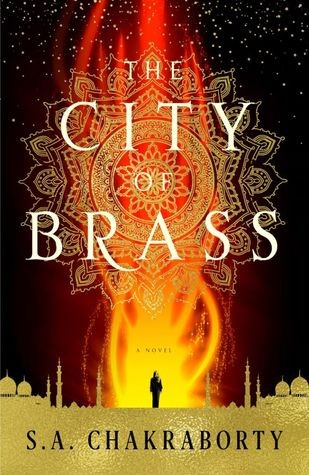
Start this bookNo. 24 on this list. The City of Brass · S.A. Chakraborty · 2017
Part of the wave of non-European-inspired fantasy. Widely read and critically praised.
Easy7.9 hours
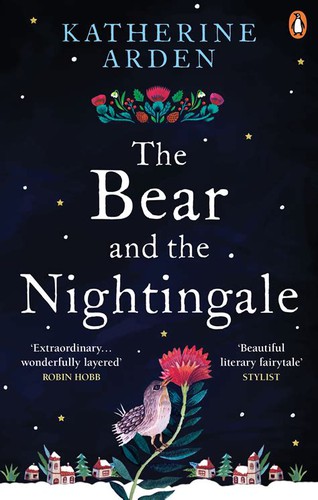
Start this bookNo. 25 on this list. The Bear and the Nightingale · Katherine Arden · 2017
Bestseller, part of the Slavic-inspired fantasy wave. Widely loved.
Easy5.5 hours
Start this bookNo. 26 on this list. The Tiger's Wife · Tea Obreht · 2011
Remembering childhood stories her grandfather once told her, young physician Natalia becomes convinced that he spent his last days searching for "the deathless man," a vagabond who claimed to be immortal. As Natalia struggles to understand why her grandfather, a deeply rational man would go on such a farfetched journey, she stumbles across a clue that leads her to the extraordinary story of the tiger's wife.
Challenging7.8 hours
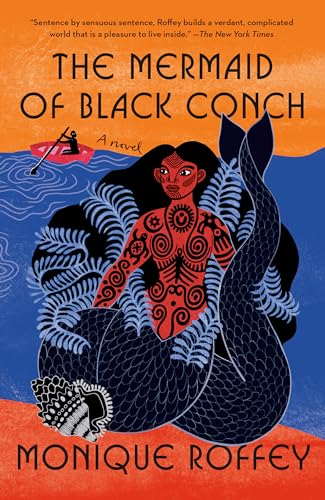
Start this bookNo. 27 on this list. The Mermaid of Black Conch · Monique Roffey · 2020
This enchanting tale of a cursed mythical creature and the lonely fisherman who falls in love with her is “a daring, mesmerizing novel…single-handedly bringing magic realism up-to-date” (Maggie O’Farrell, best-selling author of Hamnet). “Sentence by sensuous sentence, Roffey builds a verdant, complicated world that is a pleasure to live inside…. You might start to believe in the existence of mermaids.” —The New York Times In 1976, David is fishing off the island of Black Conch when he comes upon a creature he doesn’t expect: a mermaid by the name of Aycayia. Once a beautiful young woman, she was cursed by jealous wives to live in this form for the rest of her days. But after the mermaid is caught by American tourists, David rescues and hides her away in his home, finding that, once out of the water, she begins to transform back into a woman. Now David must work to win Aycayia’s trust while she relearns what it is to be human, navigating not only her new body but also her relationship with others on the island—a difficult task after centuries of loneliness. As David and Aycayia grow to love each other, they juggle both the joys and the dangers of life on shore. But a lingering question remains: Will the former mermaid be able to escape her curse? Taking on many points of view, this mythical adventure tells the story of one woman’s return to land, her healing, and her survival.
Challenging4.1 hours
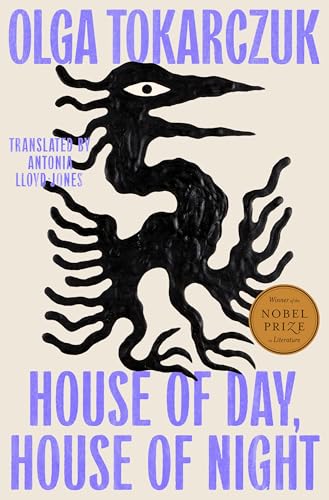
Start this bookNo. 28 on this list. House of Day, House of Night · Olga Tokarczuk · 1998
Appears on 8 university syllabi (22.5th percentile) and has a Wikipedia article in 6 languages with a reception section — modest reach for this specific title. Tokarczuk's Nobel Prize (2018) has elevated her entire body of work, but House of Day, House of Night remains less taught than Flights or Drive Your Plow. It sits in the tier of significant Nobel-author works that specialists read rather than general curriculum fixtures.
Difficult11 hours
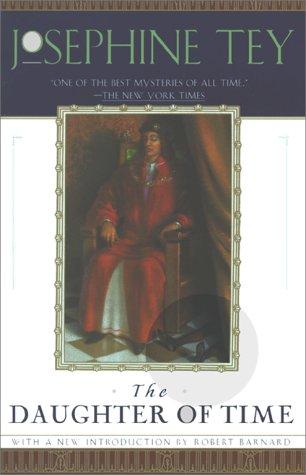
Start this bookNo. 29 on this list. The Daughter of Time · Josephine Tey · 1951
Voted the greatest mystery novel of all time by the Crime Writers' Association in 1990, and it consistently appears on best-of lists for the genre. It surfaces in university courses on detective fiction and historiography but lacks the broad syllabi presence of mainstream literary canon fixtures.
Moderate3.4 hours
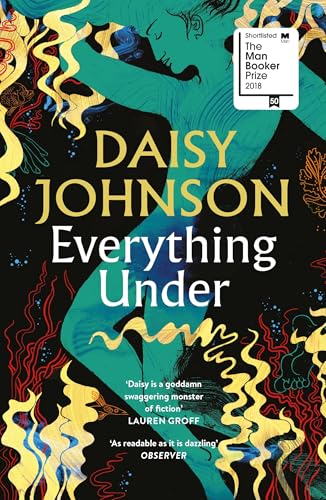
Start this bookNo. 30 on this list. Everything Under · Daisy Johnson · 2018
Words are important to Gretel, always have been. As a child, she lived on a canal boat with her mother, and together they invented a language that was just their own. She hasn’t seen her mother since the age of sixteen, though – almost a lifetime ago – and those memories have faded. Now Gretel works as a lexicographer, updating dictionary entries, which suits her solitary nature. A phone call from the hospital interrupts Gretel’s isolation and throws up questions from long ago. She begins to remember the private vocabulary of her childhood. She remembers other things, too: the wild years spent on the river; the strange, lonely boy who came to stay on the boat one winter; and the creature in the water – a canal thief? – swimming upstream, getting ever closer. In the end there will be nothing for Gretel to do but go back. Daisy Johnson’s debut novel turns classical myth on its head and takes readers to a modern-day England unfamiliar to most. As daring as it is moving, Everything Under is a story of family and identity, of fate, language, love and belonging that leaves you unsettled and unstrung.
Challenging5.4 hours
Start this book

No. 31 on this list. Frankissstein
Jeanette Winterson · 2019
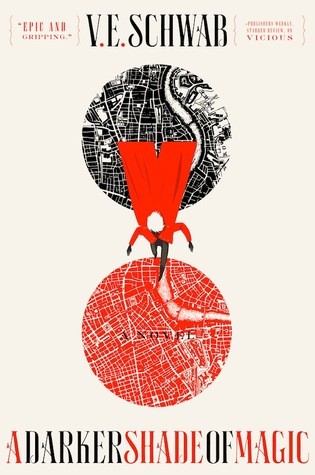
No. 32 on this list. A Darker Shade of Magic
V. E. Schwab · 2015
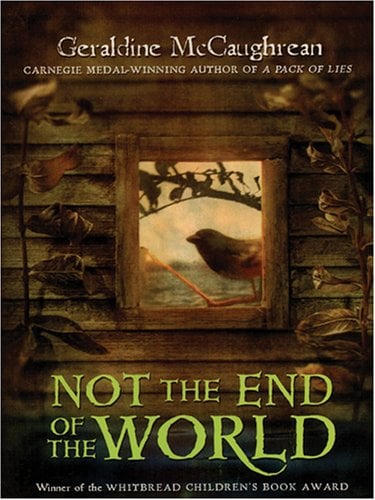
No. 33 on this list. Not the End of the World
Geraldine McCaughrean · 2004
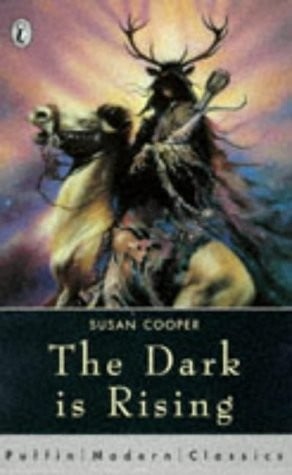
No. 34 on this list. The Dark Is Rising
Susan Cooper · 1973
Taught in schools: Common Core text exemplars (Appendix B) (US)
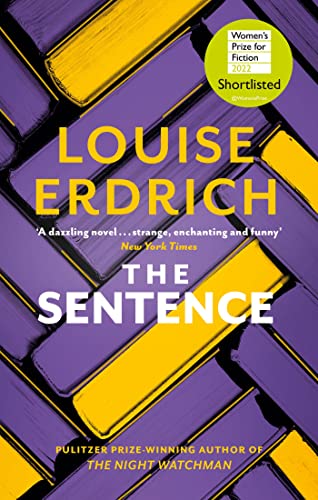
No. 35 on this list. The Sentence
Louise Erdrich · 2022
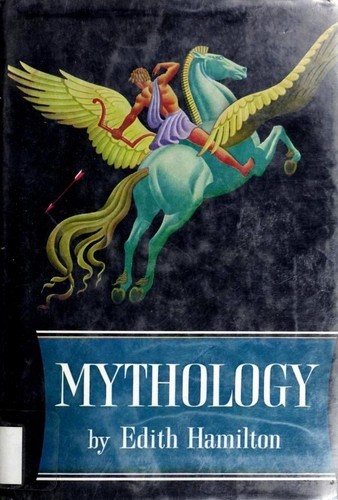
No. 36 on this list. Mythology
Edith Hamilton · 1942
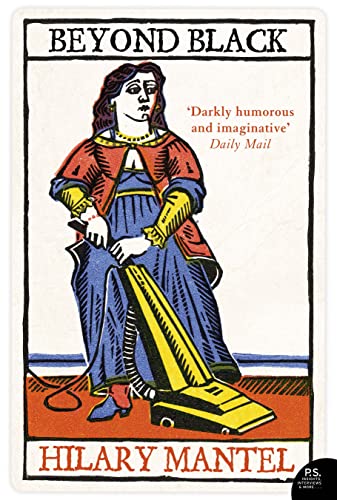
No. 37 on this list. Beyond Black
Hilary Mantel · 2005
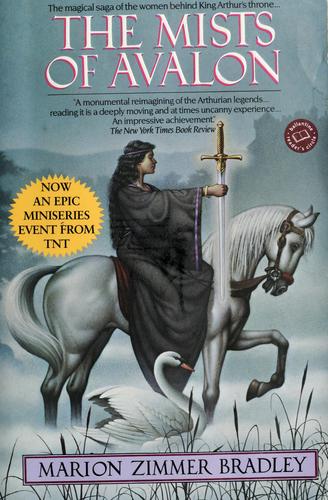
No. 38 on this list. The Mists of Avalon
Marion Zimmer Bradley · 1983
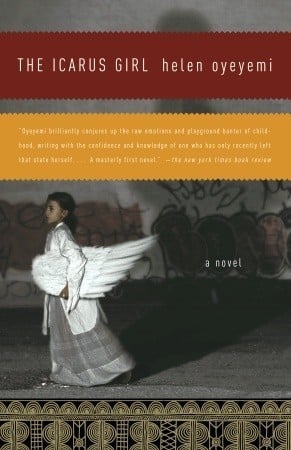
No. 39 on this list. The Icarus Girl
Helen Oyeyemi · 2005
No. 40 on this list. The Hundred Secret Senses
Amy Tan · 1995

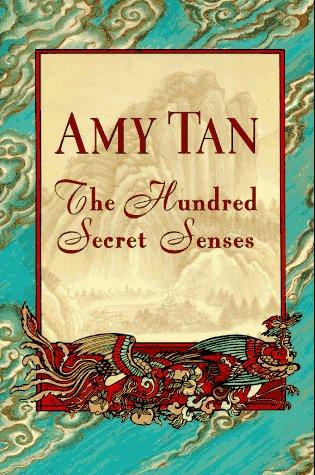
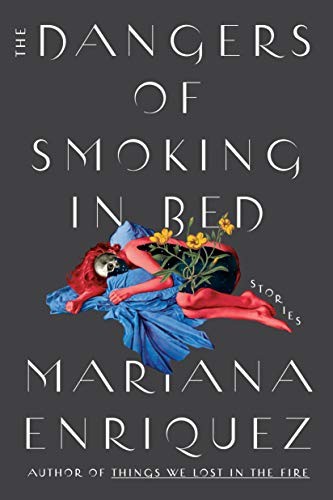
No. 41 on this list. The Dangers of Smoking in Bed
Mariana Enriquez · 2009
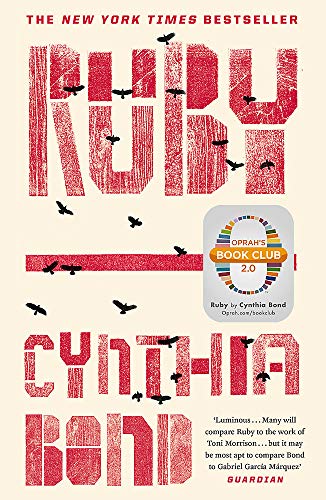
No. 42 on this list. Ruby
Cynthia Bond · 2016
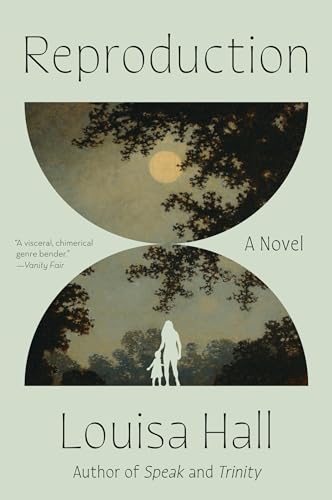
No. 43 on this list. Reproduction
Louisa Hall · 2022
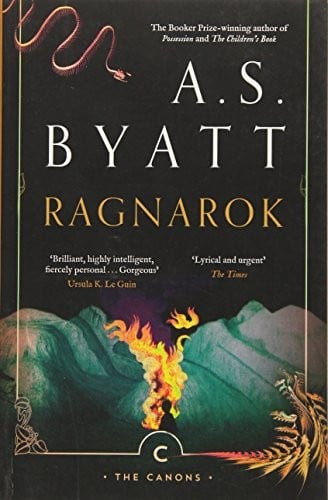
No. 44 on this list. Ragnarok
A.S. Byatt · 2011
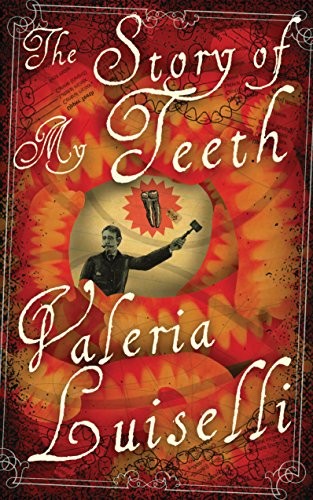
No. 45 on this list. The Story of My Teeth
Valeria Luiselli · 2013
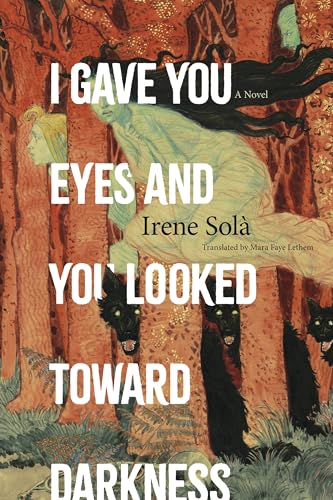
No. 46 on this list. I Give You Eyes and You Looked Toward Darkness
Irene Solà · 2025
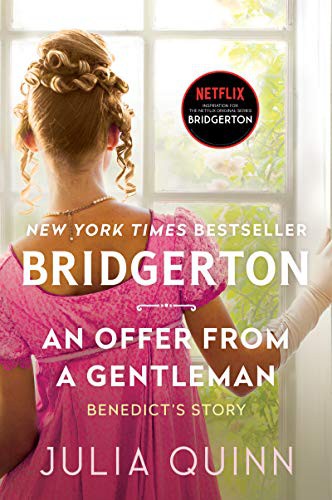
No. 47 on this list. An Offer from a Gentleman
Julia Quinn · 2001
No. 48 on this list. Daughter of the Moon Goddess
Sue Lynn Tan · 2022
No. 49 on this list. The Vampire Lestat
Anne Rice · 1985
No. 50 on this list. The Emperor of Portugallia
Selma Lagerlöf · 1914

No. 51 on this list. Nettle & Bone
T. Kingfisher · 2022
No. 52 on this list. Gold Fame Citrus
Claire Vaye Watkins · 2015
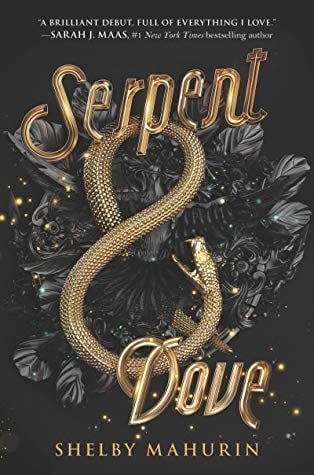
No. 53 on this list. Serpent & Dove
Shelby Mahurin · 2019
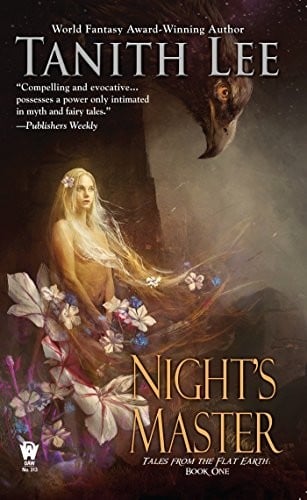
No. 54 on this list. Night's Master
Tanith Lee · 1978
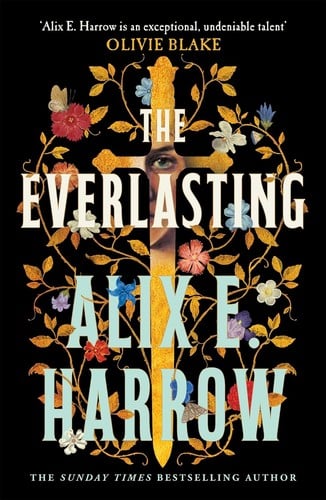
No. 55 on this list. The Everlasting
Alix E. Harrow · 2025
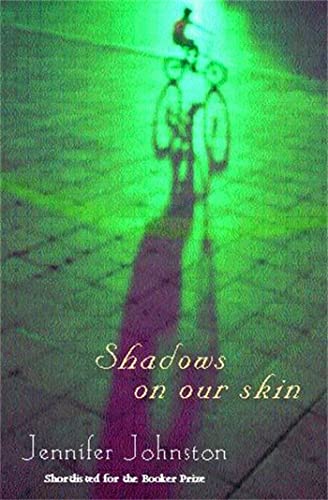
No. 56 on this list. Shadows on our Skin
Jennifer Johnston · 1977
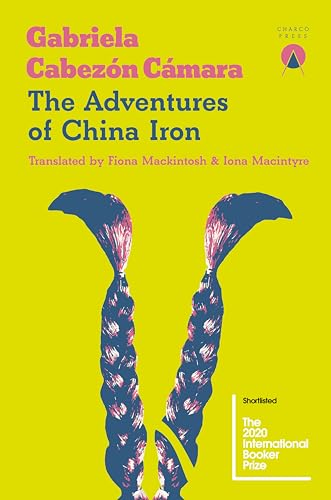
No. 57 on this list. The Adventures of China Iron
Gabriela Cabezón Cámara · 2020
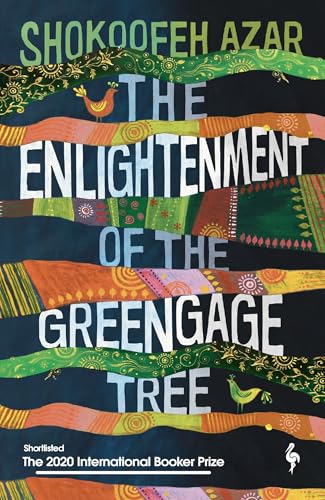
No. 58 on this list. The Enlightenment of the Greengage Tree
Shokoofeh Azar · 2020
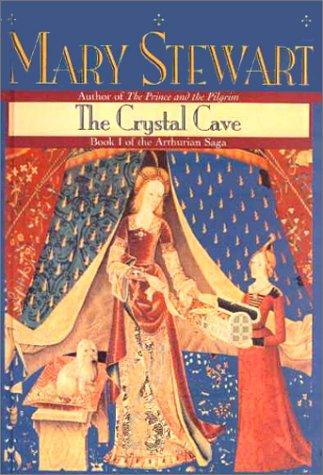
No. 59 on this list. The Crystal Cave
Mary Stewart · 1970
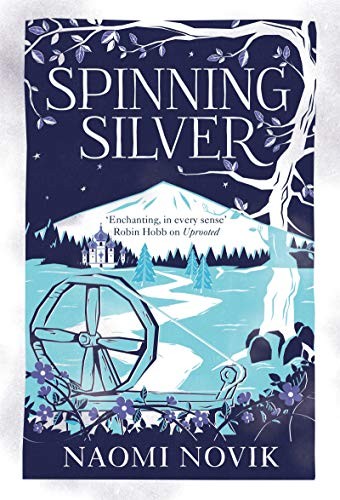
No. 60 on this list. Spinning Silver
Naomi Novik · 2018
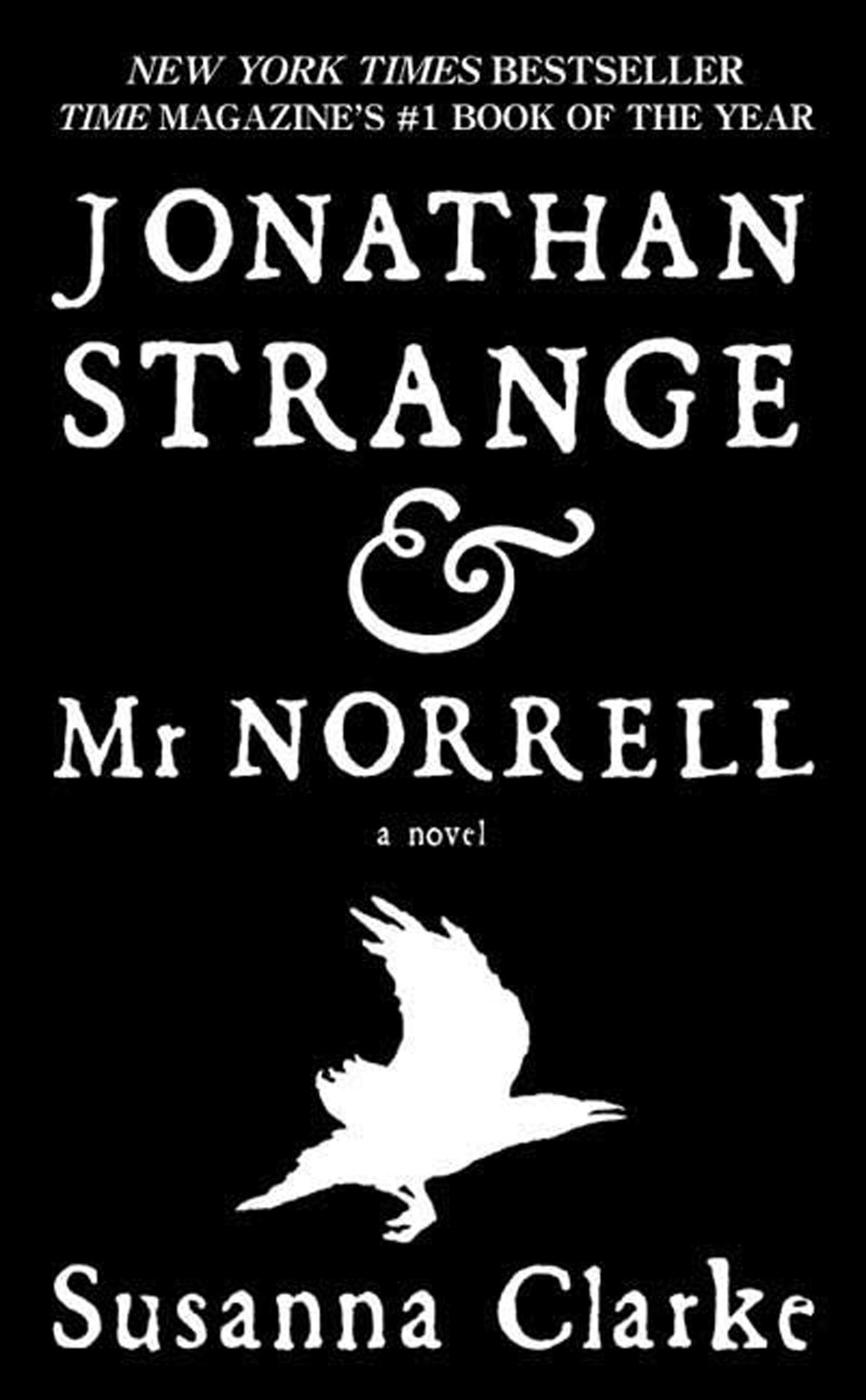
No. 61 on this list. Jonathan Strange & Mr Norrell
Susanna Clarke · 2004
No. 62 on this list. Fantastic Beasts and Where to Find Them
J.K. Rowling · 2001
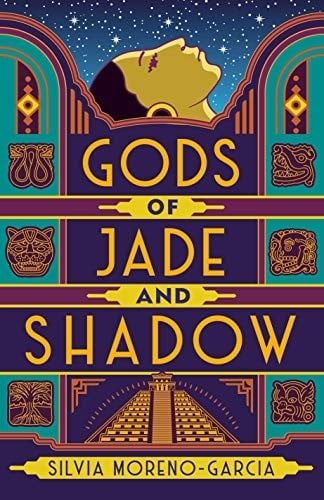
No. 63 on this list. Gods of Jade and Shadow
Silvia Moreno-Garcia · 2019
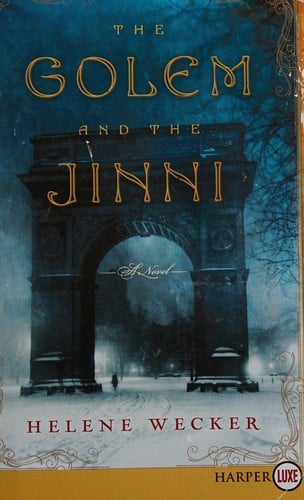
No. 64 on this list. The Golem and the Jinni
Helene Wecker · 2013
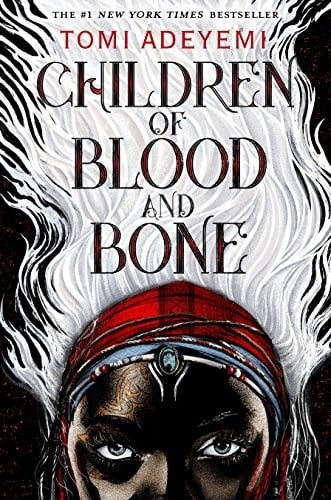
No. 65 on this list. Children of Blood and Bone
Tomi Adeyemi · 2018
No. 66 on this list. The Great Man
Kate Christensen · 2008
No. 67 on this list. Asleep
Banana Yoshimoto · 1989
No. 68 on this list. Quidditch Through the Ages
J.K. Rowling · 2001
No. 69 on this list. The Tales of Beedle the Bard
J.K. Rowling · 2008
No. 70 on this list. Uprooted
Naomi Novik · 2015



No. 71 on this list. The Seventh Bride
T. Kingfisher · 2015
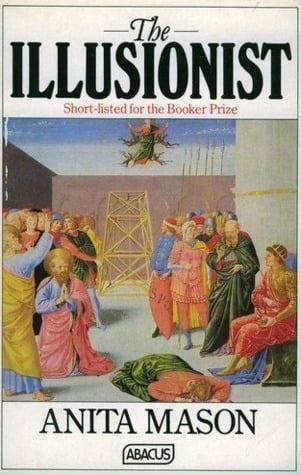
No. 72 on this list. The Illusionist
Anita Mason · 1983
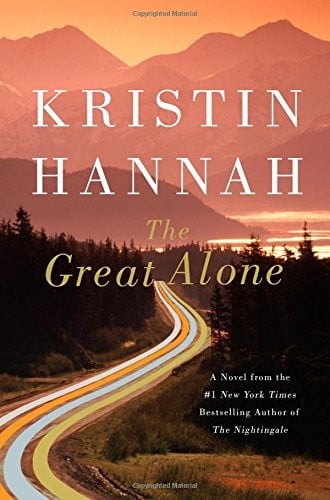
No. 73 on this list. The Great Alone
Kristin Hannah · 2018
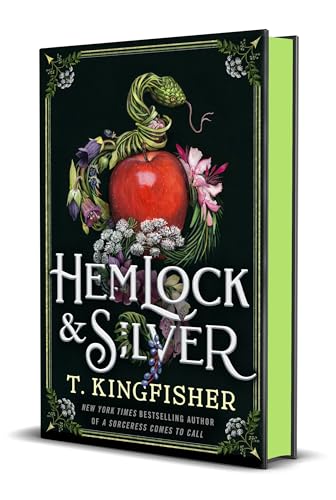
No. 74 on this list. Hemlock & Silver
T. Kingfisher · 2025
No. 75 on this list. A Shadow in the Ember
Jennifer L. Armentrout · 2021
No. 76 on this list. A Light in the Flame
Jennifer L. Armentrout · 2022
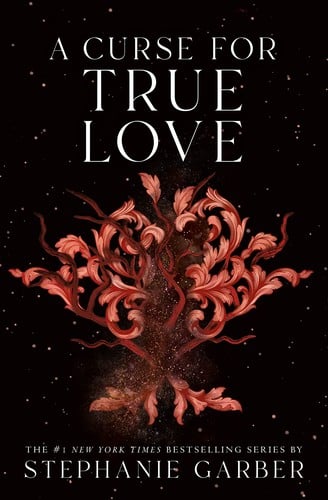
No. 77 on this list. A Curse for True Love
Stephanie Garber · 2023
No. 78 on this list. A Kingdom of Flesh and Fire
Jennifer L. Armentrout · 2020
No. 79 on this list. Мара и Морок
No. 80 on this list. The Ballad of Never After
Stephanie Garber · 2022


About this list
These 82 books are the highest-scoring eligible books of myth and folklore by women currently in the catalogue. About 607 hours of reading in all. Difficulty runs from 34 to 62 out of 100 for the middle half of the list; the summit is Beyond Black at 77.
This list is ranked by literary regard, with a consistent order for equal scores. Membership follows authors and co-authors, not translators or editors. A book is here when ReadingRate files it under Myth & Folklore as one of its primary reading domains, at a confidence of 0.8 or more. Catalogue coverage and the historical canon both limit what this list can represent.
When we matched the Canons dataset to our catalogue in October 2026, our canonical-status scores rose with the number of school curricula, publisher series and lists in it that cite a work: the median score was 72 for books one such source cites, 84 at two, 88 at three, 92 at four and 93 at five or more. Prizes are left out of that count. Outside the state curricula, the dataset’s sources choose mostly from what has been translated into English or French, so it is a weaker check on other literatures. Source: Canons (Andrew Piper), CC BY 4.0
Questions people actually ask
- What are the best books of myth and folklore by women?
- By literary regard, which weighs canonical status, critical standing and influence: The Bluest Eye by Toni Morrison, Selected Poems of Marina Tsvetaeva by Marina Tsvetaeva, Diving into the Wreck by Adrienne Rich, Housekeeping by Marilynne Robinson and Salvage the Bones by Jesmyn Ward. ReadingRate ranks 82 such books, each with a difficulty score and a reading-time estimate.
- Which books of myth and folklore by women should I read first?
- Start from difficulty, not from rank. The most approachable books on this list that still carry top literary regard are Selected Poems of Marina Tsvetaeva by Marina Tsvetaeva (about 1.7 hours), Housekeeping by Marilynne Robinson and The Bluest Eye by Toni Morrison.
- What are the shortest of the best books of myth and folklore by women?
- Among the top 25, the shortest are Diving into the Wreck by Adrienne Rich (about 47 min), Red Doc> by Anne Carson (about 1.6 hours) and Selected Poems of Marina Tsvetaeva by Marina Tsvetaeva (about 1.7 hours), at an average pace of 250 words a minute adjusted for each book's difficulty.
- Which of the best books of myth and folklore by women are the established classics?
- By canonical status, how firmly a book sits in curricula, anthologies and the canon: The Bluest Eye by Toni Morrison, Selected Poems of Marina Tsvetaeva by Marina Tsvetaeva, Diving into the Wreck by Adrienne Rich, Salvage the Bones by Jesmyn Ward and Housekeeping by Marilynne Robinson.
- Can I read any of these books of myth and folklore by women for free?
- 1 of the 82 opens in ReadingRate's reader with a free account, from public-domain editions: The Emperor of Portugallia.
- How long would it take to read the top ten?
- About 61 hours, at an average pace of 250 words a minute adjusted for each book's difficulty: 31 days at two hours a day. Set your own pace on the page and the list's reading times change to it.
- How hard are books of myth and folklore by women to read?
- Most of this list sits between 34 and 62 on ReadingRate's 100-point difficulty scale, where 40 to 55 is moderate. The summit is Beyond Black at 77. Every entry carries its own score, so a reader can pick a great book at a difficulty they will finish.
- How is this list ranked?
- On literary-regard data: how canonically established a work is, its critical standing, and its influence on later writing. It is not a readers’ poll, which is why recent bestsellers rarely appear. Membership follows authors and co-authors, not translators or editors. Lists by country, author, period, theme or difficulty keep to literature (fiction, poetry, drama and philosophy), their novels, poems and plays first and their philosophy after them; a list of a kind of book, such as memoir or criticism, keeps every book of that kind. Every list holds at most three works by one author. A book is here when ReadingRate files it under Myth & Folklore as one of its primary reading domains, at a confidence of 0.8 or more.