Hours at an average pace
Showing 69 books
About 446 hours for 69 of 69 books with measured lengths. Estimates use 250 words a minute, adjusted for each book's difficulty. At 2 hours a day, about 224 days for those books.
No. 1 on this list. Divine Comedy
Dante Alighieri · 1320
Challenging11 hours
Taught in schools: Armenian secondary literature, Lektury obowiązkowe – Polish national reading list (Poland), UNAM Escuela Nacional Preparatoria – programas de Literatura (Mexico)
Included in: Bokklubben World Library, Great Books of the Western World, UNESCO Collection of Representative Works
Dante built a complete architecture of the afterlife so precise you can map it, then populated it with real people he knew. The result fused theology, politics, and autobiography into a single narrative structure that no poem has matched in ambition or execution.
No. 2 on this list. Eclogues
Virgil · c. 37 BCE
Challenging58 min
Included in: Great Books of the Western World
The Eclogues are required reading in classical studies curricula worldwide, appearing on thousands of university syllabi in Latin, comparative literature, and humanities courses. They are among the most translated and discussed poems from antiquity, with Wikipedia articles in over 50 languages and continuous scholarly attention spanning two millennia. Eclogue IV alone has generated centuries of theological and literary debate.
Yeats is on virtually every Anglophone university literature syllabus. 'The Second Coming,' 'Easter 1916,' 'Sailing to Byzantium,' and 'The Lake Isle of Innisfree' are among the most widely anthologized and taught poems in the English language. The Collected Poems is treated as an essential text in Irish, British, and American literary curricula alike, with sustained presence in over a century of anthologies.
No. 4 on this list. The Waste Land
T. S. Eliot · 1922
Very Difficult1.4 hours
Taught in schools: Pacific Senior Secondary Certificate – English
Included in: Great Books of the Western World
Eliot shattered the conventions of English-language poetry by splicing together fragments of six languages, Grail legend, and London pub talk into a single 434-line collage that made modernism unavoidable. No poem before it had turned cultural disintegration itself into a formal principle.
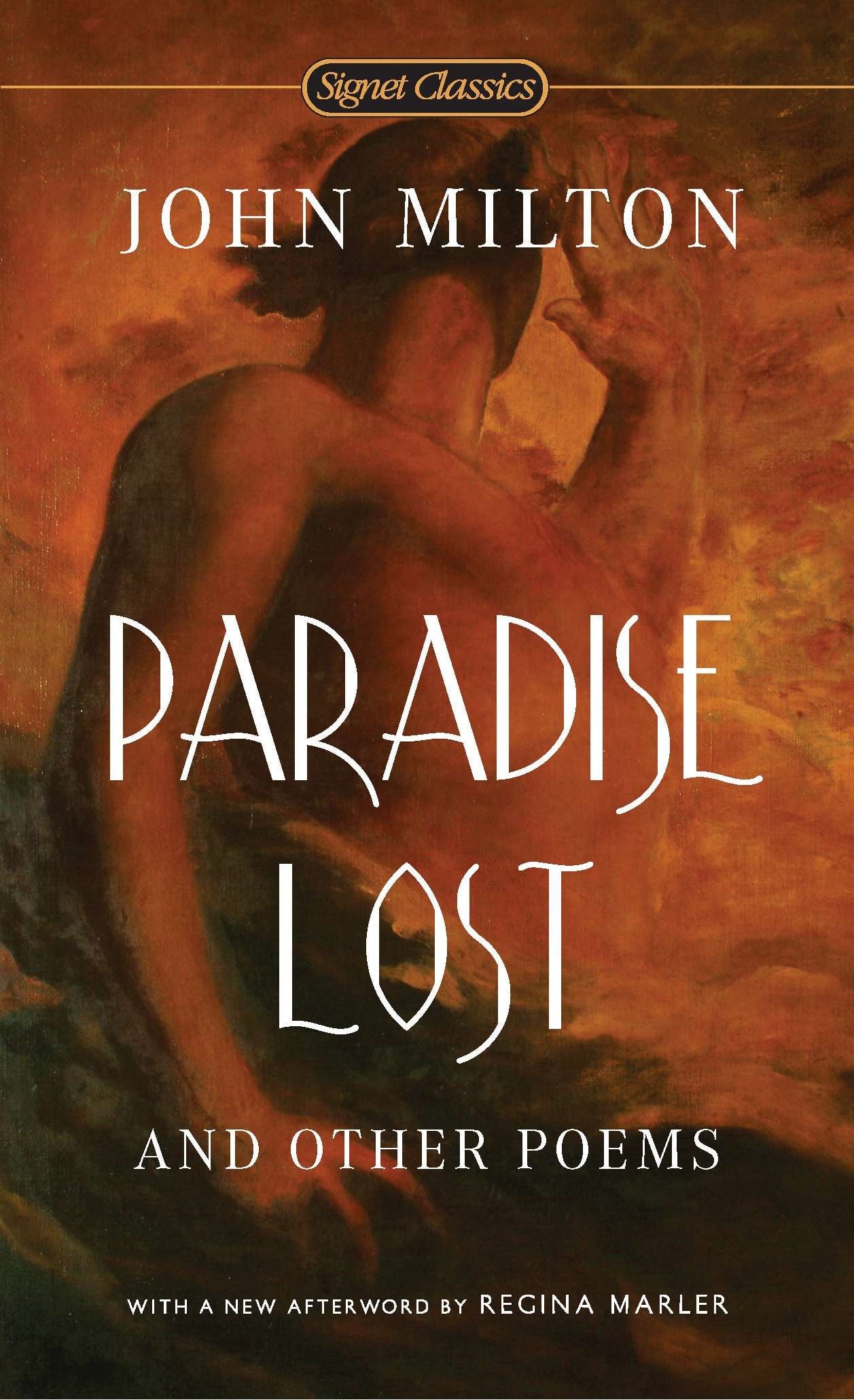
No. 5 on this list. Paradise Lost
John Milton · 1667
Challenging8.4 hours
Taught in schools: AQA GCSE and A-level English Literature (UK), WJEC/Eduqas GCSE and A-level English Literature (UK)
Included in: Great Books of the Western World
Milton retold the fall of man in blank verse of such muscular grandeur that Satan became the most charismatic figure in English poetry — not because Milton failed, but because he understood that rebellion requires eloquence. The poem reshaped the English language's sense of what a long sentence could do.
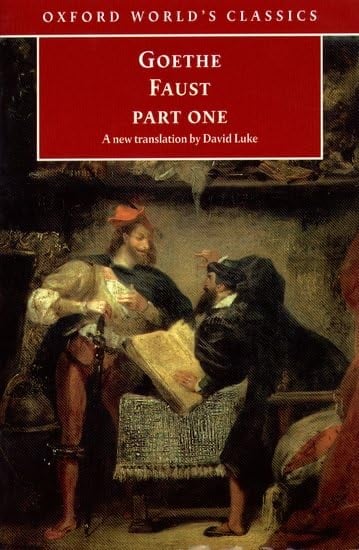
No. 6 on this list. Faust
Johann Wolfgang von Goethe · 1832
Challenging3.9 hours
Taught in schools: Turkish edebiyat curriculum (Turkey)
Included in: Bokklubben World Library, Great Books of the Western World
Goethe spent sixty years building a dramatic poem in which a scholar sells his soul not for pleasure but for the experience of a moment worth stopping time for. The work became the central myth of modernity: the idea that striving itself, not arrival, is what redeems a human life.
The Duino Elegies appear on virtually every 20th-century world poetry and comparative literature syllabus internationally. Rilke is the central figure in German-language modernist poetry and the Elegies are his culminating work, regularly paired with The Waste Land and Four Quartets as the defining lyric sequences of the modernist era. The sequence has been translated into every major European language and dozens beyond.
The Cantos appear on virtually every graduate-level modernist poetry syllabus and are the unavoidable centerpiece of Pound studies worldwide. The Pisan Cantos alone are canonical across multiple national literary traditions. While shorter Pound poems are more widely assigned at the undergraduate level, the full poem is central to any serious study of 20th-century Anglo-American poetry.
No. 9 on this list. Canzoniere
Petrarch · 1374
Difficult4.2 hours
Taught in schools: Montenegrin literature curriculum (crnogorski jezik i književnost) (Montenegro)
The foundation text of the European lyric tradition, taught in every survey of Renaissance and comparative literature, and in print in facing-page editions from Harvard, Oxford and Penguin.
The most imitated poem in Sanskrit literature, spawning an entire duta-kavya genre, and a required text in classical Indian literary study worldwide.
No. 11 on this list. Ariel · Sylvia Plath · 1965
Taught in schools: AQA GCSE and A-level English Literature (UK)
Ariel is standard reading across American and British university literature and women's studies curricula, appearing on thousands of syllabi. The collection is included on virtually every 'essential 20th century poetry' list and occupies a permanent position in the confessional poetry canon. Its Wikipedia article exists in over 30 languages, and it has been continuously in print since its 1965 publication.
Difficult2.4 hours
Start this bookNo. 12 on this list. Four Quartets · T. S. Eliot · 1943
Eliot fused the rhythms of Anglican liturgy, the imagery of the English countryside, and the philosophy of time into four linked meditations on what it means to arrive where you started and know the place for the first time. The poems represent the summit of his craft — the point where his erudition finally dissolved entirely into music.
Difficult51 min
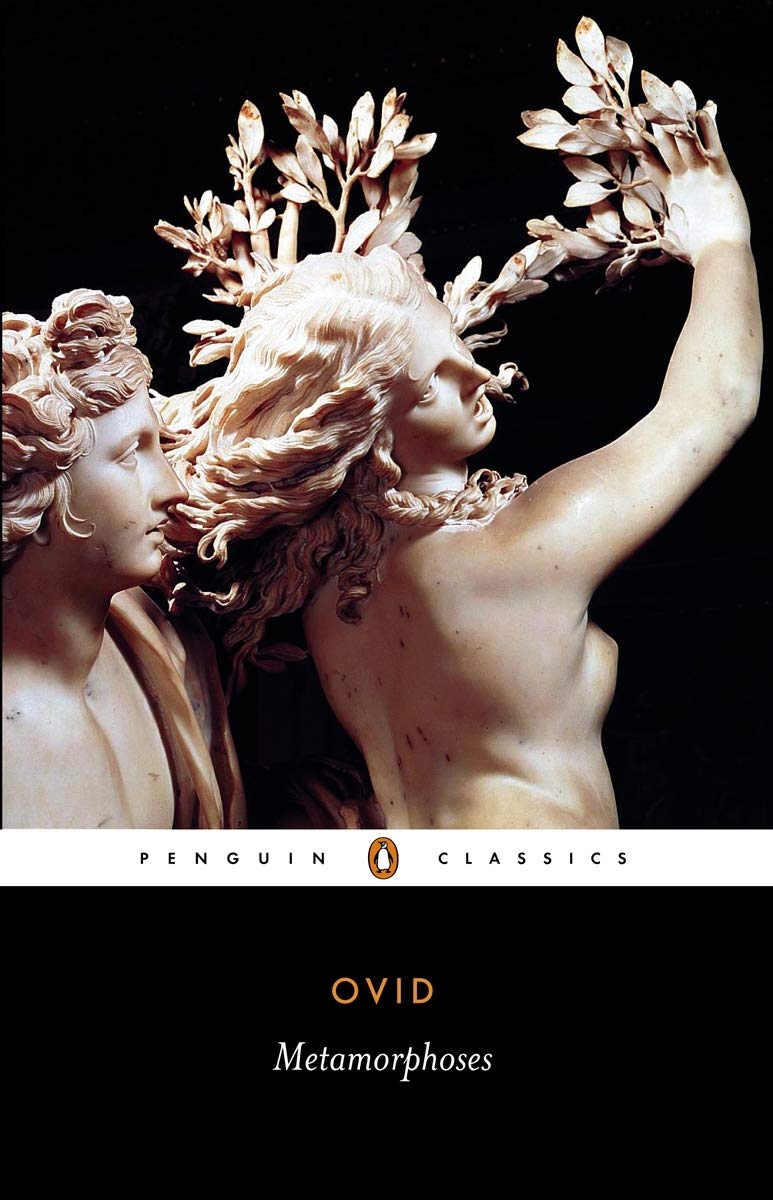
Start this bookNo. 13 on this list. Metamorphoses · Ovid · 8
Taught in schools: Hungarian literature curriculum (magyar nyelv és irodalom) (Hungary)
Included in: Bokklubben World Library
Ovid's Metamorphoses, composed around 8 CE, stands as one of the supreme achievements of classical literature—a sprawling epic in fifteen books (this edition presents Books I-VII) that weaves together approximately 250 Greek and Roman myths united by the theme of transformation. Written in elegant Latin hexameters and here rendered into English prose by Henry T. Riley (1851), the work traces a chronological arc from the creation of the cosmos through the deification of Julius Caesar, creating what Ovid called "a perpetual song" of bodies changed into new forms. The narrative moves with extraordinary fluidity between tales of divine passion and punishment, mortal hubris and heroism, featuring such iconic episodes as Apollo's pursuit of Daphne, Phaethon's disastrous ride in the sun-chariot, Perseus's rescue of Andromeda, and Medea's terrible vengeance. Ovid demonstrates remarkable psychological acuity in depicting emotional states—love, jealousy, rage, grief—and their transformative power. His treatment often subverts traditional heroic narratives, giving voice to victims and exploring the darker aspects of divine behavior with irony and pathos. The work serves simultaneously as mythological compendium, artistic showcase, and subtle political commentary. Its influence on Western culture proves immeasurable: it has served as the primary source for classical mythology across centuries, inspiring masterworks of visual art, literature, music, and drama from the medieval period through modernity. This translation includes extensive scholarly apparatus with historical context, geographical notes, and interpretive commentary, making the complex mythological material accessible while preserving the work's literary power and enduring relevance to questions of identity, change, and the human condition.
Difficult15 hours
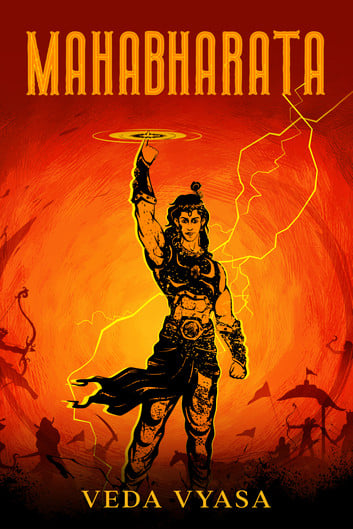
Read nowNo. 14 on this list. Mahabharata · Vyasa · c. 400 BCE
At roughly 1.8 million words, the Mahabharata is the longest poem ever composed, and it earns its length: a dynastic war becomes the scaffold for a complete philosophy of duty, cosmic law, and the impossibility of righteous action in a fallen world. The Bhagavad Gita is embedded within it as a single episode, which gives some measure of its ambition.
Challenging61 hours
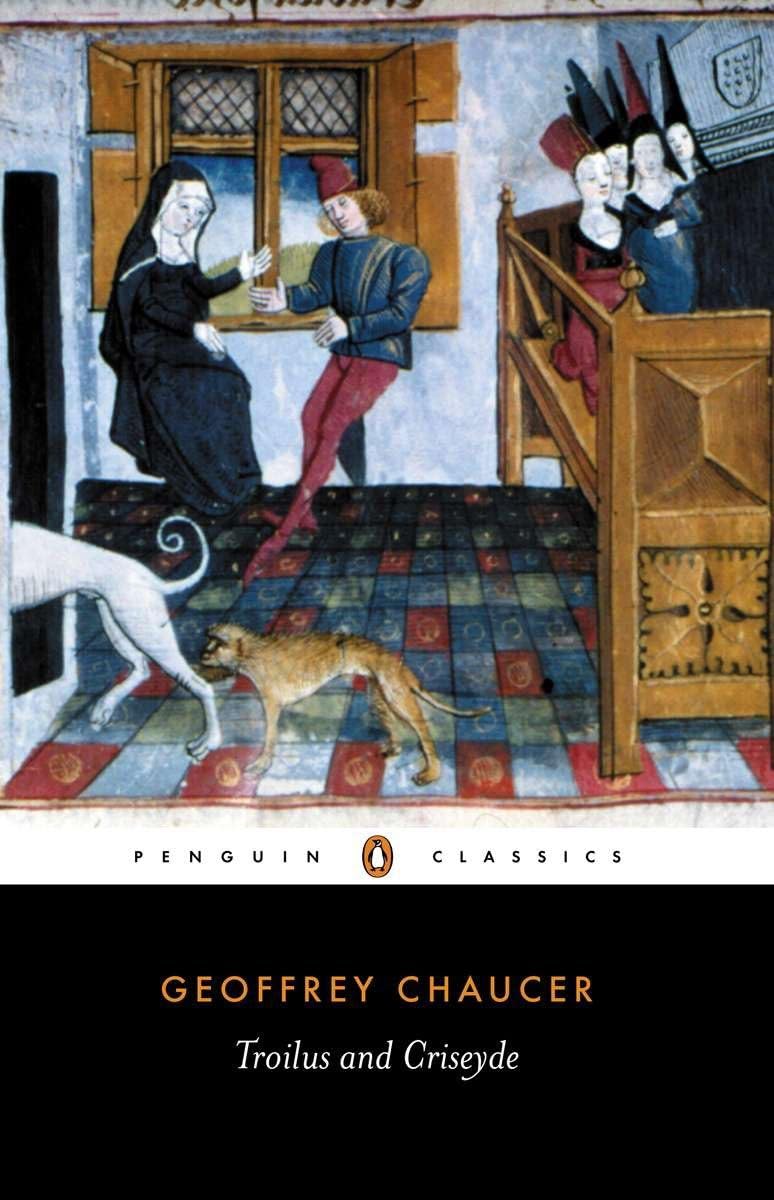
Read nowNo. 15 on this list. Troilus and Criseyde · Geoffrey Chaucer · 1385
Included in: Great Books of the Western World
Required reading in virtually every medieval English literature curriculum, taught across English, Comparative Literature, and Medieval Studies programs at universities worldwide. Though Open Syllabus data is unavailable here, Chaucer courses built around this text are standard at every major university with an English department. It holds a place among the most-studied long poems in the English language.
Difficult9.3 hours
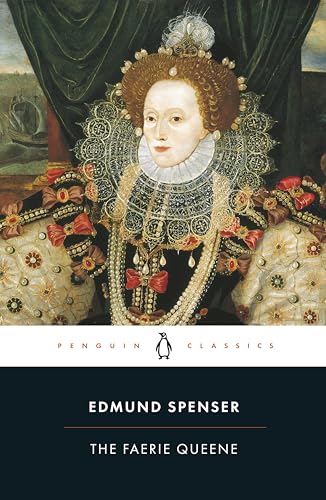
Read nowNo. 16 on this list. The Faerie Queene · Edmund Spenser · 1590
The Faerie Queene appears in virtually every English Renaissance literature syllabus globally and is one of the most taught long poems in university English departments worldwide. It anchors the canon between Chaucer and Milton and is central to every history of the English literary tradition. Absence from the Open Syllabus database reflects data gaps, not actual classroom presence.
Difficult30 hours
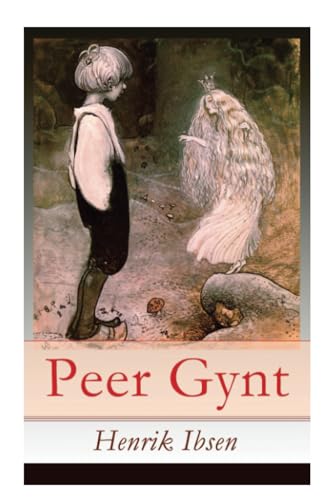
Start this bookNo. 17 on this list. Peer Gynt · Henrik Ibsen · 1867
Peer Gynt is a cornerstone of the Scandinavian theatrical canon and is regularly staged worldwide, from the National Theatre to major European opera houses. Edvard Grieg's 1876 incidental music gave the work cultural reach extending far beyond theatre audiences. It appears on world drama syllabi internationally and is central to any survey of 19th-century European literature.
Challenging4 hours
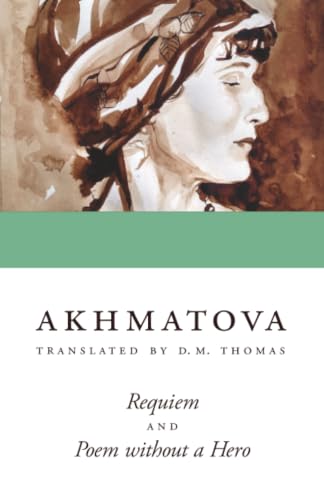
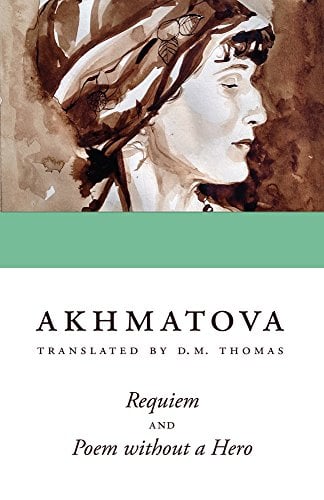
Start this bookNo. 18 on this list. Requiem · Anna Akhmatova · 1963
Taught in schools: Russian FGOS literature standard
Requiem appears on syllabi in virtually every university course covering 20th-century Russian literature, genocide and testimony studies, and modernist poetry globally. Akhmatova's Wikipedia entry exists in over 80 languages. The work is consistently listed among the defining literary documents of Stalinist terror alongside Solzhenitsyn's Gulag Archipelago and Nadezhda Mandelstam's memoirs. It has been continuously in print since its 1987 Soviet publication and in Western translation since 1964.
Difficult1.5 hours
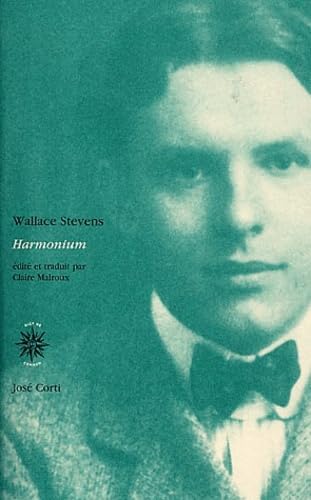
Start this bookNo. 19 on this list. Harmonium · Wallace Stevens · 1923
Harmonium appears on thousands of university poetry syllabi and is a fixture of American modernism courses. It is regularly listed among the foundational texts of American poetry, alongside Whitman's Leaves of Grass and Eliot's Prufrock — despite the database showing no captured syllabus appearances, Stevens's place in the academic canon is among the most secure of any twentieth-century American poet.
Difficult2.1 hours
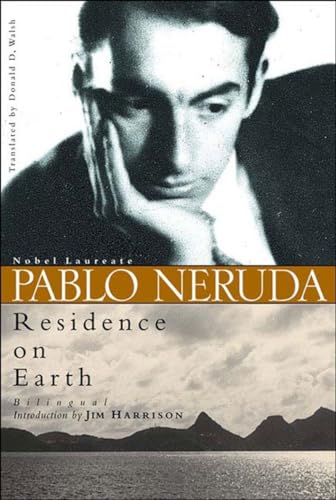
Start this bookNo. 20 on this list. Residence on Earth · Pablo Neruda · 1933
Pablo Neruda wrote the poems of 'Residence on Earth' during his years as a Chilean consul in Burma, Ceylon, and Java — postings that left him profoundly isolated, surrounded by unfamiliar languages and dissolving heat. What came out was a poetry of radical disorientation: rain that rots wood, flesh that smells of brine, clocks that leak time like a wound. The opening poem, 'Galope Muerto,' begins mid-sensation: 'Like ashes, like oceans populating themselves, in the submerged slowness, in the shapeless.' There is no speaker announced, no situation established. The collection works entirely through image — blood, sea, bone, stone — stacked without logical mortar until the pressure of accumulated sensation becomes its own argument. 'Walking Around' describes a man so disgusted by modern life he wants to throw everything away, the umbrellas and the accountants and the stockings. 'Ode with a Lament' addresses an unnamed woman through images of shipwrecks and salt. The later sections shift toward political fury — odes to Madrid under bombardment, to Stalingrad, to Spain's dead — but even the political poems work through elemental image rather than rhetoric. This is poetry that does not explain itself. Readers who need a narrative thread or an argument will find none. Those willing to receive sensation as meaning will encounter one of the most physically intense bodies of verse written in the 20th century.
Difficult7 hours
Start this book
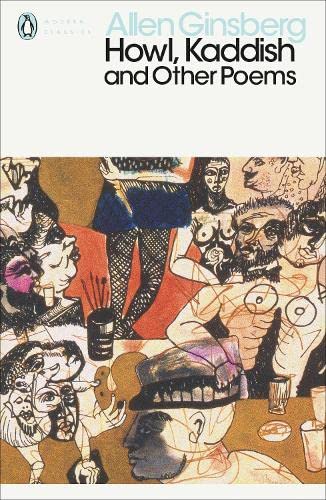
No. 21 on this list. Howl and Other Poems · Allen Ginsberg · 1956
"Howl" appears on syllabi across American literature, Beat literature, 20th-century poetry, and cultural studies courses at universities worldwide. It is included in virtually every major American poetry anthology and is among the handful of postwar poems recognizable by name to a general educated audience. The 1957 obscenity trial cemented its cultural position as a defining document of the era.
Challenging43 min
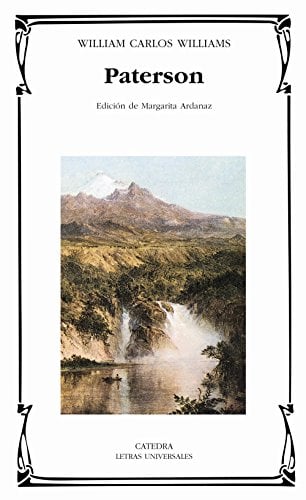
Start this bookNo. 22 on this list. Paterson · William Carlos Williams · 1963
Paterson is anthologized in every major American poetry collection (Norton, Heath, Library of America) and taught in American modernism, long poem, and 20th-century poetry courses at virtually every research university. It is one of the defining long poems of the American century, alongside The Waste Land, The Cantos, and Four Quartets. While less widely taught than Shakespeare or Fitzgerald, it occupies a canonical position in American literary studies comparable to Beloved (85).
Difficult10 hours
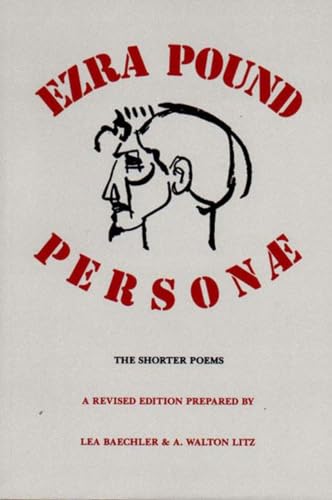
Start this bookNo. 23 on this list. Personae · Ezra Pound · 1926
Personae is a standard text in modernist poetry curricula worldwide and appears in virtually every major anthology of 20th-century poetry. Though no database syllabus data was returned, Pound's first collection is foundational to understanding Imagism and the troubadour influence on Anglo-American modernism. It is overshadowed in syllabi by the later Cantos and by Eliot, but remains required reading in modernist poetry courses.
Difficult1.1 hours
Start this bookNo. 24 on this list. Canti · Giacomo Leopardi · 1835
Compulsory reading in Italian schools, standard in European Romanticism courses, and in print in facing-page editions from FSG, Penguin and Oxford.
Difficult2.5 hours
Start this bookNo. 25 on this list. Poem Without a Hero · Anna Akhmatova · 1960
Requiem and Poem Without a Hero are canonical texts of 20th-century Russian literature and essential documents of Stalinist-era witness poetry — required reading in Russian literature courses worldwide. No database records appear for this English translation's syllabus presence, but the works are universally taught in courses on Soviet literature, women's writing, and poetry of witness. The Wikipedia absence in this database likely reflects a data gap rather than actual obscurity: Akhmatova's works are foundational to Russian studies curricula.
Difficult2 hours
Start this bookNo. 26 on this list. Sir Gawain and the Green Knight · The Pearl Poet · 1375
Required reading in virtually every medieval and Middle English literature course at anglophone universities. The poem appears on thousands of syllabi and features in Great Books curricula worldwide. Tolkien and E.V. Gordon's 1925 scholarly edition set the standard text; Simon Armitage's 2007 translation reached mainstream audiences. The poem occupies the same canonical tier as Chaucer's Canterbury Tales for the period it represents.
Challenging2.1 hours
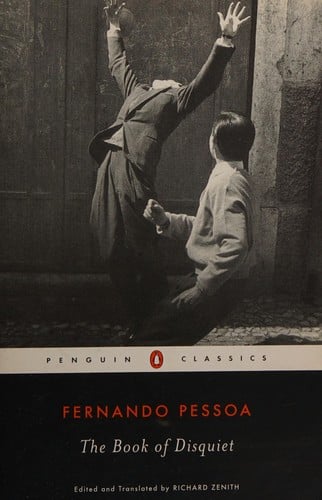
Start this bookNo. 27 on this list. The Book of Disquiet · Fernando Pessoa
Included in: Bokklubben World Library
The Book of Disquiet appears regularly on comparative literature and world literature syllabi and figures on most major 'greatest books of the 20th century' lists (Le Monde, Time, Modern Library). The Richard Zenith translation brought it to global attention and Wikipedia articles exist in 40+ languages, indicating wide international recognition. Not as universally taught as Crime and Punishment due to its difficulty and Portuguese-language origin, but firmly established in the major canon.
Difficult24 hours
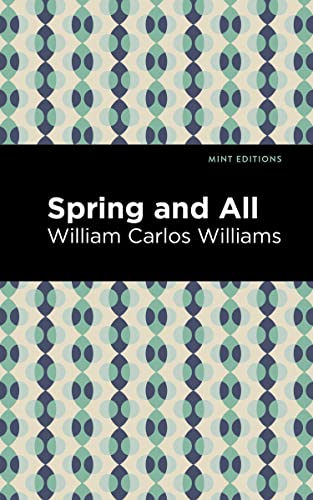
Start this bookNo. 28 on this list. Spring and All · William Carlos Williams · 1923
The database shows no syllabus appearances or Wikipedia data for this entry, but Spring and All is a well-known fixture in American modernist poetry courses and anthologies. It is regularly taught alongside Eliot's The Waste Land as the opposing American response to European modernism. The book's canonical poem so much depends upon a red wheel barrow is one of the most anthologized passages in twentieth-century American poetry.
Difficult13 hours
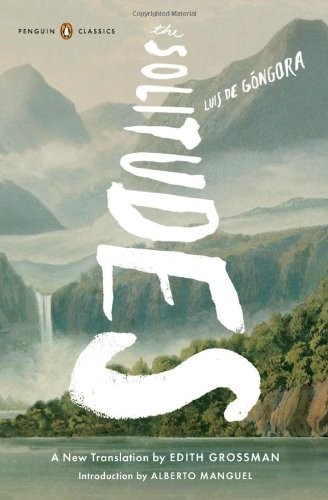
Start this bookNo. 29 on this list. The Solitudes · Luis de Góngora · 1613
The central text of the Spanish Baroque and a required reference point in any account of European poetry's difficulty.
Difficult1.2 hours
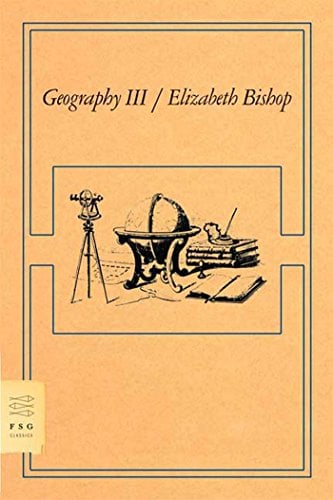
Start this bookNo. 30 on this list. Geography III · Elizabeth Bishop · 1976
Geography III is among the most taught American poetry collections of the postwar era, with poems like 'One Art' and 'In the Waiting Room' appearing on countless university syllabi. Though the database shows no syllabus entries — likely a data gap — the collection is a fixture in American poetry surveys and is included on numerous 'essential American poetry' reading lists. It won the 1976 National Book Critics Circle Award, one of American letters' most respected honors.
Difficult37 min
Start this book

No. 31 on this list. The Songs of the South
Qu Yuan · c. 278 BCE
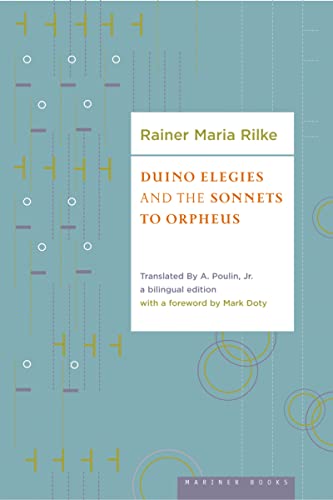
No. 32 on this list. The Sonnets to Orpheus
Rainer Maria Rilke · 1923
No. 33 on this list. Omeros
Derek Walcott · 1990
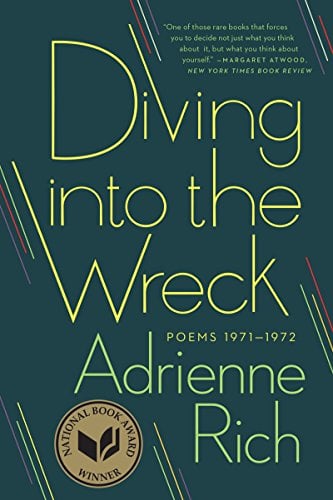
No. 34 on this list. Diving into the Wreck
Adrienne Rich · 1973
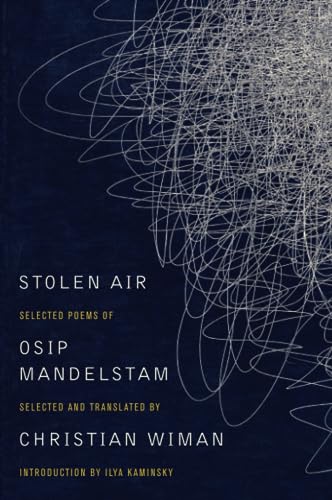
No. 35 on this list. Selected Poems of Osip Mandelstam
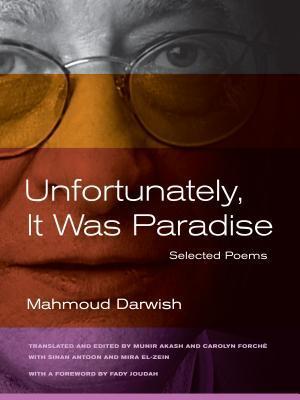
No. 36 on this list. Unfortunately, It Was Paradise
Mahmoud Darwish · 2003
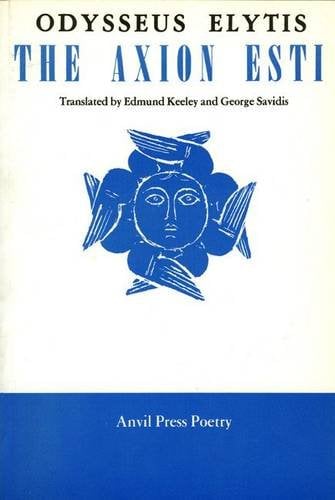
No. 37 on this list. The Axion Esti
Odysseas Elytis · 1959
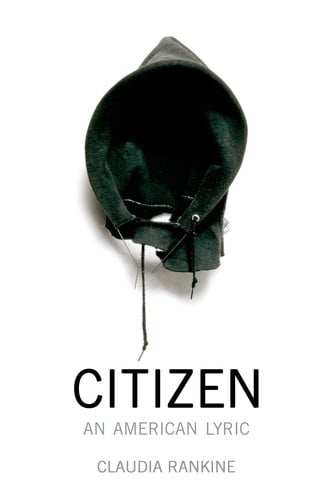
No. 38 on this list. Citizen: An American Lyric
Claudia Rankine · 2014
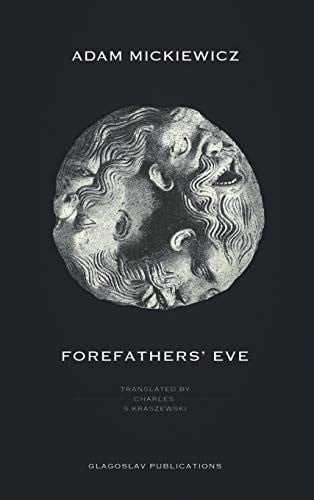
No. 39 on this list. Forefathers' Eve
Adam Mickiewicz · 1832
Taught in schools: Lektury obowiązkowe – Polish national reading list (Poland)
No. 40 on this list. Reality and Desire
Luis Cernuda · 1936
Taught in schools: EBAU Lengua Castellana y Literatura II (Andalucía) (Spain)
No. 41 on this list. The Winding Stair
William Butler Yeats · 1933
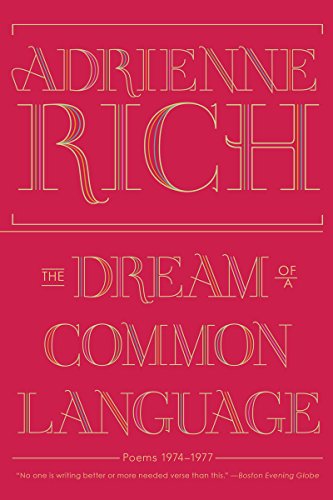
No. 42 on this list. The Dream of a Common Language
Adrienne Rich · 1978
No. 43 on this list. Mr Cogito
Zbigniew Herbert · 1974
No. 44 on this list. Divan of Hafez
Hafez · 1390
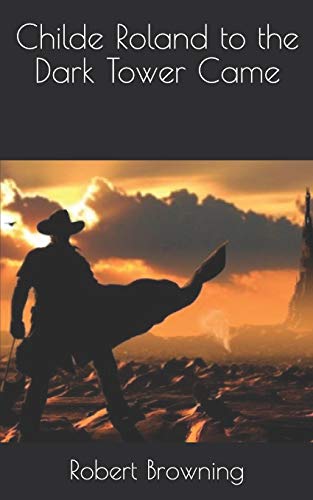
No. 45 on this list. Childe Roland to the Dark Tower Came
Robert Browning · 1855
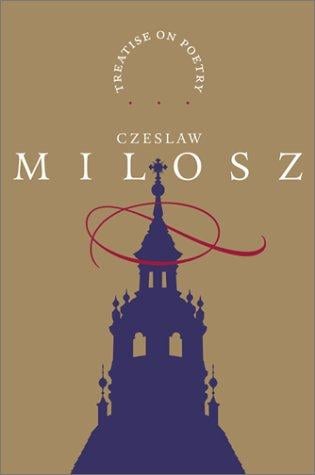
No. 46 on this list. A Treatise on Poetry
Czesław Miłosz · 1957
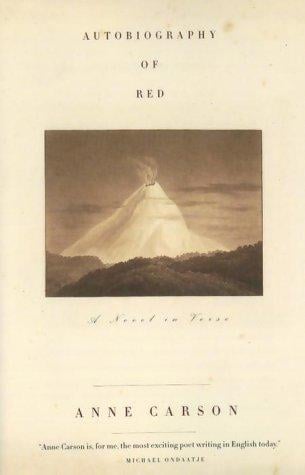
No. 47 on this list. Autobiography of Red
Anne Carson · 1999
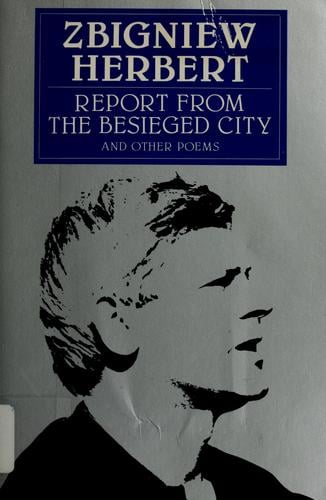
No. 48 on this list. Report from the Besieged City
Zbigniew Herbert · 1983
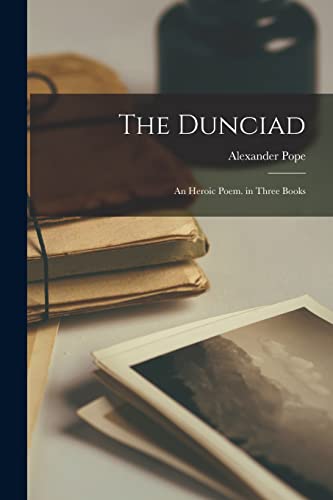
No. 49 on this list. The Dunciad
Alexander Pope · 1728
Included in: Oxford World's Classics
No. 50 on this list. Vade-mecum and Selected Poems
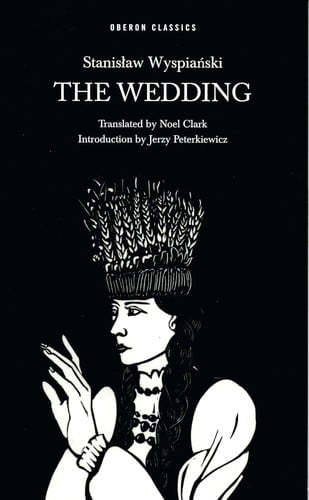
No. 51 on this list. The Wedding
Stanisław Wyspiański · 1901
Taught in schools: Lektury obowiązkowe – Polish national reading list (Poland)
No. 52 on this list. Glass, Irony and God
Anne Carson · 1995
No. 53 on this list. Don't Let Me Be Lonely
Claudia Rankine · 2004
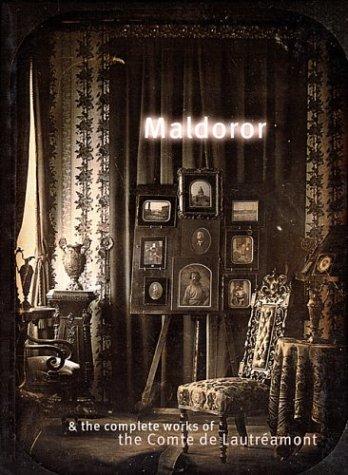
No. 54 on this list. Maldoror and the Complete Works
Comte de Lautréamont · 1869
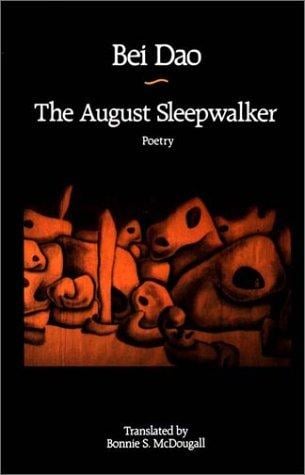
No. 55 on this list. The August Sleepwalker
Bei Dao · 1988
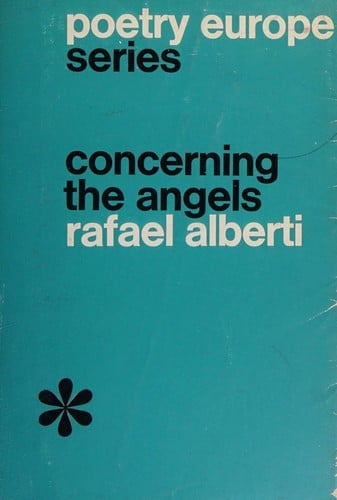
No. 56 on this list. Concerning the Angels
Rafael Alberti · 1929
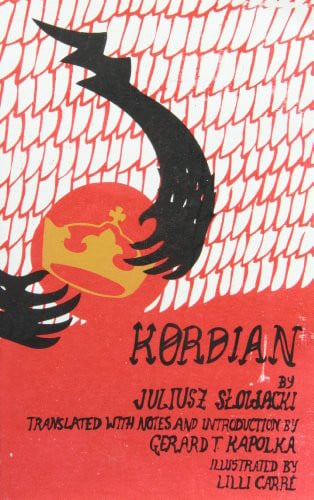
No. 57 on this list. Kordian
Juliusz Słowacki · 1834
Taught in schools: Lektury obowiązkowe – Polish national reading list (Poland)
No. 58 on this list. Seamarks
Saint-John Perse · 1957
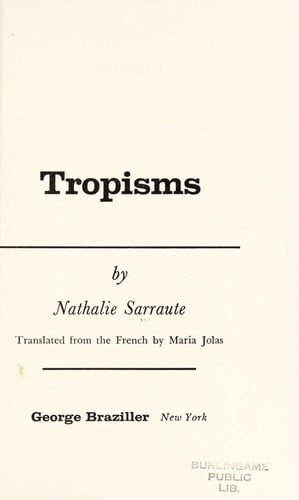
No. 59 on this list. Tropisms
Nathalie Sarraute · 1939
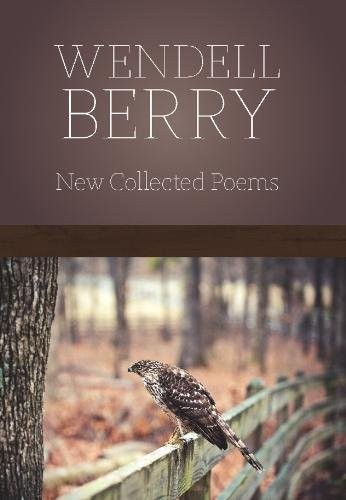
No. 60 on this list. New Collected Poems
George Oppen · 2012

No. 61 on this list. A Lover's Complaint
William Shakespeare · 1609
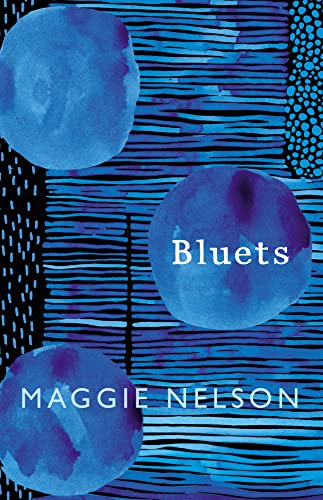
No. 62 on this list. Bluets
Maggie Nelson · 2009
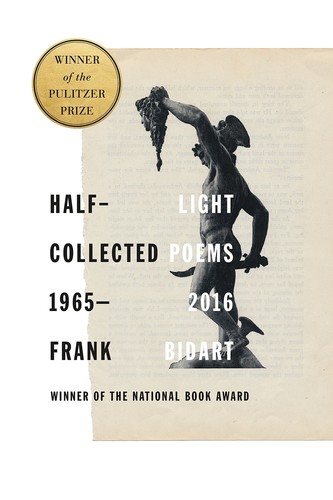
No. 63 on this list. Half-Light: Collected Poems 1965-2016
Frank Bidart · 2017
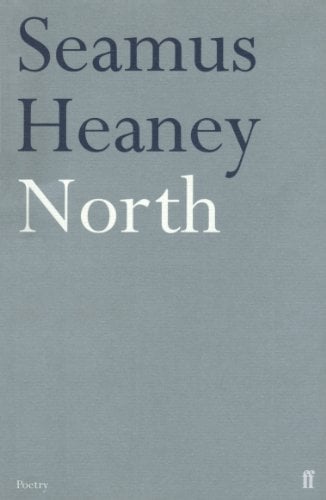
No. 64 on this list. North
Seamus Heaney · 1975
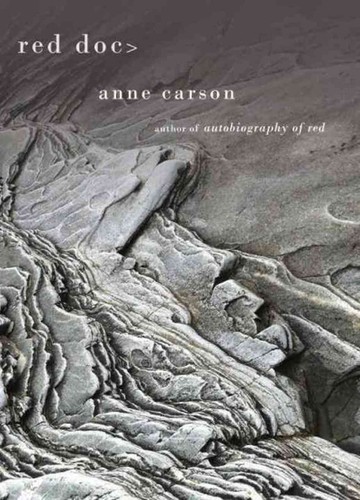
No. 65 on this list. Red Doc>
Anne Carson · 2013
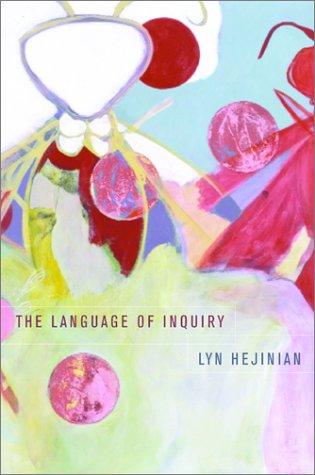
No. 66 on this list. The Language of Inquiry
Lyn Hejinian · 2000
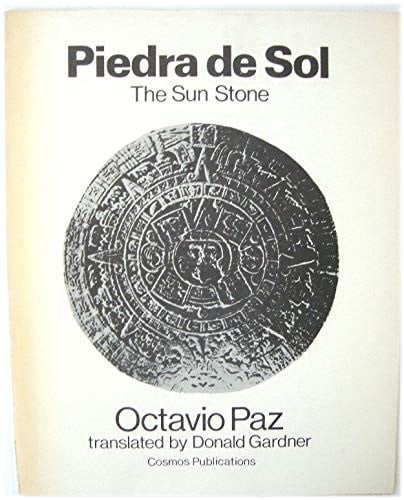
No. 67 on this list. Sun Stone
Octavio Paz · 1957
No. 68 on this list. The Dynasts
Thomas Hardy · 1908
No. 69 on this list. Tarantula
Bob Dylan · 1971
About this list
These 69 books are the highest-scoring eligible challenging poetry collections currently in the catalogue. By literary regard, it opens with Divine Comedy, Eclogues and Collected Poems of W.B. Yeats. About 446 hours of reading in all. Difficulty runs from 69 to 77 out of 100 for the middle half of the list; the summit is The Waste Land at 92.
This list is ranked by literary regard, with a consistent order for equal scores. Membership follows authors and co-authors, not translators or editors. Catalogue coverage and the historical canon both limit what this list can represent, and genre labels are the catalogue’s own, gathered into broader kinds.
When we matched the Canons dataset to our catalogue in October 2026, our canonical-status scores rose with the number of school curricula, publisher series and lists in it that cite a work: the median score was 72 for books one such source cites, 84 at two, 88 at three, 92 at four and 93 at five or more. Prizes are left out of that count. Outside the state curricula, the dataset’s sources choose mostly from what has been translated into English or French, so it is a weaker check on other literatures. Source: Canons (Andrew Piper), CC BY 4.0
Questions people actually ask
- What are the best challenging poetry collections?
- By literary regard, which weighs canonical status, critical standing and influence, Divine Comedy, Eclogues, Collected Poems of W.B. Yeats, The Waste Land and Paradise Lost lead. ReadingRate ranks 69 such books, each with a difficulty score and a reading-time estimate.
- Where should I start with challenging poetry collections?
- Start from difficulty, not from rank. The most approachable books on this list that still carry top literary regard are Peer Gynt by Henrik Ibsen (about 4 hours), Unfortunately, It Was Paradise by Mahmoud Darwish and Omeros by Derek Walcott.
- How hard are challenging poetry collections to read?
- Most of this list sits between 69 and 77 on ReadingRate's 100-point difficulty scale, where 40 to 55 is moderate. The summit is The Waste Land at 92. Every entry carries its own score, so a reader can pick a great book at a difficulty they will finish.
- How is this list ranked?
- On literary-regard data: how canonically established a work is, its critical standing, and its influence on later writing. It is not a readers’ poll, which is why recent bestsellers rarely appear. Membership follows authors and co-authors, not translators or editors. A list that is not a genre list keeps to literature (fiction, poetry, drama and philosophy), with philosophy taking no more than one slot in five while there is literature left to rank; every list holds at most three works by one author.