Hours at an average pace
Showing 38 books
About 365 hours for 38 of 38 books with measured lengths. Estimates use 250 words a minute, adjusted for each book's difficulty. At 2 hours a day, about 183 days for those books.
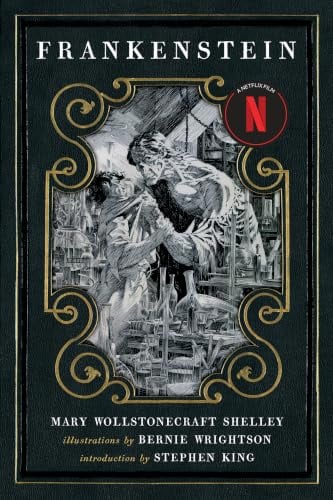
No. 1 on this list. Frankenstein
Mary Shelley · 1818
Challenging8.8 hours
Taught in schools: AQA GCSE and A-level English Literature (UK), CSEC English B – Caribbean Examinations Council, Pearson Edexcel GCSE and A-level English Literature (UK)
Included in: Bibliothèque de la Pléiade
Frankenstein appears on 6,955 university syllabi according to the Open Syllabus Project, placing it in the 96th percentile of all tracked works. Wikipedia articles exist in 74 languages, with a 79,000-character article carrying dedicated Reception and Adaptations sections. It is taught not only in literature courses but in philosophy, bioethics, and technology studies worldwide.
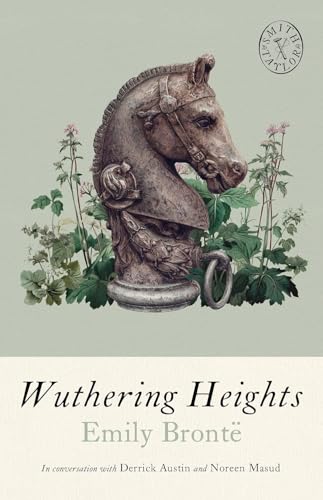
No. 2 on this list. Wuthering Heights
Emily Brontë · 1847
Difficult14 hours
Taught in schools: AQA GCSE and A-level English Literature (UK), CAPE Literatures in English – Caribbean Examinations Council, CSEC English B – Caribbean Examinations Council
Included in: Bokklubben World Library
Appears on 4,582 university syllabi (91.5th percentile per Open Syllabus), placing it above most Victorian novels. Wikipedia coverage in 61 languages with dedicated reception and adaptations sections signals global canonical standing. Listed in 1001 Books You Must Read Before You Die and the BBC Big Read Top 100.
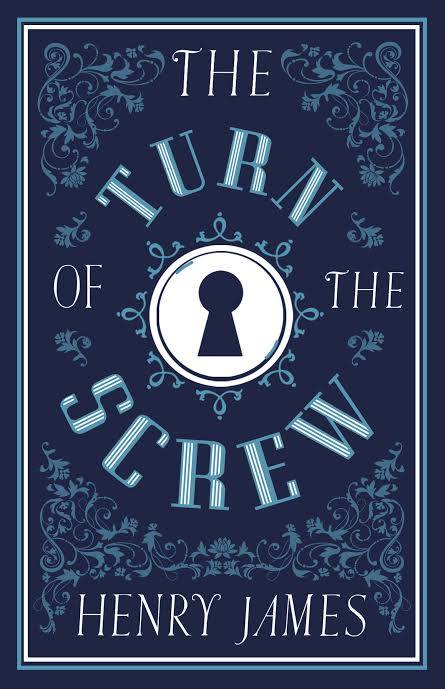
No. 3 on this list. The Turn of the Screw
Henry James · 1898
Difficult5.5 hours
Taught in schools: CSEC English B – Caribbean Examinations Council
Essential Gothic literature and James studies text; widely taught in ghost story, Victorian, and modernist courses; definitive example of narrative ambiguity and unreliable narration.
No. 4 on this list. Pedro Páramo
Juan Rulfo · 1955
Difficult3.6 hours
Taught in schools: Literatura, Diseño Curricular – Provincia de Buenos Aires (Argentina), UNAM Escuela Nacional Preparatoria – programas de Literatura (Mexico)
Included in: Bokklubben World Library
Pedro Páramo is the foundational text of Latin American modernism, present in nearly every world literature curriculum globally. Its Wikipedia article spans 26 languages. García Márquez credited it with teaching him how to write One Hundred Years of Solitude — a direct line of influence that alone ensures canonical permanence. Penguin Modern Classics published it in 1961.
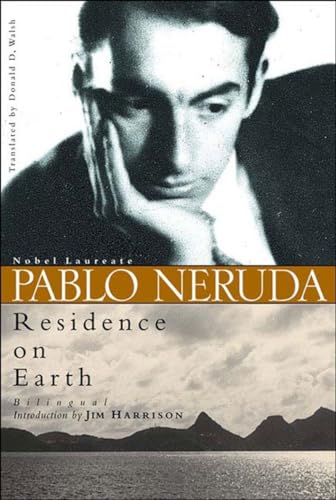
Pablo Neruda wrote the poems of 'Residence on Earth' during his years as a Chilean consul in Burma, Ceylon, and Java — postings that left him profoundly isolated, surrounded by unfamiliar languages and dissolving heat. What came out was a poetry of radical disorientation: rain that rots wood, flesh that smells of brine, clocks that leak time like a wound. The opening poem, 'Galope Muerto,' begins mid-sensation: 'Like ashes, like oceans populating themselves, in the submerged slowness, in the shapeless.' There is no speaker announced, no situation established. The collection works entirely through image — blood, sea, bone, stone — stacked without logical mortar until the pressure of accumulated sensation becomes its own argument. 'Walking Around' describes a man so disgusted by modern life he wants to throw everything away, the umbrellas and the accountants and the stockings. 'Ode with a Lament' addresses an unnamed woman through images of shipwrecks and salt. The later sections shift toward political fury — odes to Madrid under bombardment, to Stalingrad, to Spain's dead — but even the political poems work through elemental image rather than rhetoric. This is poetry that does not explain itself. Readers who need a narrative thread or an argument will find none. Those willing to receive sensation as meaning will encounter one of the most physically intense bodies of verse written in the 20th century.
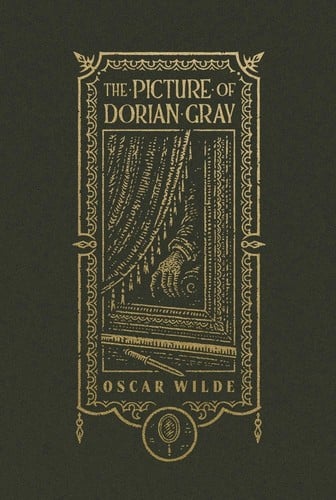
No. 6 on this list. The Picture of Dorian Gray
Challenging8 hours
Taught in schools: AQA GCSE and A-level English Literature (UK), Pearson Edexcel GCSE and A-level English Literature (UK)
Included in: Oxford World's Classics
The Picture of Dorian Gray is standard reading in Victorian literature and aesthetic movement curricula worldwide. Though the database shows only 16 syllabus appearances due to limited data collection, the novel appears on virtually every canonical survey of English literature and has been in continuous print since 1890. It anchors discussions of aestheticism, decadence, and Victorian moral philosophy in university courses across the globe.
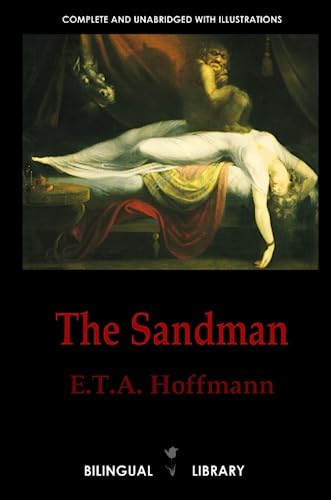
The Sandman is canonical in German literature courses, Romantic literature surveys, Gothic fiction studies, and psychoanalytic literary criticism worldwide. Freud's 1919 essay 'The Uncanny' uses it as the central specimen, ensuring its presence on psychoanalysis and literary theory syllabi for over a century. While it lacks the broad English-language curriculum presence of Frankenstein or Great Expectations, it is effectively required reading in any serious study of German Romanticism, the Gothic tradition, or the history of uncanny fiction.
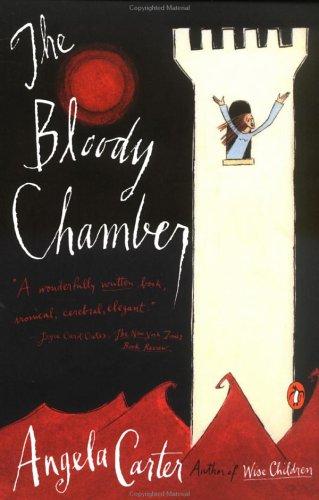
No. 8 on this list. The Bloody Chamber
Angela Carter · 1979
Difficult7.2 hours
Taught in schools: OCR GCSE and A-level English Literature (UK)
The Bloody Chamber is among the most-taught works of feminist fiction in British and American university literature programs, appearing on A-level and undergraduate syllabi across the English-speaking world for over four decades. It anchors feminist fairy tale criticism as a field and appears on most 20th-century fiction retrospective lists. Its canonical standing exceeds Infinite Jest (78) in terms of institutional adoption.
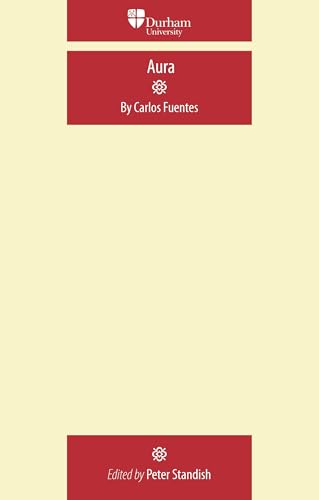
Aura is assigned in Latin American literature courses across universities globally and anthologized alongside Pedro Paramo and One Hundred Years of Solitude as a defining text of the Latin American Boom. Its brevity makes it a frequent entry point for students encountering Fuentes or magical realism. It does not appear on as many syllabi as García Márquez's major novels but is among the most-taught works in comparative world literature curricula.
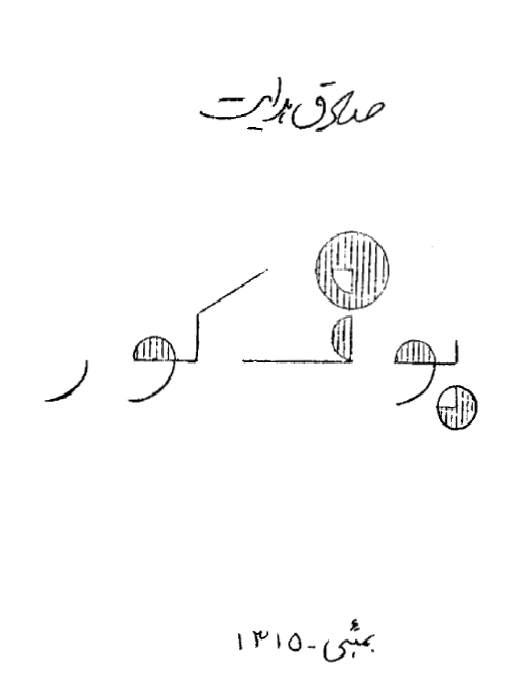
The Blind Owl is the most celebrated Persian-language novel of the twentieth century and the foundational text of Iranian modernist fiction, required reading in Iranian high schools and universities for generations. Its Wikipedia article exists in over 30 languages. In Western academic contexts it appears regularly on world literature syllabi, though with nothing like the penetration of canonical European modernist texts.
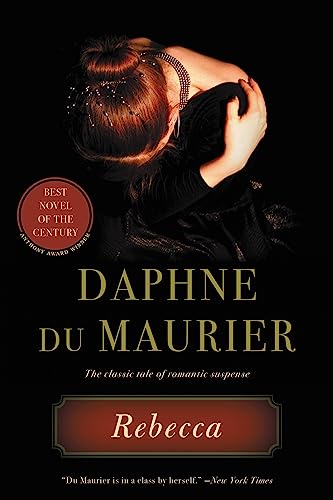
No. 11 on this list. Rebecca · Daphne du Maurier · 1938
Taught in schools: AQA GCSE and A-level English Literature (UK)
Appears on 337 university syllabi (63rd percentile in Open Syllabus) and on the BBC Big Read Top 100 and 1001 Books You Must Read Before You Die. It is a standard text in courses on the gothic and on women's writing, and has been in print continuously since 1938.
Challenging15 hours
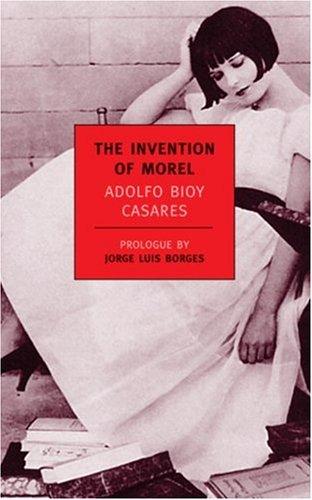
Start this bookNo. 12 on this list. The Invention of Morel · Adolfo Bioy Casares · 1940
Taught in schools: Literatura, Diseño Curricular – Provincia de Buenos Aires (Argentina)
Ranked by literary regard among eligible works in the current catalogue. This position reflects the available catalogue evidence.
Challenging6.4 hours
Start this bookNo. 13 on this list. The Call of Cthulhu and Other Stories · H.P. Lovecraft · 1928
Francis Wayland Thurston inherits his granduncle's papers and finds himself assembling, from scattered notes and newspaper clippings, evidence of something vast and ancient stirring beneath the Pacific. That is the structure of 'The Call of Cthulhu': not a story told but a dossier accumulated, each document pushing the narrator — and the reader — one step closer to a conclusion that cannot be survived with sanity intact. H.P. Lovecraft wrote most of these stories in the 1920s from a boarding house in Providence, Rhode Island, and they read like dispatches from a man genuinely convinced of humanity's cosmic irrelevance. His narrators are professors, antiquarians, and artists — educated men whose reason becomes the instrument of their undoing. The more they understand, the worse it gets. What makes Lovecraft distinctive is what he refuses to show. Cthulhu is never described so precisely that you can picture it. The horror lives in the gap between what the narrator can report and what the reader's imagination fills in. Sentences spiral into qualifications; adjectives pile up ('eldritch,' 'non-Euclidean,' 'cyclopean') because no single word will do. This collection gathers the core Mythos stories — 'The Dunwich Horror,' 'The Shadow over Innsmouth,' 'The Outsider' — that established a template for supernatural dread that horror writers still work against or within. Read them at night, alone.
Difficult17 hours
Start this bookNo. 14 on this list. Of Love and Other Demons · Gabriel García Márquez · 1994
Appears on 47 university syllabi (Open Syllabus Project, 41.8th percentile), which places it well below García Márquez's major works but confirms a steady presence in world literature courses. Its Wikipedia article exists in 17 languages — respectable global reach for a shorter, later novel in a Nobel laureate's catalog.
Challenging5 hours
Start this bookNo. 15 on this list. The Ghost Road · Pat Barker · 1995
Appears on 60 university syllabi (44th percentile in the Open Syllabus Project), placing it in the mid-range of taught texts — present in British literature and WWI courses but not ubiquitously assigned. Its Wikipedia article exists in only 4 languages and runs to 4,328 characters, indicating limited global reach compared to more canonical war texts.
Difficult7.7 hours
Start this bookNo. 16 on this list. 62: A Model Kit · Julio Cortázar · 1968
62: A Model Kit occupies a niche within Cortázar's canon — taught in Latin American literature and avant-garde fiction courses but absent from most general curricula. No syllabus data was returned, and Wikipedia coverage appears limited. The book is overshadowed within Cortázar's own work by Hopscotch (Rayuela), which commands much higher canonical status globally.
Very Difficult16 hours
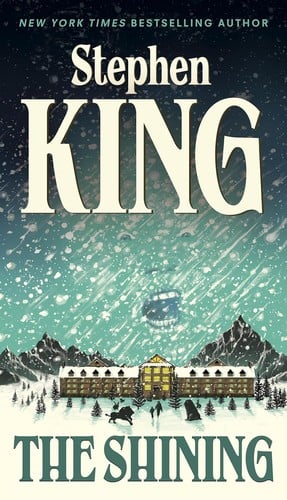
Start this bookNo. 17 on this list. The Shining · Stephen King · 1977
The Shining is King's most studied novel, appearing in courses on American horror and the Gothic and on nearly every list of essential horror fiction. Stanley Kubrick's 1980 film keeps it in constant circulation.
Challenging15 hours
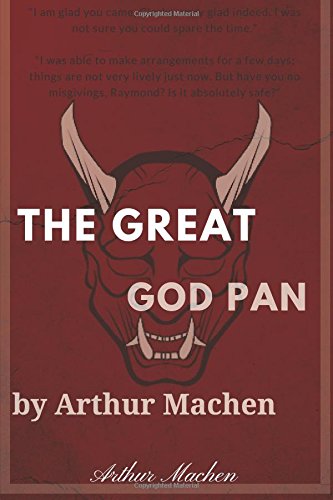
Start this bookNo. 18 on this list. The Great God Pan · Arthur Machen · 1894
The Great God Pan is a standard text in courses and anthologies on fin-de-siècle Gothic and the history of horror fiction. It is far less taught than Dracula or Jekyll and Hyde but is seen as a key work of the 1890s decadent supernatural.
Difficult2.3 hours
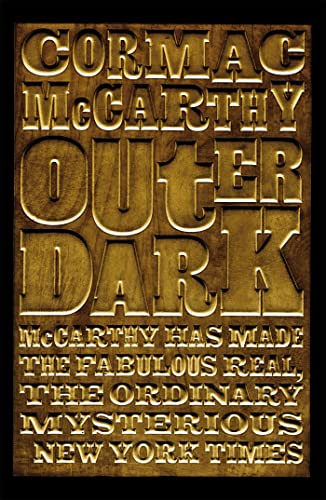
Start this bookNo. 19 on this list. Outer Dark · Cormac McCarthy · 1968
Outer Dark occupies an early, less-studied position in McCarthy's bibliography. It appears on few syllabi compared to Blood Meridian, The Road, or the Border Trilogy, and lacks the critical infrastructure that surrounds those works. It functions more as a specialist text for McCarthy scholars than as a standalone canonical entry.
Challenging5.7 hours
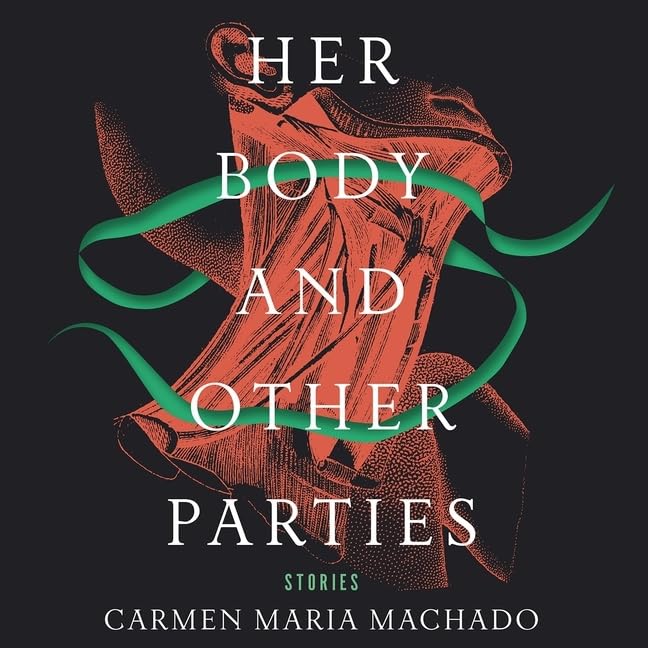
Start this bookNo. 20 on this list. Her Body and Other Parties · Carmen Maria Machado · 2017
Appears on 235 university syllabi according to Open Syllabus, placing it in the 59th percentile—strong for a 2017 debut collection. Taught primarily in contemporary fiction, queer literature, and creative writing courses. Wikipedia article exists with a dedicated Reception section. Too recent to have achieved canonical status, but its syllabi trajectory suggests staying power in the short story and gender studies curricula.
Challenging6.5 hours
Start this book
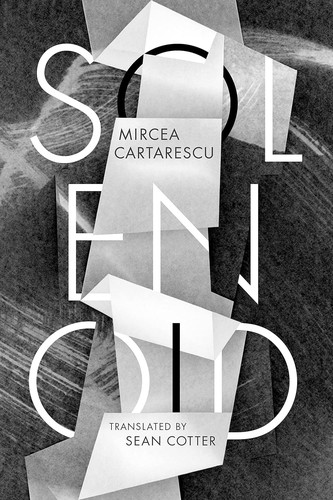
No. 21 on this list. Solenoid · Mircea Cărtărescu · 2025
Published in Romanian in 2015 and translated into English in 2022, Solenoid has rapidly established itself as a major work of contemporary European literature. It appears on international prize shortlists and receives serious critical attention in major literary publications. However, its canonical status is still emerging—it lacks the decades of academic institutionalization that defines established canonical works. Its inclusion in global literary conversations is growing as translations reach wider audiences, positioning it as a likely candidate for future canonical status.
Challenging22 hours
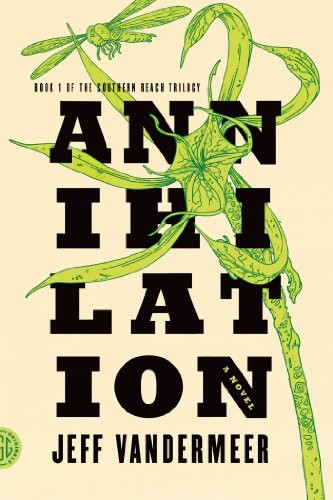
Start this bookNo. 22 on this list. Annihilation · Jeff VanderMeer · 2014
No syllabus appearances or Wikipedia data appear in the database, but Annihilation occupies a significant position in contemporary genre-literary crossover fiction. It is taught in speculative fiction and ecocriticism courses and has generated genuine critical discourse, though it has not yet entered the mainstream literary curriculum. Its canonical status is rising rather than established.
Challenging5.3 hours
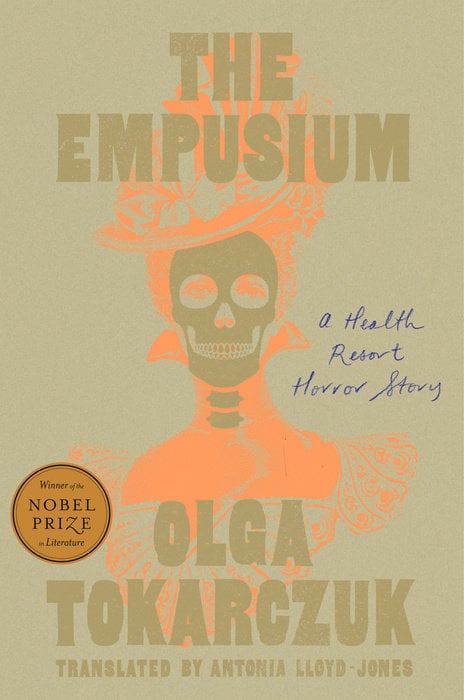
Start this bookNo. 23 on this list. The Empusium · Olga Tokarczuk · 2022
Published in 2022, The Empusium is too recent for curriculum adoption. No confirmed syllabus appearances exist yet, and Wikipedia data was not found for this title in isolation. Tokarczuk's older works—Flights and The Books of Jacob—have broader academic presence. As a Nobel author's recent work it will gain critical traction, but canonical status takes time.
Difficult9.8 hours
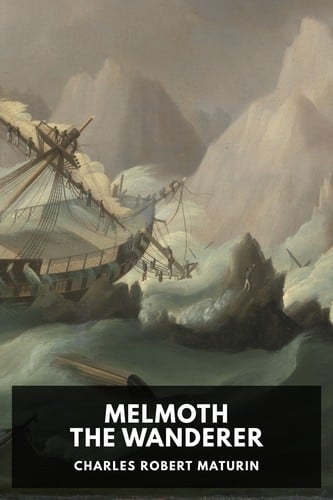
Start this bookNo. 24 on this list. Melmoth the Wanderer · Charles Maturin · 1820
Melmoth the Wanderer occupies a secure position in the Gothic literary canon and is widely referenced as the genre's culminating achievement before Victorian fiction, influencing Balzac, Poe, Baudelaire, and Wilde (who adopted the pseudonym 'Sebastian Melmoth'). However, it appears rarely on undergraduate syllabi and has limited general readership despite its critical reputation, placing it in a zone of canonical acknowledgement without widespread institutional presence.
Difficult29 hours
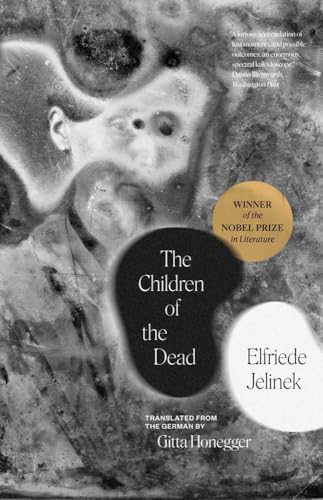
Start this bookNo. 25 on this list. The Children of the Dead · Elfriede Jelinek · 1995
The dead of Austria confront the living in Jelinek's experimental, incantatory novel. The ghosts of history—Nazi perpetrators, their victims—speak in Jelinek's characteristic voice of rage and lament.
Difficult13 hours
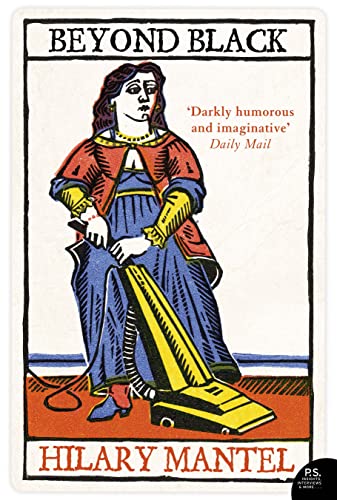
Start this bookNo. 26 on this list. Beyond Black · Hilary Mantel · 2005
Not widely taught in university courses, with no appearances in the Open Syllabus database. Wikipedia coverage exists in only 2 languages. Beyond Black is respected as a significant Mantel novel but remains overshadowed by the Wolf Hall trilogy in curriculum selection.
Difficult18 hours
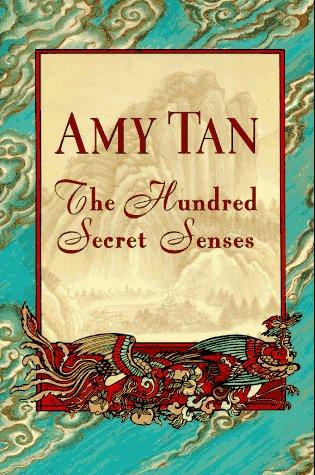
Start this bookNo. 27 on this list. The Hundred Secret Senses · Amy Tan · 1995
The Hundred Secret Senses is taught in Asian-American literature and multicultural fiction courses at the university level, though it has not achieved the canonical footprint of Tan's debut, The Joy Luck Club. It appears in syllabi focused on diaspora, identity, and magical realism, but no Open Syllabus data places it among widely taught works. Its cultural reach is solid but largely confined to American literary fiction and ethnic studies contexts.
Challenging12 hours
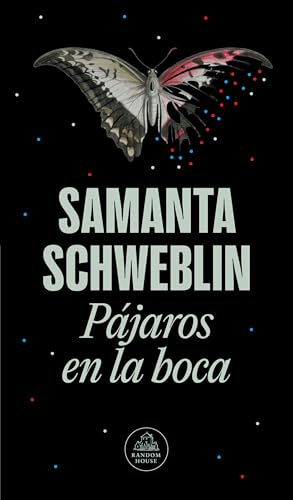
Start this bookNo. 28 on this list. Mouthful of Birds · Samanta Schweblin · 2009
No syllabus data is available and no Wikipedia article has been identified for this specific collection. Schweblin is a significant presence in contemporary Latin American literature, but Mouthful of Birds (2009 in Spanish, 2019 in English translation) has not yet entered university curricula widely. Her novel Fever Dream has stronger institutional recognition than this collection.
Challenging4.9 hours
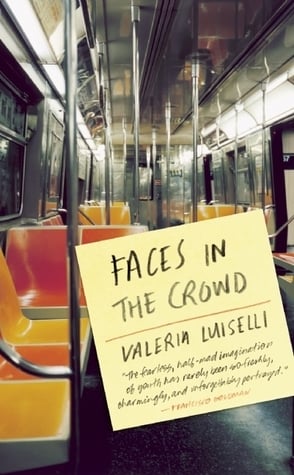
Start this bookNo. 29 on this list. Faces in the Crowd · Valeria Luiselli · 2011
A woman in Mexico City sits at her kitchen table writing a novel. Her children interrupt constantly — the boy asks where mosquitoes come from, the baby upends things — and her husband reads the pages she leaves out and disapproves of what he finds. What she is writing is the story of Gilberto Owen, an obscure Mexican poet who lived in New York during the Harlem Renaissance, drank himself to death in Philadelphia, and left behind a small archive that may or may not be authentic. The two voices — hers, his — weave through each other without warning, until it becomes impossible to say which narrator is inventing the other. Luiselli structures the book as a series of brief fragments separated by white space, each one a small sealed room: a child's question, a forged document, a postcard from a dead man. The sentences are spare and precise, the domestic detail exact, but the novel is doing something quietly radical with identity and time. Translation, in this book, is not a service rendered to literature — it is an act of possession, a way of becoming someone else by giving them words. The novel ends with the narrator 'rubbing herself out.' Whether she disappears into Owen or simply steps away from the page is left entirely open.
Difficult5.1 hours
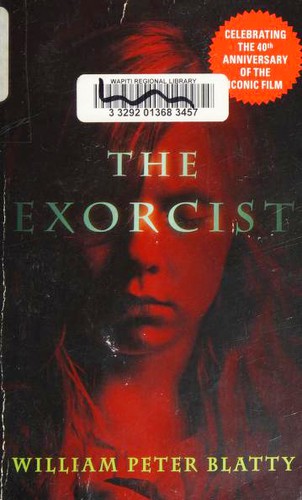
Start this bookNo. 30 on this list. The Exorcist · William Peter Blatty · 1971
The Exorcist holds a firm place in the horror genre canon but is not a fixture of university literature syllabi. No syllabus data was found in the Open Syllabus Project, and while the novel appears in genre-focused course lists, it rarely features in mainstream American or world literature curricula. Its canonical status is cultural rather than academic.
Challenging9 hours
Start this book
No. 31 on this list. The House on the Borderland
William Hope Hodgson · 1908
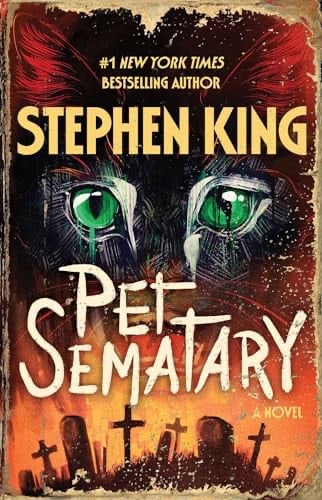
No. 32 on this list. Pet Sematary
Stephen King · 1983
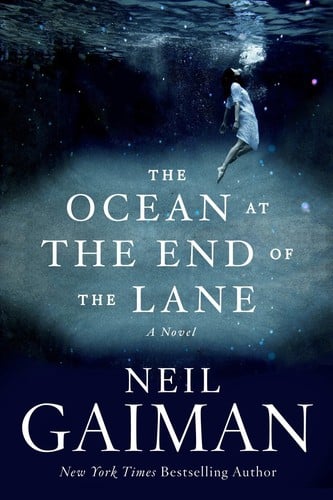
No. 33 on this list. The Ocean at the End of the Lane
Neil Gaiman · 2013
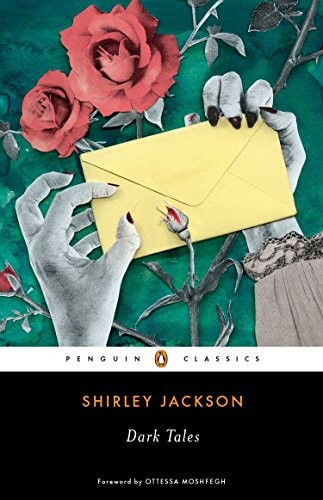
No. 34 on this list. Dark Tales
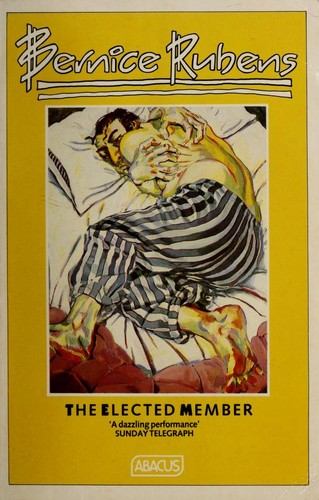
No. 35 on this list. The Elected Member
Bernice Rubens · 1970
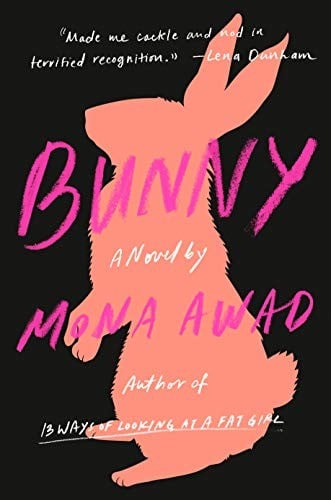
No. 36 on this list. Bunny
Mona Awad · 2019
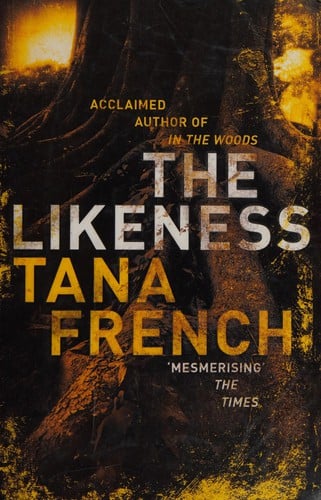
No. 37 on this list. The Likeness
Tana French · 2008
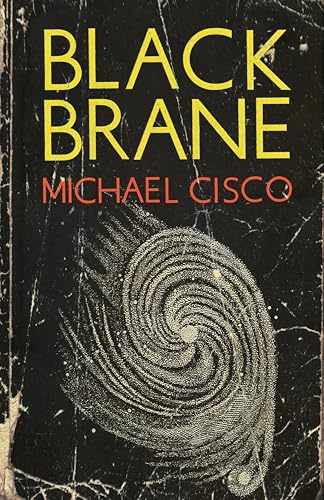
No. 38 on this list. Black Brane
Michael Cisco · 2025
About this list
These 38 books are the highest-scoring eligible challenging supernatural and gothic books currently in the catalogue. About 365 hours of reading in all. Difficulty runs from 67 to 73 out of 100 for the middle half of the list; the summit is 62: A Model Kit at 87.
This list is ranked by literary regard, with a consistent order for equal scores. Membership follows authors and co-authors, not translators or editors. A book is here when ReadingRate files it under The Supernatural & Gothic as one of its primary reading domains, at a confidence of 0.8 or more. Catalogue coverage and the historical canon both limit what this list can represent.
When we matched the Canons dataset to our catalogue in October 2026, our canonical-status scores rose with the number of school curricula, publisher series and lists in it that cite a work: the median score was 72 for books one such source cites, 84 at two, 88 at three, 92 at four and 93 at five or more. Prizes are left out of that count. Outside the state curricula, the dataset’s sources choose mostly from what has been translated into English or French, so it is a weaker check on other literatures. Source: Canons (Andrew Piper), CC BY 4.0
Questions people actually ask
- What are the best challenging supernatural and gothic books?
- By literary regard, which weighs canonical status, critical standing and influence: Frankenstein by Mary Shelley, Wuthering Heights by Emily Brontë, The Turn of the Screw by Henry James, Pedro Páramo by Juan Rulfo and Residence on Earth by Pablo Neruda. ReadingRate ranks 38 such books, each with a difficulty score and a reading-time estimate.
- Which challenging supernatural and gothic books should I read first?
- Start from difficulty, not from rank. The most approachable books on this list that still carry top literary regard are Rebecca by Daphne du Maurier (about 15 hours), The Invention of Morel by Adolfo Bioy Casares and Of Love and Other Demons by Gabriel García Márquez.
- What are the shortest of the best challenging supernatural and gothic books?
- Among the top 25, the shortest are Aura by Carlos Fuentes (about 1.4 hours), The Sandman by E.T.A. Hoffmann (about 1.8 hours) and The Great God Pan by Arthur Machen (about 2.3 hours), at an average pace of 250 words a minute adjusted for each book's difficulty.
- Which of the best challenging supernatural and gothic books are the established classics?
- By canonical status, how firmly a book sits in curricula, anthologies and the canon: Frankenstein by Mary Shelley, Wuthering Heights by Emily Brontë, The Picture of Dorian Gray by Oscar Wilde, The Turn of the Screw by Henry James and Pedro Páramo by Juan Rulfo.
- Can I read any of these challenging supernatural and gothic books for free?
- 3 of the 38 open in ReadingRate's reader with a free account, from public-domain editions: Frankenstein, Wuthering Heights and The Turn of the Screw.
- How long would it take to read the top ten?
- About 61 hours, at an average pace of 250 words a minute adjusted for each book's difficulty: 31 days at two hours a day. Set your own pace on the page and the list's reading times change to it.
- How hard are challenging supernatural and gothic books to read?
- Most of this list sits between 67 and 73 on ReadingRate's 100-point difficulty scale, where 40 to 55 is moderate. The summit is 62: A Model Kit at 87. Every entry carries its own score, so a reader can pick a great book at a difficulty they will finish.
- How is this list ranked?
- On literary-regard data: how canonically established a work is, its critical standing, and its influence on later writing. It is not a readers’ poll, which is why recent bestsellers rarely appear. Membership follows authors and co-authors, not translators or editors. Lists by country, author, period, theme or difficulty keep to literature (fiction, poetry, drama and philosophy), their novels, poems and plays first and their philosophy after them; a list of a kind of book, such as memoir or criticism, keeps every book of that kind. Every list holds at most three works by one author. A book is here when ReadingRate files it under The Supernatural & Gothic as one of its primary reading domains, at a confidence of 0.8 or more.