Hours at an average pace
Showing 91 books
About 956 hours for 89 of 91 books with measured lengths. Estimates use 250 words a minute, adjusted for each book's difficulty. At 2 hours a day, about 478 days for those books.
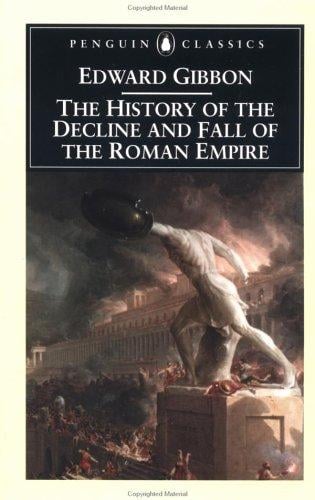
Published in six volumes between 1776 and 1789, it has stayed in print ever since and is a set text in courses on historiography, the Enlightenment and English prose. It appears on every major list of essential works of history in English.
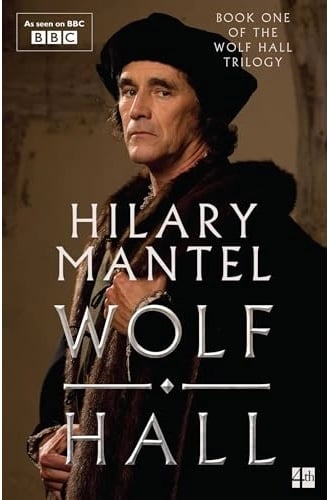
The historical novel that changed the genre's literary status. Thomas Cromwell's rise, rendered in present tense and close third person, made Tudor politics feel immediate. Core text in contemporary fiction and historical fiction courses.
It is the foundational English biography, taught in eighteenth-century and biography courses and a fixture of Oxford World's Classics. It is less universal than the great novels.
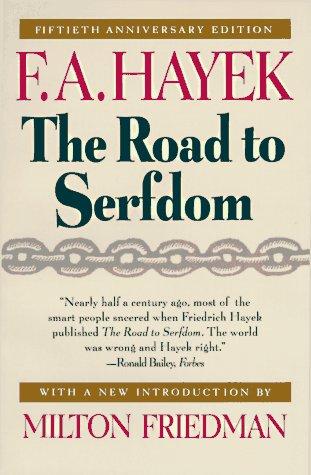
Standard required reading in political philosophy, economics, and liberal theory courses at universities worldwide. Consistently appears on lists of the most influential non-fiction of the 20th century, including TIME's 100 Best Nonfiction list and the Modern Library's reader list. The Wikipedia article exists in over 40 languages, and the book has never gone out of print since 1944.
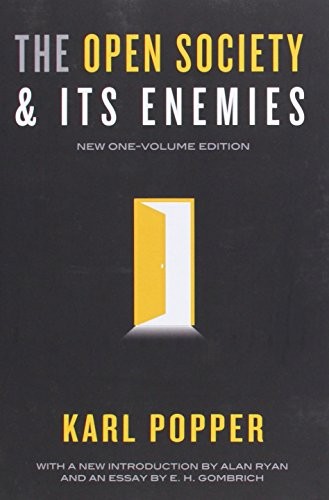
Karl Popper wrote The Open Society and Its Enemies in New Zealand during World War II, watching fascism spread across Europe and wondering how philosophy had helped it along. His answer runs to two thick volumes: Plato built the first blueprint for totalitarianism; Hegel dressed it in mystical abstraction; Marx gave it pseudo-scientific prophecy. The 'enemies' of the title are not politicians but ideas — historicism (the belief that history follows iron laws), essentialism (the belief that social entities have fixed natures), and utopianism (the belief that a perfect state can be designed and implemented whole). Popper dismantles each in turn with patient, numbered argument. He finds Plato's philosopher-kings to be authoritarians by design, their wisdom indistinguishable from the claim that power justifies itself. He finds Hegel's prose to be deliberate obscurantism in service of Prussian power — 'supreme only in his outstanding lack of originality.' He finds Marx's economic prophecies unfalsifiable, and therefore not science but mythology with a scientific costume. What survives the demolition is a defense of the open society: one that tolerates criticism, reforms institutions incrementally, and resists the tribal pull toward certainty. The arguments about why intellectuals are drawn to closed societies — and what makes free societies structurally fragile — read as if written for any decade that has produced one.
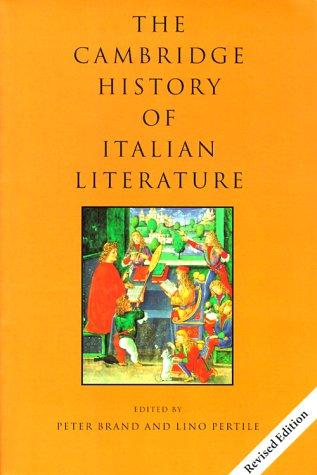
No. 6 on this list. The Cambridge History of Italian Literature
Peter Brand · 1996
Challenging31 hours
The standard comprehensive reference for Italian literary history in English.
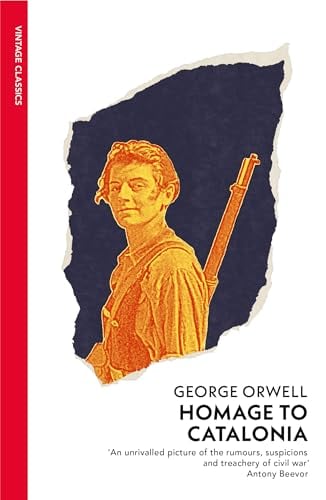
Homage to Catalonia is standard reading in courses on 20th-century political history, European literature, and war memoir at universities worldwide. Orwell is among the most assigned authors in English-language syllabi, and while this title is less ubiquitous than 1984 or Animal Farm, it appears consistently in political science and modern history curricula. It has been in continuous print since its 1952 reissue and features on numerous 'essential nonfiction' lists.
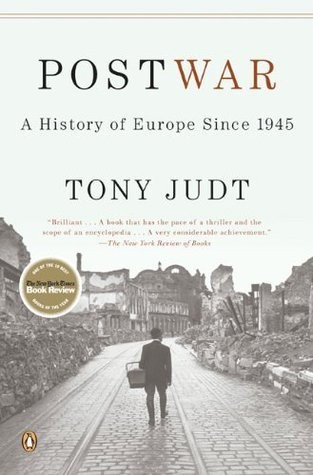
Postwar is widely assigned in university history, political science, and European studies courses across the English-speaking world. It is the standard single-volume reference for post-1945 European history, found on graduate and undergraduate reading lists alike. Multiple editions and translations have kept it in continuous academic circulation since its 2005 publication.
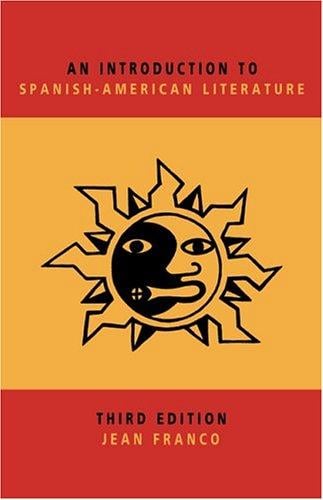
No. 9 on this list. An Introduction to Spanish-American Literature
Jean Franco · 1969
Moderate6.7 hours
Established as the foundational anglophone survey of Spanish American literature for over three decades.
A classic of saga scholarship; still cited by medievalists as the best brief critical orientation in English.
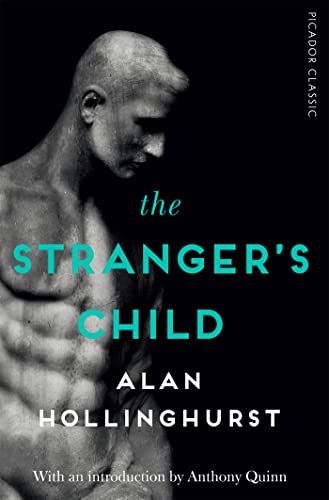
No. 11 on this list. The Stranger's Child · Alan Hollinghurst · 2011
Published in 2011, The Stranger's Child has secured Hollinghurst's place as Britain's preeminent novelist of gay experience and class. While not yet canonical in the sense of Ulysses or The Great Gatsby, it's widely taught in contemporary British fiction courses and regarded as his most ambitious work, positioning it for long-term scholarly attention.
Challenging16 hours
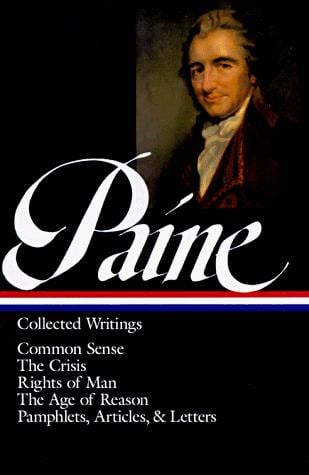
Start this bookNo. 12 on this list. Thomas Paine: Collected Writings (Loa #76): Common Sense / The American Crisis / Rights of Man / The Age of Reason / Pamphlets, Articles, and Letters · Thomas Paine
Common Sense and Rights of Man are foundational texts in American and political-thought courses, and the Library of America volume places Paine in its national canon of authors. The collection itself is a standard scholarly edition rather than a syllabus staple on its own.
Moderate15 hours
Start this bookNo. 13 on this list. The Diary of Samuel Pepys · Samuel Pepys
The Diary of Samuel Pepys is one of the most famous primary sources in the English language, taught in history, literature, and primary source methodology courses at universities worldwide. It appears on reading lists for Early Modern English history and is considered essential context for understanding the Restoration period, the Great Plague of 1665, and the Great Fire of London.
Moderate82 hours
Read nowNo. 14 on this list. Black Lamb and Grey Falcon · Rebecca West · 1941
Named to TIME Magazine's All-TIME 100 Best Nonfiction Books and to numerous 'greatest travel books' and 'greatest books of the 20th century' lists. Continuously in print since 1941 in Penguin Modern Classics. Not widely assigned in university courses relative to its reputation, but cited as essential reading by serious readers of 20th-century European history and political thought.
Challenging45 hours
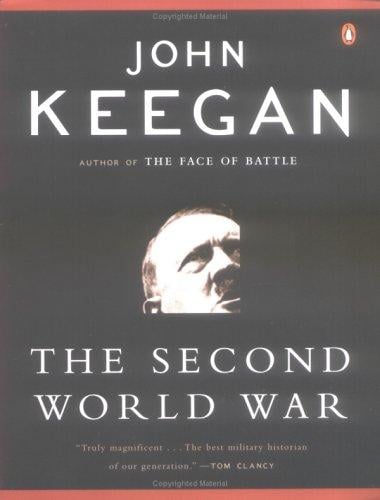
Start this bookNo. 15 on this list. The Second World War · John Keegan · 1989
Keegan's single-volume survey is widely considered one of the best introductions to the Second World War and appears on numerous military history reading lists. It has not, however, attained the canonical weight of Churchill's memoirs or the academic centrality of Gerhard Weinberg's scholarship, positioning it as a highly respected popular history rather than a foundational scholarly text.
Easy14 hours
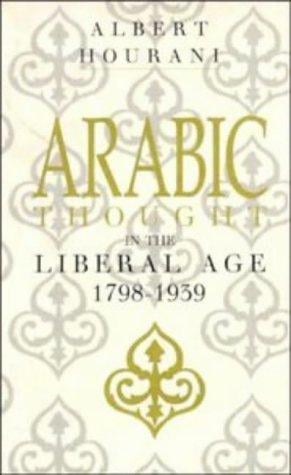
Start this bookNo. 16 on this list. Arabic Thought in the Liberal Age 1798-1939 · Albert Hourani · 1983
The book is a standard text in Middle Eastern studies and modern Islamic intellectual history courses, long treated as the starting point for the field. Beyond that discipline it is rarely assigned.
Moderate7.8 hours
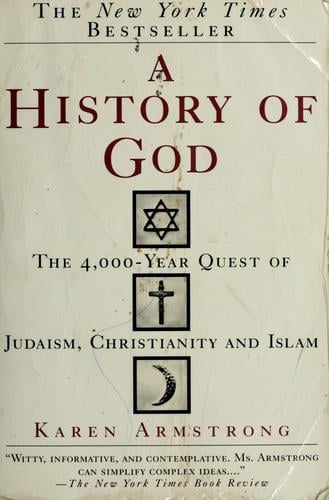
Start this bookNo. 17 on this list. A History of God · Karen Armstrong · 1993
One of the most widely read works of popular religious history since its publication.
Moderate13 hours
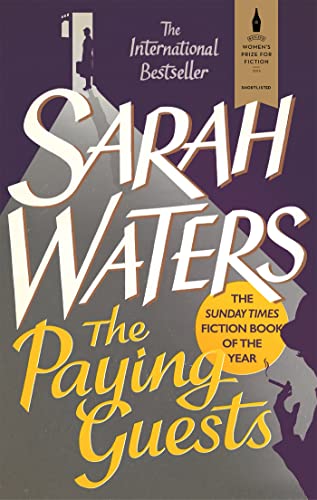
Start this bookNo. 18 on this list. The Paying Guests · Sarah Waters · 2015
Published in 2014, The Paying Guests represents contemporary literary fiction by an established author with significant cultural impact in LGBTQ+ literature. Waters is widely recognized for her contributions to historical lesbian fiction. While too recent for canonical entrenchment, the novel appears on literary prize shortlists and reading lists for courses on contemporary British fiction and queer literature. It demonstrates serious literary ambition while remaining accessible, occupying the space between middlebrow and highbrow that characterizes much contemporary literary fiction.
Moderate13 hours
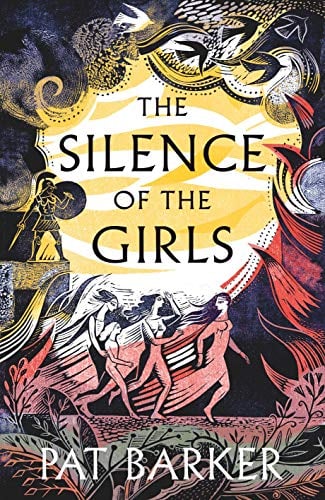
Start this bookNo. 19 on this list. The Silence of the Girls · Pat Barker · 2018
Taught in schools: Leaving Certificate English – NCCA / State Examinations Commission (Ireland)
Briseis is a queen captured by Achilles when he sacks her city. She becomes his slave, his prize, the woman over whom he and Agamemnon quarrel. Barker retells the Iliad from her perspective, giving voice to the women Homer left silent. The prose is direct and modern, the ancient world rendered without nostalgia, the heroes seen from the tents where women wait. The novel asks whose stories survive, whose suffering counts, and what it means to speak for those who were never allowed to speak.
Challenging7 hours
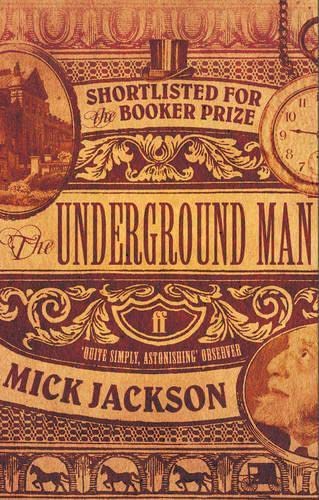
Start this bookNo. 20 on this list. The Underground Man · Mick Jackson · 1997
William John Cavendish Bentinck-Scott was a singularly eccentric man. What sets him apart from other eccentrics is the fact that he had the wealth to indulge his mania to the fullest. Mick Jackson became fascinated by the stories that surrounded his memory--the Duke died in 1879--and began to embroider them with fictional ideas of Jacksons own, and with the tales that local people had passed on to him. Some of the characters names in this book are genuine, as is much of the geography, and indeed some of the most bizarre details. The actual narrative is, however, pure invention, filled not only with the tale of the Duke but also the excitement and discoveries of the age in which he lived, and the mysteries that we may still discover. This is a curiously moving and often hilarious portrait of the remarkable fifth Duke of Portland, who indulged his fantasies to the fullest and built a vast network of tunnels beneath his estate from which he could secretly escape to the world beyond.
Challenging5.4 hours
Start this book
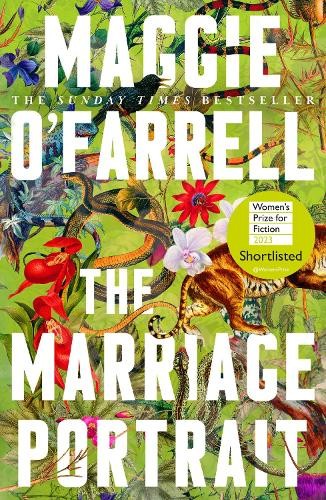
No. 21 on this list. The Marriage Portrait · Maggie O'Farrell · 2023
Published in 2022, The Marriage Portrait received immediate recognition through Reese's Book Club selection, Women's Prize shortlisting, and 'best book of the year' designations from TIME and The Washington Post. As O'Farrell's follow-up to the Women's Prize-winning Hamnet, it benefits from her established reputation. However, critics noted it 'lacks the emotional staying power of Wolf Hall or Hamnet,' suggesting strong contemporary acclaim without yet achieving definitive canonical standing in historical fiction.
Moderate8.8 hours
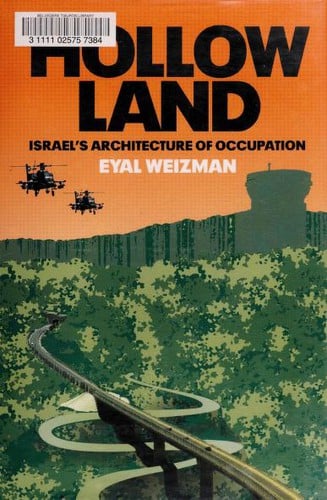
Start this bookNo. 22 on this list. Hollow Land: Israel's Architecture of Occupation · Eyal Weizman · 2007
Widely taught in architecture, geography, political theory and Middle East studies, and a standard reference for spatial analysis of occupation. It has not reached the general literary canon.
Challenging6.8 hours
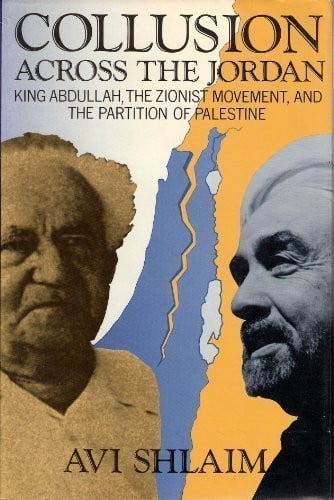
Start this bookNo. 23 on this list. Collusion Across the Jordan: King Abdullah, the Zionist Movement, and the Partition of Palestine · Avi Shlaim · 1988
It is a standard text in Middle East history courses and is cited constantly in the study of 1948, though it is a specialist monograph rather than general canon.
Easy11 hours
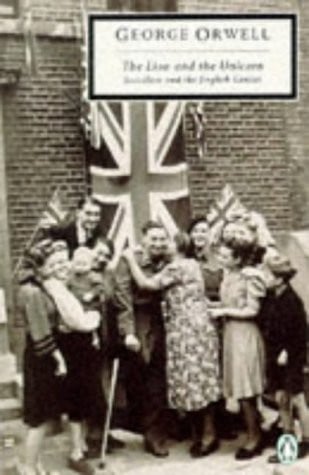
Start this bookNo. 24 on this list. The Lion and the Unicorn: Socialism and the English Genius · George Orwell · 1941
The Lion and the Unicorn, especially its opening section England Your England, is widely reprinted in Orwell essay collections and appears in courses on wartime Britain and English identity. It is less taught than Politics and the English Language or Shooting an Elephant.
Easy2 hours
Start this bookNo. 25 on this list. Waterland · Graham Swift · 1983
Taught in schools: AQA GCSE and A-level English Literature (UK)
Appears on 188 university syllabi (56th percentile in the Open Syllabus Project), placing it firmly in the taught-in-universities tier without reaching the curriculum-fixture status of Beloved or Gatsby. Wikipedia presence in 44 languages signals international recognition but falls short of the 70+ languages that mark truly canonical works. It is standard reading in British contemporary fiction and postmodern literature courses.
Difficult13 hours
Start this bookNo. 26 on this list. The Dawn of Everything · David Wengrow · 2021
A 2021 New York Times bestseller that is already widely assigned and debated in anthropology, archaeology and political theory courses. It is too recent to count as a settled canonical text.
Moderate13 hours
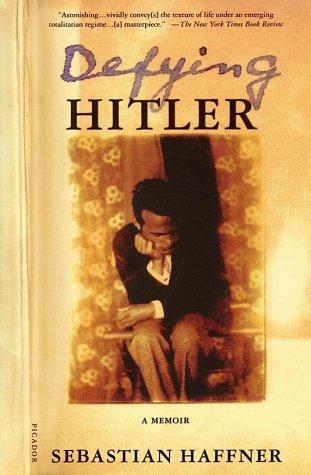
Start this bookNo. 27 on this list. Geschichte eines Deutschen · Sebastian Haffner · 2000
It is widely read and cited in German schools and in discussions of the Nazi era, though not a long-standing classic. Its status grows as a standard first-hand account of 1930s Germany.
Easy4.5 hours
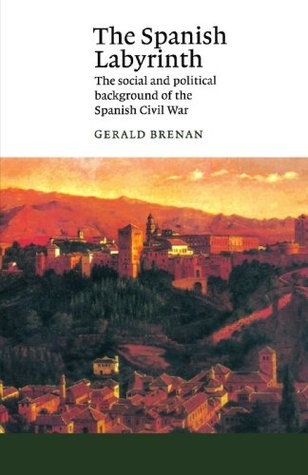
Start this bookNo. 28 on this list. The Spanish Labyrinth · Gerald Brenan · 1943
Standard English-language reference on the causes of the Spanish Civil War since its publication.
Challenging8.7 hours
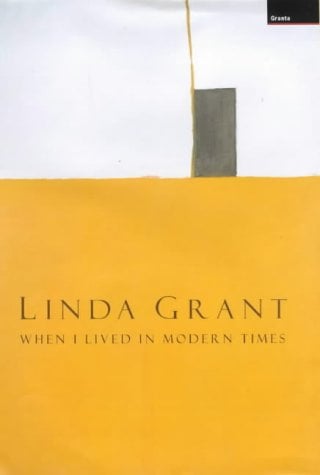
Start this bookNo. 29 on this list. When I Lived in Modern Times · Linda Grant · 2000
"For a weary and exhausted Europe, it is a time to begin picking up the pieces of the past, and for the armies of displaced persons on the move to slowly return home - if they still have one. But for Evelyn Sert, a young twenty-year-old woman from London standing on the deck of a ship bound for Palestine, it is a time of adventure and a time of change when anything seems possible.". "Evelyn is quickly caught up in the spirited, chaotic churning of her new, strange country. Unsure of herself and where she belongs in this exotic world whose only constant is change, she will first join a kibbutz, then move on to the teeming metropolis of Tel Aviv to find her own home and a collection of friends as eccentric and disparate as the city itself. Ultimately, she will find love with a man who is not what he seems to be, as she is swept up as an unwitting spy in an underground army for a nation fighting to be born."--BOOK JACKET.
Challenging4.8 hours
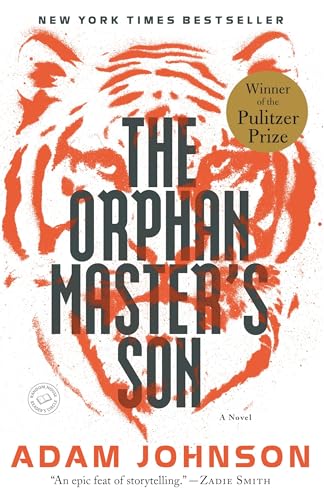
Start this bookNo. 30 on this list. The Orphan Master's Son · Adam Johnson · 2013
The Orphan Master's Son won the 2013 Pulitzer Prize for Fiction, which guarantees it a place in American literary discussions for decades. Wikipedia articles exist in 6 languages, indicating moderate global reach. The novel has not yet achieved deep syllabus penetration -- it is too recent and too specifically focused on North Korea to appear in standard survey courses -- but it turns up in contemporary fiction and Asian-American literature courses. Its canonical trajectory is upward but still early.
Challenging14 hours
Start this book
No. 31 on this list. The Fortune Men
Nadifa Mohamed · 2021
No. 32 on this list. The Battle for God
Karen Armstrong · 2001
No. 33 on this list. Como Mudar o Mundo
Eric J. Hobsbawm · 2011
No. 34 on this list. The Glass Room
Simon Mawer · 2009
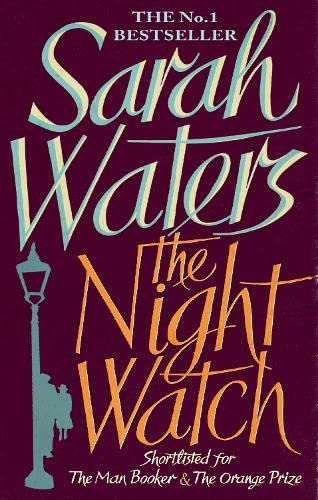
No. 35 on this list. The Night Watch
Sarah Waters · 2006
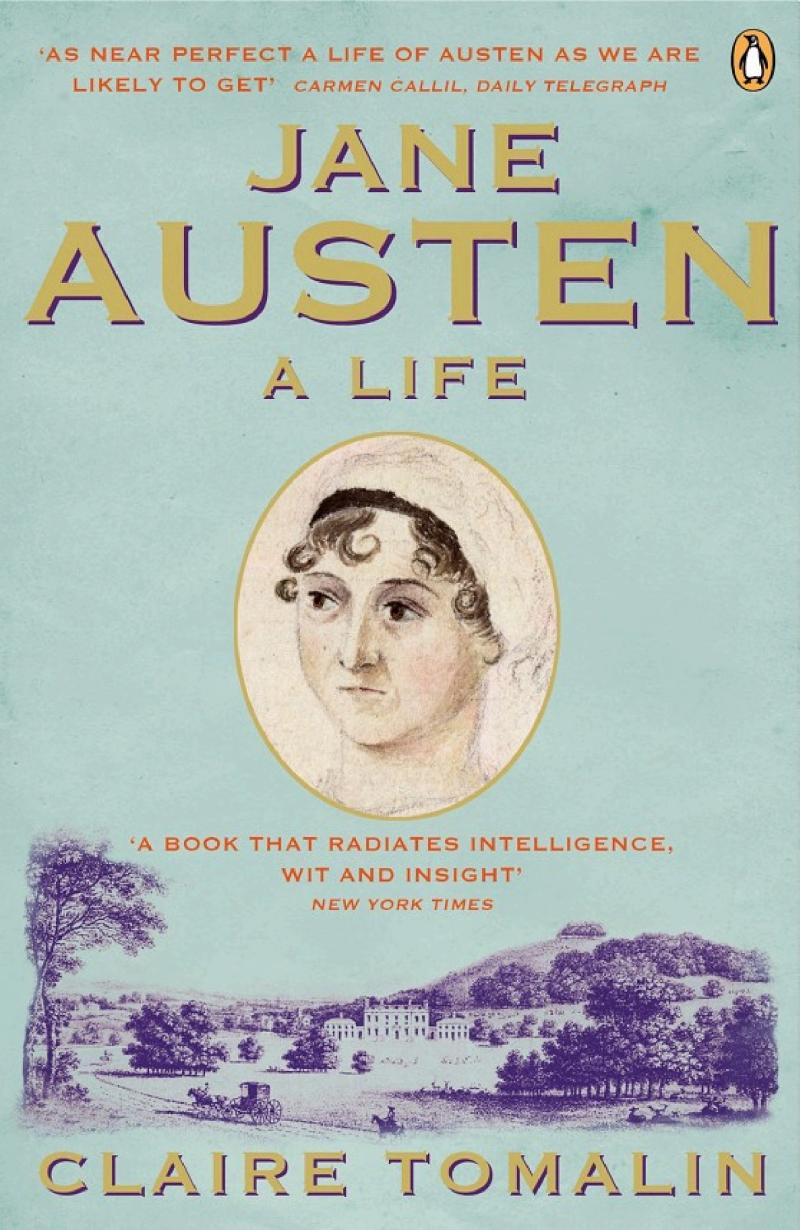
No. 36 on this list. Jane Austen: A Life
Claire Tomalin · 1997
No. 37 on this list. The Fires of Vesuvius: Pompeii Lost and Found
Mary Beard · 2008
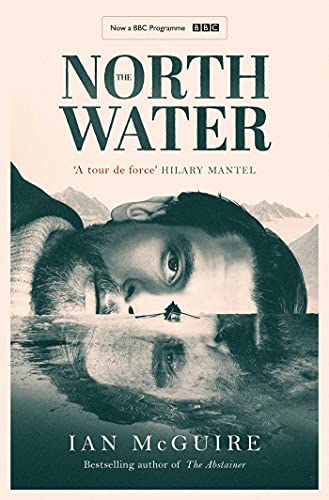
No. 38 on this list. The North Water
Ian McGuire · 2016
No. 39 on this list. The Great Transformation
Karen Armstrong · 2007
No. 40 on this list. The Ethnic Cleansing of Palestine
Ilan Pappé · 2006
No. 41 on this list. Arabian Sands
Wilfred Thesiger · 1959
No. 42 on this list. The Mulberry Empire
Philip Hensher · 2002
No. 43 on this list. The Memory of Love
Aminatta Forna · 2011
No. 44 on this list. A History of Modern Palestine: One Land, Two Peoples
Ilan Pappé · 2004
No. 45 on this list. SPQR
Mary Beard · 2015
No. 46 on this list. The Siege
Helen Dunmore · 2002
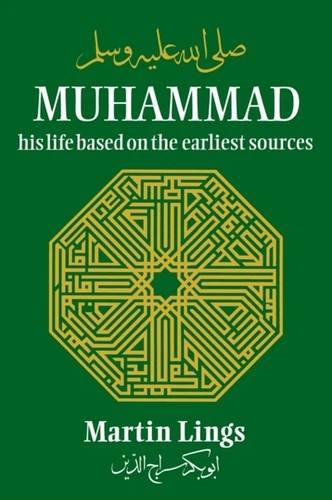
No. 47 on this list. Muhammad His Life Based on the Earliest Sources
Martin Lings · 1991
No. 48 on this list. Putins Netz
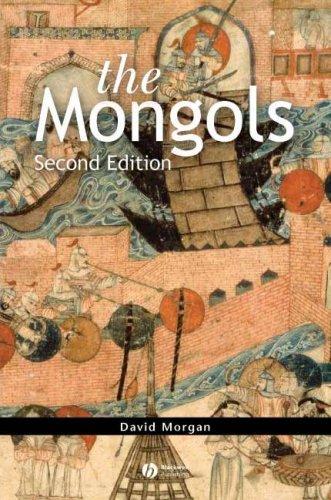
No. 49 on this list. The Mongols
David Morgan · 2007
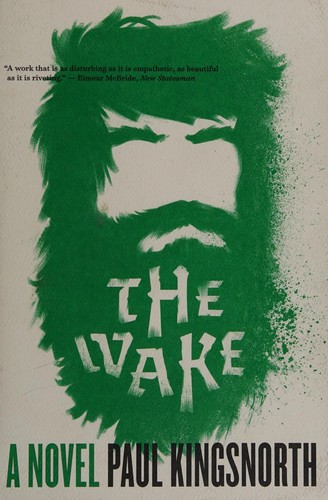
No. 50 on this list. The Wake
Paul Kingsnorth · 2014

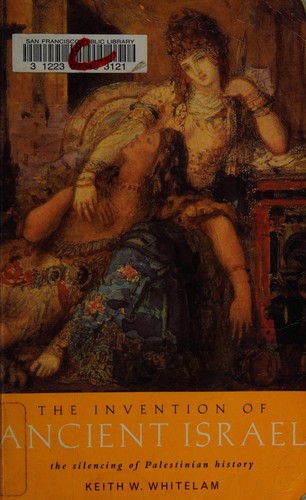
No. 51 on this list. The Invention of Ancient Israel: The Silencing of Palestinian History
Keith W. Whitelam · 2000
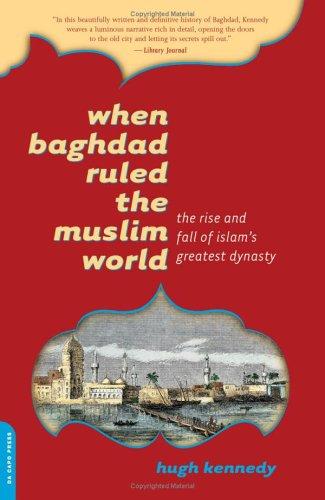
No. 52 on this list. When Baghdad Ruled the Muslim World: The Rise and Fall of Islam's Greatest Dynasty
Hugh Kennedy · 2006
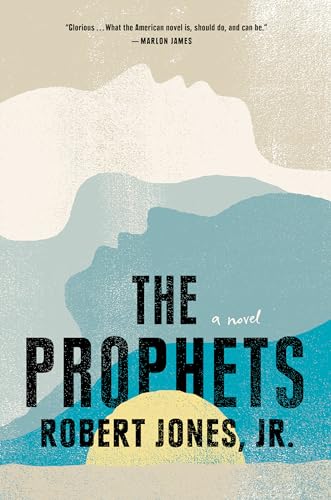
No. 53 on this list. The Prophets
Robert Jones · 2021
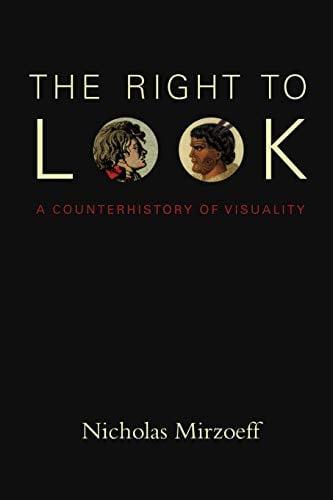
No. 54 on this list. The Right to Look: A Counterhistory of Visuality
Nicholas Mirzoeff · 2011
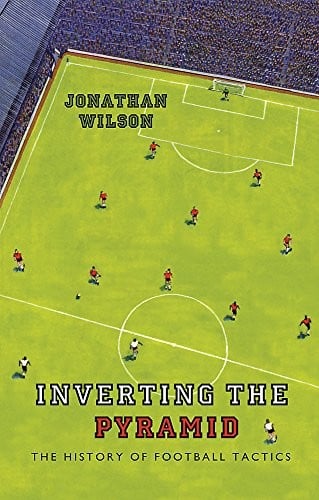
No. 55 on this list. Inverting the Pyramid: The History of Football Tactics
Jonathan Wilson · 2008
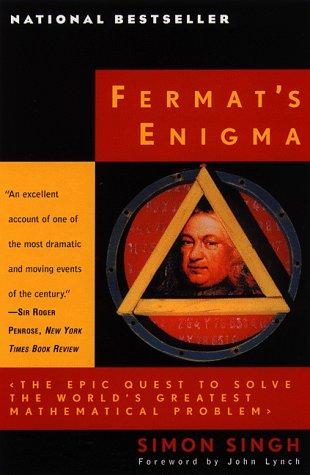
No. 56 on this list. Fermat's Enigma
Simon Singh · 1997
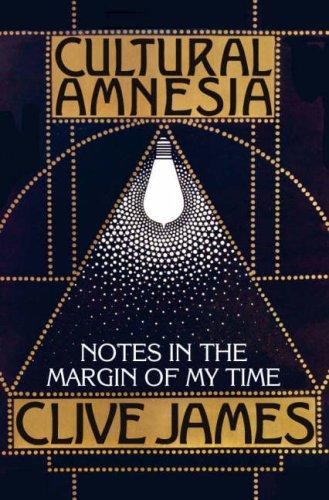
No. 57 on this list. Cultural Amnesia
Clive James · 2007
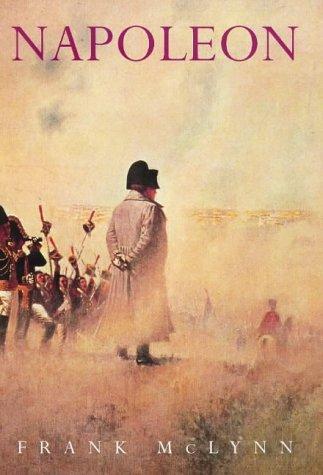
No. 58 on this list. Napoleon
Frank McLynn · 1997
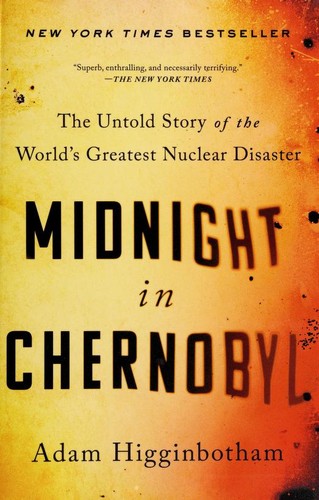
No. 59 on this list. Midnight in Chernobyl
Adam Higginbotham · 2019
No. 60 on this list. Eating to Extinction
Dan Saladino · 2021
No. 61 on this list. The Silk Roads
Peter Frankopan · 2015
No. 62 on this list. How the World Made the West: A 4,000-Year History
Josephine Quinn · 2024
No. 63 on this list. Why War?
Richard Overy · 2024
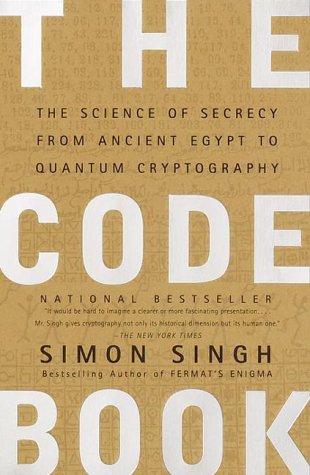
No. 64 on this list. The Code Book
Simon Singh · 1999
No. 65 on this list. The Greeks: A Global History
Roderick Beaton · 2022
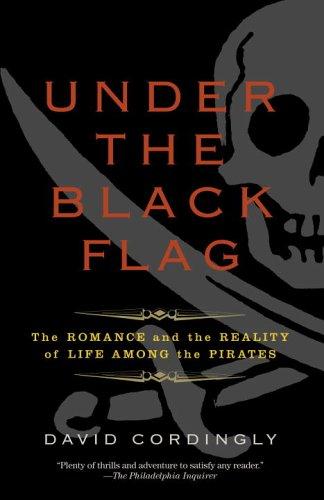
No. 66 on this list. Under the black flag
David Cordingly · 1996
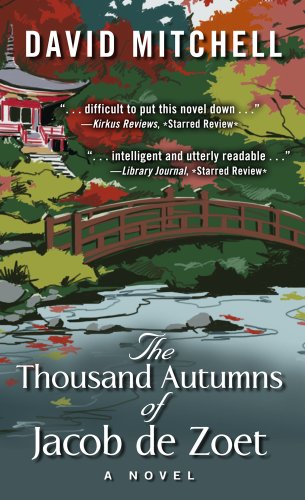
No. 67 on this list. The Thousand Autumns of Jacob de Zoet
David Mitchell · 2010
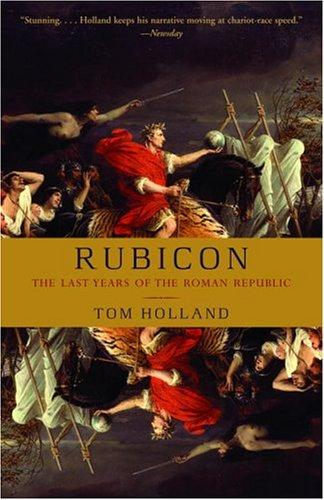
No. 68 on this list. Rubicon
Tom Holland · 2003
No. 69 on this list. October: The Story of the Russian Revolution
China Miéville · 2017
No. 70 on this list. Trinity
Frank Close · 2019

No. 71 on this list. The Tenderness of Wolves
Stef Penney · 2006
No. 72 on this list. Making Sense of the Troubles: a History of the Northern Ireland Conflict
David McKittrick · 2012
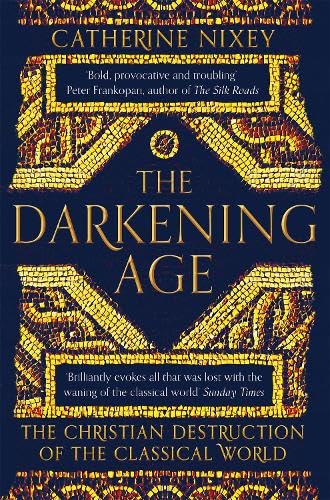
No. 73 on this list. The Darkening Age: The Christian Destruction of the Classical World
Catherine Nixey · 2017
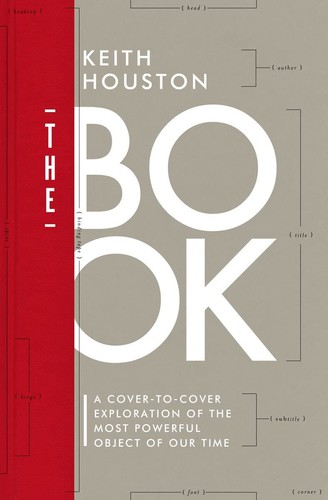
No. 74 on this list. The Book: A Cover-To-Cover Exploration of the Most Powerful Object of Our Time
Keith Houston · 2016
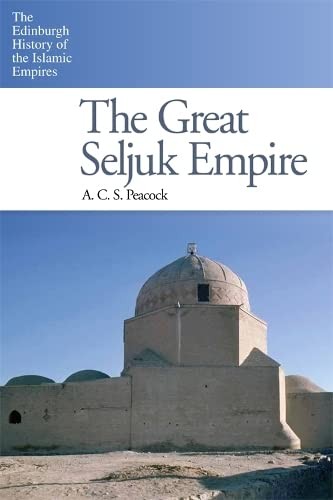
No. 75 on this list. The Great Seljuk Empire
A. C. S. Peacock · 2015
No. 76 on this list. The Story of the Irish Race: A Popular History of Ireland
Seumas MacManus · 1990
No. 77 on this list. The Last Hundred Days
Patrick McGuinness · 2011
No. 78 on this list. The Quickening Maze
Adam Foulds · 2009
No. 79 on this list. Before We Were Trans: A New History of Gender
Kit Heyam · 2024
No. 80 on this list. Prisoners of Geography
Tim Marshall · 2015
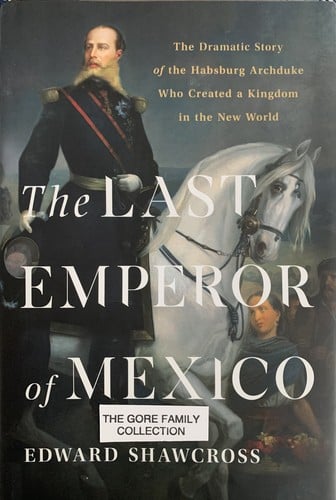
No. 81 on this list. The Last Emperor of Mexico
Edward Shawcross · 2021
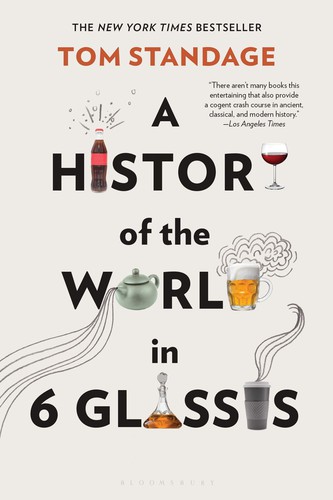
No. 82 on this list. A History of the World in 6 Glasses
Tom Standage · 2005
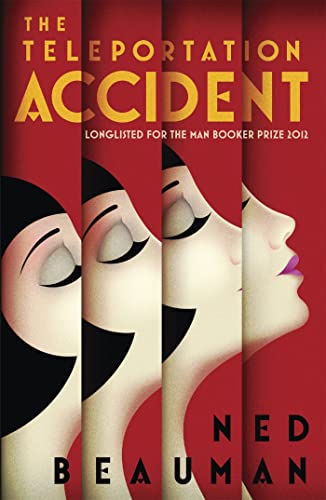
No. 83 on this list. The Teleportation Accident
Ned Beauman · 2012
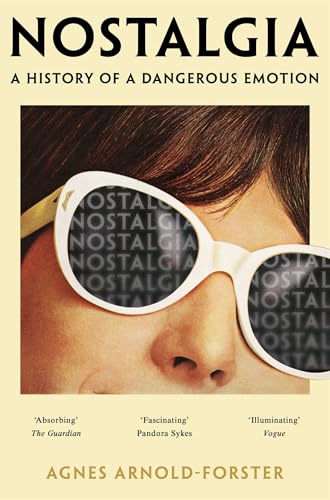
No. 84 on this list. Nostalgia: A History of a Dangerous Emotion
Agnes Arnold-Forster · 2025
No. 85 on this list. The Map of Knowledge: A Thousand-Year History of How Classical Ideas Were Lost and Found
Violet Moller · 2019
No. 86 on this list. The Secret History of the Five Eyes
Richard Kerbaj · 2023
No. 87 on this list. Over There War Scenes on the Western Front
No. 88 on this list. The Secret Lives of Color
No. 89 on this list. Cursor Mundi
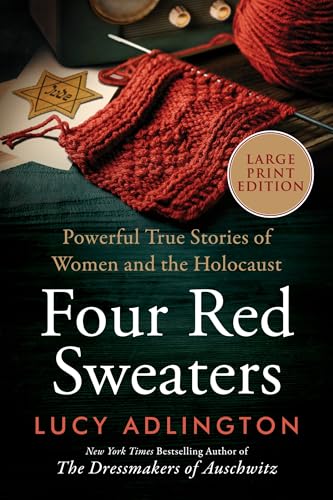
No. 90 on this list. Four Red Sweaters: Powerful True Stories of Women and the Holocaust
Lucy Adlington · 2025
About this list
These 91 books are the highest-scoring eligible history books from Britain currently in the catalogue. About 956 hours of reading in all, for the 89 with measured lengths. Difficulty runs from 32 to 56 out of 100 for the middle half of the list; the summit is The Right to Look: A Counterhistory of Visuality at 75.
This list is ranked by literary regard, with a consistent order for equal scores. Membership follows authors and co-authors, not translators or editors. Catalogue coverage and the historical canon both limit what this list can represent, and genre labels are the catalogue’s own, gathered into broader kinds.
When we matched the Canons dataset to our catalogue in October 2026, our canonical-status scores rose with the number of school curricula, publisher series and lists in it that cite a work: the median score was 72 for books one such source cites, 84 at two, 88 at three, 92 at four and 93 at five or more. Prizes are left out of that count. Outside the state curricula, the dataset’s sources choose mostly from what has been translated into English or French, so it is a weaker check on other literatures. Source: Canons (Andrew Piper), CC BY 4.0
Questions people actually ask
- What are the best history books from Britain?
- By literary regard, which weighs canonical status, critical standing and influence: The Decline and Fall of the Roman Empire by Edward Gibbon, Wolf Hall by Hilary Mantel, Life of Johnson by James Boswell, The Road to Serfdom by Friedrich Hayek and The Open Society and Its Enemies by Karl Popper. ReadingRate ranks 91 such books, each with a difficulty score and a reading-time estimate.
- Which history books from Britain should I read first?
- Start from difficulty, not from rank. The most approachable books on this list that still carry top literary regard are Life of Johnson by James Boswell, An Introduction to Spanish-American Literature by Jean Franco and The Road to Serfdom by Friedrich Hayek.
- What are the shortest of the best history books from Britain?
- Among the top 25, the shortest are The Lion and the Unicorn: Socialism and the English Genius by George Orwell (about 2 hours), The Literature of the Sagas by W. P. Ker (about 4 hours) and The Underground Man by Mick Jackson (about 5.4 hours), at an average pace of 250 words a minute adjusted for each book's difficulty.
- Which of the best history books from Britain are the established classics?
- By canonical status, how firmly a book sits in curricula, anthologies and the canon: The Decline and Fall of the Roman Empire by Edward Gibbon, The Cambridge History of Italian Literature by Peter Brand, The Open Society and Its Enemies by Karl Popper, An Introduction to Spanish-American Literature by Jean Franco and The Road to Serfdom by Friedrich Hayek.
- Can I read any of these history books from Britain for free?
- 2 of the 91 open in ReadingRate's reader with a free account, from public-domain editions: The Decline and Fall of the Roman Empire and The Diary of Samuel Pepys.
- How long would it take to read the top ten?
- About 217 hours for the 9 with measured lengths, at an average pace of 250 words a minute adjusted for each book's difficulty: 109 days at two hours a day. Set your own pace on the page and the list's reading times change to it.
- How hard are history books from Britain to read?
- Most of this list sits between 32 and 56 on ReadingRate's 100-point difficulty scale, where 40 to 55 is moderate. The summit is The Right to Look: A Counterhistory of Visuality at 75. Every entry carries its own score, so a reader can pick a great book at a difficulty they will finish.
- How is this list ranked?
- On literary-regard data: how canonically established a work is, its critical standing, and its influence on later writing. It is not a readers’ poll, which is why recent bestsellers rarely appear. Membership follows authors and co-authors, not translators or editors. Lists by country, author, period, theme or difficulty keep to literature: fiction, poetry and drama, with no philosophy, criticism or theory. A list of a kind of book, such as philosophy, memoir or criticism, keeps every book of that kind. Every list holds at most three works by one author.