Hours at an average pace
Showing 100 books
About 729 hours for 100 of 100 books with measured lengths. Estimates use 250 words a minute, adjusted for each book's difficulty. At 2 hours a day, about 365 days for those books.
One of the most anthologised short stories in English and a standard school text.
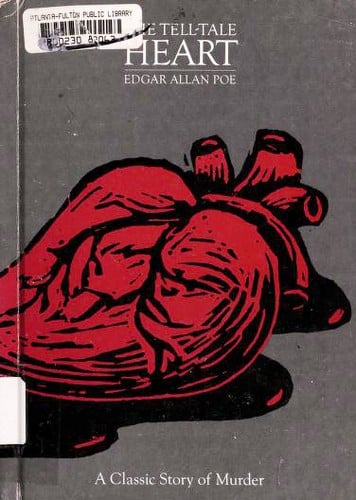
No. 2 on this list. The Tell-Tale Heart
Edgar Allan Poe · 1843
Moderate33 min
Taught in schools: Pacific Senior Secondary Certificate – English
One of the most taught short stories in the English-speaking world.
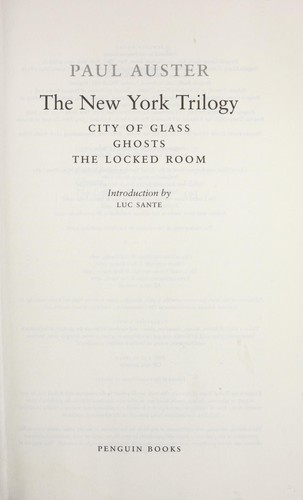
The New York Trilogy stands as the defining work of American postmodern noir and one of the most influential experimental novels of the 1980s. It appears consistently on syllabi for postmodern fiction, metafiction, and American literature courses, and is cited as a foundational text in discussions of the detective genre's literary transformation. Published in the US by Penguin Books (1987 combined edition), it has remained continuously in print for four decades. It appears on numerous "greatest novels" lists and is central to critical discourse on identity, authorship, and the limitations of language in contemporary fiction.
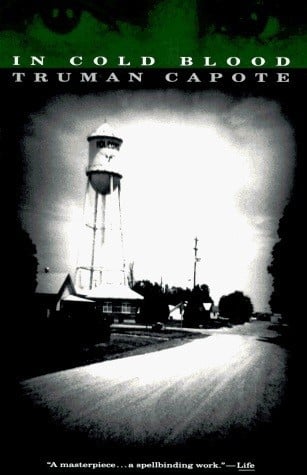
Required reading in virtually every American journalism school and most creative nonfiction courses. Appears on Modern Library and Time's All-Time 100 Novels lists. The book that established 'literary journalism' and 'the nonfiction novel' as serious forms. No significant discussion of 20th-century American nonfiction omits it.
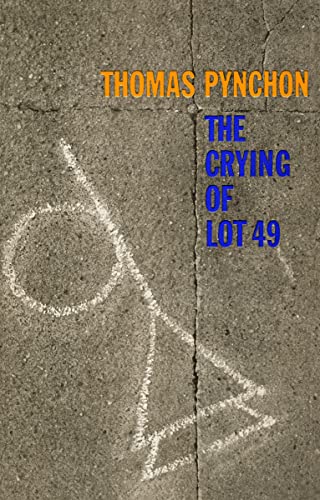
Oedipa Maas learns she has been named executor of Pierce Inverarity's estate, a California real estate mogul and former lover whose tangled holdings require investigation. Traveling to the fictional San Narciso with co-executor Metzger, a lawyer, she begins noticing a mysterious symbol—a muted post horn—appearing in unexpected places. Her research into a Jacobean revenge play performed locally reveals references to Tristero, an underground postal system that may have operated in opposition to official mail services for centuries. As Oedipa pursues leads through bizarre informants—Mike Fallopian explaining the Peter Pinguid Society, John Nefastis demonstrating his entropy-reversing machine, professor Emory Bortz debating theatrical textual variants—she cannot determine whether she has discovered a genuine conspiracy or descended into paranoia. Her husband Mucho suffers breakdowns at his disk jockey job while Metzger abandons both the investigation and their affair. Characters appear with improbable names and suspect motives, stamps contain hidden messages, and evidence proliferates without resolving into coherent truth. The novel concludes with Oedipa attending an auction where a mysterious bidder may reveal the conspiracy's reality, but the narrative ends the moment before revelation, suspending her permanently between competing interpretations of American communication, meaning, and madness.
The Journalist and the Murderer is a staple of journalism school curricula across North America and is widely assigned in media ethics, creative nonfiction, and literary journalism courses. Its opening sentence is among the most frequently quoted lines in American nonfiction. While it does not appear on general literary canons as broadly as major novels, within its domain — journalism studies and media ethics — it is as close to required reading as any single text.
Regularly included in syllabi for contemporary American literature and crime fiction courses. The 2007 Coen Brothers adaptation—Best Picture winner—dramatically expanded cultural reach and cemented the novel in the popular imagination. McCarthy's status as a major American literary figure ensures it appears on most critical inventories of important post-2000 American fiction.
Considered Hammett's finest novel by many critics—Raymond Chandler called it 'the most completely plotted detective novel ever written' and André Gide singled it out as a masterpiece. The Glass Key appears in numerous 'greatest crime novels' lists and holds Library of America status, but it is taught primarily in genre studies courses rather than mainstream American literature surveys, placing it below Hammett's more widely assigned The Maltese Falcon.
Part of Roth's 'American Trilogy' — widely referenced in American fiction surveys and on reading lists for postwar American literature. Wikipedia article available in 9 languages with a dedicated reception section and adaptations section (2003 film with Anthony Hopkins and Nicole Kidman). The Open Syllabus data records no standalone syllabus appearances, suggesting it is typically taught as part of the trilogy rather than alone.
Listed on the Modern Library 100 Best Novels (1998) and appears on 544 university syllabi according to Open Syllabus — placing it at the 68th percentile among taught books. With Wikipedia articles in 7 languages, The Maltese Falcon occupies a firm but not commanding canonical position: foundational to crime fiction and American literature courses, less universally required than Fitzgerald or Hemingway.
No. 11 on this list. The Executioner's Song · Norman Mailer · 1980
The book won the 1980 Pulitzer Prize for Fiction and is regularly taught in creative nonfiction and American literature courses. It's considered a landmark in the 'nonfiction novel' genre that Capote pioneered with In Cold Blood. The work appears on major reading lists as an essential text for understanding both 1970s America and the possibilities of documentary literature.
Moderate26 hours
Start this bookNo. 12 on this list. The Known World · Edward P. Jones · 2004
Pulitzer Prize winner (2004), widely taught in African American literature and American history courses. Growing presence in contemporary fiction syllabi but not yet at universal canonical status like 'Beloved.' Recognized as essential within specific academic contexts.
Challenging11 hours
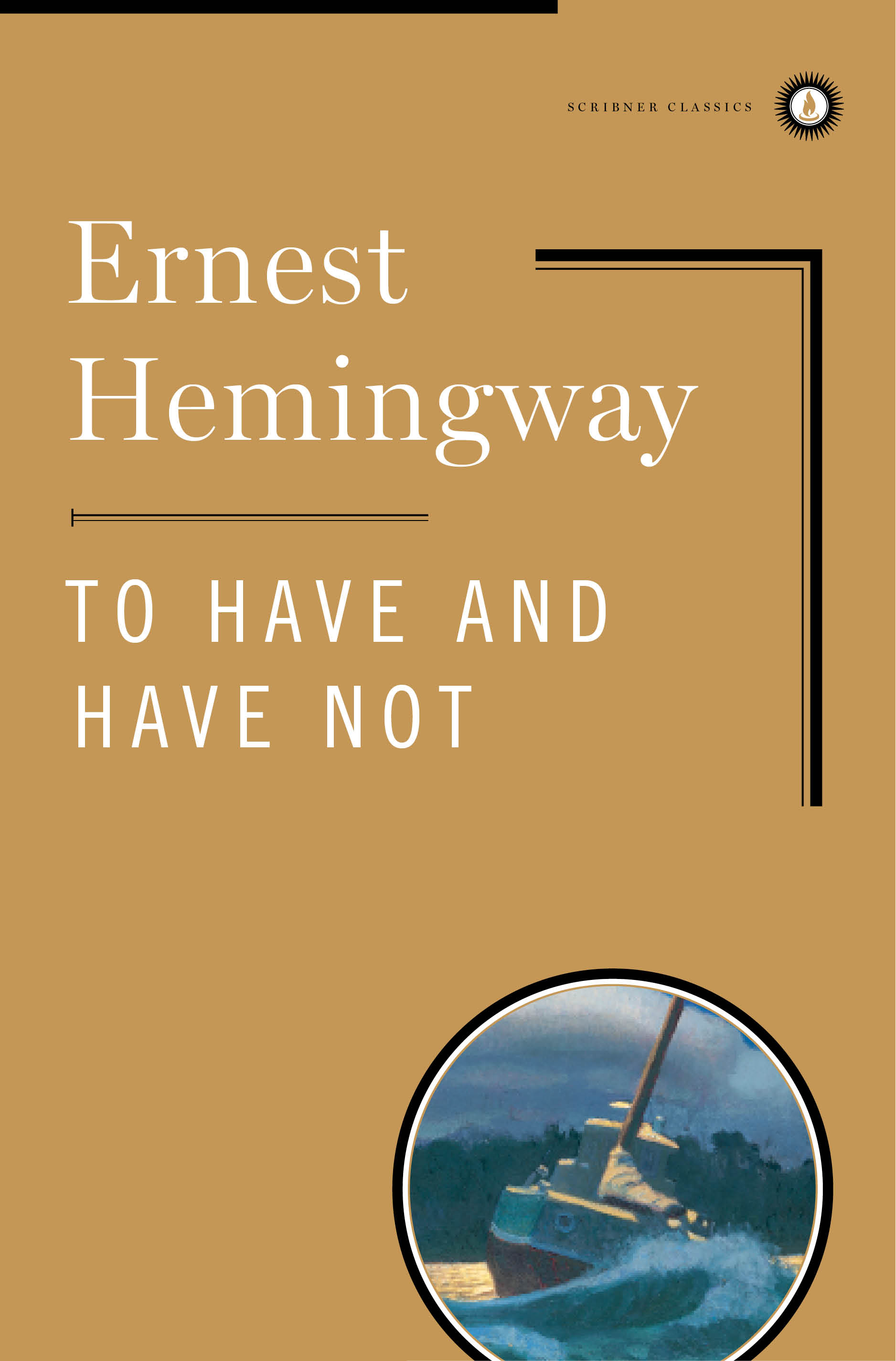
Start this bookNo. 13 on this list. To Have and Have Not · Ernest Hemingway · 1937
A recognized Hemingway novel taught in American literature courses and appearing regularly on university syllabi for modernist and American fiction studies. While not as widely assigned as The Sun Also Rises or A Farewell to Arms, it holds a secure place in the Hemingway canon and on curated reading lists of 20th-century American fiction.
Challenging4.7 hours
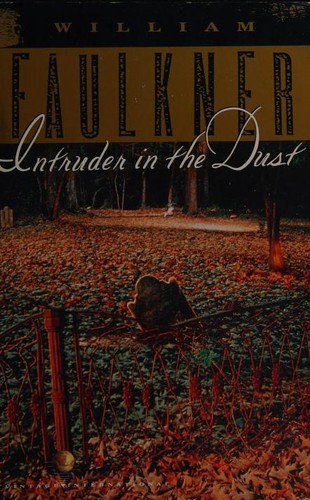
Start this bookNo. 14 on this list. Intruder in the Dust · William Faulkner · 1948
Intruder in the Dust appears on university syllabi in Southern literature, American modernism, and literature-and-race courses, though it occupies a middle tier within Faulkner's own canon. The Sound and the Fury and Absalom, Absalom! draw greater teaching attention; this novel is frequently assigned in Faulkner surveys and American racial-justice literature courses.
Challenging6.9 hours
Start this bookNo. 15 on this list. Fer-de-Lance · Rex Stout · 1934
Launched one of detective fiction's most enduring series. Nero Wolfe is a genre icon.
Easy3.4 hours
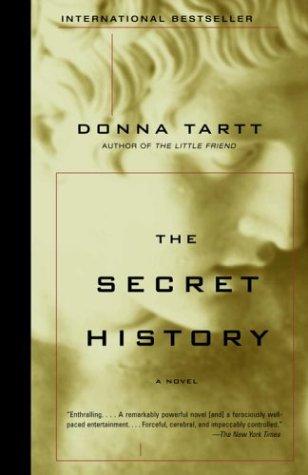
Start this bookNo. 16 on this list. The Secret History · Donna Tartt · 1992
The Secret History is widely assigned in university courses on contemporary American fiction, creative writing, and the campus novel. While it has not reached the universal curriculum status of mid-century classics, its presence in syllabi across English-speaking universities is substantial. Wikipedia covers the novel in 20+ languages, reflecting broad international readership.
Challenging21 hours
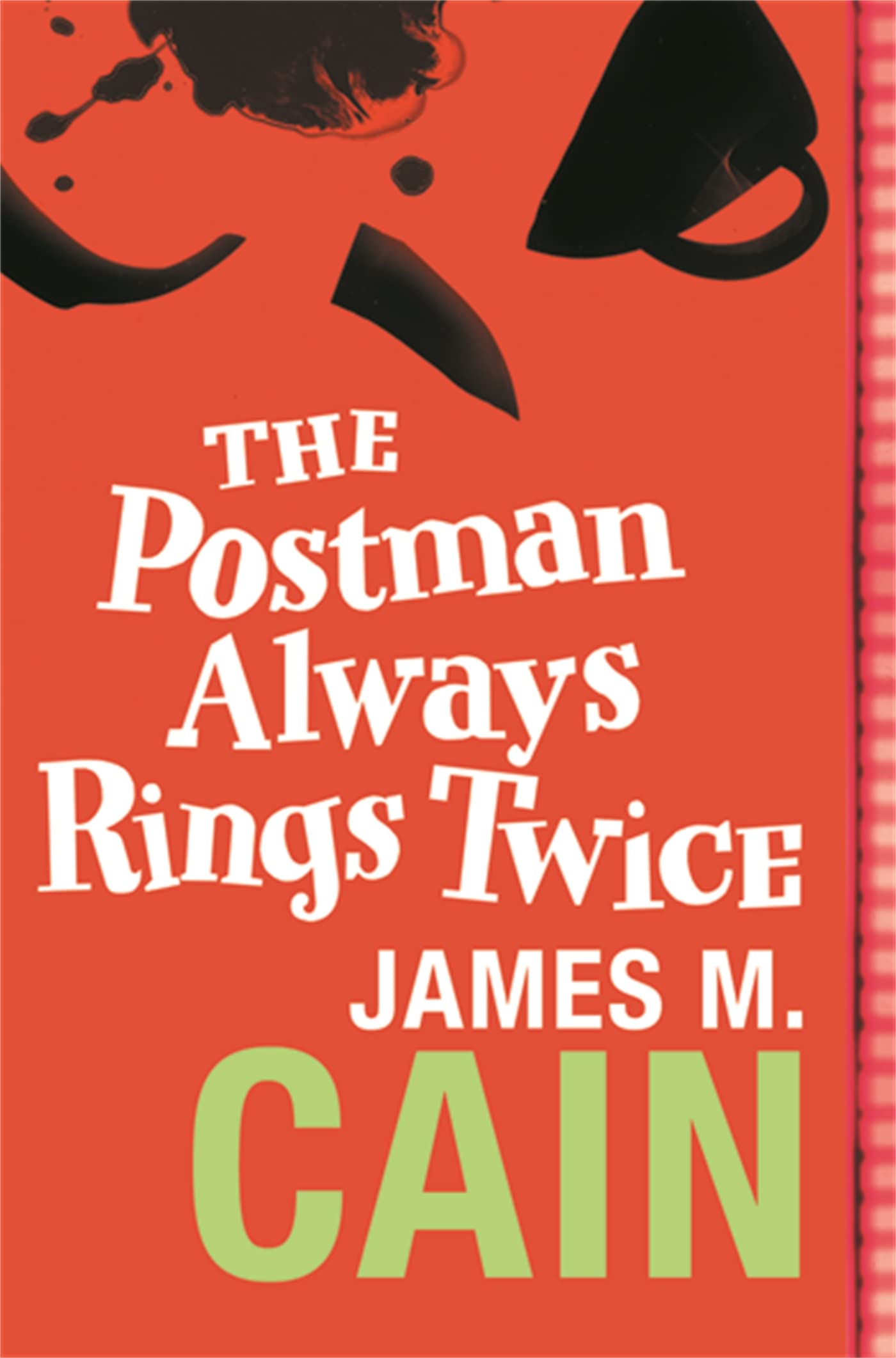
Start this bookNo. 17 on this list. The Postman Always Rings Twice · James M. Cain · 1934
On the Modern Library 100 Best Novels (1998) and 137 university syllabi (53rd percentile in Open Syllabus). It is a core text in courses on American crime fiction, noir and film adaptation.
Easy2.1 hours
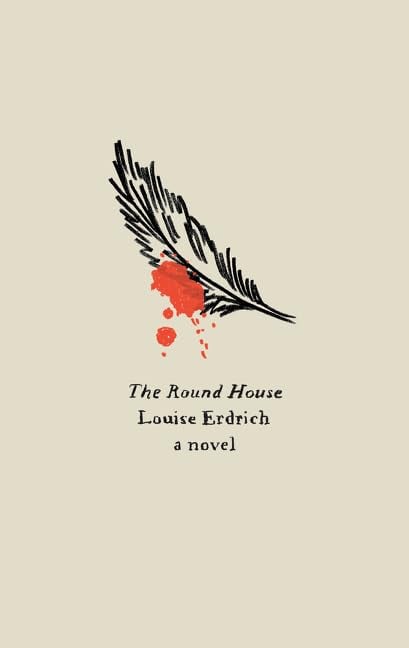
Start this bookNo. 18 on this list. The Round House · Louise Erdrich · 2012
In the lush and unforgiving landscape of a North Dakota reservation, a traumatic event shatters the life of a young boy and his family. The Round House, a piercing novel by Louise Erdrich, tells the story of a violent attack on a mother that shatters the fragile balance of her family, leaving her son to navigate the complexities of justice, identity, and belonging. Through lyrical prose, Erdrich weaves a narrative that explores the intersections of family, community, and the law. As the story unfolds, themes of trauma, loyalty, and the struggles of growing up on a reservation emerge, raising questions about the power of tradition and the reach of justice. Erdrich's writing is evocative and nuanced, conjuring the harsh beauty of the reservation and the deep-seated emotions of her characters. This book is ideal for readers who appreciate literary fiction that tackles tough subjects with sensitivity and depth. Be prepared for a gripping narrative that balances intensity with moments of tenderness and humor. With its well-crafted characters and thought-provoking themes, The Round House is a compelling read that will resonate with fans of character-driven fiction. Winner of the 2012 National Book Award, The Round House is a testament to Erdrich's skill as a storyteller and her ability to craft narratives that are both deeply personal and universally relatable.
Challenging8 hours
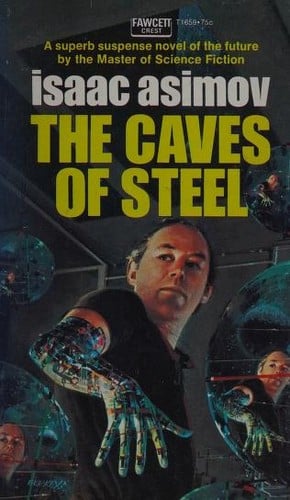
Start this bookNo. 19 on this list. The Caves of Steel · Isaac Asimov · 1954
The Caves of Steel appears on university syllabi in science fiction literature courses and sits on nearly every canonical SF reading list, including the Science Fiction Encyclopedia's foundational texts. It lacks the cross-disciplinary syllabus presence of mainstream literary fiction but holds a secure place in the SF canon that has been stable for decades.
Moderate4.6 hours
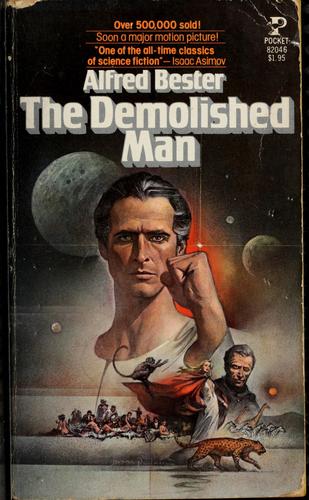
Start this bookNo. 20 on this list. The Demolished Man · Alfred Bester · 1953
The Demolished Man holds a secure place in the SF canon as the winner of the inaugural Hugo Award for Best Novel (1953), the genre's highest honor. It appears in major SF reference works and retrospectives but sits outside the broader literary canon taught in university English departments. No Open Syllabus appearances were found, reflecting its genre-specific rather than cross-disciplinary canonical standing.
Difficult6.9 hours
Start this book
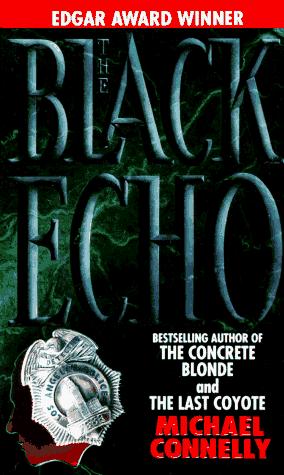
No. 21 on this list. The Black Echo · Michael Connelly · 1992
Launched one of the most acclaimed detective series in modern crime fiction. Edgar Award winner.
Easy6 hours
Start this bookNo. 22 on this list. Red Harvest · Dashiell Hammett · 1929
Listed on TIME's All-TIME 100 Novels and the Open Syllabus Top 500 for Literature, and published in prestigious Library of America and Everyman's Library editions. Wikipedia coverage in 9 languages indicates moderate global recognition. Canonical within hard-boiled and noir fiction but not widely taught outside genre studies courses.
Challenging4.5 hours
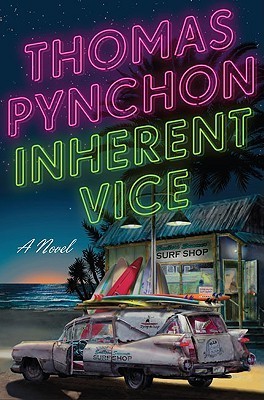
Start this bookNo. 23 on this list. Inherent Vice · Thomas Pynchon · 2009
Inherent Vice is published and recognized as a major Pynchon novel — his most accessible — and was adapted into a Paul Thomas Anderson film in 2014, generating considerable cultural presence. However, it lacks the canonical weight of Gravity's Rainbow or The Crying of Lot 49. It is taught occasionally at the university level as an entry point to Pynchon but does not appear on core syllabi. Wikipedia editions across many languages reflect broad recognition without deep canonization.
Difficult14 hours
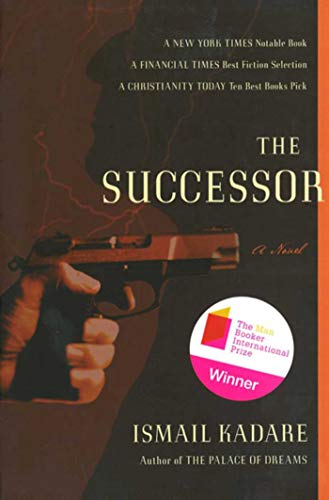
Start this bookNo. 24 on this list. The Successor · Ismail Kadare · 2003
Kadare is the pre-eminent Albanian writer and The Successor appears on world literature and comparative literature syllabi, though Albanian literature remains a niche in anglophone curricula. The novel is published by Canongate in the UK and Arcade in the US and available in over 40 language translations but does not feature heavily on large-volume English-language syllabi datasets. Its canonical status sits between 2666 (65) and Gone Girl (45) — a recognized work of international literary fiction without mass-curriculum penetration.
Difficult4.9 hours
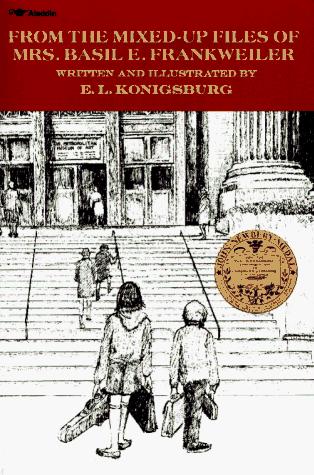
Start this bookNo. 25 on this list. From the Mixed-Up Files of Mrs. Basil E. Frankweiler · E.L. Konigsburg · 1967
A fixture in American elementary and middle school curricula since its 1967 publication, taught for over five decades in classrooms across the country. The book appears on numerous recommended reading lists and has sold millions of copies, though it sits within children's literature rather than the adult literary canon taught at university level. Its institutional presence in K-8 education is substantial and sustained.
Challenging2.8 hours
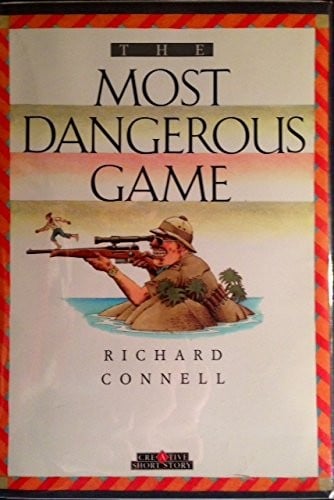
Start this bookNo. 26 on this list. The Most Dangerous Game · Richard Connell · 1924
Ranked by literary regard among eligible works in the current catalogue. This position reflects the available catalogue evidence.
Easy30 min
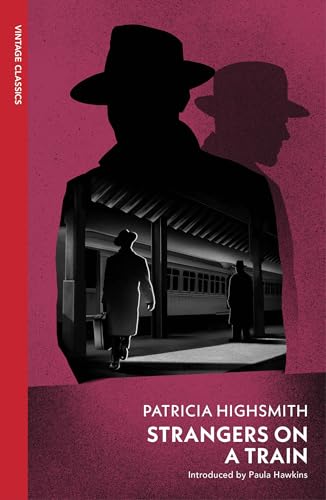
Start this bookNo. 27 on this list. Strangers on a Train · Patricia Highsmith · 1950
No Open Syllabus or Wikipedia data is available in the database, but Highsmith's debut novel is recognized as a foundational text of American psychological crime fiction. It appears occasionally in university courses on crime writing and 20th-century American literature, though it lacks the broad curricular presence of canonical literary novels. Its Hitchcock adaptation (1951) has kept it in cultural circulation for over seven decades.
Challenging8.7 hours
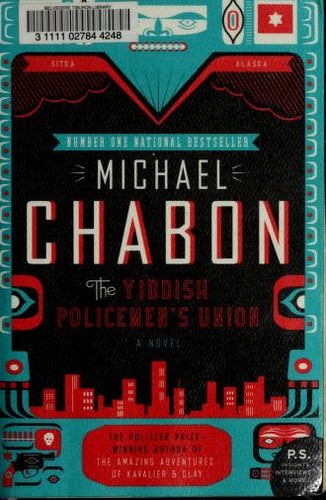
Start this bookNo. 28 on this list. The Yiddish Policemen's Union · Michael Chabon · 2007
Winner of the Hugo, Nebula, and Locus awards. Recognized as a major achievement in genre-literary crossover fiction.
Moderate7.5 hours
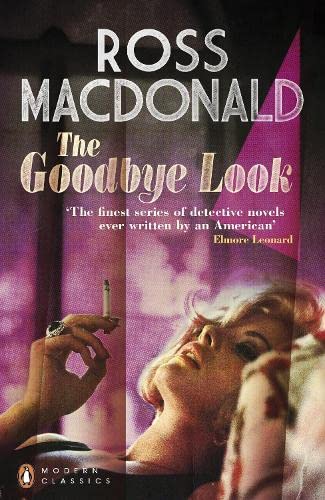
Start this bookNo. 29 on this list. The Goodbye Look · Ross Macdonald · 1969
Considered one of Macdonald's finest Lew Archer novels and a high point of American detective fiction, though its canonical status sits within the crime genre rather than the mainstream literary canon. It was a New York Times bestseller in 1969.
Moderate4.4 hours
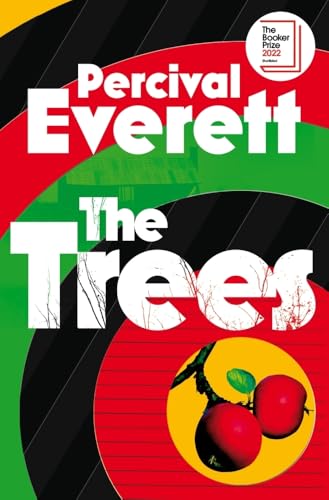
Start this bookNo. 30 on this list. The Trees · Percival Everett · 2022
Ranked by literary regard among eligible works in the current catalogue. This position reflects the available catalogue evidence.
Moderate5.7 hours
Start this book
No. 31 on this list. Gone Girl
Gillian Flynn · 2012
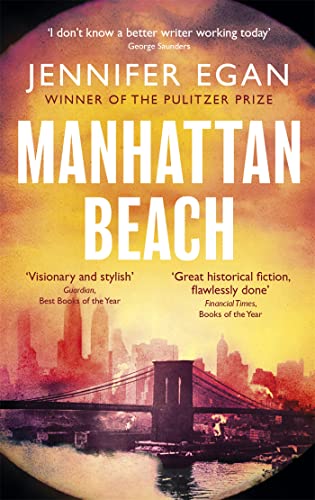
No. 32 on this list. Manhattan Beach
Jennifer Egan · 2017
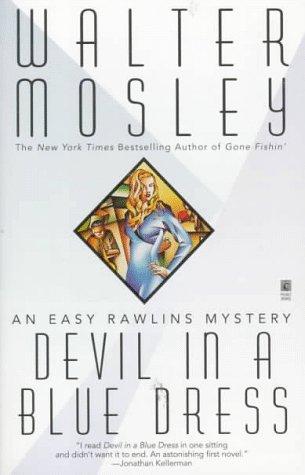
No. 33 on this list. Devil in a Blue Dress
Walter Mosley · 1990
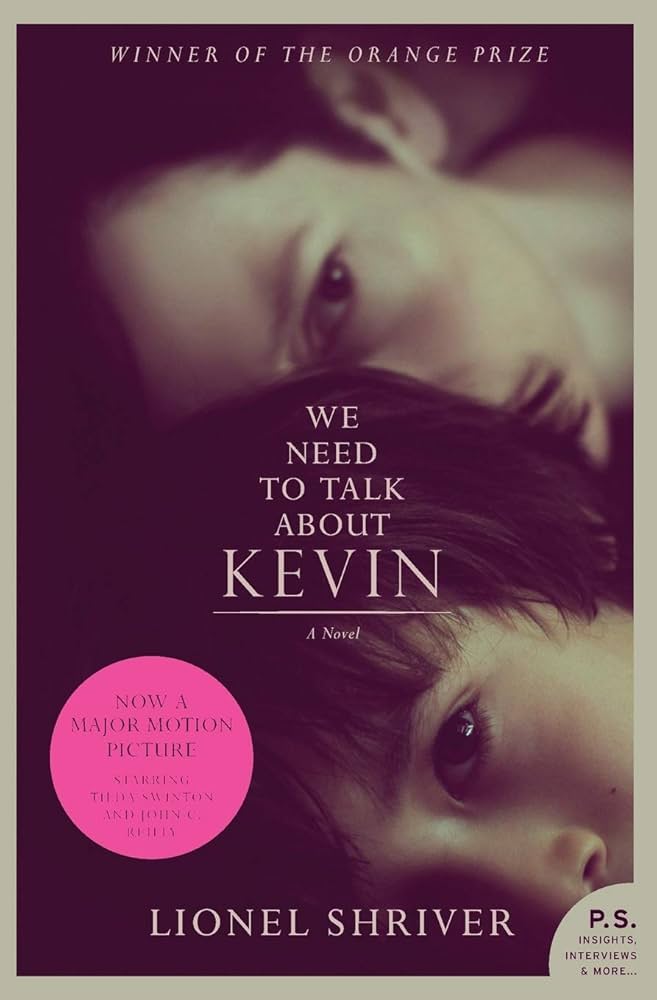
No. 34 on this list. We Need to Talk About Kevin
Lionel Shriver · 2005
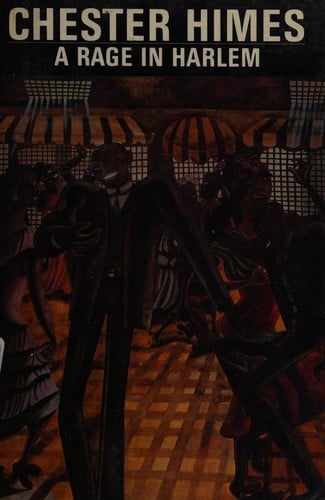
No. 35 on this list. A Rage in Harlem
Chester Himes · 1957
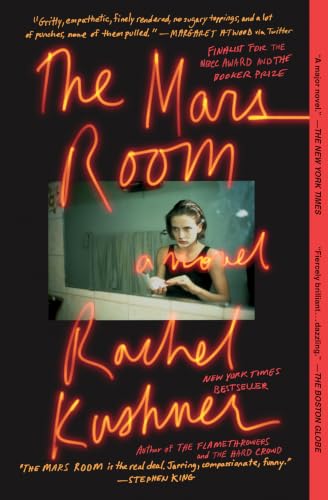
No. 36 on this list. The Mars Room
Rachel Kushner · 2018
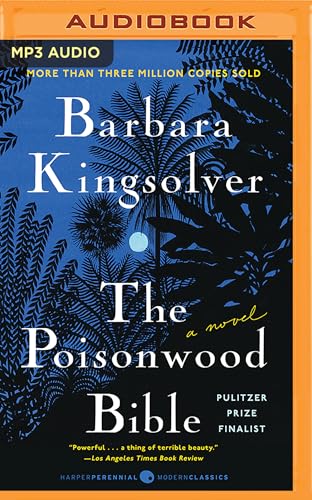
No. 37 on this list. The Poisonwood Bible
Barbara Kingsolver · 1999
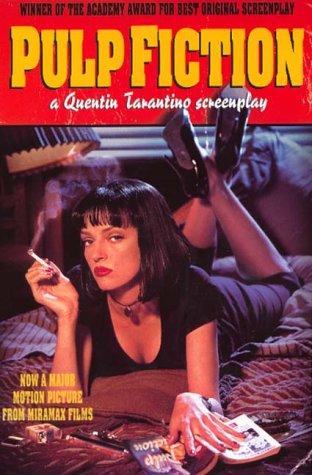
No. 38 on this list. Pulp Fiction: A Quentin Tarantino Screenplay
Quentin Tarantino · 1994
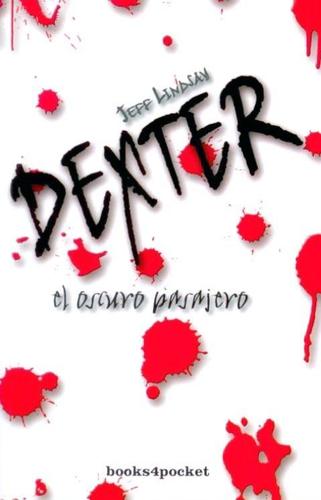
No. 39 on this list. Darkly Dreaming Dexter
Jeff Lindsay · 2004
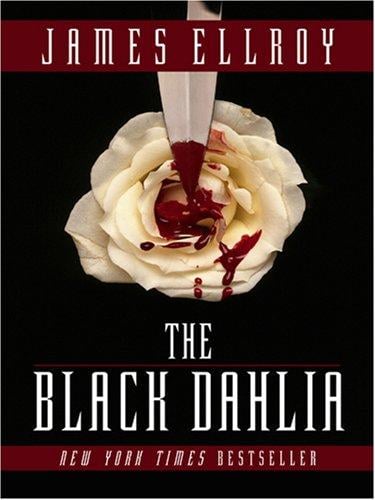
No. 40 on this list. L.A. Confidential
James Ellroy · 1990
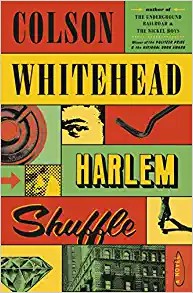
No. 41 on this list. Harlem Shuffle
Colson Whitehead · 2021
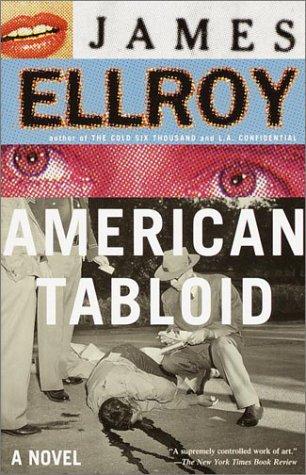
No. 42 on this list. American Tabloid
James Ellroy · 2001
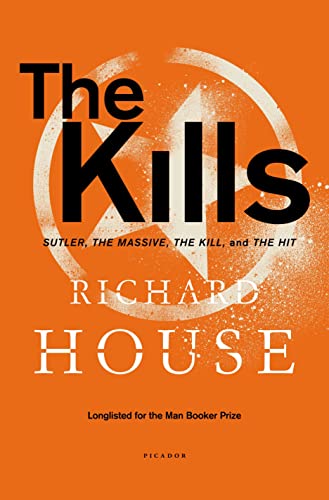
No. 43 on this list. The Kills
Richard House · 2013
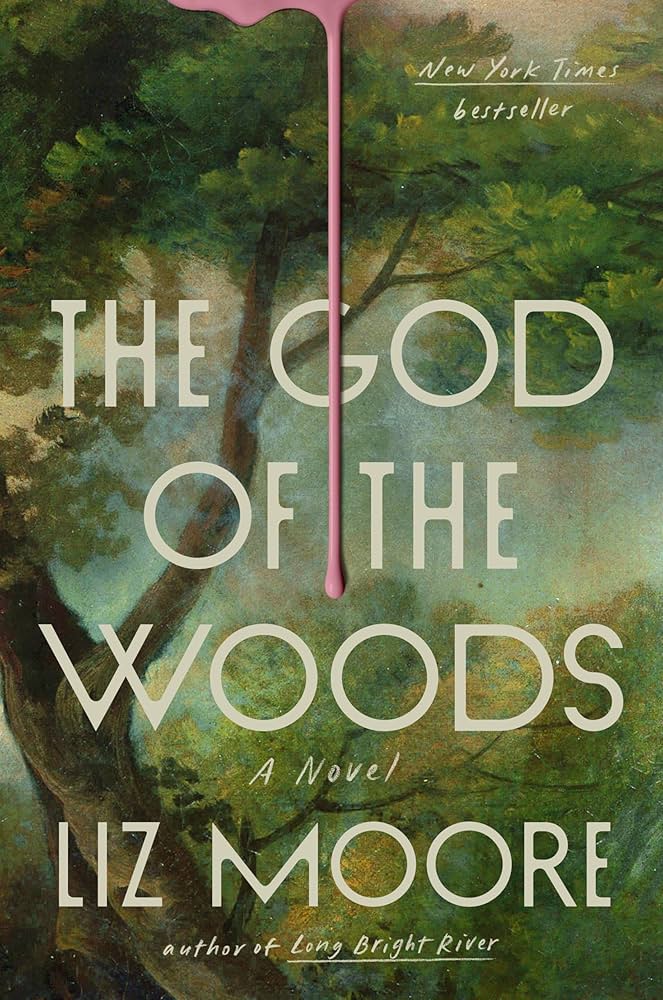
No. 44 on this list. The God of the Woods
Liz Moore · 2024
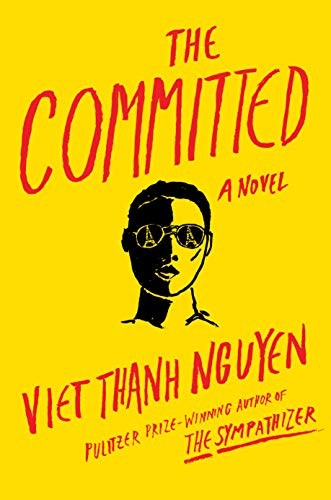
No. 45 on this list. The Committed
Viet Thanh Nguyen · 2021
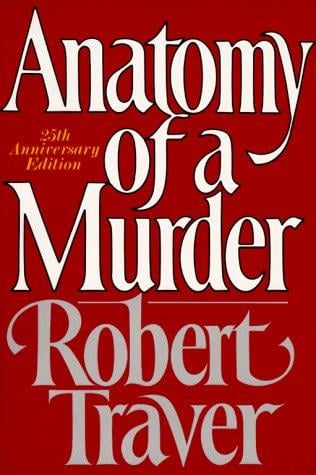
No. 46 on this list. Anatomy of a Murder
Robert Traver · 1958
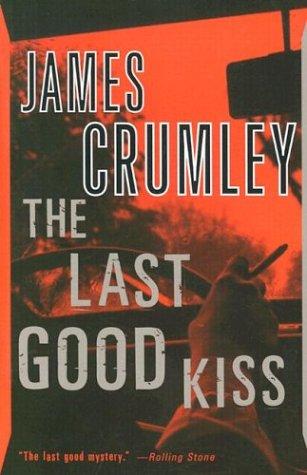
No. 47 on this list. The Last Good Kiss
James Crumley · 1978
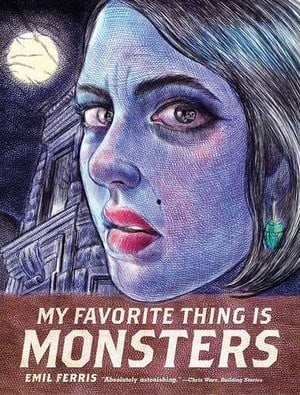
No. 48 on this list. My Favorite Thing Is Monsters
Emil Ferris · 2017
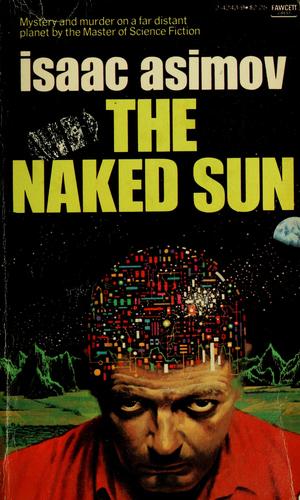
No. 49 on this list. The Naked Sun
Isaac Asimov · 1957
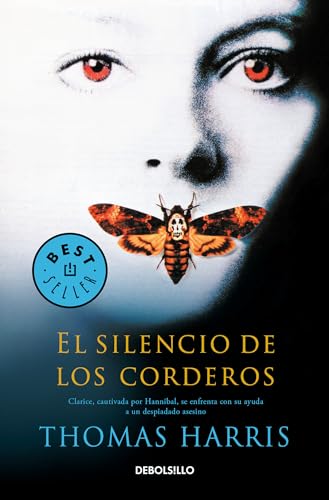
No. 50 on this list. The Silence of the Lambs
Thomas Harris · 1988
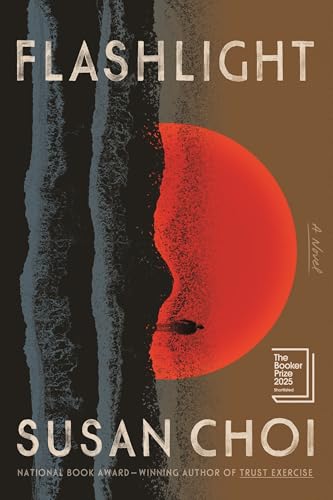
No. 51 on this list. Flashlight
Susan Choi · 2025
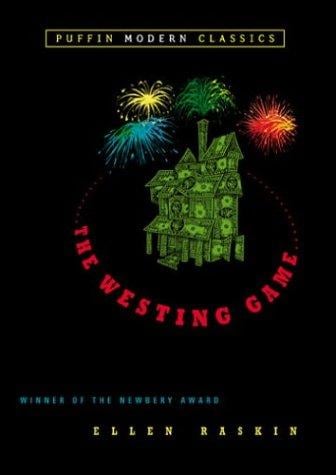
No. 52 on this list. The Westing Game
Ellen Raskin · 1978
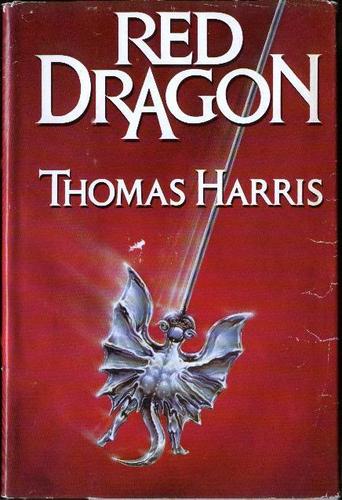
No. 53 on this list. Red Dragon
Thomas Harris · 1981
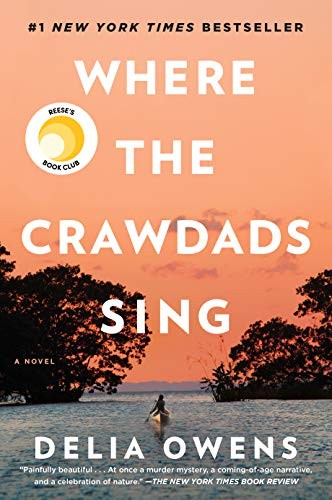
No. 54 on this list. Where the Crawdads Sing
Delia Owens · 2018
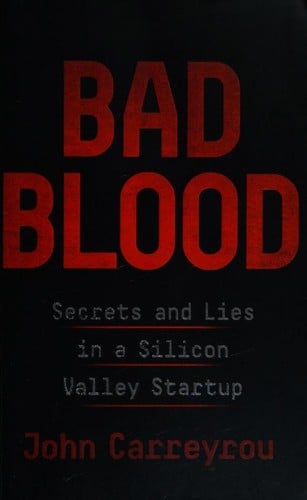
No. 55 on this list. Bad Blood: Secrets and Lies in a Silicon Valley Startup
John Carreyrou · 2018
No. 56 on this list. In the Heat of the Night
John Ball · 1965
No. 57 on this list. Say Nothing
Patrick Radden Keefe · 2018
No. 58 on this list. Bleeding Edge
Thomas Pynchon · 2013
No. 59 on this list. The Friends of Eddie Coyle
George V. Higgins · 1970
No. 60 on this list. Killers of the Flower Moon
David Grann · 2017
No. 61 on this list. The Poet
Michael Connelly · 1996
No. 62 on this list. Already Dead
Denis Johnson · 1997
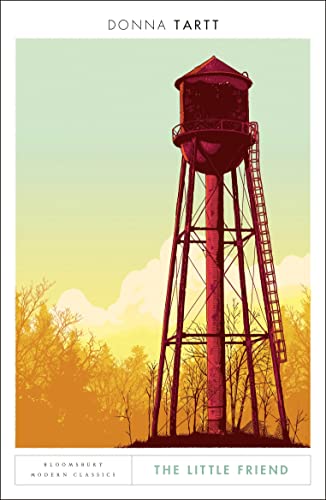
No. 63 on this list. The Little Friend
Donna Tartt · 2004
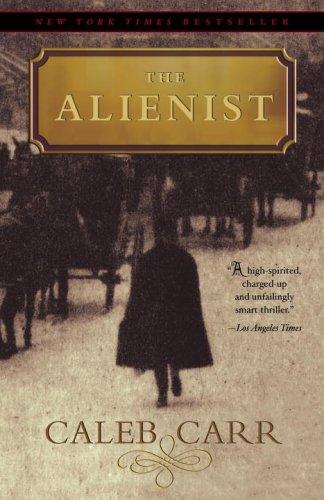
No. 64 on this list. The Alienist
Caleb Carr · 1994
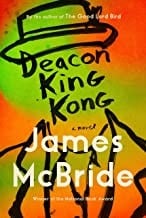
No. 65 on this list. Deacon King Kong
James McBride · 2020
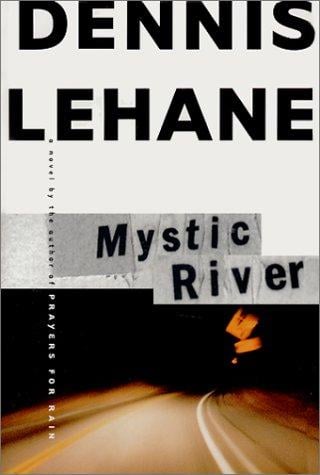
No. 66 on this list. Mystic River
Dennis Lehane · 2001
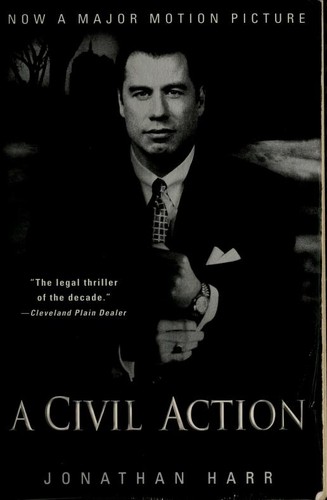
No. 67 on this list. A Civil Action
Jonathan Harr · 1995
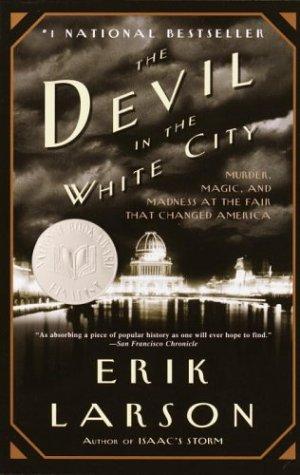
No. 68 on this list. The Devil in the White City
Erik Larson · 2003
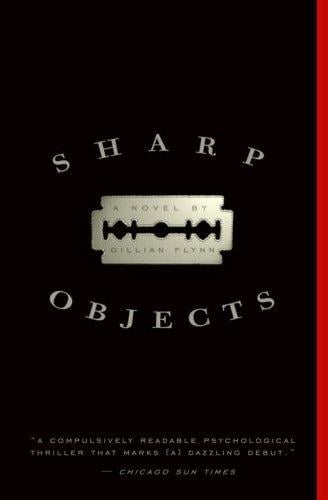
No. 69 on this list. Sharp Objects
Gillian Flynn · 2006
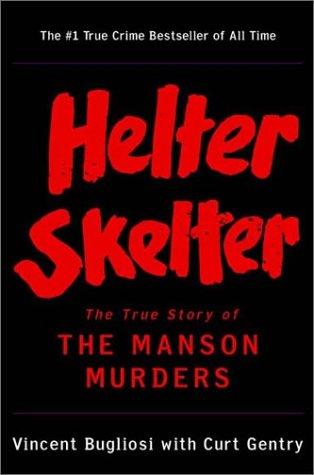
No. 70 on this list. Helter Skelter
Vincent Bugliosi · 1974
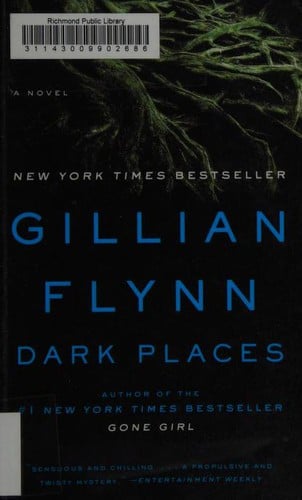
No. 71 on this list. Dark Places
Gillian Flynn · 2009
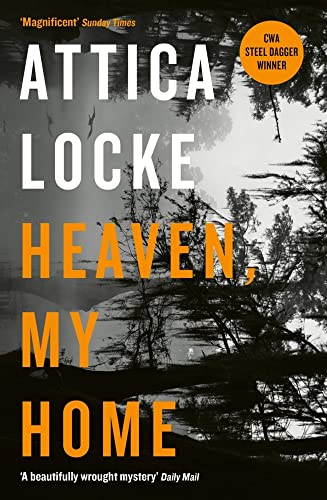
No. 72 on this list. Heaven, My Home
Attica Locke · 2020
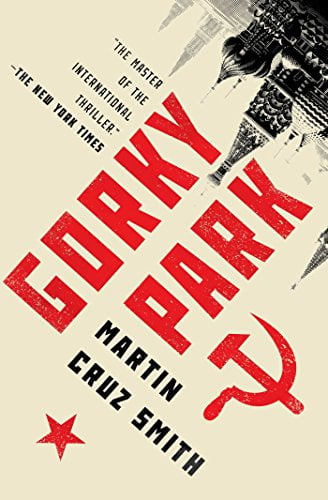
No. 73 on this list. Gorky Park
Martin Cruz Smith · 1981
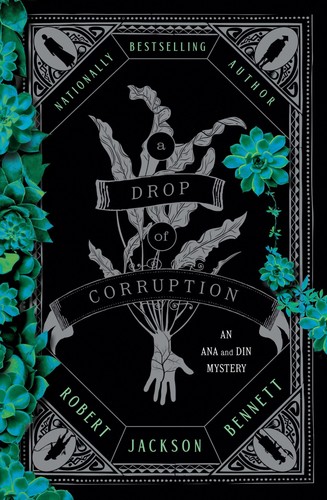
No. 74 on this list. A Drop of Corruption
Robert Jackson Bennett · 2025
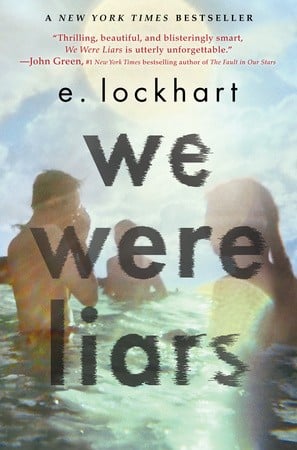
No. 75 on this list. We Were Liars
E. Lockhart · 2014
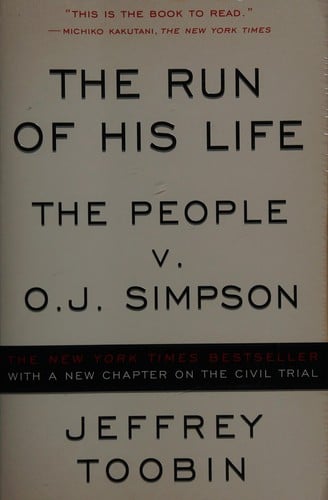
No. 76 on this list. The Run of His Life
Jeffrey Toobin · 1996
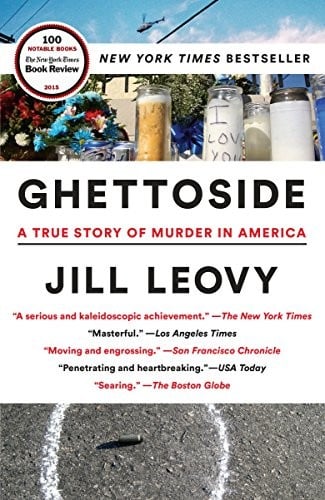
No. 77 on this list. Ghettoside
Jill Leovy · 2015
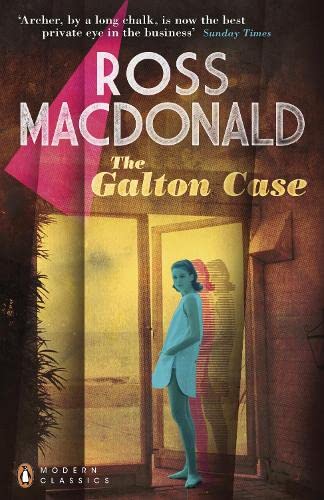
No. 78 on this list. The Galton Case
Ross Macdonald · 1959
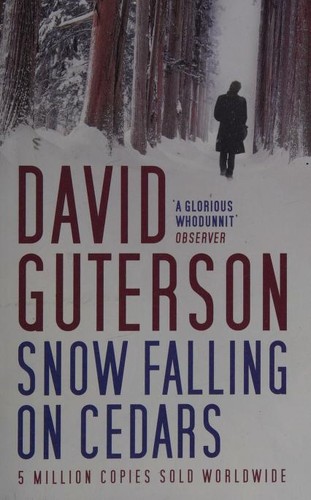
No. 79 on this list. Snow Falling on Cedars
David Guterson · 1995
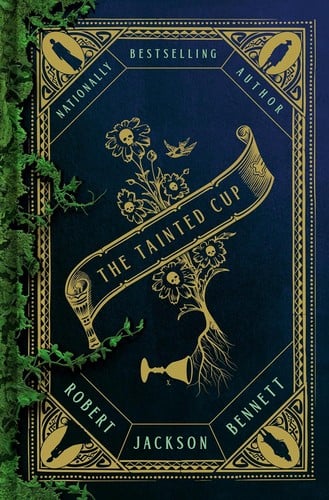
No. 80 on this list. The Tainted Cup
Robert Jackson Bennett · 2024
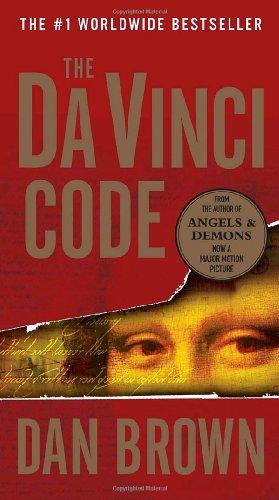
No. 81 on this list. The Da Vinci Code
Dan Brown · 2003
No. 82 on this list. I Have Some Questions for You
Rebecca Makkai · 2023
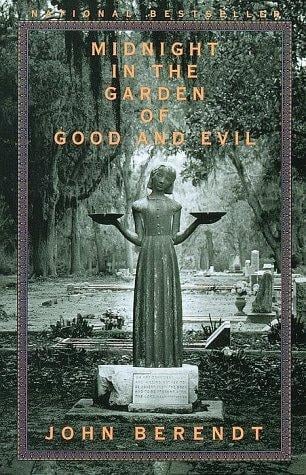
No. 83 on this list. Midnight in the Garden of Good and Evil
John Berendt · 1994
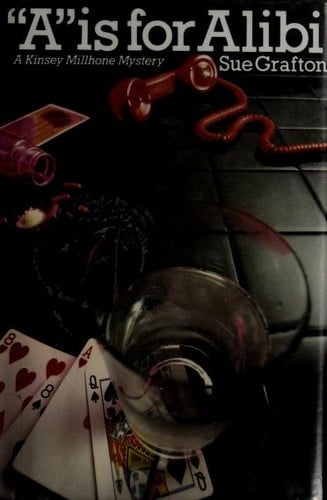
No. 84 on this list. "A" Is for Alibi
Sue Grafton · 1982
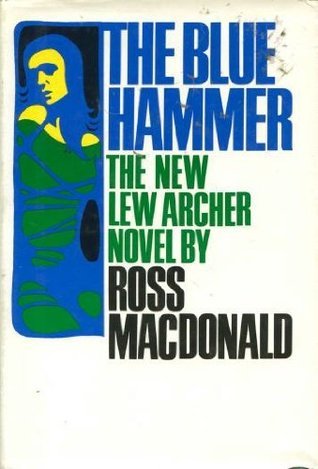
No. 85 on this list. The Blue Hammer
Ross Macdonald · 1976
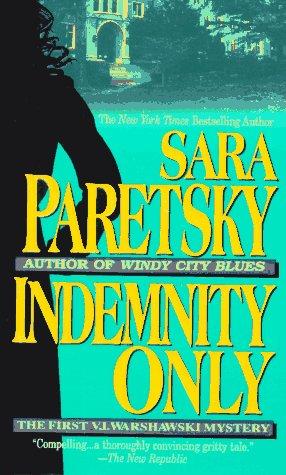
No. 86 on this list. Indemnity Only
Sara Paretsky · 1982
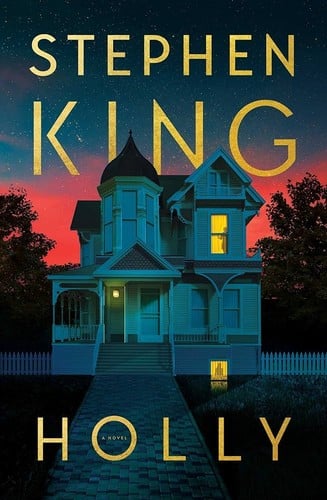
No. 87 on this list. Holly
Stephen King · 2023
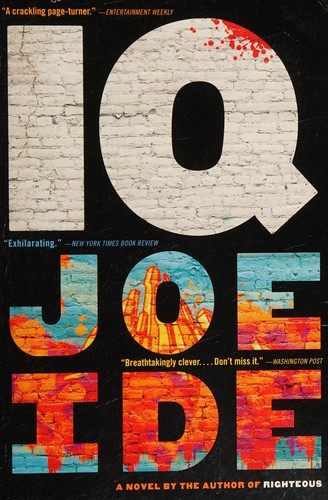
No. 88 on this list. IQ
Joe Ide · 2016
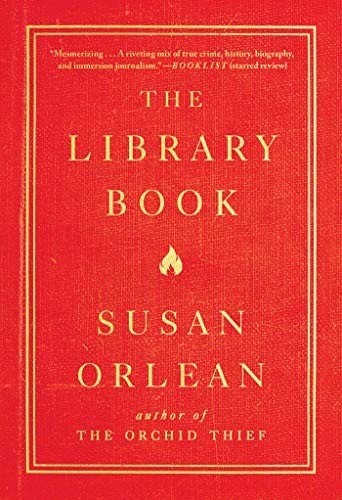
No. 89 on this list. The Library Book
Susan Orlean · 2018
No. 90 on this list. The Client
John Grisham · 1993

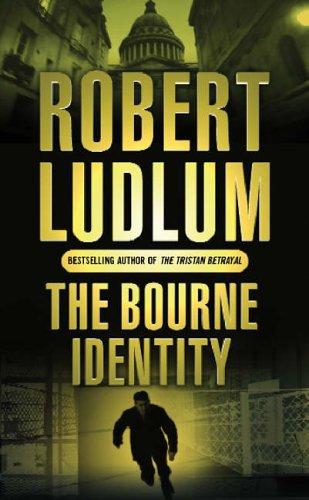
No. 91 on this list. The Bourne Identity
Robert Ludlum · 1980
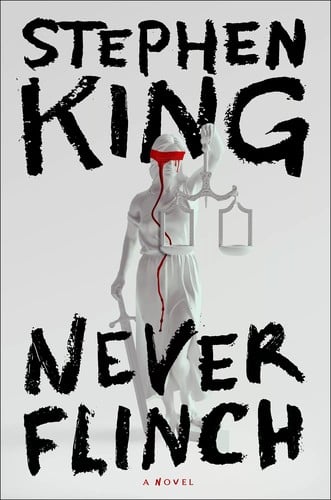
No. 92 on this list. Never Flinch
Stephen King · 2025
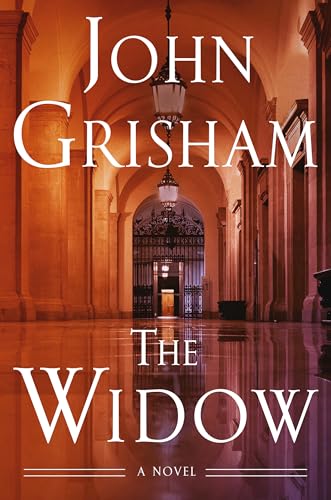
No. 93 on this list. The Widow
John Grisham · 2025
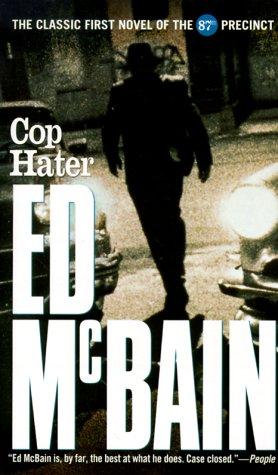
No. 94 on this list. Cop Hater
Ed McBain · 1956
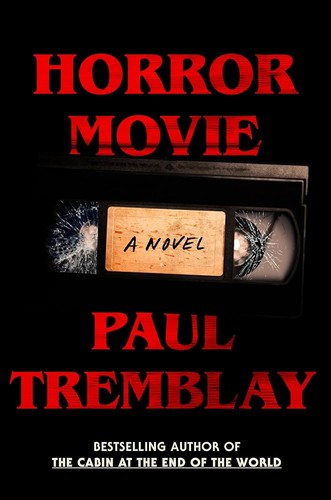
No. 95 on this list. Horror Movie
Paul Tremblay · 2024
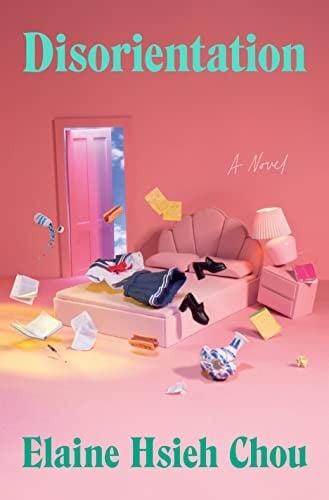
No. 96 on this list. Disorientation
Elaine Hsieh Chou · 2022
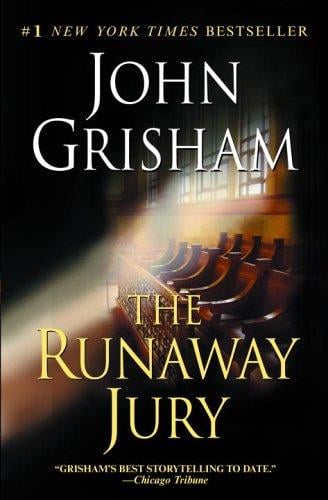
No. 97 on this list. The Runaway Jury
John Grisham · 1996
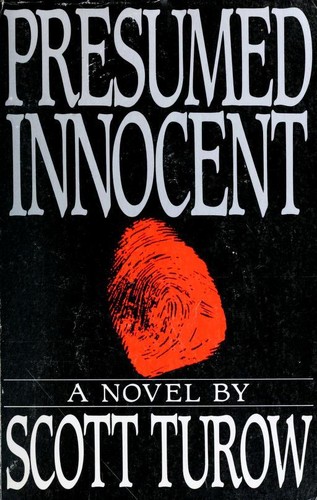
No. 98 on this list. Presumed Innocent
Scott Turow · 1987
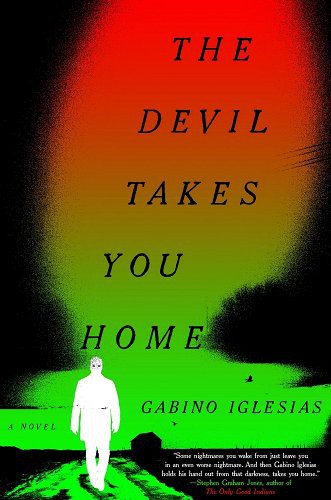
No. 99 on this list. The Devil Takes You Home
Gabino Iglesias · 2022
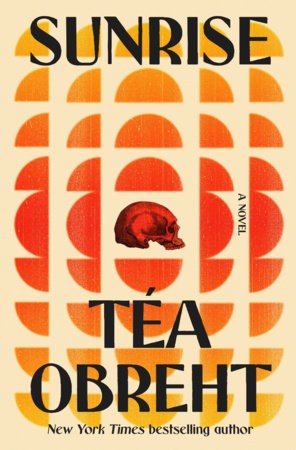
No. 100 on this list. Sunrise
Tea Obreht · 2026
About this list
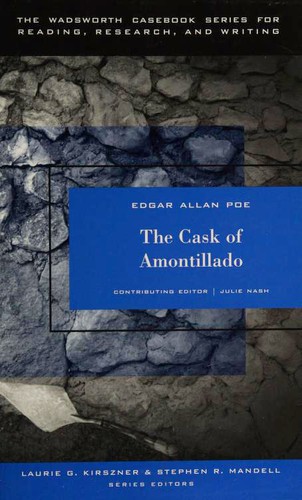
These 100 books are the highest-scoring eligible mystery and crime novels from the United States currently in the catalogue. By literary regard, it opens with The Cask of Amontillado, The Tell-Tale Heart and The New York Trilogy. About 729 hours of reading in all. Difficulty runs from 34 to 56 out of 100 for the middle half of the list; the summit is The New York Trilogy at 87.
This list is ranked by literary regard, with a consistent order for equal scores. Membership follows authors and co-authors, not translators or editors. Catalogue coverage and the historical canon both limit what this list can represent, and genre labels are the catalogue’s own, gathered into broader kinds.
When we matched the Canons dataset to our catalogue in October 2026, our canonical-status scores rose with the number of school curricula, publisher series and lists in it that cite a work: the median score was 72 for books one such source cites, 84 at two, 88 at three, 92 at four and 93 at five or more. Prizes are left out of that count. Outside the state curricula, the dataset’s sources choose mostly from what has been translated into English or French, so it is a weaker check on other literatures. Source: Canons (Andrew Piper), CC BY 4.0
Questions people actually ask
- What are the best mystery and crime novels from the United States?
- By literary regard, which weighs canonical status, critical standing and influence, The Cask of Amontillado, The Tell-Tale Heart, The New York Trilogy, In Cold Blood and The Crying of Lot 49 lead. ReadingRate ranks 100 such books, each with a difficulty score and a reading-time estimate.
- Where should I start with mystery and crime novels from the United States?
- Start from difficulty, not from rank. The most approachable books on this list that still carry top literary regard are The Journalist and the Murderer by Janet Malcolm (about 2.5 hours), The Tell-Tale Heart by Edgar Allan Poe and The Cask of Amontillado by Edgar Allan Poe.
- How hard are mystery and crime novels from the United States to read?
- Most of this list sits between 34 and 56 on ReadingRate's 100-point difficulty scale, where 40 to 55 is moderate. The summit is The New York Trilogy at 87. Every entry carries its own score, so a reader can pick a great book at a difficulty they will finish.
- How is this list ranked?
- On literary-regard data: how canonically established a work is, its critical standing, and its influence on later writing. It is not a readers’ poll, which is why recent bestsellers rarely appear. Membership follows authors and co-authors, not translators or editors. A list that is not a genre list keeps to literature (fiction, poetry, drama and philosophy), with philosophy taking no more than one slot in five while there is literature left to rank; every list holds at most three works by one author.