Hours at an average pace
Showing 60 books
About 601 hours for 60 of 60 books with measured lengths. Estimates use 250 words a minute, adjusted for each book's difficulty. At 2 hours a day, about 301 days for those books.
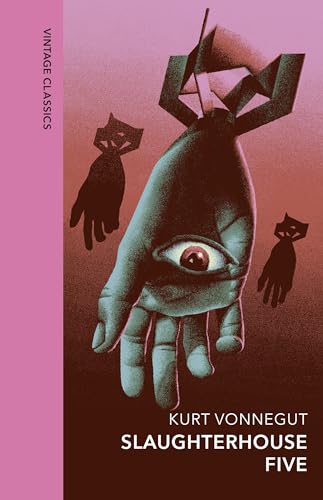
Vonnegut unstuck his protagonist from time and used the resulting shattered chronology to convey what no linear war novel could: the way trauma scrambles cause and effect until the firebombing of Dresden and a zoo on an alien planet occupy the same plane of reality. The deadpan sentence "So it goes" after every death became the definitive literary response to mass killing.
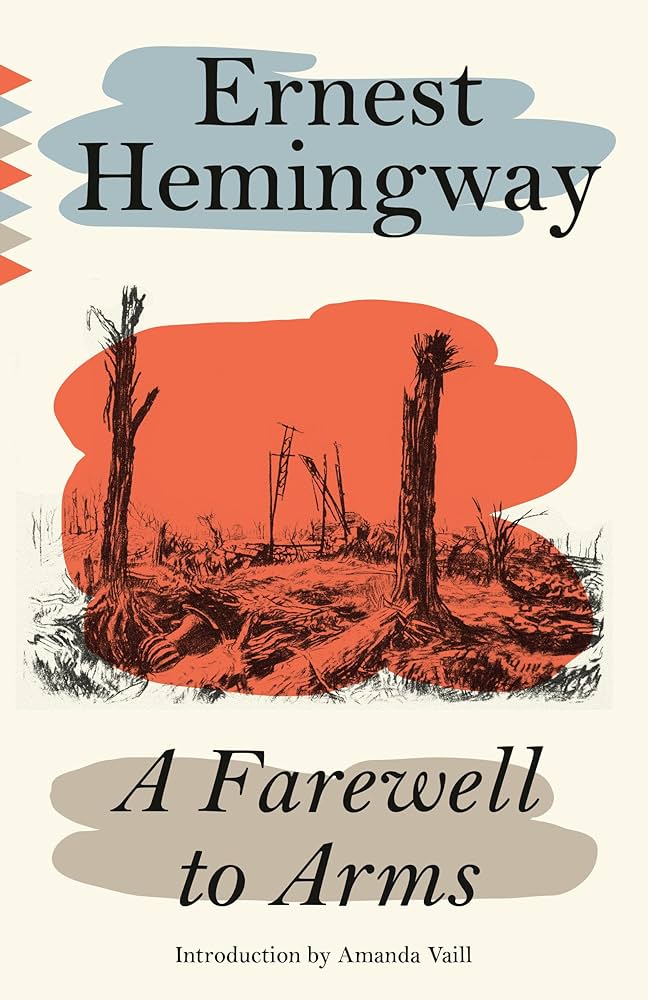
No. 2 on this list. A Farewell to Arms
Ernest Hemingway · 1929
Moderate6 hours
Taught in schools: AQA GCSE and A-level English Literature (UK), Common Core text exemplars (Appendix B) (US), CSEC English B – Caribbean Examinations Council
Included in: UNESCO Collection of Representative Works
A Farewell to Arms secured canonical status immediately upon publication in 1929, establishing itself as a foundational modernist war narrative and remains a standard text in American literature curricula. Its influence on subsequent war fiction and its representation of the Lost Generation make it exemplary of early 20th-century literary achievement.
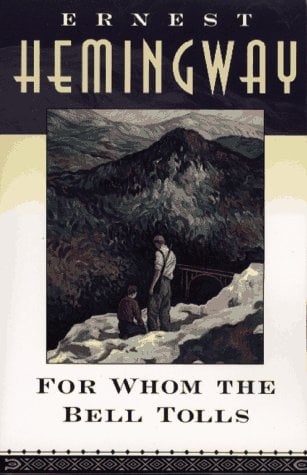
No. 3 on this list. For Whom the Bell Tolls
Ernest Hemingway · 1940
Moderate12 hours
Taught in schools: Turkish edebiyat curriculum (Turkey)
A staple of American literature curricula and regularly taught in courses on modernism, the Spanish Civil War, and Hemingway's oeuvre. Its canonical status is secure though slightly lower than The Sun Also Rises among scholars, while remaining widely assigned at both secondary and university levels.
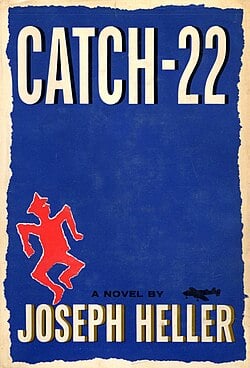
Yossarian wants to be grounded from combat missions, but anyone who asks to be grounded is sane enough to fly—that's the catch. Heller's circular logic gave the English language a new word and gave war fiction its most sustained assault on bureaucratic absurdity since Jaroslav Hašek's Good Soldier Švejk.
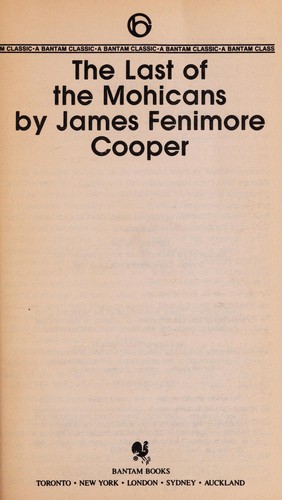
Taught widely in American literature courses as the founding frontier romance, though its racial attitudes complicate its classroom status. It stands slightly below the staples such as Gatsby.
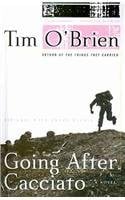
Appears on 144 university syllabi according to Open Syllabus (53rd percentile), placing it solidly in the taught canon of Vietnam War literature and American postmodern fiction, though well below curriculum fixtures like Gatsby or Beloved. Inclusion in the Library of America — the highest American literary imprimatur — confirms its place among the recognized classics of the form.
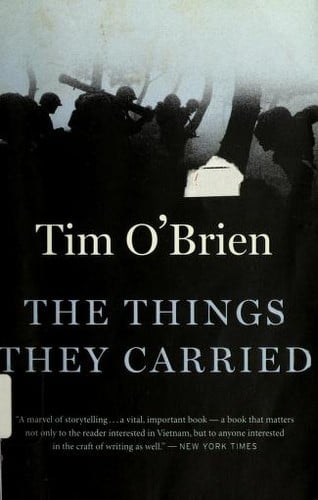
The Things They Carried is one of the most widely taught works in American high school and university curricula, appearing on thousands of syllabi in American literature, war literature, and creative writing courses. It consistently appears on canonical reading lists and "great American novels" compendiums, cementing its place as the defining literary account of the Vietnam War experience.
A Fable occupies a contested position in the Faulkner canon — it won both the Pulitzer Prize and the National Book Award in 1955, which should guarantee canonical standing, but it is widely regarded as one of Faulkner's least-read major works, overshadowed by The Sound and the Fury, As I Lay Dying, and Absalom, Absalom! The Wikipedia article covers only 8 languages, far below other Faulkner titles, indicating limited global reach. Its Open Syllabus presence is negligible compared to Faulkner's earlier novels.
Appears on 40 university syllabi (40th percentile in Open Syllabus) and listed on the Modern Library 100 Best Novels. Wikipedia articles exist in 16 languages with a dedicated reception section. A staple of American war literature courses but not a universal curriculum fixture.
Howard W. Campbell, Jr. is writing his confession from an Israeli prison cell, awaiting trial as a Nazi war criminal. He was also, he claims, an American spy — passing coded information through the emphases and pauses of his radio broadcasts. The Government of the United States neither confirms nor denies this. His only proof is an unbroken neck. Campbell spent the war performing anti-Semitism for Goebbels while embedding signals for the Allies; he spent fifteen postwar years in a Greenwich Village attic, drinking toasts to his dead wife and carving a chess set. Vonnegut gives him one moral at the front of the book and means it: we are what we pretend to be, so we must be careful about what we pretend to be. The novel surrounds Campbell with a gallery of grotesques — an aging SS man who joined the Hungarian SS as a Jew, the Black Fuehrer of Harlem, a Russian master spy who turns out to be a genuine painter and a genuine friend — each demonstrating the same principle from a different angle. The prose is Vonnegut at his most controlled: short sentences, black comedy, no comfort. The question the novel asks — whether a man who served evil for good reasons is innocent — gets no answer. Campbell supplies one anyway, by deciding to hang himself. It is the most honest thing he does.
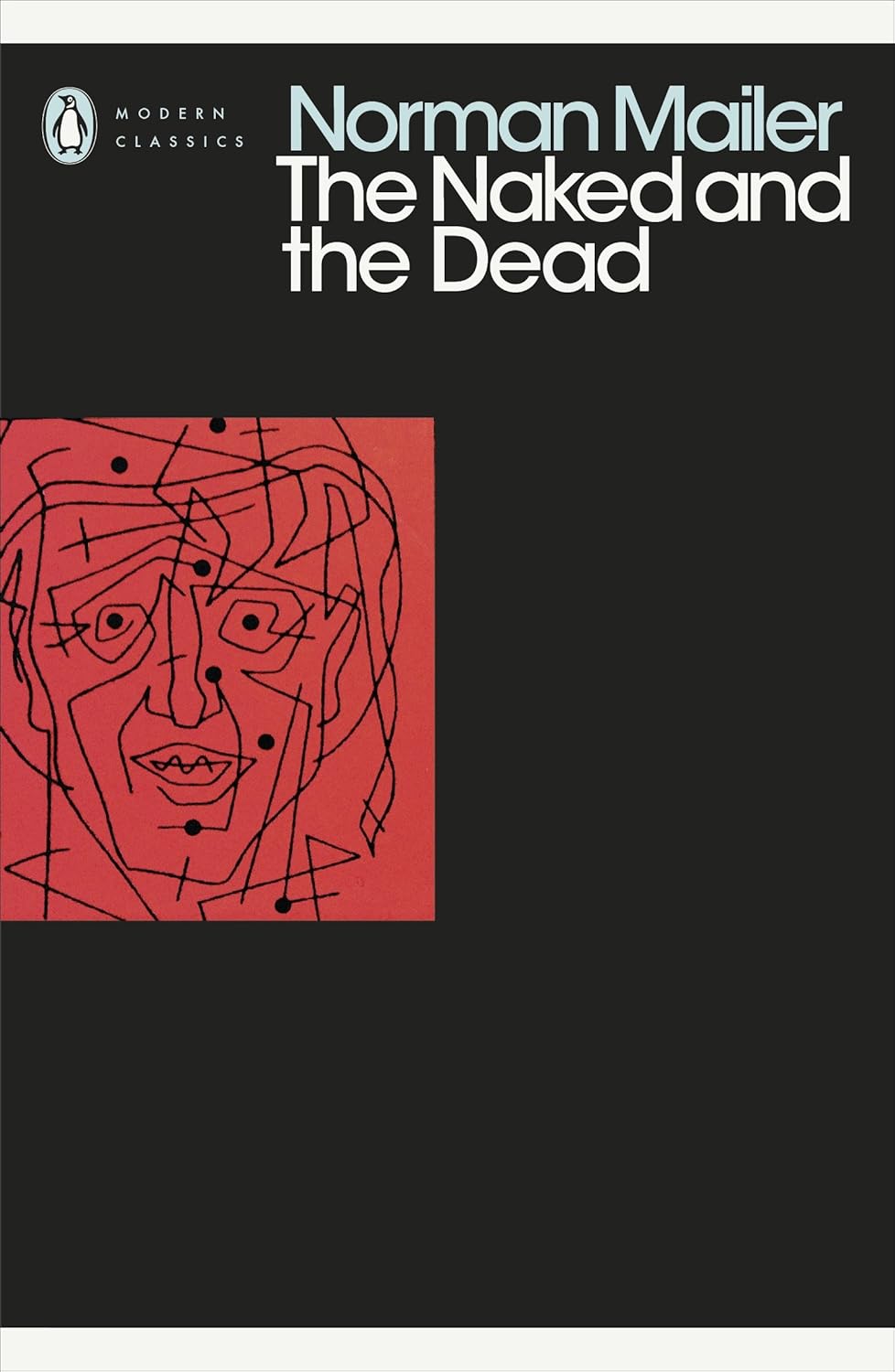
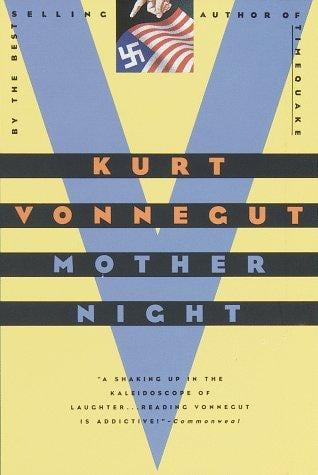
No. 11 on this list. The General of the Dead Army · Ismail Kadare · 1963
Listed in Le Monde's 100 Books of the Century and the work that introduced Kadare to Western readers after its 1970 French translation. It is studied in courses on Balkan and Eastern European literature.
Challenging6.9 hours
Start this bookNo. 12 on this list. One of Ours · Willa Cather · 1923
Claude Wheeler opened his eyes before the sun was up and vigorously shook his younger brother, who lay in the other half of the same bed. "Ralph, Ralph, get awake! Come down and help me wash the car." "What for?" "Why, aren't we going to the circus today?" "Car's all right. Let me alone." The boy turned over and pulled the sheet up to his face, to shut out the light which was beginning to come through the curtainless windows. Claude rose and dressed, - a simple operation which took very little time. He crept down two flights of stairs, feeling his way in the dusk, his red hair standing up in peaks, like a cock's comb. He went through the kitchen into the adjoining washroom, which held two porcelain stands with running water. Everybody had washed before going to bed, apparently, and the bowls were ringed with a dark sediment which the hard, alkaline water had not dissolved. Shutting the door on this disorder, he turned back to the kitchen, took Mahailey's tin basin, doused his face and head in cold water, and began to plaster down his wet hair.
Moderate8.2 hours
Read nowNo. 13 on this list. Islands in the Stream · Ernest Hemingway · 1970
Islands in the Stream appears on university syllabi in Hemingway retrospectives and courses on American modernism, though it holds a secondary place compared to A Farewell to Arms, The Sun Also Rises, and For Whom the Bell Tolls. Its posthumous publication in 1970 — edited from incomplete manuscripts — has complicated its canonical standing, and it tends to appear in courses dedicated to Hemingway's full body of work rather than as a standalone required text. No syllabus or Wikipedia data is available in the database, but its inclusion in major Hemingway studies is consistent.
Challenging11 hours
Start this bookNo. 14 on this list. The Kindly Ones · Jonathan Littell · 2006
The novel won the Prix Goncourt in 2006 and is widely discussed in Holocaust and perpetrator literature, but it is too recent for settled syllabi and remains controversial. It is on the way to canon rather than established there.
Challenging42 hours
Start this bookNo. 15 on this list. The Unvanquished · William Faulkner · 1938
The Unvanquished is a recognized part of Faulkner's Yoknapatawpha cycle, taught in American literature courses as an accessible entry point into Faulkner's work and as a study of Civil War-era Southern society. It is less canonically prominent than The Sound and the Fury, As I Lay Dying, or Absalom, Absalom!, and the database shows 0 Open Syllabus appearances, suggesting its current academic footprint is modest. Still, as a work by a Nobel Prize winner with an enduring place in the Faulkner corpus, it sits comfortably in the 60–70 range.
Moderate4.4 hours
Start this bookNo. 16 on this list. From Here to Eternity · James Jones · 1952
Ranked 62nd on the Modern Library 100 Best Novels. Appears on 26 university syllabi (35th percentile); its 55 Wikipedia languages likely reflect the 1953 film more than the novel's place in teaching.
Moderate24 hours
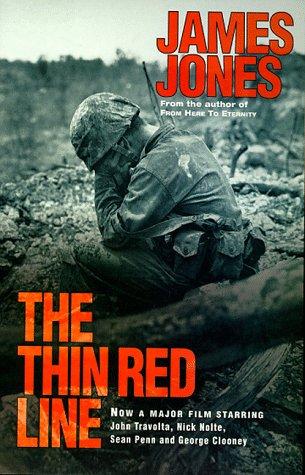
Start this bookNo. 17 on this list. The Thin Red Line · James Jones · 1998
It is a major American World War II novel by the author of From Here to Eternity, widely read and taught in war literature, with a 1998 reissue carrying a foreword by Francine Prose. It is less central than the great canon works.
Easy7.8 hours
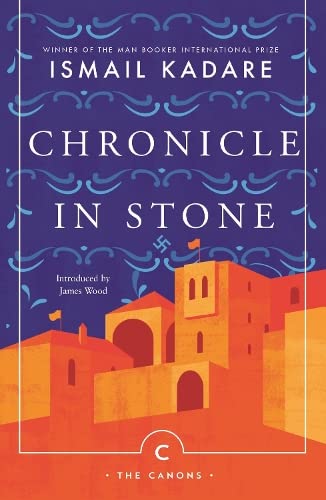
Start this bookNo. 18 on this list. Chronicle in Stone · Ismail Kadare · 1971
Chronicle in Stone is not a fixture of Western university curricula, but it holds a significant place in world literature courses focused on Eastern Europe, the Balkans, and post-colonial narratives. No syllabus data was found in the database, and its Wikipedia presence is limited, reflecting its status as an important but regionally specialized text rather than a universal curriculum staple. It is far better known in Albanian, French, and broader European literary circles than in English-language academia.
Difficult8.3 hours
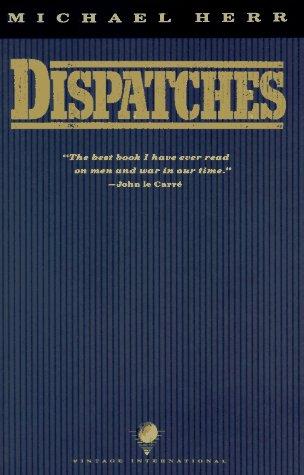
Start this bookNo. 19 on this list. Dispatches · Michael Herr · 1977
Herr's account of his time as a war correspondent in Vietnam is not conventional journalism—it is the Vietnam War filtered through a consciousness saturated with rock and roll, drugs, terror, and the surreal absurdity of a conflict that made no sense to the men fighting it. The prose is hallucinatory, fragmented, and electrifying: Herr writes about combat with the intensity of someone who has been permanently altered by what he witnessed, and his sentences capture the way trauma scrambles chronology, blurs the line between memory and hallucination, and makes ordinary language inadequate. He spent time with Marines at Khe Sanh during the siege, flew on helicopters into hot landing zones, and lived among soldiers who were nineteen years old and already ancient with experience. The book refuses the conventions of war reporting—there are no maps, no strategic analyses, no interviews with generals. Instead, Herr gives the reader the war as the grunts experienced it: chaotic, terrifying, darkly funny, and impossible to make sense of. The influence has been enormous: Herr co-wrote the screenplay for Full Metal Jacket, and his prose style shaped virtually every subsequent representation of Vietnam. Dispatches is not a book about the Vietnam War so much as a book that is the Vietnam War, rendered in language.
Easy3.5 hours
Start this bookNo. 20 on this list. Angel Down · Daniel Kraus · 2025
No syllabus or Wikipedia-language data is available for this title, and as a 2026 Pulitzer winner it is too recent to have entered curricula. A Pulitzer win typically starts building canonical momentum quickly, but that status is provisional until the book accumulates the syllabus and reference-work presence that mark settled canon status.
Moderate5.7 hours
Start this book
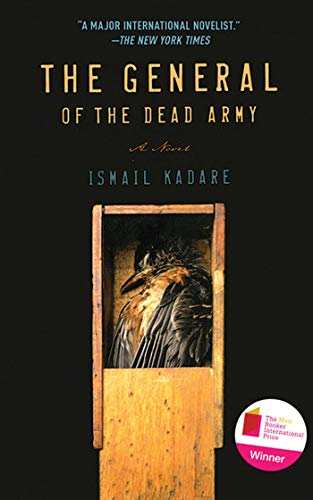
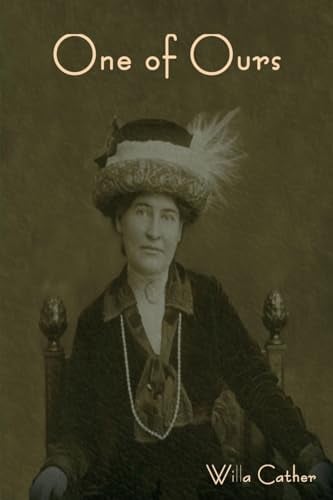
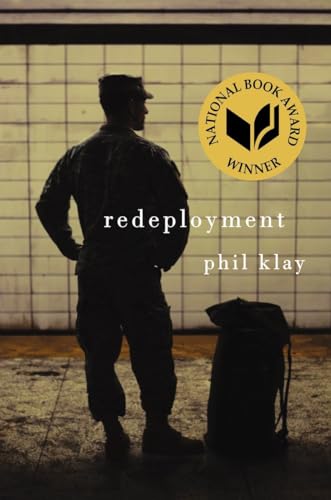
No. 21 on this list. Redeployment · Phil Klay · 2014
Data signals here are noisy: the Wikipedia match returned by the system is the generic 'Military deployment' article, not a page about Klay's book, so it isn't usable as evidence. Independently, Redeployment appears regularly on contemporary war-literature and MFA syllabi alongside Tim O'Brien and Kevin Powers, but as a 2014 title it hasn't accumulated the decades of syllabus history that make older war classics canonical fixtures.
Moderate5.9 hours
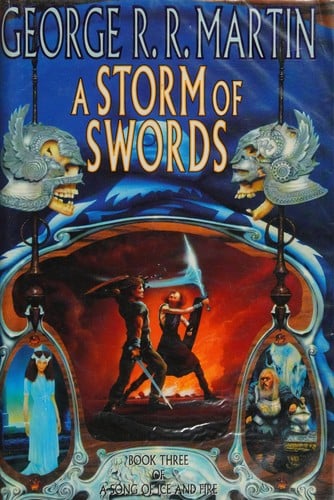
Start this bookNo. 22 on this list. A Storm of Swords · George R.R. Martin · 2000
A bestselling modern fantasy series and a genre staple in popular culture, sometimes taught in genre courses. It is not yet a staple of literary syllabi in the way of the older classics. Roughly Gone Girl's level.
Moderate28 hours
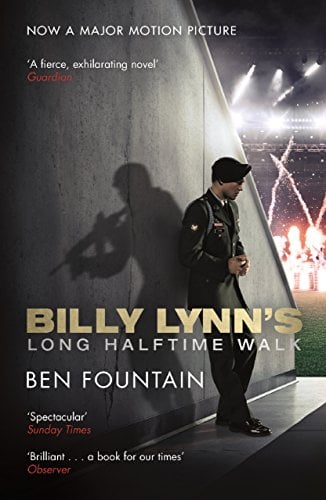
Start this bookNo. 23 on this list. Billy Lynn's Long Halftime Walk · Ben Fountain · 2012
A satire set in Texas during America's war in Iraq that explores the gaping national disconnect between the war at home and the war abroad. Follows the surviving members of the heroic Bravo Squad through one exhausting stop in their media-intensive "Victory Tour" at Texas Stadium, football mecca of the Dallas Cowboys, their fans, promoters, and cheerleaders. Asked to be part of the Dallas Cowboys' halftime show on Thanksgiving, Specialist Billy Lynn, one of the eight surviving men of the Bravo Squad, finds his life forever changed by this event that causes him to better understand difficult truths about himself.
Moderate5.1 hours
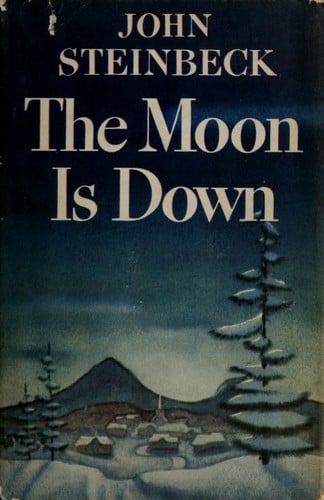
Start this bookNo. 24 on this list. The Moon Is Down · John Steinbeck
It is taught in schools as a WWII-era resistance novella, but it sits well below Steinbeck's major works such as The Grapes of Wrath in curricula.
Easy2.1 hours
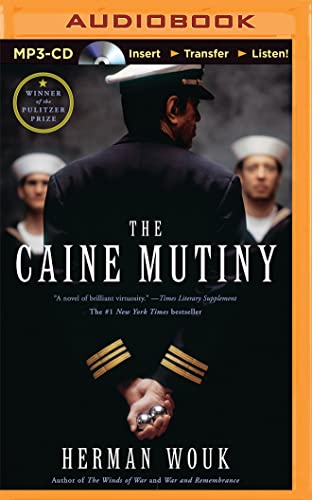
Start this bookNo. 25 on this list. The Caine Mutiny · Herman Wouk · 1952
Found on 9 university syllabi (24th percentile) with Wikipedia articles in 8 languages, The Caine Mutiny is taught in courses on war fiction and American culture of the 1950s. It is better known through its film than through teaching.
Challenging16 hours
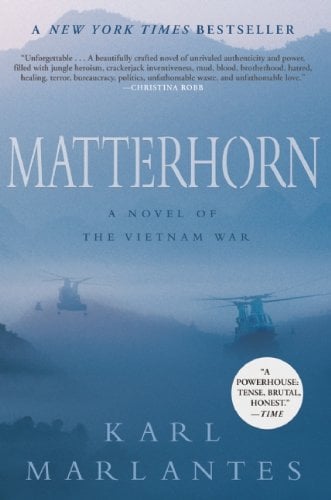
Start this bookNo. 26 on this list. Matterhorn · Karl Marlantes · 2010
Intense, powerful, and compelling, Matterhorn is an epic war novel in the tradition of Norman Mailer's The Naked and the Dead and James Jones's The Thin Red Line. It is the timeless story of a young Marine lieutenant, Waino Mellas, and his comrades in Bravo Company, who are dropped into the mountain jungle of Vietnam as boys and forced to fight their way into manhood. Standing in their way are not merely the North Vietnamese but also monsoon rain and mud, leeches and tigers, disease and malnutrition. Almost as daunting, it turns out, are the obstacles they discover between each other: racial tension, competing ambitions, and duplicitous superior officers. But when the company finds itself surrounded and outnumbered by a massive enemy regiment, the Marines are thrust into the raw and all-consuming terror of combat. The experience will change them forever. Written over the course of thirty years by a highly decorated Vietnam veteran, Matterhorn is a visceral and spellbinding novel about what it is like to be a young man at war. It is an unforgettable novel that transforms the tragedy of Vietnam into a powerful and universal story of courage, camaraderie, and sacrifice: a parable not only of the war in Vietnam but of all war, and a testament to the redemptive power of literature.
Moderate10 hours
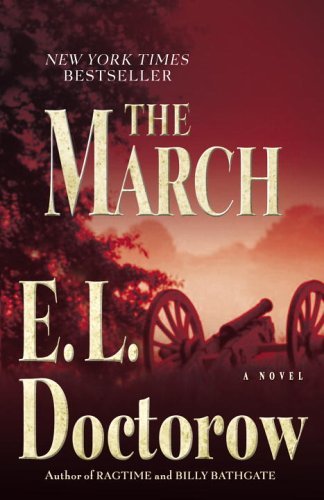
Start this bookNo. 27 on this list. The March · E.L. Doctorow · 2006
The March does not appear on university syllabi in the Open Syllabus Project and has a Wikipedia article in only 1 language. While respected as a late-career triumph for Doctorow, it has not achieved the canonical status of his earlier Ragtime, which remains far more widely taught and discussed.
Challenging11 hours
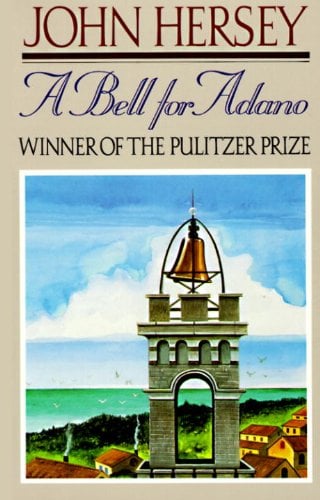
Start this bookNo. 28 on this list. A Bell for Adano · John Hersey · 1945
A Bell for Adano appears on 136 university syllabi according to the Open Syllabus Project, placing it at the 53rd percentile — moderately taught but far from a curriculum fixture. It was a bestseller and cultural event in the 1940s, adapted into a Broadway play and a 1945 film, but its classroom presence has declined substantially since mid-century. It appears primarily in American literature and WWII history courses rather than as a general canon text.
Easy4.5 hours
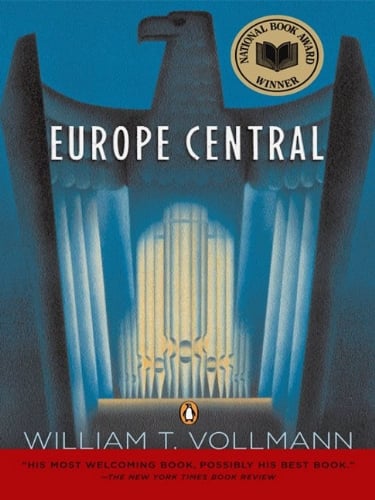
Start this bookNo. 29 on this list. Europe Central · William T. Vollmann · 2005
Europe Central appears on only about 8 university syllabi in the Open Syllabus Project (roughly the 23rd percentile), and its Wikipedia page exists in just two languages, placing it well short of true canonical fixtures despite its prize pedigree. It's taught more as a specialist text in contemporary American fiction and war-literature courses than assigned as a broad classic.
Challenging32 hours
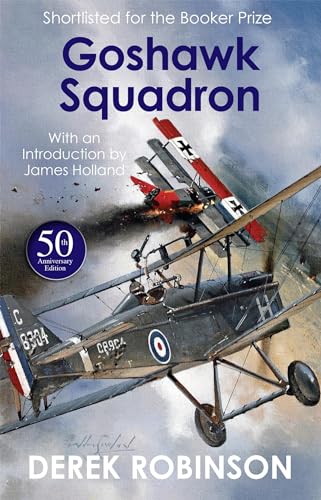
Start this bookNo. 30 on this list. Goshawk Squadron · Derek Robinson
In WWI, a squadron of British Sopwith Camels flies suicidal missions over the Western Front. As pilots die one after another, their commander maintains brutal discipline. Robinson's blackly comic antiwar novel strips away romantic illusions about aerial combat to reveal the horror beneath.
Moderate4.8 hours
Start this book
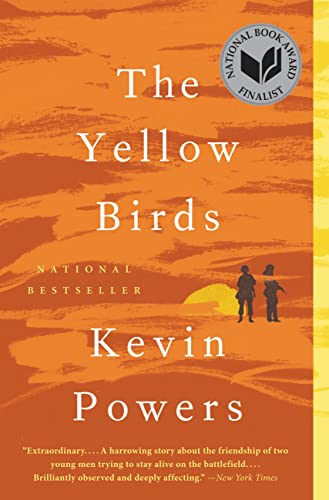
No. 31 on this list. The Yellow Birds
Kevin Powers · 2012
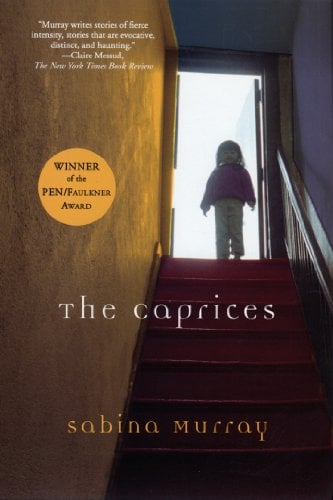
No. 32 on this list. The Caprices
Sabina Murray · 2003
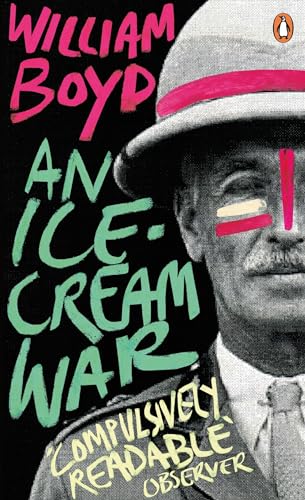
No. 33 on this list. An Ice-Cream War
William Boyd · 1982
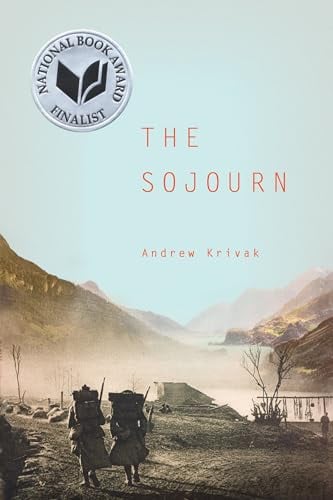
No. 34 on this list. The Sojourn
Andrew Krivak · 2011
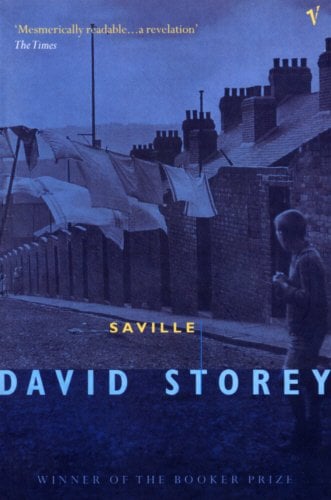
No. 35 on this list. Saville
David Storey · 1976
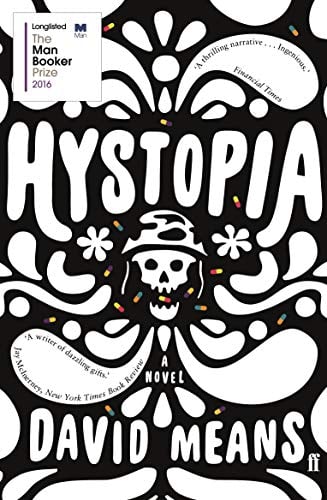
No. 36 on this list. Hystopia
David Means · 2016
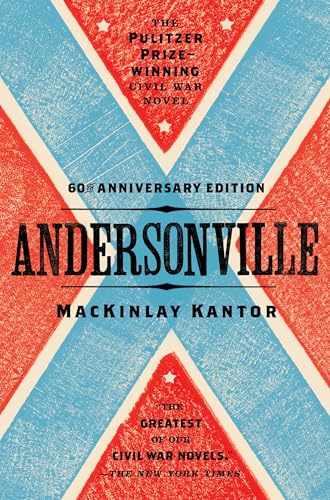
No. 37 on this list. Andersonville
MacKinlay Kantor · 1956
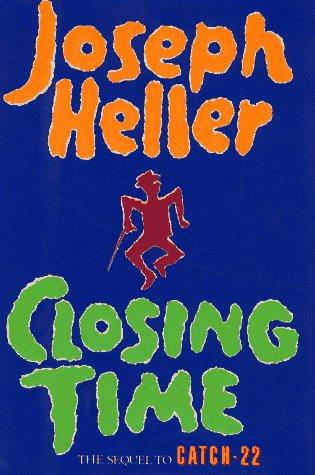
No. 38 on this list. Closing Time
Joseph Heller · 1995
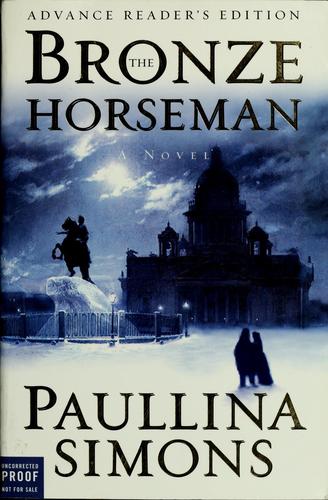
No. 39 on this list. The Bronze Horseman
Paullina Simons · 2001
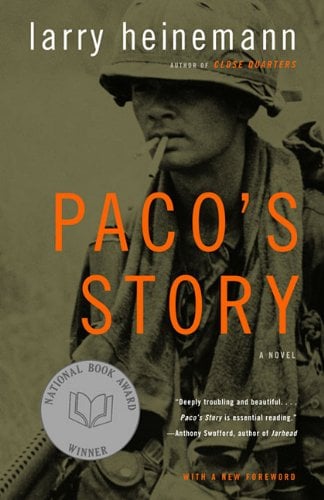
No. 40 on this list. Paco's Story
Larry Heinemann · 1987
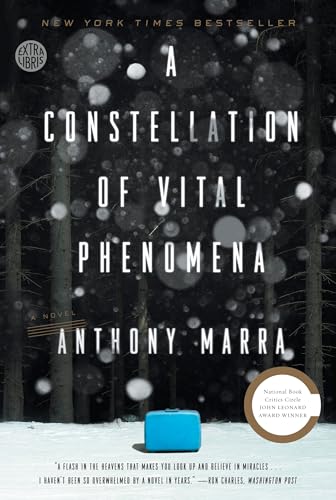
No. 41 on this list. A Constellation of Vital Phenomena
Anthony Marra · 2013
No. 42 on this list. The Surrendered
Chang-rae Lee · 2010
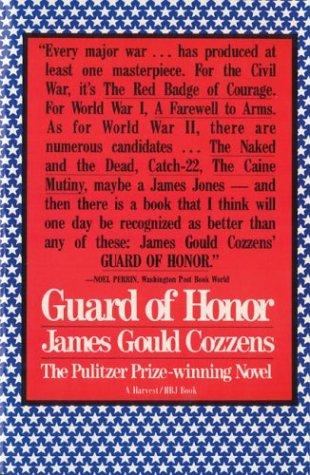
No. 43 on this list. Guard of Honor
James Gould Cozzens · 1949
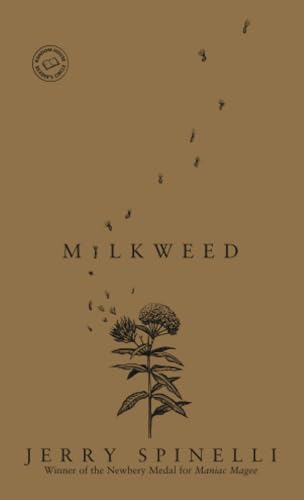
No. 44 on this list. Milkweed
Jerry Spinelli · 2003
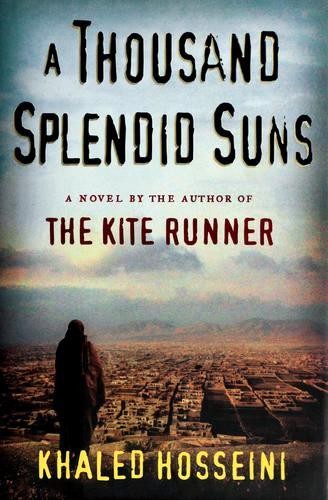
No. 45 on this list. A Thousand Splendid Suns
Khaled Hosseini · 2007
Taught in schools: Pearson Edexcel GCSE and A-level English Literature (UK)
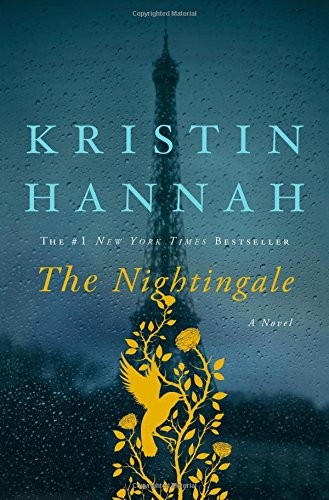
No. 46 on this list. The Nightingale
Kristin Hannah · 2015
No. 47 on this list. The Hunt for Red October
Tom Clancy · 1984
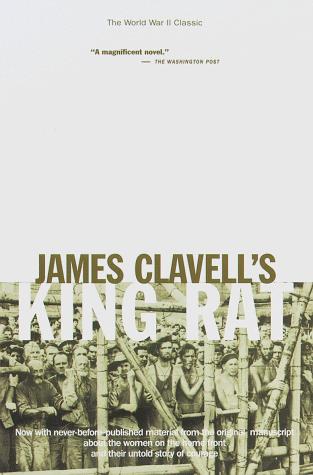
No. 48 on this list. King Rat
James Clavell · 1962
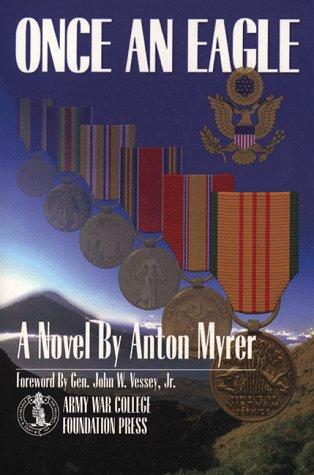
No. 49 on this list. Once An Eagle
Anton Myrer · 1968
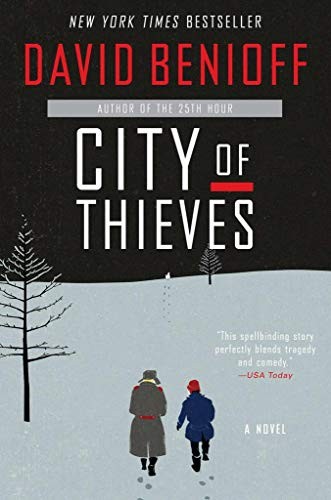
No. 50 on this list. City of Thieves
David Benioff · 2008
No. 51 on this list. The Light Brigade
Kameron Hurley · 2019
No. 52 on this list. Cherry
Nico Walker · 1980
No. 53 on this list. Divine Rivals, Ruthless Vows
REBECCA ROSS · 2024
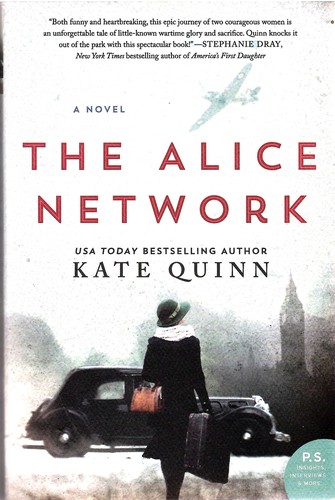
No. 54 on this list. The Alice Network
Kate Quinn · 2017
No. 55 on this list. The Warm Hands of Ghosts
Katherine Arden · 2024
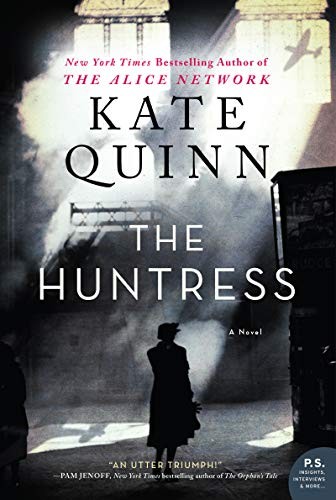
No. 56 on this list. The Huntress
Kate Quinn · 2019
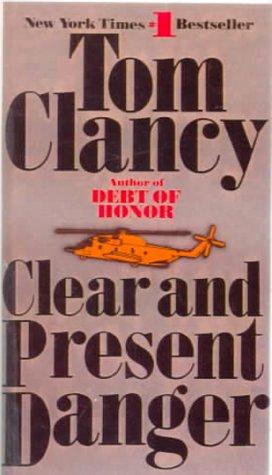
No. 57 on this list. Clear and Present Danger (Jack Ryan, #5; Jack Ryan Universe, #6)
Tom Clancy · 1994
No. 58 on this list. The Sword of Kaigen
M.L. Wang · 2019
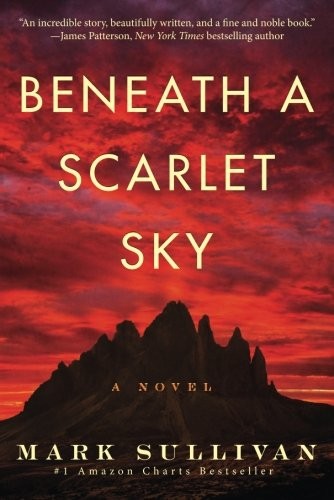
No. 59 on this list. Beneath a Scarlet Sky
Mark Sullivan · 2017
No. 60 on this list. Latakia

About this list
These 60 books are the highest-scoring eligible war novels from the United States currently in the catalogue. By literary regard, it opens with Slaughterhouse-Five, A Farewell to Arms and For Whom the Bell Tolls. About 601 hours of reading in all. Difficulty runs from 34 to 60 out of 100 for the middle half of the list; the summit is Chronicle in Stone at 76.
This list is ranked by literary regard, with a consistent order for equal scores. Membership follows authors and co-authors, not translators or editors. Catalogue coverage and the historical canon both limit what this list can represent, and genre labels are the catalogue’s own, gathered into broader kinds.
When we matched the Canons dataset to our catalogue in October 2026, our canonical-status scores rose with the number of school curricula, publisher series and lists in it that cite a work: the median score was 72 for books one such source cites, 84 at two, 88 at three, 92 at four and 93 at five or more. Prizes are left out of that count. Outside the state curricula, the dataset’s sources choose mostly from what has been translated into English or French, so it is a weaker check on other literatures. Source: Canons (Andrew Piper), CC BY 4.0
Questions people actually ask
- What are the best war novels from the United States?
- By literary regard, which weighs canonical status, critical standing and influence, Slaughterhouse-Five, A Farewell to Arms, For Whom the Bell Tolls, Catch-22 and The Last of the Mohicans lead. ReadingRate ranks 60 such books, each with a difficulty score and a reading-time estimate.
- Where should I start with war novels from the United States?
- Start from difficulty, not from rank. The most approachable books on this list that still carry top literary regard are The Last of the Mohicans by James Fenimore Cooper (about 9.1 hours), For Whom the Bell Tolls by Ernest Hemingway and A Farewell to Arms by Ernest Hemingway.
- How hard are war novels from the United States to read?
- Most of this list sits between 34 and 60 on ReadingRate's 100-point difficulty scale, where 40 to 55 is moderate. The summit is Chronicle in Stone at 76. Every entry carries its own score, so a reader can pick a great book at a difficulty they will finish.
- How is this list ranked?
- On literary-regard data: how canonically established a work is, its critical standing, and its influence on later writing. It is not a readers’ poll, which is why recent bestsellers rarely appear. Membership follows authors and co-authors, not translators or editors. A list that is not a genre list keeps to literature (fiction, poetry, drama and philosophy), with philosophy taking no more than one slot in five while there is literature left to rank; every list holds at most three works by one author.