Hours at an average pace
Showing 56 books
About 452 hours for 55 of 56 books with measured lengths. Estimates use 250 words a minute, adjusted for each book's difficulty. At 2 hours a day, about 226 days for those books.
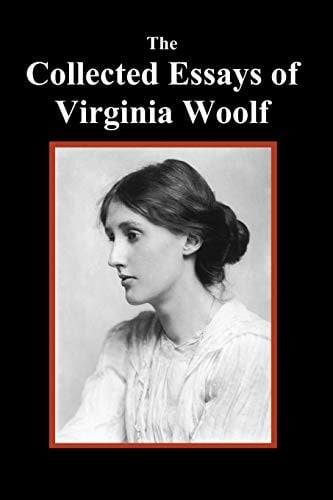
The Collected Essays and The Common Reader are staples of university courses in modernism, literary criticism, and women's writing globally. While no Wikipedia or syllabus data was returned for this specific collection, Woolf's essays are foundational to any survey of 20th-century literary criticism and have been continuously in print since the 1920s.
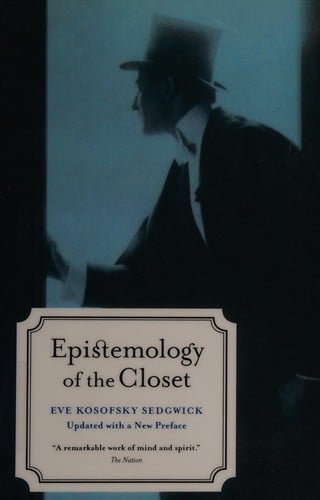
A founding text of queer theory, assigned in nearly every course on queer studies and widely excerpted in theory anthologies. Its opening axioms are among the most taught passages in late-twentieth-century criticism.
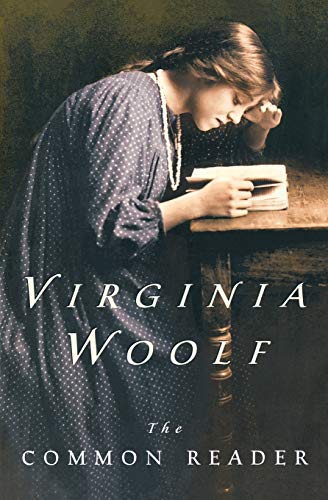
The Common Reader appears on English literature and literary criticism syllabi at universities globally, particularly in courses covering modernism and the essay tradition. The title itself passed into common literary-critical usage as a shorthand for the ideal engaged reader. It is among the most frequently assigned of Woolf's non-fiction works, alongside A Room of One's Own, though the latter is more widely taught.
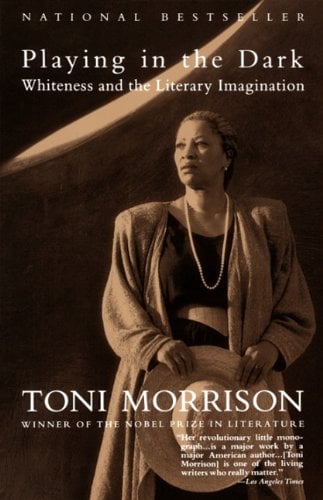
No. 4 on this list. Playing in the Dark: Whiteness and the Literary Imagination
Toni Morrison · 1992
Moderate1.6 hours
Playing in the Dark is a foundational text in American literary studies and critical race theory in literature. It appears on countless graduate and undergraduate syllabi in American literature, African-American studies, and literary theory courses. It is widely considered essential reading for anyone studying the American literary canon, frequently cited alongside Edward Said's Orientalism as a paradigm-shifting work of cultural criticism.
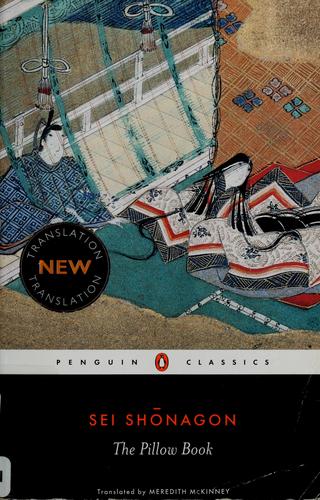
No. 5 on this list. The Pillow Book
Sei Shonagon · 1002
Challenging12 hours
Included in: UNESCO Collection of Representative Works
The Pillow Book is one of only two surviving prose masterpieces of the Heian period (alongside The Tale of Genji) and appears in virtually every world literature survey course. It is the founding work of the zuihitsu genre—the Japanese personal essay—and is treated as an essential document of 10th-century Japanese civilization. No verified syllabus count is available in the database, but its position in world literature curricula and its continuous publication in major translation series (Penguin Classics, Columbia University Press) confirms broad canonical standing.
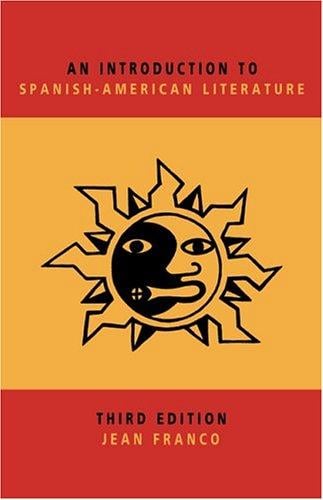
No. 6 on this list. An Introduction to Spanish-American Literature
Jean Franco · 1969
Moderate6.7 hours
Established as the foundational anglophone survey of Spanish American literature for over three decades.
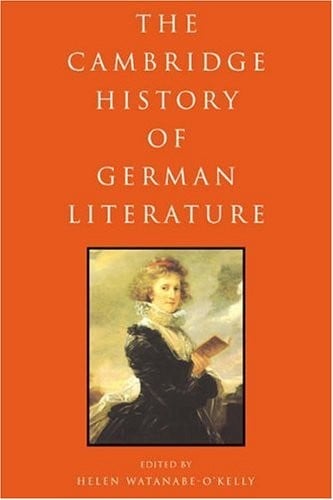
No. 7 on this list. The Cambridge History of German Literature
Helen Watanabe-O'Kelly · 1997
Challenging34 hours
The definitive Cambridge reference history for German literature in English.
No. 8 on this list. The Licensing Act of 1737 and the Staging of the Eighteenth-Century Essay
Margaret Anne Doody · 1996
Challenging17 hours
The major revisionist challenge to Watt; essential in any account of the novel's origins.
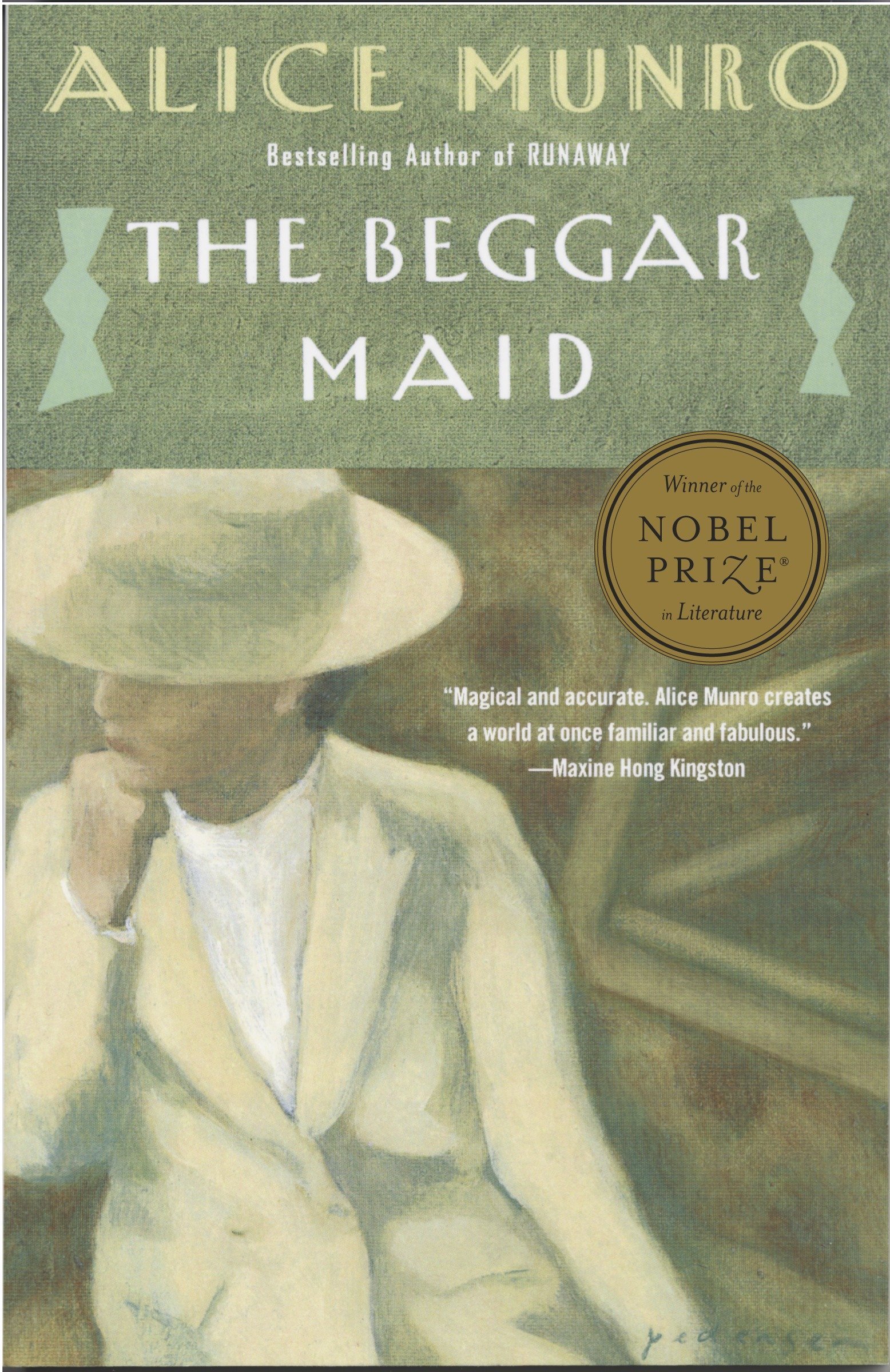
Widely taught in Canadian literature courses and short fiction seminars as exemplary of Munro's mastery and the linked story collection form. The book helped establish Munro's international reputation and remains central to discussions of contemporary short fiction. It's considered essential reading for understanding both Canadian literature and the possibilities of the story cycle.
Won the 2019 National Book Award, establishing Choi as a significant contemporary voice. The novel represents a major contribution to metafictional literature and MeToo-era examinations of institutional abuse. While too recent for full canonical assessment, it has quickly entered graduate syllabi and is widely taught in creative writing programs as exemplary contemporary metafiction.
No. 11 on this list. Reading the Romance: Women, Patriarchy, and Popular Literature · Janice Radway · 1984
A foundational text of reader-response research and cultural studies, standard in courses on popular fiction, media audiences and feminist criticism. It is the starting point for the academic study of romance readers.
Challenging6.8 hours
Start this bookNo. 12 on this list. The Accidental · Ali Smith · 2005
The Accidental has achieved recognition as a significant 21st-century British novel, appearing on university syllabi and contemporary fiction reading lists. While not yet established in the permanent canon, it represents Smith's breakthrough to major literary prominence and exemplifies post-2000 experimental domestic fiction. Its status continues to grow with Smith's increasing reputation.
Challenging7.1 hours
Start this bookNo. 13 on this list. Inside/Out: Lesbian Theories, Gay Theories · Diana Fuss · 1991
Inside/Out was a founding text of queer theory as an academic discipline, widely taught in gender studies, cultural studies, English, and film studies programs since the early 1990s. Data signals show no tracked syllabus entries, but the book appears regularly on graduate reading lists alongside Butler's Gender Trouble and Sedgwick's Epistemology of the Closet.
Difficult20 hours
Start this bookNo. 14 on this list. Machado de Assis: The Brazilian Master and His Novels · Helen Caldwell · 1970
The founding anglophone study of Machado de Assis; opened the field of Machado scholarship in English.
Challenging6.8 hours
Start this bookNo. 15 on this list. Reading Colonial Japan: Text, Context, and Critique · Michele M. Mason · 2012
A significant scholarly contribution to both Korean studies and colonial discourse studies; widely cited in both fields.
Easy6.5 hours
Start this bookNo. 16 on this list. Human Acts · Han Kang · 2014
Han Kang's Nobel Prize in 2024 elevated this novel's global profile significantly, but it appears on only 59 university syllabi (44th percentile in Open Syllabus) and has Wikipedia articles in just 5 languages. Curricular adoption outside Korean literature courses remains limited, though the Nobel will accelerate its integration into world literature programs.
Difficult6.7 hours
Start this bookNo. 17 on this list. Happily Ever After: The Romance Story in Popular Culture · Catherine Roach · 1984
Well-regarded in romance studies and popular culture programmes, though less widely cited than Regis.
Challenging5.7 hours
Start this bookNo. 18 on this list. The Silent Woman · Janet Malcolm · 1994
Regularly assigned in courses on biography, literary journalism and Sylvia Plath, and a standard reference in debates about writing lives. It is one of the few books on biography read well beyond Plath studies.
Moderate4.7 hours
Start this bookNo. 19 on this list. The Making of Modern Korean Poetry: Foreign Influences and Native Creativity · Kim Hyun-suk · 2003
A significant scholarly contribution to Korean literary studies that has reshaped how modern Korean poetry is contextualized in English-language scholarship.
Easy5.7 hours
Start this bookNo. 20 on this list. The Mysteries of Udolpho · Ann Radcliffe · 1794
The Mysteries of Udolpho is a foundational text taught in 18th-century literature, Gothic studies, and women's writing courses in universities worldwide. Its Wikipedia article spans over 40 languages. Jane Austen's parody in Northanger Abbey has guaranteed it a permanent place in the British literary canon—any reader of Austen eventually encounters Udolpho. It sits at the center of every Gothic fiction course.
Challenging21 hours
Start this book
No. 21 on this list. Magic Realism, New Objectivity, and the Arts during the Weimar Republic · Irene Guenther · 1995
The definitive account of magic realism's German origins; essential for historians of the term.
Challenging6.3 hours
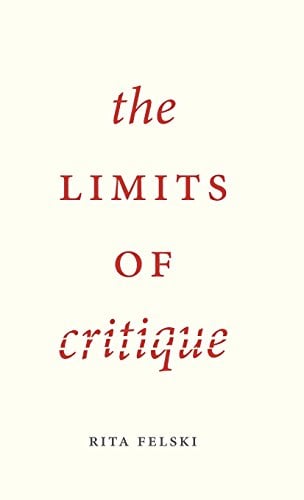
Start this bookNo. 22 on this list. The Limits of Critique · Rita Felski · 2015
Literary critics, Rita Felski argues, have spent decades being suspicious. They dig beneath surfaces to expose hidden ideology, unmask false consciousness, and treat every text as a crime scene. This habit of mind — what Paul Ricoeur called the 'hermeneutics of suspicion' — has become so pervasive in academic literary study that it passes for rigor itself. Felski wants to know what it costs. The Limits of Critique follows the suspicious method from its Marxist, Freudian, and Nietzschean origins through its institutionalization in American graduate schools, tracing how a set of argumentative moves hardened into an unexamined professional mood. She shows how critique borrows the narrative logic of detective fiction — the hidden clue, the guilty party, the exposure of what lay concealed — and how this logic constrains what critics can see. The diagnosis is not that critique is wrong but that it is partial: addicted to the 'de-' prefix (demystify, denaturalize, destabilize) at the expense of the 're-' prefix (recontextualize, reconfigure, restore). The alternative Felski sketches — drawing on Bruno Latour's actor-network theory and Eve Kosofsky Sedgwick's reparative reading — asks what it would mean to treat texts as actors that attract alliances and create attachments rather than suspects awaiting indictment. This is academic literary theory at its most self-aware: a critique of critique that refuses to simply perform the method it is questioning.
Challenging7.1 hours
Start this bookNo. 23 on this list. Short Stories and Short Fictions, 1880–1980 · Clare Hanson · 1985
Influential in short fiction studies, especially feminist approaches to the form.
Moderate4.5 hours
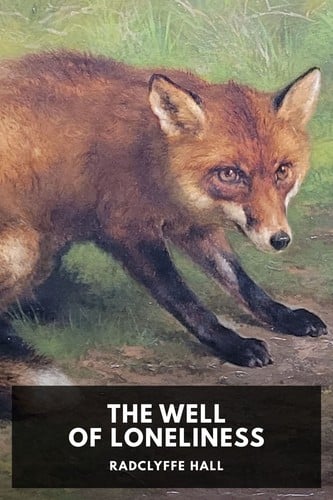
Start this bookNo. 24 on this list. The Well of Loneliness · Radclyffe Hall · 1928
The Well of Loneliness is a foundational text in LGBTQ+ literary history and is widely taught in gender studies, queer theory, and English literature courses. Its 1928 obscenity trial in Britain and continued cultural resonance ensures substantial presence in syllabi and scholarship, though it occupies an unusual canonical position — more significant for what it represents historically than for its formal literary achievements.
Moderate11 hours
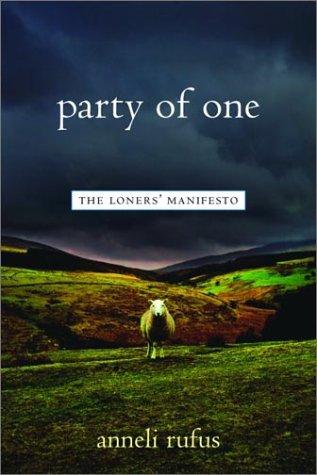
Start this bookNo. 25 on this list. Party of One: The Loner's Manifesto · Anneli Rufus · 2003
Popular in introversion and loner communities; less prominent in academic criticism.
Easy4.3 hours
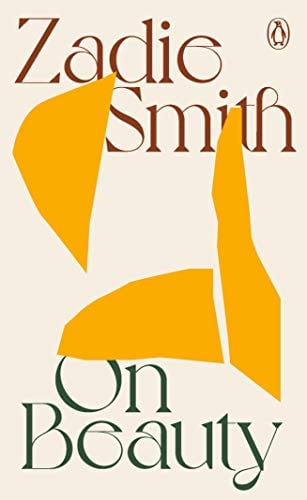
Start this bookNo. 26 on this list. On Beauty · Zadie Smith · 2005
On Beauty appears regularly on syllabi for contemporary British fiction, postcolonial literature, and 21st-century novel courses. It has entered academic discourse as a key text about multiculturalism, liberal academia, and Forster's legacy. Not yet canonical in the sense of Ulysses, but securely positioned in the emerging canon of millennial literature alongside works by Rushdie, Morrison, and Coetzee.
Moderate11 hours
Start this bookNo. 27 on this list. Intercourse · Andrea Dworkin · 1987
Intercourse is taught regularly in women's studies, gender studies, and feminist theory courses at the university level, though its presence varies significantly by institution and era. Dworkin is a foundational figure in radical feminist thought, and this book is her most systematic theoretical text. It is not in the mainstream literary canon but occupies a specific canonical place within feminist intellectual history. It is less widely taught than Simone de Beauvoir's The Second Sex or Betty Friedan's The Feminine Mystique but more academically present than most radical feminist texts of its period.
Challenging6.2 hours
Start this bookNo. 28 on this list. Tripmaster Monkey: His Fake Book · Maxine Hong Kingston · 1989
Tripmaster Monkey appears in Asian-American literature courses and is included in discussions of multicultural American fiction, but it occupies a secondary canonical position relative to Kingston's own The Woman Warrior, which is far more widely taught. No data signals were returned from Open Syllabus or Wikipedia for this specific title. Its reputation rests on the strength of its author's standing rather than independent canonical consensus.
Challenging14 hours
Start this bookNo. 29 on this list. The Situation and the Story · Vivian Gornick · 2001
The Situation and the Story has become a near-standard text in MFA programs and creative writing courses across the United States, though it lacks the syllabus footprint of major critical works. No Open Syllabus or Wikipedia data was found in the database, but its penetration in creative writing pedagogy is broad and documented through its continuous citation in craft anthologies and syllabi. It is frequently cited as essential reading for nonfiction writers.
Moderate2.5 hours
Start this bookNo. 30 on this list. Changing My Mind: Occasional Essays · Zadie Smith · 2009
An important essay collection that helped establish Smith as a major critic as well as novelist. 'Two Paths for the Novel' has become a reference point in contemporary literary discourse.
Easy5.9 hours
Start this book

No. 31 on this list. The Carpathians
Janet Frame · 1988
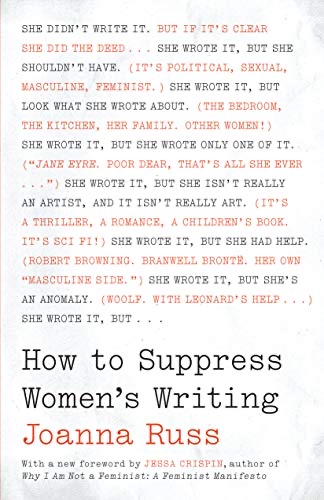
No. 32 on this list. How to Suppress Women's Writing
Joanna Russ · 1983
No. 33 on this list. Imagining New Zealand: A History of New Zealand Literature
Jane Stafford · 2002
No. 34 on this list. The Cambridge Companion to the Scandinavian Novel
Annegret Heitmann · 2016
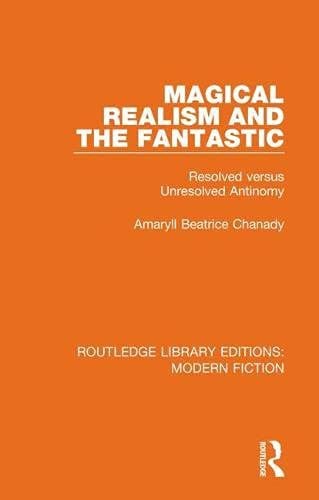
No. 35 on this list. Magical Realism and the Fantastic: Resolved versus Unresolved Antinomy
Amaryll Chanady · 1985
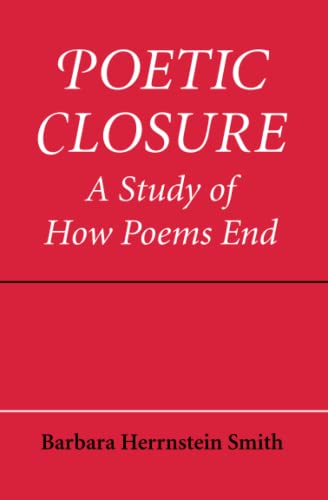
No. 36 on this list. Poetic Closure: A Study of How Poems End
Barbara Herrnstein Smith · 1968
No. 37 on this list. Magical Realism: Theory, History, Community
Lois Parkinson Zamora · 1995
No. 38 on this list. The Colony
Audrey Magee · 2022
No. 39 on this list. Vivre vite
Brigitte Giraud · 2022
No. 40 on this list. Plain Bad Heroines
Emily M. Danforth · 2020

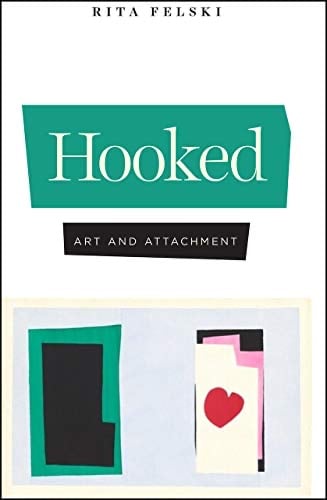
No. 41 on this list. Hooked
Rita Felski · 2020
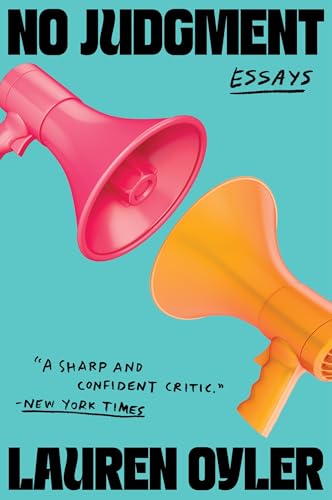
No. 42 on this list. No Judgment
Lauren Oyler · 2023
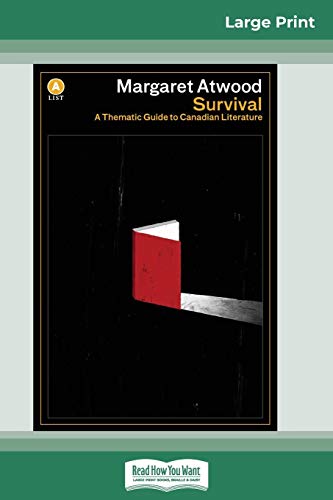
No. 43 on this list. Survival: A Thematic Guide to Canadian Literature
Margaret Atwood · 1972
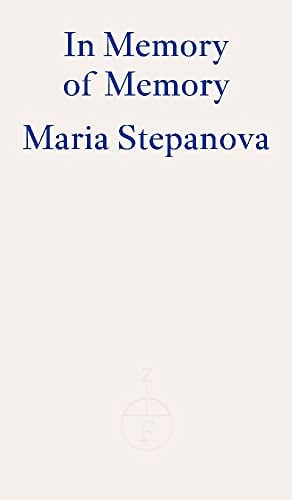
No. 44 on this list. In Memory of Memory
Maria Stepanova · 2017
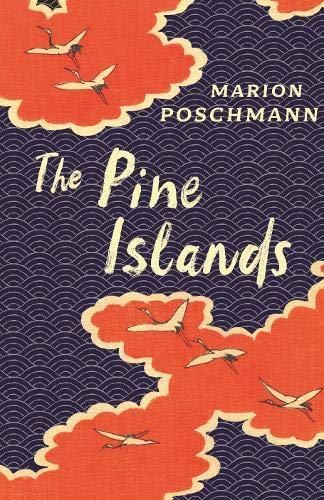
No. 45 on this list. The Pine Islands
Marion Poschmann · 2019
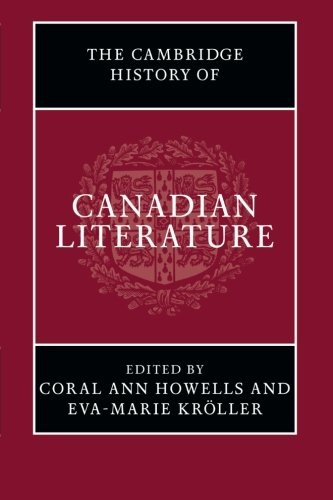
No. 46 on this list. The Cambridge History of Canadian Literature
Coral Ann Howells · 2009
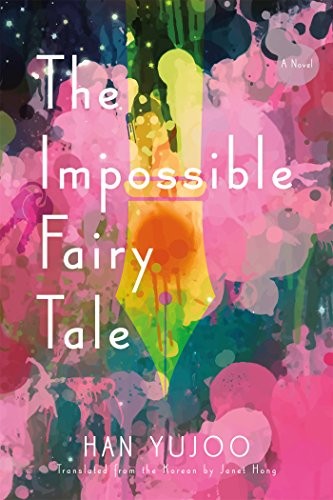
No. 47 on this list. The Impossible Fairy Tale
Han Yujoo · 2013
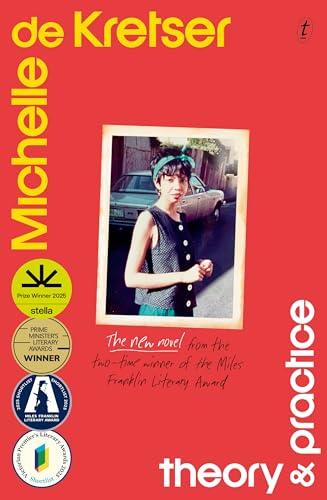
No. 48 on this list. Theory & Practice
Michelle de Kretser · 2024
No. 49 on this list. The Twice-Born Fiction: Themes and Techniques of the Indian Novel in English
Meenakshi Mukherjee · 1971
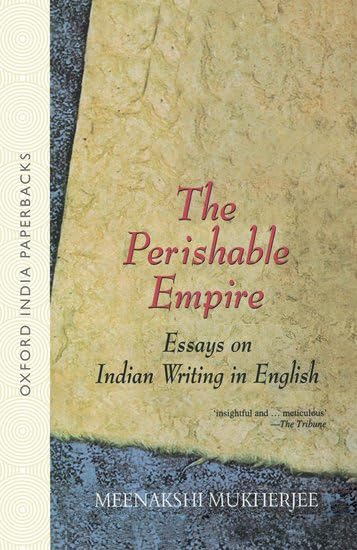
No. 50 on this list. The Perishable Empire: Essays on Indian Writing in English
Meenakshi Mukherjee · 2000

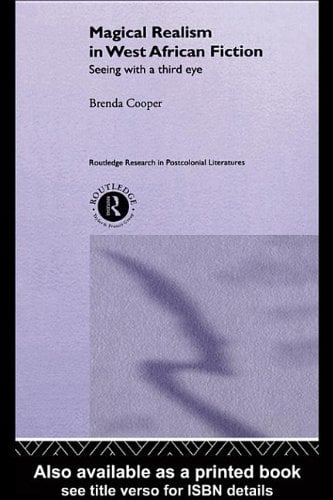
No. 51 on this list. Magical Realism in West African Fiction: Seeing with a Third Eye
Brenda Cooper · 1998
No. 52 on this list. Short Story Theory at a Crossroads
Susan Lohafer · 1989
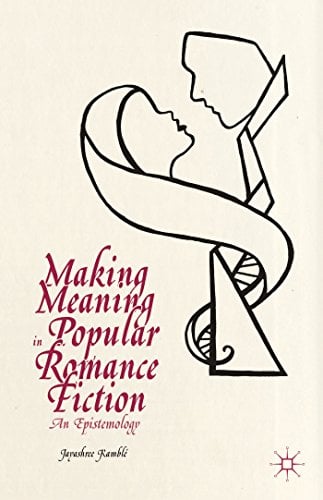
No. 53 on this list. The Routledge Research Companion to Popular Romance Fiction
Jayashree Kamblé · 2022
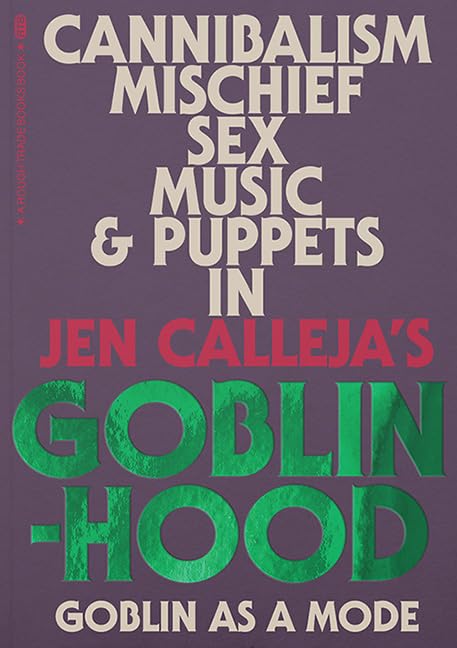
No. 54 on this list. Goblinhood: Goblin As A Mode
Jen Calleja · 2024
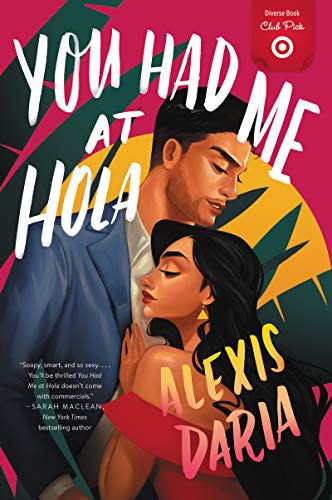
No. 55 on this list. You Had Me at Hola
Alexis Daria · 2020
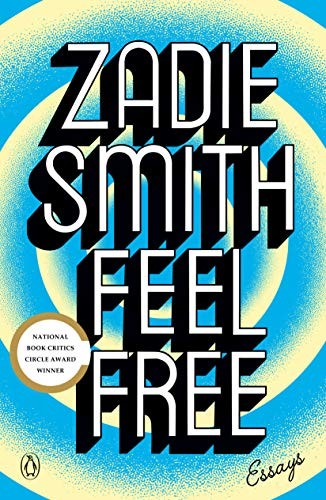
No. 56 on this list. Feel Free
Zadie Smith · 2018
About this list
These 56 books are the highest-scoring eligible books of criticism and theory by women currently in the catalogue. About 452 hours of reading in all, for the 55 with measured lengths. Difficulty runs from 49 to 62 out of 100 for the middle half of the list; the summit is Inside/Out: Lesbian Theories, Gay Theories at 78.
This list is ranked by literary regard, with a consistent order for equal scores. Membership follows authors and co-authors, not translators or editors. A book is here when ReadingRate files it under Criticism & Theory as one of its primary reading domains, at a confidence of 0.8 or more. Catalogue coverage and the historical canon both limit what this list can represent.
When we matched the Canons dataset to our catalogue in October 2026, our canonical-status scores rose with the number of school curricula, publisher series and lists in it that cite a work: the median score was 72 for books one such source cites, 84 at two, 88 at three, 92 at four and 93 at five or more. Prizes are left out of that count. Outside the state curricula, the dataset’s sources choose mostly from what has been translated into English or French, so it is a weaker check on other literatures. Source: Canons (Andrew Piper), CC BY 4.0
Questions people actually ask
- What are the best books of criticism and theory by women?
- By literary regard, which weighs canonical status, critical standing and influence: The Collected Essays of Virginia Woolf by Virginia Woolf, The Epistemology of the Closet by Eve Kosofsky Sedgwick, The Common Reader by Virginia Woolf, Playing in the Dark: Whiteness and the Literary Imagination by Toni Morrison and The Pillow Book by Sei Shonagon. ReadingRate ranks 56 such books, each with a difficulty score and a reading-time estimate.
- Which books of criticism and theory by women should I read first?
- Start from difficulty, not from rank. The most approachable books on this list that still carry top literary regard are An Introduction to Spanish-American Literature by Jean Franco (about 6.7 hours), Playing in the Dark: Whiteness and the Literary Imagination by Toni Morrison and The Beggar Maid by Alice Munro.
- What are the shortest of the best books of criticism and theory by women?
- Among the top 25, the shortest are Playing in the Dark: Whiteness and the Literary Imagination by Toni Morrison (about 1.6 hours), Human Acts by Han Kang (about 6.7 hours) and Short Stories and Short Fictions, 1880–1980 by Clare Hanson (about 4.5 hours), at an average pace of 250 words a minute adjusted for each book's difficulty.
- Which of the best books of criticism and theory by women are the established classics?
- By canonical status, how firmly a book sits in curricula, anthologies and the canon: The Epistemology of the Closet by Eve Kosofsky Sedgwick, The Cambridge History of German Literature by Helen Watanabe-O'Kelly, An Introduction to Spanish-American Literature by Jean Franco, The Collected Essays of Virginia Woolf by Virginia Woolf and The Common Reader by Virginia Woolf.
- Can I read any of these books of criticism and theory by women for free?
- 1 of the 56 opens in ReadingRate's reader with a free account, from public-domain editions: The Common Reader.
- How long would it take to read the top ten?
- About 106 hours, at an average pace of 250 words a minute adjusted for each book's difficulty: 54 days at two hours a day. Set your own pace on the page and the list's reading times change to it.
- How hard are books of criticism and theory by women to read?
- Most of this list sits between 49 and 62 on ReadingRate's 100-point difficulty scale, where 40 to 55 is moderate. The summit is Inside/Out: Lesbian Theories, Gay Theories at 78. Every entry carries its own score, so a reader can pick a great book at a difficulty they will finish.
- How is this list ranked?
- On literary-regard data: how canonically established a work is, its critical standing, and its influence on later writing. It is not a readers’ poll, which is why recent bestsellers rarely appear. Membership follows authors and co-authors, not translators or editors. Lists by country, author, period, theme or difficulty keep to literature (fiction, poetry, drama and philosophy), their novels, poems and plays first and their philosophy after them; a list of a kind of book, such as memoir or criticism, keeps every book of that kind. Every list holds at most three works by one author. A book is here when ReadingRate files it under Criticism & Theory as one of its primary reading domains, at a confidence of 0.8 or more.