Hours at an average pace
Showing 100 books
About 640 hours for 100 of 100 books with measured lengths. Estimates use 250 words a minute, adjusted for each book's difficulty. At 2 hours a day, about 320 days for those books.
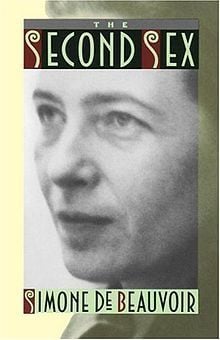
Appears on 563 university syllabi (Open Syllabus percentile: 68.8%), making it a fixture of gender studies, philosophy, and feminist theory curricula worldwide. Named to Le Monde's 100 Books of the Century and recognized in 50 Wikipedia languages — signaling global canonical reach. Essential reading in feminist and existentialist philosophy, though not as universally taught as Shakespeare or Frankenstein.
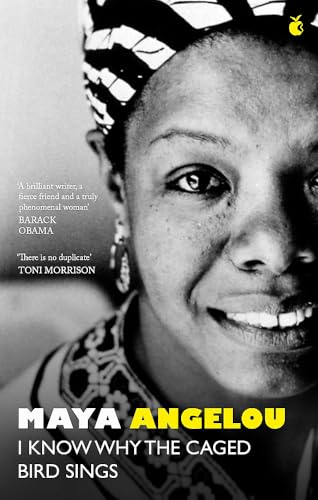
No. 2 on this list. I Know Why the Caged Bird Sings
Maya Angelou · 1969
Challenging8.1 hours
Taught in schools: CSEC English B – Caribbean Examinations Council, Pacific Senior Secondary Certificate – English, WBCHSE English and Alternative English syllabuses (India)
Taught in virtually every American high school and across university courses in African American literature, women's studies, and autobiography. One of the American Library Association's most frequently challenged books — a perverse testament to its ubiquity — and named among the most important American autobiographies of the 20th century on lists from the Modern Library and TIME.
This Bridge Called My Back is required reading in women's studies, ethnic studies, and American literature courses across the United States and beyond. Since its 1981 publication it has appeared on thousands of university syllabi, ranking among the most-taught feminist texts in higher education, comparable in academic penetration to Beloved within its fields. It is listed on essential reading guides across multiple disciplines and remains continuously in print.
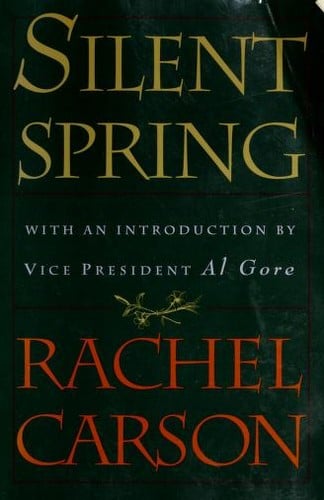
Required reading in environmental science, ecology, American history, and science writing courses worldwide. Regularly listed among the most important books of the 20th century by Le Monde, Modern Library, and TIME. Its influence extends far beyond literary circles into science, law, and public policy.
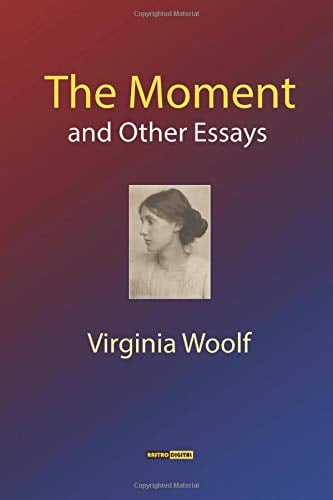
The title essay 'The Death of the Moth' is one of the most anthologized pieces in the English language, appearing in virtually every major collection of literary essays and countless university writing courses. Though the collection as a whole is less individually indexed than Woolf's novels, these essays — alongside 'Street Haunting' and 'Middlebrow' — are fixtures of modernist prose and creative nonfiction curricula worldwide.
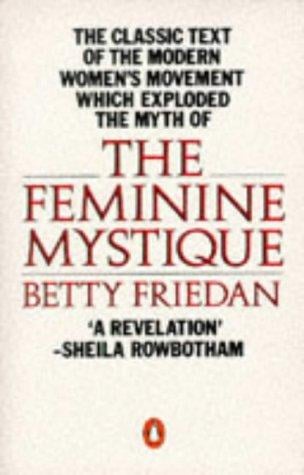
The Feminine Mystique appears on hundreds of women's studies, American history, and sociology syllabi across the United States and internationally. Time magazine named it one of the 100 most important nonfiction books of the 20th century, and it features on Modern Library and similar 'essential nonfiction' lists. Its Wikipedia article exists in dozens of languages with substantial coverage of its reception and cultural impact.
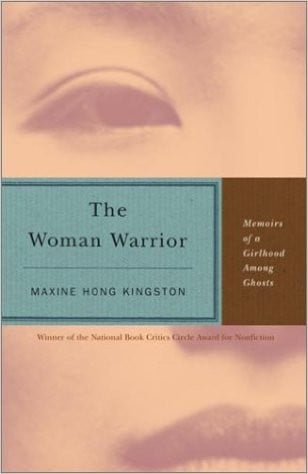
No. 7 on this list. The Woman Warrior: Memoirs of a Girlhood Among Ghosts
Maxine Hong Kingston · 1976
Moderate4.6 hours
The Woman Warrior is one of the most-taught memoirs in American university curricula, appearing on syllabi for American literature, Asian-American studies, women's studies, creative nonfiction, and multicultural education courses. It has been continuously in print since 1976 and appears on virtually every list of essential Asian-American literature. The Open Syllabus Project ranks it among the most frequently assigned texts in the humanities.
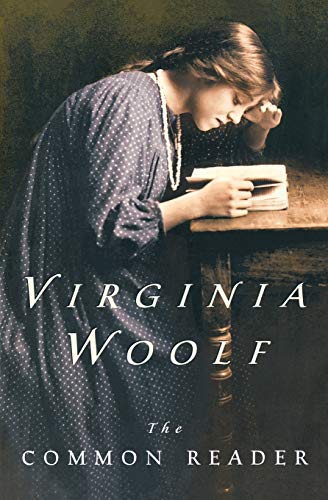
The Common Reader appears on English literature and literary criticism syllabi at universities globally, particularly in courses covering modernism and the essay tradition. The title itself passed into common literary-critical usage as a shorthand for the ideal engaged reader. It is among the most frequently assigned of Woolf's non-fiction works, alongside A Room of One's Own, though the latter is more widely taught.
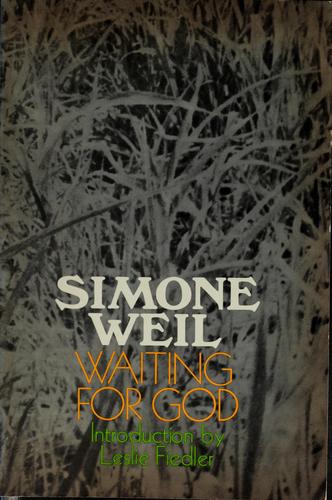
Recognized as a 20th-century mystical classic. T.S. Eliot called Weil 'a kind of genius akin to that of the saints'; André Gide named her 'the best spiritual writer of this century.' The book is taught across philosophy, theology, and literature programs worldwide.
Widely taught in American literature and journalism programs, consistently appearing on syllabi in courses on creative nonfiction, American Studies, and cultural history. The collection appears on the Modern Library's list of the 100 best nonfiction books and is regarded as required reading for understanding 1960s American culture. The title essay is frequently anthologized and cited as a landmark of American journalism.
No. 11 on this list. Borderlands/La Frontera: The New Mestiza · Gloria Anzaldua · 1987
Foundational text of Chicana feminism, border studies, and queer theory. Universally taught in relevant fields.
Easy2.7 hours
Start this bookNo. 12 on this list. The Death and Life of Great American Cities · Jane Jacobs · 1961
Standard required reading in urban planning, architecture, public policy, sociology, and geography programs worldwide. Within its domain it functions as mandatory orientation text—virtually no urban planning curriculum omits it. Its canonical status within applied social science exceeds that of most novels, though it does not appear as broadly as literary classics across all disciplines.
Moderate10 hours
Start this bookNo. 13 on this list. Waiting for God · Simone Weil · 1950
One of the most important spiritual works written in the 20th century.
Challenging7.9 hours
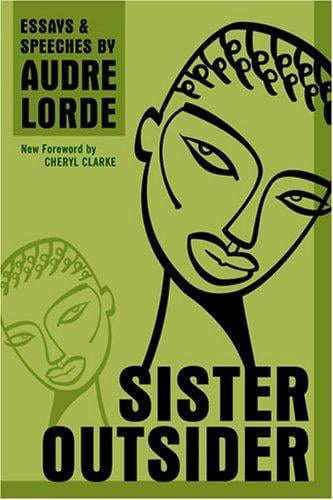
Start this bookNo. 14 on this list. Sister Outsider · Audre Lorde · 1984
Sister Outsider is a staple in gender studies, Black studies, and feminist theory courses across American and European universities. It appears on hundreds of syllabi and is widely considered essential reading in intersectional feminism and queer theory. Its individual essays — particularly 'The Master's Tools Will Never Dismantle the Master's House' — are among the most frequently anthologized nonfiction pieces in the humanities.
Challenging5.1 hours
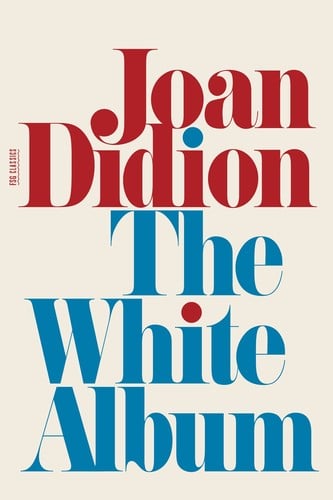
Start this bookNo. 15 on this list. The White Album · Joan Didion · 1979
Joan Didion opens with a confession: "We tell ourselves stories in order to live." What follows is the record of what happens when that story breaks down. Writing through the late 1960s in Los Angeles, Didion moves between her own psychiatric evaluations, the Manson trial, an afternoon with the Doors at a recording session, the engineering of Hoover Dam, and the geometry of a shopping mall in San Bernardino. The connections are never explained. That is the point. The white album of the title gestures at the Beatles' blank-sleeve record — a surface onto which listeners projected whatever they needed. Didion offers herself as a similar surface: a woman whose nervous system recorded an era's disintegration while her own sense of narrative failed her. The essays fragment deliberately, cutting mid-thought, juxtaposing a clinical psychiatric report with dispatches from the Black Panther press conference. Didion's sentences are precise and cold in the way a surgeon's instruments are cold — not indifferent, but controlled. The book asks what it means to impose meaning on experience when the experience refuses to cohere. It does not answer. The question, delivered with this particular clarity, is enough.
Moderate3.9 hours
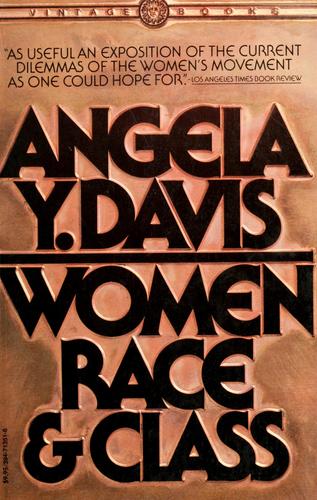
Start this bookNo. 16 on this list. Women, Race & Class · Angela Davis · 1981
A fixture on syllabi in Women's Studies, African American Studies, Sociology, and History courses across US universities since its 1981 publication. Required reading in virtually every Black feminist theory course and central to the canon of intersectional scholarship. Widely included on lists of essential texts in feminist and critical race theory.
Moderate4.7 hours
Start this bookNo. 17 on this list. Out of Africa · Isak Dinesen · 1937
Out of Africa is widely recognized as one of the great literary memoirs of the twentieth century. It appears on the Modern Library's 100 Best Nonfiction list at number 17 and is regularly assigned in university courses on memoir, African literature, and postcolonial studies. Its Wikipedia article exists in numerous languages and includes sections on reception and adaptations. The work has achieved broad curricular and cultural presence across the English-speaking world and beyond.
Easy6.4 hours
Start this bookNo. 18 on this list. Playing in the Dark: Whiteness and the Literary Imagination · Toni Morrison · 1992
Playing in the Dark is a foundational text in American literary studies and critical race theory in literature. It appears on countless graduate and undergraduate syllabi in American literature, African-American studies, and literary theory courses. It is widely considered essential reading for anyone studying the American literary canon, frequently cited alongside Edward Said's Orientalism as a paradigm-shifting work of cultural criticism.
Moderate1.6 hours
Start this bookNo. 19 on this list. Three Guineas · Virginia Woolf · 1938
Three Guineas opens with a letter — one of three — asking Virginia Woolf to donate money to a society dedicated to preventing war. She has left it unanswered for three years. Her answer, when it comes, takes 180 pages and two additional letters to deliver, and it is not the answer the barrister expected. Woolf argues that men in professional life — lawyers, bishops, professors, politicians — have spent centuries constructing the institutions they now ask women to help defend. The same educational system that trained men to value hierarchy and pageantry over liberty, she shows, also produced the conditions for fascism. To give money to defend those institutions is to underwrite the system that built them. Her method is documentary: she quotes from men's biographies, from parliamentary debates, from newspaper reports of women barred from professions, from Sophocles. Each quotation is a piece of evidence. The three guineas — one to a women's college, one to a professional women's society, one to the anti-war fund — are dispensed on conditions that enact her argument rather than concede to convention. Published in 1938 as Europe moved toward war, Three Guineas is a work of controlled anger and elaborate rhetorical irony. Woolf performs deference with precision; every courtesy conceals a charge.
Moderate4.9 hours
Start this bookNo. 20 on this list. Regarding the Pain of Others · Susan Sontag · 2003
Regarding the Pain of Others is a standard text in media studies, photography, visual culture, and war journalism courses worldwide. It appears on hundreds of university syllabi as a primary theoretical text. Wikipedia articles exist in over 40 languages. The book is the go-to theoretical reference whenever questions of war photography and the ethics of looking arise in public discourse.
Moderate1.8 hours
Start this book
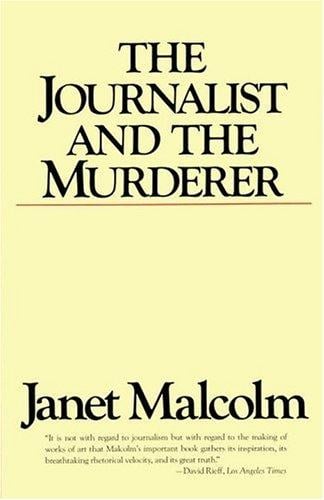
No. 21 on this list. The Journalist and the Murderer · Janet Malcolm · 1990
The Journalist and the Murderer is a staple of journalism school curricula across North America and is widely assigned in media ethics, creative nonfiction, and literary journalism courses. Its opening sentence is among the most frequently quoted lines in American nonfiction. While it does not appear on general literary canons as broadly as major novels, within its domain — journalism studies and media ethics — it is as close to required reading as any single text.
Easy2.5 hours
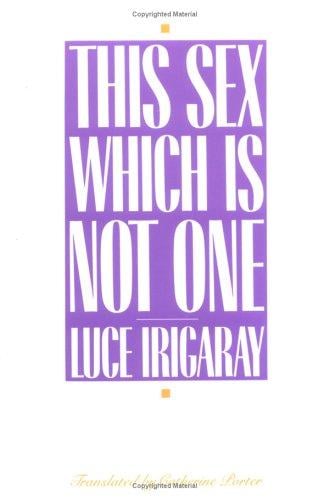
Start this bookNo. 22 on this list. This Sex Which Is Not One · Luce Irigaray · 1977
A foundational text of French feminist philosophy and literary theory. Essential in feminist theory and continental philosophy courses.
Difficult8.5 hours
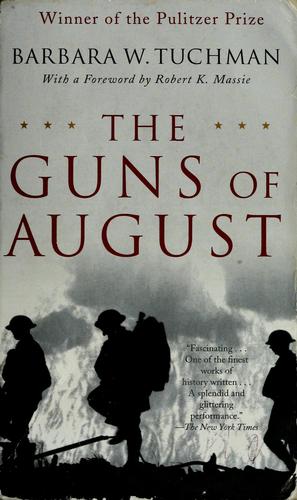
Start this bookNo. 23 on this list. The Guns of August · Barbara W. Tuchman · 1962
In August 1914, the armies of Europe mobilized according to plans drawn up years before, and the men who had written those plans found themselves unable to stop them. Barbara Tuchman follows the first month of the First World War through the decisions of Kaiser Wilhelm, General von Moltke, Sir Edward Grey, King Albert of Belgium, French commander Joffre, and the British Expeditionary Force crossing the Channel — tracking each government's calculations as they collide with reality. The Schlieffen Plan, Germany's blueprint for a two-front war, required sweeping through Belgium in six weeks. Belgium refused to yield. The sequence of what followed — the fall of Liège, the burning of Louvain's library, the British retreat from Mons, the French armies shattering against German lines in the battles of the frontiers — shows how a war that most leaders expected to end by Christmas instead set the terms for the next four years. Tuchman writes narrative history as a novelist would: scenes, dialogue, the texture of specific moments. John F. Kennedy read this book during the Cuban Missile Crisis, reportedly to remind himself how quickly leaders can lose control of the forces they have set in motion. It won the Pulitzer Prize in 1963. The question it asks — how educated, cautious men produced a catastrophe none of them wanted — has not become less relevant.
Moderate12 hours
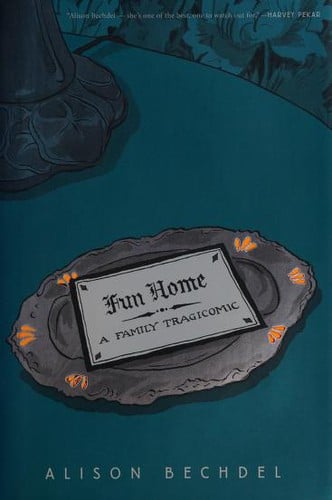
Start this bookNo. 24 on this list. Fun Home · Alison Bechdel · 2006
Fun Home is foundational in graphic novel studies, queer memoir, and contemporary comics curricula at the university level. It appears on syllabi in English, gender studies, and art courses across North America, though it does not yet occupy the traditional Western canon. Its inclusion in Time's All-TIME 100 Graphic Novels list marks it as essential reading within its form.
Challenging5.3 hours
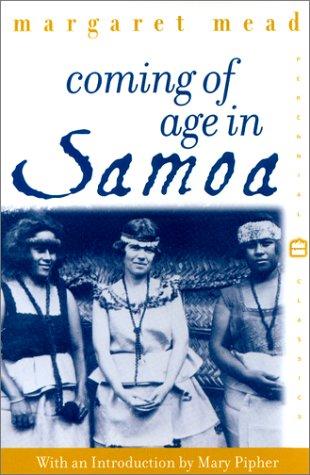
Start this bookNo. 25 on this list. Coming of Age in Samoa: A Psychological Study of Primitive Youth for Western Civilisation · Margaret Mead · 2001
Widely assigned in anthropology and gender-studies courses, and a standard case in debates over method. Its place is secured as much by the Freeman controversy as by the text.
Easy4.5 hours
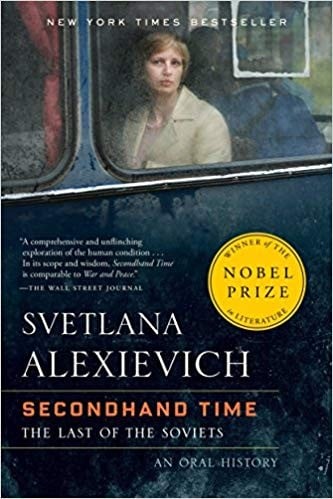
Start this bookNo. 26 on this list. Secondhand Time · Svetlana Alexievich · 2013
Secondhand Time appears on syllabi in Eastern European studies, Russian history, and world literature courses at major universities, but has not achieved the broad canonical status of Soviet-era classics like Solzhenitsyn's Gulag Archipelago. Its Nobel Prize pedigree (Alexievich won in 2015) has elevated its presence in academic reading lists, and it is available in dozens of languages. Within its genre of documentary prose, it is considered essential reading.
Challenging17 hours
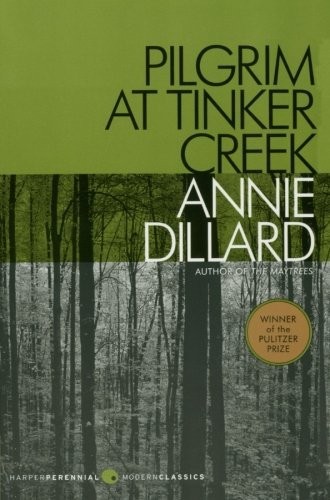
Start this bookNo. 27 on this list. Pilgrim at Tinker Creek · Annie Dillard · 1974
Winner of the 1975 Pulitzer Prize for General Nonfiction, widely taught in creative nonfiction workshops and environmental literature courses across American universities. A fixture on nature writing syllabi and 'best nonfiction' lists, though it falls short of universal required-reading status outside its genre.
Challenging6.8 hours
Start this bookNo. 28 on this list. Don't Let Me Be Lonely · Claudia Rankine · 2004
Don't Let Me Be Lonely is taught widely in contemporary American poetry courses, hybrid-genre writing seminars, and courses on race and American literature, though no syllabus data was returned by the database. Rankine's later book Citizen eclipsed it in mainstream visibility, but this volume is recognized as the formal and thematic origin of her "American Lyric" project. It occupies a firm position in serious literary syllabi without approaching the ubiquity of canonical novels.
Difficult2.7 hours
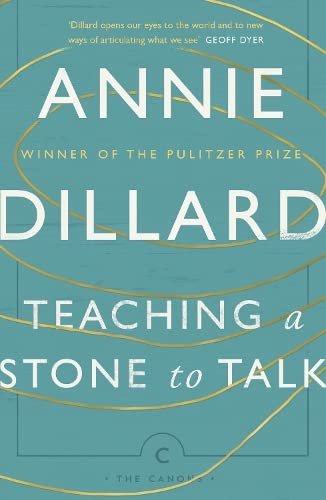
Start this bookNo. 29 on this list. Teaching a Stone to Talk · Annie Dillard · 1982
Annie Dillard goes to Mass and keeps imagining herself on a polar ice floe. This is the logic of the title essay 'An Expedition to the Pole,' which braids the disasters of Franklin, Scott, and Nansen with the small absurdities of Catholic liturgy—the singing group called Wildflowers, a baby named Oswaldo in blue tennis shoes, a priest whose knees crack like fine church music. The pivot is Dillard's actual question: why do churchgoers seem like cheerful tourists on a packaged tour of the Absolute? The Franklin expedition carried sterling silver flatware and a backgammon board into the Arctic and died. What are we carrying? The other essays are pitched at the same edge. 'Life on the Rocks: The Galápagos' opens with a sea lion resting its muzzle on Dillard's arm and ends with the continents riding their crustal plates like boys on dolphins. 'The Deer at Providencia' watches a deer die on a rope while Dillard eats lunch, then asks quietly what exactly surprises the men around her. Dillard writes as a natural historian trained by mystics: every fact about polar deaths or Darwin's finches is also an argument about what it means to be alive and failing to understand it. The reading experience is quiet, demanding, and luminous—a book that asks hard questions and refuses to answer them on your behalf.
Moderate2.9 hours
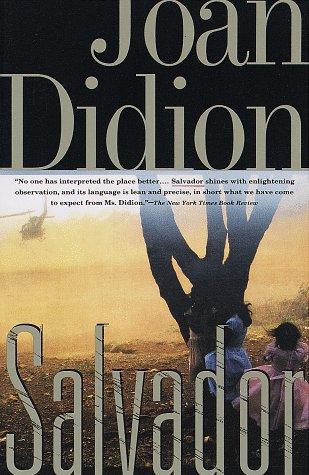
Start this bookNo. 30 on this list. Salvador · Joan Didion · 1983
Salvador is widely taught in journalism programs and American political nonfiction courses, and is considered alongside Slouching Towards Bethlehem as Didion's defining reportorial work. No formal syllabus data was returned in the data signals, but the book's inclusion in American literary and journalism curricula is broadly documented. It appears on numerous 'essential nonfiction' lists alongside works like The Executioner's Song and The Armies of the Night.
Moderate1.7 hours
Start this book
No. 31 on this list. Black Lamb and Grey Falcon
Rebecca West · 1941
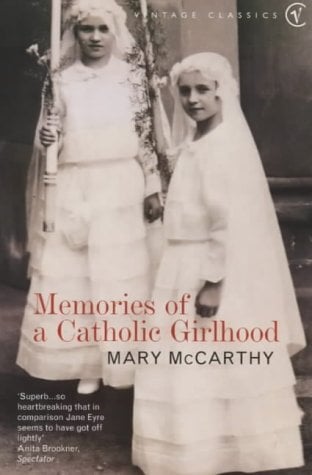
No. 32 on this list. Memories of a Catholic Girlhood
Mary McCarthy · 1957
No. 33 on this list. Growing Up in New Guinea
Margaret Mead · 1930
No. 34 on this list. Reading Colonial Japan: Text, Context, and Critique
Michele M. Mason · 2012
No. 35 on this list. Against Interpretation
Susan Sontag · 1966
No. 36 on this list. The Writing Life
Annie Dillard · 1989
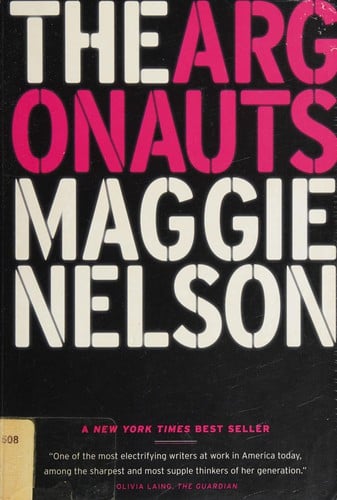
No. 37 on this list. The Argonauts
Maggie Nelson · 2015
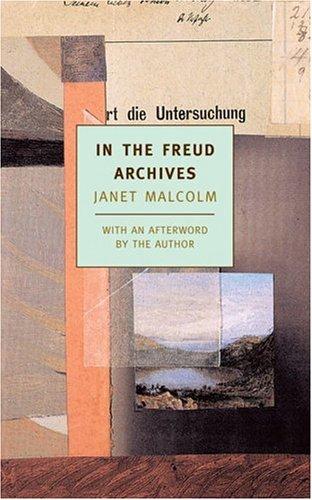
No. 38 on this list. In the Freud Archives
Janet Malcolm · 1984
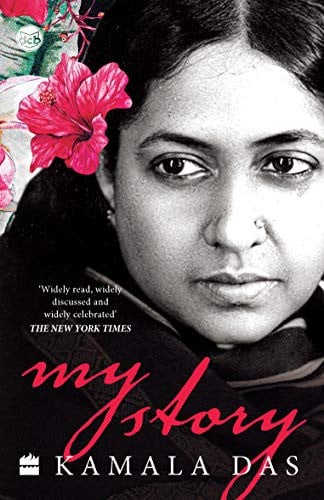
No. 39 on this list. My Story
Kamala Das · 1976
No. 40 on this list. The Liars' Club
Mary Karr · 1995
No. 41 on this list. The Making of Modern Korean Poetry: Foreign Influences and Native Creativity
Kim Hyun-suk · 2003
No. 42 on this list. Medallions
Zofia Nałkowska · 1946
No. 43 on this list. A History of God
Karen Armstrong · 1993
No. 44 on this list. The Need for Roots
Simone Weil · 1949
No. 45 on this list. Zinky Boys
Svetlana Alexievich · 1991
No. 46 on this list. Queer Phenomenology: Orientations, Objects, Others
Sara Ahmed · 2006
No. 47 on this list. Just Kids
Patti Smith · 2010
No. 48 on this list. Dust Tracks on a Road
Zora Neale Hurston · 1942
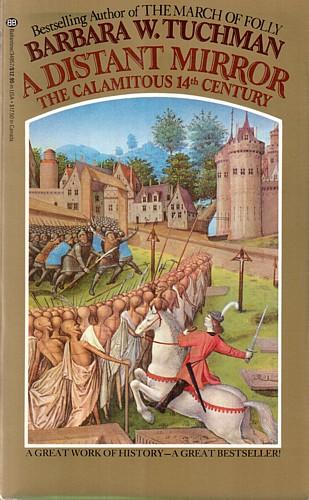
No. 49 on this list. A Distant Mirror
Barbara W. Tuchman · 1978
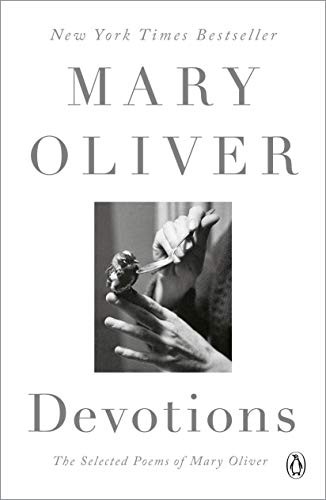
No. 50 on this list. Devotions
Mary Oliver · 2017
No. 51 on this list. Illness as Metaphor
Susan Sontag · 1978
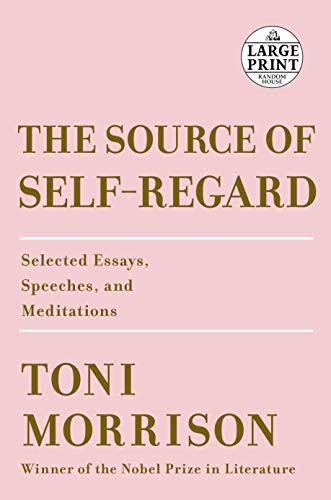
No. 52 on this list. The Source of Self-Regard: Selected Essays, Speeches, and Meditations
Toni Morrison · 2019
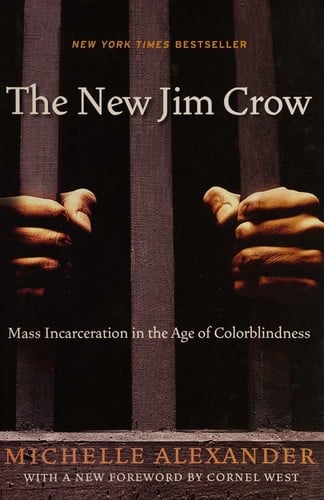
No. 53 on this list. The New Jim Crow
Michelle Alexander · 2010
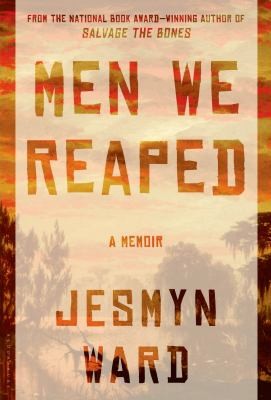
No. 54 on this list. Men We Reaped
Jesmyn Ward · 2013
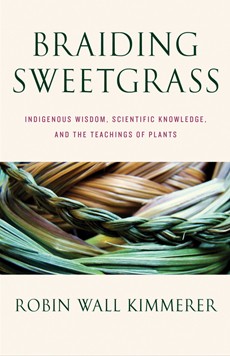
No. 55 on this list. Braiding Sweetgrass: Indigenous Wisdom, Scientific Knowledge, and the Teachings of Plants
Robin Wall Kimmerer · 2013
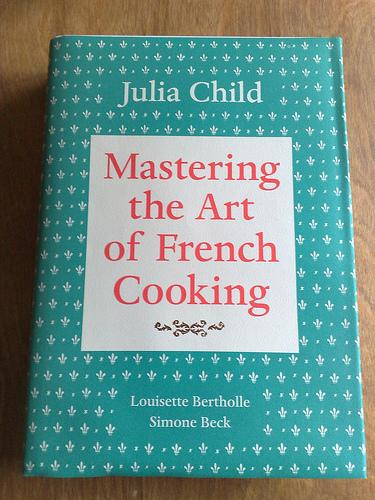
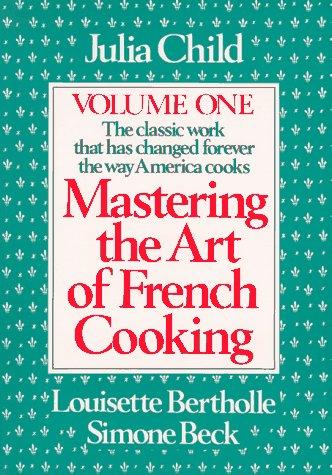
No. 56 on this list. Mastering the Art of French Cooking
Julia Child · 1961
No. 57 on this list. The Art of Eating
M. F. K. Fisher · 1954
No. 58 on this list. The Sea Around Us
Rachel Carson · 1951
No. 59 on this list. Changing My Mind: Occasional Essays
Zadie Smith · 2009
No. 60 on this list. The Child
Maria Montessori · 1936
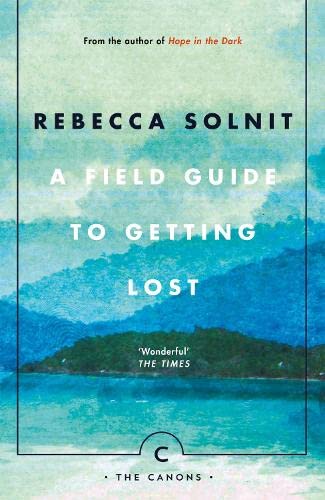
No. 61 on this list. A Field Guide to Getting Lost
Rebecca Solnit · 2005
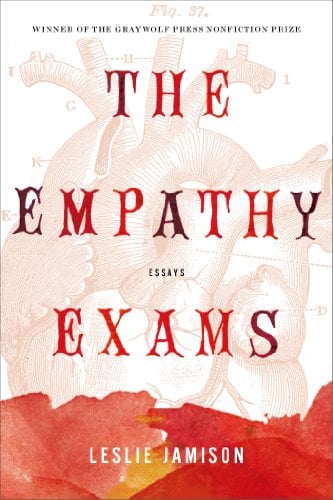
No. 62 on this list. The Empathy Exams
Leslie Jamison · 2014
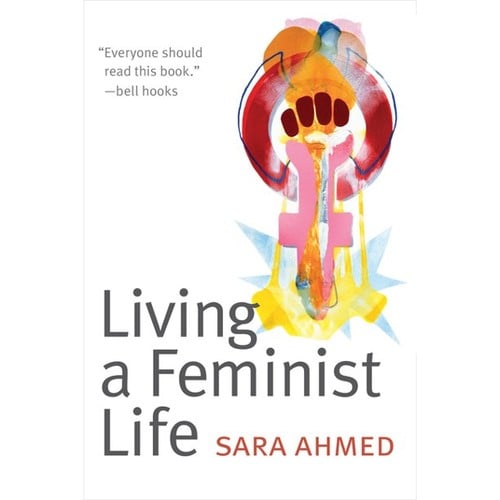
No. 63 on this list. Living a Feminist Life
Sara Ahmed · 2017
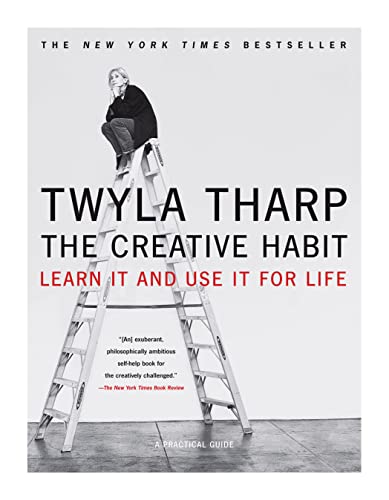
No. 64 on this list. The Creative Habit: Learn It and Use It for Life
Twyla Tharp · 2003
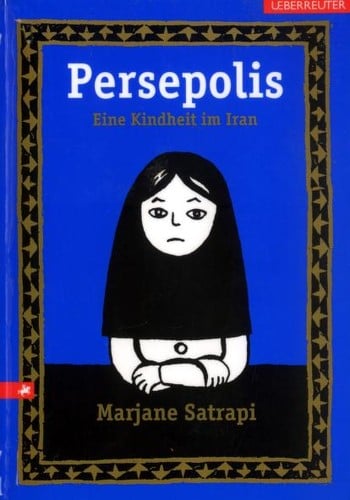
No. 65 on this list. Persepolis
Marjane Satrapi · 2000
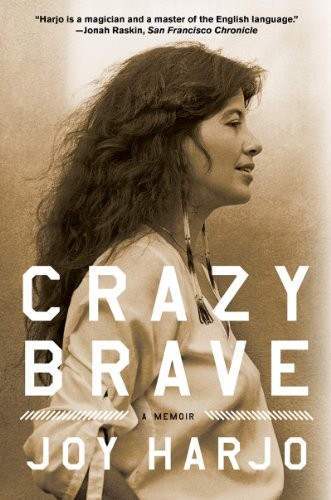
No. 66 on this list. Crazy Brave: A Memoir
Joy Harjo · 2012
No. 67 on this list. Sexual Politics
Kate Millett · 1970
No. 68 on this list. Are Prisons Obsolete?
Angela Y. Davis · 2003
No. 69 on this list. Negotiating with the Dead: A Writer on Writing
Margaret Atwood · 2002
No. 70 on this list. Hunger: A Memoir of (My) Body
Roxane Gay · 2017
No. 71 on this list. Jane Austen: A Life
Claire Tomalin · 1997
No. 72 on this list. The Case for God
Karen Armstrong · 2009
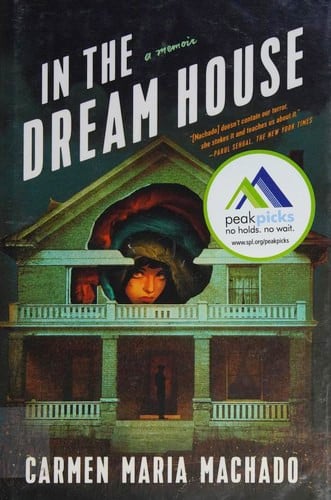
No. 73 on this list. In the Dream House
Carmen Maria Machado · 2019
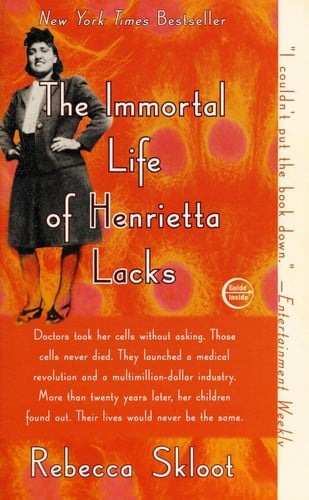
No. 74 on this list. The Immortal Life of Henrietta Lacks
Rebecca Skloot · 2010
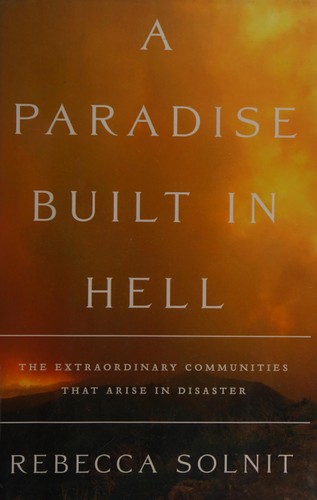
No. 75 on this list. A Paradise Built in Hell: The Extraordinary Communities That Arise in Disaster
Rebecca Solnit · 2009
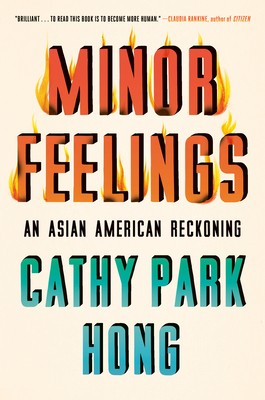
No. 76 on this list. Minor Feelings
Cathy Park Hong · 2020
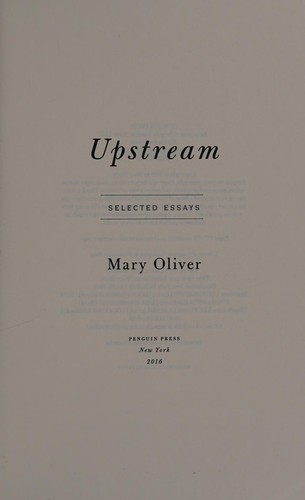
No. 77 on this list. Upstream
Mary Oliver · 2016
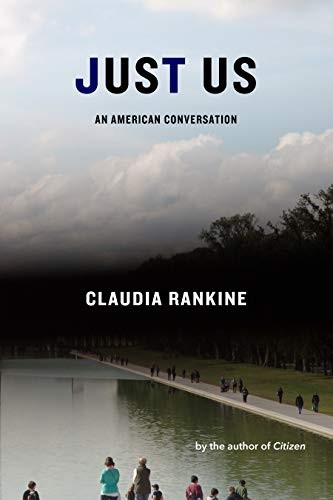
No. 78 on this list. Just Us
Claudia Rankine · 2020
No. 79 on this list. Mastering the Art of French Cooking: Vol. 2
Julia Child · 1983
No. 80 on this list. Steering the Craft: a Twenty-First-Century Guide to Sailing the Sea of Story
Ursula K Le Guin · 2015
No. 81 on this list. Getting Lost
Annie Ernaux · 2001
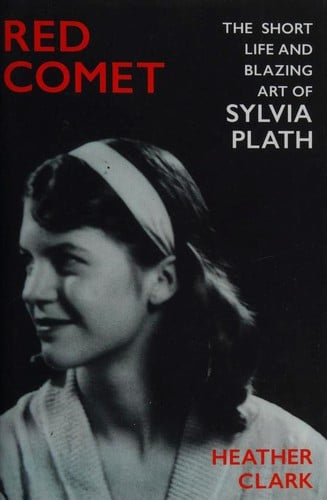
No. 82 on this list. Red Comet: The Short Life and Blazing Art of Sylvia Plath
Heather Clark · 2020
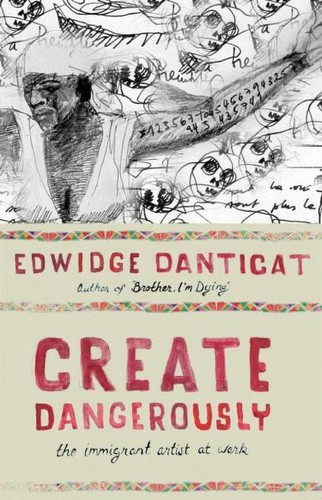
No. 83 on this list. Create Dangerously: The Immigrant Artist at Work
Edwidge Danticat · 2010
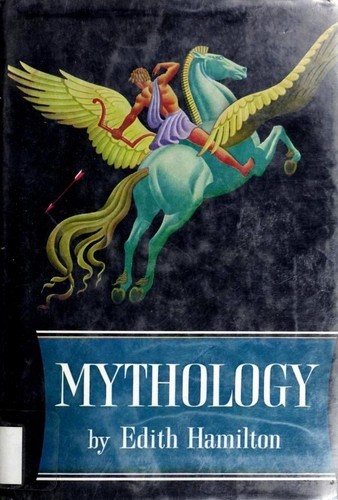
No. 84 on this list. Mythology
Edith Hamilton · 1942
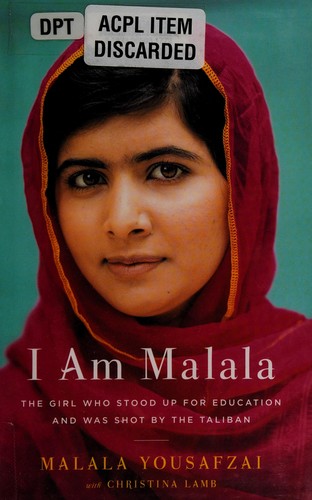
No. 85 on this list. I Am Malala: The Story of the Girl Who Stood Up for Education and Was Shot by the Taliban
Malala Yousafzai · 2013
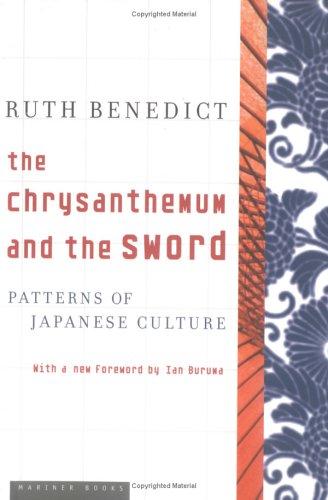
No. 86 on this list. The Chrysanthemum and the Sword
Ruth Benedict · 1946
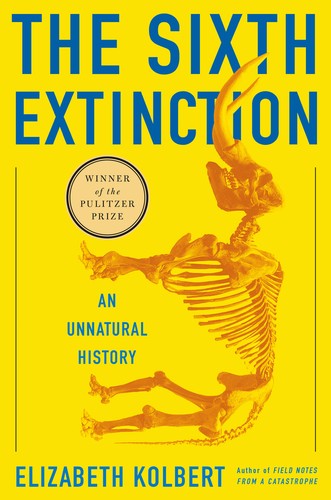
No. 87 on this list. The Sixth Extinction
Elizabeth Kolbert · 2014
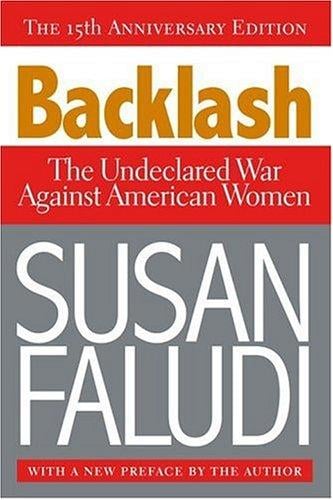
No. 88 on this list. Backlash
Susan Faludi · 1991
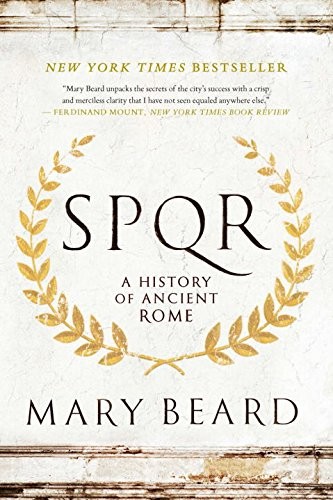
No. 89 on this list. SPQR
Mary Beard · 2015
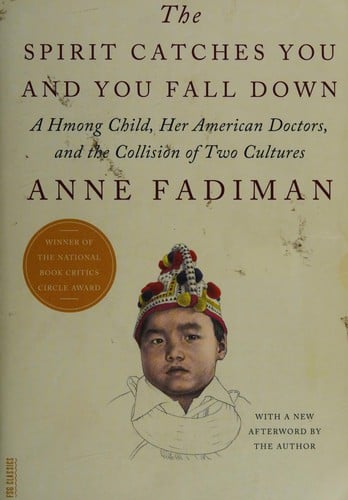
No. 90 on this list. The Spirit Catches You and You Fall Down
Anne Fadiman · 1997
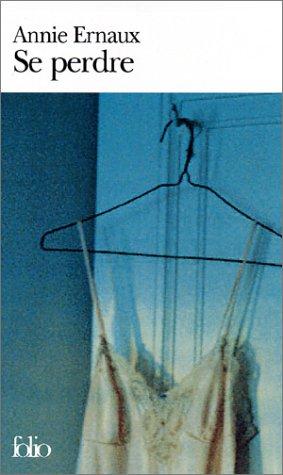
No. 91 on this list. Look at the Lights, My Love
Annie Ernaux · 2014
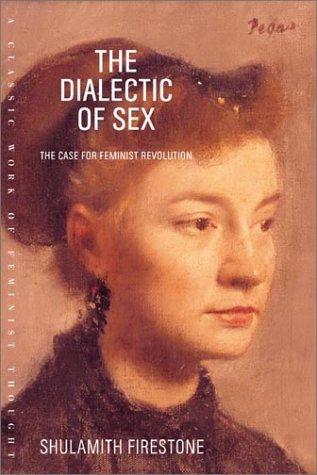
No. 92 on this list. The Dialectic of Sex
Shulamith Firestone · 1970
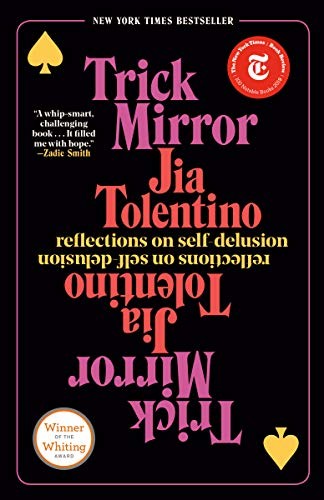
No. 93 on this list. Trick Mirror
Jia Tolentino · 2019
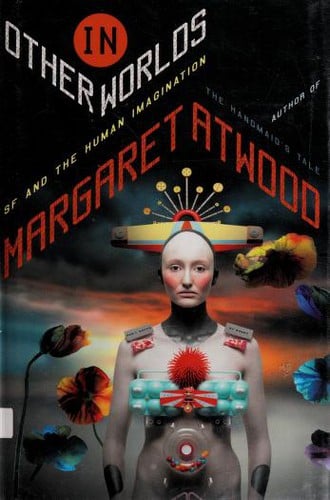
No. 94 on this list. In Other Worlds: SF and the Human Imagination
Margaret Atwood · 2011
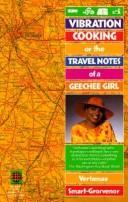
No. 95 on this list. Vibration Cooking or the Travel Notes of a Geechee Girl
Vertamae Smart-Grosvenor · 1970
No. 96 on this list. Dear Ijeawele: A Feminist Manifesto in Fifteen Suggestions
Chimamanda Ngozi Adichie · 2018
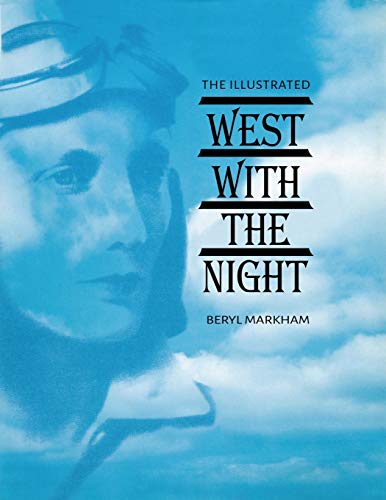
No. 97 on this list. West with the Night
Beryl Markham · 1942
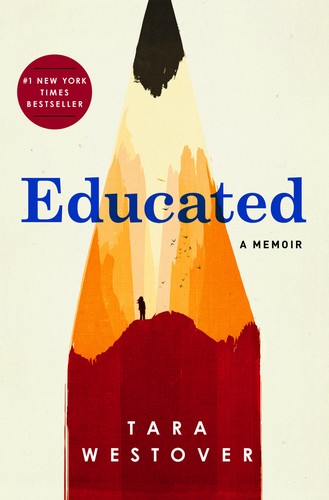
No. 98 on this list. Educated
Tara Westover · 2018
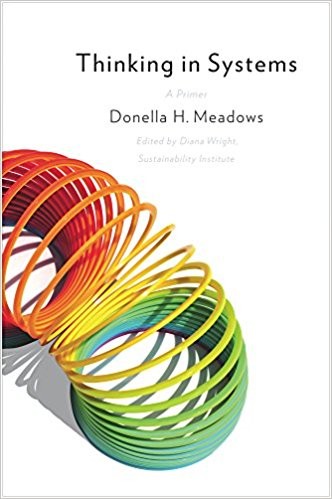
No. 99 on this list. Thinking in Systems
Donella H. Meadows · 2008
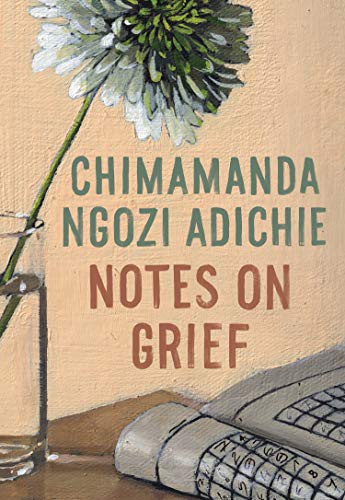
No. 100 on this list. Notes on Grief
Chimamanda Ngozi Adichie · 2021


About this list
These 100 books are the highest-scoring eligible nonfiction books by women currently in the catalogue. By literary regard, it opens with The Second Sex, I Know Why the Caged Bird Sings and This Bridge Called My Back. About 640 hours of reading in all. Difficulty runs from 32 to 52 out of 100 for the middle half of the list; the summit is This Sex Which Is Not One at 84.
This list is ranked by literary regard, with a consistent order for equal scores. Membership follows authors and co-authors, not translators or editors. Catalogue coverage and the historical canon both limit what this list can represent, and genre labels are the catalogue’s own, gathered into broader kinds.
When we matched the Canons dataset to our catalogue in October 2026, our canonical-status scores rose with the number of school curricula, publisher series and lists in it that cite a work: the median score was 72 for books one such source cites, 84 at two, 88 at three, 92 at four and 93 at five or more. Prizes are left out of that count. Outside the state curricula, the dataset’s sources choose mostly from what has been translated into English or French, so it is a weaker check on other literatures. Source: Canons (Andrew Piper), CC BY 4.0
Questions people actually ask
- What are the best nonfiction books by women?
- By literary regard, which weighs canonical status, critical standing and influence, The Second Sex, I Know Why the Caged Bird Sings, This Bridge Called My Back, Silent Spring and The Death of the Moth and Other Essays lead. ReadingRate ranks 100 such books, each with a difficulty score and a reading-time estimate.
- Where should I start with nonfiction books by women?
- Start from difficulty, not from rank. The most approachable books on this list that still carry top literary regard are The Journalist and the Murderer by Janet Malcolm (about 2.5 hours), Borderlands/La Frontera: The New Mestiza by Gloria Anzaldua and The Woman Warrior: Memoirs of a Girlhood Among Ghosts by Maxine Hong Kingston.
- How hard are nonfiction books by women to read?
- Most of this list sits between 32 and 52 on ReadingRate's 100-point difficulty scale, where 40 to 55 is moderate. The summit is This Sex Which Is Not One at 84. Every entry carries its own score, so a reader can pick a great book at a difficulty they will finish.
- How is this list ranked?
- On literary-regard data: how canonically established a work is, its critical standing, and its influence on later writing. It is not a readers’ poll, which is why recent bestsellers rarely appear. Membership follows authors and co-authors, not translators or editors. A list that is not a genre list keeps to literature (fiction, poetry, drama and philosophy), with philosophy taking no more than one slot in five while there is literature left to rank; every list holds at most three works by one author.