Hours at an average pace
Showing 100 books
About 1,264 hours for 99 of 100 books with measured lengths. Estimates use 250 words a minute, adjusted for each book's difficulty. At 2 hours a day, about 633 days for those books.
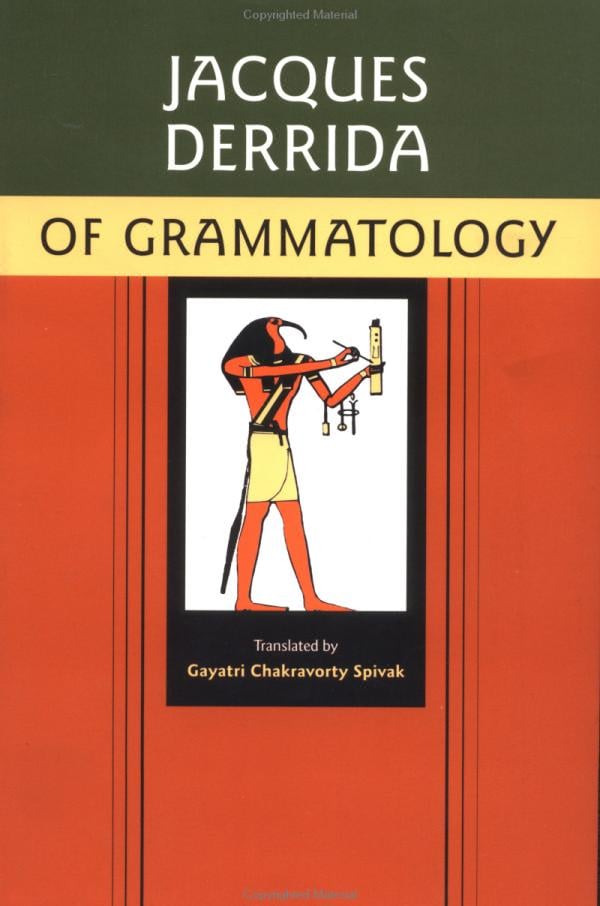
Of Grammatology is one of the most assigned texts in philosophy, literary theory, and the humanities broadly. It appears on virtually every graduate-level syllabus in continental philosophy, critical theory, and comparative literature. It is the foundational text of deconstruction, a movement that reshaped humanities scholarship from the 1970s through the present. Any 'canon' of 20th-century philosophical works includes it without question.
The most influential book of literary criticism in English in the twentieth century. 'Tradition and the Individual Talent' is the single most-taught critical essay.
Writing and Difference is one of the foundational texts of deconstruction and a standard assignment in graduate programs in philosophy, comparative literature, and critical theory worldwide. Along with Of Grammatology (published the same year, 1967), it established Derrida as a major philosophical voice. It appears on virtually every syllabus for continental philosophy and literary theory at the graduate level.
No. 4 on this list. The Total Library: Non-Fiction, 1922–1986
Jorge Luis Borges · 1999
Challenging13 hours
Borges is the central figure of 20th-century Spanish-language literature; his critical essays are canonical.
No. 5 on this list. The Order of Things: An Archaeology of the Human Sciences
Michel Foucault · 1966
Difficult24 hours
Listed on Le Monde's 100 Books of the Century (winner status), included in the Open Syllabus Top 500 for Literature, and published by NYRB Classics. The Order of Things is a staple of philosophy, social science, and humanities syllabi worldwide. It became a bestseller in France upon publication in 1966 — an extraordinary feat for a work of epistemological archaeology.
S/Z appears on virtually every graduate syllabus in comparative literature, literary theory, cultural studies, and semiotics. It is foundational reading alongside Derrida's Of Grammatology and Foucault's Archaeology of Knowledge. Though data signals show zero recorded appearances in this database, its actual syllabus presence is massive — it is one of the most assigned texts in humanities graduate programs worldwide. Wikipedia articles exist in dozens of languages.
Assigned in political theory, sociology, philosophy, and history courses at universities globally — among the most widely taught Marx texts after Capital and The Communist Manifesto. Appears on syllabi from Harvard to the London School of Economics and features in virtually every introduction to Marxist political theory. The text's influence on academic political science has kept it continuously in print for 170 years.
'The Death of the Author' is one of the most frequently assigned essays in English-language literary theory courses, routinely anthologized in the Norton Anthology of Theory and Criticism alongside 'From Work to Text.' The collection sits just behind Mythologies in general classroom ubiquity but ahead of it on graduate theory syllabi, where 'Death of the Author' is close to a required text.
Nabokov disguised a novel as a 999-line poem with a lunatic's commentary, and the gap between what the commentator thinks he is explaining and what the reader discovers he is revealing became the most elaborate unreliable-narrator trap in fiction. The book is simultaneously a parody of academic scholarship, a detective story, and a meditation on exile — and no two readers have ever agreed on which layer is the real one.
One of the most influential works in aesthetics and classical reception in Western thought.
No. 11 on this list. The Dialogic Imagination: Four Essays · Mikhail Bakhtin · 1975
The 1981 English edition by Caryl Emerson and Michael Holquist gathered the essays in which Bakhtin set out heteroglossia and the chronotope, and 'Discourse in the Novel' and 'Epic and Novel' are among the most assigned essays in novel theory. It is a fixture of graduate theory curricula.
Difficult9.7 hours
Start this bookNo. 12 on this list. Seven Types of Ambiguity · William Empson · 1930
Seven Types of Ambiguity appears on virtually every literary criticism, New Criticism, and critical theory syllabus in Anglophone universities. It is among the half-dozen foundational texts of 20th-century literary criticism alongside Practical Criticism and The Well-Wrought Urn, taught consistently from undergraduate survey courses through graduate theory seminars. The database contains no syllabus count, but its unbroken pedagogical presence for nearly a century places it alongside Beloved (85) or above in canonical weight.
Challenging10 hours
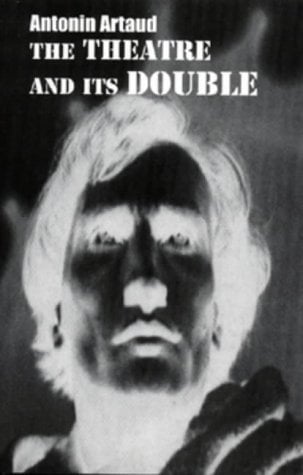
Start this bookNo. 13 on this list. The Theatre and Its Double · Antonin Artaud · 1938
Listed among Le Monde's 100 Books of the Century (1999) and the Open Syllabus Top 500 in Literature, with Wikipedia presence in 10 languages. The Theatre and Its Double is essential reading in theatre studies programs worldwide. Published by NYRB Classics. Every contemporary theatre practitioner and scholar encounters Artaud's theories in courses on performance studies, avant-garde theatre, modernism, and cultural theory.
Difficult11 hours
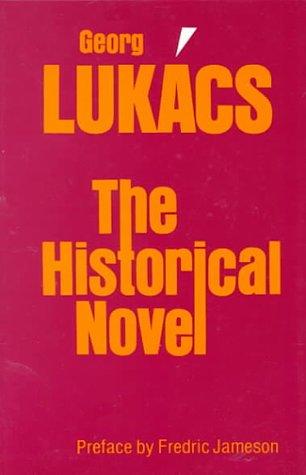
Start this bookNo. 14 on this list. The Historical Novel · György Lukács · 1937
The originating theoretical text for the scholarly study of historical fiction; no subsequent work on the genre can ignore it.
Difficult9.9 hours
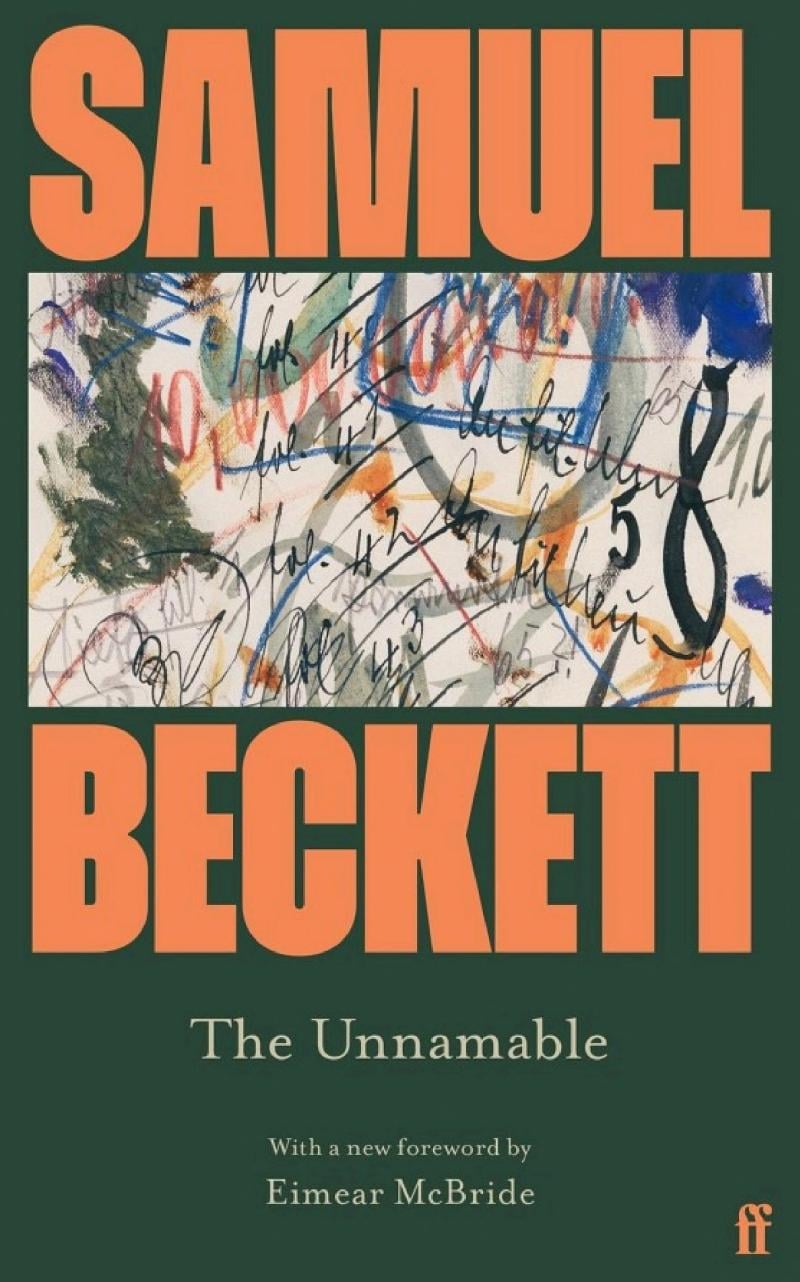
Start this bookNo. 15 on this list. The Unnamable · Samuel Beckett · 1953
Included in: Bokklubben World Library
The Unnamable is taught in advanced modernism, postmodernism, and philosophy-of-language courses at universities worldwide, though less universally than Waiting for Godot. It anchors the Beckett Trilogy, which is among the canonical texts of twentieth-century literature in English and French. The Wikipedia and syllabus data signals appear underreported for this work.
Difficult27 hours
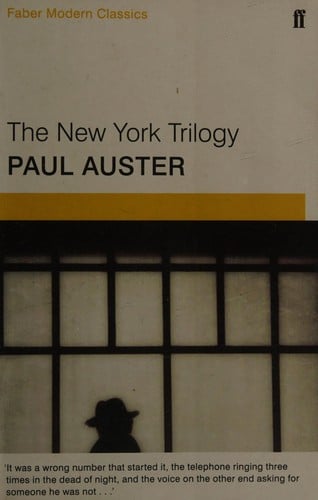
Start this bookNo. 16 on this list. The New York Trilogy · Paul Auster · 1987
The New York Trilogy stands as the defining work of American postmodern noir and one of the most influential experimental novels of the 1980s. It appears consistently on syllabi for postmodern fiction, metafiction, and American literature courses, and is cited as a foundational text in discussions of the detective genre's literary transformation. Published in the US by Penguin Books (1987 combined edition), it has remained continuously in print for four decades. It appears on numerous "greatest novels" lists and is central to critical discourse on identity, authorship, and the limitations of language in contemporary fiction.
Very Difficult19 hours
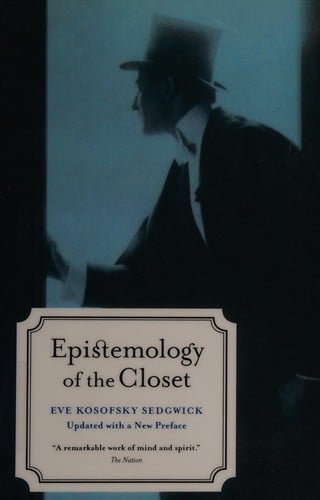
Start this bookNo. 17 on this list. The Epistemology of the Closet · Eve Kosofsky Sedgwick · 1990
A founding text of queer theory, assigned in nearly every course on queer studies and widely excerpted in theory anthologies. Its opening axioms are among the most taught passages in late-twentieth-century criticism.
Difficult11 hours
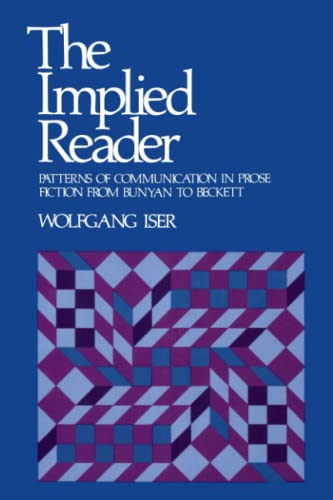
Start this bookNo. 18 on this list. The Implied Reader: Patterns of Communication in Prose Fiction from Bunyan to Beckett · Wolfgang Iser · 1972
Canonical in reader-response theory and widely assigned in narrative theory courses.
Challenging9.7 hours
Start this bookNo. 19 on this list. The Princeton Companion to Classical Japanese Literature · Earl Miner · 1985
The standard English-language reference for classical Japanese literature; no comparable work has appeared since publication.
Challenging18 hours
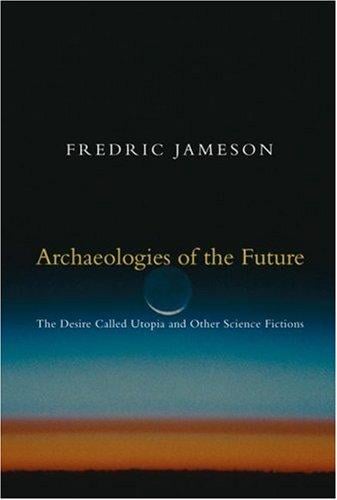
Start this bookNo. 20 on this list. Archaeologies of the Future: The Desire Called Utopia and Other Science Fictions · Fredric Jameson · 2005
Required reading in graduate SF courses with a theoretical emphasis; the most philosophically prestigious work in the field.
Difficult17 hours
Start this book

No. 21 on this list. The Novel of Formation · Jerome Hamilton Buckley · 1987
One of the most cited books in Bildungsroman scholarship; set the field's baseline definitions.
Difficult8.4 hours
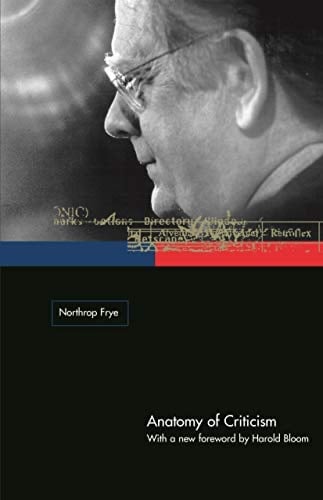
Start this bookNo. 22 on this list. Anatomy of Criticism: Four Essays · Northrop Frye · 1957
Anatomy of Criticism is standard required reading in graduate English programs throughout the anglophone world and has been since its publication in 1957. It appears on nearly every foundational course in literary theory and criticism alongside Barthes, Derrida, and Said. No formal syllabus data was retrieved, but its presence in the curriculum is comparable to Beloved (85) or stronger — it is the foundational text of archetypal criticism.
Challenging14 hours
Start this bookNo. 23 on this list. The Act of Reading: A Theory of Aesthetic Response · Wolfgang Iser · 1978
The foundational text of phenomenological reader-response theory; essential for reception aesthetics and the study of reading.
Challenging19 hours
Start this bookNo. 24 on this list. Structuralist Poetics: Structuralism, Linguistics and the Study of Literature · Jonathan Culler · 1975
Standard English-language introduction to structuralist poetics for decades; winner of the James Russell Lowell Prize.
Challenging8.2 hours
Start this bookNo. 25 on this list. Metahistory: The Historical Imagination in Nineteenth-Century Europe · Hayden White · 1973
The most cited work in the philosophy of history and one of the most discussed texts in literary and cultural theory since the 1970s.
Difficult13 hours
Start this bookNo. 26 on this list. Problems of Dostoevsky's Poetics · Mikhail Bakhtin · 1929
First published in 1929 and expanded in 1963, it is the founding text of Bakhtin's theory of polyphony and a staple of courses on Dostoevsky and on the novel. Caryl Emerson's 1984 translation, introduced by Wayne C. Booth, is the standard English text.
Challenging8 hours
Start this bookNo. 27 on this list. Narrative Discourse: An Essay in Method · Gérard Genette · 1972
The central text of structuralist narratology, assigned in virtually every course on narrative theory since Jane E. Lewin's 1980 translation. Its categories of order, duration, frequency, mood and voice are the standard toolkit for analysing narrative.
Challenging7.2 hours
Start this bookNo. 28 on this list. A Lover's Discourse: Fragments · Roland Barthes · 1977
A Lover's Discourse is widely taught in comparative literature, French studies, queer theory, and cultural theory programs across European and American universities. It appears on syllabi alongside Barthes's other canonical works — Mythologies, S/Z, Camera Lucida — and is frequently assigned as an introduction to post-structuralist critical practice. While not as universally taught as Frankenstein or The Great Gatsby, it holds a firm place in the theoretical canon.
Difficult4 min
Start this bookNo. 29 on this list. Spatial Form in Modern Literature · Joseph Frank · 1945
One of the most discussed formal concepts in modernism studies; still assigned and debated.
Challenging4.3 hours
Start this bookNo. 30 on this list. The Origins of the English Novel, 1600–1740 · Michael McKeon · 1987
The most theoretically sophisticated account of the novel's emergence; required in graduate programs.
Difficult20 hours
Start this book
No. 31 on this list. Structure, Sign, and Play
Jacques Derrida · 1966
No. 32 on this list. De Vulgari Eloquentia
Dante Alighieri · 1304
No. 33 on this list. The Savage Mind
Claude Lévi-Strauss · 1962
No. 34 on this list. Personae
Ezra Pound · 1926
No. 35 on this list. The Location of Culture
Homi K. Bhabha · 1994
No. 36 on this list. Biographia Literaria
Samuel Taylor Coleridge · 1817
No. 37 on this list. Rabelais and His World
Mikhail Bakhtin · 1965
No. 38 on this list. The Icon and the Axe: An Interpretive History of Russian Culture
James Billington · 1966
No. 39 on this list. Tolstoy or Dostoevsky: An Essay in the Old Criticism
George Steiner · 1959
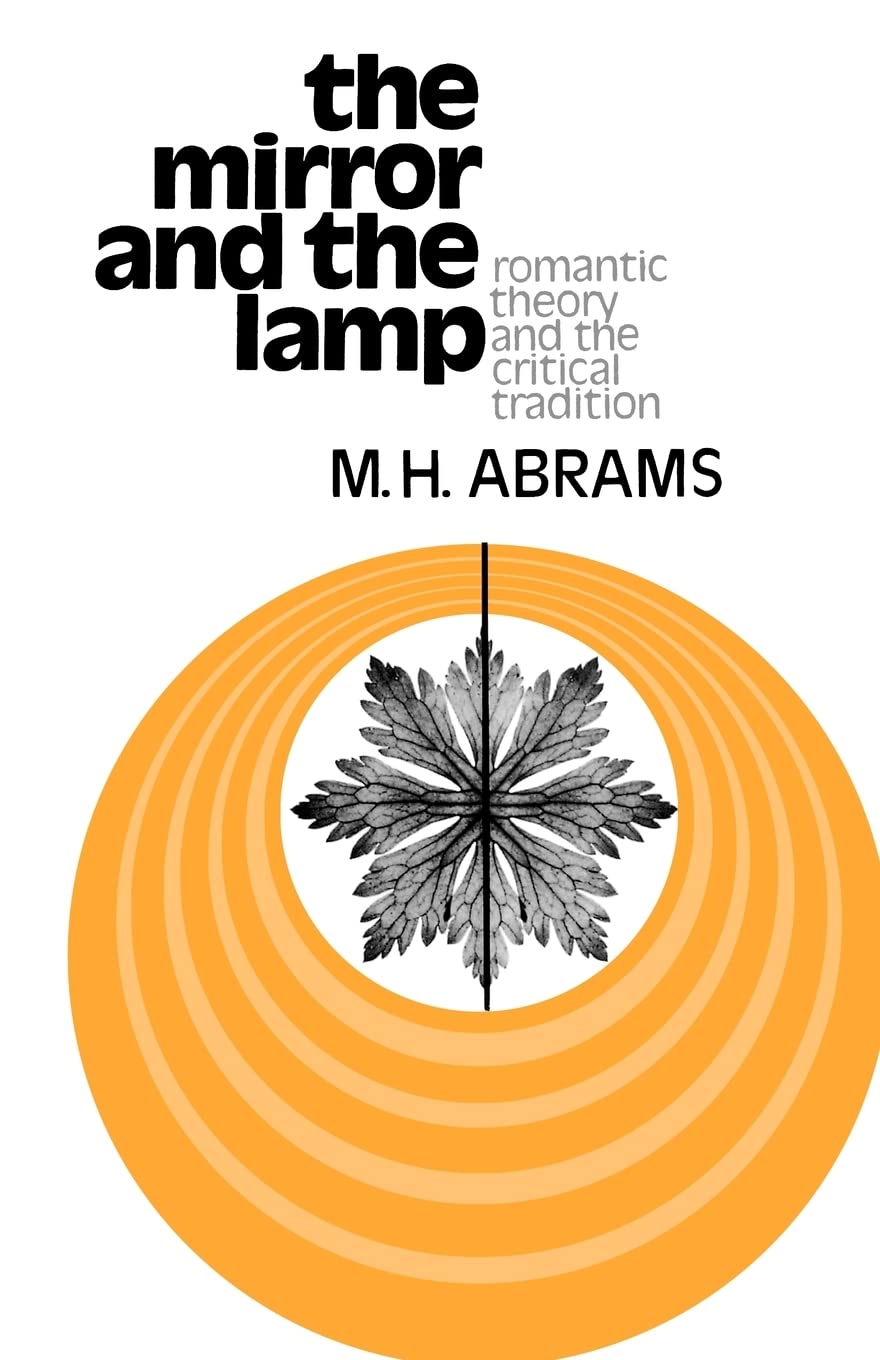
No. 40 on this list. The Mirror and the Lamp: Romantic Theory and the Critical Tradition
M. H. Abrams · 1953
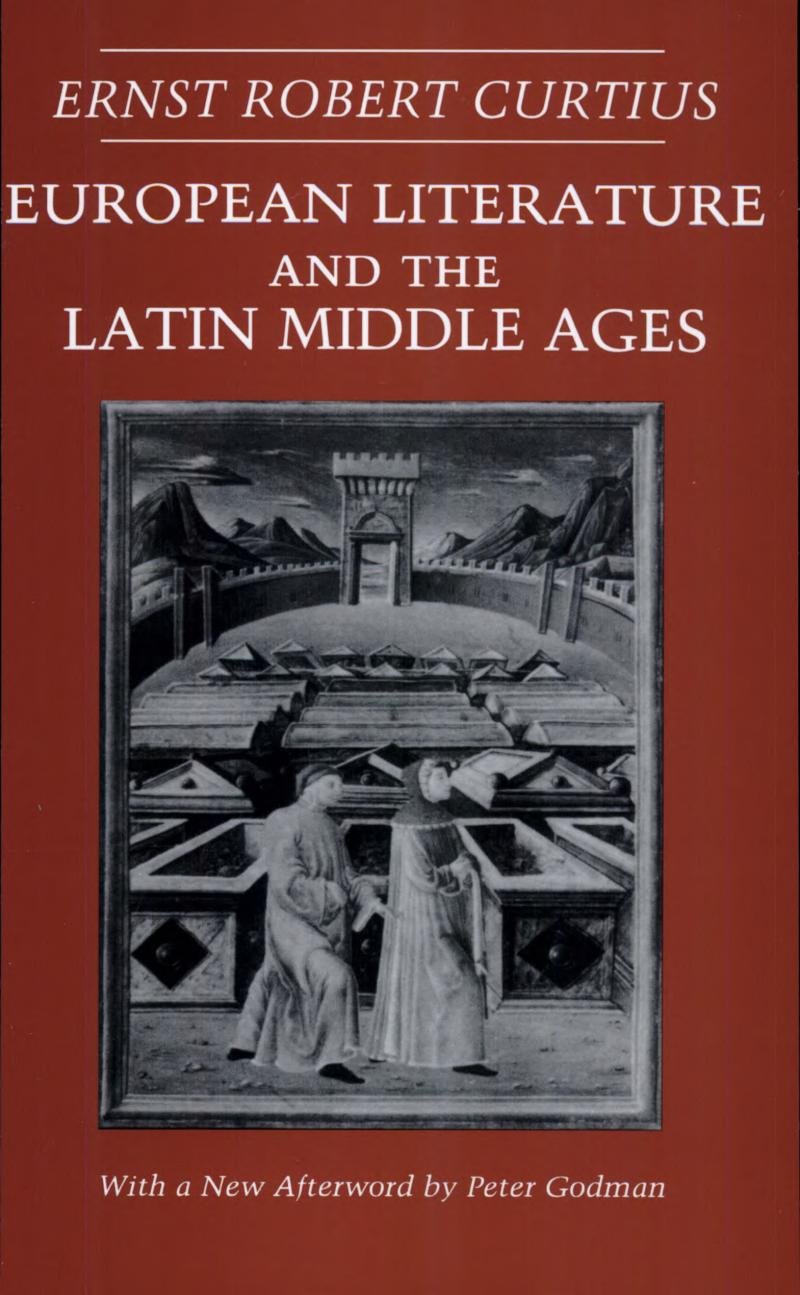
No. 41 on this list. European Literature and the Latin Middle Ages
Ernst Robert Curtius · 1948
No. 42 on this list. If on a Winter’s Night a Traveler
Italo Calvino · 1982
No. 43 on this list. Love and Death in the American Novel
Leslie Fiedler · 1960
No. 44 on this list. Mimesis
Erich Auerbach · 1946
No. 45 on this list. Brecht on Theatre: The Development of an Aesthetic
Bertolt Brecht · 1964
No. 46 on this list. The Society of the Spectacle
Guy Debord · 1967
No. 47 on this list. The Origin of German Tragic Drama
Walter Benjamin · 1928
No. 48 on this list. Natyashastra
Bharata Muni · c. 200 BCE
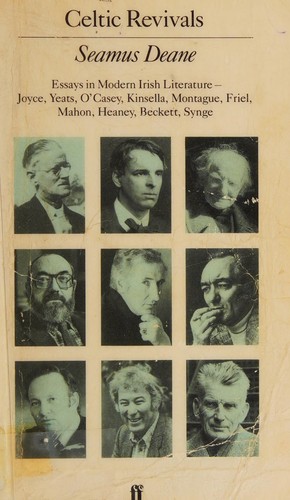
No. 49 on this list. Celtic Revivals
Seamus Deane · 1985
No. 50 on this list. Proust Among the Stars
Malcolm Bowie · 2001

No. 51 on this list. Marxism and Literature
Raymond Williams · 1977
No. 52 on this list. The Cambridge History of Russian Literature
Charles Moser · 1989
No. 53 on this list. The Pillow Book
Sei Shonagon · 1002
Included in: UNESCO Collection of Representative Works
No. 54 on this list. The Theory of the Novel
Georg Lukács · 1916
No. 55 on this list. Speak, Memory
Vladimir Nabokov · 1951
No. 56 on this list. Heathcliff and the Great Hunger
Terry Eagleton · 1995
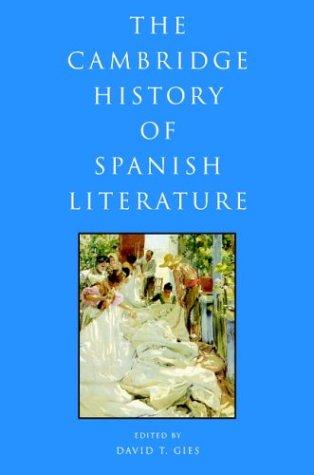
No. 57 on this list. The Cambridge History of Spanish Literature
David Thatcher Gies · 2004
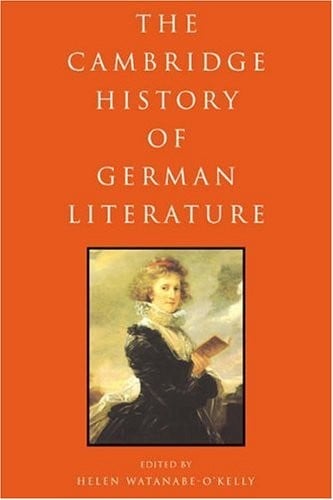
No. 58 on this list. The Cambridge History of German Literature
Helen Watanabe-O'Kelly · 1997
No. 59 on this list. Out of History
Cairns Craig · 1996
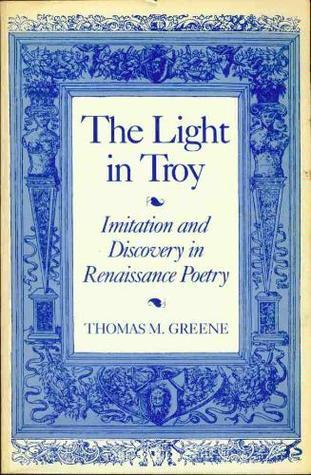
No. 60 on this list. The Light in Troy: Imitation and Discovery in Renaissance Poetry
Thomas M. Greene · 1982
No. 61 on this list. Cronopios and Famas
Julio Cortázar · 1962
Taught in schools: Literatura, Diseño Curricular – Provincia de Buenos Aires (Argentina), UNAM Escuela Nacional Preparatoria – programas de Literatura (Mexico)
No. 62 on this list. Myth and Archive: A Theory of Latin American Narrative
Roberto González Echevarría · 1990
No. 63 on this list. The Anxiety of Influence
Harold Bloom · 1973
No. 64 on this list. Realism and Consensus in the English Novel
George Levine · 1981
No. 65 on this list. Modern Arabic Literature
Roger Allen · 1987
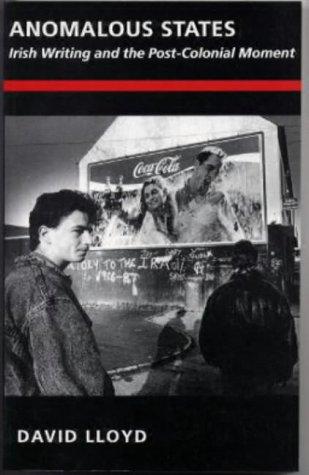
No. 66 on this list. Anomalous States
David Lloyd · 1993
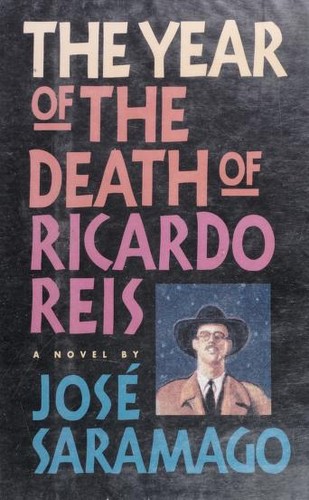
No. 67 on this list. The Year of the Death of Ricardo Reis
José Saramago · 1984
Taught in schools: Portuguese secondary literature (Portugal)
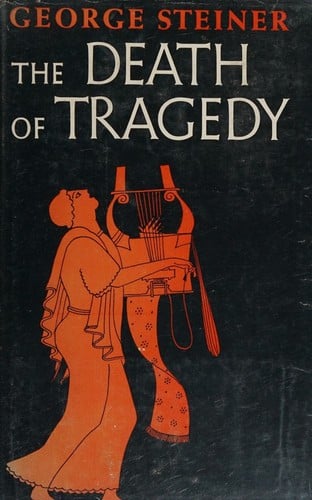
No. 68 on this list. The Death of Tragedy
George Steiner · 1961
No. 69 on this list. The Poetics of Space
Gaston Bachelard · 1958
No. 70 on this list. The Man in the High Castle
Philip K. Dick · 1962
No. 71 on this list. Erasure
Percival Everett · 2001
No. 72 on this list. The World, the Text, and the Critic
Edward Said · 1983
No. 73 on this list. By Night in Chile
Roberto Bolaño · 2000
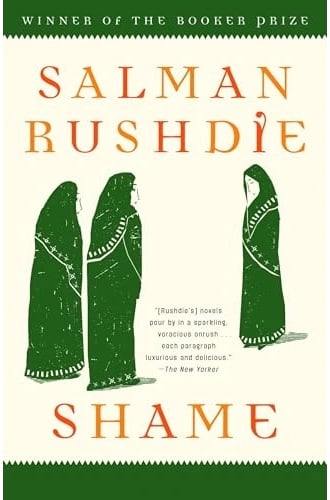
No. 74 on this list. Shame
Salman Rushdie · 1983
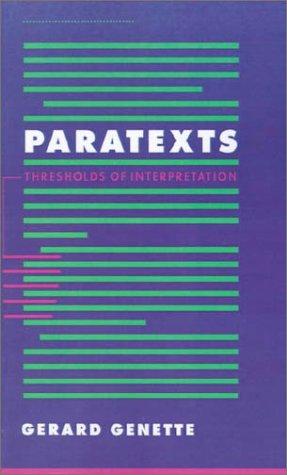
No. 75 on this list. Paratexts: Thresholds of Interpretation
Gérard Genette · 1987
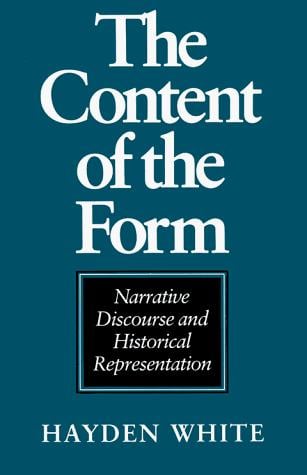
No. 76 on this list. The Content of the Form: Narrative Discourse and Historical Representation
Hayden White · 1987
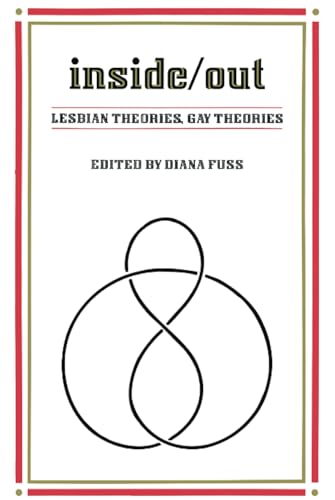
No. 77 on this list. Inside/Out: Lesbian Theories, Gay Theories
Diana Fuss · 1991
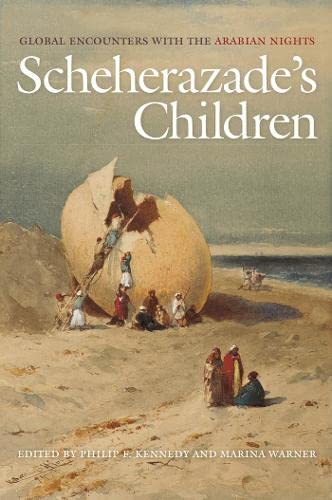
No. 78 on this list. Scheherazade's Children: Global Encounters with the Arabian Nights
Philip Kennedy · 2013
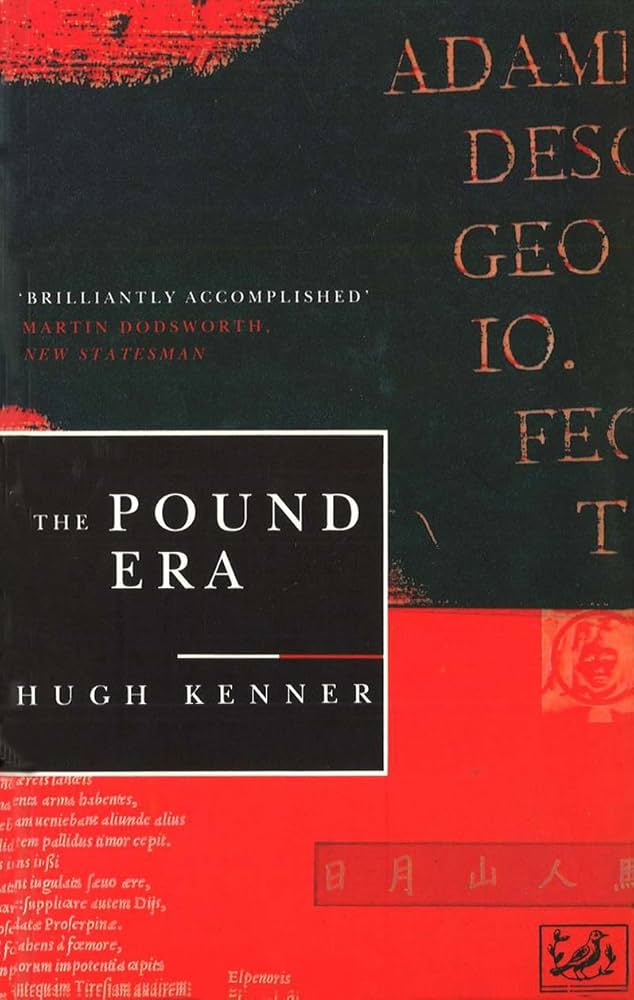
No. 79 on this list. The Pound Era
Hugh Kenner · 1971
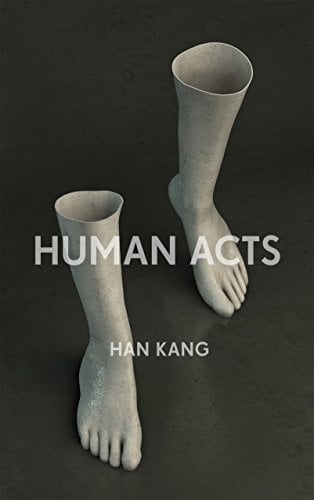
No. 80 on this list. Human Acts
Han Kang · 2014
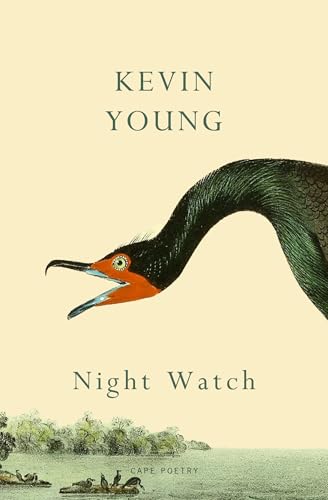
No. 81 on this list. The Sovereignty of Quiet: Beyond Resistance in Black Culture
Kevin Young · 2012
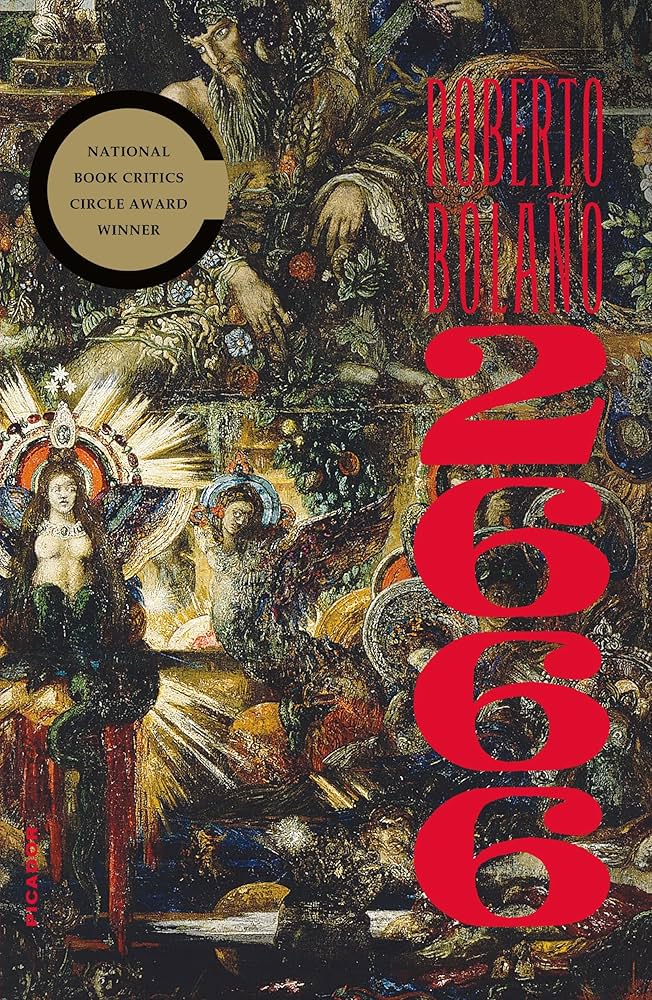
No. 82 on this list. 2666
Roberto Bolaño · 2004
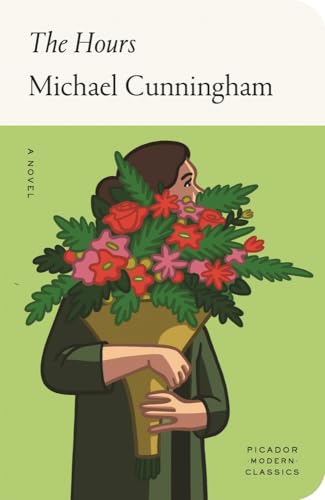
No. 83 on this list. The Hours
Michael Cunningham · 1999
No. 84 on this list. Poetics of Islamic Canonization
Samer M. Ali · 2000
No. 85 on this list. Satire: A Critical Reintroduction
Dustin Griffin · 1994
No. 86 on this list. Italo Calvino: A Journey Toward Postmodernism
Beno Weiss · 1993
No. 87 on this list. Metamorphoses of Science Fiction
Darko Suvin · 1979
No. 88 on this list. Cruel Optimism
Lauren Berlant · 2011
No. 89 on this list. Girl with Curious Hair
David Foster Wallace · 1989
No. 90 on this list. The Literary Mind and the Carving of Dragons
Liu Xie · 501
No. 91 on this list. Summertime
J.M. Coetzee · 2009
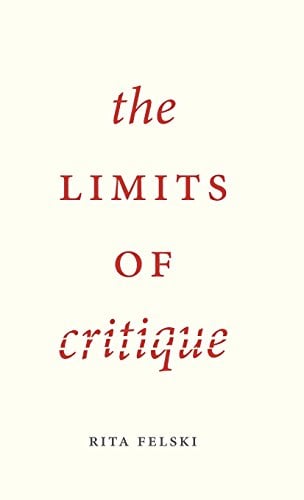
No. 92 on this list. The Limits of Critique
Rita Felski · 2015
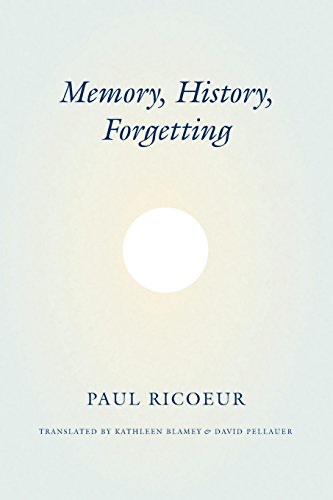
No. 93 on this list. Memory, History, Forgetting
Paul Ricoeur · 2002
No. 94 on this list. The Autofictional: Approaches, Affordances, Forms
Matti Hyvärinen · 2022
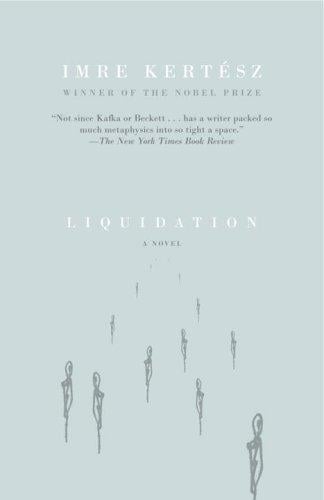
No. 95 on this list. Liquidation
Imre Kertész · 2003
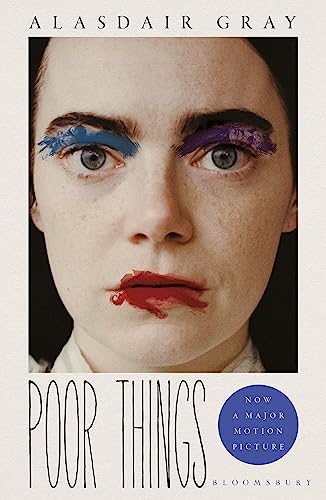
No. 96 on this list. Poor Things
Alasdair Gray · 1992
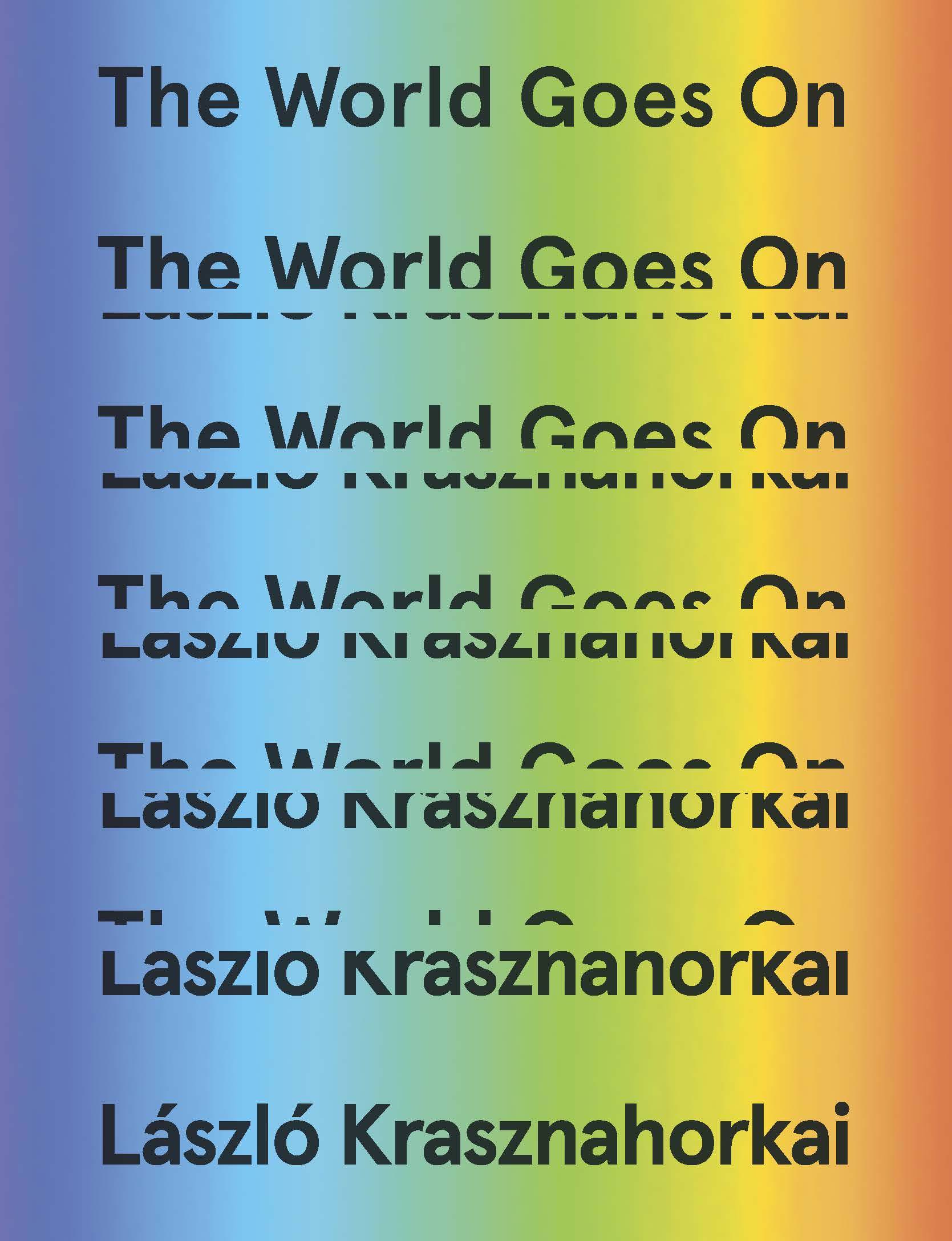
No. 97 on this list. The World Goes On
László Krasznahorkai · 2018
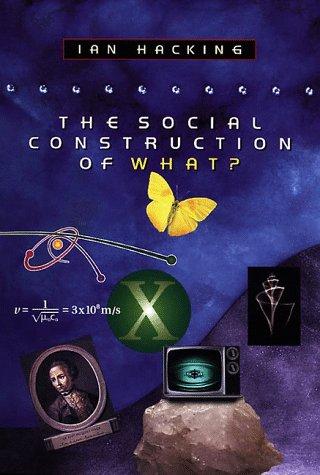
No. 98 on this list. The Social Construction of What?
Ian Hacking · 1999
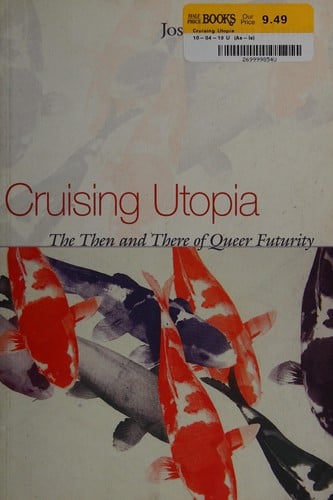
No. 99 on this list. Cruising Utopia: The Then and There of Queer Futurity
José Esteban Muñoz · 2009
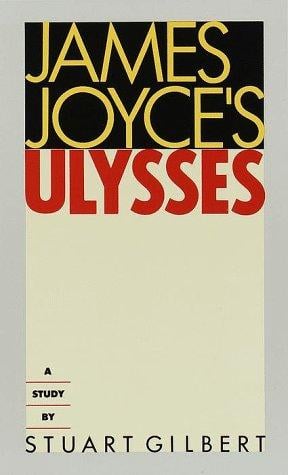
No. 100 on this list. James Joyce's Ulysses
Stuart Gilbert · 1930
About this list
These 100 books are the highest-scoring eligible challenging books of criticism and theory currently in the catalogue. About 1,264 hours of reading in all, for the 99 with measured lengths. Difficulty runs from 67 to 75 out of 100 for the middle half of the list; the summit is The New York Trilogy at 87.
This list is ranked by literary regard, with a consistent order for equal scores. Membership follows authors and co-authors, not translators or editors. A book is here when ReadingRate files it under Criticism & Theory as one of its primary reading domains, at a confidence of 0.8 or more. Catalogue coverage and the historical canon both limit what this list can represent.
When we matched the Canons dataset to our catalogue in October 2026, our canonical-status scores rose with the number of school curricula, publisher series and lists in it that cite a work: the median score was 72 for books one such source cites, 84 at two, 88 at three, 92 at four and 93 at five or more. Prizes are left out of that count. Outside the state curricula, the dataset’s sources choose mostly from what has been translated into English or French, so it is a weaker check on other literatures. Source: Canons (Andrew Piper), CC BY 4.0
Questions people actually ask
- What are the best challenging books of criticism and theory?
- By literary regard, which weighs canonical status, critical standing and influence: Of Grammatology by Jacques Derrida, The Sacred Wood by T. S. Eliot, Writing and Difference by Jacques Derrida, The Total Library: Non-Fiction, 1922–1986 by Jorge Luis Borges and The Order of Things: An Archaeology of the Human Sciences by Michel Foucault. ReadingRate ranks 100 such books, each with a difficulty score and a reading-time estimate.
- Which challenging books of criticism and theory should I read first?
- Start from difficulty, not from rank. The most approachable books on this list that still carry top literary regard are The Pillow Book by Sei Shonagon (about 12 hours), The Novel of Formation by Jerome Hamilton Buckley and If on a Winter’s Night a Traveler by Italo Calvino.
- What are the shortest of the best challenging books of criticism and theory?
- Among the top 25, the shortest are The Eighteenth Brumaire of Louis Bonaparte by Karl Marx (about 4.1 hours), The Sacred Wood by T. S. Eliot (about 3.9 hours) and The Birth of Tragedy by Friedrich Nietzsche (about 6.1 hours), at an average pace of 250 words a minute adjusted for each book's difficulty.
- Which of the best challenging books of criticism and theory are the established classics?
- By canonical status, how firmly a book sits in curricula, anthologies and the canon: Of Grammatology by Jacques Derrida, The Sacred Wood by T. S. Eliot, Writing and Difference by Jacques Derrida, The Order of Things: An Archaeology of the Human Sciences by Michel Foucault and The Total Library: Non-Fiction, 1922–1986 by Jorge Luis Borges.
- How long would it take to read the top ten?
- About 141 hours, at an average pace of 250 words a minute adjusted for each book's difficulty: 71 days at two hours a day. Set your own pace on the page and the list's reading times change to it.
- How hard are challenging books of criticism and theory to read?
- Most of this list sits between 67 and 75 on ReadingRate's 100-point difficulty scale, where 40 to 55 is moderate. The summit is The New York Trilogy at 87. Every entry carries its own score, so a reader can pick a great book at a difficulty they will finish.
- How is this list ranked?
- On literary-regard data: how canonically established a work is, its critical standing, and its influence on later writing. It is not a readers’ poll, which is why recent bestsellers rarely appear. Membership follows authors and co-authors, not translators or editors. Lists by country, author, period, theme or difficulty keep to literature (fiction, poetry, drama and philosophy), their novels, poems and plays first and their philosophy after them; a list of a kind of book, such as memoir or criticism, keeps every book of that kind. Every list holds at most three works by one author. A book is here when ReadingRate files it under Criticism & Theory as one of its primary reading domains, at a confidence of 0.8 or more.