Hours at an average pace
Showing 100 books
About 528 hours for 100 of 100 books with measured lengths. Estimates use 250 words a minute, adjusted for each book's difficulty. At 2 hours a day, about 264 days for those books.
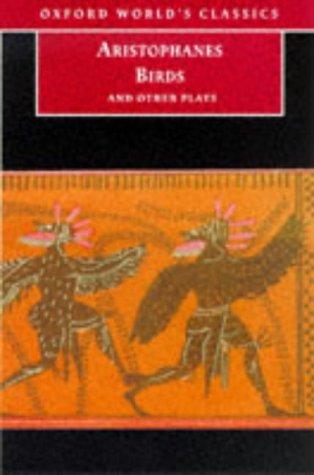
No. 1 on this list. The Birds
Aristophanes · c. 414 BCE
Moderate1.3 hours
Included in: Great Books of the Western World
The Birds is universally recognized as one of Aristophanes' finest comedies and a canonical text of ancient Greek literature, appearing on syllabi for classical literature, comparative literature, and Western civilization courses globally. Slightly less commonly assigned as an entry point than Lysistrata or The Clouds, it is nonetheless required reading in classics programs. The absence of database records reflects a data gap, not genuine obscurity.
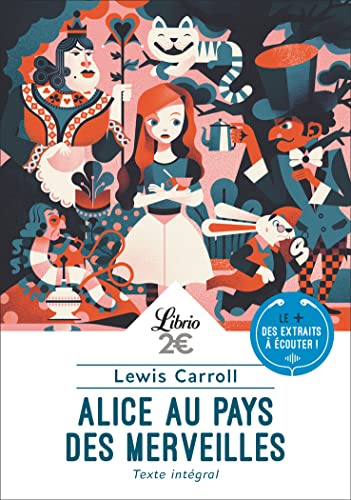
No. 2 on this list. Alice's Adventures in Wonderland and Through the Looking-Glass
Lewis Carroll · 1871
Moderate3.6 hours
No syllabus or Wikipedia-language data is recorded for this edition in our database, but Alice is a fixture of children's-literature, Victorian-studies, and philosophy-of-language courses worldwide. It remains one of the most translated books in history, with a reach comparable to Hamlet's or The Great Gatsby's syllabus ubiquity.
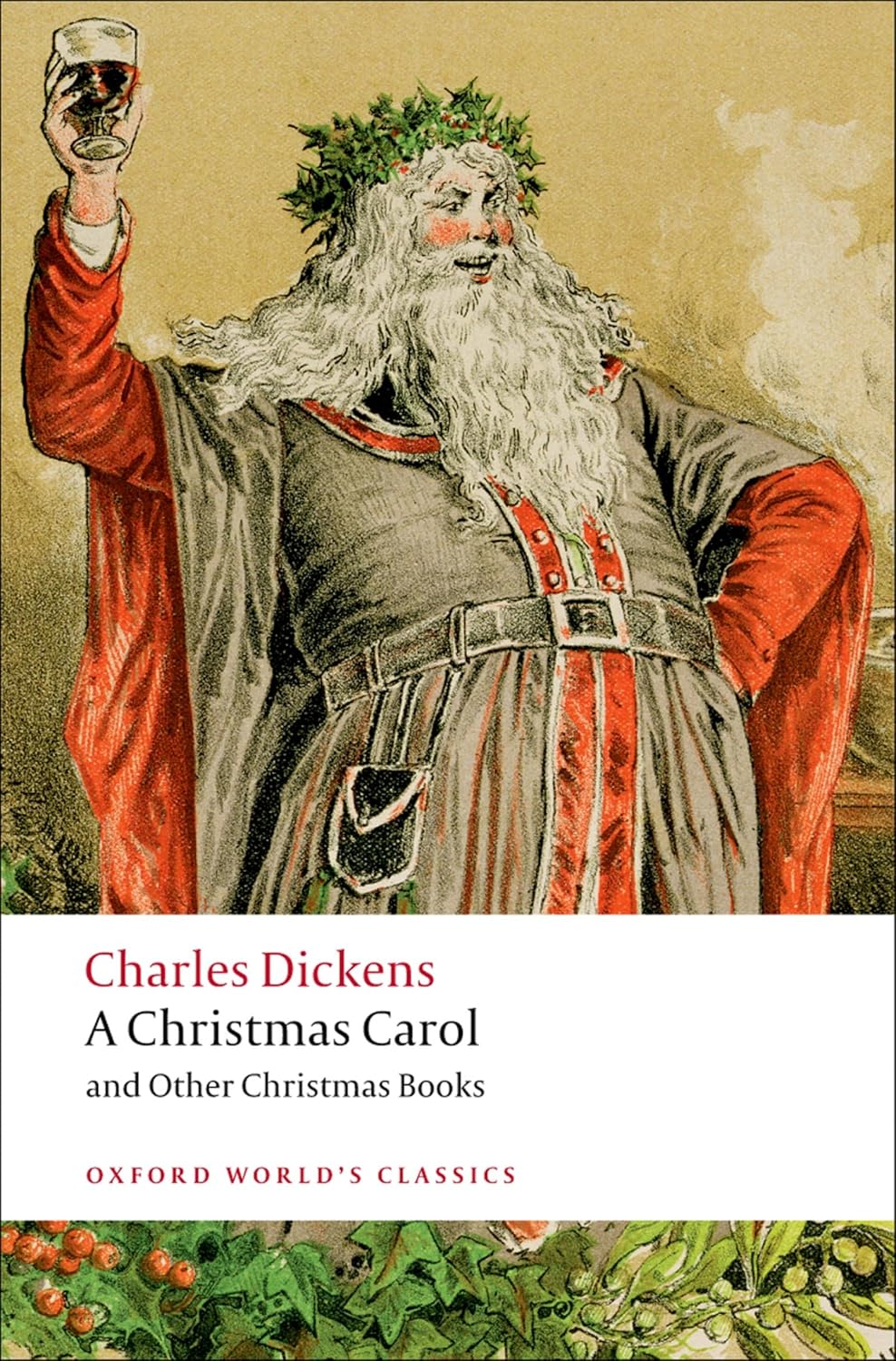
No. 3 on this list. A Christmas Carol
Charles Dickens · 1843
Easy1.7 hours
Taught in schools: AQA GCSE and A-level English Literature (UK), CSEC English B – Caribbean Examinations Council, OCR GCSE and A-level English Literature (UK)
A Christmas Carol is among the most widely taught Victorian texts in the English-speaking world, a fixture on secondary and university literature curricula in the UK, US, and Commonwealth nations. Its Wikipedia article exists in over 60 languages, and it appears on virtually every canonical list of Victorian prose. No other work of comparable length has achieved the same degree of curricular permanence.
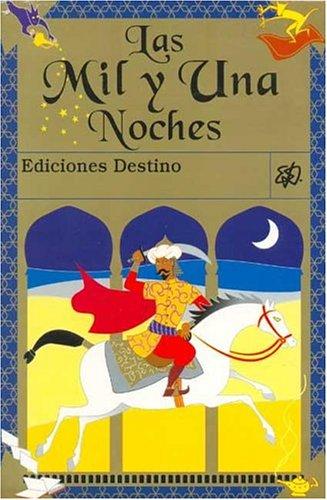
The Nights are a cornerstone of world literature and widely taught in comparative and Middle Eastern literature courses, though this 2004 edition is one of many renderings.
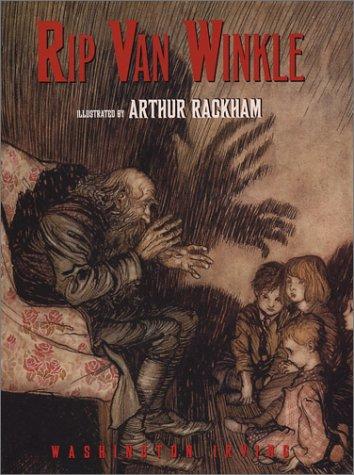
Rip Van Winkle is a staple of American literature anthologies and school curricula, the founding American short story alongside 'The Legend of Sleepy Hollow'. It is taught more widely than most short fiction, though less than Gatsby.
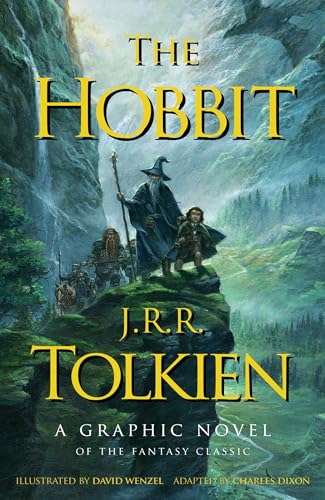
No. 6 on this list. The Hobbit, or There and Back Again
J.R.R. Tolkien · 2002
Easy5 hours
Taught in schools: CSEC English B – Caribbean Examinations Council, Kazakh literature curriculum (Kazakhstan)
One of the most-read fantasy books in English, widely taught in schools and in studies of fantasy, though it sits below the central literary canon and ahead of commercial fantasy.
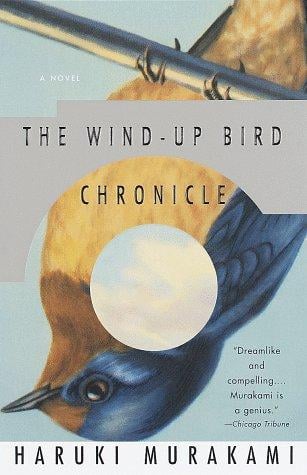
Toru Okada is making spaghetti when an anonymous woman calls to say they need ten minutes to understand each other. Then his cat vanishes. Then his wife Kumiko disappears entirely, leaving only a letter about her brother and a request not to look for her. This is how The Wind-Up Bird Chronicle begins: with domestic life dissolving from the inside, one ordinary item at a time. Murakami keeps Toru's voice flat and patient throughout — he irons shirts when upset, counts stages, watches his garden — while everything around him tilts into the surreal. He descends into a dry well in a neighbor's yard and emerges changed, a blue-black mark spreading across his cheek. He encounters Malta and Creta Kano, psychic sisters whose names are Mediterranean islands. He sits across a table from a television personality who may be the novel's primary evil. Threaded through the present is Lt. Mamiya's account of the Mongolian desert in 1939 — atrocity reported in the same matter-of-fact voice Toru uses to describe boiling water. The novel operates on the logic of a dream that refuses to dissolve on waking: causality suspended, meaning promised and withheld simultaneously. Murakami never explains his machinery. By the end, what remains is a portrait of a man in a long wait — for his wife, for answers, for the world to wind itself back up.
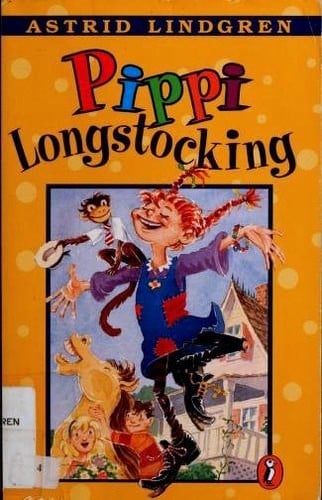
No. 8 on this list. Pippi Longstocking
Astrid Lindgren · 1945
Very Easy1.2 hours
Taught in schools: Lithuanian literature curriculum (lietuvių kalba ir literatūra)
Included in: Bokklubben World Library
Pippi Longstocking is translated into over 70 languages and has sold more than 140 million copies worldwide, making it one of the most widely distributed children's books ever published. It is standard reading in Swedish schools and appears on canonical children's literature lists across Europe and beyond. While not a fixture of university literature syllabi, it holds an unassailable position in the children's literature canon globally.
The most translated Italian book and one of the most translated books in any language, standard in children's-literature courses, and continuously in print in Penguin Classics and NYRB editions since the 1890s.
One of the most beloved and widely adapted works in Japanese literature. Cultural landmark.
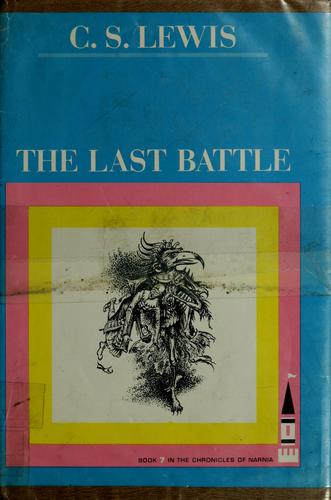
No. 11 on this list. The Last Battle · C.S. Lewis · 1956
No syllabus or Wikipedia figures are logged for this title specifically, but The Last Battle is a fixture of English-language children's literature, taught widely as the capstone of the Chronicles of Narnia and frequently anthologized in discussions of allegory and religious fiction. It is assigned on its own far less often than The Lion, the Witch and the Wardrobe, which anchors most classroom units on the series.
Easy2.9 hours
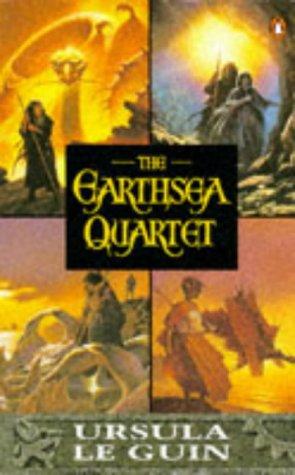
Start this bookNo. 12 on this list. The Earthsea Quartet · Ursula K Le Guin · 1968
Across four novels spanning decades, Le Guin builds the archipelago of Earthsea—a world of islands, sailing, and true-name magic where knowing a thing's true name gives power over it. A Wizard of Earthsea follows the young wizard Ged as he releases a shadow-creature and must pursue it across the world. The Tombs of Atuan follows a priestess freed from underground servitude. The Farthest Shore follows Ged, now Archmage, pursuing a wizard who has broken the boundary between life and death. Tehanu, written sixteen years later, returns to Earthsea with a feminist perspective, following the abused child Therru and the former priestess Tenar in a world where women's power has been systematically suppressed. Le Guin's magic system—where speaking a true name is the fundamental magical act—is the most elegant in fantasy. The prose is spare, rhythmic, and precise, closer to myth than novel.
Moderate15 hours
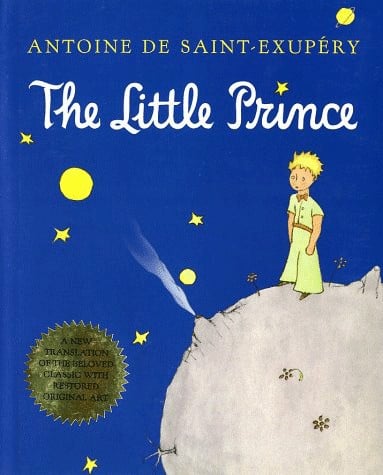
Start this bookNo. 13 on this list. The Little Prince · Antoine de Saint-Exupéry · 1943
Taught in schools: Common Core text exemplars (Appendix B) (US)
One of the most translated books in history with over 300 language editions, making it among the most widely read works of French literature. A staple of French school curricula and taught globally in world literature, philosophy, and children's literature courses. Wikipedia articles exist in well over 100 languages, reflecting universal cultural penetration.
Easy60 min
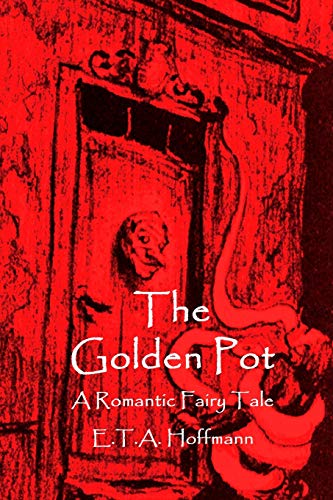
Start this bookNo. 14 on this list. The Golden Pot · E.T.A. Hoffmann · 1814
One of the masterpieces of German Romanticism and Hoffmann's most celebrated tale. Widely studied in German literature courses.
Moderate1.9 hours
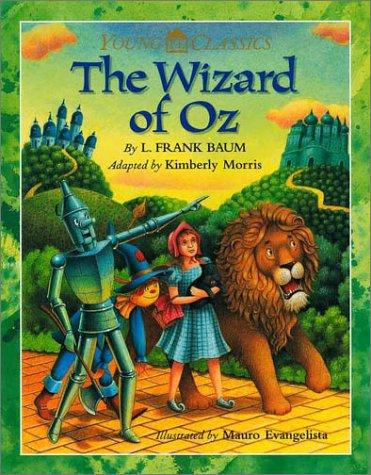
Start this bookNo. 15 on this list. The Wonderful Wizard of Oz · L. Frank Baum · 1900
Taught in schools: Common Core text exemplars (Appendix B) (US)
The book is a foundation of American children's literature and fantasy, widely read in schools and shelved in libraries everywhere. Its place in classroom curricula is less central than that of Gatsby or Mockingbird, though it is a staple of children's literature courses.
Very Easy1.9 hours
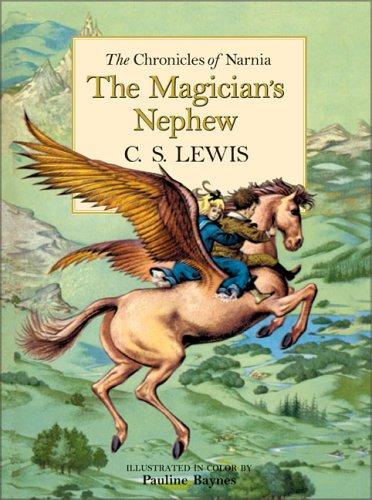
Start this bookNo. 16 on this list. The Magician’s Nephew · C.S. Lewis · 1955
The Chronicles of Narnia rank among the most widely read children's series of the 20th century, with over 100 million copies sold globally. The Magician's Nephew appears on virtually every major 'best children's books' list and is taught in primary schools worldwide. No syllabus data available in the database, but its foundational place in children's literature curricula — particularly in English-speaking countries — establishes strong canonical status within its sphere.
Easy2.3 hours
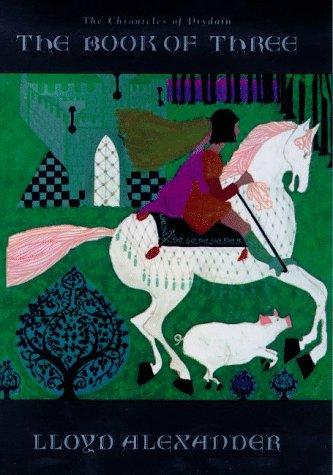
Start this bookNo. 17 on this list. The Book of Three · Lloyd Alexander · 1964
Newbery Medal winner (for The High King). The Chronicles of Prydain are a cornerstone of children's fantasy.
Easy2.3 hours
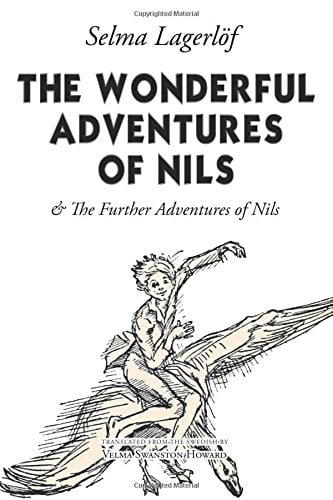
Start this bookNo. 18 on this list. The Wonderful Adventures of Nils · Selma Lagerlöf · 1906
On Le Monde's 100 Books of the Century, with a Wikipedia article in 39 languages. Commissioned as a geography reader for Swedish schools, it is a national classic in Sweden and a children's classic worldwide, though rarely on university syllabi.
Easy9.2 hours
Read nowNo. 19 on this list. The Castle of Otranto · Horace Walpole · 1764
The Castle of Otranto appears regularly on syllabi for 18th-century literature, Romanticism, and Gothic studies courses at universities worldwide. It is the mandatory founding text for any serious study of the Gothic genre. Its canonical presence is disciplinary rather than universal — standard in literary history surveys but not assigned with the frequency of Austen or Defoe.
Easy2.1 hours
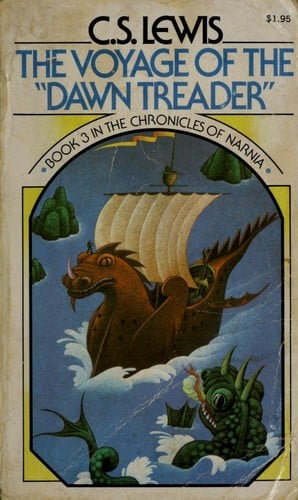
Start this bookNo. 20 on this list. The Voyage of the Dawn Treader · C.S. Lewis · 1952
The Chronicles of Narnia as a series holds a stable position on children's literature reading lists and required-reading recommendations across the English-speaking world. No syllabus data appears in the database for this specific entry, but Lewis's series figures on virtually every 'essential fantasy' and 'essential children's literature' canon list published since the 1970s.
Easy3.7 hours
Start this book
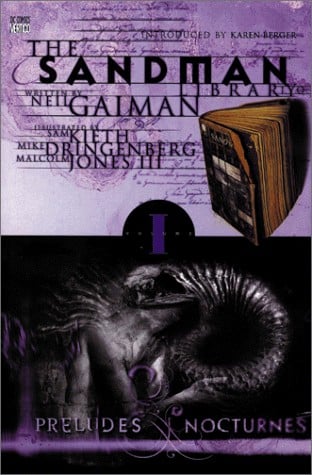
No. 21 on this list. The Sandman, Vol. 1: Preludes & Nocturnes · Neil Gaiman · 1998
Sandman is widely taught in graphic novel and popular fiction courses, and this first volume is the standard entry point, though not yet a fixture of mainstream literary syllabi.
Moderate4 hours
Start this bookNo. 22 on this list. The Flies · Jean-Paul Sartre · 1943
Taught in schools: UNAM Escuela Nacional Preparatoria – programas de Literatura (Mexico)
A major work of existentialist theater and an important document of intellectual resistance during the occupation. Regularly taught and performed.
Easy1.8 hours
Start this bookNo. 23 on this list. The Eye of the World · Robert Jordan · 1990
The Eye of the World launched one of fantasy's most influential series. While not considered literary fiction, it holds canonical status within the epic fantasy genre, frequently cited alongside Tolkien's work as foundational to modern fantasy.
Easy16 hours
Start this bookNo. 24 on this list. The Happy Prince and Other Stories · Oscar Wilde · 1888
'The Happy Prince' is a fixture of primary and secondary reading lists and one of the most widely anthologized fairy tales in English, translated into dozens of languages and repeatedly adapted for stage, opera, and animation. It's a children's-literature classic on the order of Andersen's tales rather than a university-syllabus staple like Gatsby or Mockingbird.
Moderate1.3 hours
Start this bookNo. 25 on this list. Where the Wild Things Are · Maurice Sendak · 1963
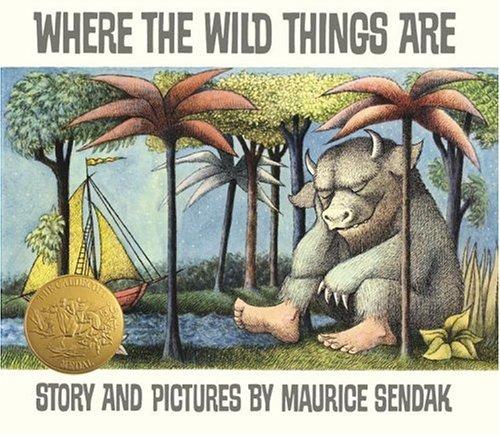
Max puts on his wolf suit and makes mischief of one kind and another until his mother calls him "WILD THING" and sends him to bed without his supper. His room grows into a forest, an ocean tumbles by, and Max sails to the place where the wild things are—huge, yellow-eyed, horn-headed monsters who roar their terrible roars and gnash their terrible teeth. Max tames them with a magic trick of staring into their eyes without blinking, and they make him king of all wild things. The wild rumpus follows: a wordless bacchanal across three double-page spreads of pure, joyous destruction. Then Max smells good things to eat and wants to be where someone loves him best of all. He sails home and finds his supper waiting, still hot. Sendak compressed into 338 words and ten sentences the entire emotional arc of childhood anger: the rage, the fantasy of power, the satiation of wildness, and the return to love. The illustrations expand as Max's fantasy grows—from small vignettes to borderless full pages—and contract as he returns, a visual rhythm that mirrors the emotional one. The book was controversial upon publication for its refusal to punish Max's anger and has since become the most influential picture book of the 20th century.
Very Easy1 min
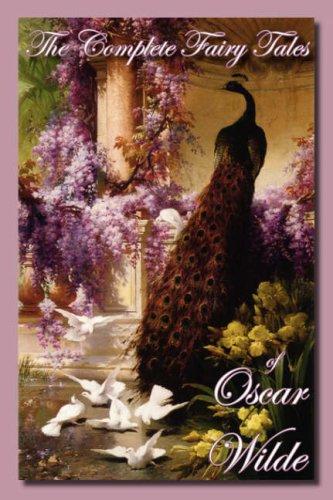
Start this bookNo. 26 on this list. The Complete Fairy Tales · Oscar Wilde
'The Happy Prince' and 'The Selfish Giant' are staples of school anthologies and children's reading lists worldwide, and they appear in Victorian and Wilde courses. Wilde's plays and Dorian Gray take up more syllabus space than the tales do.
Moderate2.4 hours
Start this bookNo. 27 on this list. The Broken Sword · Poul Anderson · 1954
A classic of Norse-inspired fantasy. Published alongside Tolkien but representing the road not taken.
Easy3.2 hours
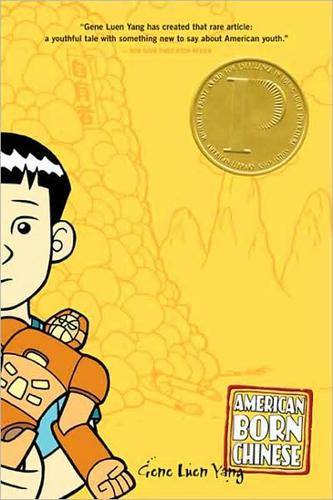
Start this bookNo. 28 on this list. American Born Chinese · Gene Luen Yang · 2006
Printz Award winner, first graphic novel nominated for a National Book Award. A foundational text in Asian American graphic literature.
Easy37 min
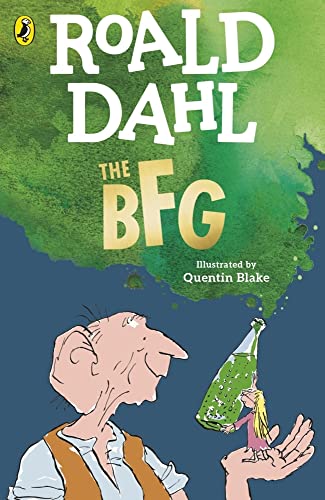
Start this bookNo. 29 on this list. The BFG · Roald Dahl · 1982
The BFG is a fixture in UK primary school reading and appears on most 'best children's books' lists, including Waterstone's Children's Books of the Century. The 2016 Steven Spielberg film adaptation confirmed its cultural durability. No syllabus data was found in the database, likely because the book is taught at primary rather than university level.
Very Easy2.3 hours
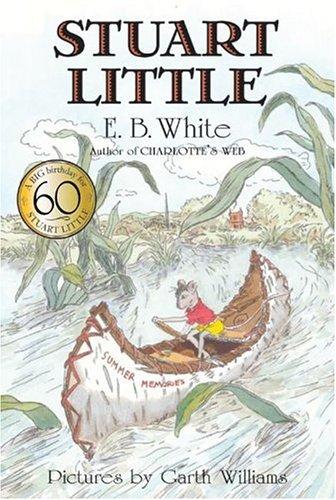
Start this bookNo. 30 on this list. Stuart Little · E.B. White · 1945
It is a long-standing fixture of American children's literature, read in classrooms and read aloud at home, though less often on university syllabi than the great novels. It sits well above commercial fiction and below the core adult canon.
Easy1.9 hours
Start this book
No. 31 on this list. The City We Became
N.K. Jemisin · 2020
No. 32 on this list. Old Tales Retold
Lu Xun · 1936
No. 33 on this list. The Stand
Stephen King · 1978
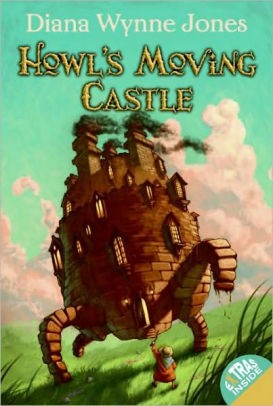
No. 34 on this list. Howl's Moving Castle
Diana Wynne Jones · 1986
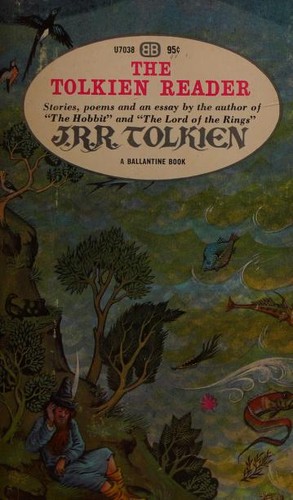
No. 35 on this list. The Tolkien Reader
J.R.R. Tolkien · 1966
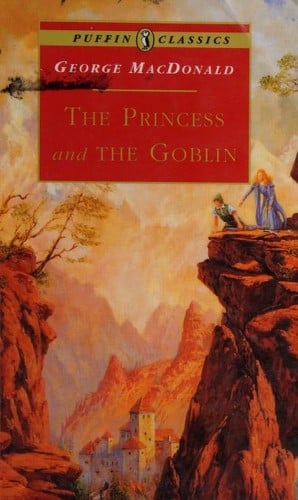
No. 36 on this list. The Princess and the Goblin
George MacDonald · 1872
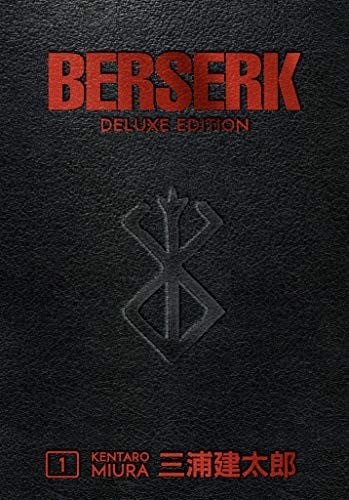
No. 37 on this list. Berserk Deluxe Edition, Vol. 1
Kentaro Miura · 1990
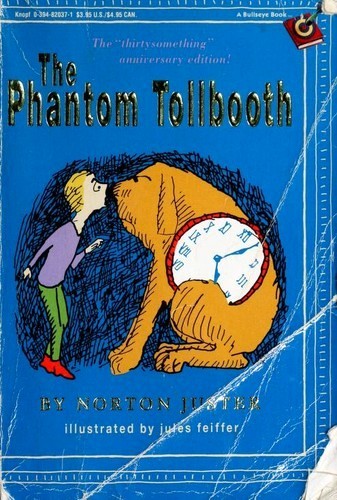
No. 38 on this list. The Phantom Tollbooth
Norton Juster · 1961
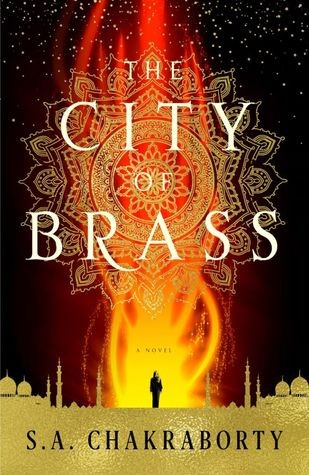
No. 39 on this list. The City of Brass
S.A. Chakraborty · 2017
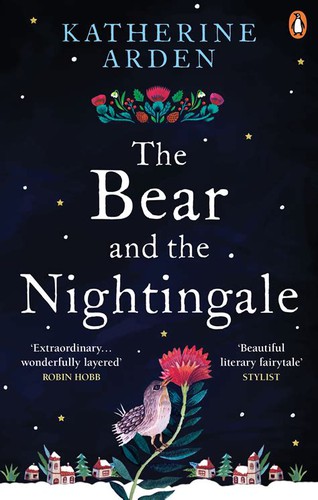
No. 40 on this list. The Bear and the Nightingale
Katherine Arden · 2017
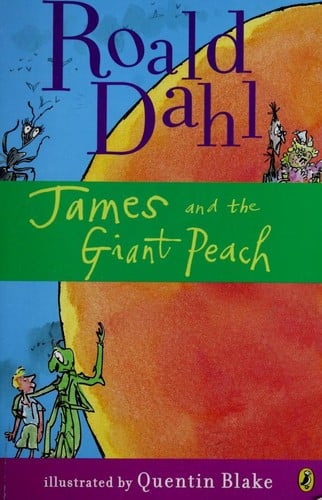
No. 41 on this list. James and the Giant Peach
Roald Dahl · 1961
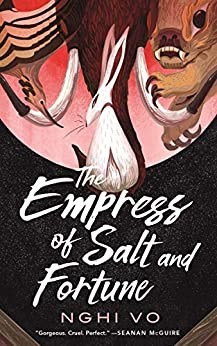
No. 42 on this list. The Empress of Salt and Fortune
Nghi Vo · 2020
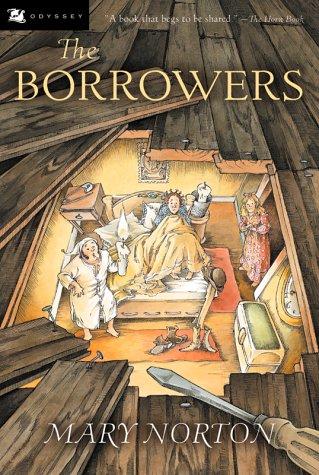
No. 43 on this list. The Borrowers
Mary Norton · 1952
Taught in schools: CSEC English B – Caribbean Examinations Council
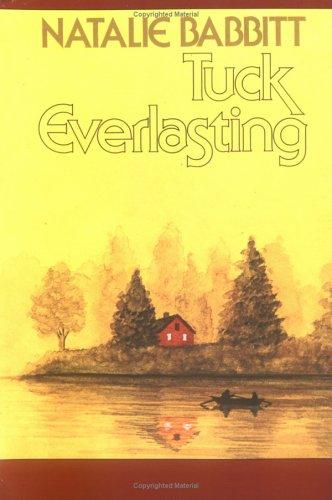
No. 44 on this list. Tuck Everlasting
Natalie Babbitt · 1975
Taught in schools: Common Core text exemplars (Appendix B) (US)
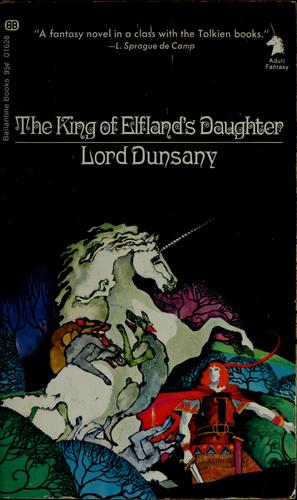
No. 45 on this list. The King of Elfland's Daughter
Lord Dunsany · 1924
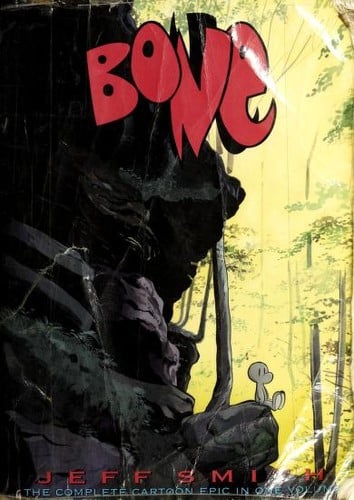
No. 46 on this list. Bone
Jeff Smith · 2004
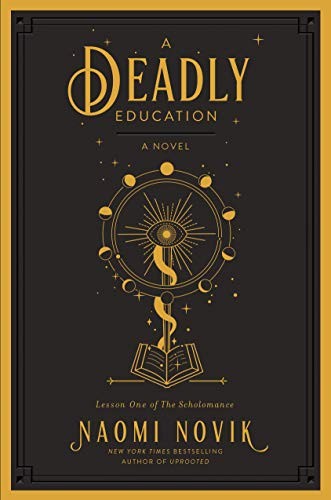
No. 47 on this list. A Deadly Education
Naomi Novik · 2020
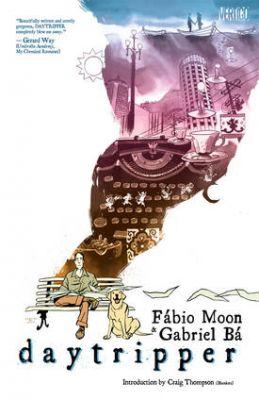
No. 48 on this list. Daytripper
Fábio Moon · 2011
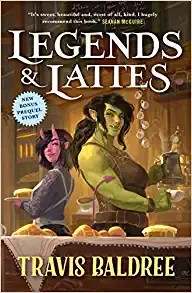
No. 49 on this list. Legends & Lattes
Travis Baldree · 2022
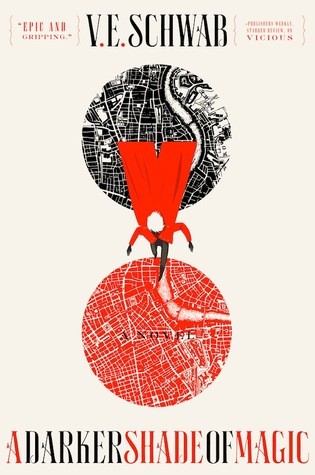
No. 50 on this list. A Darker Shade of Magic
V. E. Schwab · 2015
No. 51 on this list. Magician: Apprentice
Raymond E. Feist · 1982
No. 52 on this list. Strange Pilgrims
Gabriel García Márquez · 1992
No. 53 on this list. Mistborn: The Final Empire
Brandon Sanderson · 2006
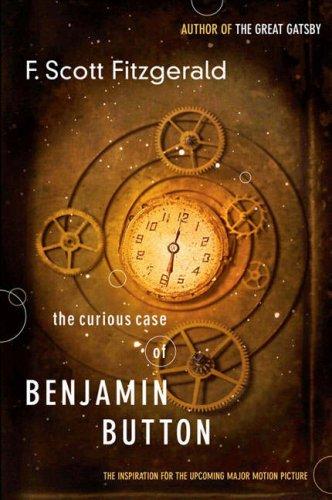
No. 54 on this list. The Curious Case of Benjamin Button
F. Scott Fitzgerald · 1922
No. 55 on this list. A Natural History of Dragons
Marie Brennan · 2013
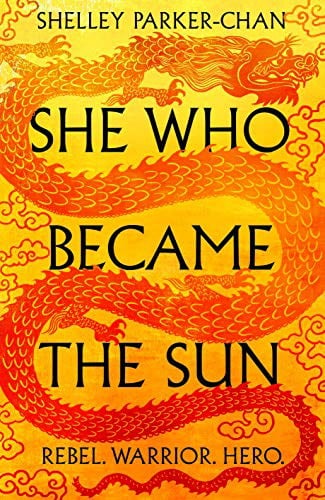
No. 56 on this list. She Who Became the Sun
Shelley Parker-Chan · 2021
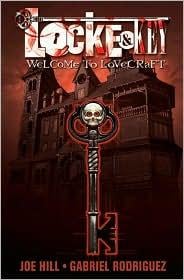
No. 57 on this list. Locke & Key
Joe Hill · 2008
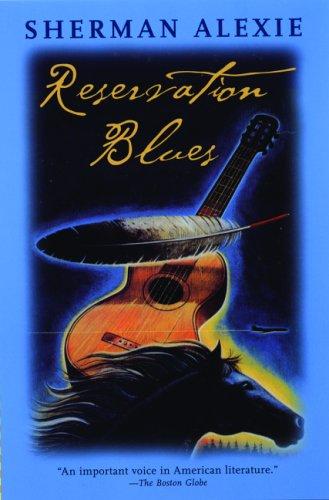
No. 58 on this list. Reservation Blues
Sherman Alexie · 1995
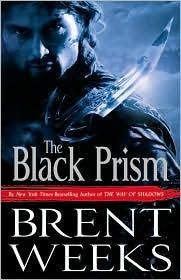
No. 59 on this list. The Black Prism
Brent Weeks · 2010
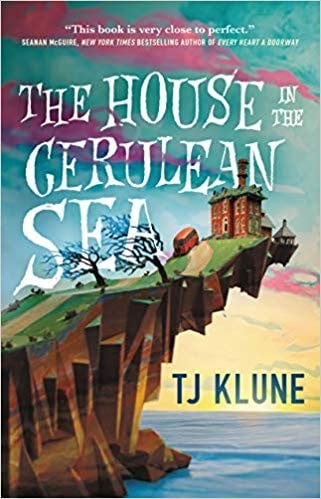
No. 60 on this list. The House in the Cerulean Sea
TJ Klune · 2020
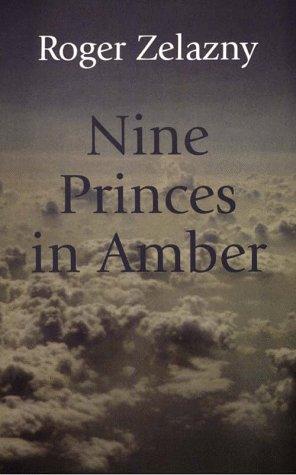
No. 61 on this list. Nine Princes in Amber
Roger Zelazny · 1970
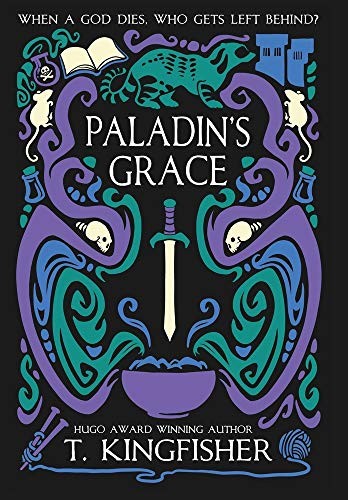
No. 62 on this list. Paladin's Grace
T. Kingfisher · 2020
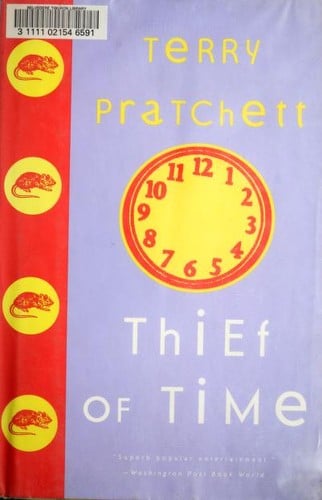
No. 63 on this list. Thief of Time
Terry Pratchett · 2001
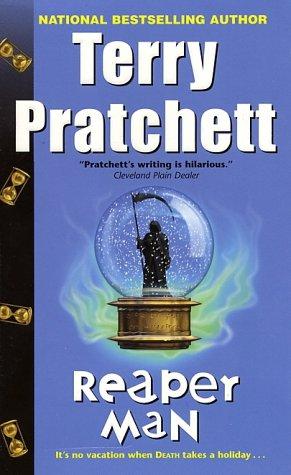
No. 64 on this list. Reaper Man
Terry Pratchett · 1991
No. 65 on this list. Pawn of Prophecy
David Eddings · 1982
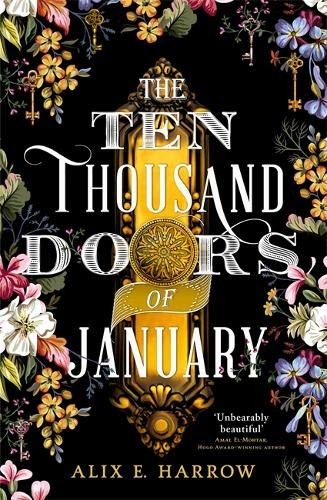
No. 66 on this list. The Ten Thousand Doors of January
Alix E. Harrow · 2019
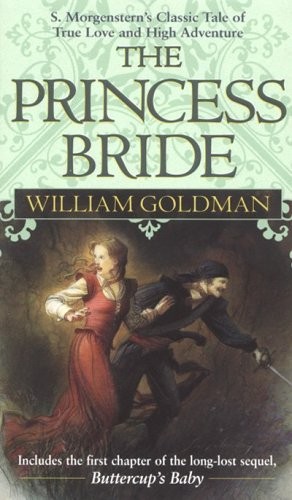
No. 67 on this list. The Princess Bride
William Goldman · 1973
No. 68 on this list. Reynard the Fox
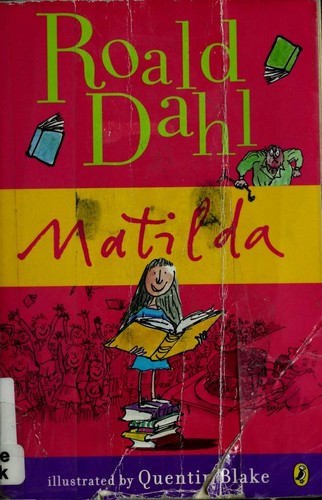
No. 69 on this list. Matilda
Roald Dahl · 1988
Taught in schools: CSEC English B – Caribbean Examinations Council
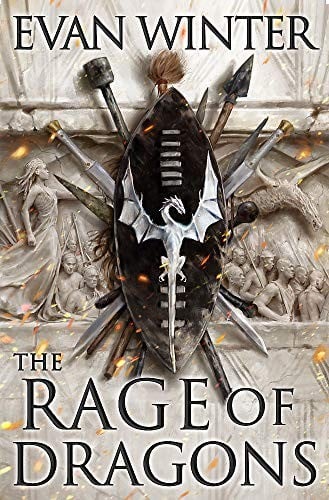
No. 70 on this list. The Rage of Dragons
Evan Winter · 2019
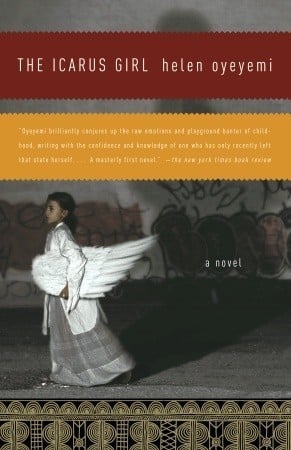
No. 71 on this list. The Icarus Girl
Helen Oyeyemi · 2005
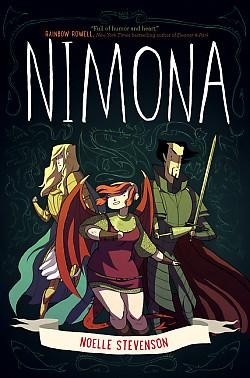
No. 72 on this list. Nimona
Noelle Stevenson · 2015
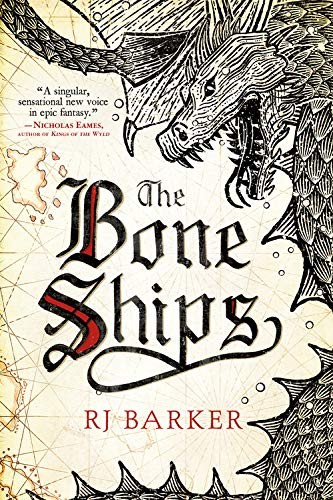
No. 73 on this list. The Bone Ships
R. J. Barker · 2019
No. 74 on this list. Sorcerer to the Crown
Zen Cho · 2015
No. 75 on this list. Interview with the Vampire
Anne Rice · 1976
No. 76 on this list. A Discovery of Witches
Deborah Harkness · 2011
No. 77 on this list. Swords and Deviltry
Fritz Leiber · 1970
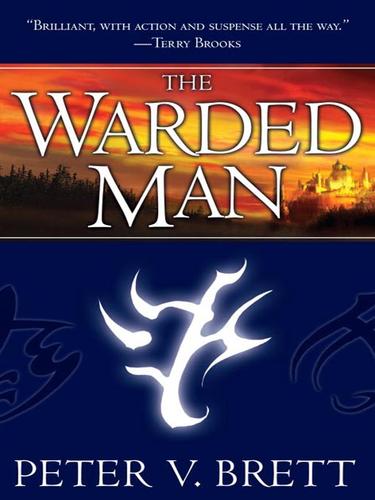
No. 78 on this list. The Warded Man
Peter V. Brett · 2008
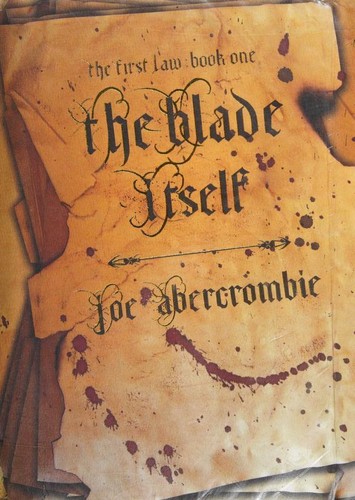
No. 79 on this list. The Blade Itself
Joe Abercrombie · 2006
No. 80 on this list. Assassin's Apprentice
Robin Hobb · 1995
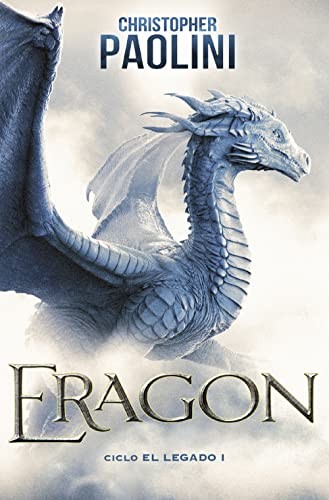
No. 81 on this list. Eragon
Christopher Paolini · 2003
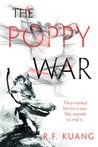
No. 82 on this list. The Poppy War
R.F. Kuang · 2018
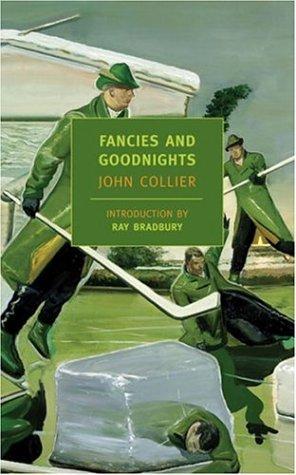
No. 83 on this list. Fancies and Goodnights
John Collier · 1951
No. 84 on this list. Hullabaloo in the Guava Orchard
Kiran Desai · 1999
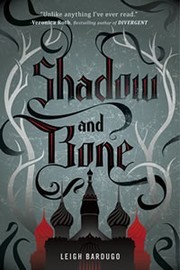
No. 85 on this list. Shadow and Bone
Leigh Bardugo · 2012
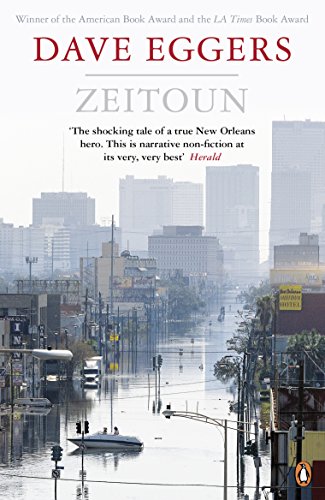
No. 86 on this list. Zeitoun
Dave Eggers · 2009
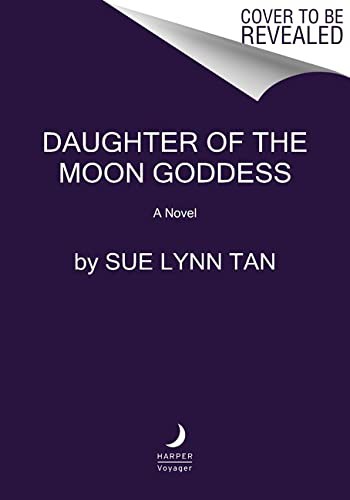
No. 87 on this list. Daughter of the Moon Goddess
Sue Lynn Tan · 2022
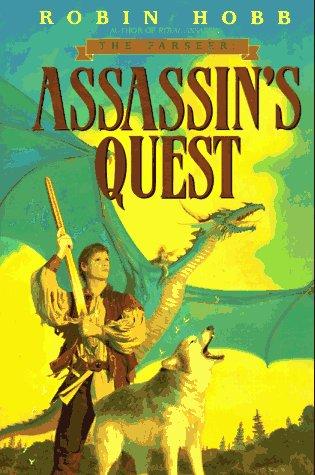
No. 88 on this list. Assassin's Quest
Robin Hobb · 1997
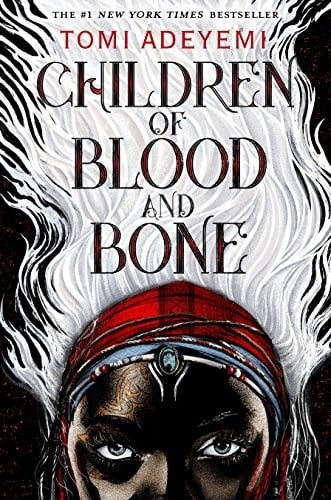
No. 89 on this list. Children of Blood and Bone
Tomi Adeyemi · 2018
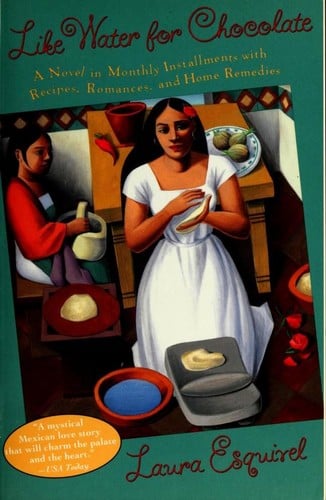
No. 90 on this list. Like Water for Chocolate
Laura Esquivel · 1989
Taught in schools: Literatura, Diseño Curricular – Provincia de Buenos Aires (Argentina)

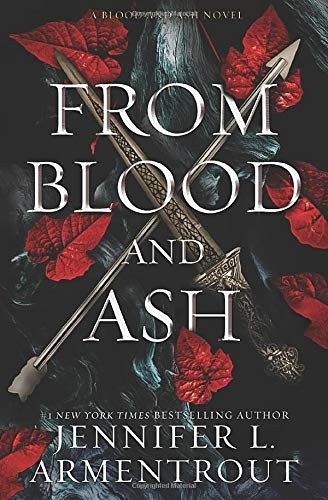
No. 91 on this list. From Blood and Ash
Jennifer L. Armentrout · 2020
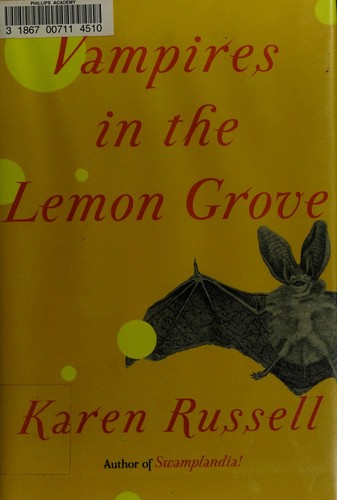
No. 92 on this list. Vampires in the Lemon Grove
Karen Russell · 2013
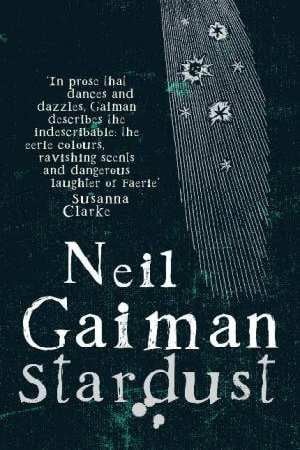
No. 93 on this list. The Stardust
Neil Gaiman · 1999
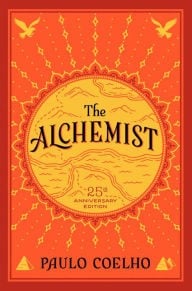
No. 94 on this list. The Alchemist
Paulo Coelho · 2014
No. 95 on this list. С неба упали три яблока
Наринэ Юрьевна Абгарян · 2015
No. 96 on this list. Harry Potter and the Chamber of Secrets
J.K. Rowling · 1999
No. 97 on this list. Harry Potter and the Goblet of Fire
J.K. Rowling · 2000
No. 98 on this list. Wounds: Six Stories from the Border of Hell
Nathan Ballingrud · 2019
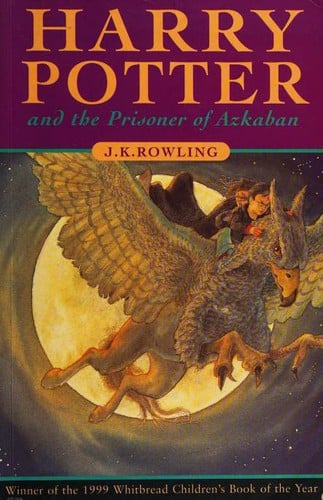
No. 99 on this list. Harry Potter and the Prisoner of Azkaban
J.K. Rowling · 2004
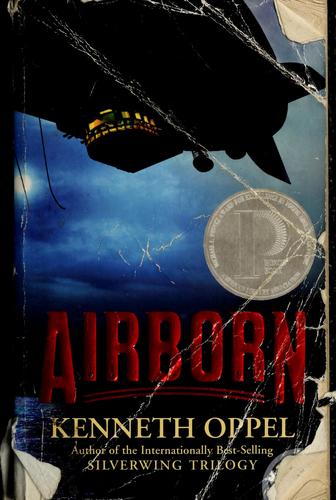
No. 100 on this list. Airborn
Kenneth Oppel · 2004
About this list
These 100 books are the highest-scoring eligible easy fantasy novels currently in the catalogue. By literary regard, it opens with The Birds, Alice's Adventures in Wonderland and Through the Looking-Glass and A Christmas Carol. About 528 hours of reading in all. Difficulty runs from 29 to 40 out of 100 for the middle half of the list; the summit is The Empress of Salt and Fortune at 44.
This list is ranked by literary regard, with a consistent order for equal scores. Membership follows authors and co-authors, not translators or editors. Catalogue coverage and the historical canon both limit what this list can represent, and genre labels are the catalogue’s own, gathered into broader kinds.
When we matched the Canons dataset to our catalogue in October 2026, our canonical-status scores rose with the number of school curricula, publisher series and lists in it that cite a work: the median score was 72 for books one such source cites, 84 at two, 88 at three, 92 at four and 93 at five or more. Prizes are left out of that count. Outside the state curricula, the dataset’s sources choose mostly from what has been translated into English or French, so it is a weaker check on other literatures. Source: Canons (Andrew Piper), CC BY 4.0
Questions people actually ask
- What are the best easy fantasy novels?
- By literary regard, which weighs canonical status, critical standing and influence, The Birds, Alice's Adventures in Wonderland and Through the Looking-Glass, A Christmas Carol, The Arabian Nights and Rip Van Winkle lead. ReadingRate ranks 100 such books, each with a difficulty score and a reading-time estimate.
- Where should I start with easy fantasy novels?
- Start from difficulty, not from rank. The most approachable books on this list that still carry top literary regard are The Hobbit, or There and Back Again by J.R.R. Tolkien (about 5 hours), The Wind-Up Bird Chronicle by Haruki Murakami and Rip Van Winkle by Washington Irving.
- How hard are easy fantasy novels to read?
- Most of this list sits between 29 and 40 on ReadingRate's 100-point difficulty scale, where 40 to 55 is moderate. The summit is The Empress of Salt and Fortune at 44. Every entry carries its own score, so a reader can pick a great book at a difficulty they will finish.
- How is this list ranked?
- On literary-regard data: how canonically established a work is, its critical standing, and its influence on later writing. It is not a readers’ poll, which is why recent bestsellers rarely appear. Membership follows authors and co-authors, not translators or editors. A list that is not a genre list keeps to literature (fiction, poetry, drama and philosophy), with philosophy taking no more than one slot in five while there is literature left to rank; every list holds at most three works by one author.