
Hours at an average pace
Showing 100 books
About 705 hours for 100 of 100 books with measured lengths. Estimates use 250 words a minute, adjusted for each book's difficulty. At 2 hours a day, about 353 days for those books.
No. 1 on this list. The Stranger
Albert Camus · 1942
Challenging3 hours
Included in: Bokklubben World Library
The Stranger appears on Le Monde's 100 Books of the Century, the Open Syllabus Top 500 Literature list, and 1001 Books You Must Read Before You Die. Published in prestige editions by both NYRB Classics and Penguin Modern Classics, it is one of the most assigned existentialist texts in university world literature courses across Europe, North America, and beyond.
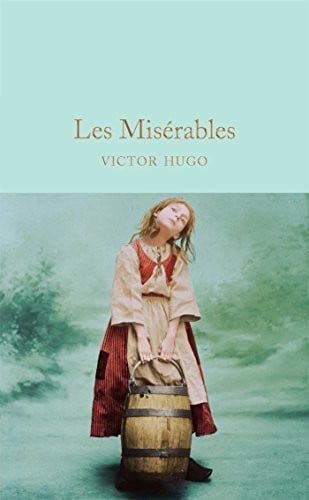
No. 2 on this list. Les Misérables
Victor Hugo · 1862
Challenging51 hours
Taught in schools: Turkish edebiyat curriculum (Turkey)
Les Misérables has a Wikipedia article available in 71 languages and a 73,000-character article with dedicated reception and adaptations sections — indicators of global cultural reach matched by few 19th-century novels. It is treated as a foundational text in French literature courses worldwide and appears on most lists of essential world fiction. Its canonical status in francophone secondary and university education is comparable to Hamlet's in English curricula.
The Discourse on the Method appears in Wikipedia articles across 34 languages and is required reading in virtually every Western philosophy curriculum, from introductory courses to advanced epistemology seminars. It is one of a small number of pre-modern texts that remain compulsory across disciplines — philosophy, intellectual history, history of science, cognitive science. The work appears on all major lists of foundational Western thought.
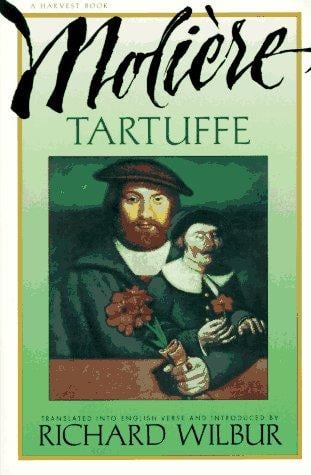
No. 4 on this list. Tartuffe
Molière · 1669
Moderate1.3 hours
Taught in schools: Hungarian literature curriculum (magyar nyelv és irodalom) (Hungary)
Included in: Great Books of the Western World
Tartuffe is required reading in French literature, comparative literature, and theater history courses at virtually every major university. It is among the most-performed French plays internationally and appears on nearly all canonical drama reading lists alongside Racine and Corneille. The play has been in continuous repertoire since 1669 and is central to any study of Western comedy.
No. 5 on this list. The Bourgeois Gentleman
Molière · 1670
Moderate1.2 hours
Included in: Great Books of the Western World
Le Bourgeois Gentilhomme is required reading in French literature courses worldwide and appears in virtually every major world drama anthology. Commissioned by Louis XIV for the royal court in 1670, it has remained one of Molière's most performed plays for over three and a half centuries, cementing its place among the indispensable works of European theater.
One of the foundational texts of postcolonial theory and the phenomenology of race; essential reading in multiple fields.
No. 7 on this list. Candide
Voltaire · 1759
Challenging3 hours
Taught in schools: Hungarian literature curriculum (magyar nyelv és irodalom) (Hungary)
Included in: Great Books of the Western World
Voltaire's Candide gets flogged, shipwrecked, and nearly auto-da-féd across three continents, each catastrophe demolishing Pangloss's insistence that this is the best of all possible worlds. The final line—"we must cultivate our garden"—became the Enlightenment's most quoted rebuke to metaphysical optimism.
Among Hugo most famous novels. Sparked Gothic Revival and cathedral preservation movement.
The Misanthrope is a cornerstone of university curricula in French literature, comparative literature, and theatre studies worldwide. No database records were returned, but by knowledge it appears on thousands of syllabi globally and has Wikipedia articles across dozens of languages. It is considered essential reading for any serious study of European classical drama.
No. 10 on this list. The Plague
Albert Camus · 1947
Moderate6.7 hours
Taught in schools: Lektury obowiązkowe – Polish national reading list (Poland)
Included in: UNESCO Collection of Representative Works
The Plague is taught across Europe, the Americas, and Asia in existentialism, 20th-century literature, and French literature courses. Its Wikipedia article exists in 124 languages — comparable to the reach of Kafka's The Trial and well above most postwar novels. Listed in 1001 Books You Must Read Before You Die and enshrined as a Penguin Modern Classic.

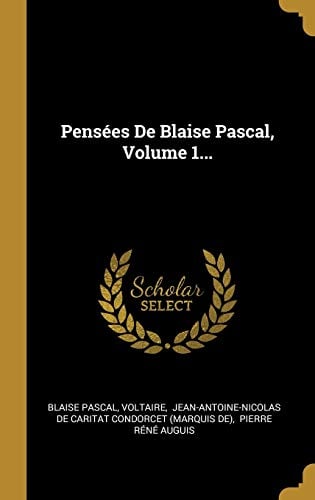
No. 11 on this list. Pensées · Blaise Pascal · 1670
Included in: Great Books of the Western World, UNESCO Collection of Representative Works
One of the masterpieces of French prose and a foundational text of modern religious philosophy. Read continuously since the seventeenth century.
Moderate6.3 hours
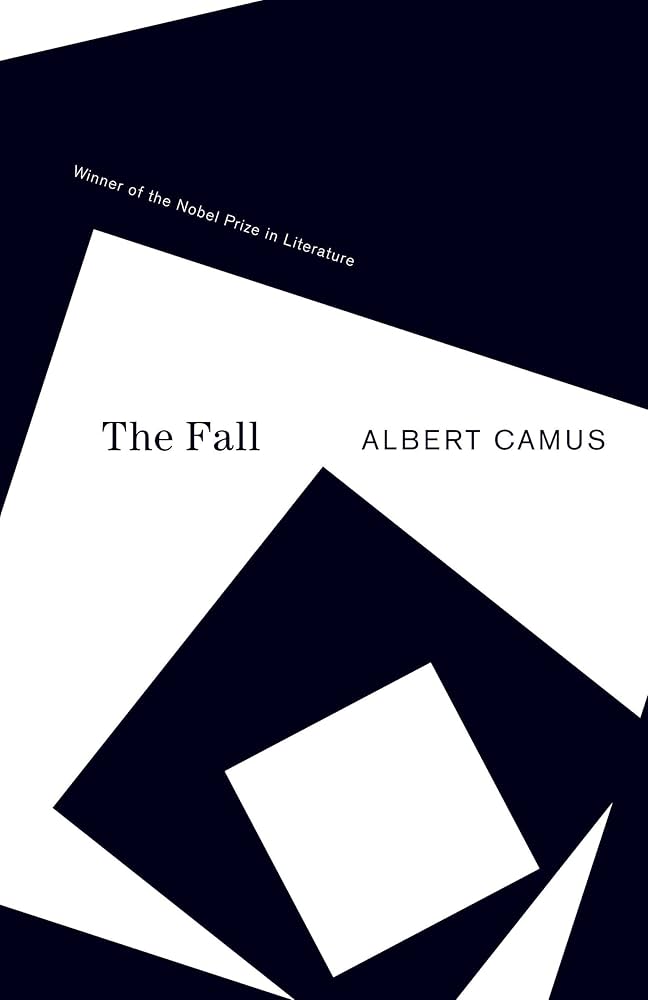
Start this bookNo. 12 on this list. The Fall · Albert Camus · 1956
Published 1956, The Fall holds secure position in the twentieth-century canon as Camus's most formally accomplished and philosophically complex fiction. Widely taught in philosophy and literature courses as paradigmatic existentialist text, it appears on major 'best of century' lists and maintains continuous scholarly attention. Its status benefits from Camus's Nobel Prize (1957) and from representing the mature synthesis of his philosophical fiction after The Stranger and The Plague.
Challenging2.6 hours
Start this bookNo. 13 on this list. Le Cid · Pierre Corneille · 1637
Taught in schools: Hungarian literature curriculum (magyar nyelv és irodalom) (Hungary)
Included in: UNESCO Collection of Representative Works
Rodrigue has just killed a man in a duel. The man was the father of Chimène, the woman he loves. Now Chimène must demand his execution — and she does, publicly, before the king, even as she still loves him. This is the central knot of Corneille's 1637 tragicomedy, and he never loosens it: honor requires each of them to destroy the other, yet neither stops loving the other for a moment. Set in medieval Seville, Le Cid moves with the brisk efficiency of classical French theater — five acts, a single crisis, no wasted scenes. Rodrigue kills Count Gormaz to avenge his father's humiliation. He then defeats a Moorish invasion almost as an afterthought, becoming a national hero just as Chimène presses her case against him. The king delays, the Infanta nurses her own secret love for Rodrigue, and the play ends not with resolution but with a promise: wait a year, let time do its work. What makes Le Cid endure is the Cornelian dilemma at its core — the forced choice between love and duty, where doing the right thing is also the most brutal thing. Corneille gives both Rodrigue and Chimène equal moral weight. Neither is wrong. The alexandrine verse they speak is formal, even stiff to modern ears, but underneath it two people are trying to hold themselves together while being torn apart.
Moderate1.2 hours
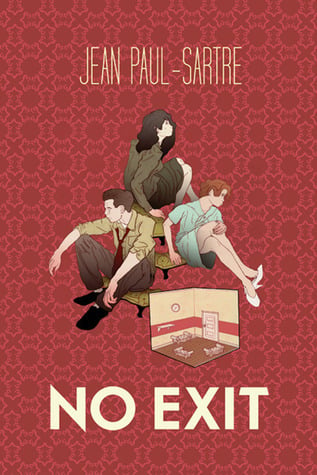
Start this bookNo. 14 on this list. No Exit · Jean-Paul Sartre · 1944
Appears on 470 university syllabi (66.8th percentile by Open Syllabus Project), taught across philosophy, French literature, and drama departments worldwide. Wikipedia coverage spans 22 languages with both a reception section and an adaptations section, indicating sustained global engagement. Below Beloved's threshold (~1,000 syllabi) but well above cult status.
Moderate6 hours
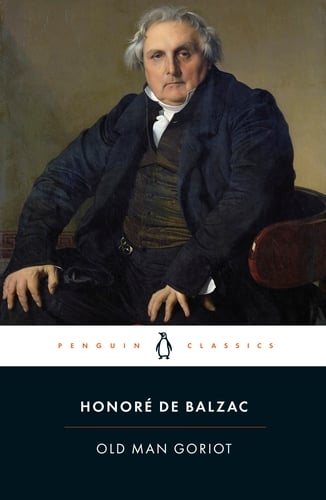
Start this bookNo. 15 on this list. Père Goriot · Honoré de Balzac · 1835
Included in: Bokklubben World Library
Père Goriot is a fixture in world literature curricula, appearing in French literature surveys, comparative literature courses, and 19th-century fiction seminars across the globe. Wikipedia articles in 47 languages signal its reach far beyond the French-speaking world. It holds a central position in La Comédie humaine, Balzac's linked series of nearly 100 novels, and is typically the first text assigned to readers of Balzac.
Challenging7.7 hours
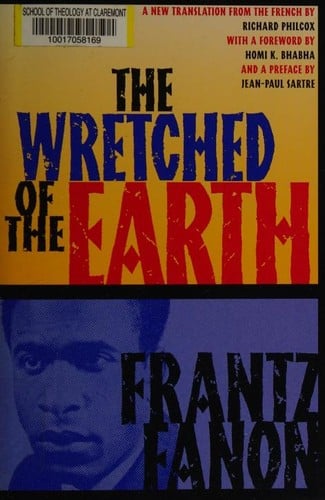
Start this bookNo. 16 on this list. The Wretched of the Earth · Frantz Fanon · 1961
The Wretched of the Earth appears on syllabi in postcolonial studies, African studies, political philosophy, sociology, and literary theory programs worldwide — among the most-assigned theoretical texts of the 20th century. Its Wikipedia article exists in over 40 languages. It is routinely listed alongside Fanon's Black Skin, White Masks as required reading for anyone working in fields touching on race, colonialism, or global politics.
Challenging7.7 hours
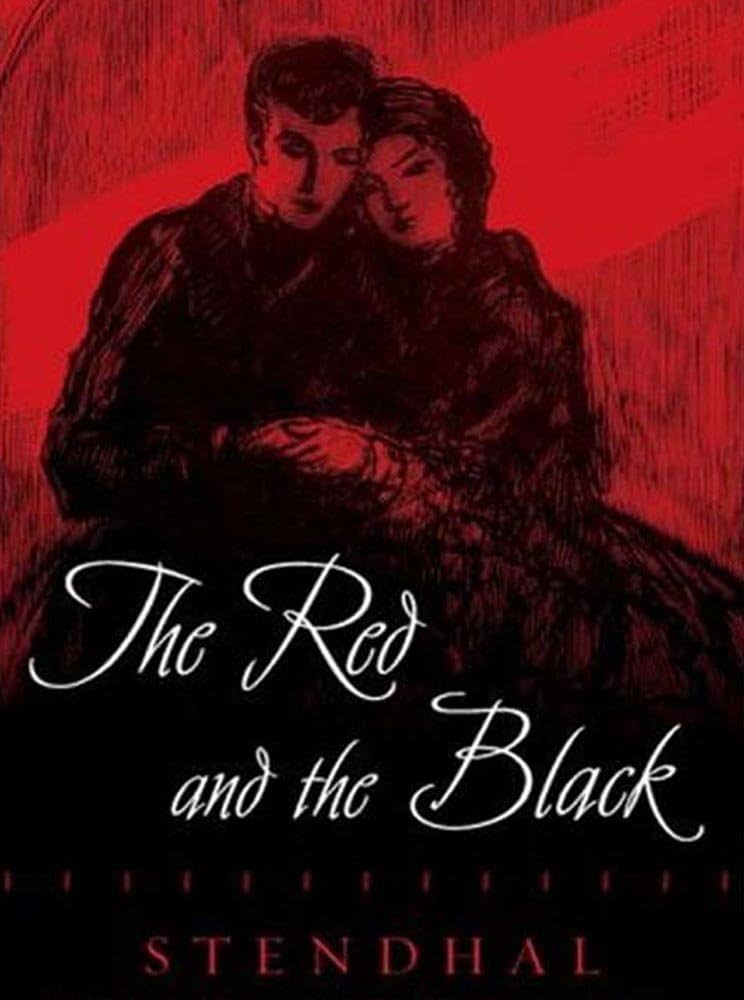
Start this bookNo. 17 on this list. The Red and the Black · Stendhal · 1830
Taught in schools: Hungarian literature curriculum (magyar nyelv és irodalom) (Hungary)
Included in: Bibliothèque de la Pléiade, Bokklubben World Library
The Red and the Black is a foundational text of the realist novel, taught in French literature and world literature courses globally. Its Wikipedia article appears in 44 languages, indicating substantial global reach, and it regularly features on canonical lists such as the Modern Library 100 and TIME's All-TIME 100 novels.
Challenging17 hours
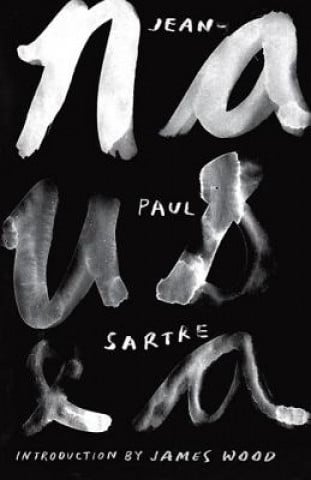
Read nowNo. 18 on this list. Nausea · Jean-Paul Sartre · 1938
Nausea is universally taught in existentialism courses, philosophy of literature seminars, and twentieth-century European fiction surveys. It introduced French existentialism to literature and remains essential reading for understanding modernism's relationship to philosophy. It appears on virtually every list of the century's most important novels.
Challenging6.7 hours
Start this bookNo. 19 on this list. Lost Illusions · Honoré de Balzac · 1843
Considered Balzac's masterpiece by many critics; central work of La Comédie humaine.
Challenging18 hours
Read nowNo. 20 on this list. Les Contemplations · Victor Hugo · 1856
The central poetry collection of 19th-century French literature. 'Demain, dès l'aube' is memorized by every French schoolchild. A cornerstone of the Romantic canon.
Moderate3.7 hours
Read now

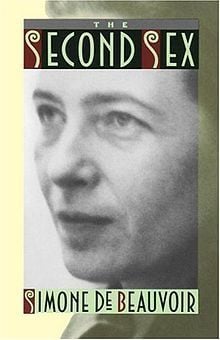
No. 21 on this list. The Second Sex · Simone de Beauvoir · 1949
Appears on 563 university syllabi (Open Syllabus percentile: 68.8%), making it a fixture of gender studies, philosophy, and feminist theory curricula worldwide. Named to Le Monde's 100 Books of the Century and recognized in 50 Wikipedia languages — signaling global canonical reach. Essential reading in feminist and existentialist philosophy, though not as universally taught as Shakespeare or Frankenstein.
Challenging27 hours
Start this bookNo. 22 on this list. L'Assommoir · Émile Zola · 1877
Often considered Zola's masterpiece; essential text for understanding French naturalism.
Moderate6 hours
Read nowNo. 23 on this list. Alcools · Guillaume Apollinaire · 1913
Listed in Le Monde's 100 Books of the Century and a set text in French schools and universities, with 'Zone', 'Le Pont Mirabeau' and 'La Chanson du mal-aimé' in every anthology of French poetry. Its English-language teaching is narrower, mostly in courses on modernism and the avant-garde.
Challenging1.4 hours
Read nowNo. 24 on this list. Exercises in Style · Raymond Queneau · 1947
A cornerstone text of postwar French avant-garde literature and the OuLiPo tradition, widely assigned in literary theory and creative writing courses. Not a household classic in the manner of Camus but firmly enshrined in academic and experimental-fiction canons worldwide.
Challenging2.1 hours
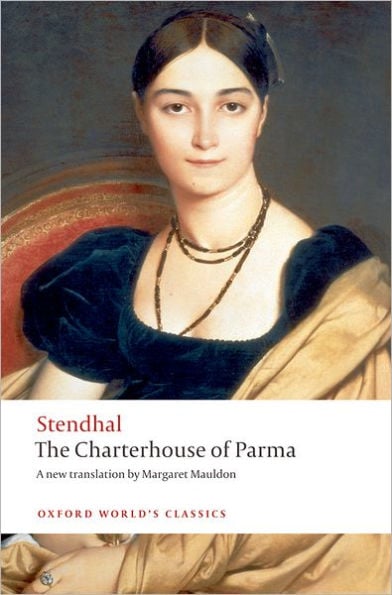
Start this bookNo. 25 on this list. The Charterhouse of Parma · Stendhal · 1839
A cornerstone of the 19th-century European novel, regularly taught in French literature and comparative literature courses. The novel exemplifies early psychological realism and remains essential reading for understanding the development of the modern novel.
Challenging17 hours
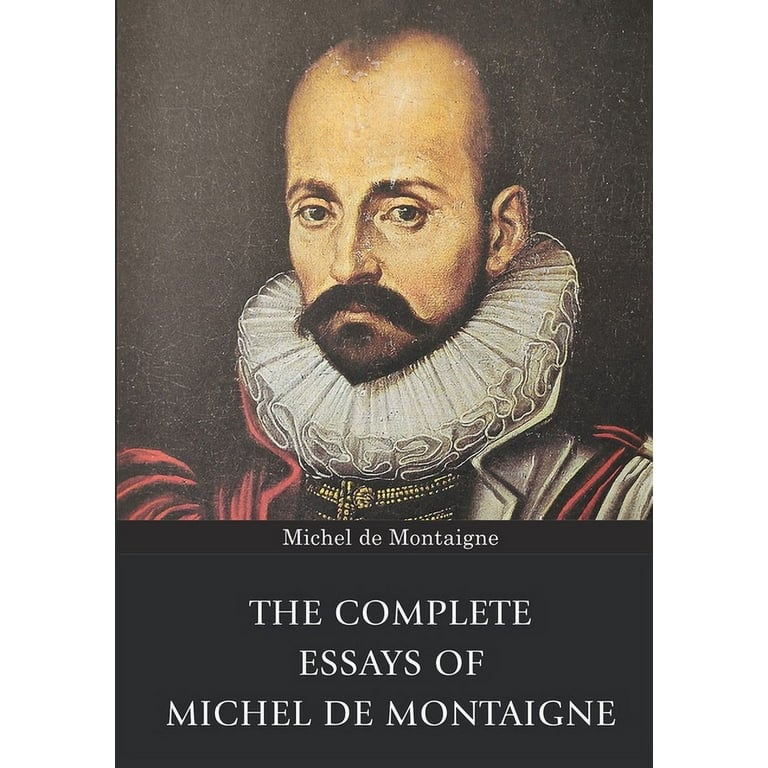
Read nowNo. 26 on this list. Essays · Michel de Montaigne · 1580
Michel de Montaigne retired to his tower library in 1571 and began writing short prose pieces he called 'essais' -- attempts, trials, tests of his own judgment. Over the next twenty years he produced 107 of them, ranging from a few pages to the book-length 'Apology for Raymond Sebond,' revising and expanding relentlessly through three editions. The subject announced on every page is himself: his kidney stones, his reading habits, his fear of death, his sexual life, his distaste for cruelty, his unreliable memory. But Montaigne's self-portrait is a Trojan horse. By examining one particular human specimen with ruthless honesty, he builds a case about the species. Custom, he shows, governs nearly everything we call morality. Reason is a tool that can argue any side of any question. The senses deceive, memory distorts, and certainty -- on any matter beyond immediate experience -- is unavailable to human beings. What remains after this demolition is not despair but a kind of freedom: permission to live attentively within the limits of what one person can actually know. The Essays move by association rather than argument, circling through classical anecdote, personal confession, and philosophical speculation in a voice that sounds, across four centuries, like someone thinking aloud in real time. Montaigne quotes Seneca and Plutarch on every other page, but the governing intelligence is unmistakably his own -- skeptical, humane, amused by his own contradictions, and unwilling to pretend that writing about virtue is the same as practicing it.
Moderate34 hours
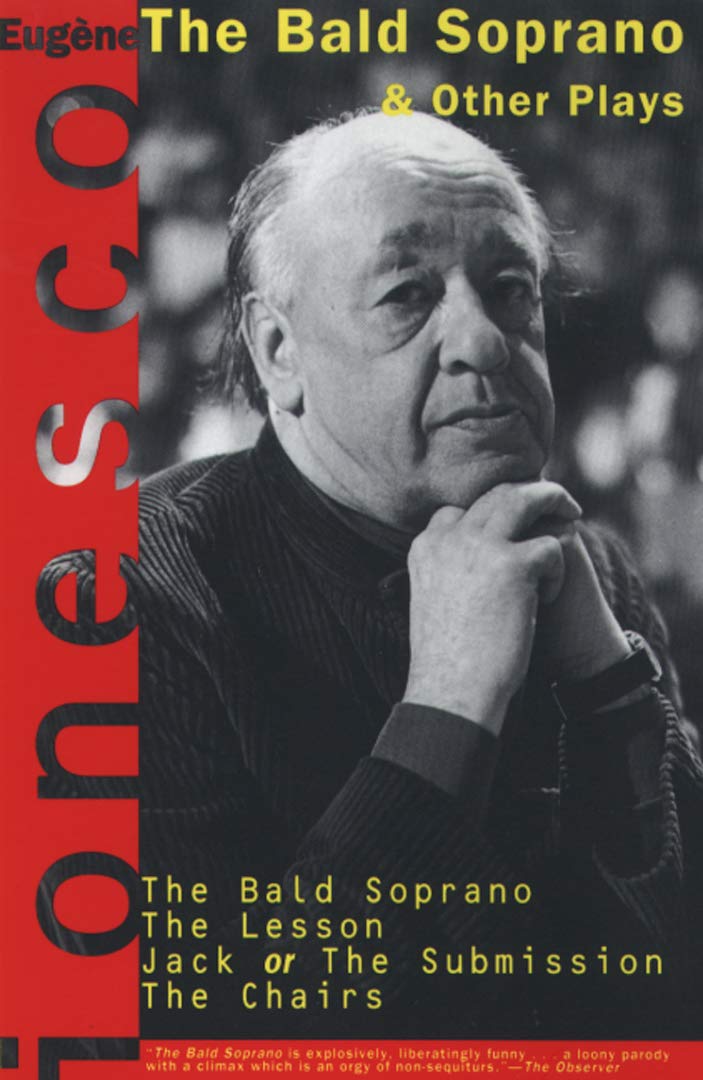
Read nowNo. 27 on this list. The Bald Soprano · Eugène Ionesco · 1950
The Bald Soprano appears in Le Monde's 100 Books of the Century (1999) and the Open Syllabus Top 500 Literature list, with a Wikipedia presence in 27 languages. It is standard coursework in theater history, comparative literature, and 20th-century drama programs globally — a fixed point on any survey of modern theater. Less universally assigned than Shakespeare or Beckett's Waiting for Godot, but firmly in the canon of world drama with no serious dispute about its place there.
Moderate3.8 hours
Start this bookNo. 28 on this list. Britannicus · Jean Racine · 1669
Rome, 55 AD. Nero has been emperor for three years, and his mother Agrippine is beginning to suspect she has lost control of the monster she made. At the center of the court's intrigues stands Britannicus — Claudius's son, the throne's legitimate heir, and Nero's stepbrother — in love with Junie, whom Nero has just abducted and wants for himself. Racine compresses an entire education in tyranny into five acts and a single palace room. We watch Nero not as a tyrant already formed, but in the exact hours he chooses to become one: forcing Junie to reject Britannicus to his face while Nero watches from the shadows, reconciling with his mother with a warmth that masks a murder already decided. The verse is Alexandrine — formal, interlocked, each line balanced against the next — and the effect is of a world where every word is weighed because words are the only weapons left. Britannicus is a study in how power corrupts through small surrenders rather than single dramatic breaks. By the final scene, Nero has poisoned his rival at a feast, and Racine's epilogue tells us what history confirms: this was only the beginning.
Moderate1 hours
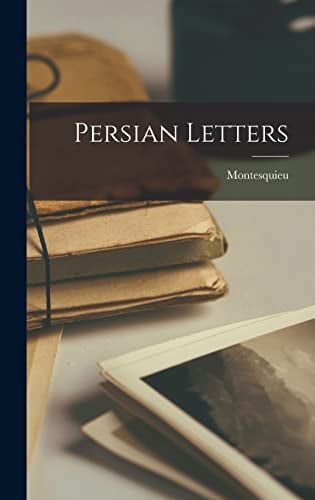
Start this bookNo. 29 on this list. Persian Letters · Montesquieu · 1721
Taught in schools: Hungarian literature curriculum (magyar nyelv és irodalom) (Hungary)
Persian Letters appears on university syllabi across French literature, Enlightenment history, and political philosophy courses worldwide. It is consistently anthologized as a founding text of the French Enlightenment and one of the first major works of sociological and political satire in the European tradition.
Challenging8.5 hours
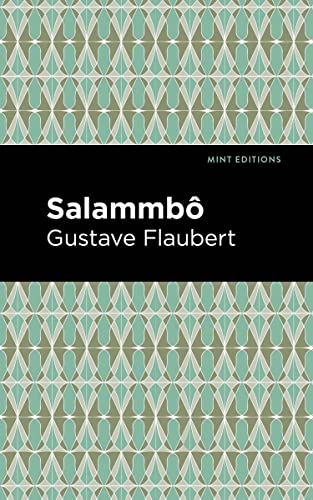
Start this bookNo. 30 on this list. Salammbô · Gustave Flaubert · 1862
Salammbô is taught regularly in French literature curricula and appears in world literature survey courses focused on 19th-century historical fiction, Orientalism, and the realist tradition. It holds a secure place in Flaubert's canonical oeuvre, though it is less universally assigned than Madame Bovary. The absence of collected Wikipedia or syllabus data in this dataset reflects a gap in data collection rather than actual marginality — the book has been continuously in print for 160 years and translated into dozens of languages.
Moderate7 hours
Read now
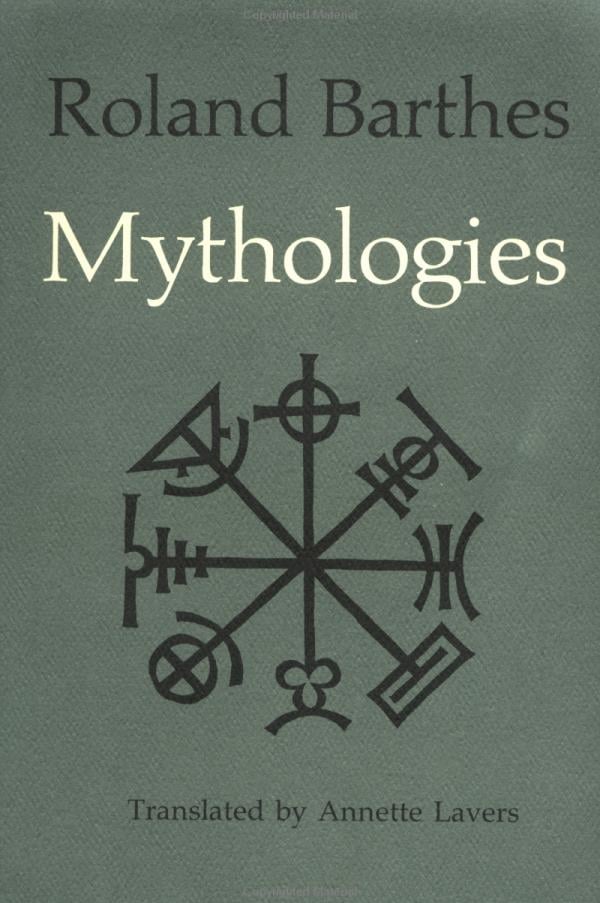
No. 31 on this list. Mythologies
Roland Barthes · 1957
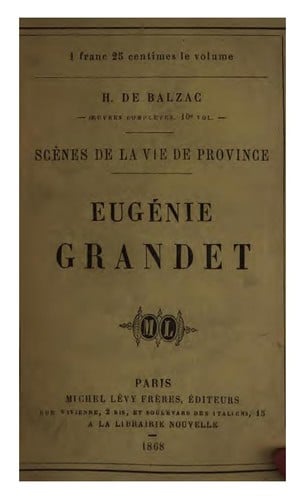
No. 32 on this list. Eugénie Grandet
Honoré de Balzac · 1833
No. 33 on this list. The Count of Monte Cristo
Alexandre Dumas · 1844
No. 34 on this list. The Book of Laughter and Forgetting
Milan Kundera · 1979
No. 35 on this list. Athalie
Jean Racine · 1691
No. 36 on this list. Existentialism Is a Humanism
Jean-Paul Sartre · 1946
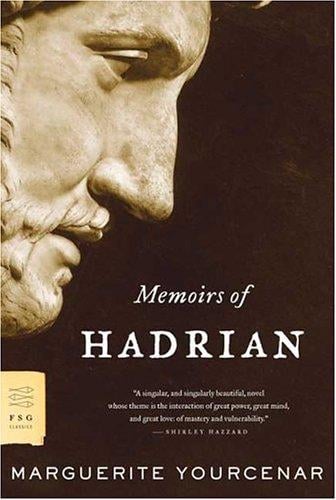
No. 37 on this list. Memoirs of Hadrian
Marguerite Yourcenar · 1951
Included in: Bokklubben World Library
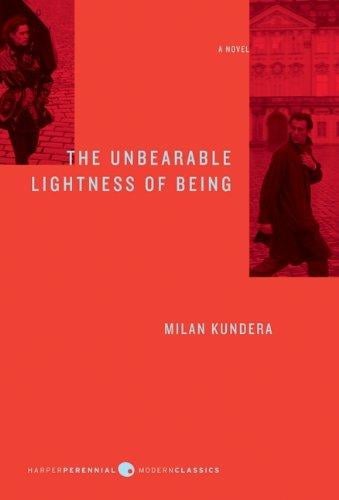
No. 38 on this list. The Unbearable Lightness of Being
Milan Kundera · 1984
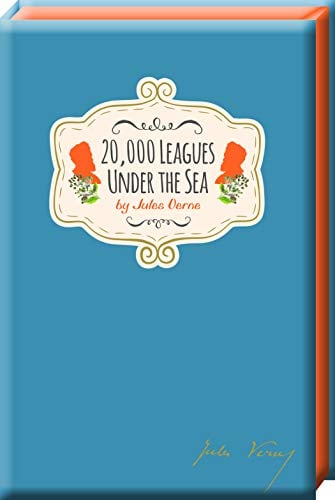
No. 39 on this list. 20,000 Leagues Under the Sea
Jules Verne · 1870
No. 40 on this list. The Lover
Marguerite Duras · 1984

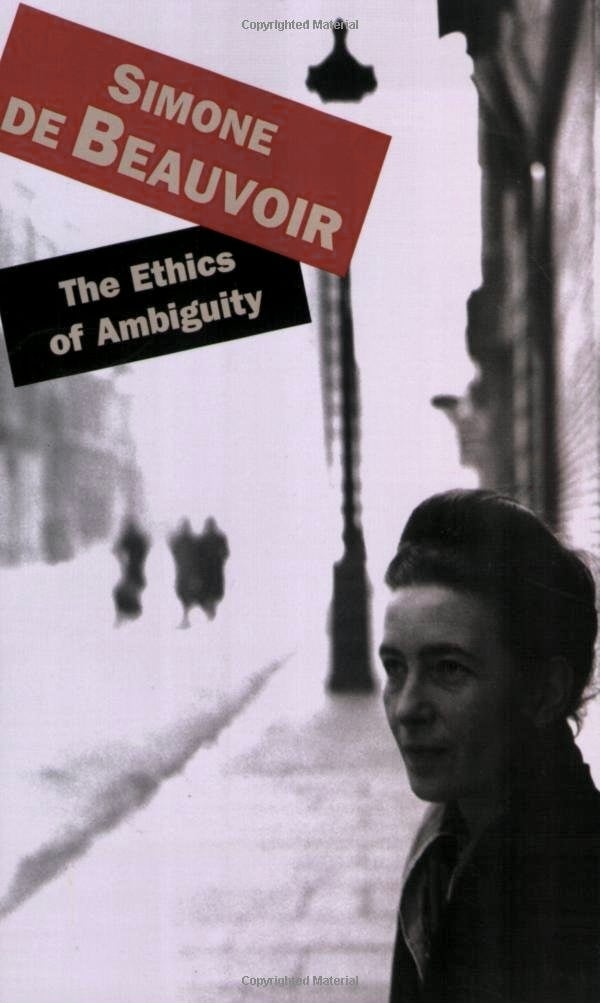
No. 41 on this list. The Ethics of Ambiguity
Simone de Beauvoir · 1947
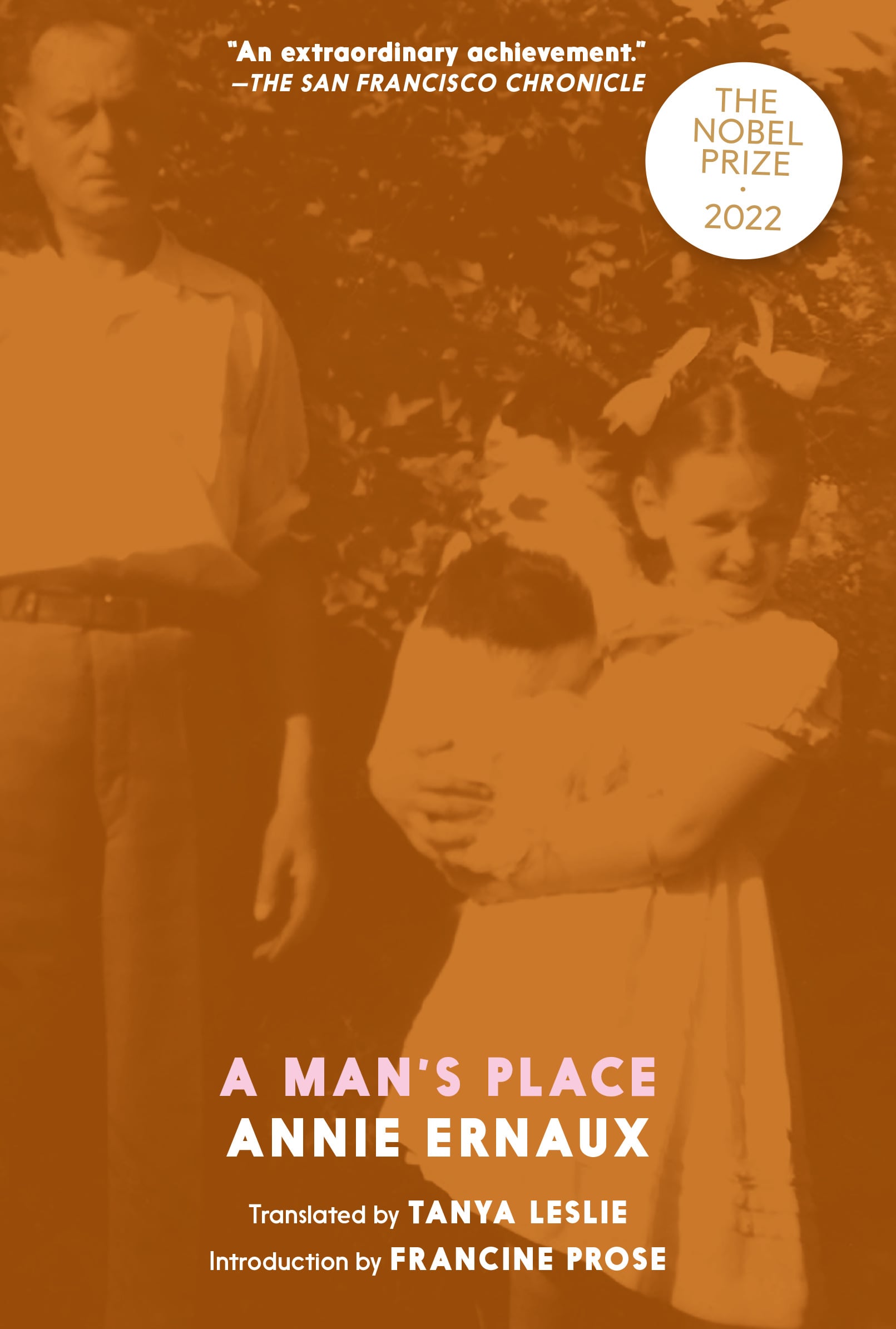
No. 42 on this list. A Man's Place
Annie Ernaux · 1983
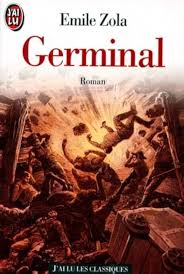
No. 43 on this list. Germinal
Émile Zola · 1885
No. 44 on this list. North
Louis-Ferdinand Céline · 1972
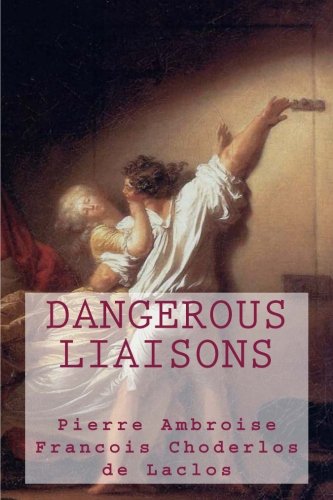
No. 45 on this list. Dangerous Liaisons
Pierre Choderlos de Laclos · 1782
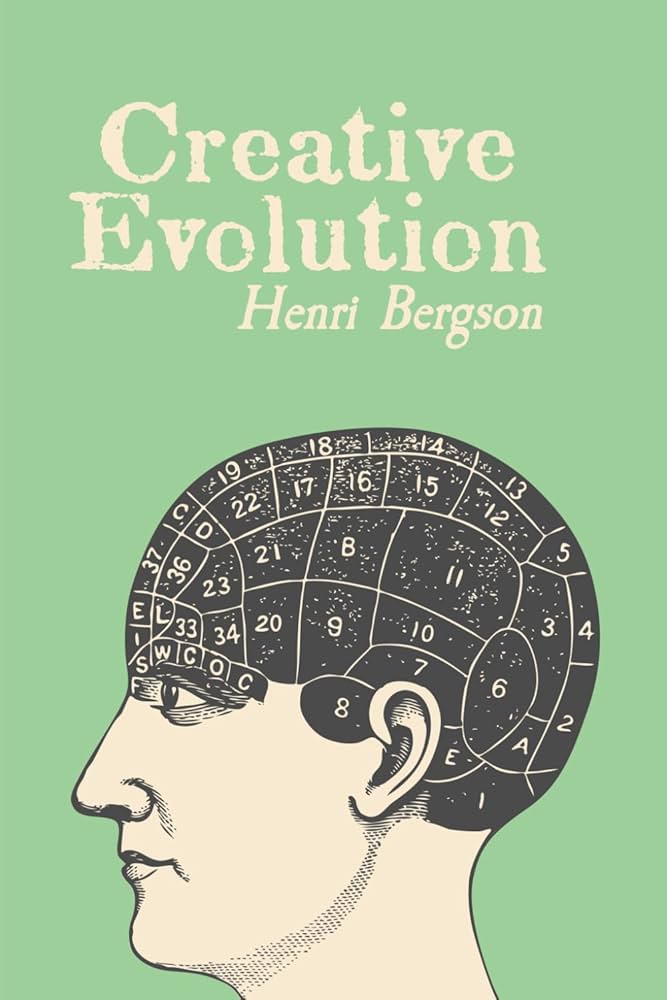
No. 46 on this list. Creative Evolution
Henri Bergson · 1907
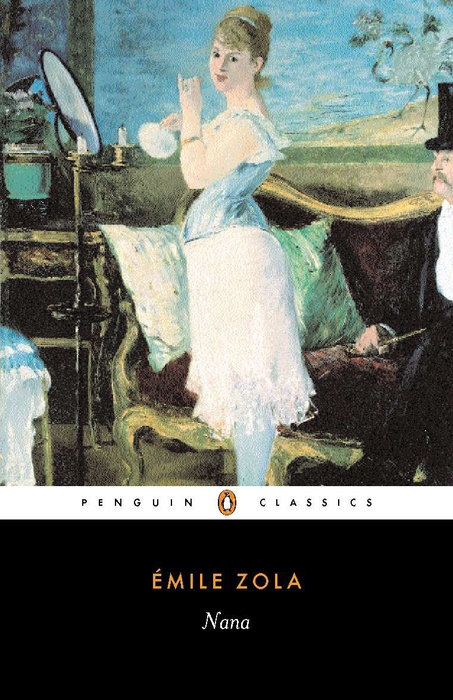
No. 47 on this list. Nana
Émile Zola · 1880
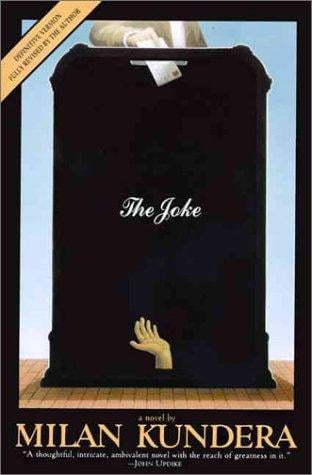
No. 48 on this list. The Joke
Milan Kundera · 1967
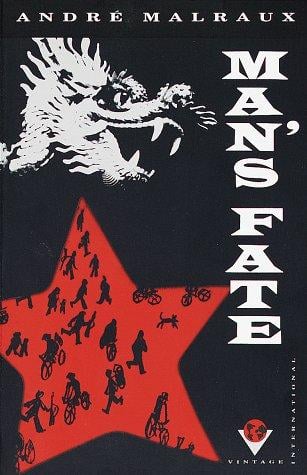
No. 49 on this list. Man's Fate
André Malraux · 1933
No. 50 on this list. Iphigenia
Jean Racine · 1674

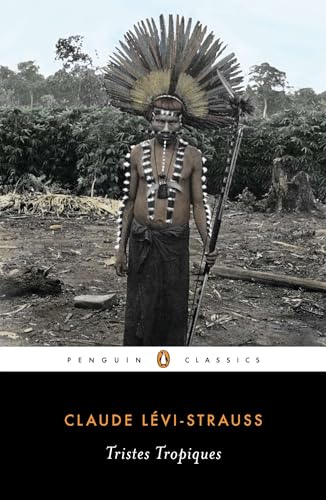
No. 51 on this list. Tristes Tropiques
Claude Lévi-Strauss · 1955
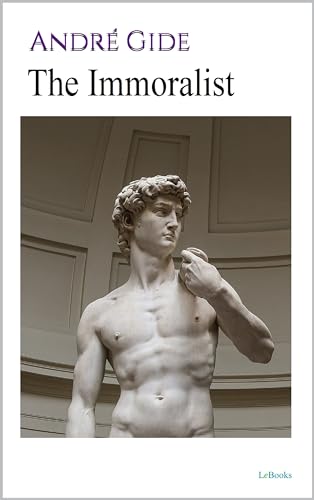
No. 52 on this list. The Immoralist
André Gide · 1902
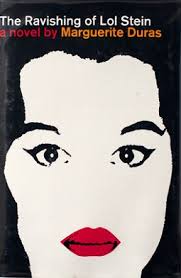
No. 53 on this list. The Ravishing of Lol Stein
Marguerite Duras · 1964
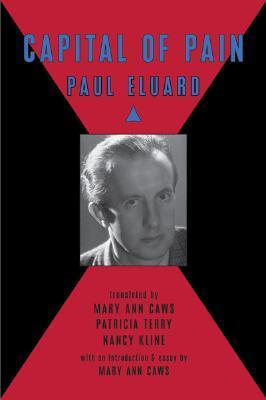
No. 54 on this list. Capital of Pain
Paul Éluard · 1926
No. 55 on this list. The Years
Annie Ernaux · 2019
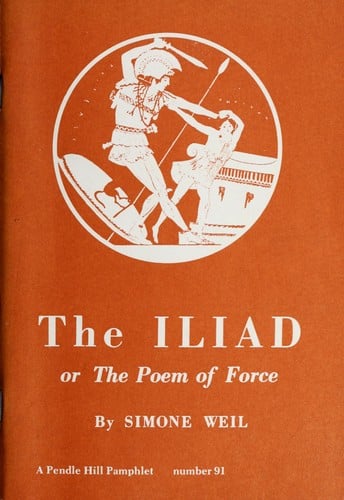
No. 56 on this list. The Iliad, or the Poem of Force
Simone Weil · 1940
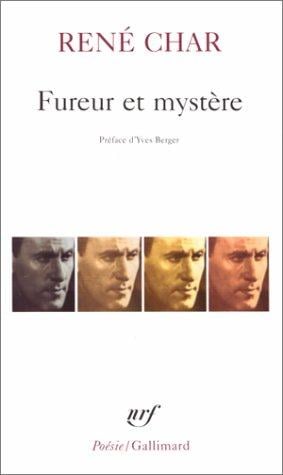
No. 57 on this list. Furor and Mystery
René Char · 1948
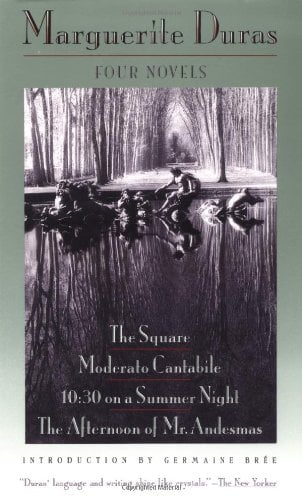
No. 58 on this list. Moderato Cantabile
Marguerite Duras · 1958
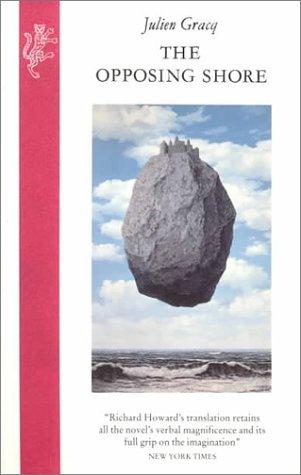
No. 59 on this list. The Opposing Shore
Julien Gracq · 1951
No. 60 on this list. Pierre and Jean
Guy de Maupassant · 1888

No. 61 on this list. The Social Contract
Jean-Jacques Rousseau · 1762
No. 62 on this list. Le Grand Meaulnes
Alain-Fournier · 1913
No. 63 on this list. The Nun
Denis Diderot · 1796
No. 64 on this list. Gigi
Colette · 1944
No. 65 on this list. The Satin Slipper
Paul Claudel · 1929
No. 66 on this list. Laughter: An Essay on the Meaning of the Comic
Henri Bergson · 1900
No. 67 on this list. Zazie in the Metro
Raymond Queneau · 1959
No. 68 on this list. The Vagabond
Colette · 1910
No. 69 on this list. She Came to Stay
Simone de Beauvoir · 1943
No. 70 on this list. Second Thoughts
Michel Butor · 1956
No. 71 on this list. The Silence of the Sea
Vercors · 1942
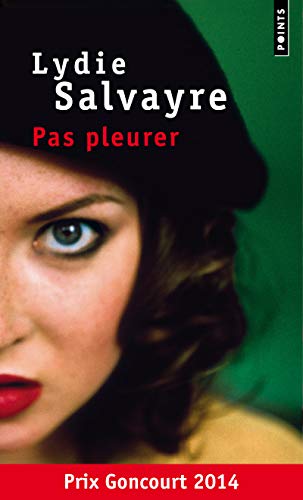
No. 72 on this list. Pas pleurer
Lydie Salvayre · 2014
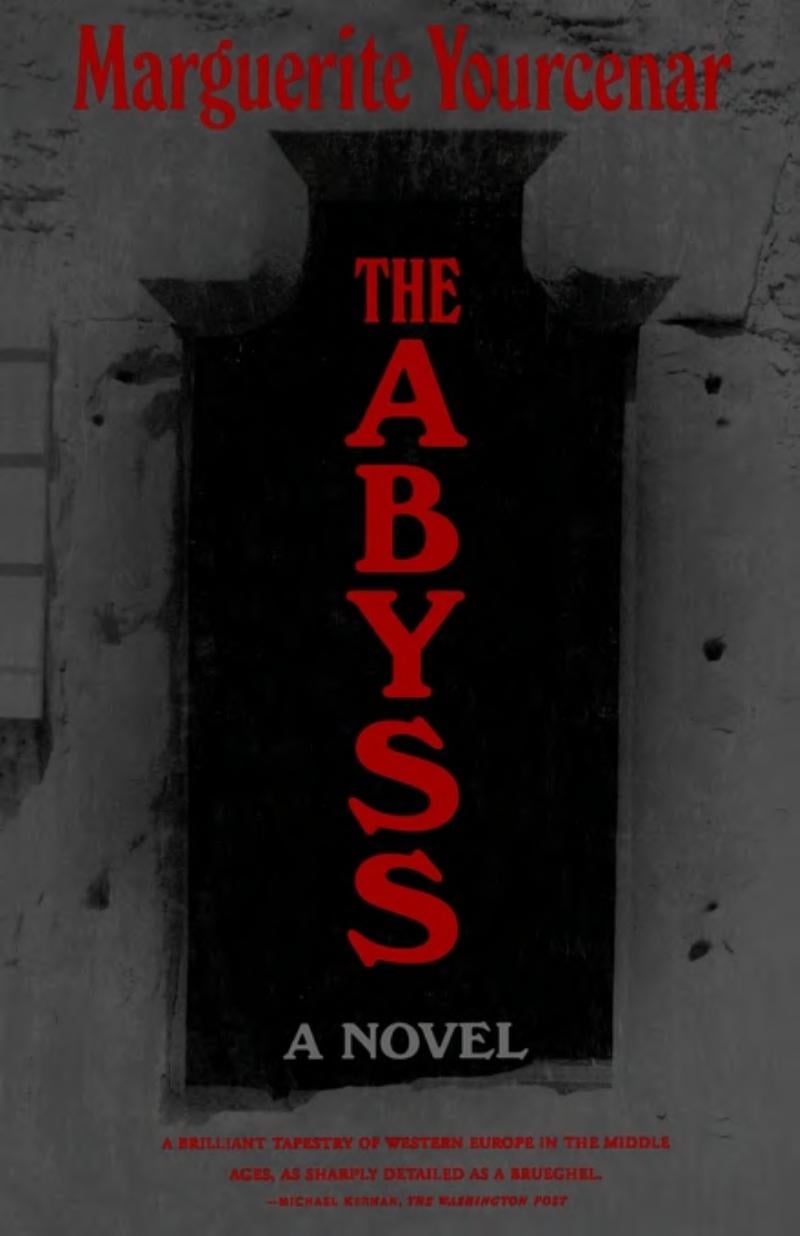
No. 73 on this list. The Abyss
Marguerite Yourcenar · 1968
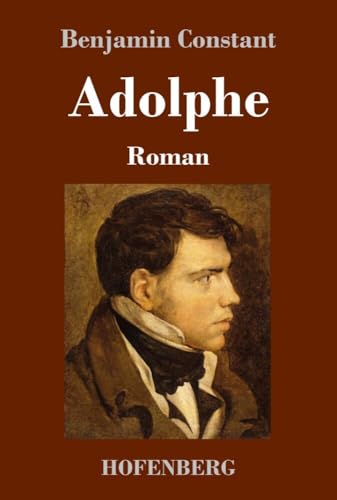
No. 74 on this list. Adolphe
Benjamin Constant · 1816
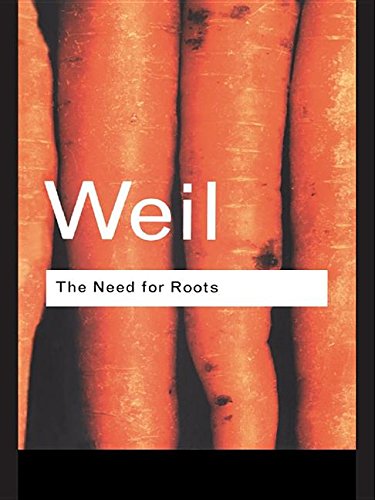
No. 75 on this list. The Need for Roots
Simone Weil · 1949
No. 76 on this list. Three Strong Women
Marie NDiaye · 2009
No. 77 on this list. Friday, or, The Other Island
Michel Tournier · 1967
No. 78 on this list. Jean Barois
Roger Martin du Gard · 1913
No. 79 on this list. The Temptation of Saint Anthony
Gustave Flaubert · 1874
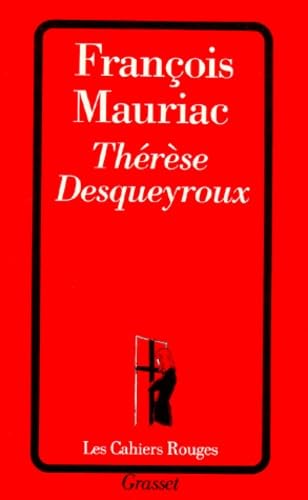
No. 80 on this list. Thérèse Desqueyroux
François Mauriac · 1927
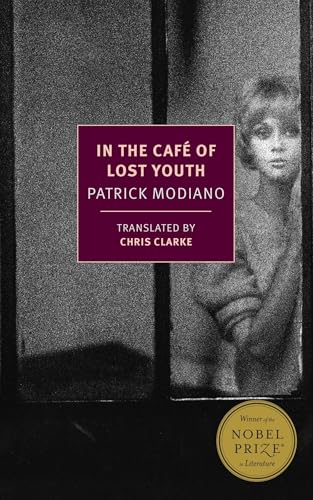
No. 81 on this list. In the Café of Lost Youth
Patrick Modiano · 2007
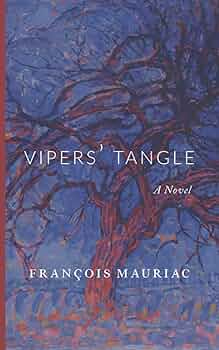
No. 82 on this list. Vipers' Tangle
François Mauriac · 1932
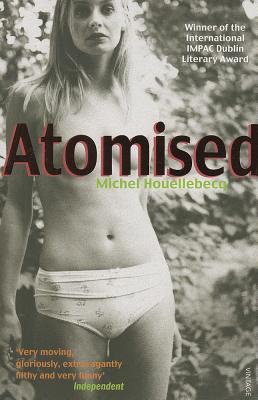
No. 83 on this list. Atomised
Michel Houellebecq · 2002
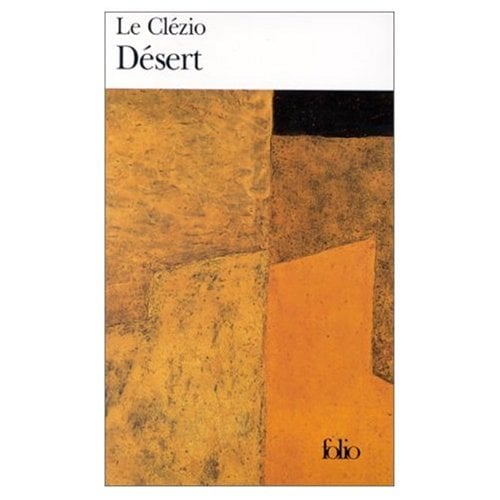
No. 84 on this list. Desert
J.M.G. Le Clézio · 1980
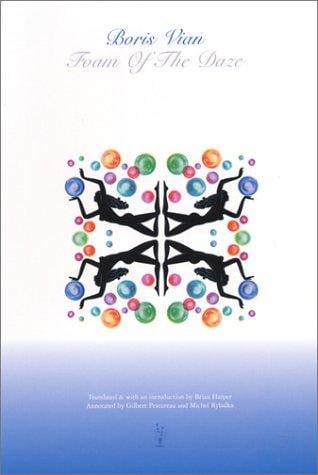
No. 85 on this list. Froth on the Daydream
Boris Vian · 1947
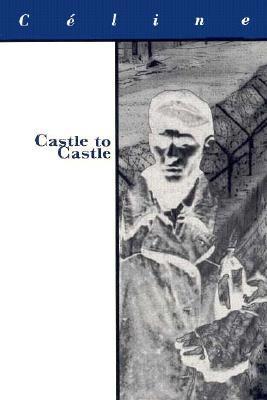
No. 86 on this list. Castle to Castle
Louis-Ferdinand Céline · 1957
No. 87 on this list. Strait Is the Gate
André Gide · 1909
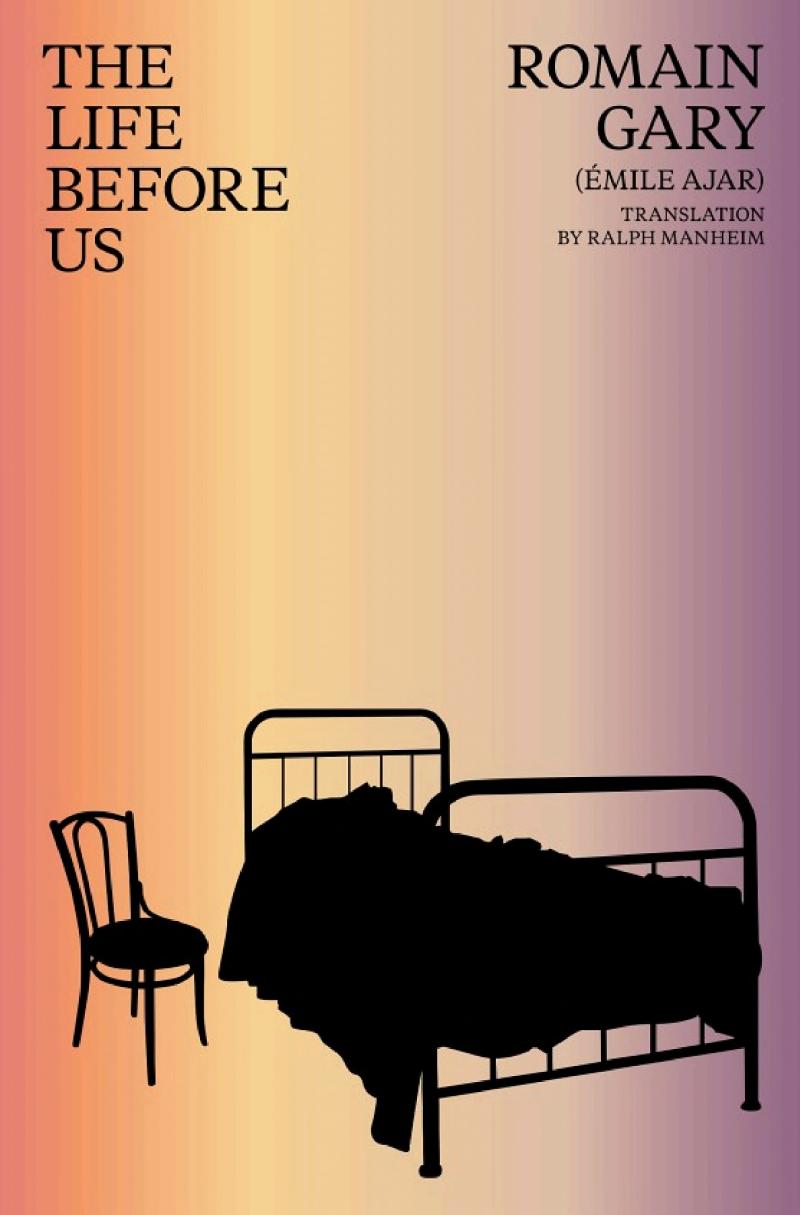
No. 88 on this list. The Life Before Us
Émile Ajar (Romain Gary) · 1975
No. 89 on this list. Bonjour Tristesse
Françoise Sagan · 1954
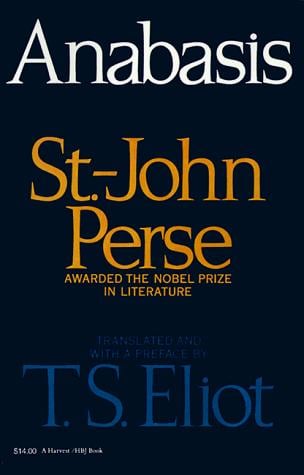
No. 90 on this list. Anabasis
Saint-John Perse · 1924

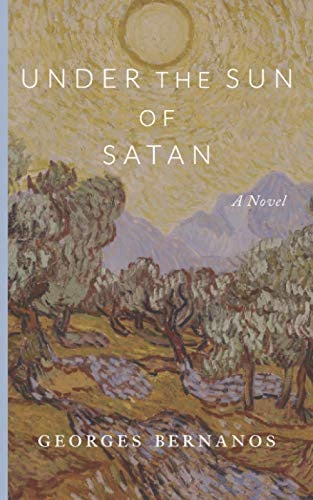
No. 91 on this list. Under the Sun of Satan
Georges Bernanos · 1926
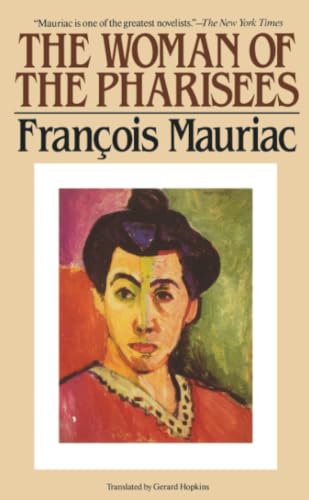
No. 92 on this list. A Woman of the Pharisees
François Mauriac · 1941
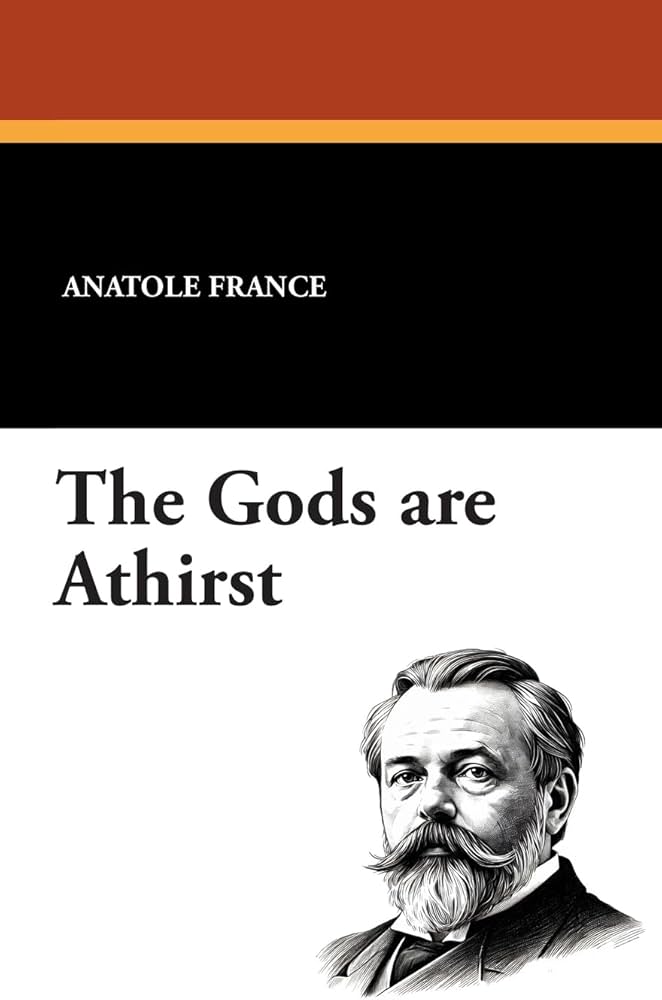
No. 93 on this list. The Gods Are Athirst
Anatole France · 1912
No. 94 on this list. Veiller sur elle
Jean-Baptiste Andrea · 2023
No. 95 on this list. The Interrogation
J.M.G. Le Clézio · 1963
No. 96 on this list. Jean-Christophe
Romain Rolland · 1912
No. 97 on this list. Boussole
Mathias Énard · 2015
No. 98 on this list. The Order of the Day
Éric Vuillard · 2017
No. 99 on this list. Penguin Island
Anatole France · 1908
No. 100 on this list. Aurélien
Louis Aragon · 1944




About this list
These 100 books are the highest-scoring eligible moderately difficult books from France currently in the catalogue. By literary regard, it opens with The Stranger, Les Misérables and Discourse on the Method. About 705 hours of reading in all. Difficulty runs from 51 to 60 out of 100 for the middle half of the list; the summit is Mythologies at 64.
This list is ranked by literary regard, with a consistent order for equal scores. Membership follows authors and co-authors, not translators or editors. Catalogue coverage and the historical canon both limit what this list can represent.
When we matched the Canons dataset to our catalogue in October 2026, our canonical-status scores rose with the number of school curricula, publisher series and lists in it that cite a work: the median score was 72 for books one such source cites, 84 at two, 88 at three, 92 at four and 93 at five or more. Prizes are left out of that count. Outside the state curricula, the dataset’s sources choose mostly from what has been translated into English or French, so it is a weaker check on other literatures. Source: Canons (Andrew Piper), CC BY 4.0
Questions people actually ask
- What are the best moderately difficult books from France?
- By literary regard, which weighs canonical status, critical standing and influence, The Stranger, Les Misérables, Discourse on the Method, Tartuffe and The Bourgeois Gentleman lead. ReadingRate ranks 100 such books, each with a difficulty score and a reading-time estimate.
- Where should I start with moderately difficult books from France?
- Start from difficulty, not from rank. The most approachable books on this list that still carry top literary regard are Existentialism Is a Humanism by Jean-Paul Sartre (about 1.8 hours), The Bourgeois Gentleman by Molière and Salammbô by Gustave Flaubert.
- How hard are moderately difficult books from France to read?
- Most of this list sits between 51 and 60 on ReadingRate's 100-point difficulty scale, where 40 to 55 is moderate. The summit is Mythologies at 64. Every entry carries its own score, so a reader can pick a great book at a difficulty they will finish.
- How is this list ranked?
- On literary-regard data: how canonically established a work is, its critical standing, and its influence on later writing. It is not a readers’ poll, which is why recent bestsellers rarely appear. Membership follows authors and co-authors, not translators or editors. A list that is not a genre list keeps to literature (fiction, poetry, drama and philosophy), with philosophy taking no more than one slot in five while there is literature left to rank; every list holds at most three works by one author.