Hours at an average pace
Showing 75 books
About 1,494 hours for 75 of 75 books with measured lengths. Estimates use 250 words a minute, adjusted for each book's difficulty. At 2 hours a day, about 748 days for those books.
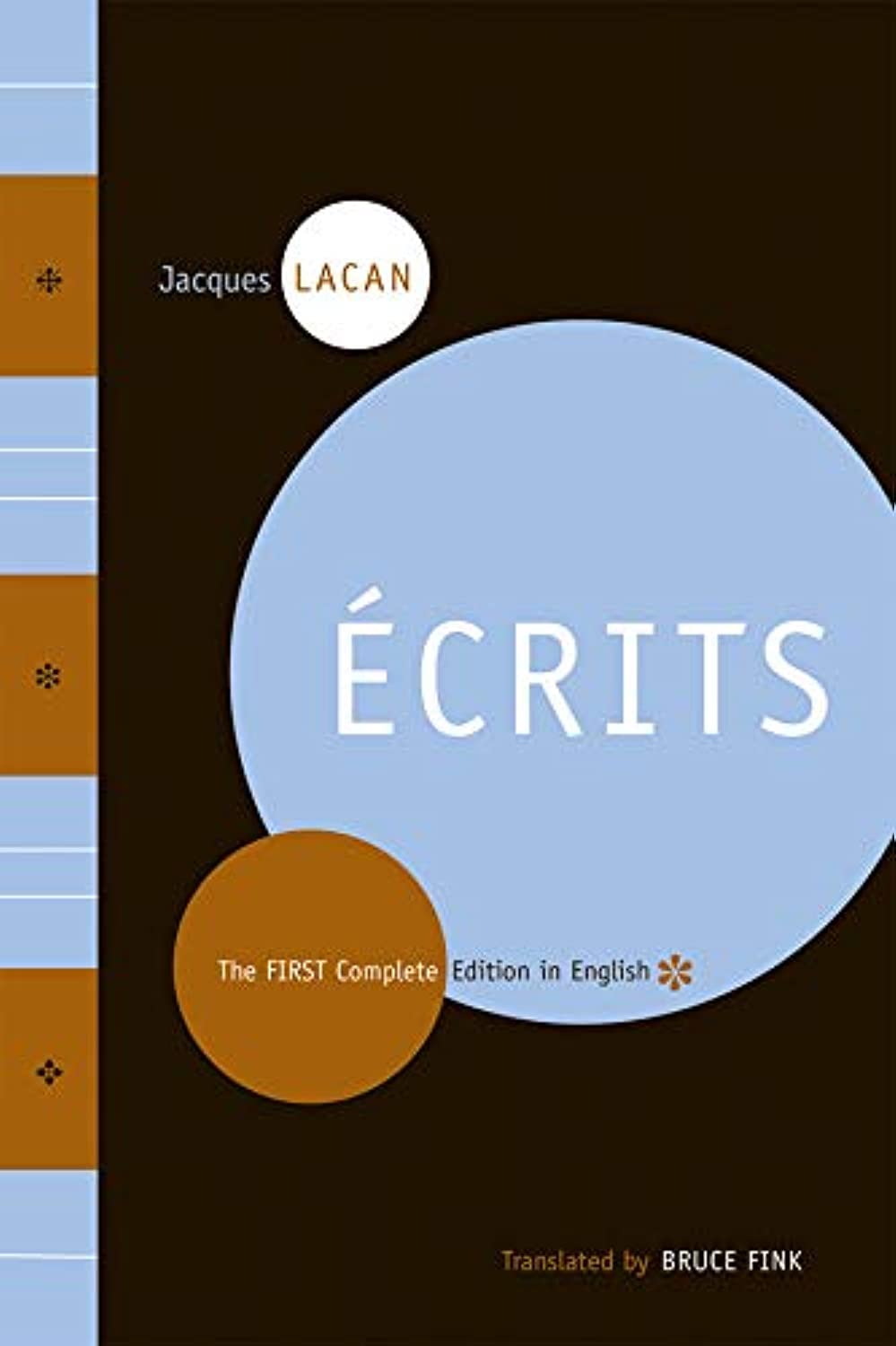
Listed among Le Monde's 100 Books of the Century and the Open Syllabus Top 500 in literature. Wikipedia presence in 65 languages (attributed to the Jacques Lacan article) indicates global institutional reach. Standard assignment in literature, philosophy, cultural studies, film theory, and feminist theory courses worldwide — unusual for a psychoanalytic text to penetrate this many disciplines.
A major work of late twentieth-century philosophy. Essential in continental philosophy, cultural theory, architecture, and digital humanities.
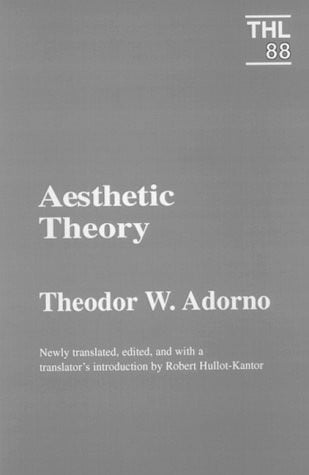
Aesthetic Theory is required reading in philosophy of art, critical theory, and aesthetics programs at universities worldwide. It appears on syllabi across art history, musicology, literary theory, and philosophy departments—taught wherever Frankfurt School critical theory is engaged seriously. The book is treated as the foundational text of 20th-century philosophical aesthetics, occupying the same curricular position in art theory that Kant's Critique of Judgment holds for earlier aesthetics.
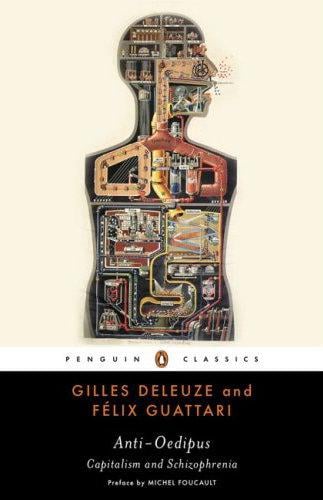
Anti-Oedipus is canonical within Continental philosophy, critical theory, cultural studies, and queer theory — it appears on graduate syllabi wherever poststructuralism, Marxist theory, or affect theory is taught. Wikipedia data is absent from the database, but the work maintains Wikipedia articles in over 30 languages and is among the most-cited texts in humanities graduate education worldwide. Its status is more specialized than Orientalism but more widely taught than Negative Dialectics.
One of the most important works of twentieth-century philosophy and critical theory. Essential in philosophy, cultural studies, media studies, and political theory.
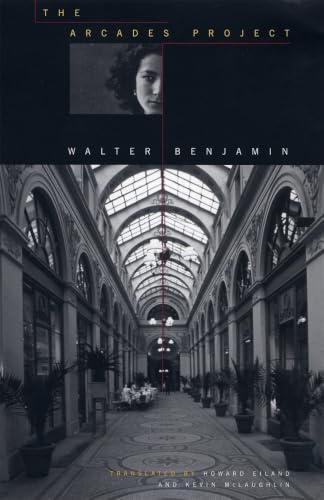
The Arcades Project is required reading in virtually every critical theory, cultural studies, and German Studies graduate program worldwide. Benjamin's concepts — the dialectical image, the flâneur, the wish-image, Jetztzeit — have become foundational vocabulary in the humanities. The book anchors syllabi in fields as disparate as architecture, urban studies, film theory, and literary criticism, making it one of the most cross-disciplinary canonical texts of the 20th century.
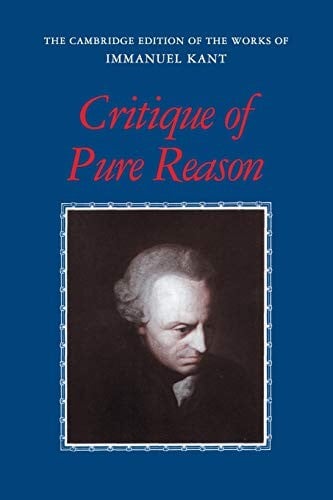
The Critique of Pure Reason is one of the most important works in the entire history of Western philosophy, universally recognized as a foundational text. It appears on virtually every list of essential philosophical works, is a required text in philosophy departments worldwide, and has been in continuous print and scholarly discussion since its publication in 1781. It is to modern philosophy what Newton's Principia is to physics—the work that redefined the field's fundamental questions and methods.
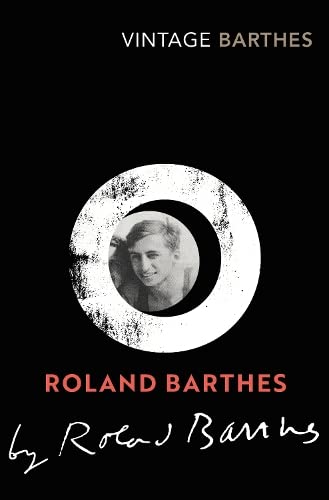
Considered one of the landmark texts of poststructuralism and a foundational work in autobiography theory. Barthes by Barthes is universally included in advanced literary theory curricula and sits alongside S/Z and Camera Lucida as his most studied works.
Being and Time is required reading in virtually every philosophy curriculum worldwide and stands as one of the most taught works in continental philosophy. It appears on syllabi for philosophy, phenomenology, existentialism, cultural theory, and theology, and has been translated into dozens of languages. Few 20th-century philosophical texts achieve this breadth of curricular presence.
The Summa Theologica is required reading in virtually every Catholic seminary and philosophy of religion program globally, and is foundational in scholastic philosophy curricula. Pope Leo XIII's encyclical Aeterni Patris (1879) formally designated it the basis for Catholic philosophical and theological education worldwide. It is among the most cited texts in Western intellectual history.
No. 11 on this list. Writing and Difference · Jacques Derrida · 1967
Writing and Difference is one of the foundational texts of deconstruction and a standard assignment in graduate programs in philosophy, comparative literature, and critical theory worldwide. Along with Of Grammatology (published the same year, 1967), it established Derrida as a major philosophical voice. It appears on virtually every syllabus for continental philosophy and literary theory at the graduate level.
Very Difficult30 hours
Start this bookNo. 12 on this list. Of Grammatology · Jacques Derrida · 1967
Of Grammatology is one of the most assigned texts in philosophy, literary theory, and the humanities broadly. It appears on virtually every graduate-level syllabus in continental philosophy, critical theory, and comparative literature. It is the foundational text of deconstruction, a movement that reshaped humanities scholarship from the 1970s through the present. Any 'canon' of 20th-century philosophical works includes it without question.
Very Difficult30 hours
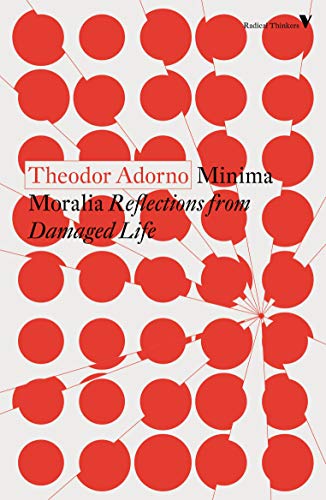
Start this bookNo. 13 on this list. Minima Moralia · Theodor W. Adorno · 1951
Theodor Adorno wrote Minima Moralia between 1944 and 1947, in exile from Nazi Germany, thinking in German while living in Los Angeles. The book's subtitle — Reflections from Damaged Life — is its argument: late capitalism has deformed the smallest gestures, down to the way people say goodbye, arrange furniture, or offer gifts. The 153 aphorisms each begin from some corner of daily experience and immediately turn it into evidence. Adorno watches a houseguest try to help with the dishes and ends up indicting the ideology of helpfulness itself. He watches American children at play and finds the administered society in the rules of their games. American roads, he notes, are inserted directly into landscape with no soft path at the edge — expressionless. Nothing survives without bearing the marks of what produced it. The prose enacts this method in its own syntax: sentences build through nested qualifications, invert themselves, then qualify the inversion. Reading must be slow or it produces nothing. There are no characters, no plot, no narrative — only argument conducted through observation, 153 times. The book ends on a line that has since become the most quoted sentence in German philosophy: there is no right life in the wrong one. Adorno's 300 pages are the case for that verdict, assembled from the evidence of ordinary afternoons.
Very Difficult14 hours
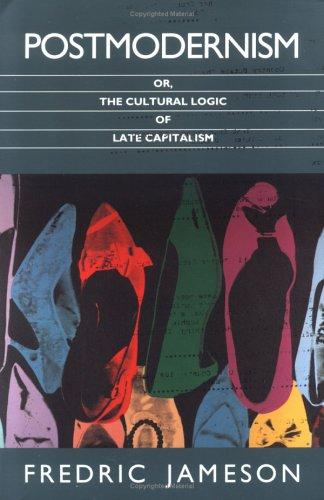
Start this bookNo. 14 on this list. Postmodernism, or, The Cultural Logic of Late Capitalism · Fredric Jameson · 1991
Postmodernism is required reading in virtually every cultural studies and literary theory graduate program in the English-speaking world. The 1984 New Left Review essay version from which the book grew is one of the most-assigned academic articles in humanities graduate education. The book has remained in continuous use since its 1991 publication and has been translated into dozens of languages.
Difficult27 hours
Start this bookNo. 15 on this list. This Sex Which Is Not One · Luce Irigaray · 1977
A foundational text of French feminist philosophy and literary theory. Essential in feminist theory and continental philosophy courses.
Difficult8.5 hours
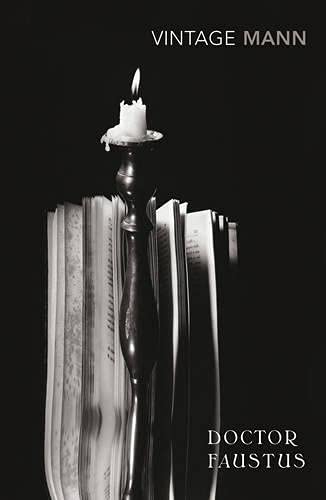
Start this bookNo. 16 on this list. Doctor Faustus · Thomas Mann · 1947
Routinely cited as Mann magnum opus and the great novel of German catastrophe. Taught as essential modernist text.
Difficult34 hours
Start this bookNo. 17 on this list. The Order of Things: An Archaeology of the Human Sciences · Michel Foucault · 1966
Listed on Le Monde's 100 Books of the Century (winner status), included in the Open Syllabus Top 500 for Literature, and published by NYRB Classics. The Order of Things is a staple of philosophy, social science, and humanities syllabi worldwide. It became a bestseller in France upon publication in 1966 — an extraordinary feat for a work of epistemological archaeology.
Difficult24 hours
Start this bookNo. 18 on this list. Zhuangzi · Zhuangzi · c. 300 BCE
One of the two foundational Daoist texts, taught in world philosophy, Chinese literature and religious studies courses everywhere, in multiple competing English editions.
Difficult17 hours
Start this bookNo. 19 on this list. Blindness and Insight · Paul de Man · 1971
Paul de Man opens with a paradox and never lets go: critics see most clearly precisely where they are most blind. Reading Lukács on Hegel, Poulet on space and time, Blanchot on Mallarmé, J. Hillis Miller on Victorian fiction — de Man shows in each case that the critic's most productive insight emerges from a structural exclusion, an error they could not correct without losing the insight entirely. The argument unfolds not through announcement but through demonstration: twelve essays, each a close reading of a critic's methodology, each quietly building the same recursive case. The centerpiece is 'The Rhetoric of Temporality,' which dismantles Romanticism's preference for the symbol over allegory, showing that the symbol's claim to organic unity is ideological mystification — that allegory, with its frank acknowledgment of the gap between sign and meaning, tells the truth the symbol suppresses. De Man writes with surgical economy: no wasted sentences, no hedging, no appeals to feeling. The prose assumes you have read Heidegger, Hegel, Husserl, and Rousseau; it will not slow down to remind you what they said. The book does not tell you what literature means. It asks what it means to read — and leaves you unsure you have ever known.
Difficult18 hours
Start this bookNo. 20 on this list. Time and Narrative · Paul Ricoeur · 1984
Widely taught in continental philosophy doctoral programs, literary theory and hermeneutics courses, and philosophy of history curricula worldwide. Appears regularly on graduate reading lists at major humanities programs in Chicago, Paris, Frankfurt, and elsewhere. Within hermeneutics and narrative theory specifically, it is required reading, though less broadly known at undergraduate level than Foucault or Derrida.
Difficult11 hours
Start this book
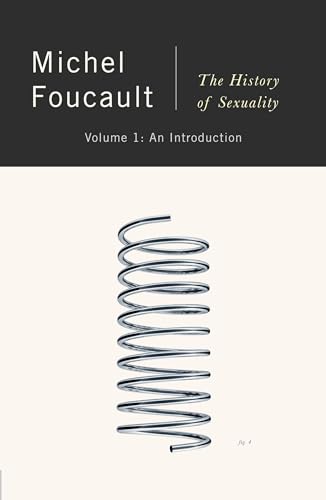
No. 21 on this list. The History of Sexuality, Volume 1: An Introduction · Michel Foucault · 1976
Required reading in virtually every university gender studies, cultural theory, sociology, and philosophy program in the Western world. No database syllabus data was retrieved, but this text is among the most universally assigned in humanities education globally, appearing on curricula alongside Derrida and Althusser as a foundational poststructuralist text. It is considered indispensable entry-level reading for anyone studying sexuality, power, or discourse.
Difficult7 hours
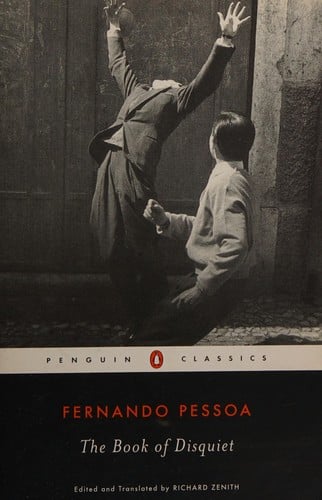
Start this bookNo. 22 on this list. The Book of Disquiet · Fernando Pessoa
Included in: Bokklubben World Library
The Book of Disquiet appears regularly on comparative literature and world literature syllabi and figures on most major 'greatest books of the 20th century' lists (Le Monde, Time, Modern Library). The Richard Zenith translation brought it to global attention and Wikipedia articles exist in 40+ languages, indicating wide international recognition. Not as universally taught as Crime and Punishment due to its difficulty and Portuguese-language origin, but firmly established in the major canon.
Difficult24 hours
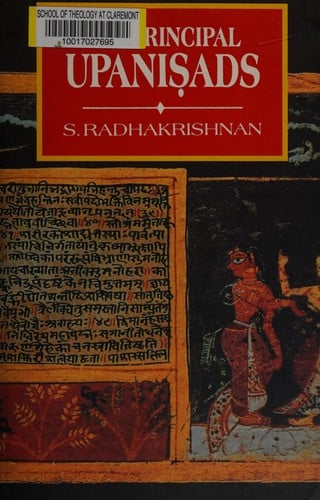
Start this bookNo. 23 on this list. The Principal Upanishads · Anonymous (Vedic Tradition)
The foundation of Vedanta and of all later Indian philosophy, required reading in religious studies and philosophy programmes worldwide.
Difficult13 hours
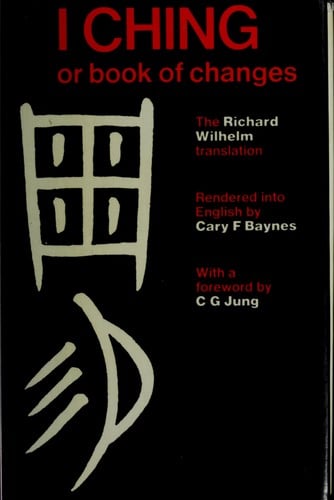
Start this bookNo. 24 on this list. I Ching: The Book of Changes · Anonymous (Chinese Classical)
The first of the Five Classics and the oldest book in the Chinese canon, standard in Chinese philosophy syllabuses and permanently in print in Princeton's Wilhelm-Baynes edition.
Difficult13 hours
Start this bookNo. 25 on this list. The Origin of German Tragic Drama · Walter Benjamin · 1928
Benjamin's study of the German baroque Trauerspiel, withdrawn as a Habilitation thesis at Frankfurt, is now a standard text in courses on critical theory, German studies and allegory. Its 'Epistemo-Critical Prologue' is taught on its own in theory seminars.
Difficult12 hours
Start this bookNo. 26 on this list. Natyashastra · Bharata Muni · c. 200 BCE
The foundational text of Indian aesthetics. Essential in South Asian literary and performance studies, increasingly taught in comparative literature globally.
Difficult20 hours
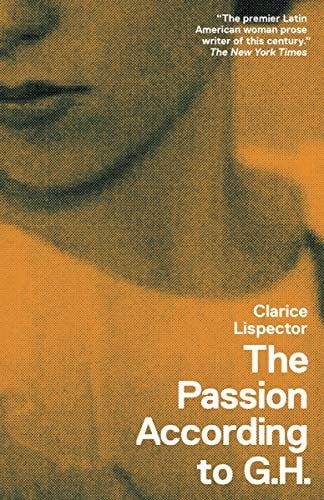
Start this bookNo. 27 on this list. The Passion According to G.H. · Clarice Lispector · 1964
Taught in schools: FUVEST leituras obrigatórias (USP vestibular) (Brazil)
No syllabus appearances or Wikipedia data were found in the database, but Lispector's standing in world literature is considerable. The Passion According to G.H. is widely cited as her masterwork and appears regularly in academic world literature, Latin American literature, and feminist theory syllabi internationally. It appears on Penguin Classics lists and several 'best novels ever' lists. Its canonical standing is higher in literary/academic circuits than in general readership, comparable to Beckett's The Unnamable — revered by specialists, unknown to general audiences.
Difficult6.5 hours
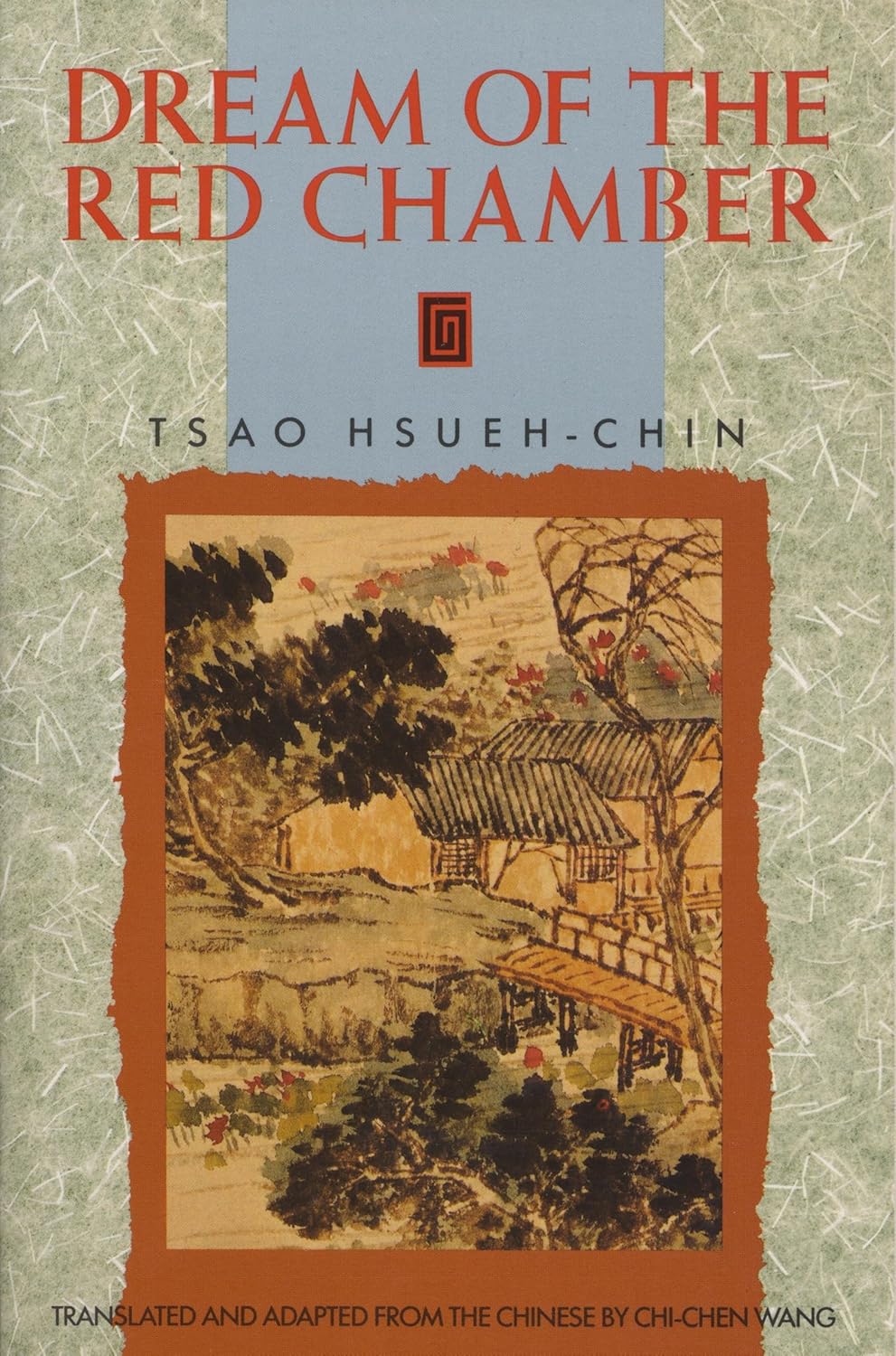
Start this bookNo. 28 on this list. Dream of the Red Chamber · Cao Xueqin · 1791
Included in: UNESCO Collection of Representative Works
Cao Xueqin chronicled the decline of an aristocratic Chinese clan through the consciousness of over four hundred distinct characters, weaving Buddhist philosophy, classical poetry, and granular domestic life into a novel of a scope that European fiction would not attempt for another century. It remains the central work of Chinese narrative art.
Difficult97 hours
Read nowNo. 29 on this list. Gender Trouble: Feminism and the Subversion of Identity · Judith Butler · 1990
Gender Trouble is taught on virtually every gender studies, feminist theory, and queer theory syllabus globally, appearing widely in sociology, philosophy, cultural studies, and political science courses. Butler's text has been described by scholars as one of the most influential academic books of the 20th century and is as close to canonical as any work in the humanities published after 1980. Its position on university reading lists across North America, Europe, and beyond is unambiguous — a status granted to very few academic monographs.
Difficult9.7 hours
Start this bookNo. 30 on this list. Being and Nothingness · Jean-Paul Sartre · 1943
Being and Nothingness appears on 1,351 university syllabi according to Open Syllabus data (78th percentile), placing it firmly among the most-taught philosophical texts in higher education. It is listed among Le Monde's 100 Books of the Century (1999) and the Open Syllabus Top 500 in Literature. Its Wikipedia article in 37 languages confirms broad international academic reach.
Difficult49 hours
Start this book

No. 31 on this list. New Science
Giambattista Vico · 1725
No. 32 on this list. Poetics of Relation
Édouard Glissant · 1990
No. 33 on this list. Selections from the Prison Notebooks
Antonio Gramsci · 1948
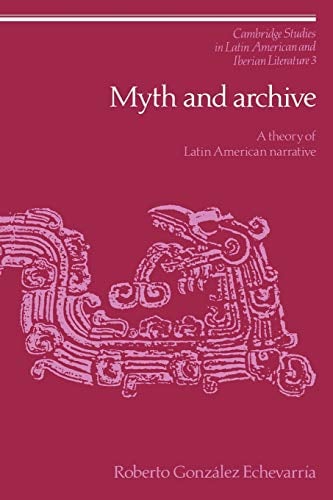
No. 34 on this list. Myth and Archive: A Theory of Latin American Narrative
Roberto González Echevarría · 1990
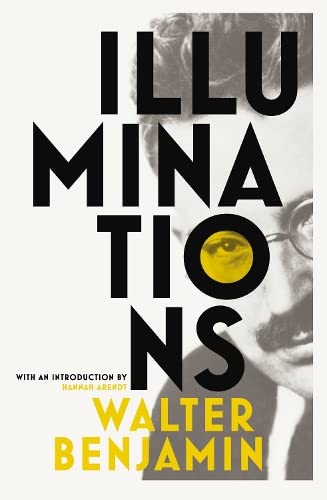
No. 35 on this list. Illuminations
Walter Benjamin · 1955
No. 36 on this list. Critique of Judgment
Immanuel Kant · 1790
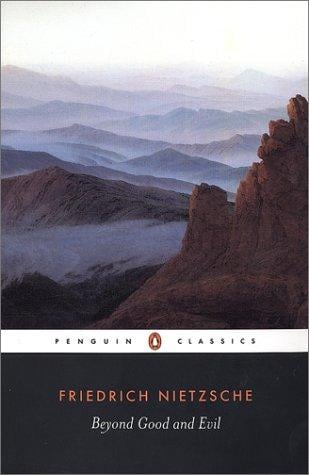
No. 37 on this list. Beyond Good and Evil
Friedrich Nietzsche · 1886
No. 38 on this list. Gravity and Grace
Simone Weil · 1947
No. 39 on this list. The Human Condition
Hannah Arendt · 1958
No. 40 on this list. The Location of Culture
Homi K. Bhabha · 1994
No. 41 on this list. Gödel, Escher, Bach: An Eternal Golden Braid
Douglas R. Hofstadter · 1979
No. 42 on this list. The Gay Science
Friedrich Nietzsche · 1882
No. 43 on this list. The Society of the Spectacle
Guy Debord · 1967
No. 44 on this list. One-Dimensional Man
Herbert Marcuse · 1964
No. 45 on this list. Madness and Civilization: A History of Insanity in the Age of Reason
Michel Foucault · 1961
No. 46 on this list. Undoing Gender
Judith Butler · 2004
No. 47 on this list. The Theory of the Novel
Georg Lukács · 1916
No. 48 on this list. Early Greek Philosophy
Jonathan Barnes · 1979
No. 49 on this list. Biographia Literaria
Samuel Taylor Coleridge · 1817
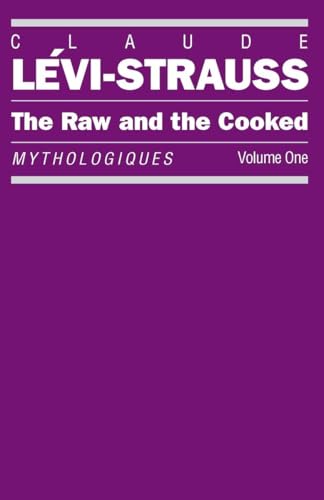
No. 50 on this list. The Savage Mind
Claude Lévi-Strauss · 1962
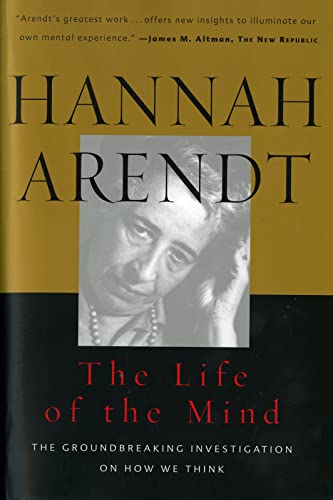
No. 51 on this list. The Life of the Mind
Hannah Arendt · 1978
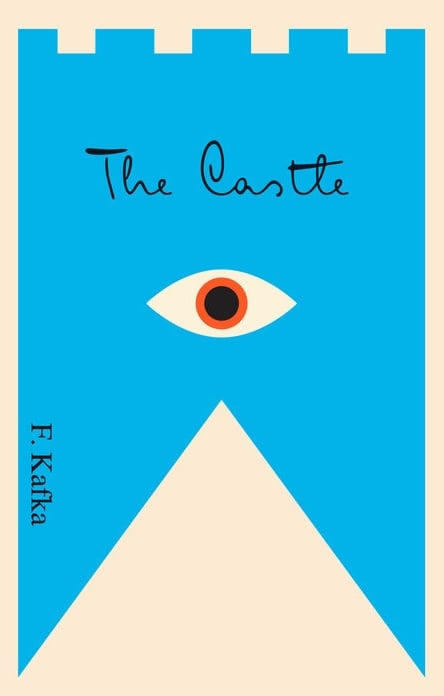
No. 52 on this list. The Castle
Franz Kafka · 1926
Included in: Bokklubben World Library
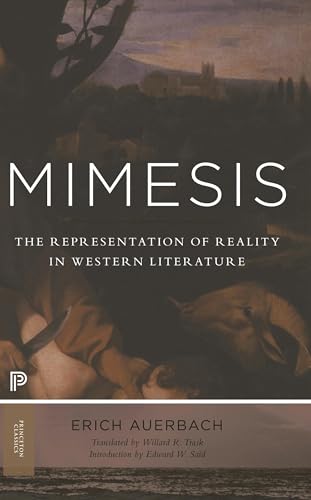
No. 53 on this list. Mimesis
Erich Auerbach · 1946
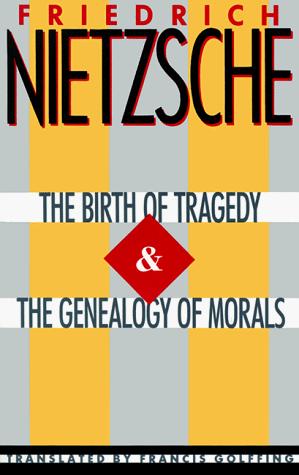
No. 54 on this list. The Birth of Tragedy
Friedrich Nietzsche · 1872
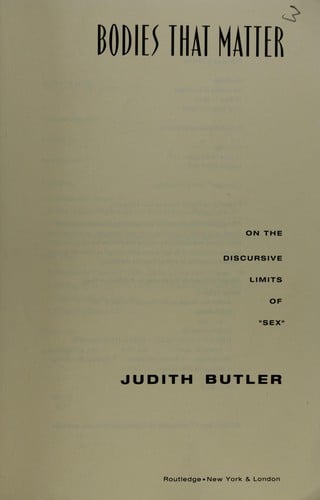
No. 55 on this list. Bodies That Matter
Judith Butler · 1993
No. 56 on this list. Marxism and Literature
Raymond Williams · 1977
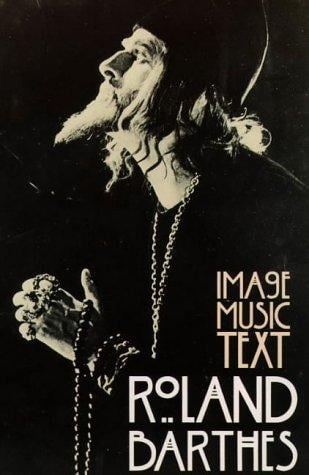
No. 57 on this list. Image-Music-Text
Roland Barthes · 1977
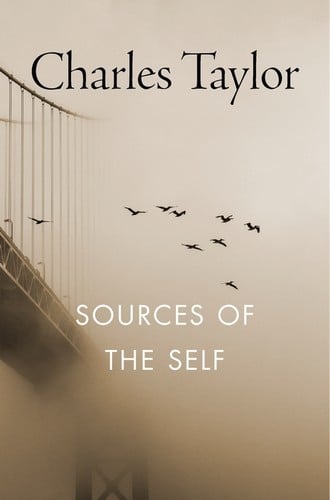
No. 58 on this list. Sources of the Self: The Making of the Modern Identity
Charles Taylor · 1989
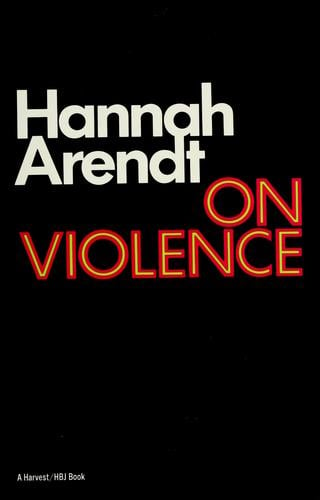
No. 59 on this list. On Violence
Hannah Arendt · 1969
No. 60 on this list. De Vulgari Eloquentia
Dante Alighieri · 1304
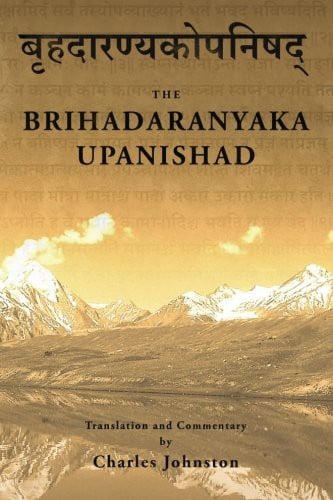
No. 61 on this list. Brihadaranyaka Upanishad
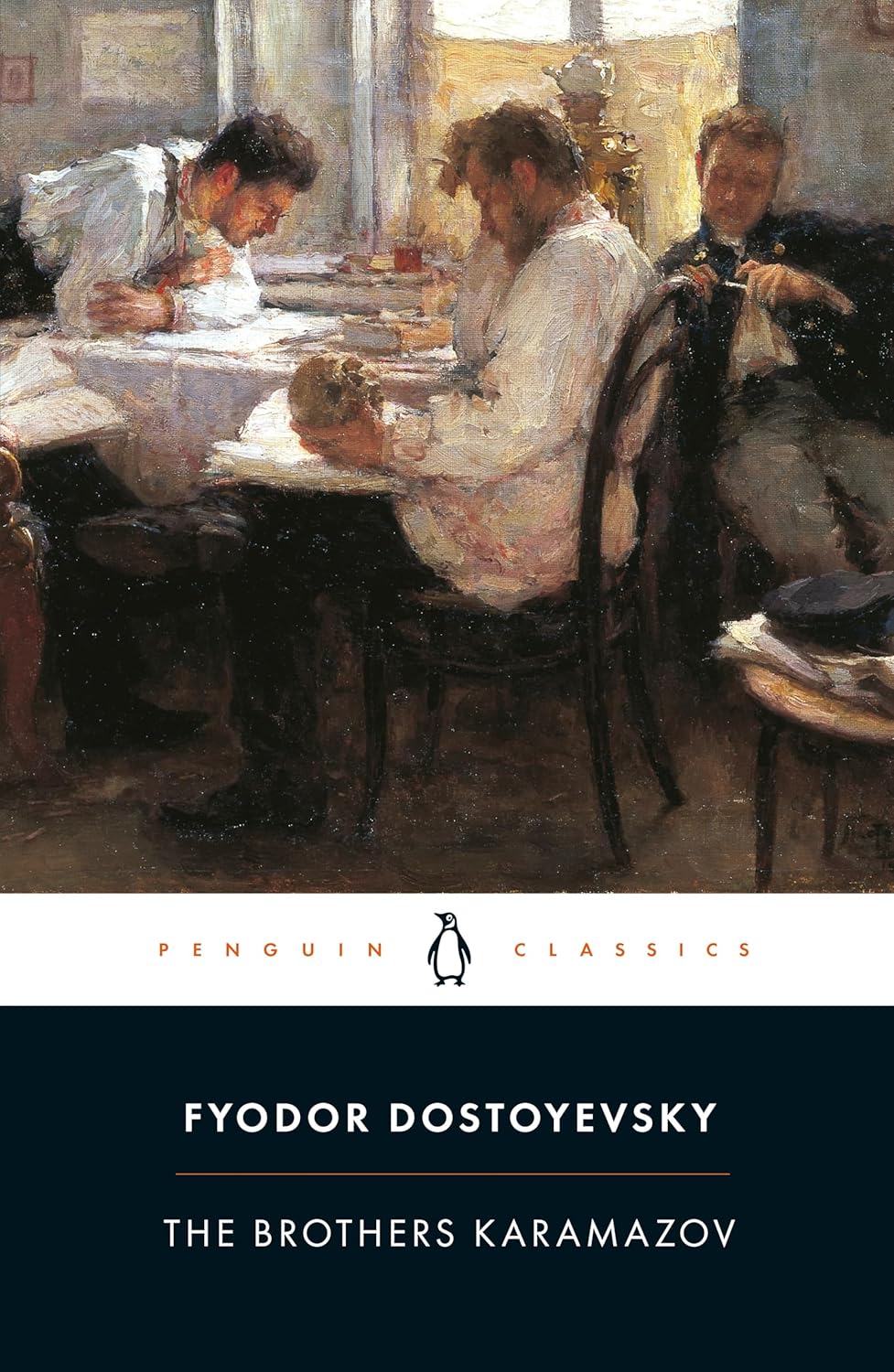
No. 62 on this list. The Brothers Karamazov
Fyodor Dostoevsky · 1880
Included in: Bokklubben World Library, Great Books of the Western World
No. 63 on this list. Utopia
Thomas More · 1516
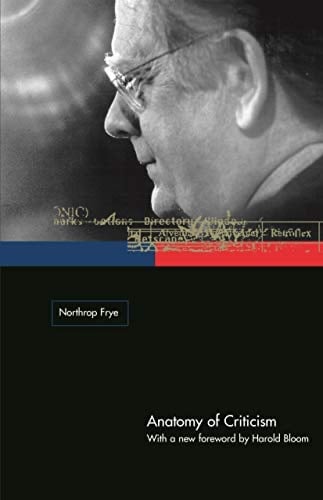
No. 64 on this list. Anatomy of Criticism: Four Essays
Northrop Frye · 1957
No. 65 on this list. Writing Degree Zero
Roland Barthes · 1953
No. 66 on this list. Gulliver's Travels
Jonathan Swift · 1726
Taught in schools: CSEC English B – Caribbean Examinations Council, Hungarian literature curriculum (magyar nyelv és irodalom) (Hungary)
Included in: Bokklubben World Library, Great Books of the Western World
No. 67 on this list. Either/Or
Søren Kierkegaard · 1843
No. 68 on this list. The Rebel: An Essay on Man in Revolt
Albert Camus · 1951
No. 69 on this list. City of God
Augustine of Hippo · 426
Included in: Great Books of the Western World
No. 70 on this list. The Idea of the Holy
Rudolf Otto · 1917
No. 71 on this list. The Interior Castle
Teresa of Ávila · 1588
No. 72 on this list. Waiting for God
Simone Weil · 1950
No. 73 on this list. Republic
Plato · c. 375 BCE
Taught in schools: Lektury obowiązkowe – Polish national reading list (Poland), Turkish edebiyat curriculum (Turkey)
Included in: Great Books of the Western World
No. 74 on this list. The Souls of Black Folk
W. E. B. Du Bois · 1903
No. 75 on this list. Philosophical Investigations
Ludwig Wittgenstein · 1953
About this list
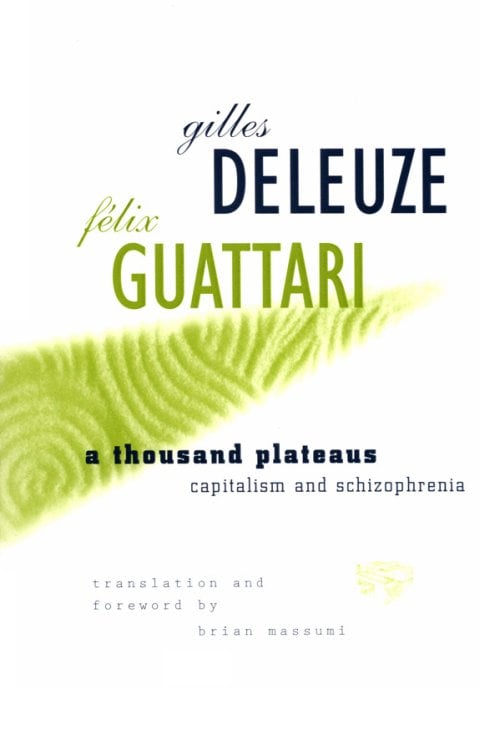
These 75 books are the hardest-scoring eligible philosophy books currently in the catalogue. Hardest first, the list opens with Écrits, A Thousand Plateaus and Aesthetic Theory. About 1,494 hours of reading in all. Difficulty runs from 71 to 82 out of 100 for the middle half of the list; the summit is Écrits at 94.
This list is ranked by difficulty score, hardest first, with a consistent order for equal scores. Membership follows authors and co-authors, not translators or editors. Catalogue coverage and the historical canon both limit what this list can represent, and genre labels are the catalogue’s own, gathered into broader kinds.
When we matched the Canons dataset to our catalogue in October 2026, our canonical-status scores rose with the number of school curricula, publisher series and lists in it that cite a work: the median score was 72 for books one such source cites, 84 at two, 88 at three, 92 at four and 93 at five or more. Prizes are left out of that count. Outside the state curricula, the dataset’s sources choose mostly from what has been translated into English or French, so it is a weaker check on other literatures. Source: Canons (Andrew Piper), CC BY 4.0
Questions people actually ask
- What are the hardest philosophy books to read?
- Ranked hardest first by difficulty score, Écrits, A Thousand Plateaus, Aesthetic Theory, Anti-Oedipus and Dialectic of Enlightenment lead. ReadingRate ranks 75 such books, each with a difficulty score and a reading-time estimate.
- How hard are philosophy books to read?
- Most of this list sits between 71 and 82 on ReadingRate's 100-point difficulty scale, where 40 to 55 is moderate. The summit is Écrits at 94. Every entry carries its own score, so a reader can pick a great book at a difficulty they will finish.
- How is this list ranked?
- Nine dimensions, from vocabulary and sentence structure to symbolic density and how much an ending withholds, each scored out of 100 and combined. It measures the text, not the reader, and it leans on meaning: The New York Trilogy scores 87 for how much it withholds, though its sentences are plainer than anything else in the top twenty. Each book's page shows which kind of hard it is.