Hours at an average pace
Showing 54 books
About 548 hours for 54 of 54 books with measured lengths. Estimates use 250 words a minute, adjusted for each book's difficulty. At 2 hours a day, about 274 days for those books.
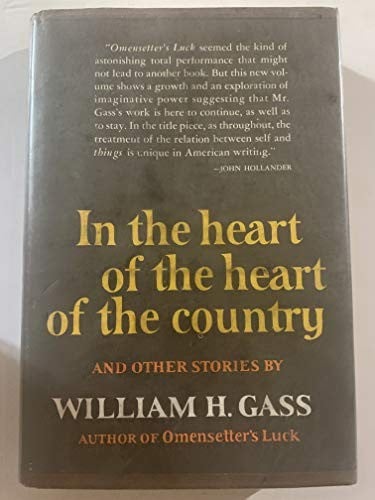
No. 1 on this list. In the Heart of the Heart of the Country
William Gass · 1968
Very Difficult13 hours
In the Heart of the Heart of the Country was first published in 1968 and immediately positioned Gass — alongside Barth, Pynchon, and Coover — as a founding figure of American postmodern fiction. The NYRB Classics reprint with an introduction by Joanna Scott confirms its place in the American literary canon. It is taught in graduate programs in literary fiction and cited in essays on American experimental prose. Its canonical position is more secure in academic contexts than in general readership, placing it below Invisible Man or Blood Meridian but above most of its experimental contemporaries.
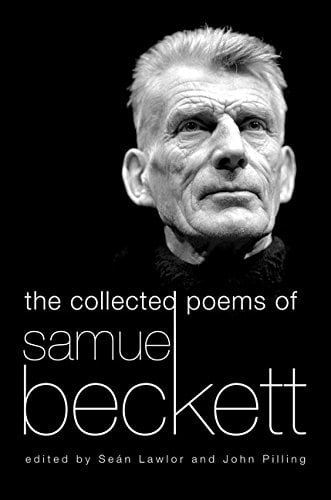
How It Is appears on advanced modernism and postmodernism syllabi but rarely in broad undergraduate curricula — it is a specialist's Beckett text rather than the entry point (Waiting for Godot or Endgame fill that role). Wikipedia records the work in 6 languages with a 7,787-character article, indicating solid scholarly documentation but not wide popular reach. Among Beckett scholars it is considered essential; among general readers it is largely unknown.
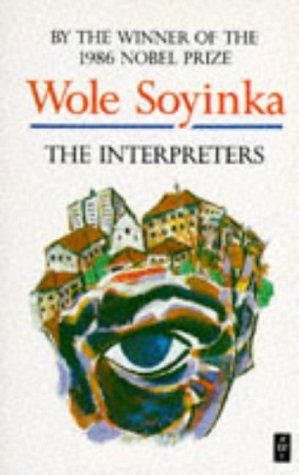
No. 3 on this list. The Interpreters
Wole Soyinka · 1965
Difficult14 hours
Included in: Heinemann African Writers Series
Widely taught across African literature curricula and regarded as the foundational novel of postcolonial Anglophone African fiction. Soyinka's Nobel Prize (1986) retroactively elevated its status; it appears on virtually every serious African literature syllabus worldwide.
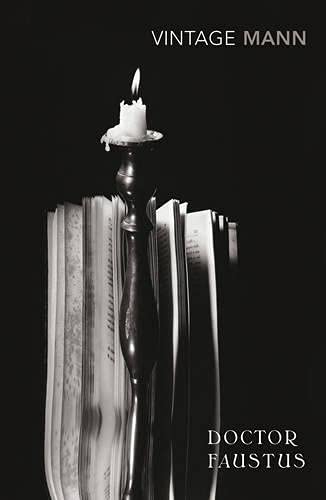
Routinely cited as Mann magnum opus and the great novel of German catastrophe. Taught as essential modernist text.
Marks of Identity is the opening volume of Goytisolo's Mendiola Trilogy, widely recognized as the most important work of experimental Spanish fiction produced under Francoism. It holds a secure position in world literature syllabi as a landmark text of anti-Francoist dissent written in a formal language learned from Faulkner, Sartre, and the nouveau roman.
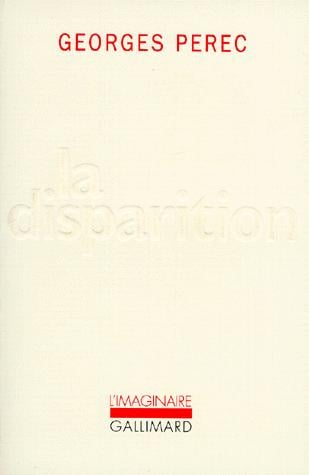
A canonical experimental novel and the centrepiece of OuLiPo's legacy in world literature. Widely anthologised in discussions of formal constraint in writing. Perec's reputation — anchored also by Life A User's Manual — ensures its place in any serious survey of twentieth-century European fiction.
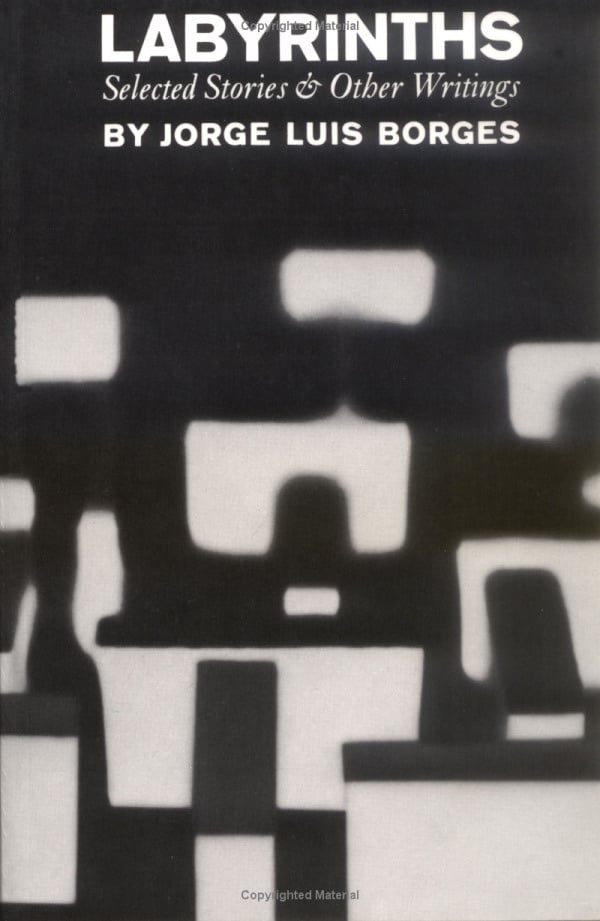
Labyrinths is the standard English-language anthology through which Borges enters world literature curricula, taught in virtually every major comparative literature, Latin American literature, and 20th-century fiction course at universities worldwide. Published by New Directions in 1962, it established the benchmark for how Borges is read in translation and has remained continuously in print for over six decades as an essential classroom and critical text.
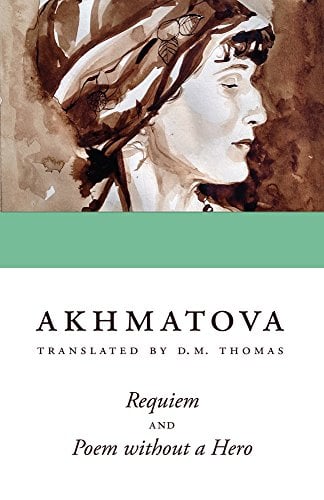
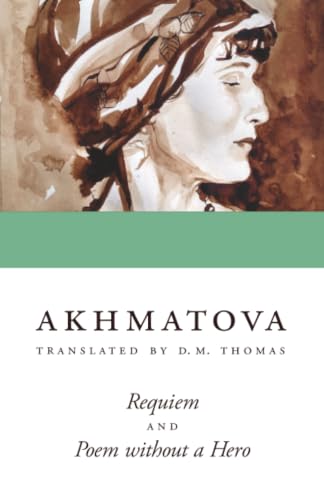
Requiem and Poem Without a Hero are canonical texts of 20th-century Russian literature and essential documents of Stalinist-era witness poetry — required reading in Russian literature courses worldwide. No database records appear for this English translation's syllabus presence, but the works are universally taught in courses on Soviet literature, women's writing, and poetry of witness. The Wikipedia absence in this database likely reflects a data gap rather than actual obscurity: Akhmatova's works are foundational to Russian studies curricula.
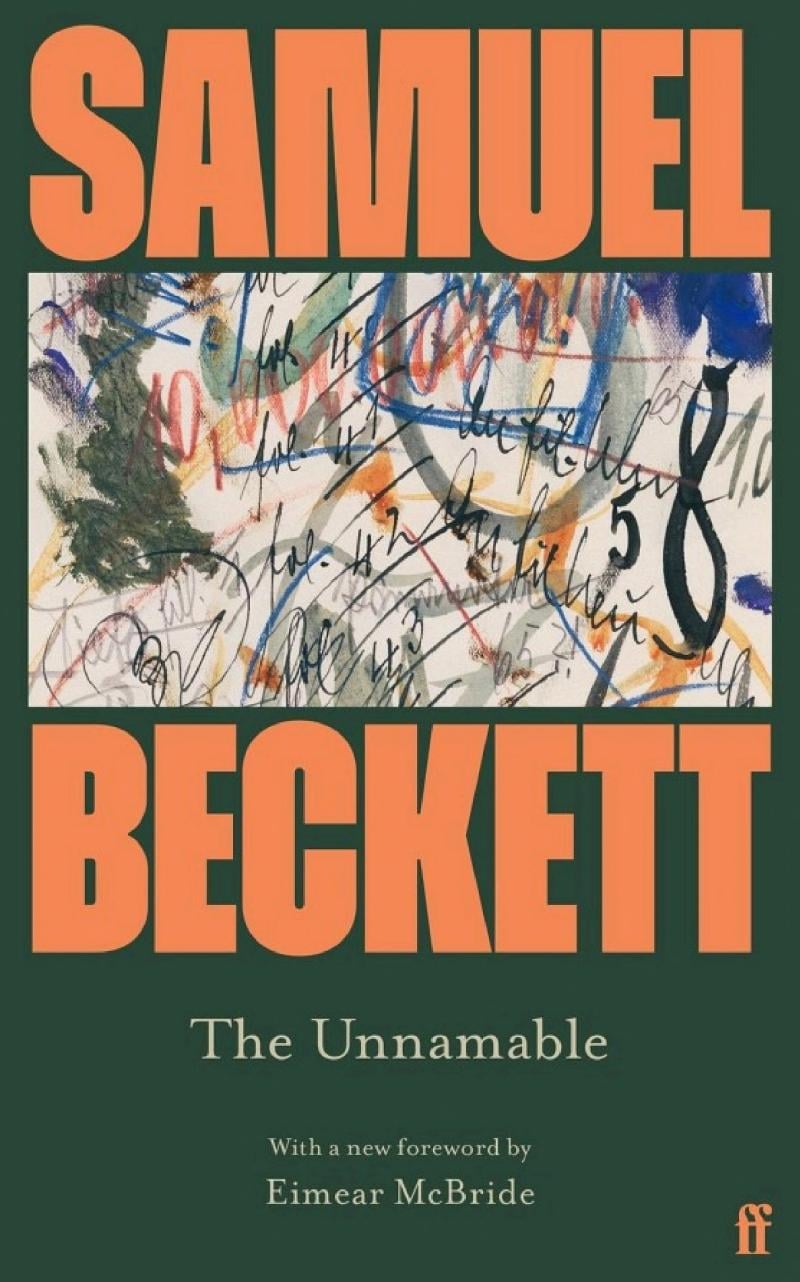
No. 9 on this list. The Unnamable
Samuel Beckett · 1953
Difficult27 hours
Included in: Bokklubben World Library
The Unnamable is taught in advanced modernism, postmodernism, and philosophy-of-language courses at universities worldwide, though less universally than Waiting for Godot. It anchors the Beckett Trilogy, which is among the canonical texts of twentieth-century literature in English and French. The Wikipedia and syllabus data signals appear underreported for this work.
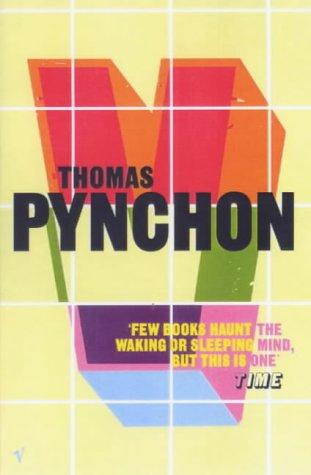
V. appears on hundreds of university syllabi in American literature, postmodernism, and world fiction courses, and is consistently ranked among the essential American novels of the twentieth century by critics and scholars. It appears on the Modern Library 100 Best Novels list and Time magazine's All-TIME 100 Novels. Less universally assigned than Pynchon's Gravity's Rainbow in terms of academic prestige, but the more frequently taught first novel in postmodern American fiction sequences.
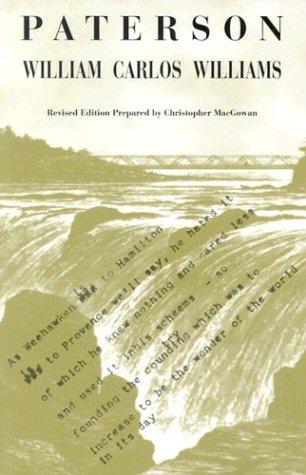
No. 11 on this list. Paterson · William Carlos Williams · 1963
Paterson is anthologized in every major American poetry collection (Norton, Heath, Library of America) and taught in American modernism, long poem, and 20th-century poetry courses at virtually every research university. It is one of the defining long poems of the American century, alongside The Waste Land, The Cantos, and Four Quartets. While less widely taught than Shakespeare or Fitzgerald, it occupies a canonical position in American literary studies comparable to Beloved (85).
Difficult10 hours
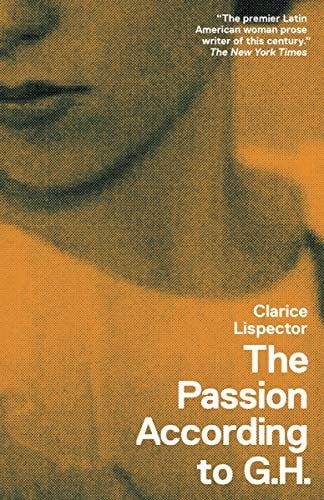
Start this bookNo. 12 on this list. The Passion According to G.H. · Clarice Lispector · 1964
Taught in schools: FUVEST leituras obrigatórias (USP vestibular) (Brazil)
No syllabus appearances or Wikipedia data were found in the database, but Lispector's standing in world literature is considerable. The Passion According to G.H. is widely cited as her masterwork and appears regularly in academic world literature, Latin American literature, and feminist theory syllabi internationally. It appears on Penguin Classics lists and several 'best novels ever' lists. Its canonical standing is higher in literary/academic circuits than in general readership, comparable to Beckett's The Unnamable — revered by specialists, unknown to general audiences.
Difficult6.5 hours
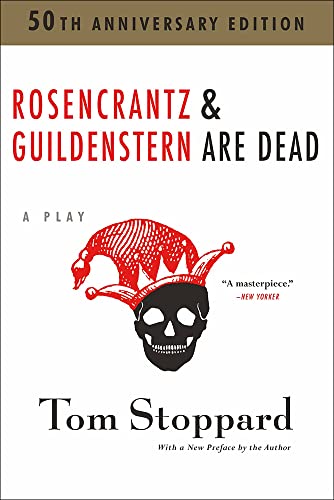
Start this bookNo. 13 on this list. Rosencrantz and Guildenstern Are Dead · Tom Stoppard · 1966
Rosencrantz and Guildenstern Are Dead is a fixture of university theater and English literature curricula, appearing consistently on drama syllabi across English-speaking universities. It is widely taught alongside Waiting for Godot as a key postmodern, absurdist text. Its Wikipedia article exists in dozens of languages and includes dedicated reception and adaptations sections, and a 1990 film adaptation by Stoppard himself extended its cultural reach.
Difficult3 hours
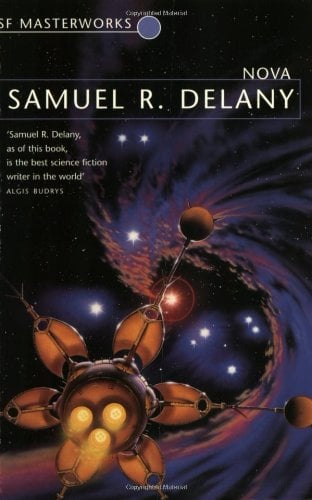
Start this bookNo. 14 on this list. Nova · Samuel R. Delany · 1968
Nova holds a firm place in the SF literary canon, included in the SF Masterworks series and cited as a defining text of the New Wave movement. Its standing is strong within genre criticism but has not fully crossed into mainstream literary canonization.
Difficult9.9 hours
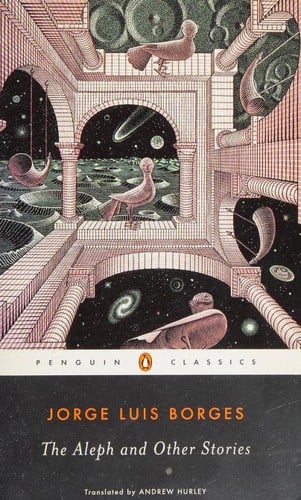
Start this bookNo. 15 on this list. The Aleph · Jorge Luis Borges · 1949
Taught in schools: Literatura, Diseño Curricular – Provincia de Buenos Aires (Argentina), UNAM Escuela Nacional Preparatoria – programas de Literatura (Mexico)
Borges and his short fiction appear on university syllabi worldwide — in world literature, Latin American literature, postmodernism, and comparative literature courses. 'The Aleph,' 'The Circular Ruins,' and 'Death and the Compass' are among the most frequently anthologized stories in the Western canon. Though no formal syllabus count is available in the database, Borges is standard reading at virtually every English-language university.
Difficult7.8 hours
Start this bookNo. 16 on this list. Pale Fire · Vladimir Nabokov · 1962
Nabokov disguised a novel as a 999-line poem with a lunatic's commentary, and the gap between what the commentator thinks he is explaining and what the reader discovers he is revealing became the most elaborate unreliable-narrator trap in fiction. The book is simultaneously a parody of academic scholarship, a detective story, and a meditation on exile — and no two readers have ever agreed on which layer is the real one.
Difficult9.1 hours
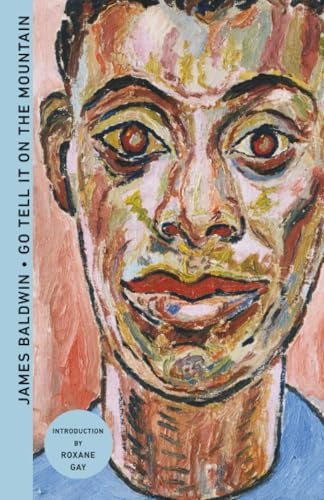
Start this bookNo. 17 on this list. Go Tell It on the Mountain · James Baldwin · 1953
Listed on both the Modern Library 100 Best Novels (1998) and TIME All-TIME 100 Novels (2005), and appears on 414 university syllabi (65th percentile by Open Syllabus data). Baldwin's debut is a fixture in American literature and African-American literature courses.
Difficult10 hours
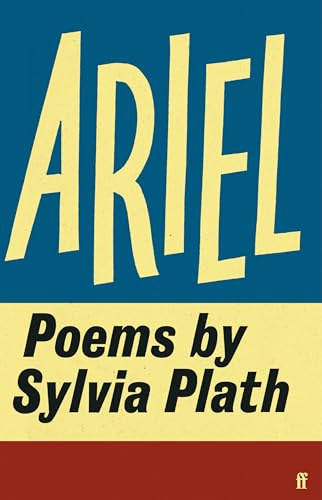
Start this bookNo. 18 on this list. Ariel · Sylvia Plath · 1965
Taught in schools: AQA GCSE and A-level English Literature (UK)
Ariel is standard reading across American and British university literature and women's studies curricula, appearing on thousands of syllabi. The collection is included on virtually every 'essential 20th century poetry' list and occupies a permanent position in the confessional poetry canon. Its Wikipedia article exists in over 30 languages, and it has been continuously in print since its 1965 publication.
Difficult2.4 hours
Start this bookNo. 19 on this list. The Hive · Camilo José Cela · 1951
Taught in schools: Literatura, Diseño Curricular – Provincia de Buenos Aires (Argentina)
The Hive is a cornerstone of 20th-century Spanish literature, taught in Spanish and comparative literature programs across Spain and Latin America. Its reach outside Spanish-language academia is narrower than global canonical works — it lacks the massive syllabus presence of authors like García Márquez — but within its tradition it is considered essential reading. The Wikipedia article has an adaptations section, indicating some cultural footprint beyond the page.
Difficult11 hours
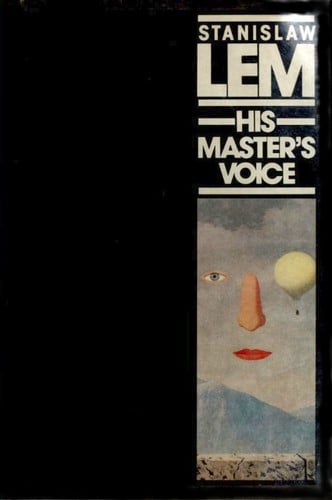
Start this bookNo. 20 on this list. His Master's Voice · Stanisław Lem · 1968
His Master's Voice holds a firm canonical position within science fiction studies and Eastern European literature curricula, though it remains outside the mainstream Western literary canon. No syllabus data appears in the database, but the novel is consistently cited in SF critical histories as one of Lem's three or four most important works alongside Solaris and The Cyberiad. It appears in translations across at least 20 languages and features on 'essential SF' lists compiled by critics, not algorithms.
Difficult9.3 hours
Start this book
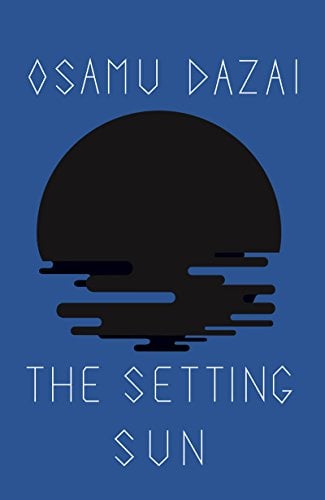
No. 21 on this list. The Setting Sun · Osamu Dazai · 1947
A cornerstone of postwar Japanese literature, widely taught in Japanese and world literature courses internationally. The word 'shayozoku' ('people of the setting sun') entered the Japanese language from this novel's publication in 1947, marking its immediate cultural impact. Donald Keene's 1956 English translation established it as essential reading in Western Japanese literature curricula.
Difficult4.7 hours
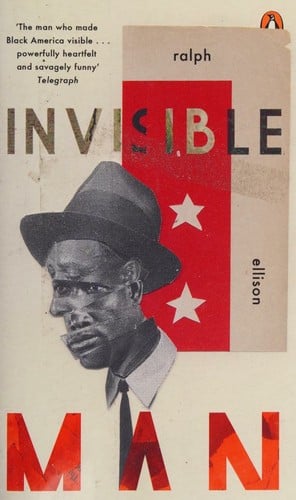
Start this bookNo. 22 on this list. Invisible Man · Ralph Ellison · 1953
Included in: Bokklubben World Library
Appears on 2,200 university syllabi (83rd percentile among all tracked works), making it one of the most-taught American novels in higher education. Included on the Modern Library 100 Best Novels, TIME's All-TIME 100 Novels, and 1001 Books You Must Read Before You Die. Its Wikipedia article spans 17 languages, reflecting steady global reach.
Difficult22 hours
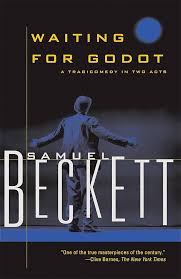
Start this bookNo. 23 on this list. Waiting for Godot · Samuel Beckett · 1953
Included in: Great Books of the Western World
Waiting for Godot appears on virtually every comparative literature, modern drama, and theater studies syllabus worldwide, and is listed in Open Syllabus's Top 500 Literature titles. The Wikipedia article exists in 68 languages, and the play has been continuously performed since its 1953 Paris premiere. Le Monde named it among the 100 Books of the Century. It is as canonical as any play written after Shakespeare.
Difficult2.4 hours
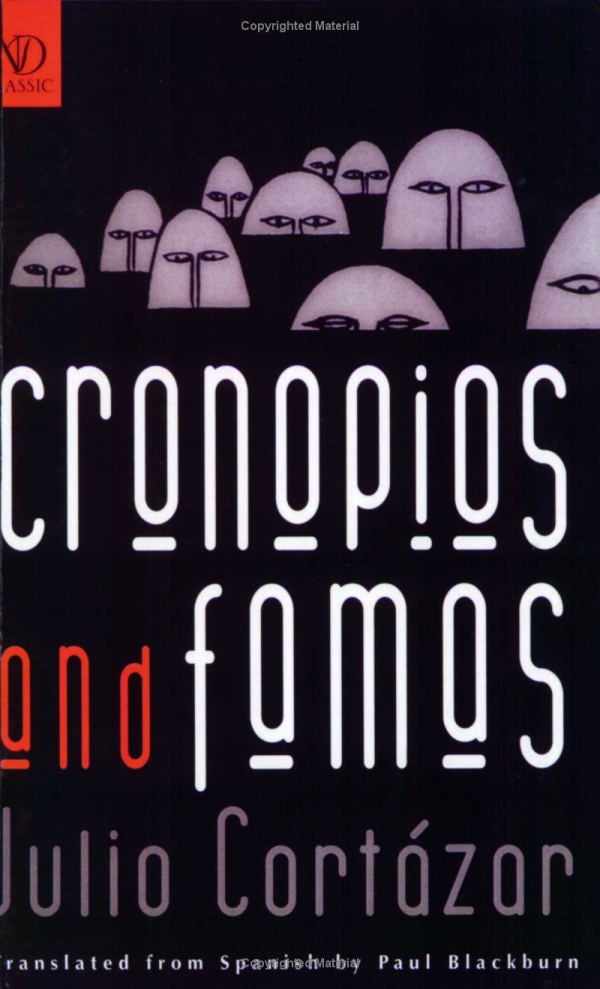
Start this bookNo. 24 on this list. Cronopios and Famas · Julio Cortázar · 1962
Taught in schools: Literatura, Diseño Curricular – Provincia de Buenos Aires (Argentina), UNAM Escuela Nacional Preparatoria – programas de Literatura (Mexico)
Julio Cortázar divides humanity into three species. The Famas are prudent, meticulous, and thorough — when traveling, one fama inspects the hotel, one files a report with the police, one copies the list of emergency doctors. The Cronopios are wet, green, disordered, and joyful — they find all hotels full, miss every train, and dream that huge parties are being given in the city to which they are invited. The Esperanzas wait for things to come to them. In sixty-odd miniatures, Cortázar demonstrates what happens when these types collide: a cronopio appointed Director General of Radio Diffusion immediately translates all broadcasts into Romanian; a fama who wants wood chops down a eucalyptus tree without noticing it screams. Before the creature taxonomy begins, an 'Instruction Manual' opens the book with deadpan procedural guides — how to cry, how to sing, how to be afraid — that use the earnest register of a technical manual to make observations about alienation and habit. 'Instructions on How to Climb a Staircase' explains in meticulous detail how to lift one foot, then the other, as if this has never been done before. The writing is compact and funny and strange, each piece its own sealed logic, ending on the precisely wrong note. Cortázar invented a form here that nobody else has quite replicated: philosophical comedy delivered in the voice of a very serious bureaucrat who has gone slightly mad.
Difficult3.1 hours
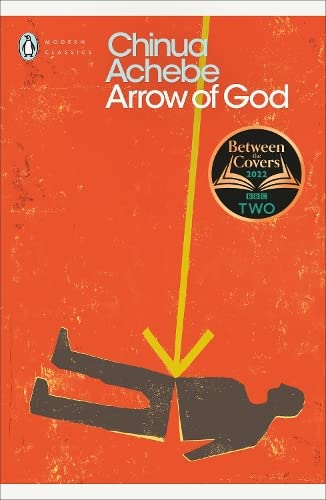
Start this bookNo. 25 on this list. Arrow of God · Chinua Achebe · 1964
Taught in schools: CSEC English B – Caribbean Examinations Council
Included in: Heinemann African Writers Series
Arrow of God appears regularly on postcolonial literature, African studies, and world literature syllabi at universities across Europe, North America, and Africa. It is less universally assigned than Things Fall Apart but holds a firm place in courses devoted to African fiction and the novel of colonial encounter. No database records were retrieved, but its continued presence in academic reading lists reflects a strong if not dominant canonical position.
Difficult10 hours
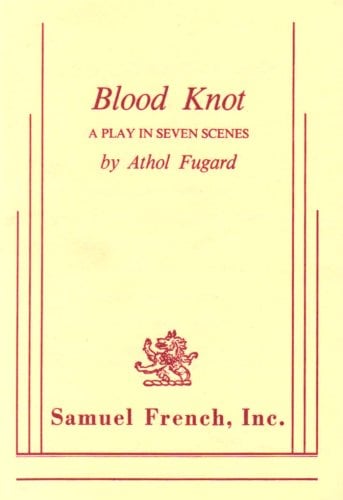
Start this bookNo. 26 on this list. Blood Knot · Athol Fugard · 1961
Fugard's breakthrough play and a foundational work of South African theater. Widely taught and performed as a landmark of anti-apartheid drama.
Difficult7 hours
Start this bookNo. 27 on this list. Aura · Carlos Fuentes · 1962
Aura is assigned in Latin American literature courses across universities globally and anthologized alongside Pedro Paramo and One Hundred Years of Solitude as a defining text of the Latin American Boom. Its brevity makes it a frequent entry point for students encountering Fuentes or magical realism. It does not appear on as many syllabi as García Márquez's major novels but is among the most-taught works in comparative world literature curricula.
Difficult1.4 hours
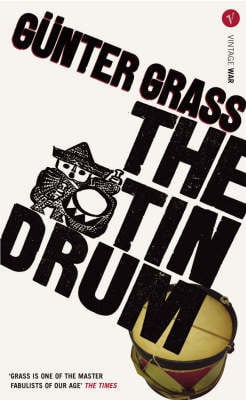
Start this bookNo. 28 on this list. The Tin Drum · Günter Grass · 1959
Included in: Bokklubben World Library
The Tin Drum appears on approximately 200 university syllabi according to Open Syllabus Project data (57th percentile), placing it firmly in world literature and 20th-century European fiction curricula. Wikipedia coverage spans 35 languages with dedicated Reception and Adaptations sections, indicating sustained international engagement. The novel is widely regarded as the defining work of postwar German literature, though its syllabus presence falls short of canonical American fixtures like The Great Gatsby.
Difficult27 hours
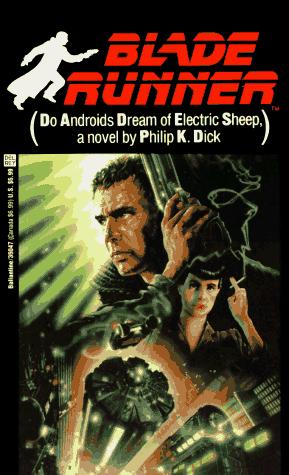
Start this bookNo. 29 on this list. Do Androids Dream of Electric Sheep? · Philip K. Dick · 1968
The novel is a fixture in science fiction curricula and appears on virtually every list of essential SF reading, from the Library of America to university courses in literature and philosophy. Published in Penguin Modern Classics, it has maintained continuous print presence for over fifty years. Its status is firmly canonical within SF, though it falls short of the universal literary curriculum presence of Orwell or Huxley.
Difficult7 hours
Start this bookNo. 30 on this list. The Caucasian Chalk Circle · Bertolt Brecht · 1948
The Caucasian Chalk Circle is among the most-taught plays in university drama and literature curricula worldwide, standard on syllabi alongside Mother Courage and The Good Person of Szechwan. It appears in secondary school programs across Europe and is a fixture of Western dramatic canon, placing it well above mid-century works that lack similar educational penetration.
Difficult4.7 hours
Start this book
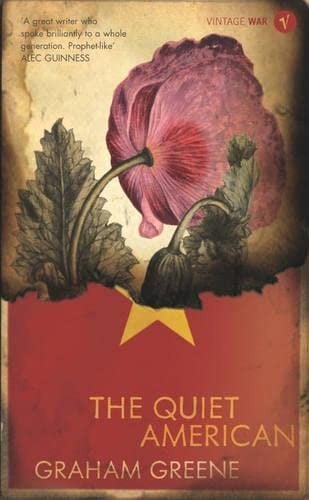
No. 31 on this list. The Quiet American
Graham Greene · 1955
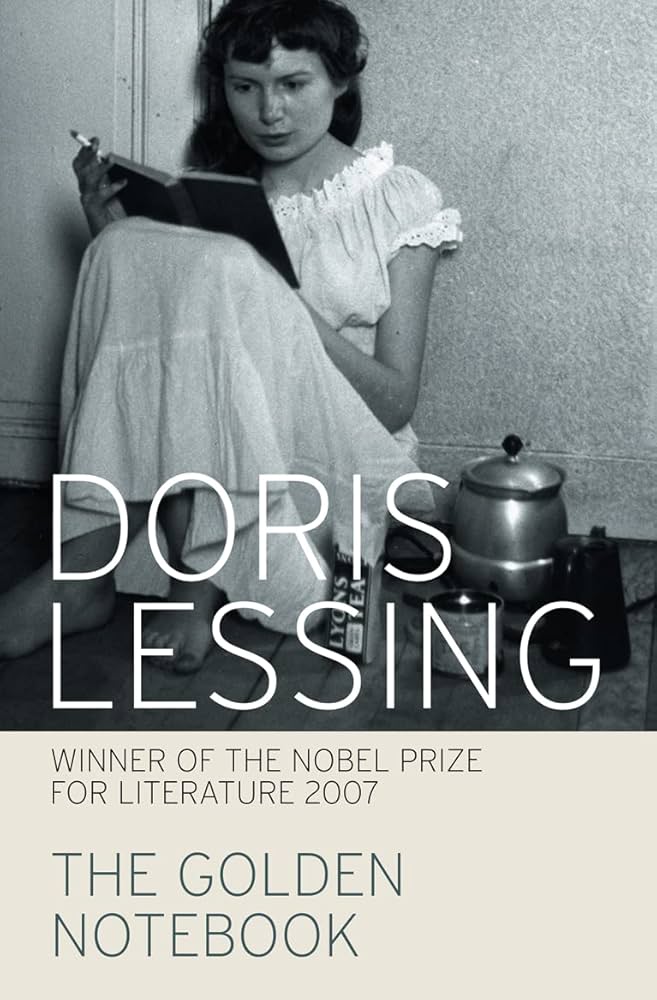
No. 32 on this list. The Golden Notebook
Doris Lessing · 1962
Included in: Bokklubben World Library
No. 33 on this list. Requiem
Anna Akhmatova · 1963
Taught in schools: Russian FGOS literature standard
No. 34 on this list. Another Country
James Baldwin · 1962
No. 35 on this list. Hopscotch
Julio Cortázar · 1963
No. 36 on this list. Pedro Páramo
Juan Rulfo · 1955
Taught in schools: Literatura, Diseño Curricular – Provincia de Buenos Aires (Argentina), UNAM Escuela Nacional Preparatoria – programas de Literatura (Mexico)
Included in: Bokklubben World Library
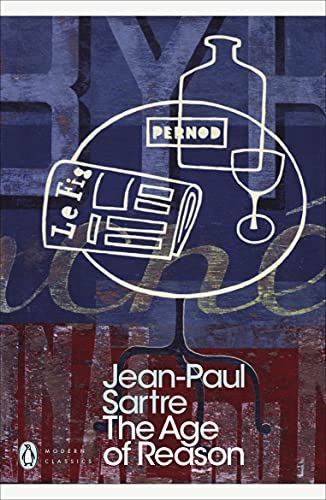
No. 37 on this list. The Age of Reason
Jean-Paul Sartre · 1945
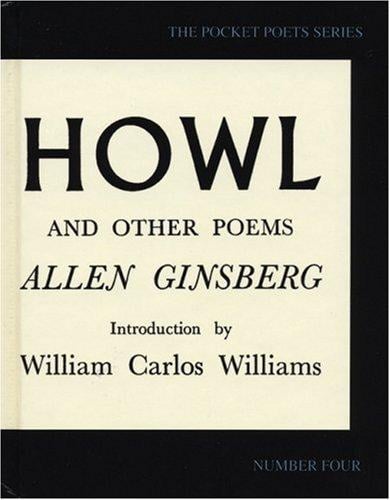
No. 38 on this list. Howl and Other Poems
Allen Ginsberg · 1956
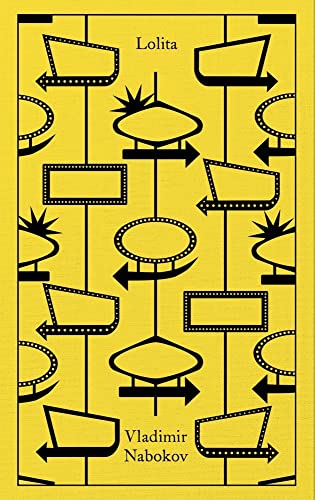
No. 39 on this list. Lolita
Vladimir Nabokov · 1955
Included in: Bokklubben World Library
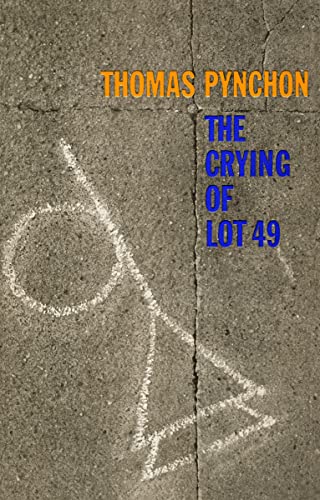
No. 40 on this list. The Crying of Lot 49
Thomas Pynchon · 1966
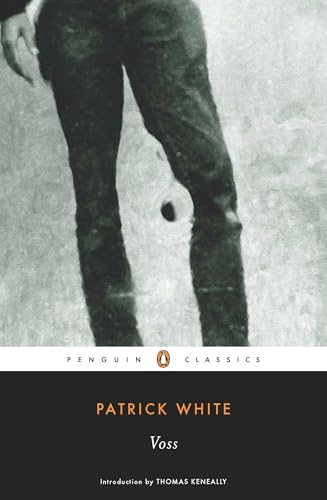
No. 41 on this list. Voss
Patrick White · 1957
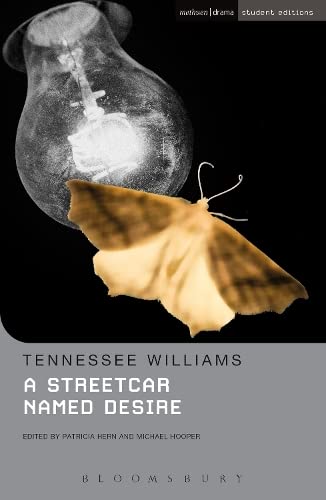
No. 42 on this list. A Streetcar Named Desire
Tennessee Williams · 1947
Taught in schools: AQA GCSE and A-level English Literature (UK), Cambridge IGCSE Literature in English (0475), UNAM Escuela Nacional Preparatoria – programas de Literatura (Mexico)
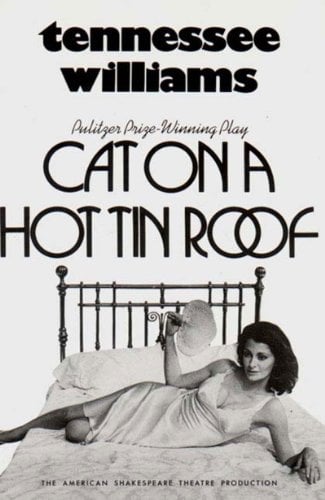
No. 43 on this list. Cat on a Hot Tin Roof
Tennessee Williams · 1955
Taught in schools: AQA GCSE and A-level English Literature (UK)
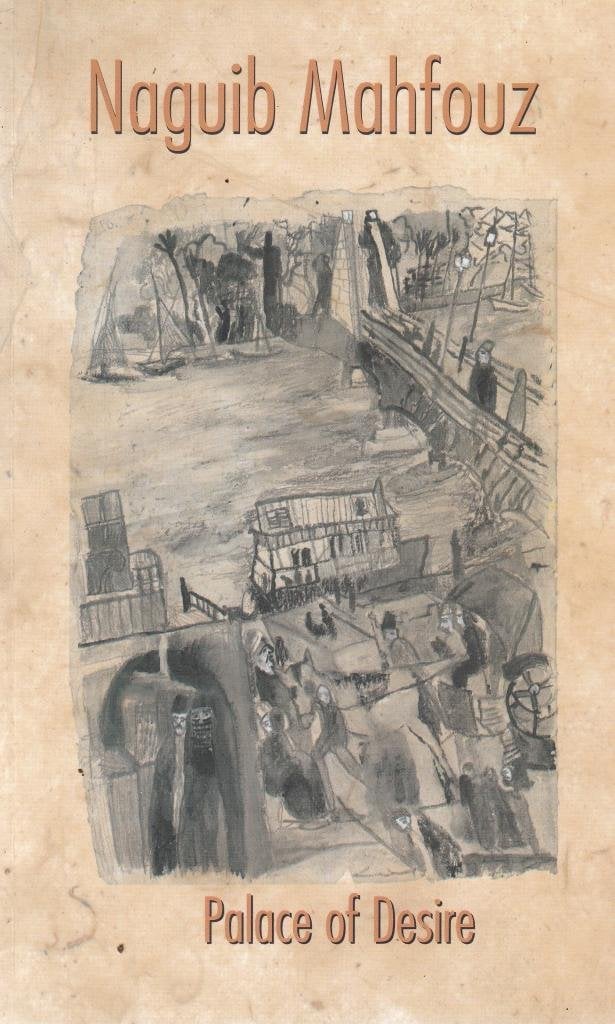
No. 44 on this list. Palace of Desire
Naguib Mahfouz · 1957
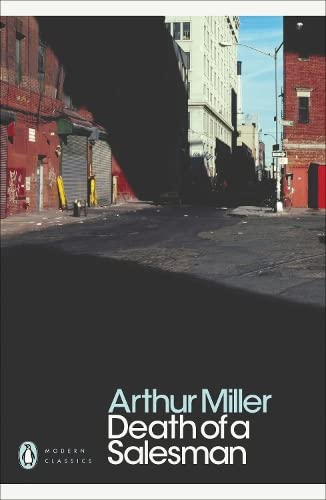
No. 45 on this list. Death of a Salesman
Arthur Miller · 1949
Taught in schools: AQA GCSE and A-level English Literature (UK), Common Core text exemplars (Appendix B) (US), CSEC English B – Caribbean Examinations Council
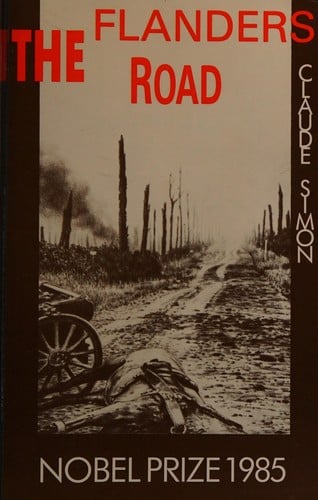
No. 46 on this list. The Flanders Road
Claude Simon · 1960
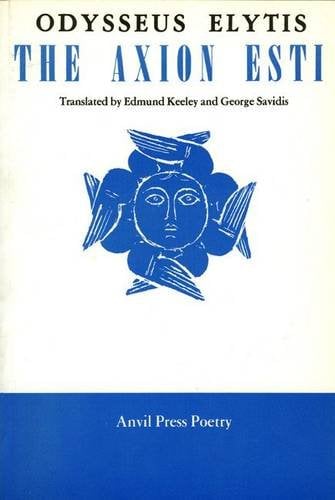
No. 47 on this list. The Axion Esti
Odysseas Elytis · 1959
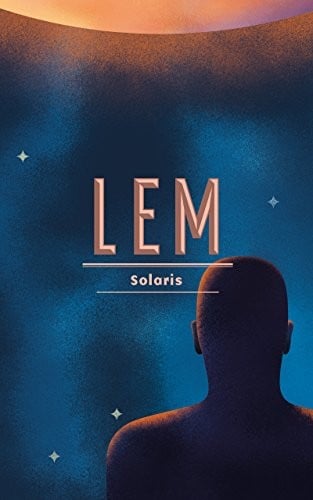
No. 48 on this list. Solaris
Stanisław Lem · 1961
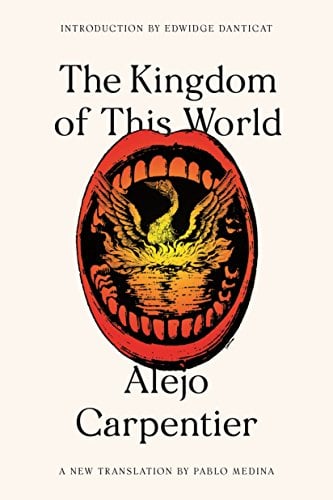
No. 49 on this list. The Kingdom of This World
Alejo Carpentier · 1949
Taught in schools: Literatura, Diseño Curricular – Provincia de Buenos Aires (Argentina)
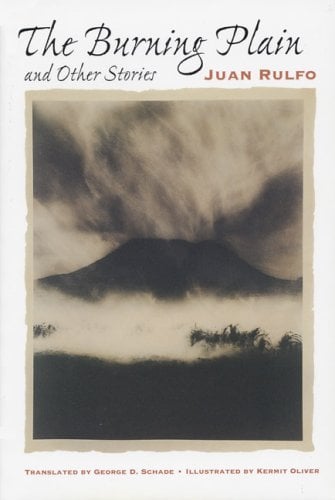
No. 50 on this list. The Burning Plain and Other Stories
Juan Rulfo · 1953
Taught in schools: UNAM Escuela Nacional Preparatoria – programas de Literatura (Mexico)
No. 51 on this list. Season of Migration to the North
Tayeb Salih · 1966
Included in: Bokklubben World Library, Heinemann African Writers Series
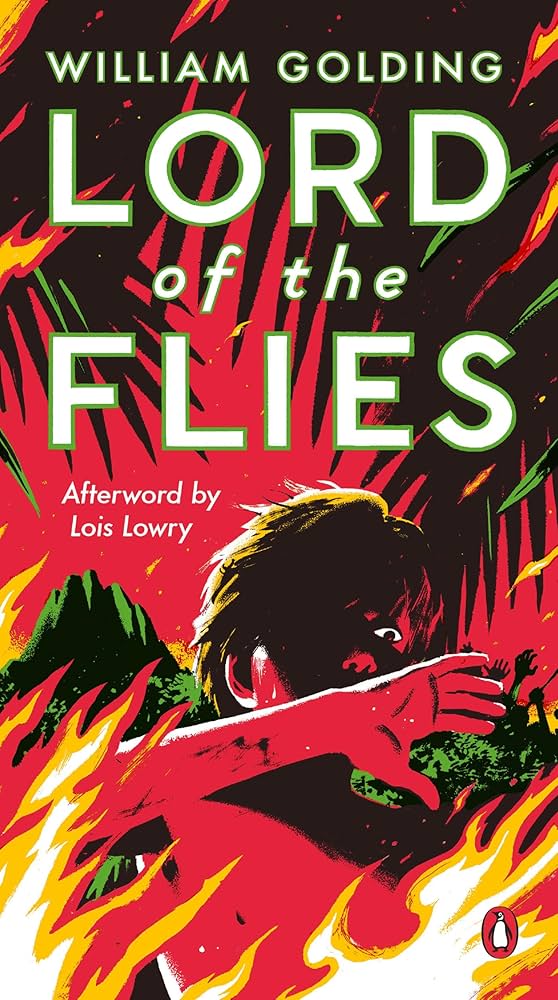
No. 52 on this list. Lord of the Flies
William Golding · 1954
Taught in schools: AQA GCSE and A-level English Literature (UK), Pacific Senior Secondary Certificate – English, Pearson Edexcel GCSE and A-level English Literature (UK)
No. 53 on this list. Palace Walk
Naguib Mahfouz · 1956
No. 54 on this list. In Cold Blood
Truman Capote · 1966
About this list
These 54 books are the hardest-scoring eligible postwar and mid-century books currently in the catalogue. About 548 hours of reading in all. Difficulty runs from 68 to 77 out of 100 for the middle half of the list; the summit is In the Heart of the Heart of the Country at 87.
This list is ranked by difficulty score, hardest first, with a consistent order for equal scores. Membership follows authors and co-authors, not translators or editors. A book is here when ReadingRate files it under Postwar & Mid-Century Literature as one of its primary reading domains, and only when its author’s lifetime places it in the period. Catalogue coverage and the historical canon both limit what this list can represent.
When we matched the Canons dataset to our catalogue in October 2026, our canonical-status scores rose with the number of school curricula, publisher series and lists in it that cite a work: the median score was 72 for books one such source cites, 84 at two, 88 at three, 92 at four and 93 at five or more. Prizes are left out of that count. Outside the state curricula, the dataset’s sources choose mostly from what has been translated into English or French, so it is a weaker check on other literatures. Source: Canons (Andrew Piper), CC BY 4.0
Questions people actually ask
- What are the hardest postwar and mid-century books to read?
- Ranked hardest first by difficulty score: In the Heart of the Heart of the Country by William Gass, How It Is by Samuel Beckett, The Interpreters by Wole Soyinka, Doctor Faustus by Thomas Mann and Marks of Identity by Juan Goytisolo. ReadingRate ranks 54 such books, each with a difficulty score and a reading-time estimate.
- How long would it take to read the top ten?
- About 167 hours, at an average pace of 250 words a minute adjusted for each book's difficulty: 84 days at two hours a day. Set your own pace on the page and the list's reading times change to it.
- How hard are the hardest postwar and mid-century books?
- Most of this list sits between 68 and 77 on ReadingRate's 100-point difficulty scale, where 40 to 55 is moderate. The summit is In the Heart of the Heart of the Country at 87. Every entry carries its own score, so a reader can pick a great book at a difficulty they will finish.
- How is this list ranked?
- Nine dimensions, from vocabulary and sentence structure to symbolic density and how much an ending withholds, each scored out of 100 and combined. It measures the text, not the reader, and it leans on meaning: The New York Trilogy scores 87 for how much it withholds, though its sentences are plainer than anything else in the top twenty. Each book's page shows which kind of hard it is. A book is here when ReadingRate files it under Postwar & Mid-Century Literature as one of its primary reading domains, and only when its author’s lifetime places it in the period.