Hours at an average pace
Showing 70 books
About 497 hours for 70 of 70 books with measured lengths. Estimates use 250 words a minute, adjusted for each book's difficulty. At 2 hours a day, about 249 days for those books.
Labyrinths is the standard English-language anthology through which Borges enters world literature curricula, taught in virtually every major comparative literature, Latin American literature, and 20th-century fiction course at universities worldwide. Published by New Directions in 1962, it established the benchmark for how Borges is read in translation and has remained continuously in print for over six decades as an essential classroom and critical text.
No. 2 on this list. The Aleph
Jorge Luis Borges · 1949
Difficult7.8 hours
Taught in schools: Literatura, Diseño Curricular – Provincia de Buenos Aires (Argentina), UNAM Escuela Nacional Preparatoria – programas de Literatura (Mexico)
Borges and his short fiction appear on university syllabi worldwide — in world literature, Latin American literature, postmodernism, and comparative literature courses. 'The Aleph,' 'The Circular Ruins,' and 'Death and the Compass' are among the most frequently anthologized stories in the Western canon. Though no formal syllabus count is available in the database, Borges is standard reading at virtually every English-language university.
No. 3 on this list. Dubliners
James Joyce · 1914
Difficult8.1 hours
Taught in schools: CSEC English B – Caribbean Examinations Council
Dubliners appears on 1,771 university syllabi according to the Open Syllabus Project (81st percentile), making it a fixture in modernist literature and short fiction courses worldwide. Its Wikipedia article spans 43 languages, and prestige editions from Penguin Classics and NYRB Classics attest to its sustained standing as essential reading. Every serious curriculum in Irish, British, or modernist literature includes it.
Kafka's short fiction is taught in university literature courses worldwide, and 'A Hunger Artist' is among his most frequently anthologized works. It appears in virtually every Kafka collection and features in major short story anthologies. The work has sustained academic and pedagogical attention since its posthumous publication in 1922.
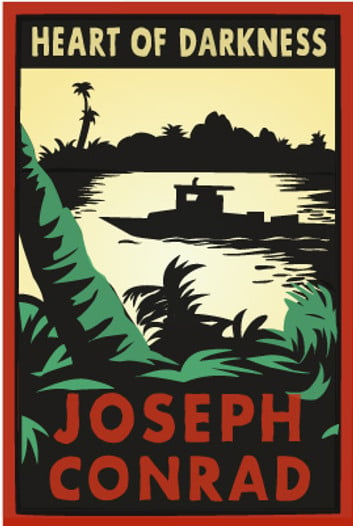
No. 5 on this list. Heart of Darkness
Joseph Conrad · 1899
Challenging4 hours
Taught in schools: Pacific Senior Secondary Certificate – English, Pearson Edexcel GCSE and A-level English Literature (UK)
Included in: Great Books of the Western World
Appears on 5,515 university syllabi according to Open Syllabus (93.5th percentile), placing it above The Great Gatsby in teaching frequency. Listed on the Modern Library 100 Best Novels (1998) and consistently featured on 'essential reading' lists. Wikipedia articles exist in 49 languages, reflecting global canonical reach.
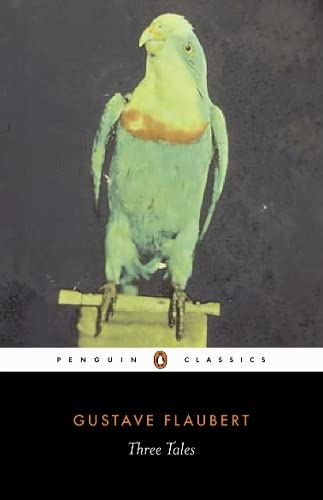
"A Simple Heart" is one of the most anthologized short stories in world literature and appears across university syllabi in French literature and world literature courses. The collection as a whole is standard reading in 19th-century realism curricula globally. No scraped syllabus data was returned, but the collection's presence in major anthologies and its continuous critical attention over 140 years place it firmly in the high-canonical range.
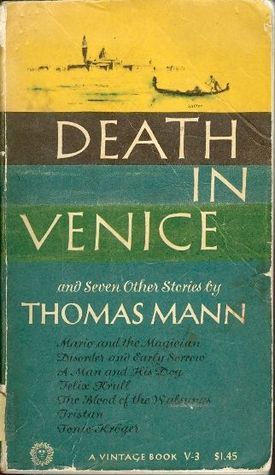
No. 7 on this list. Death in Venice
Thomas Mann · 1912
Challenging11 hours
Included in: Great Books of the Western World
Death in Venice appears on virtually every German literature, European modernism, and queer theory university syllabus taught in the English-speaking world. It is a standard text in comparative literature programs alongside Kafka's Metamorphosis and Rilke's Duino Elegies. Wikipedia maintains articles on the novella in over 50 languages, and it features on most 'essential modern literature' lists.
A cornerstone of contemporary short fiction syllabi in anglophone universities, studied alongside Chekhov and Carver as a model of the compressed, psychologically dense story. Munro's Ontario settings have become as literary-geographically legible as Faulkner's Yoknapatawpha.
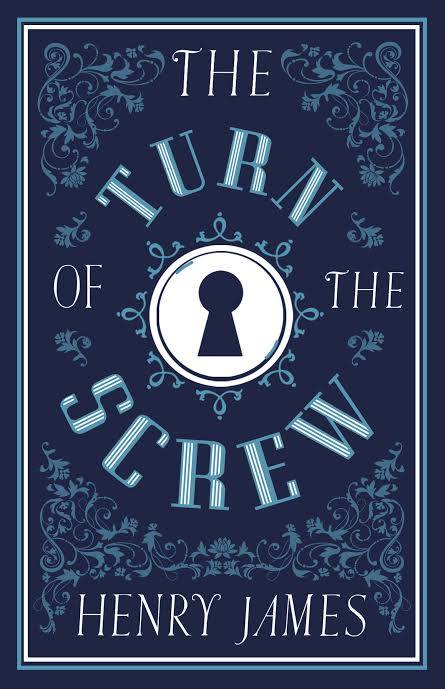
No. 9 on this list. The Turn of the Screw
Henry James · 1898
Difficult5.5 hours
Taught in schools: CSEC English B – Caribbean Examinations Council
Essential Gothic literature and James studies text; widely taught in ghost story, Victorian, and modernist courses; definitive example of narrative ambiguity and unreliable narration.
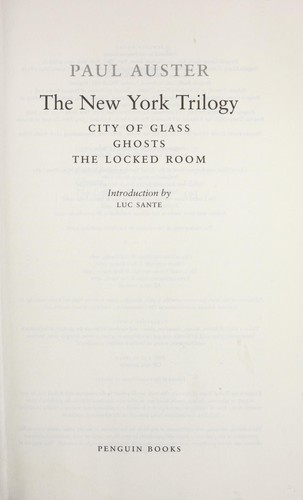
The New York Trilogy stands as the defining work of American postmodern noir and one of the most influential experimental novels of the 1980s. It appears consistently on syllabi for postmodern fiction, metafiction, and American literature courses, and is cited as a foundational text in discussions of the detective genre's literary transformation. Published in the US by Penguin Books (1987 combined edition), it has remained continuously in print for four decades. It appears on numerous "greatest novels" lists and is central to critical discourse on identity, authorship, and the limitations of language in contemporary fiction.
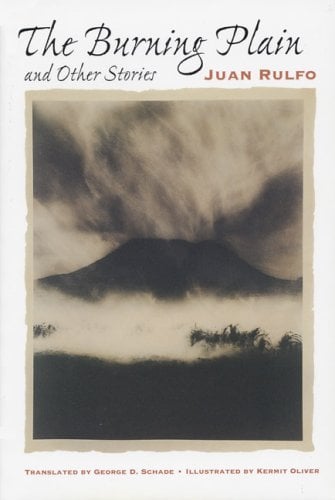
No. 11 on this list. The Burning Plain and Other Stories · Juan Rulfo · 1953
Taught in schools: UNAM Escuela Nacional Preparatoria – programas de Literatura (Mexico)
In seventeen stories set across the parched hills of Jalisco, Mexico, Rulfo's peasants carry their dead with them — sometimes literally. A man hauls his father's corpse on his back through the mountains. An old woman refuses to believe her son is a murderer. Soldiers and sharecroppers and abandoned wives speak in short, exact sentences, and the landscape answers with dust and silence. The dead narrate their own stories without announcing they are dead; readers piece it together from the wrong temperature of the prose. Rulfo strips everything from his fiction — backstory, explanation, transitions — until only the essential pressure remains. The Burning Plain was published in 1953, two years before Pedro Páramo, and it shares that novel's method: grief without sentimentality, violence without drama, the supernatural arriving with the matter-of-fact normalness of weather. Gabriel García Márquez said he memorized the entire book and recited it to friends. That is the correct response. These stories end before they explain themselves, in the way that real catastrophe does.
Challenging3.4 hours
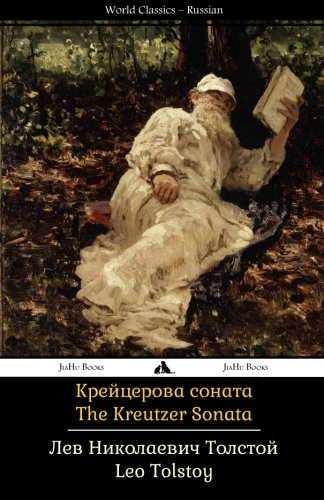
Start this bookNo. 12 on this list. The Kreutzer Sonata · Leo Tolstoy · 1889
The Kreutzer Sonata holds a firm place in university curricula for Russian literature, world literature, and gender studies courses. While less taught than Anna Karenina or War and Peace, it appears consistently as required reading in Tolstoy surveys and 19th-century European fiction courses. Its inclusion in countless 'essential Tolstoy' and world literature reading lists reflects its canonical standing.
Difficult7.5 hours
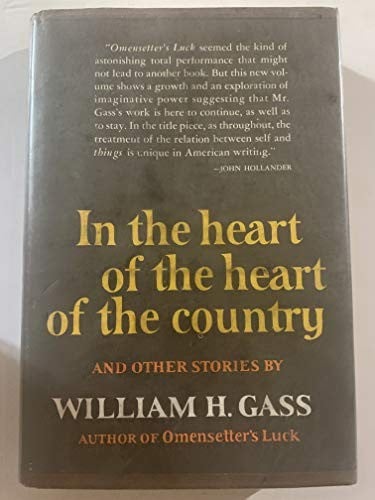
Read nowNo. 13 on this list. In the Heart of the Heart of the Country · William Gass · 1968
In the Heart of the Heart of the Country was first published in 1968 and immediately positioned Gass — alongside Barth, Pynchon, and Coover — as a founding figure of American postmodern fiction. The NYRB Classics reprint with an introduction by Joanna Scott confirms its place in the American literary canon. It is taught in graduate programs in literary fiction and cited in essays on American experimental prose. Its canonical position is more secure in academic contexts than in general readership, placing it below Invisible Man or Blood Meridian but above most of its experimental contemporaries.
Very Difficult13 hours
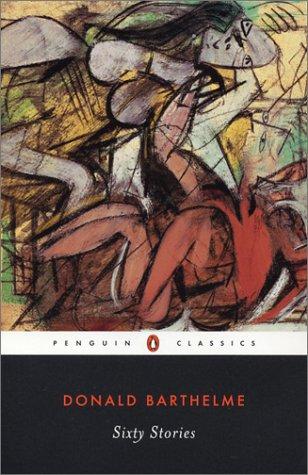
Start this bookNo. 14 on this list. Sixty Stories · Donald Barthelme · 1981
The essential Barthelme collection and one of the most important story collections in American literature. A standard text in creative writing and contemporary literature courses.
Challenging12 hours
Start this bookNo. 15 on this list. The Beast In The Jungle · Henry James · 1903
Included in: Great Books of the Western World
Ranked by literary regard among eligible works in the current catalogue. This position reflects the available catalogue evidence.
Challenging1.3 hours
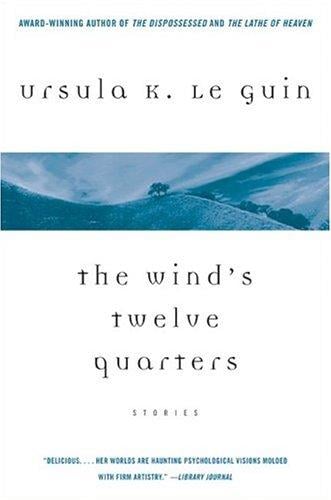
Start this bookNo. 16 on this list. The Ones Who Walk Away from Omelas · Ursula K Le Guin · 1973
Widely taught in philosophy, ethics, and literature courses globally. Anthologized in hundreds of collections and featured on virtually every 'essential short fiction' list. Its presence in academic syllabi rivals Borges and Kafka in ethics curricula, where it functions as a standard thought-experiment text.
Challenging40 min
Start this bookNo. 17 on this list. The Street of Crocodiles · Bruno Schulz · 1934
Taught in schools: Lektury obowiązkowe – Polish national reading list (Poland)
A standard text in world-literature and modernism syllabi and the central work of Polish literary modernism after Gombrowicz.
Difficult7.1 hours
Start this bookNo. 18 on this list. Billy Budd, Sailor · Herman Melville
Taught in schools: Common Core text exemplars (Appendix B) (US)
Billy Budd is a fixture in American literature courses, canonized alongside Moby-Dick as one of Melville's essential works and one of the foundational American novellas. Although the data signals show no tracked syllabus entries in this database, the text has been continuously taught at university level since its rediscovery in the 1920s and appears on virtually every American literature syllabus covering the 19th century. It is frequently included on lists of great American fiction.
Difficult3.3 hours
Read nowNo. 19 on this list. Winesburg, Ohio · Sherwood Anderson · 1919
Appears on 548 university syllabi (68th percentile in the Open Syllabus Project) and is included in the Modern Library 100 Best Novels list. Wikipedia coverage in 15 languages is modest relative to works like The Great Gatsby, but the book has a stable presence in American literature survey courses and has never gone out of print since 1919.
Challenging7.5 hours
Read nowNo. 20 on this list. The Bloody Chamber · Angela Carter · 1979
Taught in schools: OCR GCSE and A-level English Literature (UK)
The Bloody Chamber is among the most-taught works of feminist fiction in British and American university literature programs, appearing on A-level and undergraduate syllabi across the English-speaking world for over four decades. It anchors feminist fairy tale criticism as a field and appears on most 20th-century fiction retrospective lists. Its canonical standing exceeds Infinite Jest (78) in terms of institutional adoption.
Difficult7.2 hours
Start this book
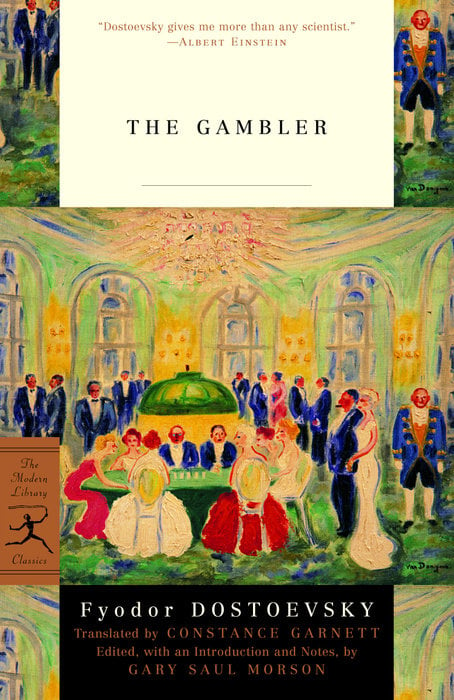
No. 21 on this list. The Gambler · Fyodor Dostoevsky · 1867
The Gambler is a recognized work within the Dostoevsky canon, taught in comparative literature and Russian literature courses worldwide. It occupies a firm place in the study of 19th-century fiction and the psychology of addiction, though it is consistently overshadowed by Dostoevsky's longer novels on general syllabi. No Wikipedia data was returned, but the novella's inclusion in major collected editions and its translation into dozens of languages confirms steady canonical standing.
Difficult6.8 hours
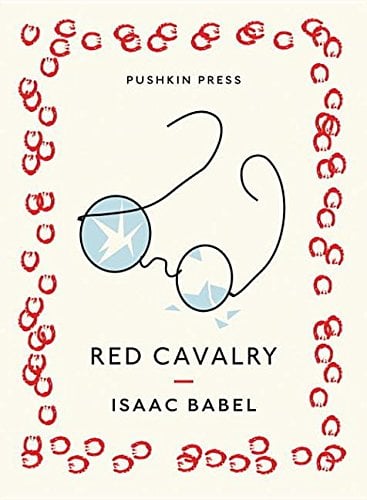
Read nowNo. 22 on this list. Red Cavalry · Isaac Babel · 1926
Isaac Babel spent six weeks riding with Budyonny's First Cavalry Army during the 1920 Polish-Soviet War and came back with thirty-five stories that read like dispatches from a world being destroyed while it still believes itself alive. The narrator, Lyutov — a bespectacled Jewish intellectual from Odessa — rides with Cossacks who slaughter without hesitation and then sleep soundly, and he watches them with a hunger he never admits and a horror he never names. In 'My First Goose,' Lyutov kills a goose to prove himself worthy of his billet; the act costs him something the story refuses to specify. In 'The Rabbi's Son,' a young Hasidic revolutionary dies clutching manuscripts of Hebrew poetry alongside Communist pamphlets. Babel writes in sentences so compressed they feel pressurized — the lyrical and the brutal occupy the same clause without canceling each other out. A dying horse, a looted synagogue, a father shot by his son: each image arrives exact and then Babel moves on, leaving the weight for the reader to carry. The collection refuses to resolve whether the revolution justified its violence, whether Lyutov ever earned his place among the Cossacks, or whether the Jewish civilization being trampled deserved to survive. Babel was arrested in 1939 and shot in 1940. These stories are what he left.
Challenging4.2 hours
Start this bookNo. 23 on this list. Aura · Carlos Fuentes · 1962
Aura is assigned in Latin American literature courses across universities globally and anthologized alongside Pedro Paramo and One Hundred Years of Solitude as a defining text of the Latin American Boom. Its brevity makes it a frequent entry point for students encountering Fuentes or magical realism. It does not appear on as many syllabi as García Márquez's major novels but is among the most-taught works in comparative world literature curricula.
Difficult1.4 hours
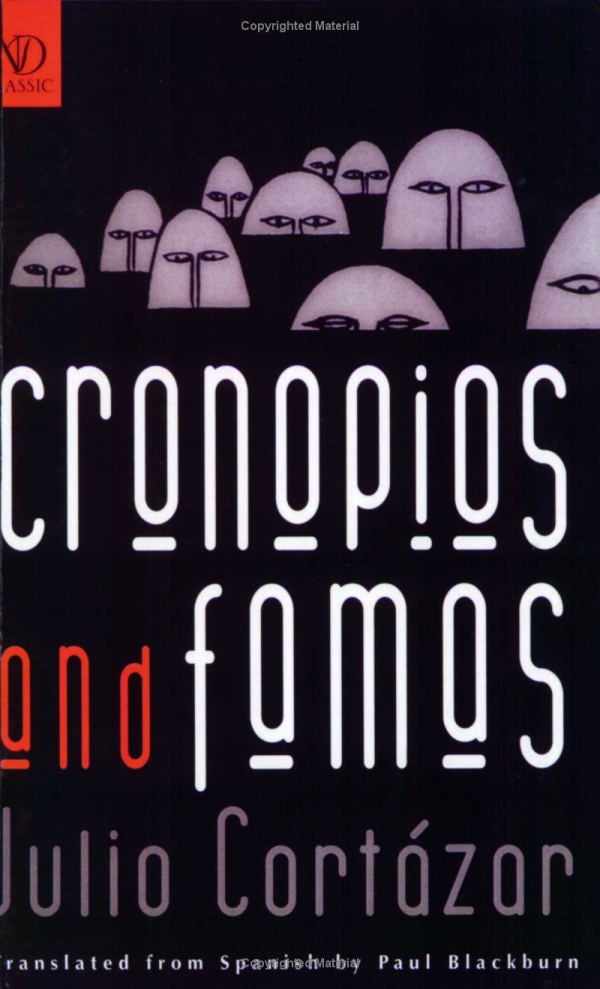
Start this bookNo. 24 on this list. Cronopios and Famas · Julio Cortázar · 1962
Taught in schools: Literatura, Diseño Curricular – Provincia de Buenos Aires (Argentina), UNAM Escuela Nacional Preparatoria – programas de Literatura (Mexico)
Julio Cortázar divides humanity into three species. The Famas are prudent, meticulous, and thorough — when traveling, one fama inspects the hotel, one files a report with the police, one copies the list of emergency doctors. The Cronopios are wet, green, disordered, and joyful — they find all hotels full, miss every train, and dream that huge parties are being given in the city to which they are invited. The Esperanzas wait for things to come to them. In sixty-odd miniatures, Cortázar demonstrates what happens when these types collide: a cronopio appointed Director General of Radio Diffusion immediately translates all broadcasts into Romanian; a fama who wants wood chops down a eucalyptus tree without noticing it screams. Before the creature taxonomy begins, an 'Instruction Manual' opens the book with deadpan procedural guides — how to cry, how to sing, how to be afraid — that use the earnest register of a technical manual to make observations about alienation and habit. 'Instructions on How to Climb a Staircase' explains in meticulous detail how to lift one foot, then the other, as if this has never been done before. The writing is compact and funny and strange, each piece its own sealed logic, ending on the precisely wrong note. Cortázar invented a form here that nobody else has quite replicated: philosophical comedy delivered in the voice of a very serious bureaucrat who has gone slightly mad.
Difficult3.1 hours
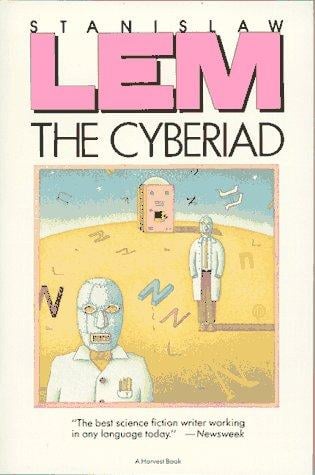
Start this bookNo. 25 on this list. The Cyberiad · Stanisław Lem · 1965
Trurl and Klapaucius are constructors — engineers of impossible things — who travel the universe building machines that write poetry, create dragons out of probability, and kidnap kings using algorithms. In the opening story, Trurl builds a machine that can make anything starting with the letter N. When it begins making Nothing — not ordinary nothing, but dynamic, aggressive Nothingness — it starts erasing the world one item at a time: the gruncheons go, then the pritons, then the zits, and the sky acquires holes that have never healed. Stanisław Lem writes fairy tales about robots, but the fairy tales are philosophical arguments in disguise. Each of the fifteen linked adventures runs a thought experiment: what happens when collective intelligence exceeds the scale at which militarism makes sense? Can a machine write great poetry if civilization wrote the poet? What does it mean to exist inside a simulation you cannot distinguish from reality? The deadpan fable narrator treats catastrophe and cosmic comedy with identical gravity, and the gap between that voice and what is actually happening is where all the meaning lives. The Cyberiad reads as slapstick adventure on the surface — Trurl escaping dungeon after dungeon with improbable ingenuity — and as philosophy underneath, where questions about consciousness, creation, and the purpose of intelligence are never resolved. Lem gives you both pleasures at once, and the math jokes are genuine.
Challenging8.4 hours
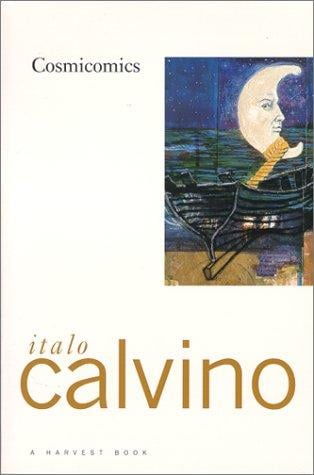
Start this bookNo. 26 on this list. Cosmicomics · Italo Calvino · 1965
Cosmicomics appears regularly on syllabi for world literature, experimental fiction, and postmodern narrative courses internationally, though it commands less institutional presence than Anglo-American canonical texts. Database signals show no listed entries, but Calvino's place in the Western literary curriculum is well-established through his broader body of work, of which this is among the most-taught titles.
Challenging4.9 hours
Start this bookNo. 27 on this list. Family Ties · Clarice Lispector · 1960
Family Ties appears regularly on comparative literature and Latin American literature syllabi worldwide, and Lispector is among the most studied Lusophone writers in university world literature courses. No syllabus count was captured in the database, but her work has sustained continuous academic inclusion since the 1960s. Hélène Cixous's book-length critical study of Lispector (The Stream Running Nowhere) cemented the collection's place in the Western literary canon.
Difficult3.6 hours
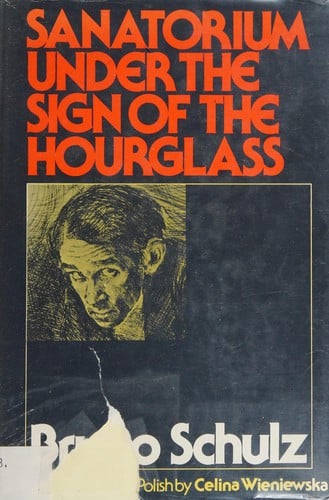
Start this bookNo. 28 on this list. Sanatorium Under the Sign of the Hourglass · Bruno Schulz · 1937
Standard in Central European and modernism courses and inseparable from Schulz's first collection in most curricula.
Difficult8.4 hours
Start this bookNo. 29 on this list. The Complete Stories · Clarice Lispector
Lispector holds a firm place in comparative literature and Latin American literature syllabi globally, and her work appears in women's writing and world literature courses at major universities. No Open Syllabus data is available for this specific collection, but Lispector as an author is consistently included in world literature canons alongside Borges and García Márquez. The 2015 New Directions translation by Katrina Dodson dramatically expanded her anglophone reach and prestige.
Difficult22 hours
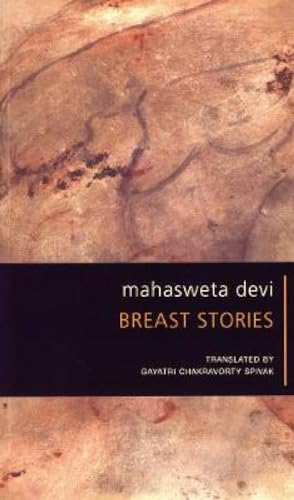
Start this bookNo. 30 on this list. Breast Stories · Mahasweta Devi · 1997
Draupadi is among the most anthologised and taught short stories in postcolonial and feminist syllabi worldwide.
Challenging4.8 hours
Start this book
No. 31 on this list. Saint Manuel Bueno, Martyr
Miguel de Unamuno · 1931
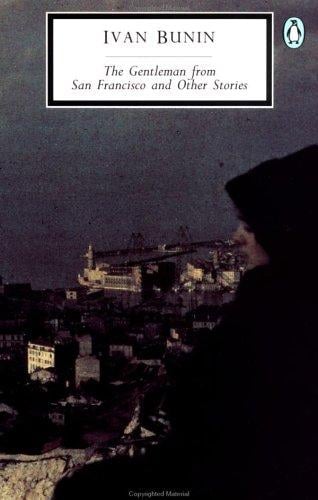
No. 32 on this list. The Gentleman from San Francisco
Ivan Bunin · 1915
Taught in schools: Russian FGOS literature standard
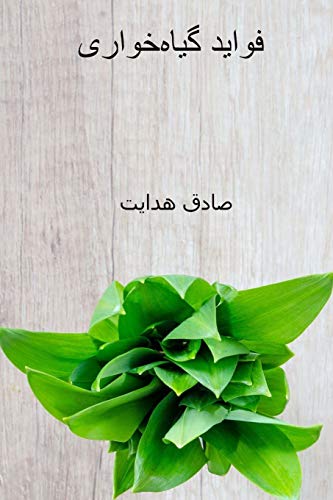
No. 33 on this list. The Blind Owl
Sadegh Hedayat · 1937
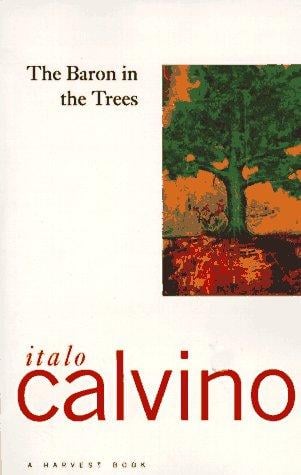
No. 34 on this list. The Baron in the Trees
Italo Calvino · 1957
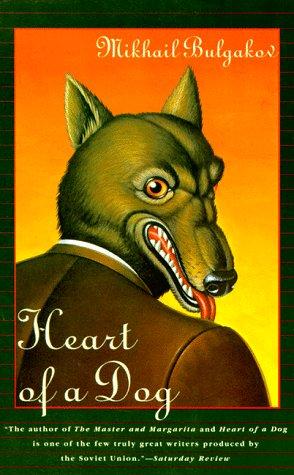
No. 35 on this list. Heart of a Dog
Mikhail Bulgakov · 1925
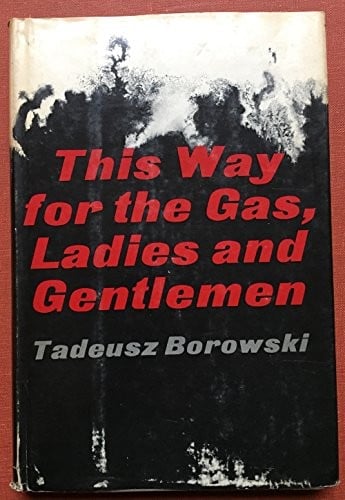
No. 36 on this list. This Way for the Gas, Ladies and Gentlemen
Tadeusz Borowski · 1948
No. 37 on this list. Jesus' Son
Denis Johnson · 1992
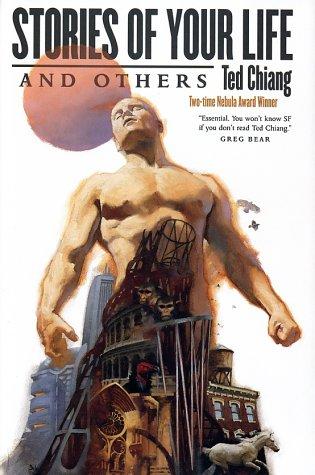
No. 38 on this list. Stories of Your Life and Others
Ted Chiang · 2002
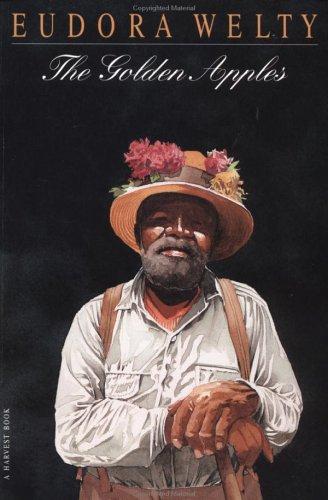
No. 39 on this list. The Golden Apples
Eudora Welty · 1949
No. 40 on this list. Lust, Caution
Eileen Chang · 1979
No. 41 on this list. Today I Wrote Nothing
No. 42 on this list. A Tomb for Boris Davidovich
Danilo Kiš · 1976
No. 43 on this list. The Encyclopedia of the Dead
Danilo Kiš · 1983
No. 44 on this list. Girl with Curious Hair
David Foster Wallace · 1989
No. 45 on this list. The Call of Cthulhu and Other Stories
H.P. Lovecraft · 1928
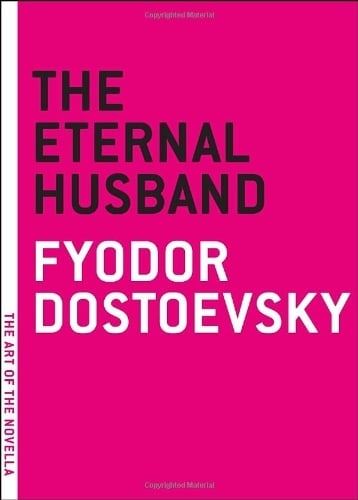
No. 46 on this list. The Eternal Husband
Fyodor Dostoevsky · 1870
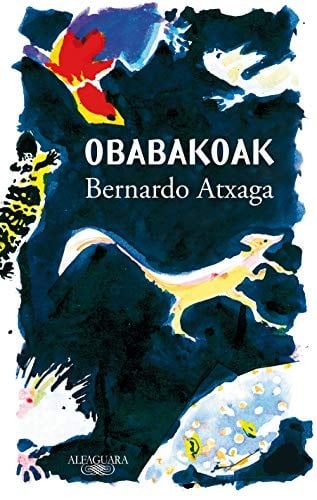
No. 47 on this list. Obabakoak
Bernardo Atxaga · 1988
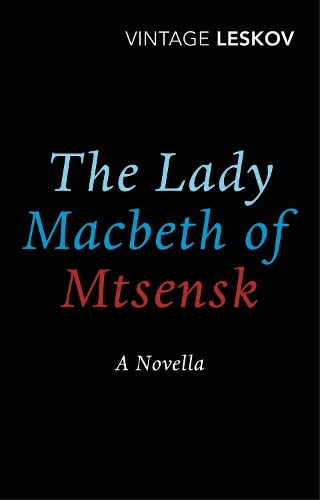
No. 48 on this list. Lady Macbeth of Mtsensk
Nikolai Leskov · 1865
Taught in schools: Russian FGOS literature standard
No. 49 on this list. Pastoralia
George Saunders · 2000
No. 50 on this list. The Enchanted Wanderer
Nikolai Leskov · 1873
Taught in schools: Russian FGOS literature standard
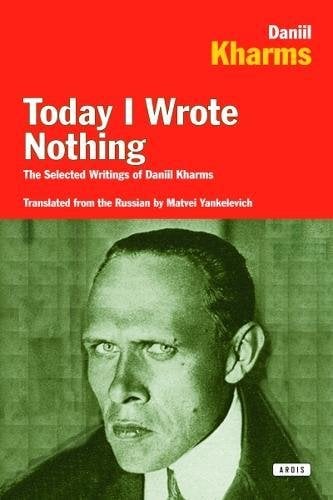
No. 51 on this list. The Driver's Seat
Muriel Spark · 1970
No. 52 on this list. Brief Interviews with Hideous Men
David Foster Wallace · 1999
No. 53 on this list. The Dew Breaker
Edwidge Danticat · 2004
No. 54 on this list. The Hunting Gun
Yasushi Inoue · 1949
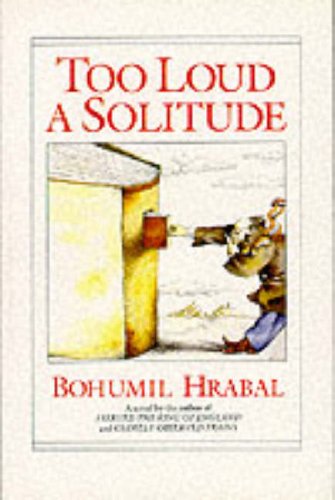
No. 55 on this list. Too Loud a Solitude
Bohumil Hrabal · 1976
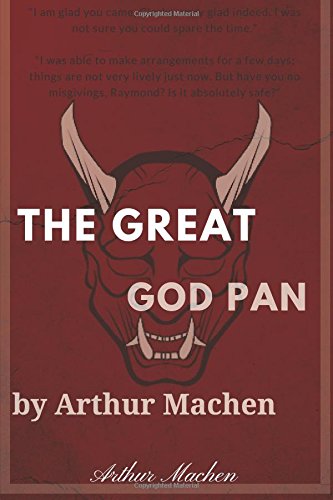
No. 56 on this list. The Great God Pan
Arthur Machen · 1894
No. 57 on this list. An Episode in the Life of a Landscape Painter
César Aira · 2000
No. 58 on this list. Her Body and Other Parties
Carmen Maria Machado · 2017
No. 59 on this list. Revenge: Eleven Dark Tales
Yoko Ogawa · 1998
No. 60 on this list. Morphine
Mikhail Bulgakov · 1927
No. 61 on this list. The Collected Stories of Jean Stafford
Jean Stafford · 1970
No. 62 on this list. O conto da ilha desconhecida
José Saramago · 1998
No. 63 on this list. I Have the Right to Destroy Myself
Kim Young-ha · 1996
No. 64 on this list. Spring Torrents
Ivan Turgenev · 1872
No. 65 on this list. Strange Beasts of China
Yan Ge · 2006
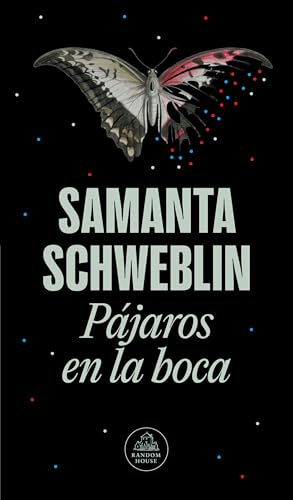
No. 66 on this list. Mouthful of Birds
Samanta Schweblin · 2009
No. 67 on this list. The Burning House
Ann Beattie · 1982
No. 68 on this list. Dark Tales
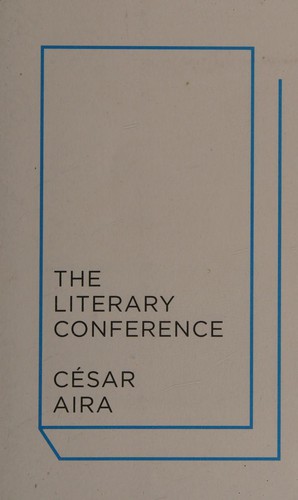
No. 69 on this list. The Literary Conference
César Aira · 2006
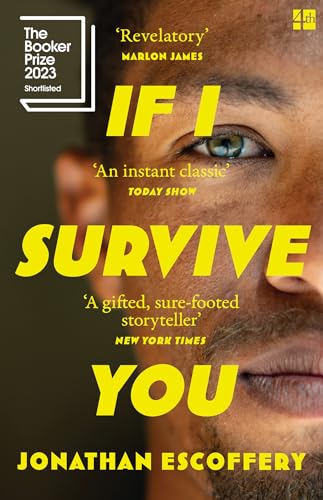
No. 70 on this list. If I Survive You
Jonathan Escoffery · 2023
About this list
These 70 books are the highest-scoring eligible challenging short story collections currently in the catalogue. By literary regard, it opens with Labyrinths, The Aleph and Dubliners. About 497 hours of reading in all. Difficulty runs from 68 to 74 out of 100 for the middle half of the list; the summit is The New York Trilogy at 87.
This list is ranked by literary regard, with a consistent order for equal scores. Membership follows authors and co-authors, not translators or editors. Catalogue coverage and the historical canon both limit what this list can represent, and genre labels are the catalogue’s own, gathered into broader kinds.
When we matched the Canons dataset to our catalogue in October 2026, our canonical-status scores rose with the number of school curricula, publisher series and lists in it that cite a work: the median score was 72 for books one such source cites, 84 at two, 88 at three, 92 at four and 93 at five or more. Prizes are left out of that count. Outside the state curricula, the dataset’s sources choose mostly from what has been translated into English or French, so it is a weaker check on other literatures. Source: Canons (Andrew Piper), CC BY 4.0
Questions people actually ask
- What are the best challenging short story collections?
- By literary regard, which weighs canonical status, critical standing and influence, Labyrinths, The Aleph, Dubliners, A Hunger Artist and Heart of Darkness lead. ReadingRate ranks 70 such books, each with a difficulty score and a reading-time estimate.
- Where should I start with challenging short story collections?
- Start from difficulty, not from rank. The most approachable books on this list that still carry top literary regard are The Burning Plain and Other Stories by Juan Rulfo (about 3.4 hours), Sixty Stories by Donald Barthelme and The Ones Who Walk Away from Omelas by Ursula K Le Guin.
- How hard are challenging short story collections to read?
- Most of this list sits between 68 and 74 on ReadingRate's 100-point difficulty scale, where 40 to 55 is moderate. The summit is The New York Trilogy at 87. Every entry carries its own score, so a reader can pick a great book at a difficulty they will finish.
- How is this list ranked?
- On literary-regard data: how canonically established a work is, its critical standing, and its influence on later writing. It is not a readers’ poll, which is why recent bestsellers rarely appear. Membership follows authors and co-authors, not translators or editors. A list that is not a genre list keeps to literature (fiction, poetry, drama and philosophy), with philosophy taking no more than one slot in five while there is literature left to rank; every list holds at most three works by one author.