Hours at an average pace
Showing 89 books
About 713 hours for 89 of 89 books with measured lengths. Estimates use 250 words a minute, adjusted for each book's difficulty. At 2 hours a day, about 357 days for those books.
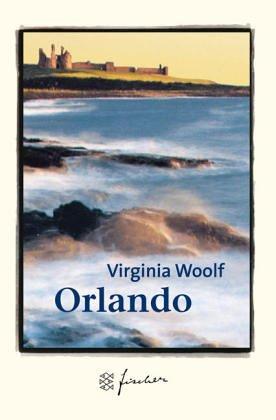
No. 1 on this list. Orlando
Virginia Woolf · 1928
Moderate5.2 hours
Taught in schools: UNAM Escuela Nacional Preparatoria – programas de Literatura (Mexico)
Orlando appears on university syllabi worldwide in modernist literature, gender studies, feminist theory, and LGBTQ+ studies courses — one of the few novels to anchor multiple disciplines simultaneously. It features on Modern Library's 100 Best Novels list and is discussed in virtually every survey of 20th-century British fiction. Woolf's stature guarantees its place in the canon regardless of pedagogical fashion.
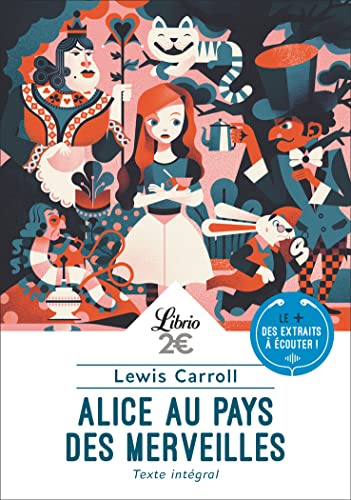
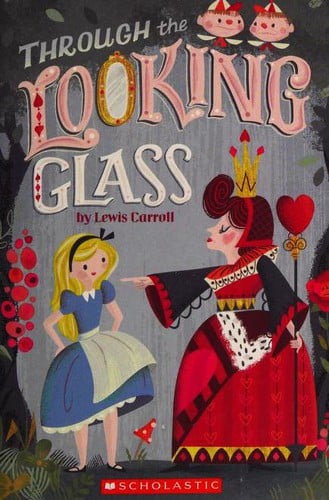
No. 2 on this list. Alice's Adventures in Wonderland and Through the Looking-Glass
Lewis Carroll · 1871
Moderate3.6 hours
No syllabus or Wikipedia-language data is recorded for this edition in our database, but Alice is a fixture of children's-literature, Victorian-studies, and philosophy-of-language courses worldwide. It remains one of the most translated books in history, with a reach comparable to Hamlet's or The Great Gatsby's syllabus ubiquity.
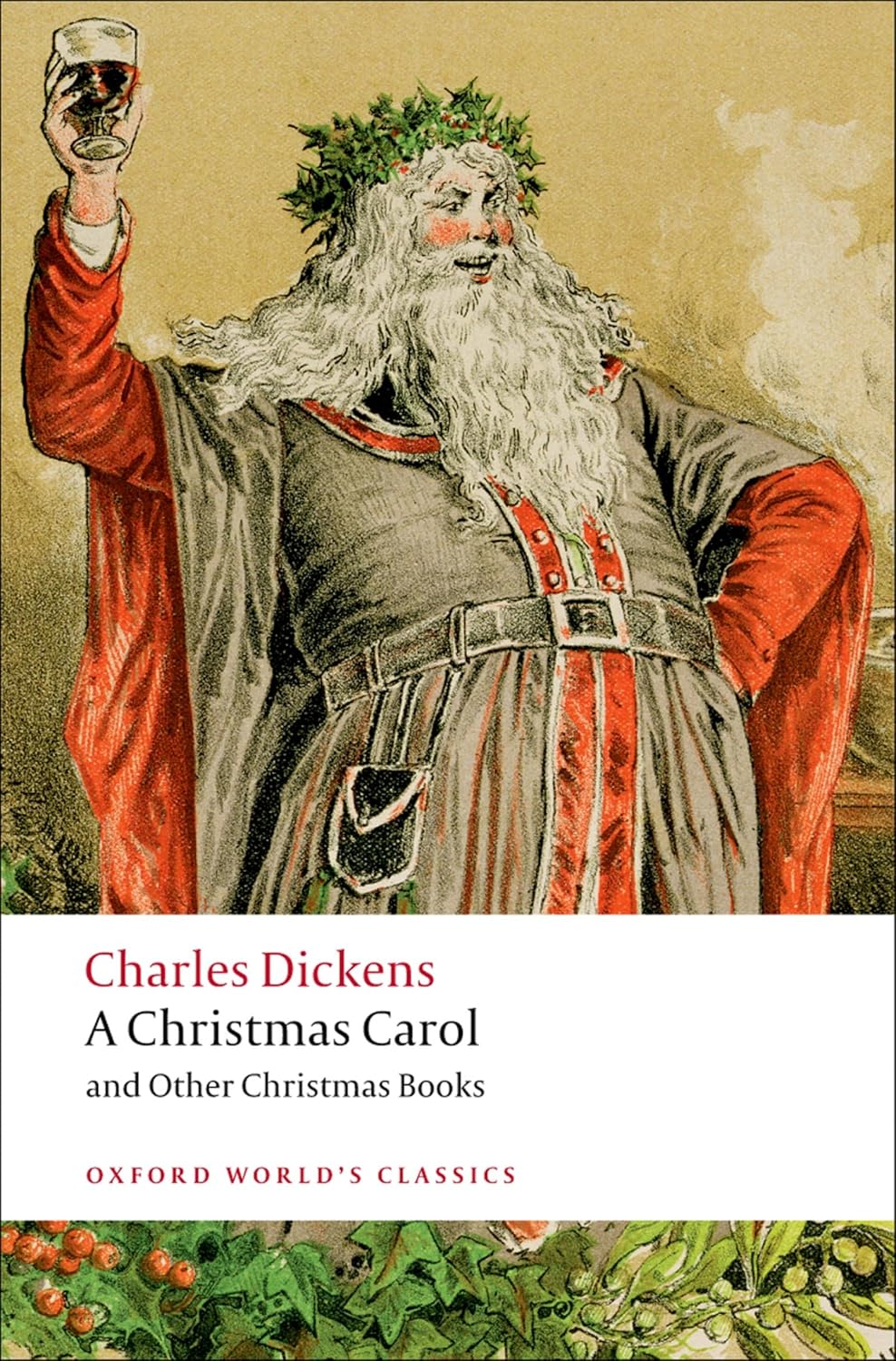
No. 3 on this list. A Christmas Carol
Charles Dickens · 1843
Easy1.7 hours
Taught in schools: AQA GCSE and A-level English Literature (UK), CSEC English B – Caribbean Examinations Council, OCR GCSE and A-level English Literature (UK)
A Christmas Carol is among the most widely taught Victorian texts in the English-speaking world, a fixture on secondary and university literature curricula in the UK, US, and Commonwealth nations. Its Wikipedia article exists in over 60 languages, and it appears on virtually every canonical list of Victorian prose. No other work of comparable length has achieved the same degree of curricular permanence.
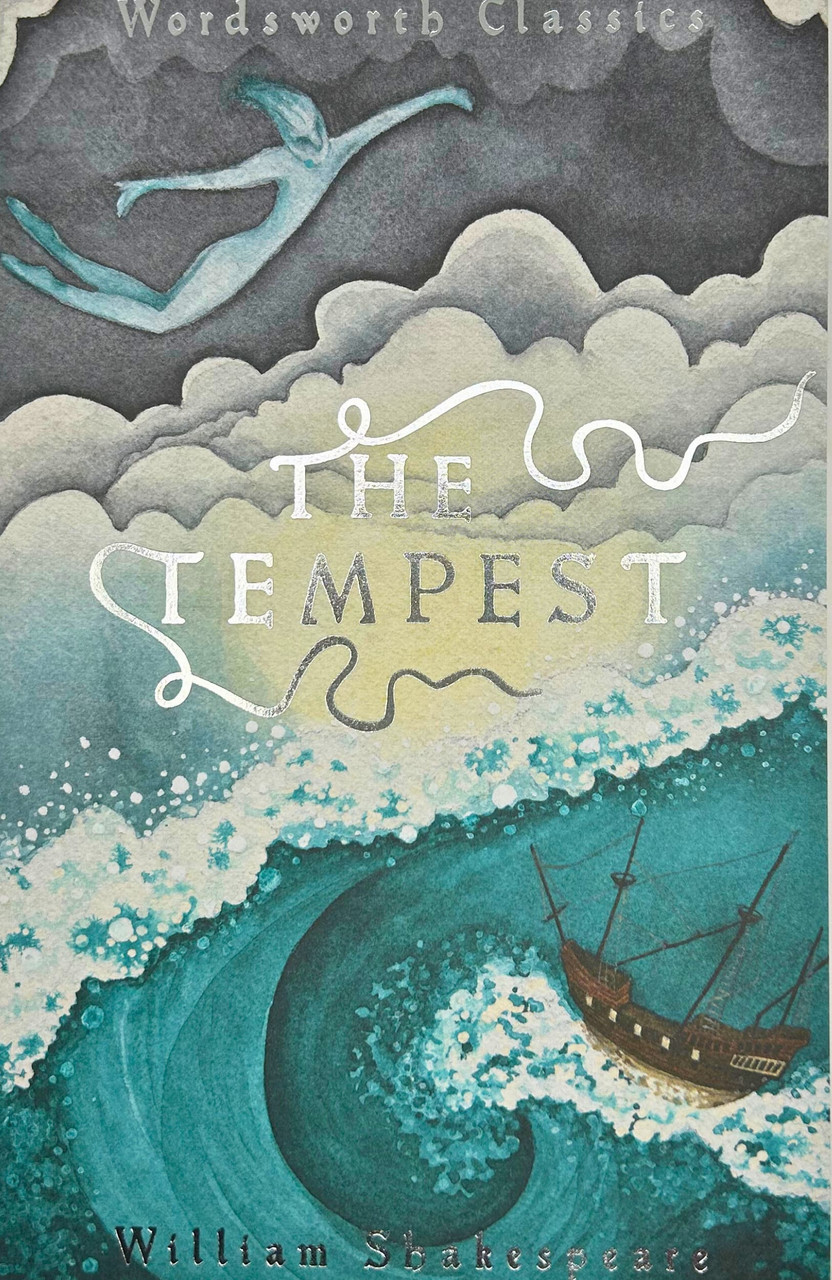
No. 4 on this list. The Tempest
William Shakespeare · 1611
Challenging2 hours
Taught in schools: Pearson Edexcel GCSE and A-level English Literature (UK), UNAM Escuela Nacional Preparatoria – programas de Literatura (Mexico), WJEC/Eduqas GCSE and A-level English Literature (UK)
Included in: Great Books of the Western World
Prospero's island stages Shakespeare's final reckoning with his own art—the magician who conjures storms, manipulates lovers, and then drowns his book. Caliban's "Be not afeard; the isle is full of noises" is the most haunting speech given to a character the play calls a monster.
It is a core text of Victorian and children's literature, taught in courses on nonsense, fantasy and Victorian studies and constantly adapted. It trails only a little behind the first Alice book in curricula.
Required reading in virtually every medieval and Middle English literature course at anglophone universities. The poem appears on thousands of syllabi and features in Great Books curricula worldwide. Tolkien and E.V. Gordon's 1925 scholarly edition set the standard text; Simon Armitage's 2007 translation reached mainstream audiences. The poem occupies the same canonical tier as Chaucer's Canterbury Tales for the period it represents.
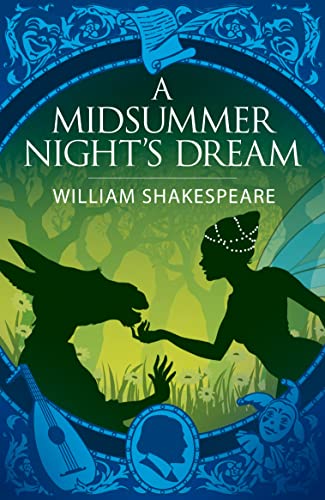
No. 7 on this list. A Midsummer Night's Dream
William Shakespeare · 1600
Moderate1.1 hours
Taught in schools: CSEC English B – Caribbean Examinations Council
Included in: Great Books of the Western World
Four Athenian lovers stumble through an enchanted forest while Oberon and Puck rearrange their affections with a magic flower, and a troupe of tradesmen rehearse the worst play ever staged. Shakespeare nests three worlds—court, fairy kingdom, and amateur theater—into a single moonlit structure that defines romantic comedy.
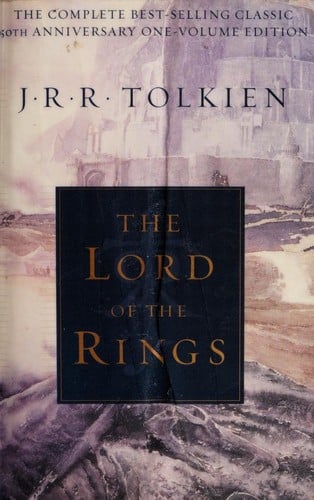
No. 8 on this list. The Lord of the Rings (The Lord of the Rings, #1-3)
J.R.R. Tolkien · 1954
Moderate34 hours
Taught in schools: Pacific Senior Secondary Certificate – English
Widely taught in fantasy, medieval-influenced and popular literature courses and ranked among the most read novels, but less dominant on core literary syllabi than Gatsby or Crime and Punishment.
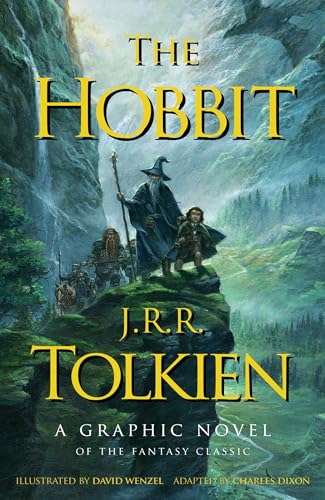
No. 9 on this list. The Hobbit, or There and Back Again
J.R.R. Tolkien · 2002
Easy5 hours
Taught in schools: CSEC English B – Caribbean Examinations Council, Kazakh literature curriculum (Kazakhstan)
One of the most-read fantasy books in English, widely taught in schools and in studies of fantasy, though it sits below the central literary canon and ahead of commercial fantasy.
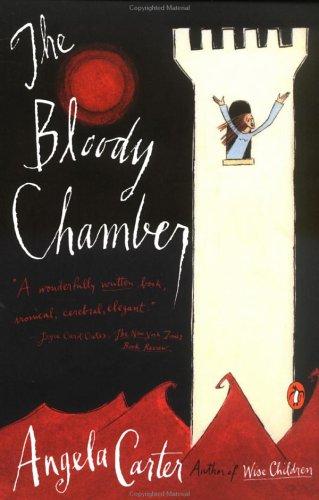
No. 10 on this list. The Bloody Chamber
Angela Carter · 1979
Difficult7.2 hours
Taught in schools: OCR GCSE and A-level English Literature (UK)
The Bloody Chamber is among the most-taught works of feminist fiction in British and American university literature programs, appearing on A-level and undergraduate syllabi across the English-speaking world for over four decades. It anchors feminist fairy tale criticism as a field and appears on most 20th-century fiction retrospective lists. Its canonical standing exceeds Infinite Jest (78) in terms of institutional adoption.

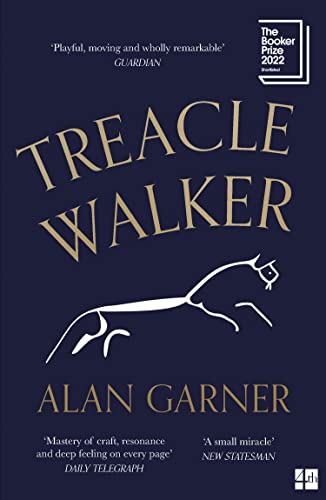
No. 11 on this list. Treacle Walker · Alan Garner · 2022
Published in 2021, Treacle Walker is too recent for canonical judgment, but Garner's lifelong integration of British folklore into literary fiction gives it strong claims. As his late-career distillation of myth, archaeology, and language, it consolidates his reputation as a major British fantasist.
Challenging1.5 hours
Start this bookNo. 12 on this list. Lanark: A Life in Four Books · Alasdair Gray · 1981
Lanark is widely regarded as the most significant Scottish novel of the twentieth century and appears on many British university literature syllabi, particularly in Scottish literature and postmodern fiction courses. It lacks the global curriculum penetration of Ulysses or Beloved — its reputation is regionally intense rather than internationally ubiquitous. Harold Bloom placed it among essential works of Western literature in The Western Canon.
Difficult31 hours
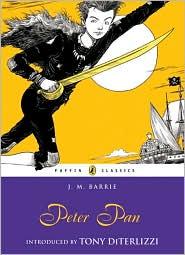
Start this bookNo. 13 on this list. Peter Pan · J.M. Barrie · 1911
Peter Pan is a fixture in children's literature curricula worldwide and appears in Wikipedia editions across 70+ languages, signaling its global cultural reach. The story originated as a 1904 stage play before the 1911 novel, giving it over a century of continuous readership, adaptation, and study. It appears regularly on university syllabi in courses covering children's literature, British modernism, and the cultural construction of childhood.
Challenging3.5 hours
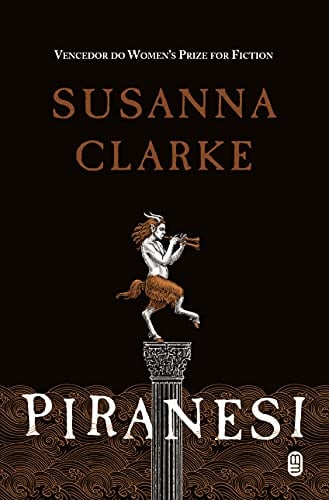
Start this bookNo. 14 on this list. Piranesi · Susanna Clarke · 2021
Winner of the Women's Prize for Fiction (2021), with a Wikipedia presence in 39 languages — strong recognition for a novel published in 2020. Clarke's second novel after the celebrated Jonathan Strange & Mr Norrell, it arrived with significant literary anticipation and met it. Not yet in syllabi, which reflects recency rather than lack of merit.
Difficult7.8 hours
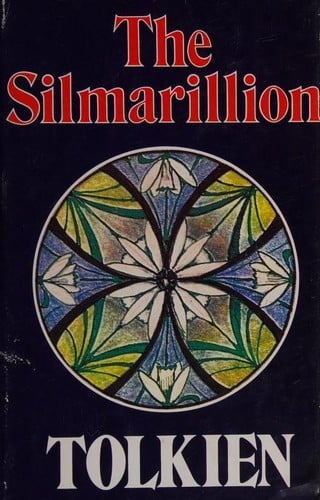
Start this bookNo. 15 on this list. The Silmarillion · J. R. R. Tolkien · 1977
The Silmarillion is widely read within fantasy literature and Tolkien studies, and it appears in courses on mythology, world-building, and fantasy as a genre. It lacks the universal curriculum presence of The Lord of the Rings or The Hobbit, but its Wikipedia article exists in 40+ languages and it remains the foundational text for understanding Tolkien's legendarium.
Moderate17 hours
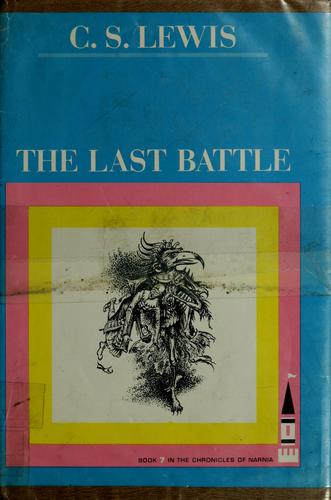
Start this bookNo. 16 on this list. The Last Battle · C.S. Lewis · 1956
No syllabus or Wikipedia figures are logged for this title specifically, but The Last Battle is a fixture of English-language children's literature, taught widely as the capstone of the Chronicles of Narnia and frequently anthologized in discussions of allegory and religious fiction. It is assigned on its own far less often than The Lion, the Witch and the Wardrobe, which anchors most classroom units on the series.
Easy2.9 hours
Start this bookNo. 17 on this list. The Sandman · Neil Gaiman · 1989
The Sandman occupies a privileged position in the canon of graphic literature and appears regularly in university courses on comics studies, mythology in popular culture, and genre fiction. It is consistently cited on 'essential graphic novels' lists and is taught in courses on sequential art at major universities. Within its medium, its canonical status approaches that of Ulysses in prose — foundational, required — though graphic novel courses reach fewer syllabi overall than prose literature courses. The DB returned no syllabus data, but external sources confirm strong academic presence in comics and cultural studies contexts.
Moderate17 hours
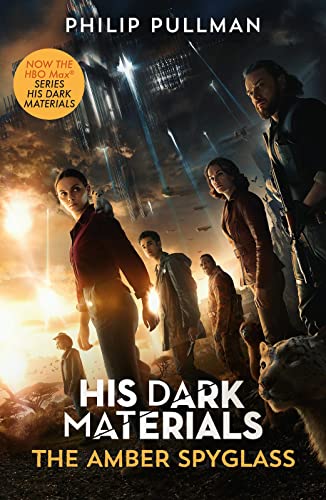
Start this bookNo. 18 on this list. His Dark Materials · Philip Pullman · 1995
His Dark Materials has become central to children's literature and fantasy canons, studied in schools and frequently referenced in contemporary fantasy discourse. The trilogy's influence on subsequent young adult fiction ensures sustained discussion, though it lacks the foundational status of works like Harry Potter in terms of market dominance.
Moderate11 hours
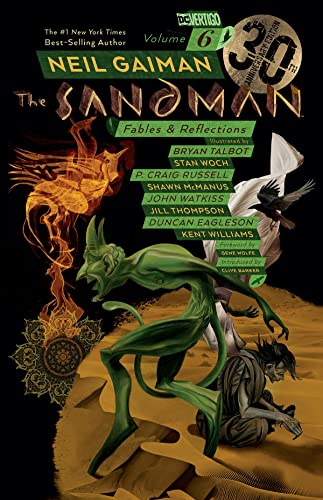
Start this bookNo. 19 on this list. The Sandman Vol. 6: Fables & Reflections · Neil Gaiman
The Sandman series appears on university literature and cultural studies syllabi as a defining example of the graphic novel form, though the medium remains underrepresented in traditional English department canons. Vol. 6 is rarely isolated from the series, but as part of one of the most-collected graphic novel sequences in print history it holds a firm place in any serious reading of the form. No syllabus data was available in the database.
Challenging1.5 hours
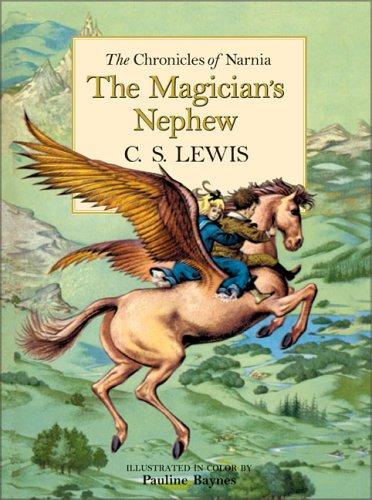
Start this bookNo. 20 on this list. The Magician’s Nephew · C.S. Lewis · 1955
The Chronicles of Narnia rank among the most widely read children's series of the 20th century, with over 100 million copies sold globally. The Magician's Nephew appears on virtually every major 'best children's books' list and is taught in primary schools worldwide. No syllabus data available in the database, but its foundational place in children's literature curricula — particularly in English-speaking countries — establishes strong canonical status within its sphere.
Easy2.3 hours
Start this book
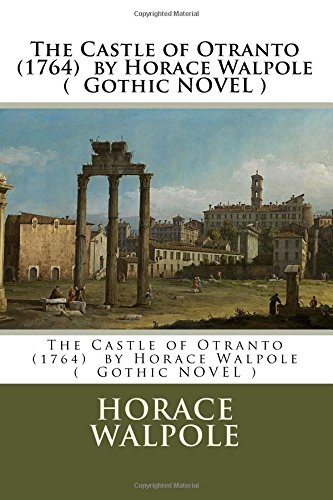
No. 21 on this list. The Castle of Otranto · Horace Walpole · 1764
The Castle of Otranto appears regularly on syllabi for 18th-century literature, Romanticism, and Gothic studies courses at universities worldwide. It is the mandatory founding text for any serious study of the Gothic genre. Its canonical presence is disciplinary rather than universal — standard in literary history surveys but not assigned with the frequency of Austen or Defoe.
Easy2.1 hours
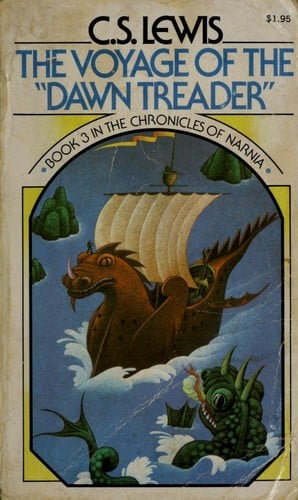
Start this bookNo. 22 on this list. The Voyage of the Dawn Treader · C.S. Lewis · 1952
The Chronicles of Narnia as a series holds a stable position on children's literature reading lists and required-reading recommendations across the English-speaking world. No syllabus data appears in the database for this specific entry, but Lewis's series figures on virtually every 'essential fantasy' and 'essential children's literature' canon list published since the 1970s.
Easy3.7 hours
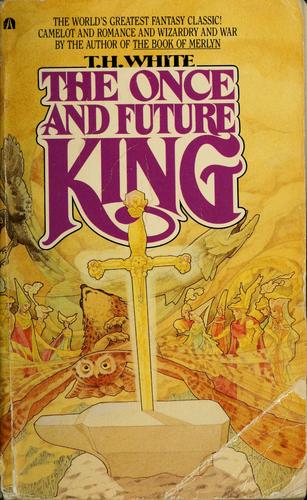
Start this bookNo. 23 on this list. The Once and Future King (The Once and Future King, #1–5) · T.H. White · 1987
White's Arthurian cycle is a standard of modern fantasy and a staple of school reading lists, adapted into Disney's The Sword in the Stone, Camelot and more. It is canonical in fantasy and children's literature but less so in university literature courses.
Moderate16 hours
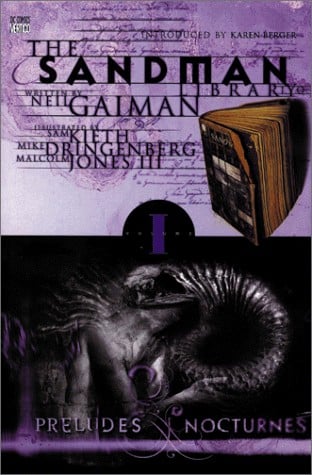
Start this bookNo. 24 on this list. The Sandman, Vol. 1: Preludes & Nocturnes · Neil Gaiman · 1998
Sandman is widely taught in graphic novel and popular fiction courses, and this first volume is the standard entry point, though not yet a fixture of mainstream literary syllabi.
Moderate4 hours
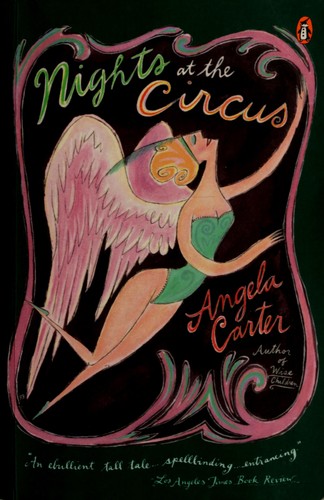
Start this bookNo. 25 on this list. Nights at the Circus · Angela Carter · 1984
Nights at the Circus appears regularly in postmodern fiction and British women's writing courses and features on university syllabi in the UK, US, and Australia, though it is not as universally taught as Beloved or Midnight's Children. It is Carter's most frequently assigned novel and a standard entry point to her work. No major 'great novels' list universally includes it, but it appears on many contemporary-fiction reading lists.
Difficult13 hours
Start this bookNo. 26 on this list. The Magic Toyshop · Angela Carter · 1967
The Magic Toyshop is taught regularly in British postmodern and feminist literature courses as Carter's first major novel and an early exemplar of feminist Gothic fiction. It is less ubiquitous on syllabi than The Bloody Chamber or Nights at the Circus but occupies a secure place in courses on women's writing and postmodern British fiction. No data signals found in database; score based on established literary reputation.
Challenging5.7 hours
Start this bookNo. 27 on this list. Gormenghast · Mervyn Peake · 1950
Gormenghast occupies a prestigious but narrow niche: celebrated as the founding text of British literary fantasy and regularly cited on 'great novels' lists, but rarely taught in university curricula. It appears on the Modern Library 100 and TIME All-TIME 100 lists, placing it in serious literary conversation while remaining a cult rather than classroom fixture.
Challenging17 hours
Start this bookNo. 28 on this list. Perdido Street Station · China Miéville · 2000
Perdido Street Station occupies a strong canonical position within speculative fiction and New Weird literature, regularly cited in discussions of the genre's evolution. It appears in some university fantasy and SF literature courses but has limited presence on mainstream literary syllabi. Its reputation is firm within its genre community, analogous to Infinite Jest (78) among maximalist fiction fans but without that novel's wider academic footprint.
Difficult28 hours
Start this bookNo. 29 on this list. The BFG · Roald Dahl · 1982
The BFG is a fixture in UK primary school reading and appears on most 'best children's books' lists, including Waterstone's Children's Books of the Century. The 2016 Steven Spielberg film adaptation confirmed its cultural durability. No syllabus data was found in the database, likely because the book is taught at primary rather than university level.
Very Easy2.3 hours
Start this bookNo. 30 on this list. The Wind in the Willows · Kenneth Grahame · 1908
Taught in schools: CSEC English B – Caribbean Examinations Council
The Wind in the Willows is a fixture of the English literary canon for children's literature, widely taught in UK schools and appearing on nearly every 'classics' reading list for young readers. It has a substantial Wikipedia presence across 50+ languages and has maintained continuous readership for over 115 years. Less universally assigned in university literature courses than Hamlet or Gatsby, but unquestioned as a foundational work of British literary heritage.
Moderate3.8 hours
Start this book
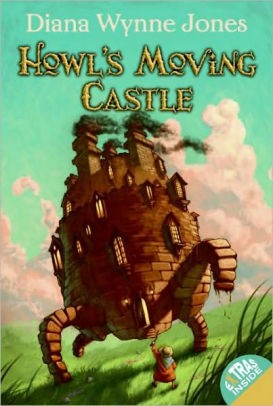
No. 31 on this list. Howl's Moving Castle
Diana Wynne Jones · 1986
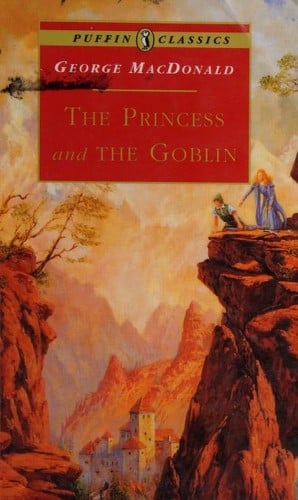
No. 32 on this list. The Princess and the Goblin
George MacDonald · 1872
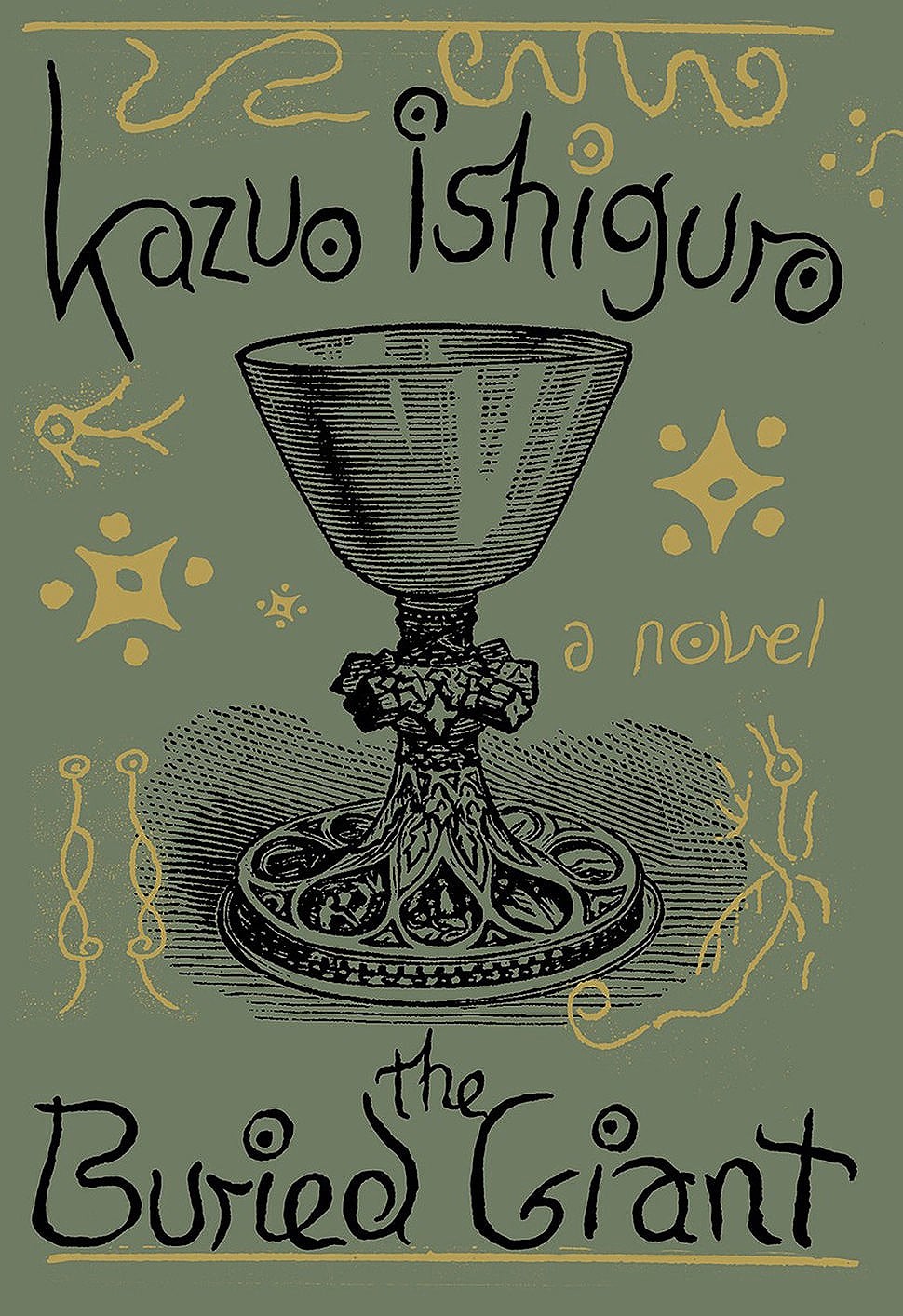
No. 33 on this list. The Buried Giant
Kazuo Ishiguro · 2015
No. 34 on this list. Watership Down
Richard Adams · 1972
Taught in schools: CSEC English B – Caribbean Examinations Council
No. 35 on this list. Lud-in-the-Mist
Hope Mirrlees · 1926
No. 36 on this list. James and the Giant Peach
Roald Dahl · 1961
No. 37 on this list. The Borrowers
Mary Norton · 1952
Taught in schools: CSEC English B – Caribbean Examinations Council
No. 38 on this list. Titus Groan
Mervyn Peake · 1946
No. 39 on this list. The Owl Service
Alan Garner · 1967
No. 40 on this list. Sexing the Cherry
Jeanette Winterson · 1998
No. 41 on this list. Everything Under
Daisy Johnson · 2018
No. 42 on this list. Vathek
William Beckford · 1786
No. 43 on this list. Wyrd Sisters
Terry Pratchett · 1988
No. 44 on this list. Small Gods
Terry Pratchett · 1992
No. 45 on this list. The Dark Is Rising
Susan Cooper · 1973
Taught in schools: Common Core text exemplars (Appendix B) (US)
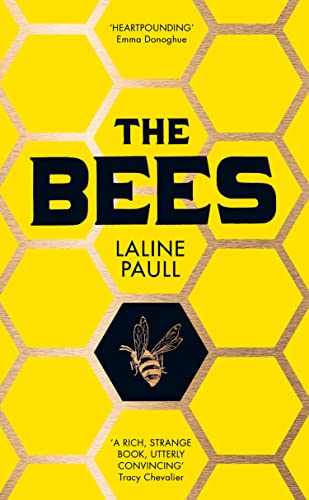
No. 46 on this list. The Bees
Laline Paull · 2015
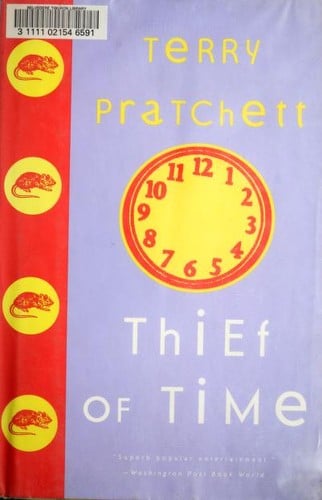
No. 47 on this list. Thief of Time
Terry Pratchett · 2001
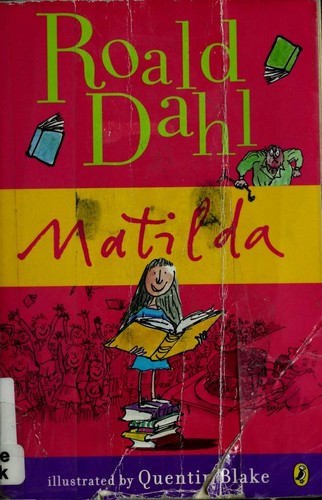
No. 48 on this list. Matilda
Roald Dahl · 1988
Taught in schools: CSEC English B – Caribbean Examinations Council
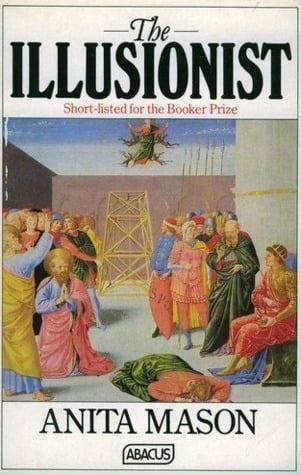
No. 49 on this list. The Illusionist
Anita Mason · 1983
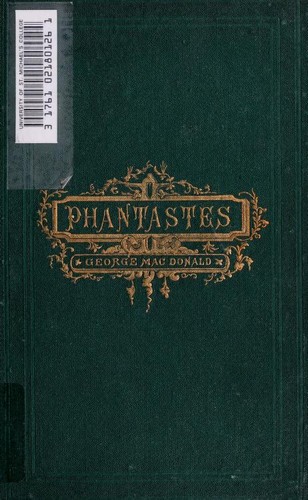
No. 50 on this list. Phantastes
George MacDonald · 1858
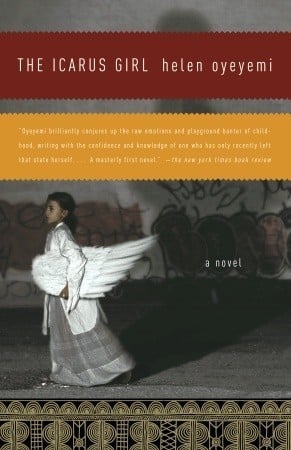
No. 51 on this list. The Icarus Girl
Helen Oyeyemi · 2005
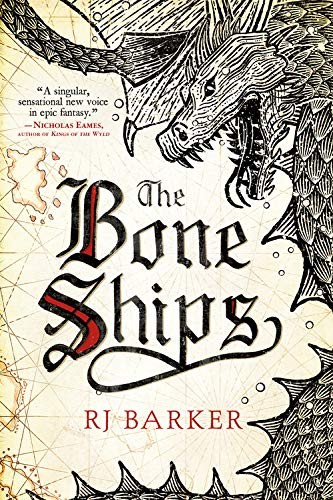
No. 52 on this list. The Bone Ships
R. J. Barker · 2019
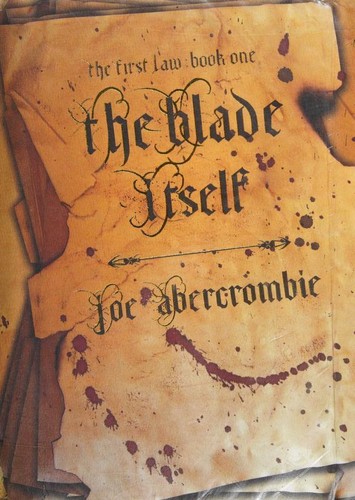
No. 53 on this list. The Blade Itself
Joe Abercrombie · 2006
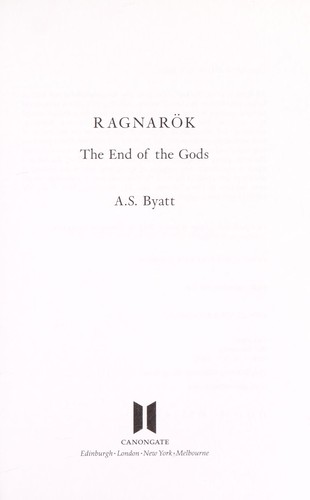
No. 54 on this list. Ragnarok
A.S. Byatt · 2011
No. 55 on this list. Under the Pendulum Sun
Jeannette Ng · 2017
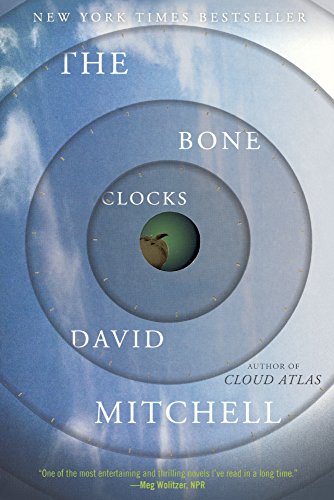
No. 56 on this list. The Bone Clocks
David Mitchell · 2014
No. 57 on this list. Harry Potter and the Chamber of Secrets
J.K. Rowling · 1999
No. 58 on this list. Harry Potter and the Order of the Phoenix
J.K. Rowling · 2003
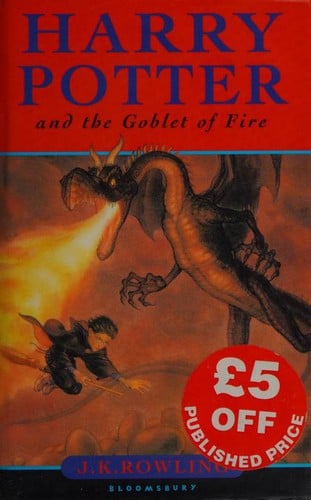
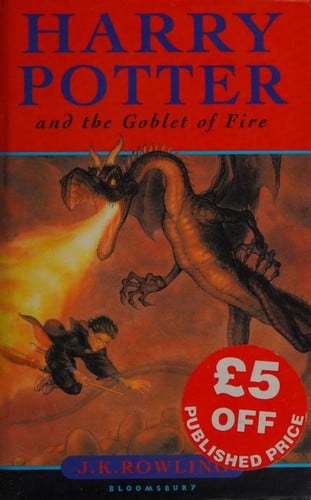
No. 59 on this list. Harry Potter and the Goblet of Fire
J.K. Rowling · 2000
No. 60 on this list. Elric of Melniboné
Michael Moorcock · 1972
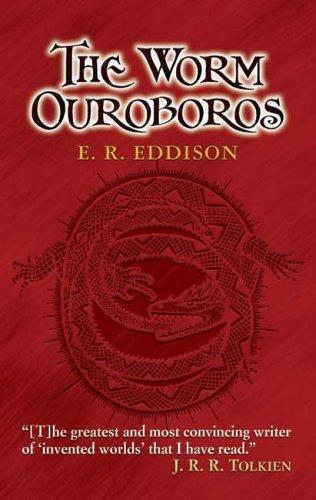
No. 61 on this list. The Worm Ouroboros
E. R. Eddison · 1922
No. 62 on this list. Девочка с медвежьим сердцем
No. 63 on this list. The Priory of the Orange Tree
Samantha Shannon · 2019
No. 64 on this list. Night's Master
Tanith Lee · 1978
No. 65 on this list. Parasol Against the Axe
Helen Oyeyemi · 2024
No. 66 on this list. Prince of Thorns
Mark Lawrence · 2011
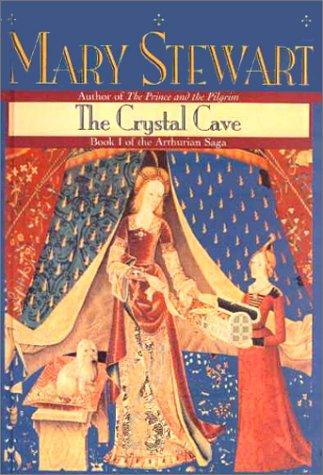
No. 67 on this list. The Crystal Cave
Mary Stewart · 1970
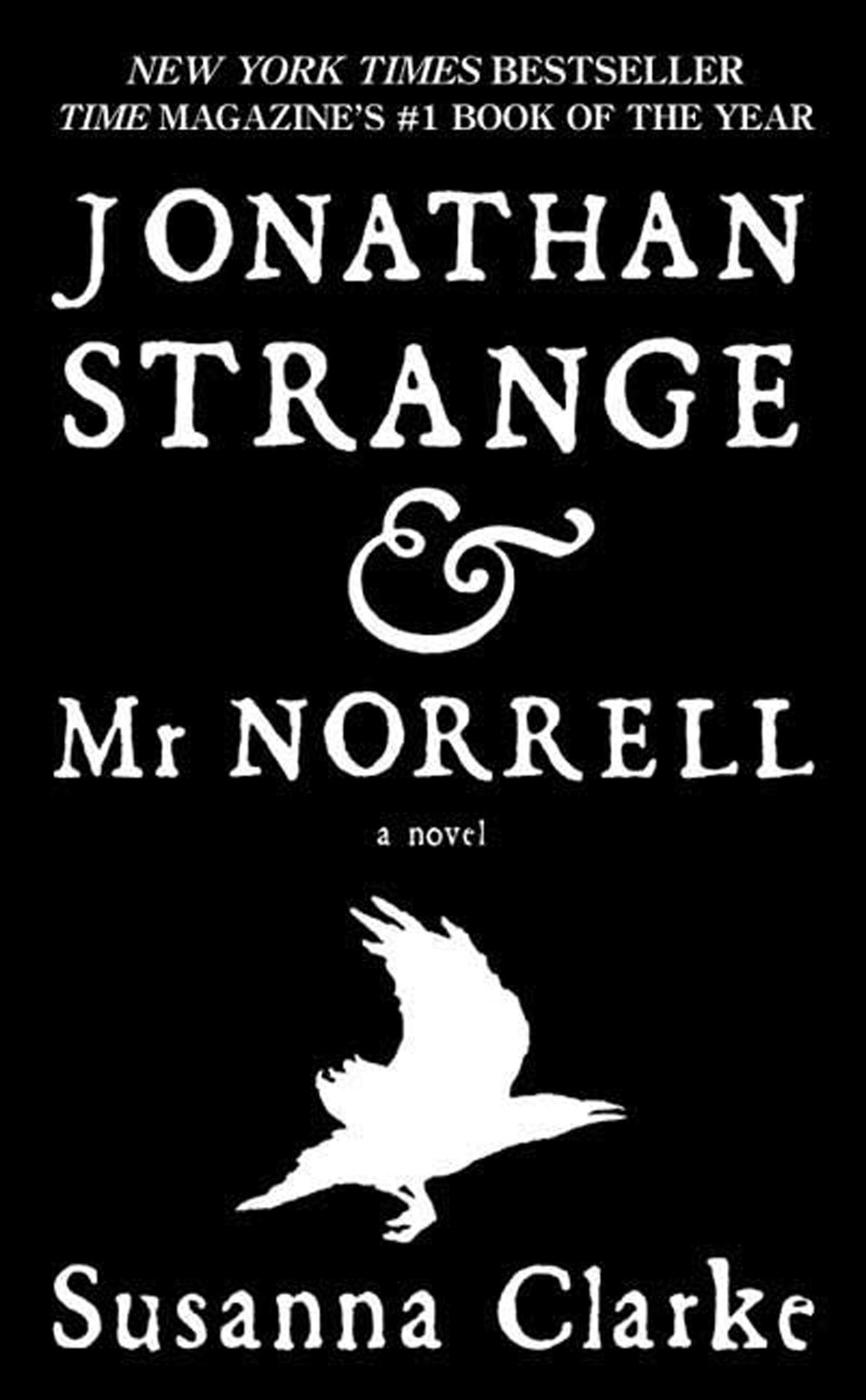
No. 68 on this list. Jonathan Strange & Mr Norrell
Susanna Clarke · 2004
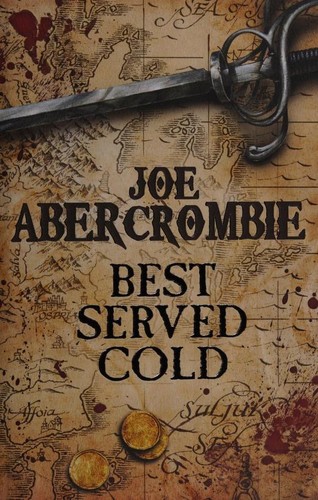
No. 69 on this list. Best Served Cold
Joe Abercrombie · 2009
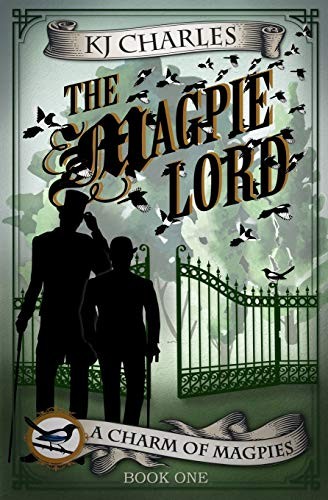
No. 70 on this list. The Magpie Lord
KJ Charles · 2013
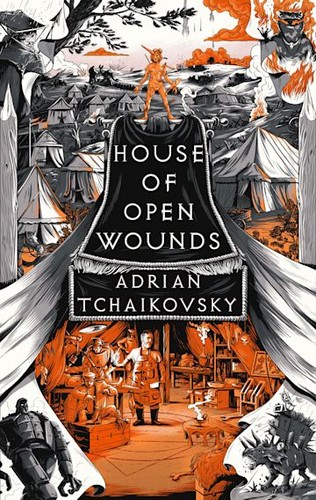
No. 71 on this list. House of Open Wounds
Adrian Tchaikovsky · 2023
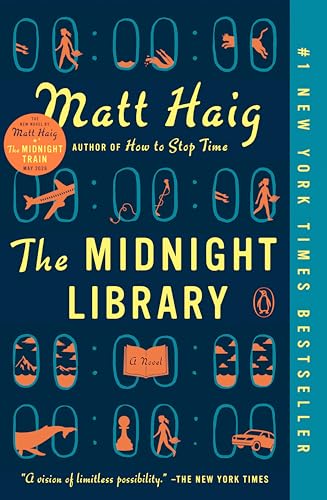
No. 72 on this list. The Midnight Library
Matt Haig · 2020
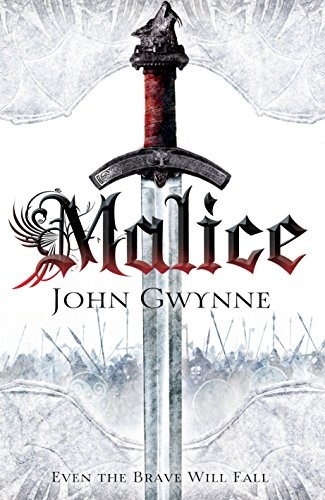
No. 73 on this list. Malice
John Gwynne · 2012
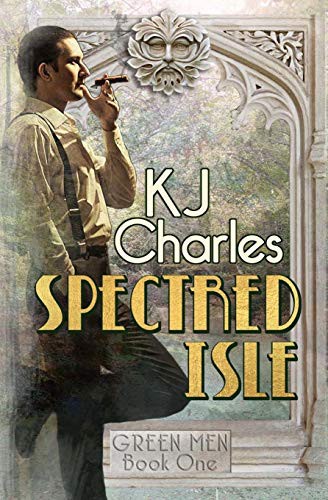
No. 74 on this list. Spectred Isle
KJ Charles · 2017
No. 75 on this list. A Time of Dread
John Gwynne · 2018
No. 76 on this list. The Secret Casebook of Simon Feximal
KJ Charles · 2015
No. 77 on this list. The Shadow of the Gods (The Bloodsworn Saga, #1)
John Gwynne · 2021
No. 78 on this list. Lancelot
Giles Kristian · 2018
No. 79 on this list. Camelot
Giles Kristian · 2020
No. 80 on this list. Arthur
Giles Kristian · 2024



No. 81 on this list. Legend
David Gemmell · 1984
No. 82 on this list. Brimstone
Callie Hart · 2025
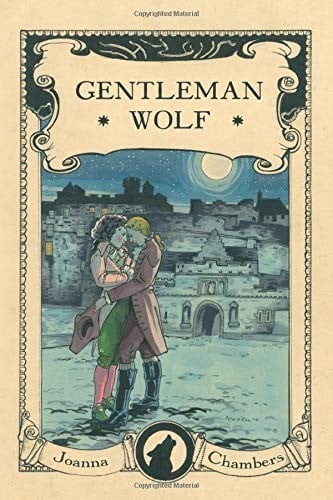
No. 83 on this list. Gentleman Wolf
Joanna Chambers · 2019
No. 84 on this list. Shadow Princess
Caroline Peckham · 2020
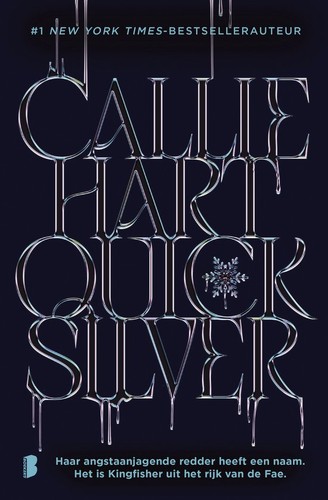
No. 85 on this list. Quicksilver (Fae & Alchemy, #1)
Callie Hart · 2024
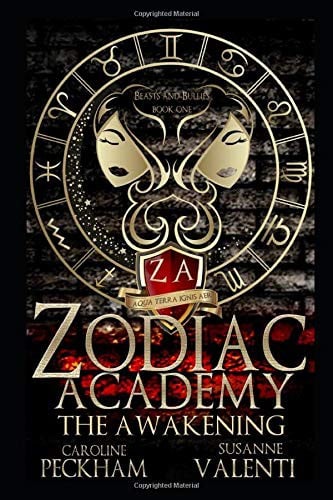
No. 86 on this list. The Awakening
Caroline Peckham · 2019
No. 87 on this list. Sorrow and Starlight
Caroline Peckham · 2022
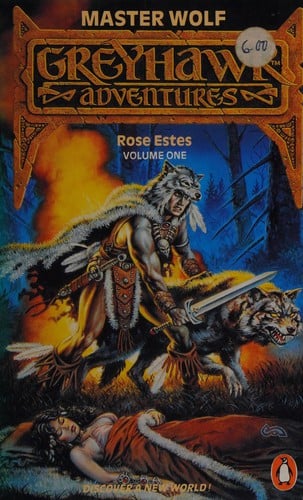
No. 88 on this list. Master Wolf
Joanna Chambers · 1988
No. 89 on this list. Quicksilver Bonus Scenes: Kingfisher's POV
Callie Hart · 2025
About this list
These 89 books are the highest-scoring eligible fantasy novels from Britain currently in the catalogue. By literary regard, it opens with Orlando, Alice's Adventures in Wonderland and Through the Looking-Glass and A Christmas Carol. About 713 hours of reading in all. Difficulty runs from 34 to 57 out of 100 for the middle half of the list; the summit is Lanark: A Life in Four Books at 81.
This list is ranked by literary regard, with a consistent order for equal scores. Membership follows authors and co-authors, not translators or editors. Catalogue coverage and the historical canon both limit what this list can represent, and genre labels are the catalogue’s own, gathered into broader kinds.
When we matched the Canons dataset to our catalogue in October 2026, our canonical-status scores rose with the number of school curricula, publisher series and lists in it that cite a work: the median score was 72 for books one such source cites, 84 at two, 88 at three, 92 at four and 93 at five or more. Prizes are left out of that count. Outside the state curricula, the dataset’s sources choose mostly from what has been translated into English or French, so it is a weaker check on other literatures. Source: Canons (Andrew Piper), CC BY 4.0
Questions people actually ask
- What are the best fantasy novels from Britain?
- By literary regard, which weighs canonical status, critical standing and influence, Orlando, Alice's Adventures in Wonderland and Through the Looking-Glass, A Christmas Carol, The Tempest and Through the Looking-Glass and What Alice Found There lead. ReadingRate ranks 89 such books, each with a difficulty score and a reading-time estimate.
- Where should I start with fantasy novels from Britain?
- Start from difficulty, not from rank. The most approachable books on this list that still carry top literary regard are The Hobbit, or There and Back Again by J.R.R. Tolkien (about 5 hours), A Christmas Carol by Charles Dickens and Alice's Adventures in Wonderland and Through the Looking-Glass by Lewis Carroll.
- How hard are fantasy novels from Britain to read?
- Most of this list sits between 34 and 57 on ReadingRate's 100-point difficulty scale, where 40 to 55 is moderate. The summit is Lanark: A Life in Four Books at 81. Every entry carries its own score, so a reader can pick a great book at a difficulty they will finish.
- How is this list ranked?
- On literary-regard data: how canonically established a work is, its critical standing, and its influence on later writing. It is not a readers’ poll, which is why recent bestsellers rarely appear. Membership follows authors and co-authors, not translators or editors. A list that is not a genre list keeps to literature (fiction, poetry, drama and philosophy), with philosophy taking no more than one slot in five while there is literature left to rank; every list holds at most three works by one author.