Hours at an average pace
Showing 100 books
About 960 hours for 100 of 100 books with measured lengths. Estimates use 250 words a minute, adjusted for each book's difficulty. At 2 hours a day, about 480 days for those books.
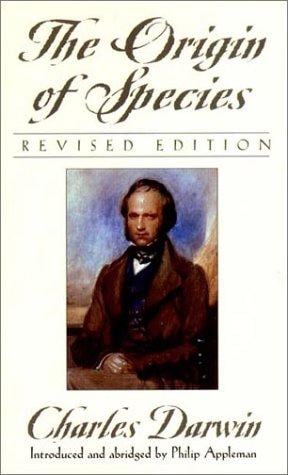
The book is a cornerstone of biology, history of science and Victorian studies, assigned across disciplines worldwide. It is among the most widely taught scientific texts ever written.
No. 2 on this list. The Essential Darwin: On the Origins of Species/The Descent of Man
Challenging3.7 hours
Selections centred on On the Origin of Species — among the most taught and cited works in the history of science.
The Preface to Lyrical Ballads is the founding manifesto of English Romanticism and appears on every university syllabus in Romantic literature, literary theory, and criticism courses. It is required reading in virtually all English literature programs and is cited as the document that defined the terms of English poetry for the 19th century. Its presence in literary education is as reliable as any text in the tradition.
The Enquiry is a staple of introductory philosophy and early-modern courses worldwide, usually paired with Descartes and Kant. It sits among the core texts of the empiricist tradition.
Utilitarianism is required reading in philosophy curricula worldwide and appears on virtually every syllabus for ethics, political philosophy, and moral theory. It is one of the most assigned philosophical texts in English-language universities, assigned alongside Kant's Groundwork as the foundational statement of consequentialist ethics. No undergraduate philosophy education omits it.
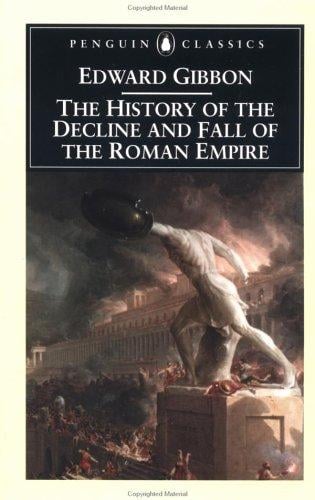
Published in six volumes between 1776 and 1789, it has stayed in print ever since and is a set text in courses on historiography, the Enlightenment and English prose. It appears on every major list of essential works of history in English.
Seven Types of Ambiguity appears on virtually every literary criticism, New Criticism, and critical theory syllabus in Anglophone universities. It is among the half-dozen foundational texts of 20th-century literary criticism alongside Practical Criticism and The Well-Wrought Urn, taught consistently from undergraduate survey courses through graduate theory seminars. The database contains no syllabus count, but its unbroken pedagogical presence for nearly a century places it alongside Beloved (85) or above in canonical weight.
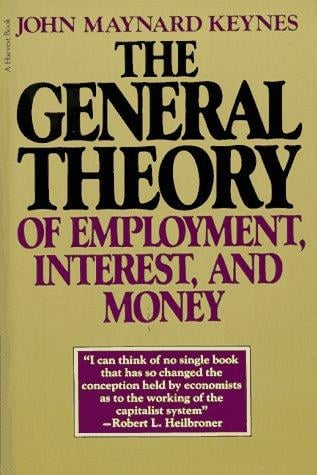
No. 8 on this list. The General Theory of Employment, Interest and Money
John Maynard Keynes · 1936
Challenging12 hours
The founding text of macroeconomics, the General Theory is standard reading in economics and history of economic thought courses and is assigned in politics and history courses on the Depression and the postwar settlement. It appears on most lists of the most important books of the twentieth century.
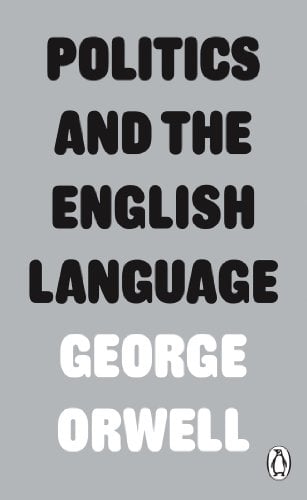
One of the most anthologized and assigned essays in the English language, a fixture of first-year composition, rhetoric, and journalism curricula worldwide. Its six rules and the phrase 'political language' recur in countless style guides and writing handbooks. No syllabus or Wikipedia-language data was available in our database, but its teaching presence rivals the most-taught novels.
The Logic of Scientific Discovery is required reading in virtually every philosophy of science course at the university level and appears widely on syllabi in history and philosophy of science programs globally. It is not a literary canonical text but holds the equivalent position within its discipline — a foundational text that practitioners of science and philosophy are expected to know.

No. 11 on this list. After Virtue · Alasdair MacIntyre · 1981
Alasdair MacIntyre opens After Virtue with a thought experiment: imagine that natural science suffered a catastrophe, that laboratories were burned, scientists lynched, and then an imperfect reconstruction took place — people using the words 'neutrino' and 'specific gravity' without understanding what they mean. MacIntyre's claim is that this is precisely the state of moral language today. We use words like 'justice,' 'rights,' and 'virtue' as fragments from a tradition we have lost, producing arguments that are logically valid but rationally interminable because the premises are incommensurable. The abortion debate, the debate over just war, the debate over justice in taxation: each rests on premises drawn from incompatible moral frameworks, and no shared standard exists to adjudicate between them. MacIntyre traces the collapse to the Enlightenment's failed attempt to ground morality without Aristotle's teleological framework. Hume tried desire; Kant tried reason; Kierkegaard tried choice. Each failed for reasons internal to its own logic. What was lost — and what MacIntyre argues must be recovered — is Aristotle's account of the virtues as the qualities that enable human beings to achieve their specific good, embedded in practices, communities, and narrative lives. The book is a work of moral philosophy and intellectual history at once, written with unusual clarity for its level of argument. What it demands is patience with sustained abstraction and prior familiarity with the major figures in Western ethical theory.
Challenging12 hours
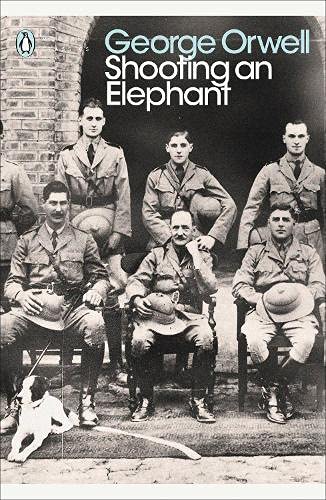
Start this bookNo. 12 on this list. Shooting an Elephant and Other Essays · George Orwell · 1950
Orwell's essays are standard fixtures in English literature and university composition courses worldwide. 'Shooting an Elephant' and 'Politics and the English Language' rank among the most-assigned essays in undergraduate curricula, appearing across literature, political science, and writing programs. Individual essays have been continuously reprinted since their first collection in the late 1940s.
Moderate7 hours
Start this bookNo. 13 on this list. Ways of Seeing · John Berger · 1972
Required reading in virtually every art history, visual culture, media studies, and design curriculum globally. The book single-handedly changed how art criticism is taught, appearing on syllabi across disciplines from fine art to gender studies to communications. Its place in the Western critical canon is essentially uncontested.
Moderate1.6 hours
Start this bookNo. 14 on this list. The Death of the Moth and Other Essays · Virginia Woolf · 1942
The title essay 'The Death of the Moth' is one of the most anthologized pieces in the English language, appearing in virtually every major collection of literary essays and countless university writing courses. Though the collection as a whole is less individually indexed than Woolf's novels, these essays — alongside 'Street Haunting' and 'Middlebrow' — are fixtures of modernist prose and creative nonfiction curricula worldwide.
Moderate4.6 hours
Start this bookNo. 15 on this list. Biographia Literaria · Samuel Taylor Coleridge · 1817
Samuel Taylor Coleridge published Biographia Literaria in 1817 to settle a score with critics, explain his intellectual development, and deliver a theory of the Imagination that would ground all of English poetry on philosophical foundations. He does two of these things. The third — the promised deduction of the Primary and Secondary Imagination from Kantian and Schellingian idealism — arrives in Chapter 13 as a single dense paragraph, preceded by a letter from a friend advising Coleridge not to publish the full argument lest it overwhelm his readers. The letter is fictional. The argument was never written. What Coleridge gives instead is something stranger: a self-portrait that uses autobiography as scaffolding for philosophy, and philosophy as scaffolding for the most exacting account of Wordsworth's genius and failures produced by anyone in the 19th century. The chapters on Lyrical Ballads identify with precision which poems succeed, which fail, and why — the analysis of 'The Thorn' and 'Guilt and Sorrow' is still the most incisive criticism of early Wordsworth written. The philosophical chapters require patience with Kant, Schelling, and Hartley; the autobiographical chapters reward it with the closest thing we have to Coleridge's intellectual self-accounting. The book is the record of a mind moving at full stretch, making promises it cannot keep and keeping ones it never made.
Difficult14 hours
Start this bookNo. 16 on this list. The Essays · Francis Bacon · 1625
Bacon's Essays appear on English literature survey syllabi and Renaissance studies courses across the anglophone world. They established the English familiar essay as a genre and appear on most 'English prose classics' and 'founding texts of the essay' reading lists alongside Montaigne's Essais. The database shows no records, but this reflects data coverage gaps rather than actual obscurity.
Moderate3.5 hours
Start this bookNo. 17 on this list. Areopagitica · John Milton · 1644
Included in: Great Books of the Western World
The foundational text of free speech philosophy. Required reading in political philosophy, law, and media studies worldwide.
Moderate1.3 hours
Read nowNo. 18 on this list. Preface to Shakespeare · Samuel Johnson · 1765
The Preface to Shakespeare is one of the canonical texts of English literary criticism, taught in virtually every graduate programme in English literature and appearing on syllabi in the history of criticism and 18th-century studies. It is treated as a foundational document of English critical thought alongside Sidney's Defence of Poesy and Arnold's 'The Function of Criticism.' No syllabus data is available in the database, but its presence in standard anthologies of literary criticism is well established.
Moderate1.4 hours
Start this bookNo. 19 on this list. The Common Reader · Virginia Woolf · 1925
The Common Reader appears on English literature and literary criticism syllabi at universities globally, particularly in courses covering modernism and the essay tradition. The title itself passed into common literary-critical usage as a shorthand for the ideal engaged reader. It is among the most frequently assigned of Woolf's non-fiction works, alongside A Room of One's Own, though the latter is more widely taught.
Moderate5 hours
Read nowNo. 20 on this list. Culture and Anarchy · Matthew Arnold · 1869
Culture and Anarchy appears on university syllabi across English literature, Victorian studies, cultural theory, and political philosophy — a fixture in courses treating 19th-century intellectual history. The book introduced class-descriptive vocabulary ('Philistines,' 'Barbarians,' 'Populace') that entered common English usage, and Arnold's definition of culture as 'the best which has been thought and said' became the default point of departure for all subsequent debates about cultural value. Less universally taught than the novel canon but indispensable in the Victorian prose tradition.
Challenging5 hours
Start this book
No. 21 on this list. Practical Criticism · I.A. Richards · 1929
Foundational text of close reading as a method. Required in most courses on critical methodology.
Challenging6 hours
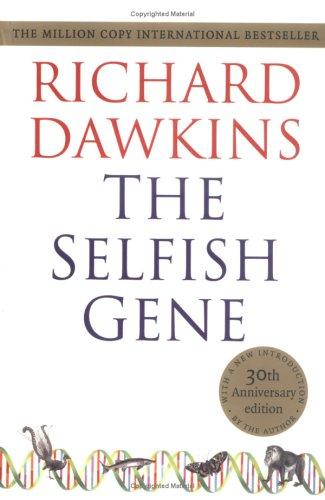
Start this bookNo. 22 on this list. The Selfish Gene · Richard Dawkins · 1976
Four billion years ago, a molecule capable of copying itself appeared in the primordial soup. Everything since — every bacterium, beetle, and human being — is a machine built by those replicators to carry them forward. Richard Dawkins published this argument in 1976, and it reorganized how biologists, philosophers, and general readers think about evolution. The unit of selection, Dawkins argues, is not the species, not the group, not even the individual organism. It is the gene. Organisms are temporary coalitions built by genes competing for spots in the next generation. Altruism, cooperation, parent-offspring conflict, and sex ratios all follow from this single reorientation of perspective. Dawkins builds his case through thirteen chapters of escalating clarity, anchoring every theoretical claim in concrete animal behavior: penguins refusing to be the first in the water, praying mantises eating their mates mid-copulation, worker bees dying to protect the hive. The book's penultimate chapter introduces the meme — a unit of cultural replication analogous to the gene — as a second kind of replicator that has emerged in human minds. Written for the general reader who has no specialized knowledge but is unwilling to be patronized, The Selfish Gene remains the most precise and readable account of Darwinian logic ever written for a non-specialist audience.
Easy6.4 hours
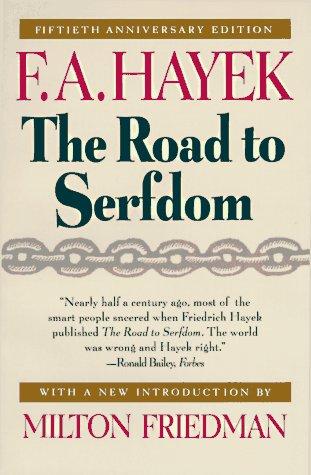
Start this bookNo. 23 on this list. The Road to Serfdom · Friedrich Hayek · 1944
Standard required reading in political philosophy, economics, and liberal theory courses at universities worldwide. Consistently appears on lists of the most influential non-fiction of the 20th century, including TIME's 100 Best Nonfiction list and the Modern Library's reader list. The Wikipedia article exists in over 40 languages, and the book has never gone out of print since 1944.
Moderate8.8 hours
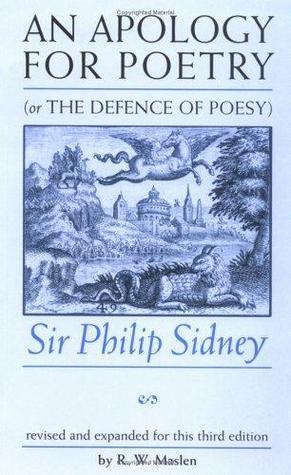
Start this bookNo. 24 on this list. The Defence of Poesy · Philip Sidney · 1595
Philip Sidney opens not with poetry but with a horseman. At the Emperor's court, Sidney's riding instructor John Pietro Pugliano spent every lesson arguing that soldiers were the noblest of men and horsemen the noblest of soldiers—self-love, Sidney notes, making even weak arguments seem gorgeous. Sidney then does the same for poetry, and he knows it. Written around 1580 and circulated in manuscript, The Defence of Poesy is the founding document of English literary criticism: a sustained philosophical argument that poetry is the superior form of knowledge, outranking both the philosopher and the historian. The philosopher teaches virtue in the abstract; the historian records what was, not what should be; only the poet delivers 'a perfect picture' that couples the general principle with the particular example, moving readers to act rather than merely understand. Sidney pulls Aristotle, Plato, Horace, and Cicero into a single argumentative current, dispatching each objection—that poetry lies, corrupts morals, wastes time—with the precision of a trained logician. The English is Elizabethan throughout: Latin quotations untranslated, Greek terms dropped without apology, periodic sentences that run long before the predicate arrives. This is not casual reading. But the underlying argument—that fiction can be truer than fact—remains as useful and contested now as it was in 1595.
Challenging1.5 hours
Start this bookNo. 25 on this list. A Defence of Poetry · Percy Bysshe Shelley · 1840
A Defence of Poetry appears on virtually every Romantic literature and literary theory syllabus in English-speaking universities. It is the canonical statement of Romantic poetics alongside Philip Sidney's Defence of Poesy, taught in survey courses from Keats to modern criticism. No syllabus data is available in the database, but its presence in undergraduate and graduate curricula is nearly universal.
Challenging2.2 hours
Start this bookNo. 26 on this list. The Open Society and Its Enemies · Karl Popper · 1945
Karl Popper wrote The Open Society and Its Enemies in New Zealand during World War II, watching fascism spread across Europe and wondering how philosophy had helped it along. His answer runs to two thick volumes: Plato built the first blueprint for totalitarianism; Hegel dressed it in mystical abstraction; Marx gave it pseudo-scientific prophecy. The 'enemies' of the title are not politicians but ideas — historicism (the belief that history follows iron laws), essentialism (the belief that social entities have fixed natures), and utopianism (the belief that a perfect state can be designed and implemented whole). Popper dismantles each in turn with patient, numbered argument. He finds Plato's philosopher-kings to be authoritarians by design, their wisdom indistinguishable from the claim that power justifies itself. He finds Hegel's prose to be deliberate obscurantism in service of Prussian power — 'supreme only in his outstanding lack of originality.' He finds Marx's economic prophecies unfalsifiable, and therefore not science but mythology with a scientific costume. What survives the demolition is a defense of the open society: one that tolerates criticism, reforms institutions incrementally, and resists the tribal pull toward certainty. The arguments about why intellectuals are drawn to closed societies — and what makes free societies structurally fragile — read as if written for any decade that has produced one.
Challenging27 hours
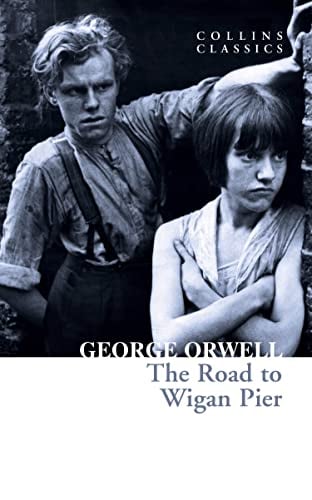
Start this bookNo. 27 on this list. The Road to Wigan Pier · George Orwell · 1937
The Road to Wigan Pier appears regularly on university syllabi in British history, political science, sociology, and documentary writing courses. It is widely regarded as a foundational text of engaged social journalism and is included in numerous lists of essential non-fiction. Orwell's reputation ensures it has never gone out of print.
Moderate4.6 hours
Start this bookNo. 28 on this list. Marxism and Literature · Raymond Williams · 1977
The standard introduction to Marxist literary theory. Essential in cultural studies, literary theory, and British intellectual history.
Difficult6.1 hours
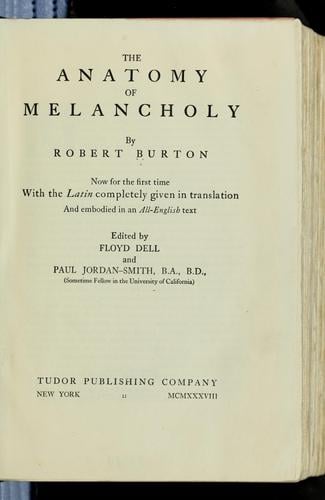
Start this bookNo. 29 on this list. The Anatomy of Melancholy · Robert Burton · 1621
Robert Burton sits in his Oxford study, convinced he is melancholic, and sets out to cure himself by writing everything that has ever been said about melancholy. The result, first published in 1621 and expanded through five more editions before his death, runs to nearly 1,400 pages and cites over 1,250 authors. 'Democritus Junior' — Burton's pseudonym, borrowed from the ancient philosopher who laughed at human folly — addresses the reader as a fellow sufferer, diagnosing a world in which every person is mad in some particular way, and scholars most knowingly of all. The work divides melancholy into kinds: melancholy of the head, the body, the hypochondria; melancholy from love, from religion, from the stars. Each partition subdivides into sections, members, subsections, and then into digressions that swallow the parent argument whole. The Digression of Air runs sixty pages inside a single subsection, surveying cosmological hypotheses from Copernicus to the latest speculations about life on other worlds. Latin, Greek, and Arabic quotations crowd every paragraph. Burton's English is early seventeenth-century at its most capacious — learned, talkative, self-interrupting. The prescribed cures pile up as inexhaustibly as the causes, and the reader grasps eventually that the book is the disease and the disease is the book. No writer has made more persuasive company of inability to stop.
Difficult76 hours
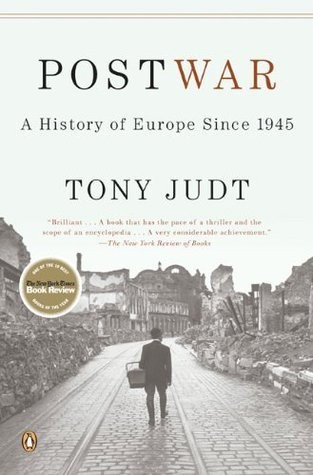
Start this bookNo. 30 on this list. Postwar · Tony Judt · 2005
Postwar is widely assigned in university history, political science, and European studies courses across the English-speaking world. It is the standard single-volume reference for post-1945 European history, found on graduate and undergraduate reading lists alike. Multiple editions and translations have kept it in continuous academic circulation since its 2005 publication.
Moderate28 hours
Start this book
No. 31 on this list. Three Guineas
Virginia Woolf · 1938
No. 32 on this list. A Pattern Language
Christopher Alexander · 1977
No. 33 on this list. The Wealth of Nations
Adam Smith · 1776
No. 34 on this list. Leviathan
Thomas Hobbes · 1651
Included in: Great Books of the Western World
No. 35 on this list. Two Treatises of Government
John Locke · 1689
No. 36 on this list. The Doors of Perception
Aldous Huxley · 1954
No. 37 on this list. Mere Christianity
C.S. Lewis · 1952
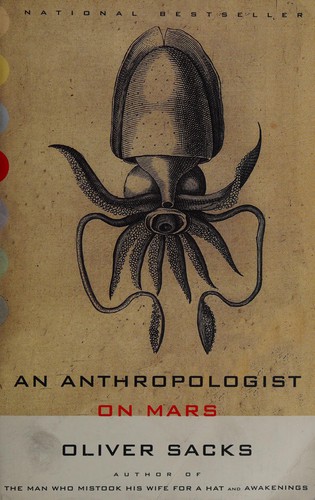
No. 38 on this list. An Anthropologist on Mars
Oliver Sacks · 1995
No. 39 on this list. An Essay of Dramatic Poesy
John Dryden · 1668
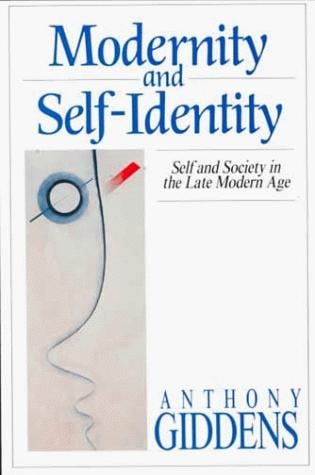
No. 40 on this list. Modernity and Self-Identity
Anthony Giddens · 1991
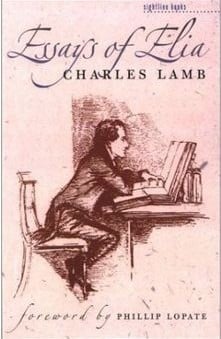
No. 41 on this list. Essays of Elia
Charles Lamb · 1823
No. 42 on this list. The Diary of Samuel Pepys
No. 43 on this list. Black Lamb and Grey Falcon
Rebecca West · 1941
No. 44 on this list. On Liberty
John Stuart Mill · 1859
No. 45 on this list. Principles of Literary Criticism
I.A. Richards · 1924
No. 46 on this list. The Second World War
John Keegan · 1989
No. 47 on this list. The Man Who Mistook His Wife for a Hat
Oliver Sacks · 1985
No. 48 on this list. A History of God
Karen Armstrong · 1993
No. 49 on this list. Underland: A Deep Time Journey
Robert Macfarlane · 2019
No. 50 on this list. How Fiction Works
James Wood · 2008
No. 51 on this list. In Patagonia
Bruce Chatwin · 1977
No. 52 on this list. A Brief History of Time
Stephen Hawking · 1988
No. 53 on this list. Awakenings
Oliver Sacks · 1973
No. 54 on this list. Epistemic Injustice: Power and the Ethics of Knowing
Miranda Fricker · 2007
No. 55 on this list. About Looking
John Berger · 1980
No. 56 on this list. Aspects of the Novel
E.M. Forster · 1927
No. 57 on this list. Grace Abounding
John Bunyan · 1666
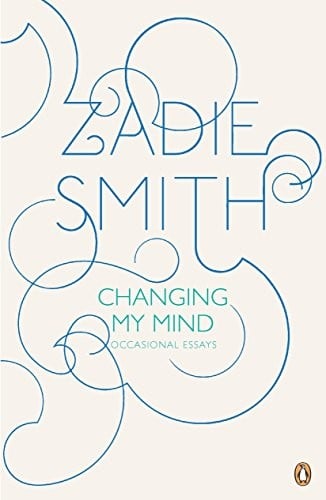
No. 58 on this list. Changing My Mind: Occasional Essays
Zadie Smith · 2009
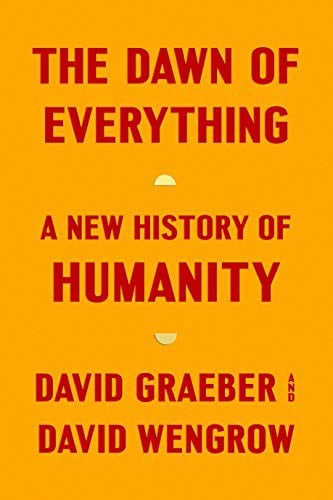
No. 59 on this list. The Dawn of Everything
David Wengrow · 2021
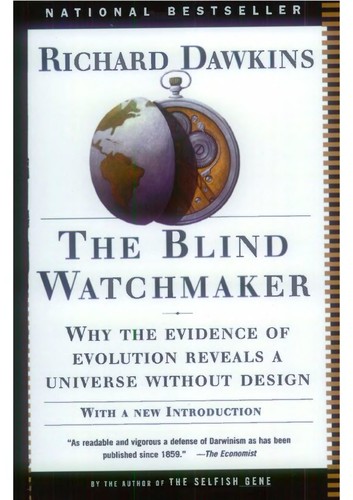
No. 60 on this list. The Blind Watchmaker
Richard Dawkins · 1986
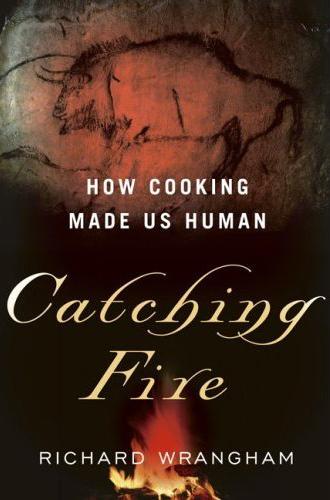
No. 61 on this list. Catching Fire
Richard W. Wrangham · 2009
No. 62 on this list. Brave New World Revisited
Aldous Huxley · 1958
No. 63 on this list. The Broken Estate
James Wood · 1999
No. 64 on this list. Jane Austen: A Life
Claire Tomalin · 1997
No. 65 on this list. The Case for God
Karen Armstrong · 2009
No. 66 on this list. The Songlines
Bruce Chatwin · 1987
No. 67 on this list. The Politics of Life Itself: Biomedicine, Power, and Subjectivity in the Twenty-First Century
Nikolas Rose · 2007
No. 68 on this list. A Mathematician's Apology
G.H. Hardy · 1940
No. 69 on this list. Arabian Sands
Wilfred Thesiger · 1959
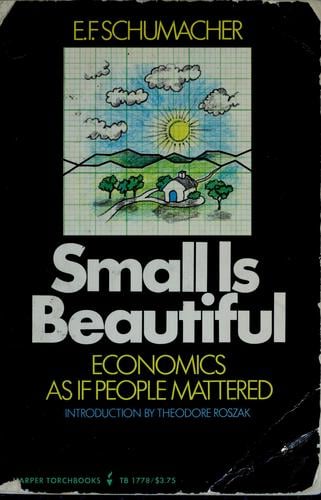
No. 70 on this list. Small Is Beautiful
E.F. Schumacher · 1973
No. 71 on this list. The Fun Stuff: And Other Essays
James Wood · 2012
No. 72 on this list. SPQR
Mary Beard · 2015
No. 73 on this list. Outliers: The Story of Success
Malcolm Gladwell · 2008
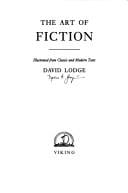
No. 74 on this list. The Art of Fiction
David Lodge · 1992
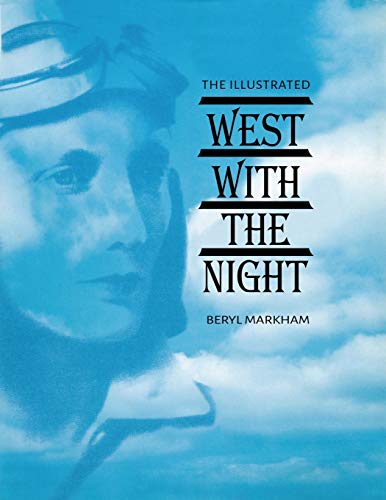
No. 75 on this list. West with the Night
Beryl Markham · 1942
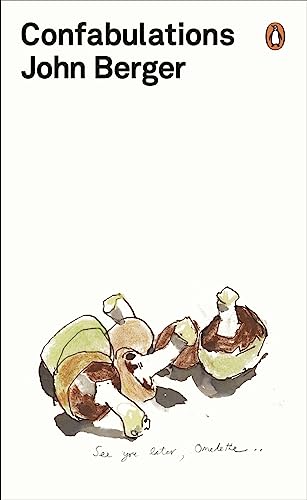
No. 76 on this list. Confabulations
John Berger · 2017
No. 77 on this list. The Master and His Emissary The Divided Brain and the Making of the Western World
Iain McGilchrist · 2009
No. 78 on this list. Summerhill
A.S. Neill · 1960
No. 79 on this list. The Art of Statistics: Learning from Data
David Spiegelhalter · 2020
No. 80 on this list. The God Delusion
Richard Dawkins · 2006
No. 81 on this list. H Is for Hawk
Helen Macdonald · 2014
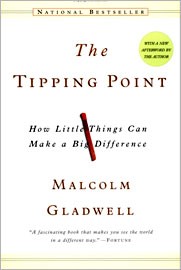
No. 82 on this list. The Tipping Point
Malcolm Gladwell · 2000
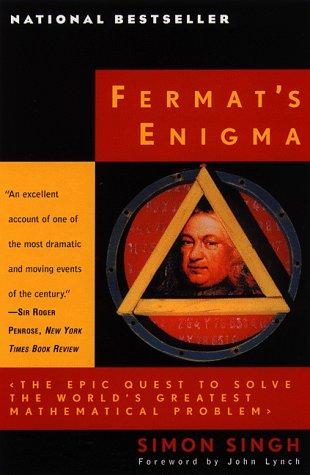
No. 83 on this list. Fermat's Enigma
Simon Singh · 1997
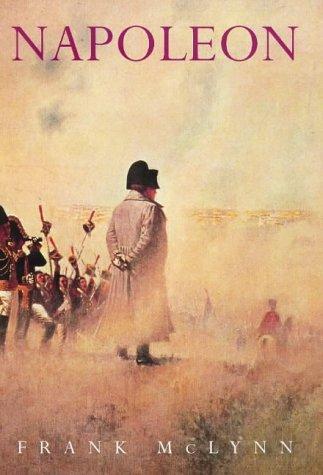
No. 84 on this list. Napoleon
Frank McLynn · 1997
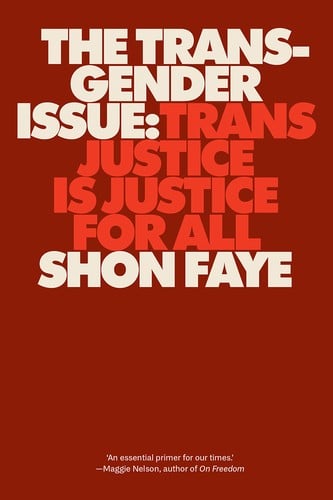
No. 85 on this list. The Transgender Issue: Trans Justice Is Justice for All
Shon Faye · 2021
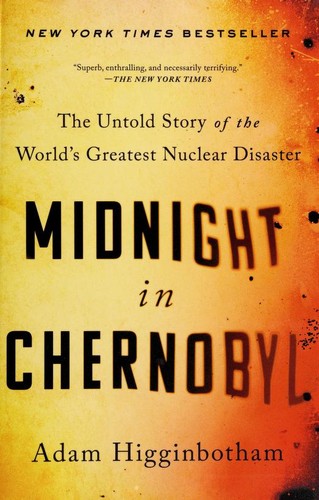
No. 86 on this list. Midnight in Chernobyl
Adam Higginbotham · 2019
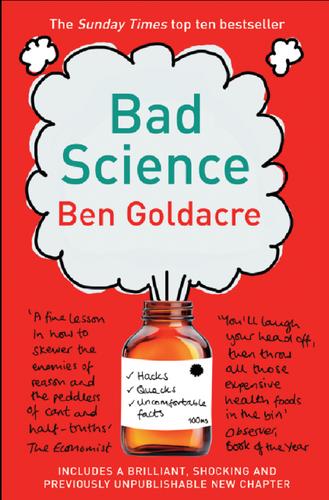
No. 87 on this list. Bad Science
Ben Goldacre · 2008
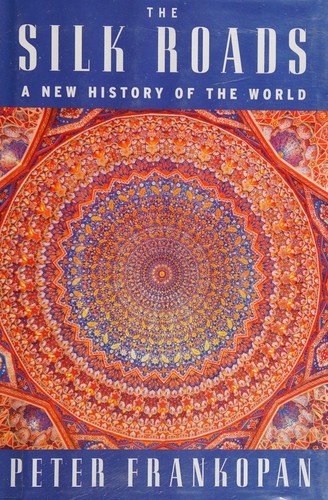
No. 88 on this list. The Silk Roads
Peter Frankopan · 2015
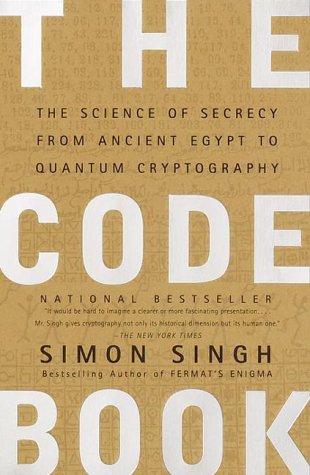
No. 89 on this list. The Code Book
Simon Singh · 1999
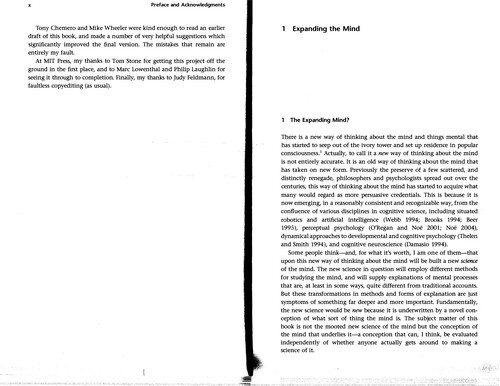
No. 90 on this list. The New Science of the Mind: From Extended Mind to Embodied Phenomenology
Mark Rowlands · 2010
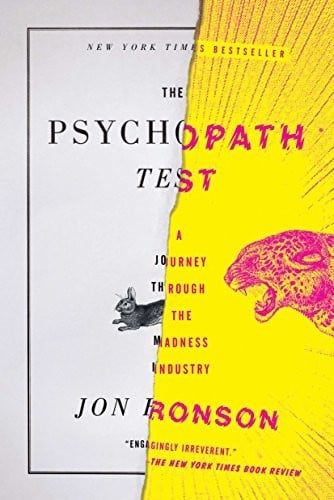
No. 91 on this list. The Psychopath Test
Jon Ronson · 2011
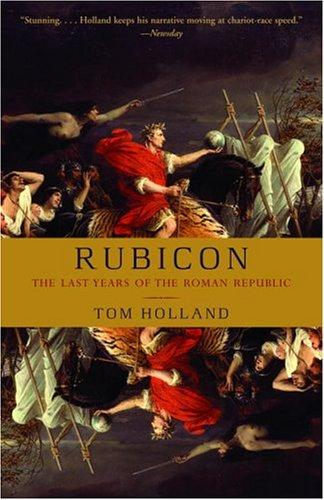
No. 92 on this list. Rubicon
Tom Holland · 2003
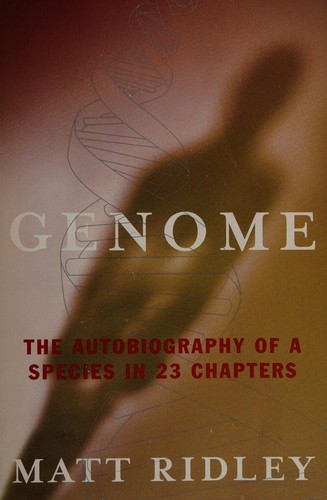
No. 93 on this list. Genome
Matt Ridley · 1999
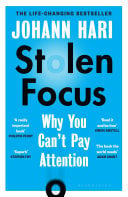
No. 94 on this list. Stolen Focus: Why You Can't Pay Attention—and How to Think Deeply Again
Johann Hari · 2022
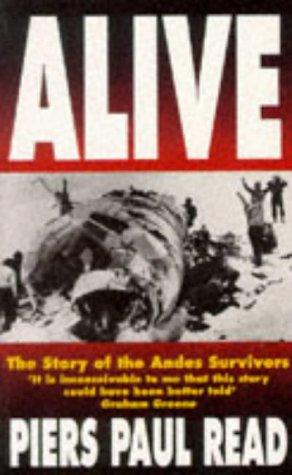
No. 95 on this list. Alive
Piers Paul Read · 1974
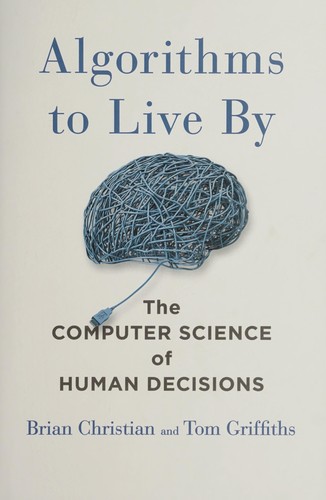
No. 96 on this list. Algorithms to Live By
Tom Griffiths · 2016
No. 97 on this list. A Genealogy of Queer Theory
No. 98 on this list. Why We Sleep
Matthew Walker · 2017
No. 99 on this list. Before We Were Trans: A New History of Gender
Kit Heyam · 2024
No. 100 on this list. The Architecture of Happiness
Alain de Botton · 2006
About this list
These 100 books are the highest-scoring eligible nonfiction books from Britain currently in the catalogue. By literary regard, it opens with The Origin of Species, The Essential Darwin: On the Origins of Species/The Descent of Man and Preface to Lyrical Ballads. About 960 hours of reading in all. Difficulty runs from 32 to 58 out of 100 for the middle half of the list; the summit is The Anatomy of Melancholy at 80.
This list is ranked by literary regard, with a consistent order for equal scores. Membership follows authors and co-authors, not translators or editors. Catalogue coverage and the historical canon both limit what this list can represent, and genre labels are the catalogue’s own, gathered into broader kinds.
When we matched the Canons dataset to our catalogue in October 2026, our canonical-status scores rose with the number of school curricula, publisher series and lists in it that cite a work: the median score was 72 for books one such source cites, 84 at two, 88 at three, 92 at four and 93 at five or more. Prizes are left out of that count. Outside the state curricula, the dataset’s sources choose mostly from what has been translated into English or French, so it is a weaker check on other literatures. Source: Canons (Andrew Piper), CC BY 4.0
Questions people actually ask
- What are the best nonfiction books from Britain?
- By literary regard, which weighs canonical status, critical standing and influence, The Origin of Species, The Essential Darwin: On the Origins of Species/The Descent of Man, Preface to Lyrical Ballads, Philosophical essays concerning human understanding and Utilitarianism lead. ReadingRate ranks 100 such books, each with a difficulty score and a reading-time estimate.
- Where should I start with nonfiction books from Britain?
- Start from difficulty, not from rank. The most approachable books on this list that still carry top literary regard are The Selfish Gene by Richard Dawkins (about 6.4 hours), Politics and the English Language by George Orwell and The Doors of Perception by Aldous Huxley.
- How hard are nonfiction books from Britain to read?
- Most of this list sits between 32 and 58 on ReadingRate's 100-point difficulty scale, where 40 to 55 is moderate. The summit is The Anatomy of Melancholy at 80. Every entry carries its own score, so a reader can pick a great book at a difficulty they will finish.
- How is this list ranked?
- On literary-regard data: how canonically established a work is, its critical standing, and its influence on later writing. It is not a readers’ poll, which is why recent bestsellers rarely appear. Membership follows authors and co-authors, not translators or editors. A list that is not a genre list keeps to literature (fiction, poetry, drama and philosophy), with philosophy taking no more than one slot in five while there is literature left to rank; every list holds at most three works by one author.