Hours at an average pace
Showing 43 books
About 301 hours for 43 of 43 books with measured lengths. Estimates use 250 words a minute, adjusted for each book's difficulty. At 2 hours a day, about 151 days for those books.
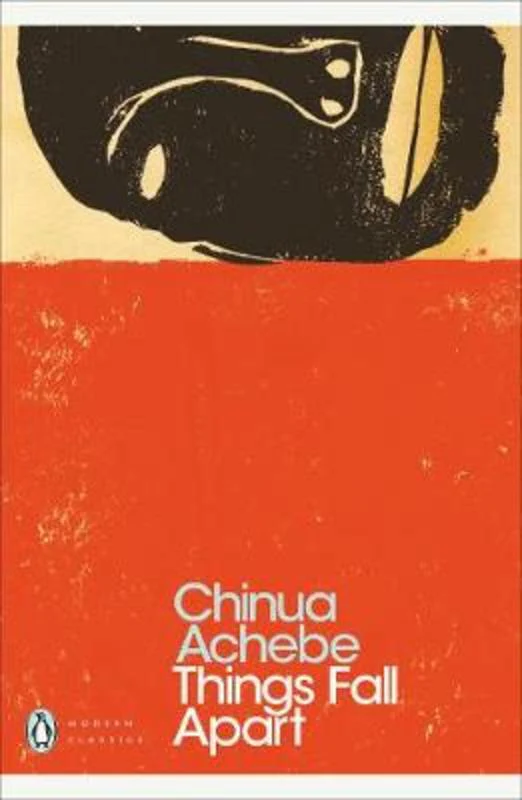
No. 1 on this list. Things Fall Apart
Chinua Achebe · 1958
Moderate3.3 hours
Taught in schools: Cambridge IGCSE Literature in English (0475), Common Core text exemplars (Appendix B) (US), CSEC English B – Caribbean Examinations Council
Included in: Bokklubben World Library, Heinemann African Writers Series
Achebe told the story of colonialism from the inside of an Igbo village rather than from a European ship, and in doing so dismantled a century of Western fiction that had treated Africa as scenery. The novel created the template for postcolonial literature in English.
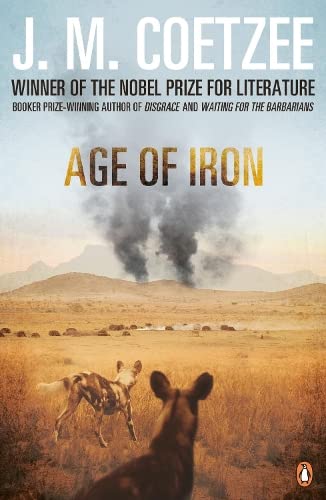
Age of Iron occupies a secure place in the Coetzee canon alongside Disgrace and Waiting for the Barbarians, and is regularly included in postcolonial and South African literature curricula worldwide. Its apartheid-era historical weight gives it documentary as well as aesthetic canonical status.
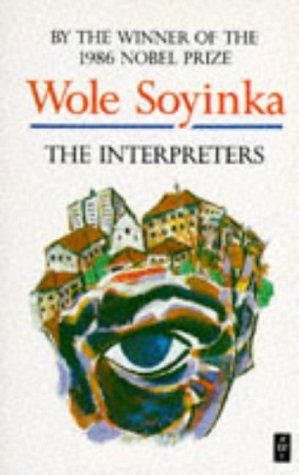
No. 3 on this list. The Interpreters
Wole Soyinka · 1965
Difficult14 hours
Included in: Heinemann African Writers Series
Widely taught across African literature curricula and regarded as the foundational novel of postcolonial Anglophone African fiction. Soyinka's Nobel Prize (1986) retroactively elevated its status; it appears on virtually every serious African literature syllabus worldwide.
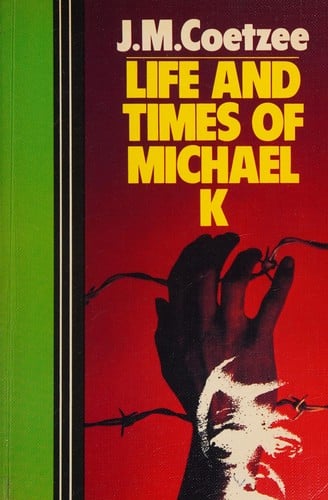
No. 4 on this list. Life & Times of Michael K
J.M. Coetzee · 1983
Challenging5.2 hours
Taught in schools: UNAM Escuela Nacional Preparatoria – programas de Literatura (Mexico)
Life and Times of Michael K won the Booker Prize in 1983 and stands as a foundational text in postcolonial literature. Its examination of apartheid South Africa, individual resistance, and the ethics of fiction has secured its place in literary canons alongside Coetzee's other major works. Frequently taught in universities and cited in critical literature.
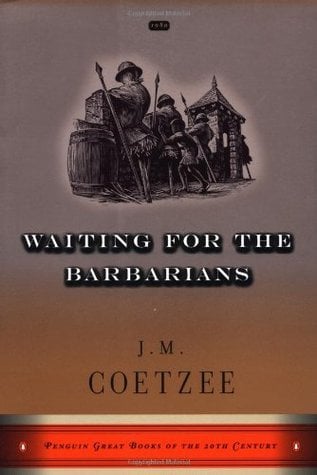
A magistrate in a frontier town befriends a barbarian prisoner, his compassion leading to his downfall. Coetzee's allegorical novel explores complicity, torture, and the ethics of empire.
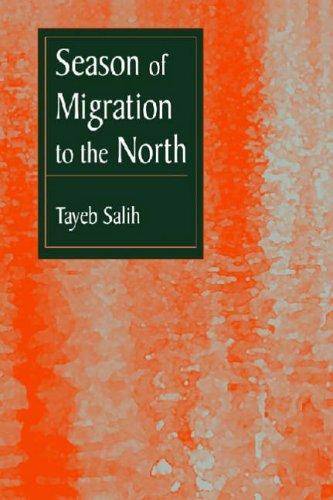
No. 6 on this list. Season of Migration to the North
Tayeb Salih · 1966
Challenging4.8 hours
Included in: Bokklubben World Library, Heinemann African Writers Series
Most widely studied Arabic novel in translation; taught alongside Conrad.
No. 7 on this list. A Grain of Wheat
Ngugi wa Thiong'o · 1967
Challenging6.5 hours
Included in: Heinemann African Writers Series
Major postcolonial novel; widely taught in African and world literature.
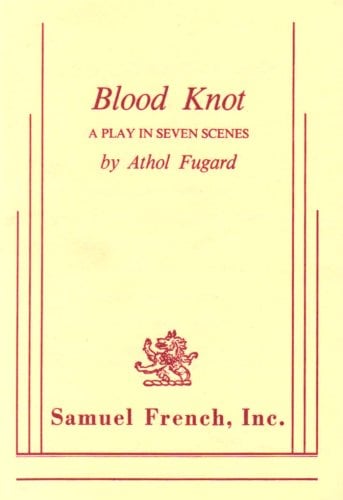
Fugard's breakthrough play and a foundational work of South African theater. Widely taught and performed as a landmark of anti-apartheid drama.
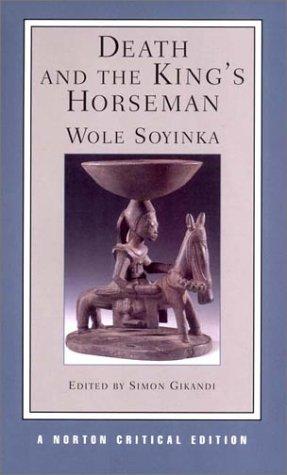
No. 9 on this list. Death and the King's Horseman
Wole Soyinka · 1975
Moderate1.1 hours
Taught in schools: Common Core text exemplars (Appendix B) (US)
Elesin Oba, the King's Horseman, stands at the threshold between worlds. Yoruba custom demands his ritual death to accompany the deceased king to the ancestral realm. The women of the market drape him in ceremonial cloth and sing him toward eternity, their voices a pulse beneath the drumming that orders his final hours. District Officer Pilkings, armed with Victorian certainty and Christian duty, arrests Elesin to prevent the suicide, confident that imprisonment saves a life. But the white man's intervention shatters something irreplaceable. Elesin's will fractures. The son, Olunde, returns from medical school in England having crossed an ocean to bury his father, only to discover his father imprisoned and the cosmic order inverted. When the body of the son is revealed as the final courier to the king, wrapped in cloth and carried by women, Elesin strangles himself with his chains. Soyinka orchestrates collision between cultures through idiom, rhythm, and the unstoppable momentum of ritual toward its terrible completion. The play's power resides not in resolving this clash but in exposing how each party acts from unshakeable conviction while remaining deaf to the other's fundamental logic.
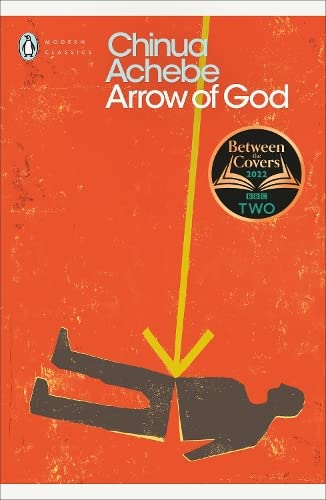
No. 10 on this list. Arrow of God
Chinua Achebe · 1964
Difficult10 hours
Taught in schools: CSEC English B – Caribbean Examinations Council
Included in: Heinemann African Writers Series
Arrow of God appears regularly on postcolonial literature, African studies, and world literature syllabi at universities across Europe, North America, and Africa. It is less universally assigned than Things Fall Apart but holds a firm place in courses devoted to African fiction and the novel of colonial encounter. No database records were retrieved, but its continued presence in academic reading lists reflects a strong if not dominant canonical position.
No. 11 on this list. Sizwe Bansi Is Dead · Athol Fugard · 1972
One of the most important plays in South African theatrical history and a central work of anti-apartheid literature. Widely performed and taught internationally.
Easy1.1 hours
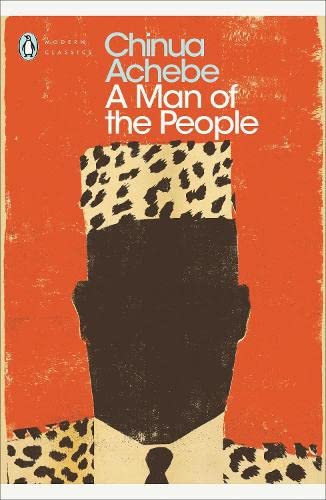
Start this bookNo. 12 on this list. A Man of the People · Chinua Achebe · 1966
Taught in schools: Pacific Senior Secondary Certificate – English
Included in: Heinemann African Writers Series
"A Man of the People" appears regularly on university syllabi in African literature, postcolonial studies, and world literature courses, though it occupies a secondary position relative to Achebe's "Things Fall Apart," which is among the most taught novels globally. The book's prophetic publication date—released the same day as Nigeria's first military coup—secured it a place in literary history beyond its syllabus presence. It is standard reading in courses on African political fiction and postcolonial satire.
Easy3 hours
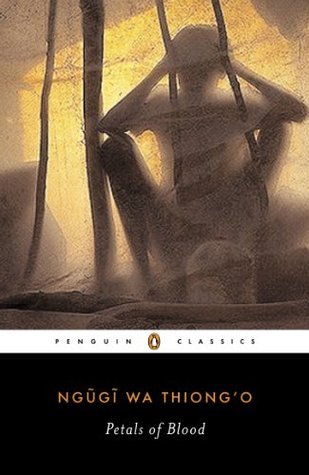
Start this bookNo. 13 on this list. Petals of Blood · Ngugi wa Thiong'o · 1977
Included in: Heinemann African Writers Series
Petals of Blood is Ngugi's most ambitious novel and widely considered the defining work of African postcolonial literature, taught in African literature, postcolonial studies, and world literature courses globally. The data signals show no awards or syllabus records in this database, but the novel's reputation places it firmly in the postcolonial canon alongside Things Fall Apart and Season of Migration to the North. It is less universally taught than Achebe but more studied than most African novels of its era.
Challenging14 hours
Start this bookNo. 14 on this list. Devil on the Cross · Ngugi wa Thiong'o · 1980
Included in: Heinemann African Writers Series
Devil on the Cross holds a firm place in African literature curricula and postcolonial studies courses worldwide, though it reaches fewer syllabi than anglophone classics. Its historic significance — the first novel written in Gĩkũyũ — gives it an anchoring role in discussions of language, decolonization, and African literary identity that keeps it in circulation decades after publication.
Moderate7.8 hours
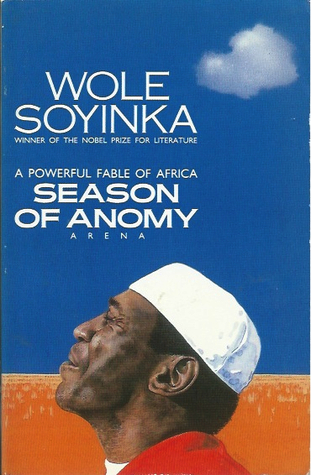
Start this bookNo. 15 on this list. Season of Anomy · Wole Soyinka · 1973
Season of Anomy is taught in postcolonial literature, African literature, and world literature courses at university level across English-speaking West Africa, the UK, and North America, appearing on course syllabi focused on Soyinka specifically and on the African novel more broadly. It holds a secure position in postcolonial literary studies without reaching the near-universal curricular presence of Achebe's Things Fall Apart.
Difficult11 hours
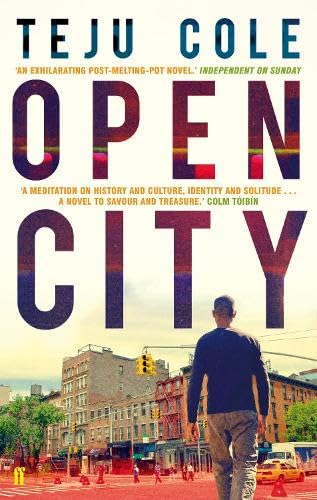
Start this bookNo. 16 on this list. Open City · Teju Cole · 2011
Open City appears on multiple major best-novels-of-the-21st-century lists (The Guardian, Time magazine, NPR) and is widely taught in postcolonial, contemporary fiction, and American literature university courses. It has established canonical status within its decade, though it remains more recent than the settled canon.
Difficult11 hours
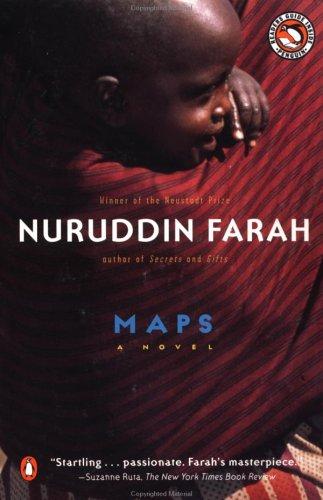
Start this bookNo. 17 on this list. Maps · Nuruddin Farah · 1986
Widely regarded as Farah's masterpiece and one of the most important African novels of the late twentieth century. Taught in postcolonial literature courses worldwide.
Challenging5.1 hours
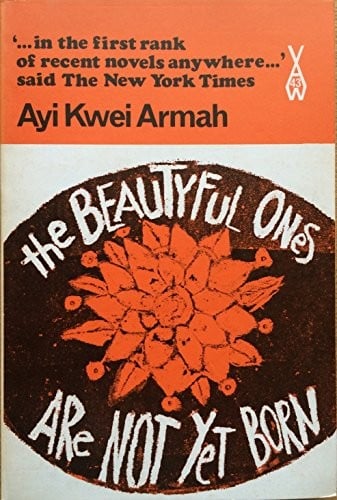
Start this bookNo. 18 on this list. The Beautyful Ones Are Not Yet Born · Ayi Kwei Armah · 1968
Included in: Heinemann African Writers Series
A founding text of postcolonial African fiction. Widely taught.
Moderate3.8 hours
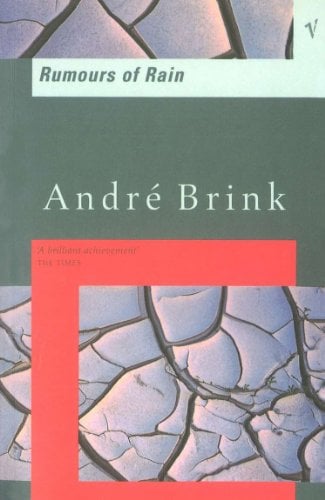
Start this bookNo. 19 on this list. Rumours of Rain · André Brink · 1978
Rumours of Rain holds significant position within South African apartheid literature and appears on academic syllabi addressing this period, though it remains less internationally canonical than other apartheid novels. Shortlisted for the 1978 Booker Prize alongside Iris Murdoch's winning The Sea, the Sea, the novel represents important testimony to Afrikaner complicity. Brink's status as a Sestigers movement founder and his bilingual literary practice secure the work's place in South African literary history, though global canonical recognition lags behind contemporaries like Coetzee.
Challenging12 hours
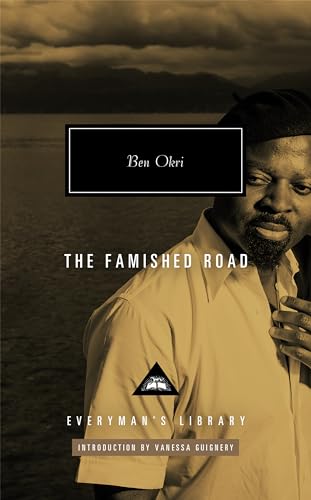
Start this bookNo. 20 on this list. The Famished Road · Ben Okri · 1991
Winning the Booker Prize in 1991 secured Okri's place in the literary canon, and the novel is regularly taught in courses on African literature, magical realism, and postcolonial fiction. While it's a cornerstone text in African writing, it doesn't yet have the global canonical status of works by Achebe or Soyinka, though its influence is growing.
Challenging16 hours
Start this book
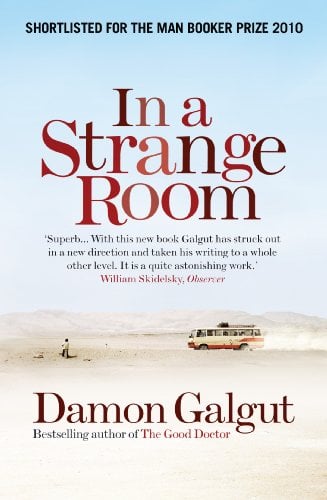
No. 21 on this list. In a Strange Room · Damon Galgut · 2012
A young man takes three journeys, through Greece, India and Africa. To those who travel with him and those he meets on the way he is the Follower, the Lover and the Guardian. Yet, despite the man's best intentions, each journey ends in disaster. Together, these three journeys will change his whole life.
Challenging3.3 hours
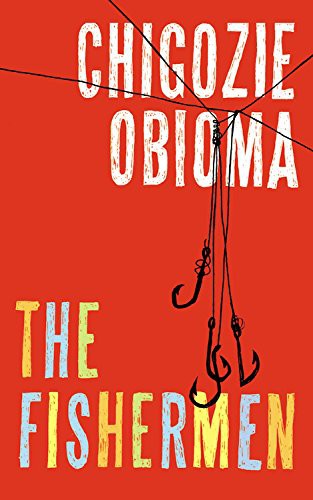
Start this bookNo. 22 on this list. The Fishermen · Chigozie Obioma · 2015
Four brothers in a Nigerian village are bound together by prophecy and the mysterious death of their father. Obioma's Booker-shortlisted debut combines Igbo mythology with Greek tragedy in a tale of fate and brotherhood.
Moderate5.4 hours
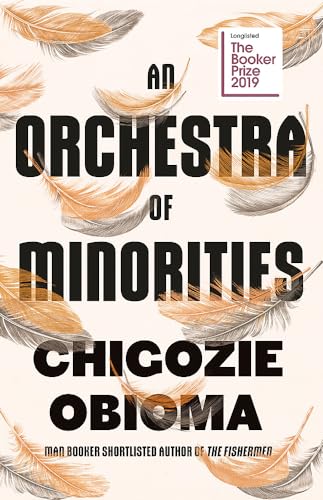
Start this bookNo. 23 on this list. An Orchestra of Minorities · Chigozie Obioma · 2019
Chinonso, a poultry farmer in Nigeria, sacrifices everything to save a woman from suicide—setting off a chain of events that will destroy his life. As he loses his livelihood, his mind, and his beloved, his story is narrated by his chi, his guardian spirit, who watches helplessly. A contemporary epic steeped in Igbo cosmology, exploring fate, injustice, and the persistence of love.
Moderate8.7 hours
Start this bookNo. 24 on this list. A Dry White Season · André Brink · 1979
Appears on postcolonial literature, African literature, and human rights syllabi at universities worldwide. Taught in courses on apartheid fiction alongside Nadine Gordimer and J.M. Coetzee. The database shows no current syllabus tracking data, but the novel's place in South African literary education is well established.
Moderate6.7 hours
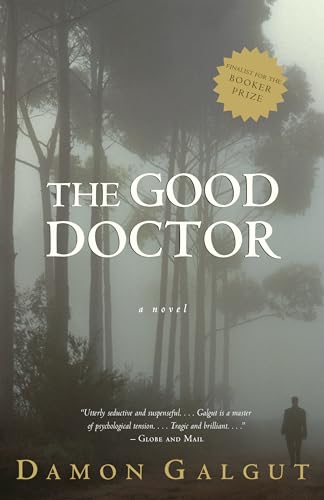
Start this bookNo. 25 on this list. The Good Doctor · Damon Galgut · 2003
A taut, intense tale of the dashed hopes of the post-apartheid era and the small betrayals that doom a friendship, The Good Doctor is an extraordinary parable of the corruption of the flesh and spirit. It assures Damon Galgut's place as a major international talent. When Laurence Waters arrives at his new post at a deserted rural hospital, staff physician Frank Eloff is instantly suspicious. Laurence is everything Frank is not - young, optimistic, and full of big ideas. The whole town is beset with new arrivals and the return of old faces. Frank reestablishes a liaison with a woman, one which will have unexpected consequences. A self-made dictator from apartheid days is rumored to be active in cross-border smuggling and a group of soldiers has moved in to track him, led by a man from Frank's own dark past. Laurence sees only possibilities - but in a world where the past is demanding restitution from the present, his ill-starred idealism cannot last.
Moderate3.9 hours
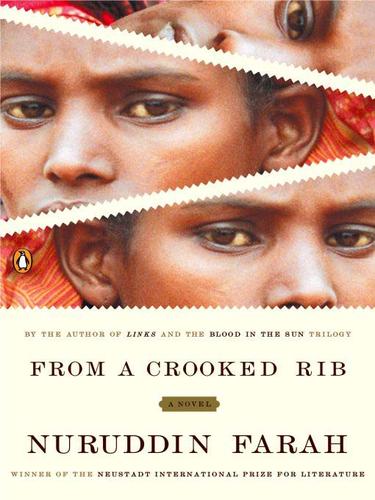
Start this bookNo. 26 on this list. From a Crooked Rib · Nuruddin Farah · 1970
Included in: Heinemann African Writers Series
A fixture in African literature and postcolonial studies syllabi, published in the Heinemann African Writers Series — the imprint that defined the canon of African literature in English. Not in the universal Western canon, but holds a firm place in courses on African fiction and gender studies. Data signals show no database-catalogued syllabus entries for this title specifically.
Moderate3.1 hours
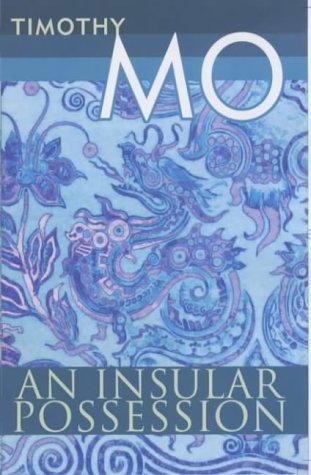
Start this bookNo. 27 on this list. An Insular Possession · Timothy Mo · 1986
In the 1830s and 40s, as the Opium Wars reshape China's relationship with the West, two very different men—a British trader and an American artist—witness the clash of empires in Canton and Macau. Their intertwined stories illuminate the origins of Hong Kong and the brutal commerce that created the modern world. An ambitious historical epic of colonialism, trade, and cultural collision.
Challenging11 hours
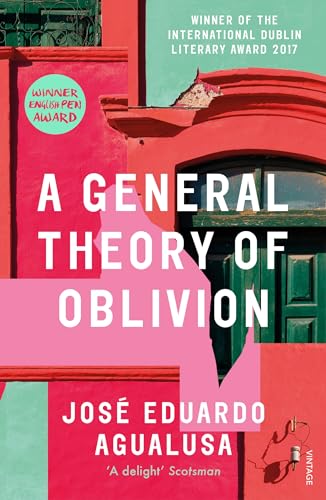
Start this bookNo. 28 on this list. A General Theory of Oblivion · José Eduardo Agualusa · 2016
This is the brilliant new novel from the winner of the Independent Foreign Fiction Prize. On the eve of Angolan independence, Ludo bricks herself into her apartment, where she will remain for the next thirty years. She lives off vegetables and pigeons, burns her furniture and books to stay alive and keeps herself busy by writing her story on the walls of her home. The outside world slowly seeps into Ludo's life through snippets on the radio, voices from next door, glimpses of a man fleeing his pursuers and a note attached to a bird's foot. Until one day she meets Sabalu, a young boy from the street who climbs up to her terrace. As the stories of those she sees from her window unfold and intersect, Agualusa transports us far beyond the confines of Ludo's apartment and out on to the streets of Angola.
Moderate4 hours
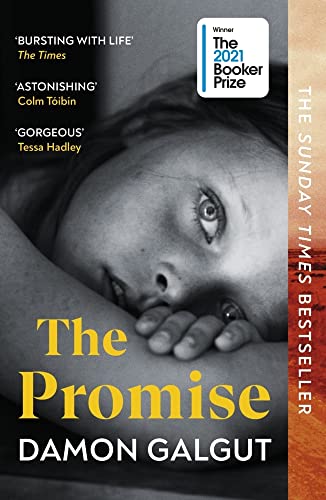
Start this bookNo. 29 on this list. The Promise · Damon Galgut · 2021
The Promise won the Booker Prize in 2021 and appears on contemporary postcolonial and African literature syllabi, but it has not yet achieved the broad curricular presence of earlier Booker winners like The Remains of the Day. It is building its reputation in courses focused on South African fiction and twenty-first-century narrative experiment.
Challenging6.3 hours
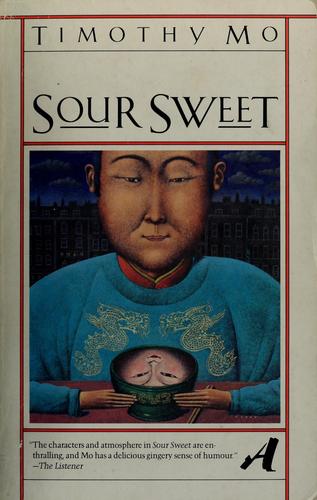
Start this bookNo. 30 on this list. Sour Sweet · Timothy Mo · 1982
Sour Sweet is Timothy Mo's best-known novel and one of the first British novels to centre a Chinese immigrant family, which keeps it on reading lists for courses on Black and Asian British writing. It has stayed in print since 1982 but is not a standard set text.
Moderate5.6 hours
Start this book
No. 31 on this list. The Most Secret Memory of Men
Mohamed Mbougar Sarr · 2021
No. 32 on this list. Open Water
Caleb Azumah Nelson · 2021
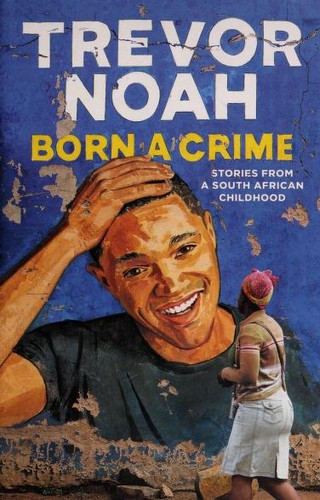
No. 33 on this list. Born a Crime: Stories from a South African Childhood
Trevor Noah · 2016
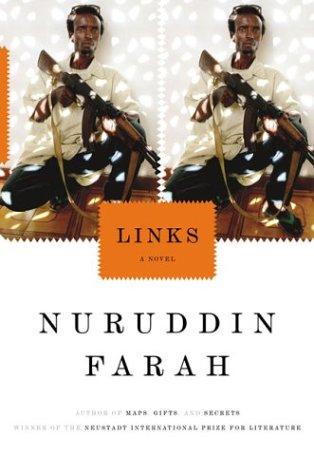
No. 34 on this list. Links
Nuruddin Farah · 2003
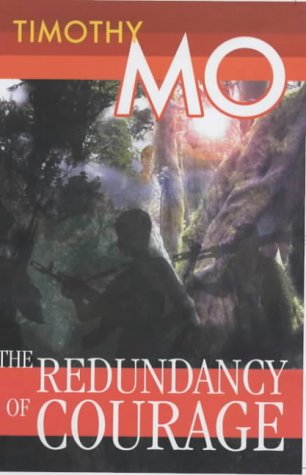
No. 35 on this list. The Redundancy of Courage
Timothy Mo · 1991
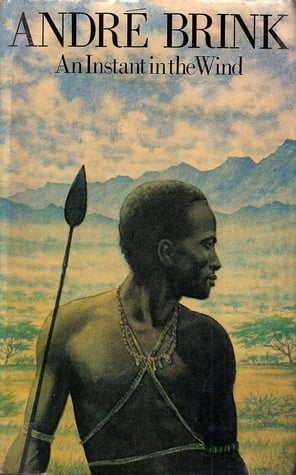
No. 36 on this list. An Instant in the Wind
André Brink · 1976
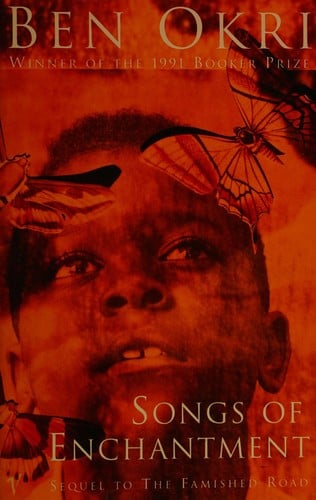
No. 37 on this list. Songs of Enchantment
Ben Okri · 1993
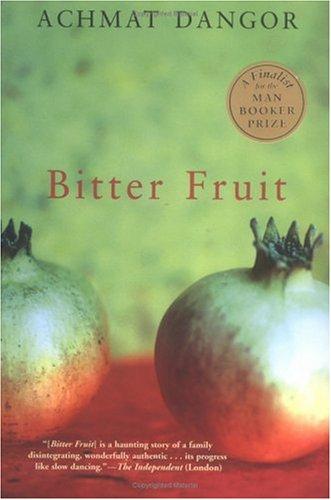
No. 38 on this list. Bitter Fruit
Achmat Dangor · 2004
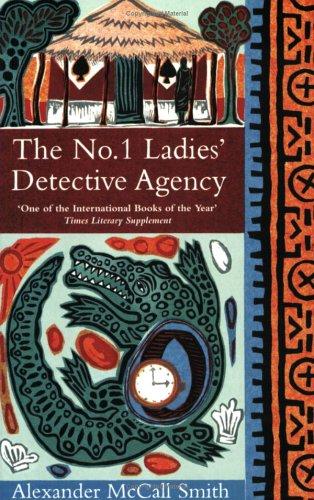
No. 39 on this list. The No. 1 Ladies' Detective Agency
Alexander McCall Smith · 1998
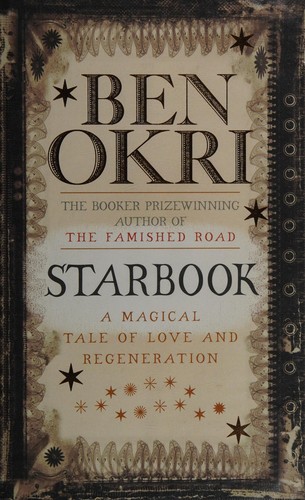
No. 40 on this list. Starbook
Ben Okri · 2007
About this list
These 43 books are the highest-scoring eligible books from Africa by men currently in the catalogue. About 301 hours of reading in all. Difficulty runs from 52 to 65 out of 100 for the middle half of the list; the summit is The Interpreters at 84.
This list is ranked by literary regard, with a consistent order for equal scores. Membership follows authors and co-authors, not translators or editors. A book is here when ReadingRate files it under African Literature as one of its primary reading domains. Catalogue coverage and the historical canon both limit what this list can represent.
When we matched the Canons dataset to our catalogue in October 2026, our canonical-status scores rose with the number of school curricula, publisher series and lists in it that cite a work: the median score was 72 for books one such source cites, 84 at two, 88 at three, 92 at four and 93 at five or more. Prizes are left out of that count. Outside the state curricula, the dataset’s sources choose mostly from what has been translated into English or French, so it is a weaker check on other literatures. Source: Canons (Andrew Piper), CC BY 4.0
Questions people actually ask
- What are the best books from Africa by men?
- By literary regard, which weighs canonical status, critical standing and influence: Things Fall Apart by Chinua Achebe, Age of Iron by J.M. Coetzee, The Interpreters by Wole Soyinka, Life & Times of Michael K by J.M. Coetzee and Waiting for the Barbarians by J.M. Coetzee. ReadingRate ranks 43 such books, each with a difficulty score and a reading-time estimate.
- Which books from Africa by men should I read first?
- Start from difficulty, not from rank. The most approachable books on this list that still carry top literary regard are Things Fall Apart by Chinua Achebe (about 3.3 hours), Death and the King's Horseman by Wole Soyinka and Life & Times of Michael K by J.M. Coetzee.
- What are the shortest of the best books from Africa by men?
- Among the top 25, the shortest are Death and the King's Horseman by Wole Soyinka (about 1.1 hours), Sizwe Bansi Is Dead by Athol Fugard (about 1.1 hours) and In a Strange Room by Damon Galgut (about 3.3 hours), at an average pace of 250 words a minute adjusted for each book's difficulty.
- Which of the best books from Africa by men are the established classics?
- By canonical status, how firmly a book sits in curricula, anthologies and the canon: Things Fall Apart by Chinua Achebe, Age of Iron by J.M. Coetzee, The Interpreters by Wole Soyinka, Season of Migration to the North by Tayeb Salih and Life & Times of Michael K by J.M. Coetzee.
- How long would it take to read the top ten?
- About 65 hours, at an average pace of 250 words a minute adjusted for each book's difficulty: 33 days at two hours a day. Set your own pace on the page and the list's reading times change to it.
- How hard are books from Africa by men to read?
- Most of this list sits between 52 and 65 on ReadingRate's 100-point difficulty scale, where 40 to 55 is moderate. The summit is The Interpreters at 84. Every entry carries its own score, so a reader can pick a great book at a difficulty they will finish.
- How is this list ranked?
- On literary-regard data: how canonically established a work is, its critical standing, and its influence on later writing. It is not a readers’ poll, which is why recent bestsellers rarely appear. Membership follows authors and co-authors, not translators or editors. Lists by country, author, period, theme or difficulty keep to literature (fiction, poetry, drama and philosophy), their novels, poems and plays first and their philosophy after them; a list of a kind of book, such as memoir or criticism, keeps every book of that kind. Every list holds at most three works by one author. A book is here when ReadingRate files it under African Literature as one of its primary reading domains.