Hours at an average pace
Showing 81 books
About 654 hours for 81 of 81 books with measured lengths. Estimates use 250 words a minute, adjusted for each book's difficulty. At 2 hours a day, about 328 days for those books.
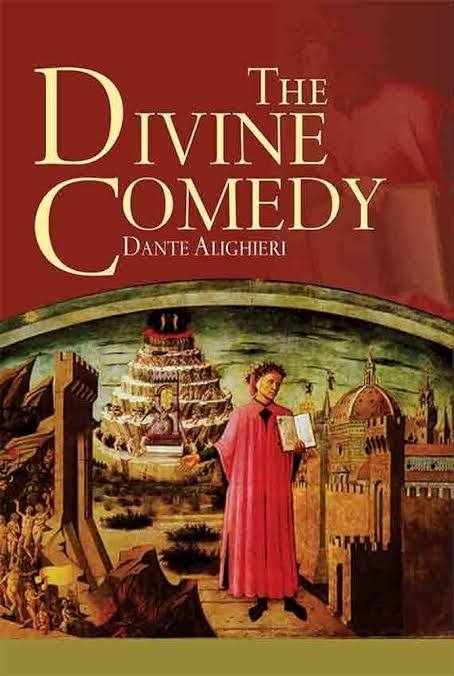
No. 1 on this list. Divine Comedy
Dante Alighieri · 1320
Challenging11 hours
Taught in schools: Armenian secondary literature, Lektury obowiązkowe – Polish national reading list (Poland), UNAM Escuela Nacional Preparatoria – programas de Literatura (Mexico)
Included in: Bokklubben World Library, Great Books of the Western World, UNESCO Collection of Representative Works
Dante built a complete architecture of the afterlife so precise you can map it, then populated it with real people he knew. The result fused theology, politics, and autobiography into a single narrative structure that no poem has matched in ambition or execution.
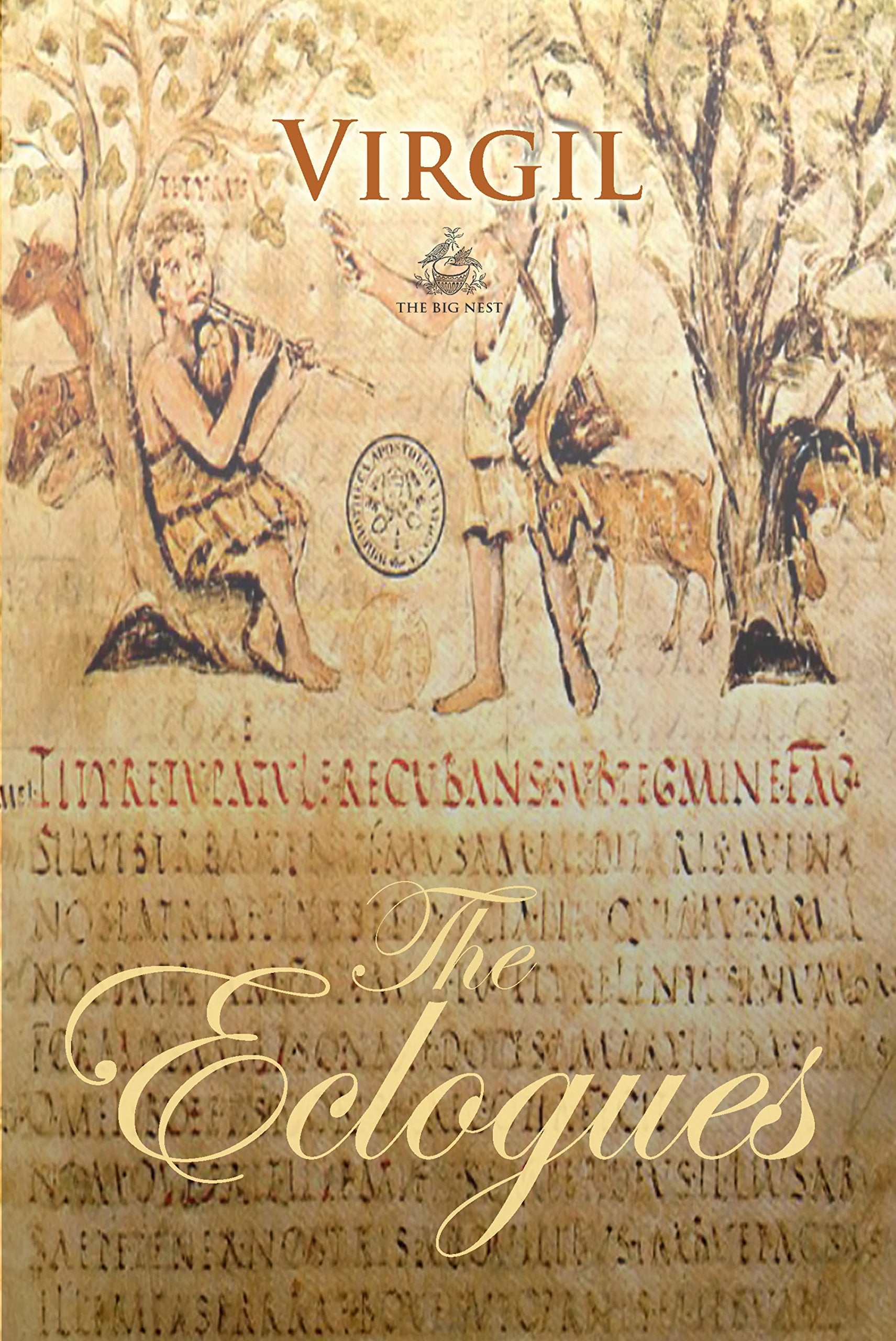
No. 2 on this list. Eclogues
Virgil · c. 37 BCE
Challenging58 min
Included in: Great Books of the Western World
The Eclogues are required reading in classical studies curricula worldwide, appearing on thousands of university syllabi in Latin, comparative literature, and humanities courses. They are among the most translated and discussed poems from antiquity, with Wikipedia articles in over 50 languages and continuous scholarly attention spanning two millennia. Eclogue IV alone has generated centuries of theological and literary debate.
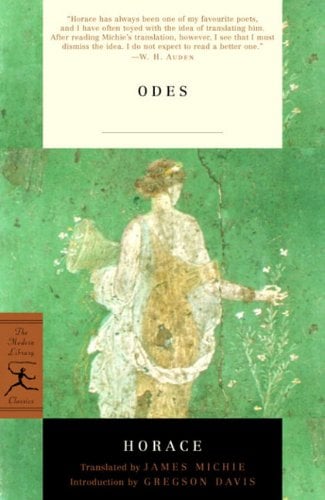
Horace's Odes have been required reading in classical curricula for over two thousand years without interruption — studied in Rome, medieval monasteries, Renaissance courts, and modern universities alike. The phrase 'carpe diem' originates in Odes I.11 and has entered every major world language. The Wikipedia article appears in only 1 language in the current database, but this reflects a data gap: the Odes are among the most-taught texts in any Western classics or humanities program, with presence on thousands of university syllabi globally.
The Summa Theologica is required reading in virtually every Catholic seminary and philosophy of religion program globally, and is foundational in scholastic philosophy curricula. Pope Leo XIII's encyclical Aeterni Patris (1879) formally designated it the basis for Catholic philosophical and theological education worldwide. It is among the most cited texts in Western intellectual history.
No. 5 on this list. Georgics
Virgil · c. 29 BCE
Moderate1.6 hours
Included in: Great Books of the Western World
The Georgics is a cornerstone of Western classical education, appearing on university syllabi worldwide wherever Latin literature, pastoral poetry, or the history of agriculture is taught. It stands alongside the Aeneid and Eclogues as the essential Virgilian triad; no serious study of Latin poetry omits it. Its influence on English poets from Dryden through Seamus Heaney has kept it continuously present in anglophone literary education as well.
The Prince is required reading in political science, philosophy, history, and humanities curricula worldwide and is among the most widely assigned non-fiction texts in higher education. It appears on every syllabus for political philosophy and political theory, from introductory undergraduate courses to graduate seminars. Few texts of any era command this breadth of curricular presence.
No. 7 on this list. Six Characters in Search of an Author
Luigi Pirandello · 1921
Challenging1.9 hours
Taught in schools: UNAM Escuela Nacional Preparatoria – programas de Literatura (Mexico)
Included in: Great Books of the Western World
Pirandello sent six fictional characters onto a stage to confront the actors rehearsing their story, detonating the boundary between author, character, and performer decades before anyone used the word "metafiction." The play asked who owns a story — the person who wrote it or the person who lives it — and left the question permanently unresolved.
No. 8 on this list. On the Nature of Things
Lucretius · c. 55 BCE
Moderate5.5 hours
Included in: Great Books of the Western World
De Rerum Natura is one of the most significant surviving texts from antiquity, taught in classics, philosophy, and history of science programs at universities worldwide. It represents the fullest extant exposition of Epicurean atomism in any language and appears on virtually every list of essential classical works. Its rediscovery by Poggio Bracciolini in 1417 is credited with catalyzing Renaissance intellectual culture.
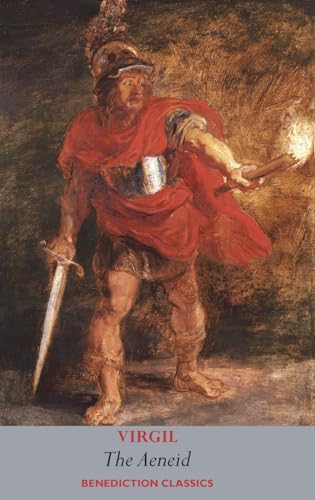
No. 9 on this list. Aeneid
Virgil · c. 19 BCE
Challenging9.4 hours
Included in: Bokklubben World Library, Great Books of the Western World
Virgil reverse-engineered Homer to give Rome a founding myth that justified empire, pietas, and destiny — and in the process invented the idea that a national epic could be a deliberate literary construction rather than an inherited oral tradition. Dante, Milton, and every poet who tried to write a civilization into existence started here.
Vita Nuova is taught in virtually every medieval Italian literature program worldwide and appears in most comparative literature and Romance philology curricula. It is the foundational text of the dolce stil novo movement and the biographical prologue to the Divine Comedy, one of the most studied works in Western literary history. Wikipedia entries exist in more than 80 languages, and the work has been continuously in print and commentary since Boccaccio's 14th-century biography of Dante.
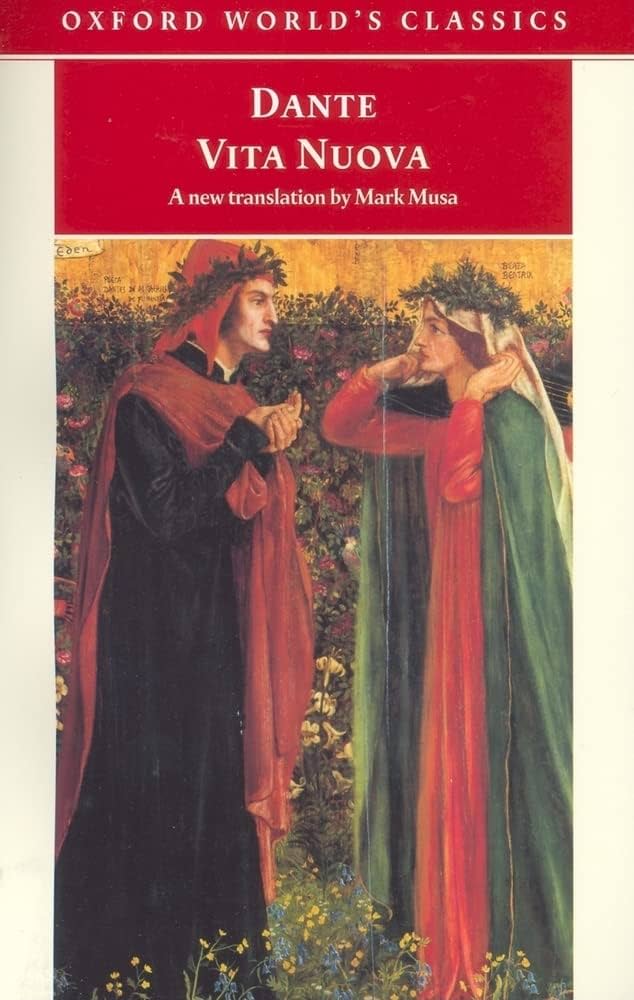
No. 11 on this list. Canzoniere · Petrarch · 1374
Taught in schools: Montenegrin literature curriculum (crnogorski jezik i književnost) (Montenegro)
The foundation text of the European lyric tradition, taught in every survey of Renaissance and comparative literature, and in print in facing-page editions from Harvard, Oxford and Penguin.
Difficult4.2 hours
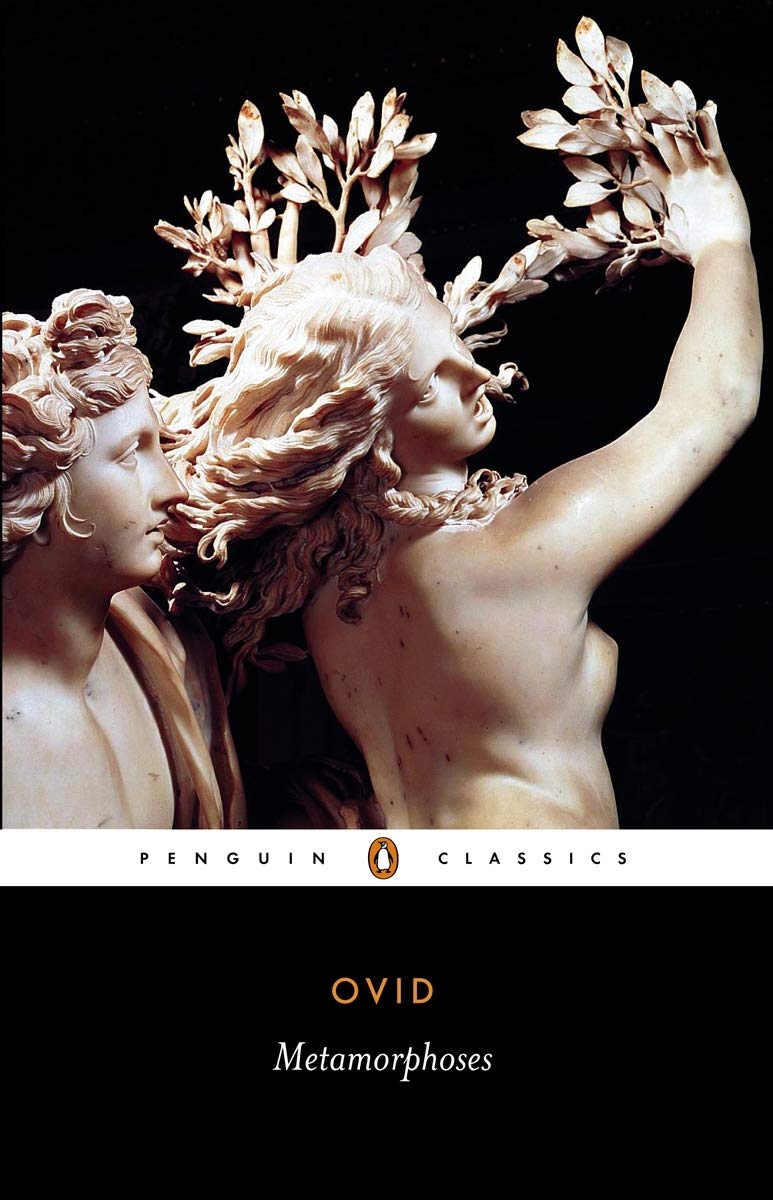
Start this bookNo. 12 on this list. Metamorphoses · Ovid · 8
Taught in schools: Hungarian literature curriculum (magyar nyelv és irodalom) (Hungary)
Included in: Bokklubben World Library
Ovid's Metamorphoses, composed around 8 CE, stands as one of the supreme achievements of classical literature—a sprawling epic in fifteen books (this edition presents Books I-VII) that weaves together approximately 250 Greek and Roman myths united by the theme of transformation. Written in elegant Latin hexameters and here rendered into English prose by Henry T. Riley (1851), the work traces a chronological arc from the creation of the cosmos through the deification of Julius Caesar, creating what Ovid called "a perpetual song" of bodies changed into new forms. The narrative moves with extraordinary fluidity between tales of divine passion and punishment, mortal hubris and heroism, featuring such iconic episodes as Apollo's pursuit of Daphne, Phaethon's disastrous ride in the sun-chariot, Perseus's rescue of Andromeda, and Medea's terrible vengeance. Ovid demonstrates remarkable psychological acuity in depicting emotional states—love, jealousy, rage, grief—and their transformative power. His treatment often subverts traditional heroic narratives, giving voice to victims and exploring the darker aspects of divine behavior with irony and pathos. The work serves simultaneously as mythological compendium, artistic showcase, and subtle political commentary. Its influence on Western culture proves immeasurable: it has served as the primary source for classical mythology across centuries, inspiring masterworks of visual art, literature, music, and drama from the medieval period through modernity. This translation includes extensive scholarly apparatus with historical context, geographical notes, and interpretive commentary, making the complex mythological material accessible while preserving the work's literary power and enduring relevance to questions of identity, change, and the human condition.
Difficult15 hours
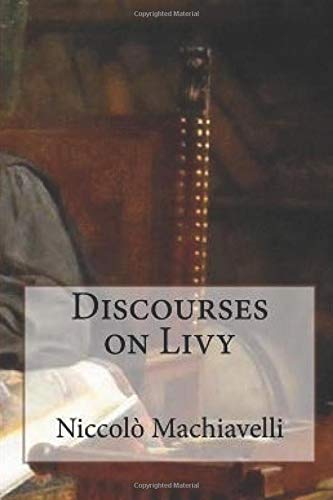
Read nowNo. 13 on this list. Discourses on Livy · Niccolò Machiavelli · 1531
Niccolò Machiavelli spent the last decade of his life under house arrest, banned from Florence's political world, and wrote the Discourses on Livy as a systematic attempt to teach what he could no longer practice. Working through Titus Livy's history of Rome book by book, Machiavelli extracts from each episode a principle of republican governance — how to found a city, sustain a republic, manage armies, treat conquered peoples, handle conspiracies, and survive the inevitable corruption of institutions. The argument runs to 142 chapters across three books, each one a small essay: he states a thesis, marshals Roman examples, and delivers a verdict. Machiavelli's Rome is not an idealized past but a working laboratory. When he recommends that a new republic must sometimes execute its founding families, or that a prince should appear virtuous rather than be virtuous, he is not being provocative — he is being precise. The Discourses is the longer and more theoretically ambitious of his two major works, and the one where his commitment to republican liberty is explicit rather than implied. Readers accustomed to political philosophy as abstract theory will find this text unusual: it thinks in cases, in generals, in the specific behavior of specific tribunes during specific sieges. The Victorian translation adds a layer of archaic syntax to the Renaissance argument. What emerges is a political science conducted before the term existed — unsentimental, empirical, and still asking questions no subsequent political thinker has fully answered.
Moderate8.3 hours
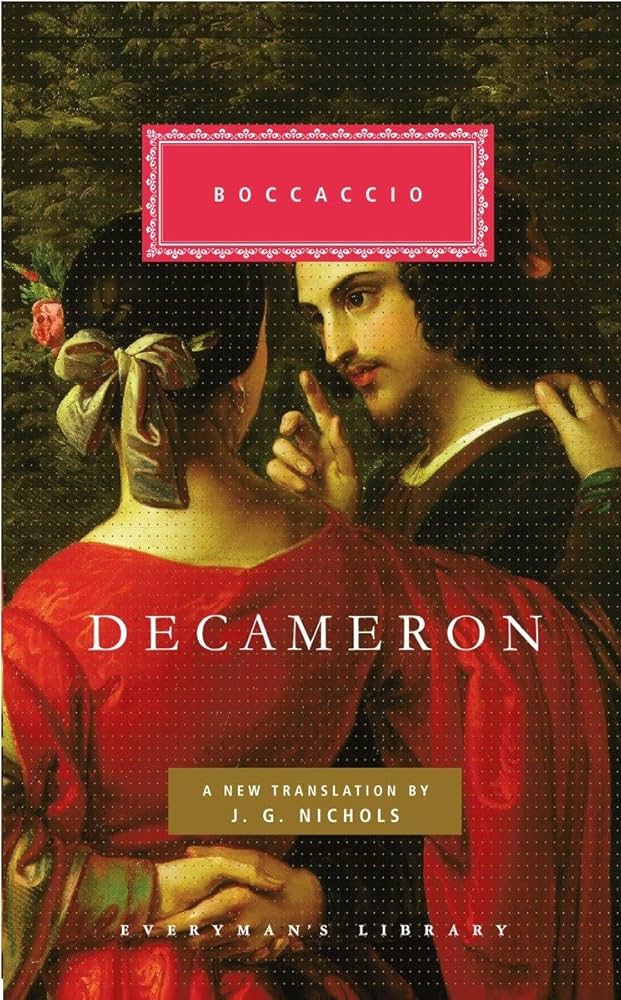
Read nowNo. 14 on this list. The Decameron · Giovanni Boccaccio · 1353
Included in: Bokklubben World Library
Ten young Florentines flee the Black Death and tell a hundred stories—bawdy, tragic, satirical—that give prose fiction its first great architecture. Chaucer borrowed from it, and the frame-narrative technique Boccaccio perfected here became the scaffolding for centuries of European storytelling.
Moderate20 hours
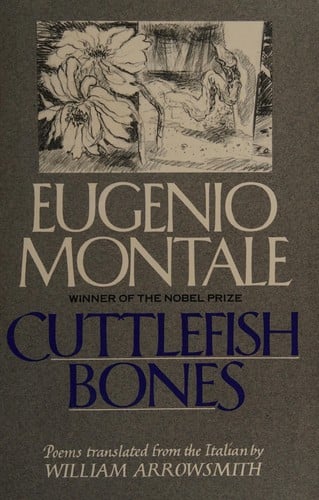
Read nowNo. 15 on this list. Cuttlefish Bones · Eugenio Montale · 1925
Montale's 1925 debut collection presents a Mediterranean landscape fractured into discrete, observed moments. The poems inhabit a stark geography of cliffs, withered gardens, and coastal stone—Liguria rendered as both literal place and emotional correlative. Images accumulate without resolution: a cuttlebone washed ashore, lizards on parched earth, the "harsh grating" of cicadas. The speaker moves through this terrain with precise attention but no explanatory frame, registering sensory data without interpretive commentary. Verb tenses shift; temporal progression collapses. A wall of cactus resists metaphor, remains simply wall. This refusal of ornament distinguishes Montale from his Romantic predecessors. The collection enacts a poetics of negative capability—what remains unstated carries more weight than declaration. Individual poems accumulate like the book's governing image: bones on a beach, fragments of form, stripped of context yet demanding attention. The work's sparse diction and angular syntax establish modernism's austere aesthetic while maintaining connection to observable reality. Death, absence, and the incompleteness of human understanding pervade the collection, not as abstract philosophy but as the texture of looking at a specific landscape.
Challenging5.1 hours
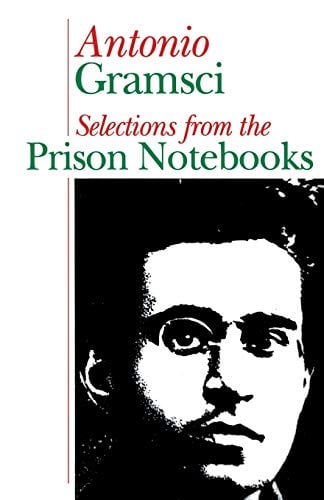
Start this bookNo. 16 on this list. Selections from the Prison Notebooks · Antonio Gramsci · 1948
Antonio Gramsci wrote the Prison Notebooks in a fascist jail between 1929 and 1935, hiding his Marxist analysis behind the euphemism 'philosophy of praxis' to evade censors. The result is one of the twentieth century's most influential works of political theory, and one of its most difficult to read straight through. Gramsci asks why socialist revolutions succeeded in Russia but failed in Western Europe, and the answer reshapes everything. Western states, he argues, maintain power not primarily through coercion but through 'hegemony' — the active consent of the governed, manufactured through civil institutions: schools, churches, newspapers, and the accumulated common sense of a culture. Overthrowing a state requires first dismantling that consent, a long 'war of position' rather than a frontal assault. The 'organic intellectual' — not the detached scholar but the thinker who articulates a class's interests from within — is the instrument of that war. These concepts travel far beyond their original context. Stuart Hall used hegemony to analyze Thatcherism. Gayatri Spivak's subaltern studies grew from Gramsci's subaltern. Ernesto Laclau and Chantal Mouffe built post-Marxist theory on his foundations. Reading the Notebooks is not like reading an argument — it is like reading a theorist thinking, contradicting himself, circling back, leaving threads unfinished. That is both the text's difficulty and its intellectual honesty.
Difficult33 hours
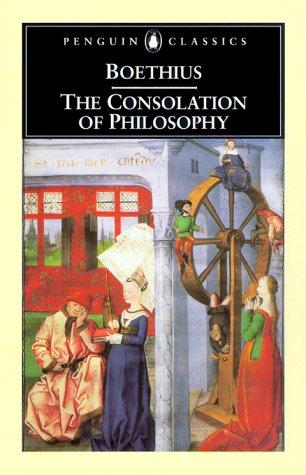
Start this bookNo. 17 on this list. The Consolation of Philosophy · Boethius · 524
The Consolation of Philosophy was a cornerstone text of medieval European education, read and copied across centuries in monasteries and universities. It remains standard reading in philosophy, classics, and medieval studies courses worldwide, with Wikipedia articles in over 50 languages attesting to its global reach. Few works written before the print era hold such sustained pedagogical standing.
Moderate2.8 hours
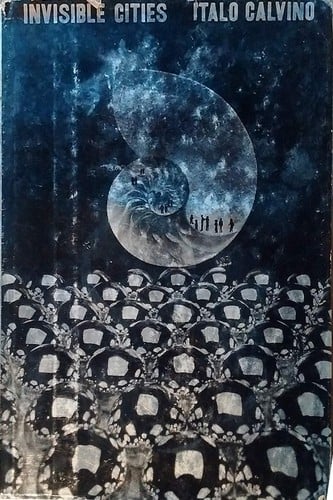
Read nowNo. 18 on this list. Invisible Cities · Italo Calvino · 1972
Marco Polo sits before Kublai Khan and describes cities he has visited — or perhaps invented. Despina can be approached by land or by sea, and looks entirely different depending on which direction you come from. Valdrada was built above a lake so that every action of its inhabitants would be doubled in the water below; the city and its mirror have learned to hate each other. Zobeide was constructed by men who all dreamed the same woman and built a city to trap her, but the woman never appeared. Calvino arranges 55 such cities across 11 categories — Cities & Memory, Cities & Desire, Thin Cities — in a mathematical grid that wears the clothing of fiction. The cities are not places. They are states of mind, arguments about time and loss, meditations on the difference between a map and the territory it claims to represent. Between the vignettes, Marco Polo and the Khan conduct dialogues about language, empire, and whether it is possible to describe anything that exists. The prose is precise and dreaming at once — a short paragraph can hold more compressed thought than a chapter of conventional fiction. This is a book that accumulates rather than progresses, and what it accumulates is a complete philosophy of how cities, and perhaps consciousness itself, work.
Challenging2.2 hours
Start this bookNo. 19 on this list. Ars Poetica · Horace · c. 19 BCE
The single most influential text on poetics between Aristotle and the Romantics. Foundation of neoclassical literary theory.
Moderate32 min
Start this bookNo. 20 on this list. Heroides · Ovid · c. 15 BCE
Penelope has been waiting twenty years. She writes to Odysseus — still missing, still silent — and the letter is not a love note but a legal brief. She catalogs what she has lost, what she has endured, and what she expects in return. Ovid's Heroides gives the floor to the women Greek and Roman epic left waiting in the margins: Medea, Ariadne, Dido, Briseis, Phaedra — each in her own verse letter, each making her case to the man who abandoned her. The text works as a systematic rebuttal of the heroic tradition. Aeneas's piety looks different from Dido's cartilage; Jason's glory looks different from Medea's exile. Where Virgil and Homer judge these women by the needs of the hero, Ovid hands them the pen and lets them judge the heroes back. The letters are arguments as much as laments — rhetorical performances full of evidence, precedent, and accusation. The reader encounters mythological density on every page: the Symplegades, the fleece, the earth-born warriors, the labyrinth. These are not ornaments but proof. Reading Heroides demands classical literacy and rewards it with a complete inversion of the tradition — twenty-one letters that, taken together, constitute one of the ancient world's sharpest critiques of heroic self-justification.
Moderate3.6 hours
Start this book
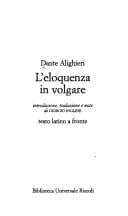
No. 21 on this list. De Vulgari Eloquentia · Dante Alighieri · 1304
De Vulgari Eloquentia is required reading in medieval studies, Romance philology, and Italian literary history programs worldwide. As the founding theoretical document of the Italian literary tradition and the first systematic analysis of Romance vernaculars, it is treated as an essential primary source in any serious engagement with medieval literary theory. Its canonical status is absolute within its specialized domains, though it is less broadly assigned than the Commedia, which sits on nearly every world literature syllabus.
Challenging1.3 hours
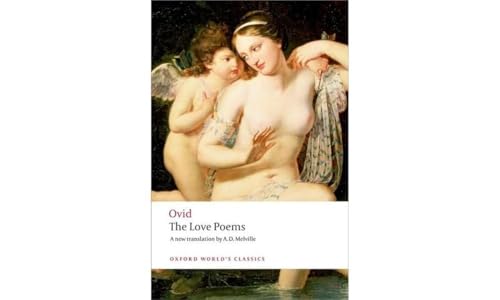
Start this bookNo. 22 on this list. Amores · Ovid · c. 16 BCE
Ovid is twenty years old and Corinna will not open her door. So begins the Amores — forty-nine love elegies written in the 20s BCE by a Roman poet who understood, from the first poem, that wit is more powerful than sincerity. Cupid, he explains in Elegy I, stole a foot from his heroic hexameter and turned his epic into love poetry against his will. This is Ovid's characteristic move: mock complaint that reveals total mastery. The Amores catalogues an affair with the unnamed mistress Corinna — bribing her doorkeeper, watching her comb her ruined hair, mourning her parrot with the same hyperbolic grief he'd spend on a person, catching her in adultery and immediately forgiving her because she denied it too beautifully. Each poem is a rhetorical performance: Ovid argues, apostrophizes, invokes mythology, reverses himself, and lands a final turn with the timing of a practised comedian. He invented the mode of the suffering lover who is too articulate to suffer. Reading the Amores is to watch the cleverest poet in Rome construct the template that Petrarch would use a millennium later, and that has governed love poetry ever since — which is to say, Ovid built the room everyone else still lives in.
Moderate2 hours
Read nowNo. 23 on this list. Canti · Giacomo Leopardi · 1835
Compulsory reading in Italian schools, standard in European Romanticism courses, and in print in facing-page editions from FSG, Penguin and Oxford.
Difficult2.5 hours
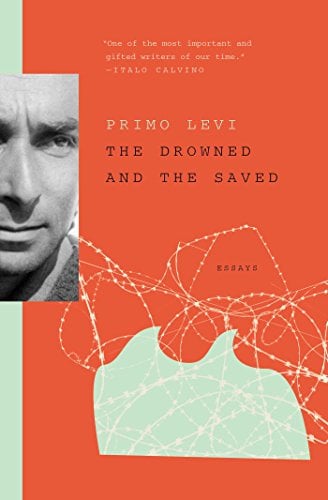
Start this bookNo. 24 on this list. The Drowned and the Saved · Primo Levi · 1986
Taught widely in Holocaust studies, memory studies, ethics, and comparative literature courses at universities across Europe, North America, and Israel. Levi's concept of 'the gray zone' has become standard vocabulary in moral philosophy curricula. While the database returned no syllabus count, the book's standing as essential reading in its field is well established across decades of academic discourse.
Moderate3.6 hours
Start this bookNo. 25 on this list. The Leopard · Giuseppe Tomasi di Lampedusa · 1958
A fixture on world-literature and modern-European syllabi, in print in Everyman's and Vintage Classics, and the standard text for the Risorgimento in literature courses. Visconti's 1963 film, Palme d'Or winner, kept it in general circulation.
Challenging7.7 hours
Start this bookNo. 26 on this list. Enchiridion · Epictetus · 125
The most widely read Stoic text and one of the most influential short philosophical works in Western history.
Easy22 min
Start this bookNo. 27 on this list. If on a Winter’s Night a Traveler · Italo Calvino · 1982
A staple of university courses in postmodern literature, metafiction, narrative theory, and Italian studies worldwide. Appears on virtually every major list of postmodern masterworks, including the Modern Library and multiple "best novels" compilations. Not as universally assigned as Gatsby or 1984, but firmly established in the literary canon across multiple national traditions and academic disciplines.
Difficult10 hours
Start this bookNo. 28 on this list. Orlando Furioso · Ludovico Ariosto · 1516
Taught in schools: UNAM Escuela Nacional Preparatoria – programas de Literatura (Mexico)
Orlando Furioso stands as one of the defining works of Italian Renaissance literature, a fixture in Italian university curricula and comparative literature courses worldwide. Its influence on Spenser, Milton, Shakespeare, Cervantes, and Voltaire makes it indispensable to the study of early modern literature. While less taught in English-language universities than Greek and Roman epic, it appears on virtually every world literature and Renaissance literature syllabus.
Challenging22 hours
Start this bookNo. 29 on this list. The Betrothed · Alessandro Manzoni · 1827
I Promessi Sposi is the foundational novel of Italian literature, required reading in every Italian school for over 150 years. It appears on syllabi worldwide in Italian literature, European Romanticism, and world literature courses. Wikipedia articles exist in over 60 languages, and it is consistently cited as the single most important work of Italian prose fiction.
Challenging13 hours
Start this bookNo. 30 on this list. Satyricon · Petronius · 60
Included in: Oxford World's Classics
One of the earliest surviving novels and a foundational text of European fiction. The Cena Trimalchionis is one of the most famous scenes in Latin literature.
Moderate2.6 hours
Start this book
No. 31 on this list. New Science
Giambattista Vico · 1725
No. 32 on this list. The Name of the Rose
Umberto Eco · 1980
No. 33 on this list. The Golden Ass
Apuleius · 170
Included in: Oxford World's Classics
No. 34 on this list. Mr. Palomar
Italo Calvino · 1983
No. 35 on this list. The Book of the Courtier
Baldassare Castiglione · 1528
No. 36 on this list. Letters from a Stoic
Seneca · 65
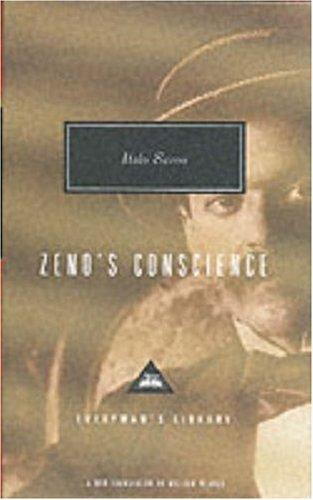
No. 37 on this list. Zeno's Conscience
Italo Svevo · 1923
Included in: Bokklubben World Library
No. 38 on this list. The Travels of Marco Polo
Marco Polo · 1300
No. 39 on this list. The Moon and the Bonfires
Cesare Pavese · 1950
No. 40 on this list. The Day of the Owl
Leonardo Sciascia · 1961
No. 41 on this list. Meditations
Marcus Aurelius · 180
Included in: Great Books of the Western World
No. 42 on this list. The Truce
Primo Levi · 1963
No. 43 on this list. The Autobiography of Benvenuto Cellini
No. 44 on this list. The Adventures of Pinocchio
Carlo Collodi · 1883
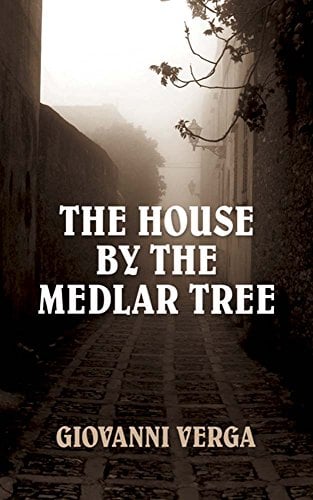
No. 45 on this list. The House by the Medlar Tree
Giovanni Verga · 1881
No. 46 on this list. Discourses
Epictetus · 108
No. 47 on this list. The Garden of the Finzi-Continis
Giorgio Bassani · 1962
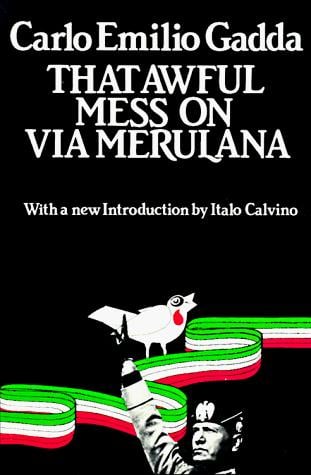
No. 48 on this list. That Awful Mess on the Via Merulana
Carlo Emilio Gadda · 1957
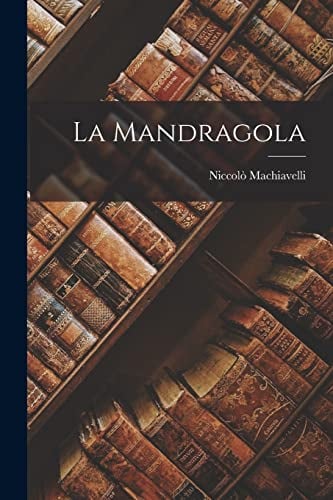
No. 49 on this list. Mandragola
Niccolò Machiavelli · 1524
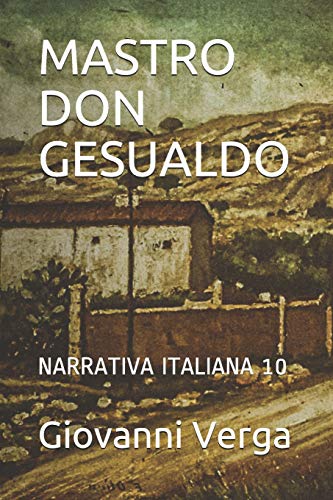
No. 50 on this list. Mastro-don Gesualdo
Giovanni Verga · 1889
Included in: UNESCO Collection of Representative Works
No. 51 on this list. On Crimes and Punishments
Cesare Beccaria · 1764
No. 52 on this list. Christ Stopped at Eboli
Carlo Levi · 1945
No. 53 on this list. One, No One and One Hundred Thousand
Luigi Pirandello · 1926
No. 54 on this list. And Suddenly It's Evening
Salvatore Quasimodo · 1942
No. 55 on this list. Henry IV
Luigi Pirandello · 1922
No. 56 on this list. On the Sublime
Longinus · 100
No. 57 on this list. The Conformist
Alberto Moravia · 1951
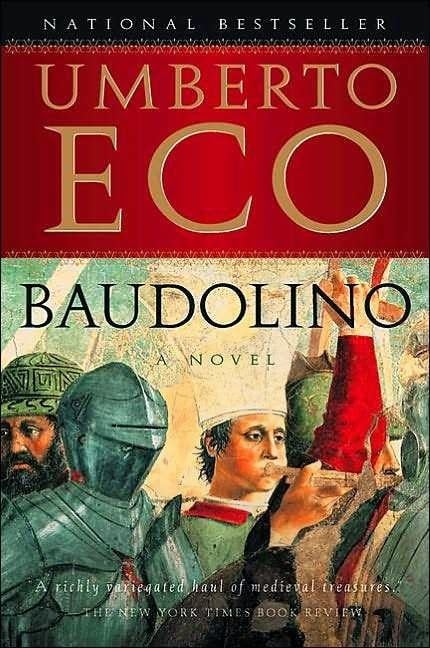
No. 58 on this list. Baudolino
Umberto Eco · 2000
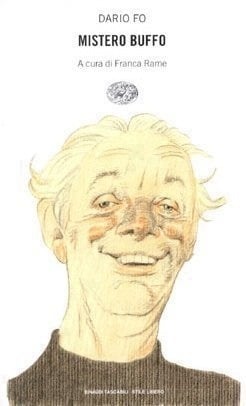
No. 59 on this list. Mistero Buffo
Dario Fo · 1969
No. 60 on this list. Pereira Maintains
Antonio Tabucchi · 1994
No. 61 on this list. Kaputt
Curzio Malaparte · 1944
No. 62 on this list. Conversations in Sicily
Elio Vittorini · 1941
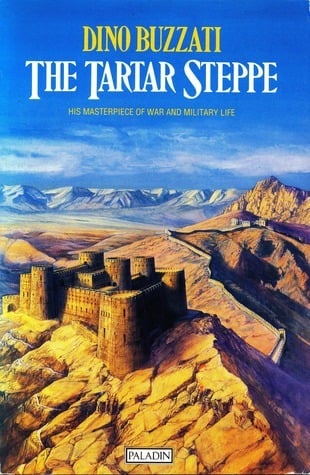
No. 63 on this list. The Tartar Steppe
Dino Buzzati · 1940
No. 64 on this list. Bread and Wine
Ignazio Silone · 1936
No. 65 on this list. Jerusalem Delivered
Torquato Tasso · 1581
No. 66 on this list. The Ballad of the Salty Sea
Hugo Pratt · 1967
No. 67 on this list. Thyestes
No. 68 on this list. Two Women
Alberto Moravia · 1957
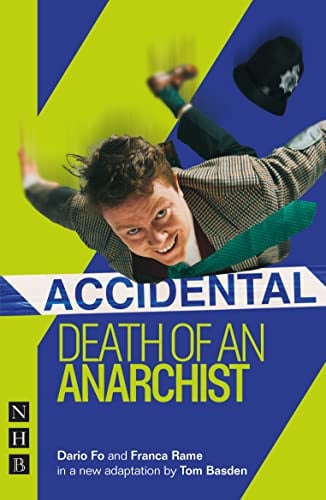
No. 69 on this list. Accidental Death of an Anarchist
Dario Fo · 1970
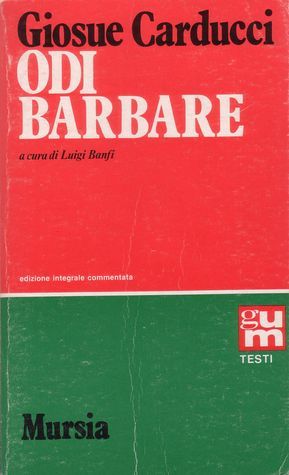
No. 70 on this list. Odi barbare
Giosuè Carducci · 1877
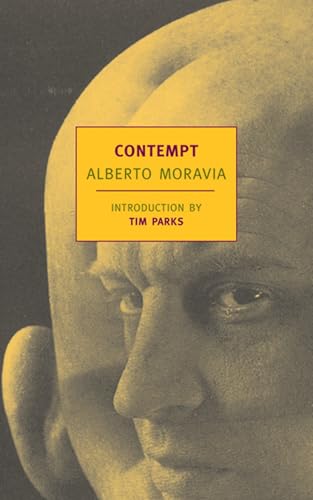
No. 71 on this list. Contempt
Alberto Moravia · 1954
No. 72 on this list. The House on the Hill
Cesare Pavese · 1948
No. 73 on this list. Ties
Domenico Starnone · 2014
No. 74 on this list. Silk
Alessandro Baricco · 1996
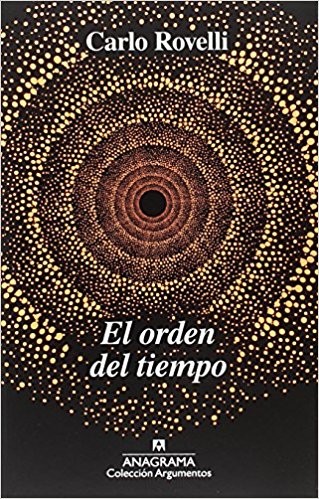
No. 75 on this list. The Order of Time
Carlo Rovelli · 2017
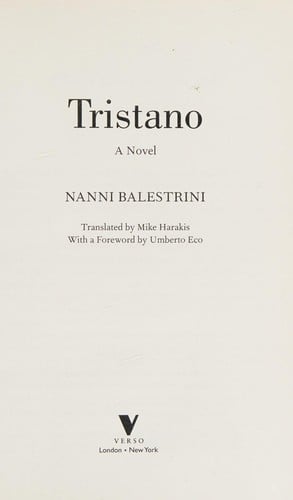
No. 76 on this list. Tristano
Nanni Balestrini · 2014
No. 77 on this list. Octavia
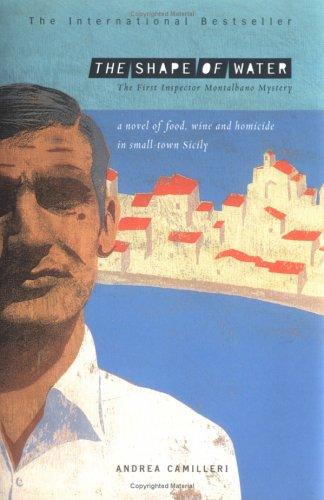
No. 78 on this list. The Shape of Water
Andrea Camilleri · 1994
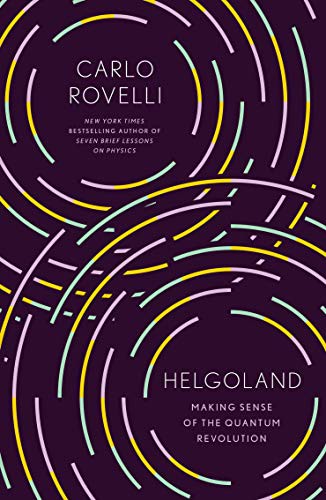
No. 79 on this list. Helgoland
Carlo Rovelli · 2020
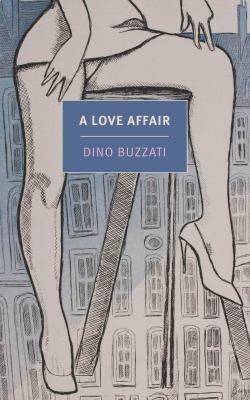
No. 80 on this list. A Love Affair
Dino Buzzati · 1964
About this list
These 81 books are the highest-scoring eligible books by men from Italy currently in the catalogue. By literary regard, it opens with Divine Comedy, Eclogues and Odes. About 654 hours of reading in all. Difficulty runs from 47 to 64 out of 100 for the middle half of the list; the summit is Summa Theologica at 86.
This list is ranked by literary regard, with a consistent order for equal scores. Membership follows authors and co-authors, not translators or editors. Catalogue coverage and the historical canon both limit what this list can represent.
When we matched the Canons dataset to our catalogue in October 2026, our canonical-status scores rose with the number of school curricula, publisher series and lists in it that cite a work: the median score was 72 for books one such source cites, 84 at two, 88 at three, 92 at four and 93 at five or more. Prizes are left out of that count. Outside the state curricula, the dataset’s sources choose mostly from what has been translated into English or French, so it is a weaker check on other literatures. Source: Canons (Andrew Piper), CC BY 4.0
Questions people actually ask
- What are the best books by men from Italy?
- By literary regard, which weighs canonical status, critical standing and influence, Divine Comedy, Eclogues, Odes, Summa Theologica and Georgics lead. ReadingRate ranks 81 such books, each with a difficulty score and a reading-time estimate.
- Where should I start with books by men from Italy?
- Start from difficulty, not from rank. The most approachable books on this list that still carry top literary regard are Enchiridion by Epictetus (about 22 min), Discourses by Epictetus and The Prince by Niccolò Machiavelli.
- How hard are books by men from Italy to read?
- Most of this list sits between 47 and 64 on ReadingRate's 100-point difficulty scale, where 40 to 55 is moderate. The summit is Summa Theologica at 86. Every entry carries its own score, so a reader can pick a great book at a difficulty they will finish.
- How is this list ranked?
- On literary-regard data: how canonically established a work is, its critical standing, and its influence on later writing. It is not a readers’ poll, which is why recent bestsellers rarely appear. Membership follows authors and co-authors, not translators or editors. A list that is not a genre list keeps to literature (fiction, poetry, drama and philosophy), with philosophy taking no more than one slot in five while there is literature left to rank; every list holds at most three works by one author.