Hours at an average pace
Showing 100 books
About 732 hours for 100 of 100 books with measured lengths. Estimates use 250 words a minute, adjusted for each book's difficulty. At 2 hours a day, about 367 days for those books.
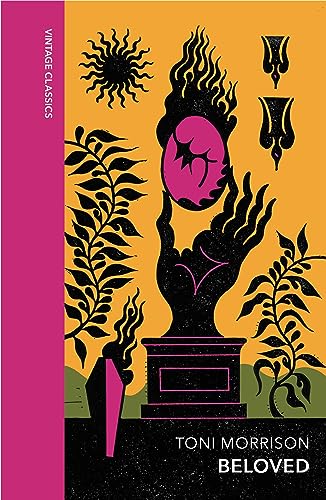
No. 1 on this list. Beloved
Toni Morrison · 1988
Challenging7.4 hours
Taught in schools: Pearson Edexcel GCSE and A-level English Literature (UK)
Included in: Bokklubben World Library
Morrison made the ghost of a murdered child literal — she moves into the house, eats all the food, demands everything — and in doing so found the only form adequate to represent what slavery did to the interior lives of the people who survived it. The novel forced American fiction to reckon with a history it had aestheticized or avoided.
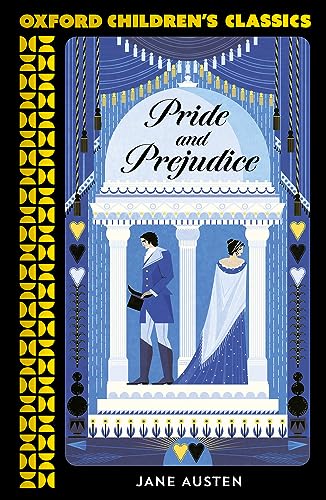
No. 2 on this list. Pride and Prejudice
Jane Austen · 1813
Moderate8.6 hours
Taught in schools: AQA GCSE and A-level English Literature (UK), Cambridge IGCSE Literature in English (0475), Common Core text exemplars (Appendix B) (US)
Included in: Bokklubben World Library
Appears on 2,313 university syllabi — placing it at the 84th percentile of all taught books globally — and Wikipedia covers the novel in 74 languages. Listed in the BBC Big Read Top 100, 1001 Books You Must Read Before You Die, and published in prestige editions by both Penguin Classics and Everyman's Library. One of the most consistently taught novels in English literature.
No. 3 on this list. The Tale of Genji
Murasaki Shikibu · 1010
Challenging8.6 hours
Included in: Bokklubben World Library, UNESCO Collection of Representative Works
Written by a Heian court lady six centuries before Don Quixote, The Tale of Genji traces the emotional life of a prince and his descendants through a world governed by aesthetic refinement, seasonal feeling, and erotic longing — inventing the psychological novel before the concept existed in any other literary tradition.
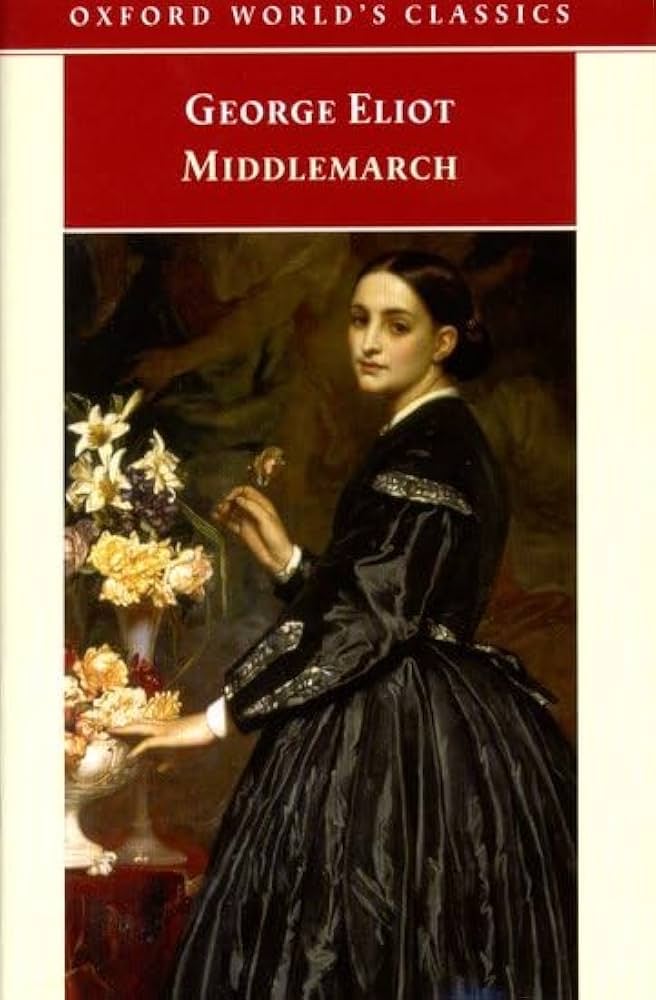
No. 4 on this list. Middlemarch
George Eliot · 1871
Moderate22 hours
Taught in schools: AQA GCSE and A-level English Literature (UK)
Included in: Bokklubben World Library, Great Books of the Western World
Appears on 1,070 university syllabi (75th percentile by Open Syllabus), anchoring Victorian literature courses worldwide. Wikipedia covers it in 25 languages with a substantial 52,926-character article including dedicated Reception and Adaptations sections. Virginia Woolf's declaration that it is 'one of the few English novels written for grown-up people' has given it a persistent critical shorthand that appears on nearly every canonical 'greatest novels' list.
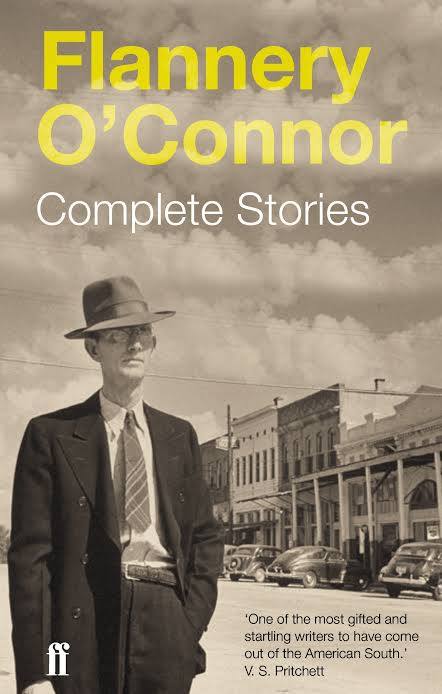
O'Connor occupies the highest tier of 20th-century American short fiction, regularly anthologized alongside Hemingway, Faulkner, and Chekhov. 'A Good Man Is Hard to Find' appears in virtually every American literature survey. The Complete Stories (1971) won the National Book Award posthumously, cementing her stature. Her work defines Southern Gothic and theological fiction, studied in literature programs worldwide as essential American modernism.
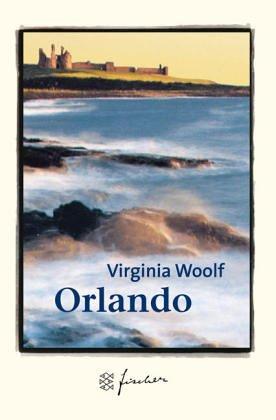
No. 6 on this list. Orlando
Virginia Woolf · 1928
Moderate5.2 hours
Taught in schools: UNAM Escuela Nacional Preparatoria – programas de Literatura (Mexico)
Orlando appears on university syllabi worldwide in modernist literature, gender studies, feminist theory, and LGBTQ+ studies courses — one of the few novels to anchor multiple disciplines simultaneously. It features on Modern Library's 100 Best Novels list and is discussed in virtually every survey of 20th-century British fiction. Woolf's stature guarantees its place in the canon regardless of pedagogical fashion.
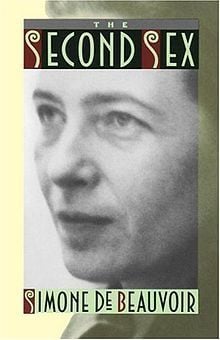
Appears on 563 university syllabi (Open Syllabus percentile: 68.8%), making it a fixture of gender studies, philosophy, and feminist theory curricula worldwide. Named to Le Monde's 100 Books of the Century and recognized in 50 Wikipedia languages — signaling global canonical reach. Essential reading in feminist and existentialist philosophy, though not as universally taught as Shakespeare or Frankenstein.
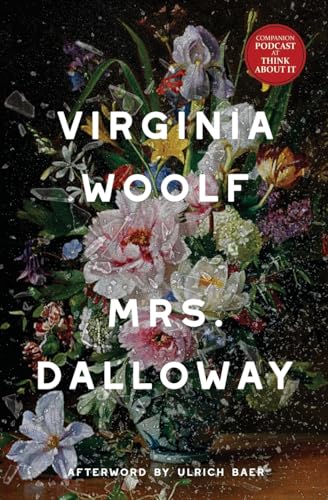
No. 8 on this list. Mrs. Dalloway
Virginia Woolf · 1925
Challenging7.1 hours
Taught in schools: OCR GCSE and A-level English Literature (UK), Pearson Edexcel GCSE and A-level English Literature (UK)
Included in: Bokklubben World Library
Appears on 4,254 university syllabi according to the Open Syllabus Project, placing it at the 90.7th percentile of all taught texts — above Beloved's range and approaching The Great Gatsby's 3,500+ appearances. Listed on TIME's All-TIME 100 Novels (2005) and in 1001 Books You Must Read Before You Die. Wikipedia articles in 35 languages with an adaptations section confirm broad global reach.
Ranked by literary regard among eligible works in the current catalogue. This position reflects the available catalogue evidence.
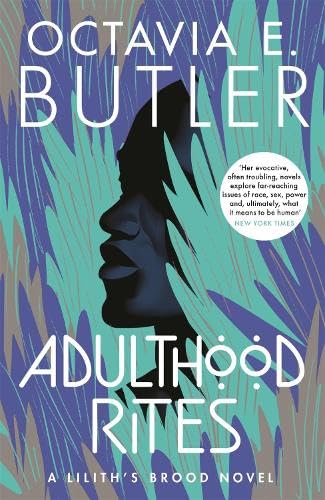
Widely taught in university courses on science fiction and postcolonial literature. A central text of Afrofuturism.
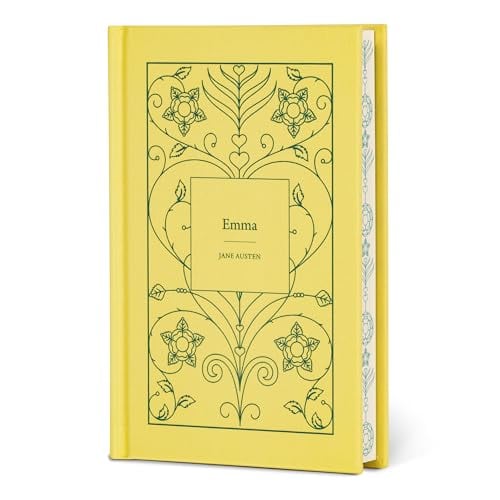
No. 11 on this list. Emma · Jane Austen · 1815
Taught in schools: AQA GCSE and A-level English Literature (UK), CSEC English B – Caribbean Examinations Council
Included in: Great Books of the Western World, Oxford World's Classics
Emma is taught in virtually every survey of British literature and appears on most lists of essential novels. It is Austen's longest and most complex work, considered by some critics her masterpiece. The novel appears in high school AP courses, undergraduate surveys, and graduate seminars. It has been adapted countless times for film and television. Its status in the Western canon is unassailable, ranking just below Pride and Prejudice in popular awareness but equal or higher in critical estimation.
Challenging12 hours
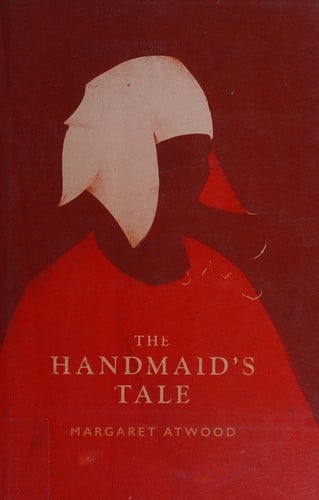
Read nowNo. 12 on this list. The Handmaid's Tale · Margaret Atwood · 2017
Taught in schools: AQA GCSE and A-level English Literature (UK), OCR GCSE and A-level English Literature (UK), Pearson Edexcel GCSE and A-level English Literature (UK)
The novel is a staple of high school and university courses on dystopia and feminist literature. It was shortlisted for the Booker Prize, appears on the 1001 Books list, and is published as a Penguin Modern Classic.
Challenging7.7 hours
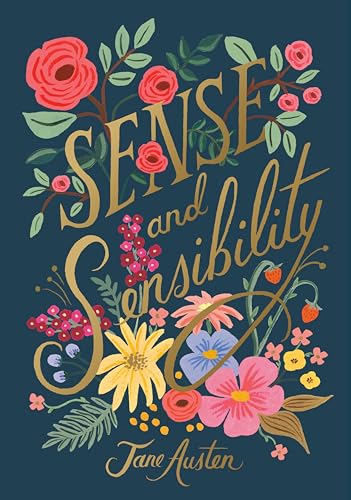
Start this bookNo. 13 on this list. Sense and Sensibility · Jane Austen · 1811
Taught in schools: OCR GCSE and A-level English Literature (UK), WJEC/Eduqas GCSE and A-level English Literature (UK)
Austen first published novel. Less celebrated than Pride and Prejudice or Emma but firmly canonical.
Moderate8.7 hours
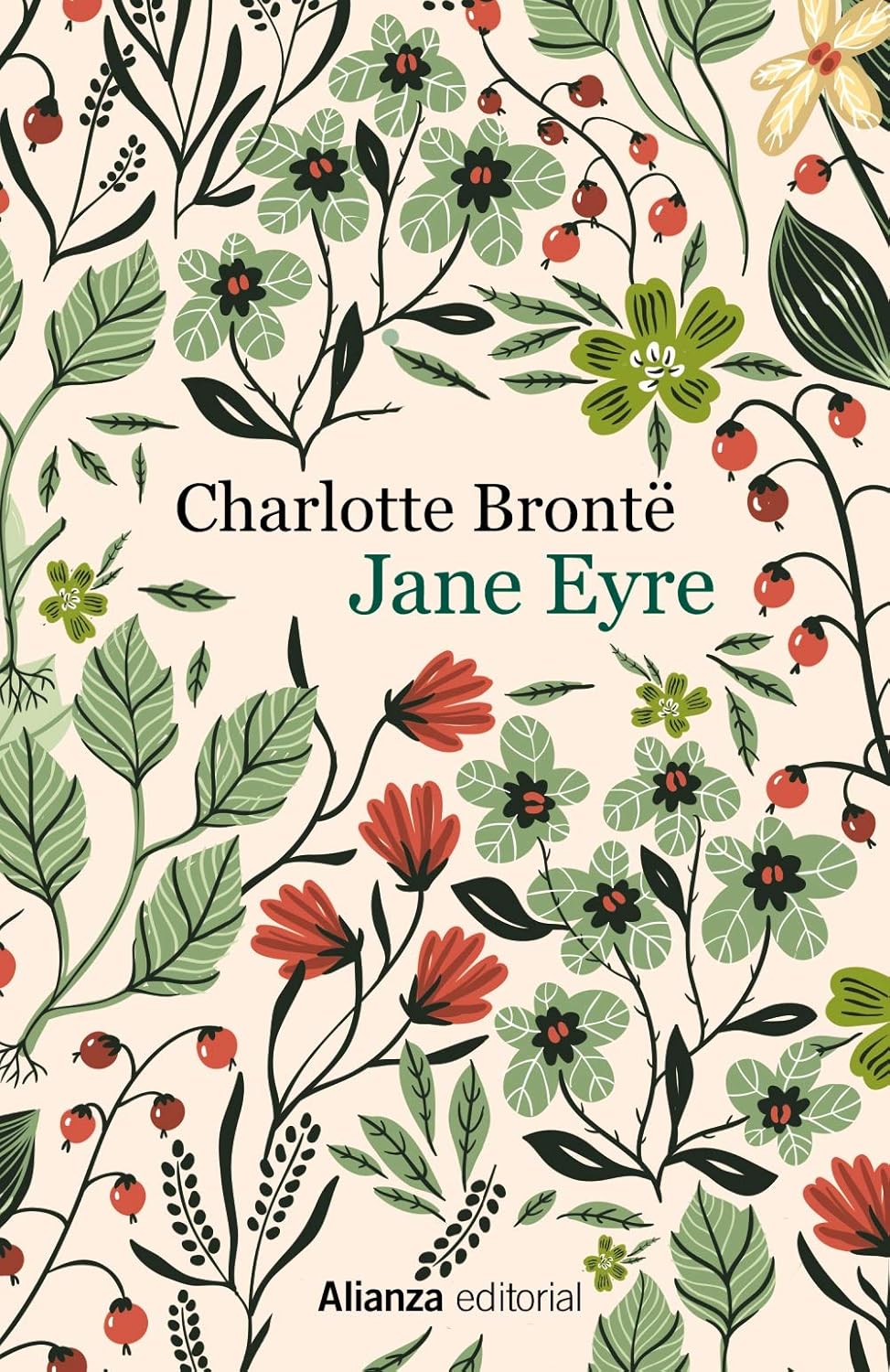
Read nowNo. 14 on this list. Jane Eyre · Charlotte Brontë · 1847
Taught in schools: AQA GCSE and A-level English Literature (UK), Common Core text exemplars (Appendix B) (US), CSEC English B – Caribbean Examinations Council
Appears on 6,194 university syllabi according to Open Syllabus — placing it at the 94.8th percentile — and its Wikipedia article spans 59 languages with dedicated Reception and Adaptations sections. Jane Eyre is a fixture of Victorian literature courses worldwide and features on both the Open Syllabus Top 500 Literature list and the BBC Big Read Top 100.
Moderate13 hours
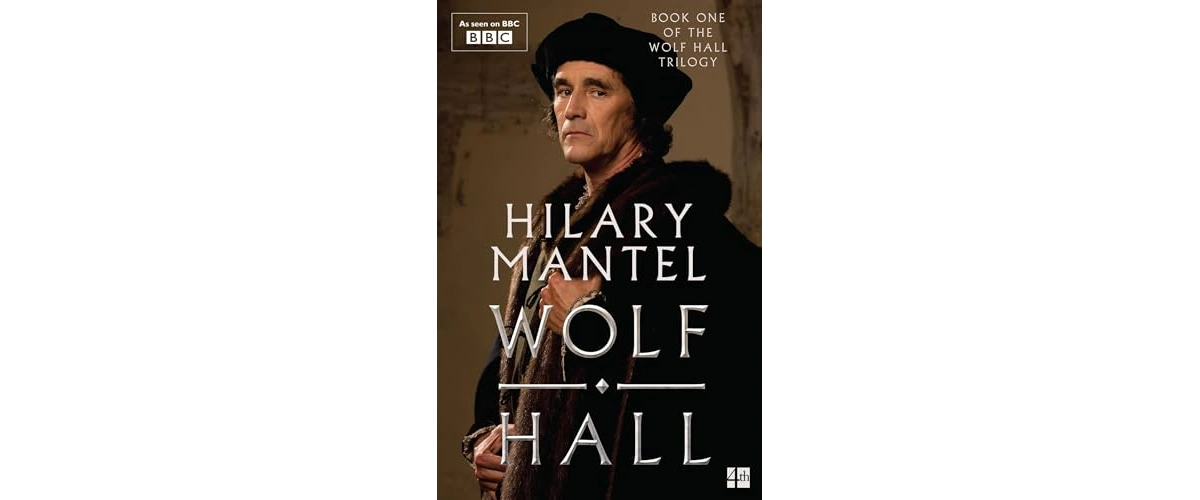
Read nowNo. 15 on this list. Wolf Hall · Hilary Mantel · 2009
The historical novel that changed the genre's literary status. Thomas Cromwell's rise, rendered in present tense and close third person, made Tudor politics feel immediate. Core text in contemporary fiction and historical fiction courses.
Challenging18 hours
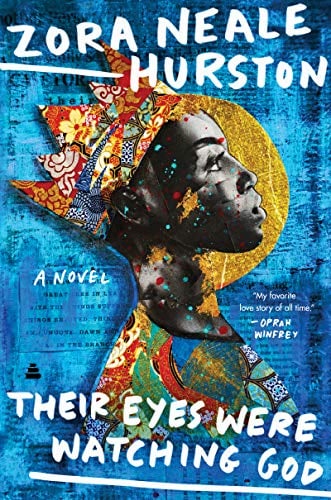
Start this bookNo. 16 on this list. Their Eyes Were Watching God · Zora Neale Hurston · 1937
Taught in schools: Common Core text exemplars (Appendix B) (US)
Appears on 3,011 university syllabi according to the Open Syllabus Project (86.97th percentile), placing it among the most-taught American novels. Featured on TIME's All-TIME 100 Novels list and published in prestigious Library of America and Everyman's Library editions — markers of sustained institutional recognition. Available in 9 Wikipedia languages, reflecting global reach in academic and literary circles.
Challenging5.3 hours
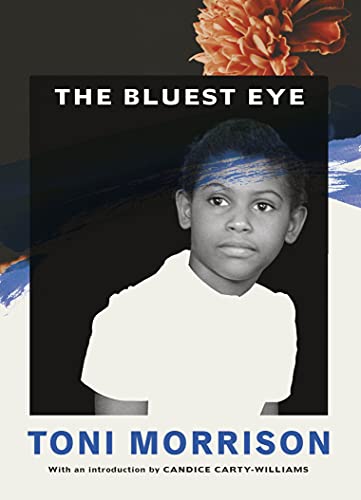
Start this bookNo. 17 on this list. The Bluest Eye · Toni Morrison · 1970
Taught in schools: Common Core text exemplars (Appendix B) (US)
While not as universally canonical as Beloved, The Bluest Eye is firmly established in the American literary canon, widely taught in universities, and recognized as a landmark debut that announced a major voice in American letters.
Challenging4.2 hours
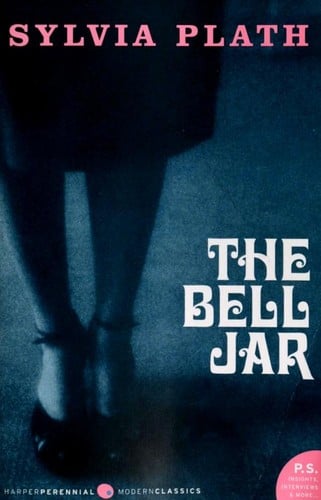
Start this bookNo. 18 on this list. The Bell Jar · Sylvia Plath · 1963
The Bell Jar is required reading in virtually every American women's literature and confessional writing course, and appears widely in high school curricula addressing mental health and mid-century American life. It holds a secure place on Modern Library and similar essential reading lists, and remains one of the most assigned novels in discussions of feminist literary history.
Challenging6.4 hours
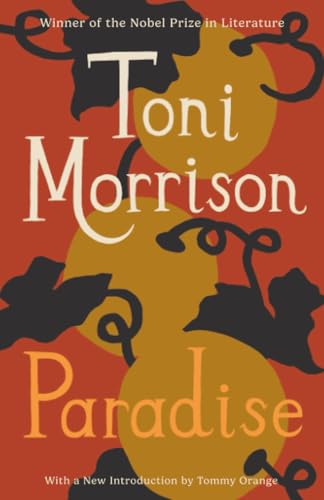
Start this bookNo. 19 on this list. Paradise · Toni Morrison · 1999
As Morrison's seventh novel following her 1993 Nobel Prize, Paradise occupies secure canonical position. It completes Morrison's loose trilogy with Beloved and Jazz, cementing her exploration of African American historical trauma. The novel appears regularly on graduate syllabi and receives sustained scholarly attention. While perhaps less taught than Beloved or Song of Solomon, it represents mature-period Morrison at peak powers and contributes essential perspectives on black utopian communities, gender conflict, and religious violence.
Challenging10 hours
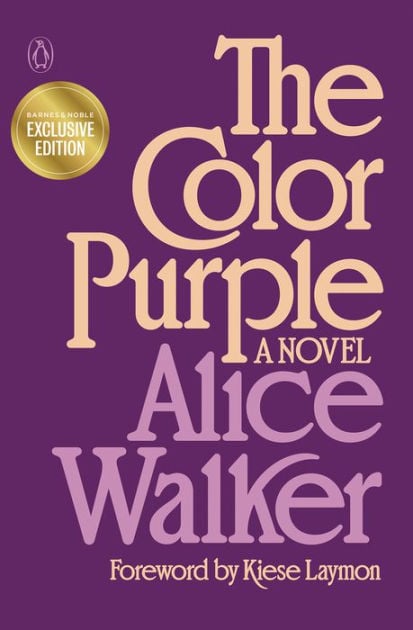
Start this bookNo. 20 on this list. The Color Purple · Alice Walker · 1983
Taught in schools: AQA GCSE and A-level English Literature (UK), CSEC English B – Caribbean Examinations Council, Pearson Edexcel GCSE and A-level English Literature (UK)
Appears on 1,185 university syllabi according to Open Syllabus (76.8th percentile), making it a fixture of American literature, women's studies, and African American studies courses. Wikipedia articles in 22 languages reflect its global reach. Consistently listed in essential American fiction surveys, and the 1985 Spielberg film expanded its cultural footprint far beyond academic settings.
Moderate4.6 hours
Start this book
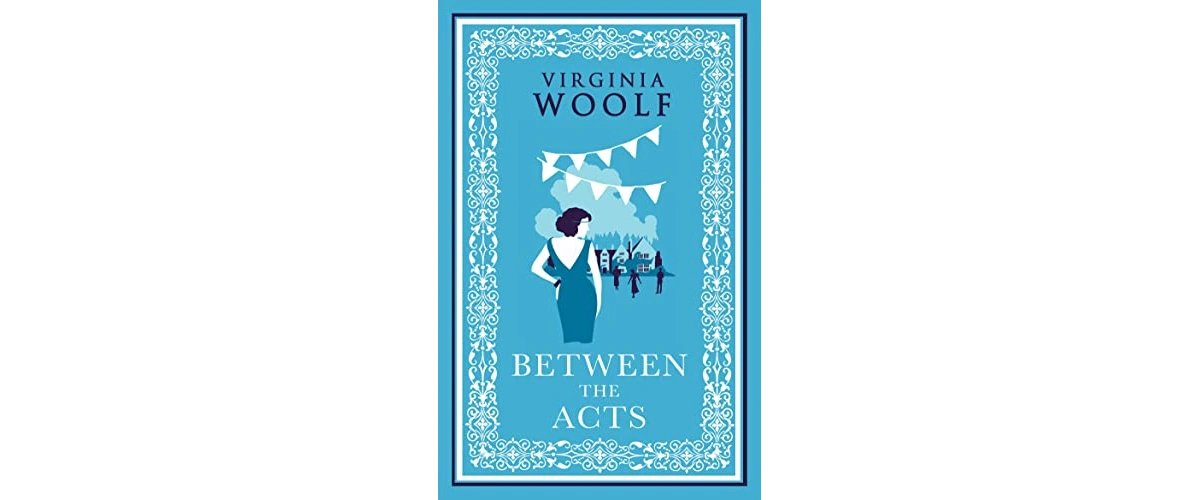
No. 21 on this list. Between the Acts · Virginia Woolf · 1941
It is a summer afternoon in June 1939, six weeks before England declares war. At Pointz Hall, a country house in the English south, the Oliver family — old Bartholomew, his daughter-in-law Isa, his son Giles, and his sister Lucy Swithin — gathers for the annual village pageant. The guests arrive: Mrs. Manresa, radiant and reckless; William Dodge, a clerk with a damaged secret. Miss La Trobe, the pageant's director, crouches behind a tree and curses the wind. The pageant runs through English history — Chaucer, Elizabeth I, the Victorians — using village actors, a sputtering gramophone, and a script always threatening to collapse. The audience half-follows, gossips about the vicar, and files out for tea. Meanwhile Isa carries an unspoken passion for a man in grey she has met only twice. Giles seethes at his own inaction as catastrophe approaches. Lucy broods on prehistory and fish. Woolf gives her final novel no plot to resolve. The pageant ends; the audience disperses; the gramophone gurgles "Unity — Dispersity" and stops mid-word. That evening, after the strangers leave, Isa and Giles are alone together for the first time all day — and the novel ends on two words: "They spoke." What came before those words, in the charged silences between the day's acts, is Woolf's entire subject: fragmented desires, incomplete sentences, and the swallows that have returned every summer since before civilization, and may return when it is gone.
Challenging4.3 hours
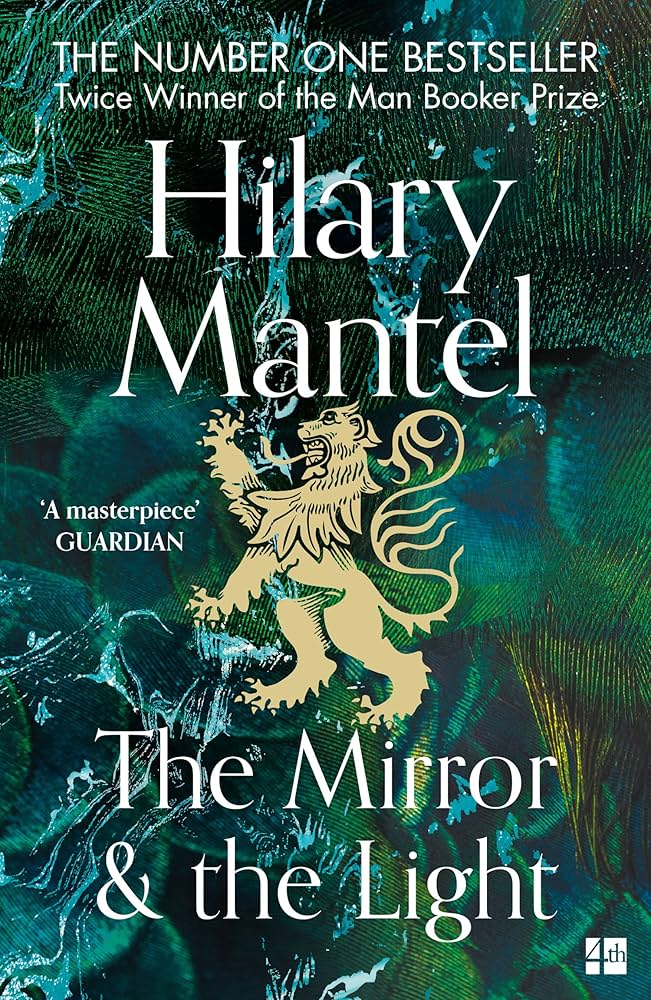
Start this bookNo. 22 on this list. The Mirror and the Light · Hilary Mantel · 2020
The final book in the Thomas Cromwell trilogy, following Cromwell from Jane Seymours death to his own execution.
Moderate21 hours
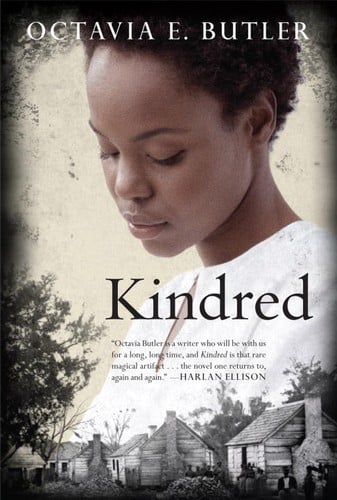
Start this bookNo. 23 on this list. Kindred · Octavia E. Butler · 1979
Taught in schools: CSEC English B – Caribbean Examinations Council
Kindred is required reading in African American literature, American history, and science fiction courses at universities across the United States and internationally. It appears on the Modern Library's reader list of the 100 best novels and is frequently paired with primary sources on American slavery. Octavia Butler is the first science fiction writer to receive a MacArthur Fellowship, and Kindred is her most assigned work.
Challenging9.1 hours
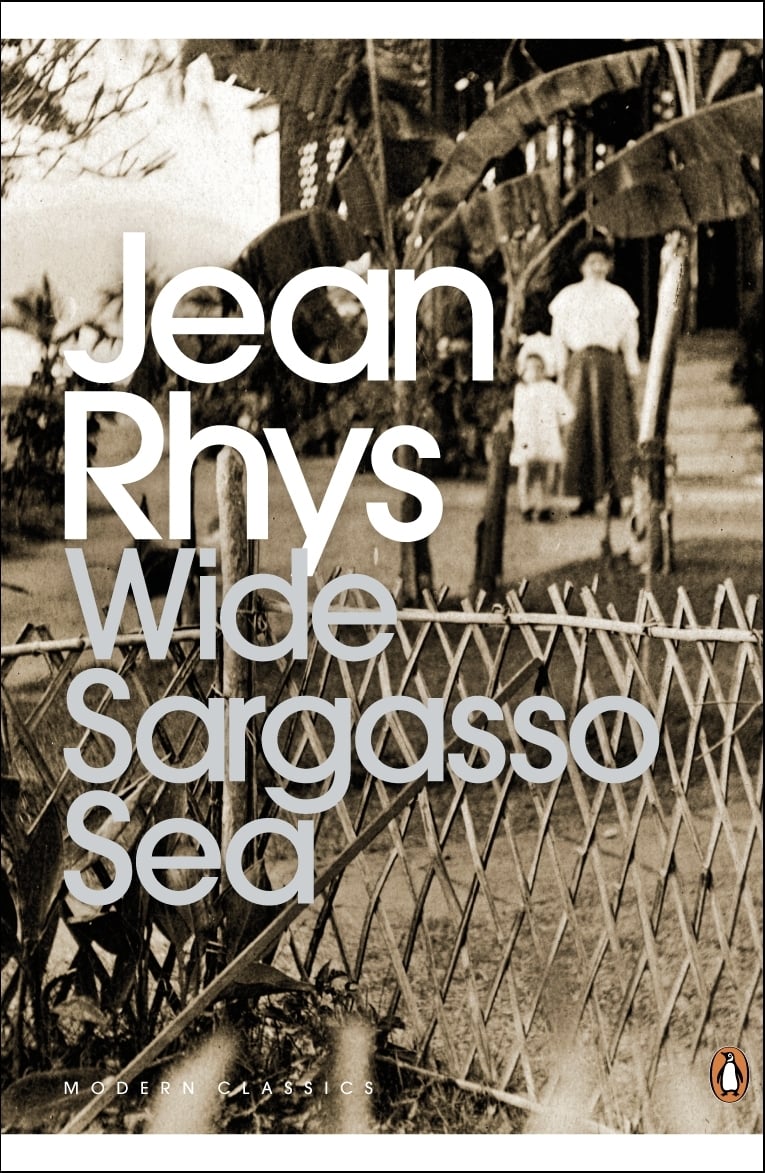
Start this bookNo. 24 on this list. Wide Sargasso Sea · Jean Rhys · 1966
Taught in schools: CSEC English B – Caribbean Examinations Council, WJEC/Eduqas GCSE and A-level English Literature (UK)
The postcolonial revision that changed how we read Jane Eyre. Antoinette/Bertha's story—the madwoman in the attic given voice—became essential feminist and postcolonial criticism. Core text in Caribbean literature and courses on literary rewriting.
Challenging4.3 hours
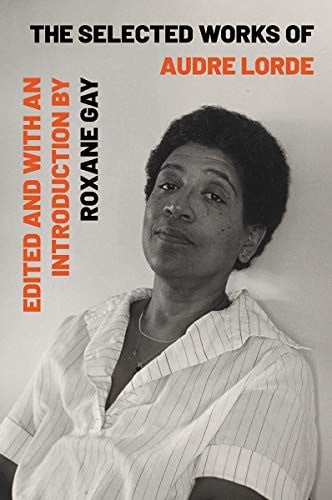
Start this bookNo. 25 on this list. The Selected Works of Audre Lorde · Audre Lorde · 2020
Lorde is taught across literature, gender studies and Black studies.
Challenging7.3 hours
Start this bookNo. 26 on this list. The Left Hand of Darkness · Ursula K Le Guin · 1969
Genly Ai, a human envoy from a galactic coalition called the Ekumen, arrives on the planet Gethen to invite its people into interstellar fellowship. The planet is locked in an ice age, and its inhabitants possess a biology that would reshape how any visitor understands human nature: Gethenians have no fixed sex, spending most of each month in a neuter state before entering 'kemmer,' a brief fertile period during which they become randomly male or female. Genly must navigate the treacherous politics of two rival nations, Karhide and Orgoreyn, while struggling against his own deeply ingrained assumptions about gender. His most important relationship is with Estraven, a disgraced Karhidish politician whose motives Genly cannot read through the fog of his own gendered expectations. Their harrowing journey across an arctic ice sheet strips away politics, culture, and prejudice, forcing a communion between two beings who must learn to see each other without the categories that have shaped their perceptions. Le Guin constructs the novel as a mosaic of voices: Genly's diplomatic report, Estraven's spare journal, Gethenian myths and legends, and anthropological field notes, each offering a partial and unreliable perspective on a world that resists totalizing description. The prose is crystalline and unhurried, moving between political intrigue, philosophical reflection, and passages of extraordinary landscape writing as the two travelers cross the Gobrin Ice. The embedded myths refract the novel's central concerns with duality, betrayal, and the inseparability of light and darkness.
Challenging7.4 hours
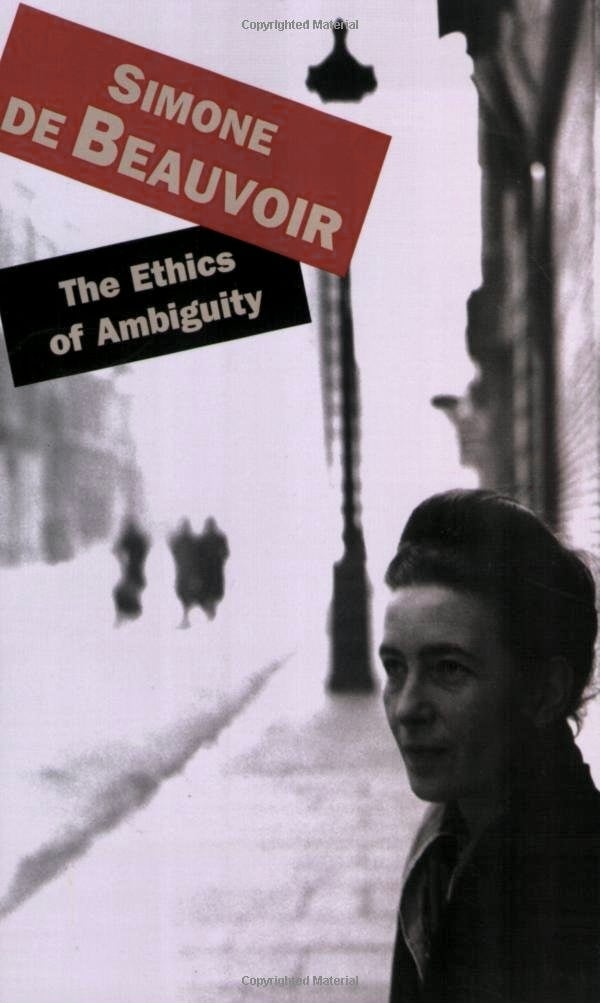
Start this bookNo. 27 on this list. The Ethics of Ambiguity · Simone de Beauvoir · 1947
De Beauvoir opens with a paradox: humans are the only creatures who know they will die and still must decide how to live. In this 1947 philosophical essay, she argues that existence is irreducibly ambiguous — we are simultaneously free subjects and objects in the world of others — and that any ethics worth having must start from that fact rather than flee it. She identifies several ways people flee. The serious man invests himself in external causes and calls it virtue. The nihilist scorns all values but remains secretly attached to them. The adventurer pursues his own expansion at others' expense. Each type is a form of bad faith — a refusal to acknowledge that freedom is not a private possession but always entangled with others' freedom. The argument builds toward a demand: genuine freedom requires working to free others. Oppression is not just a political crime; it is a philosophical contradiction — you cannot affirm your own freedom while denying it to those around you. De Beauvoir applies this to colonialism, Nazi Germany, and everyday moral cowardice with the same dry force. This is not a comfortable book. It asks the reader to face ambiguity without resolution — to act without certainty, to commit without guarantees. Philosophy students will recognize the debt to Sartre; the departure is de Beauvoir's insistence that ethics demands solidarity, not just authenticity.
Challenging3.4 hours
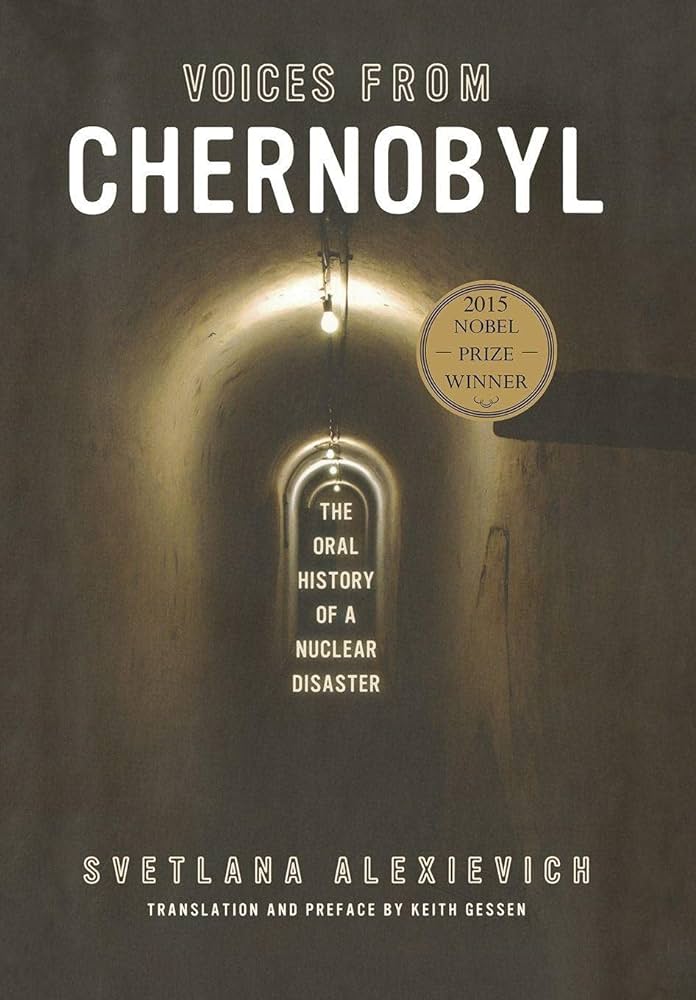
Start this bookNo. 28 on this list. Voices from Chernobyl · Svetlana Alexievich · 1997
Widely recognized as the definitive literary account of Chernobyl and a landmark of documentary literature. The 2015 Nobel Prize in Literature elevated its status, establishing Alexievich's polyphonic method as a major formal innovation. Required reading in post-Soviet studies and increasingly taught in world literature curricula. Its documentary approach has influenced contemporary non-fiction globally.
Challenging6.3 hours
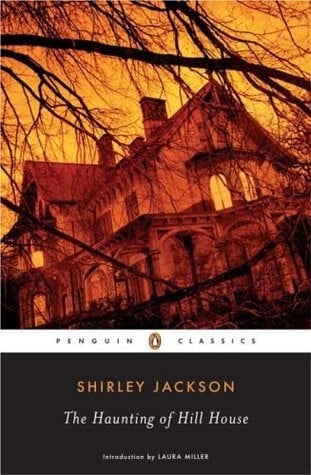
Start this bookNo. 29 on this list. The Haunting of Hill House · Shirley Jackson · 1959
The Haunting of Hill House is widely recognized as the definitive American haunted-house novel and one of the finest works of Gothic fiction in the English language. It has been continuously in print since 1959 and is regularly taught in university courses on American literature, Gothic studies, and the horror genre. Stephen King called its opening paragraph the finest in the history of horror fiction. It appears on virtually every serious list of essential horror and Gothic novels and has been adapted for film (twice) and television (the acclaimed 2018 Netflix series).
Challenging4.7 hours
Start this bookNo. 30 on this list. Selected Poems of Marina Tsvetaeva · Marina Tsvetaeva
Tsvetaeva is firmly established as one of the four great Russian poets of the twentieth century, alongside Akhmatova, Mandelstam, and Pasternak.
Moderate1.7 hours
Start this book
No. 31 on this list. Dance of the Happy Shades
Alice Munro · 1968
No. 32 on this list. Villette
Charlotte Brontë · 1853
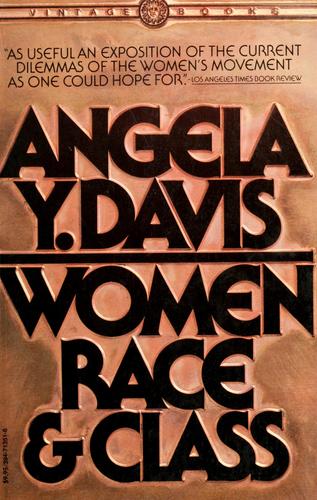
No. 33 on this list. Women, Race & Class
Angela Davis · 1981
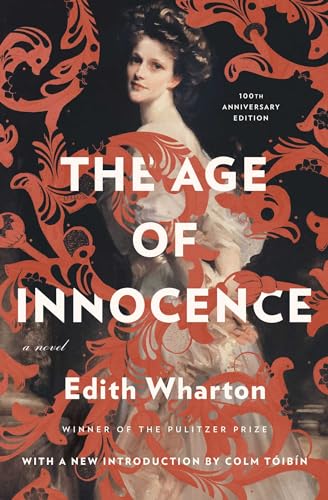
No. 34 on this list. The Age of Innocence
Edith Wharton · 1921
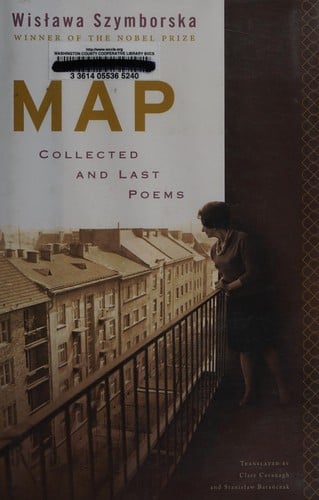
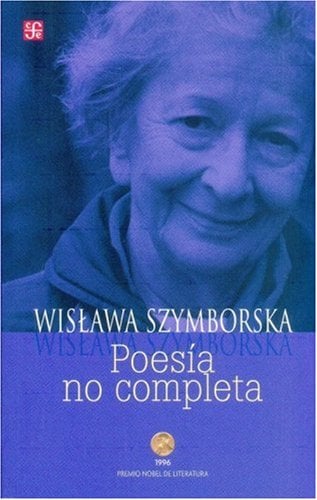
No. 35 on this list. Map: Collected and Last Poems
Wisława Szymborska · 2015
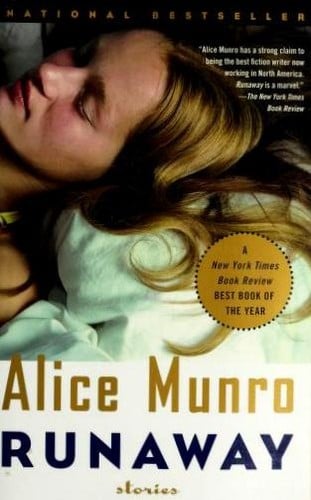
No. 36 on this list. Runaway
Alice Munro · 2004
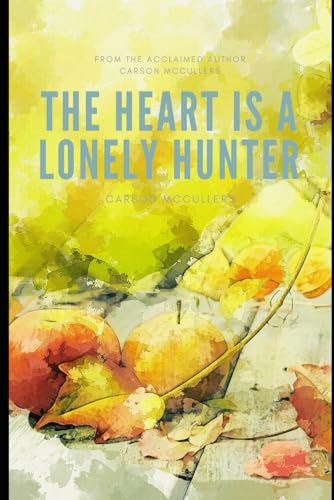
No. 37 on this list. The Heart is a Lonely Hunter
Carson McCullers · 1940
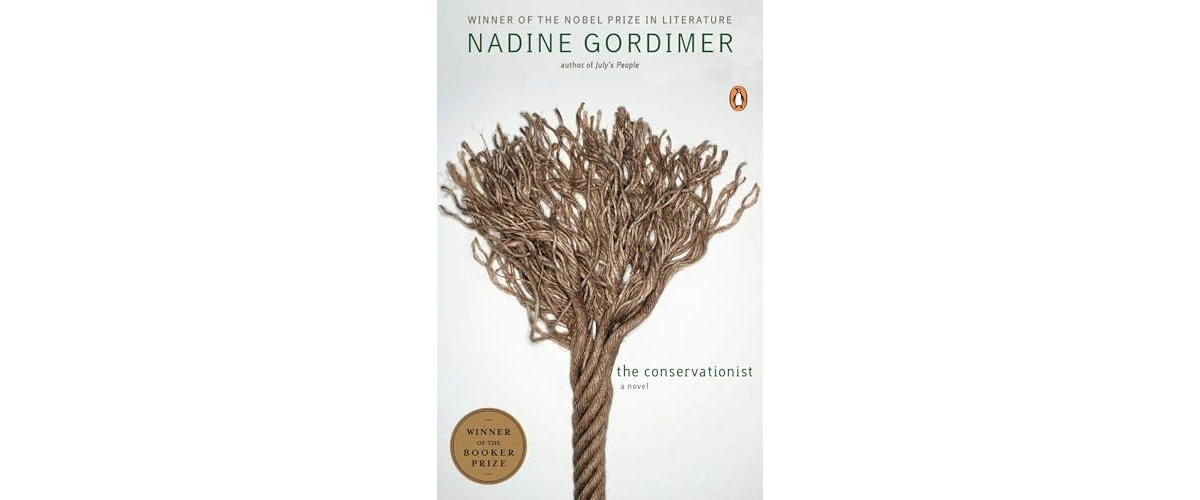
No. 38 on this list. The Conservationist
Nadine Gordimer · 1974
No. 39 on this list. Poems New and Collected
Wisława Szymborska · 1998
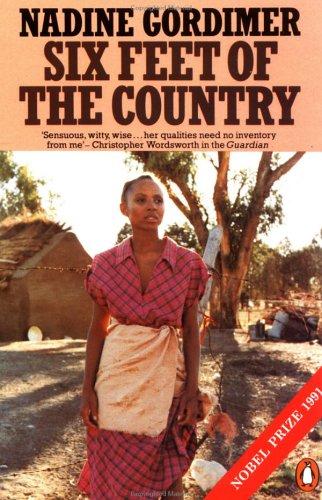
No. 40 on this list. Six Feet of the Country
Nadine Gordimer · 1956
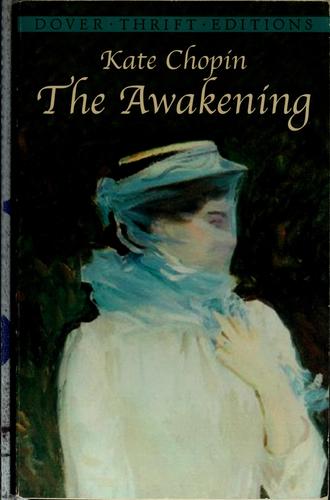
No. 41 on this list. The Awakening
Kate Chopin · 1899
Taught in schools: AQA GCSE and A-level English Literature (UK)
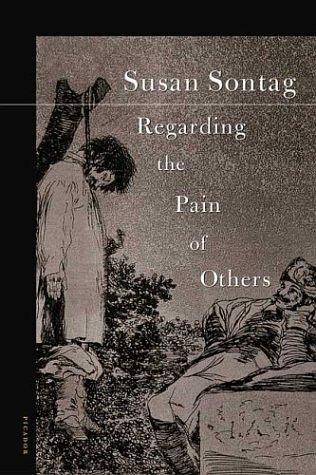
No. 42 on this list. Regarding the Pain of Others
Susan Sontag · 2003
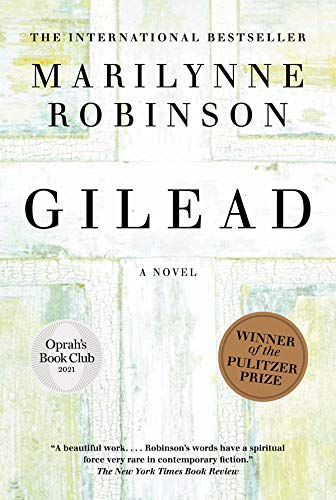
No. 43 on this list. Gilead
Marilynne Robinson · 2005
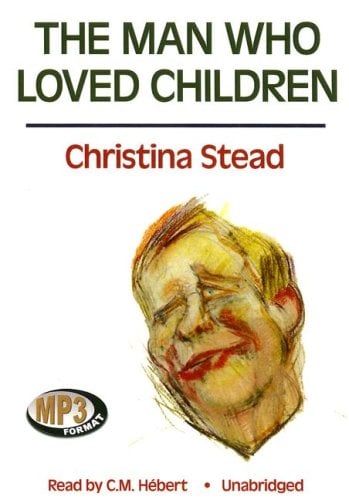
No. 44 on this list. The Man Who Loved Children
Christina Stead · 1940
No. 45 on this list. Housekeeping
Marilynne Robinson · 1980
No. 46 on this list. The Love of a Good Woman
Alice Munro · 1998
No. 47 on this list. The Yellow Wall-Paper
Charlotte Perkins Gilman · 1892
No. 48 on this list. The Iliad, or the Poem of Force
Simone Weil · 1940
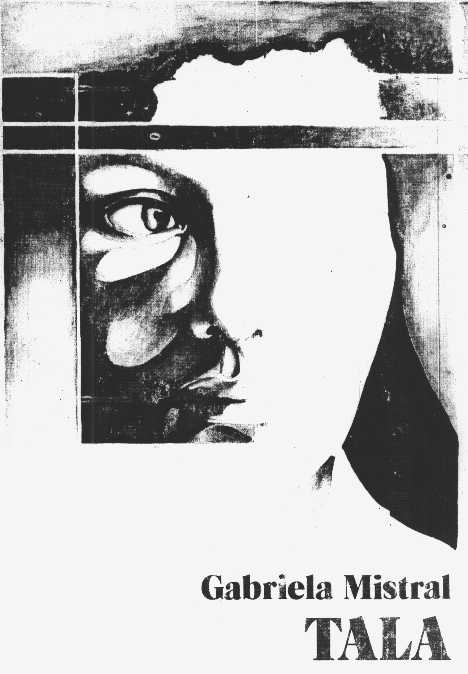
No. 49 on this list. Tala
Gabriela Mistral · 1938
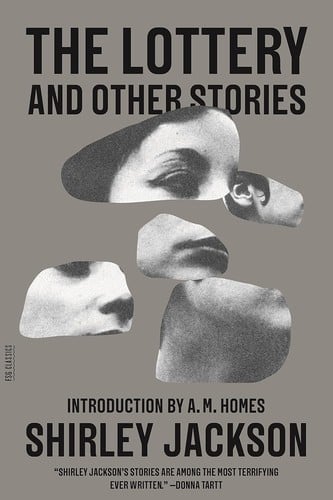
No. 50 on this list. The Lottery and Other Stories
Shirley Jackson · 1949
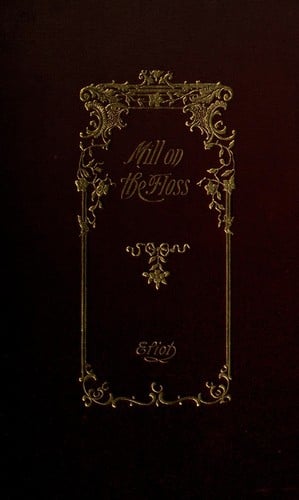
No. 51 on this list. The Mill on the Floss
George Eliot · 1860
Taught in schools: AQA GCSE and A-level English Literature (UK)
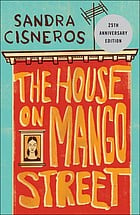
No. 52 on this list. The House on Mango Street
Sandra Cisneros · 1984
Taught in schools: CSEC English B – Caribbean Examinations Council, Pacific Senior Secondary Certificate – English
No. 53 on this list. A Wizard of Earthsea
Ursula K Le Guin · 1968
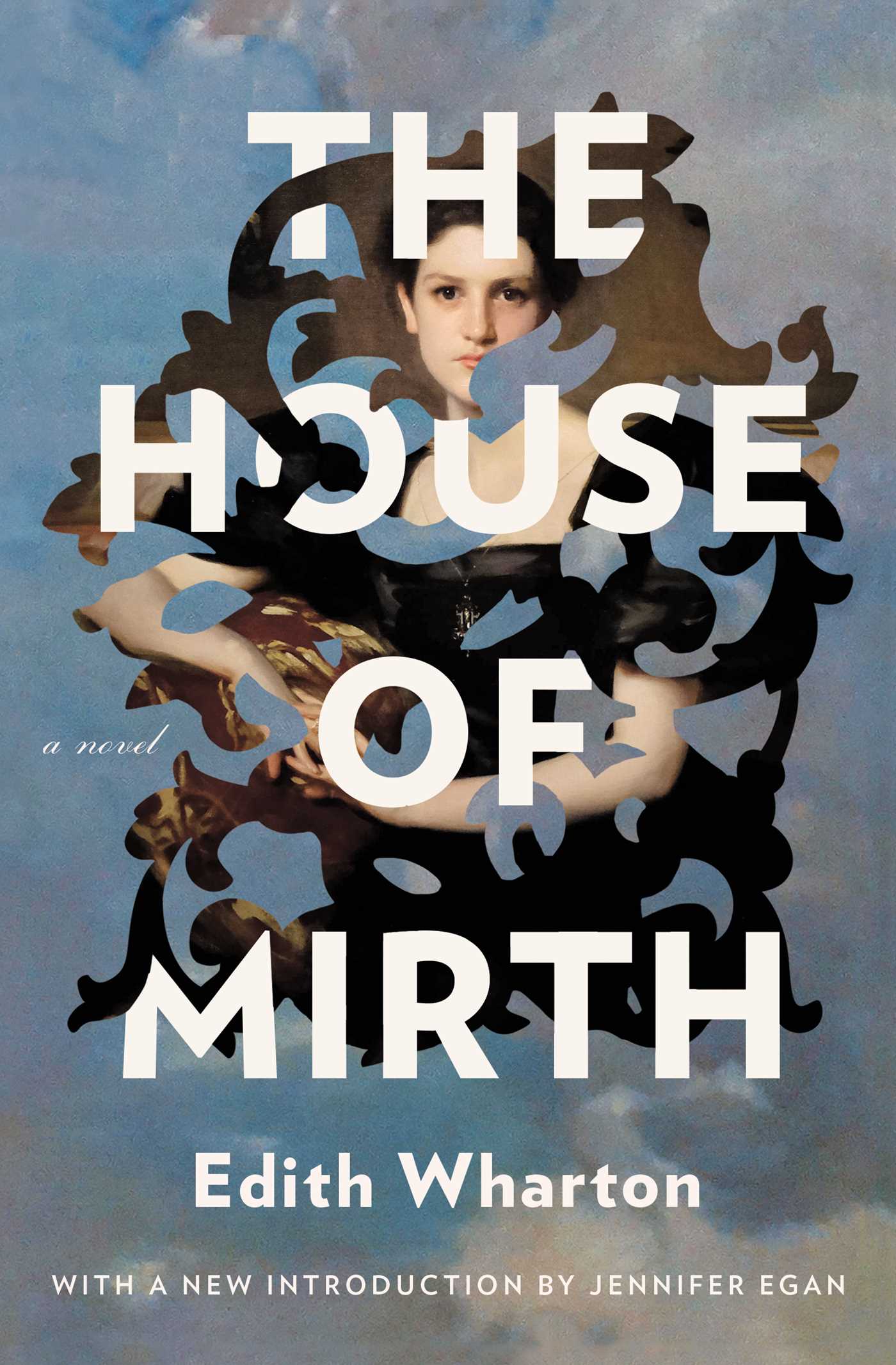
No. 54 on this list. The House of Mirth
Edith Wharton · 1905
No. 55 on this list. The Complete Poems of Li Qingzhao
Li Qingzhao · 1155
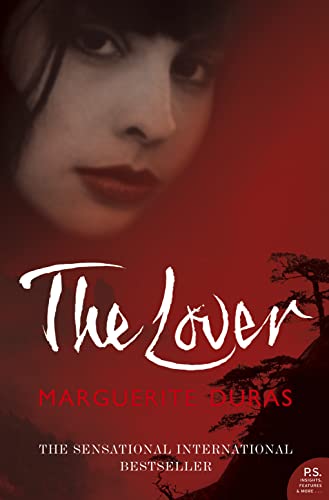
No. 56 on this list. The Lover
Marguerite Duras · 1984
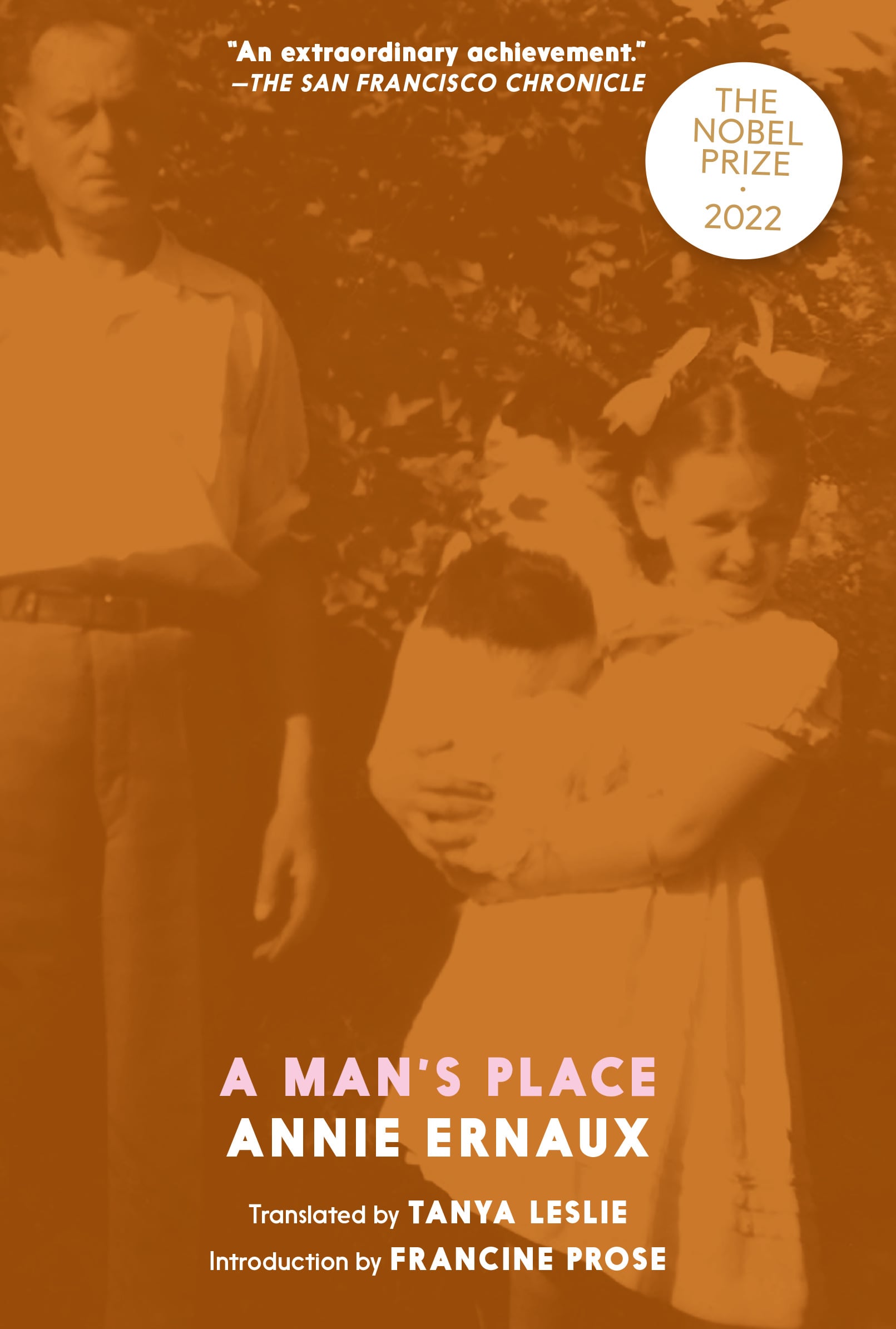
No. 57 on this list. A Man's Place
Annie Ernaux · 1983
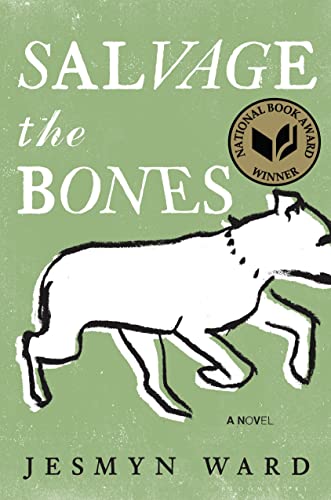
No. 58 on this list. Salvage the Bones
Jesmyn Ward · 2011
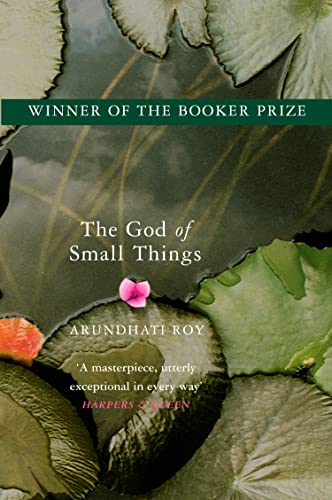
No. 59 on this list. The God of Small Things
Arundhati Roy · 1997
Taught in schools: AQA GCSE and A-level English Literature (UK)
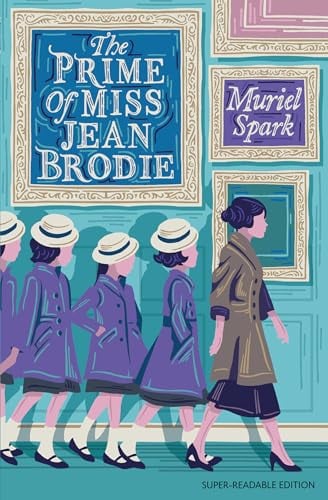
No. 60 on this list. The Prime of Miss Jean Brodie
Muriel Spark · 1961
Taught in schools: CSEC English B – Caribbean Examinations Council
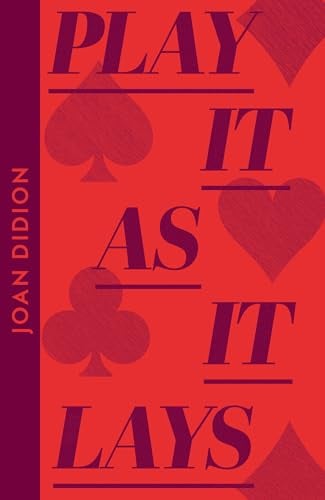
No. 61 on this list. Play It as It Lays
Joan Didion · 1970
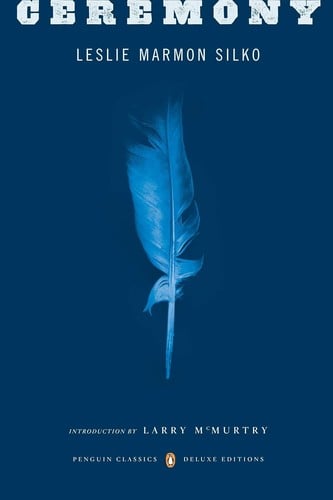
No. 62 on this list. Ceremony
Leslie Marmon Silko · 1977
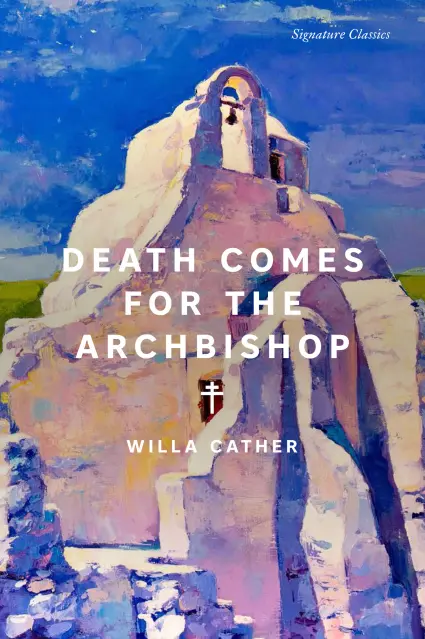
No. 63 on this list. Death Comes for the Archbishop
Willa Cather · 1927
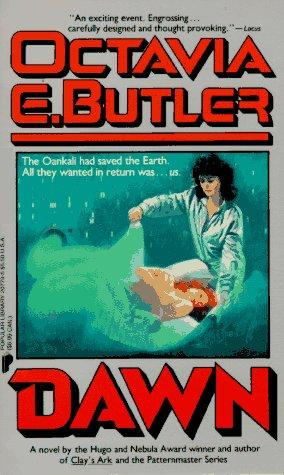
No. 64 on this list. Dawn
Octavia E. Butler · 1987
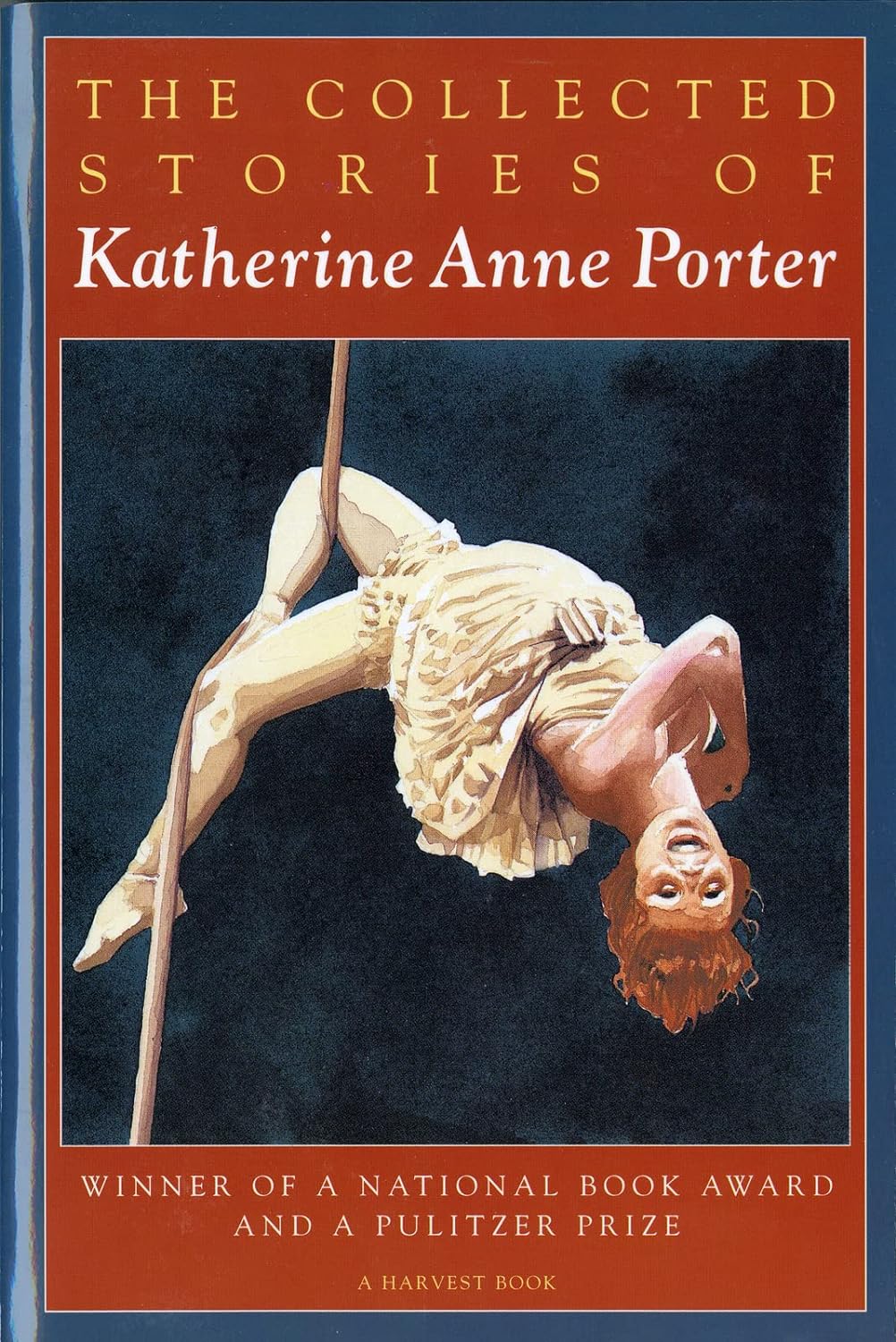
No. 65 on this list. The Collected Stories of Katherine Anne Porter
Katherine Anne Porter · 1966
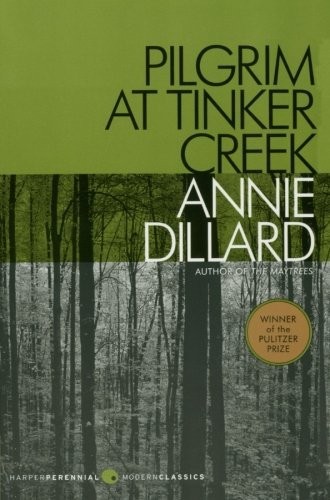
No. 66 on this list. Pilgrim at Tinker Creek
Annie Dillard · 1974
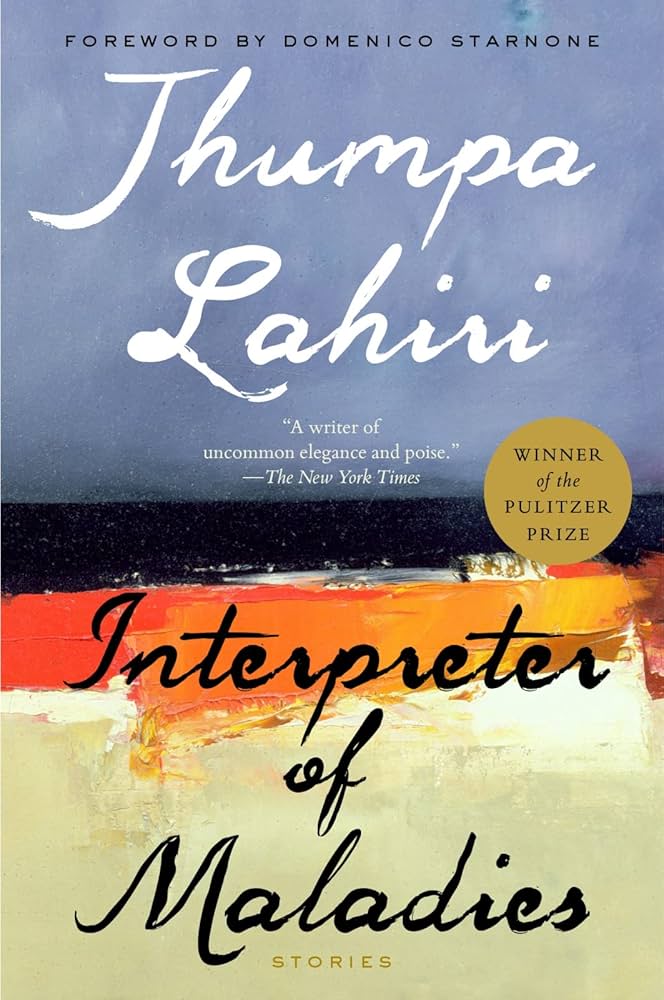
No. 67 on this list. Interpreter of Maladies
Jhumpa Lahiri · 2000
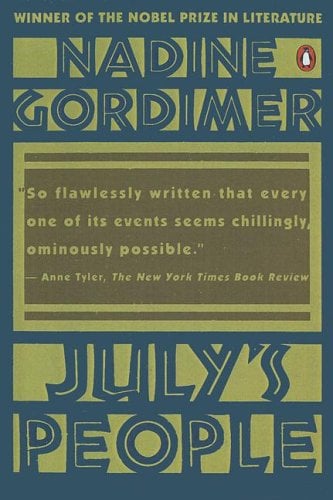
No. 68 on this list. July's People
Nadine Gordimer · 1981
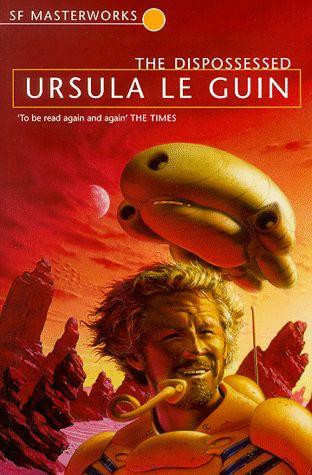
No. 69 on this list. The Dispossessed
Ursula K Le Guin · 1974
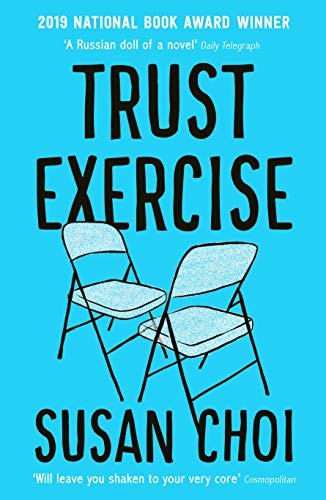
No. 70 on this list. Trust Exercise
Susan Choi · 2019
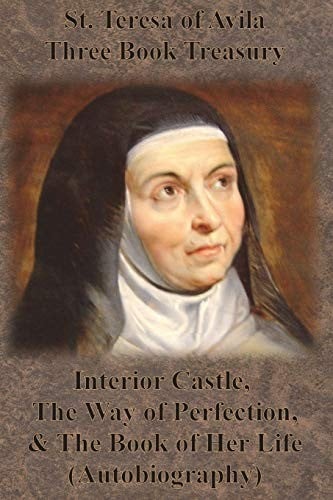
No. 71 on this list. The Book of Her Life
Teresa of Ávila · 1588
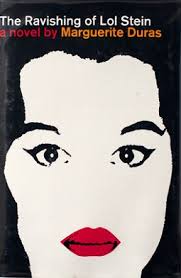
No. 72 on this list. The Ravishing of Lol Stein
Marguerite Duras · 1964
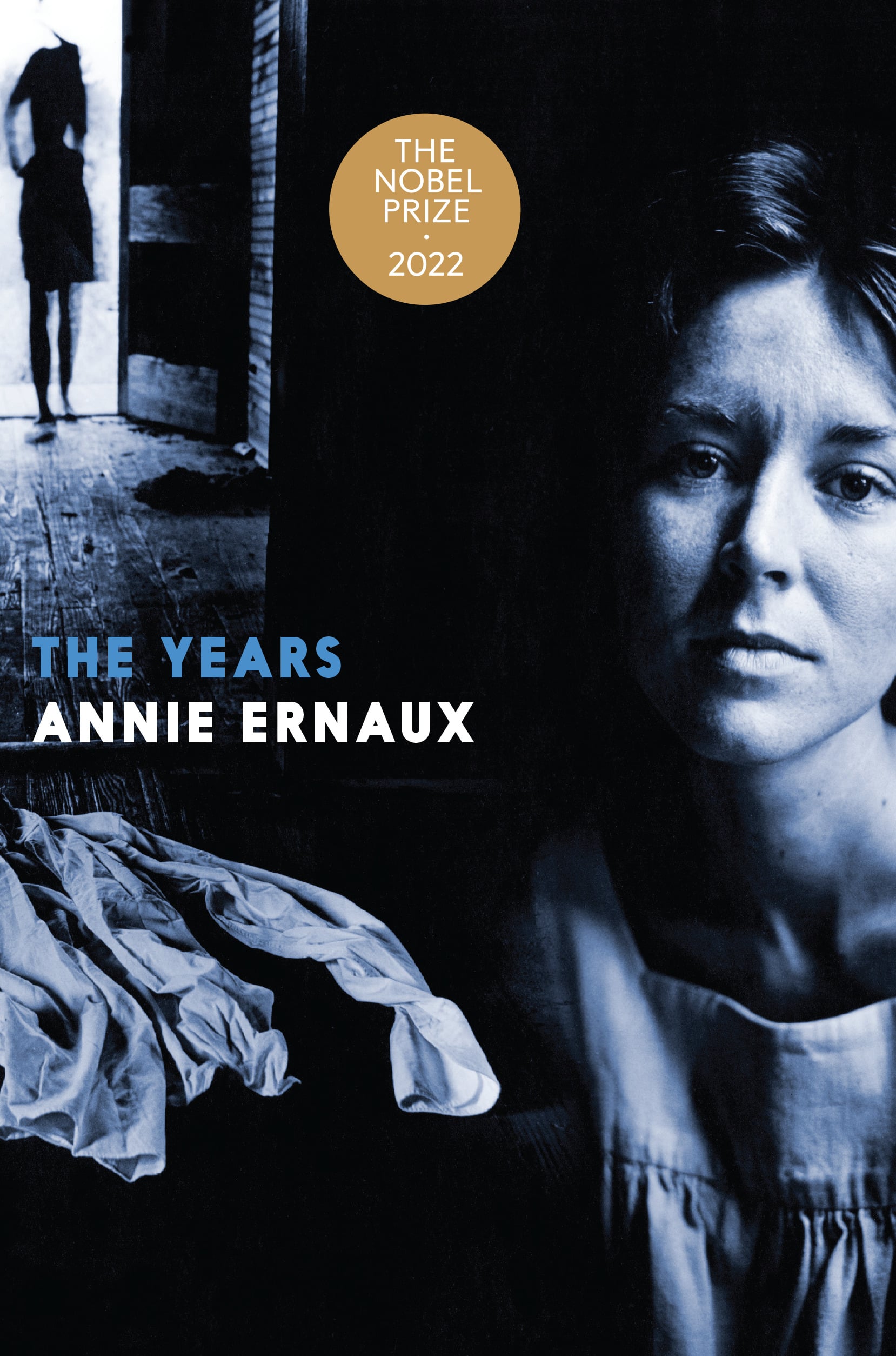
No. 73 on this list. The Years
Annie Ernaux · 2019
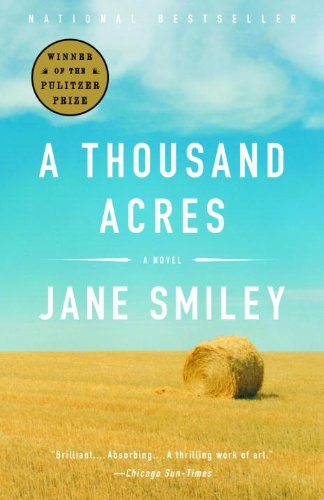
No. 74 on this list. A Thousand Acres
Jane Smiley · 1992
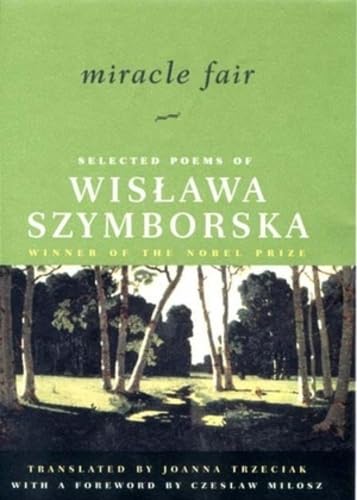
No. 75 on this list. Selected Poems of Wisława Szymborska
Wisława Szymborska · 1998
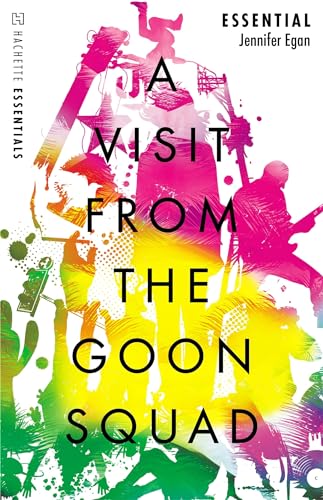
No. 76 on this list. A Visit from the Goon Squad
Jennifer Egan · 2011
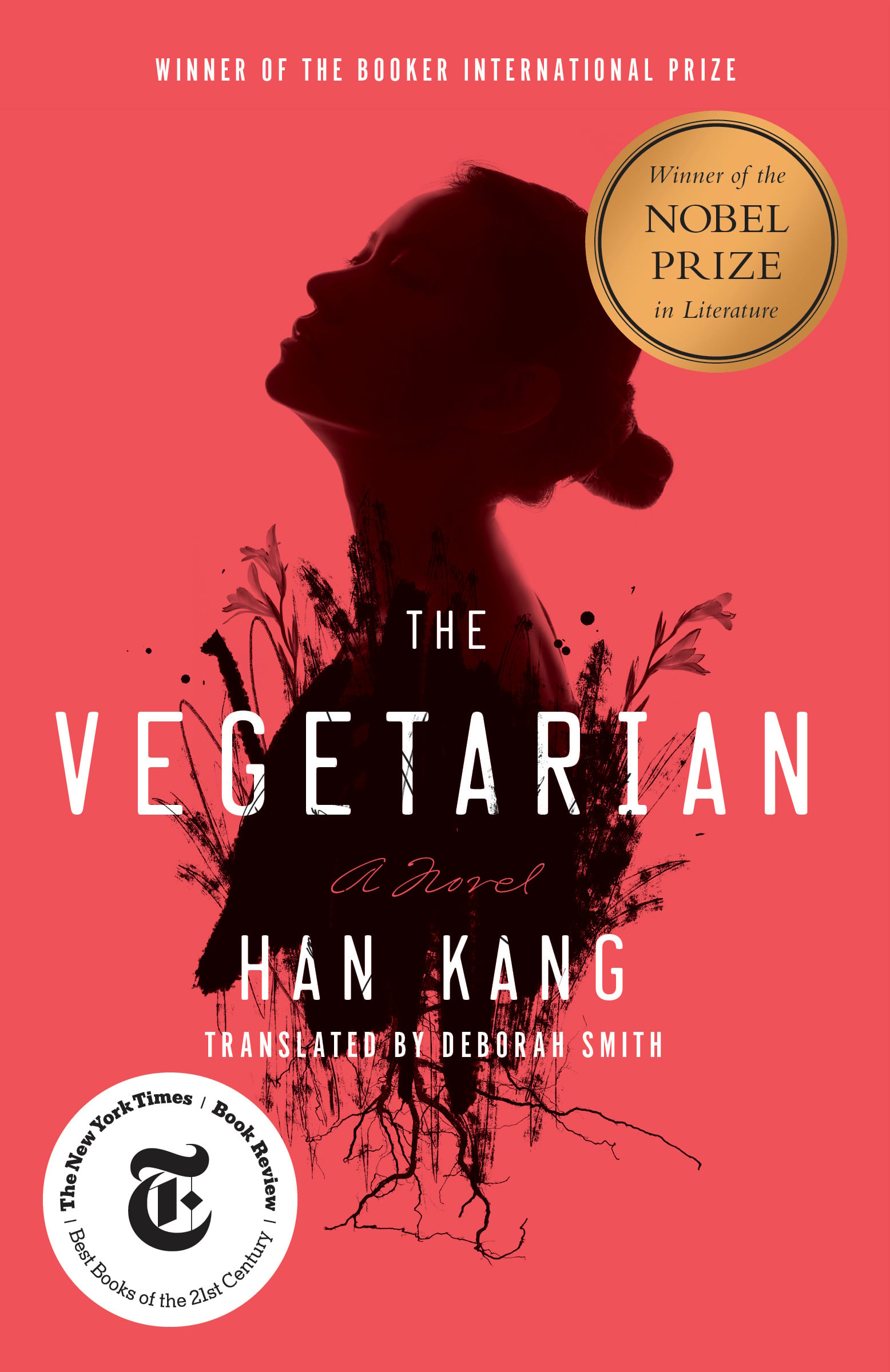
No. 77 on this list. The Vegetarian
Han Kang · 2016
No. 78 on this list. 4.48 Psychosis
Sarah Kane · 2000
No. 79 on this list. Moderato Cantabile
Marguerite Duras · 1958
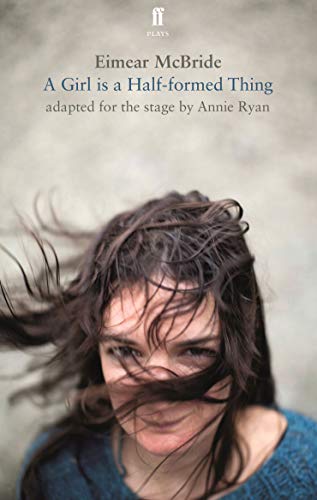
No. 80 on this list. A Girl Is a Half-Formed Thing
Eimear McBride · 2014
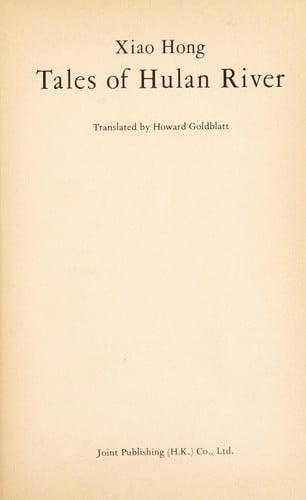
No. 81 on this list. Tales of Hulan River
Xiao Hong · 1942
No. 82 on this list. The Quilt and Other Stories
Ismat Chughtai · 1990
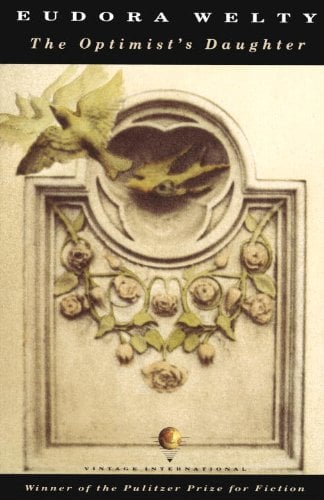
No. 83 on this list. The Optimist's Daughter
Eudora Welty · 1973
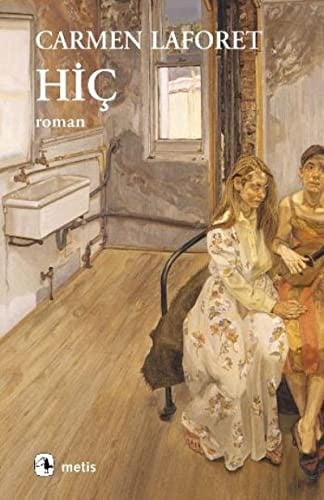
No. 84 on this list. Nada
Carmen Laforet · 1945
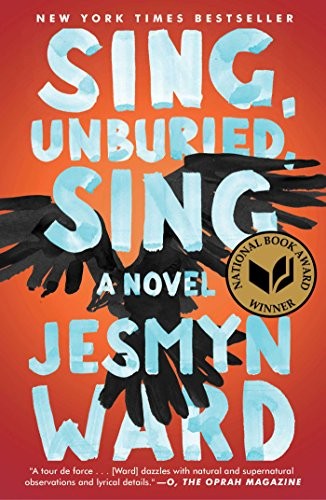
No. 85 on this list. Sing, Unburied, Sing
Jesmyn Ward · 2018
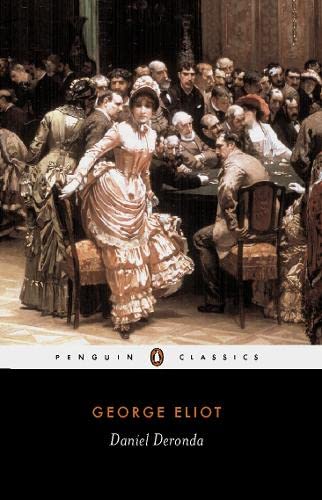
No. 86 on this list. Daniel Deronda
George Eliot · 1876
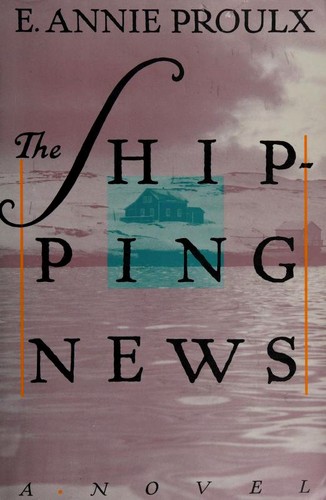
No. 87 on this list. The Shipping News
E. Annie Proulx · 1993
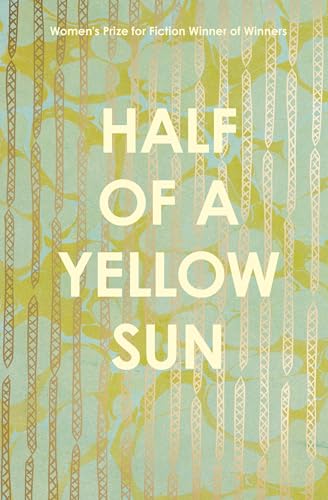
No. 88 on this list. Half of a Yellow Sun
Chimamanda Ngozi Adichie · 2007
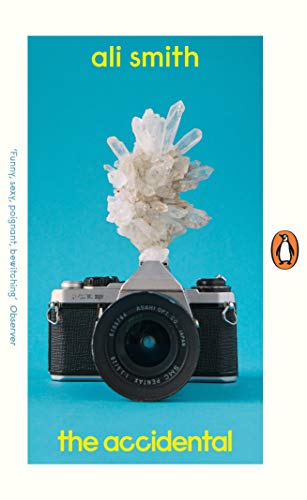
No. 89 on this list. The Accidental
Ali Smith · 2005
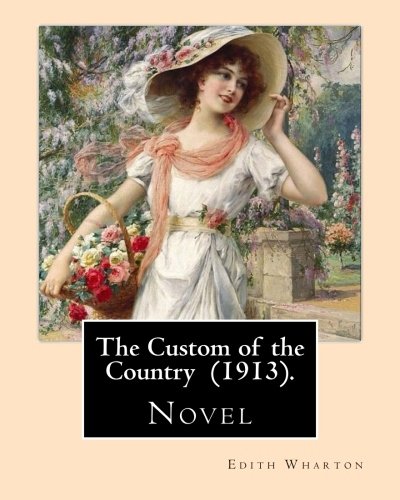
No. 90 on this list. The Custom of the Country
Edith Wharton · 1913
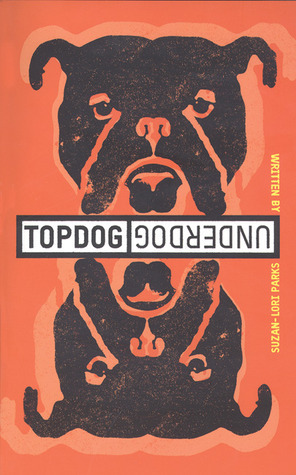
No. 91 on this list. Topdog/Underdog
Suzan-Lori Parks · 2001
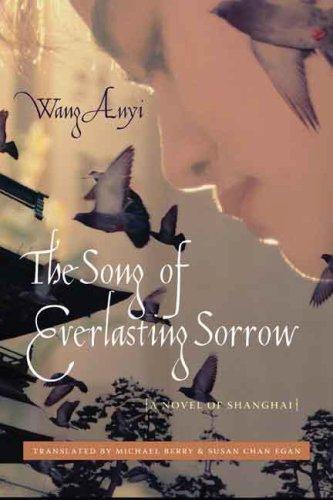
No. 92 on this list. The Song of Everlasting Sorrow
Wang Anyi · 1995
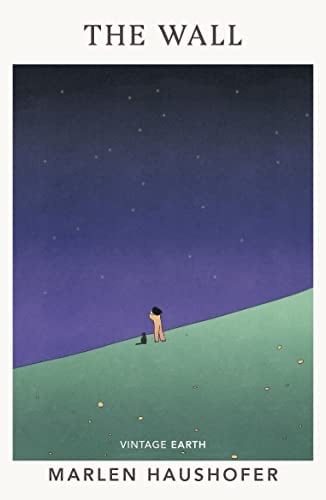
No. 93 on this list. The Wall
Marlen Haushofer · 1963
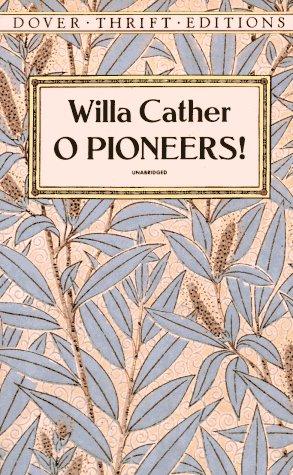
No. 94 on this list. O Pioneers!
Willa Cather · 1913
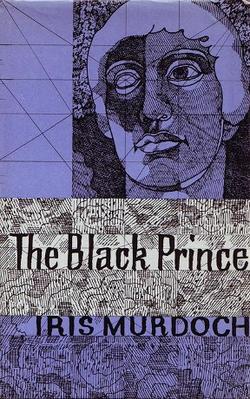
No. 95 on this list. The Black Prince
Iris Murdoch · 1973
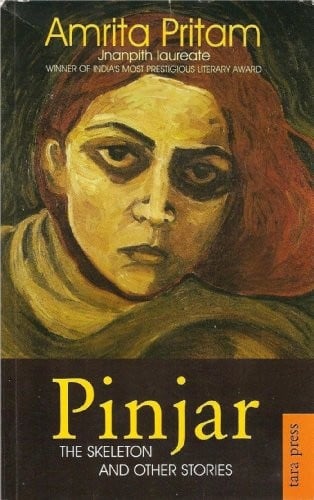
No. 96 on this list. Pinjar
Amrita Pritam · 1950
No. 97 on this list. Storyteller
Leslie Marmon Silko · 1981
No. 98 on this list. The House of Ulloa
Emilia Pardo Bazán · 1886
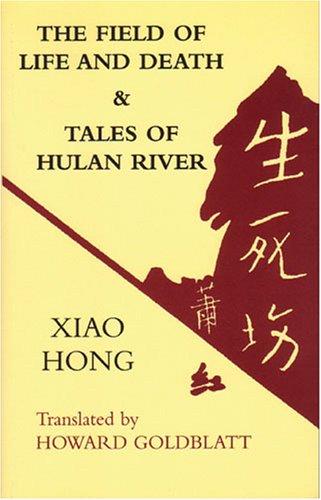
No. 99 on this list. The Field of Life and Death
Xiao Hong · 1935
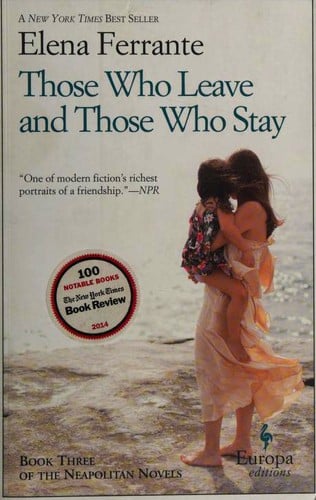
No. 100 on this list. Those Who Leave and Those Who Stay
Elena Ferrante · 2013
About this list
These 100 books are the highest-scoring eligible moderately difficult books by women currently in the catalogue. By literary regard, it opens with Beloved, Pride and Prejudice and The Tale of Genji. About 732 hours of reading in all. Difficulty runs from 53 to 61 out of 100 for the middle half of the list; the summit is Paradise at 65.
This list is ranked by literary regard, with a consistent order for equal scores. Membership follows authors and co-authors, not translators or editors. Catalogue coverage and the historical canon both limit what this list can represent.
When we matched the Canons dataset to our catalogue in October 2026, our canonical-status scores rose with the number of school curricula, publisher series and lists in it that cite a work: the median score was 72 for books one such source cites, 84 at two, 88 at three, 92 at four and 93 at five or more. Prizes are left out of that count. Outside the state curricula, the dataset’s sources choose mostly from what has been translated into English or French, so it is a weaker check on other literatures. Source: Canons (Andrew Piper), CC BY 4.0
Questions people actually ask
- What are the best moderately difficult books by women?
- By literary regard, which weighs canonical status, critical standing and influence, Beloved, Pride and Prejudice, The Tale of Genji, Middlemarch and The Complete Stories lead. ReadingRate ranks 100 such books, each with a difficulty score and a reading-time estimate.
- Where should I start with moderately difficult books by women?
- Start from difficulty, not from rank. The most approachable books on this list that still carry top literary regard are Orlando by Virginia Woolf (about 5.2 hours), Runaway by Alice Munro and The Love of a Good Woman by Alice Munro.
- How hard are moderately difficult books by women to read?
- Most of this list sits between 53 and 61 on ReadingRate's 100-point difficulty scale, where 40 to 55 is moderate. The summit is Paradise at 65. Every entry carries its own score, so a reader can pick a great book at a difficulty they will finish.
- How is this list ranked?
- On literary-regard data: how canonically established a work is, its critical standing, and its influence on later writing. It is not a readers’ poll, which is why recent bestsellers rarely appear. Membership follows authors and co-authors, not translators or editors. A list that is not a genre list keeps to literature (fiction, poetry, drama and philosophy), with philosophy taking no more than one slot in five while there is literature left to rank; every list holds at most three works by one author.