Hours at an average pace
Showing 100 books
About 1,225 hours for 100 of 100 books with measured lengths. Estimates use 250 words a minute, adjusted for each book's difficulty. At 2 hours a day, about 613 days for those books.
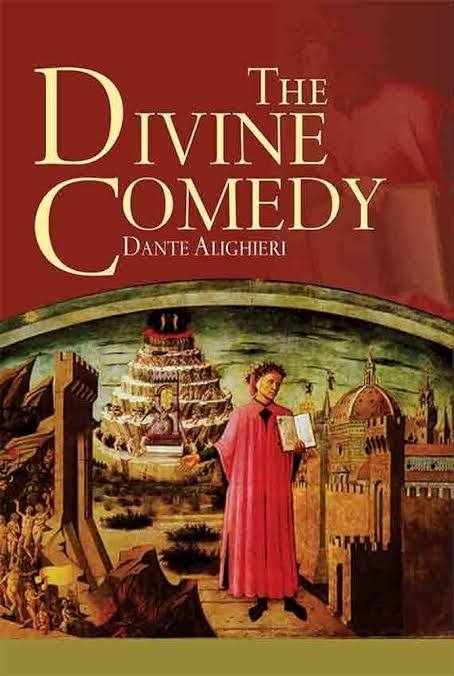
No. 1 on this list. Divine Comedy
Dante Alighieri · 1320
Challenging11 hours
Taught in schools: Armenian secondary literature, Lektury obowiązkowe – Polish national reading list (Poland), UNAM Escuela Nacional Preparatoria – programas de Literatura (Mexico)
Included in: Bokklubben World Library, Great Books of the Western World, UNESCO Collection of Representative Works
Dante built a complete architecture of the afterlife so precise you can map it, then populated it with real people he knew. The result fused theology, politics, and autobiography into a single narrative structure that no poem has matched in ambition or execution.
No. 2 on this list. Paradise Lost
John Milton · 1667
Challenging8.4 hours
Taught in schools: AQA GCSE and A-level English Literature (UK), WJEC/Eduqas GCSE and A-level English Literature (UK)
Included in: Great Books of the Western World
Milton retold the fall of man in blank verse of such muscular grandeur that Satan became the most charismatic figure in English poetry — not because Milton failed, but because he understood that rebellion requires eloquence. The poem reshaped the English language's sense of what a long sentence could do.
No. 3 on this list. Antony and Cleopatra
William Shakespeare · 1607
Challenging2.7 hours
Taught in schools: WJEC/Eduqas GCSE and A-level English Literature (UK)
Included in: Great Books of the Western World
Antony and Cleopatra appears on virtually every Shakespeare survey and major tragedy course in English-speaking universities. It is included in all complete works editions — Oxford, Arden, Folger, Norton — and features on most 'essential Shakespeare' reading lists. While taught less frequently than Hamlet or King Lear, it holds permanent status as one of the four or five major late tragedies.
No. 4 on this list. Thus Spake Zarathustra A book for all and none
Difficult13 hours
A standard text in philosophy and German-literature courses, and one of the most widely read works of modern philosophy worldwide. Often the entry point to Nietzsche. It ranks with Notes from Underground in curricula, though less often assigned in full than Crime and Punishment.
No. 5 on this list. Henry V
William Shakespeare · 1600
Difficult3 hours
Included in: Great Books of the Western World
Henry V sits at the core of the Shakespeare canon, taught in secondary schools and universities worldwide and a fixture in RSC and major repertory seasons. While not the first play assigned on Shakespeare surveys — that distinction goes to Hamlet or Macbeth — it appears on virtually every history plays syllabus and features prominently in collections of essential dramatic literature.
No. 6 on this list. Troilus and Cressida
William Shakespeare · 1609
Difficult3.1 hours
Included in: Great Books of the Western World
Troilus, a young Trojan prince, has fallen in love with Cressida just as the war with Greece enters its seventh year. Her uncle Pandarus brokers their union; they spend a single night together before she is traded to the Greeks in a prisoner exchange. In the Greek camp, Diomedes moves in. Troilus follows and watches it happen, unable to reconcile what his eyes show him with what he believes about faith and love. Running alongside this is a war machine in paralysis. Achilles sulks in his tent while the Greek generals hold councils on hierarchy and strategy that change nothing. Hector debates whether to fight a war he knows is unjust, then fights it anyway. Thersites, a deformed Greek soldier, follows everyone around cataloguing their stupidity with inexhaustible venom — war and lechery, he announces repeatedly, is all there is. Shakespeare wrote this play around 1602, and it does not behave like his others. The love story ends in betrayal rather than union. The heroes are vain, the strategies fail, and the climax — Hector murdered unarmed by Achilles and a pack of Myrmidons — is a deliberate outrage against the conventions of heroic drama. Pandarus delivers the final speech, offering the audience his syphilis. The play refuses catharsis. Readers expecting Shakespeare to redeem his characters or their world will find nothing of the kind.
Age of Iron occupies a secure place in the Coetzee canon alongside Disgrace and Waiting for the Barbarians, and is regularly included in postcolonial and South African literature curricula worldwide. Its apartheid-era historical weight gives it documentary as well as aesthetic canonical status.
The Caucasian Chalk Circle is among the most-taught plays in university drama and literature curricula worldwide, standard on syllabi alongside Mother Courage and The Good Person of Szechwan. It appears in secondary school programs across Europe and is a fixture of Western dramatic canon, placing it well above mid-century works that lack similar educational penetration.
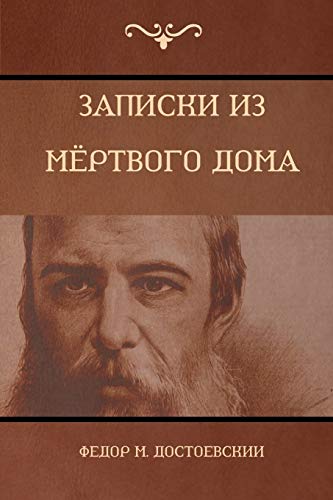
Fyodor Dostoevsky spent four years in a Siberian prison camp after the tsar commuted his death sentence at the last moment. He came out a different writer. The House of the Dead channels that experience through Alexander Petrovich Goryanchikov, a nobleman convicted of murdering his wife, who records the daily life of the katorga — the forced labor camp — with the precision of a naturalist and the unease of someone who cannot stop looking. The other prisoners steal, scheme, perform folk plays, and occasionally show flashes of unexpected grace. Goryanchikov watches all of it without rendering verdicts. The book does not explain what prison does to men; it shows men inside prison, and lets the accumulated detail do the work. Dostoevsky writes with a clinical restraint unusual for him — no murder plots, no philosophical speeches, no epileptic crises. What remains is a documentary of degradation that refuses to moralize, which is exactly what makes the moral weight so heavy. Readers expecting Dostoevsky's trademark feverish psychology will find something quieter here: a sustained act of witness.
Appears on 26 university syllabi per Open Syllabus (35th percentile), placing it as a canonical text in American and Victorian literature courses rather than a universally assigned one. With Wikipedia coverage in 22 languages and an adaptations section, the novel holds a recognized place in global literary culture. It anchors most serious treatments of the nineteenth-century psychological novel.
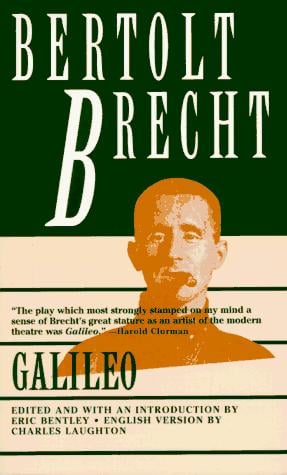
No. 11 on this list. Life of Galileo · Bertolt Brecht · 1943
Life of Galileo is a cornerstone of the Brechtian canon and a fixture on university syllabi worldwide — taught in drama programs, literature departments, and philosophy of science courses alike. Brecht's five-scene structure and the figure of Galileo recanting before the Inquisition appear in virtually every survey of modern drama, placing this work well above mid-tier literary status.
Challenging15 hours
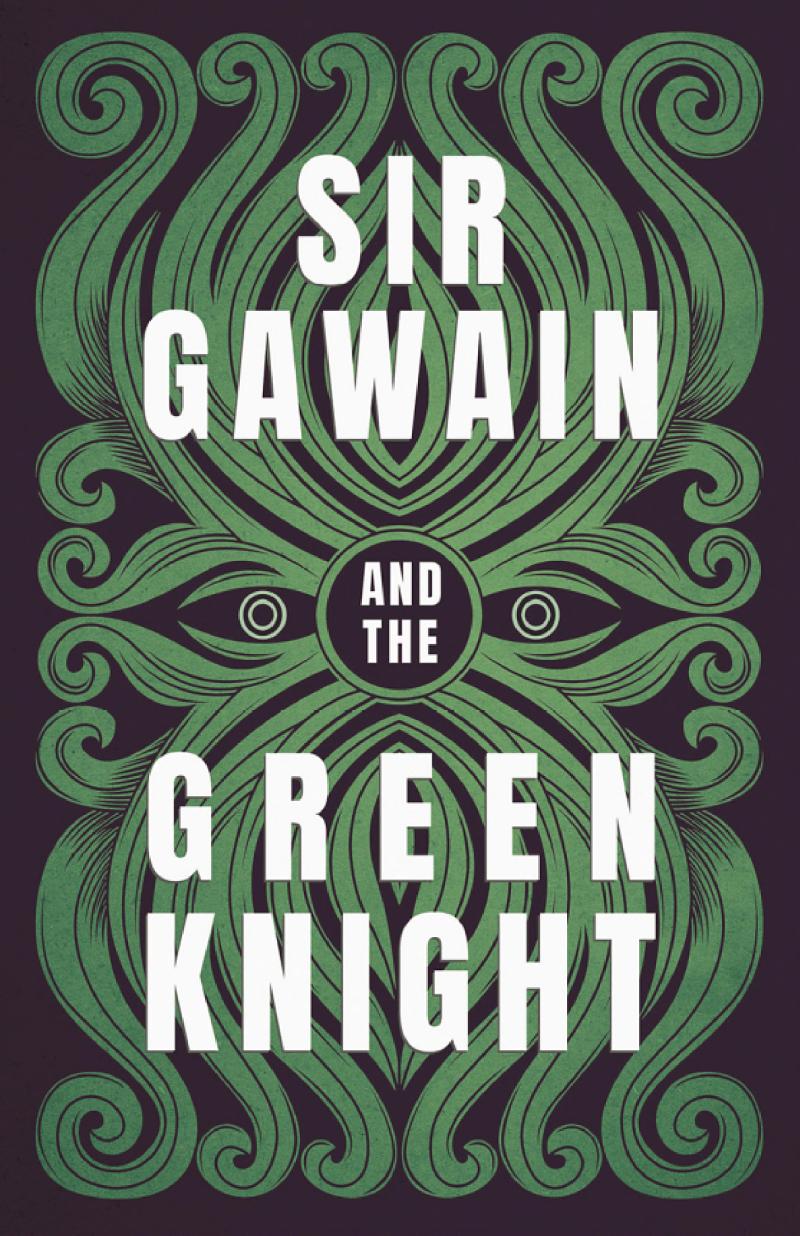
Start this bookNo. 12 on this list. Sir Gawain and the Green Knight · The Pearl Poet · 1375
Required reading in virtually every medieval and Middle English literature course at anglophone universities. The poem appears on thousands of syllabi and features in Great Books curricula worldwide. Tolkien and E.V. Gordon's 1925 scholarly edition set the standard text; Simon Armitage's 2007 translation reached mainstream audiences. The poem occupies the same canonical tier as Chaucer's Canterbury Tales for the period it represents.
Challenging2.1 hours
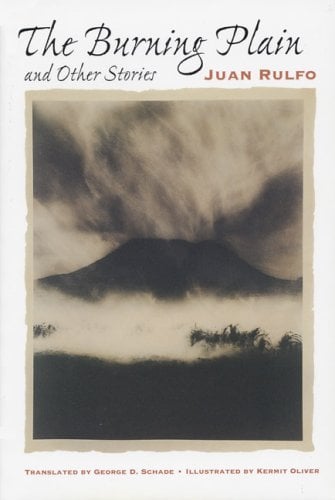
Start this bookNo. 13 on this list. The Burning Plain and Other Stories · Juan Rulfo · 1953
Taught in schools: UNAM Escuela Nacional Preparatoria – programas de Literatura (Mexico)
In seventeen stories set across the parched hills of Jalisco, Mexico, Rulfo's peasants carry their dead with them — sometimes literally. A man hauls his father's corpse on his back through the mountains. An old woman refuses to believe her son is a murderer. Soldiers and sharecroppers and abandoned wives speak in short, exact sentences, and the landscape answers with dust and silence. The dead narrate their own stories without announcing they are dead; readers piece it together from the wrong temperature of the prose. Rulfo strips everything from his fiction — backstory, explanation, transitions — until only the essential pressure remains. The Burning Plain was published in 1953, two years before Pedro Páramo, and it shares that novel's method: grief without sentimentality, violence without drama, the supernatural arriving with the matter-of-fact normalness of weather. Gabriel García Márquez said he memorized the entire book and recited it to friends. That is the correct response. These stories end before they explain themselves, in the way that real catastrophe does.
Challenging3.4 hours
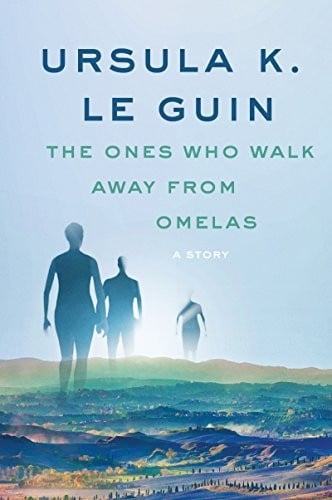
Start this bookNo. 14 on this list. The Ones Who Walk Away from Omelas · Ursula K Le Guin · 1973
Widely taught in philosophy, ethics, and literature courses globally. Anthologized in hundreds of collections and featured on virtually every 'essential short fiction' list. Its presence in academic syllabi rivals Borges and Kafka in ethics curricula, where it functions as a standard thought-experiment text.
Challenging40 min
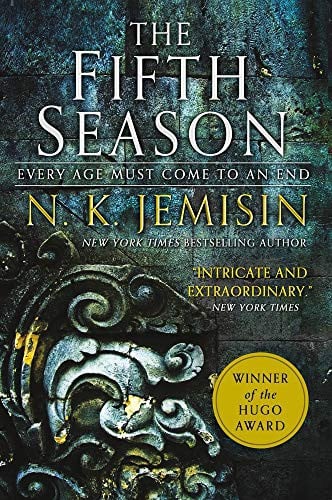
Start this bookNo. 15 on this list. The Fifth Season · N.K. Jemisin · 2015
The Fifth Season won the Hugo Award for Best Novel in 2016, the first book in what became an unprecedented trilogy of consecutive Hugo wins for Jemisin—a feat unmatched in the award's history. It appears on contemporary science fiction and fantasy syllabi and in critical discussions of the genre's formal and political possibilities. Its position in the canon is still consolidating, but its influence on subsequent speculative fiction is already evident.
Difficult18 hours
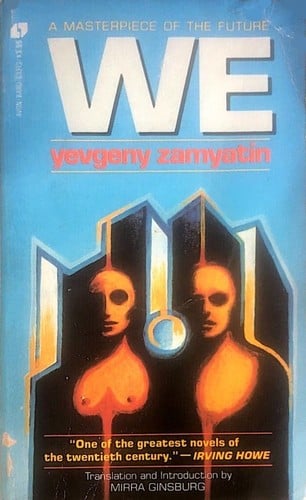
Start this bookNo. 16 on this list. We · Yevgeny Zamyatin · 1924
Taught in schools: Russian FGOS literature standard
We is recognized as the founding text of the dystopian novel genre, directly influencing Aldous Huxley's Brave New World and, through Orwell's own acknowledgment, 1984. It appears regularly in syllabi covering 20th-century fiction, dystopian literature, and Russian modernism. Despite suppression in the Soviet Union for decades, the novel has been widely republished in prestige editions and is considered essential reading in comparative literature courses.
Challenging6.2 hours
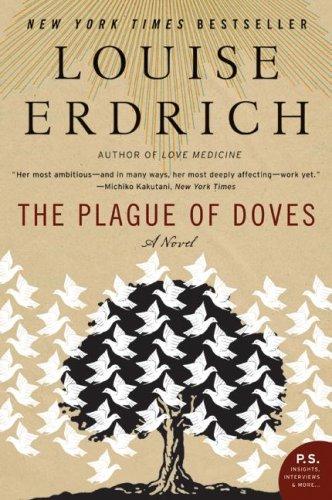
Start this bookNo. 17 on this list. The Plague of Doves · Louise Erdrich · 2008
Pulitzer Prize finalist (2009) and the first entry in a trilogy whose second volume, The Round House, won the National Book Award. Taught in university courses on contemporary American and Native American literature, with an established academic presence in postcolonial and ethnic studies. Widely regarded as one of Erdrich's most formally accomplished novels.
Difficult14 hours
Start this bookNo. 18 on this list. Blood Knot · Athol Fugard · 1961
Fugard's breakthrough play and a foundational work of South African theater. Widely taught and performed as a landmark of anti-apartheid drama.
Difficult7 hours
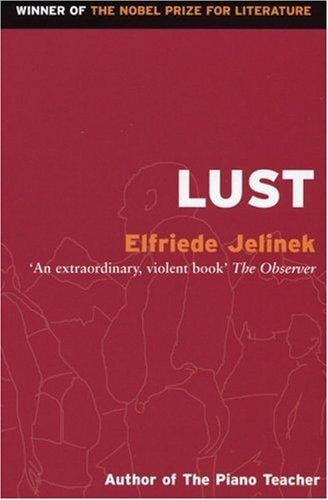
Start this bookNo. 19 on this list. Lust · Elfriede Jelinek · 1989
Jelinek is a Nobel Prize winner (2004), and Lust is among her most-discussed novels, central to courses in feminist literature, Austrian literature, and avant-garde fiction. The Wikipedia article on Lust exists in 58 languages, indicating significant global recognition. However, the novel is not a fixture of general literary survey courses in the way that Jelinek's work as a whole is taught — it is a specialist text, assigned where Jelinek is the focus or feminist radical fiction is the subject. Its explicit content limits its classroom reach. Canonical within feminist literary studies; less so in general world literature curricula.
Difficult9.3 hours
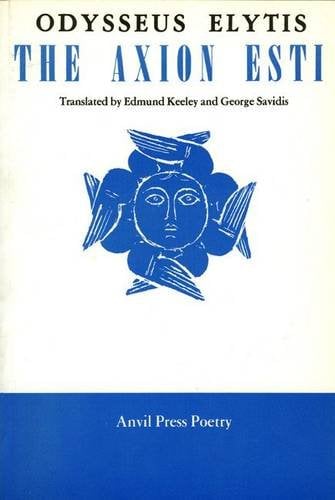
Start this bookNo. 20 on this list. The Axion Esti · Odysseas Elytis · 1959
The Axion Esti stands as the central work of modern Greek poetry and one of the most significant long poems of the 20th century. It holds canonical status in Greek literature comparable to The Waste Land in English, widely taught in Greek schools and universities. The work's international recognition increased substantially after Elytis received the Nobel Prize in Literature (1979), though it remains less widely read outside Greece than other Nobel-honored poetry.
Challenging38 min
Start this book
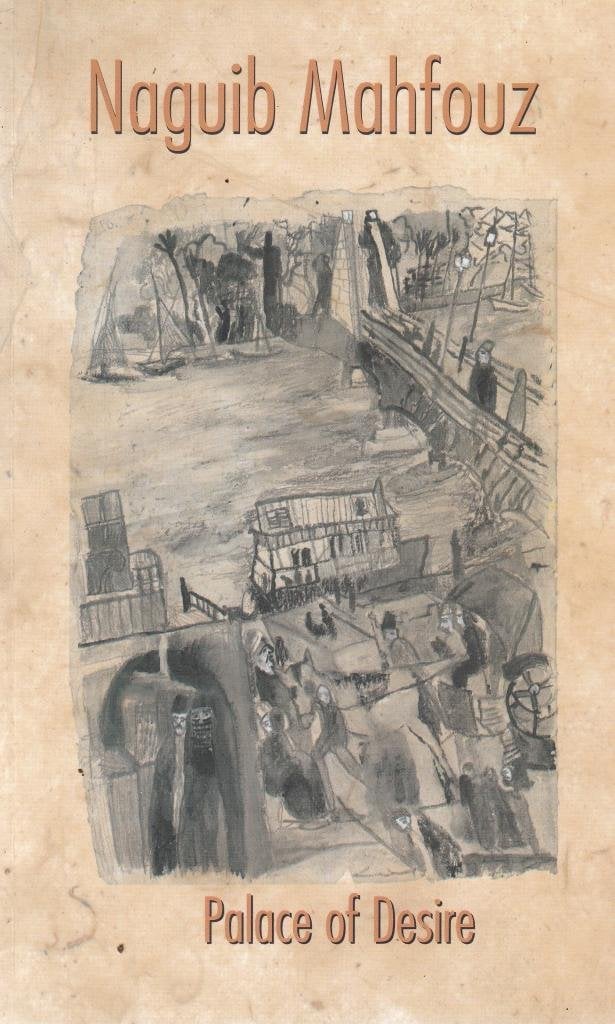
No. 21 on this list. Palace of Desire · Naguib Mahfouz · 1957
The Cairo Trilogy is Mahfouz's defining work, but individual volumes appear less frequently on syllabi than standalone classics. Palace of Desire appears on only 2 university syllabi in the Open Syllabus Project. The trilogy is a fixture in world literature and Arabic literature courses, though Western curricula tend to assign excerpts or the first volume rather than the full sequence.
Challenging16 hours
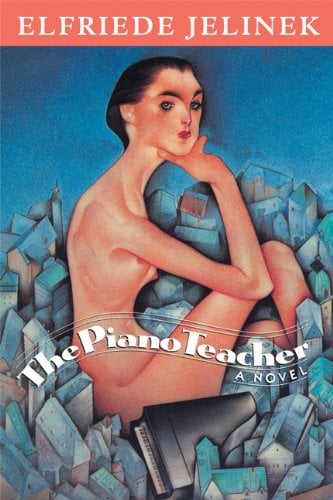
Start this bookNo. 22 on this list. The Piano Teacher · Elfriede Jelinek · 1983
The Piano Teacher is widely taught in European universities — particularly in German-language literature, feminist literary criticism, and comparative literature courses — though this database captures 0 syllabus appearances and only a stub Wikipedia article. The novel's canonical standing in German-language and feminist literary studies is well established; its international profile is significant but narrower than Anglophone canonical texts at the same level of critical regard.
Difficult11 hours
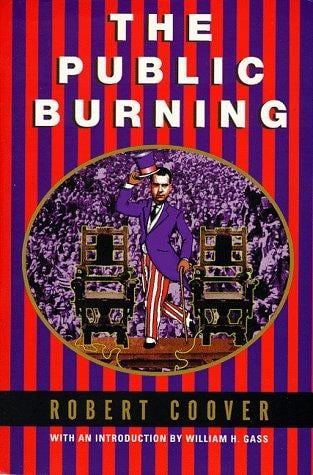
Start this bookNo. 23 on this list. The Public Burning · Robert Coover · 1977
The Public Burning is Robert Coover's most ambitious and controversial novel — refused by seventeen publishers before Viking accepted it, then immediately pulled from paperback after a Nixon lawsuit threat. It appears in every major survey of American postmodern fiction (Hassan, Waugh, McHale), is taught widely in graduate seminars on metafiction, and is cited alongside Gravity's Rainbow and Giles Goat-Boy as the defining novels of the postmodern satirical-historical mode. Its canonical status exceeds its readership by a large margin.
Very Difficult37 hours
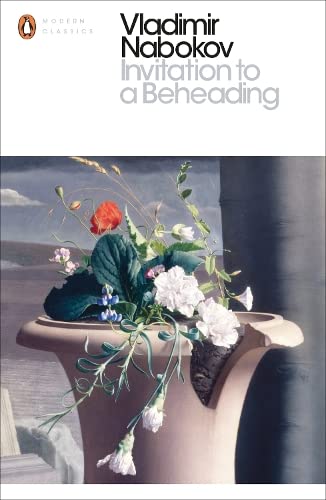
Start this bookNo. 24 on this list. Invitation to a Beheading · Vladimir Nabokov · 1936
Invitation to a Beheading is consistently included in surveys of essential 20th-century European fiction and appears in Russian literature and modernist fiction courses worldwide. It features on Modern Library's lists and is considered one of Nabokov's major pre-American works; while less universally assigned than Lolita or Pale Fire, it is firmly inside the literary canon's second tier.
Difficult7 hours
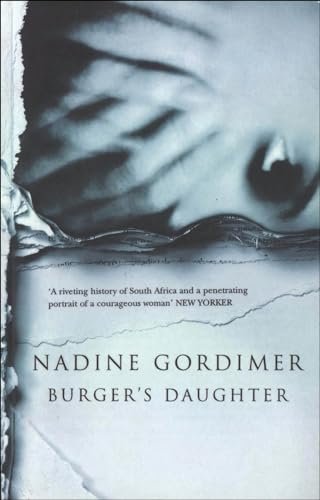
Start this bookNo. 25 on this list. Burger's Daughter · Nadine Gordimer · 1979
Burger's Daughter appears on 68 university syllabi (Open Syllabus Project, 45.8th percentile), placing it firmly in postcolonial and African literature courses though not in the top tier of globally canonical texts. Wikipedia articles exist in 7 languages — modest compared to landmark novels — but the article runs to over 61,000 characters and includes a dedicated reception section, indicating sustained critical discourse.
Challenging13 hours
Start this bookNo. 26 on this list. Divan of Hafez · Hafez · 1390
Hafez is considered the greatest of Persian lyric poets and his Divan is the most-read book in the Persian-speaking world after the Quran—consulted for bibliomancy, memorized by schoolchildren, present in every educated Persian household. However, this specific edition (the Delphi Classics compilation of English translations) has limited Wikipedia presence (13 language versions of its article) and no recorded syllabus appearances in Western academic databases. In Persian-language curricula the canonical status would score near 99; in English-language institutions it is taught in world literature and Comparative Religion courses but remains specialist.
Difficult7 hours
Start this bookNo. 27 on this list. A Book of Memories · László Nádas · 1986
Widely regarded as one of the greatest Hungarian novels and one of the major European novels of the twentieth century. Susan Sontag called it 'the greatest novel written in our time.'
Challenging24 hours
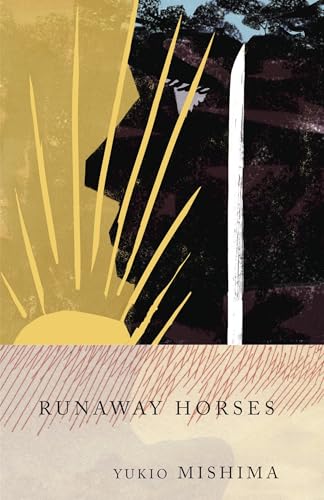
Start this bookNo. 28 on this list. Runaway Horses · Yukio Mishima · 1969
Kiyoaki Matsugae died in 1914 with a dying prophecy — 'I will see you again. I know it. Beneath the falls.' Eighteen years later, Honda Shigekuni, now a judge, watches a young kendo prodigy named Isao perform at a tournament and recognizes three moles on the young man's ribs in exactly the configuration Kiyoaki bore. Honda becomes convinced that his dead friend has been reborn. Isao is nothing like the dreamy, tragic Kiyoaki. He is fierce, ascetic, burning with devotion to the Emperor and contempt for the financiers he believes have corrupted Japan's soul. He and a small band of young men have drawn up a list of names — industrialists who must die — and a plan for purification through violence, modeled on the samurai of the Shinpuren Rebellion of 1876, who charged rifles with swords and lost everything. Runaway Horses is the second volume of Mishima's four-part tetralogy The Sea of Fertility, completed the morning he died. The novel runs two tracks simultaneously: Honda's philosophically unsettling quest to confirm transmigration of souls, and Isao's intensifying martyrdom complex, told through Mishima's dense, formal prose and an embedded historical chronicle of the Shinpuren Rebellion that reads like sacred text. What accumulates is a portrait of the Japanese 1930s as a moment of fatal intoxication — young men drunk on purity, on sacrifice, on the beauty of a clean death.
Difficult20 hours
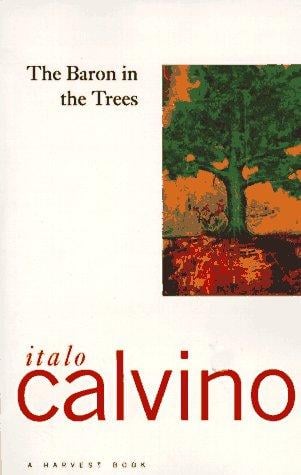
Start this bookNo. 29 on this list. The Baron in the Trees · Italo Calvino · 1957
Taught in comparative literature and Italian literature courses at universities worldwide, and a fixture of world literature reading lists. Part of Calvino's celebrated 'Our Ancestors' trilogy, which is frequently assigned as a unit. While not as universally present in English-language curricula as Kafka or García Márquez, its standing in the global literary canon is firm.
Challenging7.7 hours
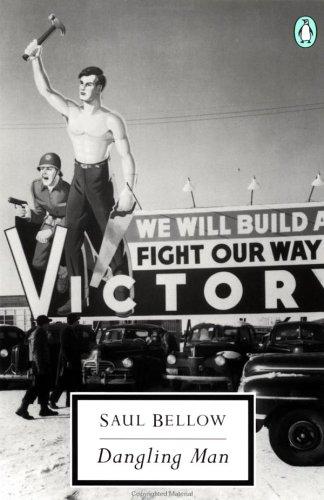
Start this bookNo. 30 on this list. Dangling Man · Saul Bellow · 1944
Dangling Man is taught in Bellow courses and American literature surveys as the novel that launched one of the 20th century's most significant literary careers. It appears regularly in discussions of postwar American fiction and the confessional-intellectual novel. Not as canonical as Herzog or Humboldt's Gift, but securely within the serious literary curriculum as a Bellow debut of historical importance.
Challenging5.5 hours
Start this book
No. 31 on this list. Cancer Ward
Aleksandr Solzhenitsyn · 1968
No. 32 on this list. Poor Folk
Fyodor Dostoevsky · 1846
Taught in schools: Kazakh literature curriculum (Kazakhstan)
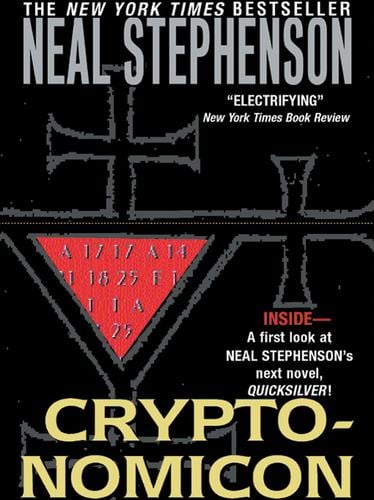
No. 33 on this list. Cryptonomicon
Neal Stephenson · 1999
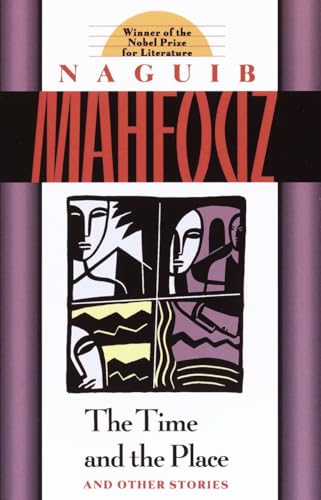
No. 34 on this list. The Thief and the Dogs
Naguib Mahfouz · 1961
Taught in schools: Moroccan secondary Arabic literature (Morocco)
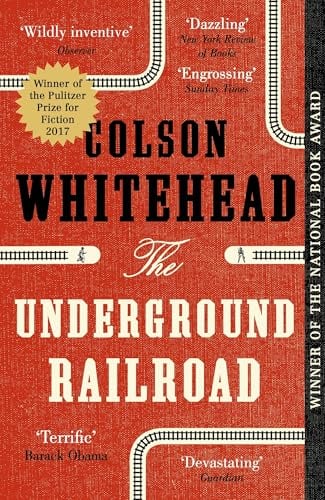
No. 35 on this list. The Underground Railroad
Colson Whitehead · 2016
Taught in schools: Leaving Certificate English – NCCA / State Examinations Commission (Ireland)
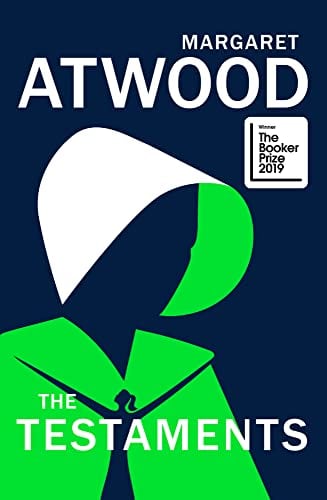
No. 36 on this list. The Testaments
Margaret Atwood · 2019
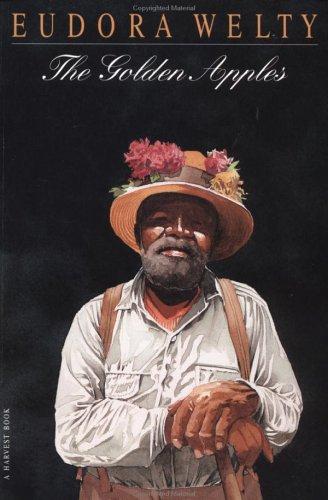
No. 37 on this list. The Golden Apples
Eudora Welty · 1949
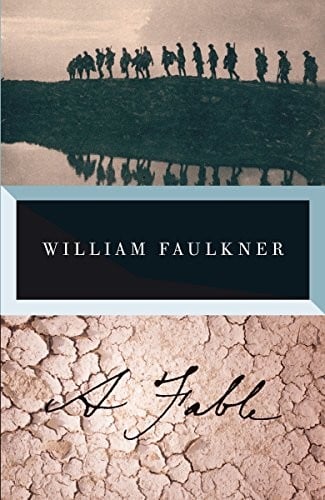
No. 38 on this list. A Fable
William Faulkner · 1955
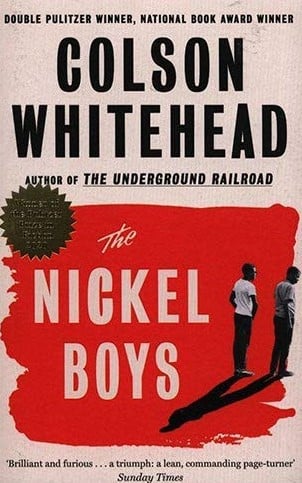
No. 39 on this list. The Nickel Boys
Colson Whitehead · 2019
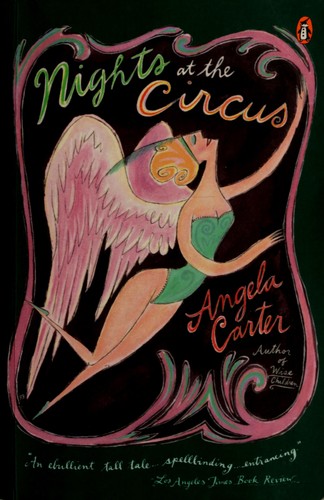
No. 40 on this list. Nights at the Circus
Angela Carter · 1984
No. 41 on this list. Mastro-don Gesualdo
Giovanni Verga · 1889
Included in: UNESCO Collection of Representative Works
No. 42 on this list. Human Acts
Han Kang · 2014
No. 43 on this list. Explosion in a Cathedral
Alejo Carpentier · 1962
No. 44 on this list. Ninety-Three
Victor Hugo · 1874
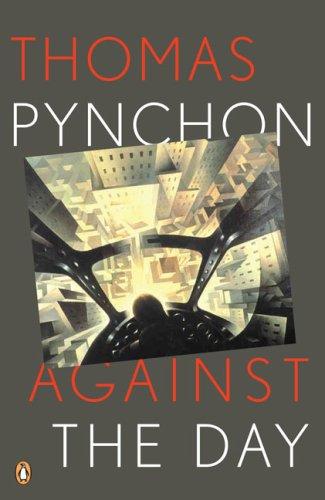
No. 45 on this list. Against the Day
Thomas Pynchon · 2006
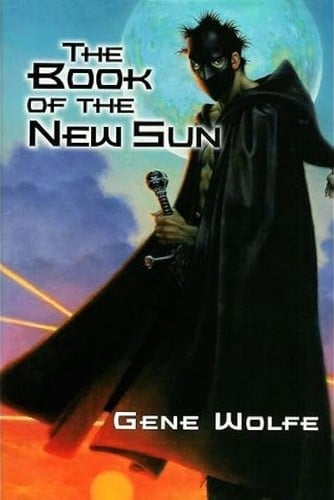
No. 46 on this list. The Book of the New Sun
Gene Wolfe · 1980
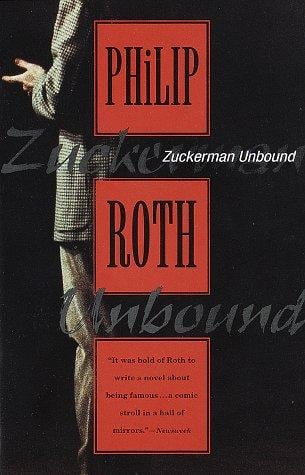
No. 47 on this list. Zuckerman Unbound
Philip Roth · 1981
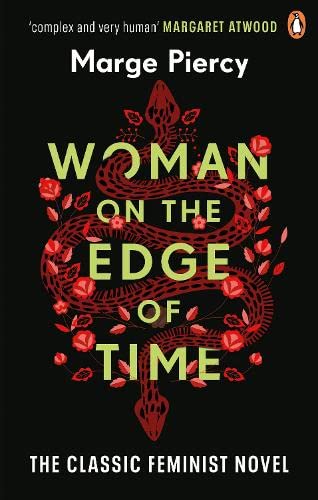
No. 48 on this list. Woman on the Edge of Time
Marge Piercy · 1976
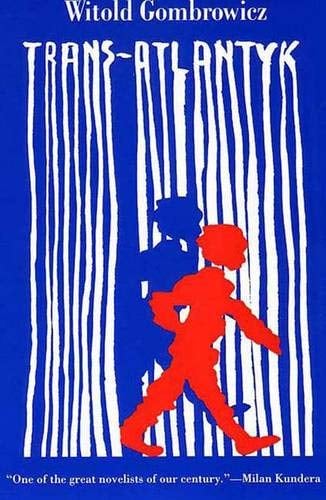
No. 49 on this list. Trans-Atlantyk
Witold Gombrowicz · 1953
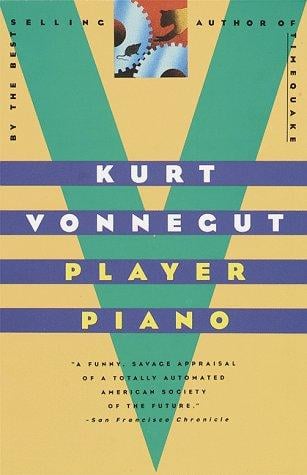
No. 50 on this list. Player Piano
Kurt Vonnegut · 1952
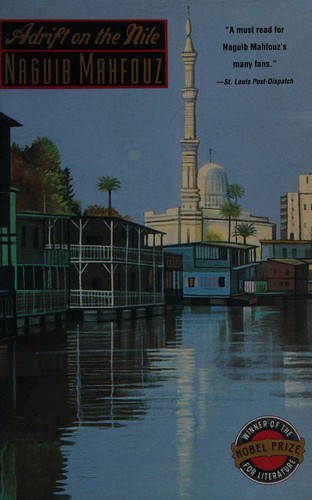
No. 51 on this list. Adrift on the Nile
Naguib Mahfouz · 1966
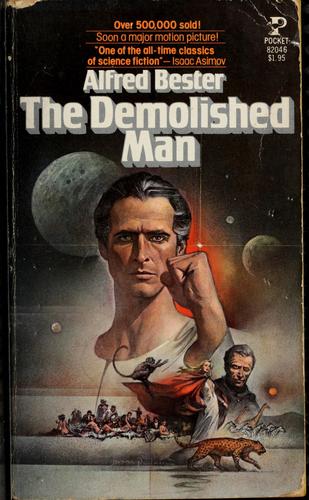
No. 52 on this list. The Demolished Man
Alfred Bester · 1953
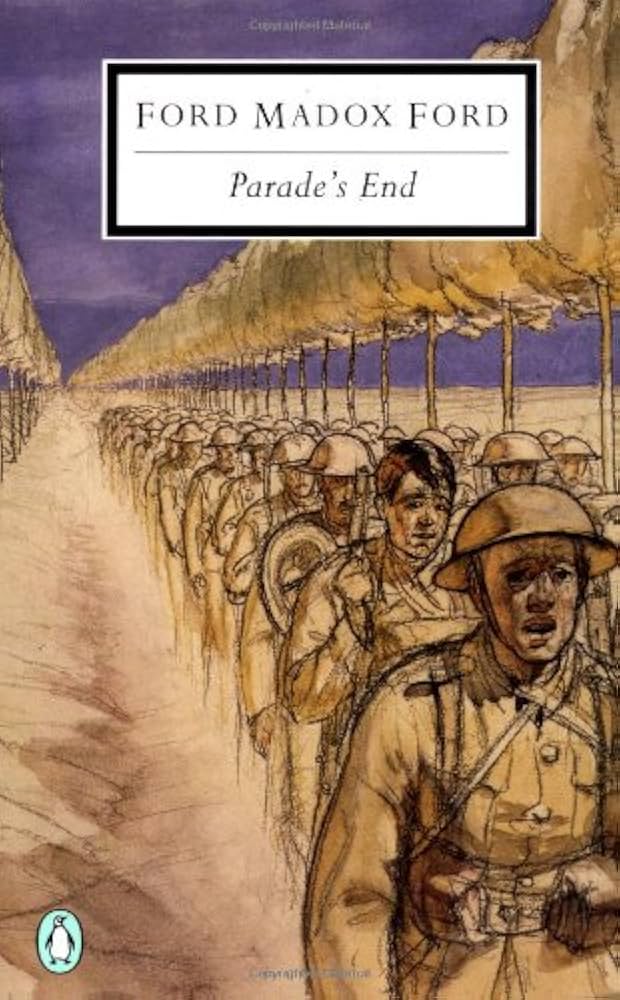
No. 53 on this list. Parade's End
Ford Madox Ford · 1928
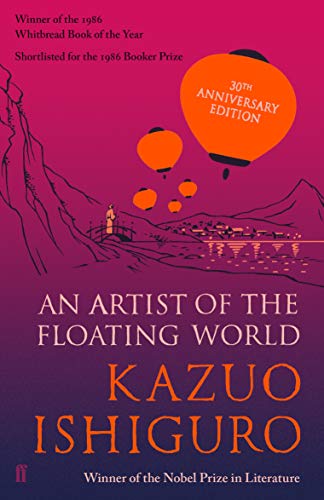
No. 54 on this list. An Artist of the Floating World
Kazuo Ishiguro · 1986
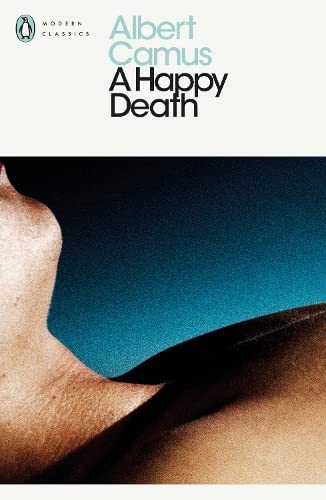
No. 55 on this list. A Happy Death
Albert Camus · 1971
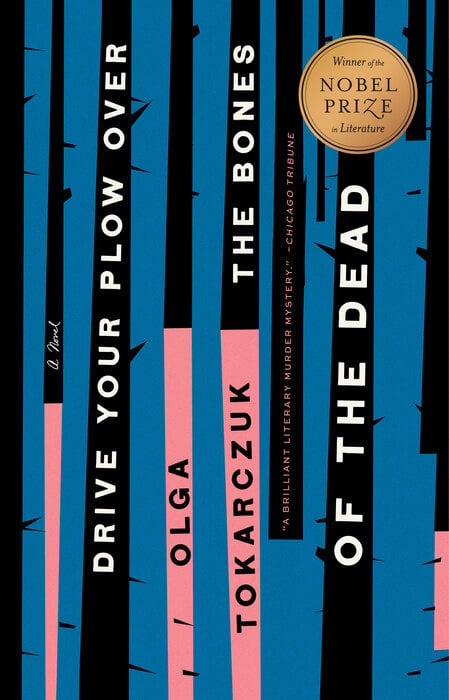
No. 56 on this list. Drive Your Plow Over the Bones of the Dead
Olga Tokarczuk · 2019
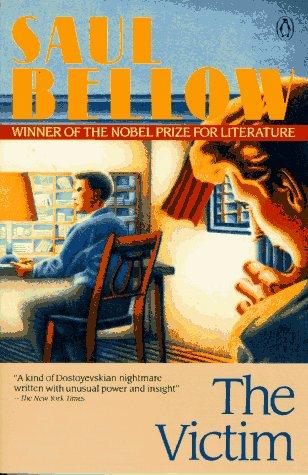
No. 57 on this list. The Victim
Saul Bellow · 1947
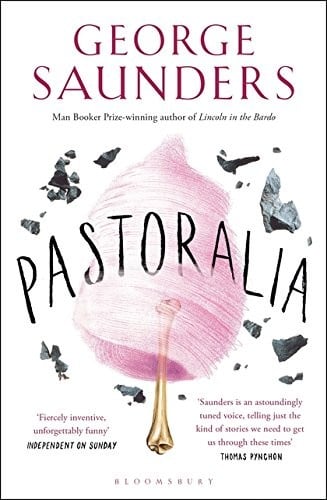
No. 58 on this list. Pastoralia
George Saunders · 2000
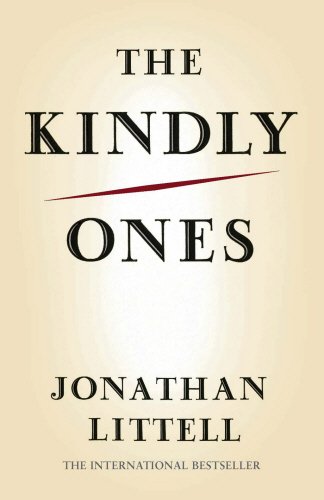
No. 59 on this list. The Kindly Ones
Jonathan Littell · 2006
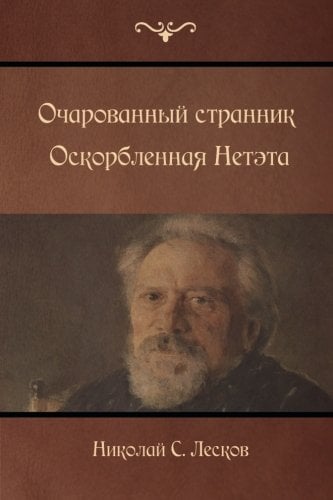
No. 60 on this list. The Enchanted Wanderer
Nikolai Leskov · 1873
Taught in schools: Russian FGOS literature standard
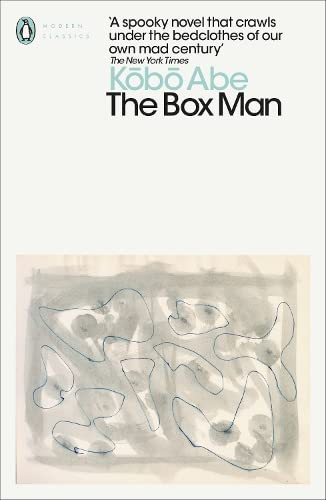
No. 61 on this list. The Box Man
Kobo Abe · 1973
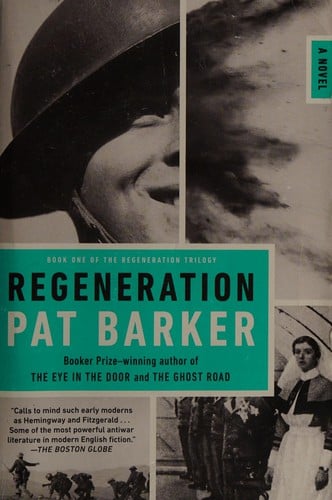
No. 62 on this list. Regeneration
Pat Barker · 1991
Taught in schools: AQA GCSE and A-level English Literature (UK)
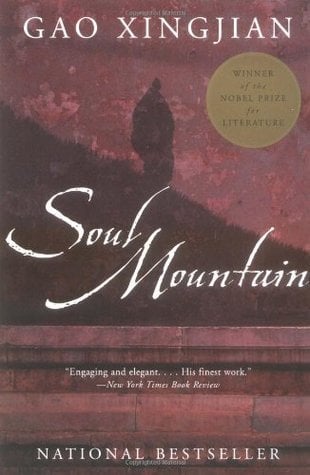
No. 63 on this list. Soul Mountain
Gao Xingjian · 1990
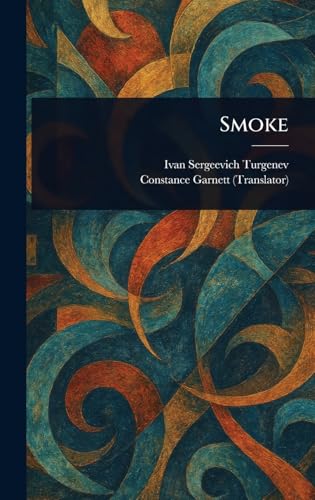
No. 64 on this list. Smoke
Ivan Turgenev · 1867
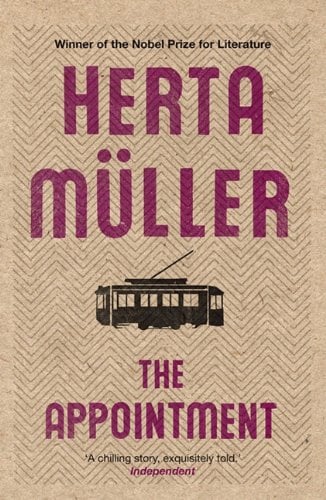
No. 65 on this list. The Appointment
Herta Müller · 1997
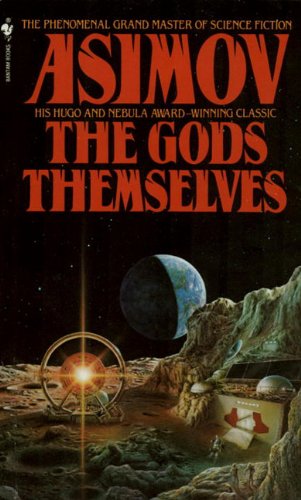
No. 66 on this list. The Gods Themselves
Isaac Asimov · 1972
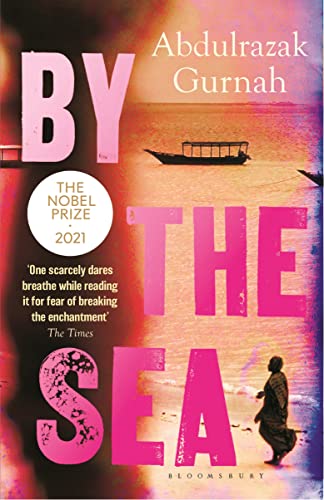
No. 67 on this list. By the Sea
Abdulrazak Gurnah · 2001
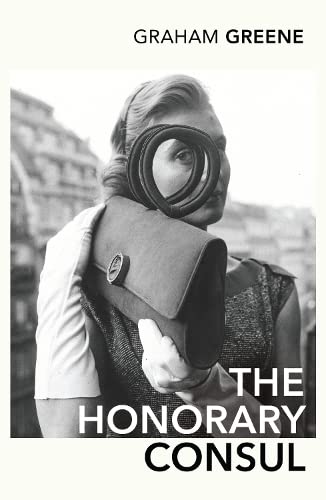
No. 68 on this list. The Honorary Consul
Graham Greene · 1973
No. 69 on this list. Transit
Rachel Cusk · 2017
No. 70 on this list. A Frolic of His Own
William Gaddis · 1994
No. 71 on this list. Requiem for a Nun
William Faulkner · 1951
No. 72 on this list. The Sign in Sidney Brustein's Window
Lorraine Hansberry · 1964
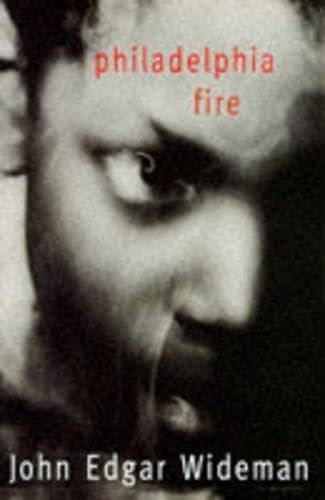
No. 73 on this list. Philadelphia Fire
John Edgar Wideman · 1991
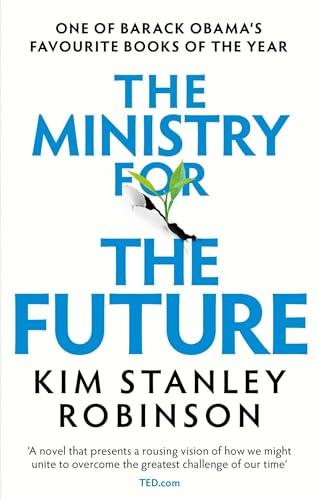
No. 74 on this list. The Ministry for the Future
Kim Stanley Robinson · 2020
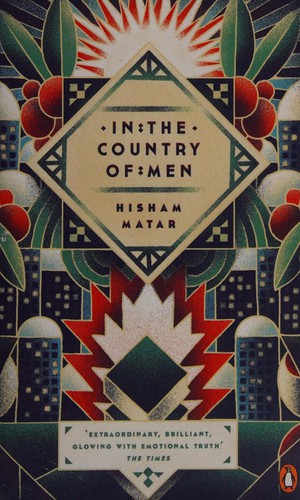
No. 75 on this list. In the Country of Men
Hisham Matar · 2006
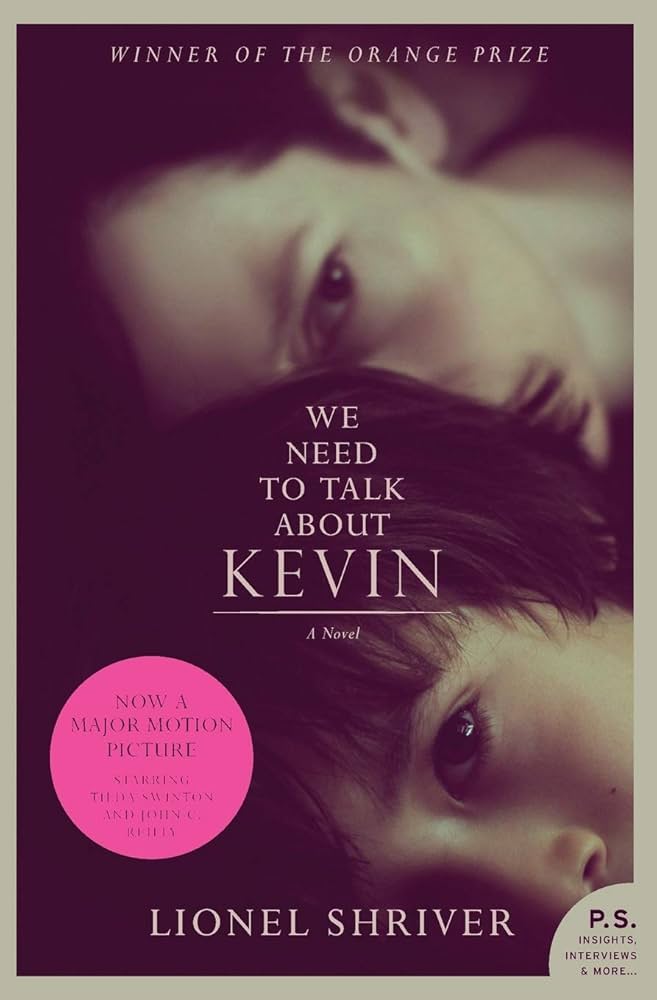
No. 76 on this list. We Need to Talk About Kevin
Lionel Shriver · 2005
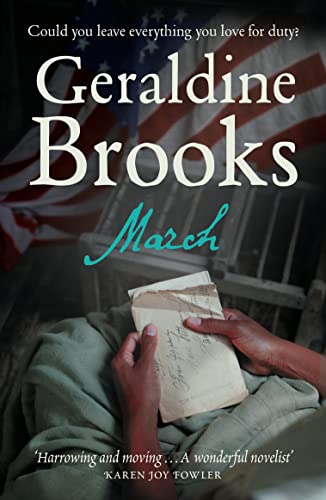
No. 77 on this list. March
Geraldine Brooks · 2006
No. 78 on this list. Fasting, Feasting
Anita Desai · 1999
No. 79 on this list. Last Orders
Graham Swift · 1996
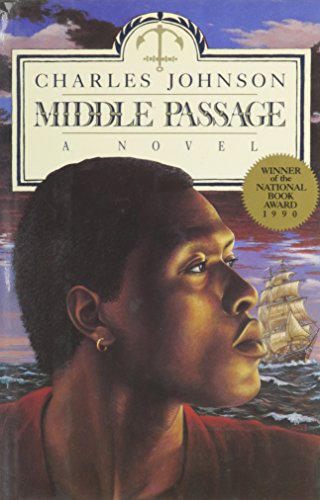
No. 80 on this list. Middle Passage
Charles Johnson · 1990
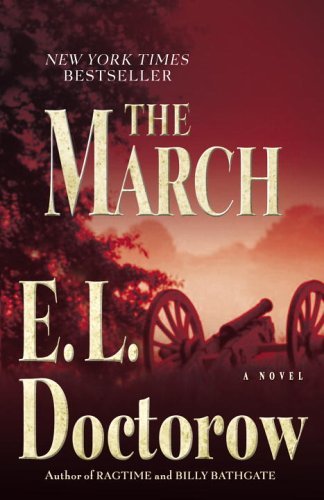
No. 81 on this list. The March
E.L. Doctorow · 2006
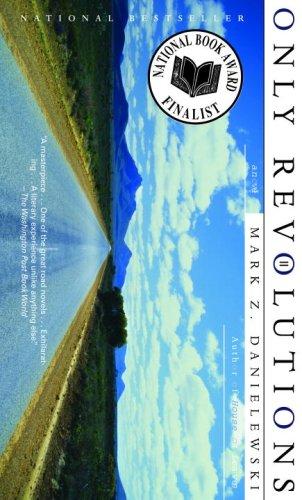
No. 82 on this list. Only Revolutions
Mark Z. Danielewski · 2006
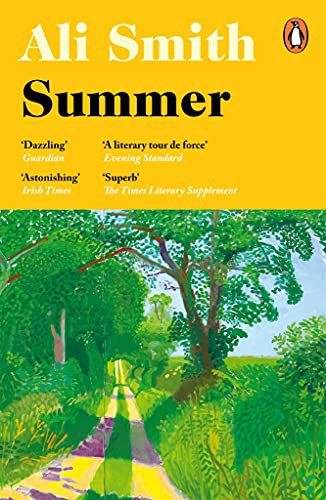
No. 83 on this list. Summer
Ali Smith · 2020
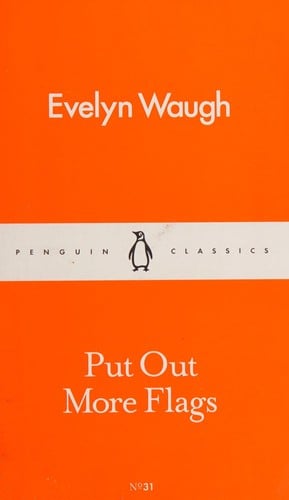
No. 84 on this list. Put Out More Flags
Evelyn Waugh · 1942
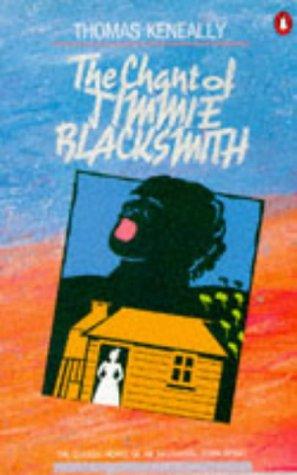
No. 85 on this list. The Chant of Jimmie Blacksmith
Thomas Keneally · 1972
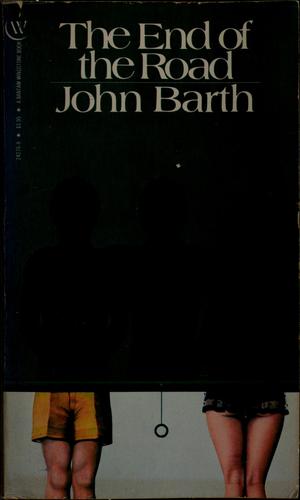
No. 86 on this list. The End of the Road
John Barth · 1958
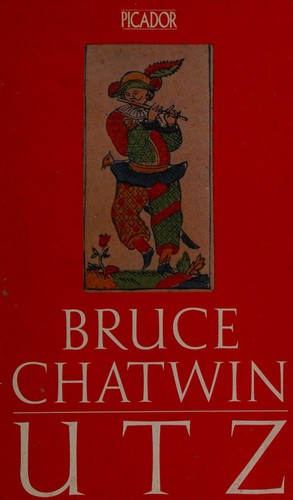
No. 87 on this list. Utz
Bruce Chatwin · 1988
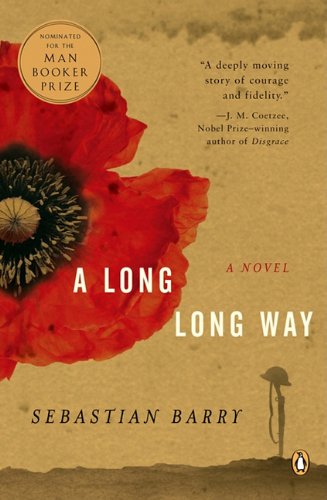
No. 88 on this list. A Long Long Way
Sebastian Barry · 2005
Taught in schools: AQA GCSE and A-level English Literature (UK)
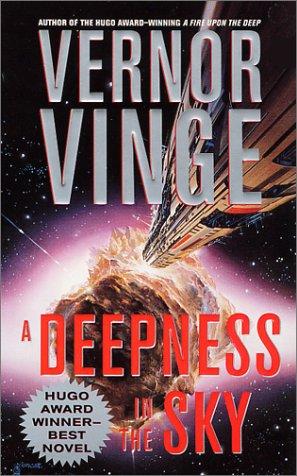
No. 89 on this list. A Deepness in the Sky
Vernor Vinge · 1999
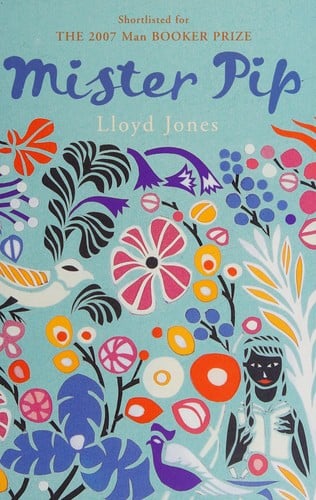
No. 90 on this list. Mister Pip
Lloyd Jones · 2007
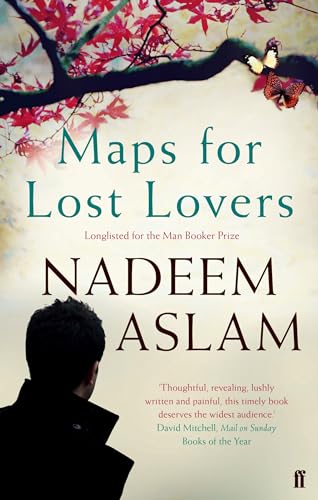
No. 91 on this list. Maps for Lost Lovers
Nadeem Aslam · 2004
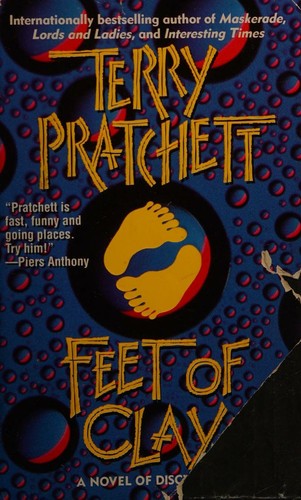
No. 92 on this list. Feet of Clay
Terry Pratchett · 1996
No. 93 on this list. Women of Sand and Myrrh
Hanan al-Shaykh · 1989
No. 94 on this list. From A to X
John Berger · 2008
No. 95 on this list. The Lincoln Highway
Amor Towles · 2021
No. 96 on this list. Lord Foul's Bane
Stephen R. Donaldson · 1977
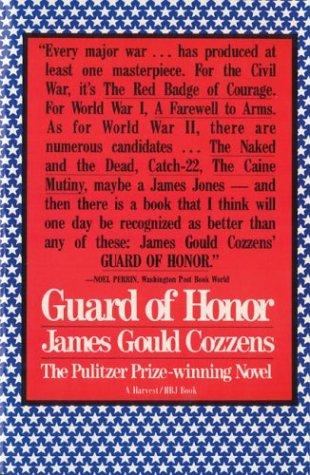
No. 97 on this list. Guard of Honor
James Gould Cozzens · 1949
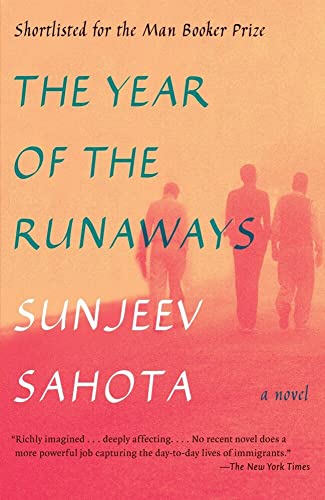
No. 98 on this list. The Year of the Runaways
Sunjeev Sahota · 2015
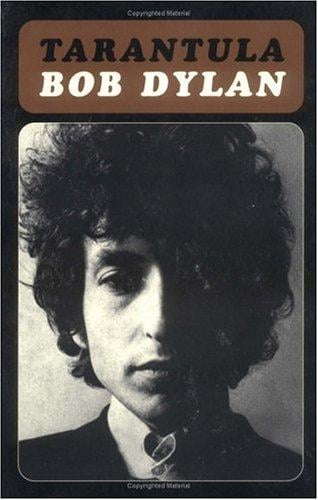
No. 99 on this list. Tarantula
Bob Dylan · 1971
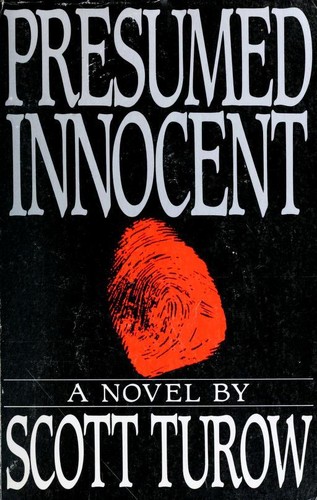
No. 100 on this list. Presumed Innocent
Scott Turow · 1987
About this list
These 100 books are the highest-scoring eligible challenging books about freedom and justice currently in the catalogue. About 1,225 hours of reading in all. Difficulty runs from 68 to 75 out of 100 for the middle half of the list; the summit is The Public Burning at 86.
This list is ranked by literary regard, with a consistent order for equal scores. Membership follows authors and co-authors, not translators or editors. A book is here when ReadingRate files it under Freedom & Justice as one of its primary reading domains, at a confidence of 0.8 or more. Catalogue coverage and the historical canon both limit what this list can represent.
When we matched the Canons dataset to our catalogue in October 2026, our canonical-status scores rose with the number of school curricula, publisher series and lists in it that cite a work: the median score was 72 for books one such source cites, 84 at two, 88 at three, 92 at four and 93 at five or more. Prizes are left out of that count. Outside the state curricula, the dataset’s sources choose mostly from what has been translated into English or French, so it is a weaker check on other literatures. Source: Canons (Andrew Piper), CC BY 4.0
Questions people actually ask
- What are the best challenging books about freedom and justice?
- By literary regard, which weighs canonical status, critical standing and influence: Divine Comedy by Dante Alighieri, Paradise Lost by John Milton, Antony and Cleopatra by William Shakespeare, Thus Spake Zarathustra A book for all and none by Friedrich Nietzsche and Henry V by William Shakespeare. ReadingRate ranks 100 such books, each with a difficulty score and a reading-time estimate.
- Which challenging books about freedom and justice should I read first?
- Start from difficulty, not from rank. The most approachable books on this list that still carry top literary regard are The Burning Plain and Other Stories by Juan Rulfo (about 3.4 hours), The Ones Who Walk Away from Omelas by Ursula K Le Guin and We by Yevgeny Zamyatin.
- What are the shortest of the best challenging books about freedom and justice?
- Among the top 25, the shortest are The Axion Esti by Odysseas Elytis (about 38 min), The Ones Who Walk Away from Omelas by Ursula K Le Guin (about 40 min) and Sir Gawain and the Green Knight by The Pearl Poet (about 2.1 hours), at an average pace of 250 words a minute adjusted for each book's difficulty.
- Which of the best challenging books about freedom and justice are the established classics?
- By canonical status, how firmly a book sits in curricula, anthologies and the canon: Divine Comedy by Dante Alighieri, Paradise Lost by John Milton, Antony and Cleopatra by William Shakespeare, Thus Spake Zarathustra A book for all and none by Friedrich Nietzsche and Henry V by William Shakespeare.
- Can I read any of these challenging books about freedom and justice for free?
- 9 of the 100 open in ReadingRate's reader with a free account, from public-domain editions: Divine Comedy, Paradise Lost, Antony and Cleopatra, Henry V, Troilus and Cressida and 4 more.
- How long would it take to read the top ten?
- About 90 hours, at an average pace of 250 words a minute adjusted for each book's difficulty: 46 days at two hours a day. Set your own pace on the page and the list's reading times change to it.
- How hard are challenging books about freedom and justice to read?
- Most of this list sits between 68 and 75 on ReadingRate's 100-point difficulty scale, where 40 to 55 is moderate. The summit is The Public Burning at 86. Every entry carries its own score, so a reader can pick a great book at a difficulty they will finish.
- How is this list ranked?
- On literary-regard data: how canonically established a work is, its critical standing, and its influence on later writing. It is not a readers’ poll, which is why recent bestsellers rarely appear. Membership follows authors and co-authors, not translators or editors. Lists by country, author, period, theme or difficulty keep to literature (fiction, poetry, drama and philosophy), their novels, poems and plays first and their philosophy after them; a list of a kind of book, such as memoir or criticism, keeps every book of that kind. Every list holds at most three works by one author. A book is here when ReadingRate files it under Freedom & Justice as one of its primary reading domains, at a confidence of 0.8 or more.