Hours at an average pace
Showing 92 books
About 579 hours for 88 of 92 books with measured lengths. Estimates use 250 words a minute, adjusted for each book's difficulty. At 2 hours a day, about 290 days for those books.
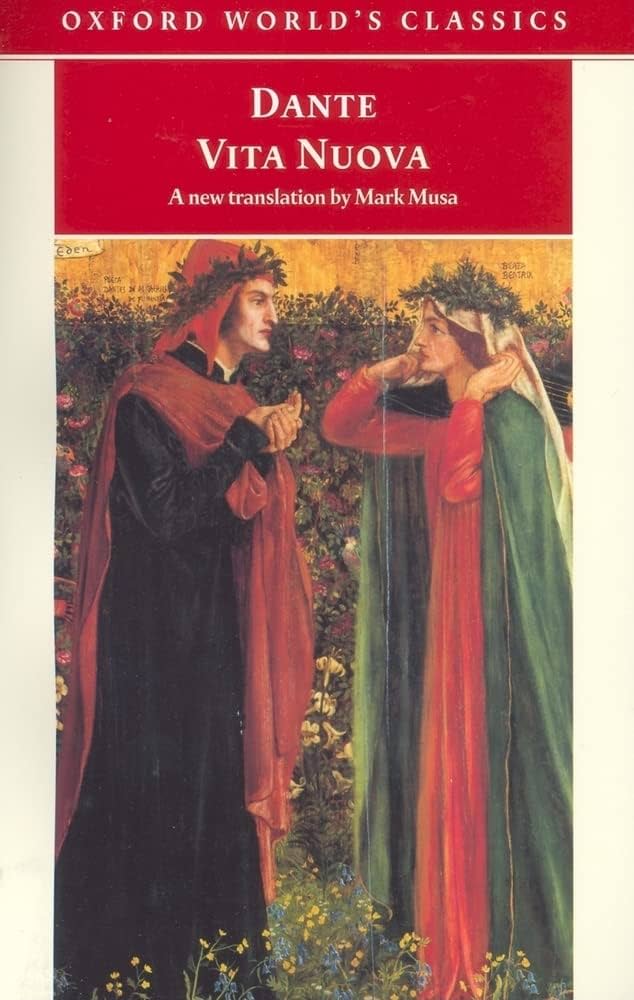
Vita Nuova is taught in virtually every medieval Italian literature program worldwide and appears in most comparative literature and Romance philology curricula. It is the foundational text of the dolce stil novo movement and the biographical prologue to the Divine Comedy, one of the most studied works in Western literary history. Wikipedia entries exist in more than 80 languages, and the work has been continuously in print and commentary since Boccaccio's 14th-century biography of Dante.
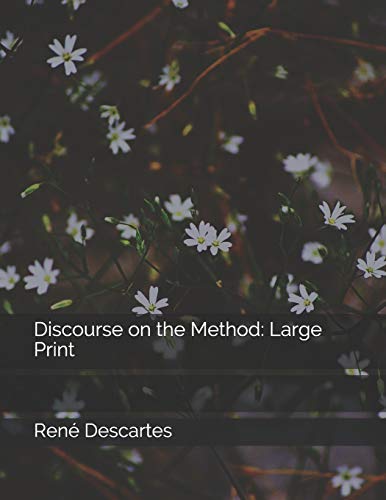
The Discourse on the Method appears in Wikipedia articles across 34 languages and is required reading in virtually every Western philosophy curriculum, from introductory courses to advanced epistemology seminars. It is one of a small number of pre-modern texts that remain compulsory across disciplines — philosophy, intellectual history, history of science, cognitive science. The work appears on all major lists of foundational Western thought.
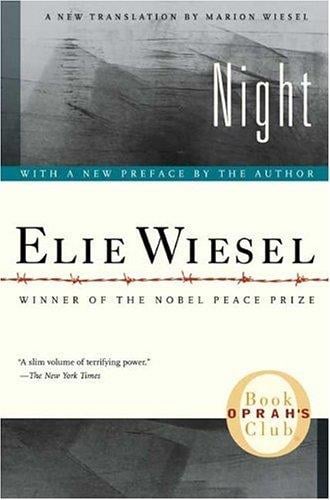
Required reading in most American and European secondary schools and universities, taught in Holocaust studies, World Literature, and human rights courses worldwide. One of the most assigned memoirs of the 20th century, with Wikipedia coverage in over 80 languages. No major literary prize database entry was found, but its curriculum presence is among the highest of any memoir in the Western canon.
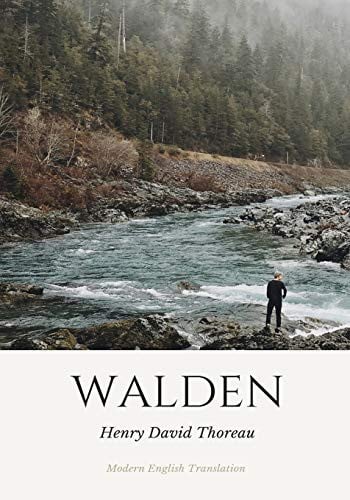
Thoreau moved to a cabin on a pond for two years and wrote a book that made solitude, bean-counting, and the observation of thawing mud into acts of radical philosophy. Walden supplied the intellectual template for civil disobedience, environmentalism, and voluntary simplicity — three movements that still run on its sentences.
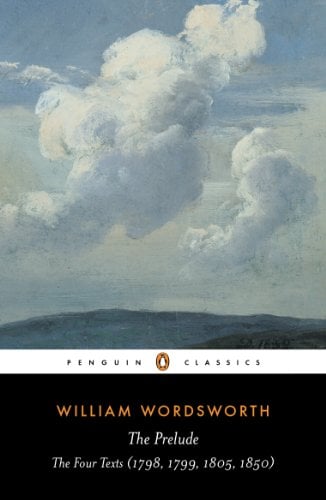
A fixture of every survey of English Romanticism and nearly every anthology of British poetry, though as a single long poem it draws less raw syllabus volume than assigned novels—closer to Beloved's discipline-specific canonicity than a mass-market fixture like Gatsby.
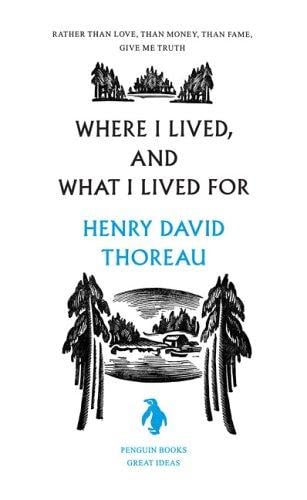
The most anthologised chapter of Walden and a fixture of American school reading.
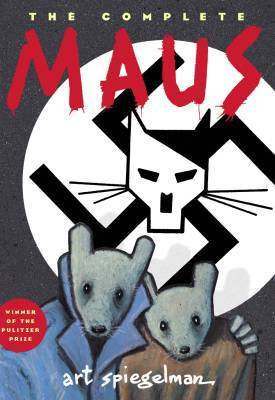
Widely taught in universities and high schools as the defining Holocaust graphic memoir, Maus appears on hundreds of literature and history syllabi worldwide. It is listed on virtually every major 'essential reading' and 'greatest books' compilation that includes graphic literature, from the Modern Library to Time's All-TIME 100 Novels. While not on syllabi at the scale of Fitzgerald or Austen, it holds unique canonical status as the book that forced academia to take comics seriously.
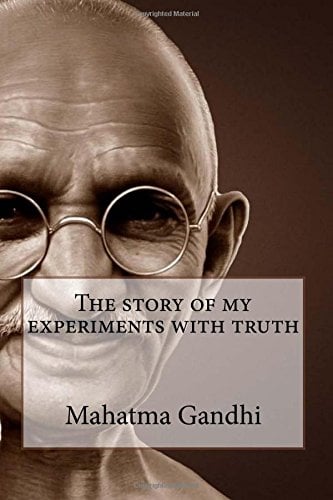
One of the most assigned autobiographies in the world, standard in political theory, religious studies, and modern Indian history courses.
The title essay 'The Death of the Moth' is one of the most anthologized pieces in the English language, appearing in virtually every major collection of literary essays and countless university writing courses. Though the collection as a whole is less individually indexed than Woolf's novels, these essays — alongside 'Street Haunting' and 'Middlebrow' — are fixtures of modernist prose and creative nonfiction curricula worldwide.
The Bell Jar is required reading in virtually every American women's literature and confessional writing course, and appears widely in high school curricula addressing mental health and mid-century American life. It holds a secure place on Modern Library and similar essential reading lists, and remains one of the most assigned novels in discussions of feminist literary history.
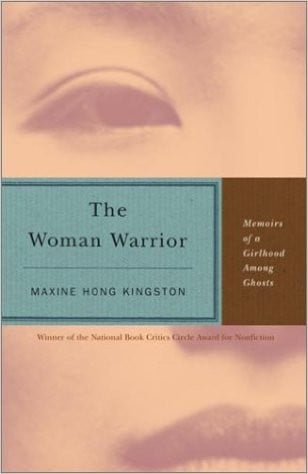
No. 11 on this list. The Woman Warrior: Memoirs of a Girlhood Among Ghosts · Maxine Hong Kingston · 1976
The Woman Warrior is one of the most-taught memoirs in American university curricula, appearing on syllabi for American literature, Asian-American studies, women's studies, creative nonfiction, and multicultural education courses. It has been continuously in print since 1976 and appears on virtually every list of essential Asian-American literature. The Open Syllabus Project ranks it among the most frequently assigned texts in the humanities.
Moderate4.6 hours
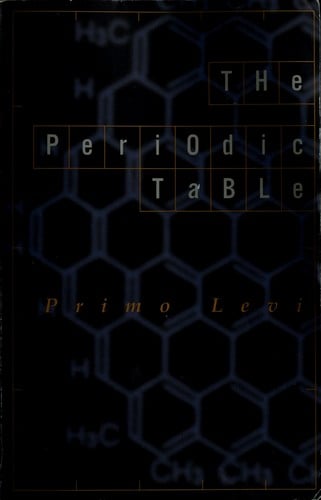
Start this bookNo. 12 on this list. The Periodic Table · Primo Levi · 1975
Named the best science book ever written by the Royal Institution; a recognized literary masterwork.
Challenging6.1 hours
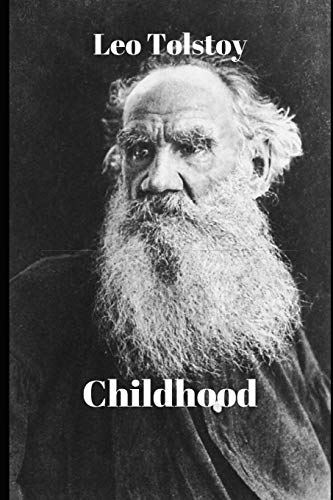
Start this bookNo. 13 on this list. Childhood · Leo Tolstoy · 1852
Tolstoy's first published work, it appears in Russian literature and comparative literature courses worldwide, though far less frequently than War and Peace or Anna Karenina. The autobiographical trilogy is standard reading in surveys of 19th-century Russian fiction and studies of the Bildungsroman tradition.
Challenging10 hours
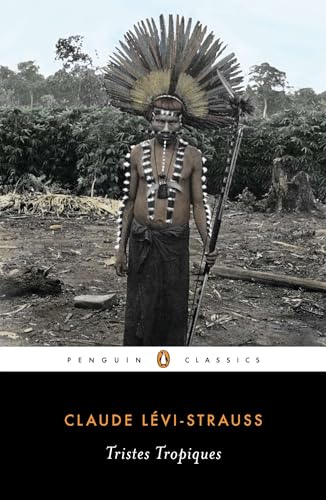
Read nowNo. 14 on this list. Tristes Tropiques · Claude Lévi-Strauss · 1955
Tristes Tropiques stands as foundational text in both anthropology and twentieth-century French intellectual history, taught alongside canonical literature in universities. The work establishes structuralism as dominant interpretive mode and defines the modern anthropological voice. Recognition exceeds most contemporary literary fiction but remains specialized within academic circles.
Challenging14 hours
Start this bookNo. 15 on this list. The Discovery of India · Jawaharlal Nehru · 1946
A required text in modern Indian history and nationalism courses and the founding statement of India's official self-image.
Challenging18 hours
Start this bookNo. 16 on this list. The Notebooks of Malte Laurids Brigge · Rainer Maria Rilke · 1910
Die Aufzeichnungen des Malte Laurids Brigge is on Le Monde's 100 Books of the Century, with Wikipedia articles in 14 languages. It is taught as a founding text of modernist prose in German and comparative literature courses.
Challenging6 hours
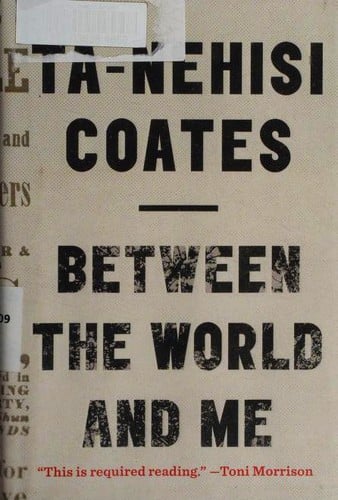
Start this bookNo. 17 on this list. Between the World and Me · Ta-Nehisi Coates · 2015
Winner of the 2015 National Book Award for Nonfiction and a Pulitzer Prize finalist, Between the World and Me became required reading in hundreds of university courses across African American studies, American studies, sociology, and political philosophy within a year of publication. It appears on syllabi at a rate comparable to other major contemporary nonfiction works and has become a standard text in discussions of race in America.
Moderate2.5 hours
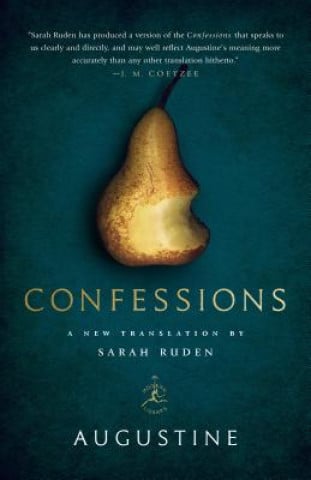
Start this bookNo. 18 on this list. Confessions · Augustine of Hippo · 397
Augustine invented autobiography by turning inward: the stolen pears, the mistress dismissed, the child's voice chanting "take up and read" in a Milan garden. Sixteen centuries later, every memoir that excavates the self's interior life is still working the ground Augustine broke.
Challenging8.6 hours
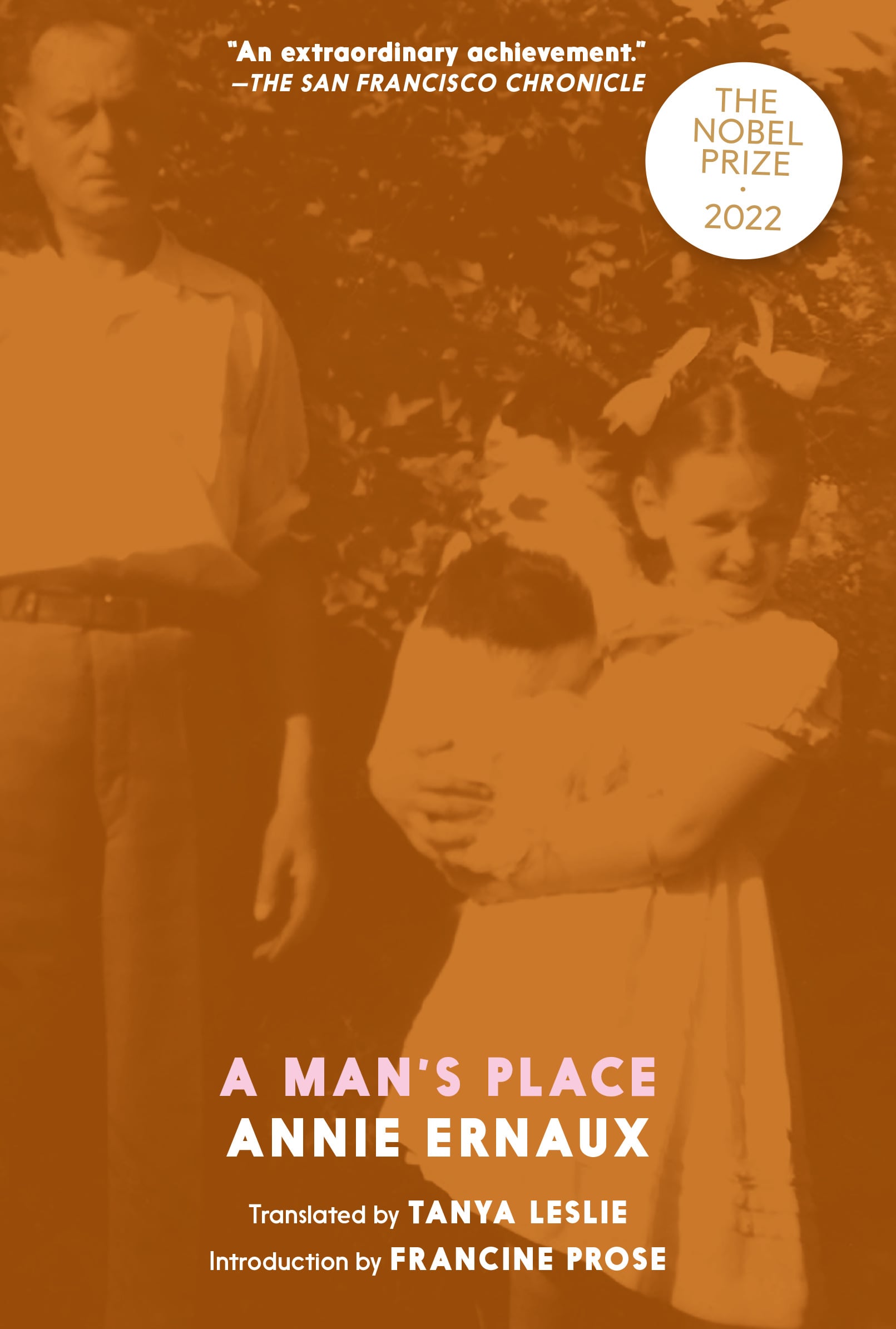
Read nowNo. 19 on this list. A Man's Place · Annie Ernaux · 1983
A Man's Place (La Place) is widely taught in French literature courses and is considered one of the defining texts of autofiction. Winner of the Prix Renaudot in 1984, it has been translated into dozens of languages and appears on university reading lists across Europe and North America. Its place in the French literary canon is secure, though its international syllabi presence remains below that of Anglophone equivalents.
Challenging1.5 hours
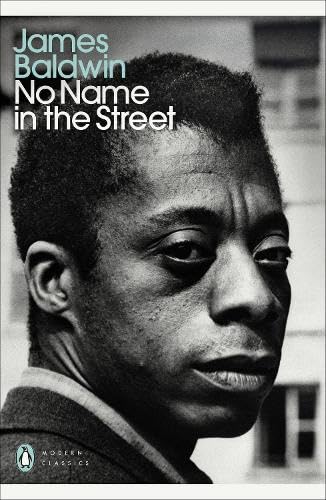
Start this bookNo. 20 on this list. No Name in the Street · James Baldwin · 1972
James Baldwin begins in memory: a suit, bought in Hollywood in the early 1960s, that he kept for years after it came back to him stained with blood. From that image, he unfolds a decade of American wreckage — the assassinations of Medgar Evers, Malcolm X, and Martin Luther King Jr., the imprisonment of his friend Tony Maynard, the slow collapse of the civil rights movement into something harder and more desperate. Published in 1972, No Name in the Street moves between Baldwin's time in the American South, Paris, Hollywood, and Harlem, building not a conventional memoir but a reckoning. He names what he witnessed: the cowardice of liberals, the terror wielded by the state, the particular loneliness of a Black American who has lived abroad and returned to find his country unchanged and yet transformed. The prose is Baldwin at his most demanding — long, coiling sentences that circle a point before arriving at it with sudden precision. This is not a book that consoles. Baldwin is interested in what actually happened and what it cost, and he refuses to let America's self-image soften the record. Readers who want argument rather than story, and who can follow a mind thinking across politics, memory, and moral philosophy simultaneously, will find it essential.
Moderate3.4 hours
Start this book
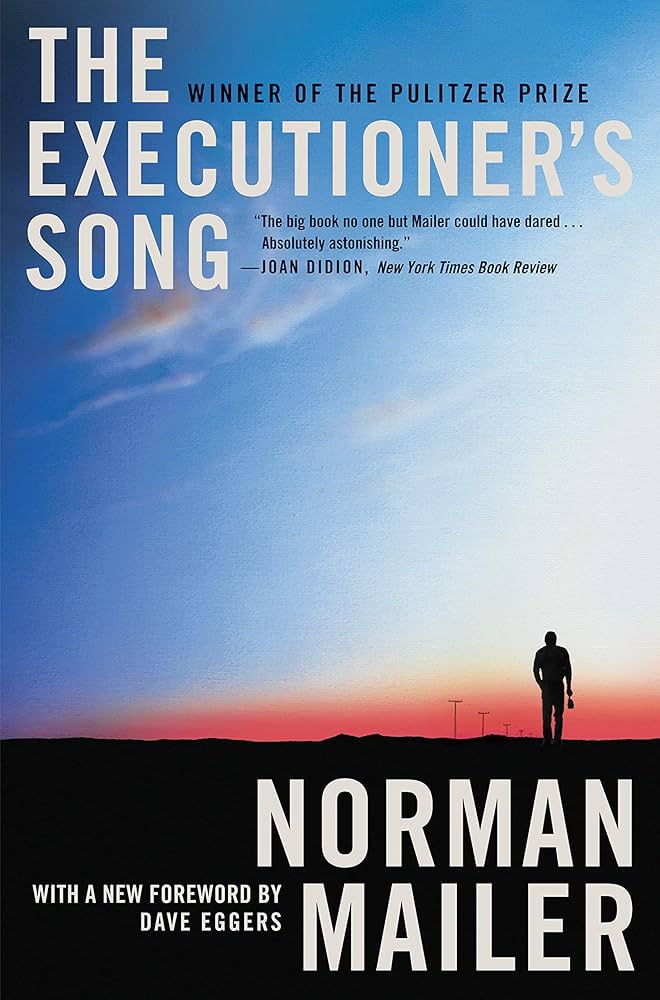
No. 21 on this list. The Executioner's Song · Norman Mailer · 1980
The book won the 1980 Pulitzer Prize for Fiction and is regularly taught in creative nonfiction and American literature courses. It's considered a landmark in the 'nonfiction novel' genre that Capote pioneered with In Cold Blood. The work appears on major reading lists as an essential text for understanding both 1970s America and the possibilities of documentary literature.
Moderate26 hours
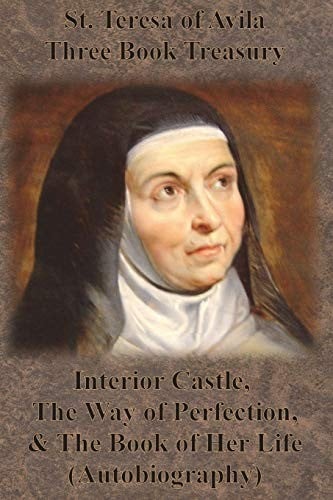
Start this bookNo. 22 on this list. The Book of Her Life · Teresa of Ávila · 1588
A standard text of Christian autobiography alongside Augustine, taught in religious-studies, women's-writing and Spanish literature courses.
Challenging8.5 hours
Start this bookNo. 23 on this list. The Autobiography of Benvenuto Cellini · Benvenuto Cellini
The standard primary source for Renaissance workshop practice and patronage, assigned in art-history, Renaissance-studies and life-writing courses, and continuously in print from Penguin Classics and Oxford World's Classics.
Moderate10 hours
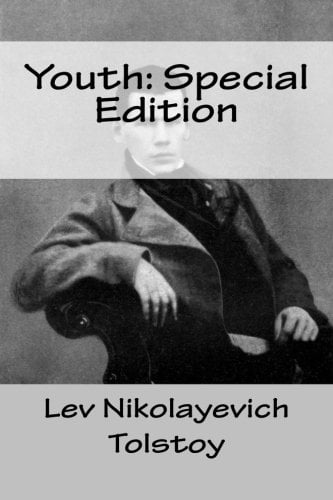
Start this bookNo. 24 on this list. Youth · Leo Tolstoy · 1857
Part of Tolstoy's autobiographical trilogy (Childhood, Boyhood, Youth), widely assigned in Russian literature courses and comparative literature programs. As a standalone text, it appears less frequently on Western syllabi than War and Peace or Anna Karenina, though the trilogy collectively is considered essential early Tolstoy.
Challenging5 hours
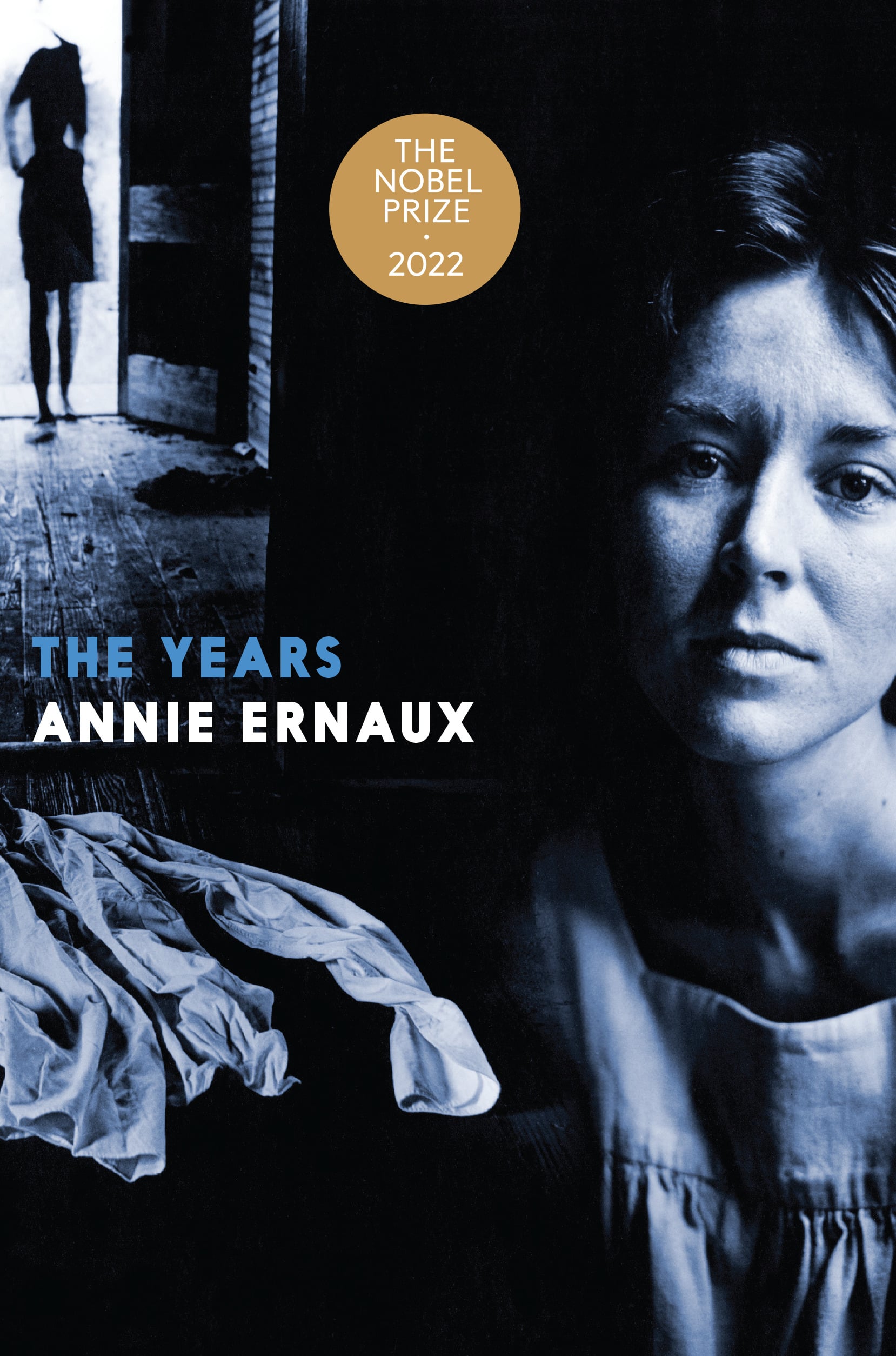
Read nowNo. 25 on this list. The Years · Annie Ernaux · 2019
The Years is the central work of a Nobel laureate, widely discussed in Francophone literary circles and increasingly taught in contemporary world literature courses. With 0 syllabus appearances in the Open Syllabus database and Wikipedia data appearing to conflate it with Virginia Woolf's novel of the same name, its institutional footprint is still growing — expected for a book whose English translation appeared only in 2017.
Challenging5.3 hours
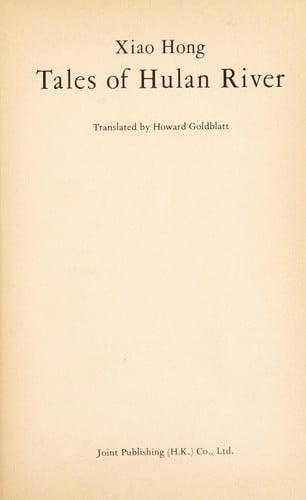
Start this bookNo. 26 on this list. Tales of Hulan River · Xiao Hong · 1942
A standard text in Chinese literature and Chinese women's writing courses, and among the most reprinted modern Chinese books in the mainland.
Challenging5.6 hours
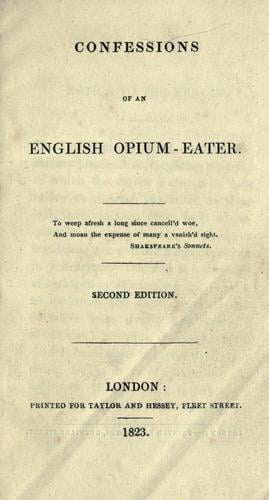
Start this bookNo. 27 on this list. Confessions of an English Opium Eater · Thomas de Quincey · 2003
It is the founding text of the addiction memoir and a standard Romantic prose work. This Penguin Classics edition with its critical introduction positions it as a classic.
Moderate6.4 hours
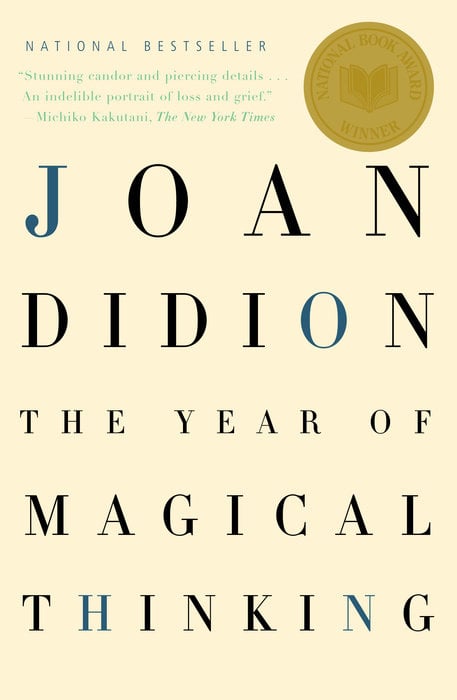
Start this bookNo. 28 on this list. The Year of Magical Thinking · Joan Didion · 2005
The Year of Magical Thinking is widely taught in creative nonfiction and grief studies courses and has become the benchmark text for memoir about loss. Wikipedia carries articles in 6 languages with a dedicated reception section. It has not achieved the universal curriculum presence of fiction landmarks, but within the genre of literary memoir it holds unquestioned canonical status.
Moderate3.4 hours
Start this bookNo. 29 on this list. The Words · Jean-Paul Sartre · 1964
A major work of twentieth-century autobiography and one of Sartre's most accomplished literary works. Widely read and taught.
Moderate3.6 hours
Start this bookNo. 30 on this list. Essays of Elia · Charles Lamb · 1823
A fixture of Romantic prose syllabi in British and American universities, paired with Hazlitt and De Quincey as the canonical triumvirate of the familiar essay tradition. Widely anthologized in surveys of English literature from the nineteenth century onward, though less frequently taught than contemporary novelists.
Moderate12 hours
Start this book
No. 31 on this list. Storyteller
Leslie Marmon Silko · 1981
No. 32 on this list. Christ Stopped at Eboli
Carlo Levi · 1945
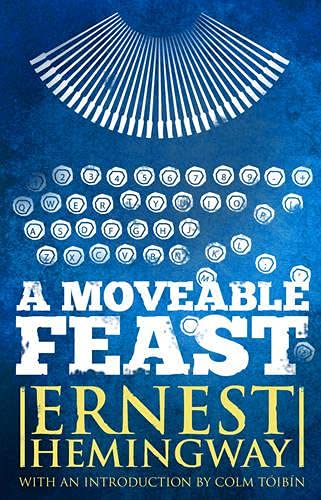
No. 33 on this list. A Moveable Feast
Ernest Hemingway · 1964
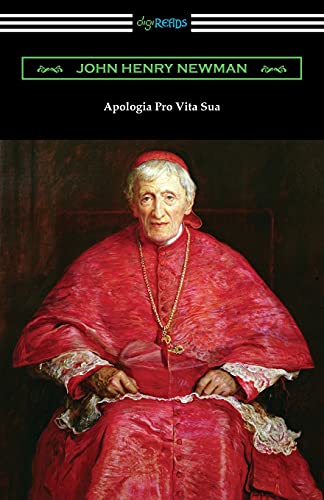
No. 34 on this list. Apologia Pro Vita Sua
John Henry Newman · 1864
No. 35 on this list. On the Natural History of Destruction
W.G. Sebald · 1999
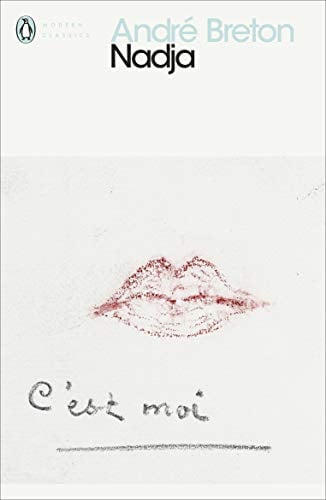
No. 36 on this list. Nadja
André Breton · 1928
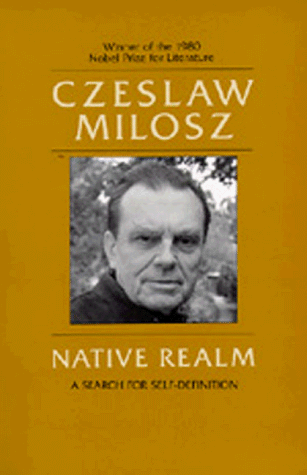
No. 37 on this list. Native Realm
Czesław Miłosz · 1959
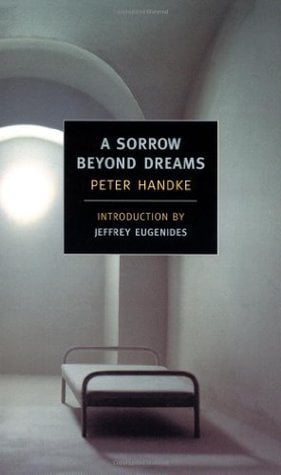
No. 38 on this list. A Sorrow Beyond Dreams
Peter Handke · 1972
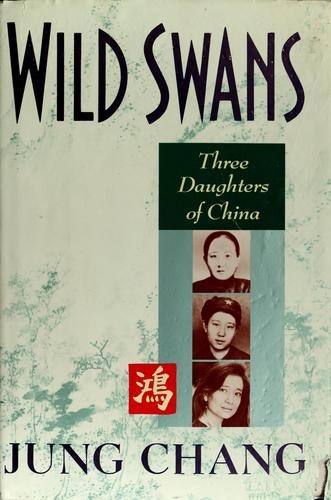
No. 39 on this list. Wild Swans: Three Daughters of China
Jung Chang · 1991
No. 40 on this list. The Gray Notebook
Josep Pla · 1966
No. 41 on this list. Poetry and Truth
Johann Wolfgang von Goethe · 1811
No. 42 on this list. A World Apart
Gustaw Herling-Grudziński · 1951
Taught in schools: Lektury obowiązkowe – Polish national reading list (Poland)
No. 43 on this list. Nox
Anne Carson · 2010
No. 44 on this list. The Enigma of Arrival
V.S. Naipaul · 1987
No. 45 on this list. Dora Bruder
Patrick Modiano · 1997
No. 46 on this list. Окаянные дни
Ivan Bunin · 1936
No. 47 on this list. A Memoir of the Warsaw Uprising
Miron Białoszewski · 1970
No. 48 on this list. Inferno
August Strindberg · 1897
No. 49 on this list. Of Human Bondage
W. Somerset Maugham · 1915
No. 50 on this list. Six Records of a Floating Life
Shen Fu · 1809
No. 51 on this list. Another Day of Life
Ryszard Kapuściński · 1976
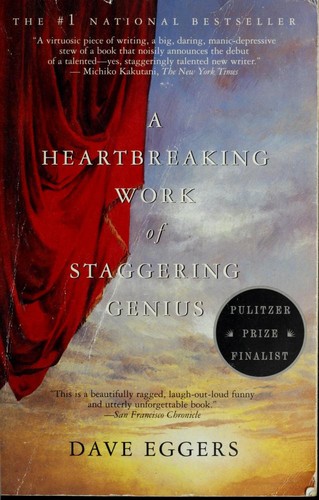
No. 52 on this list. A Heartbreaking Work of Staggering Genius
Dave Eggers · 2000
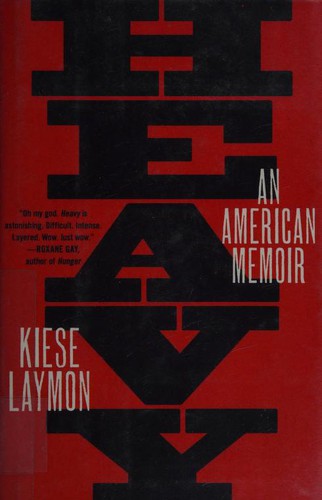
No. 53 on this list. Heavy: An American Memoir
Kiese Laymon · 2018
No. 54 on this list. China in Ten Words
Yu Hua · 2011
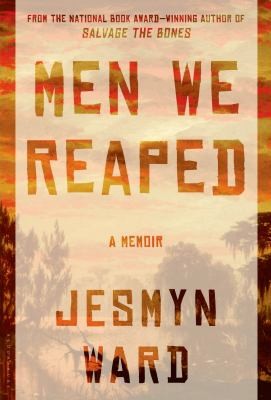
No. 55 on this list. Men We Reaped
Jesmyn Ward · 2013
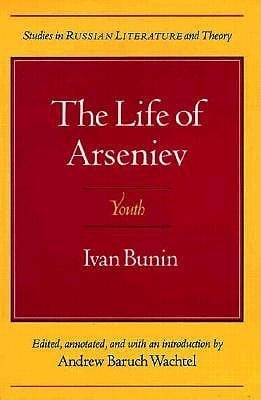
No. 56 on this list. The Life of Arseniev
Ivan Bunin · 1933
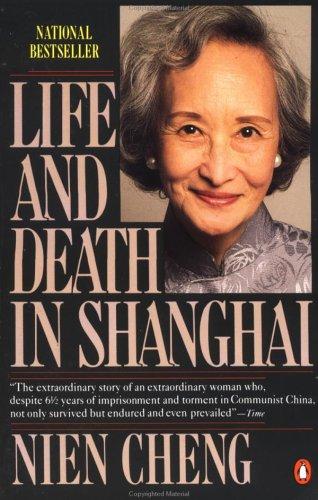
No. 57 on this list. Life and Death in Shanghai
Nien Cheng · 1987
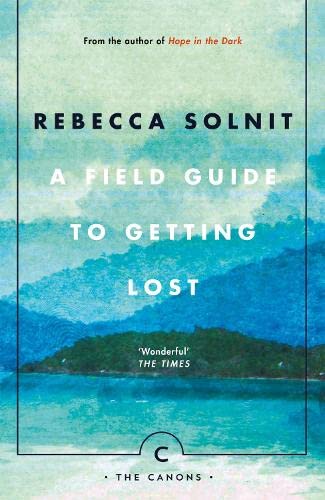
No. 58 on this list. A Field Guide to Getting Lost
Rebecca Solnit · 2005
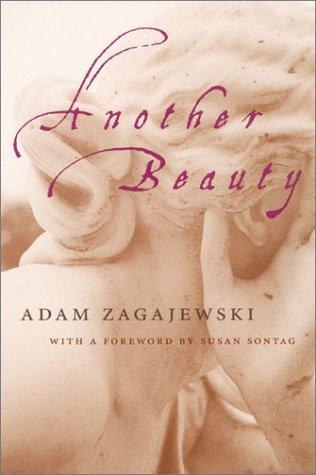
No. 59 on this list. Another Beauty
Adam Zagajewski · 1998
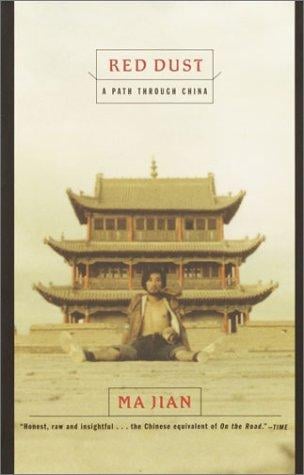
No. 60 on this list. Red Dust: A Path Through China
Ma Jian · 2001
No. 61 on this list. The Boom in Spanish American Literature: A Personal History
José Donoso · 1972
No. 62 on this list. My Brother
Jamaica Kincaid · 1998
No. 63 on this list. Red Azalea
Anchee Min · 1994
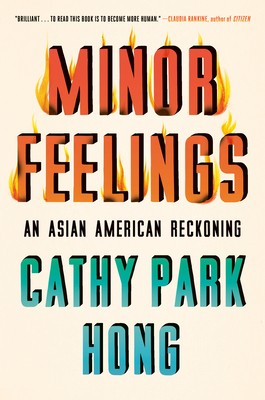
No. 64 on this list. Minor Feelings
Cathy Park Hong · 2020
No. 65 on this list. The Rosy Crucifixion
Henry Miller · 1949
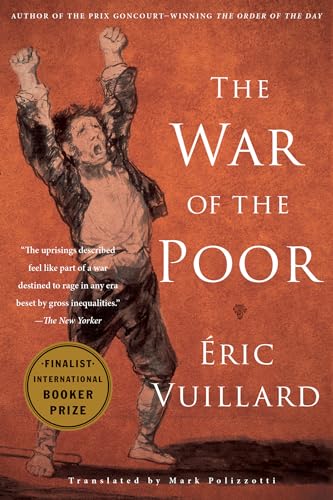
No. 66 on this list. The War of the Poor
Eric Vuillard · 2021
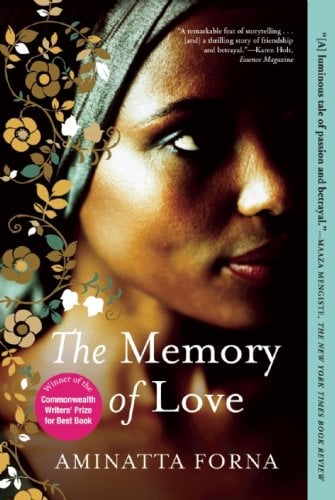
No. 67 on this list. The Memory of Love
Aminatta Forna · 2011
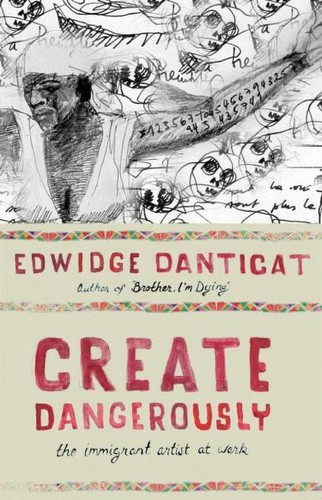
No. 68 on this list. Create Dangerously: The Immigrant Artist at Work
Edwidge Danticat · 2010
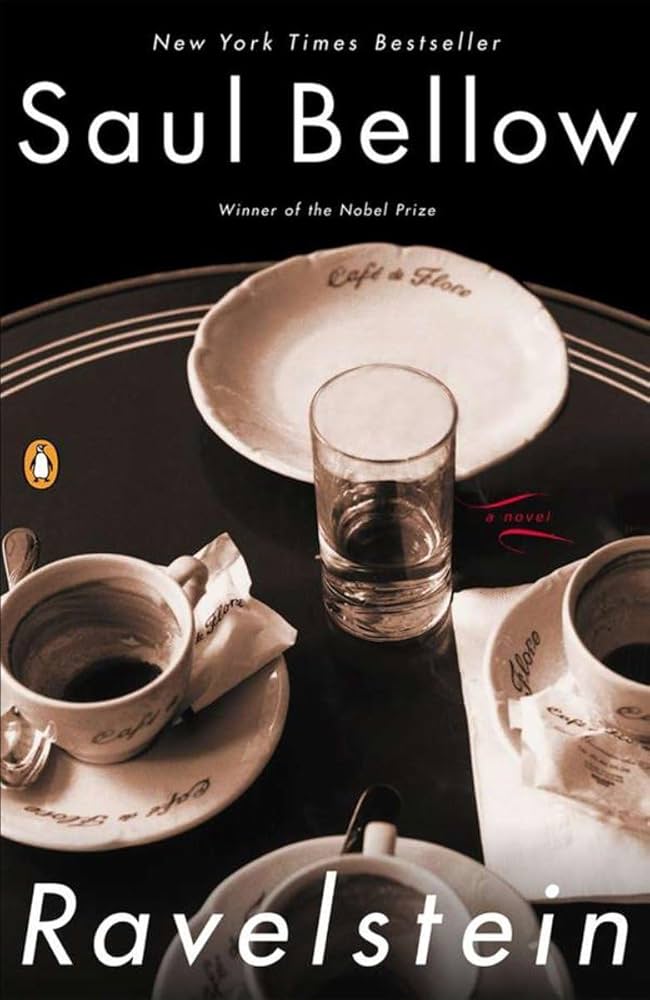
No. 69 on this list. Ravelstein
Saul Bellow · 2000
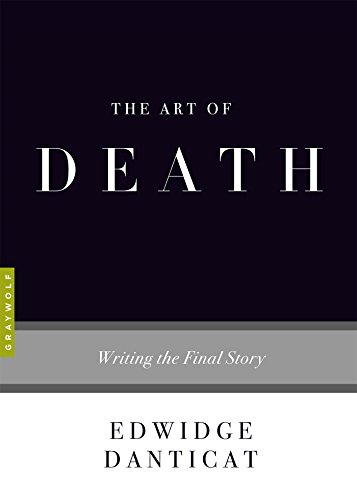
No. 70 on this list. The Art of Death
Edwidge Danticat · 2018
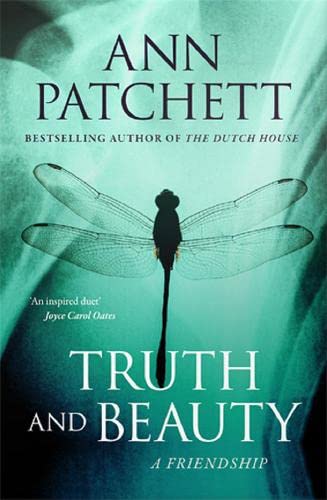
No. 71 on this list. Truth and Beauty
Ann Patchett · 2005
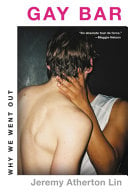
No. 72 on this list. Gay Bar: Why We Went Out
Jeremy Atherton Lin · 2021
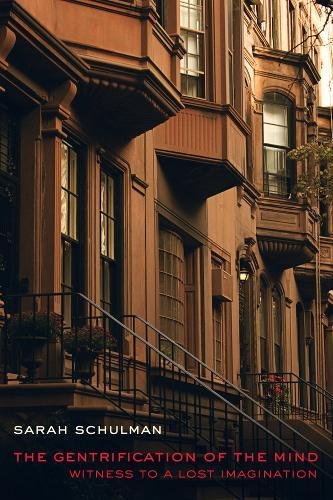
No. 73 on this list. The Gentrification of the Mind: Witness to a Lost Imagination
Sarah Schulman · 2012
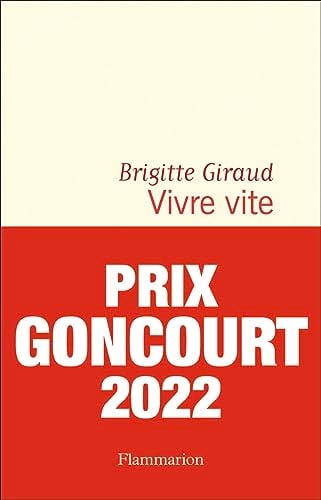
No. 74 on this list. Vivre vite
Brigitte Giraud · 2022
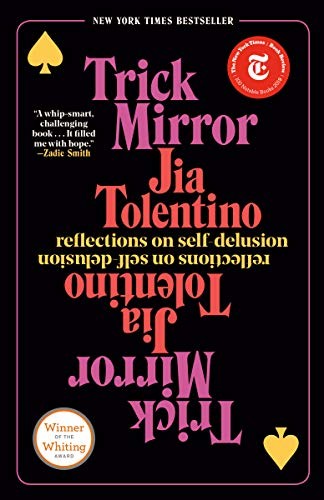
No. 75 on this list. Trick Mirror
Jia Tolentino · 2019
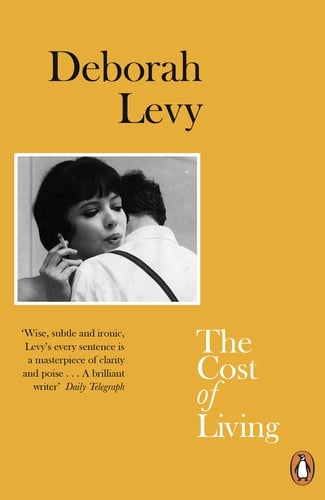
No. 76 on this list. The Cost of Living
Deborah Levy · 2018
No. 77 on this list. The Solace of Open Spaces
Gretel Ehrlich · 1985
No. 78 on this list. The Nearest Thing to Life
James Wood · 2015
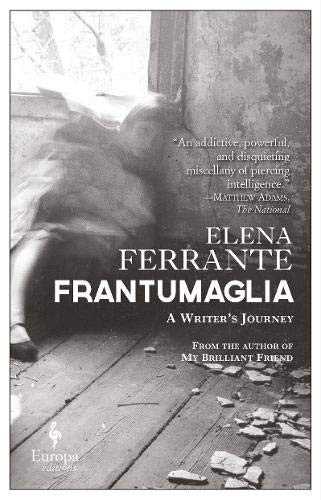
No. 79 on this list. Frantumaglia: A Writer's Journey
Elena Ferrante · 2003
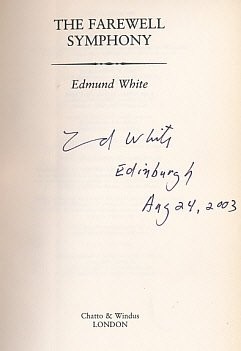
No. 80 on this list. The Farewell Symphony
Edmund White · 1997
No. 81 on this list. My Lives: A Memoir
Edmund White · 2007
No. 82 on this list. Cockroaches
Scholastique Mukasonga · 2006
No. 83 on this list. Walking Through Clear Water in a Pool Painted Black
Cookie Mueller · 1990
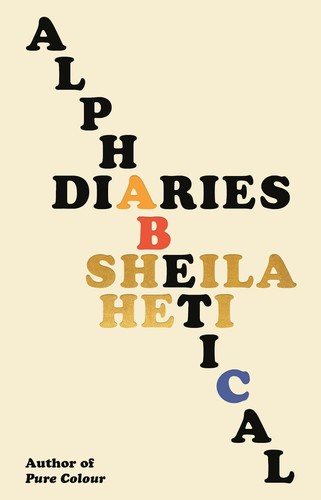
No. 84 on this list. Alphabetical Diaries
Sheila Heti · 2024
No. 85 on this list. Raving
McKenzie Wark · 1993
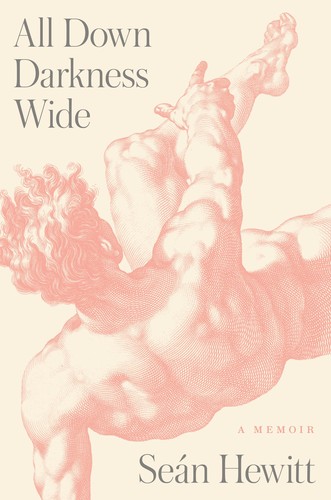
No. 86 on this list. All Down Darkness Wide
Seán Hewitt · 2022
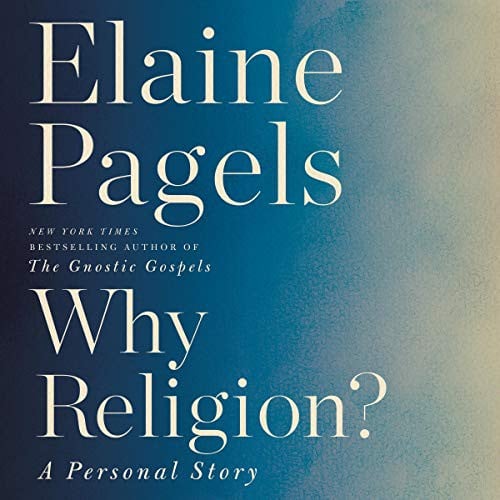
No. 87 on this list. Why Religion? A Personal Story
Elaine Pagels · 2018
No. 88 on this list. Health and Safety: A Breakdown
Emily Witt · 2024
No. 89 on this list. Searches: Selfhood in the Digital Age
Vauhini Vara · 2025
No. 90 on this list. Transcendence for Beginners
Clare Carlisle · 2025
About this list
These 92 books are the highest-scoring eligible moderately difficult memoirs currently in the catalogue. By literary regard, it opens with Vita Nuova, Discourse on the Method and Night. About 579 hours of reading in all, for the 88 with measured lengths. Difficulty runs from 50 to 59 out of 100 for the middle half of the list; the summit is A Memoir of the Warsaw Uprising at 65.
This list is ranked by literary regard, with a consistent order for equal scores. Membership follows authors and co-authors, not translators or editors. Catalogue coverage and the historical canon both limit what this list can represent, and genre labels are the catalogue’s own, gathered into broader kinds.
When we matched the Canons dataset to our catalogue in October 2026, our canonical-status scores rose with the number of school curricula, publisher series and lists in it that cite a work: the median score was 72 for books one such source cites, 84 at two, 88 at three, 92 at four and 93 at five or more. Prizes are left out of that count. Outside the state curricula, the dataset’s sources choose mostly from what has been translated into English or French, so it is a weaker check on other literatures. Source: Canons (Andrew Piper), CC BY 4.0
Questions people actually ask
- What are the best moderately difficult memoirs?
- By literary regard, which weighs canonical status, critical standing and influence, Vita Nuova, Discourse on the Method, Night, Walden and The Prelude lead. ReadingRate ranks 92 such books, each with a difficulty score and a reading-time estimate.
- Where should I start with moderately difficult memoirs?
- Start from difficulty, not from rank. The most approachable books on this list that still carry top literary regard are The Woman Warrior: Memoirs of a Girlhood Among Ghosts by Maxine Hong Kingston (about 4.6 hours), Vita Nuova by Dante Alighieri and The Story of My Experiments with Truth by Mahatma Gandhi.
- How hard are moderately difficult memoirs to read?
- Most of this list sits between 50 and 59 on ReadingRate's 100-point difficulty scale, where 40 to 55 is moderate. The summit is A Memoir of the Warsaw Uprising at 65. Every entry carries its own score, so a reader can pick a great book at a difficulty they will finish.
- How is this list ranked?
- On literary-regard data: how canonically established a work is, its critical standing, and its influence on later writing. It is not a readers’ poll, which is why recent bestsellers rarely appear. Membership follows authors and co-authors, not translators or editors. A list that is not a genre list keeps to literature (fiction, poetry, drama and philosophy), with philosophy taking no more than one slot in five while there is literature left to rank; every list holds at most three works by one author.