Hours at an average pace
Showing 100 books
About 770 hours for 99 of 100 books with measured lengths. Estimates use 250 words a minute, adjusted for each book's difficulty. At 2 hours a day, about 386 days for those books.
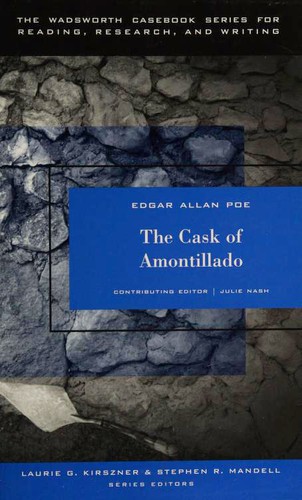
One of the most anthologised short stories in English and a standard school text.
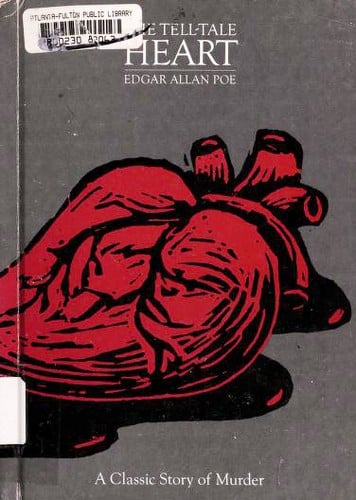
No. 2 on this list. The Tell-Tale Heart
Edgar Allan Poe · 1843
Moderate33 min
Taught in schools: Pacific Senior Secondary Certificate – English
One of the most taught short stories in the English-speaking world.
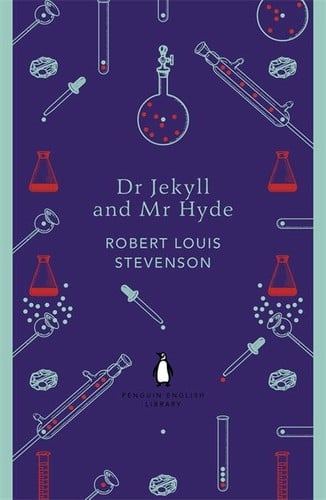
No. 3 on this list. The Strange Case of Dr Jekyll and Mr Hyde
Robert Louis Stevenson · 1886
Challenging1.9 hours
Taught in schools: AQA GCSE and A-level English Literature (UK), OCR GCSE and A-level English Literature (UK)
One of the most widely taught Victorian texts in English literature curricula at every level, from secondary school to university. The phrase 'Jekyll and Hyde' has entered common English as a synonym for dual personality. The novella appears on virtually every list of essential 19th-century fiction and is a fixture in Gothic literature, Victorian studies, and psychology-and-literature courses worldwide.
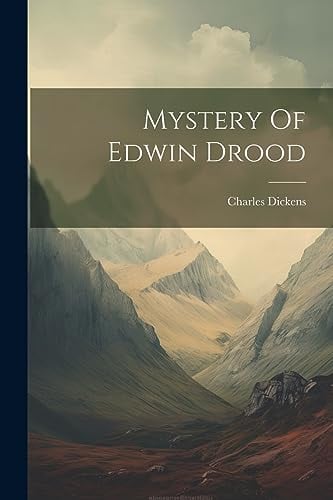
The Mystery of Edwin Drood appears regularly on Victorian literature and Dickens course syllabi at universities worldwide, taught both as a late Dickens text and as a unique object — a canonical novel frozen in its own incompletion. The unfinished mystery has been a pedagogical touchstone for discussions of narrative, authorship, and closure since Dickens's death. Its Wikipedia article exists in over 40 languages and includes dedicated sections on adaptations and reception, indicating significant global cultural reach beyond English-language scholarship.
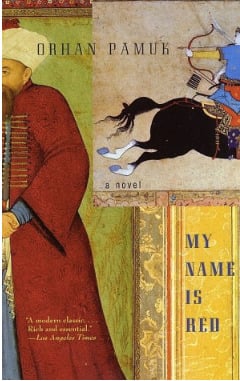
In sixteenth-century Istanbul, the Sultan commissions a secret book to celebrate his magnificence, but the assignment to create illuminations in the European style triggers a theological crisis and a murder. Master Elegant Effendi speaks from a well where his killer has abandoned his corpse, demanding that his death be avenged and properly buried. Black returns to the city after twelve years abroad, drawn by nostalgia and loss, only to become entangled in the mystery and in his childhood devotion to Shekure, Enishte Effendi's ravishing daughter. The dead man, the bereaved family, the competing miniaturists Osman and Butterfly, and the household itself—each voice emerges from the narrative to confess secrets and suspicions. What begins as a hunt for a murderer expands into an interrogation of art itself, specifically whether the depiction of human figures violates Islamic law and destroys the soul. The conflict between Ottoman miniature tradition, with its rejection of perspective and realism, and the infiltrating European techniques of representation gives the mystery its metaphysical weight. Pamuk employs an architectural narrative that shifts perspective constantly, allowing a dog, the color red, and a gold coin to testify alongside human characters, creating a polyphonic structure where each voice exposes a different layer of religious anxiety, artistic ambition, and personal desire. The novel moves toward its resolution with gathering momentum despite this apparent fragmentation, tightening around questions of identity, authenticity, and the costs of aesthetic choice.
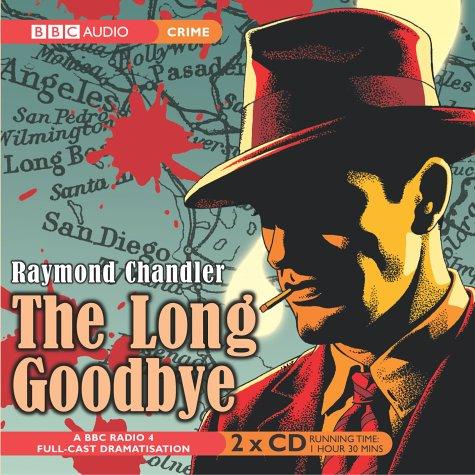
The Long Goodbye appears on the Modern Library's 100 Best Novels list and is taught in American literature and crime fiction courses at universities worldwide. It occupies an unusual position: firmly embedded in the literary canon despite being published as genre fiction, and widely cited as the novel that proved crime writing could aspire to the literary.
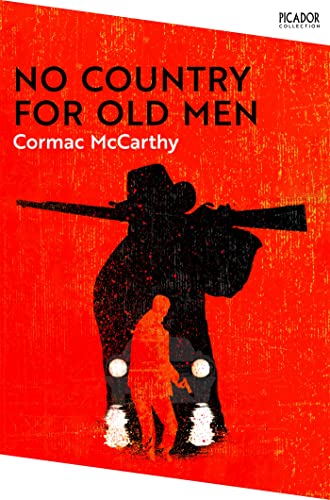
Regularly included in syllabi for contemporary American literature and crime fiction courses. The 2007 Coen Brothers adaptation—Best Picture winner—dramatically expanded cultural reach and cemented the novel in the popular imagination. McCarthy's status as a major American literary figure ensures it appears on most critical inventories of important post-2000 American fiction.
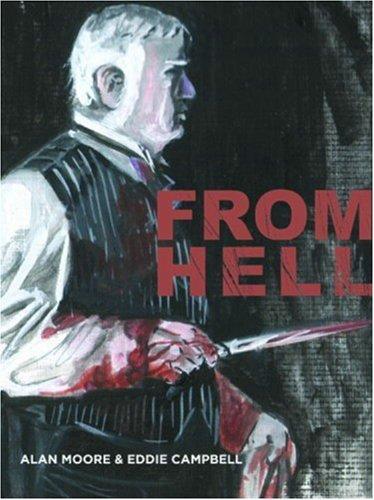
Widely regarded as one of the greatest graphic novels ever produced. A staple of comics criticism and increasingly taught in university courses.
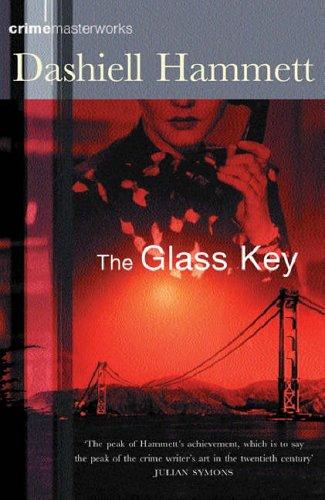
Considered Hammett's finest novel by many critics—Raymond Chandler called it 'the most completely plotted detective novel ever written' and André Gide singled it out as a masterpiece. The Glass Key appears in numerous 'greatest crime novels' lists and holds Library of America status, but it is taught primarily in genre studies courses rather than mainstream American literature surveys, placing it below Hammett's more widely assigned The Maltese Falcon.
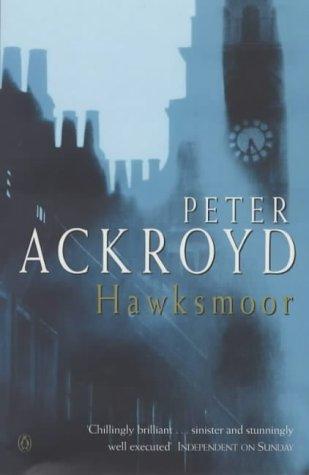
Hawksmoor holds significant position in postmodern British fiction and is widely taught in university literature courses. While not quite at the level of Ulysses or Beloved, it is consistently included in surveys of contemporary British literature and discussions of historiographic metafiction. The novel appears regularly on critical reading lists for postmodernism, Gothic revival, and late 20th-century British fiction, establishing its place in the extended literary canon.
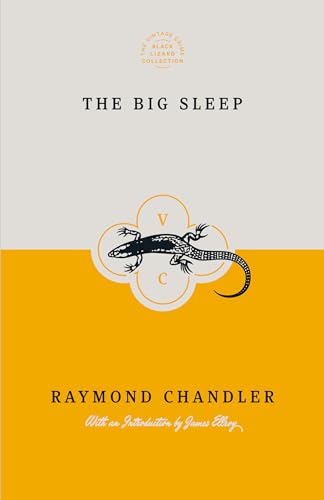
No. 11 on this list. The Big Sleep · Raymond Chandler · 1939
Widely taught in American literature courses as the defining hard-boiled detective novel. Appears on most lists of essential crime fiction and is a fixture in twentieth-century American literature curricula, though primarily within genre studies.
Moderate4.6 hours
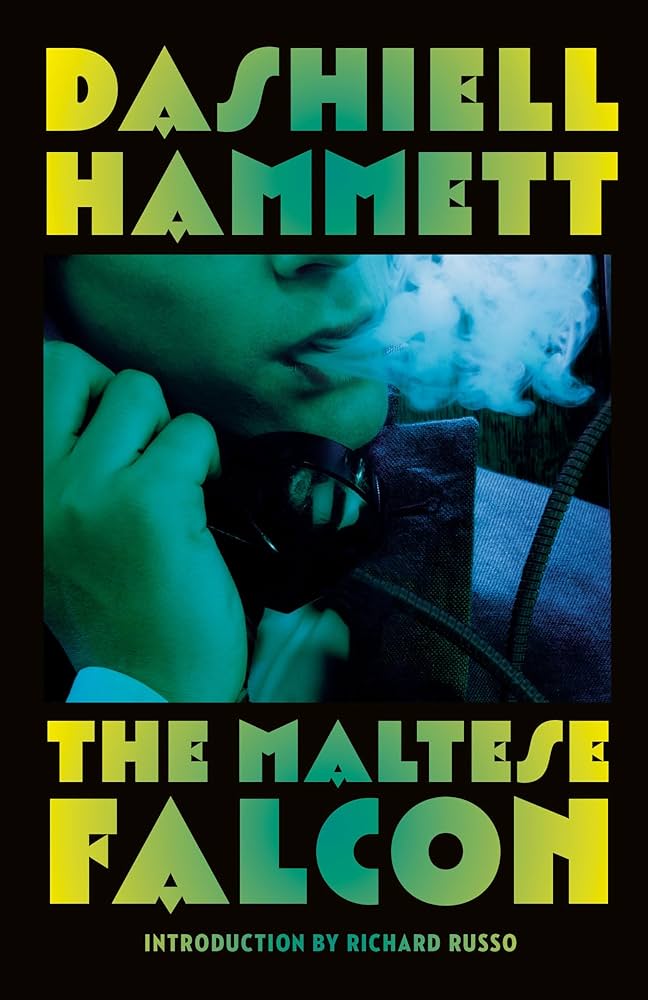
Start this bookNo. 12 on this list. The Maltese Falcon · Dashiell Hammett · 1930
Listed on the Modern Library 100 Best Novels (1998) and appears on 544 university syllabi according to Open Syllabus — placing it at the 68th percentile among taught books. With Wikipedia articles in 7 languages, The Maltese Falcon occupies a firm but not commanding canonical position: foundational to crime fiction and American literature courses, less universally required than Fitzgerald or Hemingway.
Challenging5.4 hours
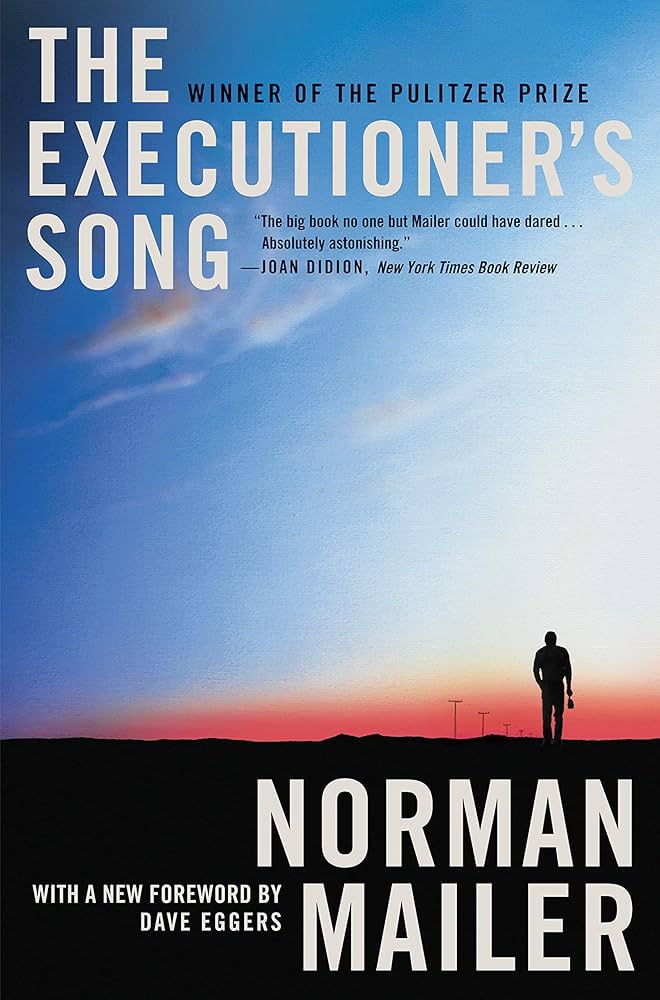
Start this bookNo. 13 on this list. The Executioner's Song · Norman Mailer · 1980
The book won the 1980 Pulitzer Prize for Fiction and is regularly taught in creative nonfiction and American literature courses. It's considered a landmark in the 'nonfiction novel' genre that Capote pioneered with In Cold Blood. The work appears on major reading lists as an essential text for understanding both 1970s America and the possibilities of documentary literature.
Moderate26 hours
Start this bookNo. 14 on this list. Watchmen #1: At Midnight, All The Agents… · Alan Moore · 1986
The series is a staple of comics courses and is widely taught as the landmark graphic novel, though this single issue is taught less on its own.
Challenging43 min
Start this bookNo. 15 on this list. The Day of the Owl · Leonardo Sciascia · 1961
The standard first text on the Mafia in literature, taught in Italian and comparative crime-fiction courses, and continuously in print in NYRB Classics and Granta editions.
Challenging3.5 hours
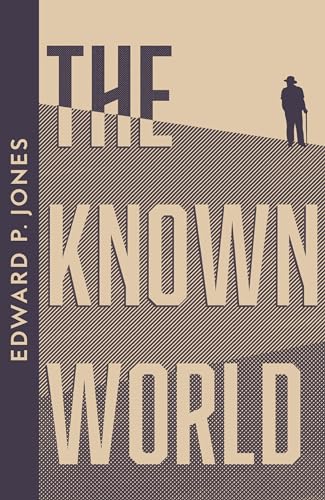
Start this bookNo. 16 on this list. The Known World · Edward P. Jones · 2004
Pulitzer Prize winner (2004), widely taught in African American literature and American history courses. Growing presence in contemporary fiction syllabi but not yet at universal canonical status like 'Beloved.' Recognized as essential within specific academic contexts.
Challenging11 hours
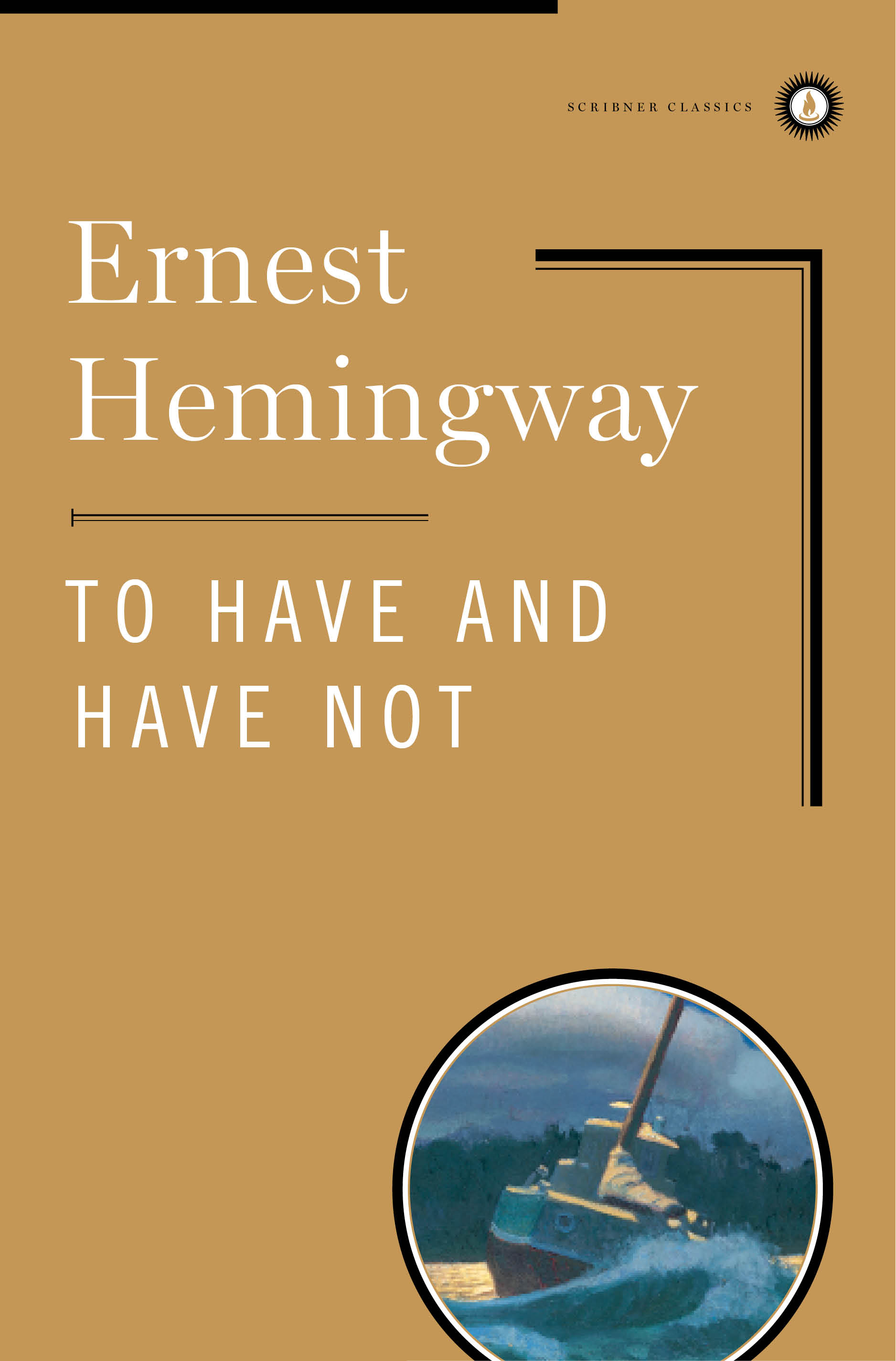
Start this bookNo. 17 on this list. To Have and Have Not · Ernest Hemingway · 1937
A recognized Hemingway novel taught in American literature courses and appearing regularly on university syllabi for modernist and American fiction studies. While not as widely assigned as The Sun Also Rises or A Farewell to Arms, it holds a secure place in the Hemingway canon and on curated reading lists of 20th-century American fiction.
Challenging4.7 hours
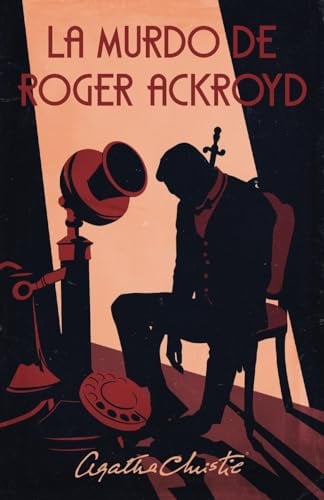
Start this bookNo. 18 on this list. The Murder of Roger Ackroyd · Agatha Christie · 1926
Taught in schools: AQA GCSE and A-level English Literature (UK)
Listed in Le Monde's 100 Books of the Century and taught on 258 university syllabi (60th percentile), with Wikipedia articles in 44 languages. It is the standard text for the Golden Age detective novel in genre and narrative-theory courses.
Moderate4.6 hours
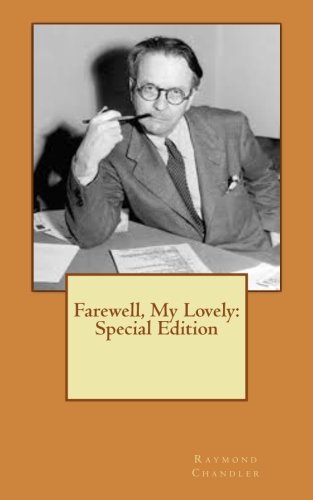
Read nowNo. 19 on this list. Farewell, My Lovely · Raymond Chandler · 1940
Farewell, My Lovely is taught regularly in American literature and genre fiction courses, and the Philip Marlowe series is considered canonical within hard-boiled detective fiction. While not as ubiquitously assigned as Fitzgerald or Hemingway, Chandler's work appears in both popular fiction studies and serious literary curricula, and the novel appears on numerous 'greatest novels' and 'greatest crime novels' lists including the Modern Library and Time magazine rankings.
Moderate5.4 hours
Start this bookNo. 20 on this list. The Woman in White · Wilkie Collins · 1859
Taught regularly in Victorian literature and detective/crime fiction courses at university level. The Woman in White is consistently recognized as the founding text of the sensation novel genre and appears on syllabi across English, comparative literature, and genre studies programs. Not at the level of Dickens or Hardy in breadth of assignment, but firmly in the Victorian canon.
Challenging20 hours
Read now
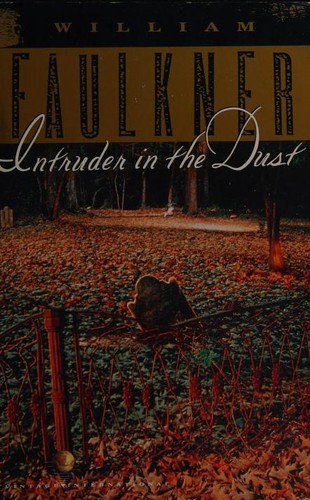
No. 21 on this list. Intruder in the Dust · William Faulkner · 1948
Intruder in the Dust appears on university syllabi in Southern literature, American modernism, and literature-and-race courses, though it occupies a middle tier within Faulkner's own canon. The Sound and the Fury and Absalom, Absalom! draw greater teaching attention; this novel is frequently assigned in Faulkner surveys and American racial-justice literature courses.
Challenging6.9 hours
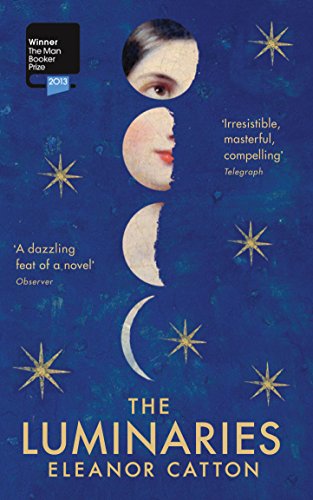
Start this bookNo. 22 on this list. The Luminaries · Eleanor Catton · 2013
The Luminaries is a 2013 Booker Prize winner with 9 Wikipedia language editions and documented critical reception and adaptation sections. It is widely reviewed and taught in contemporary fiction courses, particularly in New Zealand and postcolonial literary contexts. However, its canonical standing remains early-stage: scholar citation counts are negligible, syllabus presence is limited compared to mid-20th-century Booker winners, and it has not yet accumulated the critical apparatus of fully canonical works. The Booker win places it above most contemporary literary fiction but its 2013 publication date means academic canonization is ongoing.
Challenging22 hours
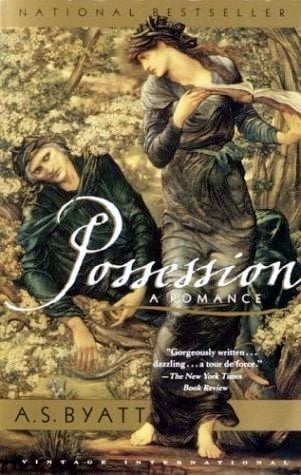
Start this bookNo. 23 on this list. Possession · A.S. Byatt · 1990
Taught regularly in postmodern fiction courses and neo-Victorian literature seminars. Appears on university syllabi exploring metafiction, historical fiction, and gender in Victorian studies. Not yet a universal high school text like canonical classics, but firmly established in undergraduate and graduate curricula as exemplar of 1990s literary fiction engaging with literary history.
Challenging16 hours
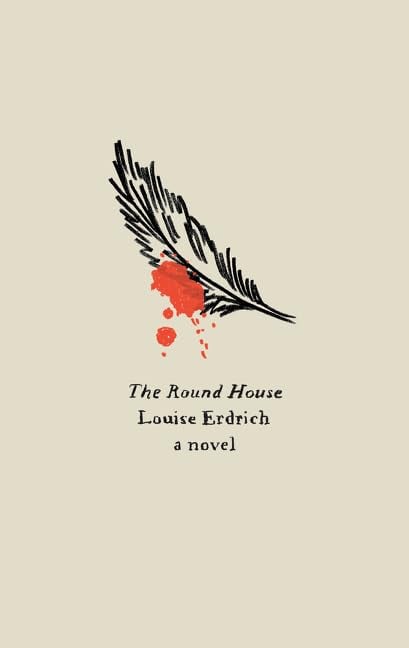
Start this bookNo. 24 on this list. The Round House · Louise Erdrich · 2012
In the lush and unforgiving landscape of a North Dakota reservation, a traumatic event shatters the life of a young boy and his family. The Round House, a piercing novel by Louise Erdrich, tells the story of a violent attack on a mother that shatters the fragile balance of her family, leaving her son to navigate the complexities of justice, identity, and belonging. Through lyrical prose, Erdrich weaves a narrative that explores the intersections of family, community, and the law. As the story unfolds, themes of trauma, loyalty, and the struggles of growing up on a reservation emerge, raising questions about the power of tradition and the reach of justice. Erdrich's writing is evocative and nuanced, conjuring the harsh beauty of the reservation and the deep-seated emotions of her characters. This book is ideal for readers who appreciate literary fiction that tackles tough subjects with sensitivity and depth. Be prepared for a gripping narrative that balances intensity with moments of tenderness and humor. With its well-crafted characters and thought-provoking themes, The Round House is a compelling read that will resonate with fans of character-driven fiction. Winner of the 2012 National Book Award, The Round House is a testament to Erdrich's skill as a storyteller and her ability to craft narratives that are both deeply personal and universally relatable.
Challenging8 hours
Start this bookNo. 25 on this list. Memento Mori · Muriel Spark · 1959
Memento Mori appears regularly on British literature syllabi and features on multiple 'best British novels of the 20th century' lists, including various critics' and publishers' canons. It is not universally taught at the introductory level — The Prime of Miss Jean Brodie holds that role for Spark — but it circulates steadily in graduate seminars on postwar British fiction and dark comedy traditions. The database returned no syllabus count, but Spark's broader canonical standing ensures the novel's ongoing presence.
Challenging5.2 hours
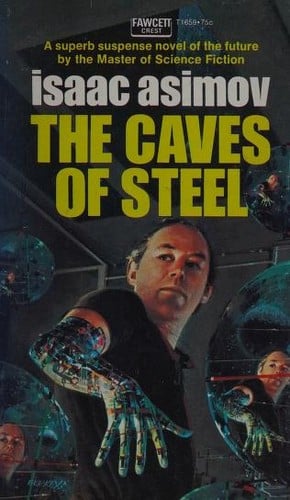
Start this bookNo. 26 on this list. The Caves of Steel · Isaac Asimov · 1954
The Caves of Steel appears on university syllabi in science fiction literature courses and sits on nearly every canonical SF reading list, including the Science Fiction Encyclopedia's foundational texts. It lacks the cross-disciplinary syllabus presence of mainstream literary fiction but holds a secure place in the SF canon that has been stable for decades.
Moderate4.6 hours
Start this bookNo. 27 on this list. A Wild Sheep Chase · Haruki Murakami · 1982
A standard entry text for Murakami in contemporary world-literature courses, permanently in print in Vintage International and translated into more than forty languages.
Challenging8.8 hours
Start this bookNo. 28 on this list. Red Harvest · Dashiell Hammett · 1929
Listed on TIME's All-TIME 100 Novels and the Open Syllabus Top 500 for Literature, and published in prestigious Library of America and Everyman's Library editions. Wikipedia coverage in 9 languages indicates moderate global recognition. Canonical within hard-boiled and noir fiction but not widely taught outside genre studies courses.
Challenging4.5 hours
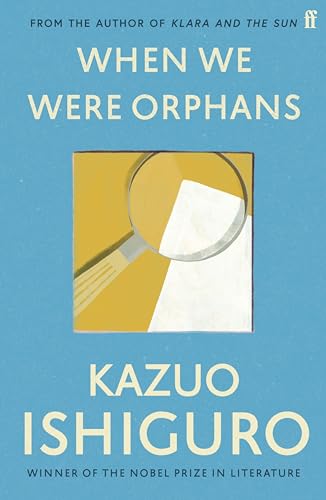
Start this bookNo. 29 on this list. When We Were Orphans · Kazuo Ishiguro · 2000
'You seldom read a novel that so convinces you it is extending the possibilities of fiction.' Sunday TimesEngland, 1930s. Christopher Banks has become the country's most celebrated detective, his cases the talk of London society. Yet one unsolved crime has always haunted him: the mysterious disappearance of his parents, in old Shanghai, when he was a small boy. Moving between London and Shanghai of the inter-war years, When We Were Orphans is a remarkable story of memory, intrigue and the need to return.
Challenging7.6 hours
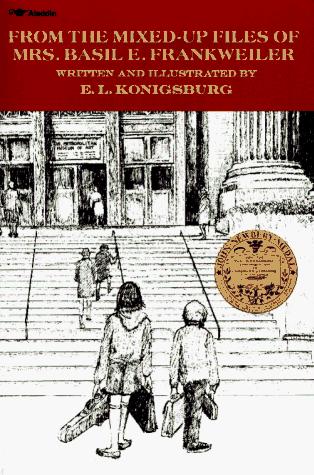
Start this bookNo. 30 on this list. From the Mixed-Up Files of Mrs. Basil E. Frankweiler · E.L. Konigsburg · 1967
A fixture in American elementary and middle school curricula since its 1967 publication, taught for over five decades in classrooms across the country. The book appears on numerous recommended reading lists and has sold millions of copies, though it sits within children's literature rather than the adult literary canon taught at university level. Its institutional presence in K-8 education is substantial and sustained.
Challenging2.8 hours
Start this book
No. 31 on this list. Troubling Love
Elena Ferrante · 1992
No. 32 on this list. Dirty Snow
Georges Simenon · 1948
No. 33 on this list. A Heart So White
Javier Marías · 1997
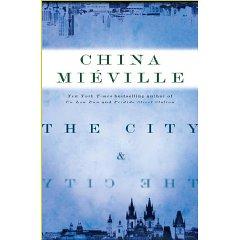
No. 34 on this list. The City & the City
China Miéville · 2009
No. 35 on this list. Life for Sale
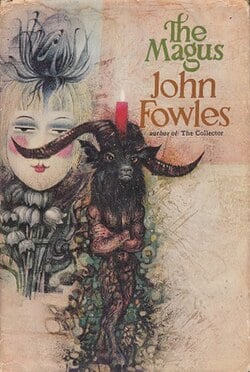
No. 36 on this list. The Magus
John Fowles · 1965
No. 37 on this list. Gaudy Night
Dorothy L. Sayers · 1935
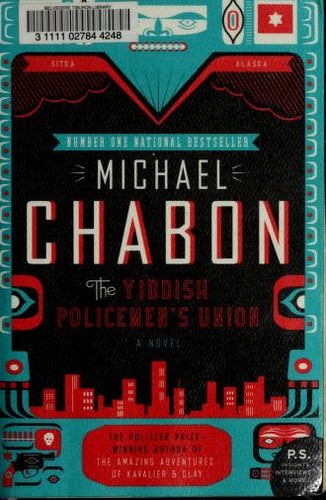
No. 38 on this list. The Yiddish Policemen's Union
Michael Chabon · 2007
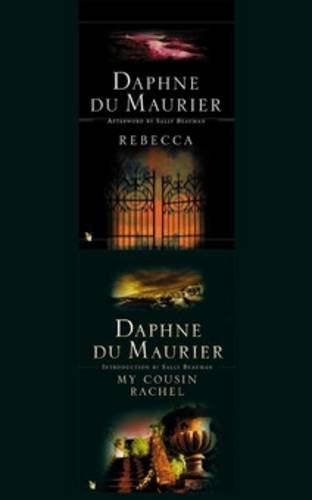
No. 39 on this list. My Cousin Rachel
Daphne du Maurier · 1951
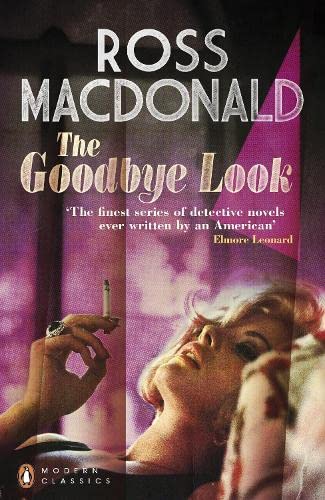
No. 40 on this list. The Goodbye Look
Ross Macdonald · 1969

No. 41 on this list. The Nine Tailors
Dorothy L. Sayers · 1934
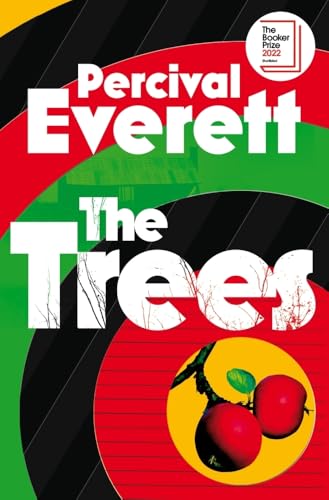
No. 42 on this list. The Trees
Percival Everett · 2022
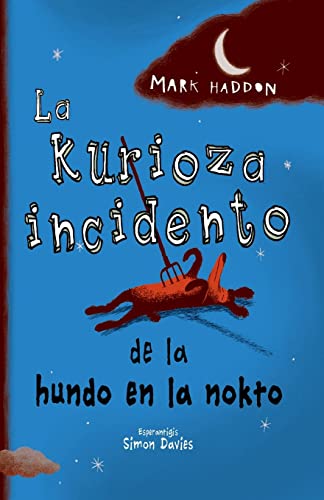
No. 43 on this list. The Curious Incident of the Dog in the Night-Time
Mark Haddon · 2003
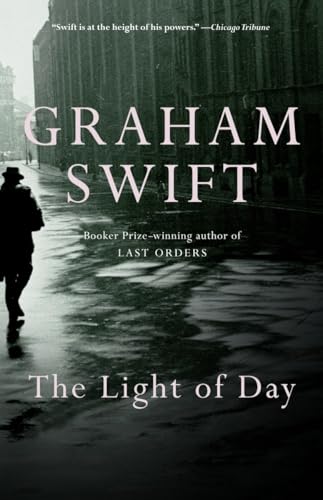
No. 44 on this list. The Light of Day
Graham Swift · 2003
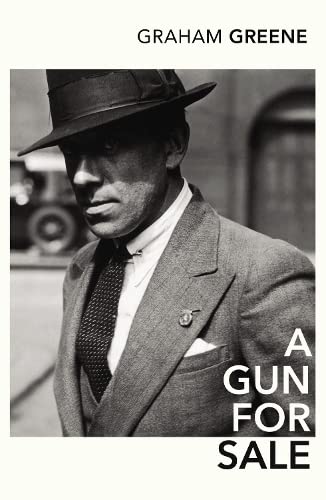
No. 45 on this list. A Gun for Sale
Graham Greene · 1936
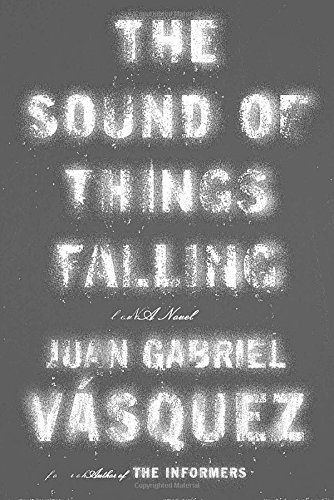
No. 46 on this list. The Sound of Things Falling
Juan Gabriel Vásquez · 2014
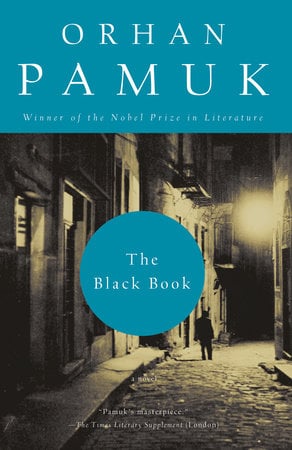
No. 47 on this list. The Black Book
Orhan Pamuk · 1990
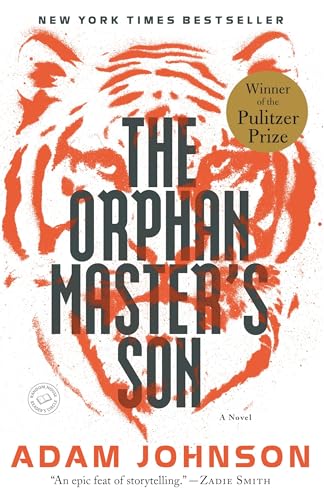
No. 48 on this list. The Orphan Master's Son
Adam Johnson · 2013
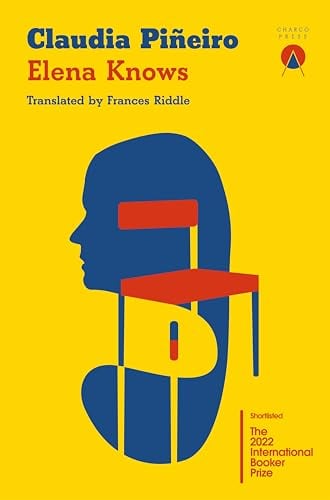
No. 49 on this list. Elena Knows
Claudia Piñeiro · 2022
Taught in schools: Leaving Certificate English – NCCA / State Examinations Commission (Ireland)
No. 50 on this list. Gone Girl
Gillian Flynn · 2012
No. 51 on this list. Barnaby Rudge
Charles Dickens · 1841
No. 52 on this list. An Unsuitable Job for a Woman
P. D. James · 1972
No. 53 on this list. Manhattan Beach
Jennifer Egan · 2017
No. 54 on this list. Devil in a Blue Dress
Walter Mosley · 1990
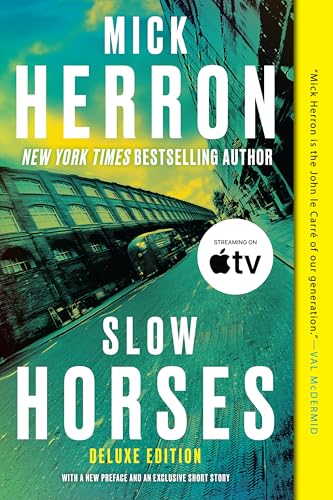
No. 55 on this list. Slow Horses
Mick Herron · 2010
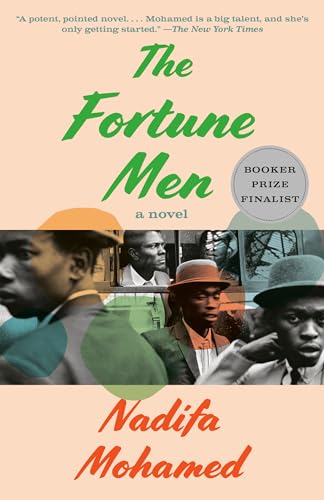
No. 56 on this list. The Fortune Men
Nadifa Mohamed · 2021
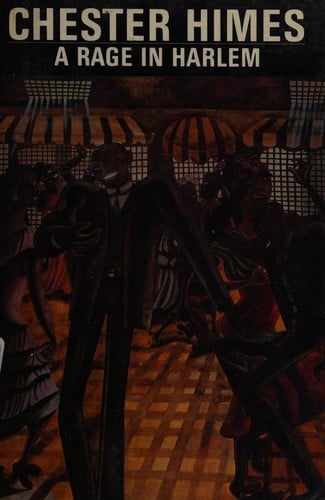
No. 57 on this list. A Rage in Harlem
Chester Himes · 1957
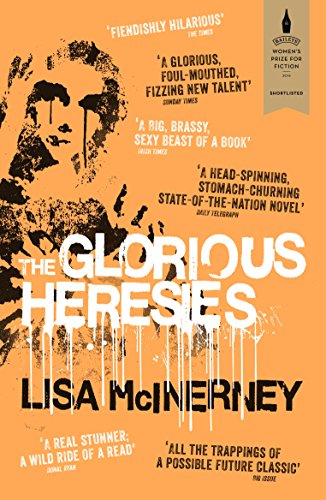
No. 58 on this list. The Glorious Heresies
Lisa McInerney · 2016
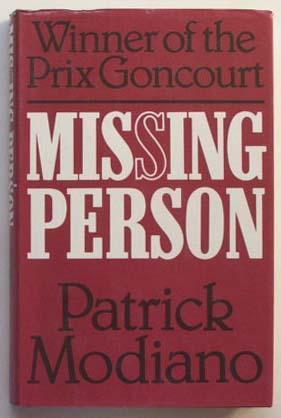
No. 59 on this list. Missing Person
Patrick Modiano · 1978
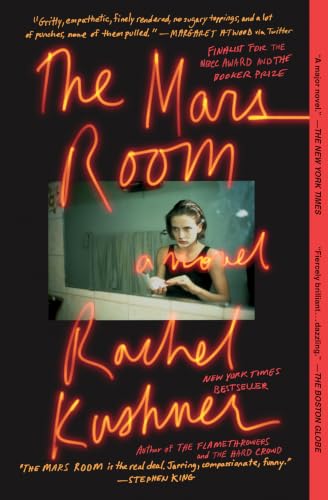
No. 60 on this list. The Mars Room
Rachel Kushner · 2018
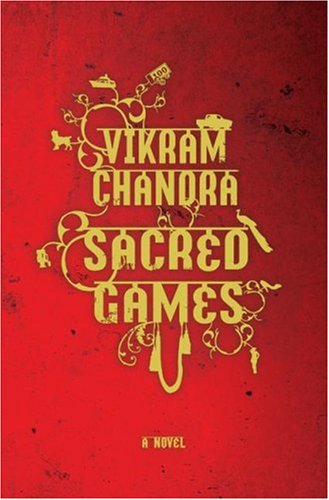
No. 61 on this list. Sacred Games
Vikram Chandra · 2006
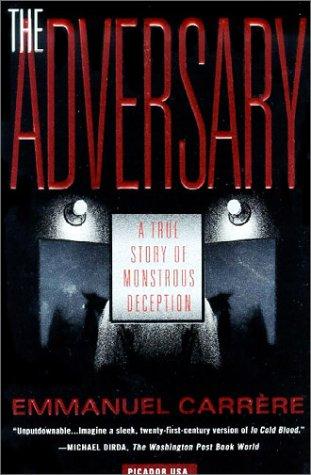
No. 62 on this list. The Adversary: A True Story of Monstrous Deception
Emmanuel Carrère · 2000
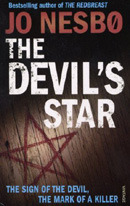
No. 63 on this list. The Devil's Star
Jo Nesbø · 2011
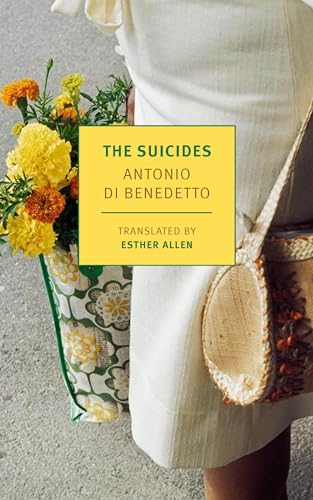
No. 64 on this list. The Suicides
Antonio di Benedetto · 2025
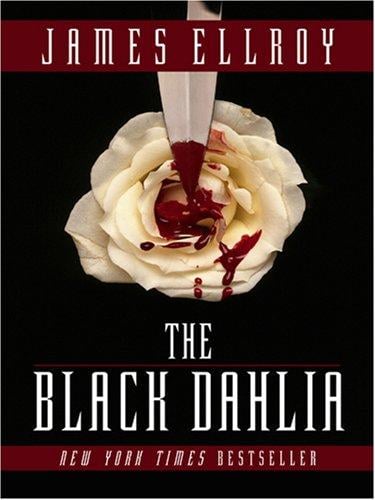
No. 65 on this list. L.A. Confidential
James Ellroy · 1990
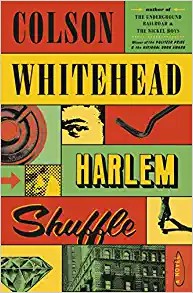
No. 66 on this list. Harlem Shuffle
Colson Whitehead · 2021
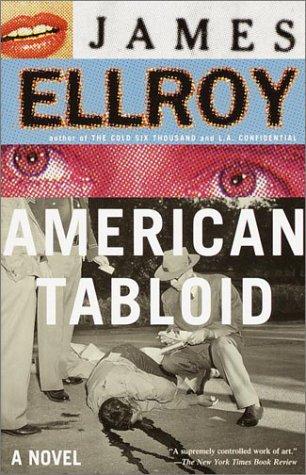
No. 67 on this list. American Tabloid
James Ellroy · 2001
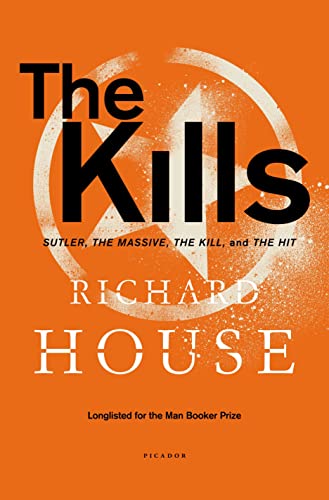
No. 68 on this list. The Kills
Richard House · 2013
No. 69 on this list. Smilla's Sense of Snow
Peter Høeg · 1992
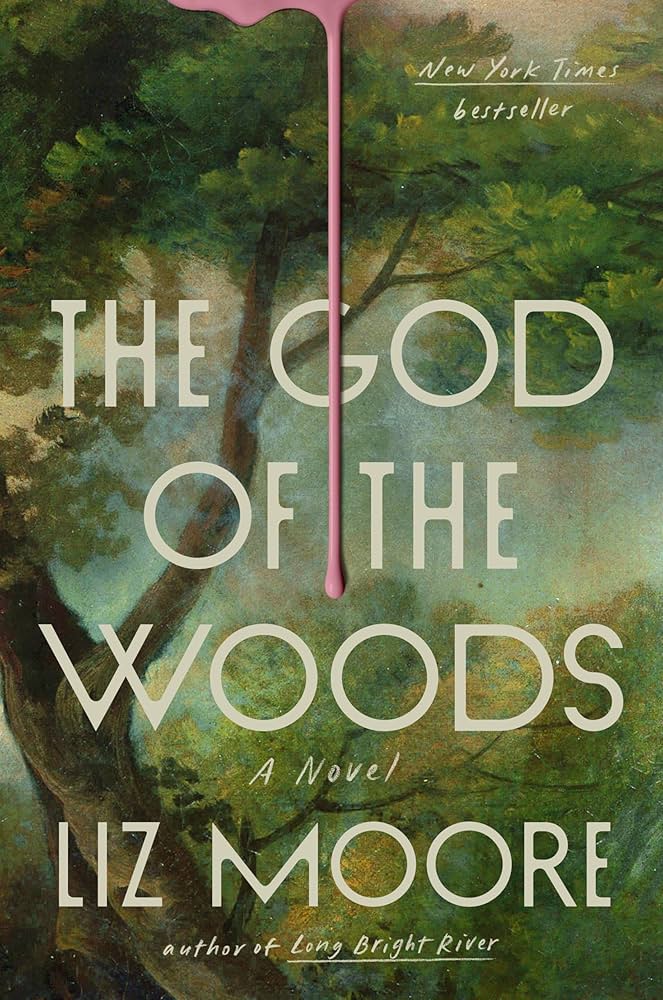
No. 70 on this list. The God of the Woods
Liz Moore · 2024
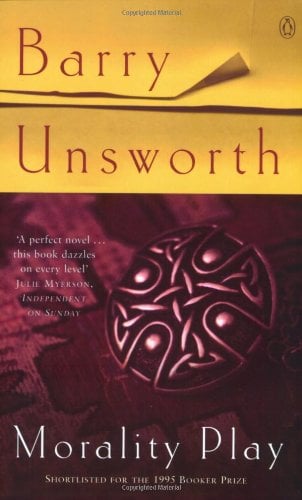
No. 71 on this list. Morality Play
Barry Unsworth · 1995
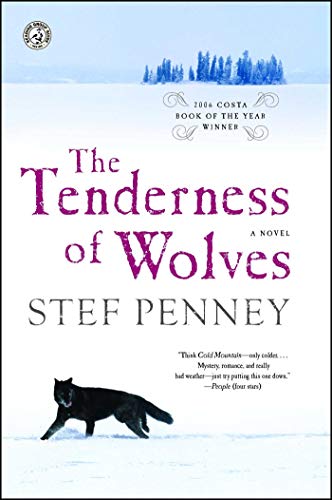
No. 72 on this list. The Tenderness of Wolves
Stef Penney · 2006
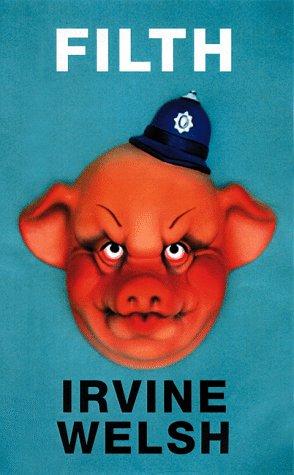
No. 73 on this list. Filth
Irvine Welsh · 1998
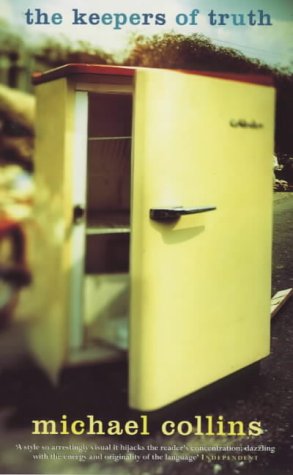
No. 74 on this list. The Keepers of Truth
Michael Collins · 2000
No. 75 on this list. Strong Poison
Dorothy L. Sayers · 1930
No. 76 on this list. The Inugami Curse
Seishi Yokomizo · 1951
No. 77 on this list. The Illusionist
Anita Mason · 1983
No. 78 on this list. The Silence of the Lambs
Thomas Harris · 1988
No. 79 on this list. Flashlight
Susan Choi · 2025
No. 80 on this list. The Club Dumas
Arturo Pérez-Reverte · 1993
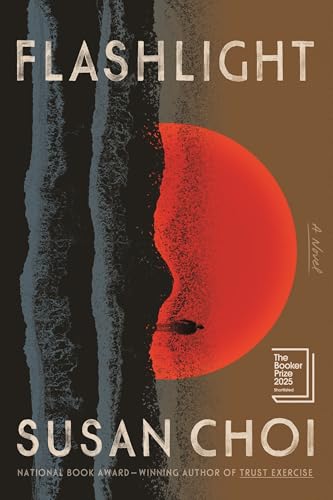
No. 81 on this list. Malice
Keigo Higashino · 1996
No. 82 on this list. The Fencing Master
Arturo Pérez-Reverte · 1988
No. 83 on this list. In the Woods
Tana French · 2007
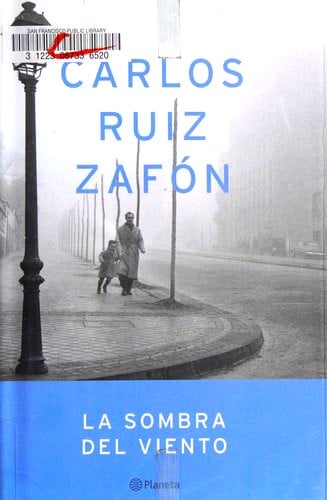
No. 84 on this list. The Shadow of the Wind
Carlos Ruiz Zafón · 2001
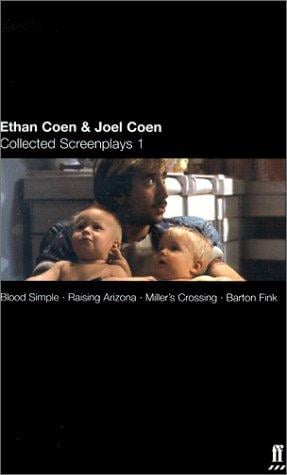
No. 85 on this list. Collected Screenplays 1: Blood Simple / Raising Arizona / Miller's Crossing / Barton Fink
Ethan Coen · 2002
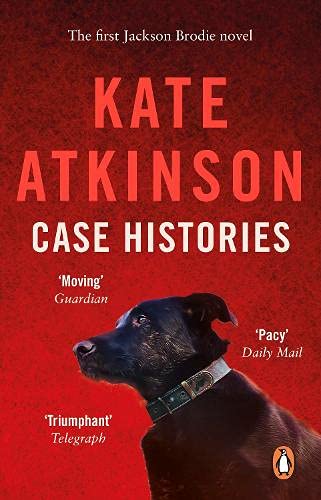
No. 86 on this list. Case Histories
Kate Atkinson · 2004
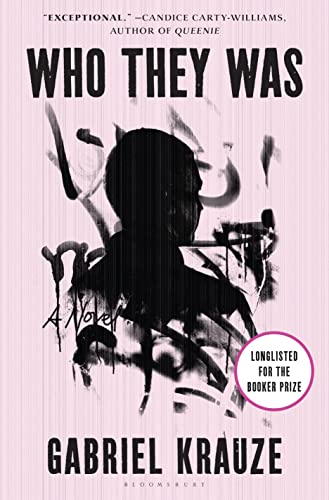
No. 87 on this list. Who They Was
Gabriel Krauze · 2020
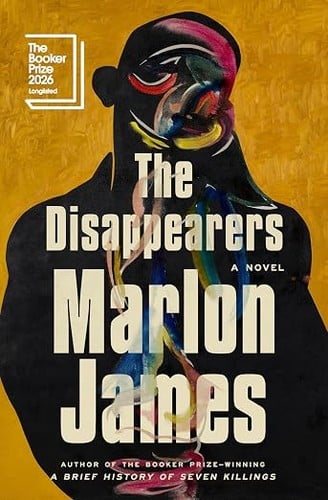
No. 88 on this list. The Disappearers
Marlon James · 2026
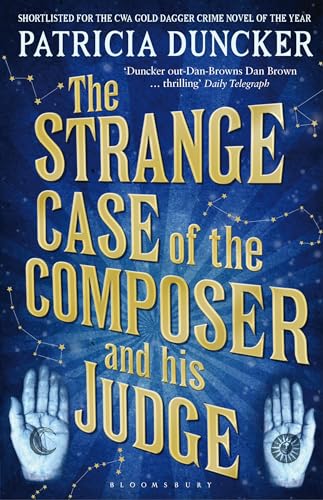
No. 89 on this list. The Strange Case of the Composer and His Judge
Patricia Duncker · 2008
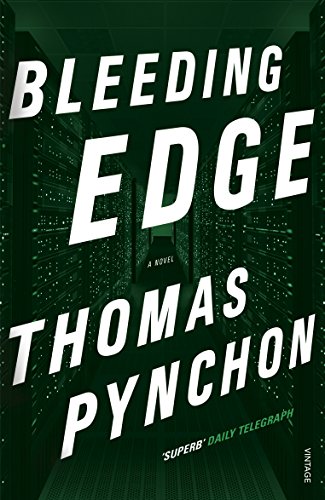
No. 90 on this list. Bleeding Edge
Thomas Pynchon · 2013
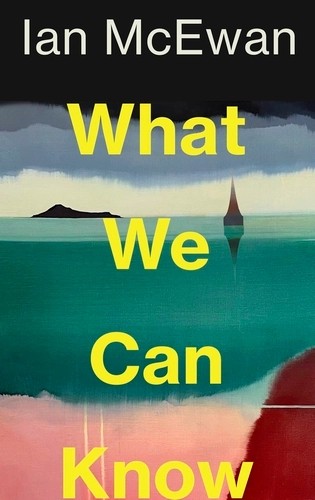
No. 91 on this list. What We Can Know
Ian McEwan · 2025
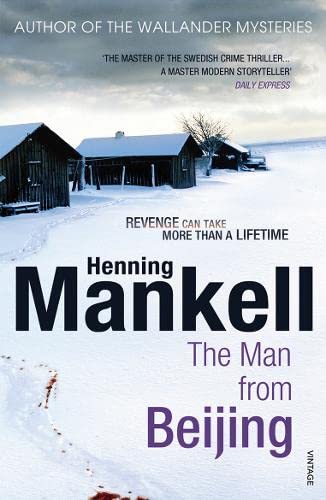
No. 92 on this list. The Man Who Smiled
Henning Mankell · 1994
No. 93 on this list. Perspective(s)
Laurent Binet · 2023
No. 94 on this list. The Infatuations
Javier Marías · 2011
No. 95 on this list. The Little Friend
Donna Tartt · 2004
No. 96 on this list. Universality
Natasha Brown · 2025
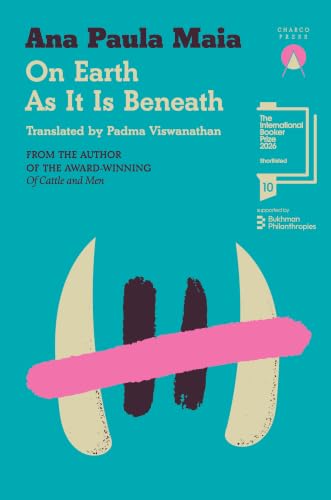
No. 97 on this list. On Earth As It Is Beneath
Ana Paula Maia · 2017
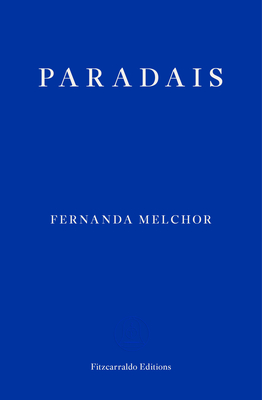
No. 98 on this list. Paradais
Fernanda Melchor · 2021
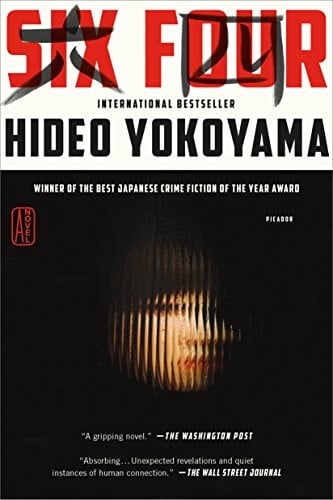
No. 99 on this list. Six Four
Hideo Yokoyama · 2012
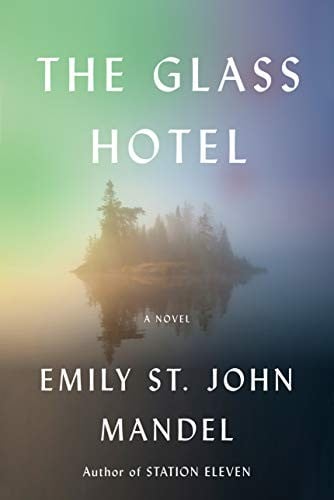
No. 100 on this list. The Glass Hotel
Emily St. John Mandel · 2020
About this list
These 100 books are the highest-scoring eligible moderately difficult mystery and crime novels currently in the catalogue. By literary regard, it opens with The Cask of Amontillado, The Tell-Tale Heart and The Strange Case of Dr Jekyll and Mr Hyde. About 770 hours of reading in all, for the 99 with measured lengths. Difficulty runs from 50 to 60 out of 100 for the middle half of the list; the summit is The Club Dumas at 65.
This list is ranked by literary regard, with a consistent order for equal scores. Membership follows authors and co-authors, not translators or editors. Catalogue coverage and the historical canon both limit what this list can represent, and genre labels are the catalogue’s own, gathered into broader kinds.
When we matched the Canons dataset to our catalogue in October 2026, our canonical-status scores rose with the number of school curricula, publisher series and lists in it that cite a work: the median score was 72 for books one such source cites, 84 at two, 88 at three, 92 at four and 93 at five or more. Prizes are left out of that count. Outside the state curricula, the dataset’s sources choose mostly from what has been translated into English or French, so it is a weaker check on other literatures. Source: Canons (Andrew Piper), CC BY 4.0
Questions people actually ask
- What are the best moderately difficult mystery and crime novels?
- By literary regard, which weighs canonical status, critical standing and influence, The Cask of Amontillado, The Tell-Tale Heart, The Strange Case of Dr Jekyll and Mr Hyde, The Mystery of Edwin Drood and My Name Is Red lead. ReadingRate ranks 100 such books, each with a difficulty score and a reading-time estimate.
- Where should I start with moderately difficult mystery and crime novels?
- Start from difficulty, not from rank. The most approachable books on this list that still carry top literary regard are The Tell-Tale Heart by Edgar Allan Poe (about 33 min), The Cask of Amontillado by Edgar Allan Poe and No Country for Old Men by Cormac McCarthy.
- How hard are moderately difficult mystery and crime novels to read?
- Most of this list sits between 50 and 60 on ReadingRate's 100-point difficulty scale, where 40 to 55 is moderate. The summit is The Club Dumas at 65. Every entry carries its own score, so a reader can pick a great book at a difficulty they will finish.
- How is this list ranked?
- On literary-regard data: how canonically established a work is, its critical standing, and its influence on later writing. It is not a readers’ poll, which is why recent bestsellers rarely appear. Membership follows authors and co-authors, not translators or editors. A list that is not a genre list keeps to literature (fiction, poetry, drama and philosophy), with philosophy taking no more than one slot in five while there is literature left to rank; every list holds at most three works by one author.