Hours at an average pace
Showing 100 books
About 859 hours for 99 of 100 books with measured lengths. Estimates use 250 words a minute, adjusted for each book's difficulty. At 2 hours a day, about 430 days for those books.
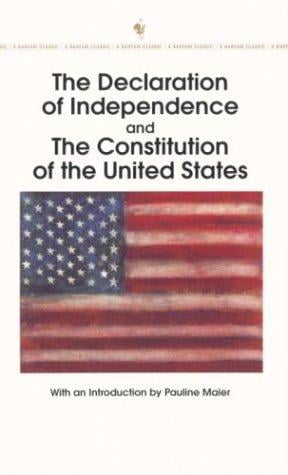
No. 1 on this list. The Declaration of Independence / The Constitution of the United States
Founding Fathers · 1998
Moderate2 hours
The Declaration and the Constitution are taught in American schools from primary grades through law school and appear in civics and history courses everywhere. They are among the most reprinted and studied texts in the English-speaking world.
The foundational text of American constitutional theory, cited by the Supreme Court.
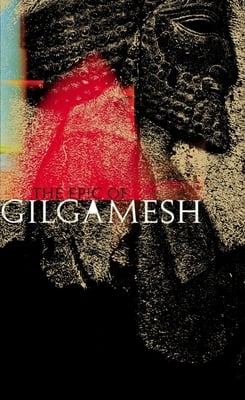
The Epic of Gilgamesh is the oldest surviving great literary work and is universally taught in world literature, ancient history, comparative literature, and religion courses at all levels. It appears in every comprehensive anthology of world literature and is foundational to understanding how narrative, religion, and mortality entered written culture. Unquestioned canonical status as a civilization-defining text.
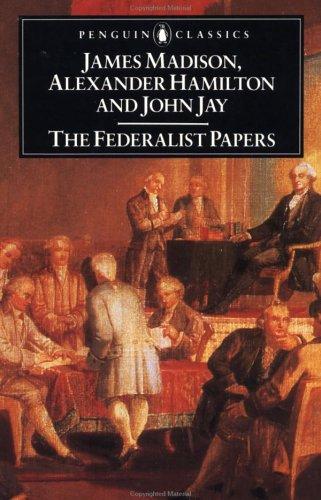
Required reading in virtually every political theory, American history, and comparative politics curriculum worldwide. The book has never left print since 1835 and is foundational to democratic theory in political science, sociology, and history departments alike. With Wikipedia articles in over 80 languages and presence on thousands of university syllabi across disciplines, it ranks among the most institutionally canonical works of political thought.
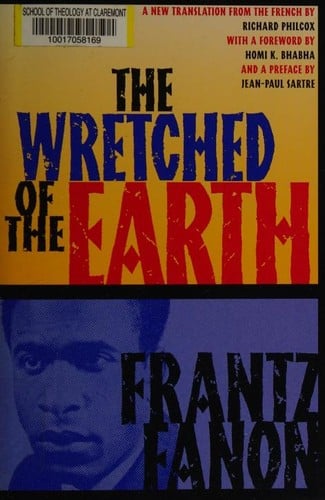
The Wretched of the Earth appears on syllabi in postcolonial studies, African studies, political philosophy, sociology, and literary theory programs worldwide — among the most-assigned theoretical texts of the 20th century. Its Wikipedia article exists in over 40 languages. It is routinely listed alongside Fanon's Black Skin, White Masks as required reading for anyone working in fields touching on race, colonialism, or global politics.
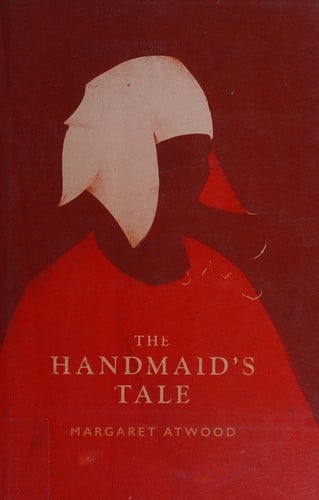
No. 6 on this list. The Handmaid's Tale
Margaret Atwood · 2017
Challenging7.7 hours
Taught in schools: AQA GCSE and A-level English Literature (UK), OCR GCSE and A-level English Literature (UK), Pearson Edexcel GCSE and A-level English Literature (UK)
The novel is a staple of high school and university courses on dystopia and feminist literature. It was shortlisted for the Booker Prize, appears on the 1001 Books list, and is published as a Penguin Modern Classic.
This Bridge Called My Back is required reading in women's studies, ethnic studies, and American literature courses across the United States and beyond. Since its 1981 publication it has appeared on thousands of university syllabi, ranking among the most-taught feminist texts in higher education, comparable in academic penetration to Beloved within its fields. It is listed on essential reading guides across multiple disciplines and remains continuously in print.
Perpetual Peace is standard reading in political theory and international relations courses worldwide, and anchors the study of liberal internationalism and the democratic peace. It sits below Kant's Critiques in general philosophy syllabi.
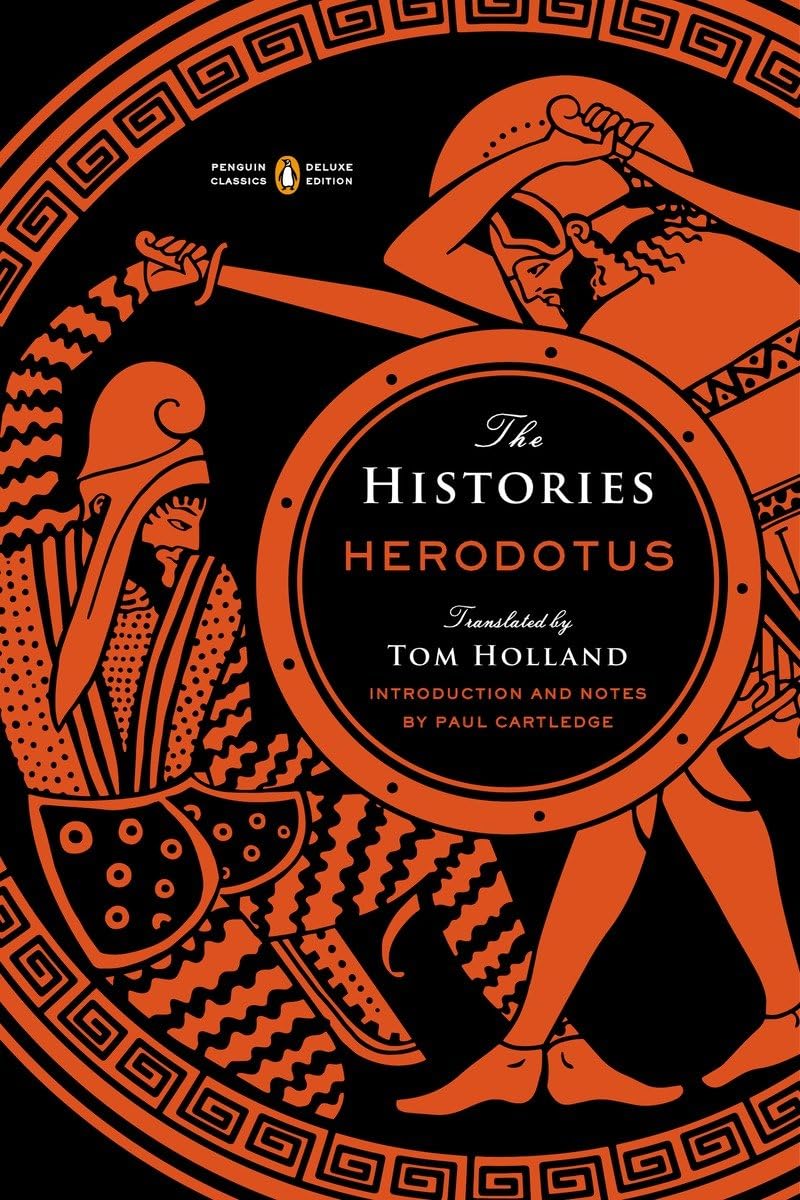
Herodotus traveled from Egypt to Scythia, interviewed locals, and wrote down everything—the Persian Wars, the customs of distant peoples, talking foxes, flying snakes—inventing both history and ethnography in a single narrative. Cicero called him the father of history; the label has never been seriously challenged.
Administrative Behavior is foundational in organizational theory and public administration curricula worldwide. It is assigned in business schools, public policy programs, and political science departments as a standard text. Simon received the Nobel Prize in Economics in 1978 partly on the basis of the theory of bounded rationality developed here, cementing the book's place in the canonical literature of multiple disciplines.


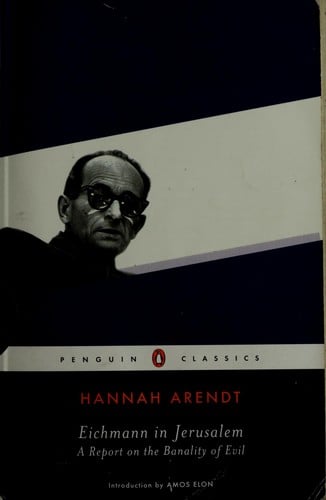
No. 11 on this list. Eichmann in Jerusalem · Hannah Arendt · 1963
Eichmann in Jerusalem appears on syllabi across political philosophy, Holocaust studies, Jewish studies, ethics, history, and law — among the most assigned works of political non-fiction of the 20th century. It is standard reading in any course addressing totalitarianism, moral responsibility, or the Holocaust. The phrase "banality of evil" has entered the language as a fixed concept, which is the clearest measure of canonical status a non-fiction work can achieve.
Challenging9.5 hours
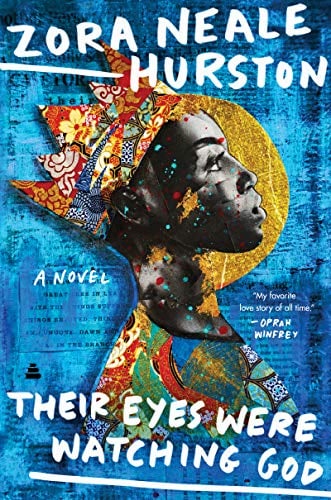
Start this bookNo. 12 on this list. Their Eyes Were Watching God · Zora Neale Hurston · 1937
Taught in schools: Common Core text exemplars (Appendix B) (US)
Appears on 3,011 university syllabi according to the Open Syllabus Project (86.97th percentile), placing it among the most-taught American novels. Featured on TIME's All-TIME 100 Novels list and published in prestigious Library of America and Everyman's Library editions — markers of sustained institutional recognition. Available in 9 Wikipedia languages, reflecting global reach in academic and literary circles.
Challenging5.3 hours
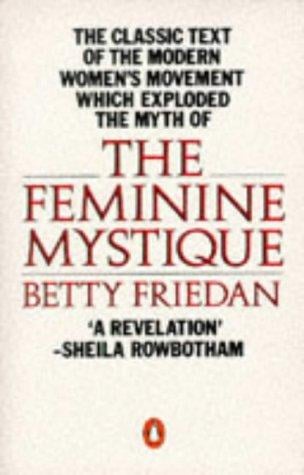
Start this bookNo. 13 on this list. The Feminine Mystique · Betty Friedan · 1963
The Feminine Mystique appears on hundreds of women's studies, American history, and sociology syllabi across the United States and internationally. Time magazine named it one of the 100 most important nonfiction books of the 20th century, and it features on Modern Library and similar 'essential nonfiction' lists. Its Wikipedia article exists in dozens of languages with substantial coverage of its reception and cultural impact.
Moderate9.9 hours
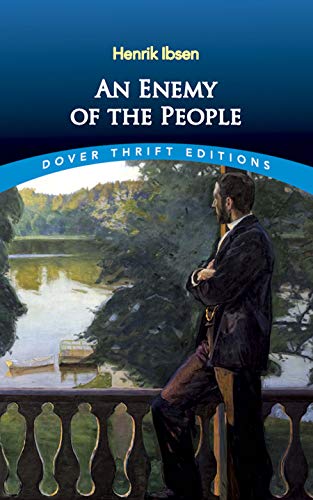
Start this bookNo. 14 on this list. An Enemy of the People · Henrik Ibsen · 1882
An Enemy of the People is a standard text in university drama, literature, and political philosophy curricula worldwide, and is featured on virtually all lists of essential Western drama. Arthur Miller's celebrated 1950 adaptation attests to its enduring canonical status. While taught less broadly than Ibsen's A Doll's House or Hedda Gabler, it remains a fixture in theatre studies and social realist drama courses globally.
Challenging2.7 hours
Start this bookNo. 15 on this list. Letter from Birmingham Jail · Martin Luther King Jr. · 1963
King wrote this letter on scraps of newspaper in a Birmingham jail cell, responding to eight white clergymen who had called the civil rights demonstrations 'unwise and untimely.' The result is one of the most important documents in American history—a masterpiece of rhetoric that systematically dismantles the arguments for gradualism and 'waiting' while making the case for nonviolent direct action. King distinguishes between just and unjust laws, invokes Socrates, Augustine, Aquinas, and Buber, and delivers a devastating critique of the 'white moderate' who prefers order to justice. The letter moves from philosophical argument to prophetic witness, from the particular injustices of Birmingham to the universal struggle for human dignity. King writes with the cadences of the Black church, the precision of a trained theologian, and the moral authority of a man willing to go to jail for his beliefs. The letter transcends its immediate context to stand as one of the great statements on justice, conscience, and civil disobedience in any language.
Moderate27 min
Start this bookNo. 16 on this list. Annihilation of Caste · B.R. Ambedkar · 1936
The foundational text of Dalit political thought, taught across sociology, political theory, and South Asian studies worldwide.
Challenging2.3 hours
Start this bookNo. 17 on this list. Wide Sargasso Sea · Jean Rhys · 1966
Taught in schools: CSEC English B – Caribbean Examinations Council, WJEC/Eduqas GCSE and A-level English Literature (UK)
The postcolonial revision that changed how we read Jane Eyre. Antoinette/Bertha's story—the madwoman in the attic given voice—became essential feminist and postcolonial criticism. Core text in Caribbean literature and courses on literary rewriting.
Challenging4.3 hours
Start this bookNo. 18 on this list. Feminist Theory: From Margin to Center · bell hooks · 1984
This book is required reading in virtually every women's studies, gender studies, and cultural theory program. It sits alongside Simone de Beauvoir and Audre Lorde as essential feminist theory, taught across sociology, critical race theory, and cultural studies courses globally. Within its field it occupies the same foundational status that canonical literary texts hold in literature departments.
Moderate3.9 hours
Start this bookNo. 19 on this list. The Hero with a Thousand Faces · Joseph Campbell · 1949
Joseph Campbell opens with a Freudian reading of an Arapaho folktale and never looks back. A woman falls through a hole in the sky while digging up a buffalo plant. An Aztec prince descends into the underworld to retrieve the bones of the dead. A Polynesian hero is swallowed by a whale. Campbell lines up hundreds of these stories from six continents and argues they are all the same story: a hero ventures from the ordinary world into a region of supernatural wonder, wins a decisive victory, and returns transformed. He calls this the monomyth — departure, initiation, return — and maps each stage with taxonomic precision: the Call to Adventure, the Belly of the Whale, the Meeting with the Goddess, the Apotheosis. The comparative method is relentless. A Navaho vision quest illuminates the Buddha's meditation under the Bo Tree, which rhymes with Christ's temptation in the desert. Campbell reads all of it through Jung and Freud, treating gods as projections of the psyche and mythic journeys as metaphors for psychological maturation. The second half widens from the individual hero to the cosmos itself — creation, virgin birth, the dissolution of worlds. The prose is mid-century academic, formal but clear, carried by the momentum of one extraordinary story after another. Readers who want to know why myths from unrelated cultures keep telling the same story will find Campbell's answer here, built from the evidence itself.
Moderate8.5 hours
Start this bookNo. 20 on this list. The Road to Serfdom · Friedrich Hayek · 1944
Standard required reading in political philosophy, economics, and liberal theory courses at universities worldwide. Consistently appears on lists of the most influential non-fiction of the 20th century, including TIME's 100 Best Nonfiction list and the Modern Library's reader list. The Wikipedia article exists in over 40 languages, and the book has never gone out of print since 1944.
Moderate8.8 hours
Start this book
No. 21 on this list. Darkwater · W. E. B. Du Bois · 1920
Darkwater appears on hundreds of university syllabi across African American studies, American literature, political theory, and history courses. While not as universally taught as The Souls of Black Folk, it is considered essential reading in Du Bois scholarship and is regularly assigned in courses on race, colonialism, and early twentieth-century American thought. Published by Dover, Oxford, and Harcourt, it has remained continuously in print for over a century. The database signals are absent, but this reflects a data gap — the book's canonical status in its fields is well-established.
Moderate4.5 hours
Read nowNo. 22 on this list. The Death and Life of Great American Cities · Jane Jacobs · 1961
Standard required reading in urban planning, architecture, public policy, sociology, and geography programs worldwide. Within its domain it functions as mandatory orientation text—virtually no urban planning curriculum omits it. Its canonical status within applied social science exceeds that of most novels, though it does not appear as broadly as literary classics across all disciplines.
Moderate10 hours
Start this bookNo. 23 on this list. The Open Society and Its Enemies · Karl Popper · 1945
Karl Popper wrote The Open Society and Its Enemies in New Zealand during World War II, watching fascism spread across Europe and wondering how philosophy had helped it along. His answer runs to two thick volumes: Plato built the first blueprint for totalitarianism; Hegel dressed it in mystical abstraction; Marx gave it pseudo-scientific prophecy. The 'enemies' of the title are not politicians but ideas — historicism (the belief that history follows iron laws), essentialism (the belief that social entities have fixed natures), and utopianism (the belief that a perfect state can be designed and implemented whole). Popper dismantles each in turn with patient, numbered argument. He finds Plato's philosopher-kings to be authoritarians by design, their wisdom indistinguishable from the claim that power justifies itself. He finds Hegel's prose to be deliberate obscurantism in service of Prussian power — 'supreme only in his outstanding lack of originality.' He finds Marx's economic prophecies unfalsifiable, and therefore not science but mythology with a scientific costume. What survives the demolition is a defense of the open society: one that tolerates criticism, reforms institutions incrementally, and resists the tribal pull toward certainty. The arguments about why intellectuals are drawn to closed societies — and what makes free societies structurally fragile — read as if written for any decade that has produced one.
Challenging27 hours
Start this bookNo. 24 on this list. Development as Freedom · Amartya Sen · 1999
In 1943, three million people died in a famine in Bengal — not because food was scarce, but because specific groups lost the entitlements that would have let them buy it. Amartya Sen spent decades studying that fact, and Development as Freedom is where he draws the conclusions. The argument is direct: development is not growth in GDP or industrial output. Development is the expansion of substantive freedoms — the real capabilities people have to live lives they have reason to value. Longevity, literacy, political participation, freedom from hunger, the ability to work and move and speak are not side effects of economic progress; they are what progress means. Sen works through the implications chapter by chapter. He examines why famines do not happen in democracies, why women's education reduces child mortality more reliably than income transfers, why the so-called Lee thesis — that authoritarian governments grow faster — fails when the evidence is read carefully. He rehabilitates Adam Smith as a theorist of social commitment, corrects the standard welfare-economics reduction of well-being to utility, and engages Arrow's impossibility theorem without despair. The prose is patient and precise, written for a serious general reader willing to follow sustained philosophical argument. What Sen offers is a framework that makes previously disconnected facts — fertility rates, famines, corruption, political liberty — intelligible within a single account of what a society owes its members.
Moderate8.8 hours
Start this bookNo. 25 on this list. Sister Outsider · Audre Lorde · 1984
Sister Outsider is a staple in gender studies, Black studies, and feminist theory courses across American and European universities. It appears on hundreds of syllabi and is widely considered essential reading in intersectional feminism and queer theory. Its individual essays — particularly 'The Master's Tools Will Never Dismantle the Master's House' — are among the most frequently anthologized nonfiction pieces in the humanities.
Challenging5.1 hours
Start this bookNo. 26 on this list. The Power Elite · C. Wright Mills · 1956
The Power Elite has been assigned in political science, sociology, and American studies courses for decades and appears on virtually every major reading list for students of power and inequality. The book coined a term — 'power elite' — that became standard political vocabulary, a marker of canonical status that few social science texts achieve. No syllabus count or Wikipedia data was returned by the database, but the book's place in the American intellectual canon is not in question.
Challenging14 hours
Start this bookNo. 27 on this list. Tristes Tropiques · Claude Lévi-Strauss · 1955
Tristes Tropiques stands as foundational text in both anthropology and twentieth-century French intellectual history, taught alongside canonical literature in universities. The work establishes structuralism as dominant interpretive mode and defines the modern anthropological voice. Recognition exceeds most contemporary literary fiction but remains specialized within academic circles.
Challenging14 hours
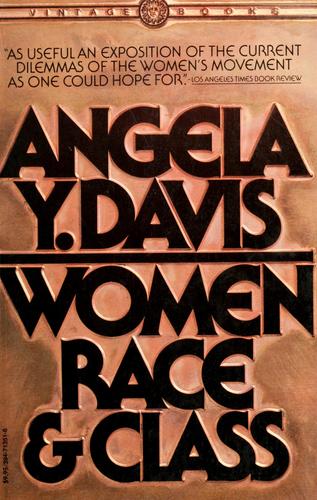
Start this bookNo. 28 on this list. Women, Race & Class · Angela Davis · 1981
A fixture on syllabi in Women's Studies, African American Studies, Sociology, and History courses across US universities since its 1981 publication. Required reading in virtually every Black feminist theory course and central to the canon of intersectional scholarship. Widely included on lists of essential texts in feminist and critical race theory.
Moderate4.7 hours
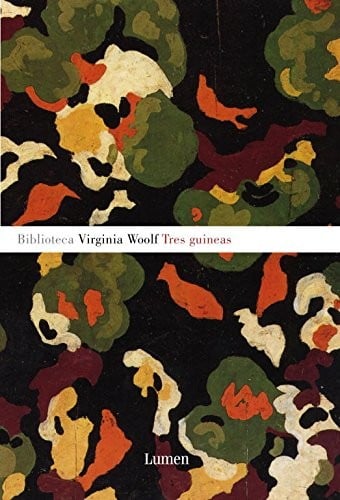
Start this bookNo. 29 on this list. Three Guineas · Virginia Woolf · 1938
Three Guineas opens with a letter — one of three — asking Virginia Woolf to donate money to a society dedicated to preventing war. She has left it unanswered for three years. Her answer, when it comes, takes 180 pages and two additional letters to deliver, and it is not the answer the barrister expected. Woolf argues that men in professional life — lawyers, bishops, professors, politicians — have spent centuries constructing the institutions they now ask women to help defend. The same educational system that trained men to value hierarchy and pageantry over liberty, she shows, also produced the conditions for fascism. To give money to defend those institutions is to underwrite the system that built them. Her method is documentary: she quotes from men's biographies, from parliamentary debates, from newspaper reports of women barred from professions, from Sophocles. Each quotation is a piece of evidence. The three guineas — one to a women's college, one to a professional women's society, one to the anti-war fund — are dispensed on conditions that enact her argument rather than concede to convention. Published in 1938 as Europe moved toward war, Three Guineas is a work of controlled anger and elaborate rhetorical irony. Woolf performs deference with precision; every courtesy conceals a charge.
Moderate4.9 hours
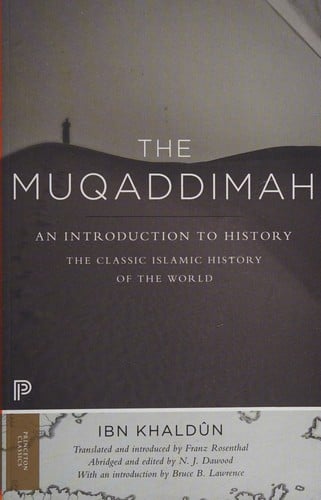
Start this bookNo. 30 on this list. The Muqaddimah · Ibn Khaldun · 1377
Included in: UNESCO Collection of Representative Works
Ibn Khaldun's introduction to his universal history is one of the most original works of social theory ever written. Six centuries before sociology existed as a discipline, Ibn Khaldun developed a cyclical theory of civilization: nomadic peoples, bound by 'asabiyyah (group solidarity or social cohesion), conquer settled societies, establish dynasties, and then lose their cohesion through the comforts of urban life, only to be conquered in turn by fresher nomadic groups. He analyzed the rise and fall of empires with the rigor of a scientist, examining climate, economy, education, and religion as variables that shape social organization. The Muqaddimah covers everything from the nature of prophecy to the economics of taxation to the psychology of mob behavior, making it simultaneously a work of history, political science, economics, and anthropology. Arnold Toynbee called it 'the greatest work of its kind that has ever been created by any mind in any time or place.'
Moderate13 hours
Start this book

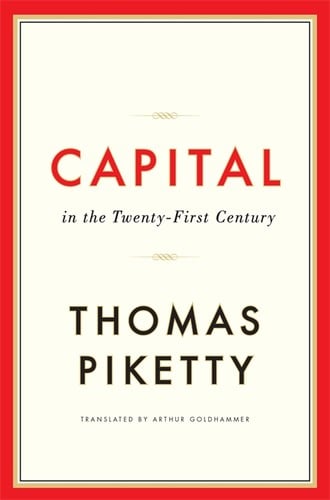
No. 31 on this list. Capital in the Twenty-First Century
Thomas Piketty · 2013
No. 32 on this list. The Sacred and the Profane
Mircea Eliade · 1957
No. 33 on this list. The Yellow Wall-Paper
Charlotte Perkins Gilman · 1892
No. 34 on this list. The Wealth of Nations
Adam Smith · 1776
No. 35 on this list. Han Feizi
Han Fei · c. 233 BCE
No. 36 on this list. The Social Contract
Jean-Jacques Rousseau · 1762
No. 37 on this list. Leviathan
Thomas Hobbes · 1651
Included in: Great Books of the Western World
No. 38 on this list. Secondhand Time
Svetlana Alexievich · 2013
No. 39 on this list. No Name in the Street
James Baldwin · 1972
No. 40 on this list. The Emperor
Ryszard Kapuściński · 1978
No. 41 on this list. Seeing Like a State
James C. Scott · 1998
No. 42 on this list. Homo Ludens
Johan Huizinga · 1938
No. 43 on this list. The Silmarillion
J. R. R. Tolkien · 1977
No. 44 on this list. Modernity and Self-Identity
Anthony Giddens · 1991
No. 45 on this list. Salvador
Joan Didion · 1983
No. 46 on this list. The Custom of the Country
Edith Wharton · 1913
No. 47 on this list. The Field of Life and Death
Xiao Hong · 1935
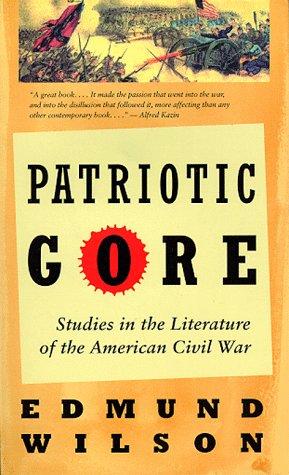
No. 48 on this list. Patriotic Gore: Studies in the Literature of the American Civil War
Edmund Wilson · 1962
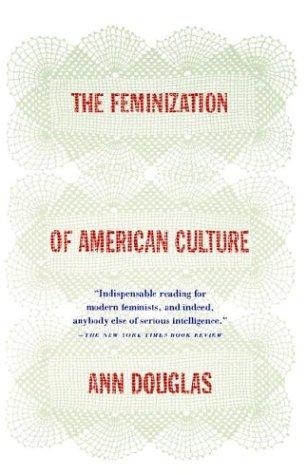
No. 49 on this list. The Feminization of American Culture
Ann Douglas · 1977
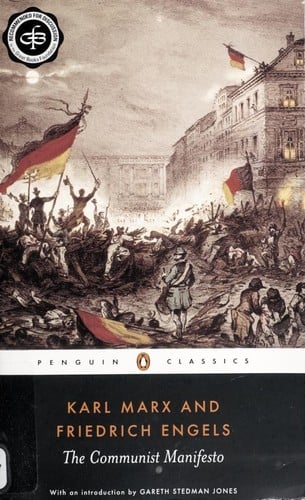
No. 50 on this list. The Communist Manifesto
Karl Marx · 1848
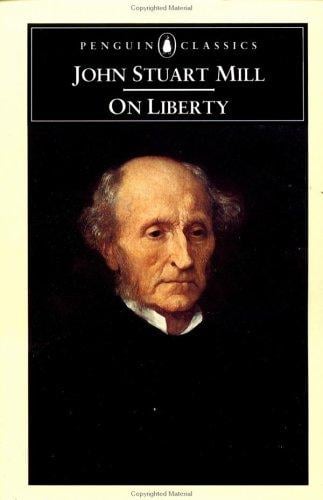
No. 51 on this list. On Liberty
John Stuart Mill · 1859
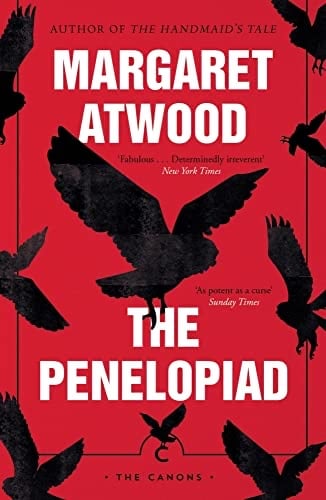
No. 52 on this list. Penelopiad
Margaret Atwood · 2005
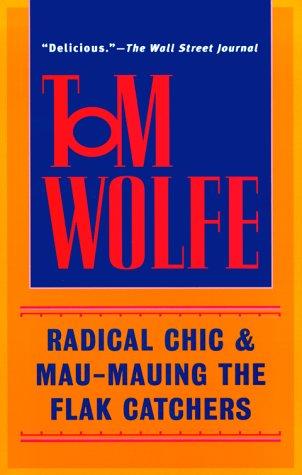
No. 53 on this list. Radical Chic & Mau-Mauing the Flak Catchers
Tom Wolfe · 1970
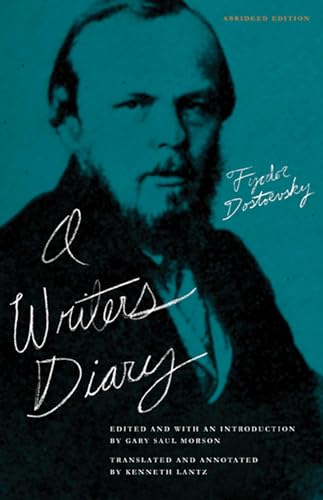
No. 54 on this list. A Writer's Diary
Fyodor Dostoevsky · 1877
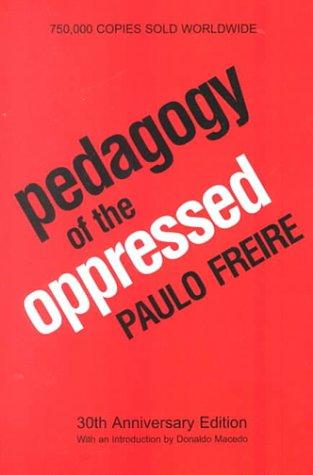
No. 55 on this list. Pedagogy of the Oppressed
Paulo Freire · 1968
No. 56 on this list. So Long a Letter
Mariama Bâ · 1979
Taught in schools: CSEC English B – Caribbean Examinations Council
No. 57 on this list. Quicksand
Nella Larsen · 2002
No. 58 on this list. And the Band Played On: Politics, People, and the AIDS Epidemic
Randy Shilts · 1987
No. 59 on this list. The Conquest of Bread
Peter Kropotkin · 1892
No. 60 on this list. The Way We Never Were: American Families and the Nostalgia Trap
Stephanie Coontz · 1992

No. 61 on this list. Captains of the Sands
Jorge Amado · 1937
No. 62 on this list. Wives and Daughters
Elizabeth Gaskell · 1866
No. 63 on this list. Woman at Point Zero
Nawal El Saadawi · 1975
No. 64 on this list. The Red Room
August Strindberg · 1879
No. 65 on this list. The Anatomy of Fascism
Robert O. Paxton · 2004
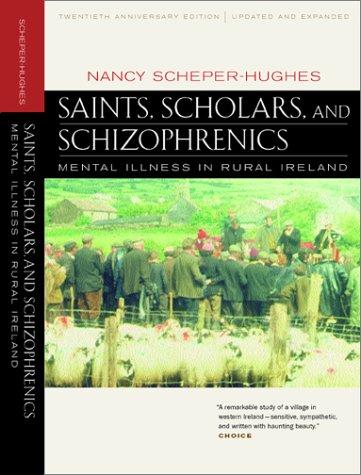
No. 66 on this list. Saints, Scholars, and Schizophrenics: Mental Illness in Rural Ireland, Twentieth Anniversary Edition, Updated and Expanded
Nancy Scheper-Hughes · 1979
No. 67 on this list. The Sociology of Secrecy and of Secret Societies
Georg Simmel · 1906
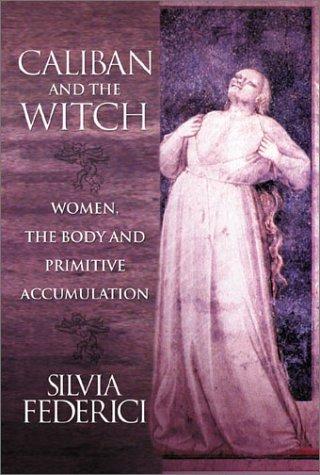
No. 68 on this list. Caliban and the Witch: Women, the Body and Primitive Accumulation
Silvia Federici · 2004
No. 69 on this list. Dusk of Dawn
W. E. B. Du Bois · 1940
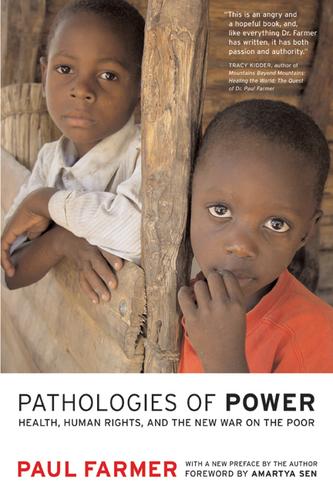
No. 70 on this list. Pathologies of Power: Health, Human Rights, and the New War on the Poor
Paul Farmer · 2005

No. 71 on this list. Desire and Domestic Fiction
Nancy Armstrong · 1989
No. 72 on this list. China in Ten Words
Yu Hua · 2011
No. 73 on this list. Sorting Things Out: Classification and Its Consequences
Susan Leigh Star · 1999
No. 74 on this list. The Program Era
Mark McGurl · 2009
No. 75 on this list. God Bless You, Mr. Rosewater
Kurt Vonnegut · 1965
No. 76 on this list. Infections and Inequalities: The Modern Plagues
Paul Farmer · 2001
No. 77 on this list. The Dawn of Everything
David Wengrow · 2021
No. 78 on this list. The Lonely Crowd
David Riesman · 1950
No. 79 on this list. Miami
Joan Didion · 1987
No. 80 on this list. The Utopia of Rules: On Technology, Stupidity, and the Secret Joys of Bureaucracy
David Graeber · 2015


No. 81 on this list. Sexual Politics
Kate Millett · 1970
No. 82 on this list. Brave New World Revisited
Aldous Huxley · 1958
No. 83 on this list. Cultural Amnesia
Clive James · 2007
No. 84 on this list. Let the Record Show: A Political History of ACT UP New York, 1987-1993
Sarah Schulman · 2021
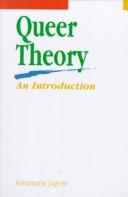
No. 85 on this list. Queer Theory: An Introduction
Annamarie Jagose · 1996
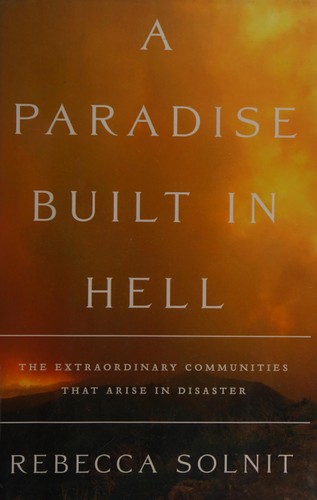
No. 86 on this list. A Paradise Built in Hell: The Extraordinary Communities That Arise in Disaster
Rebecca Solnit · 2009
No. 87 on this list. Teaching to Transgress
bell hooks · 1994
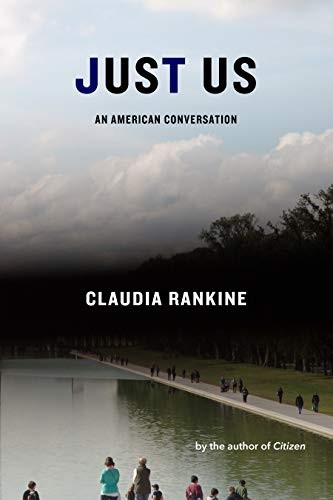
No. 88 on this list. Just Us
Claudia Rankine · 2020
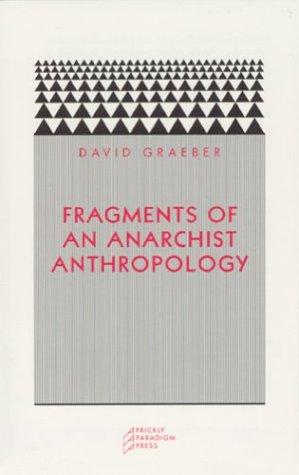
No. 89 on this list. Fragments of an Anarchist Anthropology
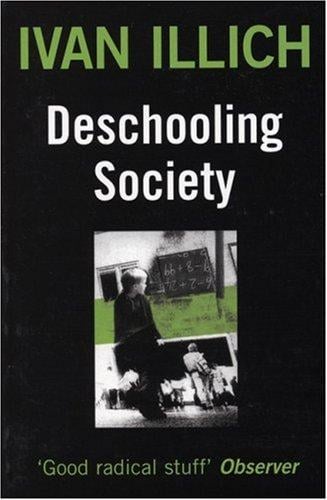
No. 90 on this list. Deschooling Society
Ivan Illich · 1971
No. 91 on this list. Private Life Under Socialism: Love, Intimacy, and Family Change in a Chinese Village, 1949-1999
Yunxiang Yan · 2003
No. 92 on this list. Dangerous Women, Deadly Words: Pansori Narratives in Korea
Marshall R. Pihl · 1994
No. 93 on this list. Where Angels Fear to Tread
E.M. Forster · 1905
No. 94 on this list. Save Me the Waltz
Zelda Fitzgerald · 2001
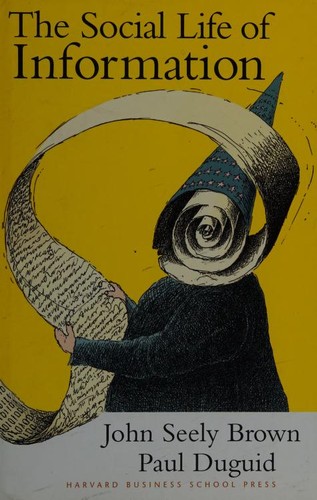
No. 95 on this list. The Social Life of Information
John Seely Brown · 2000
No. 96 on this list. The Gentrification of the Mind: Witness to a Lost Imagination
Sarah Schulman · 2012
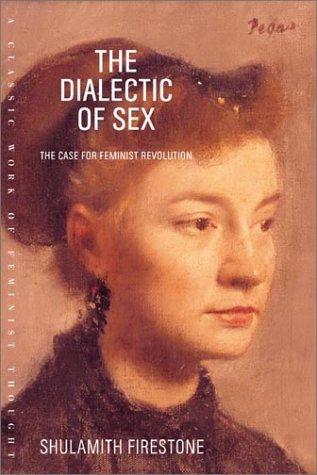
No. 97 on this list. The Dialectic of Sex
Shulamith Firestone · 1970
No. 98 on this list. How to Survive a Plague: The Inside Story of How Citizens and Science Tamed AIDS
David France · 2016
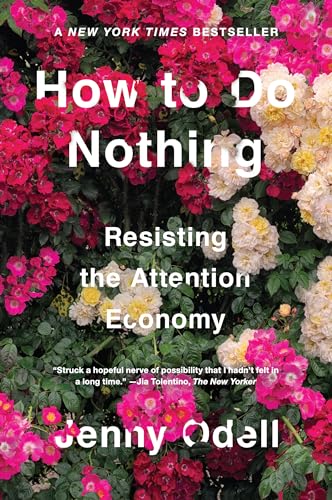
No. 99 on this list. How to Do Nothing: Resisting the Attention Economy
Jenny Odell · 2019
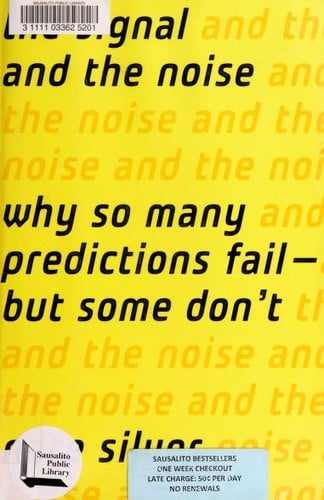
No. 100 on this list. The Signal and the Noise: Why So Many Predictions Fail-But Some Don't
Nate Silver · 2012



About this list
These 100 books are the highest-scoring eligible moderately difficult books on politics and society currently in the catalogue. By literary regard, it opens with The Declaration of Independence / The Constitution of the United States, The Federalist Papers and Epic of Gilgamesh. About 859 hours of reading in all, for the 99 with measured lengths. Difficulty runs from 50 to 58 out of 100 for the middle half of the list; the summit is Leviathan at 65.
This list is ranked by literary regard, with a consistent order for equal scores. Membership follows authors and co-authors, not translators or editors. Catalogue coverage and the historical canon both limit what this list can represent, and genre labels are the catalogue’s own, gathered into broader kinds.
When we matched the Canons dataset to our catalogue in October 2026, our canonical-status scores rose with the number of school curricula, publisher series and lists in it that cite a work: the median score was 72 for books one such source cites, 84 at two, 88 at three, 92 at four and 93 at five or more. Prizes are left out of that count. Outside the state curricula, the dataset’s sources choose mostly from what has been translated into English or French, so it is a weaker check on other literatures. Source: Canons (Andrew Piper), CC BY 4.0
Questions people actually ask
- What are the best moderately difficult books on politics and society?
- By literary regard, which weighs canonical status, critical standing and influence, The Declaration of Independence / The Constitution of the United States, The Federalist Papers, Epic of Gilgamesh, Democracy in America and The Wretched of the Earth lead. ReadingRate ranks 100 such books, each with a difficulty score and a reading-time estimate.
- Where should I start with moderately difficult books on politics and society?
- Start from difficulty, not from rank. The most approachable books on this list that still carry top literary regard are The Declaration of Independence / The Constitution of the United States by Founding Fathers (about 2 hours), Letter from Birmingham Jail by Martin Luther King Jr. and The Muqaddimah by Ibn Khaldun.
- How hard are moderately difficult books on politics and society to read?
- Most of this list sits between 50 and 58 on ReadingRate's 100-point difficulty scale, where 40 to 55 is moderate. The summit is Leviathan at 65. Every entry carries its own score, so a reader can pick a great book at a difficulty they will finish.
- How is this list ranked?
- On literary-regard data: how canonically established a work is, its critical standing, and its influence on later writing. It is not a readers’ poll, which is why recent bestsellers rarely appear. Membership follows authors and co-authors, not translators or editors. A list that is not a genre list keeps to literature (fiction, poetry, drama and philosophy), with philosophy taking no more than one slot in five while there is literature left to rank; every list holds at most three works by one author.