Hours at an average pace
Showing 74 books
About 546 hours for 70 of 74 books with measured lengths. Estimates use 250 words a minute, adjusted for each book's difficulty. At 2 hours a day, about 273 days for those books.
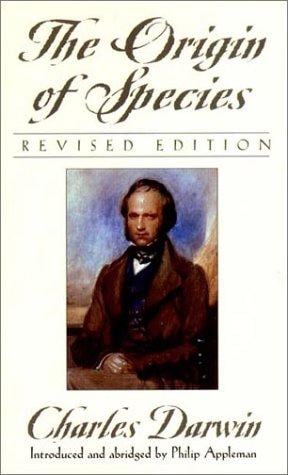
The book is a cornerstone of biology, history of science and Victorian studies, assigned across disciplines worldwide. It is among the most widely taught scientific texts ever written.
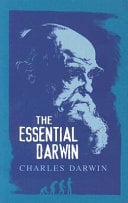
No. 2 on this list. The Essential Darwin: On the Origins of Species/The Descent of Man
Challenging3.7 hours
Selections centred on On the Origin of Species — among the most taught and cited works in the history of science.
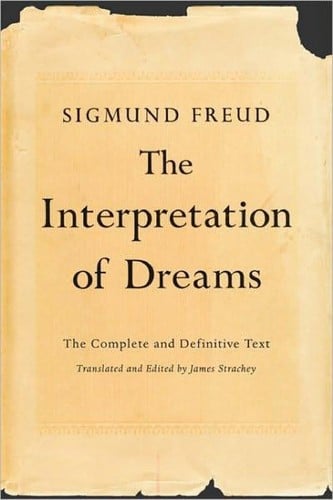
No. 3 on this list. The Interpretation of Dreams
Sigmund Freud · 1899
Moderate13 hours
Included in: Great Books of the Western World
Freud's founding work of psychoanalysis is taught across psychology, literary theory, philosophy and the history of ideas, and is a standard text in courses on modernism. Few works published around 1900 hold a comparable place across so many disciplines.
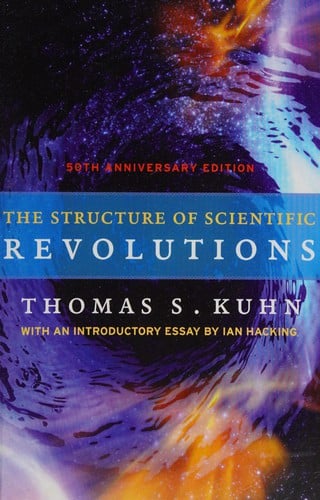
No. 4 on this list. The Structure of Scientific Revolutions
Thomas S. Kuhn · 1962
Challenging5.6 hours
Standard reading across philosophy and history of science, sociology and science and technology studies, and one of the most assigned academic books of the twentieth century. The phrase 'paradigm shift' entered everyday language from it.
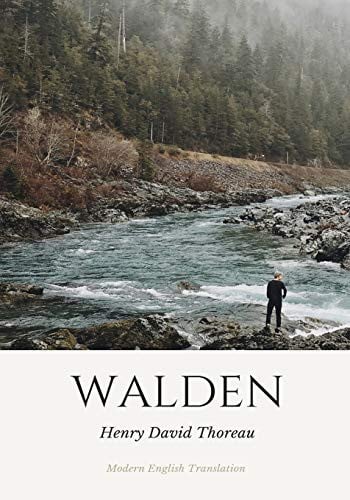
Thoreau moved to a cabin on a pond for two years and wrote a book that made solitude, bean-counting, and the observation of thawing mud into acts of radical philosophy. Walden supplied the intellectual template for civil disobedience, environmentalism, and voluntary simplicity — three movements that still run on its sentences.
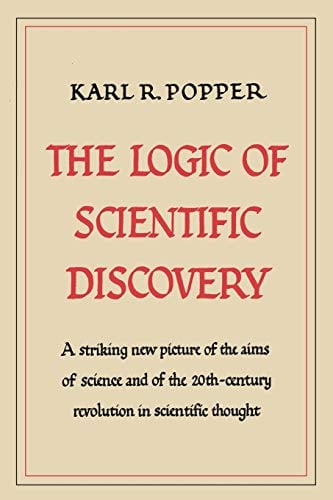
The Logic of Scientific Discovery is required reading in virtually every philosophy of science course at the university level and appears widely on syllabi in history and philosophy of science programs globally. It is not a literary canonical text but holds the equivalent position within its discipline — a foundational text that practitioners of science and philosophy are expected to know.
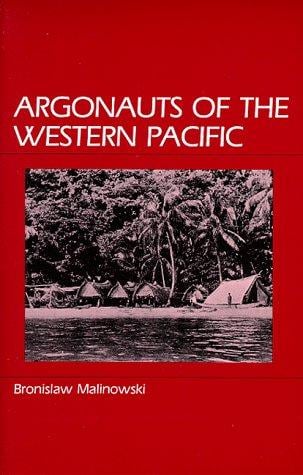
The founding text of modern fieldwork and taught in almost every anthropology programme.
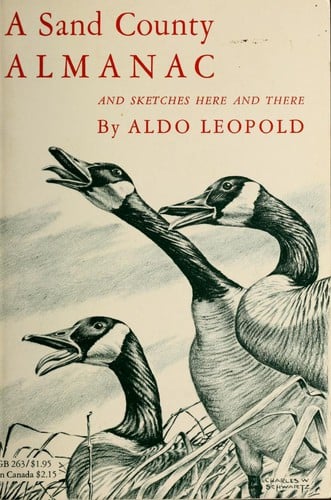
Taught in virtually every environmental studies, ecology, and environmental humanities program in the United States. The land ethic essay is one of the most reprinted texts in conservation history, and the book appears on every major 'essential nature writing' and 'books that shaped American environmental thought' list.
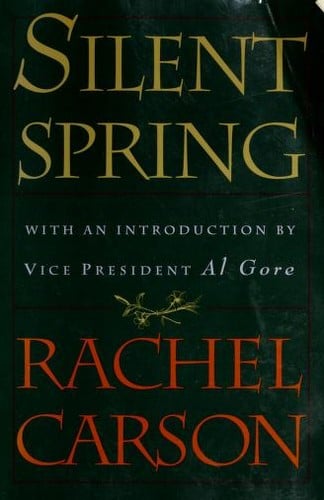
Required reading in environmental science, ecology, American history, and science writing courses worldwide. Regularly listed among the most important books of the 20th century by Le Monde, Modern Library, and TIME. Its influence extends far beyond literary circles into science, law, and public policy.
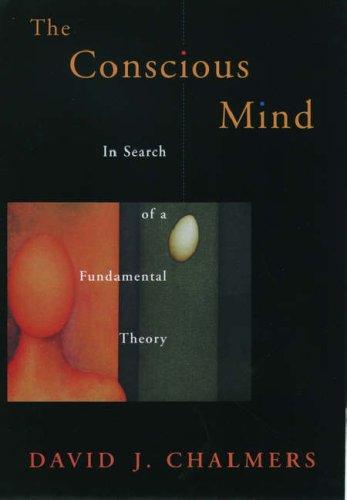
Consciousness is the biggest mystery. That is Chalmers's opening line, and he means it without hedging. We know our experience from the inside more directly than we know anything else, yet we have no idea how a physical brain produces it. Chalmers calls this the hard problem: not the relatively tractable questions of how the brain processes information or integrates signals, but the question of why any of that processing is accompanied by subjective experience at all. Why should there be something it is like to be a brain? Chalmers argues — reluctantly, as a mathematician turned philosopher who began his career hoping for a materialist answer — that it cannot be explained in physical terms. The famous zombie argument puts the point sharply: a creature physically identical to you, with all your neural processes running exactly, could conceivably exist without any inner experience. If that is conceivable, consciousness is not logically entailed by the physical facts, and reductive explanation fails. The alternative Chalmers builds toward is naturalistic dualism: consciousness as a fundamental feature of nature, like mass or charge, governed by psychophysical laws that connect information states to experience. Chapter by chapter he constructs and defends this framework, then applies it to artificial intelligence (silicon brains can be conscious if they implement the right functional organization) and quantum mechanics (consciousness may help resolve the measurement problem). The argument demands patience with modal logic and analytic philosophy's technical apparatus. What it offers is the clearest statement of why the mind-body problem is genuinely hard, and the most rigorous attempt to think through what that hardness requires us to believe.
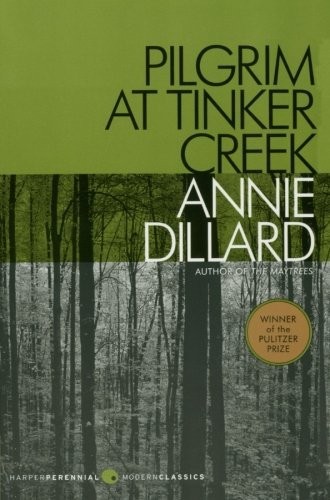
No. 11 on this list. Pilgrim at Tinker Creek · Annie Dillard · 1974
Winner of the 1975 Pulitzer Prize for General Nonfiction, widely taught in creative nonfiction workshops and environmental literature courses across American universities. A fixture on nature writing syllabi and 'best nonfiction' lists, though it falls short of universal required-reading status outside its genre.
Challenging6.8 hours
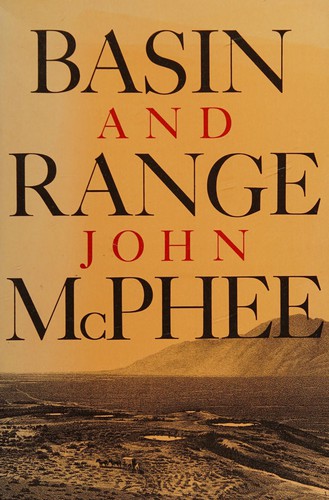
Start this bookNo. 12 on this list. Basin and Range · John McPhee · 1981
Basin and Range is a standard text in creative nonfiction courses and frequently assigned in American universities alongside McPhee's other Annals volumes. While it lacks a standalone Wikipedia article in multiple languages, it is widely considered essential reading in the narrative science writing tradition and appears in geology and environmental humanities syllabi. Its canonical status is reinforced as part of Annals of the Former World, which won the Pulitzer Prize in 1999.
Moderate3.2 hours
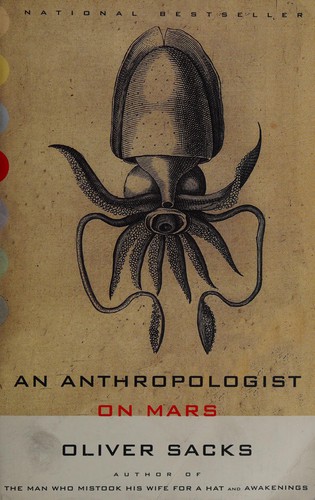
Start this bookNo. 13 on this list. An Anthropologist on Mars · Oliver Sacks · 1995
Widely taught in medical humanities, disability studies, and philosophy of mind courses at university level. Appears consistently on syllabi alongside Sacks's earlier work 'The Man Who Mistook His Wife for a Hat.' Not a fixture of traditional literary canons but firmly established in the overlapping domains of science writing, medical ethics, and neurohumanities.
Challenging9.5 hours
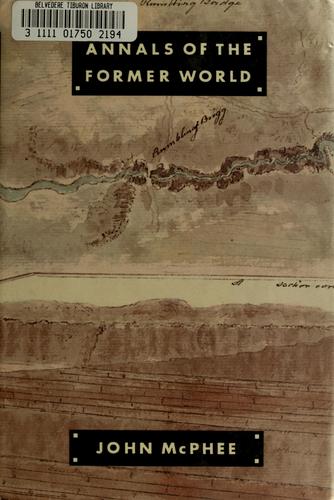
Start this bookNo. 14 on this list. Annals of the Former World · John McPhee · 1998
Winner of the 1999 Pulitzer Prize for General Nonfiction, the book is widely regarded as the definitive work of American literary geology writing and appears on science writing, environmental humanities, and American nonfiction reading lists. It occupies a strong canonical position within literary nonfiction, though it is more a specialist essential than a broadly taught undergraduate staple like the canonical American novels.
Challenging18 hours
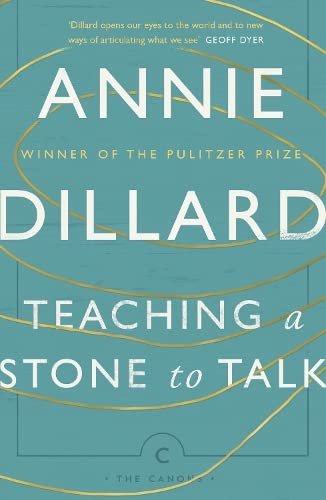
Start this bookNo. 15 on this list. Teaching a Stone to Talk · Annie Dillard · 1982
Annie Dillard goes to Mass and keeps imagining herself on a polar ice floe. This is the logic of the title essay 'An Expedition to the Pole,' which braids the disasters of Franklin, Scott, and Nansen with the small absurdities of Catholic liturgy—the singing group called Wildflowers, a baby named Oswaldo in blue tennis shoes, a priest whose knees crack like fine church music. The pivot is Dillard's actual question: why do churchgoers seem like cheerful tourists on a packaged tour of the Absolute? The Franklin expedition carried sterling silver flatware and a backgammon board into the Arctic and died. What are we carrying? The other essays are pitched at the same edge. 'Life on the Rocks: The Galápagos' opens with a sea lion resting its muzzle on Dillard's arm and ends with the continents riding their crustal plates like boys on dolphins. 'The Deer at Providencia' watches a deer die on a rope while Dillard eats lunch, then asks quietly what exactly surprises the men around her. Dillard writes as a natural historian trained by mystics: every fact about polar deaths or Darwin's finches is also an argument about what it means to be alive and failing to understand it. The reading experience is quiet, demanding, and luminous—a book that asks hard questions and refuses to answer them on your behalf.
Moderate2.9 hours
Start this bookNo. 16 on this list. Race, Language, and Culture · Franz Boas · 1940
Ranked by literary regard among eligible works in the current catalogue. This position reflects the available catalogue evidence.
Challenging15 hours
Start this bookNo. 17 on this list. Growing Up in New Guinea · Margaret Mead · 1930
Ranked by literary regard among eligible works in the current catalogue. This position reflects the available catalogue evidence.
Moderate6.3 hours
Start this bookNo. 18 on this list. Against Method · Paul Feyerabend · 1975
Against Method is standard required reading in philosophy of science courses at universities worldwide. The database shows no syllabus count or Wikipedia language data, which reflects a data gap rather than the book's actual status — it is foundational within the philosophy of science curriculum and appears on course syllabi across the English-speaking world and beyond. Its canonical position within academic philosophy is secure, though it does not reach the breadth of literary canons.
Challenging9.4 hours
Start this bookNo. 19 on this list. Obedience to Authority · Stanley Milgram · 1974
In 1961, Stanley Milgram ran a simple experiment at Yale University. A volunteer sat in front of a shock generator with thirty labeled switches, from 15 volts to 450 volts. An experimenter in a lab coat instructed the volunteer to administer shocks to a stranger in the next room whenever the stranger answered a question incorrectly. The stranger screamed. The volunteer continued. Two-thirds of ordinary Americans delivered what they believed to be potentially lethal shocks because a man in authority told them to keep going. Milgram's account of these experiments is spare and methodical, walking through eighteen variations — what happens when the victim is in the same room, when the authority figure leaves, when other volunteers rebel, when the authority is a corporation rather than a university. Each variation peels away another excuse. It is not distance, not personality, not some German pathology. The mechanism is structural: people enter what Milgram calls the "agentic state," subordinating their own judgment to the hierarchy they find themselves in. The book is not comfortable reading, because its conclusions apply to the reader as readily as to anyone else. What makes it stick, fifty years later, is Milgram's refusal to look away from what he found — and his insistence that understanding the mechanism is the first step toward resisting it.
Moderate3.5 hours
Start this bookNo. 20 on this list. The Man Who Mistook His Wife for a Hat · Oliver Sacks · 1985
A fixture on neuroscience, psychology, philosophy of mind, and medical humanities syllabi at universities worldwide. Not part of the traditional literary canon, but treated as essential reading across multiple disciplines. Widely referenced in discussions of consciousness, selfhood, and the ethics of clinical medicine.
Challenging6.5 hours
Start this book
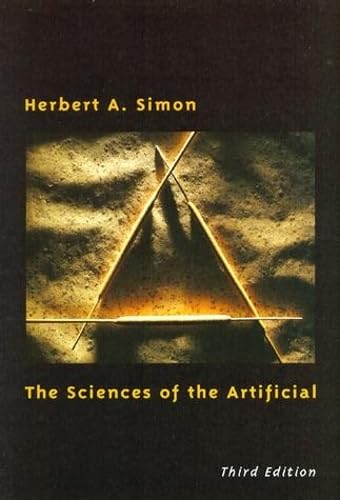
No. 21 on this list. The Sciences of the Artificial · Herbert A. Simon · 1996
It is a foundational text in design theory, human-computer interaction and organizational studies, widely assigned in design and information science courses. Its reach is strong within those fields, though narrower than a general literary canon.
Moderate4.4 hours
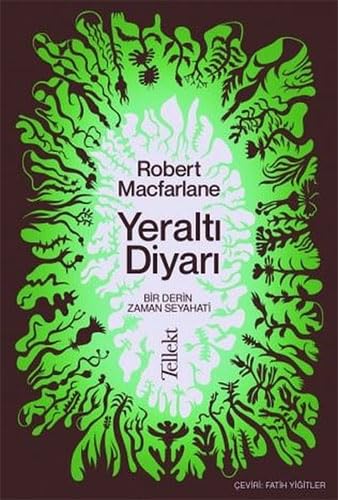
Start this bookNo. 22 on this list. Underland: A Deep Time Journey · Robert Macfarlane · 2019
Robert Macfarlane descends into the earth. In Underland, he explores nine underground spaces across a decade of travel: the limestone caves of Somerset where Pleistocene bear bones protrude from the walls, the Parisian catacombs stacked with six million dead, Slovenian karst caves whose speleothems grow one millimeter per century, a Finnish repository being carved into granite bedrock to contain nuclear waste for 100,000 years. Each place is a different relationship to time — to what the earth keeps, hides, or slowly destroys. Macfarlane writes with geological precision and elegiac intensity. His sentences carry the weight of deep time: they accumulate clause upon clause the way sediment accumulates, then break open into image. He walks through mycorrhizal forests where trees communicate through fungal networks threading the soil; he stands at the edge of a glacial meltwater shaft in Greenland and watches pale blue water spiral into blackness. The book's central question — what do we owe to humans living 100,000 years from now? — is never answered. It sits inside the Onkalo repository chapter like the waste itself: sealed, pressurized, waiting. Organized as a literal and mythological descent, Underland draws on Orpheus, Dante, and Roger Deakin to frame a reckoning with the Anthropocene. It ends not with consolation but with ice.
Challenging7.7 hours
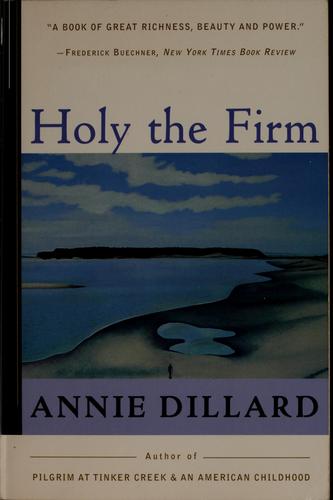
Start this bookNo. 23 on this list. Holy the Firm · Annie Dillard · 1977
Holy the Firm appears regularly on MFA creative nonfiction syllabi and in courses on the lyric essay, American nature writing, and spiritual literature, though it is far less broadly assigned than Pilgrim at Tinker Creek. It is not a K-12 canonical text. The Open Syllabus database shows no appearances in this database, likely a data gap rather than absence — the book is widely anthologized in essay collections and taught at graduate level. Its status as a touchstone of the lyric essay form is secure in literary circles.
Challenging53 min
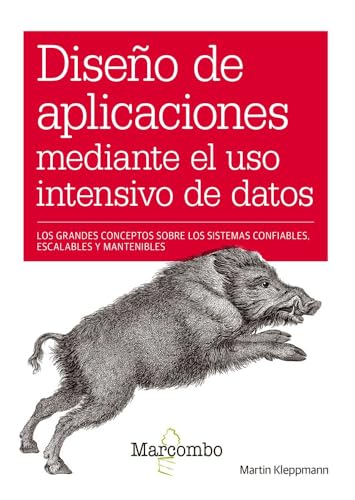
Start this bookNo. 24 on this list. DESIGNING DATA-INTENSIVE APPLICATIONS · Martin Kleppmann · 2025
No literary prizes — it isn't award-eligible in that sense — but it has become close to required reading in graduate distributed-systems and database courses and is one of the most consistently recommended books for software engineering interview preparation and staff-engineer reading lists since its 2017 publication.
Moderate13 hours
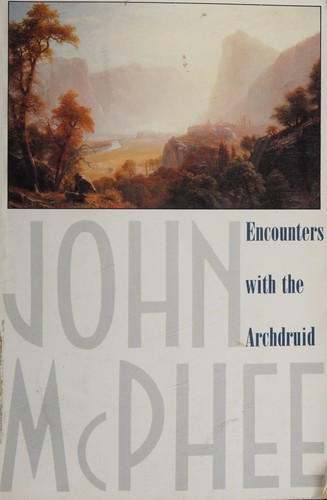
Start this bookNo. 25 on this list. Encounters with the Archdruid · John McPhee · 1971
Encounters with the Archdruid is widely regarded as a landmark of American literary nonfiction, regularly appearing on syllabi in environmental writing, journalism, and nature writing courses. It does not have the broad canonical status of fiction taught in every high school, but within its genre it occupies essential-reading status, comparable to other New Journalism classics that circulate heavily in university writing programs. No automated syllabus data was returned, but its reputation in journalism and environmental humanities programs is well-established.
Moderate4.1 hours
Start this bookNo. 26 on this list. Illness as Metaphor · Susan Sontag · 1978
Sontag, diagnosed with breast cancer in 1975, wrote this essay to demolish the metaphors that surround serious illness—the idea that cancer reveals something about the patient's character, that it is caused by repressed emotions, or that it is a 'battle' the patient must 'fight.' She traces a parallel history of tuberculosis in the nineteenth century and cancer in the twentieth, showing how each disease attracted a mythology that blamed the patient and mystified the illness. TB was romanticized as the disease of sensitive artists; cancer was demonized as the disease of repression and conformity. Both mythologies, she argues, add unnecessary suffering to the already terrible experience of being sick. The essay is a masterpiece of intellectual polemic: tight, angry, and precisely argued, with no wasted words.
Moderate1.4 hours
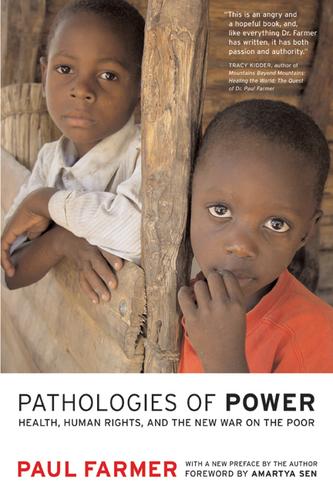
Start this bookNo. 27 on this list. Pathologies of Power: Health, Human Rights, and the New War on the Poor · Paul Farmer · 2005
A standard text across global health and medical anthropology curricula.
Challenging9.3 hours
Start this bookNo. 28 on this list. The Blank Slate · Steven Pinker · 2002
The Blank Slate is a standard text in courses on psychology, evolutionary thought and science-and-society debates. It is widely assigned and cited, but it is a popular-science work and has not reached the status of a canonical classic.
Moderate14 hours
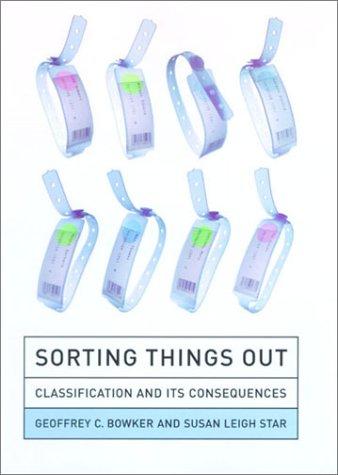
Start this bookNo. 29 on this list. Sorting Things Out: Classification and Its Consequences · Susan Leigh Star · 1999
Standard graduate reading in information science and science studies.
Challenging9.9 hours
Start this bookNo. 30 on this list. Infections and Inequalities: The Modern Plagues · Paul Farmer · 2001
Ranked by literary regard among eligible works in the current catalogue. This position reflects the available catalogue evidence.
Challenging9.6 hours
Start this book
No. 31 on this list. A Field Guide to Getting Lost
Rebecca Solnit · 2005
No. 32 on this list. Wolf Totem
Jiang Rong · 2004
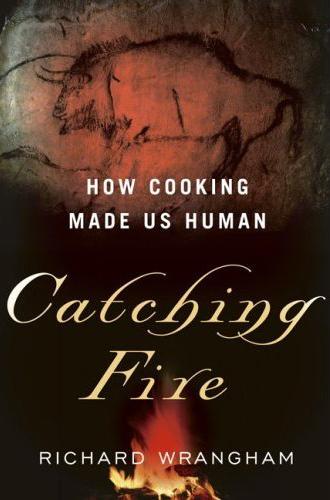
No. 33 on this list. Catching Fire
Richard W. Wrangham · 2009
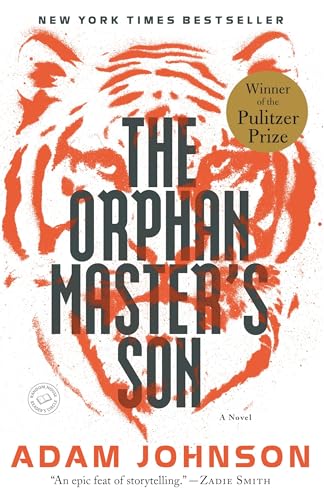
No. 34 on this list. The Orphan Master's Son
Adam Johnson · 2013
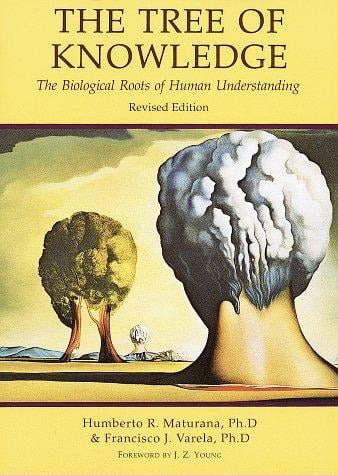
No. 35 on this list. Arbol del conocimiento
Humberto R. Maturana · 1987
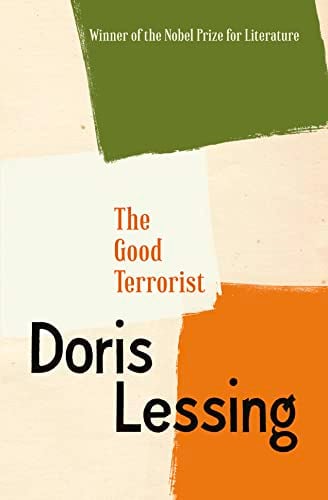
No. 36 on this list. The Good Terrorist
Doris Lessing · 1985
No. 37 on this list. This Mournable Body
Tsitsi Dangarembga · 2020
No. 38 on this list. Barkskins
Annie Proulx · 2016
No. 39 on this list. The Redundancy of Courage
Timothy Mo · 1991
No. 40 on this list. The Spell of the Sensuous: Perception and Language in a More-Than-Human World
David Abram · 1997
No. 41 on this list. Determined: A Science of Life Without Free Will
Robert M. Sapolsky · 2024
No. 42 on this list. The Signal and the Noise: Why So Many Predictions Fail-But Some Don't
Nate Silver · 2012
No. 43 on this list. An Immense World: How Animal Senses Reveal the Hidden Realms Around Us
Ed Yong · 2022
No. 44 on this list. The Age of Insight: The Quest to Understand the Unconscious in Art, Mind, and Brain, from Vienna 1900 to the Present
Eric Kandel · 2012
No. 45 on this list. Feeling & Knowing: Making Minds Conscious
Antonio Damasio · 2021
No. 46 on this list. Creating Mental Illness
Allan V. Horwitz · 2001
No. 47 on this list. The Experience Machine: How Our Minds Predict and Shape Reality
Andy Clark · 2024
No. 48 on this list. Reductionism in Art and Brain Science: Bridging the Two Cultures
Eric R. Kandel · 2016
No. 49 on this list. Plague Time: The New Germ Theory of Disease
No. 50 on this list. The Case Against Reality: Why Evolution Hid the Truth from Our Eyes
Donald Hoffman · 2022
No. 51 on this list. The Delusions of Certainty
Siri Hustvedt · 2017
No. 52 on this list. The Elephant in the Brain
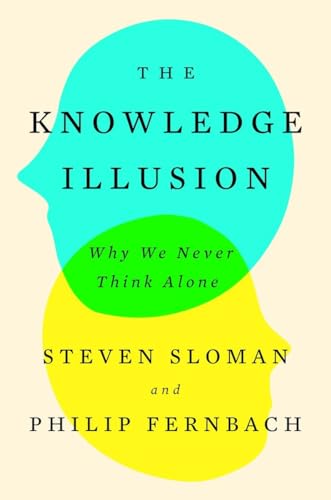
No. 53 on this list. The Knowledge Illusion: Why We Never Think Alone
Philip Fernbach · 2017
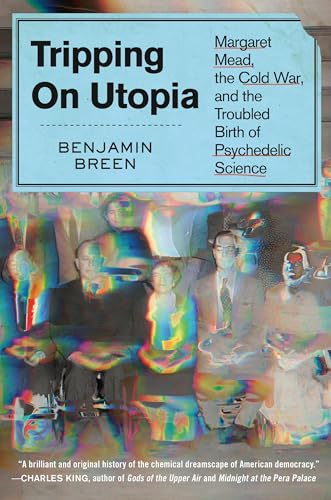
No. 54 on this list. Tripping on Utopia: Margaret Mead, the Cold War, and the Troubled Birth of Psychedelic Science
Benjamin Breen · 2024
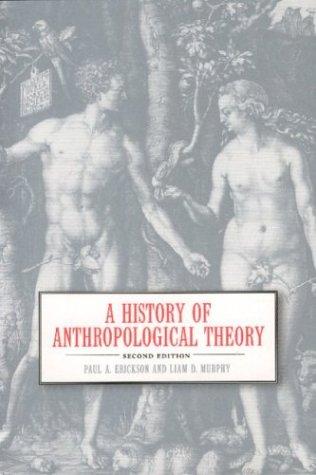
No. 55 on this list. A History of Anthropological Theory
Paul A. Erickson · 1998
No. 56 on this list. Between Us: How Cultures Create Emotions
Batja Mesquita · 2022
No. 57 on this list. Free Agents: How Evolution Gave Us Free Will
Kevin J. Mitchell · 2023
No. 58 on this list. The Aesthetic Brain: How We Evolved to Desire Beauty and Enjoy Art
Anjan Chatterjee · 2014
No. 59 on this list. The Case Against Reality: How Evolution Hid the Truth from Our Eyes
Donald D. Hoffman · 2019
No. 60 on this list. How to: Absurd Scientific Advice for Common Real-World Problems
Randall Munroe · 2019
No. 61 on this list. The Art of Logic in an Illogical World
Eugenia Cheng · 2018
No. 62 on this list. Naming Nature: The Clash Between Instinct and Science
Carol Kaesuk Yoon · 2009
No. 63 on this list. Never Enough
Judith Grisel · 2019
No. 64 on this list. Ways of Attending: How Our Divided Brain Constructs the World
Iain McGilchrist · 2018
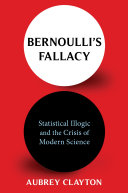
No. 65 on this list. Bernoulli's Fallacy: Statistical Illogic and the Crisis of Modern Science
Aubrey Clayton · 2021
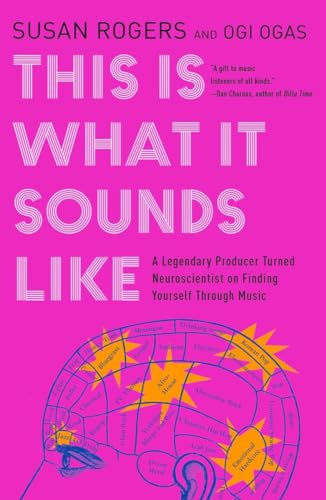
No. 66 on this list. This Is What It Sounds Like: What the Music You Love Says About You
Susan Rogers · 2023
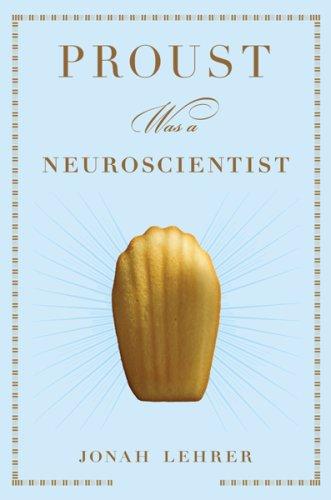
No. 67 on this list. Proust Was a Neuroscientist
Jonah Lehrer · 2007
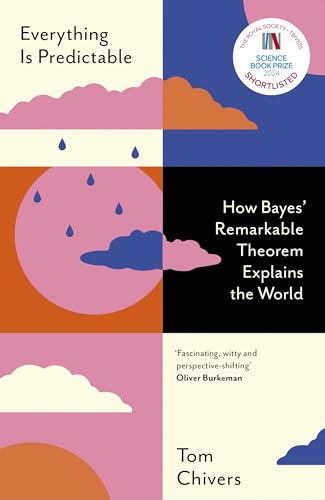
No. 68 on this list. Everything Is Predictable: How Bayesian Statistics Explain Our World
Tom Chivers · 2024
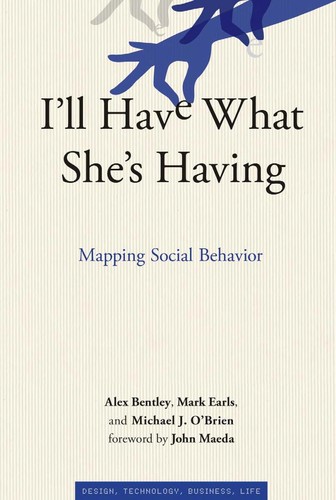
No. 69 on this list. I'll Have What She's Having: Mapping Social Behavior
Michael J. O'Brien · 2011
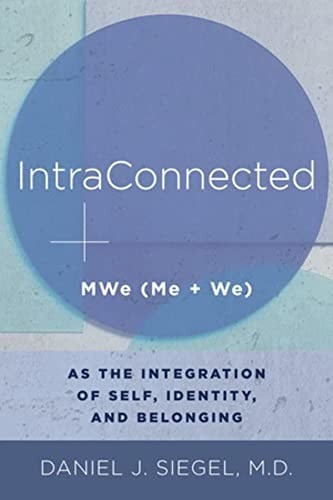
No. 70 on this list. IntraConnected: MWe (Me + We) as the Integration of Self, Identity, and Belonging
Daniel J. Siegel · 2022
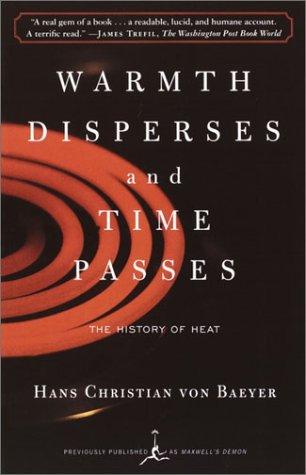
No. 71 on this list. Warmth Disperses and Time Passes: The History of Heat
Hans Christian Von Baeyer · 1999
No. 72 on this list. Hurts So Good: The Science and Culture of Pain on Purpose
Leigh Cowart · 2021
No. 73 on this list. Comparative Genetics of Coat Color in Mammals
Antony G. Searle · 1968
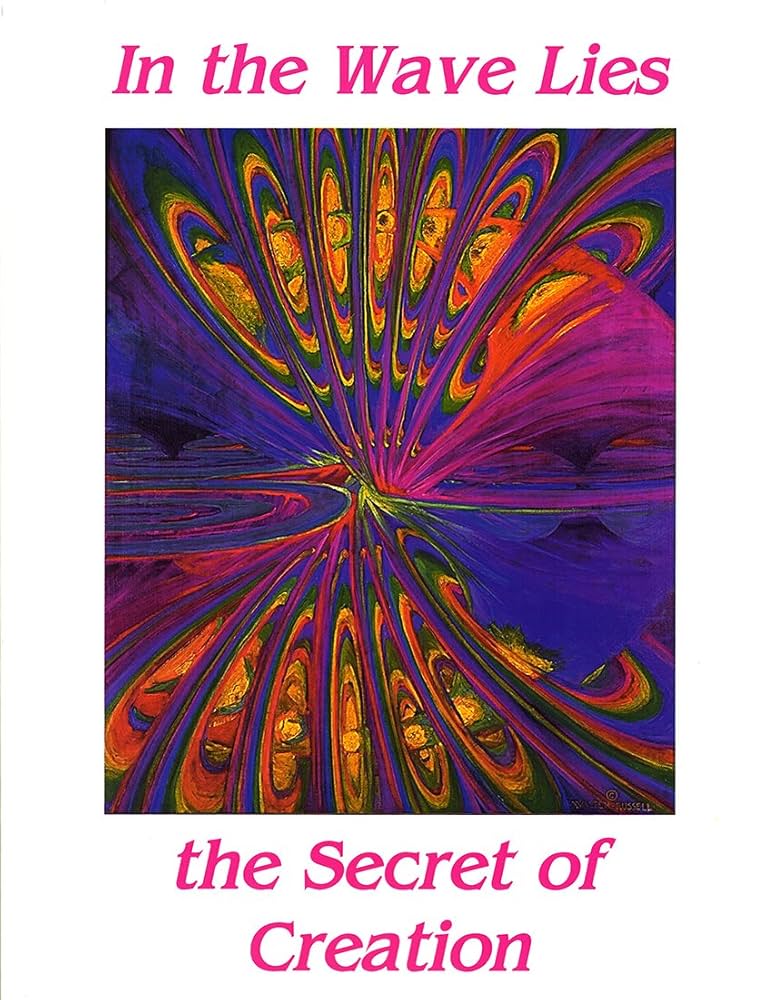
No. 74 on this list. In the Wave Lies the Secret of Creation
Walter Russell · 1995
About this list
These 74 books are the highest-scoring eligible moderately difficult science books currently in the catalogue. By literary regard, it opens with The Origin of Species, The Essential Darwin: On the Origins of Species/The Descent of Man and The Interpretation of Dreams. About 546 hours of reading in all, for the 70 with measured lengths. Difficulty runs from 49 to 60 out of 100 for the middle half of the list; the summit is Sorting Things Out: Classification and Its Consequences at 65.
This list is ranked by literary regard, with a consistent order for equal scores. Membership follows authors and co-authors, not translators or editors. Catalogue coverage and the historical canon both limit what this list can represent, and genre labels are the catalogue’s own, gathered into broader kinds.
When we matched the Canons dataset to our catalogue in October 2026, our canonical-status scores rose with the number of school curricula, publisher series and lists in it that cite a work: the median score was 72 for books one such source cites, 84 at two, 88 at three, 92 at four and 93 at five or more. Prizes are left out of that count. Outside the state curricula, the dataset’s sources choose mostly from what has been translated into English or French, so it is a weaker check on other literatures. Source: Canons (Andrew Piper), CC BY 4.0
Questions people actually ask
- What are the best moderately difficult science books?
- By literary regard, which weighs canonical status, critical standing and influence, The Origin of Species, The Essential Darwin: On the Origins of Species/The Descent of Man, The Interpretation of Dreams, The Structure of Scientific Revolutions and Walden lead. ReadingRate ranks 74 such books, each with a difficulty score and a reading-time estimate.
- Where should I start with moderately difficult science books?
- Start from difficulty, not from rank. The most approachable books on this list that still carry top literary regard are Sand County Almanac by Aldo Leopold (about 3.7 hours), The Origin of Species by Charles Darwin and The Conscious Mind by David J. Chalmers.
- How hard are moderately difficult science books to read?
- Most of this list sits between 49 and 60 on ReadingRate's 100-point difficulty scale, where 40 to 55 is moderate. The summit is Sorting Things Out: Classification and Its Consequences at 65. Every entry carries its own score, so a reader can pick a great book at a difficulty they will finish.
- How is this list ranked?
- On literary-regard data: how canonically established a work is, its critical standing, and its influence on later writing. It is not a readers’ poll, which is why recent bestsellers rarely appear. Membership follows authors and co-authors, not translators or editors. A list that is not a genre list keeps to literature (fiction, poetry, drama and philosophy), with philosophy taking no more than one slot in five while there is literature left to rank; every list holds at most three works by one author.