Hours at an average pace
Showing 61 books
About 312 hours for 60 of 61 books with measured lengths. Estimates use 250 words a minute, adjusted for each book's difficulty. At 2 hours a day, about 156 days for those books.
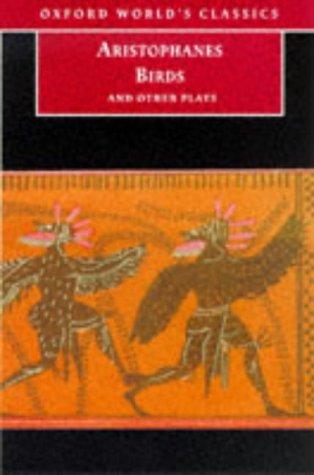
No. 1 on this list. The Birds
Aristophanes · c. 414 BCE
Moderate1.3 hours
Included in: Great Books of the Western World
The Birds is universally recognized as one of Aristophanes' finest comedies and a canonical text of ancient Greek literature, appearing on syllabi for classical literature, comparative literature, and Western civilization courses globally. Slightly less commonly assigned as an entry point than Lysistrata or The Clouds, it is nonetheless required reading in classics programs. The absence of database records reflects a data gap, not genuine obscurity.
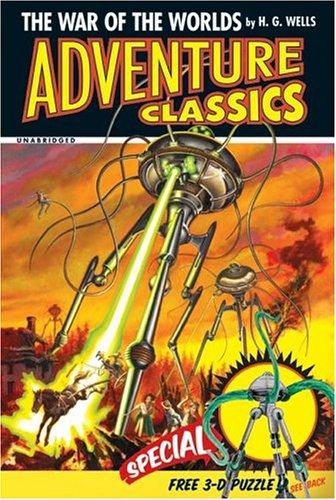
No. 2 on this list. The War of the Worlds
H.G. Wells · 1898
Moderate4.4 hours
Taught in schools: OCR GCSE and A-level English Literature (UK), Pearson Edexcel GCSE and A-level English Literature (UK), WJEC/Eduqas GCSE and A-level English Literature (UK)
The War of the Worlds is a cornerstone of science fiction, taught widely in literature and science fiction courses. While not as universally assigned as 1984 or Brave New World, it appears regularly in surveys of speculative fiction, Victorian literature, and science fiction history. The novel's influence on the genre ensures its continued academic presence.
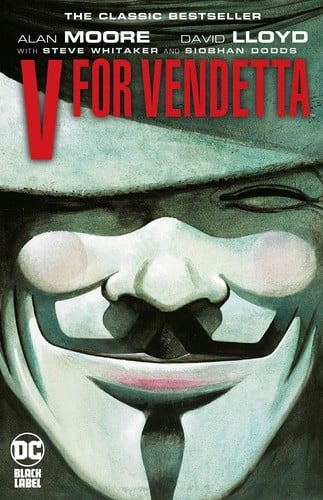
One of the foundational texts of the graphic novel form. Widely taught, frequently cited in discussions of political fiction and dystopian literature.
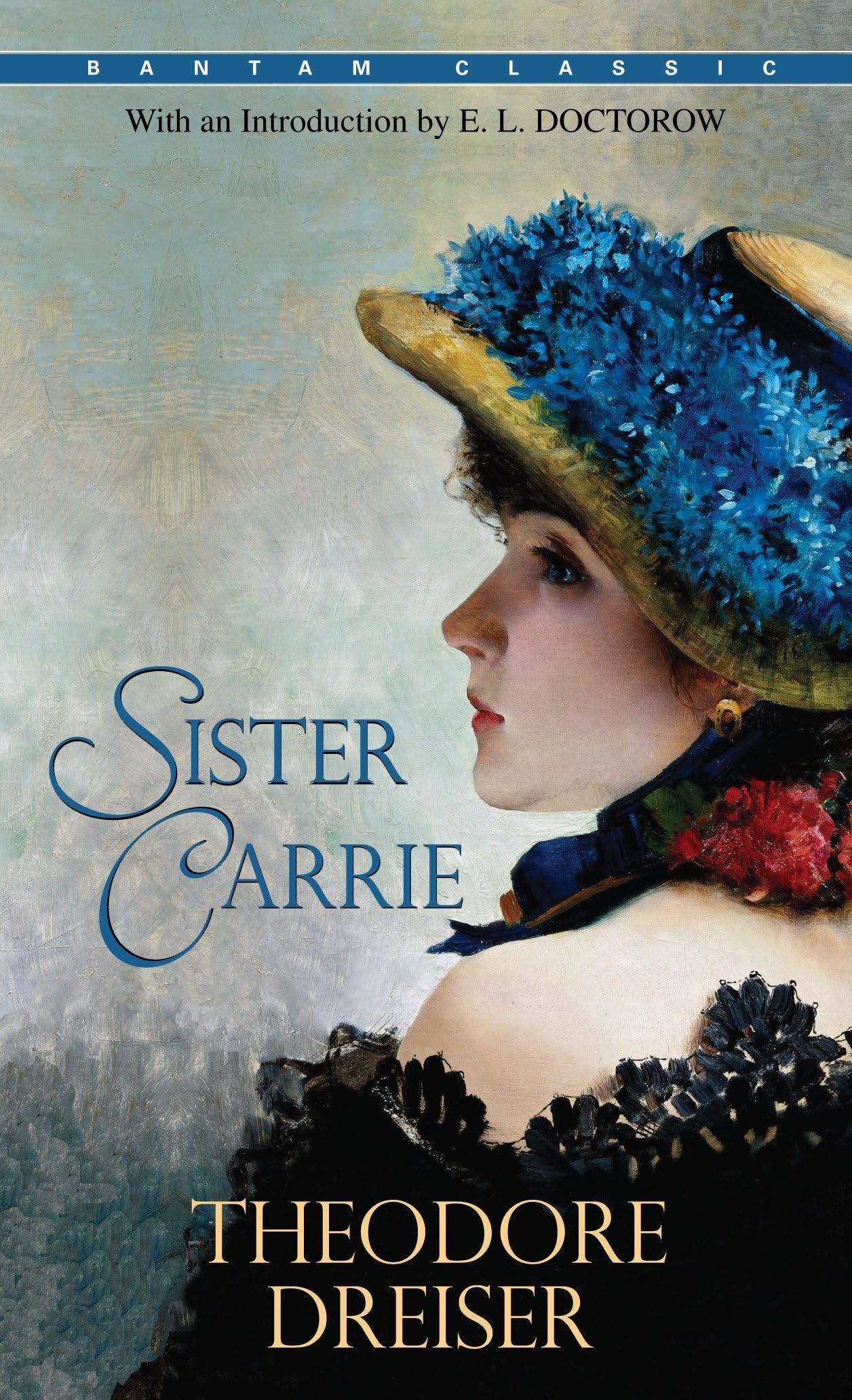
Appears on 1,040 university syllabi and sits on the Modern Library 100 Best Novels list. It is a standard text for American naturalism and the Gilded Age city.
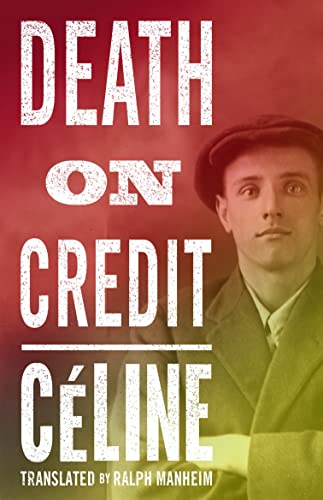
Considered one of the great French novels of the twentieth century, though less widely read than Journey to the End of the Night. Central to studies of literary modernism.
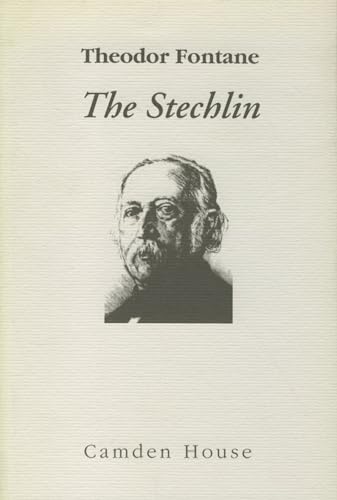
Highly regarded in German literature as Fontane's most experimental work. Less widely known internationally than Effi Briest but increasingly appreciated by scholars.
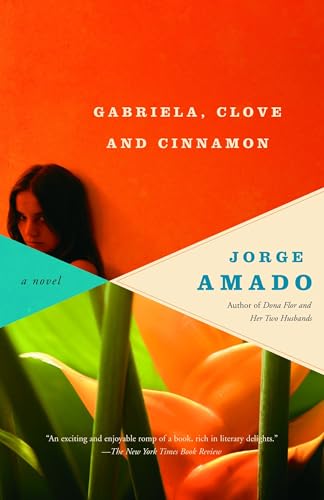
Gabriela is among the defining works of Brazilian literature and appears regularly on Latin American literature syllabi worldwide. It established Jorge Amado's international reputation and is one of the most-translated Brazilian novels ever published. While not as universally taught as García Márquez, it occupies a secure place in world literature curricula.
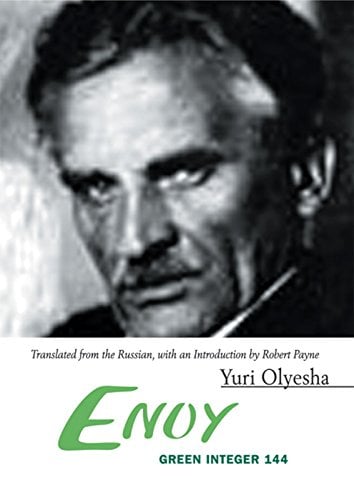
A recognized masterpiece of early Soviet literature and one of the finest short novels in the Russian language.
Appears on 231 university syllabi (59th percentile in Open Syllabus) and was named to TIME's All-TIME 100 Novels (2005). It is a standard text in science fiction, cyberpunk and digital-culture courses, with a Wikipedia article in 20 languages.
A well-regarded Kadare novel, appreciated for its humor and intellectual concerns, though less frequently cited than Broken April or The Palace of Dreams.
No. 11 on this list. Love in a Fallen City · Eileen Chang · 1943
Chang is recognized as a major figure in modern Chinese literature and is regularly taught in Chinese literature, Asian studies, and world literature courses. This Penguin Modern Classics edition and inclusion in the Columbia Anthology of Modern Chinese Literature signal canonical standing. Her syllabi presence in Western universities remains more limited than in Chinese-speaking academic institutions, where she is a curriculum staple.
Easy6.2 hours
Start this bookNo. 12 on this list. Sanshiro · Natsume Sōseki · 1908
A key Soseki novel and an important document of Meiji-era Japan's encounter with modernity.
Easy4.3 hours
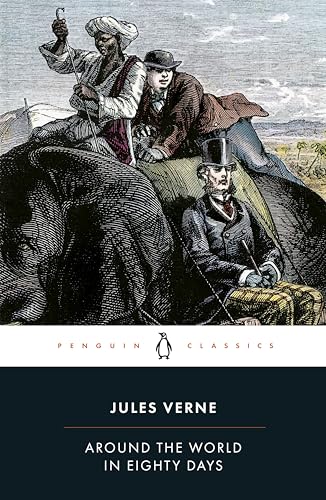
Start this bookNo. 13 on this list. Around the World in Eighty Days · Jules Verne · 1872
Taught in schools: CSEC English B – Caribbean Examinations Council
Around the World in Eighty Days is a recognized classic of world literature, appearing on recommended reading lists across many countries and taught in world literature and adventure fiction courses globally. The novel has been continuously in print since 1873 and has been translated into dozens of languages, cementing its place in the literary canon — though it sits below the most academically studied texts like Gatsby or Ulysses.
Easy3.6 hours
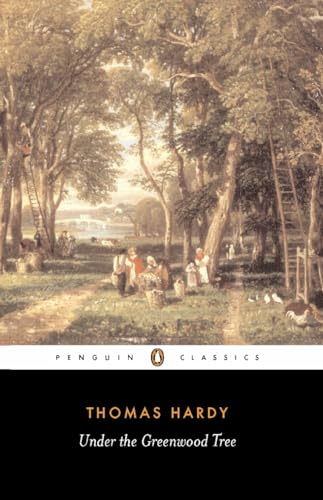
Start this bookNo. 14 on this list. Under the Greenwood Tree · Thomas Hardy · 1872
Under the Greenwood Tree is taught in British literature and Hardy courses as the founding text of his Wessex cycle, but it occupies a supporting role in the canon relative to Tess of the d'Urbervilles or Far from the Madding Crowd. It appears on specialist Hardy syllabi and English pastoral fiction courses rather than general surveys. No syllabus data was found in the database, but the work's position in Hardy's oeuvre and the breadth of Hardy scholarship gives it modest but genuine canonical presence.
Easy3.3 hours
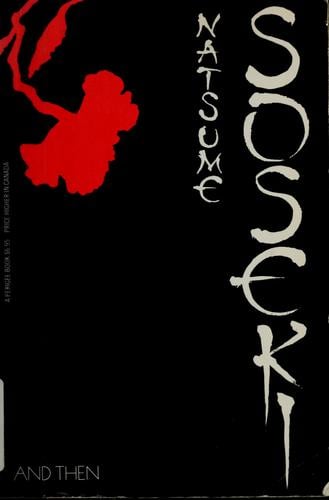
Start this bookNo. 15 on this list. And Then · Natsume Sōseki · 1909
Included in: UNESCO Collection of Representative Works
Central to Soseki's early trilogy and an important exploration of Meiji-era moral crisis.
Moderate4.8 hours
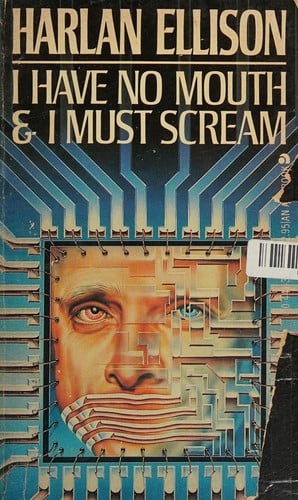
Start this bookNo. 16 on this list. I Have No Mouth & I Must Scream · Harlan Ellison · 1967
Widely anthologized and taught in science fiction courses, it is a staple of the genre's short fiction and a classic of dystopian horror. It is less central to general literary curricula.
Easy2.9 hours
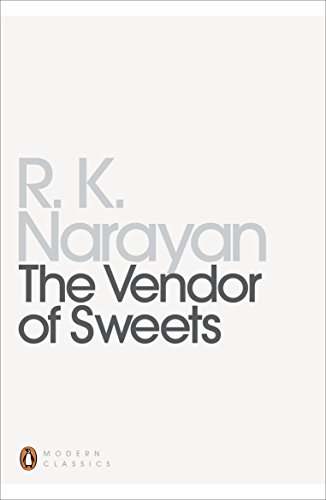
Start this bookNo. 17 on this list. The Vendor of Sweets · R.K. Narayan · 1967
One of Narayan's most admired novels and a standard text in Indian literature courses, though less internationally famous than The Guide.
Easy2.3 hours
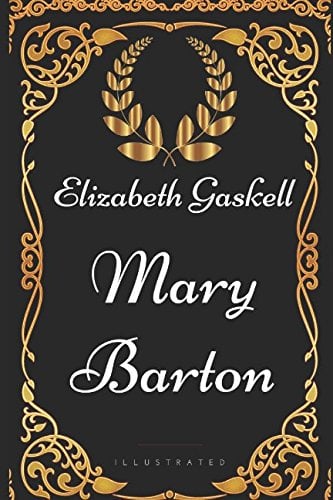
Start this bookNo. 18 on this list. Mary Barton · Elizabeth Gaskell · 1848
Mary Barton appears regularly on university syllabi in Victorian literature, social fiction, and labor history courses in both British and American universities. While no syllabus count data is available, it holds a recognized place in the Victorian canon alongside Dickens and George Eliot, particularly as a foundational text of the industrial novel.
Moderate10 hours
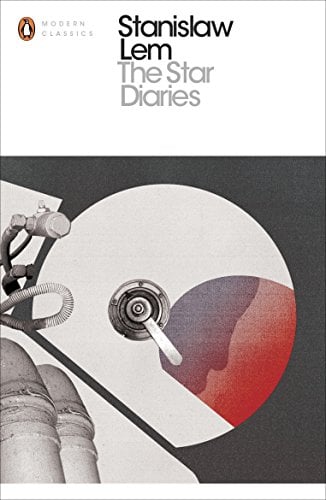
Start this bookNo. 19 on this list. The Star Diaries · Stanisław Lem · 1957
Well-known in European literary tradition but less widely taught in anglophone curricula than Solaris or The Cyberiad.
Moderate5.5 hours
Start this bookNo. 20 on this list. Old Tales Retold · Lu Xun · 1936
An important late work in Lu Xun's oeuvre. Less widely studied than Call to Arms or Wandering but valued for its inventiveness.
Moderate2.2 hours
Start this book
No. 21 on this list. The Ultimate Hitchhiker’s Guide to the Galaxy (Hitchhiker's Guide to the Galaxy, #1-5) · Douglas Adams · 2002
One of the best-known British comic novels, widely read in schools and taught in some university courses on science fiction and satire, with an enormous popular following. It is a cultural fixture more than a core syllabus text.
Easy2.8 hours
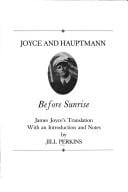
Start this bookNo. 22 on this list. Before Sunrise · Gerhart Hauptmann · 1930
Hauptmann's play follows a young socialist who arrives in a Silesian village and falls in love with the daughter of a rich farmer. The father drinks; the family's prosperity is built on exploitation; the socialist talks of revolution but cannot act. The play premiered in 1889, shocking audiences with its naturalistic portrayal of alcoholism and rural poverty. Hauptmann was not yet thirty, already at the center of German theater. The play's ending offers no resolution—the drunk father stumbles off, the lovers part, the system grinds on.
Moderate3.5 hours
Start this bookNo. 23 on this list. The Last Question · Isaac Asimov · 2007
It is an anthology staple of science fiction and widely read in classrooms and genre courses, though not a core literary canon text. It does not match the syllabus presence of Gatsby or 1984.
Easy9 min
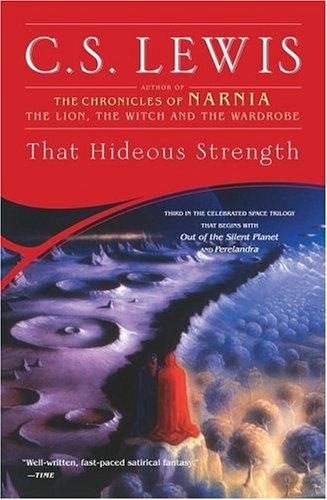
Start this bookNo. 24 on this list. That Hideous Strength · C.S. Lewis · 1945
No syllabus or Wikipedia data is available in the database for this title, but That Hideous Strength occupies a firm if specialised position in academic reading lists: required in courses on Christian literature, twentieth-century British fiction, and utopian/dystopian studies. It is less central to the mainstream literary canon than Narnia or Mere Christianity, but it is the most taught title in the Space Trilogy and appears regularly in Lewis studies courses.
Moderate5.9 hours
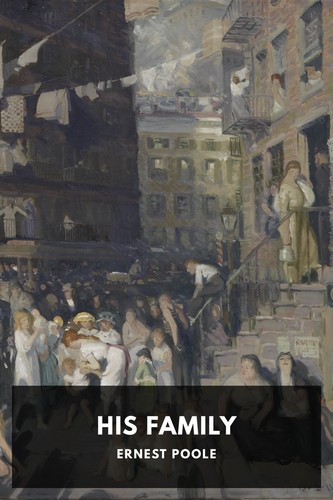
Start this bookNo. 25 on this list. His Family · Ernest Poole · 1918
Roger Gale is a widower in early twentieth-century New York, watching his three daughters pursue radically different lives. Edith clings to tradition and large families; Deborah throws herself into social work in the slums; Laura chases pleasure and divorce. Poole's novel won the first Pulitzer Prize for fiction, though it has since faded from memory. The prose is earnest and observant, more interested in social forces than individual psychology. Roger's attempts to understand his daughters become a meditation on how America was changing—the old certainties giving way to something faster, harsher, more alive.
Easy5.9 hours
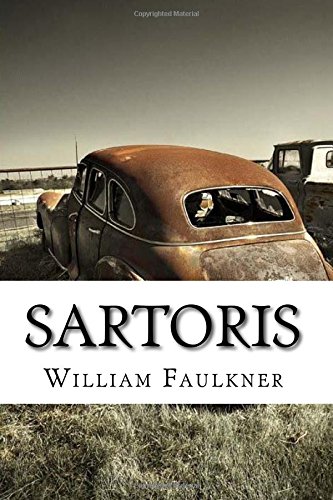
Read nowNo. 26 on this list. Sartoris · William Faulkner · 1929
Historically significant as Faulkner's first Yoknapatawpha novel, but rarely taught on its own merits.
Moderate5 hours
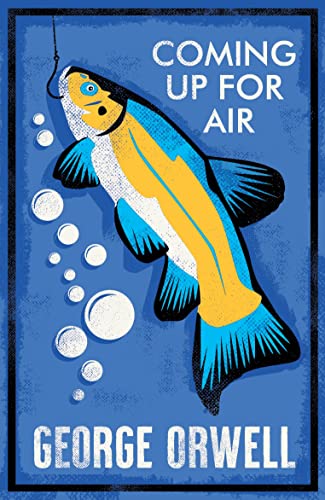
Start this bookNo. 27 on this list. Coming Up for Air · George Orwell · 1939
Orwell's most accomplished novel in pure literary terms according to some critics, but far less known than 1984 or Animal Farm.
Easy3.9 hours
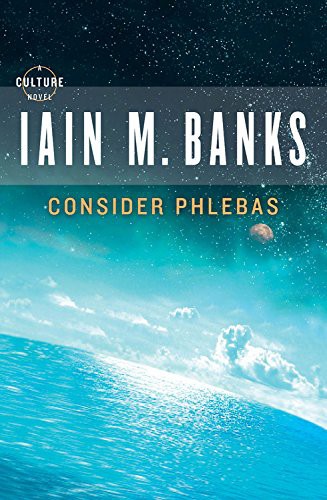
Start this bookNo. 28 on this list. Consider Phlebas · Iain M. Banks · 1987
Consider Phlebas, the first Culture novel, is a regular entry on lists of essential modern science fiction and the usual starting point for the series. It is read in science fiction courses but rarely beyond them.
Easy10 hours
Start this bookNo. 29 on this list. The Safety Net · Heinrich Böll · 1979
A significant late Böll novel, respected but less widely read than The Clown or Katharina Blum. Important in the context of German literature of the 1970s.
Moderate5.2 hours
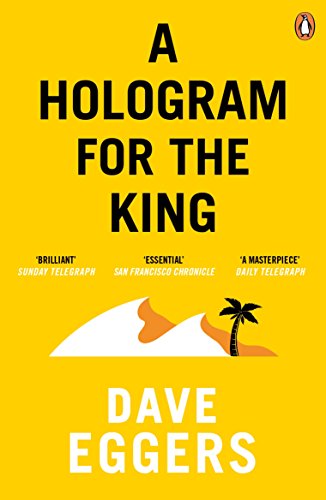
Start this bookNo. 30 on this list. A Hologram for the King · Dave Eggers · 2012
Alan Clay is in his fifties, divorced, behind on child support, sent to Saudi Arabia to sell a holographic teleconferencing system to the king. The king never arrives. Alan waits in the desert, drinking, growing a cyst on his neck, watching his life collapse in slow motion. Eggers writes a fable about American decline, his prose flat and anxious, Alan's optimism curdling into despair. The hologram is America itself—an impressive projection with nothing behind it. The novel is both comedy and tragedy, the economy's cruelty personalized into one man's failure.
Moderate4.2 hours
Start this book


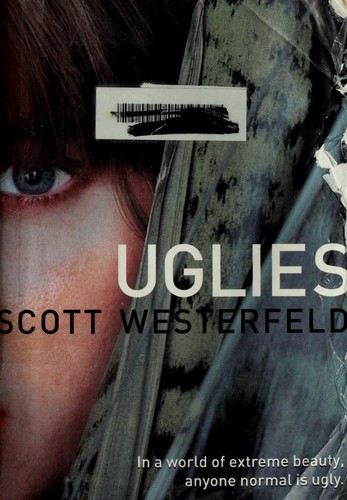
No. 31 on this list. Uglies
Scott Westerfeld · 2005
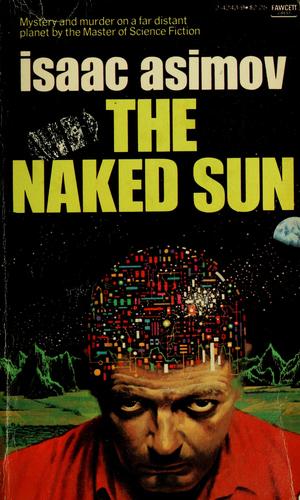
No. 32 on this list. The Naked Sun
Isaac Asimov · 1957
No. 33 on this list. The Weapon Shops of Isher
A.E. van Vogt · 2013
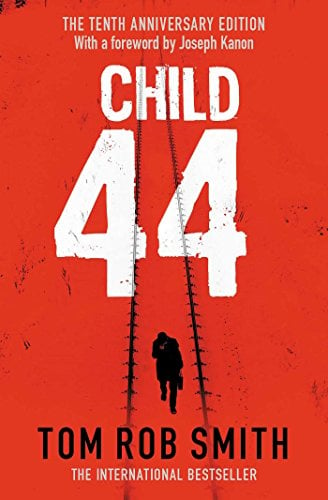
No. 34 on this list. Child 44
Tom Rob Smith · 2008
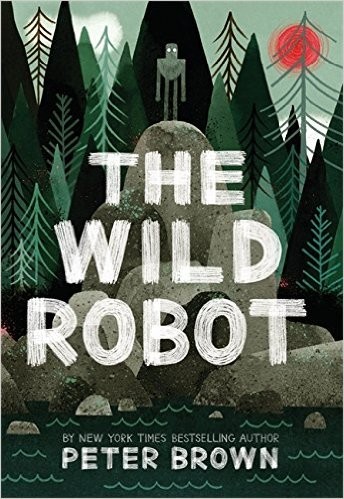
No. 35 on this list. The Wild Robot
Peter Brown · 2016
No. 36 on this list. August
Knut Hamsun · 1930
No. 37 on this list. A Invasão do Mar
No. 38 on this list. Red Storm Rising
Tom Clancy · 1988
No. 39 on this list. Familiar Things
Hwang Sok-yong · 2011
No. 40 on this list. Eight O'Clock in the Morning
Ray Faraday Nelson · 1963

No. 41 on this list. Moderation
Elaine Castillo · 2025
No. 42 on this list. Far North
Marcel Theroux · 2008
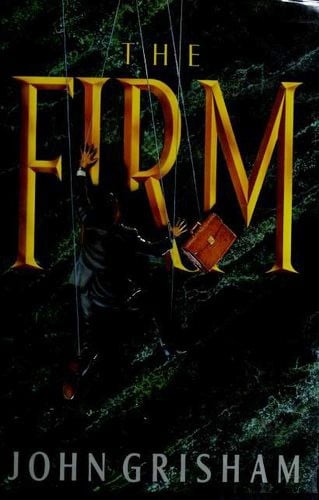
No. 43 on this list. The Firm
John Grisham · 1991
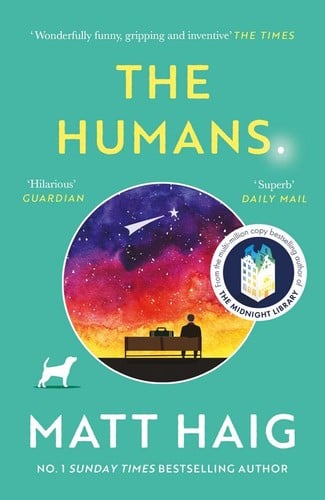
No. 44 on this list. The Humans
Matt Haig · 2014
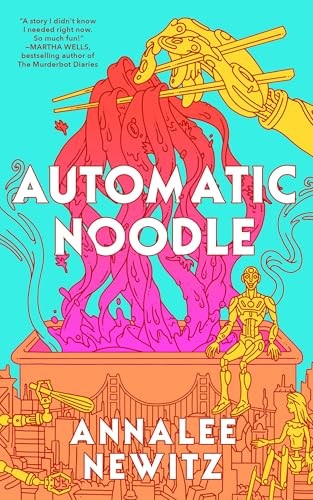
No. 45 on this list. Automatic Noodle
Annalee Newitz · 2025
No. 46 on this list. I Am Watching You
Lisa Jewell · 2017
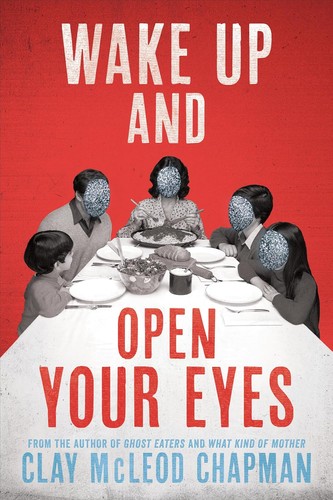
No. 47 on this list. Wake Up and Open Your Eyes
Clay McLeod Chapman · 2025
No. 48 on this list. Four: A Divergent Collection (Divergent Series Story)
Veronica Roth · 2014
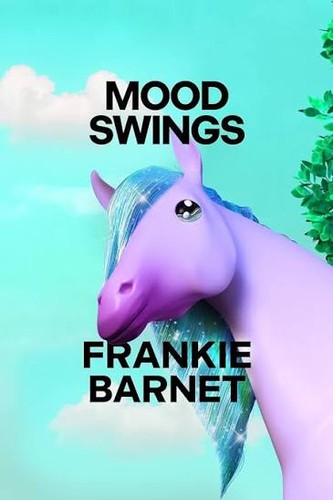
No. 49 on this list. Mood Swings
Frankie Barnet · 2024
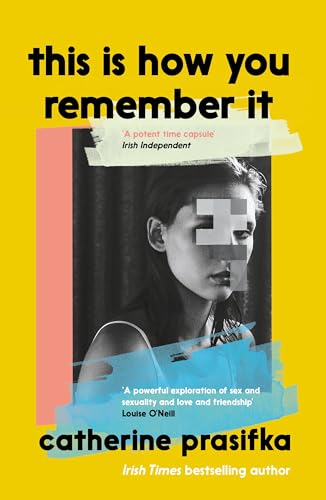
No. 50 on this list. This Is How You Remember It
Catherine Prasifka · 2024


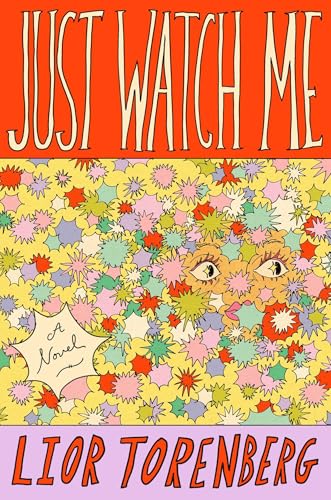
No. 51 on this list. Just Watch Me
Lior Torenberg · 2019
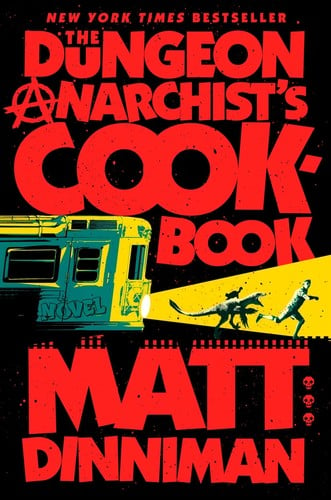
No. 52 on this list. The Dungeon Anarchist's Cookbook
Matt Dinniman · 2021
No. 53 on this list. Rebirth
Steven Long Mitchell · 2013
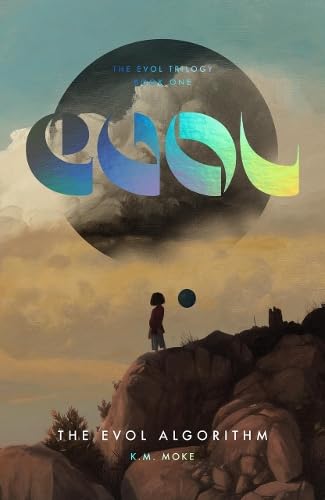
No. 54 on this list. The EVOL Algorithm
K.M. Moke · 2026
No. 55 on this list. Steel Guardian
Cameron Coral · 2020
No. 56 on this list. Entangled
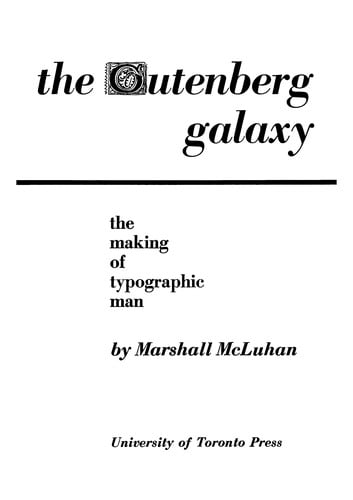
No. 57 on this list. The Gutenberg Galaxy
Marshall McLuhan · 1962
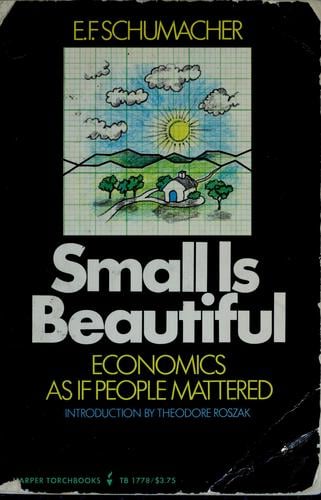
No. 58 on this list. Small Is Beautiful
E.F. Schumacher · 1973
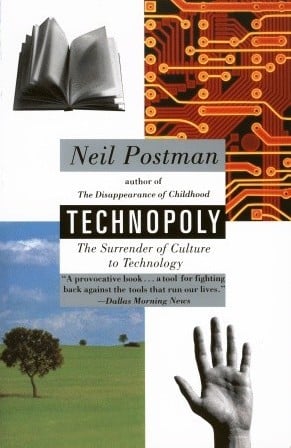
No. 59 on this list. Technopoly
Neil Postman · 1992
No. 60 on this list. You Are Not a Gadget
Jaron Lanier · 2010

About this list
These 61 books are the highest-scoring eligible easy books about technology and modernity currently in the catalogue. About 312 hours of reading in all, for the 60 with measured lengths. Difficulty runs from 31 to 41 out of 100 for the middle half of the list; the summit is Before Sunrise at 45.
This list is ranked by literary regard, with a consistent order for equal scores. Membership follows authors and co-authors, not translators or editors. A book is here when ReadingRate files it under Technology & Modernity as one of its primary reading domains, at a confidence of 0.8 or more. Catalogue coverage and the historical canon both limit what this list can represent.
When we matched the Canons dataset to our catalogue in October 2026, our canonical-status scores rose with the number of school curricula, publisher series and lists in it that cite a work: the median score was 72 for books one such source cites, 84 at two, 88 at three, 92 at four and 93 at five or more. Prizes are left out of that count. Outside the state curricula, the dataset’s sources choose mostly from what has been translated into English or French, so it is a weaker check on other literatures. Source: Canons (Andrew Piper), CC BY 4.0
Questions people actually ask
- What are the best easy books about technology and modernity?
- By literary regard, which weighs canonical status, critical standing and influence: The Birds by Aristophanes, The War of the Worlds by H.G. Wells, V for Vendetta by Alan Moore, Sister Carrie by Theodore Dreiser and Death on the Installment Plan by Louis-Ferdinand Céline. ReadingRate ranks 61 such books, each with a difficulty score and a reading-time estimate.
- Which easy books about technology and modernity should I read first?
- Start from difficulty, not from rank. The most approachable books on this list that still carry top literary regard are Sister Carrie by Theodore Dreiser (about 9.4 hours), V for Vendetta by Alan Moore and The Birds by Aristophanes.
- What are the shortest of the best easy books about technology and modernity?
- Among the top 25, the shortest are The Last Question by Isaac Asimov (about 9 min), The Birds by Aristophanes (about 1.3 hours) and Envy by Yuri Olesha (about 2.2 hours), at an average pace of 250 words a minute adjusted for each book's difficulty.
- Which of the best easy books about technology and modernity are the established classics?
- By canonical status, how firmly a book sits in curricula, anthologies and the canon: The Birds by Aristophanes, The War of the Worlds by H.G. Wells, Sister Carrie by Theodore Dreiser, V for Vendetta by Alan Moore and Death on the Installment Plan by Louis-Ferdinand Céline.
- Can I read any of these easy books about technology and modernity for free?
- 3 of the 61 open in ReadingRate's reader with a free account, from public-domain editions: The War of the Worlds, Sister Carrie and His Family.
- How long would it take to read the top ten?
- About 62 hours, at an average pace of 250 words a minute adjusted for each book's difficulty: 31 days at two hours a day. Set your own pace on the page and the list's reading times change to it.
- How hard are easy books about technology and modernity to read?
- Most of this list sits between 31 and 41 on ReadingRate's 100-point difficulty scale, where 40 to 55 is moderate. The summit is Before Sunrise at 45. Every entry carries its own score, so a reader can pick a great book at a difficulty they will finish.
- How is this list ranked?
- On literary-regard data: how canonically established a work is, its critical standing, and its influence on later writing. It is not a readers’ poll, which is why recent bestsellers rarely appear. Membership follows authors and co-authors, not translators or editors. Lists by country, author, period, theme or difficulty keep to literature (fiction, poetry, drama and philosophy), their novels, poems and plays first and their philosophy after them; a list of a kind of book, such as memoir or criticism, keeps every book of that kind. Every list holds at most three works by one author. A book is here when ReadingRate files it under Technology & Modernity as one of its primary reading domains, at a confidence of 0.8 or more.