Hours at an average pace
Showing 58 books
About 437 hours for 58 of 58 books with measured lengths. Estimates use 250 words a minute, adjusted for each book's difficulty. At 2 hours a day, about 219 days for those books.
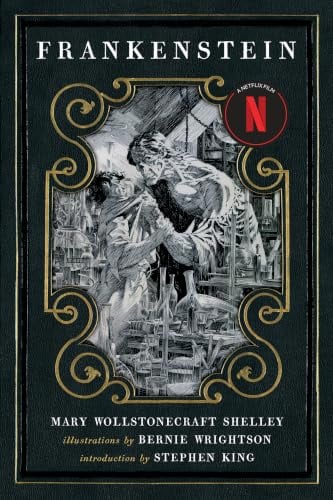
No. 1 on this list. Frankenstein
Mary Shelley · 1818
Challenging8.8 hours
Taught in schools: AQA GCSE and A-level English Literature (UK), CSEC English B – Caribbean Examinations Council, Pearson Edexcel GCSE and A-level English Literature (UK)
Included in: Bibliothèque de la Pléiade
Frankenstein appears on 6,955 university syllabi according to the Open Syllabus Project, placing it in the 96th percentile of all tracked works. Wikipedia articles exist in 74 languages, with a 79,000-character article carrying dedicated Reception and Adaptations sections. It is taught not only in literature courses but in philosophy, bioethics, and technology studies worldwide.
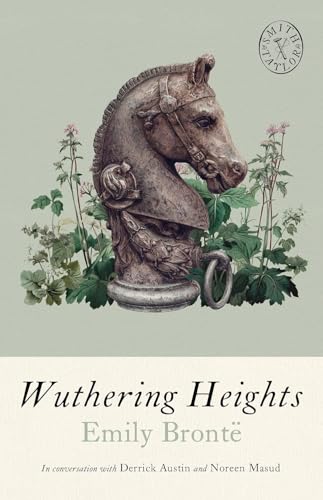
No. 2 on this list. Wuthering Heights
Emily Brontë · 1847
Difficult14 hours
Taught in schools: AQA GCSE and A-level English Literature (UK), CAPE Literatures in English – Caribbean Examinations Council, CSEC English B – Caribbean Examinations Council
Included in: Bokklubben World Library
Appears on 4,582 university syllabi (91.5th percentile per Open Syllabus), placing it above most Victorian novels. Wikipedia coverage in 61 languages with dedicated reception and adaptations sections signals global canonical standing. Listed in 1001 Books You Must Read Before You Die and the BBC Big Read Top 100.
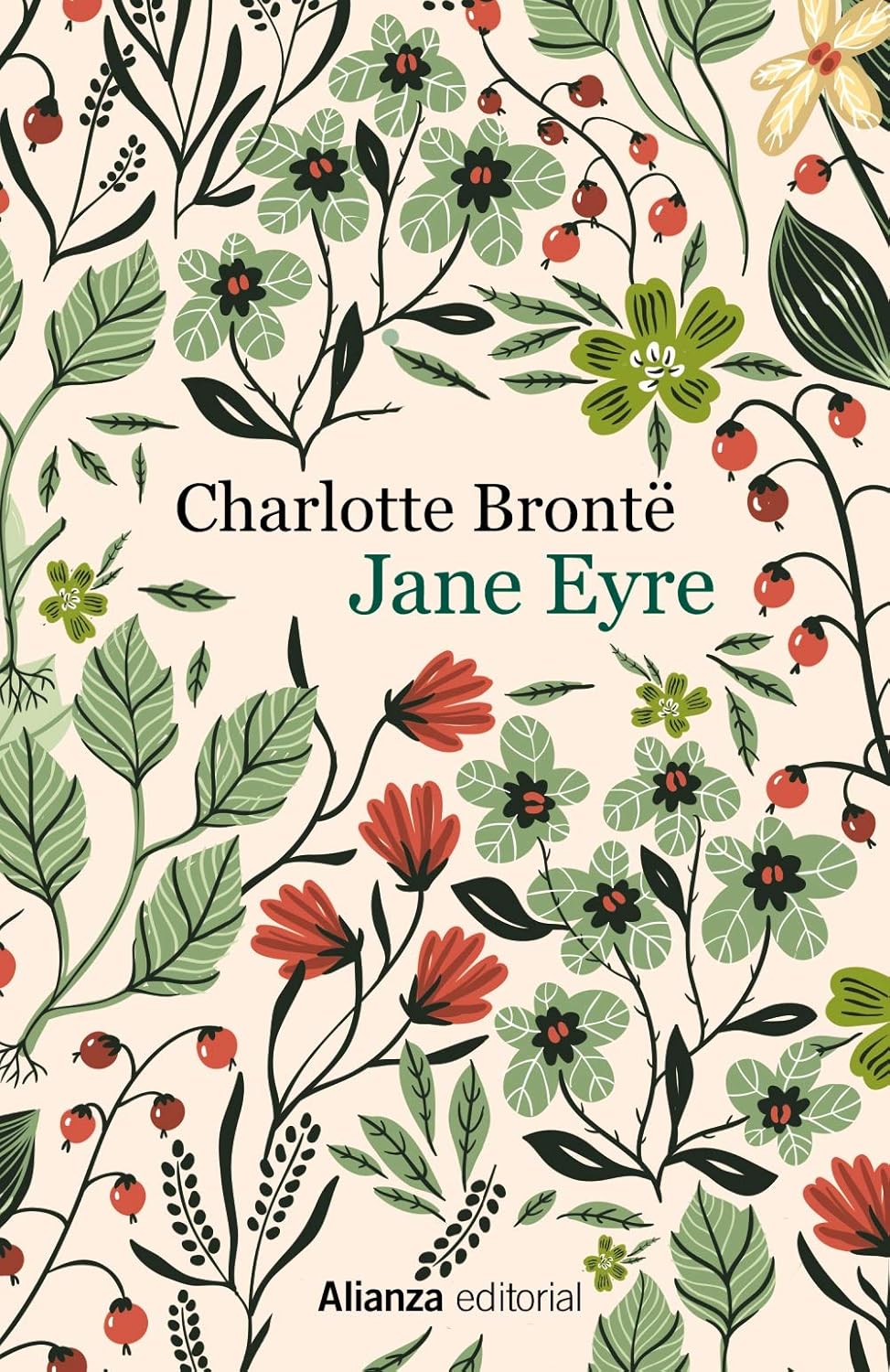
No. 3 on this list. Jane Eyre
Charlotte Brontë · 1847
Moderate13 hours
Taught in schools: AQA GCSE and A-level English Literature (UK), Common Core text exemplars (Appendix B) (US), CSEC English B – Caribbean Examinations Council
Appears on 6,194 university syllabi according to Open Syllabus — placing it at the 94.8th percentile — and its Wikipedia article spans 59 languages with dedicated Reception and Adaptations sections. Jane Eyre is a fixture of Victorian literature courses worldwide and features on both the Open Syllabus Top 500 Literature list and the BBC Big Read Top 100.
No. 4 on this list. The Strange Case of Dr Jekyll and Mr Hyde
Robert Louis Stevenson · 1886
Challenging1.9 hours
Taught in schools: AQA GCSE and A-level English Literature (UK), OCR GCSE and A-level English Literature (UK)
One of the most widely taught Victorian texts in English literature curricula at every level, from secondary school to university. The phrase 'Jekyll and Hyde' has entered common English as a synonym for dual personality. The novella appears on virtually every list of essential 19th-century fiction and is a fixture in Gothic literature, Victorian studies, and psychology-and-literature courses worldwide.
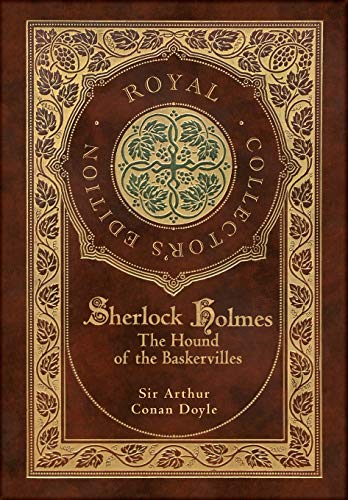
No. 5 on this list. The Hound of the Baskervilles
Arthur Conan Doyle · 1902
Easy3.5 hours
Taught in schools: CSEC English B – Caribbean Examinations Council
Sir Charles Baskerville dies on the Dartmoor moors, terror on his face, a giant hound's footprints nearby. A family curse tells of a spectral hound hunting the Baskervilles since the seventeenth century. Dr. Watson investigates while Holmes stays in London—or so it seems. The moor is fog-bound, treacherous, Gothic; the solution is pure Holmesian reason. Doyle killed Holmes at Reichenbach Falls in 1893 and resisted resurrection. This novel, serialized in 1901-02, is set before the death and doesn't quite bring Holmes back. But the public devoured it, and Holmes returned in full the following year. The Hound works both as mystery and Gothic atmosphere—the moor becomes a character, the hound hovers between supernatural and rational explanation until the last act. This is Doyle's most novelistic Holmes story, and many readers consider it the best.
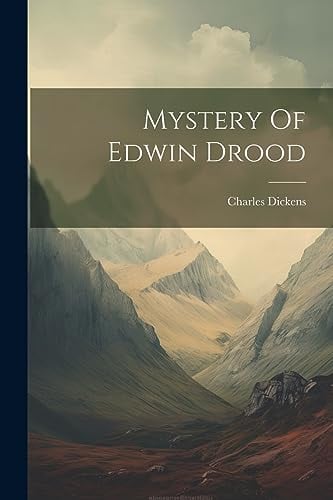
The Mystery of Edwin Drood appears regularly on Victorian literature and Dickens course syllabi at universities worldwide, taught both as a late Dickens text and as a unique object — a canonical novel frozen in its own incompletion. The unfinished mystery has been a pedagogical touchstone for discussions of narrative, authorship, and closure since Dickens's death. Its Wikipedia article exists in over 40 languages and includes dedicated sections on adaptations and reception, indicating significant global cultural reach beyond English-language scholarship.
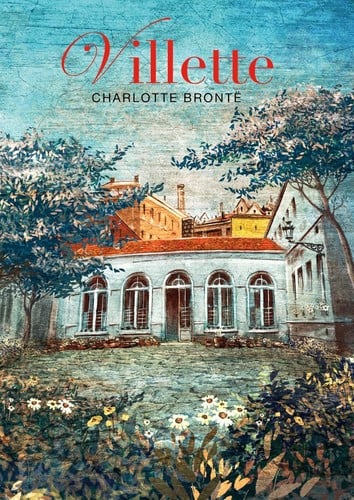
Widely taught in advanced 19th-century literature courses and Victorian fiction seminars, though less ubiquitous than Jane Eyre. Contemporary scholarship increasingly positions Villette as Brontë's most sophisticated novel; it appears regularly on university syllabi in feminist literary criticism and psychological realism tracks.
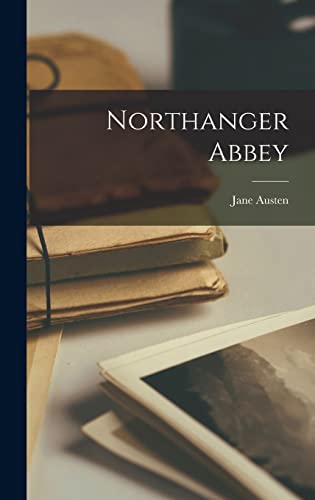
No. 8 on this list. Northanger Abbey
Jane Austen · 1818
Moderate5.1 hours
Taught in schools: AQA GCSE and A-level English Literature (UK)
Northanger Abbey appears on 82 university syllabi according to the Open Syllabus Project, placing it at the 47th percentile — widely taught in British literature and Regency fiction courses but not as ubiquitous as Pride and Prejudice. Its Wikipedia article spans 28 languages with an adaptations section, indicating solid global recognition. As the least canonical of Austen's major novels, it anchors the lower end of her recognized corpus.
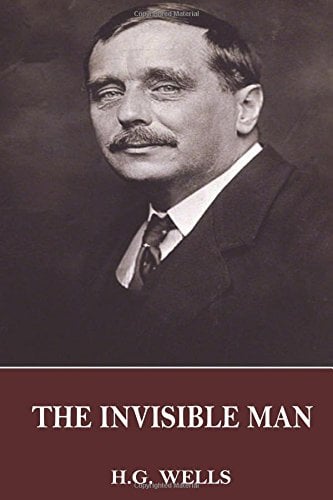
The Invisible Man occupies a firm place in the science fiction canon and appears on university syllabi worldwide, particularly in courses on early SF and Victorian literature. H.G. Wells's scientific romances are among the most consistently reprinted and anthologized works in the genre. While not at the level of Great Expectations or The Great Gatsby in general literary curricula, it is a standard text in SF and genre studies.
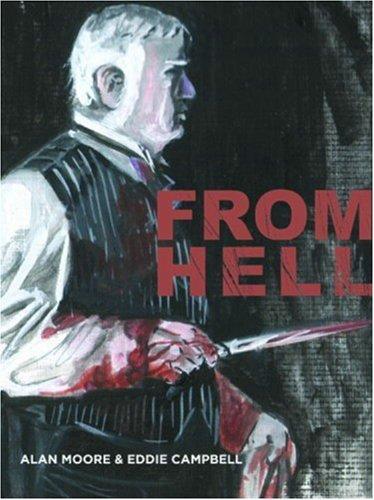
Widely regarded as one of the greatest graphic novels ever produced. A staple of comics criticism and increasingly taught in university courses.
No. 11 on this list. The Island of Doctor Moreau · H.G. Wells · 1896
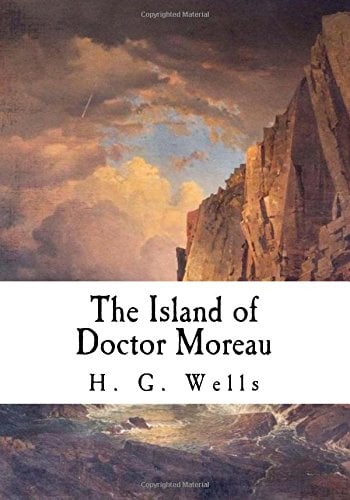
Wells's novel is a staple of science fiction courses and Victorian/Edwardian literature curricula. It appears regularly on syllabi covering proto-SF, gothic horror, and bioethics, though not with the saturation of Frankenstein. It is consistently included in genre retrospectives and foundational SF lists, placing it well above cult-only status but below true classroom ubiquity.
Moderate2.9 hours
Start this bookNo. 12 on this list. Piranesi · Susanna Clarke · 2021
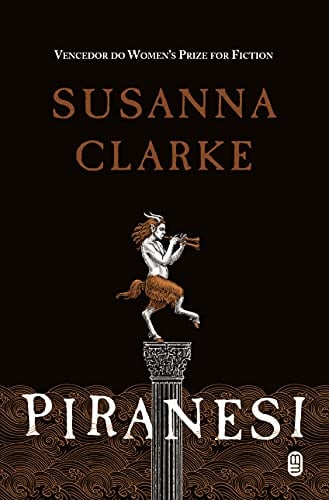
Winner of the Women's Prize for Fiction (2021), with a Wikipedia presence in 39 languages — strong recognition for a novel published in 2020. Clarke's second novel after the celebrated Jonathan Strange & Mr Norrell, it arrived with significant literary anticipation and met it. Not yet in syllabi, which reflects recency rather than lack of merit.
Difficult7.8 hours
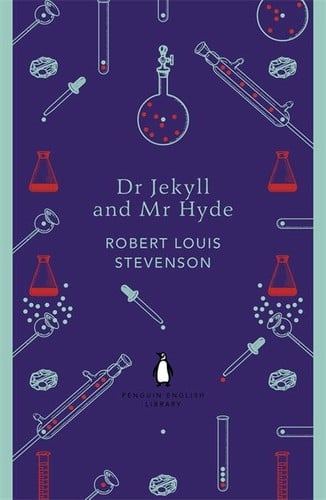
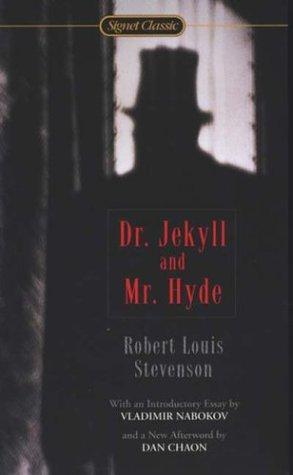
Start this bookNo. 13 on this list. Dr. Jekyll and Mr. Hyde · Robert Louis Stevenson
Taught in schools: CSEC English B – Caribbean Examinations Council, Pearson Edexcel GCSE and A-level English Literature (UK)
No syllabus or Wikipedia data has been collected for this record yet, but the novella is a fixture of English curricula from secondary school through university, and "Jekyll and Hyde" has become common shorthand for a divided personality—cultural saturation on par with Frankenstein and Dracula.
Moderate1.7 hours
Start this bookNo. 14 on this list. The Sandman · Neil Gaiman · 1989
The Sandman occupies a privileged position in the canon of graphic literature and appears regularly in university courses on comics studies, mythology in popular culture, and genre fiction. It is consistently cited on 'essential graphic novels' lists and is taught in courses on sequential art at major universities. Within its medium, its canonical status approaches that of Ulysses in prose — foundational, required — though graphic novel courses reach fewer syllabi overall than prose literature courses. The DB returned no syllabus data, but external sources confirm strong academic presence in comics and cultural studies contexts.
Moderate17 hours
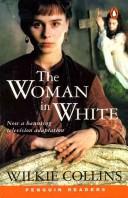
Start this bookNo. 15 on this list. The Woman in White · Wilkie Collins · 1859
Taught regularly in Victorian literature and detective/crime fiction courses at university level. The Woman in White is consistently recognized as the founding text of the sensation novel genre and appears on syllabi across English, comparative literature, and genre studies programs. Not at the level of Dickens or Hardy in breadth of assignment, but firmly in the Victorian canon.
Challenging20 hours
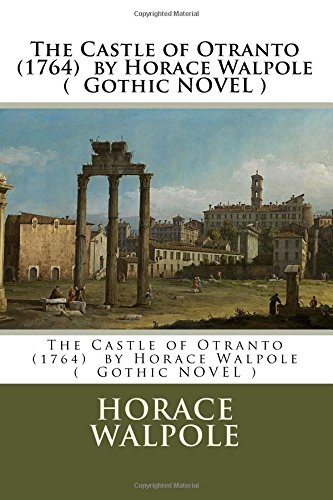
Read nowNo. 16 on this list. The Castle of Otranto · Horace Walpole · 1764
The Castle of Otranto appears regularly on syllabi for 18th-century literature, Romanticism, and Gothic studies courses at universities worldwide. It is the mandatory founding text for any serious study of the Gothic genre. Its canonical presence is disciplinary rather than universal — standard in literary history surveys but not assigned with the frequency of Austen or Defoe.
Easy2.1 hours
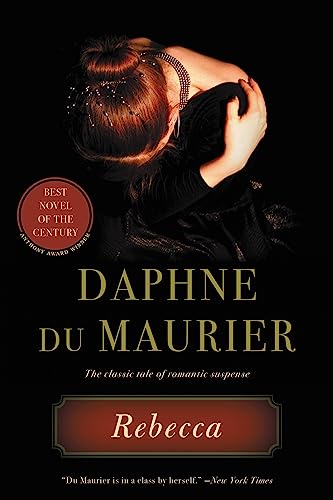
Start this bookNo. 17 on this list. Rebecca · Daphne du Maurier · 1938
Taught in schools: AQA GCSE and A-level English Literature (UK)
Appears on 337 university syllabi (63rd percentile in Open Syllabus) and on the BBC Big Read Top 100 and 1001 Books You Must Read Before You Die. It is a standard text in courses on the gothic and on women's writing, and has been in print continuously since 1938.
Challenging15 hours
Start this bookNo. 18 on this list. The Mysteries of Udolpho · Ann Radcliffe · 1794
The Mysteries of Udolpho is a foundational text taught in 18th-century literature, Gothic studies, and women's writing courses in universities worldwide. Its Wikipedia article spans over 40 languages. Jane Austen's parody in Northanger Abbey has guaranteed it a permanent place in the British literary canon—any reader of Austen eventually encounters Udolpho. It sits at the center of every Gothic fiction course.
Challenging21 hours
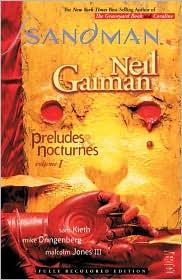
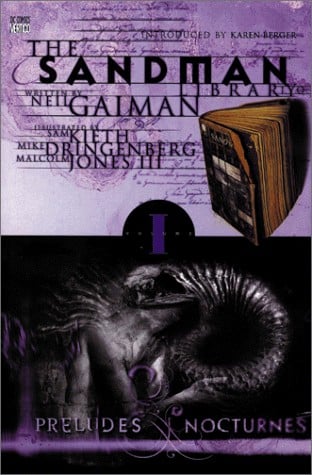
Start this bookNo. 19 on this list. The Sandman, Vol. 1: Preludes & Nocturnes · Neil Gaiman · 1998
Sandman is widely taught in graphic novel and popular fiction courses, and this first volume is the standard entry point, though not yet a fixture of mainstream literary syllabi.
Moderate4 hours
Start this bookNo. 20 on this list. The Old Curiosity Shop · Charles Dickens · 1841
The Old Curiosity Shop appears in every major Dickens collected edition (Penguin Classics, Oxford World's Classics, Chapman and Hall) and is taught in Victorian literature courses at universities worldwide. Nell's death was one of the most discussed literary events of the 19th century, with contemporary accounts of readers in tears on both sides of the Atlantic. It sits below Oliver Twist and Great Expectations in the teaching hierarchy but is a firm fixture of the Dickens canon.
Moderate13 hours
Read now
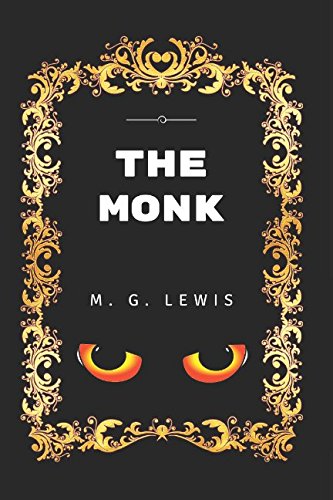
No. 21 on this list. The Monk · Matthew Gregory Lewis · 1796
Standard reading in university Gothic literature and 18th-century fiction courses, though more specialized than broadly canonical works. The novel established many conventions of the Gothic genre that became touchstones for the Romantic period and beyond. No syllabus data is available in the database, but the book has remained continuously in print since 1796 and features in most surveys of British Romantic-era fiction.
Challenging11 hours
Start this bookNo. 22 on this list. The Magic Toyshop · Angela Carter · 1967
The Magic Toyshop is taught regularly in British postmodern and feminist literature courses as Carter's first major novel and an early exemplar of feminist Gothic fiction. It is less ubiquitous on syllabi than The Bloody Chamber or Nights at the Circus but occupies a secure place in courses on women's writing and postmodern British fiction. No data signals found in database; score based on established literary reputation.
Challenging5.7 hours
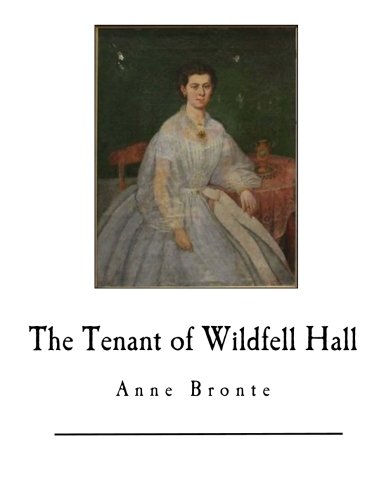
Start this bookNo. 23 on this list. The Tenant of Wildfell Hall · Anne Brontë · 1848
Taught in schools: AQA GCSE and A-level English Literature (UK), Leaving Certificate English – NCCA / State Examinations Commission (Ireland)
The Tenant of Wildfell Hall is a fixture in Victorian literature and women's writing curricula worldwide, regularly taught alongside Jane Eyre and Wuthering Heights. Its Wikipedia article exists in over 30 languages and it has been the subject of sustained academic attention, particularly following feminist recovery of Anne Brontë's work in the late 20th century. It appears frequently on Victorian fiction syllabi at universities in the UK, US, and beyond.
Challenging18 hours
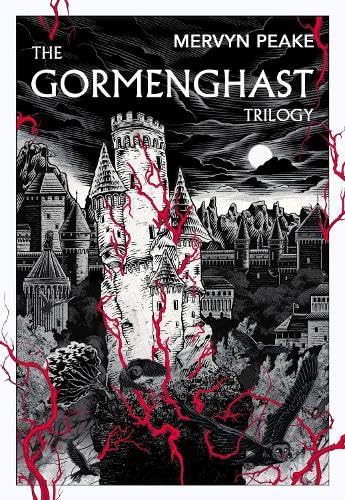
Start this bookNo. 24 on this list. Gormenghast · Mervyn Peake · 1950
Gormenghast occupies a prestigious but narrow niche: celebrated as the founding text of British literary fantasy and regularly cited on 'great novels' lists, but rarely taught in university curricula. It appears on the Modern Library 100 and TIME All-TIME 100 lists, placing it in serious literary conversation while remaining a cult rather than classroom fixture.
Challenging17 hours
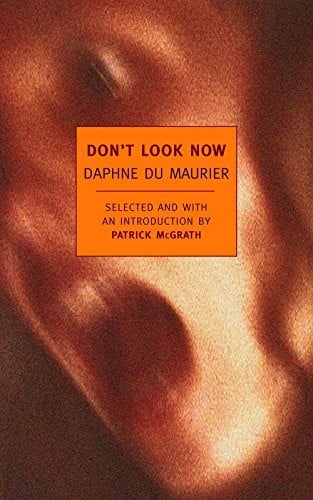
Start this bookNo. 25 on this list. Don't Look Now · Daphne du Maurier · 1971
Du Maurier occupies an unusual position — widely read and taught in gothic, horror, and British literature courses, but not consistently placed in the highest canonical tier. The title story is anthologized frequently and appears on horror and short fiction syllabi.
Challenging7.4 hours
Start this bookNo. 26 on this list. The Sandman, Vol. 2: The Doll's House · Neil Gaiman · 1995
The Sandman is widely taught in graphic novel and popular literature courses, and this volume is a standard entry point. It is less established than the literary canon.
Moderate4.2 hours
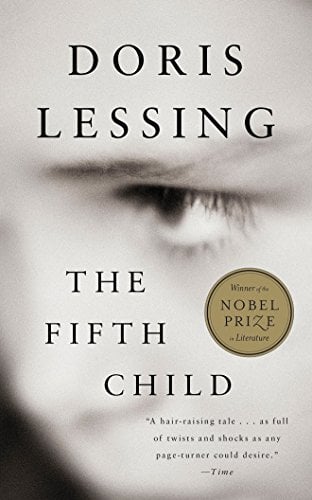
Start this bookNo. 27 on this list. The Fifth Child · Doris Lessing · 1988
Harriet and David's comfortable English life is disrupted by their fifth child, Ben, whose strange, violent nature they cannot understand. Lessing's chilling novel explores the limits of family love and the fear of the uncontrollable.
Moderate2.8 hours
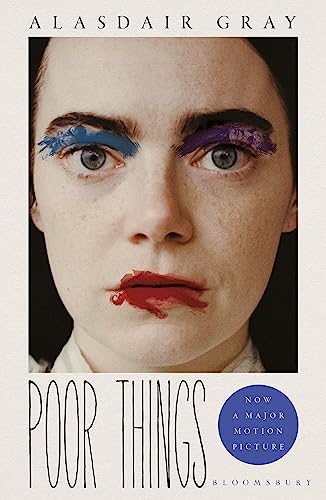
Start this bookNo. 28 on this list. Poor Things · Alasdair Gray · 1992
Poor Things appears on 203 university syllabi (57th percentile in the Open Syllabus Project), placing it firmly on Scottish literature and postmodern fiction courses. Wikipedia covers it in only 10 languages, indicating limited global reach outside English-language literary culture. It sits below the universally canonical but well above genre fiction in academic attention.
Difficult8.1 hours
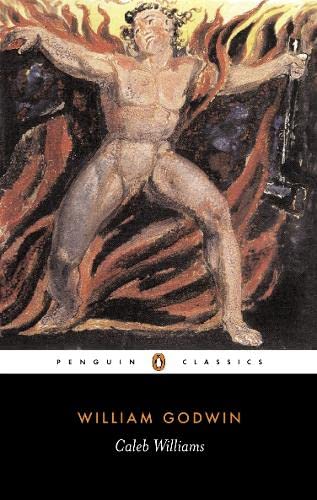
Start this bookNo. 29 on this list. Caleb Williams · William Godwin · 1794
Caleb Williams appears regularly on 18th-century British fiction and radical novel syllabi in university English departments, taught alongside Godwin's political philosophy as a dramatization of his ideas in Political Justice. Available in roughly 40 Wikipedia language editions, it occupies a respected but not dominant position in the canon—essential for students of Gothic and political fiction, less so for general literature courses.
Easy7.8 hours
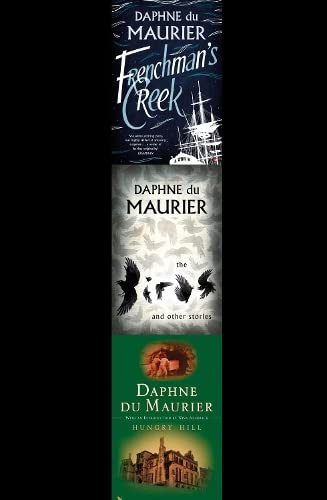
Start this bookNo. 30 on this list. The Birds and Other Stories · Daphne du Maurier · 1952
'The Birds' is among the most recognized short stories in 20th-century British fiction, secured in the cultural consciousness by Hitchcock's 1963 film adaptation. The story appears regularly on British school syllabi and in anthologies of horror and psychological fiction. The rest of the collection occupies a respected but secondary position — 'The Apple Tree' and 'Kiss Me Again, Stranger' appear in some anthologies, but du Maurier's short fiction as a whole holds a lower academic profile than her novels. The collection does not feature on many university core reading lists outside British literature survey courses.
Challenging8 hours
Start this book
No. 31 on this list. The Great God Pan
Arthur Machen · 1894
No. 32 on this list. The Italian
Ann Radcliffe · 1796
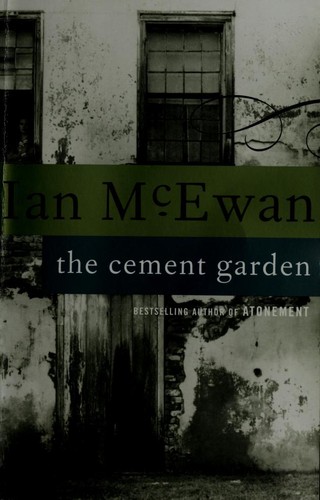
No. 33 on this list. The Cement Garden
Ian McEwan · 1978
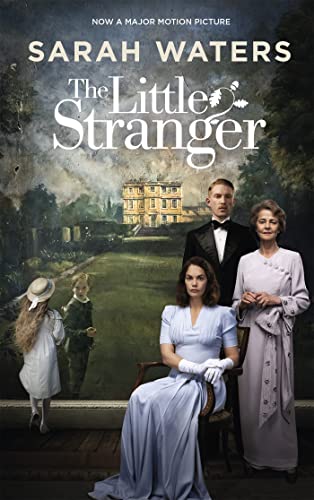
No. 34 on this list. The Little Stranger
Sarah Waters · 2009
Taught in schools: Pearson Edexcel GCSE and A-level English Literature (UK)
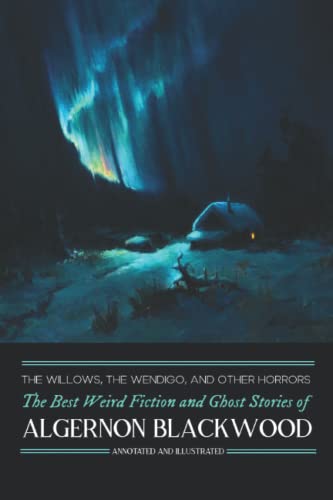
No. 35 on this list. The Willows
Algernon Blackwood · 1907
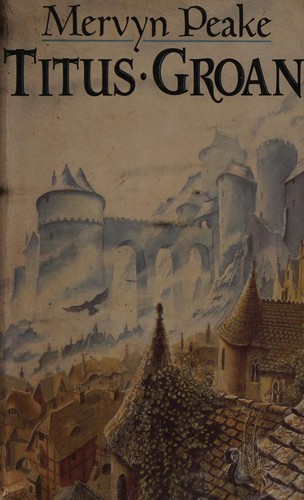
No. 36 on this list. Titus Groan
Mervyn Peake · 1946
No. 37 on this list. White Is for Witching
Helen Oyeyemi · 2009
No. 38 on this list. Vathek
William Beckford · 1786
No. 39 on this list. Lady Audley's Secret
Mary Elizabeth Braddon · 1862
Taught in schools: Pearson Edexcel GCSE and A-level English Literature (UK)
No. 40 on this list. Great Granny Webster
Caroline Blackwood · 1977
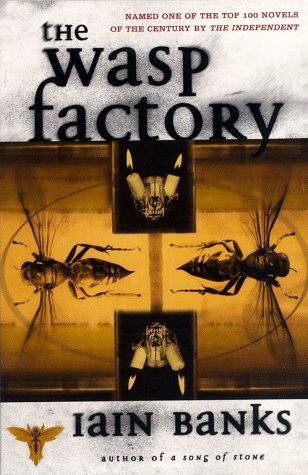
No. 41 on this list. The Wasp Factory
Iain Banks · 1984
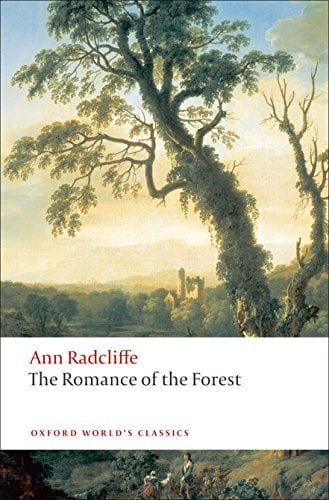
No. 42 on this list. The Romance of the Forest
Ann Radcliffe · 1791
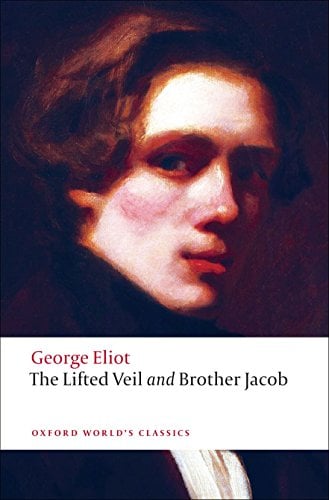
No. 43 on this list. The Lifted Veil and Brother Jacob
George Eliot · 1864
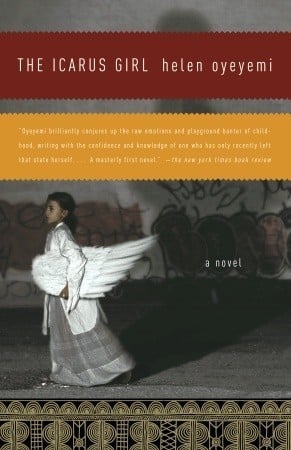
No. 44 on this list. The Icarus Girl
Helen Oyeyemi · 2005
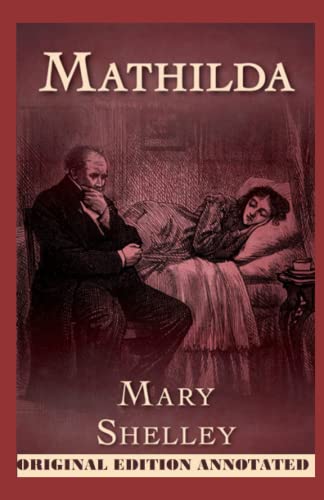
No. 45 on this list. Mathilda
No. 46 on this list. The House on the Borderland
William Hope Hodgson · 1908
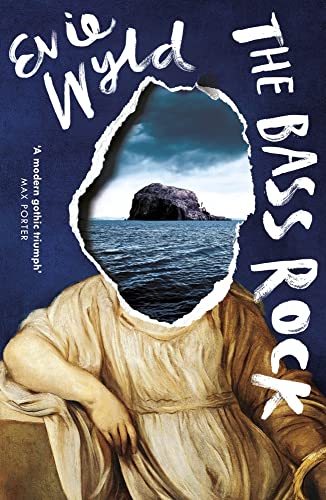
No. 47 on this list. The Bass Rock
Evie Wyld · 2020
No. 48 on this list. Under the Pendulum Sun
Jeannette Ng · 2017
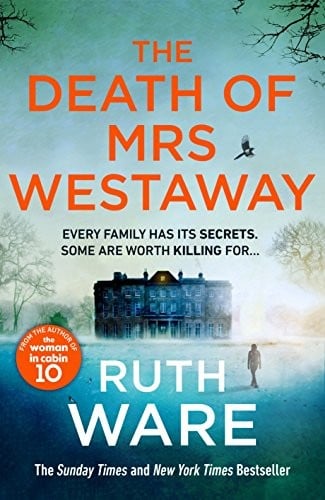
No. 49 on this list. The Death of Mrs. Westaway
Ruth Ware · 2018
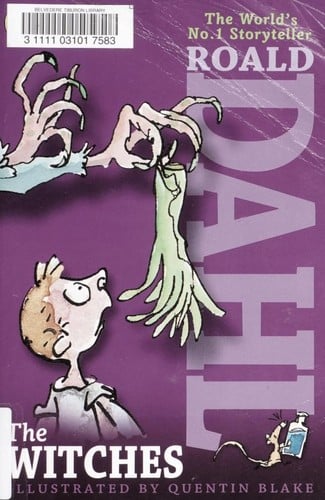
No. 50 on this list. The Witches
Roald Dahl · 1983
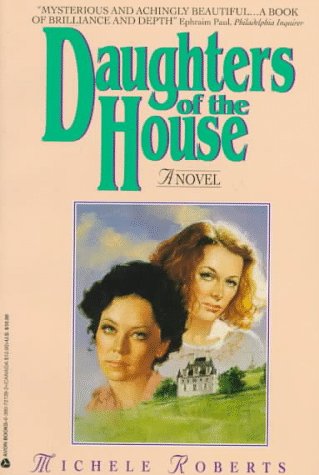
No. 51 on this list. Daughters of the House
Michèle Roberts · 1992
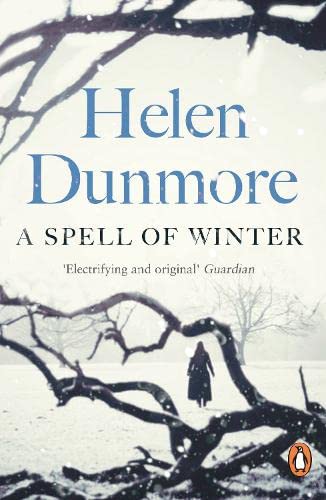
No. 52 on this list. A Spell of Winter
Helen Dunmore · 1997
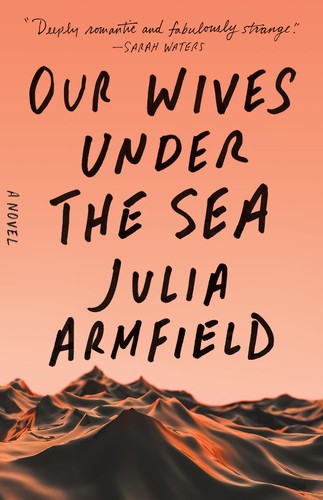
No. 53 on this list. Our Wives Under the Sea
Julia Armfield · 2022
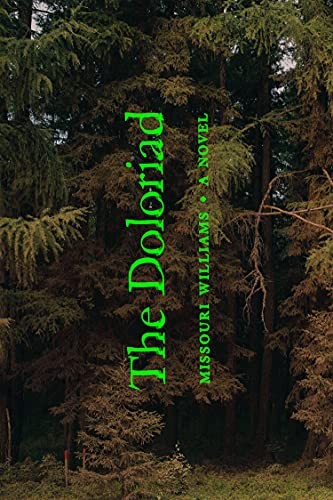
No. 54 on this list. The Doloriad
Missouri Williams · 2022
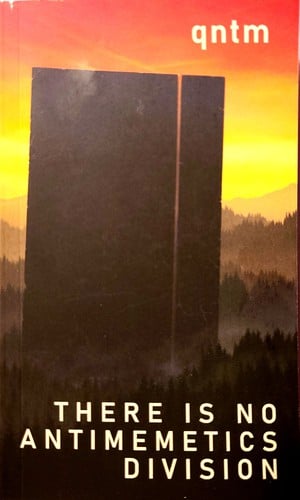
No. 55 on this list. There Is No Antimemetics Division
qntm · 2020
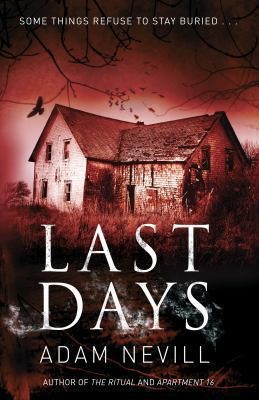
No. 56 on this list. Last Days
Adam L.G. Nevill · 2012
No. 57 on this list. Left Hand
Paul Curran · 2014
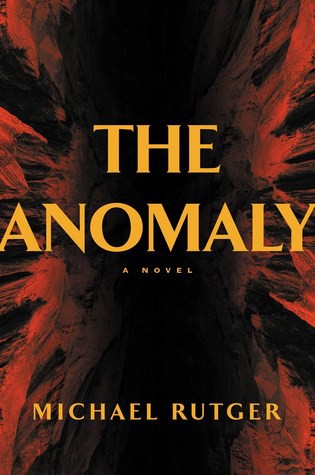
No. 58 on this list. The Anomaly
Michael Rutger · 2018
About this list
These 58 books are the highest-scoring eligible horror novels from Britain currently in the catalogue. By literary regard, it opens with Frankenstein, Wuthering Heights and Jane Eyre. About 437 hours of reading in all. Difficulty runs from 46 to 63 out of 100 for the middle half of the list; the summit is Piranesi at 76.
This list is ranked by literary regard, with a consistent order for equal scores. Membership follows authors and co-authors, not translators or editors. Catalogue coverage and the historical canon both limit what this list can represent, and genre labels are the catalogue’s own, gathered into broader kinds.
When we matched the Canons dataset to our catalogue in October 2026, our canonical-status scores rose with the number of school curricula, publisher series and lists in it that cite a work: the median score was 72 for books one such source cites, 84 at two, 88 at three, 92 at four and 93 at five or more. Prizes are left out of that count. Outside the state curricula, the dataset’s sources choose mostly from what has been translated into English or French, so it is a weaker check on other literatures. Source: Canons (Andrew Piper), CC BY 4.0
Questions people actually ask
- What are the best horror novels from Britain?
- By literary regard, which weighs canonical status, critical standing and influence, Frankenstein, Wuthering Heights, Jane Eyre, The Strange Case of Dr Jekyll and Mr Hyde and The Hound of the Baskervilles lead. ReadingRate ranks 58 such books, each with a difficulty score and a reading-time estimate.
- Where should I start with horror novels from Britain?
- Start from difficulty, not from rank. The most approachable books on this list that still carry top literary regard are The Hound of the Baskervilles by Arthur Conan Doyle (about 3.5 hours), Northanger Abbey by Jane Austen and The Invisible Man by H.G. Wells.
- How hard are horror novels from Britain to read?
- Most of this list sits between 46 and 63 on ReadingRate's 100-point difficulty scale, where 40 to 55 is moderate. The summit is Piranesi at 76. Every entry carries its own score, so a reader can pick a great book at a difficulty they will finish.
- How is this list ranked?
- On literary-regard data: how canonically established a work is, its critical standing, and its influence on later writing. It is not a readers’ poll, which is why recent bestsellers rarely appear. Membership follows authors and co-authors, not translators or editors. A list that is not a genre list keeps to literature (fiction, poetry, drama and philosophy), with philosophy taking no more than one slot in five while there is literature left to rank; every list holds at most three works by one author.