Hours at an average pace
Showing 96 books
About 690 hours for 91 of 96 books with measured lengths. Estimates use 250 words a minute, adjusted for each book's difficulty. At 2 hours a day, about 346 days for those books.
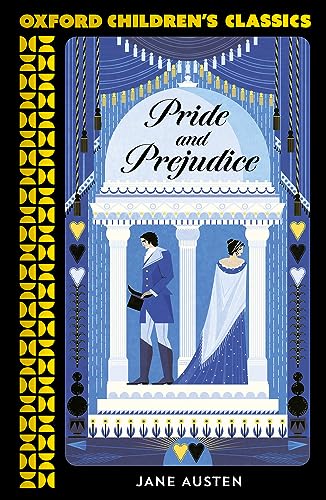
No. 1 on this list. Pride and Prejudice
Jane Austen · 1813
Moderate8.6 hours
Taught in schools: AQA GCSE and A-level English Literature (UK), Cambridge IGCSE Literature in English (0475), Common Core text exemplars (Appendix B) (US)
Included in: Bokklubben World Library
Appears on 2,313 university syllabi — placing it at the 84th percentile of all taught books globally — and Wikipedia covers the novel in 74 languages. Listed in the BBC Big Read Top 100, 1001 Books You Must Read Before You Die, and published in prestige editions by both Penguin Classics and Everyman's Library. One of the most consistently taught novels in English literature.
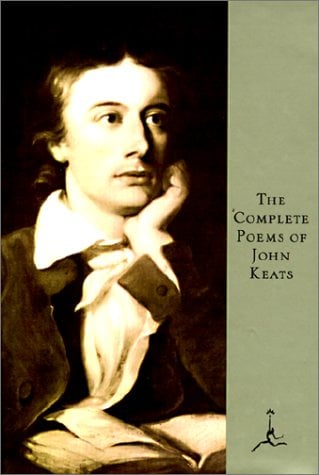
No modern syllabus or award-tracking data applies to a poet who died in 1821, but Keats's odes are among the most anthologized and taught poems in the English language, a fixture of every survey of Romantic and British literature. His Wikipedia presence is extensive and translated into dozens of languages, on par with the other major Romantics.
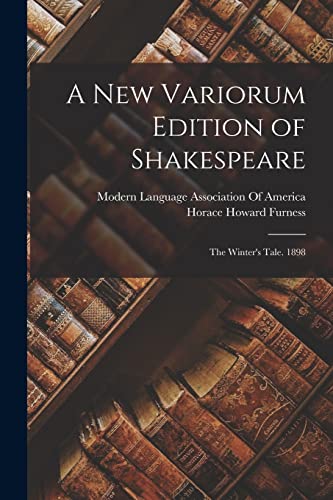
No. 3 on this list. The Winter's Tale
William Shakespeare · 1611
Challenging1.9 hours
Included in: Great Books of the Western World
A standard text in university Shakespeare courses worldwide, The Winter's Tale is taught as part of the late romances alongside The Tempest and Pericles. While it ranks below the major tragedies in curriculum frequency, it is required reading in virtually all advanced Shakespeare courses and appears regularly in comparative drama syllabi globally.
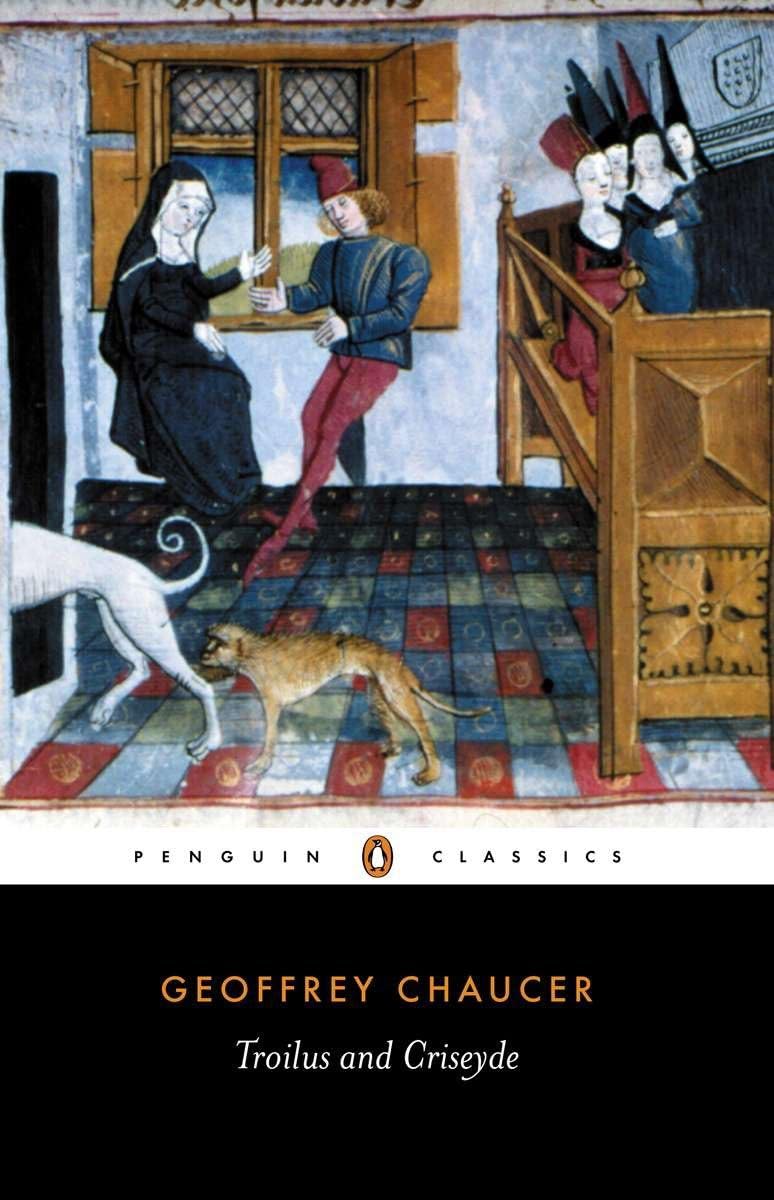
No. 4 on this list. Troilus and Criseyde
Geoffrey Chaucer · 1385
Difficult9.3 hours
Included in: Great Books of the Western World
Required reading in virtually every medieval English literature curriculum, taught across English, Comparative Literature, and Medieval Studies programs at universities worldwide. Though Open Syllabus data is unavailable here, Chaucer courses built around this text are standard at every major university with an English department. It holds a place among the most-studied long poems in the English language.
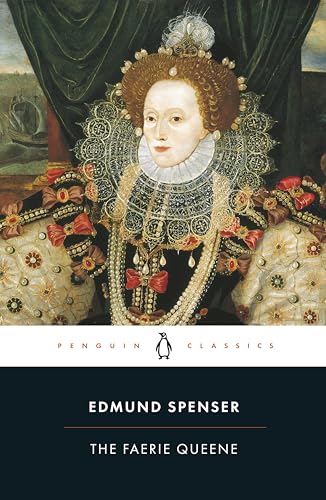
The Faerie Queene appears in virtually every English Renaissance literature syllabus globally and is one of the most taught long poems in university English departments worldwide. It anchors the canon between Chaucer and Milton and is central to every history of the English literary tradition. Absence from the Open Syllabus database reflects data gaps, not actual classroom presence.
No. 6 on this list. Wuthering Heights
Emily Brontë · 1847
Difficult14 hours
Taught in schools: AQA GCSE and A-level English Literature (UK), CAPE Literatures in English – Caribbean Examinations Council, CSEC English B – Caribbean Examinations Council
Included in: Bokklubben World Library
Appears on 4,582 university syllabi (91.5th percentile per Open Syllabus), placing it above most Victorian novels. Wikipedia coverage in 61 languages with dedicated reception and adaptations sections signals global canonical standing. Listed in 1001 Books You Must Read Before You Die and the BBC Big Read Top 100.
No. 7 on this list. Emma
Jane Austen · 1815
Challenging12 hours
Taught in schools: AQA GCSE and A-level English Literature (UK), CSEC English B – Caribbean Examinations Council
Included in: Great Books of the Western World, Oxford World's Classics
Emma is taught in virtually every survey of British literature and appears on most lists of essential novels. It is Austen's longest and most complex work, considered by some critics her masterpiece. The novel appears in high school AP courses, undergraduate surveys, and graduate seminars. It has been adapted countless times for film and television. Its status in the Western canon is unassailable, ranking just below Pride and Prejudice in popular awareness but equal or higher in critical estimation.
No. 8 on this list. Sense and Sensibility
Jane Austen · 1811
Moderate8.7 hours
Taught in schools: OCR GCSE and A-level English Literature (UK), WJEC/Eduqas GCSE and A-level English Literature (UK)
Austen first published novel. Less celebrated than Pride and Prejudice or Emma but firmly canonical.
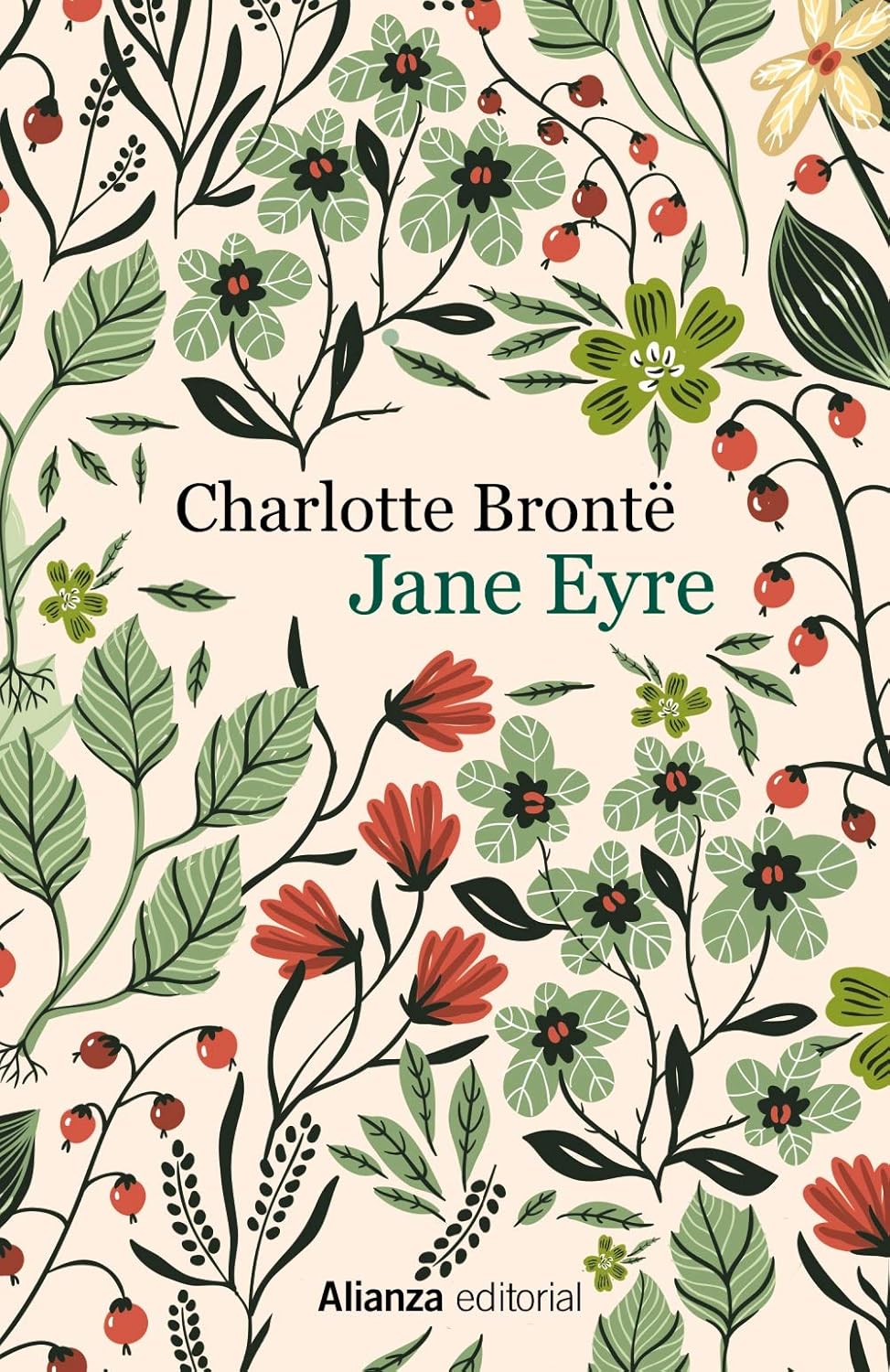
No. 9 on this list. Jane Eyre
Charlotte Brontë · 1847
Moderate13 hours
Taught in schools: AQA GCSE and A-level English Literature (UK), Common Core text exemplars (Appendix B) (US), CSEC English B – Caribbean Examinations Council
Appears on 6,194 university syllabi according to Open Syllabus — placing it at the 94.8th percentile — and its Wikipedia article spans 59 languages with dedicated Reception and Adaptations sections. Jane Eyre is a fixture of Victorian literature courses worldwide and features on both the Open Syllabus Top 500 Literature list and the BBC Big Read Top 100.
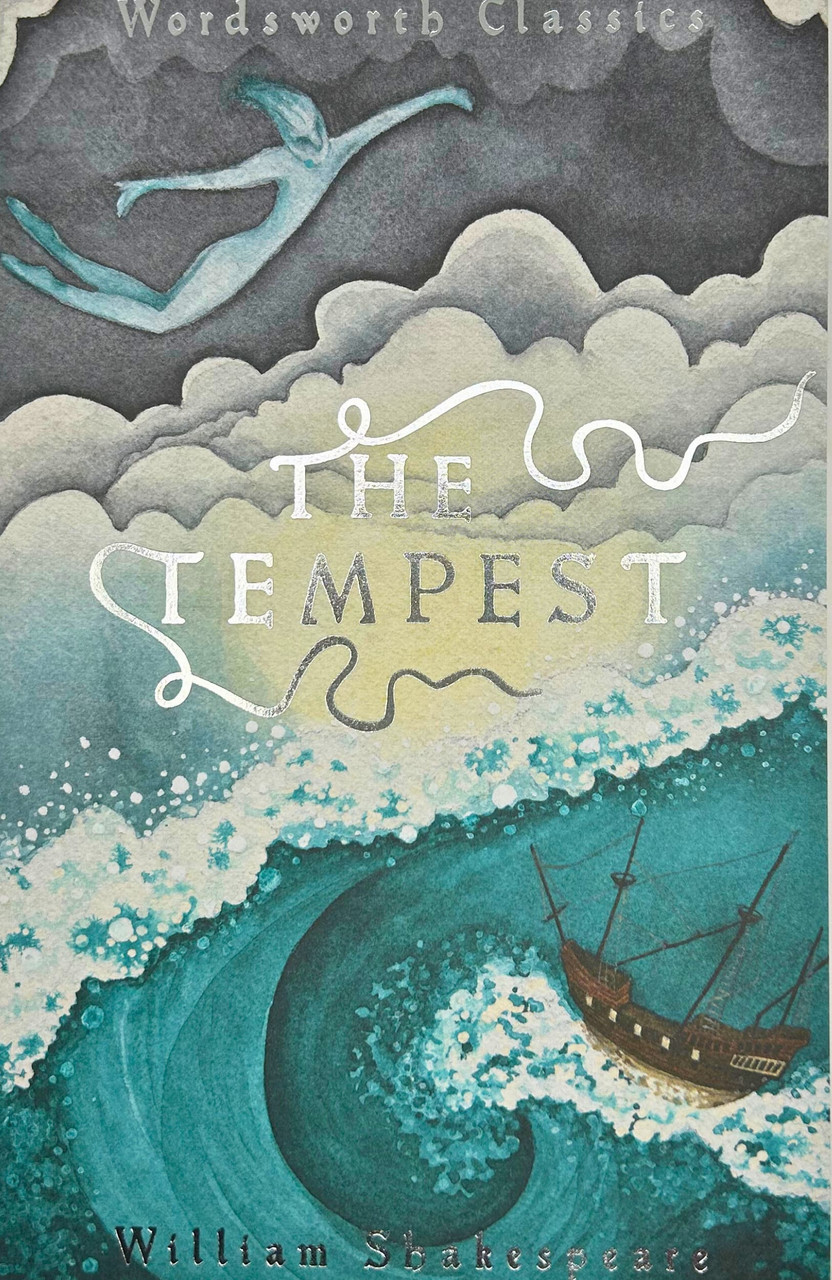
No. 10 on this list. The Tempest
William Shakespeare · 1611
Challenging2 hours
Taught in schools: Pearson Edexcel GCSE and A-level English Literature (UK), UNAM Escuela Nacional Preparatoria – programas de Literatura (Mexico), WJEC/Eduqas GCSE and A-level English Literature (UK)
Included in: Great Books of the Western World
Prospero's island stages Shakespeare's final reckoning with his own art—the magician who conjures storms, manipulates lovers, and then drowns his book. Caliban's "Be not afeard; the isle is full of noises" is the most haunting speech given to a character the play calls a monster.
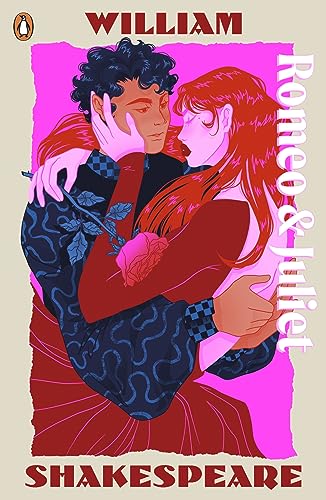
No. 11 on this list. Romeo and Juliet · William Shakespeare · 1597
Taught in schools: Kazakh literature curriculum (Kazakhstan)
Included in: Great Books of the Western World, UNESCO Collection of Representative Works
The balcony scene and the double suicide in the Capulet tomb gave Western culture its permanent template for doomed young love. Shakespeare was twenty-nine when he fused Petrarchan lyricism with streetfight prose into a dramatic structure playwrights still cannot improve on.
Moderate1.7 hours
Read nowNo. 12 on this list. Pamela · Samuel Richardson · 1740
Pamela Andrews is fifteen years old and in service when her mistress dies and the mistress's son, Mr. B, begins a campaign to seduce her. She refuses. He escalates — intercepting her letters, relocating her to a remote estate, locking her in — and she keeps writing, to her parents and in a secret journal she hides in her clothing. What makes the novel strange is that we only have Pamela's account: earnest, relentlessly self-observing, written in the knowledge that Mr. B may one day read every word she has set down. Published in 1740, Pamela invented something — not just the epistolary novel, but the novel's peculiar project of making a single consciousness the center of a world. Richardson called his method 'writing to the moment': the heroine records events as they happen, before she knows how they will turn out. Readers have been arguing about Pamela's sincerity ever since. Henry Fielding published Shamela the following year, certain the whole performance was calculation dressed as virtue. That argument — is Pamela genuinely good, or is goodness here just the strategy that worked? — has never been settled. The novel is slow by design: captivity is repetitive, and Richardson wants you to feel it. But the compression of one young woman's inner life, the surveillance she endures and returns in kind, and the original sin of a marriage that rewards persistence over refusal make Pamela one of the most uncomfortable triumphs in English fiction.
Moderate14 hours
Start this bookNo. 13 on this list. Sir Gawain and the Green Knight · The Pearl Poet · 1375
Required reading in virtually every medieval and Middle English literature course at anglophone universities. The poem appears on thousands of syllabi and features in Great Books curricula worldwide. Tolkien and E.V. Gordon's 1925 scholarly edition set the standard text; Simon Armitage's 2007 translation reached mainstream audiences. The poem occupies the same canonical tier as Chaucer's Canterbury Tales for the period it represents.
Challenging2.1 hours
Start this bookNo. 14 on this list. A Tale of Two Cities · Charles Dickens · 1859
Taught in schools: Turkish edebiyat curriculum (Turkey)
One of Dickens's most famous novels; its opening sentence is the most recognized in English literature.
Moderate9.1 hours
Read nowNo. 15 on this list. Ivanhoe · Walter Scott · 1819
Ivanhoe is a fixture of British Romantic literature curricula and appears on virtually every survey of the historical novel as the genre's foundational text in English. While syllabus data was not captured in the database, the novel's Wikipedia article spans well over 50 languages and it remains one of the most recognized works of 19th-century British fiction. It gave the English language the cultural template for medieval chivalry — the Crusades, Normans vs. Saxons, Robin Hood — that persists in popular imagination today.
Easy11 hours
Start this bookNo. 16 on this list. Tom Jones · Henry Fielding · 1749
Included in: Great Books of the Western World
Tom Jones is a foundling, discovered as an infant in the bed of the wealthy Somerset squire Allworthy, who raises him alongside the scheming Blifil. Tom grows up handsome, generous, impulsive, and entirely unsuited to the careful management of reputation—which in 18th-century England is fatal. He loves Sophia Western, the spirited daughter of his neighbor, but his illegitimate birth and his talent for getting into trouble conspire against him. Expelled from Allworthy's estate, he sets out across England, stumbling through inns and battlefields and drawing rooms, pursued by Sophia, who is fleeing her own forced marriage. Fielding narrates all of this with a wit that never lets you forget he's in the room. Each book opens with a chapter of authorial commentary—on writing, morality, criticism, the reader's expectations—before he returns to the story. The effect is of a novelist who has invented the form and wants you to watch him think about it. Beneath the comedy, the novel asks a serious question: whether goodness of heart can survive a world that rewards calculation. Tom's answer, delivered across 900 pages of mishap and delight, is stubbornly, improbably yes.
Moderate23 hours
Start this bookNo. 17 on this list. A Room with a View · E.M. Forster · 1908
Taught in schools: AQA GCSE and A-level English Literature (UK), WJEC/Eduqas GCSE and A-level English Literature (UK)
Firmly established in the Edwardian literary canon, widely taught in university courses on early twentieth-century British fiction, and recognized as a definitive work of pre-war social comedy. The 1985 Merchant Ivory film adaptation cemented its cultural presence. While not as towering as Forster's later 'A Passage to India,' it remains an enduring classic of the comedy of manners tradition, valued for its wit, social observation, and humane liberalism.
Moderate4.4 hours
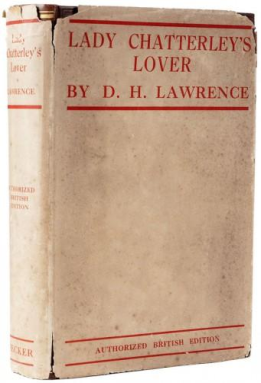
Read nowNo. 18 on this list. Lady Chatterley's Lover · D.H. Lawrence · 1928
Appears on 400 university syllabi (65th percentile of the Open Syllabus dataset) and is present in 41 Wikipedia language editions. Regularly taught in 20th century British literature, sexuality studies, and censorship history courses. The 1960 obscenity trial in England made it a foundational text in debates about literary freedom, cementing its academic presence beyond standard literary curricula.
Moderate7.9 hours
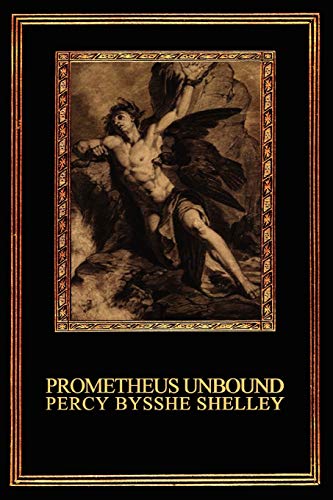
Read nowNo. 19 on this list. Prometheus Unbound · Percy Bysshe Shelley · 1820
Taught widely in Romanticism survey and graduate courses as Shelley's most ambitious work, though its length and difficulty keep it less anthologized in full than his shorter lyrics like 'Ozymandias' or 'Ode to the West Wind.'
Challenging2.1 hours
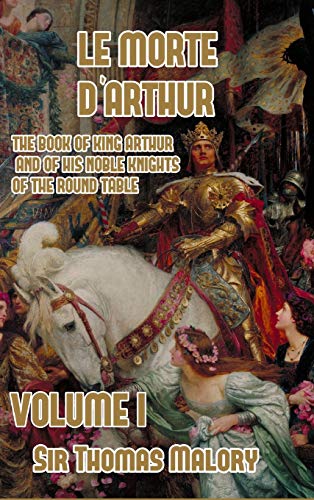
Start this bookNo. 20 on this list. Le Morte d'Arthur · Thomas Malory · 1485
Arthur pulls a sword from a stone and becomes king of Britain, gathering the greatest knights of the realm around a Round Table built so no man sits above another. Merlin advises him, the Lady of the Lake gives him Excalibur, and for a time Camelot holds. Then Lancelot, Arthur's finest knight, falls in love with Guinevere, Arthur's queen, and the fellowship that seemed unbreakable begins to rot from the inside. Malory compiled this from French romances and English legend, chapter after chapter of jousts, quests, and single combats, building toward the search for the Holy Grail — which only the pure knight Galahad can complete — and the treachery of Mordred, Arthur's own son, who tears the Round Table apart. The final battle at Camlann leaves nearly everyone dead, Arthur among them, carried off to the isle of Avalon on the promise, never quite confirmed, that he will return. Malory wrote much of this in prison, and his prose moves in long, plain sentences stacked with 'and' after 'and,' chronicling battle and betrayal without much interior life. This is where nearly every King Arthur story you already know began, long before Tennyson, before White, before the movies.
Moderate29 hours
Start this book

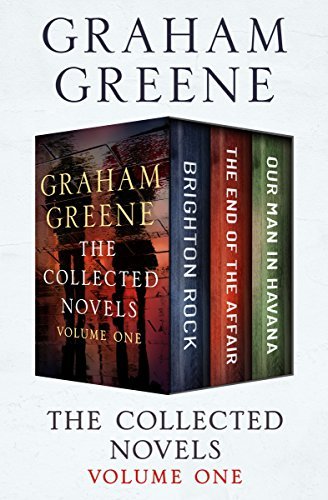
No. 21 on this list. The End of the Affair · Graham Greene · 1951
The End of the Affair appears on the Modern Library's 100 Best Novels list and is widely taught in British literature and 20th-century fiction courses. While no syllabus count data is available from the database, its inclusion on authoritative canon lists and sustained presence in university syllabi place it firmly among the significant works of postwar British fiction.
Difficult7.7 hours
Start this bookNo. 22 on this list. Waverley · Walter Scott · 1814
Waverley is taught in virtually every British Romantic and Victorian literature survey course as the founding text of the historical novel genre. While not as universally assigned as Shakespeare or Dickens, it appears regularly on syllabi in British literature, Scottish studies, and 19th-century fiction courses worldwide. The novel's foundational status in literary history ensures its continuous presence in academic curricula, though its classroom reach has narrowed from its 19th-century peak.
Moderate12 hours
Start this bookNo. 23 on this list. Arcadia · Philip Sidney · 1590
No syllabus or Wikipedia-language data is recorded for this edition, but Arcadia is a fixture of English Renaissance literature curricula and anthologies of early modern prose fiction — a foundational text in the field even where it isn't widely assigned outside academic settings.
Challenging23 hours
Start this bookNo. 24 on this list. Essays of Elia · Charles Lamb · 1823
A fixture of Romantic prose syllabi in British and American universities, paired with Hazlitt and De Quincey as the canonical triumvirate of the familiar essay tradition. Widely anthologized in surveys of English literature from the nineteenth century onward, though less frequently taught than contemporary novelists.
Moderate12 hours
Start this bookNo. 25 on this list. Atonement · Ian McEwan · 2001
Taught in schools: AQA GCSE and A-level English Literature (UK), Pearson Edexcel GCSE and A-level English Literature (UK)
Atonement appears on 1,088 university syllabi (75.9th percentile) according to Open Syllabus data, placing it among the most-taught British novels of the past thirty years. It features on TIME's All-TIME 100 Novels list and in 1001 Books You Must Read Before You Die. Its Wikipedia article spans 8 languages. The novel is a near-universal fixture on British and American contemporary fiction syllabi and on courses treating postmodern narrative or wartime literature.
Moderate8.6 hours
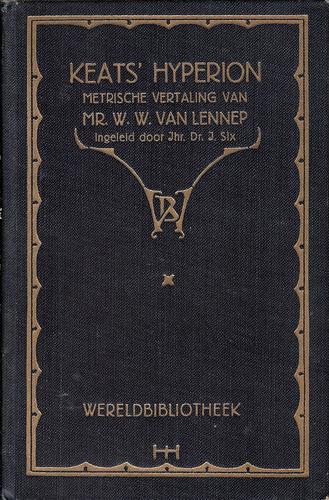
Start this bookNo. 26 on this list. Hyperion · John Keats · 1818
Hyperion is a fixture of university Romanticism syllabi and every major Keats anthology, though it's taught less often than the great odes or The Eve of St. Agnes. It's essential reading for anyone studying Keats's engagement with Milton, but it isn't a general-education staple the way Gatsby or Mockingbird are.
Challenging36 min
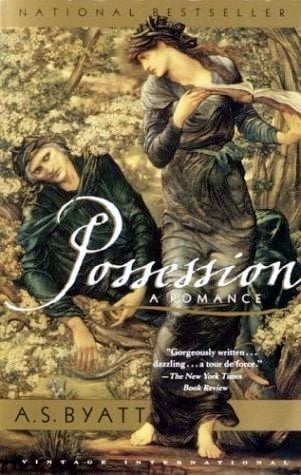
Start this bookNo. 27 on this list. Possession · A.S. Byatt · 1990
Taught regularly in postmodern fiction courses and neo-Victorian literature seminars. Appears on university syllabi exploring metafiction, historical fiction, and gender in Victorian studies. Not yet a universal high school text like canonical classics, but firmly established in undergraduate and graduate curricula as exemplar of 1990s literary fiction engaging with literary history.
Challenging16 hours
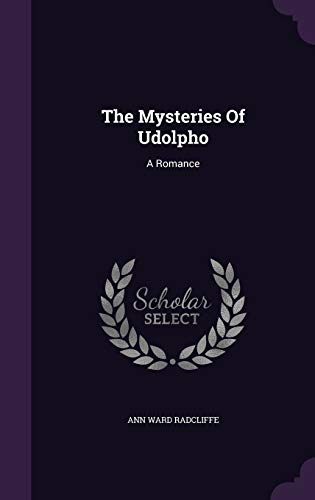
Start this bookNo. 28 on this list. The Mysteries of Udolpho · Ann Radcliffe · 1794
The Mysteries of Udolpho is a foundational text taught in 18th-century literature, Gothic studies, and women's writing courses in universities worldwide. Its Wikipedia article spans over 40 languages. Jane Austen's parody in Northanger Abbey has guaranteed it a permanent place in the British literary canon—any reader of Austen eventually encounters Udolpho. It sits at the center of every Gothic fiction course.
Challenging21 hours
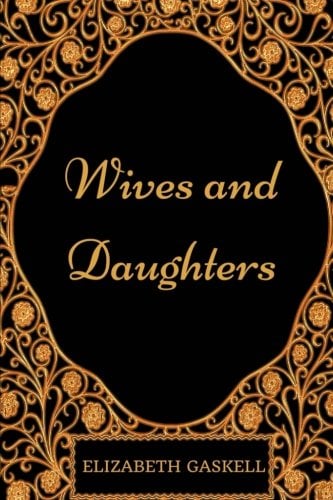
Start this bookNo. 29 on this list. Wives and Daughters · Elizabeth Gaskell · 1866
Wives and Daughters is a fixture of Victorian literature curricula at universities worldwide, consistently ranked among the great English novels of the nineteenth century. Although the Open Syllabus database shows limited entries, the novel regularly appears on 'best Victorian novel' lists and in British literature survey courses. Martin Amis named it one of the supreme English novels; it is published in every major prestige edition including Penguin Classics, Oxford World's Classics, and Everyman's Library.
Moderate19 hours
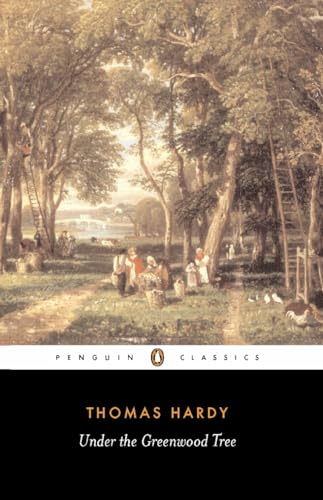
Start this bookNo. 30 on this list. Under the Greenwood Tree · Thomas Hardy · 1872
Under the Greenwood Tree is taught in British literature and Hardy courses as the founding text of his Wessex cycle, but it occupies a supporting role in the canon relative to Tess of the d'Urbervilles or Far from the Madding Crowd. It appears on specialist Hardy syllabi and English pastoral fiction courses rather than general surveys. No syllabus data was found in the database, but the work's position in Hardy's oeuvre and the breadth of Hardy scholarship gives it modest but genuine canonical presence.
Easy3.3 hours
Start this book
No. 31 on this list. North and South
Elizabeth Gaskell · 1855
Taught in schools: AQA GCSE and A-level English Literature (UK), WJEC/Eduqas GCSE and A-level English Literature (UK)
No. 32 on this list. Written on the Body
Jeanette Winterson · 1992
No. 33 on this list. My Cousin Rachel
Daphne du Maurier · 1951
No. 34 on this list. The Italian
Ann Radcliffe · 1796
No. 35 on this list. Boyfriend Material
Alexis Hall · 2020
No. 36 on this list. Epipsychidion
Percy Bysshe Shelley · 1821
No. 37 on this list. Strong Poison
Dorothy L. Sayers · 1930
No. 38 on this list. The Romance of the Forest
Ann Radcliffe · 1791
No. 39 on this list. Night and Day
Virginia Woolf · 1919
No. 40 on this list. The Improbability of Love
Hannah Rothschild · 2016
No. 41 on this list. I Capture the Castle
Dodie Smith · 1948
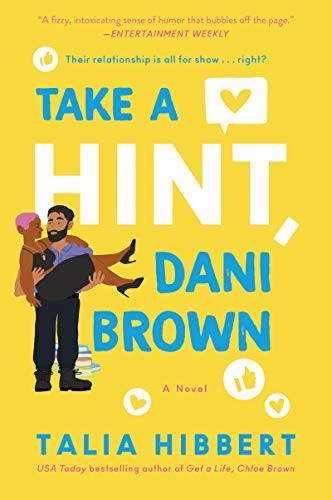
No. 42 on this list. Take a Hint, Dani Brown
Talia Hibbert · 2020
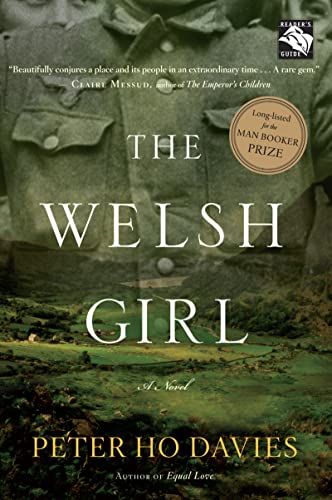
No. 43 on this list. The Welsh Girl
Peter Ho Davies · 2007
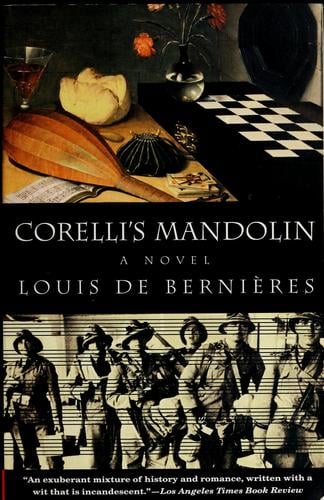
No. 44 on this list. Captain Corelli's Mandolin
Louis de Bernières · 1998
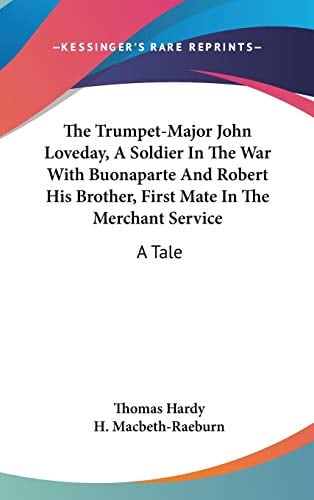
No. 45 on this list. The Trumpet-Major
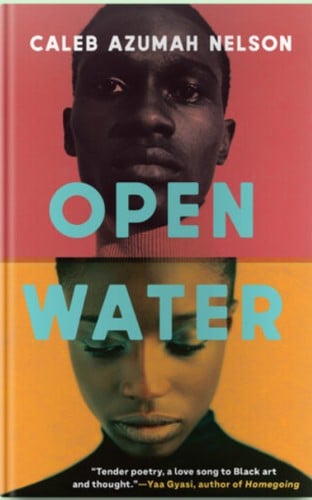
No. 46 on this list. Open Water
Caleb Azumah Nelson · 2021
No. 47 on this list. The Far Pavilions
M.M. Kaye · 1978
No. 48 on this list. Something Fabulous
Alexis Hall · 2022
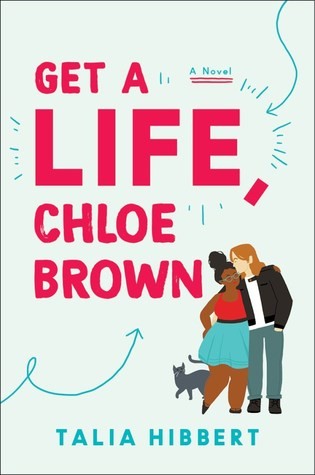
No. 49 on this list. Get a Life, Chloe Brown
Talia Hibbert · 2019
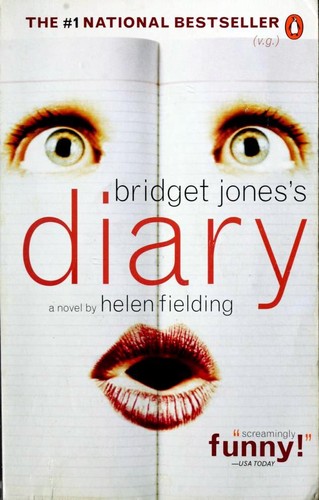
No. 50 on this list. Bridget Jones's Diary
Helen Fielding · 1996

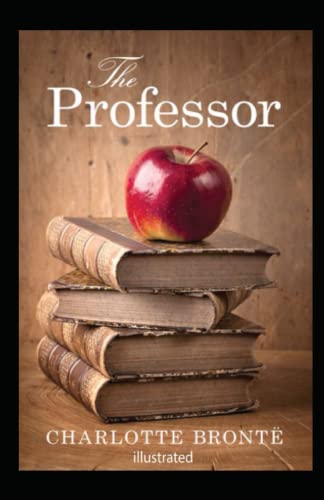
No. 51 on this list. The Professor
Charlotte Brontë · 1857
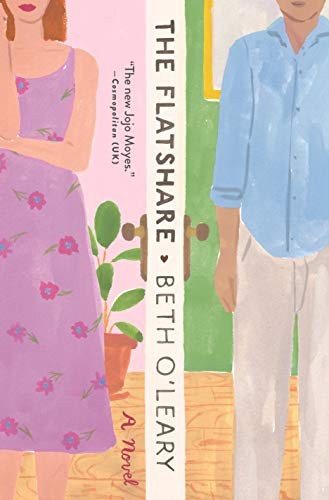
No. 52 on this list. The Flatshare
Beth O'Leary · 2019
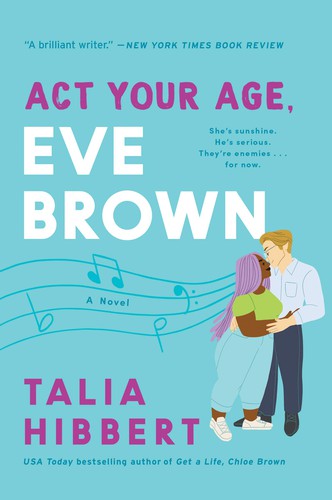
No. 53 on this list. Act Your Age, Eve Brown
Talia Hibbert · 2021
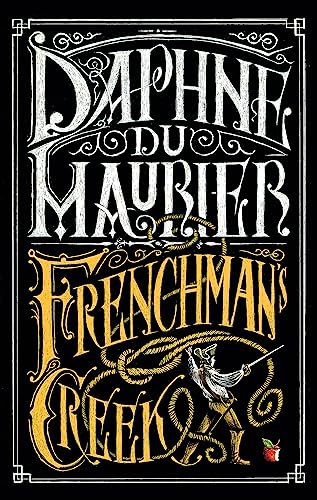
No. 54 on this list. Frenchman's Creek
Daphne du Maurier · 1941
No. 55 on this list. Two on a Tower
Thomas Hardy · 1882
No. 56 on this list. The Vivisectors
Missouri Williams · 2026
No. 57 on this list. Good Material
Dolly Alderton · 2023
No. 58 on this list. A Seditious Affair
KJ Charles · 2015
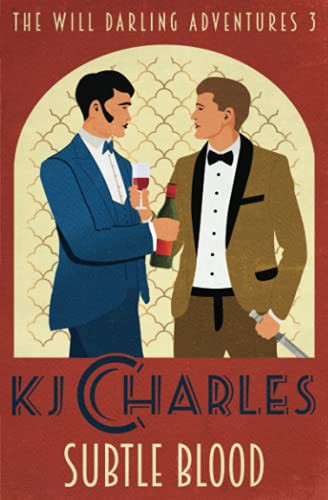
No. 59 on this list. Subtle Blood
KJ Charles · 2021
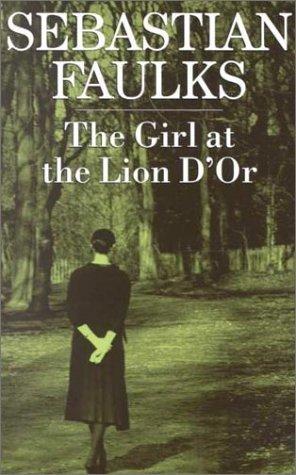
No. 60 on this list. The Girl at the Lion d'Or
Sebastian Faulks · 1999
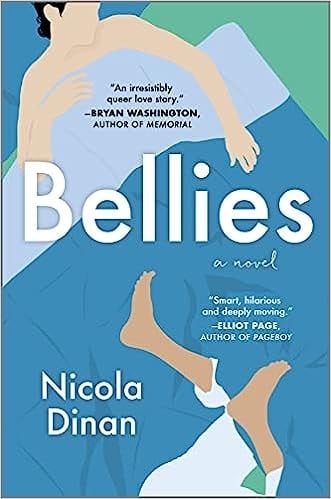
No. 61 on this list. Bellies
Nicola Dinan · 2023
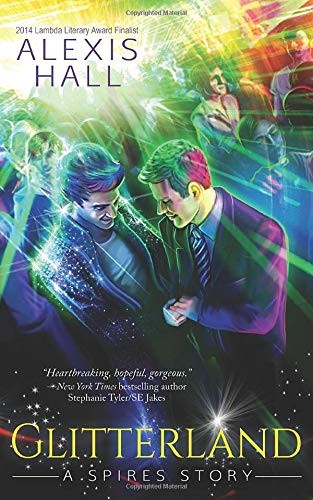
No. 62 on this list. Glitterland
Alexis Hall · 2013
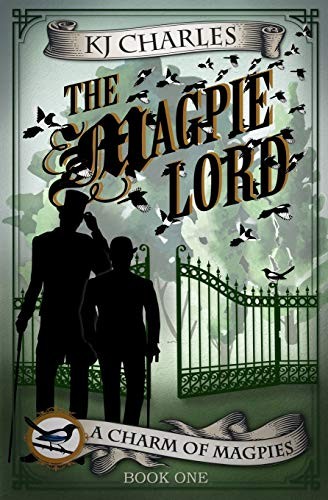
No. 63 on this list. The Magpie Lord
KJ Charles · 2013
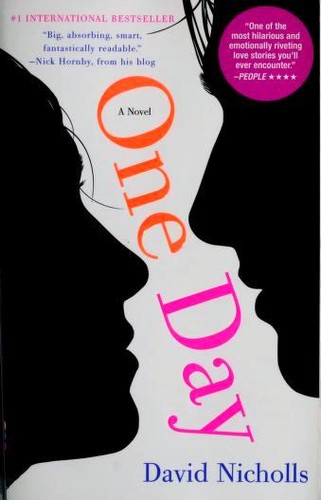
No. 64 on this list. One Day
David Nicholls · 2009
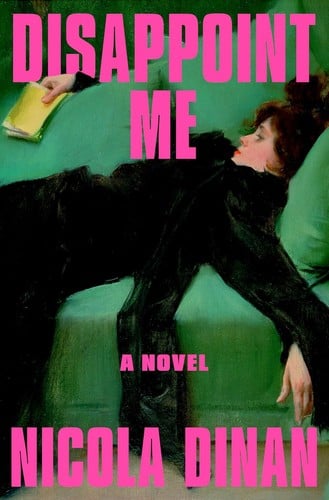
No. 65 on this list. Disappoint Me
Nicola Dinan · 2025
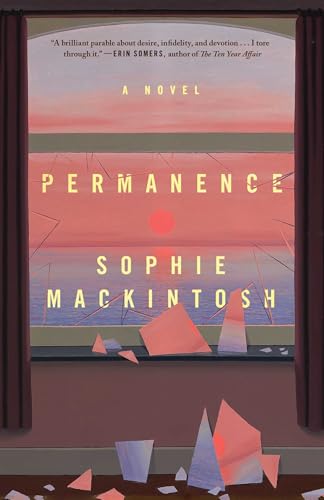
No. 66 on this list. Permanence: A Novel
Sophie Mackintosh · 2026
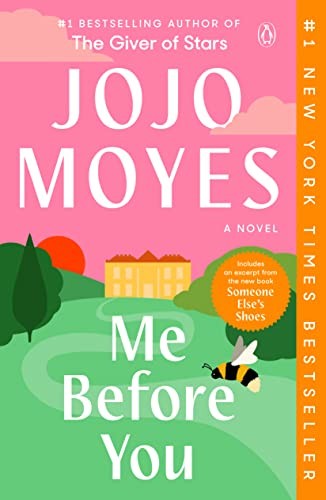
No. 67 on this list. Me Before You
Jojo Moyes · 2012
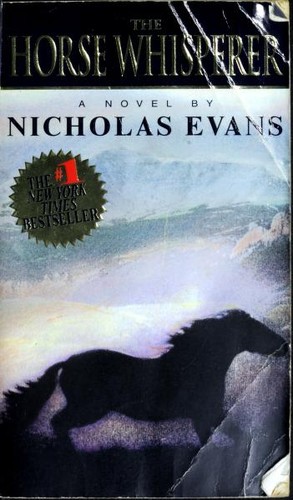
No. 68 on this list. The Horse Whisperer
Nicholas Evans · 1996
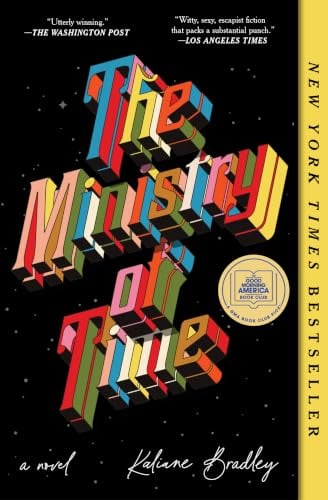
No. 69 on this list. The Ministry of Time
Kaliane Bradley · 2024
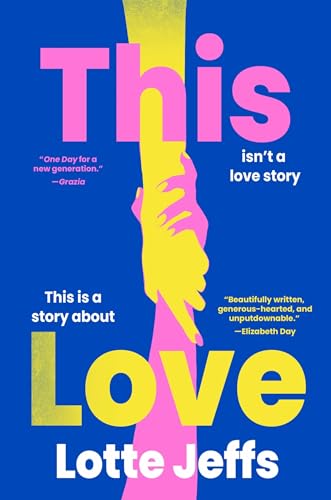
No. 70 on this list. This Love
Lotte Jeffs · 2025
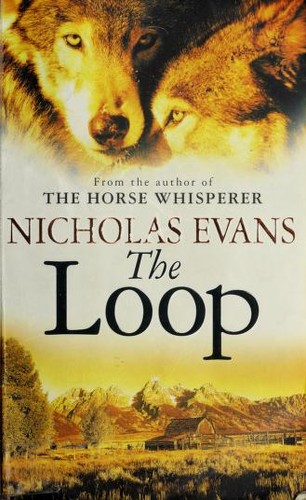
No. 71 on this list. The Loop
Nicholas Evans · 1999
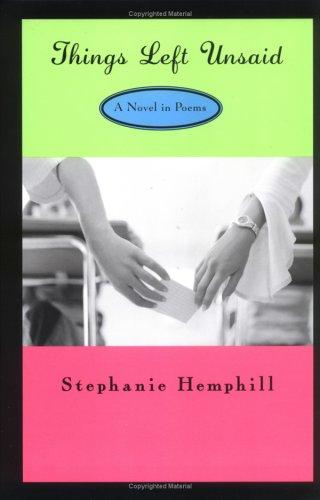
No. 72 on this list. Things Left Unsaid
Sara Jafari · 2023
No. 73 on this list. Between Ghosts
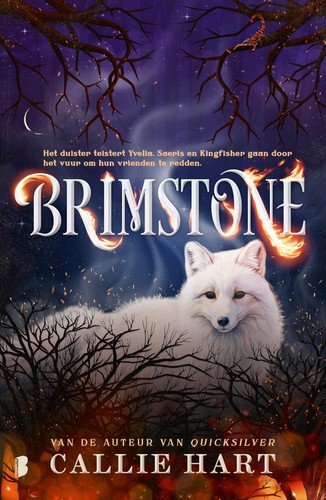
No. 74 on this list. Brimstone
Callie Hart · 2025
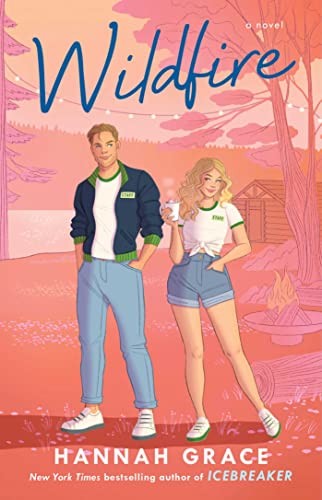
No. 75 on this list. Wildfire
Hannah Grace · 2023
No. 76 on this list. One Day in December
Josie Silver · 2018
No. 77 on this list. Gentleman Wolf
Joanna Chambers · 2019
No. 78 on this list. People in Love
Claire Daverley · 1981
No. 79 on this list. Unnatural
Joanna Chambers · 1927
No. 80 on this list. Shadow Princess
Caroline Peckham · 2020
No. 81 on this list. Quicksilver (Fae & Alchemy, #1)
Callie Hart · 2024
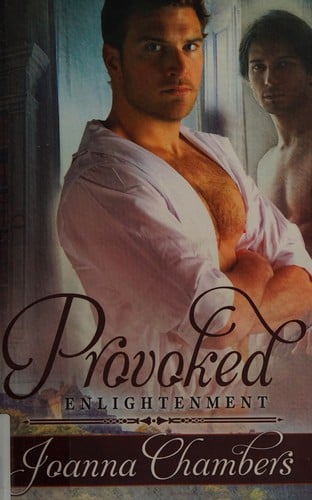
No. 82 on this list. Provoked
Joanna Chambers · 2014
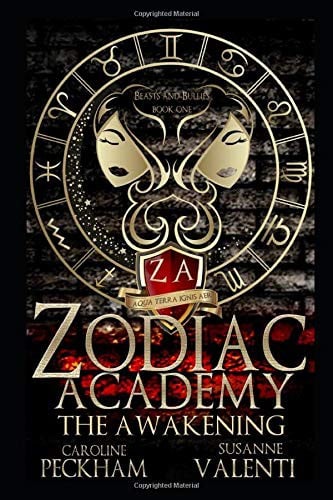
No. 83 on this list. The Awakening
Caroline Peckham · 2019
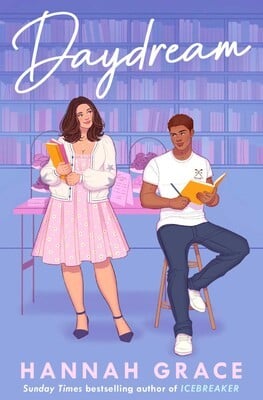
No. 84 on this list. Daydream
Hannah Grace · 2024
No. 85 on this list. Бог боли
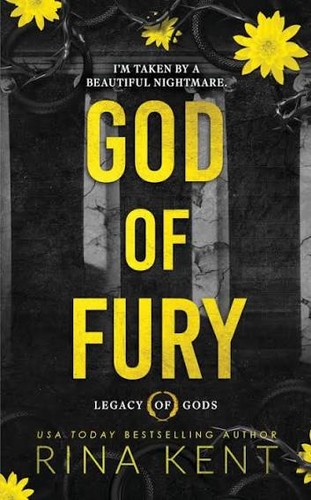
No. 86 on this list. God of Fury
Rina Kent · 2023
No. 87 on this list. Sorrow and Starlight
Caroline Peckham · 2022
No. 88 on this list. Последнее слово
No. 89 on this list. God of Malice
Rina Kent · 2022
No. 90 on this list. Deathball
T.J. Rose · 2026
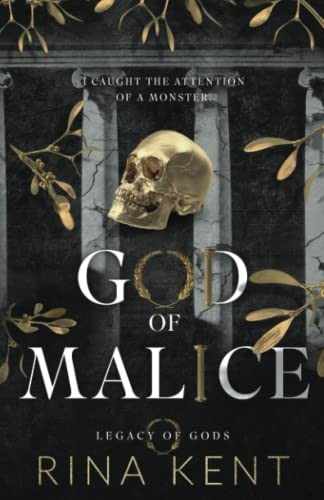
No. 91 on this list. The Bookish Life of Nina Hill
Abbi Waxman · 2019
No. 92 on this list. Quicksilver Bonus Scenes: Kingfisher's POV
Callie Hart · 2025
No. 93 on this list. The One That Got Away
No. 94 on this list. Icebreaker
Hannah Grace · 2022
No. 95 on this list. Deathwish
T.J. Rose · 2027
No. 96 on this list. Until the End of Time
Nicky James · 2013
About this list
These 96 books are the highest-scoring eligible romance novels from Britain currently in the catalogue. By literary regard, it opens with Pride and Prejudice, Complete Poems and The Winter's Tale. About 690 hours of reading in all, for the 91 with measured lengths. Difficulty runs from 27 to 54 out of 100 for the middle half of the list; the summit is Troilus and Criseyde at 79.
This list is ranked by literary regard, with a consistent order for equal scores. Membership follows authors and co-authors, not translators or editors. Catalogue coverage and the historical canon both limit what this list can represent, and genre labels are the catalogue’s own, gathered into broader kinds.
When we matched the Canons dataset to our catalogue in October 2026, our canonical-status scores rose with the number of school curricula, publisher series and lists in it that cite a work: the median score was 72 for books one such source cites, 84 at two, 88 at three, 92 at four and 93 at five or more. Prizes are left out of that count. Outside the state curricula, the dataset’s sources choose mostly from what has been translated into English or French, so it is a weaker check on other literatures. Source: Canons (Andrew Piper), CC BY 4.0
Questions people actually ask
- What are the best romance novels from Britain?
- By literary regard, which weighs canonical status, critical standing and influence, Pride and Prejudice, Complete Poems, The Winter's Tale, Troilus and Criseyde and The Faerie Queene lead. ReadingRate ranks 96 such books, each with a difficulty score and a reading-time estimate.
- Where should I start with romance novels from Britain?
- Start from difficulty, not from rank. The most approachable books on this list that still carry top literary regard are Ivanhoe by Walter Scott (about 11 hours), Pamela by Samuel Richardson and A Room with a View by E.M. Forster.
- How hard are romance novels from Britain to read?
- Most of this list sits between 27 and 54 on ReadingRate's 100-point difficulty scale, where 40 to 55 is moderate. The summit is Troilus and Criseyde at 79. Every entry carries its own score, so a reader can pick a great book at a difficulty they will finish.
- How is this list ranked?
- On literary-regard data: how canonically established a work is, its critical standing, and its influence on later writing. It is not a readers’ poll, which is why recent bestsellers rarely appear. Membership follows authors and co-authors, not translators or editors. A list that is not a genre list keeps to literature (fiction, poetry, drama and philosophy), with philosophy taking no more than one slot in five while there is literature left to rank; every list holds at most three works by one author.